
Travelling south after my expedition with the San Diego Natural History Museum to Horse Thief Springs (read more of that trip HERE) in the Mojave Desert, I could not bring myself into a bee-line for home. I thought a pass by the Salton Sea might be worthwhile. When I travel, I try to find highways I’ve not traversed before, but I’m running out of them in the lower half of California. The route I followed this day was a mix of new and old pathways that carried me through the Mojave and Colorado deserts and included the Pinto Basin in Joshua Tree National Park past Cottonwood Springs.
South of Cottonwood Springs the Mojave transitions to the Colorado desert and the Joshua Trees seen further north are no longer present. The elevation drops dramatically from 3000-4000 feet to several hundred feet below sea level. Thanks to the tectonic forces of the San Andreas Fault system running through the Coachella Valley and into the Gulf of California, the Salton Sink is one of the lowest places in the Western Hemisphere. If we were to remove all the water from the Salton Sea, I believe the pit would become the lowest point of all. Not even Bad Water, in Death Valley could match it.
At the Salton Sea, the heat of early Summer is not the peak of birding season, but I knew Lesser Nighthawks would be there. The Red Hill Marina is a reliable place to find them when the weather is at its hottest. There is a funky campground at Red Hill run by Imperial County where for $20 you can get electricity and water hookups. I don’t trust the water, but with electricity I’m able to use my air conditioner to defend against the oppressive heat certain to be visited upon me.
After establishing camp I made two passes through the grounds, once in the afternoon and another the following morning. Present were Great-Tailed Grackles, Eurasian Collared and Mourning Doves, Hooded Orioles, Say’s and Black Phoebes, Black-Tailed Gnatcatchers, Verdin, Abert’s Towhees, Northern Mockingbirds, and of course, the nighthawks.
Nighthawks are a tricky subject for photography. During the heat of the day, they roost under the thickest growth that the small Mesquite trees here offer. When approached, they often take flight, usually in the opposite direction of the approach. In this situation, the lilting, buoyant manner of flight these birds use, made the flight shots I attempted more challenging. They floated low between all the structures in the camp. When one is lucky enough to spot one perched, a slow, cautious approach, gathering images, and moving forward a foot at a time for more shots, is the best formula for success.
I used the hottest part of the day to hunker down under the protection that the AC in my RV provided and processed the images I’d collected in camp. There was only one other camper parked nearby. Just a short walk from the site I chose, a couple from Wickenburg Arizona had set up camp under the only shade tree in the immediate vicinity. Those few other residents staying on the grounds were in their semi-permanent digs in another area of the facility. The couple from Wickenburg had been coming to camp here for 25 years, but only for a few days at a time. Carrying my camera gear past their site was cause for conversation, and I spent considerable time visiting with them. Before I broke camp, I took my laptop over to their RV and shared the images I’d collected during my stay.
I had one more night at the sea, but I’d gotten what I could from Red Hill and I wanted to explore other locations before heading home. Being Sunday, the folks at the Sonny Bono NWR Visitor Center were not present, so I headed to my favorite perch at the south-eastern shore of the sea. It was nearly dead for birds there, so I headed to Ramer Lake for the night.
The heat of summer at Ramer Lake means hundreds upon hundreds of nesting and/or roosting Cattle Egrets, White-Faced Ibis, Double-Crested Cormorants would be present. A few American White Pelicans, numerous Western, Clark’s, Eared, and Pied-Billed Grebes would also be there, as well as nesting Great Blue Herons, Snowy and Great Egrets. Passerines present usually include grackles, blackbirds, towhees, Verdin, Bewick’s, Marsh and House Wrens, and most of the other common desert inhabitants.
Images Below:
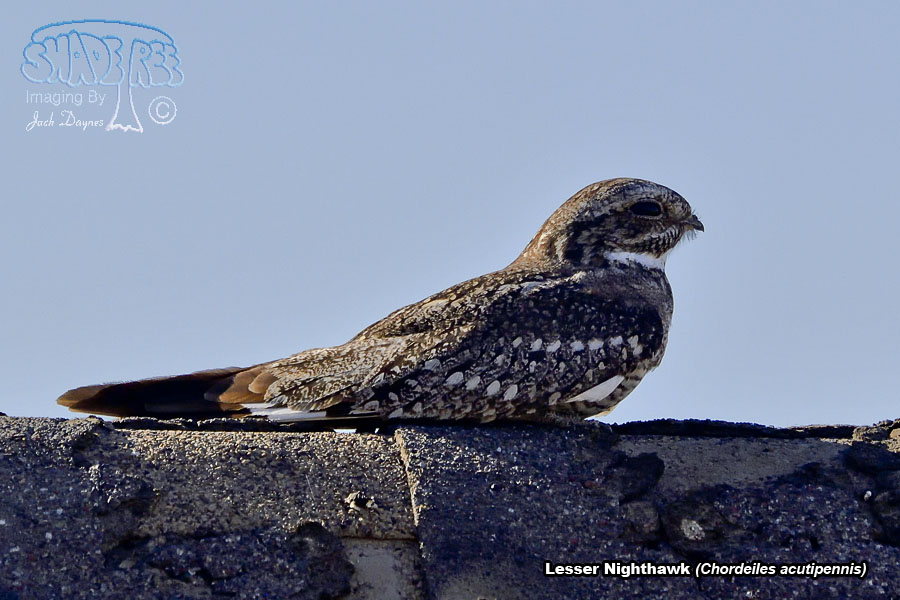
Lesser Nighthawk(Chordeiles acutipennis) |
|
Description: These birds were seen in the vicinity of Red Hill, on the eastern shores of the Salton Sea. Imperial County, California. |
Date Taken: 2017:05:27 16:20 |
|
Location:
Red Hill |
|
Camera Information: NIKON D5, 800 mm, f/8.0, 1/6400 |
File Name: LesserNightHawk_D5X4099 |
| © 2017 Jack Daynes, shadeTreeImaging.com |

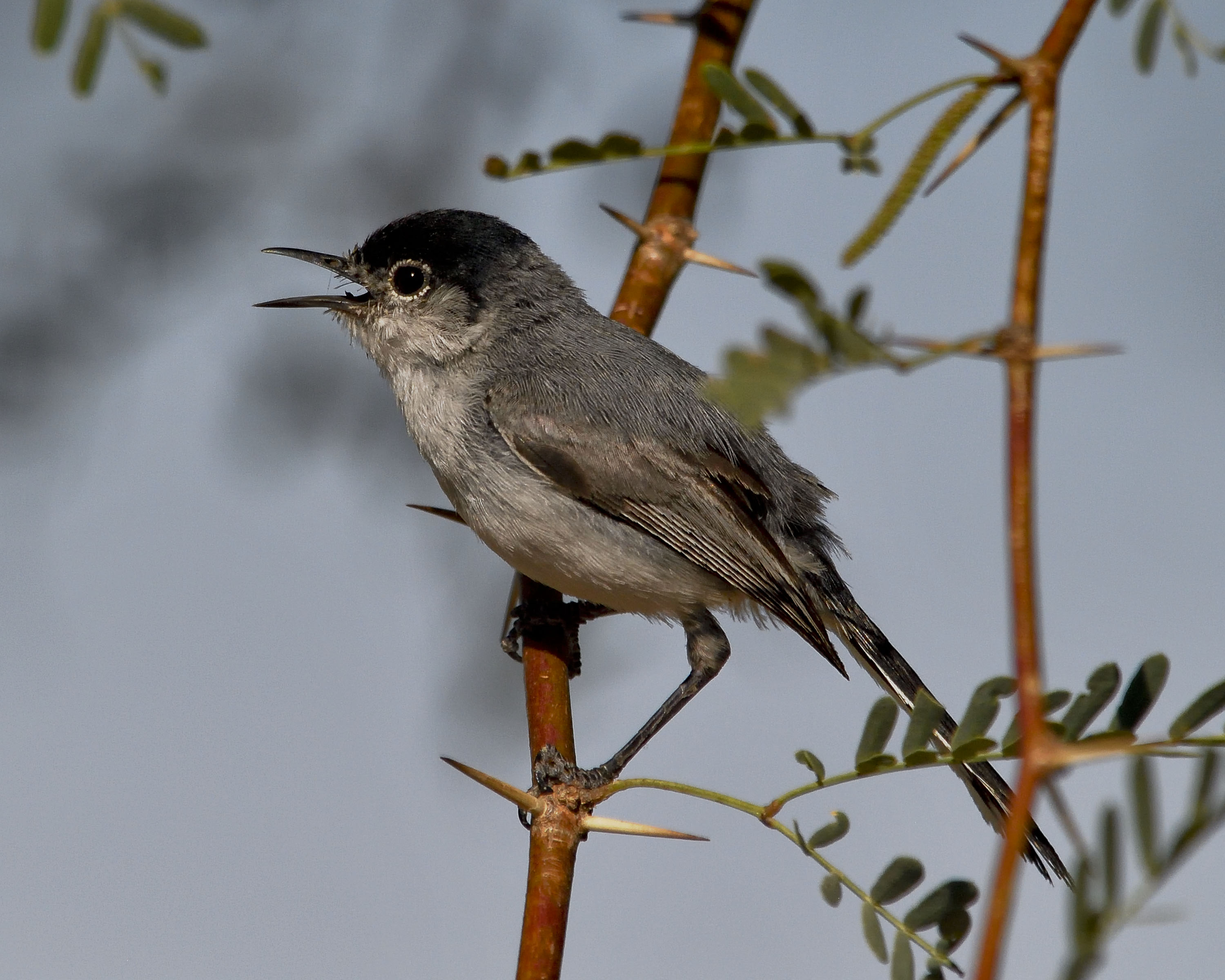
Black-Tailed Gnatcatcher(Polioptila melanura) |
|
Description: These birds were seen in the vicinity of Red Hill, on the eastern shores of the Salton Sea. Imperial County, California. |
Date Taken: 2017:05:27 16:05 |
|
Location:
Red Hill |
|
Camera Information: NIKON D5, 800 mm, f/8.0, 1/8000 |
File Name: BlackTailedGnatCatcher_D5X3998 |
| © 2017 Jack Daynes, shadeTreeImaging.com |
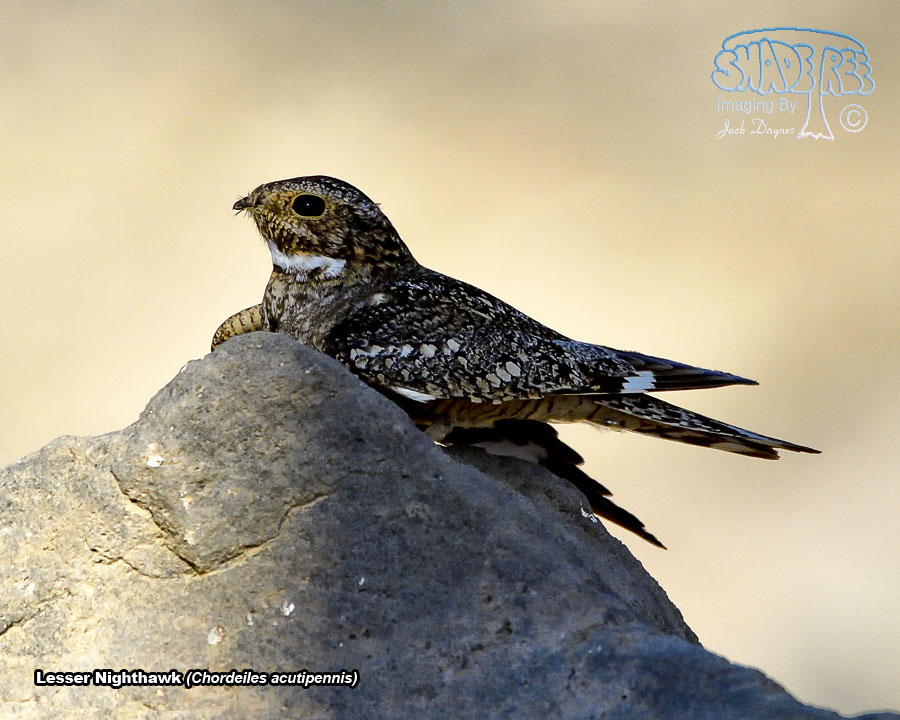
Lesser Nighthawk(Chordeiles acutipennis) |
|
Description: These birds were seen in the vicinity of Red Hill, on the eastern shores of the Salton Sea. Imperial County, California. |
Date Taken: 2017:05:28 6:07 |
|
Location:
Red Hill |
|
Camera Information: NIKON D5, 800 mm, f/8.0, 1/4000 |
File Name: LesserNightHawk_D5X4286 |
| © 2017 Jack Daynes, shadeTreeImaging.com |
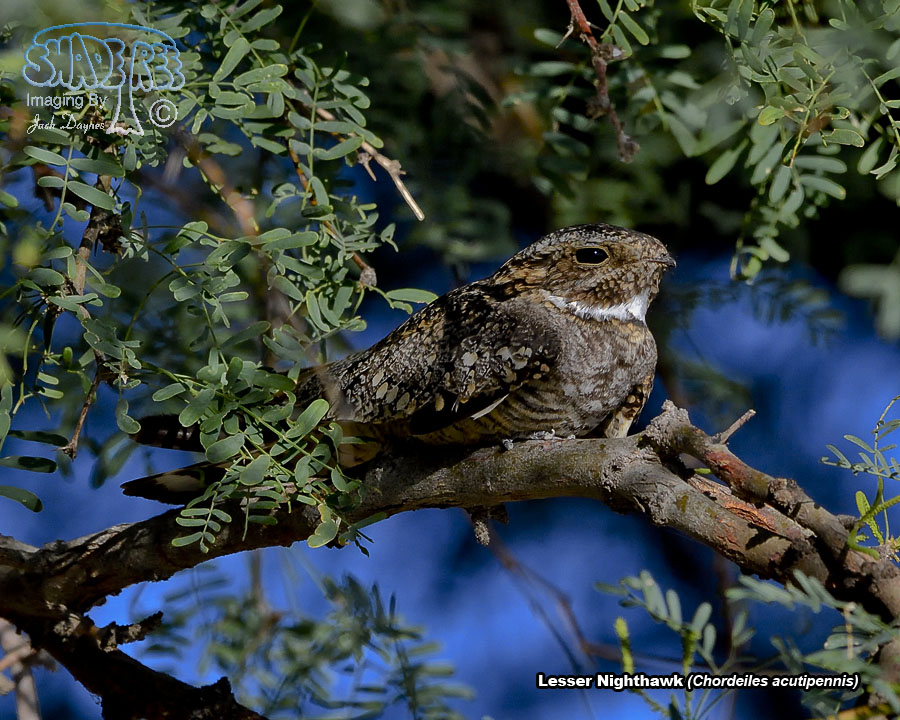
Lesser Nighthawk(Chordeiles acutipennis) |
|
Description: These birds were seen in the vicinity of Red Hill, on the eastern shores of the Salton Sea. Imperial County, California. |
Date Taken: 2017:05:28 6:07 |
|
Location:
Red Hill |
|
Camera Information: NIKON D5, 800 mm, f/8.0, 1/2000 |
File Name: LesserNightHawk_D5X4279 |
| © 2017 Jack Daynes, shadeTreeImaging.com |
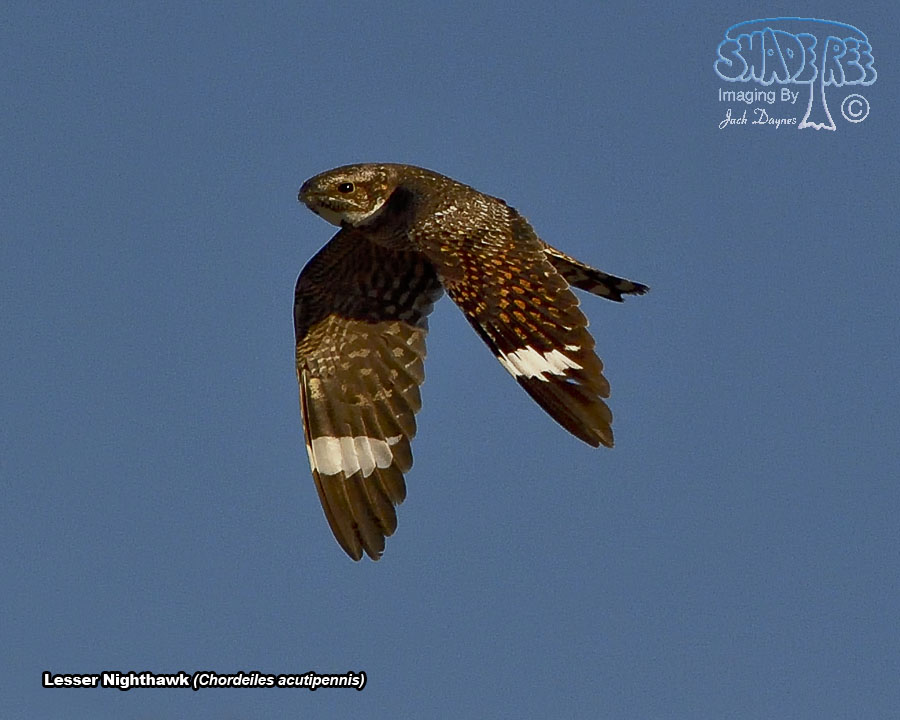
Lesser Nighthawk(Chordeiles acutipennis) |
|
Description: These birds were seen in the vicinity of Red Hill, on the eastern shores of the Salton Sea. Imperial County, California. |
Date Taken: 2017:05:28 6:00 |
|
Location:
Red Hill |
|
Camera Information: NIKON D5, 800 mm, f/8.0, 1/8000 |
File Name: LesserNightHawk_D5X4244 |
| © 2017 Jack Daynes, shadeTreeImaging.com |
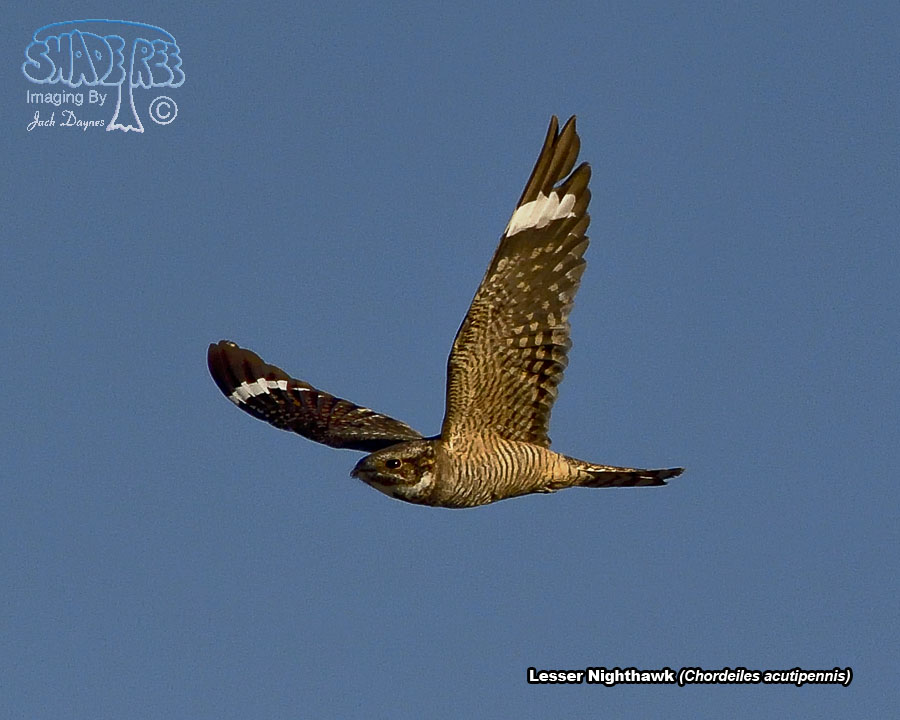
Lesser Nighthawk(Chordeiles acutipennis) |
|
Description: These birds were seen in the vicinity of Red Hill, on the eastern shores of the Salton Sea. Imperial County, California. |
Date Taken: 2017:05:28 6:00 |
|
Location:
Red Hill |
|
Camera Information: NIKON D5, 800 mm, f/8.0, 1/8000 |
File Name: LesserNightHawk_D5X4243 |
| © 2017 Jack Daynes, shadeTreeImaging.com |
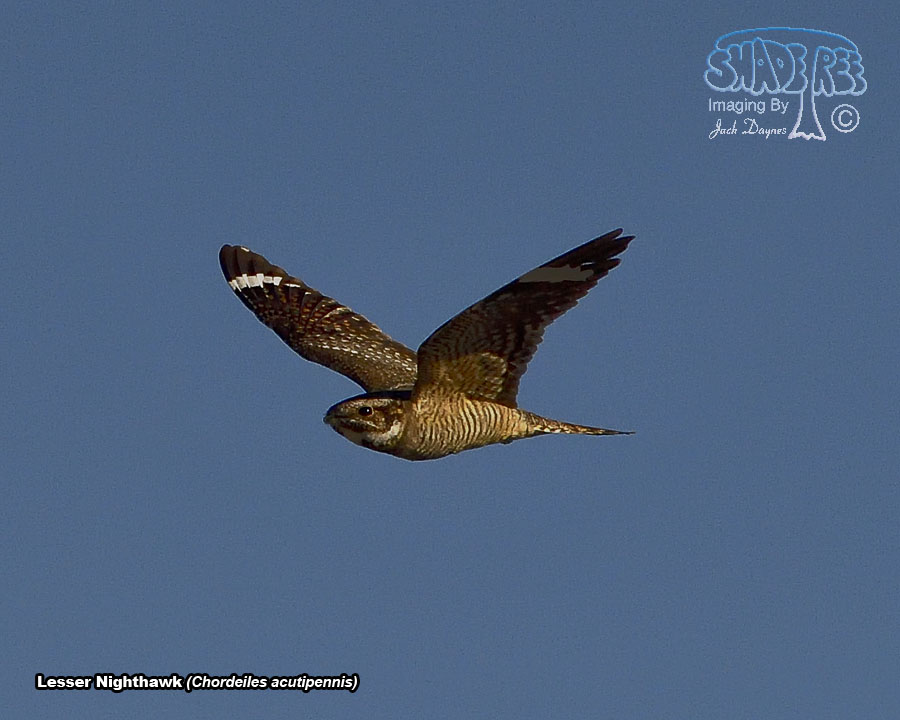
Lesser Nighthawk(Chordeiles acutipennis) |
|
Description: These birds were seen in the vicinity of Red Hill, on the eastern shores of the Salton Sea. Imperial County, California. |
Date Taken: 2017:05:28 6:00 |
|
Location:
Red Hill |
|
Camera Information: NIKON D5, 800 mm, f/8.0, 1/8000 |
File Name: LesserNightHawk_D5X4235 |
| © 2017 Jack Daynes, shadeTreeImaging.com |
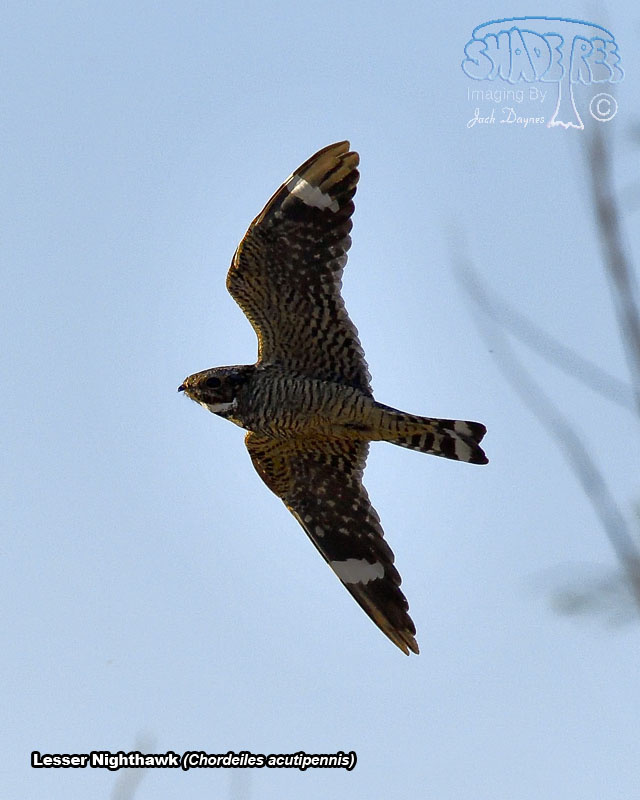
Lesser Nighthawk(Chordeiles acutipennis) |
|
Description: These birds were seen in the vicinity of Red Hill, on the eastern shores of the Salton Sea. Imperial County, California. |
Date Taken: 2017:05:28 5:59 |
|
Location:
Red Hill |
|
Camera Information: NIKON D5, 800 mm, f/8.0, 1/5000 |
File Name: LesserNightHawk_D5X4215 |
| © 2017 Jack Daynes, shadeTreeImaging.com |
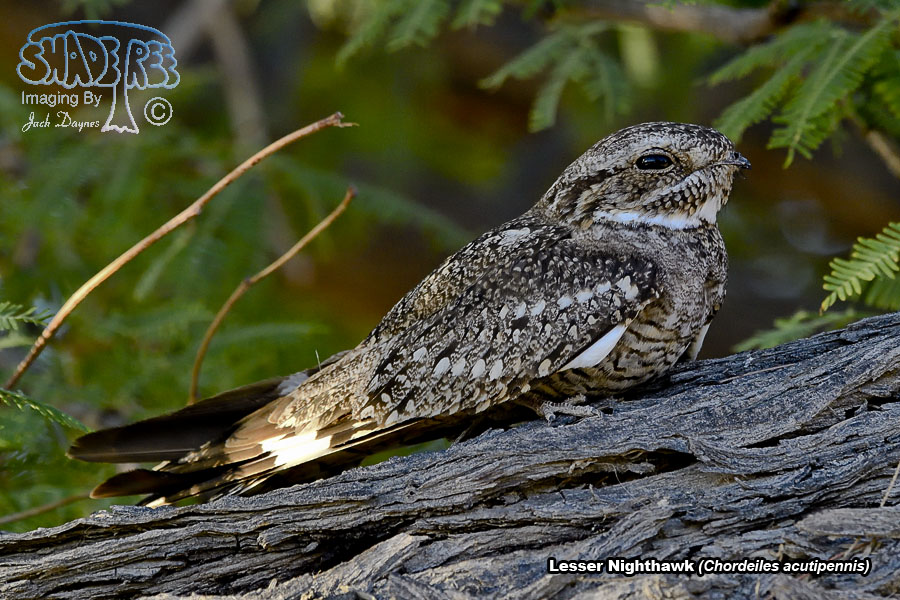
Lesser Nighthawk(Chordeiles acutipennis) |
|
Description: These birds were seen in the vicinity of Red Hill, on the eastern shores of the Salton Sea. Imperial County, California. |
Date Taken: 2017:05:28 5:45 |
|
Location:
Red Hill |
|
Camera Information: NIKON D5, 800 mm, f/8.0, 1/320 |
File Name: LesserNightHawk_D5X4178 |
| © 2017 Jack Daynes, shadeTreeImaging.com |
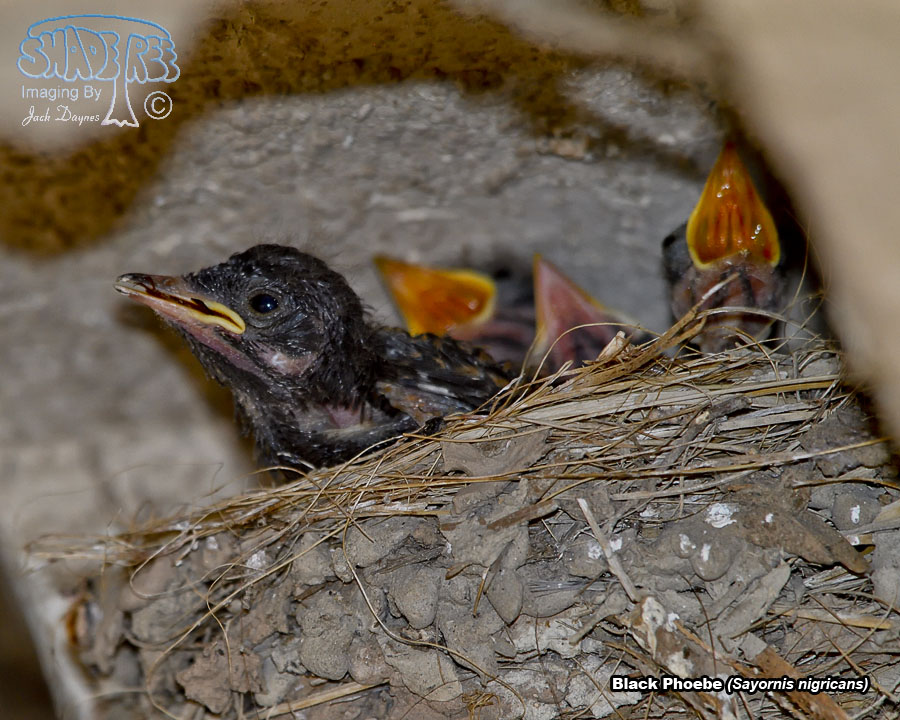
Black Phoebe(Sayornis nigricans) |
|
Description: These birds were seen in the vicinity of Red Hill, on the eastern shores of the Salton Sea. Imperial County, California. |
Date Taken: 2017:05:27 16:32 |
|
Location:
Red Hill |
|
Camera Information: NIKON D5, 800 mm, f/8.0, 1/160 |
File Name: BlackPhoebe_D5X4107 |
| © 2017 Jack Daynes, shadeTreeImaging.com |
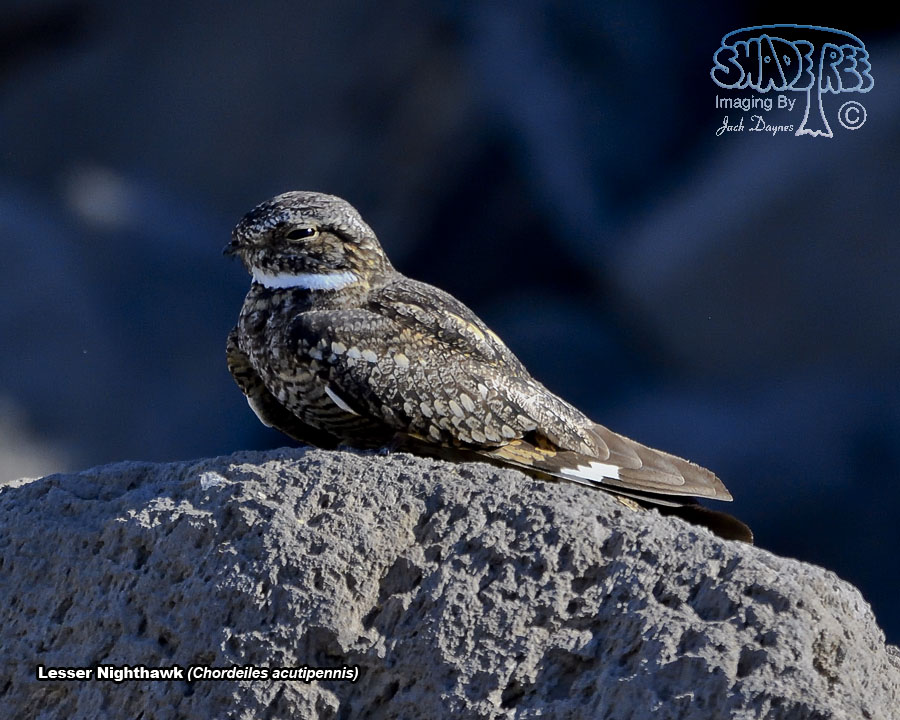
Lesser Nighthawk(Chordeiles acutipennis) |
|
Description: These birds were seen in the vicinity of Red Hill, on the eastern shores of the Salton Sea. Imperial County, California. |
Date Taken: 2017:05:27 15:55 |
|
Location:
Red Hill |
|
Camera Information: NIKON D5, 800 mm, f/8.0, 1/2000 |
File Name: LesserNightHawk_D5X3925 |
| © 2017 Jack Daynes, shadeTreeImaging.com |
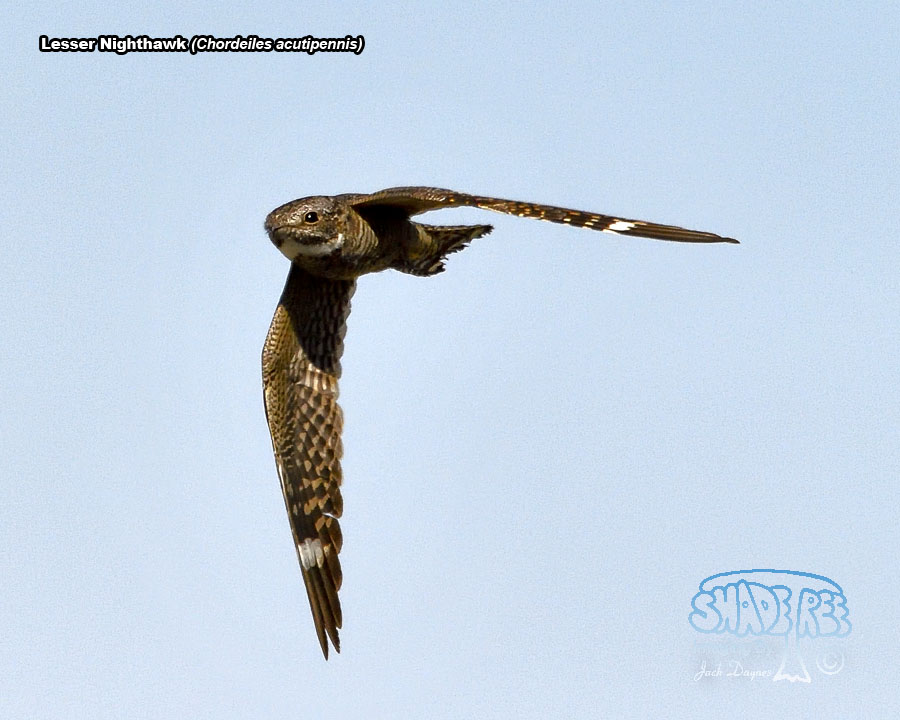
Lesser Nighthawk(Chordeiles acutipennis) |
|
Description: These birds were seen in the vicinity of Red Hill, on the eastern shores of the Salton Sea. Imperial County, California. |
Date Taken: 2017:05:27 15:27 |
|
Location:
Red Hill |
|
Camera Information: NIKON D5, 800 mm, f/8.0, 1/8000 |
File Name: LesserNightHawk_D5X3833 |
| © 2017 Jack Daynes, shadeTreeImaging.com |
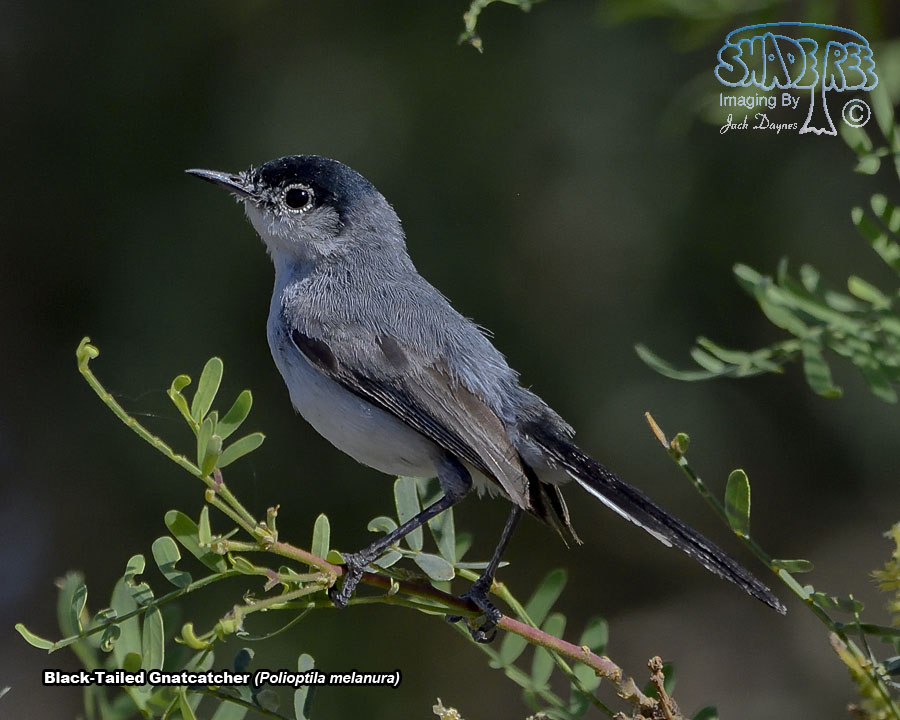
Black-Tailed Gnatcatcher(Polioptila melanura) |
|
Description: These birds were seen in the vicinity of Red Hill, on the eastern shores of the Salton Sea. Imperial County, California. |
Date Taken: 2017:05:27 16:10 |
|
Location:
Red Hill |
|
Camera Information: NIKON D5, 800 mm, f/8.0, 1/2000 |
File Name: BlackTailedGnatCatcher_D5X4049 |
| © 2017 Jack Daynes, shadeTreeImaging.com |
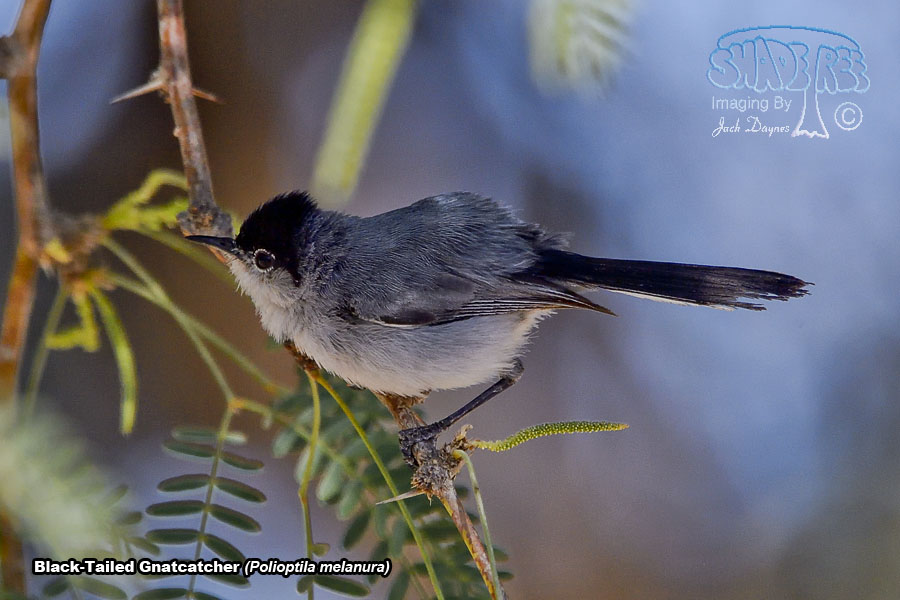
Black-Tailed Gnatcatcher(Polioptila melanura) |
|
Description: These birds were seen in the vicinity of Red Hill, on the eastern shores of the Salton Sea. Imperial County, California. |
Date Taken: 2017:05:27 16:04 |
|
Location:
Red Hill |
|
Camera Information: NIKON D5, 800 mm, f/8.0, 1/2000 |
File Name: BlackTailedGnatCatcher_D5X3962 |
| © 2017 Jack Daynes, shadeTreeImaging.com |
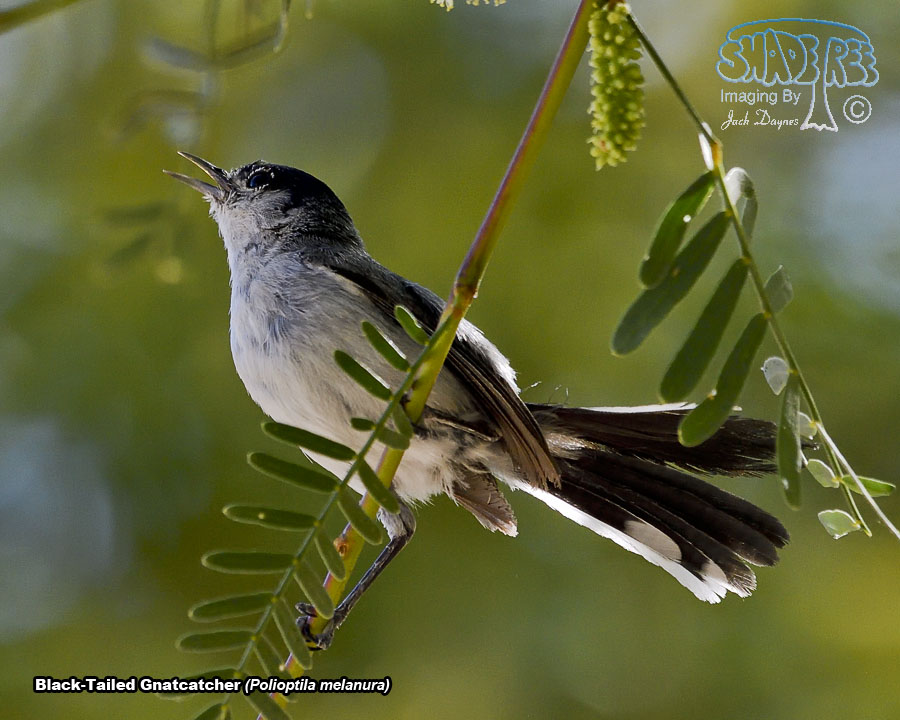
Black-Tailed Gnatcatcher(Polioptila melanura) |
|
Description: These birds were seen in the vicinity of Red Hill, on the eastern shores of the Salton Sea. Imperial County, California. |
Date Taken: 2017:05:27 15:43 |
|
Location:
Red Hill |
|
Camera Information: NIKON D5, 800 mm, f/8.0, 1/1250 |
File Name: BlackTailedGnatCatcher_D5X3857 |
| © 2017 Jack Daynes, shadeTreeImaging.com |
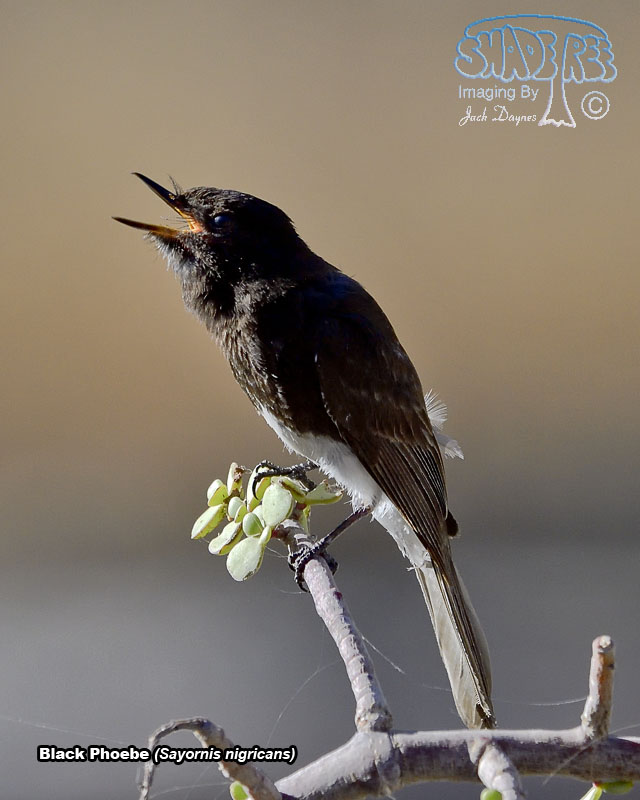
Black Phoebe(Sayornis nigricans) |
|
Description: These birds were seen in the vicinity of Red Hill, on the eastern shores of the Salton Sea. Imperial County, California. |
Date Taken: 2017:05:28 6:59 |
|
Location:
Red Hill |
|
Camera Information: NIKON D5, 800 mm, f/8.0, 1/2500 |
File Name: BlackPhoebe_D5X4356 |
| © 2017 Jack Daynes, shadeTreeImaging.com |
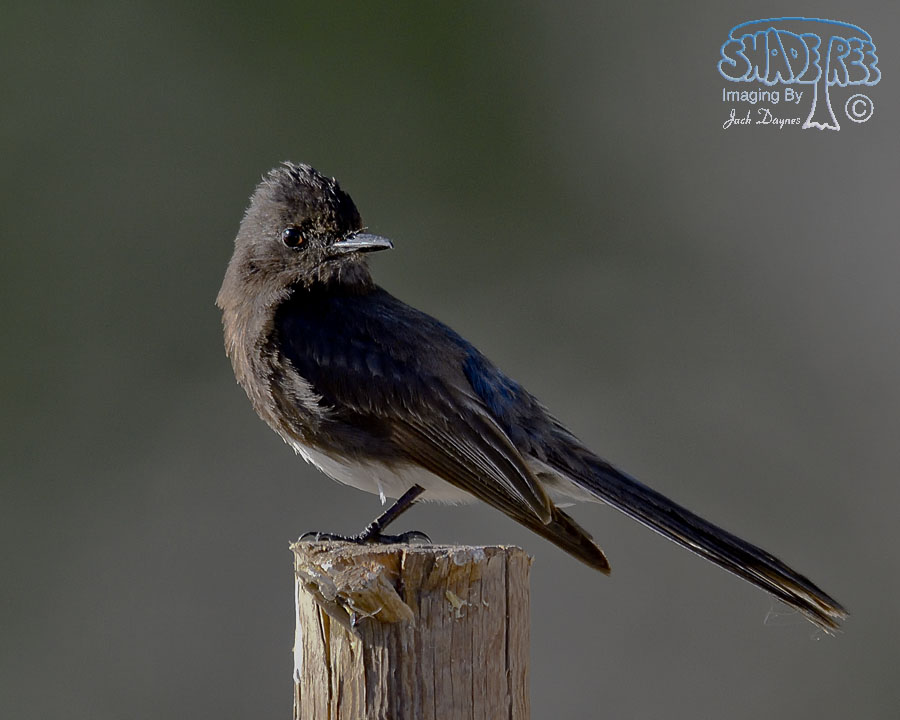
Black Phoebe(Sayornis nigricans) |
|
Description: These birds were seen in the vicinity of Red Hill, on the eastern shores of the Salton Sea. Imperial County, California. |
Date Taken: 2017:05:28 6:48 |
|
Location:
Red Hill |
|
Camera Information: NIKON D5, 800 mm, f/8.0, 1/2000 |
File Name: BlackPhoebe_D5X4330 |
| © 2017 Jack Daynes, shadeTreeImaging.com |
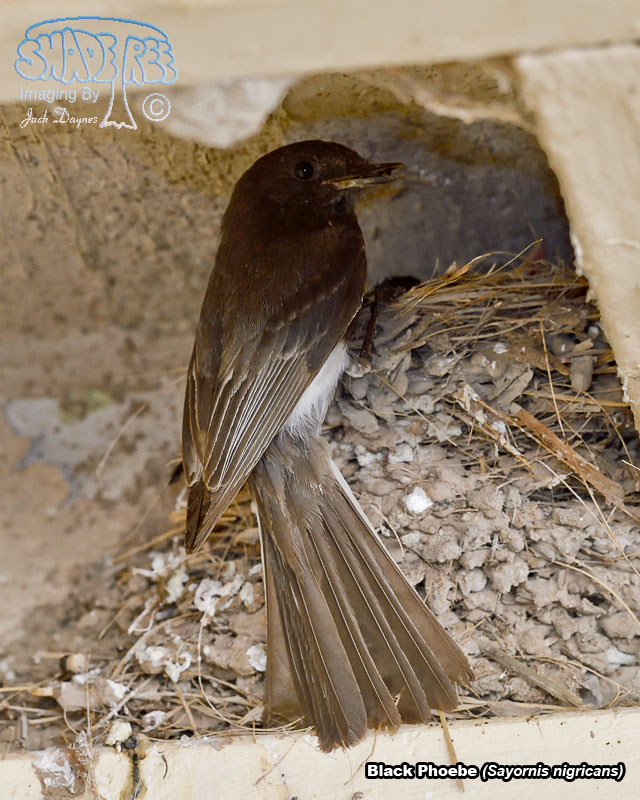
Black Phoebe(Sayornis nigricans) |
|
Description: These birds were seen in the vicinity of Red Hill, on the eastern shores of the Salton Sea. Imperial County, California. |
Date Taken: 2017:05:28 6:33 |
|
Location:
Red Hill |
|
Camera Information: NIKON D5, 400 mm, f/8.0, 1/160 |
File Name: BlackPhoebe_D5X4298 |
| © 2017 Jack Daynes, shadeTreeImaging.com |
Click map markers to reveal further information
