
As a part of project to study the inland wetlands of San Diego County, the San Diego Natural History Museum’s science team spent the week at a property in the southeast county located east of La Posta Road, near the Mexican border. The name of this heavily grazed acreage is Clover Flat. Recently acquired by a non-profit organization that specializes in habitat restoration, the goal is to restore the ecosystem, as much as possible, to its former pristine state. Measures to meet that goal include native seed collections, dismantling abandoned structures, and biological surveys to assess the diversity.
The valley lies adjacent to John D. Spreckels’ “Impossible Railroad” line. In fact Spreckels thought the location was so nice, he built a small cabin there. Sadly, asbestos was discovered in the structure, and it was dismantled. All that remains today is a stack of notched logs and an enormous fireplace.
Some surprises were provided by the team this week. Several species found on the survey this week showed that colonization has been undertaken by both desert specialists (Ladder-Backed Woodpecker) and by coastal specialists (Ornate Shrew). These findings show this is an area of transition between the coastal and desert environs. The methods for these surveys include plots for collecting data in the low wetlands and in the uplands nearby so that comparisons can be measured.
I photographed 21 bird species during my stay last week, but the team’s totals were over 65 species of birds seen on this trip. Several follow-up surveys are planned.
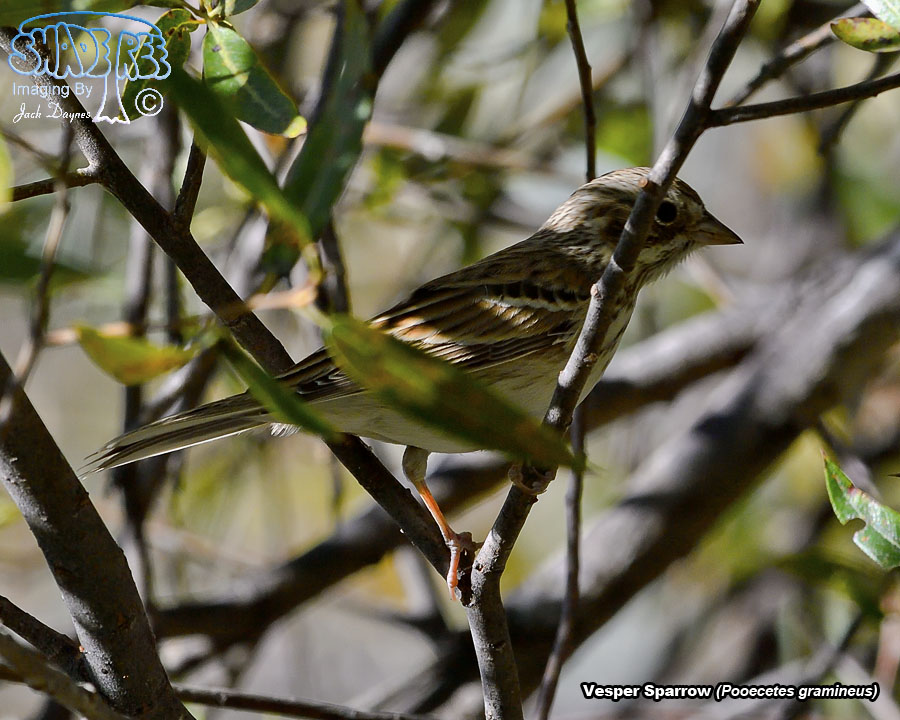
Vesper Sparrow(Pooecetes gramineus) |
|
Description: Camped with the San Diego Natural History team near Campo California. San Diego County. |
Date Taken: 2017:10:27 7:53 |
|
Location:
Clover Flat |
|
Camera Information: NIKON D5, 800 mm, f/8.0, 1/800 |
File Name: VesperSparrow_D5X5858-CloverFlats |
| © 2017 Jack Daynes, shadeTreeImaging.com |

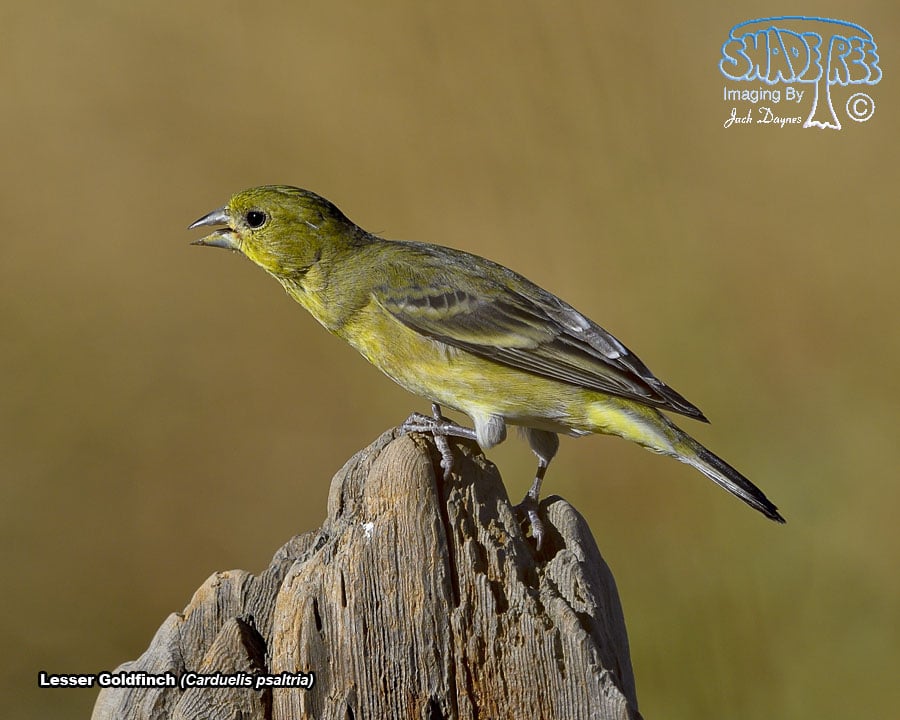
Lesser Goldfinch(Spinus psaltria) |
|
Description: Camped with the San Diego Natural History team near Campo California. San Diego County. |
Date Taken: 2017:10:25 8:45 |
|
Location:
Clover Flat |
|
Camera Information: NIKON D5, 800 mm, f/8.0, 1/640 |
File Name: LesserGoldFinch_D5X5476-CloverFlats |
| © 2017 Jack Daynes, shadeTreeImaging.com |
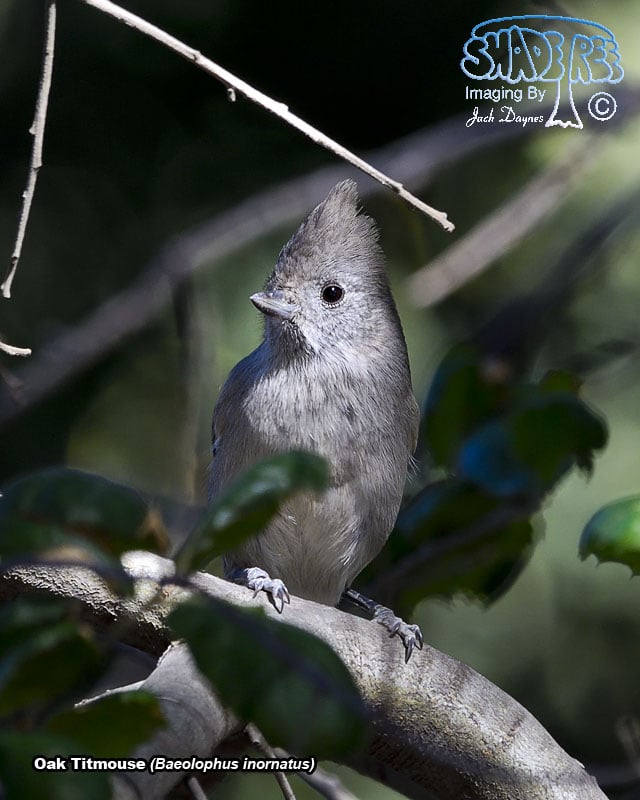
Oak Titmouse(Baeolophus inornatus) |
|
Description: Camped with the San Diego Natural History team near Campo California. San Diego County. |
Date Taken: 2017:10:25 13:12 |
|
Location:
Clover Flat |
|
Camera Information: NIKON D5, 800 mm, f/8.0, 1/80 |
File Name: OakTitMouse_D5X5600-CloverFlats |
| © 2017 Jack Daynes, shadeTreeImaging.com |
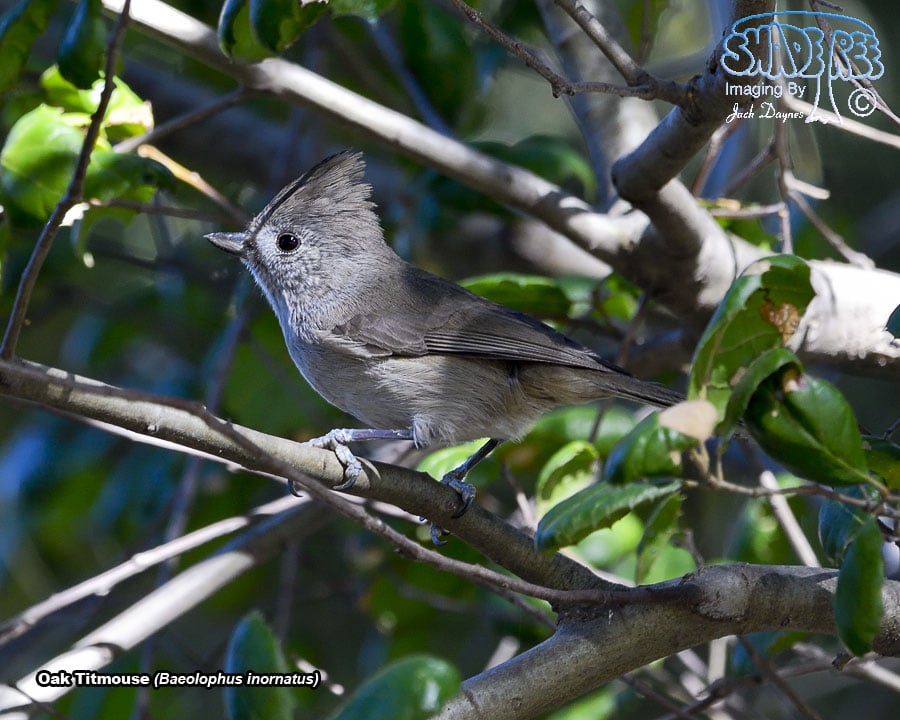
Oak Titmouse(Baeolophus inornatus) |
|
Description: Camped with the San Diego Natural History team at Clover flats near Campo California. San Diego County. |
Date Taken: 2017:10:25 13:12 |
|
Location:
Clover Flat |
|
Camera Information: NIKON D5, 800 mm, f/8.0, 1/50 |
File Name: OakTitMouse_D5X5614-CloverFlats |
| © 2017 Jack Daynes, shadeTreeImaging.com |
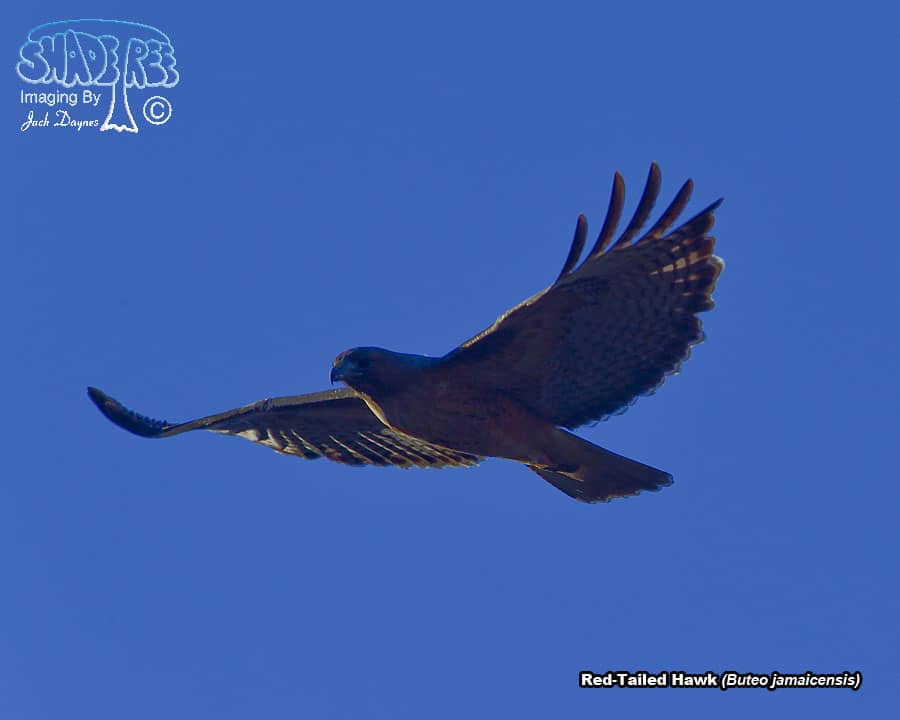
Red-Tailed Hawk(Buteo jamaicensis) |
|
Description: Camped with the San Diego Natural History team near Campo California. San Diego County. |
Date Taken: 2017:10:27 6:50 |
|
Location:
Clover Flat |
|
Camera Information: NIKON D5, 800 mm, f/8.0, 1/2000 |
File Name: RedTailedHawk_D5X5767-CloverFlats |
| © 2017 Jack Daynes, shadeTreeImaging.com |
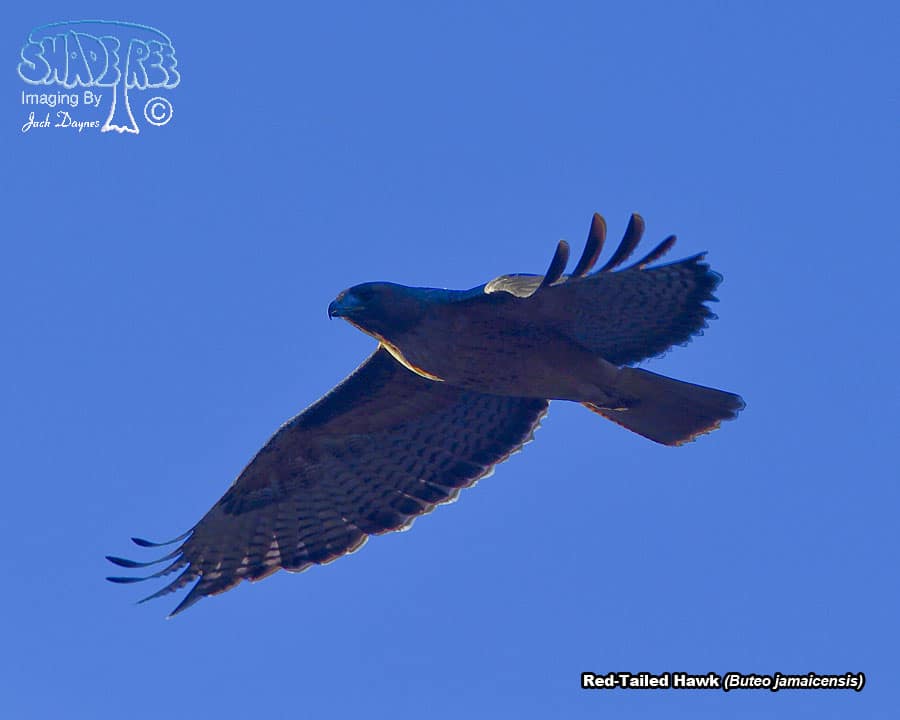
Red-Tailed Hawk(Buteo jamaicensis) |
|
Description: Camped with the San Diego Natural History team near Campo California. San Diego County. |
Date Taken: 2017:10:27 6:50 |
|
Location:
Clover Flat |
|
Camera Information: NIKON D5, 800 mm, f/8.0, 1/2000 |
File Name: RedTailedHawk_D5X5770-CloverFlats |
| © 2017 Jack Daynes, shadeTreeImaging.com |
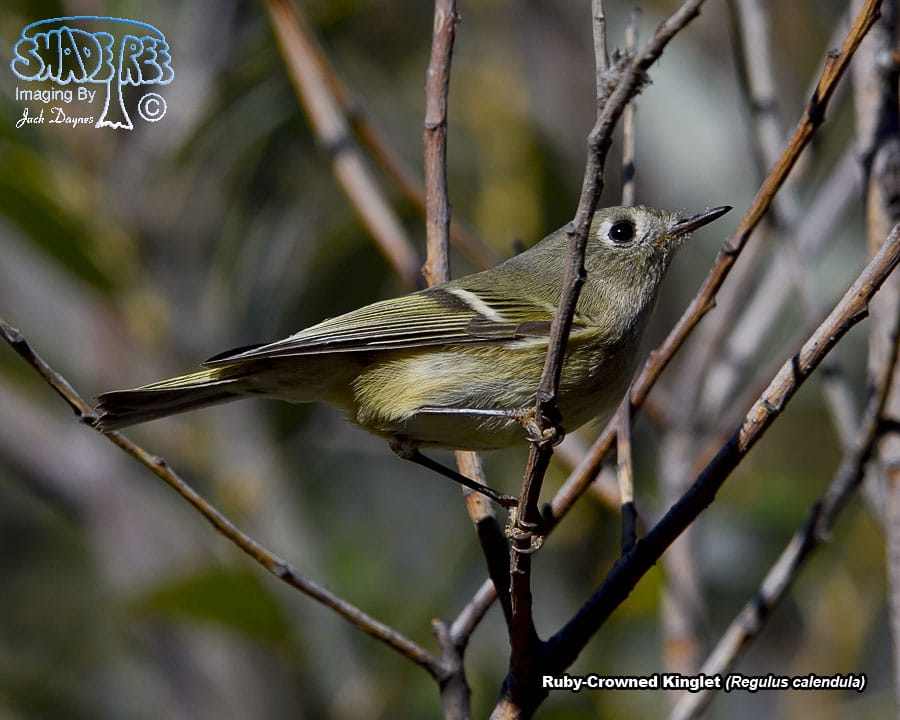
Ruby-Crowned Kinglet(Regulus calendula) |
|
Description: Camped with the San Diego Natural History team near Campo California. San Diego County. |
Date Taken: 2017:10:26 8:30 |
|
Location:
Clover Flat |
|
Camera Information: NIKON D5, 800 mm, f/8.0, 1/1250 |
File Name: RubyCrownedKinglet_D5X5693-CloverFlats |
| © 2017 Jack Daynes, shadeTreeImaging.com |
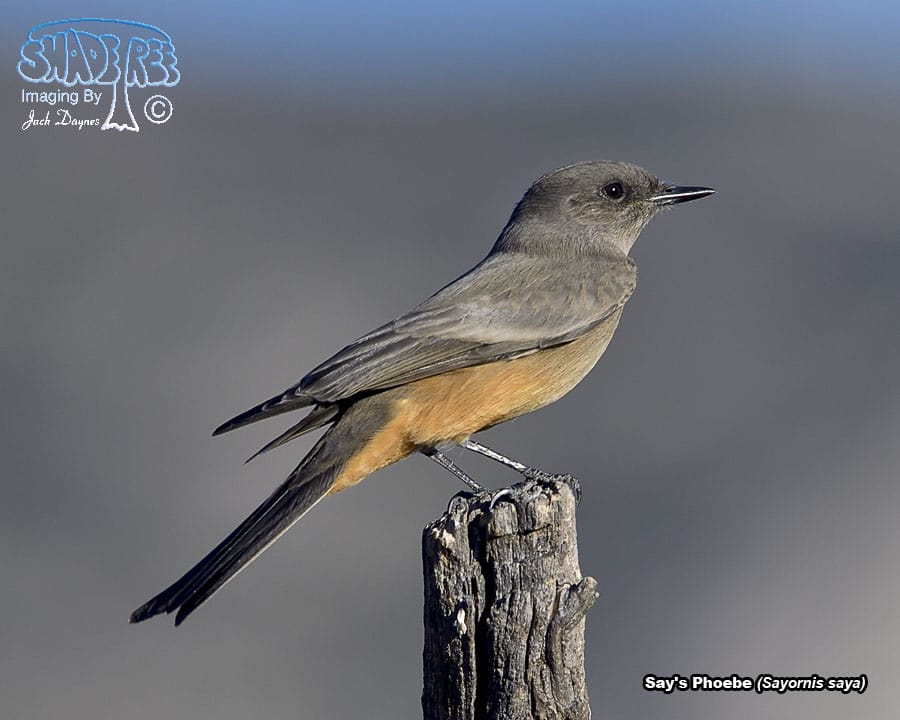
Say's Phoebe(Sayornis saya) |
|
Description: Camped with the San Diego Natural History team near Campo California. San Diego County. |
Date Taken: 2017:10:25 7:30 |
|
Location:
Clover Flat |
|
Camera Information: NIKON D5, 800 mm, f/8.0, 1/400 |
File Name: SaysPhoebe_D5X5110-CloverFlats |
| © 2017 Jack Daynes, shadeTreeImaging.com |
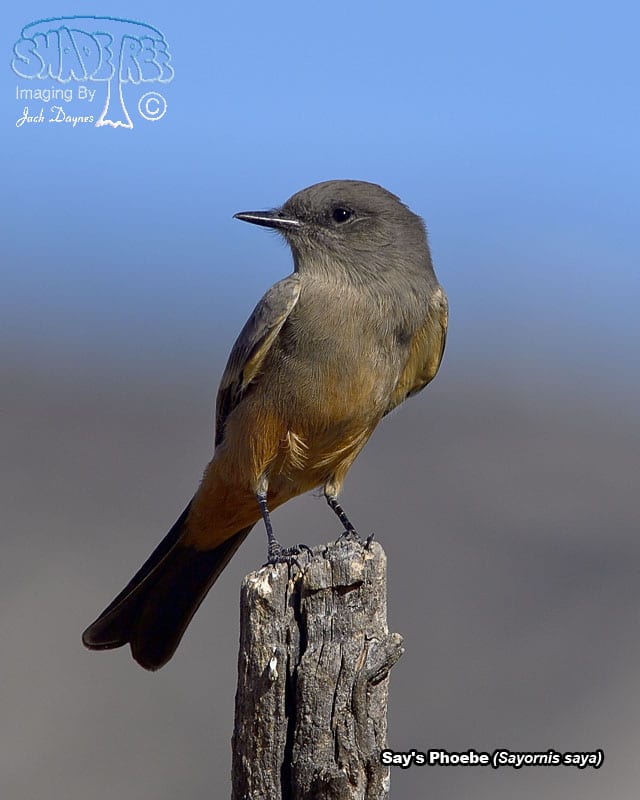
Say's Phoebe(Sayornis saya) |
|
Description: Camped with the San Diego Natural History team near Campo California. San Diego County. |
Date Taken: 2017:10:25 8:56 |
|
Location:
Clover Flat |
|
Camera Information: NIKON D5, 800 mm, f/8.0, 1/640 |
File Name: SaysPhoebe_D5X5520-CloverFlats |
| © 2017 Jack Daynes, shadeTreeImaging.com |
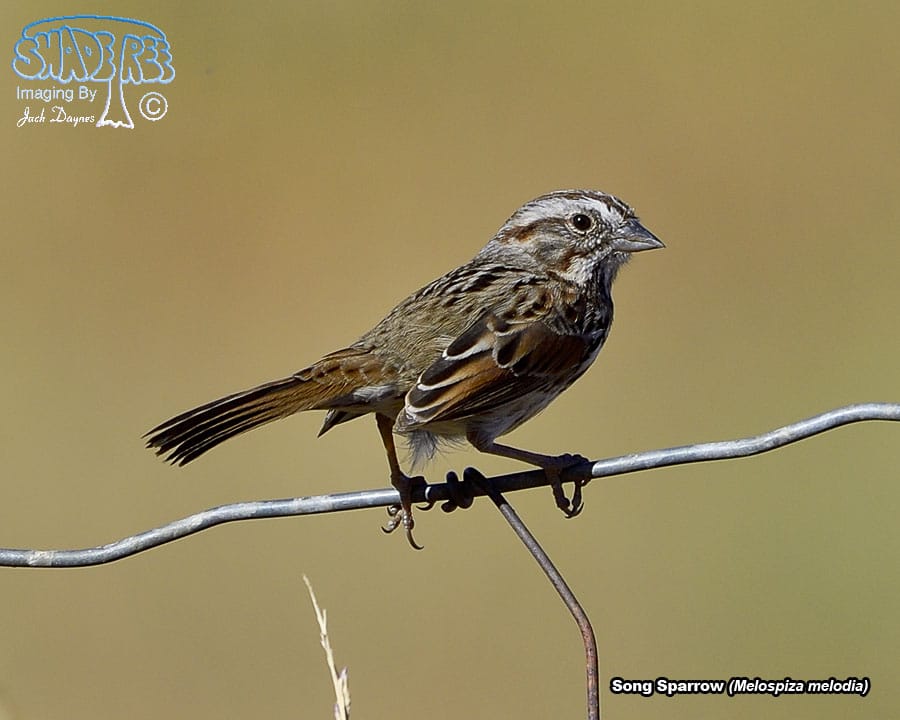
Song Sparrow(Melospiza melodia) |
|
Description: Camped with the San Diego Natural History team near Campo California. San Diego County. |
Date Taken: 2017:10:25 8:57 |
|
Location:
Clover Flat |
|
Camera Information: NIKON D5, 800 mm, f/8.0, 1/400 |
File Name: SongSparrow_D5X5530 |
| © 2017 Jack Daynes, shadeTreeImaging.com |
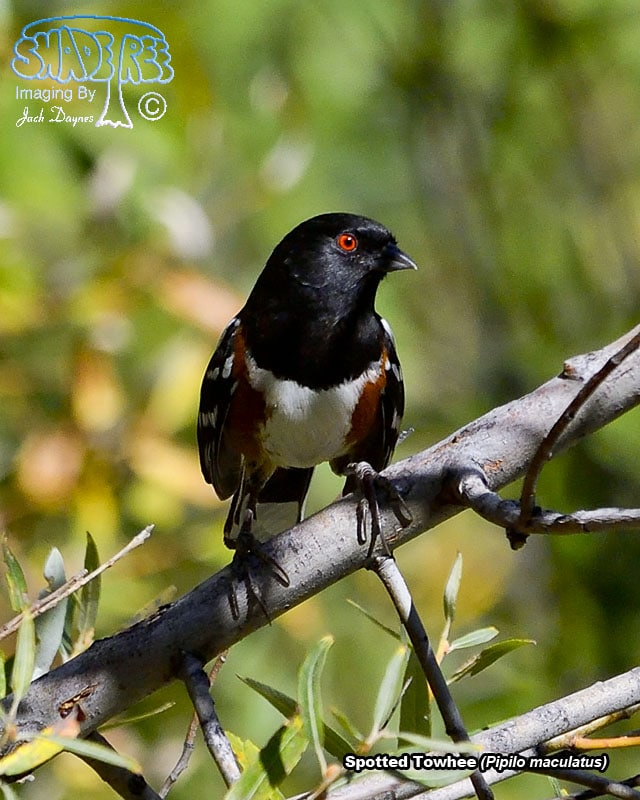
Spotted Towhee(Pipilo maculatus) |
|
Description: Camped with the San Diego Natural History team near Campo California. San Diego County. |
Date Taken: 2017:10:26 9:46 |
|
Location:
Clover Flat |
|
Camera Information: NIKON D5, 800 mm, f/8.0, 1/1250 |
File Name: SpottedTowhee_D5X5726-CloverFlats |
| © 2017 Jack Daynes, shadeTreeImaging.com |
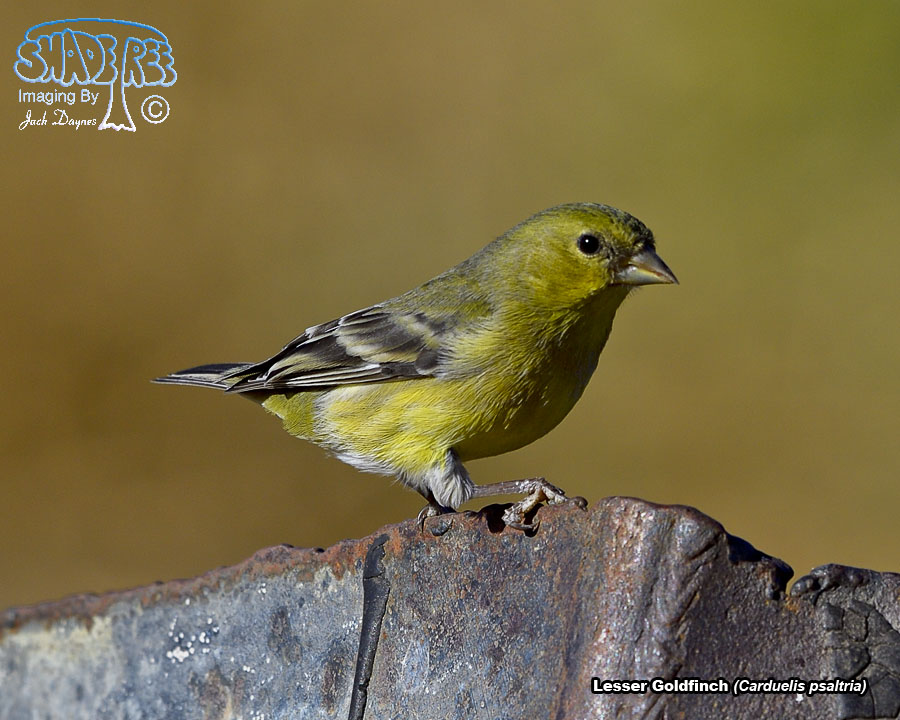
Lesser Goldfinch(Carduelis psaltria) |
|
Description: Camped with the San Diego Natural History team near Campo California. San Diego County. |
Date Taken: 2017:10:25 8:44 |
|
Location:
Clover Flat |
|
Camera Information: NIKON D5, 800 mm, f/8.0, 1/800 |
File Name: LesserGoldFinch_D5X5463-CloverFlats |
| © 2017 Jack Daynes, shadeTreeImaging.com |
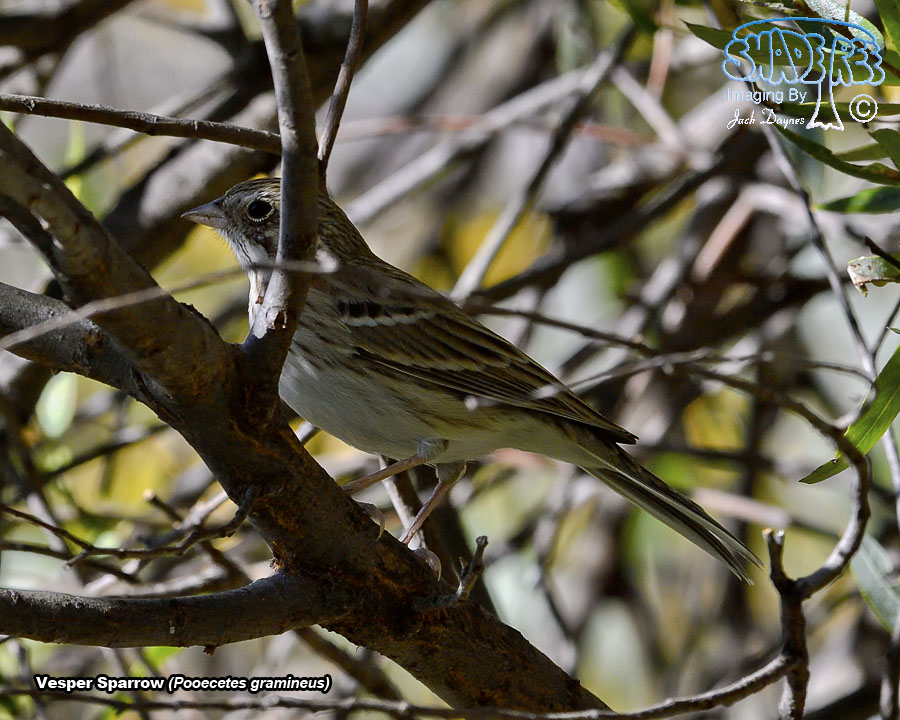
Vesper Sparrow(Pooecetes gramineus) |
|
Description: Camped with the San Diego Natural History team near Campo California. San Diego County. |
Date Taken: 2017:10:27 7:54 |
|
Location:
Clover Flat |
|
Camera Information: NIKON D5, 800 mm, f/8.0, 1/800 |
File Name: VesperSparrow_D5X5869-CloverFlats |
| © 2017 Jack Daynes, shadeTreeImaging.com |
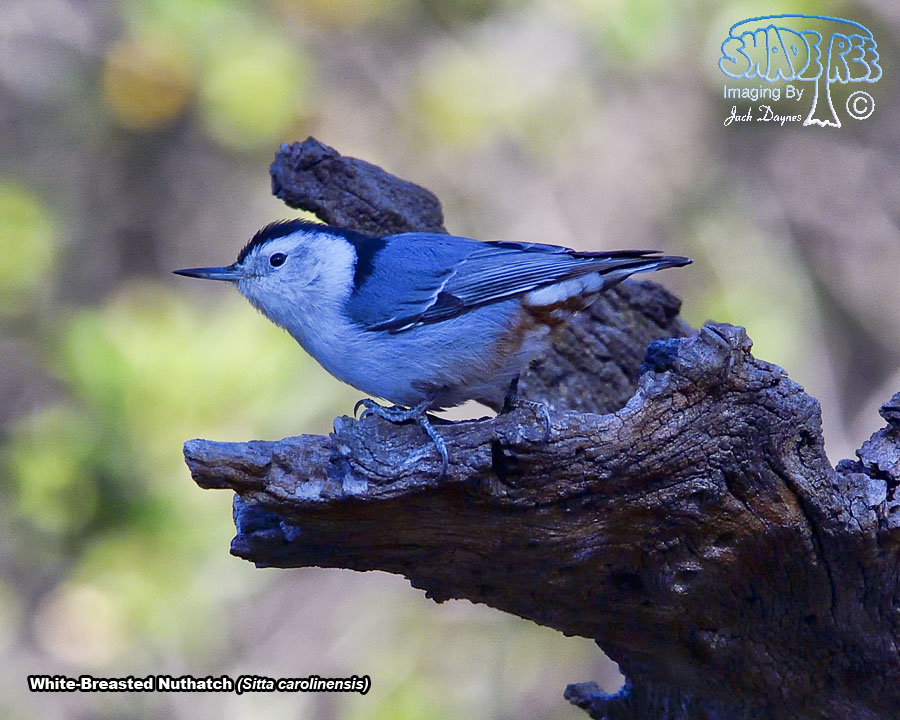
White-Breasted Nuthatch(Sitta carolinensis) |
|
Description: Camped with the San Diego Natural History team near Campo California. San Diego County. |
Date Taken: 2017:10:27 7:20 |
|
Location:
Clover Flat |
|
Camera Information: NIKON D5, 800 mm, f/8.0, 1/800 |
File Name: WhiteBreastedNuthatch_D5X5820-CloverFlats |
| © 2017 Jack Daynes, shadeTreeImaging.com |
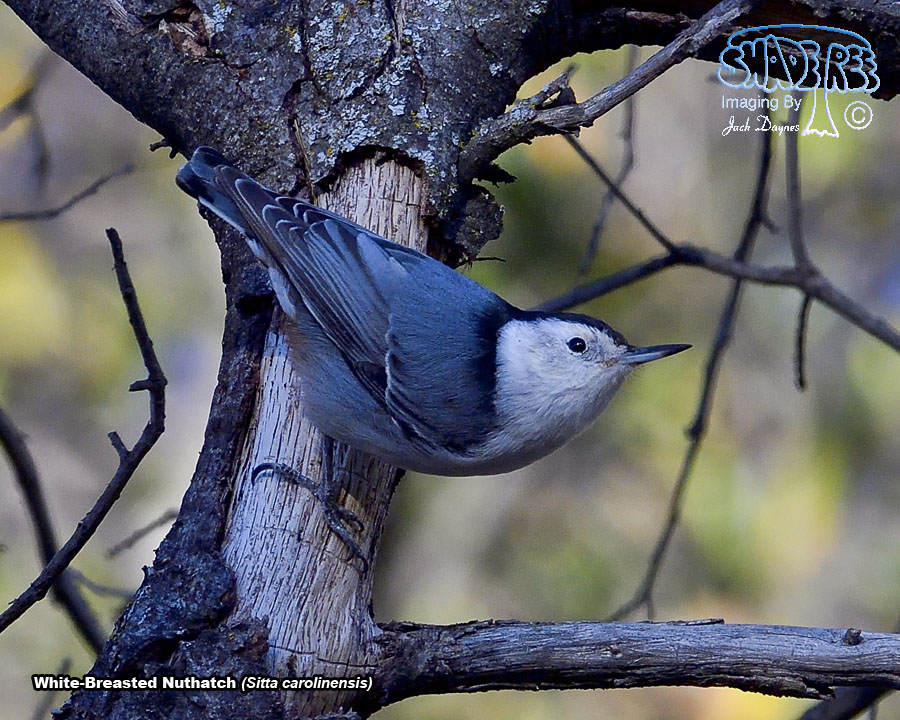
White-Breasted Nuthatch(Sitta carolinensis) |
|
Description: Camped with the San Diego Natural History team near Campo California. San Diego County. |
Date Taken: 2017:10:27 7:20 |
|
Location:
Clover Flat |
|
Camera Information: NIKON D5, 800 mm, f/8.0, 1/800 |
File Name: WhiteBreastedNuthatch_D5X5837-CloverFlats |
| © 2017 Jack Daynes, shadeTreeImaging.com |
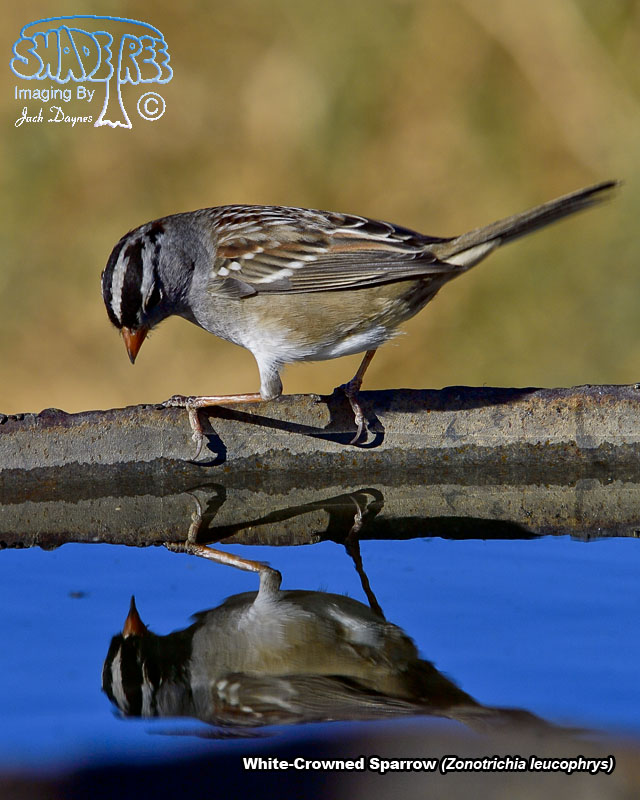
White-Crowned Sparrow(Zonotrichia leucophrys) |
|
Description: Camped with the San Diego Natural History team near Campo California. San Diego County. |
Date Taken: 2017:10:25 8:21 |
|
Location:
Clover Flat |
|
Camera Information: NIKON D5, 800 mm, f/8.0, 1/800 |
File Name: WhiteCrownedSparrow_D5X5358-CloverFlats |
| © 2017 Jack Daynes, shadeTreeImaging.com |
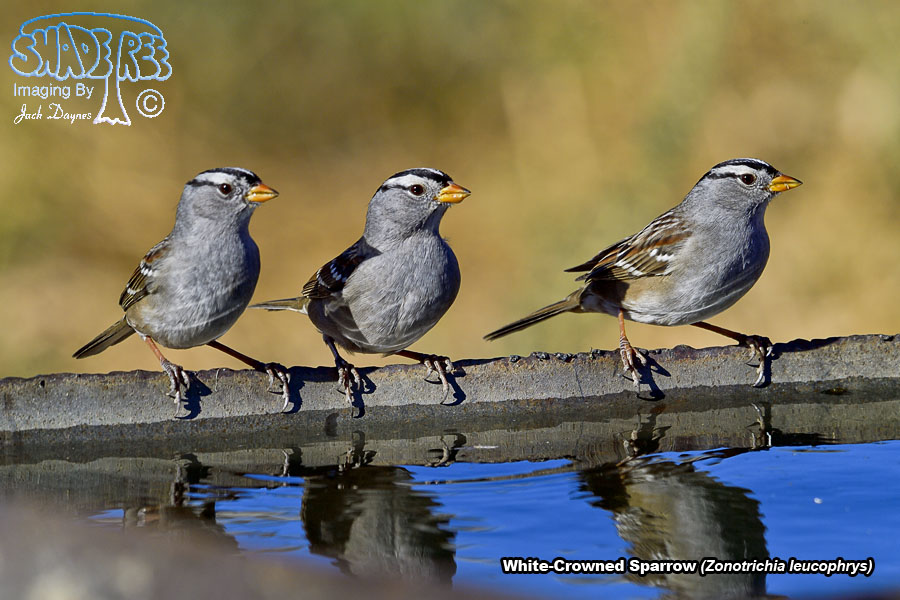
White-Crowned Sparrow(Zonotrichia leucophrys) |
|
Description: Camped with the San Diego Natural History team near Campo California. San Diego County. |
Date Taken: 2017:10:25 8:28 |
|
Location:
Clover Flat |
|
Camera Information: NIKON D5, 800 mm, f/8.0, 1/800 |
File Name: WhiteCrownedSparrow_D5X5403-CloverFlats |
| © 2017 Jack Daynes, shadeTreeImaging.com |
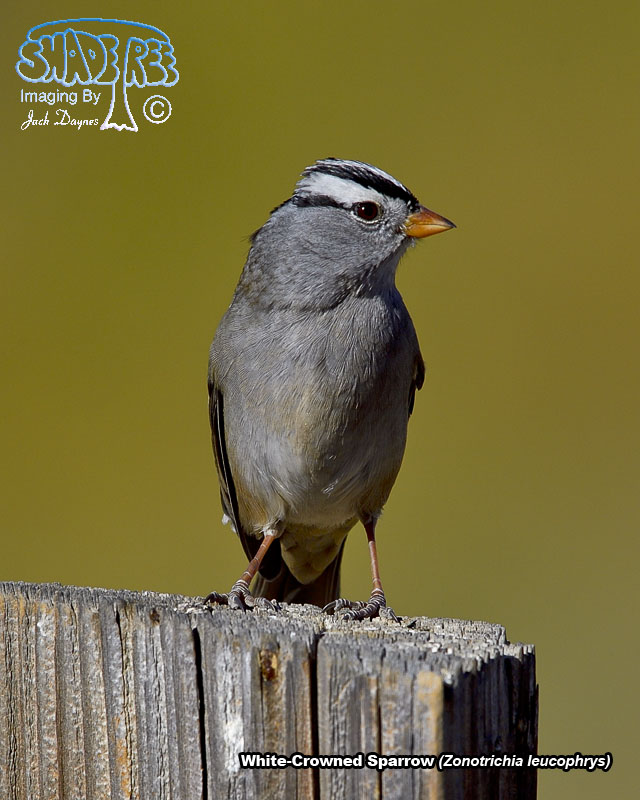
White-Crowned Sparrow(Zonotrichia leucophrys) |
|
Description: Camped with the San Diego Natural History team near Campo California. San Diego County. |
Date Taken: 2017:10:25 8:30 |
|
Location:
Clover Flat |
|
Camera Information: NIKON D5, 800 mm, f/8.0, 1/640 |
File Name: WhiteCrownedSparrow_D5X5416-CloverFlats |
| © 2017 Jack Daynes, shadeTreeImaging.com |
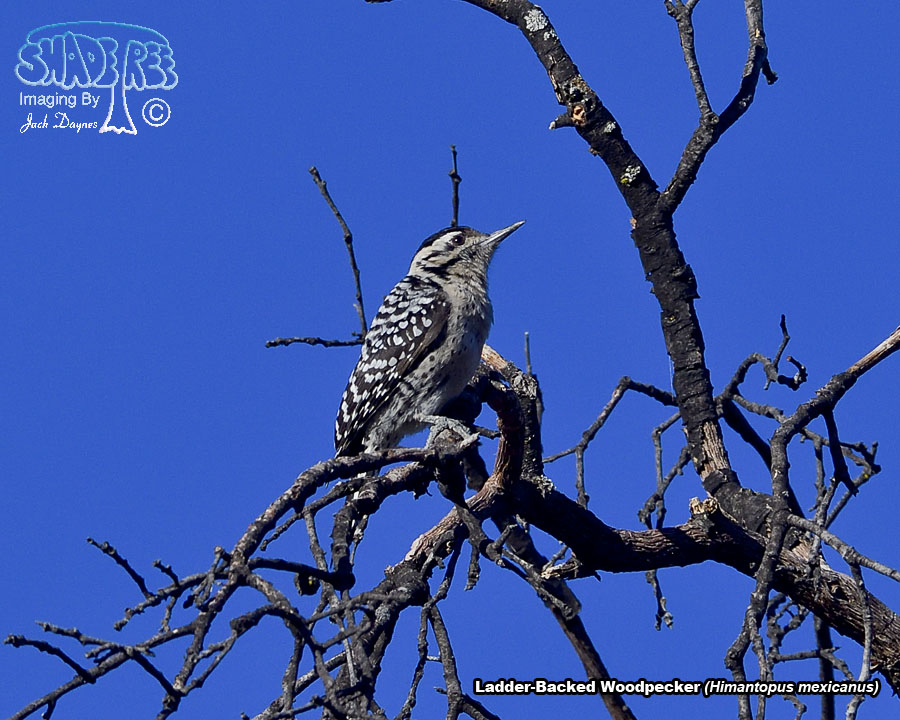
Ladder-Backed Woodpecker(Phasianus colchicus) |
|
Description: Camped with the San Diego Natural History team at Clover flats near Campo California. San Diego County. |
Date Taken: 2017:10:27 7:23 |
|
Location:
Clover Flat |
|
Camera Information: NIKON D5, 800 mm, f/8.0, 1/1600 |
File Name: LadderBackedWoodpecker_D5X5852-CloverFlats |
| © 2017 Jack Daynes, shadeTreeImaging.com |
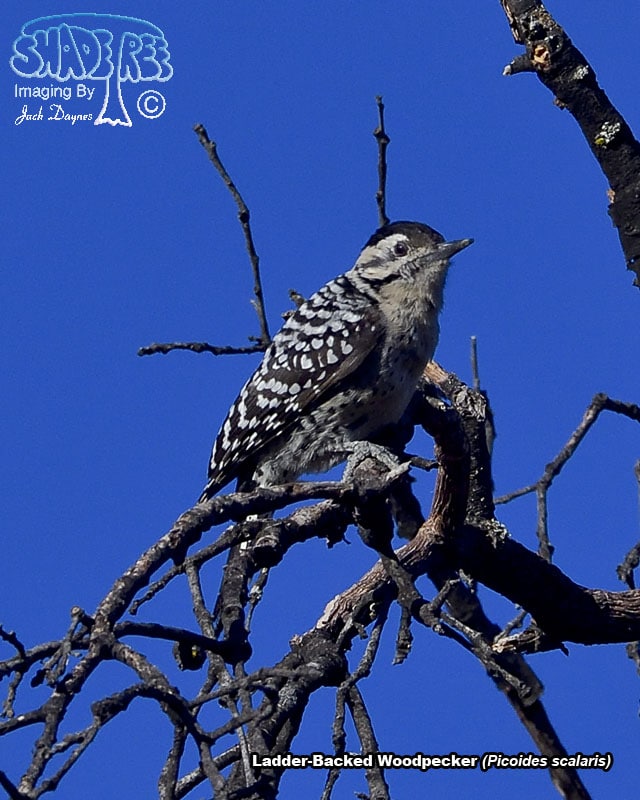
Ladder-Backed Woodpecker(Dryobates scalaris) |
|
Description: Unexpected so far from its typical desert haunts. Camped with the San Diego Natural History team near Campo California. San Diego County. |
Date Taken: 2017:10:27 7:23 |
|
Location:
Clover Flat |
|
Camera Information: NIKON D5, 800 mm, f/8.0, 1/1600 |
File Name: LadderBackedWoodpecker_D5X5853-CloverFlats |
| © 2017 Jack Daynes, shadeTreeImaging.com |
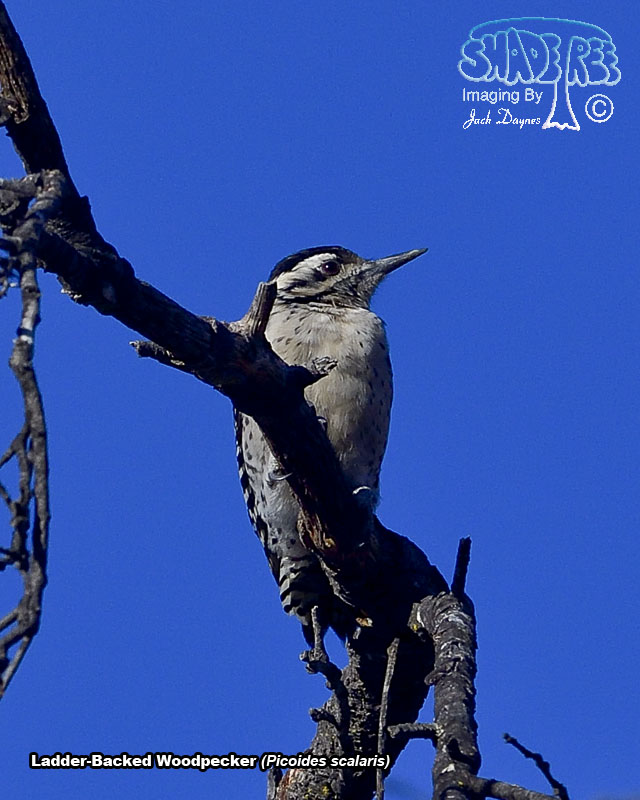
Ladder-Backed Woodpecker(Picoides scalaris) |
|
Description: Unexpected so far from its typical desert haunts. Camped with the San Diego Natural History team near Campo California. San Diego County. |
Date Taken: 2017:10:27 7:32 |
|
Location:
Clover Flat |
|
Camera Information: NIKON D5, 800 mm, f/8.0, 1/1600 |
File Name: LadderBackedWoodpecker_D5X5854-CloverFlats |
| © 2017 Jack Daynes, shadeTreeImaging.com |
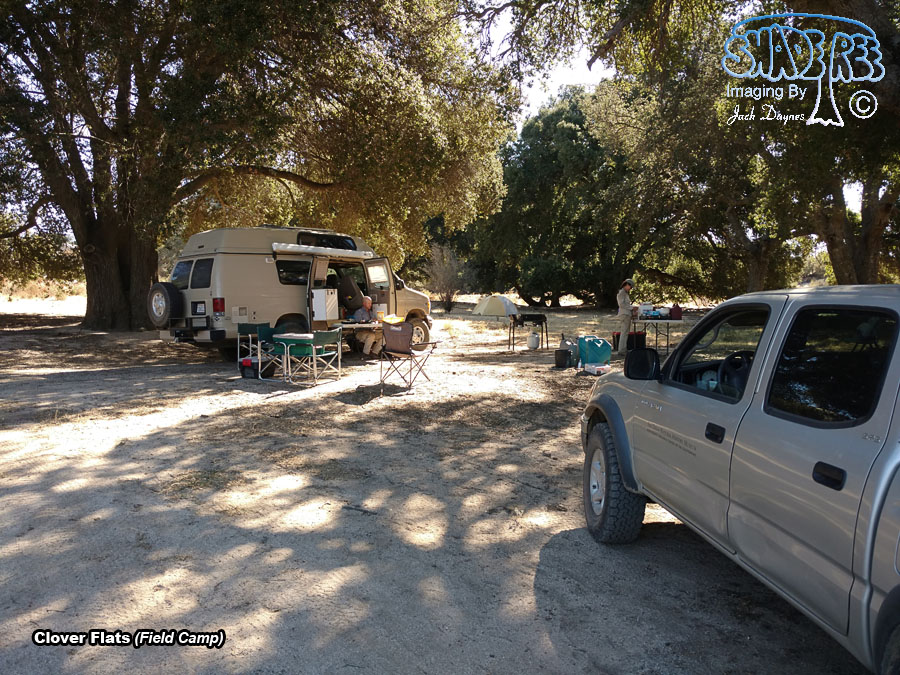
Clover Flats Campsite(Scenery) |
|
Description: Camped with the San Diego Natural History team near Campo California. San Diego County. |
Date Taken: 2017:10:25 10:41 |
|
Location:
Clover Flat |
|
Camera Information: XT1575, 4.67 mm, f/2.0, 1/116 |
File Name: Camp-JcD_20171025_104124_Phone-CloverFlats |
| © 2017 Jack Daynes, shadeTreeImaging.com |
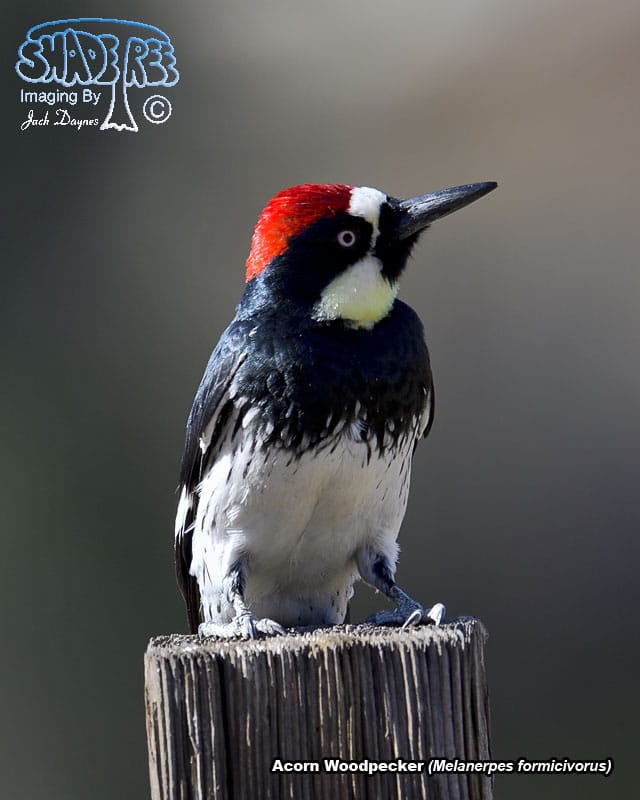
Acorn Woodpecker(Melanerpes formicivorus) |
|
Description: Camped with the San Diego Natural History team near Campo California. San Diego County. |
Date Taken: 2017:10:25 9:02 |
|
Location:
Clover Flat |
|
Camera Information: NIKON D5, 800 mm, f/8.0, 1/200 |
File Name: AcornWoodpecker_D5X5565-CloverFlats |
| © 2017 Jack Daynes, shadeTreeImaging.com |
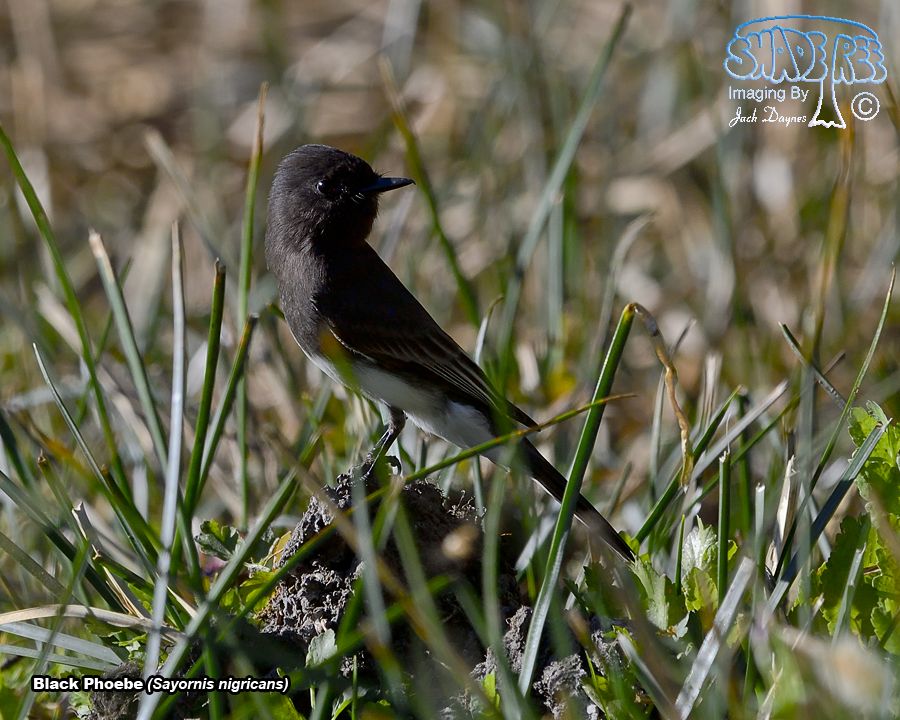
Black Phoebe(Sayornis nigricans) |
|
Description: Camped with the San Diego Natural History team at Clover flats near Campo California. San Diego County. |
Date Taken: 2017:10:27 8:11 |
|
Location:
Clover Flat |
|
Camera Information: NIKON D5, 800 mm, f/8.0, 1/1000 |
File Name: BlackPhoebe_D5X5926-CloverFlats |
| © 2017 Jack Daynes, shadeTreeImaging.com |
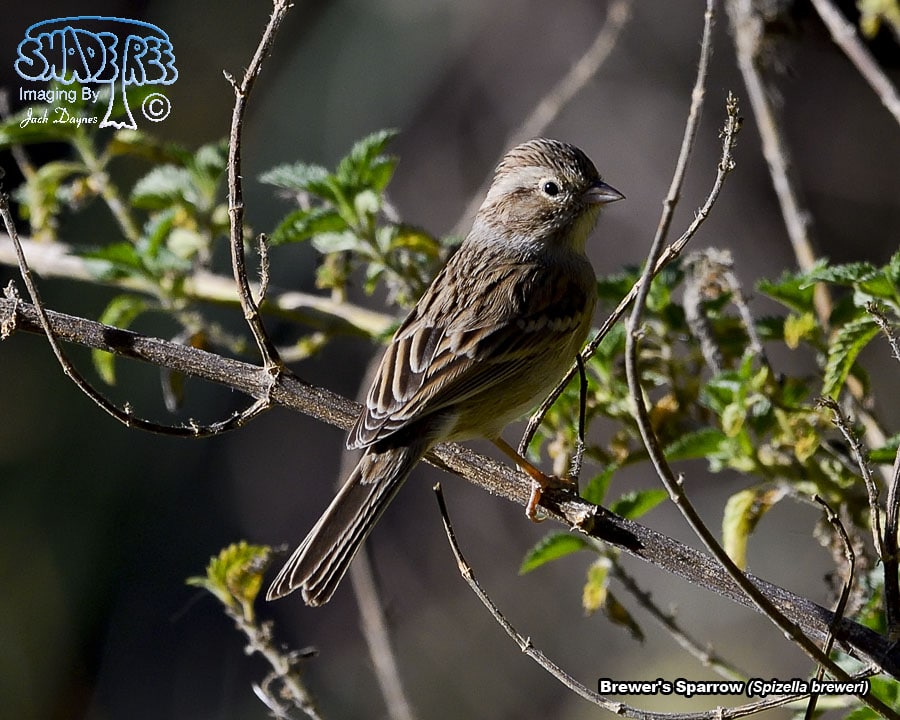
Brewer's Sparrow(Spizella breweri) |
|
Description: Camped with the San Diego Natural History team near Campo California. San Diego County. |
Date Taken: 2017:10:27 7:55 |
|
Location:
Clover Flat |
|
Camera Information: NIKON D5, 800 mm, f/8.0, 1/800 |
File Name: BrewersSparrow_D5X5880-CloverFlats |
| © 2017 Jack Daynes, shadeTreeImaging.com |
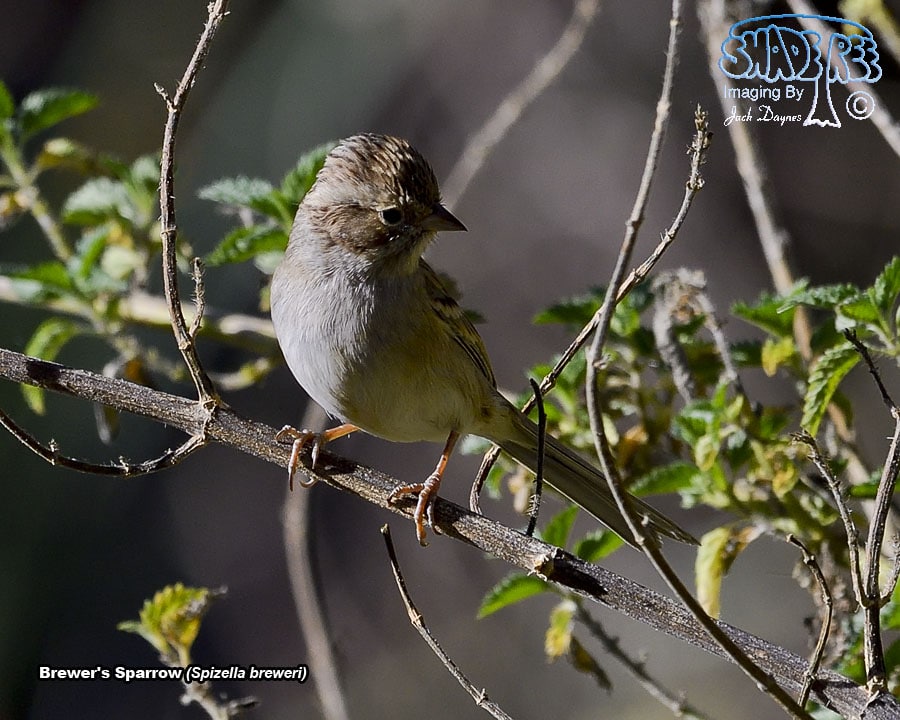
Brewer's Sparrow(Spizella breweri) |
|
Description: Camped with the San Diego Natural History team near Campo California. San Diego County. |
Date Taken: 2017:10:27 7:56 |
|
Location:
Clover Flat |
|
Camera Information: NIKON D5, 800 mm, f/8.0, 1/800 |
File Name: BrewersSparrow_D5X5894-CloverFlats |
| © 2017 Jack Daynes, shadeTreeImaging.com |
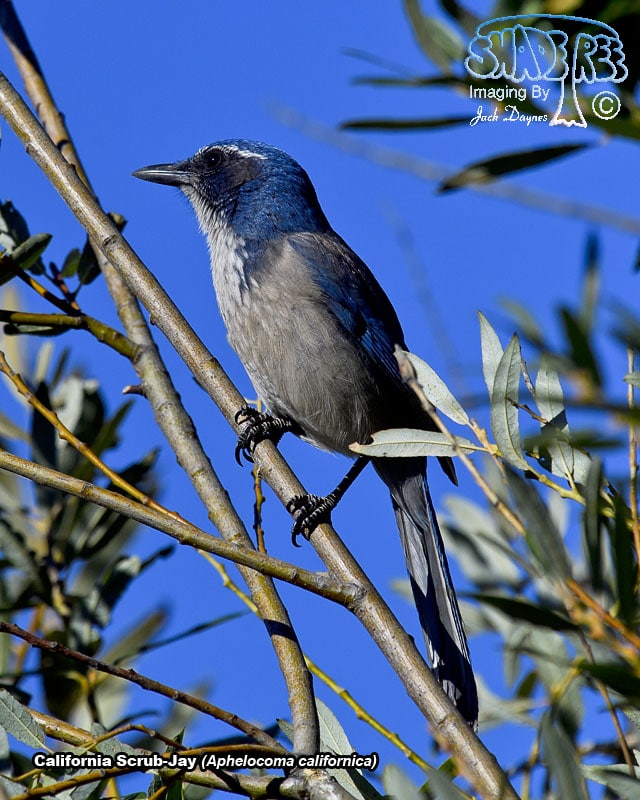
California Scrub-Jay(Aphelocoma californica) |
|
Description: Camped with the San Diego Natural History team near Campo California. San Diego County. |
Date Taken: 2017:10:26 8:27 |
|
Location:
Clover Flat |
|
Camera Information: NIKON D5, 800 mm, f/8.0, 1/3200 |
File Name: CaliforniaScrubJay_D5X5677-CloverFlats |
| © 2017 Jack Daynes, shadeTreeImaging.com |
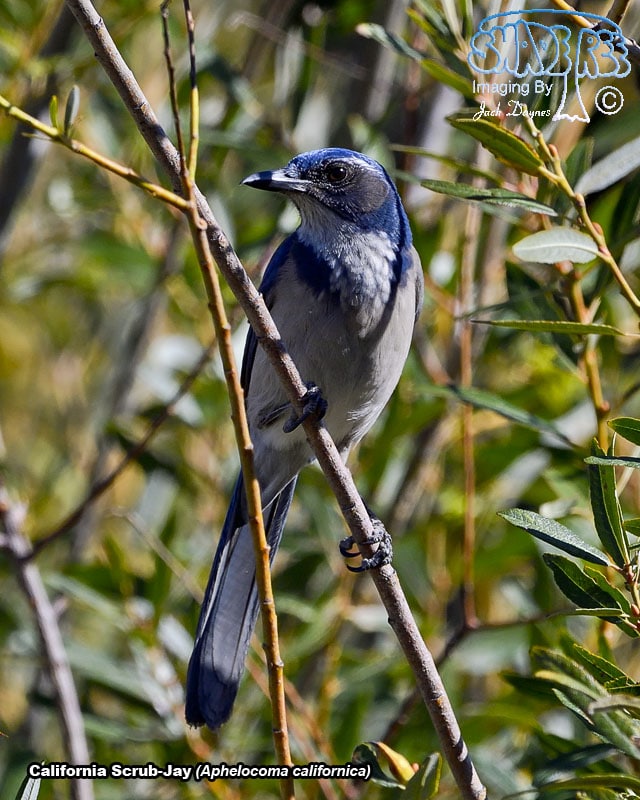
California Scrub-Jay(Aphelocoma californica) |
|
Description: Camped with the San Diego Natural History team near Campo California. San Diego County. |
Date Taken: 2017:10:26 8:42 |
|
Location:
Clover Flat |
|
Camera Information: NIKON D5, 800 mm, f/8.0, 1/1000 |
File Name: CaliforniaScrubJay_D5X5705-CloverFlats |
| © 2017 Jack Daynes, shadeTreeImaging.com |
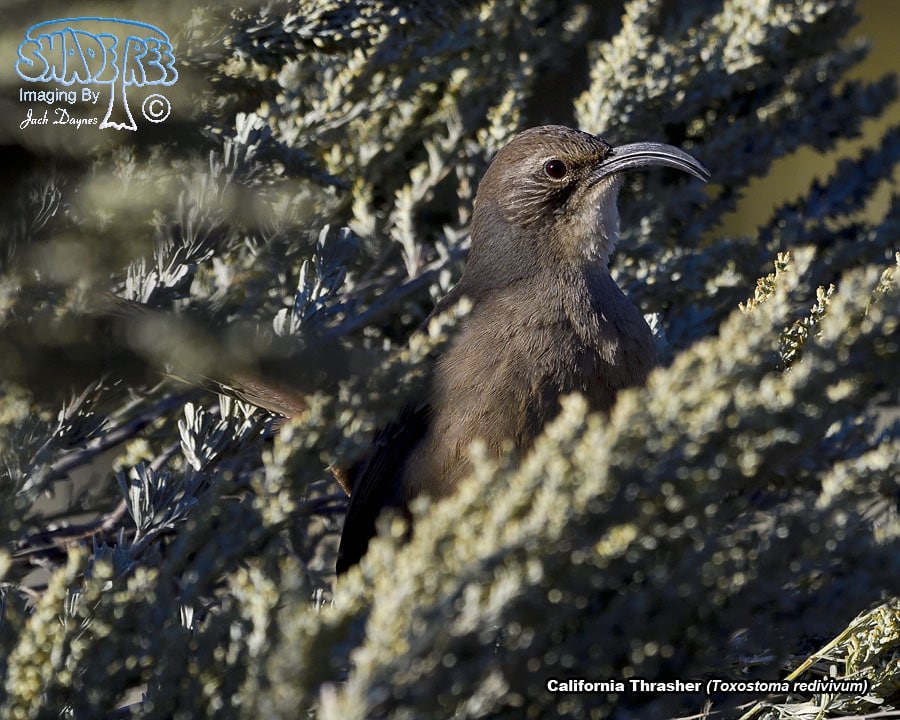
California Thrasher(Toxostoma redivivum) |
|
Description: Camped with the San Diego Natural History team near Campo California. San Diego County. |
Date Taken: 2017:10:27 7:08 |
|
Location:
Clover Flat |
|
Camera Information: NIKON D5, 800 mm, f/8.0, 1/1000 |
File Name: CaliforniaThrasher_D5X5797-CloverFlats |
| © 2017 Jack Daynes, shadeTreeImaging.com |
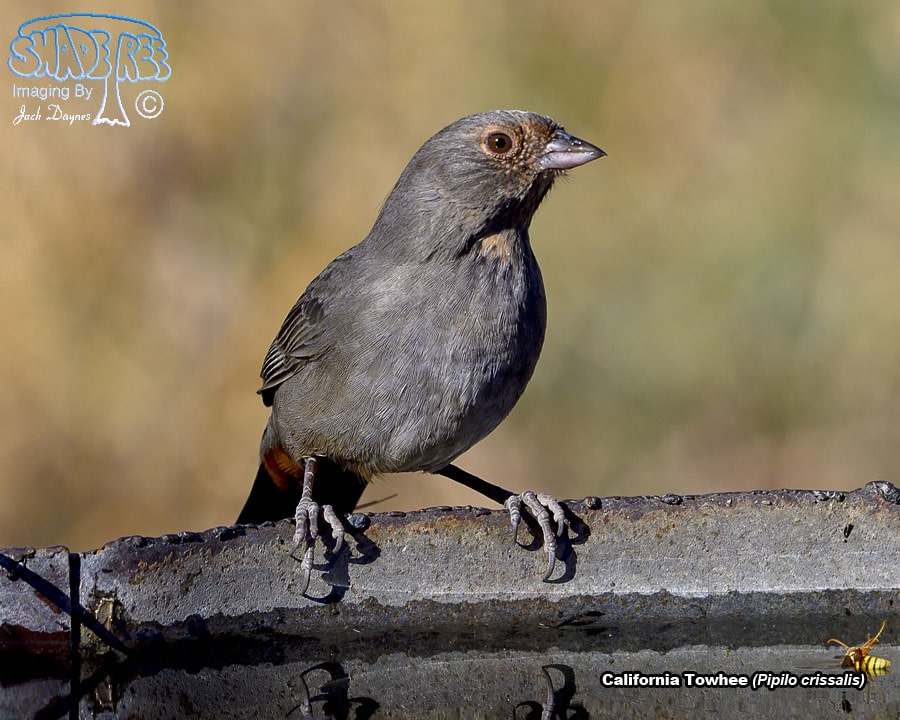
California Towhee(Melozone crissalis) |
|
Description: Camped with the San Diego Natural History team near Campo California. San Diego County. |
Date Taken: 2017:10:25 8:16 |
|
Location:
Clover Flat |
|
Camera Information: NIKON D5, 800 mm, f/8.0, 1/400 |
File Name: CaliforniaTowhee_D5X5351-CloverFlats |
| © 2017 Jack Daynes, shadeTreeImaging.com |
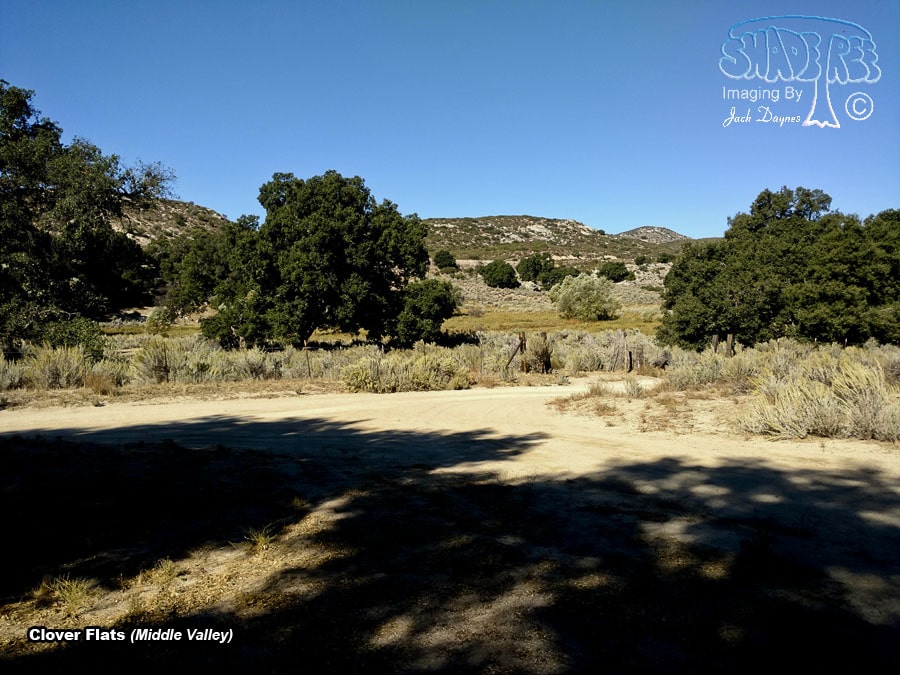
Clover Flats Campsite(Scenery) |
|
Description: Mid-valley. Camped with the San Diego Natural History team near Campo California. San Diego County. |
Date Taken: 2017:10:25 10:41 |
|
Location:
Clover Flat |
|
Camera Information: XT1575, 4.67 mm, f/2.0, 1/800 |
File Name: Camp-JcD_20171025_104110_MidValley-CloverFlats |
| © 2017 Jack Daynes, shadeTreeImaging.com |
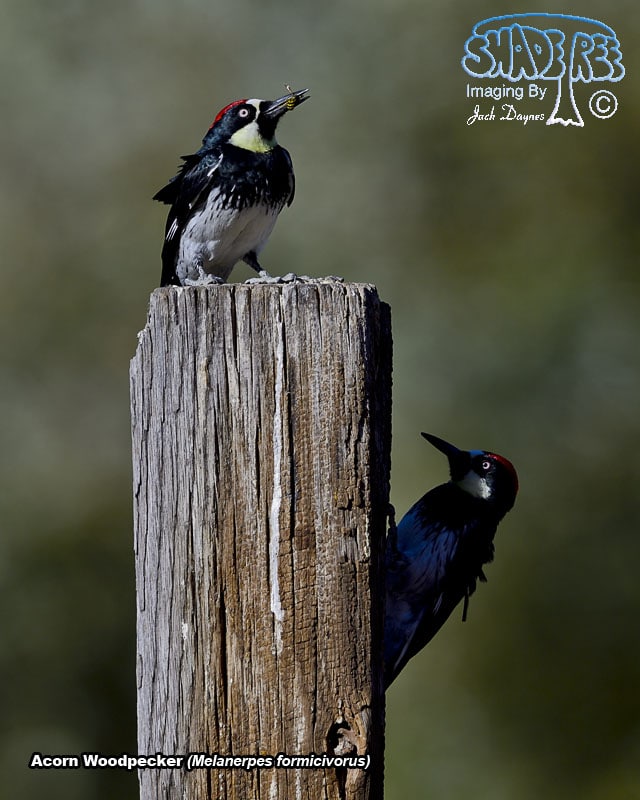
Acorn Woodpecker(Melanerpes formicivorus) |
|
Description: Camped with the San Diego Natural History team near Campo California. San Diego County. |
Date Taken: 2017:10:25 8:46 |
|
Location:
Clover Flat |
|
Camera Information: NIKON D5, 800 mm, f/8.0, 1/640 |
File Name: AcornWoodpecker_D5X5491-CloverFlats |
| © 2017 Jack Daynes, shadeTreeImaging.com |
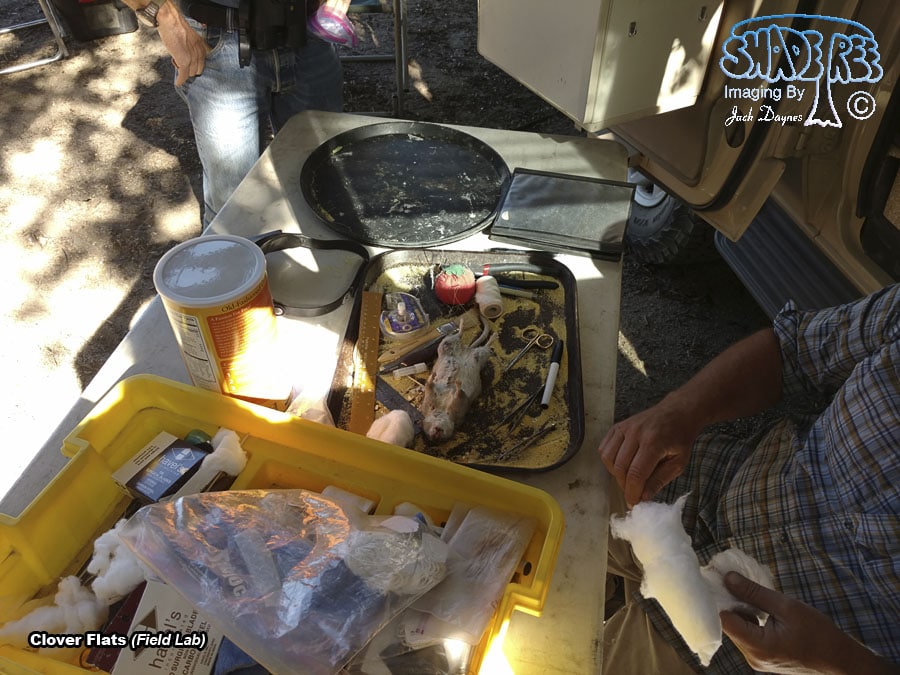
Clover Flats Campsite(Scenery) |
|
Description: Field lab. Camped with the San Diego Natural History team near Campo California. San Diego County. |
Date Taken: 2017:10:25 10:42 |
|
Location:
Clover Flat |
|
Camera Information: XT1575, 4.67 mm, f/2.0, 1/105 |
File Name: Camp-JcD_20171025_104159_Phone-CloverFlats |
| © 2017 Jack Daynes, shadeTreeImaging.com |
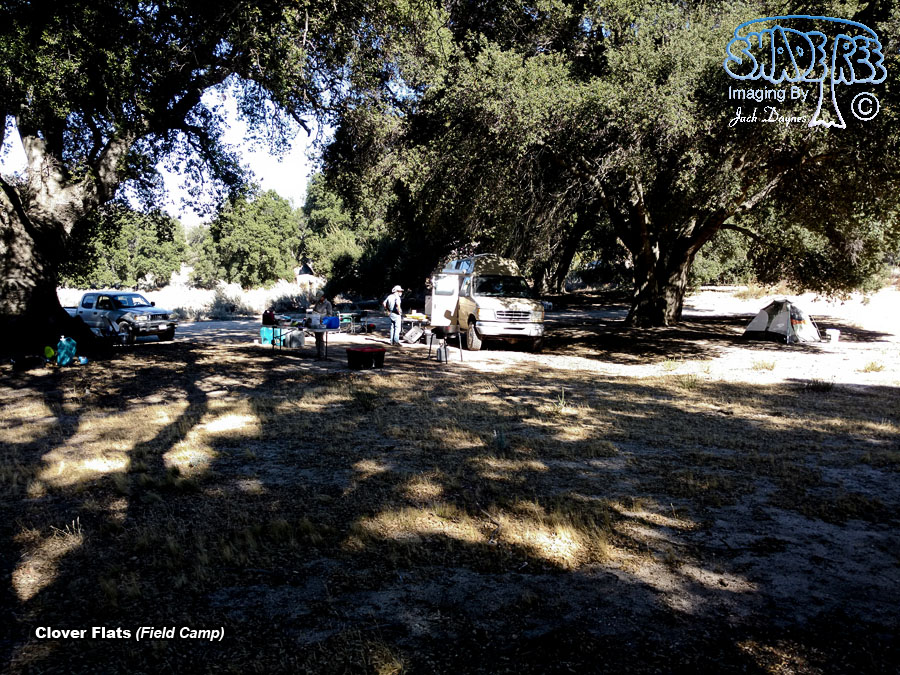
Clover Flats Campsite(Scenery) |
|
Description: Camped with the San Diego Natural History team near Campo California. San Diego County. |
Date Taken: 2017:10:25 10:42 |
|
Location:
Clover Flat |
|
Camera Information: XT1575, 4.67 mm, f/2.0, 1/170 |
File Name: Camp-JcD_20171025_104248_Phone-CloverFlats |
| © 2017 Jack Daynes, shadeTreeImaging.com |
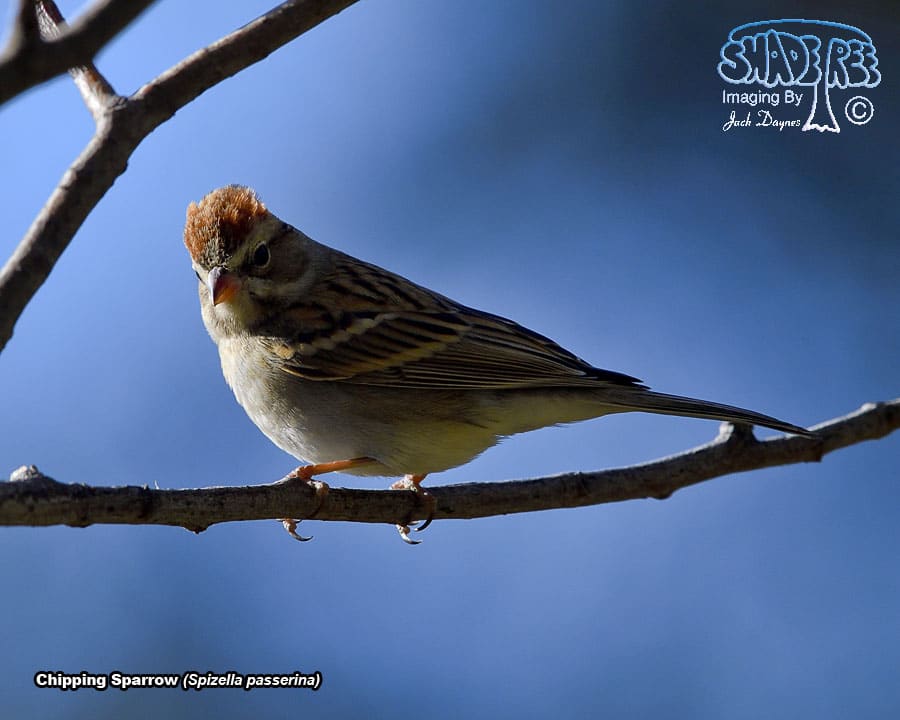
Chipping Sparrow(Spizella passerina) |
|
Description: Camped with the San Diego Natural History team near Campo California. San Diego County. |
Date Taken: 2017:10:27 8:00 |
|
Location:
Clover Flat |
|
Camera Information: NIKON D5, 800 mm, f/8.0, 1/800 |
File Name: ChippingSparrow_D5X5902-CloverFlats |
| © 2017 Jack Daynes, shadeTreeImaging.com |
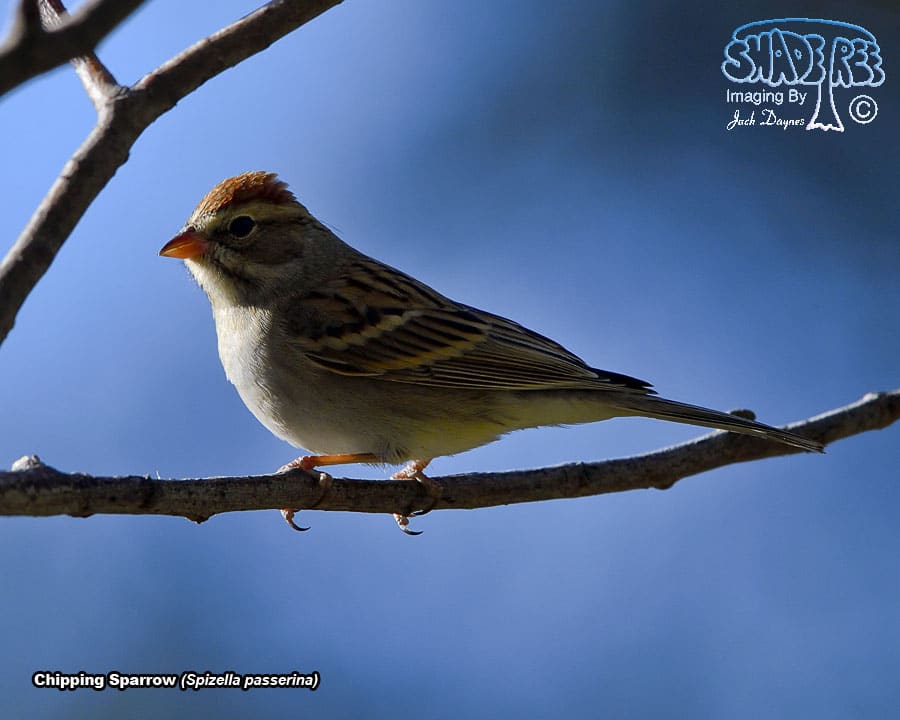
Chipping Sparrow(Spizella passerina) |
|
Description: Camped with the San Diego Natural History team near Campo California. San Diego County. |
Date Taken: 2017:10:27 8:00 |
|
Location:
Clover Flat |
|
Camera Information: NIKON D5, 800 mm, f/8.0, 1/800 |
File Name: ChippingSparrow_D5X5904-CloverFlats |
| © 2017 Jack Daynes, shadeTreeImaging.com |
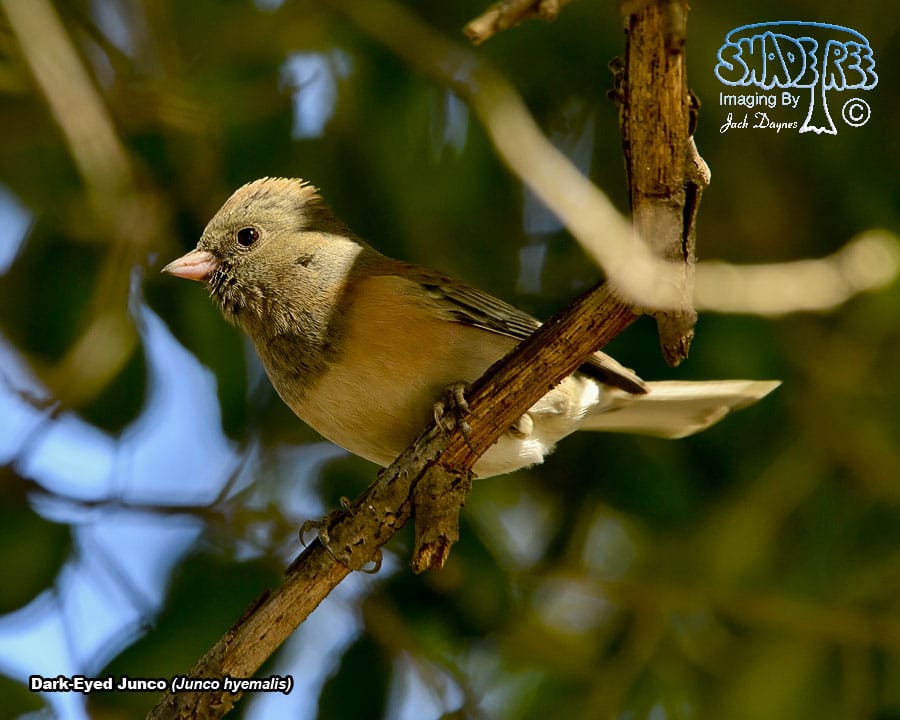
Dark-Eyed Junco(Junco hyemalis) |
|
Description: Camped with the San Diego Natural History team near Campo California. San Diego County. |
Date Taken: 2017:10:25 13:04 |
|
Location:
Clover Flat |
|
Camera Information: NIKON D5, 800 mm, f/8.0, 1/60 |
File Name: DarkEyedJunco_D5X5593-CloverFlats |
| © 2017 Jack Daynes, shadeTreeImaging.com |
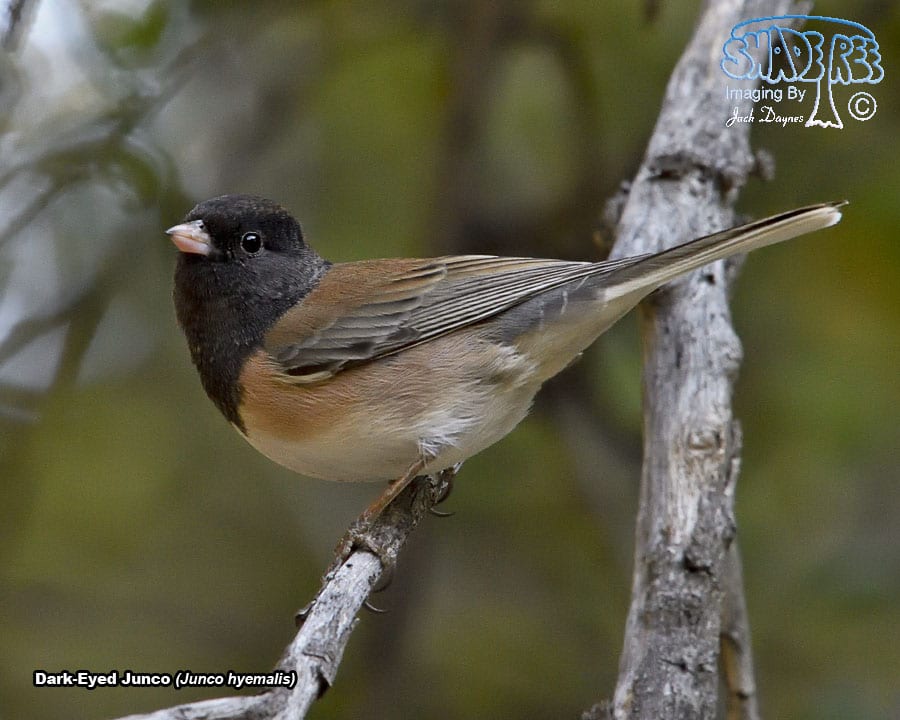
Dark-Eyed Junco(Junco hyemalis) |
|
Description: Camped with the San Diego Natural History team near Campo California. San Diego County. |
Date Taken: 2017:10:26 8:03 |
|
Location:
Clover Flat |
|
Camera Information: NIKON D5, 800 mm, f/8.0, 1/250 |
File Name: DarkEyedJunco_D5X5630-CloverFlats |
| © 2017 Jack Daynes, shadeTreeImaging.com |
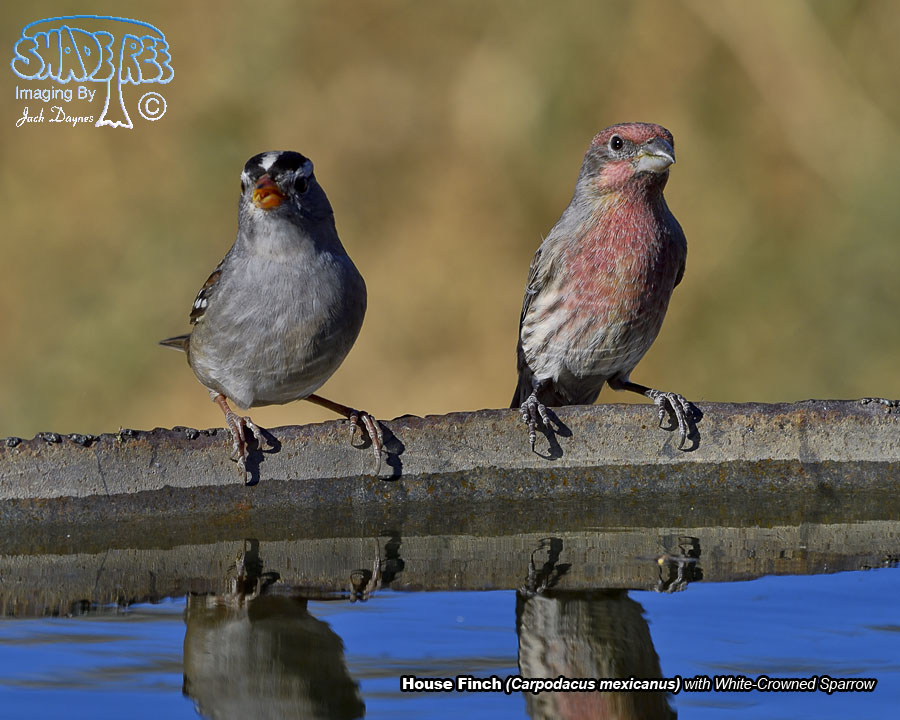
House Finch(Haemorhous mexicanus) |
|
Description: Camped with the San Diego Natural History team at Clover flats near Campo California. San Diego County. |
Date Taken: 2017:10:25 8:26 |
|
Location:
Clover Flat |
|
Camera Information: NIKON D5, 800 mm, f/8.0, 1/400 |
File Name: HouseFinch-WCSP_D5X5384-CloverFlats |
| © 2017 Jack Daynes, shadeTreeImaging.com |
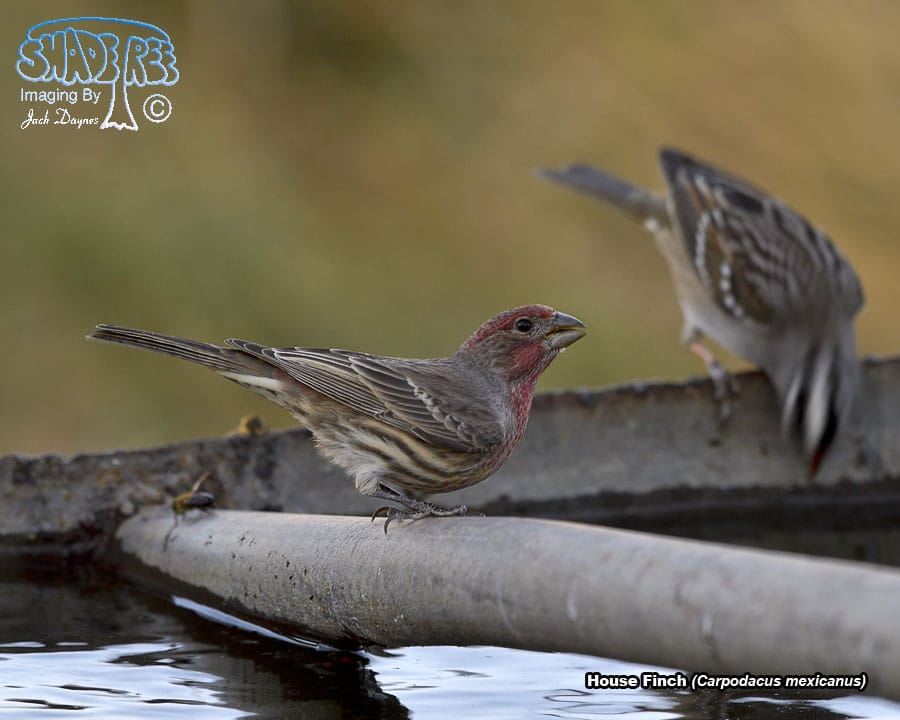
House Finch(Carpodacus mexicanus) |
|
Description: White-Crowned Sparrow in background. Camped with the San Diego Natural History team near Campo California. San Diego County. |
Date Taken: 2017:10:25 7:48 |
|
Location:
Clover Flat |
|
Camera Information: NIKON D5, 800 mm, f/8.0, 1/60 |
File Name: HouseFinch_D5X5245-CloverFlats |
| © 2017 Jack Daynes, shadeTreeImaging.com |
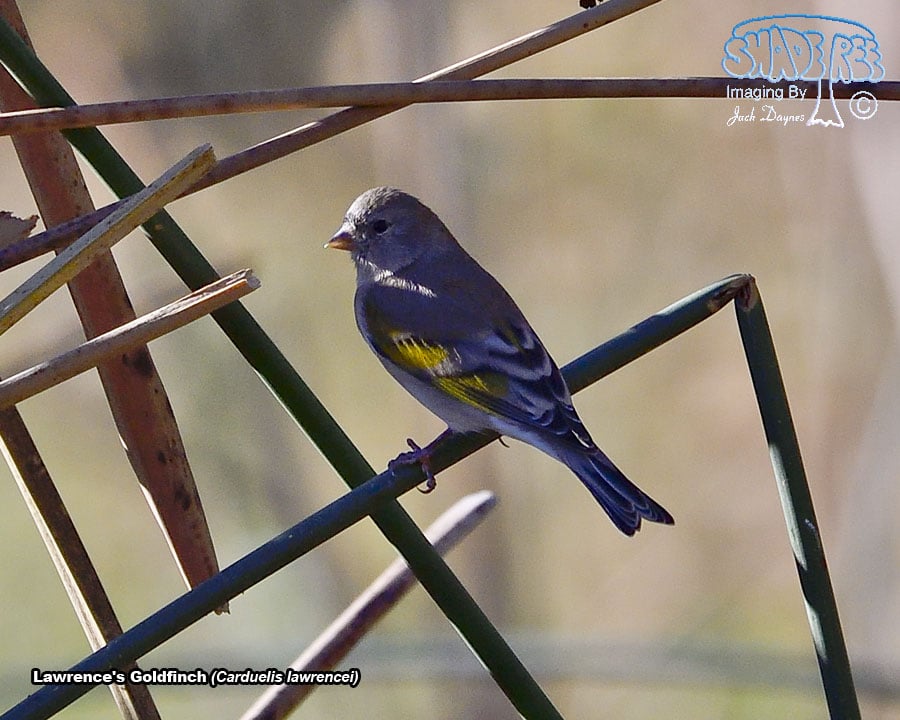
Lawrence's Goldfinch(Carduelis lawrencei) |
|
Description: Camped with the San Diego Natural History team near Campo California. San Diego County. |
Date Taken: 2017:10:27 8:12 |
|
Location:
Clover Flat |
|
Camera Information: NIKON D5, 800 mm, f/8.0, 1/800 |
File Name: LawrencesGoldFinch_D5X5932-CloverFlats |
| © 2017 Jack Daynes, shadeTreeImaging.com |
Click map markers to reveal further information
