
Horse Thief Springs on the northeastern flanks of the Kingston Mountains is one of the Joseph Grinnell restudy locations taken on by the San Diego Natural History Museum. The site is roughly between Death Valley and Las Vegas Nevada.
The Bird and Mammal team from the San Diego Natural History Museum launched an expedition nearly 300 miles north to the north-east flanks of the Kingston Mountains, about 75 miles south of Death Valley and 12 miles from the Nevada border at a site called Horse Thief Springs.
Our plan was to stay for eight days and study two nearby sites that were part of an earlier study from the early 1900s by the great naturalist Joseph Grinnell. The survey history at Horse Thief Springs is complex, but the main two visits they were seeking to replicate were from June 1939: (A. Starker Leopold, Monroe D. Bryant, Ronald W. Smith, and Ward C. Russell) and June 1940: (Alden Miller, David H. Johnson, Frank A. Pitelka, Harvey I. Fisher, Milton Hildebrand, and Thomas C. Groody.) These were all students of Grinnell from the MVZ. They covered the spring itself, and the vicinity, including 2 miles north, other springs to the west (Beck Spring and Crystal Spring), and the higher slopes to the south and west. A few also returned to the area on a few later dates, including 15-18 June 1940.

Horse Thief Springs on the northeastern flanks of the Kingston Mountains is one of the Joseph Grinnell restudy locations taken on by the San Diego Natural History Museum. The site is roughly between Death Valley and Las Vegas Nevada. The site got its moniker because of its past use by a Ute Indian chief (Walkara) who earned a reputation as the “world’s greatest horse thief”. He must have been quite a guy. He spoke five or six languages, and people reported his exploits as far south as Cajon Pass, south of Victorville California.
The springs here make up a desert oasis. The water pushes above ground into a bosque of large cottonwood and willow trees with dense growth of small bulrushes on its floor.
I arrived at our campsite on Tuesday ahead of the rest of the team and scouted viable camping locations. The best site for the main party had no cell reception, so I made my campsite in a location about 2 miles down the valley. I’ve learned that without access to the internet, my time is less efficiently spent. When not done in the field, processing the data for my images might double the time required if I wait until I return home. I invested in a cell phone amplifier for my RV with a high-gain antenna specifically for expeditions such as these. This was my first test of the system on an SDNHM event, and I found it had other benefits.
Our plan was to stay until the following Wednesday for an 8 day stay, but we got word on Thursday that one of our team member’s father was in the ICU in Tucson because of a nasty fall he’d taken at the hospital. Given that I was the only one with cell service, I took the message from a concerned friend back in San Diego about the situation. Because I had staked my RV’s Add-A-Room and awning to the ground for the “Rat Theater”, I had to ride my bike 2 miles to the main camp in the dark. Our friend drove down to my camp and after calling his mom and the hospital staff, he elected to drive directly to Tucson that night. With him gone, the rest of the team had to abbreviate the original scope of the survey.
Despite these unfortunate circumstances, we still managed some meaningful science. The mammal team caught lots of animals. Desert Woodrats were especially abundant. Some even got captured unintentionally in the mist nets meant for birds. Rat Theater had its first introduction to the White-Tailed Antelope Squirrel. This animal is fondly called “Rocket Squirrel” by team members, because of how they launch on release from the Sherman traps used for their capture. We all had visions of the cartoon Tasmanian Devil tearing up the theater scenery, but after a couple of bounces off the glass walls, our little girl settled down and was a cooperative player in the theater.
Perhaps the most surprising find by the bird team was a black-eared Bushtit. This striking pattern represents not a species or subspecies but a morph (polymorphism). Researchers commonly see it in mainland Mexico, but less so in the U.S., where it crops up in a few juvenile males. It is extremely rare in California. The birds do not retain the black “ears” as they age into adults.
Two members of the team were from the Museum of Vertebrate Zoology in Berkeley. They joined us after their own 7 week mission monitoring birds further north in Death Valley and vicinity. These two split their time between the bird and mammal teams. Dan and Andrea from UC Berkeley were each a delight to spend time with. Dan’s approach to his fieldwork impressed me when he told me he’d opted to release a Mountain Chickadee with an unusual beak structure, rather than collect it for the museum, even though he had all the right permits to do so. His field assistant Andrea was brilliant, always willing to pitch in where needed. Her can-do spirit, good humor, and willingness to contribute wherever needed were a joy for all of us to associate with.
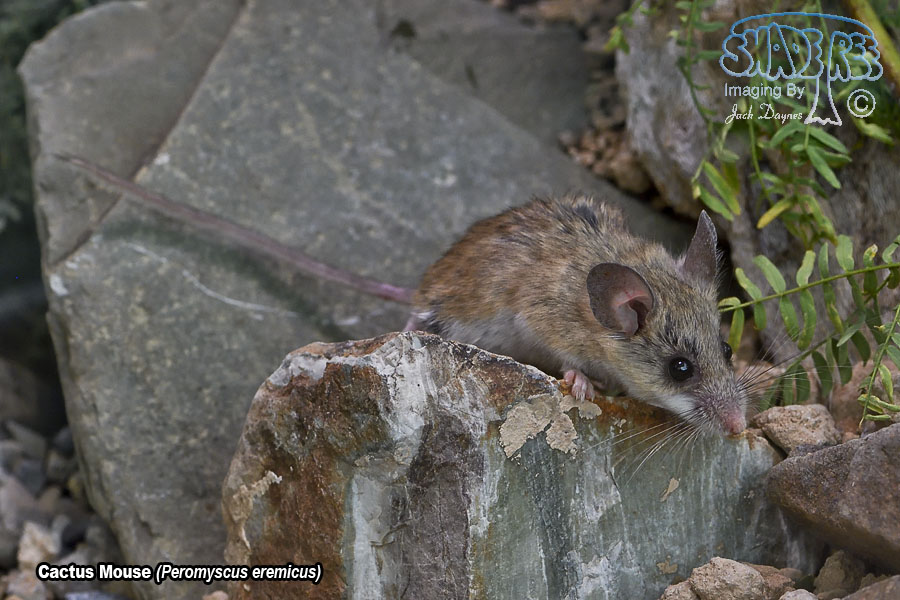
Cactus Mouse(Peromyscus eremicus) |
|
Description: Horse Thief Springs on the northeastern flanks of the Kingston Mountains is one of the Joseph Grinnell restudy locations taken on by the San Diego Natural History Museum. The site is roughly between Death Valley and Las Vegas Nevada. |
Date Taken: 2017:05:24 8:01 |
|
Location:
Horsethief Springs |
|
Camera Information: NIKON D5, 105 mm, f/8.0, 1/200 |
File Name: CactusMouse_D5X2321-P2.PeEr_ |
| © 2017 Jack Daynes, shadeTreeImaging.com |

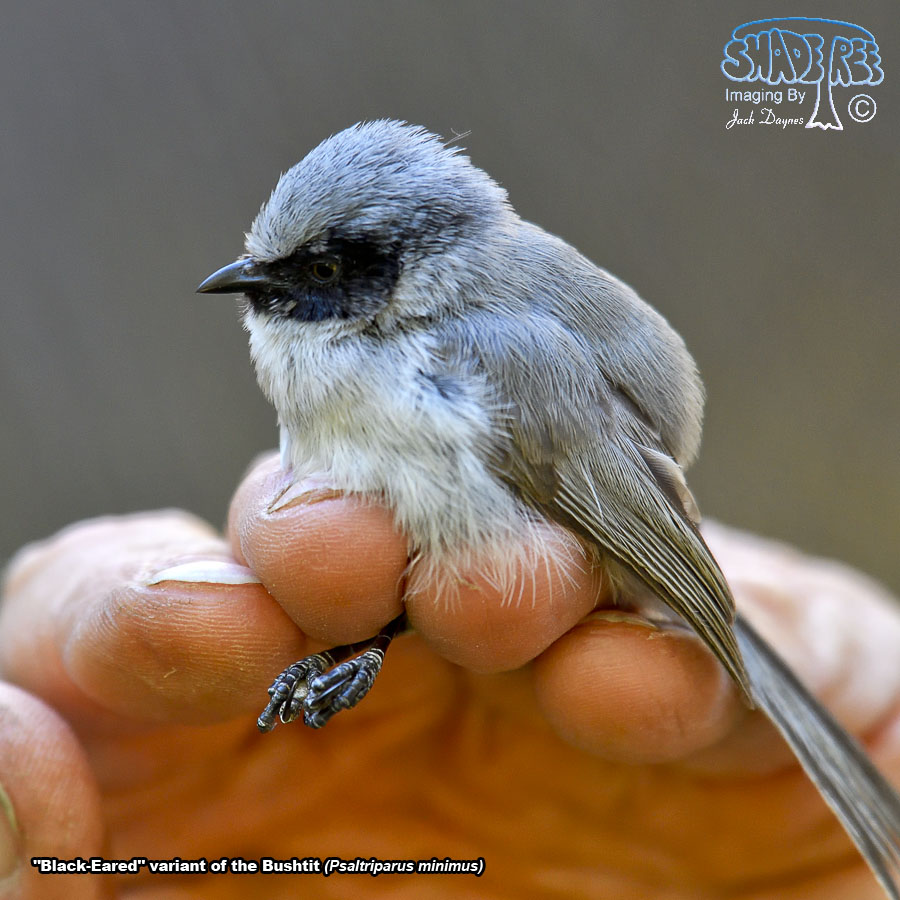
Bushtit(Psaltriparus minimus) |
|
Description: The "Black-Eared" variant of the Bushtit is believed to be a form of Polymorphism in some juvenile birds and is rarely seen in California. It is not retained in the adult birds. Horse Thief Springs on the northeastern flanks of the Kingston Mountains is one of the Joseph Grinnell restudy locations taken on by the San Diego Natural History Museum. The site is roughly between Death Valley and Las Vegas Nevada. |
Date Taken: 2017:05:26 17:14 |
|
Location:
Mandolin |
|
Camera Information: NIKON D5, 800 mm, f/8.0, 1/100 |
File Name: Bushtit_D5X3815-BlackEared |
| © 2017 Jack Daynes, shadeTreeImaging.com |
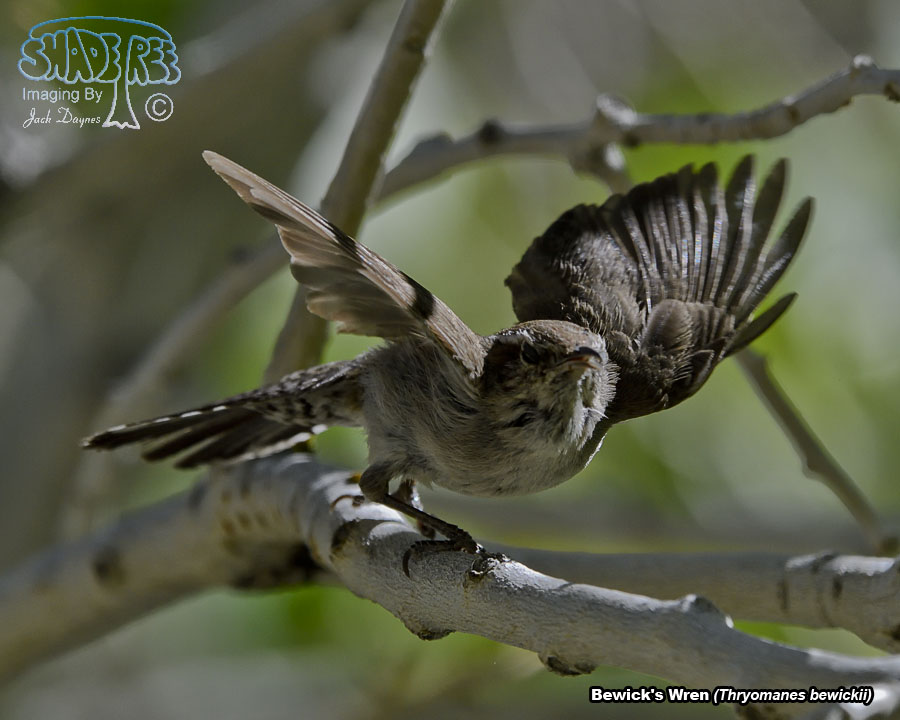
Bewick's Wren(Thryomanes bewickii) |
|
Description: Horse Thief Springs on the northeastern flanks of the Kingston Mountains is one of the Joseph Grinnell restudy locations taken on by the San Diego Natural History Museum. The site is roughly between Death Valley and Las Vegas Nevada. |
Date Taken: 2017:05:23 8:23 |
|
Location:
Horsethief Springs |
|
Camera Information: NIKON D5, 800 mm, f/8.0, 1/3200 |
File Name: BewicksWren_D5X1824 |
| © 2017 Jack Daynes, shadeTreeImaging.com |
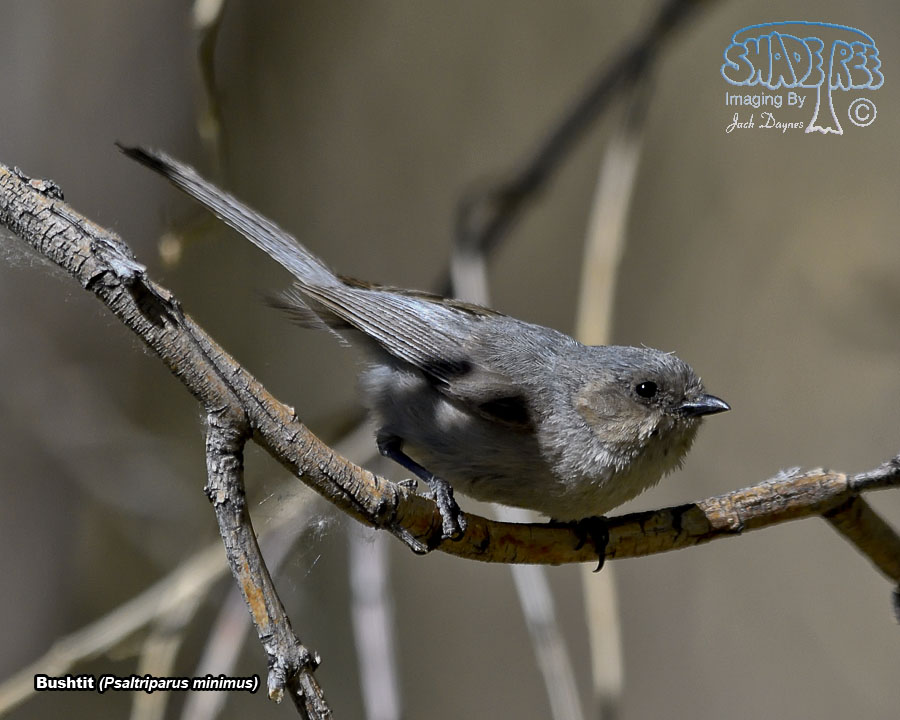
Bushtit(Psaltriparus minimus) |
|
Description: Horse Thief Springs on the northeastern flanks of the Kingston Mountains is one of the Joseph Grinnell restudy locations taken on by the San Diego Natural History Museum. The site is roughly between Death Valley and Las Vegas Nevada. |
Date Taken: 2017:05:23 8:14 |
|
Location:
Horsethief Springs |
|
Camera Information: NIKON D5, 800 mm, f/6.3, 1/6400 |
File Name: Bushtit_D5X1764 |
| © 2017 Jack Daynes, shadeTreeImaging.com |
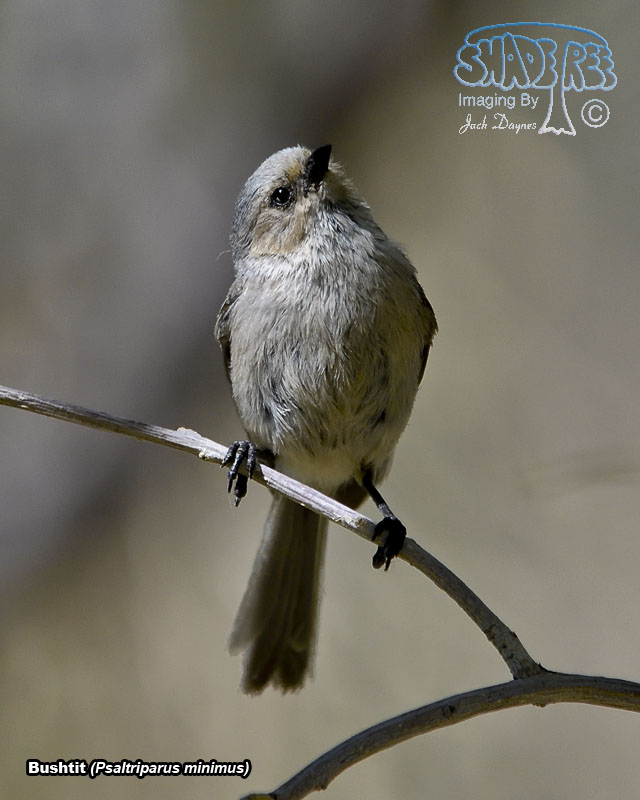
Bushtit(Psaltriparus minimus) |
|
Description: Horse Thief Springs on the northeastern flanks of the Kingston Mountains is one of the Joseph Grinnell restudy locations taken on by the San Diego Natural History Museum. The site is roughly between Death Valley and Las Vegas Nevada. |
Date Taken: 2017:05:23 8:14 |
|
Location:
Horsethief Springs |
|
Camera Information: NIKON D5, 800 mm, f/6.3, 1/5000 |
File Name: Bushtit_D5X1772 |
| © 2017 Jack Daynes, shadeTreeImaging.com |
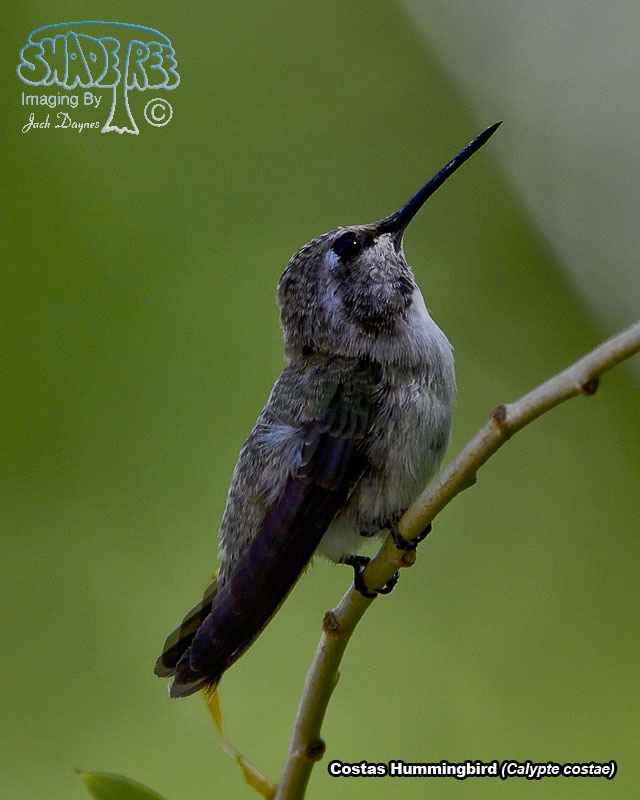
Broad-Tailed Hummingbird(Selasphorus platycercus) |
|
Description: Horse Thief Springs on the northeastern flanks of the Kingston Mountains is one of the Joseph Grinnell restudy locations taken on by the San Diego Natural History Museum. The site is roughly between Death Valley and Las Vegas Nevada. |
Date Taken: 2017:05:23 8:40 |
|
Location:
Horsethief Springs |
|
Camera Information: NIKON D5, 800 mm, f/8.0, 1/1000 |
File Name: CostasHummingbird_D5X1878-Female |
| © 2017 Jack Daynes, shadeTreeImaging.com |
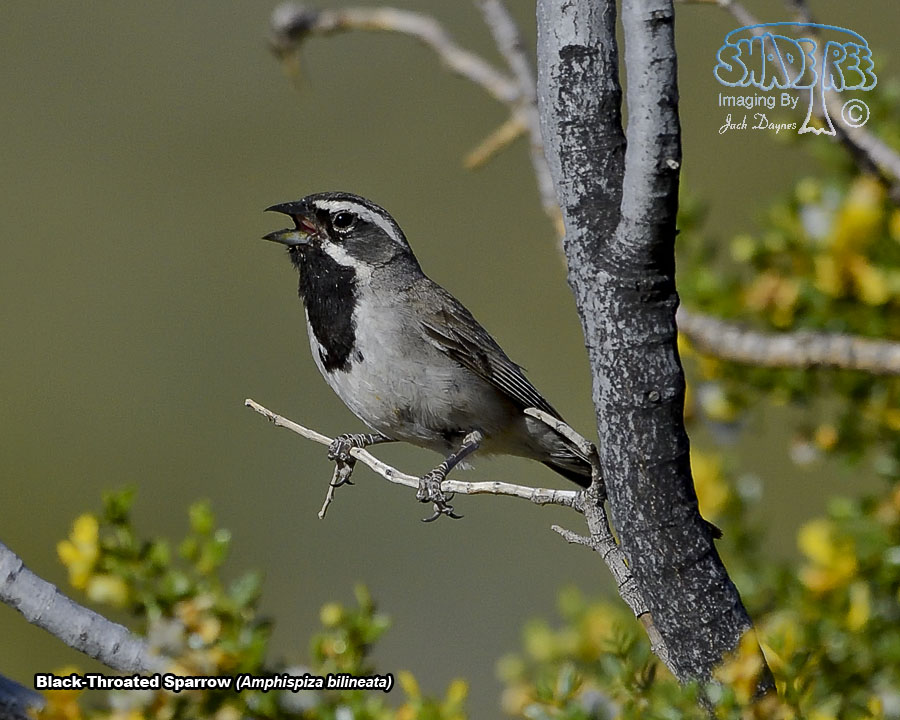
Black-Throated Sparrow(Amphispiza bilineata) |
|
Description: Horse Thief Springs on the northeastern flanks of the Kingston Mountains is one of the Joseph Grinnell restudy locations taken on by the San Diego Natural History Museum. The site is roughly between Death Valley and Las Vegas Nevada. |
Date Taken: 2017:05:24 6:29 |
|
Location:
Mandolin |
|
Camera Information: NIKON D5, 800 mm, f/8.0, 1/4000 |
File Name: BlackThroatedSparrow_D5X1953 |
| © 2017 Jack Daynes, shadeTreeImaging.com |
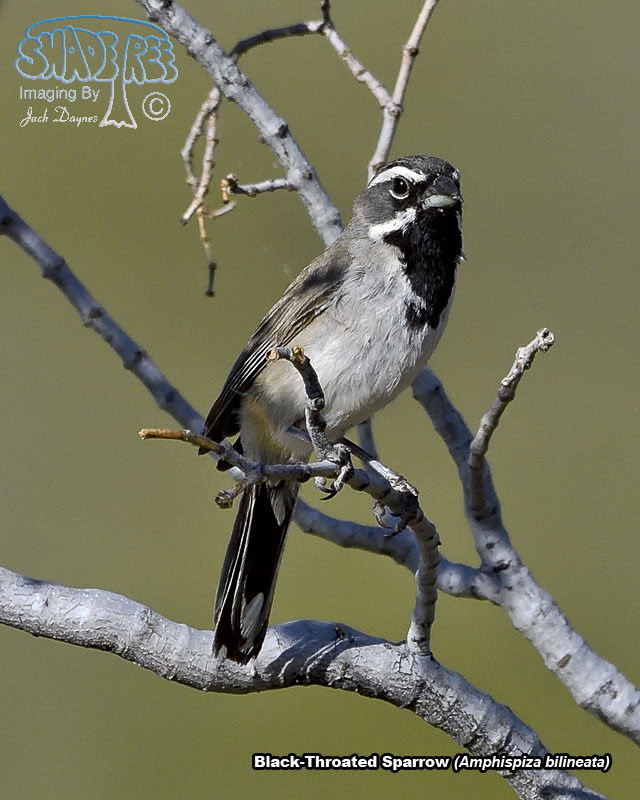
Black-Throated Sparrow(Amphispiza bilineata) |
|
Description: Horse Thief Springs on the northeastern flanks of the Kingston Mountains is one of the Joseph Grinnell restudy locations taken on by the San Diego Natural History Museum. The site is roughly between Death Valley and Las Vegas Nevada. |
Date Taken: 2017:05:24 6:29 |
|
Location:
Mandolin |
|
Camera Information: NIKON D5, 800 mm, f/8.0, 1/4000 |
File Name: BlackThroatedSparrow_D5X1962 |
| © 2017 Jack Daynes, shadeTreeImaging.com |
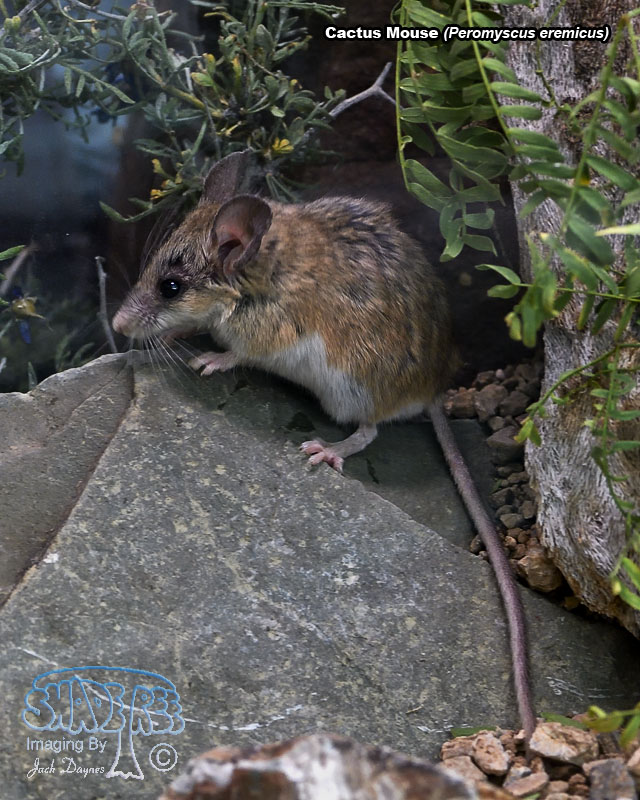
Cactus Mouse(Peromyscus eremicus) |
|
Description: Horse Thief Springs on the northeastern flanks of the Kingston Mountains is one of the Joseph Grinnell restudy locations taken on by the San Diego Natural History Museum. The site is roughly between Death Valley and Las Vegas Nevada. |
Date Taken: 2017:05:24 8:03 |
|
Location:
Horsethief Springs |
|
Camera Information: NIKON D5, 105 mm, f/8.0, 1/160 |
File Name: CactusMouse_D5X2469-P2.PeEr_ |
| © 2017 Jack Daynes, shadeTreeImaging.com |
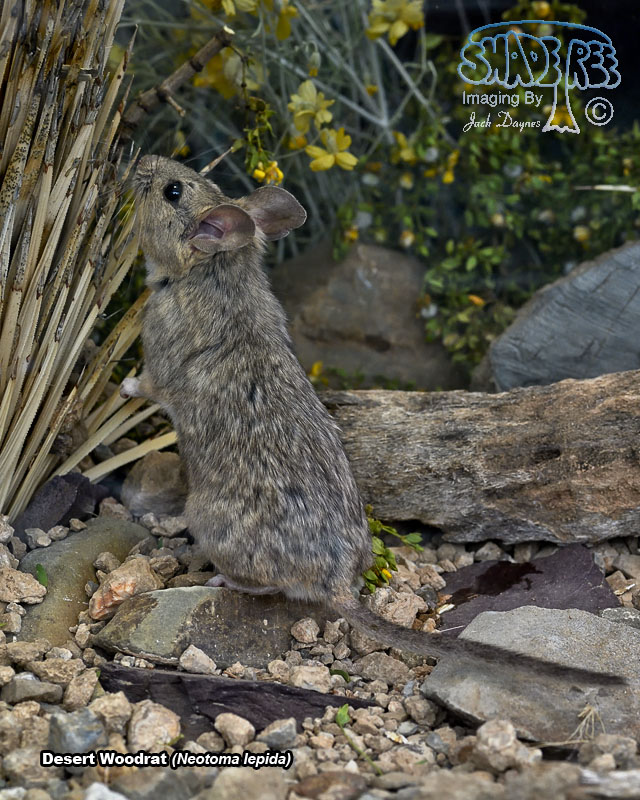
Desert Woodrat(Neotoma lepida) |
|
Description: Horse Thief Springs on the northeastern flanks of the Kingston Mountains is one of the Joseph Grinnell restudy locations taken on by the San Diego Natural History Museum. The site is roughly between Death Valley and Las Vegas Nevada. |
Date Taken: 2017:05:24 8:17 |
|
Location:
Horsethief Springs |
|
Camera Information: NIKON D5, 105 mm, f/8.0, 1/160 |
File Name: DesertWoodrat_D5X2706-P4.NeLe_ |
| © 2017 Jack Daynes, shadeTreeImaging.com |
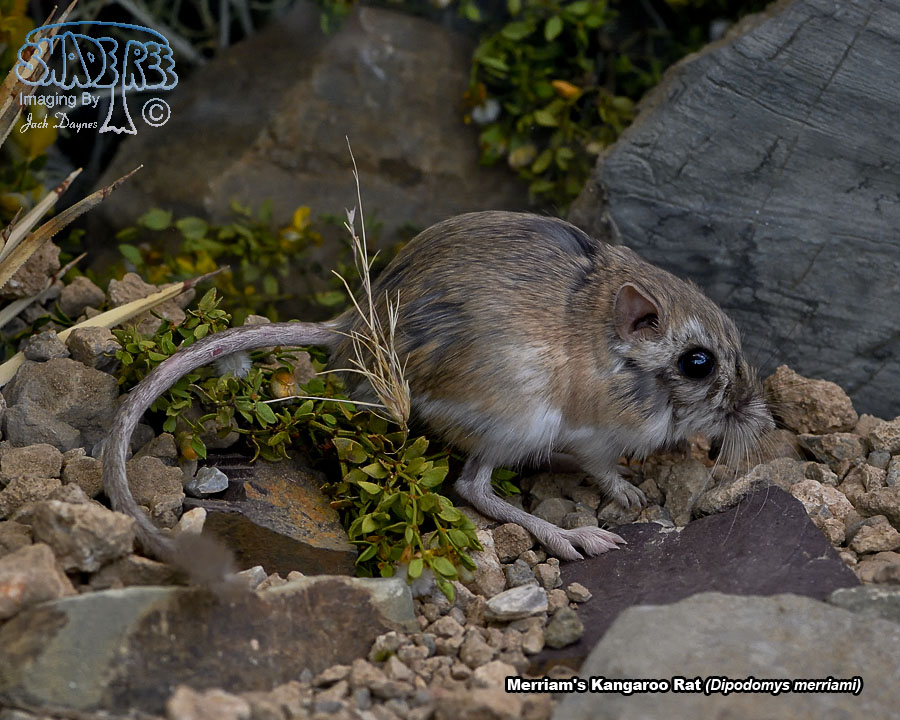
Merriam's Kangaroo Rat(Dipodomys merriami) |
|
Description: Horse Thief Springs on the northeastern flanks of the Kingston Mountains is one of the Joseph Grinnell restudy locations taken on by the San Diego Natural History Museum. The site is roughly between Death Valley and Las Vegas Nevada. |
Date Taken: 2017:05:24 7:35 |
|
Location:
Horsethief Springs |
|
Camera Information: NIKON D5, 105 mm, f/7.1, 1/320 |
File Name: MerriamsKangarooRat_D5X2025-P4.DiMe_ |
| © 2017 Jack Daynes, shadeTreeImaging.com |
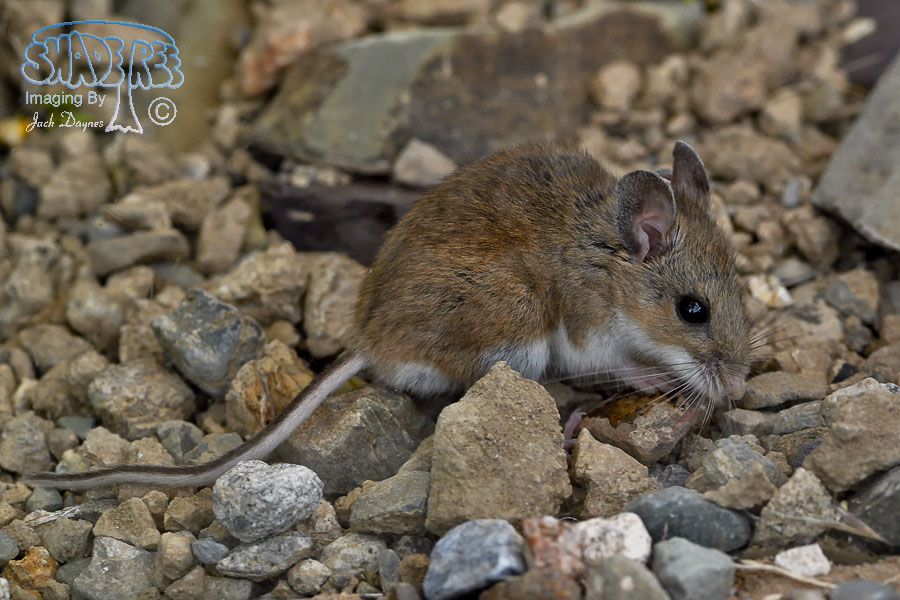
North American Deer Mouse(Peromyscus maniculatus) |
|
Description: Horse Thief Springs on the northeastern flanks of the Kingston Mountains is one of the Joseph Grinnell restudy locations taken on by the San Diego Natural History Museum. The site is roughly between Death Valley and Las Vegas Nevada. |
Date Taken: 2017:05:24 7:58 |
|
Location:
Horsethief Springs |
|
Camera Information: NIKON D5, 105 mm, f/8.0, 1/250 |
File Name: NorthAmericanDeerMouse_D5X2219-P4.PeMa_ |
| © 2017 Jack Daynes, shadeTreeImaging.com |
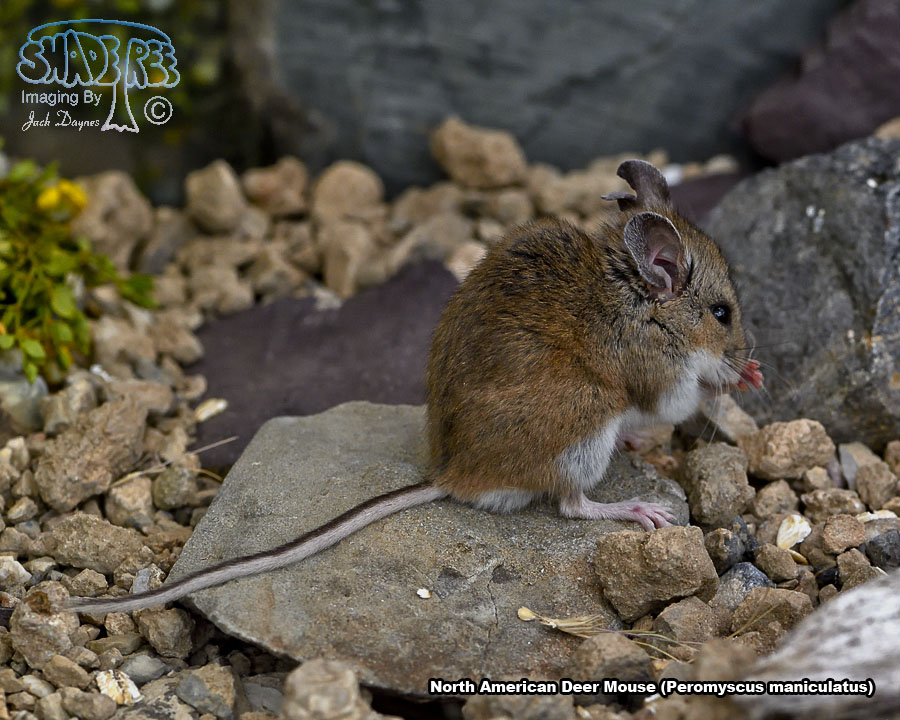
North American Deer Mouse(Peromyscus maniculatus) |
|
Description: Horse Thief Springs on the northeastern flanks of the Kingston Mountains is one of the Joseph Grinnell restudy locations taken on by the San Diego Natural History Museum. The site is roughly between Death Valley and Las Vegas Nevada. |
Date Taken: 2017:05:24 7:58 |
|
Location:
Horsethief Springs |
|
Camera Information: NIKON D5, 105 mm, f/8.0, 1/320 |
File Name: NorthAmericanDeerMouse_D5X2229-P4.PeMa_ |
| © 2017 Jack Daynes, shadeTreeImaging.com |
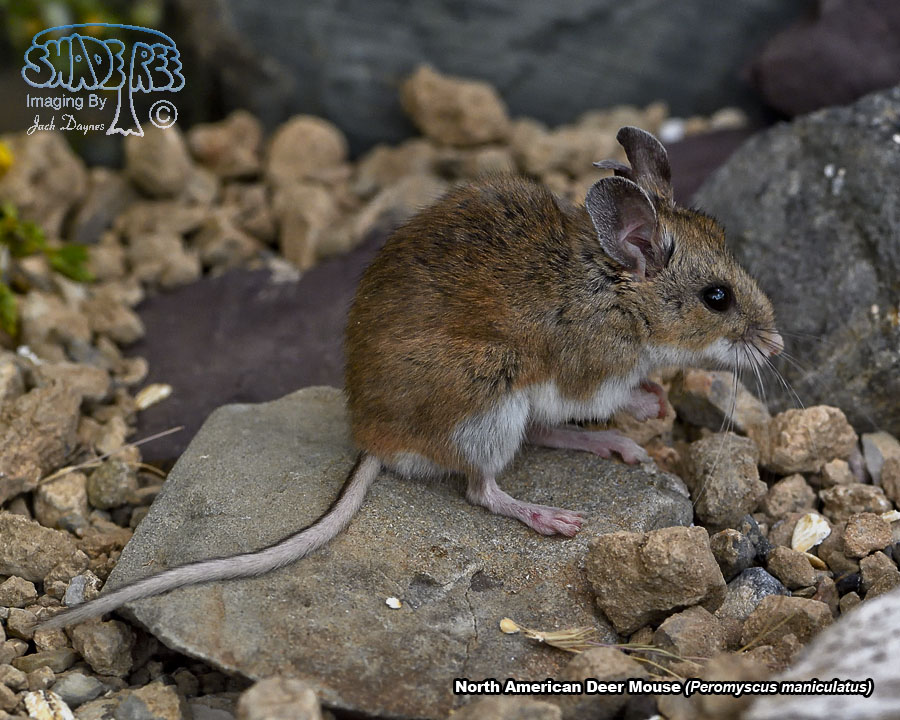
North American Deer Mouse(Peromyscus maniculatus) |
|
Description: Horse Thief Springs on the northeastern flanks of the Kingston Mountains is one of the Joseph Grinnell restudy locations taken on by the San Diego Natural History Museum. The site is roughly between Death Valley and Las Vegas Nevada. |
Date Taken: 2017:05:24 7:58 |
|
Location:
Horsethief Springs |
|
Camera Information: NIKON D5, 105 mm, f/8.0, 1/250 |
File Name: NorthAmericanDeerMouse_D5X2240-P4.PeMa_ |
| © 2017 Jack Daynes, shadeTreeImaging.com |
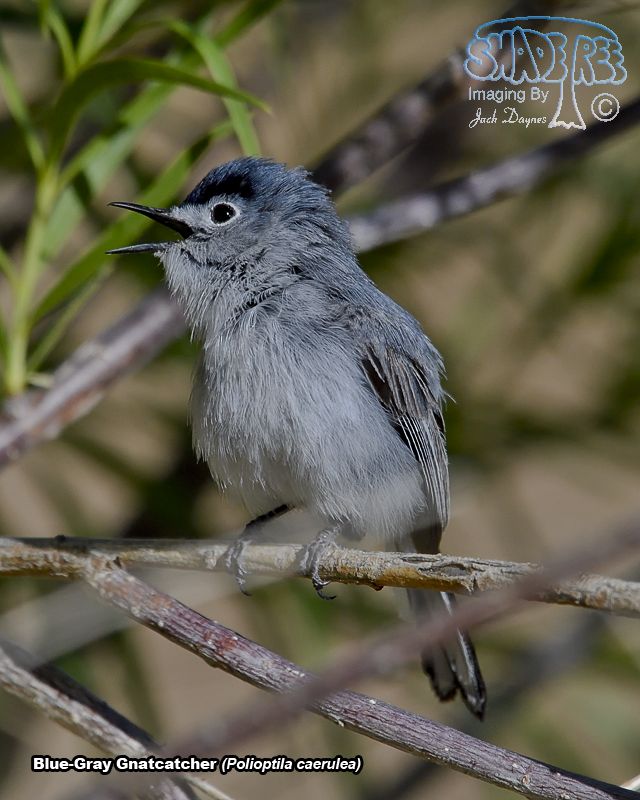
Blue-Gray Gnatcatcher(Polioptila caerulea) |
|
Description: Horse Thief Springs on the northeastern flanks of the Kingston Mountains is one of the Joseph Grinnell restudy locations taken on by the San Diego Natural History Museum. The site is roughly between Death Valley and Las Vegas Nevada. |
Date Taken: 2017:05:25 16:11 |
|
Location:
Mandolin |
|
Camera Information: NIKON D5, 800 mm, f/8.0, 1/4000 |
File Name: BlueGrayGnatcatcher_D5X3518 |
| © 2017 Jack Daynes, shadeTreeImaging.com |
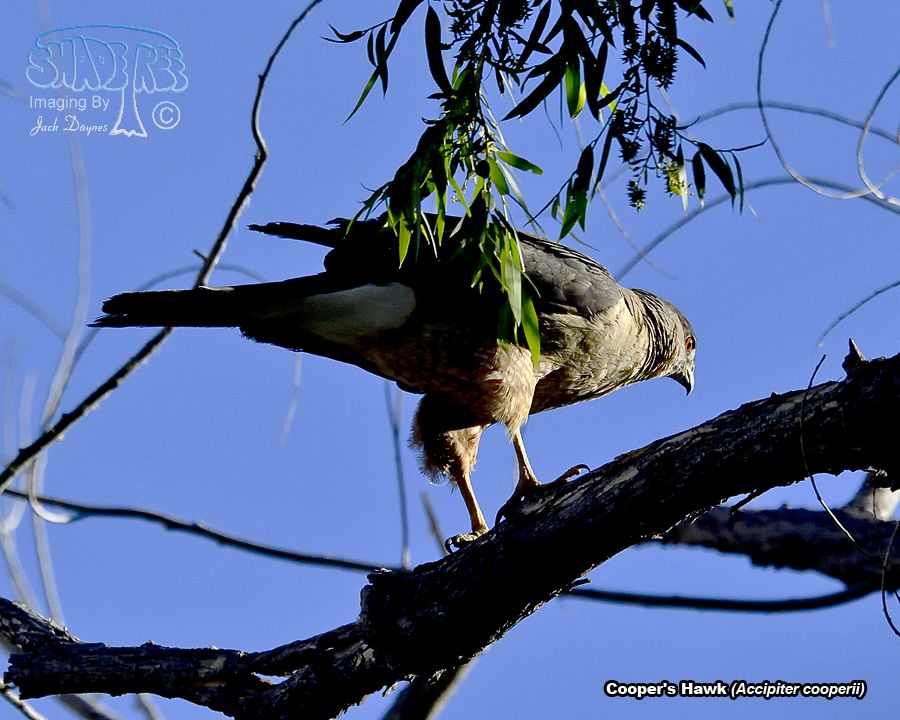
Cooper's Hawk(Accipiter cooperii) |
|
Description: Horse Thief Springs on the northeastern flanks of the Kingston Mountains is one of the Joseph Grinnell restudy locations taken on by the San Diego Natural History Museum. The site is roughly between Death Valley and Las Vegas Nevada. |
Date Taken: 2017:05:25 16:47 |
|
Location:
Mandolin |
|
Camera Information: NIKON D5, 800 mm, f/8.0, 1/5000 |
File Name: CoopersHawk_D5X3608-Female |
| © 2017 Jack Daynes, shadeTreeImaging.com |
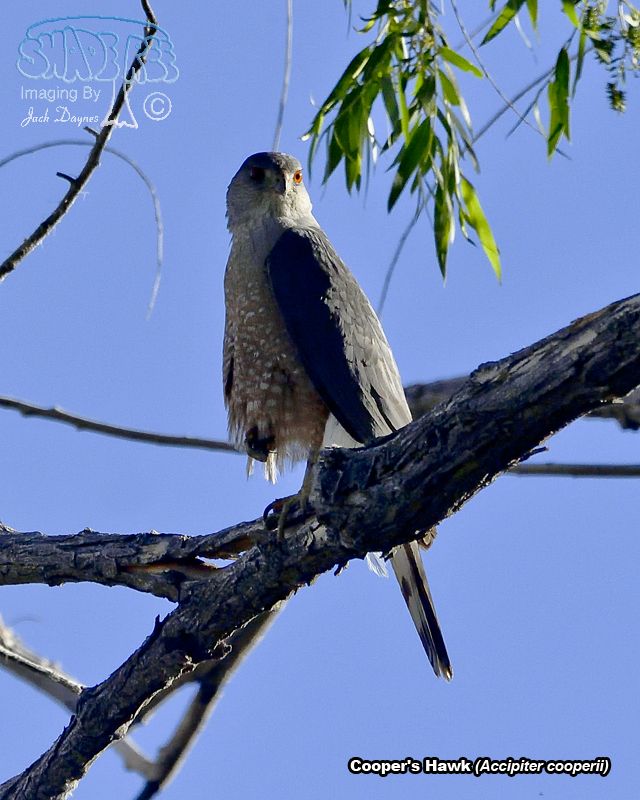
Cooper's Hawk(Accipiter cooperii) |
|
Description: Horse Thief Springs on the northeastern flanks of the Kingston Mountains is one of the Joseph Grinnell restudy locations taken on by the San Diego Natural History Museum. The site is roughly between Death Valley and Las Vegas Nevada. |
Date Taken: 2017:05:25 16:48 |
|
Location:
Mandolin |
|
Camera Information: NIKON D5, 800 mm, f/8.0, 1/5000 |
File Name: CoopersHawk_D5X3630-Male |
| © 2017 Jack Daynes, shadeTreeImaging.com |
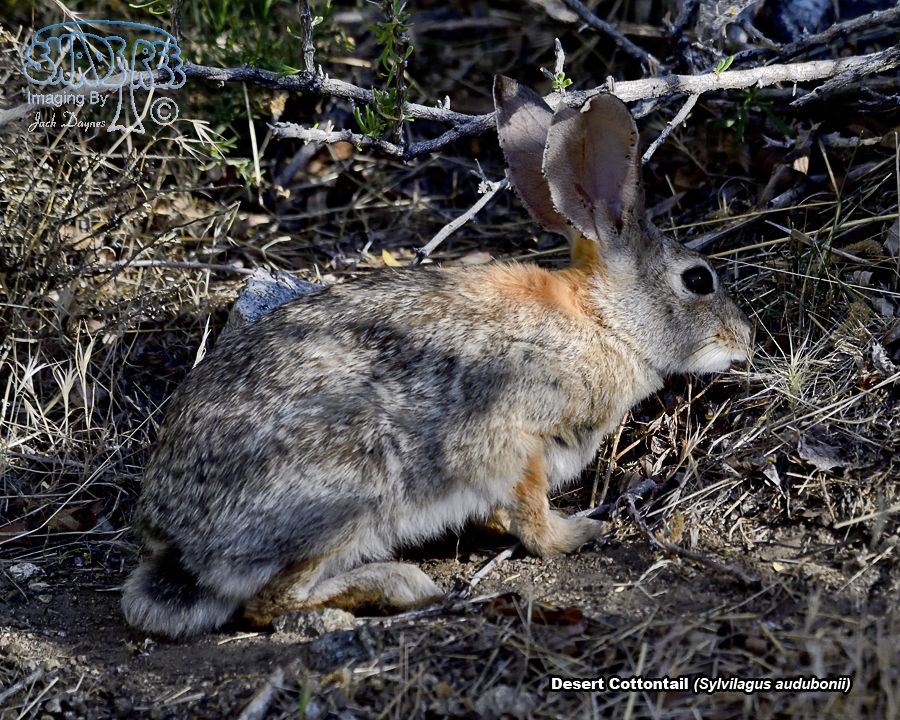
Desert Cottontail(Sylvilagus audubonii) |
|
Description: Horse Thief Springs on the northeastern flanks of the Kingston Mountains is one of the Joseph Grinnell restudy locations taken on by the San Diego Natural History Museum. The site is roughly between Death Valley and Las Vegas Nevada. |
Date Taken: 2017:05:25 16:58 |
|
Location:
Mandolin |
|
Camera Information: NIKON D5, 800 mm, f/8.0, 1/1600 |
File Name: DesertCottonTail_D5X3638 |
| © 2017 Jack Daynes, shadeTreeImaging.com |
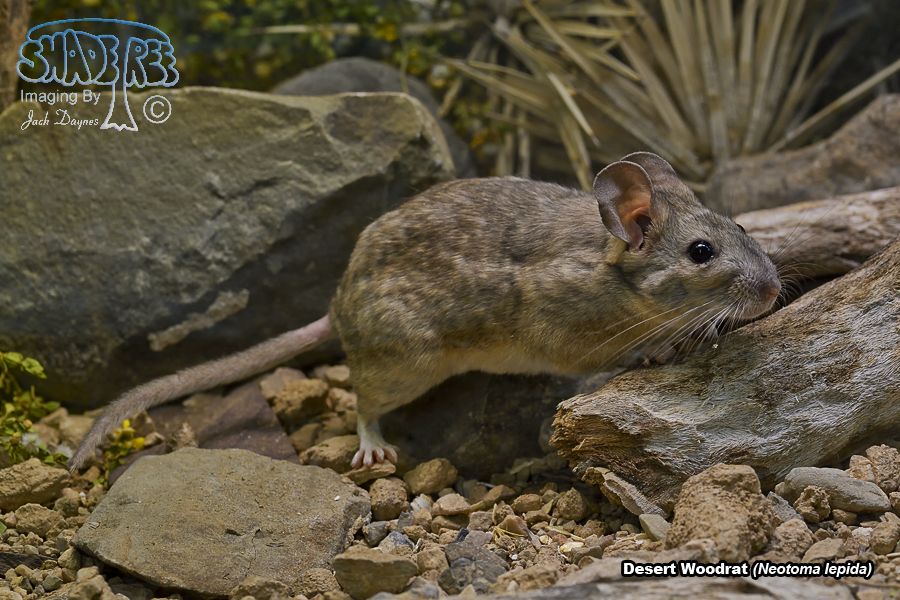
Desert Woodrat(Neotoma lepida) |
|
Description: Horse Thief Springs on the northeastern flanks of the Kingston Mountains is one of the Joseph Grinnell restudy locations taken on by the San Diego Natural History Museum. The site is roughly between Death Valley and Las Vegas Nevada. |
Date Taken: 2017:05:25 8:19 |
|
Location:
Mandolin |
|
Camera Information: NIKON D5, 105 mm, f/8.0, 1/160 |
File Name: DesertWoodRat_D5X3119-HTS9 |
| © 2017 Jack Daynes, shadeTreeImaging.com |
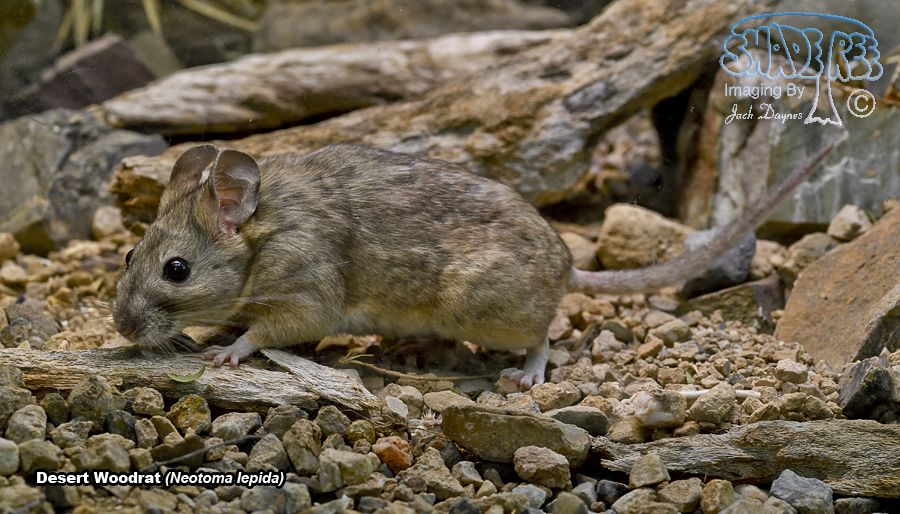
Desert Woodrat(Neotoma lepida) |
|
Description: Horse Thief Springs on the northeastern flanks of the Kingston Mountains is one of the Joseph Grinnell restudy locations taken on by the San Diego Natural History Museum. The site is roughly between Death Valley and Las Vegas Nevada. |
Date Taken: 2017:05:25 8:21 |
|
Location:
Mandolin |
|
Camera Information: NIKON D5, 105 mm, f/8.0, 1/200 |
File Name: DesertWoodRat_D5X3148-HTS9 |
| © 2017 Jack Daynes, shadeTreeImaging.com |
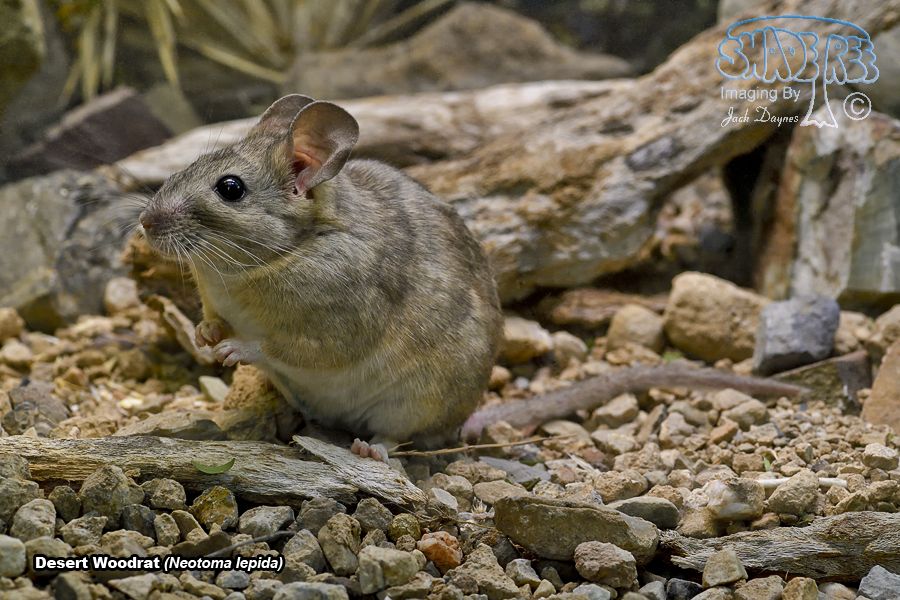
Desert Woodrat(Neotoma lepida) |
|
Description: Horse Thief Springs on the northeastern flanks of the Kingston Mountains is one of the Joseph Grinnell restudy locations taken on by the San Diego Natural History Museum. The site is roughly between Death Valley and Las Vegas Nevada. |
Date Taken: 2017:05:25 8:21 |
|
Location:
Mandolin |
|
Camera Information: NIKON D5, 105 mm, f/8.0, 1/200 |
File Name: DesertWoodRat_D5X3153-HTS9 |
| © 2017 Jack Daynes, shadeTreeImaging.com |
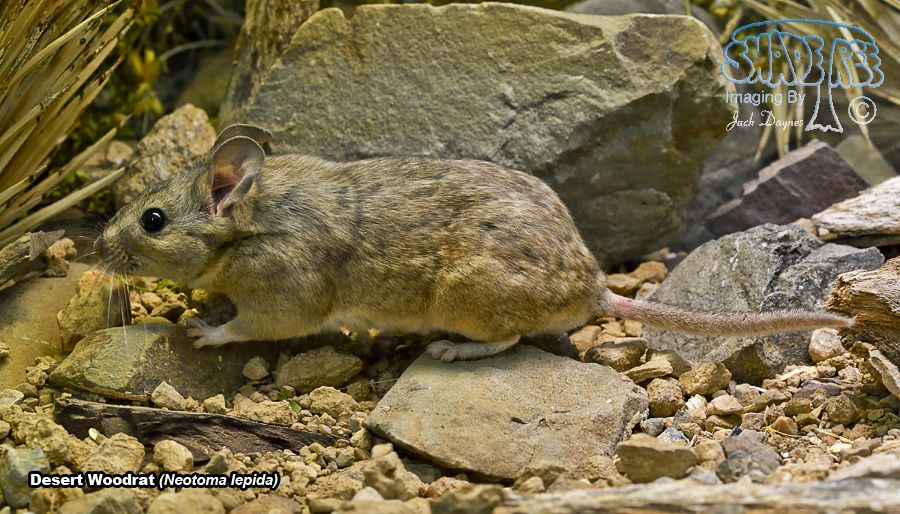
Desert Woodrat(Neotoma lepida) |
|
Description: Horse Thief Springs on the northeastern flanks of the Kingston Mountains is one of the Joseph Grinnell restudy locations taken on by the San Diego Natural History Museum. The site is roughly between Death Valley and Las Vegas Nevada. |
Date Taken: 2017:05:25 8:21 |
|
Location:
Mandolin |
|
Camera Information: NIKON D5, 105 mm, f/8.0, 1/160 |
File Name: DesertWoodRat_D5X3157-HTS9 |
| © 2017 Jack Daynes, shadeTreeImaging.com |
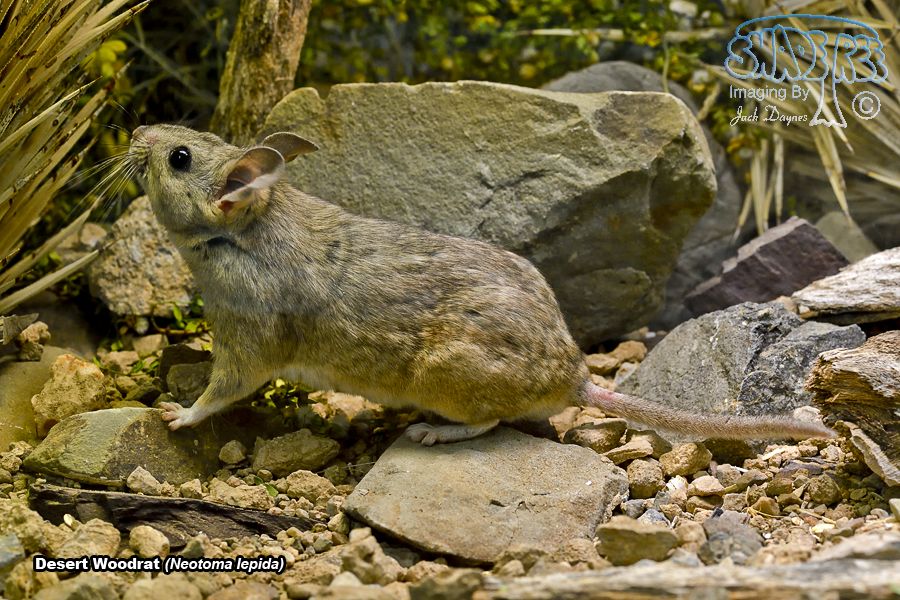
Desert Woodrat(Neotoma lepida) |
|
Description: Horse Thief Springs on the northeastern flanks of the Kingston Mountains is one of the Joseph Grinnell restudy locations taken on by the San Diego Natural History Museum. The site is roughly between Death Valley and Las Vegas Nevada. |
Date Taken: 2017:05:25 8:21 |
|
Location:
Mandolin |
|
Camera Information: NIKON D5, 105 mm, f/8.0, 1/200 |
File Name: DesertWoodRat_D5X3159-HTS9 |
| © 2017 Jack Daynes, shadeTreeImaging.com |
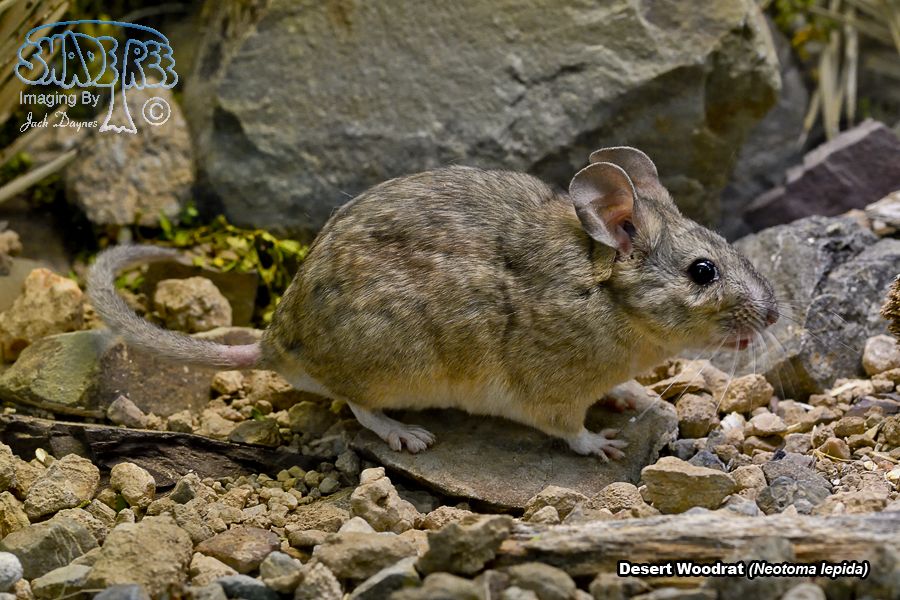
Desert Woodrat(Neotoma lepida) |
|
Description: Horse Thief Springs on the northeastern flanks of the Kingston Mountains is one of the Joseph Grinnell restudy locations taken on by the San Diego Natural History Museum. The site is roughly between Death Valley and Las Vegas Nevada. |
Date Taken: 2017:05:25 8:22 |
|
Location:
Mandolin |
|
Camera Information: NIKON D5, 105 mm, f/8.0, 1/160 |
File Name: DesertWoodRat_D5X3171-HTS9 |
| © 2017 Jack Daynes, shadeTreeImaging.com |
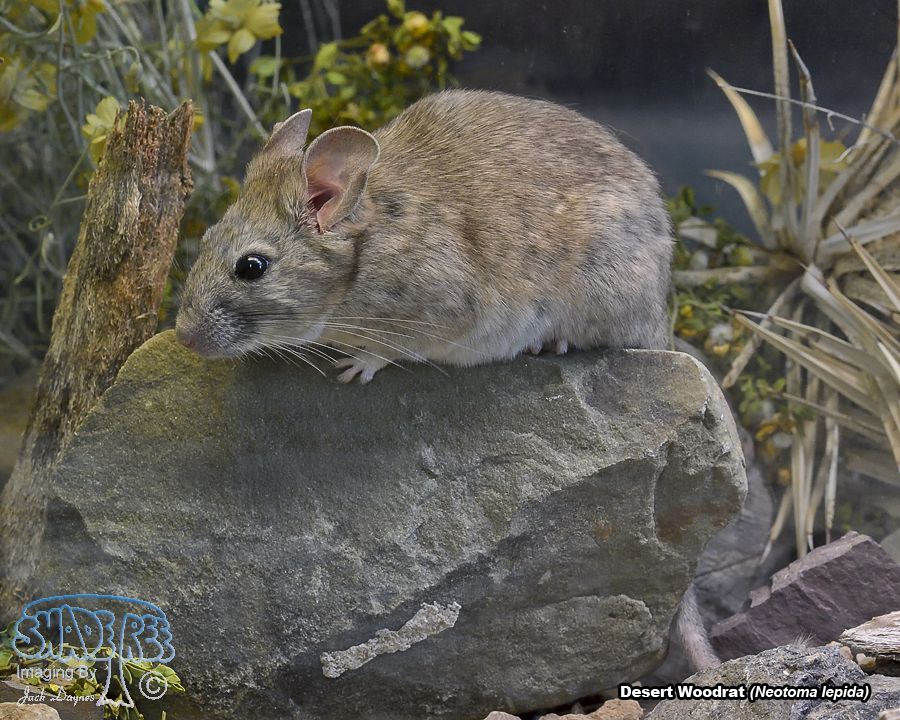
Desert Woodrat(Neotoma lepida) |
|
Description: Horse Thief Springs on the northeastern flanks of the Kingston Mountains is one of the Joseph Grinnell restudy locations taken on by the San Diego Natural History Museum. The site is roughly between Death Valley and Las Vegas Nevada. |
Date Taken: 2017:05:25 8:39 |
|
Location:
Mandolin |
|
Camera Information: NIKON D5, 105 mm, f/8.0, 1/100 |
File Name: DesertWoodRat_D5X3223-HTS6 |
| © 2017 Jack Daynes, shadeTreeImaging.com |
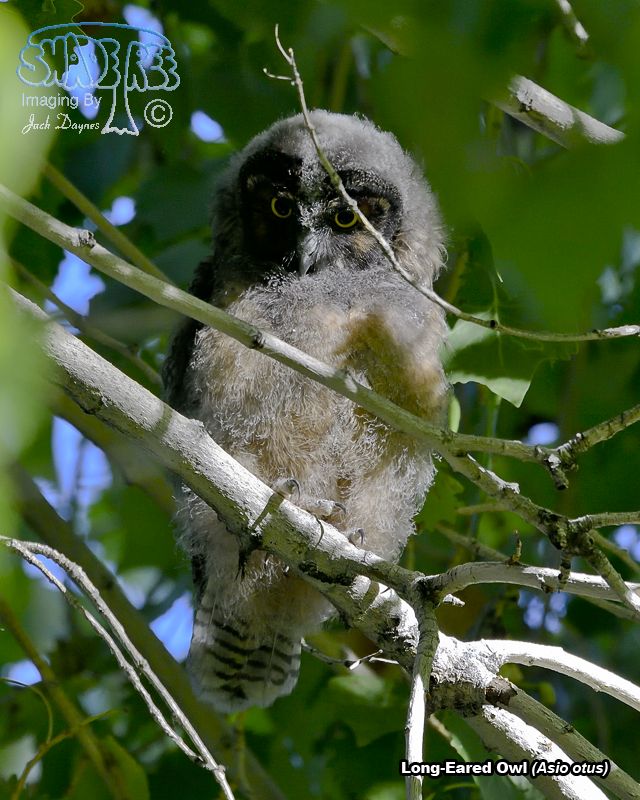
Long-Eared Owl(Asio otus) |
|
Description: Horse Thief Springs on the northeastern flanks of the Kingston Mountains is one of the Joseph Grinnell restudy locations taken on by the San Diego Natural History Museum. The site is roughly between Death Valley and Las Vegas Nevada. |
Date Taken: 2017:05:25 16:31 |
|
Location:
Mandolin |
|
Camera Information: NIKON D5, 800 mm, f/8.0, 1/640 |
File Name: LongEaredOwl_D5X3540-Fledgling |
| © 2017 Jack Daynes, shadeTreeImaging.com |
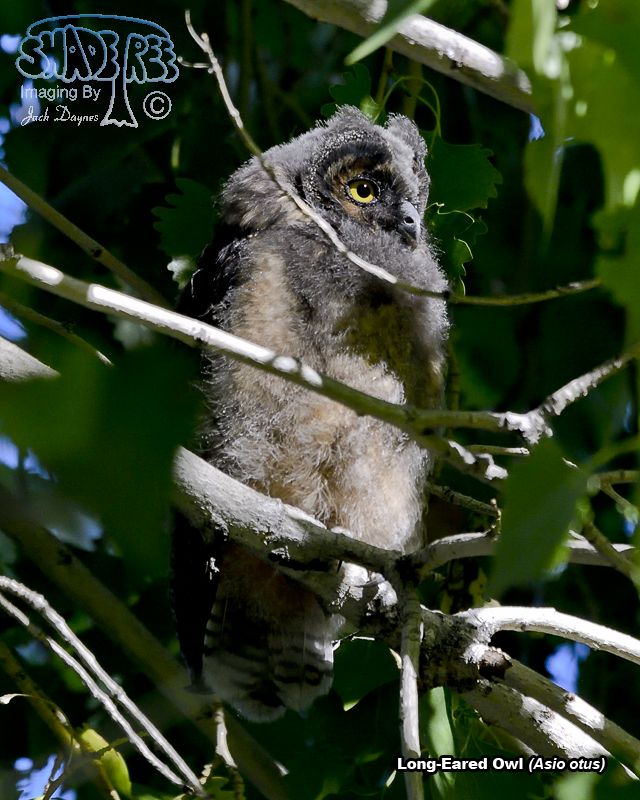
Long-Eared Owl(Asio otus) |
|
Description: Horse Thief Springs on the northeastern flanks of the Kingston Mountains is one of the Joseph Grinnell restudy locations taken on by the San Diego Natural History Museum. The site is roughly between Death Valley and Las Vegas Nevada. |
Date Taken: 2017:05:25 16:35 |
|
Location:
Mandolin |
|
Camera Information: NIKON D5, 800 mm, f/8.0, 1/800 |
File Name: LongEaredOwl_D5X3559-Fledgling |
| © 2017 Jack Daynes, shadeTreeImaging.com |
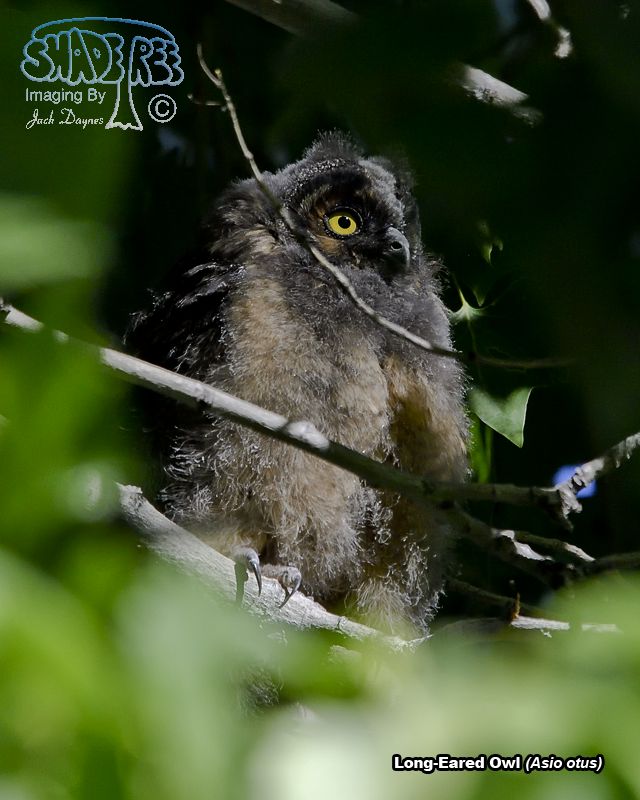
Long-Eared Owl(Asio otus) |
|
Description: Horse Thief Springs on the northeastern flanks of the Kingston Mountains is one of the Joseph Grinnell restudy locations taken on by the San Diego Natural History Museum. The site is roughly between Death Valley and Las Vegas Nevada. |
Date Taken: 2017:05:25 16:37 |
|
Location:
Mandolin |
|
Camera Information: NIKON D5, 800 mm, f/8.0, 1/1600 |
File Name: LongEaredOwl_D5X3576-Fledgling |
| © 2017 Jack Daynes, shadeTreeImaging.com |
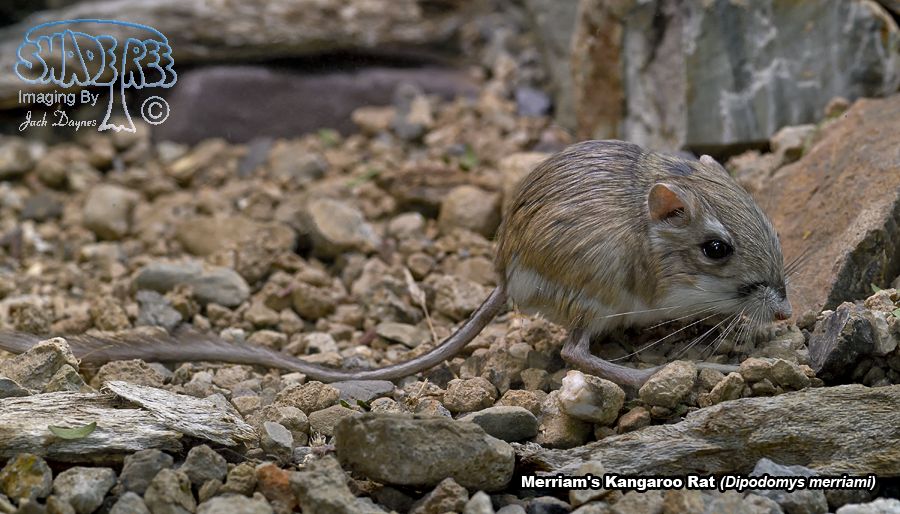
Merriam's Kangaroo Rat(Dipodomys merriami) |
|
Description: Horse Thief Springs on the northeastern flanks of the Kingston Mountains is one of the Joseph Grinnell restudy locations taken on by the San Diego Natural History Museum. The site is roughly between Death Valley and Las Vegas Nevada. |
Date Taken: 2017:05:25 7:51 |
|
Location:
Mandolin |
|
Camera Information: NIKON D5, 105 mm, f/8.0, 1/160 |
File Name: MerriamsKangarooRat_D5X2807-HTS8 |
| © 2017 Jack Daynes, shadeTreeImaging.com |
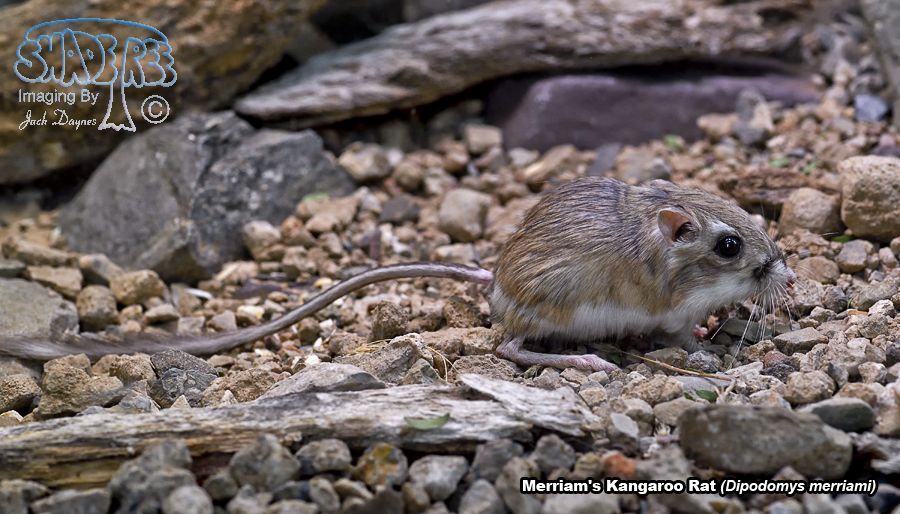
Merriam's Kangaroo Rat(Dipodomys merriami) |
|
Description: Horse Thief Springs on the northeastern flanks of the Kingston Mountains is one of the Joseph Grinnell restudy locations taken on by the San Diego Natural History Museum. The site is roughly between Death Valley and Las Vegas Nevada. |
Date Taken: 2017:05:25 7:52 |
|
Location:
Mandolin |
|
Camera Information: NIKON D5, 105 mm, f/8.0, 1/160 |
File Name: MerriamsKangarooRat_D5X2818-HTS8 |
| © 2017 Jack Daynes, shadeTreeImaging.com |
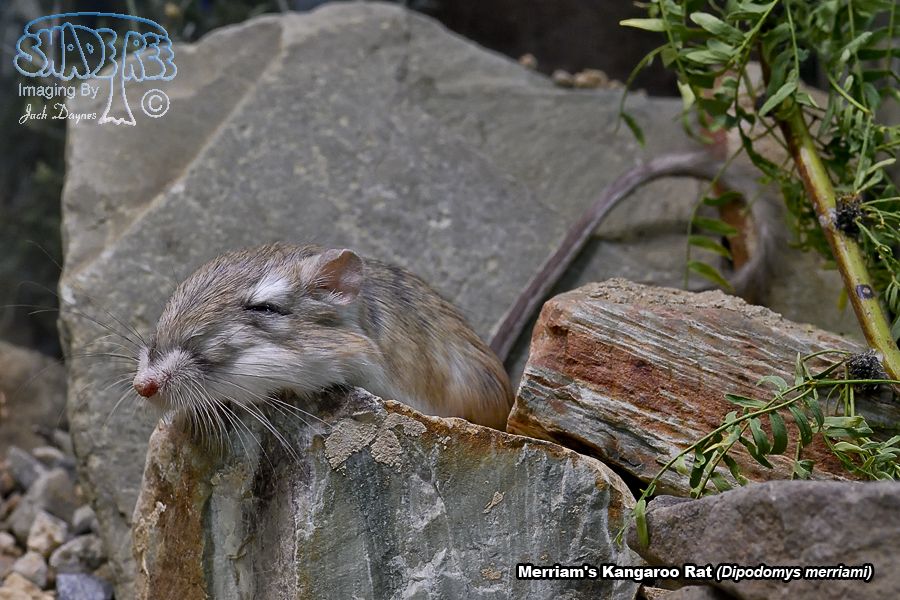
Merriam's Kangaroo Rat(Dipodomys merriami) |
|
Description: Horse Thief Springs on the northeastern flanks of the Kingston Mountains is one of the Joseph Grinnell restudy locations taken on by the San Diego Natural History Museum. The site is roughly between Death Valley and Las Vegas Nevada. |
Date Taken: 2017:05:25 7:53 |
|
Location:
Mandolin |
|
Camera Information: NIKON D5, 105 mm, f/8.0, 1/125 |
File Name: MerriamsKangarooRat_D5X2839-HTS8 |
| © 2017 Jack Daynes, shadeTreeImaging.com |
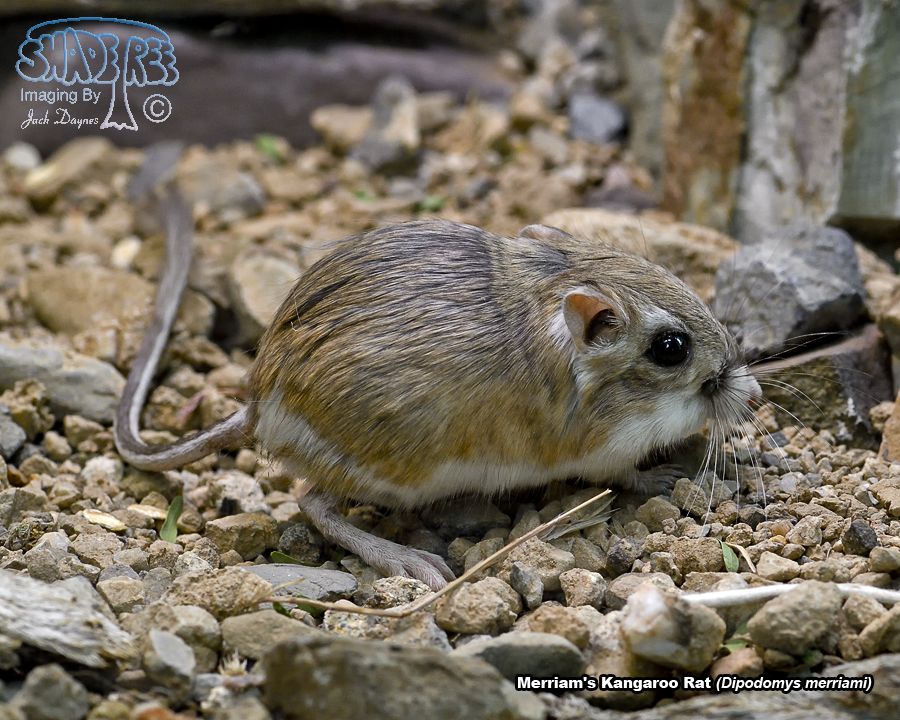
Merriam's Kangaroo Rat(Dipodomys merriami) |
|
Description: Horse Thief Springs on the northeastern flanks of the Kingston Mountains is one of the Joseph Grinnell restudy locations taken on by the San Diego Natural History Museum. The site is roughly between Death Valley and Las Vegas Nevada. |
Date Taken: 2017:05:25 7:56 |
|
Location:
Mandolin |
|
Camera Information: NIKON D5, 105 mm, f/8.0, 1/125 |
File Name: MerriamsKangarooRat_D5X2857-HTS8 |
| © 2017 Jack Daynes, shadeTreeImaging.com |
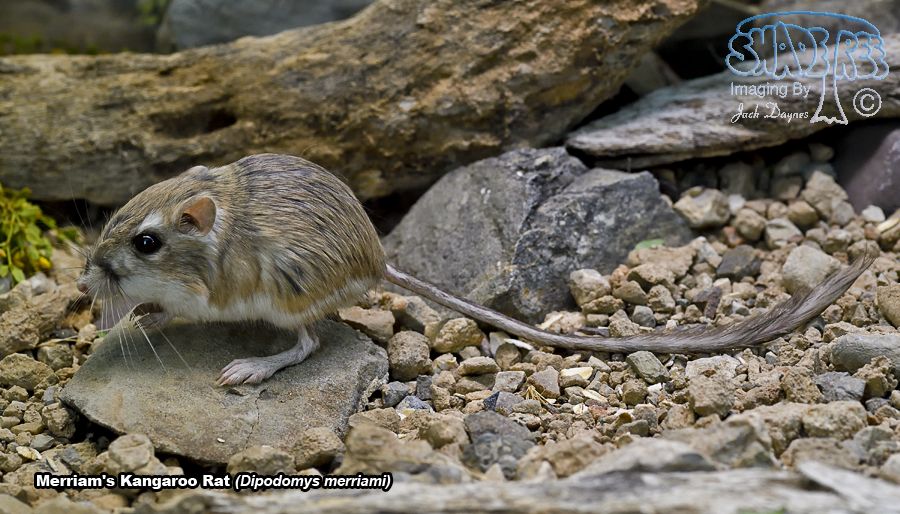
Merriam's Kangaroo Rat(Dipodomys merriami) |
|
Description: Horse Thief Springs on the northeastern flanks of the Kingston Mountains is one of the Joseph Grinnell restudy locations taken on by the San Diego Natural History Museum. The site is roughly between Death Valley and Las Vegas Nevada. |
Date Taken: 2017:05:25 7:58 |
|
Location:
Mandolin |
|
Camera Information: NIKON D5, 105 mm, f/8.0, 1/160 |
File Name: MerriamsKangarooRat_D5X2881-HTS8 |
| © 2017 Jack Daynes, shadeTreeImaging.com |
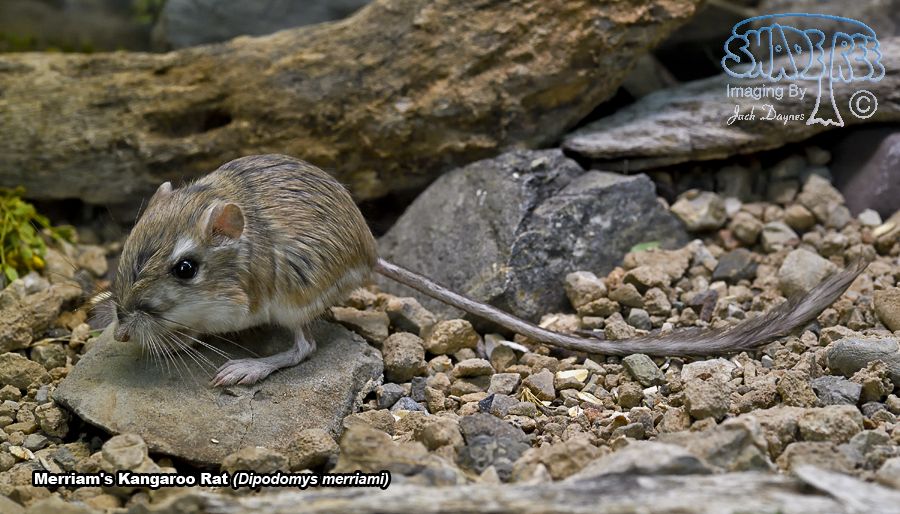
Merriam's Kangaroo Rat(Dipodomys merriami) |
|
Description: Horse Thief Springs on the northeastern flanks of the Kingston Mountains is one of the Joseph Grinnell restudy locations taken on by the San Diego Natural History Museum. The site is roughly between Death Valley and Las Vegas Nevada. |
Date Taken: 2017:05:25 7:58 |
|
Location:
Mandolin |
|
Camera Information: NIKON D5, 105 mm, f/8.0, 1/160 |
File Name: MerriamsKangarooRat_D5X2883-HTS8 |
| © 2017 Jack Daynes, shadeTreeImaging.com |
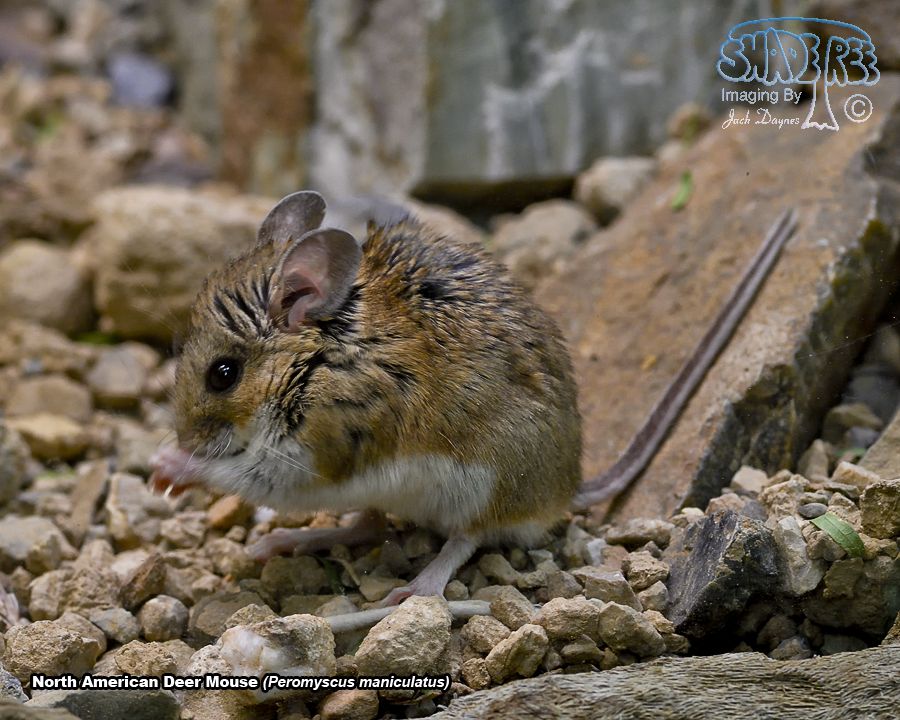
North American Deer Mouse(Peromyscus maniculatus) |
|
Description: Horse Thief Springs on the northeastern flanks of the Kingston Mountains is one of the Joseph Grinnell restudy locations taken on by the San Diego Natural History Museum. The site is roughly between Death Valley and Las Vegas Nevada. |
Date Taken: 2017:05:25 8:02 |
|
Location:
Mandolin |
|
Camera Information: NIKON D5, 105 mm, f/8.0, 1/125 |
File Name: NorthAmericanDeerMouse_D5X2934-HTS10 |
| © 2017 Jack Daynes, shadeTree Imaging |
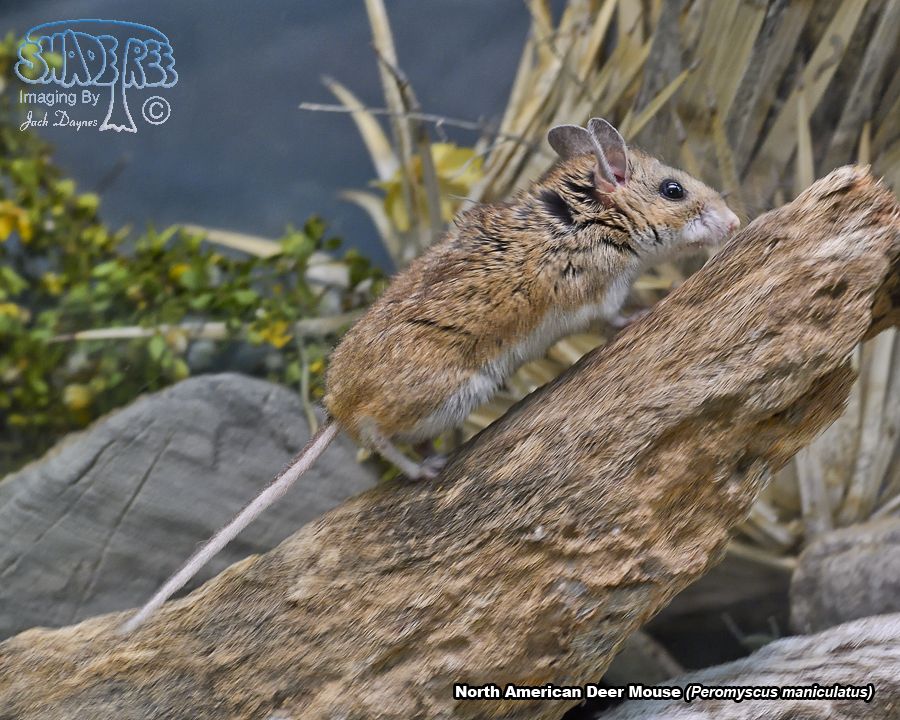
North American Deer Mouse(Peromyscus maniculatus) |
|
Description: Horse Thief Springs on the northeastern flanks of the Kingston Mountains is one of the Joseph Grinnell restudy locations taken on by the San Diego Natural History Museum. The site is roughly between Death Valley and Las Vegas Nevada. |
Date Taken: 2017:05:25 8:03 |
|
Location:
Mandolin |
|
Camera Information: NIKON D5, 105 mm, f/8.0, 1/60 |
File Name: NorthAmericanDeerMouse_D5X2993-HTS10 |
| © 2017 Jack Daynes, shadeTree Imaging |
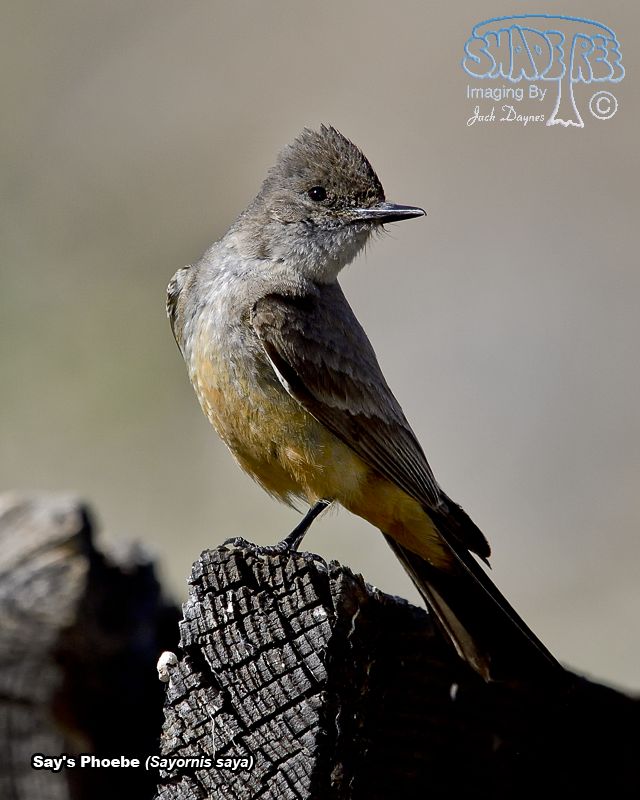
Say's Phoebe(Sayornis saya) |
|
Description: Horse Thief Springs on the northeastern flanks of the Kingston Mountains is one of the Joseph Grinnell restudy locations taken on by the San Diego Natural History Museum. The site is roughly between Death Valley and Las Vegas Nevada. |
Date Taken: 2017:05:25 15:56 |
|
Location:
Mandolin |
|
Camera Information: NIKON D5, 800 mm, f/8.0, 1/3200 |
File Name: SaysPhoebe_D5X3406 |
| © 2017 Jack Daynes, shadeTree Imaging |
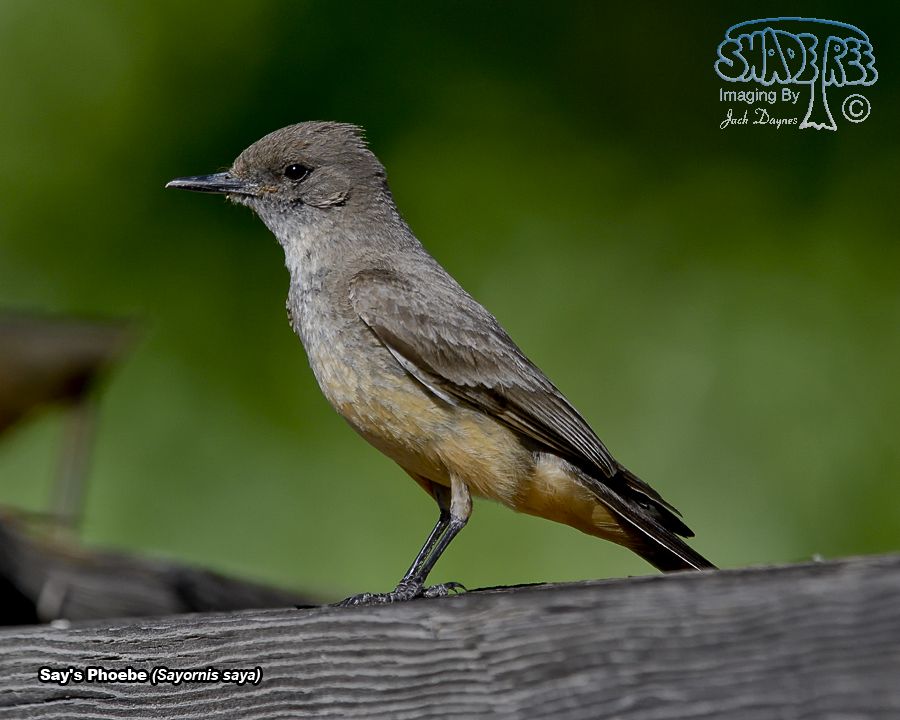
Say's Phoebe(Sayornis saya) |
|
Description: Horse Thief Springs on the northeastern flanks of the Kingston Mountains is one of the Joseph Grinnell restudy locations taken on by the San Diego Natural History Museum. The site is roughly between Death Valley and Las Vegas Nevada. |
Date Taken: 2017:05:25 15:58 |
|
Location:
Mandolin |
|
Camera Information: NIKON D5, 800 mm, f/8.0, 1/2500 |
File Name: SaysPhoebe_D5X3423 |
| © 2017 Jack Daynes, shadeTree Imaging |
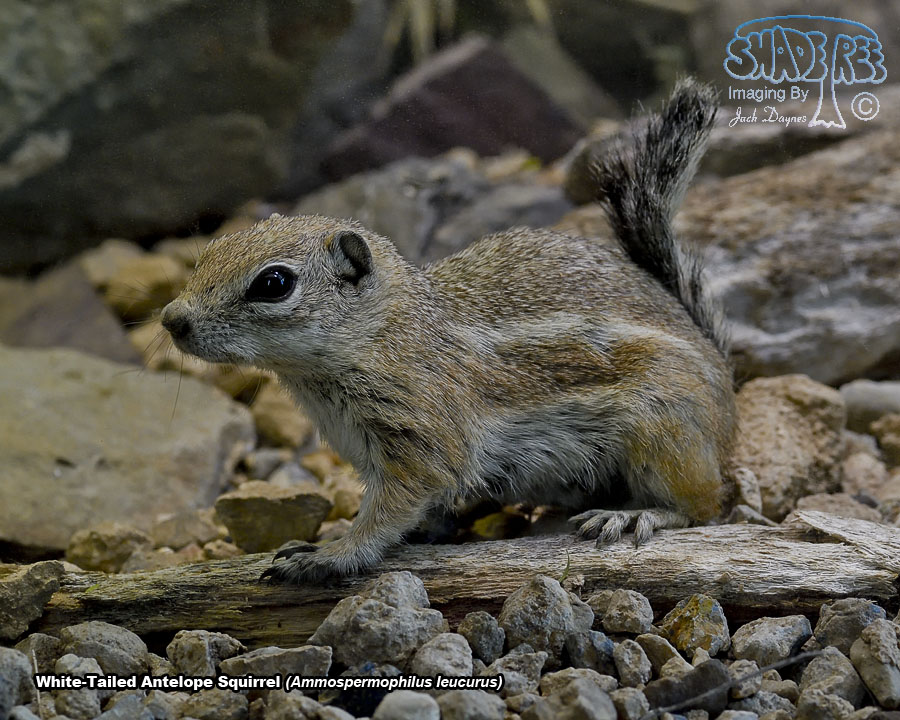
White-Tailed Antelope Squirrel(Ammospermophilus leucurus) |
|
Description: Horse Thief Springs on the northeastern flanks of the Kingston Mountains is one of the Joseph Grinnell restudy locations taken on by the San Diego Natural History Museum. The site is roughly between Death Valley and Las Vegas Nevada. |
Date Taken: 2017:05:25 8:41 |
|
Location:
Mandolin |
|
Camera Information: NIKON D5, 105 mm, f/8.0, 1/160 |
File Name: WhiteTailedAntelopeSquirrel_D5X3230-HTS7 |
| © 2017 Jack Daynes, shadeTree Imaging |
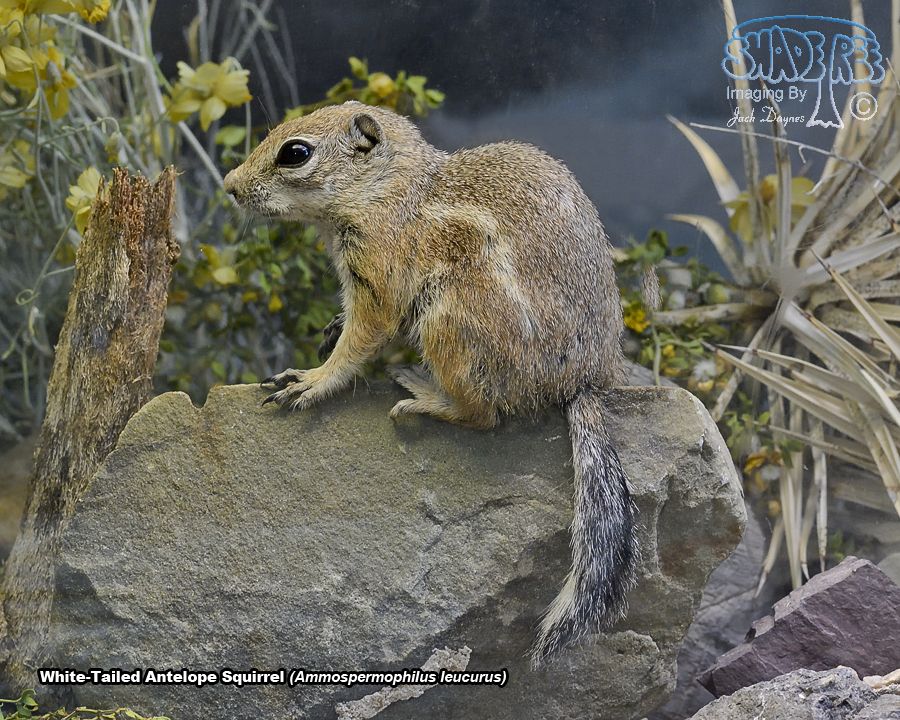
White-Tailed Antelope Squirrel(Ammospermophilus leucurus) |
|
Description: Horse Thief Springs on the northeastern flanks of the Kingston Mountains is one of the Joseph Grinnell restudy locations taken on by the San Diego Natural History Museum. The site is roughly between Death Valley and Las Vegas Nevada. |
Date Taken: 2017:05:25 8:43 |
|
Location:
Mandolin |
|
Camera Information: NIKON D5, 105 mm, f/8.0, 1/60 |
File Name: WhiteTailedAntelopeSquirrel_D5X3288-HTS7 |
| © 2017 Jack Daynes, shadeTree Imaging |
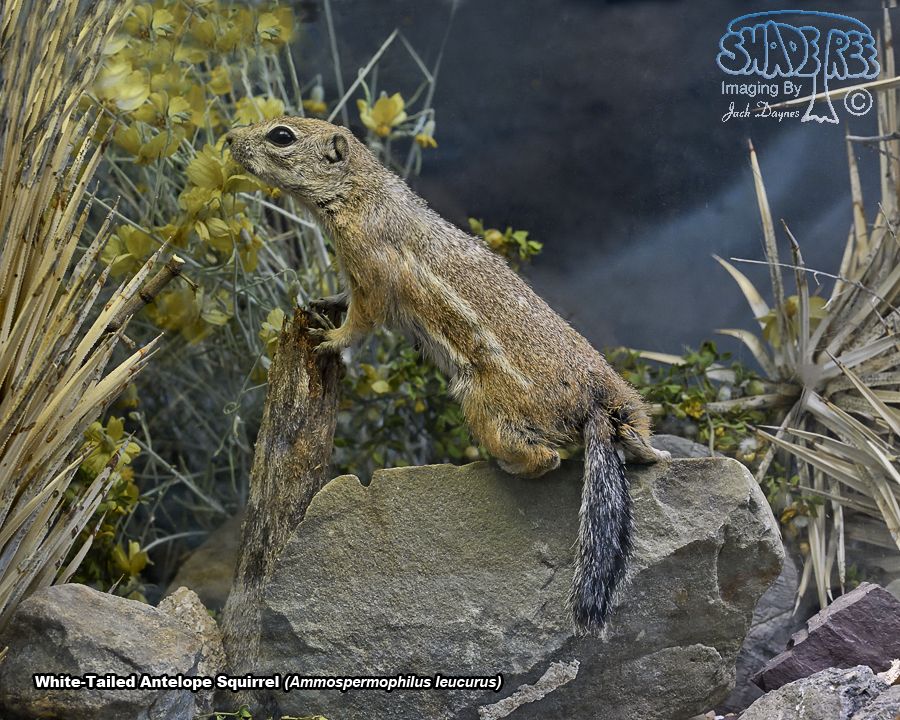
White-Tailed Antelope Squirrel(Ammospermophilus leucurus) |
|
Description: Horse Thief Springs on the northeastern flanks of the Kingston Mountains is one of the Joseph Grinnell restudy locations taken on by the San Diego Natural History Museum. The site is roughly between Death Valley and Las Vegas Nevada. |
Date Taken: 2017:05:25 8:44 |
|
Location:
Mandolin |
|
Camera Information: NIKON D5, 105 mm, f/8.0, 1/60 |
File Name: WhiteTailedAntelopeSquirrel_D5X3316-HTS7 |
| © 2017 Jack Daynes, shadeTree Imaging |
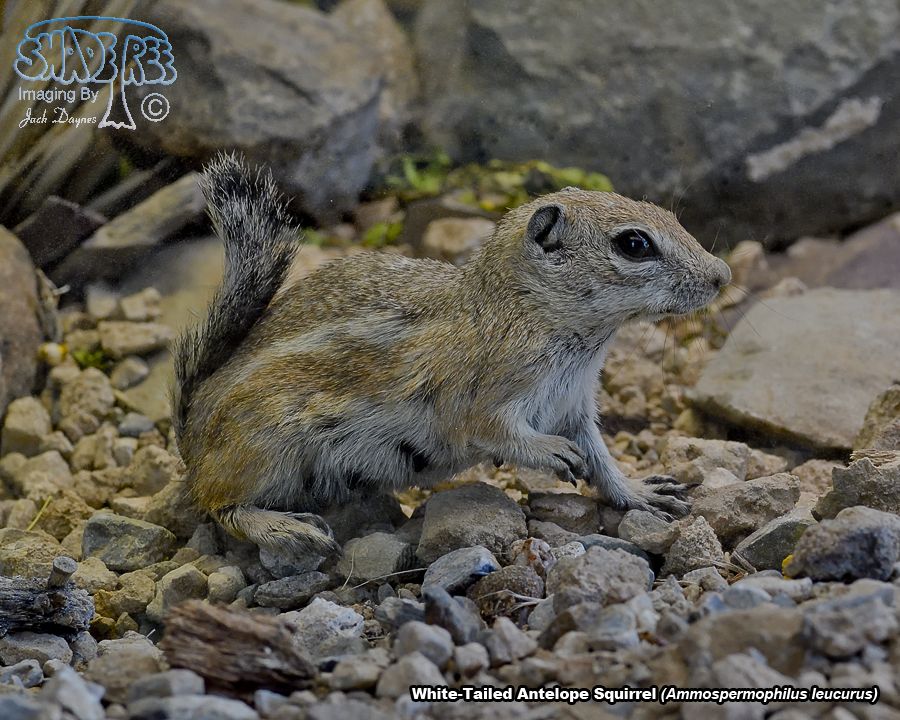
White-Tailed Antelope Squirrel(Ammospermophilus leucurus) |
|
Description: Horse Thief Springs on the northeastern flanks of the Kingston Mountains is one of the Joseph Grinnell restudy locations taken on by the San Diego Natural History Museum. The site is roughly between Death Valley and Las Vegas Nevada. |
Date Taken: 2017:05:25 8:44 |
|
Location:
Mandolin |
|
Camera Information: NIKON D5, 105 mm, f/8.0, 1/80 |
File Name: WhiteTailedAntelopeSquirrel_D5X3319-HTS7 |
| © 2017 Jack Daynes, shadeTree Imaging |
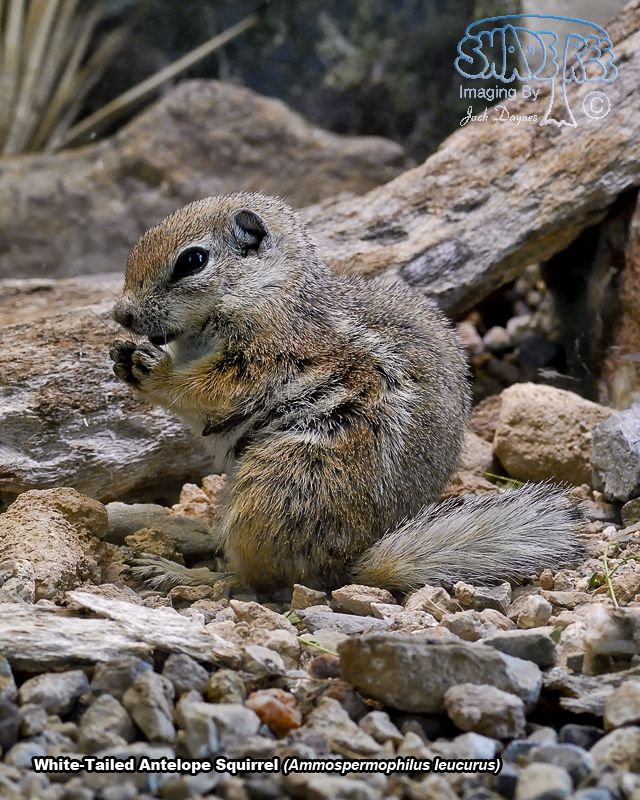
White-Tailed Antelope Squirrel(Ammospermophilus leucurus) |
|
Description: Horse Thief Springs on the northeastern flanks of the Kingston Mountains is one of the Joseph Grinnell restudy locations taken on by the San Diego Natural History Museum. The site is roughly between Death Valley and Las Vegas Nevada. |
Date Taken: 2017:05:25 8:45 |
|
Location:
Mandolin |
|
Camera Information: NIKON D5, 105 mm, f/8.0, 1/125 |
File Name: WhiteTailedAntelopeSquirrel_D5X3334-HTS7 |
| © 2017 Jack Daynes, shadeTree Imaging |
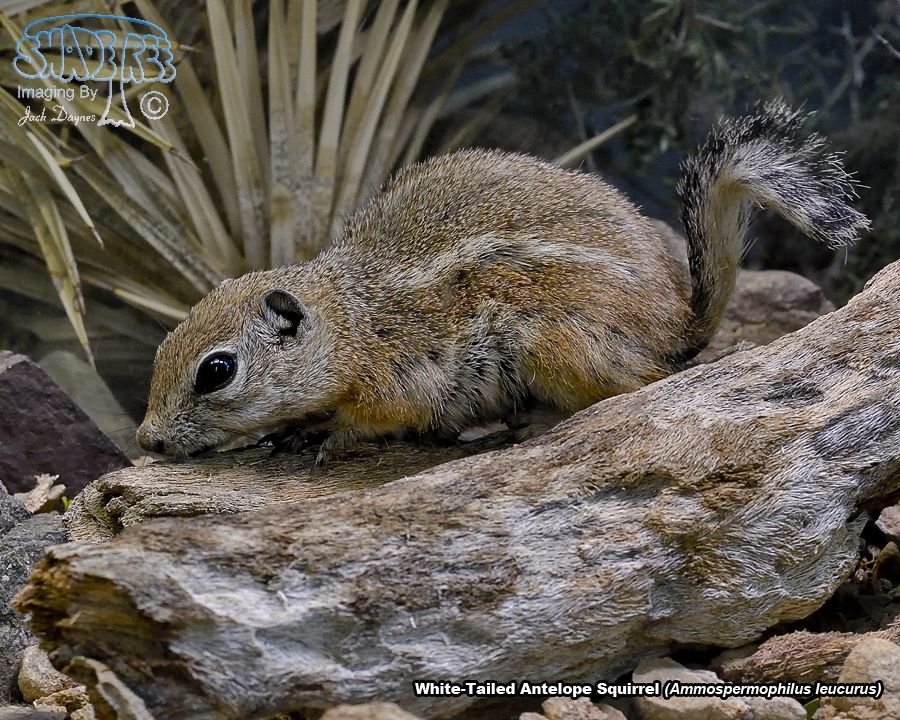
White-Tailed Antelope Squirrel(Ammospermophilus leucurus) |
|
Description: Horse Thief Springs on the northeastern flanks of the Kingston Mountains is one of the Joseph Grinnell restudy locations taken on by the San Diego Natural History Museum. The site is roughly between Death Valley and Las Vegas Nevada. |
Date Taken: 2017:05:25 8:45 |
|
Location:
Mandolin |
|
Camera Information: NIKON D5, 105 mm, f/8.0, 1/125 |
File Name: WhiteTailedAntelopeSquirrel_D5X3340-HTS7 |
| © 2017 Jack Daynes, shadeTree Imaging |
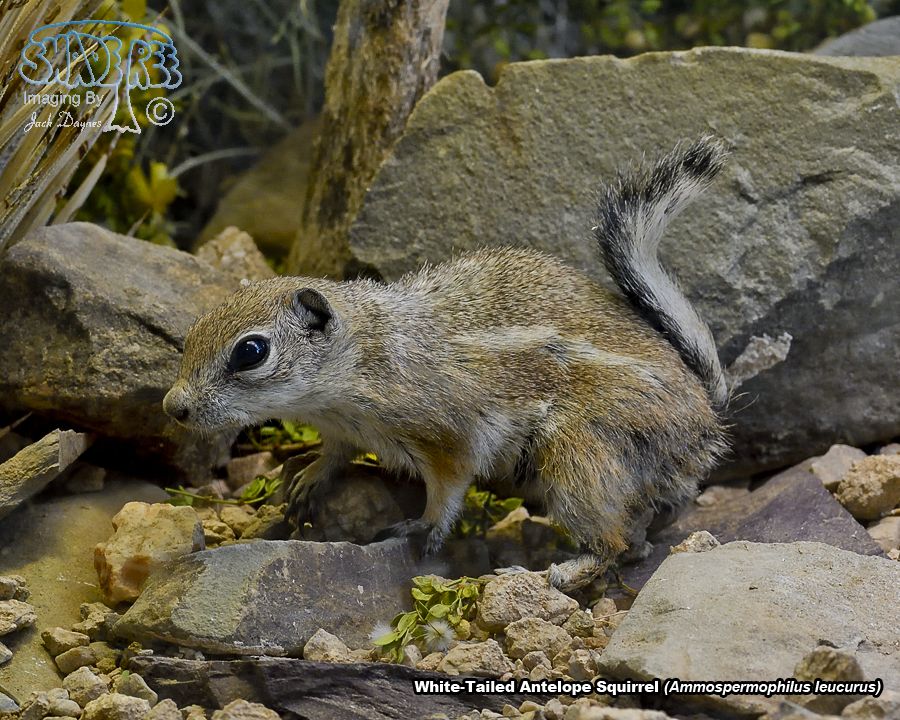
White-Tailed Antelope Squirrel(Ammospermophilus leucurus) |
|
Description: Horse Thief Springs on the northeastern flanks of the Kingston Mountains is one of the Joseph Grinnell restudy locations taken on by the San Diego Natural History Museum. The site is roughly between Death Valley and Las Vegas Nevada. |
Date Taken: 2017:05:25 8:47 |
|
Location:
Mandolin |
|
Camera Information: NIKON D5, 105 mm, f/8.0, 1/100 |
File Name: WhiteTailedAntelopeSquirrel_D5X3393-HTS7 |
| © 2017 Jack Daynes, shadeTree Imaging |
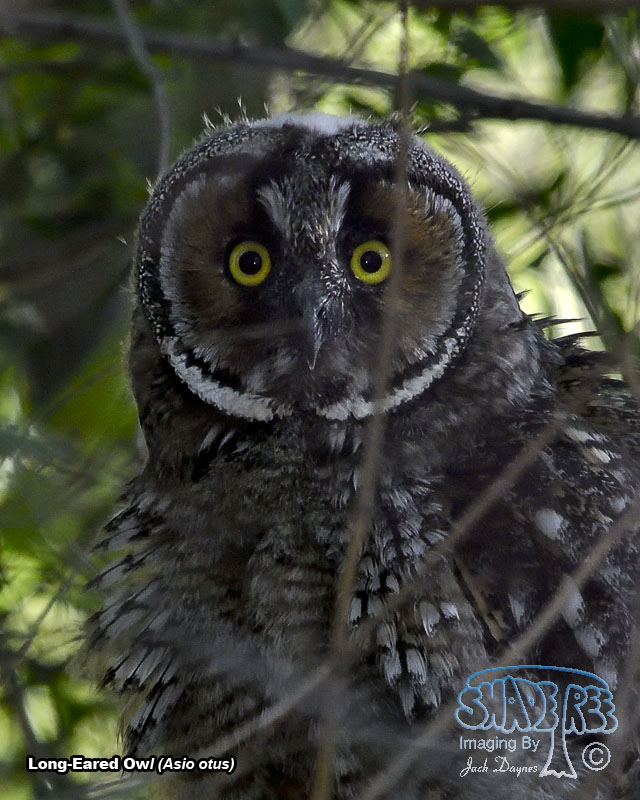
Long-Eared Owl(Asio otus) |
|
Description: Horse Thief Springs on the northeastern flanks of the Kingston Mountains is one of the Joseph Grinnell restudy locations taken on by the San Diego Natural History Museum. The site is roughly between Death Valley and Las Vegas Nevada. |
Date Taken: 2017:05:26 17:00 |
|
Location:
Mandolin |
|
Camera Information: NIKON D5, 800 mm, f/8.0, 1/500 |
File Name: LongEaredOwl_D5X3662-Flegling |
| © 2017 Jack Daynes, shadeTreeImaging.com |
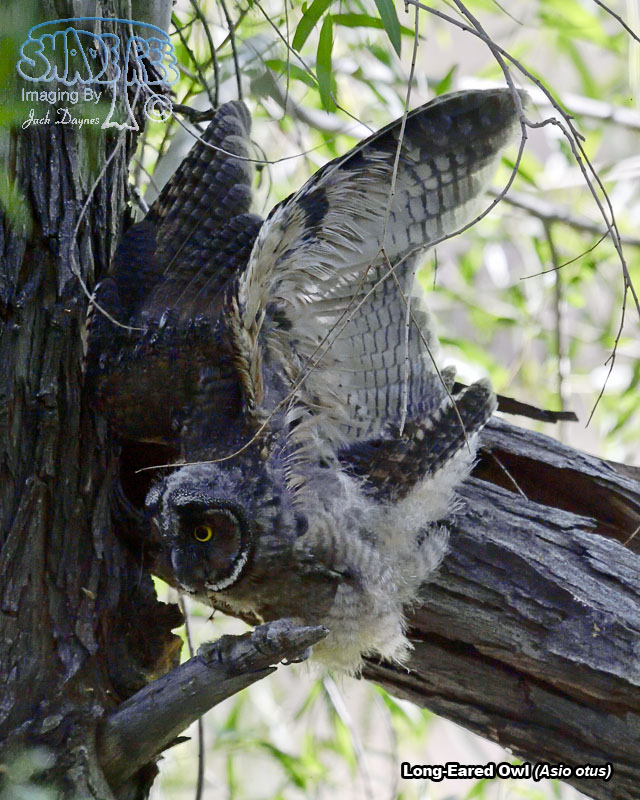
Long-Eared Owl(Asio otus) |
|
Description: Horse Thief Springs on the northeastern flanks of the Kingston Mountains is one of the Joseph Grinnell restudy locations taken on by the San Diego Natural History Museum. The site is roughly between Death Valley and Las Vegas Nevada. |
Date Taken: 2017:05:26 17:05 |
|
Location:
Mandolin |
|
Camera Information: NIKON D5, 800 mm, f/8.0, 1/2000 |
File Name: LongEaredOwl_D5X3747-Flegling |
| © 2017 Jack Daynes, shadeTreeImaging.com |
Click map markers to reveal further information
