

My decision to visit the Malheur area required a long drive from Joseph to Burns that took me six hours of drive-time. I think there were five passes to cross that were over 5000 feet of elevation. I try to avoid such long pushes, but given my plan for the weeks ahead, it seemed the right thing to do (for now).
After a long drive from Joseph (Oregon), I arrived in Burns late Saturday afternoon. Rather than surrendering to fatigue, I drove through the region just north of town where folks had been seeing the rare Common Crane. I missed the bird by several hours, but during the time I spent at my roadside observatory, I enjoyed the company of California Quail, Long-Billed Curlews, Sandhill Cranes, Willets, and a California Scrub-Jay.
When I finished my afternoon’s bird chasing, I camped in a vacant lot near a city park north of the town-center, where several other rigs had parked. With all the energy drained from me from the drive and from visiting the local birds, I retired without executing any action on my backlog of yarn-spinning or image grooming.
Early Sunday morning I found breakfast at a local cafe called the Apple Peddler. There, I was treated to a Robin’s nest building activity just outside the window where I dined. She was just beginning the construction, gathering the “bones” (hard, weedy sticks) and setting up quarters atop one of the brick pillars supporting the overhanging roof. When I exited the cafe, I broke off some long, grassy leaves from a nearby plant and placed them on a rock near the nest. I returned for breakfast again the next morning, and the grass cuttings were gone. She liked my offering.
After my meal, I returned to the same place I had parked the previous afternoon. After a few hours, I finished shooting for the day. I’d captured images of American Robins, Black-Billed Magpies, Black-Capped Chickadees, Brewer’s Blackbirds, California Quail, Canada Geese, Greater White-Fronted Geese, Greater Yellowlegs, Lesser Yellowlegs, Long-Billed Curlews, Red-Winged Blackbirds, Sandhill Cranes, Savannah Sparrows, Snow Geese, and Wilson’s Snipe.
When I heard the Sandhill Cranes approaching in the distance, I snapped a series of shots of the airborne flocks, hoping I might discover an unusual crane in the mix. However, the Common Crane was a “no-show”. I later learned that nobody saw the bird all day, and the conventional wisdom suggested the bird had moved on to parts unknown. I am sure there were many disappointed birders in town, but I was not among them. My mantra is “I don’t chase birds, I chase places”. And this place treated me well.
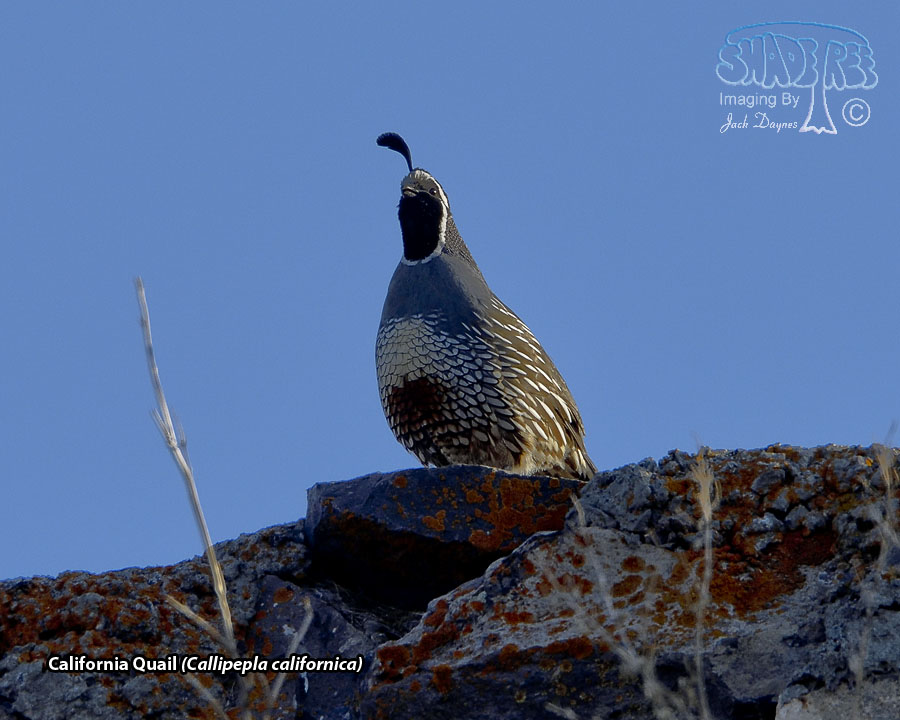
California Quail(Callipepla californica) |
|
Description: The local birding community in Burns Oregon were holding a “Birding Festival” when I arrived in the area. In my past visits to the region, I’d always forsaken my explorations around town to focus on the Malheur National Wildlife Refuge. I made an exception on this trip, and was rewarded with some nice surprises. |
Date Taken: 2022:04:23 18:02 |
|
Location:
North Foley Drive |
|
Camera Information: NIKON D850, 800 mm, f/8.0, 1/800 |
File Name: CaliforniaQuail_8504039-BurnsOregon |
| © 2022 Jack Daynes, shadeTreeImaging.com |

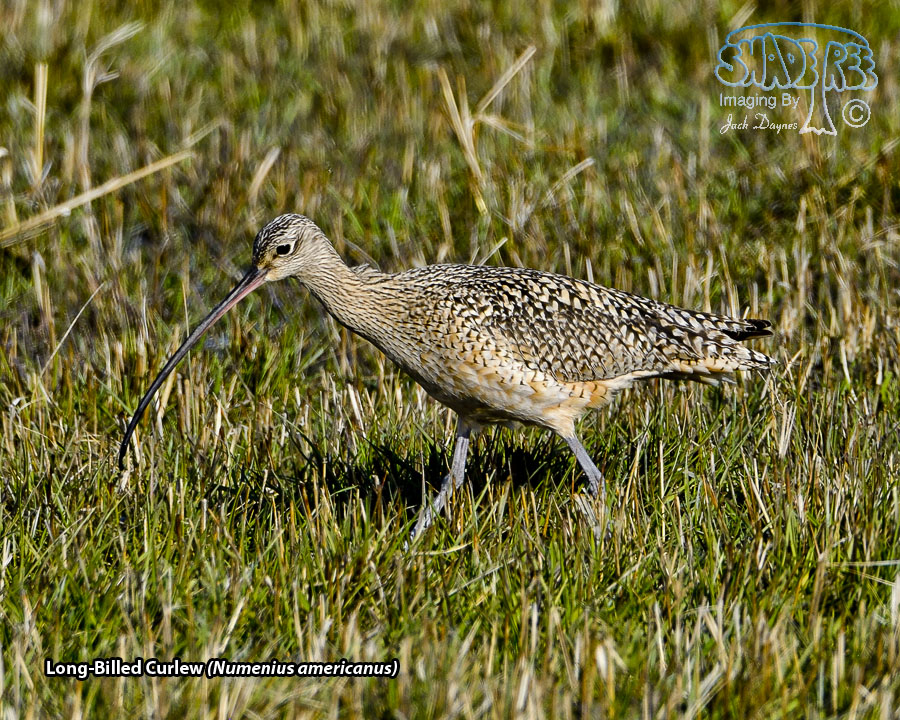
Long-Billed Curlew(Numenius americanus) |
|
Description: The local birding community in Burns Oregon were holding a “Birding Festival” when I arrived in the area. In my past visits to the region, I’d always forsaken my explorations around town to focus on the Malheur National Wildlife Refuge. I made an exception on this trip, and was rewarded with some nice surprises, like a multitude of these curlews. |
Date Taken: 2022:04:23 17:32 |
|
Location:
North Foley Drive |
|
Camera Information: NIKON D850, 800 mm, f/8.0, 1/800 |
File Name: LongBilledCurlew_8503830-BurnsOregon |
| © 2022 Jack Daynes, shadeTreeImaging.com |
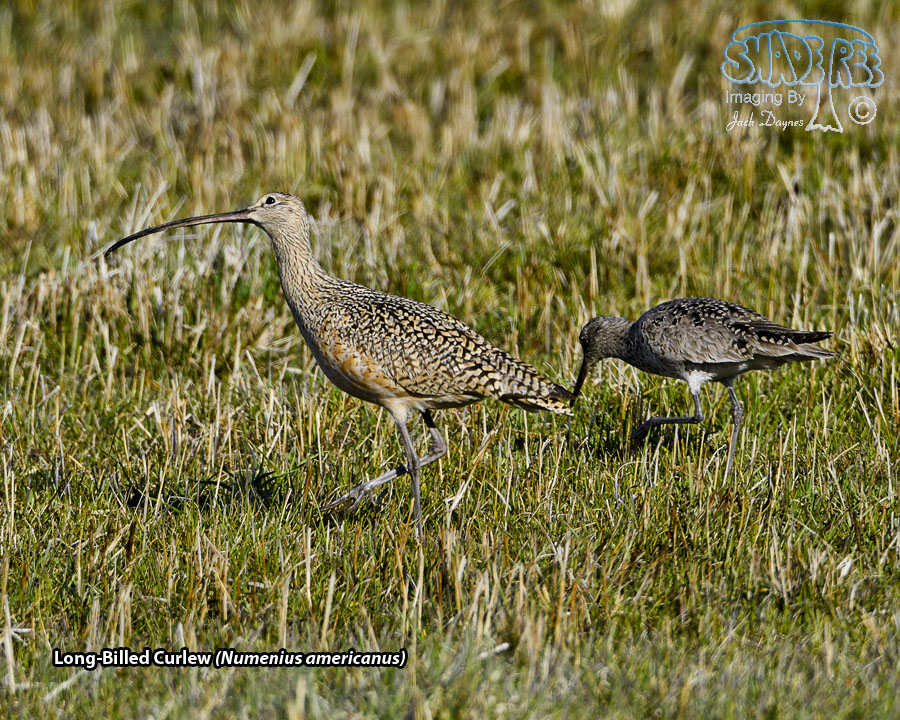
Long-Billed Curlew(Numenius americanus) |
|
Description: The local birding community in Burns Oregon were holding a “Birding Festival” when I arrived in the area. In my past visits to the region, I’d always forsaken my explorations around town to focus on the Malheur National Wildlife Refuge. I made an exception on this trip, and was rewarded with some nice surprises, like a multitude of these curlews sharing the feeding grounds with Willets. |
Date Taken: 2022:04:23 17:32 |
|
Location:
North Foley Drive |
|
Camera Information: NIKON D850, 800 mm, f/8.0, 1/800 |
File Name: LongBilledCurlew_8503834-BurnsOregon |
| © 2022 Jack Daynes, shadeTreeImaging.com |
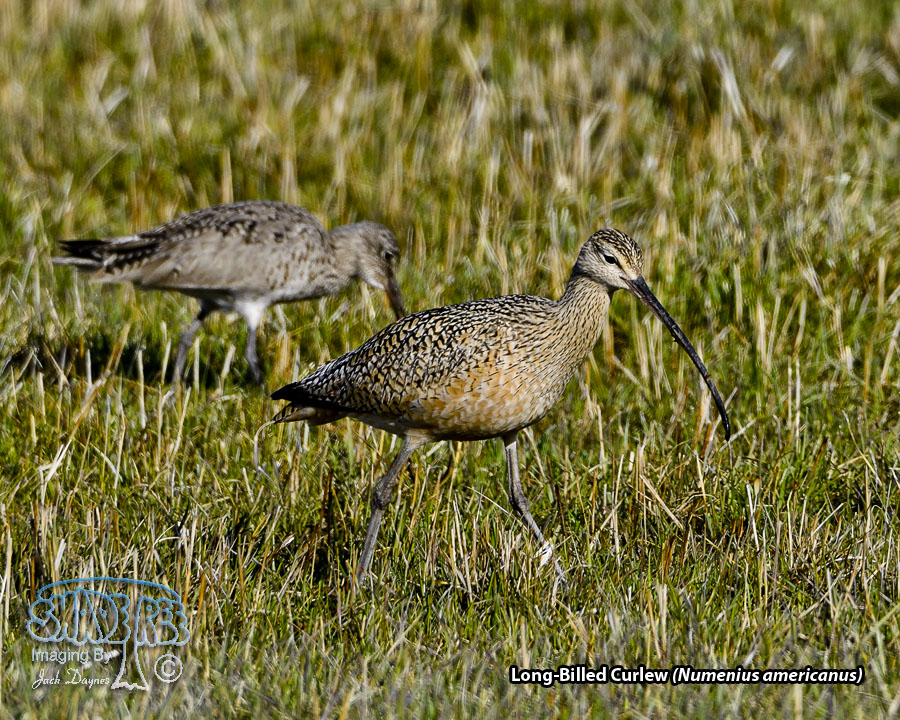
Long-Billed Curlew(Numenius americanus) |
|
Description: The local birding community in Burns Oregon were holding a “Birding Festival” when I arrived in the area. In my past visits to the region, I’d always forsaken my explorations around town to focus on the Malheur National Wildlife Refuge. I made an exception on this trip, and was rewarded with some nice surprises, like a multitude of these curlews sharing the feeding grounds with Willets. |
Date Taken: 2022:04:23 17:32 |
|
Location:
North Foley Drive |
|
Camera Information: NIKON D850, 800 mm, f/8.0, 1/800 |
File Name: LongBilledCurlew_8503839-BurnsOregon |
| © 2022 Jack Daynes, shadeTreeImaging.com |
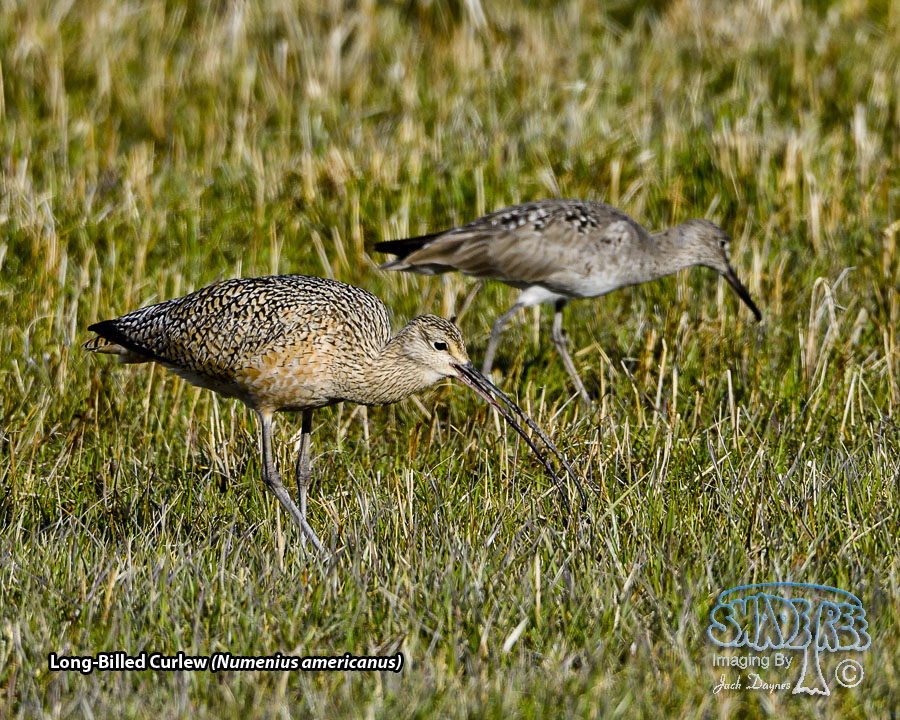
Long-Billed Curlew(Numenius americanus) |
|
Description: The local birding community in Burns Oregon were holding a “Birding Festival” when I arrived in the area. In my past visits to the region, I’d always forsaken my explorations around town to focus on the Malheur National Wildlife Refuge. I made an exception on this trip, and was rewarded with some nice surprises, like a multitude of these curlews sharing the feeding grounds with Willets. |
Date Taken: 2022:04:23 17:44 |
|
Location:
North Foley Drive |
|
Camera Information: NIKON D850, 800 mm, f/8.0, 1/800 |
File Name: LongBilledCurlew_8503944-BurnsOregon |
| © 2022 Jack Daynes, shadeTreeImaging.com |
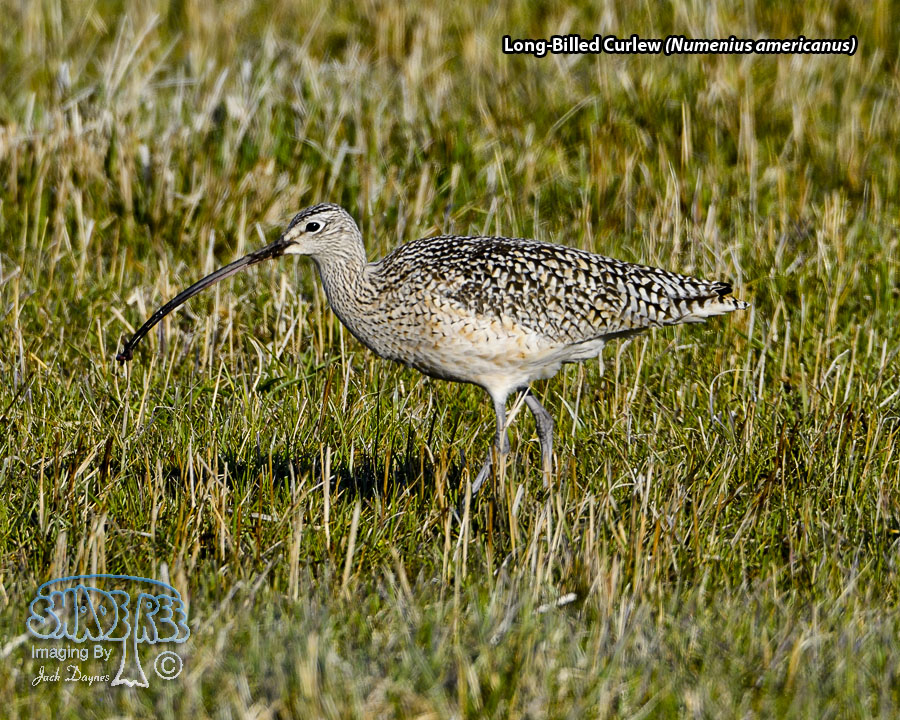
Long-Billed Curlew(Numenius americanus) |
|
Description: The local birding community in Burns Oregon were holding a “Birding Festival” when I arrived in the area. In my past visits to the region, I’d always forsaken my explorations around town to focus on the Malheur National Wildlife Refuge. I made an exception on this trip, and was rewarded with some nice surprises, like a multitude of these curlews. |
Date Taken: 2022:04:23 17:44 |
|
Location:
North Foley Drive |
|
Camera Information: NIKON D850, 800 mm, f/8.0, 1/800 |
File Name: LongBilledCurlew_8503956-BurnsOregon |
| © 2022 Jack Daynes, shadeTreeImaging.com |
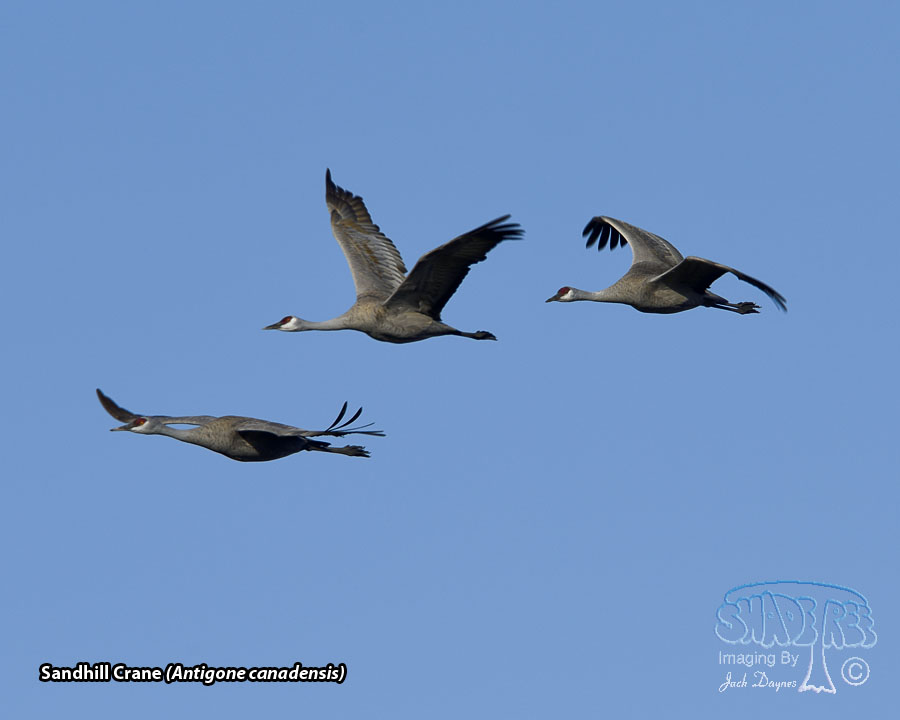
Sandhill Crane(Antigone canadensis) |
|
Description: The local birding community in Burns Oregon were holding a “Birding Festival” when I arrived in the area. In my past visits to the region, I’d always forsaken my explorations around town to focus on the Malheur National Wildlife Refuge. Today, I spent time with the fields north of Burns and enjoying the company of Sandhill Cranes, and other local birds. |
Date Taken: 2022:04:23 17:45 |
|
Location:
North Foley Drive |
|
Camera Information: NIKON D850, 800 mm, f/8.0, 1/1000 |
File Name: SandhillCrane_8503985-BurnsOregon |
| © 2022 Jack Daynes, shadeTreeImaging.com |
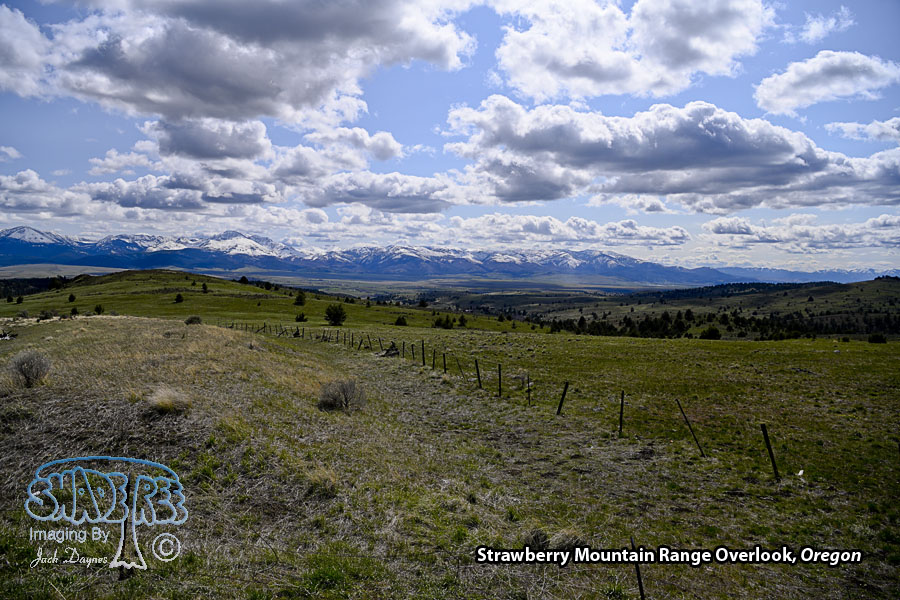
Strawberry Mountain Range Overlook(Scenery) |
|
Description: I drove hard to reach Burns Oregon from the town of Joseph in the Wallowa Valley. By the time I reached Prairie City, I needed to stop and enjoy the view of the Strawberry Mountains. |
Date Taken: 2022:04:23 15:12 |
|
Location:
Strawberry Mountain Range and th |
|
Camera Information: NIKON Z 7, 24 mm, f/5.6, 1/1600 |
File Name: StrawberryMountainRange_Z7X4335-StrawberryMountainOverlook |
| © 2022 Jack Daynes, shadeTreeImaging.com |
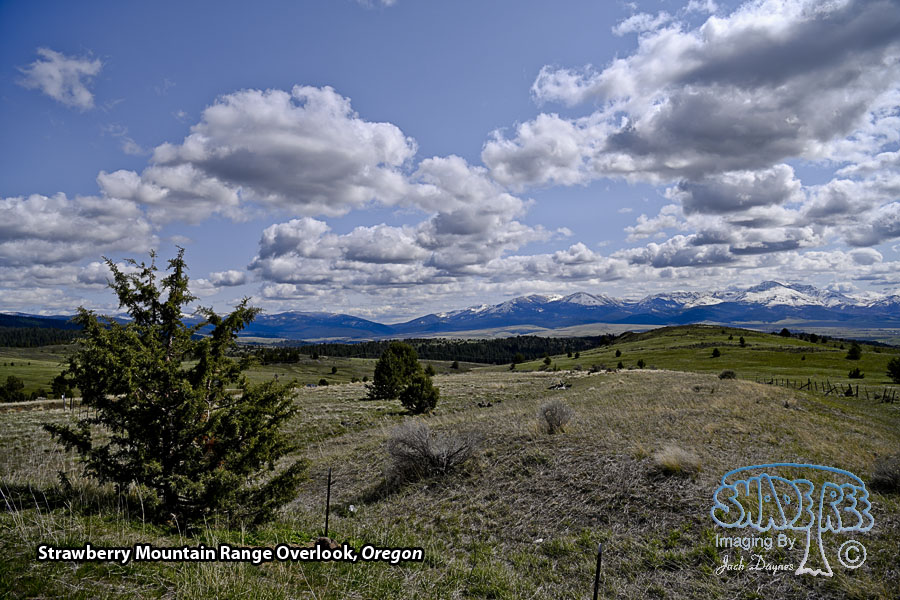
Strawberry Mountain Range Overlook(Scenery) |
|
Description: I drove hard to reach Burns Oregon from the town of Joseph in the Wallowa Valley. By the time I reached Prairie City, I needed to stop and enjoy the view of the Strawberry Mountains. |
Date Taken: 2022:04:23 15:13 |
|
Location:
Strawberry Mountain Range and th |
|
Camera Information: NIKON Z 7, 24 mm, f/5.6, 1/1600 |
File Name: StrawberryMountainRange_Z7X4340-StrawberryMountainOverlook |
| © 2022 Jack Daynes, shadeTreeImaging.com |
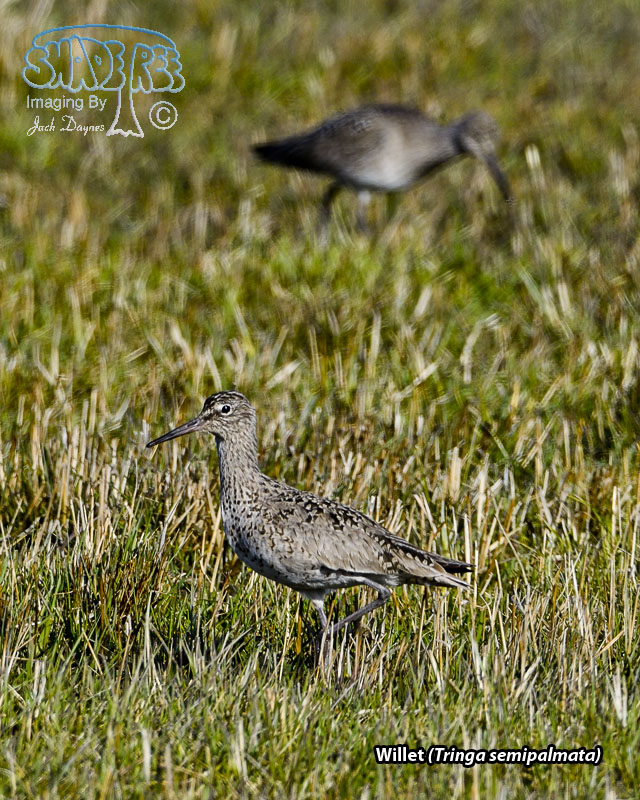
Willet(Tringa semipalmata) |
|
Description: The local birding community in Burns Oregon were holding a “Birding Festival” when I arrived in the area. In my past visits to the region, I’d always forsaken my explorations around town to focus on the Malheur National Wildlife Refuge. Today, I spent time with the fields north of Burns and enjoying the company of Willets and other local birds. |
Date Taken: 2022:04:23 17:31 |
|
Location:
North Foley Drive |
|
Camera Information: NIKON D850, 800 mm, f/8.0, 1/800 |
File Name: Willet_8503812-BurnsOregon |
| © 2022 Jack Daynes, shadeTreeImaging.com |
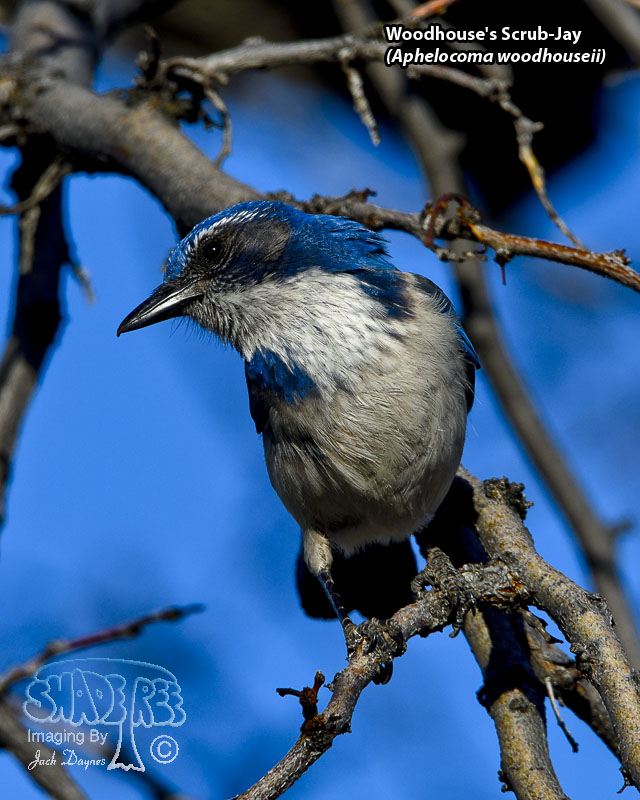
Woodhouse's Scrub-Jay(Aphelocoma woodhouseii) |
|
Description: The local birding community in Burns Oregon were holding a “Birding Festival” when I arrived in the area. In my past visits to the region, I’d always forsaken my explorations around town to focus on the Malheur National Wildlife Refuge. Today, I spent time with the fields north of Burns and enjoying the company of local birds, such as this Woodhouse's Scrub-Jay. |
Date Taken: 2022:04:23 17:55 |
|
Location:
North Foley Drive |
|
Camera Information: NIKON D850, 800 mm, f/8.0, 1/800 |
File Name: WoodhouseScrubJay_8504010-BurnsOregon |
| © 2022 Jack Daynes, shadeTreeImaging.com |
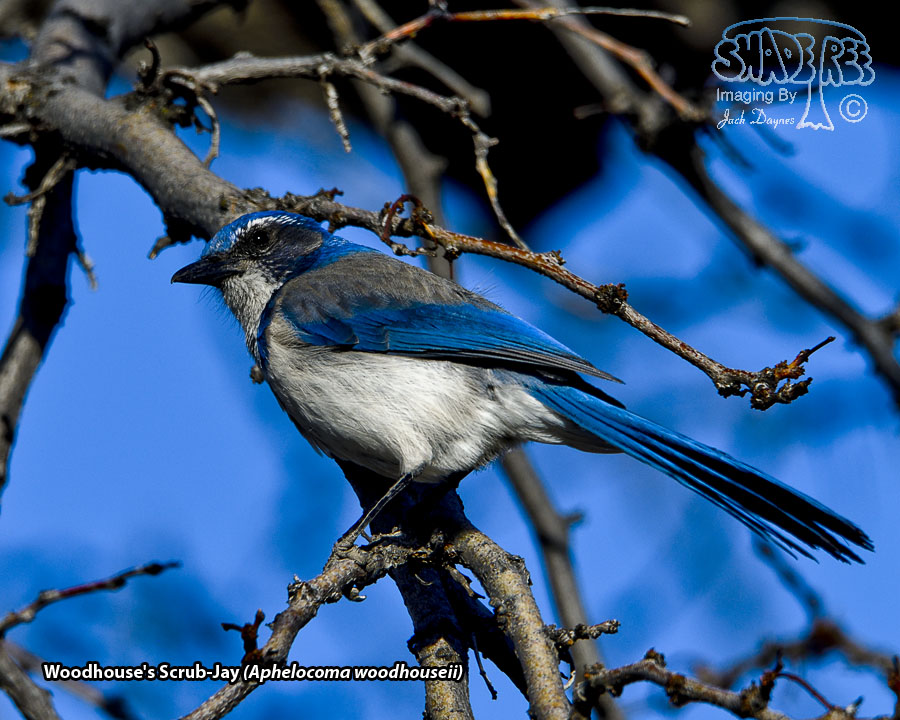
Woodhouse's Scrub-Jay(Aphelocoma woodhouseii) |
|
Description: The local birding community in Burns Oregon were holding a “Birding Festival” when I arrived in the area. In my past visits to the region, I’d always forsaken my explorations around town to focus on the Malheur National Wildlife Refuge. Today, I spent time with the fields north of Burns and enjoying the company of local birds, such as this Woodhouse's Scrub-Jay. |
Date Taken: 2022:04:23 17:55 |
|
Location:
North Foley Drive |
|
Camera Information: NIKON D850, 800 mm, f/8.0, 1/800 |
File Name: WoodhouseScrubJay_8504016-BurnsOregon |
| © 2022 Jack Daynes, shadeTreeImaging.com |
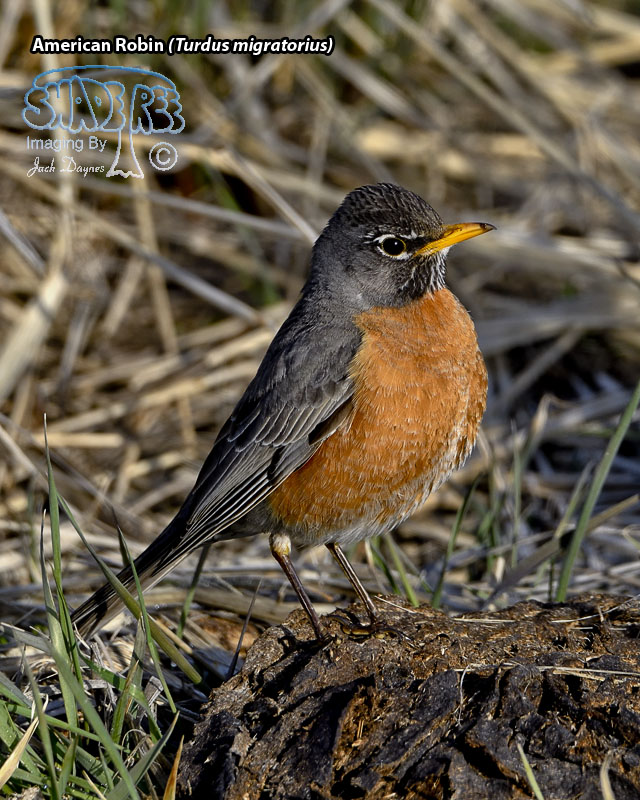
American Robin(Turdus migratorius) |
|
Description: My second visit to the fields north of Burns Oregon began in the early morning. I tried my best to capture birds like these American Robins on the west side of the road, because of the lovely light from the rising sun. |
Date Taken: 2022:04:24 7:42 |
|
Location:
North Foley Drive |
|
Camera Information: NIKON D850, 800 mm, f/8.0, 1/800 |
File Name: AmericanRobin_8504099-BurnsOregon |
| © 2022 Jack Daynes, shadeTreeImaging.com |
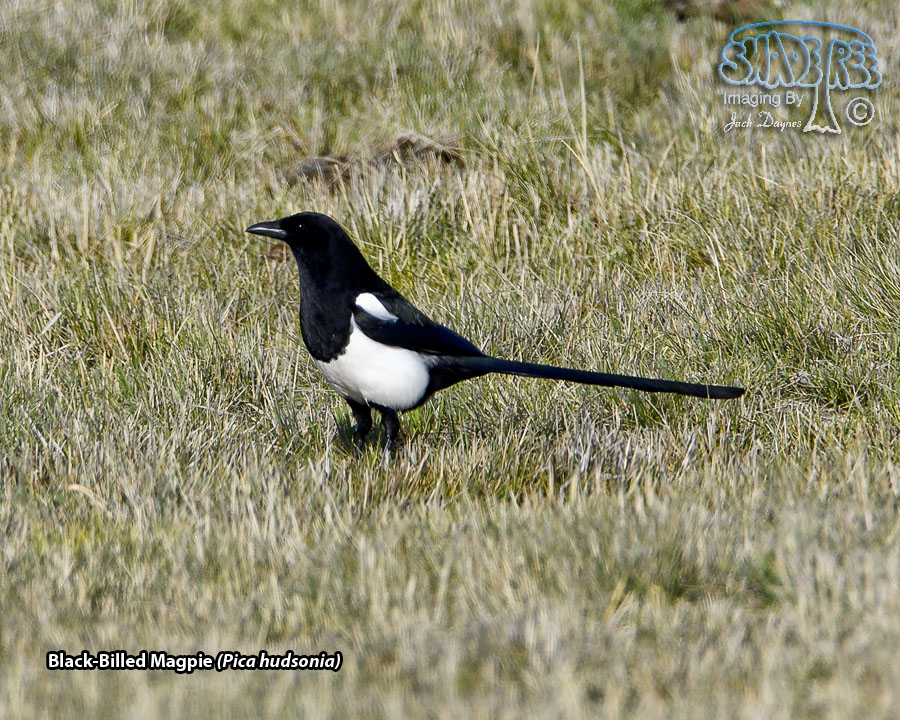
Black-Billed Magpie(Pica hudsonia) |
|
Description: My second visit to the fields north of Burns Oregon began in the early morning. I tried my best to capture birds like this magpie on the west side of the road, because of the lovely light from the rising sun. |
Date Taken: 2022:04:24 8:29 |
|
Location:
North Foley Drive |
|
Camera Information: NIKON D850, 800 mm, f/8.0, 1/800 |
File Name: BlackBilledMagpie_8504327-BurnsOregon |
| © 2022 Jack Daynes, shadeTreeImaging.com |
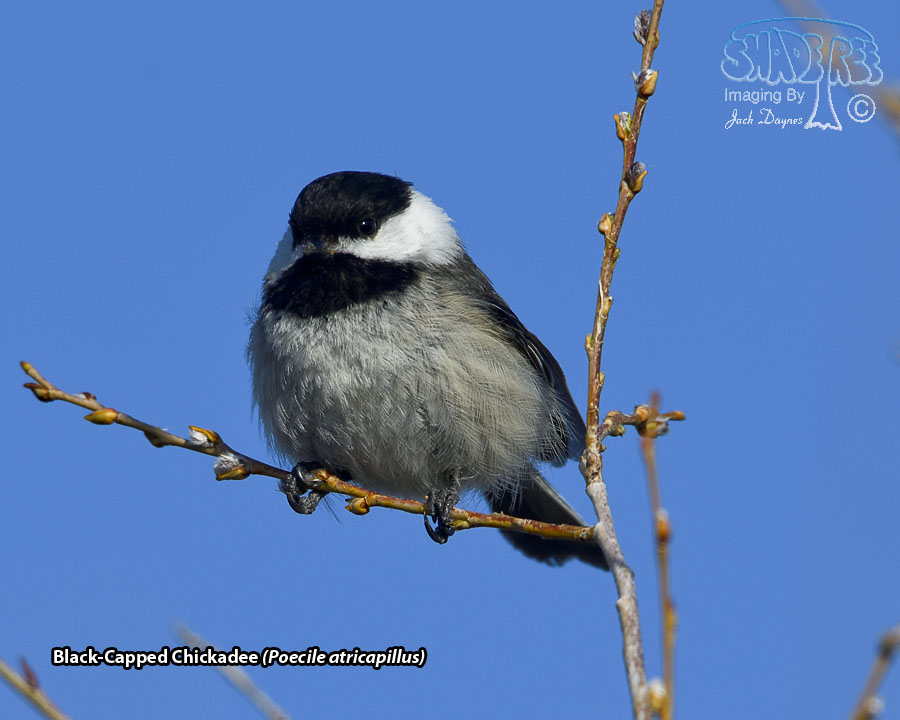
Black-Capped Chickadee(Poecile atricapillus) |
|
Description: My second visit to the fields north of Burns Oregon began in the early morning. I tried my best to capture birds like this chickadee on the west side of the road, because of the lovely light from the rising sun. |
Date Taken: 2022:04:24 7:56 |
|
Location:
North Foley Drive |
|
Camera Information: NIKON D850, 800 mm, f/8.0, 1/800 |
File Name: BlackCappedChickadee_8504205-BurnsOregon |
| © 2022 Jack Daynes, shadeTreeImaging.com |
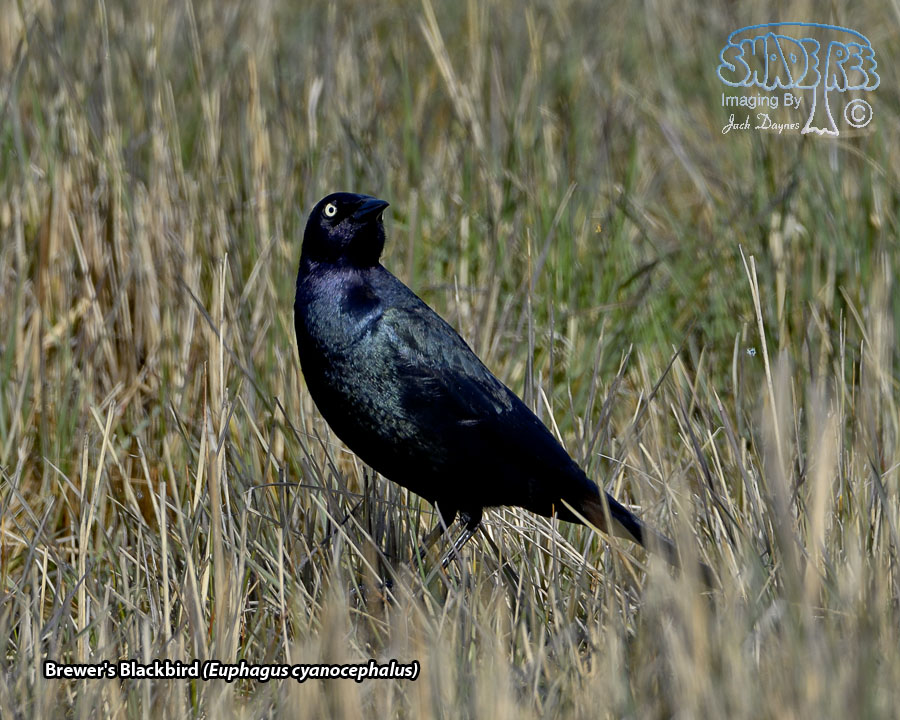
Brewer's Blackbird(Euphagus cyanocephalus) |
|
Description: My second visit to the fields north of Burns Oregon began in the early morning. I tried my best to capture birds like these Brewer’s Blackbirds on the west side of the road, because of the lovely light from the rising sun. |
Date Taken: 2022:04:24 9:15 |
|
Location:
North Foley Drive |
|
Camera Information: NIKON D850, 800 mm, f/8.0, 1/800 |
File Name: BrewersBlackbird_8504507-BurnsOregon |
| © 2022 Jack Daynes, shadeTreeImaging.com |
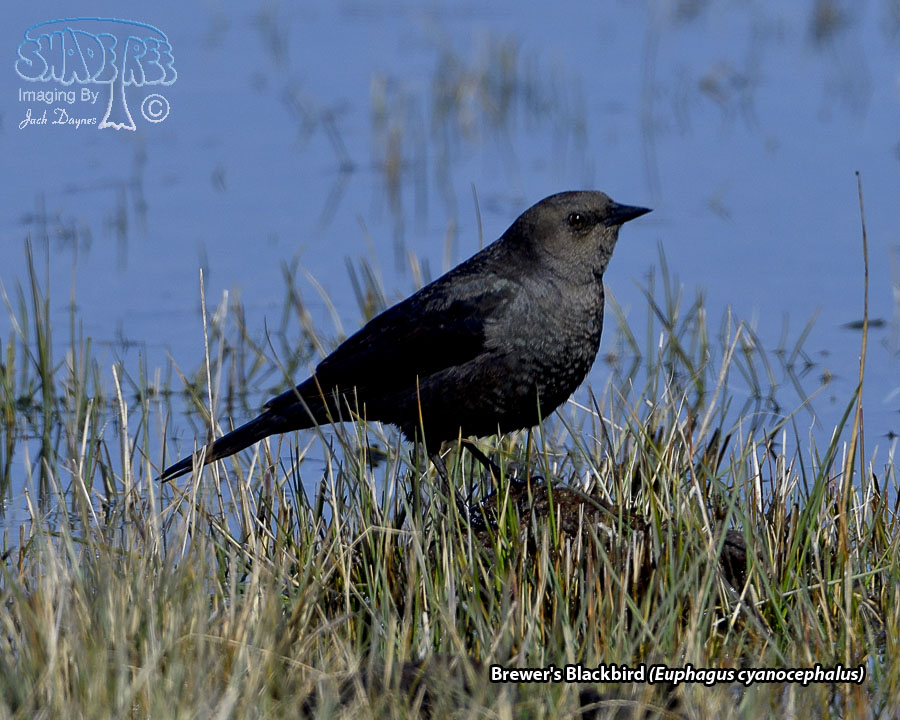
Brewer's Blackbird(Euphagus cyanocephalus) |
|
Description: My second visit to the fields north of Burns Oregon began in the early morning. I tried my best to capture birds like these Brewer’s Blackbirds on the west side of the road, because of the lovely light from the rising sun. |
Date Taken: 2022:04:24 9:15 |
|
Location:
North Foley Drive |
|
Camera Information: NIKON D850, 800 mm, f/8.0, 1/800 |
File Name: BrewersBlackbird_8504511-BurnsOregon |
| © 2022 Jack Daynes, shadeTreeImaging.com |
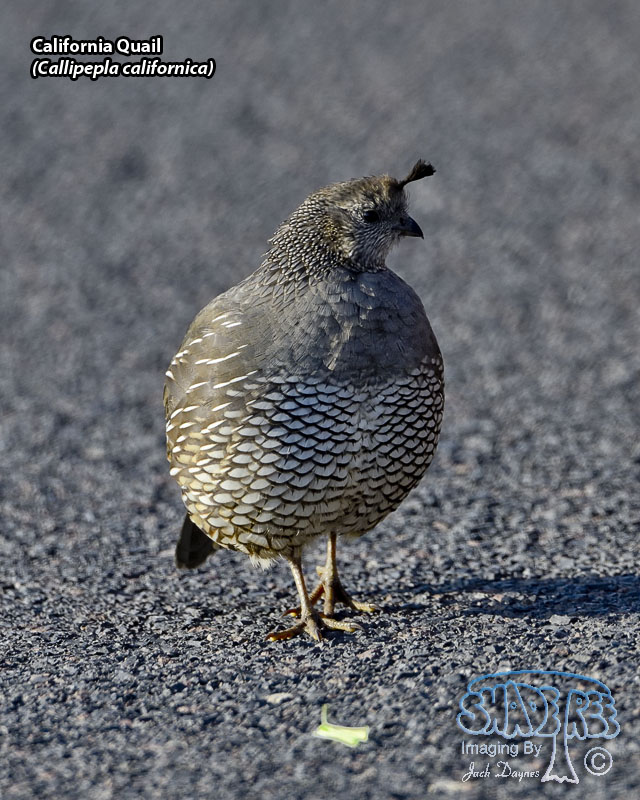
California Quail(Callipepla californica) |
|
Description: My second visit to the fields north of Burns Oregon began in the early morning. I tried my best to capture birds like these California Quail on the west side of the road, because of the lovely light from the rising sun. |
Date Taken: 2022:04:24 7:48 |
|
Location:
North Foley Drive |
|
Camera Information: NIKON D850, 800 mm, f/8.0, 1/800 |
File Name: CaliforniaQuail_8504126-BurnsOregon |
| © 2022 Jack Daynes, shadeTreeImaging.com |
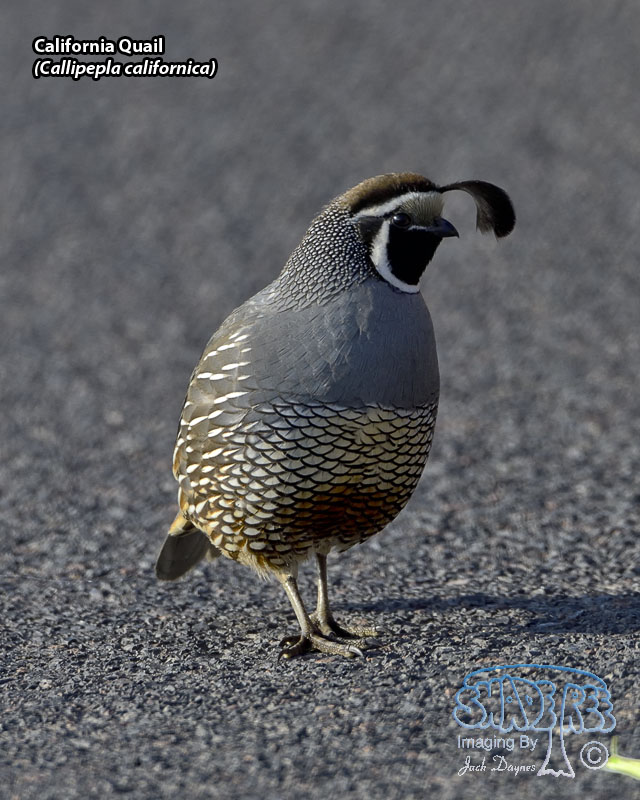
California Quail(Callipepla californica) |
|
Description: My second visit to the fields north of Burns Oregon began in the early morning. I tried my best to capture birds like these California Quail on the west side of the road, because of the lovely light from the rising sun. |
Date Taken: 2022:04:24 7:49 |
|
Location:
North Foley Drive |
|
Camera Information: NIKON D850, 800 mm, f/8.0, 1/800 |
File Name: CaliforniaQuail_8504149-BurnsOregon |
| © 2022 Jack Daynes, shadeTreeImaging.com |
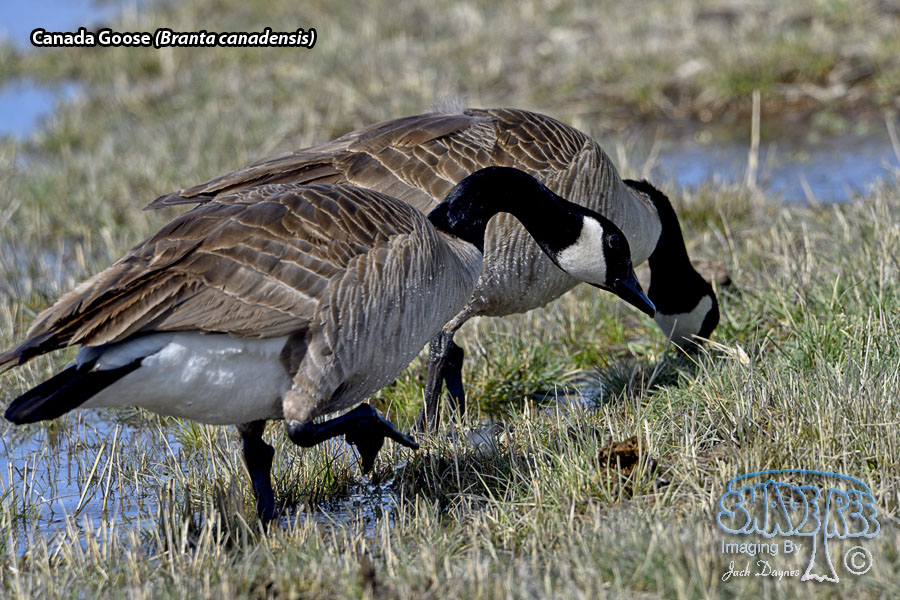
Canada Goose(Branta canadensis) |
|
Description: My second visit to the fields north of Burns Oregon began in the early morning. I tried my best to capture birds like these Canada Geese on the west side of the road, because of the lovely light from the rising sun. |
Date Taken: 2022:04:24 10:14 |
|
Location:
North Foley Drive |
|
Camera Information: NIKON D850, 800 mm, f/8.0, 1/800 |
File Name: CanadaGoose_8504696-BurnsOregon |
| © 2022 Jack Daynes, shadeTreeImaging.com |
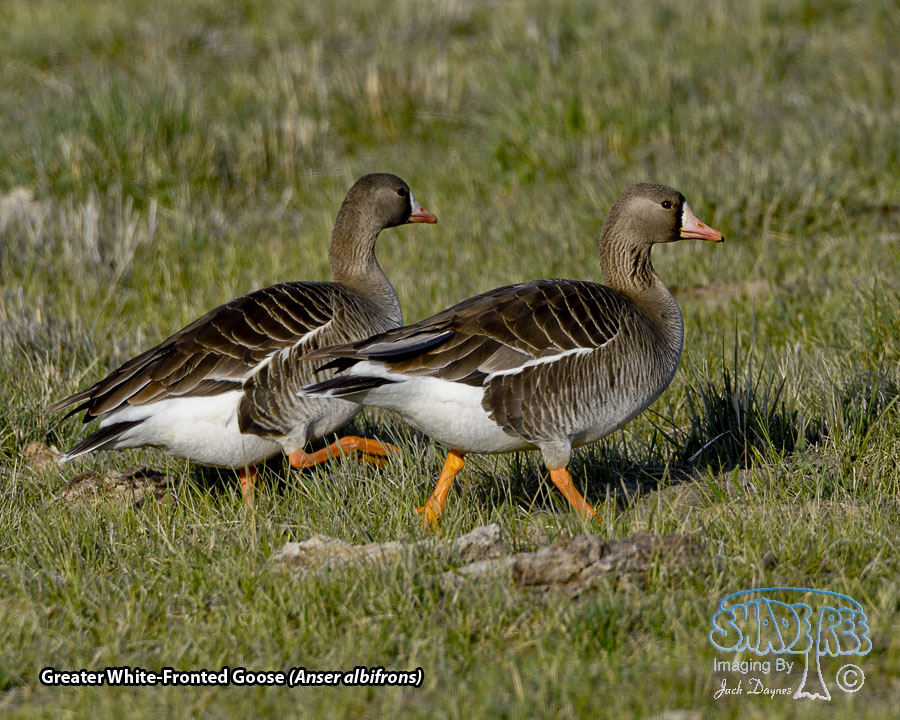
Greater White-Fronted Goose(Anser albifrons) |
|
Description: My second visit to the fields north of Burns Oregon began in the early morning. I tried my best to capture birds like these Greater White-Fronted Geese on the west side of the road, because of the lovely light from the rising sun. |
Date Taken: 2022:04:24 7:37 |
|
Location:
North Foley Drive |
|
Camera Information: NIKON D850, 800 mm, f/8.0, 1/800 |
File Name: GreaterWhiteFrontedGoose_8504048-BurnsOregon |
| © 2022 Jack Daynes, shadeTreeImaging.com |
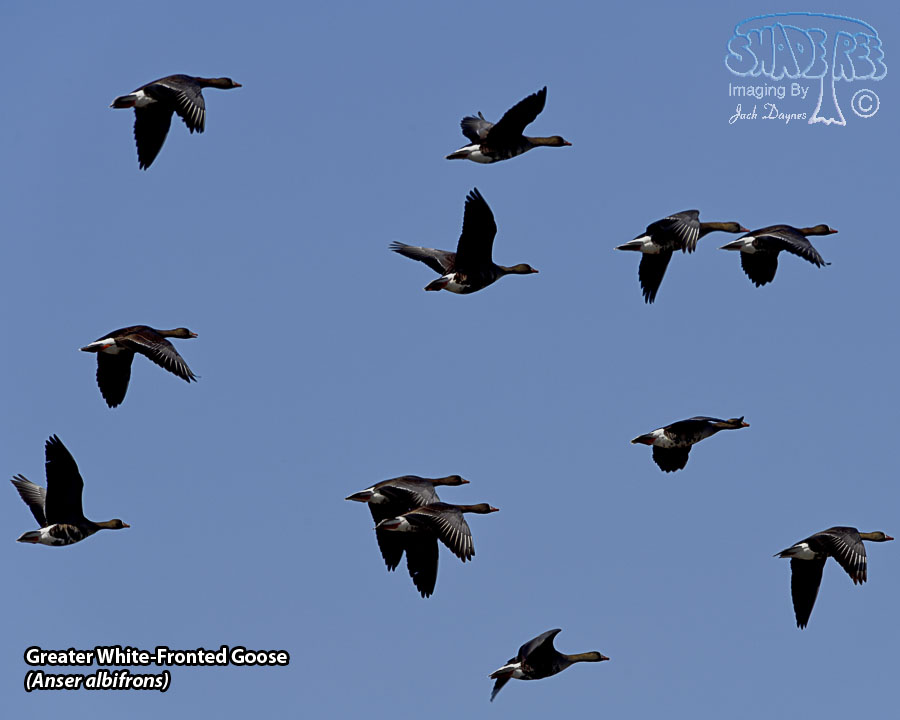
Greater White-Fronted Goose(Anser albifrons) |
|
Description: My second visit to the fields north of Burns Oregon began in the early morning. I tried my best to capture birds like these Greater White-Fronted Geese flying over the west side of the road, because of the lovely light from the rising sun. |
Date Taken: 2022:04:24 9:36 |
|
Location:
North Foley Drive |
|
Camera Information: NIKON D850, 800 mm, f/8.0, 1/1000 |
File Name: GreaterWhiteFrontedGoose_8504583-BurnsOregon |
| © 2022 Jack Daynes, shadeTreeImaging.com |
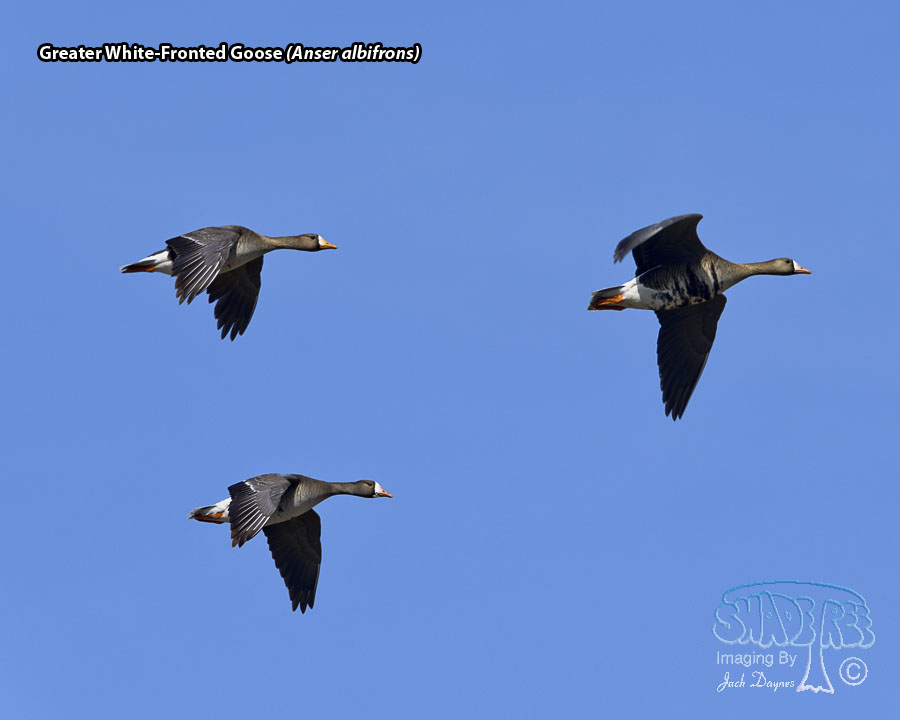
Greater White-Fronted Goose(Anser albifrons) |
|
Description: My second visit to the fields north of Burns Oregon began in the early morning. I tried my best to capture birds like these Greater White-Fronted Geese flying over the west side of the road, because of the lovely light from the rising sun. |
Date Taken: 2022:04:24 9:38 |
|
Location:
North Foley Drive |
|
Camera Information: NIKON D850, 800 mm, f/8.0, 1/1000 |
File Name: GreaterWhiteFrontedGoose_8504599-BurnsOregon |
| © 2022 Jack Daynes, shadeTreeImaging.com |
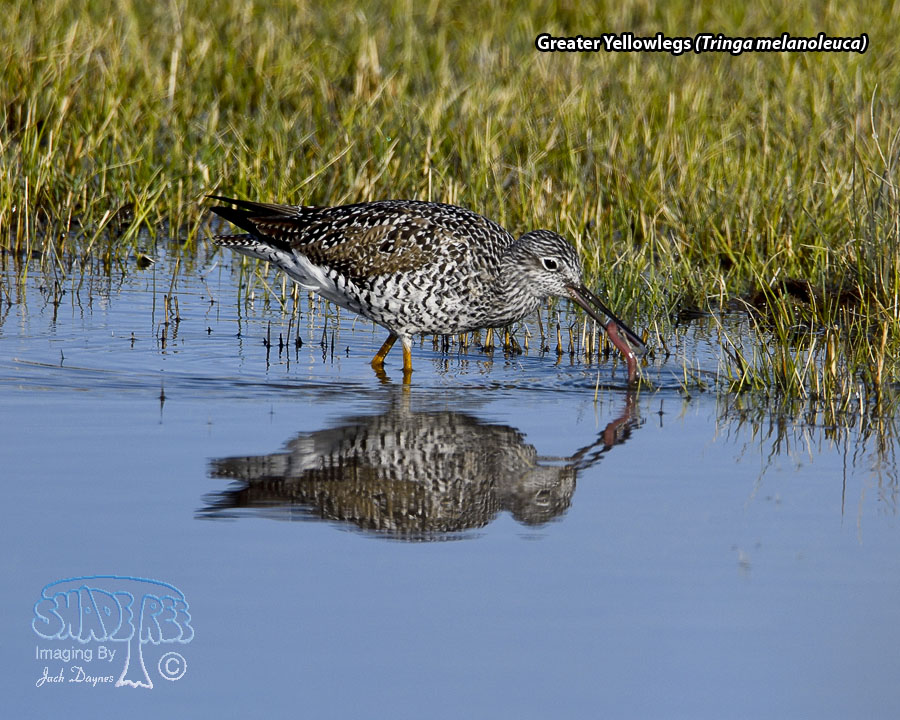
Greater Yellowlegs(Tringa melanoleuca) |
|
Description: My second visit to the fields north of Burns Oregon began in the early morning. I tried my best to capture birds like this Greater Yellowlegs on the west side of the road, because of the lovely light from the rising sun. |
Date Taken: 2022:04:24 8:10 |
|
Location:
North Foley Drive |
|
Camera Information: NIKON D850, 800 mm, f/8.0, 1/800 |
File Name: GreaterYellowlegs_8504269-BurnsOregon |
| © 2022 Jack Daynes, shadeTreeImaging.com |
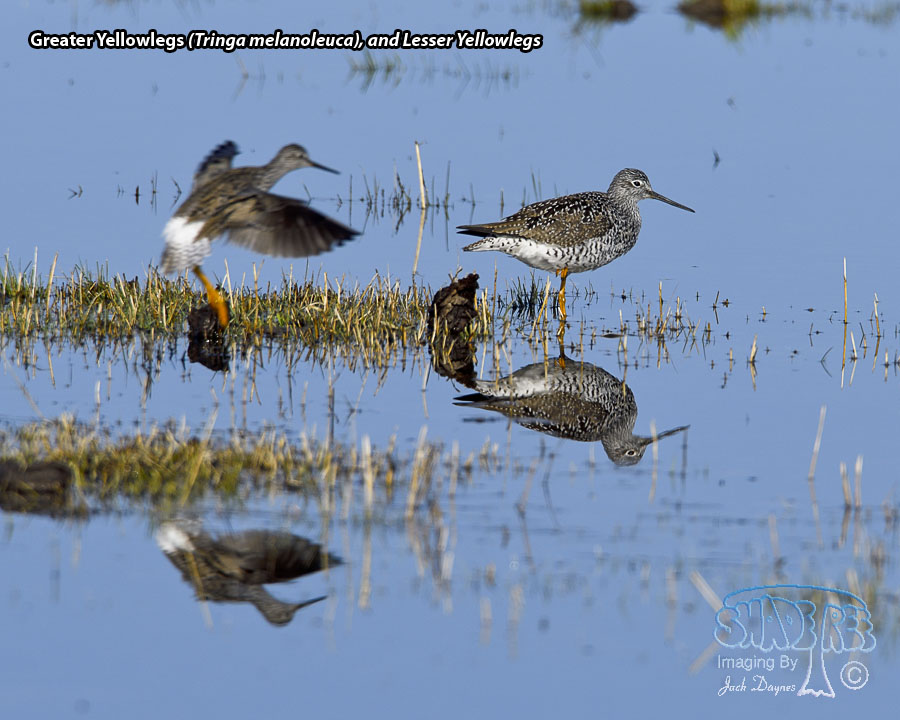
Greater Yellowlegs(Tringa melanoleuca) |
|
Description: My second visit to the fields north of Burns Oregon began in the early morning. I tried my best to capture birds like this Greater Yellowlegs in the company of a Lesser Yellowlegs on the west side of the road, because of the lovely light from the rising sun. |
Date Taken: 2022:04:24 8:17 |
|
Location:
North Foley Drive |
|
Camera Information: NIKON D850, 800 mm, f/8.0, 1/800 |
File Name: GreaterYellowlegs_8504288-BurnsOregon |
| © 2022 Jack Daynes, shadeTreeImaging.com |
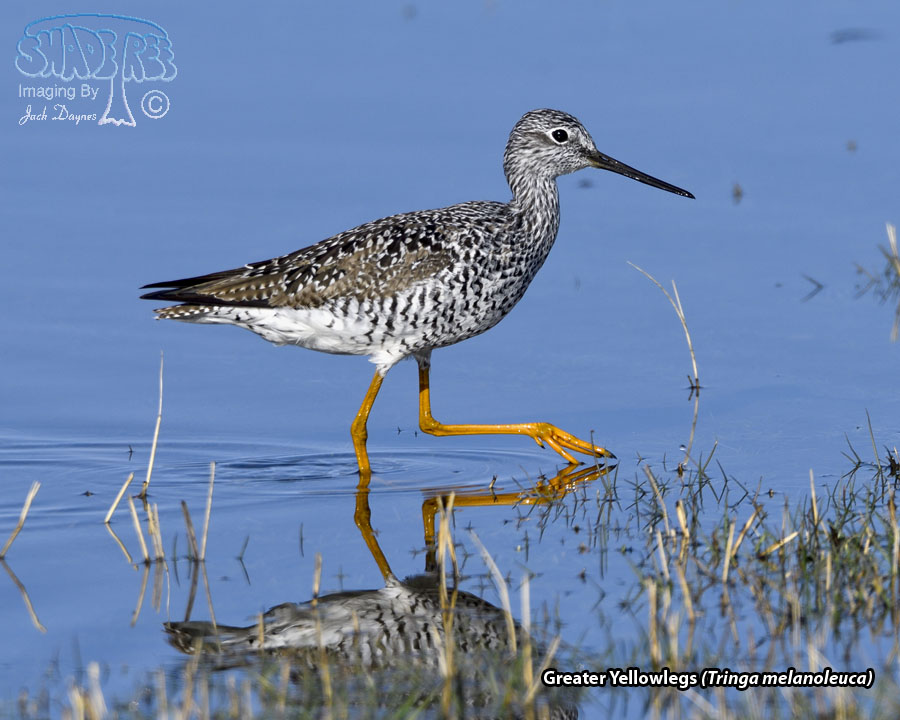
Greater Yellowlegs(Tringa melanoleuca) |
|
Description: My second visit to the fields north of Burns Oregon began in the early morning. I tried my best to capture birds like this Greater Yellowlegs on the west side of the road, because of the lovely light from the rising sun. |
Date Taken: 2022:04:24 8:33 |
|
Location:
North Foley Drive |
|
Camera Information: NIKON D850, 800 mm, f/8.0, 1/800 |
File Name: GreaterYellowlegs_8504378-BurnsOregon |
| © 2022 Jack Daynes, shadeTreeImaging.com |
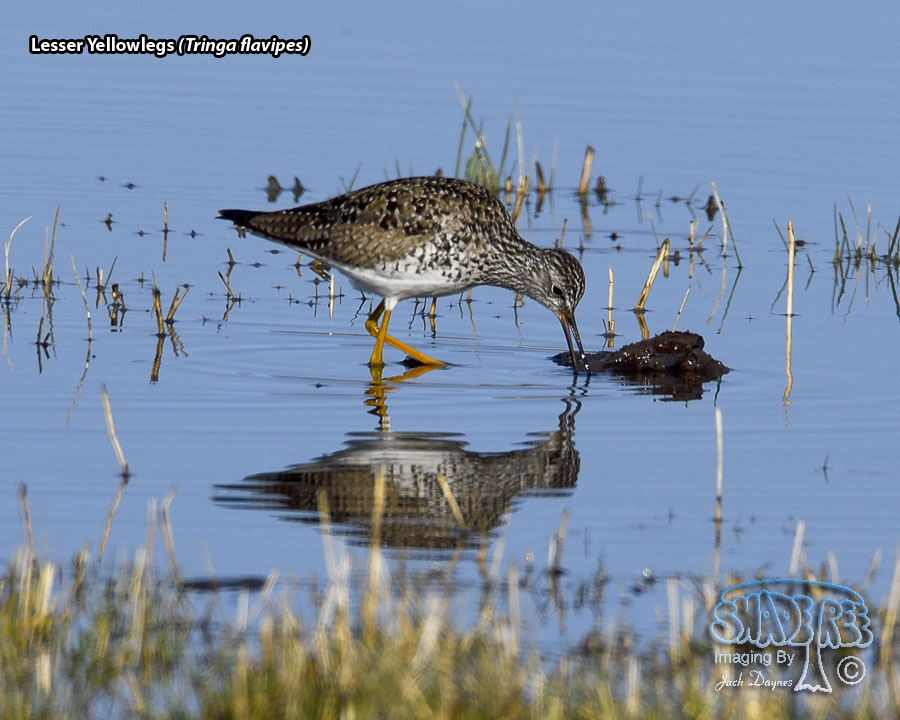
Lesser Yellowlegs(Tringa flavipes) |
|
Description: My second visit to the fields north of Burns Oregon began in the early morning. I tried my best to capture birds like this Lesser Yellowlegs on the west side of the road, because of the lovely light from the rising sun. |
Date Taken: 2022:04:24 8:18 |
|
Location:
North Foley Drive |
|
Camera Information: NIKON D850, 800 mm, f/8.0, 1/800 |
File Name: LesserYellowlegs_8504301-BurnsOregon |
| © 2022 Jack Daynes, shadeTreeImaging.com |
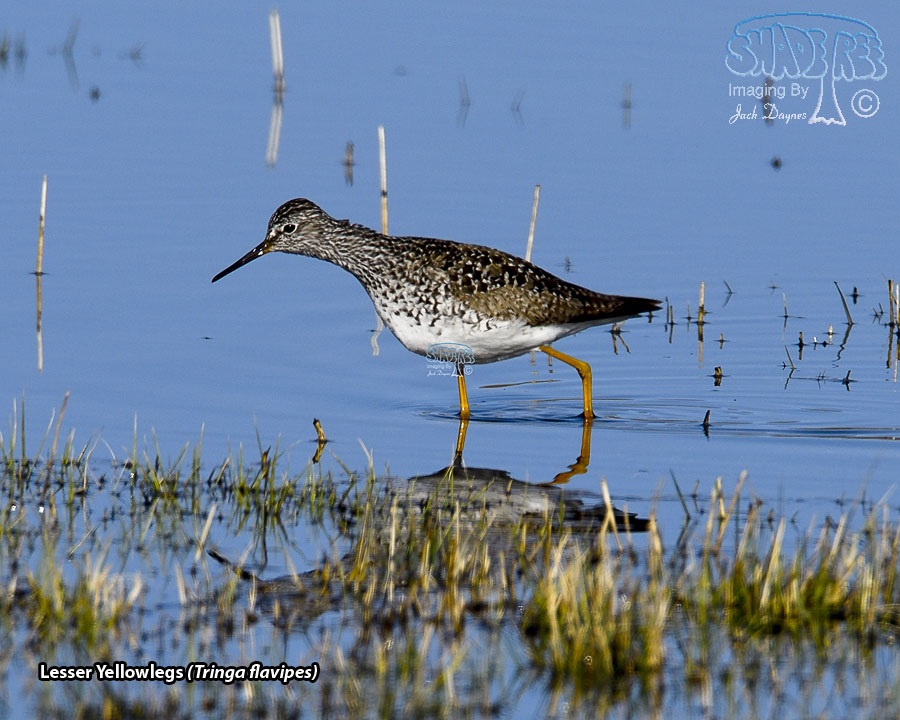
Lesser Yellowlegs(Tringa flavipes) |
|
Description: My second visit to the fields north of Burns Oregon began in the early morning. I tried my best to capture birds like this Lesser Yellowlegs on the west side of the road, because of the lovely light from the rising sun. |
Date Taken: 2022:04:24 8:18 |
|
Location:
North Foley Drive |
|
Camera Information: NIKON D850, 800 mm, f/8.0, 1/800 |
File Name: LesserYellowlegs_8504303-BurnsOregon |
| © 2022 Jack Daynes, shadeTreeImaging.com |
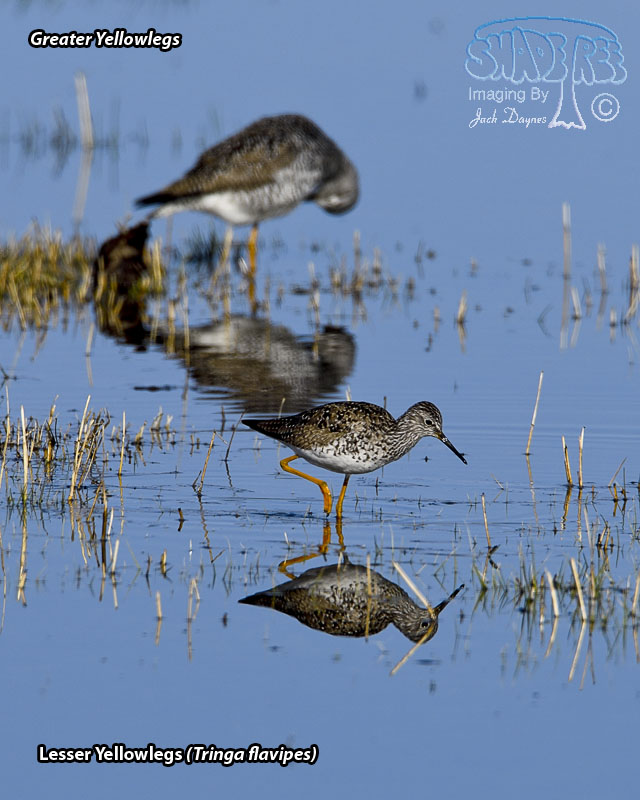
Lesser Yellowlegs(Tringa flavipes) |
|
Description: My second visit to the fields north of Burns Oregon began in the early morning. I tried my best to capture birds like this Lesser Yellowlegs in the company of a Greater Yellowlegs on the west side of the road, because of the lovely light from the rising sun. |
Date Taken: 2022:04:24 8:18 |
|
Location:
North Foley Drive |
|
Camera Information: NIKON D850, 800 mm, f/8.0, 1/800 |
File Name: LesserYellowlegs_8504311-BurnsOregon |
| © 2022 Jack Daynes, shadeTreeImaging.com |
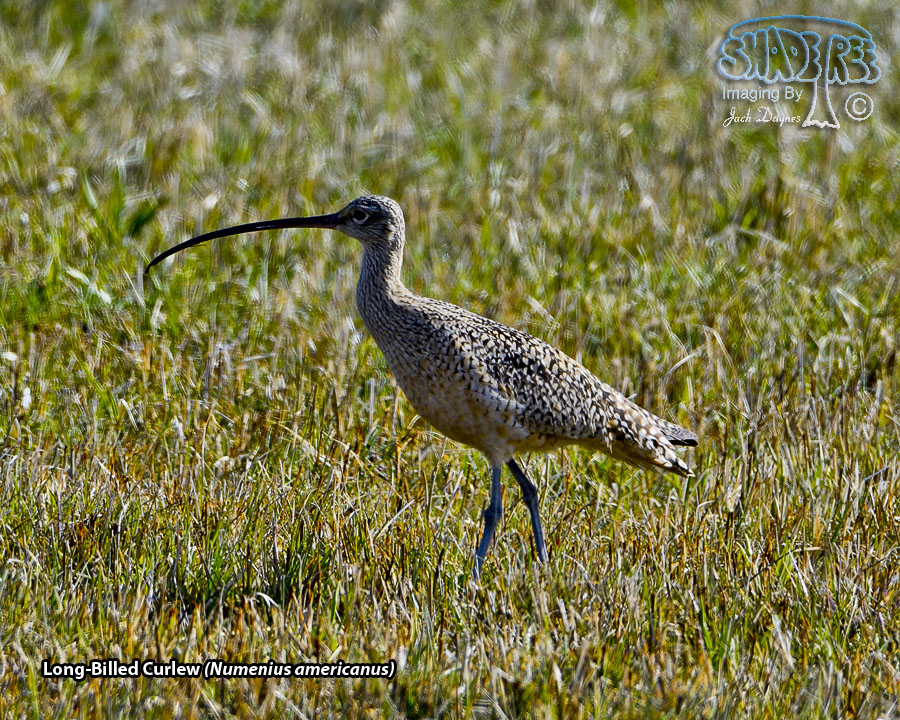
Long-Billed Curlew(Numenius americanus) |
|
Description: My second visit to the fields north of Burns Oregon began in the early morning. I tried my best to capture birds like this Long-Billed Curlew, despite the angle of the sun on the east side of the road, because of the lovely light from the rising sun. |
Date Taken: 2022:04:24 9:26 |
|
Location:
North Foley Drive |
|
Camera Information: NIKON D850, 800 mm, f/8.0, 1/800 |
File Name: LongBilledCurlew_8504542-BurnsOregon |
| © 2022 Jack Daynes, shadeTreeImaging.com |
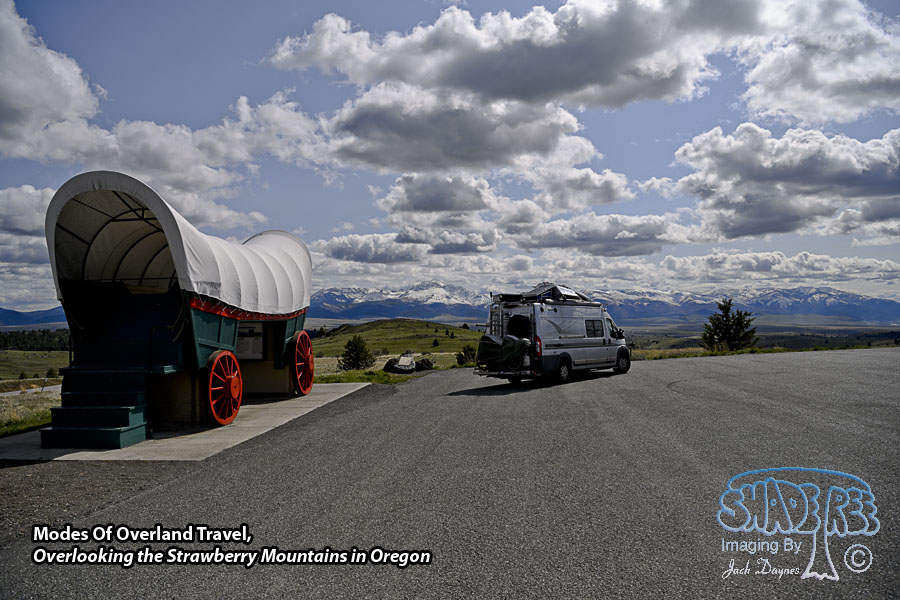
Modes Of Overland Travel(Scenery) |
|
Description: I drove hard to reach Burns Oregon from the town of Joseph in the Wallowa Valley. By the time I reached Prairie City, I needed to stop and enjoy the view of the Strawberry Mountains. |
Date Taken: 2022:04:23 15:11 |
|
Location:
Strawberry Mountain Range and th |
|
Camera Information: NIKON Z 7, 24 mm, f/5.6, 1/2000 |
File Name: ModesOfTravel_Z7X4325-StrawberryMountainOverlook |
| © 2022 Jack Daynes, shadeTreeImaging.com |
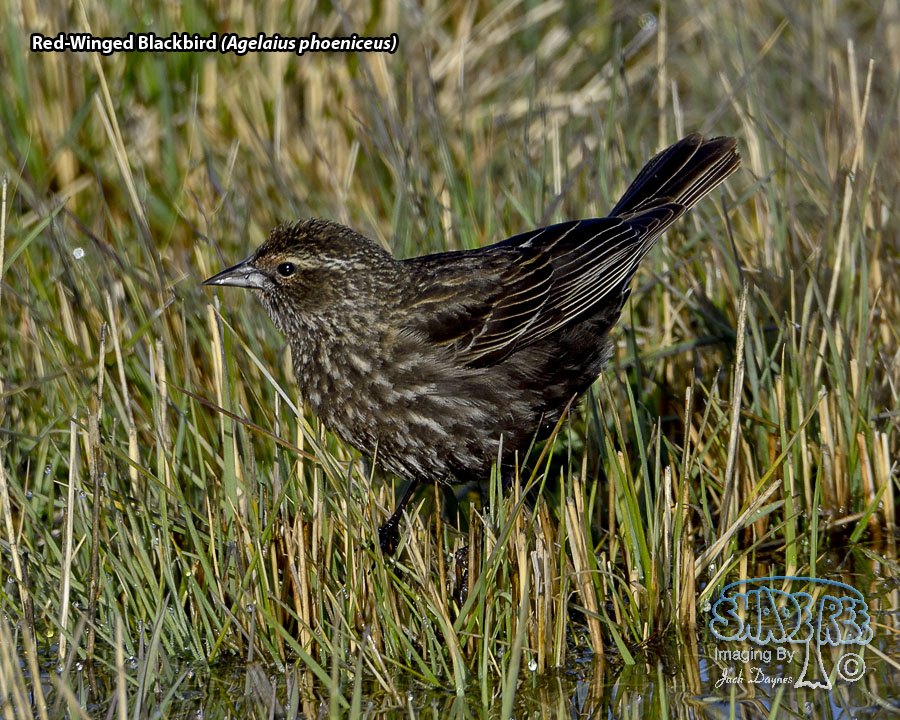
Red-Winged Blackbird(Agelaius phoeniceus) |
|
Description: My second visit to the fields north of Burns Oregon began in the early morning. I tried my best to capture birds like this Red-Winged Blackbird, on the west side of the road, because of the lovely light from the rising sun. |
Date Taken: 2022:04:24 7:57 |
|
Location:
North Foley Drive |
|
Camera Information: NIKON D850, 800 mm, f/8.0, 1/800 |
File Name: RedWingedBlackbird_8504219-BurnsOregon |
| © 2022 Jack Daynes, shadeTreeImaging.com |
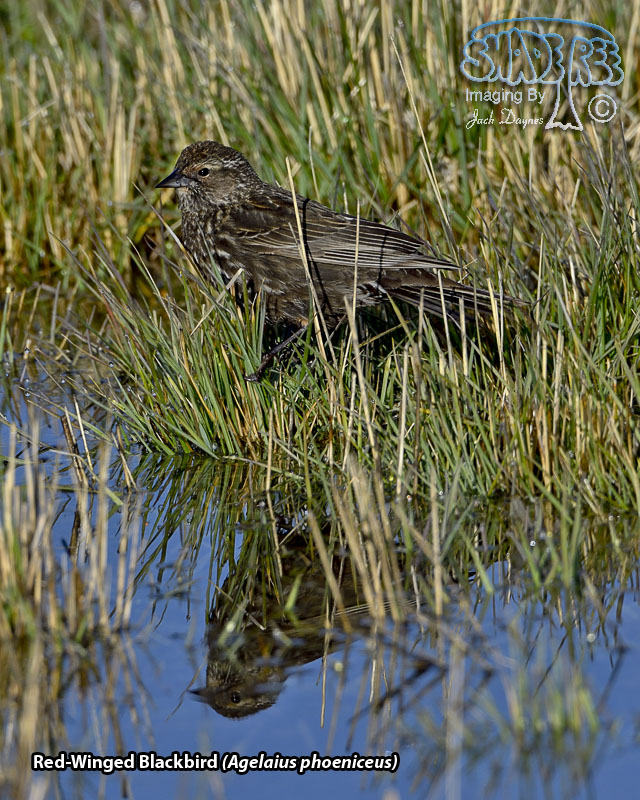
Red-Winged Blackbird(Agelaius phoeniceus) |
|
Description: My second visit to the fields north of Burns Oregon began in the early morning. I tried my best to capture birds like this Red-Winged Blackbird, on the west side of the road, because of the lovely light from the rising sun. |
Date Taken: 2022:04:24 7:57 |
|
Location:
North Foley Drive |
|
Camera Information: NIKON D850, 800 mm, f/8.0, 1/800 |
File Name: RedWingedBlackbird_8504226-BurnsOregon |
| © 2022 Jack Daynes, shadeTreeImaging.com |
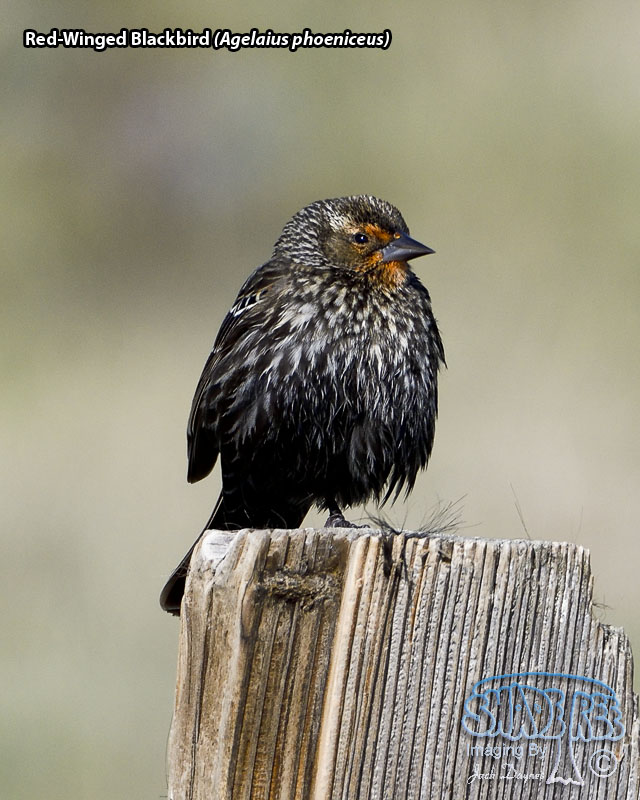
Red-Winged Blackbird(Agelaius phoeniceus) |
|
Description: My second visit to the fields north of Burns Oregon began in the early morning. I tried my best to capture birds like this Red-Winged Blackbird, despite the angle of the sun on the east side of the road. |
Date Taken: 2022:04:24 9:43 |
|
Location:
North Foley Drive |
|
Camera Information: NIKON D850, 800 mm, f/8.0, 1/800 |
File Name: RedWingedBlackbird_8504617-BurnsOregon |
| © 2022 Jack Daynes, shadeTreeImaging.com |
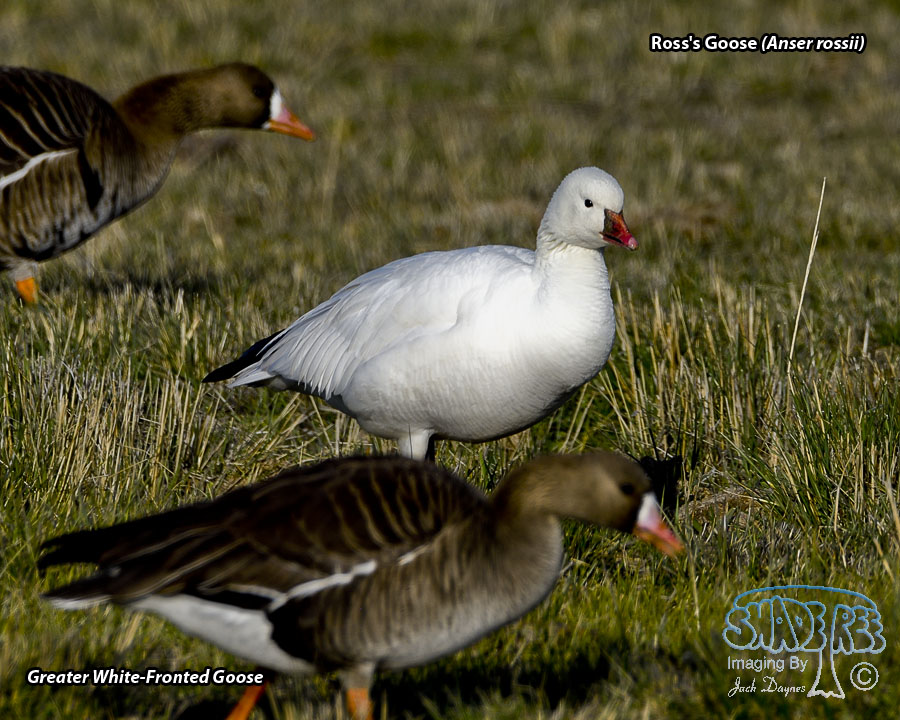
Ross's Goose(Anser rossii) |
|
Description: My second visit to the fields north of Burns Oregon began in the early morning. I first thought this white goose keeping company with the Greater White-Fronted Geese was a Snow Goose. After looking at the pictures, I changed my mind and called it a Ross’s Goose. |
Date Taken: 2022:04:24 7:40 |
|
Location:
North Foley Drive |
|
Camera Information: NIKON D850, 800 mm, f/8.0, 1/800 |
File Name: RossGoose_8504087-BurnsOregon |
| © 2022 Jack Daynes, shadeTreeImaging.com |
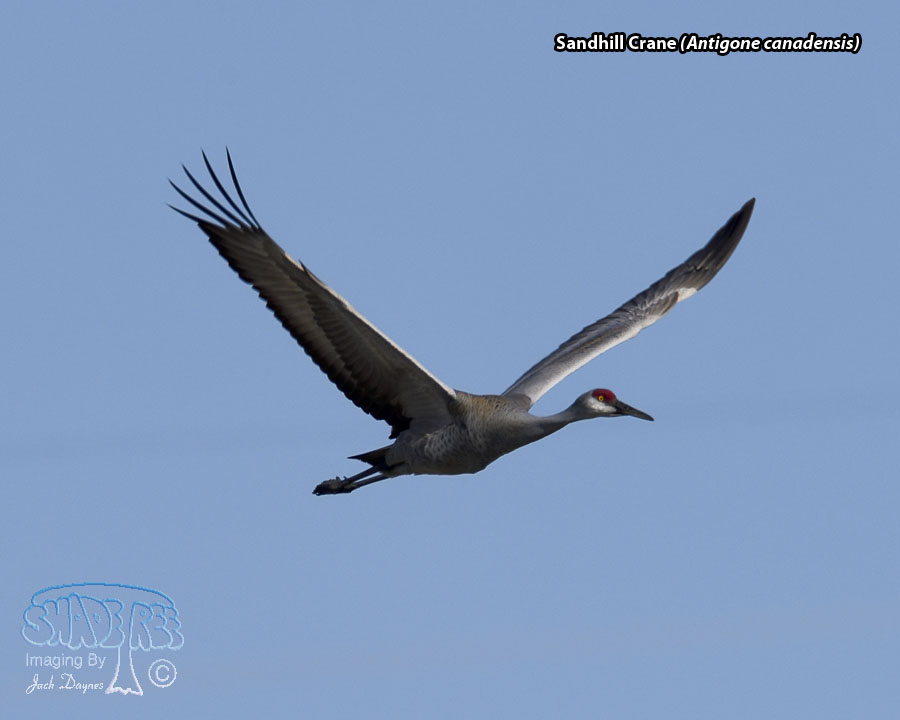
Sandhill Crane(Antigone canadensis) |
|
Description: My second visit to the fields north of Burns Oregon began in the early morning. Sandhill Cranes, when they landed, mostly kept their distance. Fly-overs were my best hope of capturing good images of them. |
Date Taken: 2022:04:24 8:56 |
|
Location:
North Foley Drive |
|
Camera Information: NIKON D850, 800 mm, f/8.0, 1/800 |
File Name: SandhillCrane_8504479-BurnsOregon |
| © 2022 Jack Daynes, shadeTreeImaging.com |
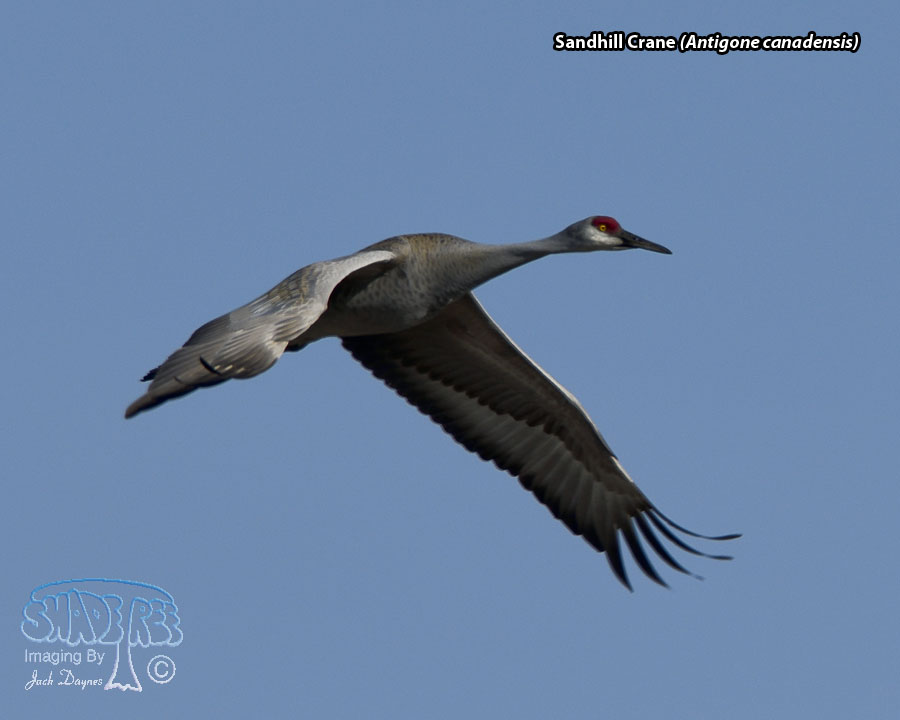
Sandhill Crane(Antigone canadensis) |
|
Description: My second visit to the fields north of Burns Oregon began in the early morning. Sandhill Cranes, when they landed, mostly kept their distance. Fly-overs were my best hope of capturing good images of them. |
Date Taken: 2022:04:24 8:56 |
|
Location:
North Foley Drive |
|
Camera Information: NIKON D850, 800 mm, f/8.0, 1/1000 |
File Name: SandhillCrane_8504482-BurnsOregon |
| © 2022 Jack Daynes, shadeTreeImaging.com |
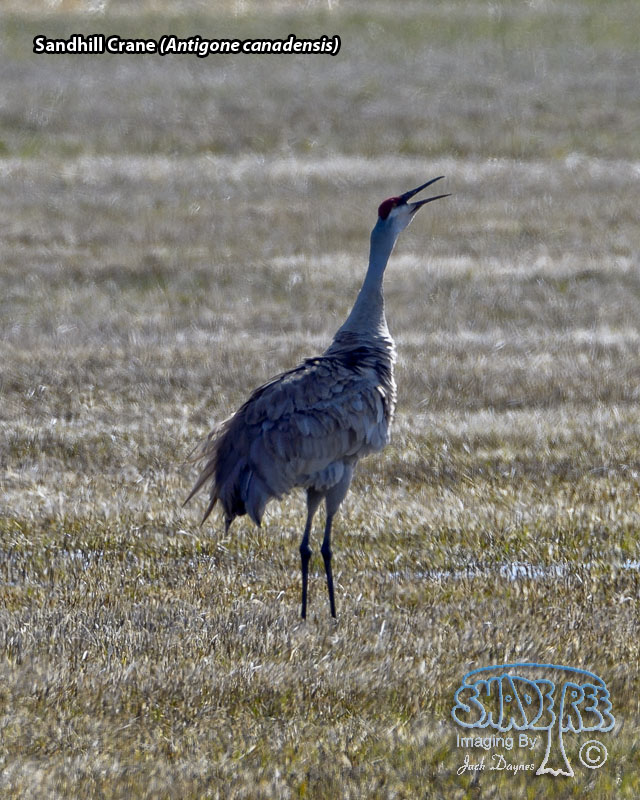
Sandhill Crane(Antigone canadensis) |
|
Description: My second visit to the fields north of Burns Oregon began in the early morning. Sandhill Cranes, when they landed, mostly kept their distance. Fly-overs were my best hope of capturing good images of them. |
Date Taken: 2022:04:24 9:33 |
|
Location:
North Foley Drive |
|
Camera Information: NIKON D850, 800 mm, f/8.0, 1/800 |
File Name: SandhillCrane_8504555-BurnsOregon |
| © 2022 Jack Daynes, shadeTreeImaging.com |
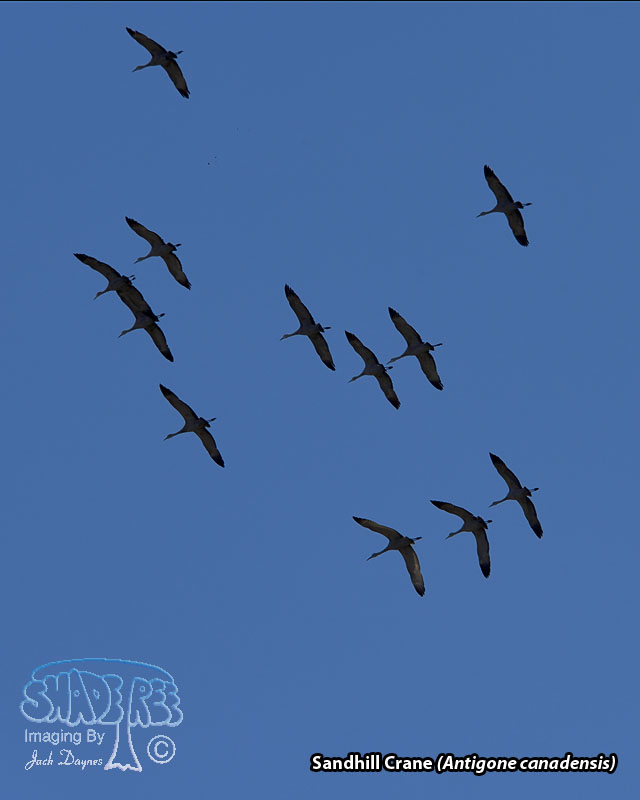
Sandhill Crane(Antigone canadensis) |
|
Description: My second visit to the fields north of Burns Oregon began in the early morning. When I heard the approaching Sandhill Crane flock, I took a long series of shots, hoping to spot the Common Crane that had been reported here. Alas, it was not to be. |
Date Taken: 2022:04:24 9:44 |
|
Location:
North Foley Drive |
|
Camera Information: NIKON D850, 800 mm, f/8.0, 1/800 |
File Name: SandhillCrane_8504634-BurnsOregon |
| © 2022 Jack Daynes, shadeTreeImaging.com |
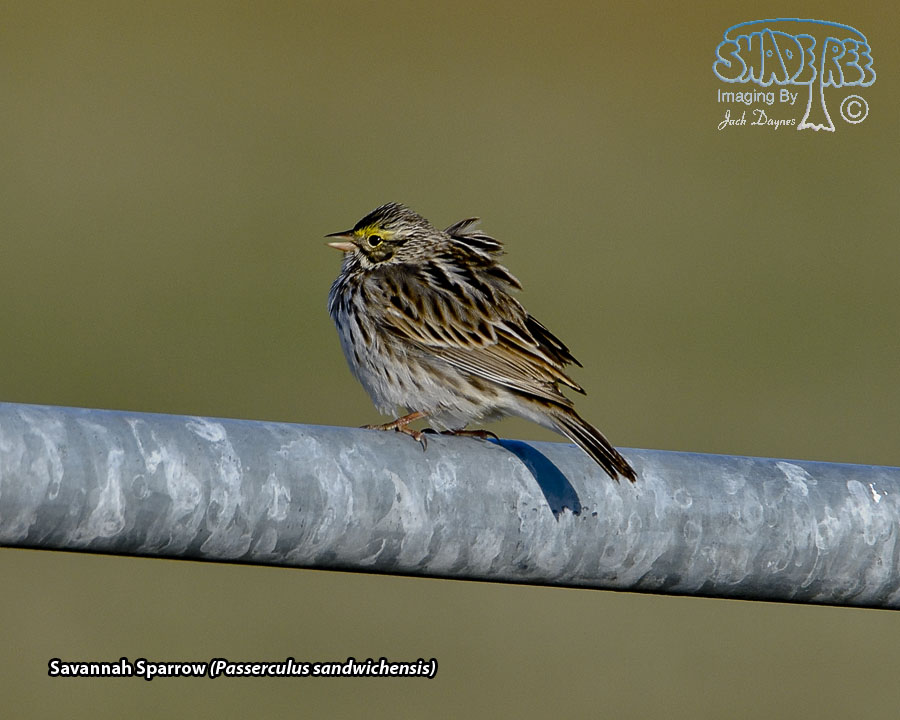
Savannah Sparrow(Passerculus sandwichensis) |
|
Description: My second visit to the fields north of Burns Oregon began in the early morning. I tried my best to capture birds like this Savannah Sparrow, on the west side of the road, because of the lovely light from the rising sun. |
Date Taken: 2022:04:24 7:38 |
|
Location:
North Foley Drive |
|
Camera Information: NIKON D850, 800 mm, f/8.0, 1/800 |
File Name: SavannahSparrow_8504070-BurnsOregon |
| © 2022 Jack Daynes, shadeTreeImaging.com |
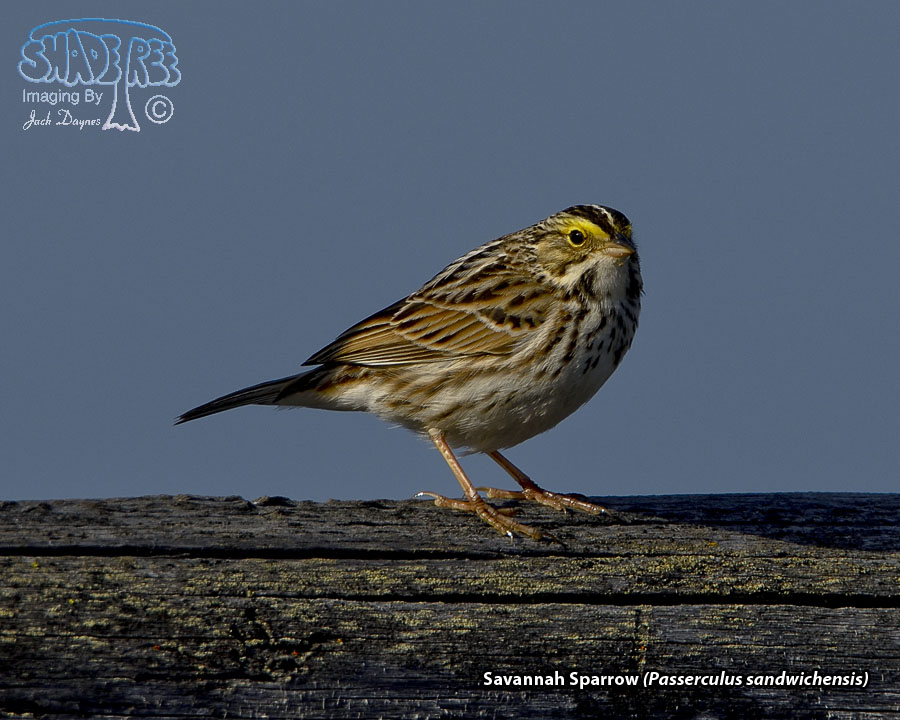
Savannah Sparrow(Passerculus sandwichensis) |
|
Description: My second visit to the fields north of Burns Oregon began in the early morning. I tried my best to capture birds like this Savannah Sparrow, on the west side of the road, because of the lovely light from the rising sun. |
Date Taken: 2022:04:24 8:40 |
|
Location:
North Foley Drive |
|
Camera Information: NIKON D850, 800 mm, f/8.0, 1/800 |
File Name: SavannahSparrow_8504413-BurnsOregon |
| © 2022 Jack Daynes, shadeTreeImaging.com |
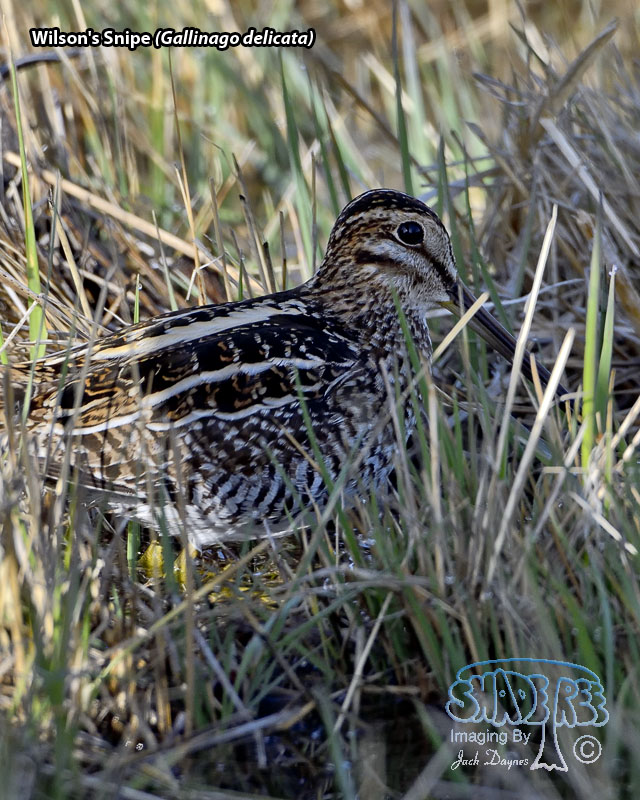
Wilson's Snipe(Gallinago delicata) |
|
Description: My second visit to the fields north of Burns Oregon began in the early morning. I tried my best to capture birds like this Wilson’s Snipe, on the west side of the road, because of the lovely light from the rising sun. |
Date Taken: 2022:04:24 8:37 |
|
Location:
North Foley Drive |
|
Camera Information: NIKON D850, 800 mm, f/8.0, 1/800 |
File Name: WilsonsSnipe_8504394-BurnsOregon |
| © 2022 Jack Daynes, shadeTreeImaging.com |
Click map markers to reveal further information
