
Organized by the Texas Parks and Wildlife Department, the “Big Sit” is a bird-watching event that takes place each year during the Great Texas Birding Classic, or GTBC. There are fourteen categories of competition to the GTBC. Organizers claim the events are the “biggest, longest, wildest birdwatching tournament” in North America. For a full description of all the categories, visit This Link.
The goal of the “Big Sit” competition is to identify by sight or sound as many birds as possible, while staying inside a 50 foot diameter circle. Prior to the Covid-19 pandemic, the circle was restricted to a diameter of 17 feet. But to maintain a respectful social distancing guideline, the rules committee changed it to 50 feet, where it remains today. If a bird is spotted from within the circle, and the ID is not clear, the rules allow members to walk outside the circle to verify its identity, then return to the circle.
I prepared to begin my “Big Sit” day at the National Butterfly Center (NBC), with a hot shower. I got dressed and joined the team as they all arrived on site. At 5:00am, the sunlight had not begun to show. In the darkness, we could hear the songs of distant Common Pauraque and the ever-present Northern Mockingbirds. One of the sharper-eyed team members spotted the silhouette of a creature landing in the overhead branches of the nearest tree. When we shined our lights, we saw it was an Eastern Screech Owl.
Only at about 6:30am, did the sky begin to illuminate. And that initiated the “Dawn Chorus”, when every bird in the area started singing their hearts out. Our biggest challenge during these pre-dawn moments was differentiating the calls and songs of the mockingbirds, from the nearby birds they imitated. I consider my skills at bird-song identification to be above average (like the kids from Lake Wobegon), but we had on our team one of the most skilled birders in the region.

I first met Ryan Rodriguez in 2021 during the first “Big Sit” I attended, when the then 14-year-old was under the tutelage of one of Texas’ most beloved and amazing birders, Mary Gustofsen. We lost Mary to cancer in November 2022, and Ryan, now 17 years old, was on his own. His skill at bird identification was invaluable.
The NBC teams for the past few years counted over 100 species, and they won the competition for the past two years (2022 and 2023). When we compiled our sightings for the day (5am-9pm), we had 95 species on our list. We all hoped for more, but despite the intense heat (106°F) and high humidity, it wasn’t the numbers that I counted, but the memories and the company of the people on the team that I will treasure.
I arrived a few days before the “Big Sit” and stayed until April-29. Camping out at the NBC provided me the opportunity to capture with my camera some of the “usual suspects” found on these grounds. Other than the group event, my biggest thrill was witnessing an evening fly-in of perhaps a thousand Mississippi Kites on their way north. I had the grounds to myself when I spotted the kites while they were south of the Rio Grande and still in Mexico.
During migration, Mississippi Kites assemble in enormous flocks and ascend to several thousand feet in the air before traveling between their winter homes in Brazil and Argentina, and their summer digs in the southern Great Plains of North America. My first encounter with these birds was during the 2022 “Big Sit”. For that meeting, the birds were at such a high altitude, they were mere specks in a blue sky. On this day, it was my good fortune that all these birds were sailing just above the tree tops and looking for an overnight roost. However, it was minutes after sundown, and the fading light challenged my camera to capture images other than the silhouettes the early evening provided. Still, it made me happy as I watched these birds settle into the nearby trees around me.
I departed south Texas the next morning and began my journey homeward. I had come to experience the 2024 solar eclipse, but the weather diminished the drama and awe of that spectacle. The birds and people of south Texas made the journey a success.
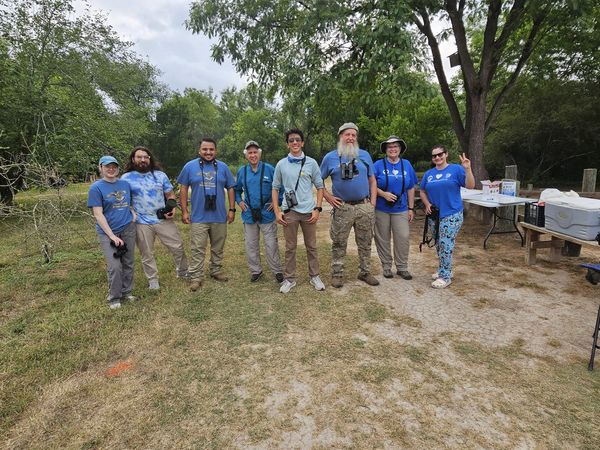
|
Description: Selene Shores, Roy Rodgers, Nestor Hernandez, Joe Salazar, Ryan Rodriguez, Jack Daynes, Kristy Baker, Amanda Hernandez. Not pictured: Luciano Guerra and Judy Salinas |
Date Taken: 2024:04:28 7:19 |
|
Location:
National Butterfly Center |
|
Camera Information: |
File Name: NBC-Five-to-Nine-Shift |
| © 2024 - Jack Daynes - shadeTree Imaging |

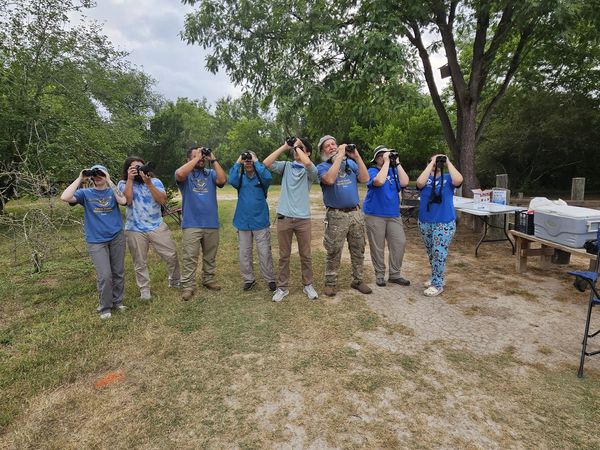
|
Description: Selene Shores, Roy Rodgers, Nestor Hernandez, Joe Salazar, Ryan Rodriguez, Jack Daynes, Kristy Baker, Amanda Hernandez. Not pictured: Luciano Guerra and Judy Salinas |
Date Taken: 2024:04:28 7:19 |
|
Location:
National Butterfly Center |
|
Camera Information: |
File Name: NBC-Five-to-Nine-Shift-Spoofing |
| © 2024 - Jack Daynes - shadeTree Imaging |
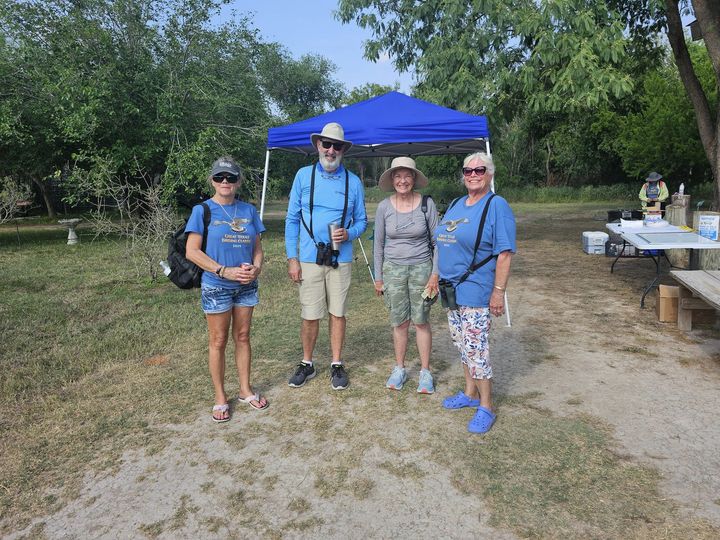
|
Description: Roberta Allen, Kenneth Wilson, Cindy Harris and Tammie Bulow |
Date Taken: 2024:04:28 13:19 |
|
Location:
National Butterfly Center |
|
Camera Information: |
File Name: NBC-One-to-Five-Shift |
| © 2024 - Jack Daynes - shadeTree Imaging |
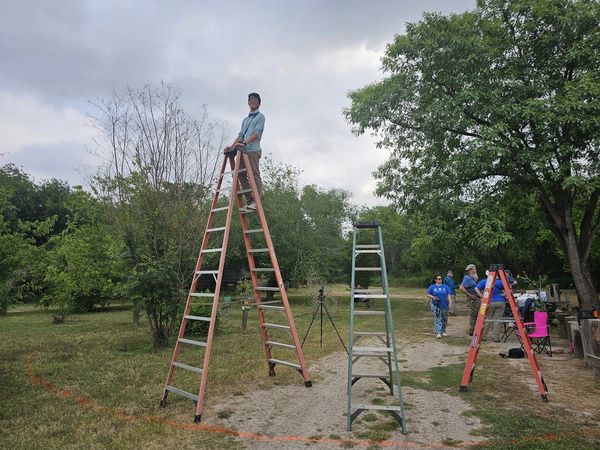
|
Description: Ryan Rodriguez taking the high road. |
Date Taken: 2024:04:28 7:19 |
|
Location:
National Butterfly Center |
|
Camera Information: |
File Name: NBC-The-High-Road |
| © 2024 - Jack Daynes - shadeTree Imaging |
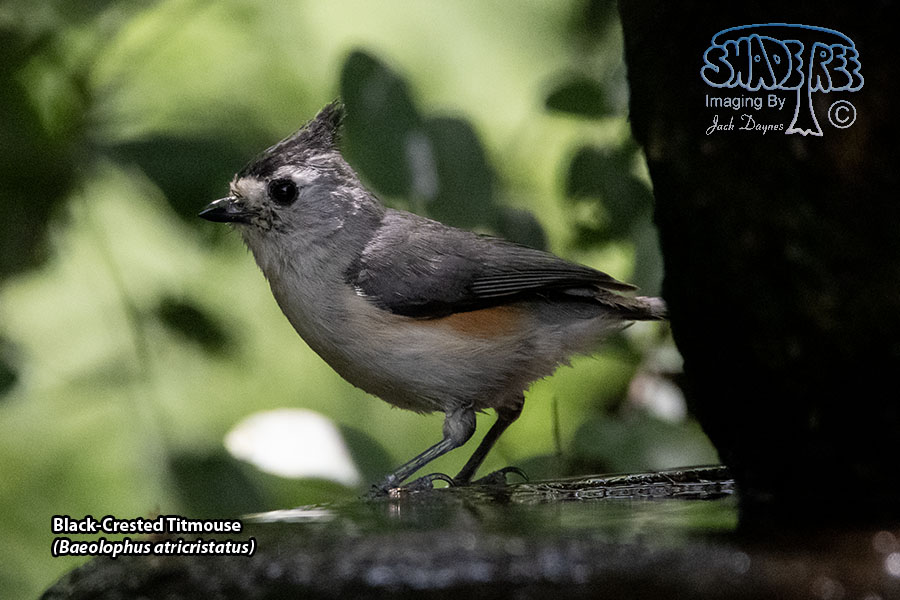
Black-Crested Titmouse(Baeolophus atricristatus) |
|
Description: In south Texas, the titmouse species we can meet is the Black-Crested Titmouse. Similar species, such as the Tufted Titmouse, would be extremely rare at the National Butterfly Center and surrounding region. |
Date Taken: 2024:04:26 13:26 |
|
Location:
National Butterfly Center |
|
Camera Information: NIKON Z 9, 800 mm, f/8.0, 1/2500 |
File Name: BlackCrestedTitmouse_Z9X3685_NationalButterflyCenter |
| © 2025 Jack Daynes, shadeTreeImaging.com |
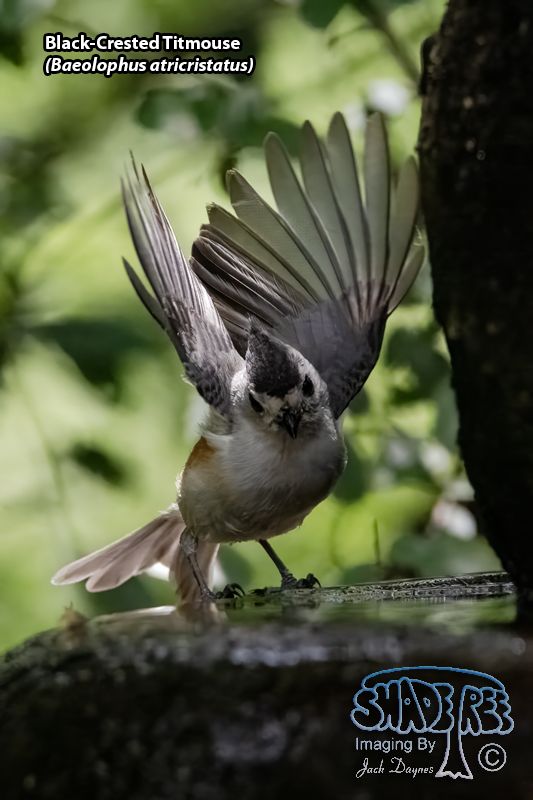
Black-Crested Titmouse(Baeolophus atricristatus) |
|
Description: In south Texas, the titmouse species we can meet is the Black-Crested Titmouse. Similar species, such as the Tufted Titmouse, would be extremely rare at the National Butterfly Center and surrounding region. |
Date Taken: 2024:04:26 13:26 |
|
Location:
National Butterfly Center |
|
Camera Information: NIKON Z 9, 800 mm, f/8.0, 1/3200 |
File Name: BlackCrestedTitmouse_Z9X3690_NationalButterflyCenter |
| © 2025 Jack Daynes, shadeTreeImaging.com |
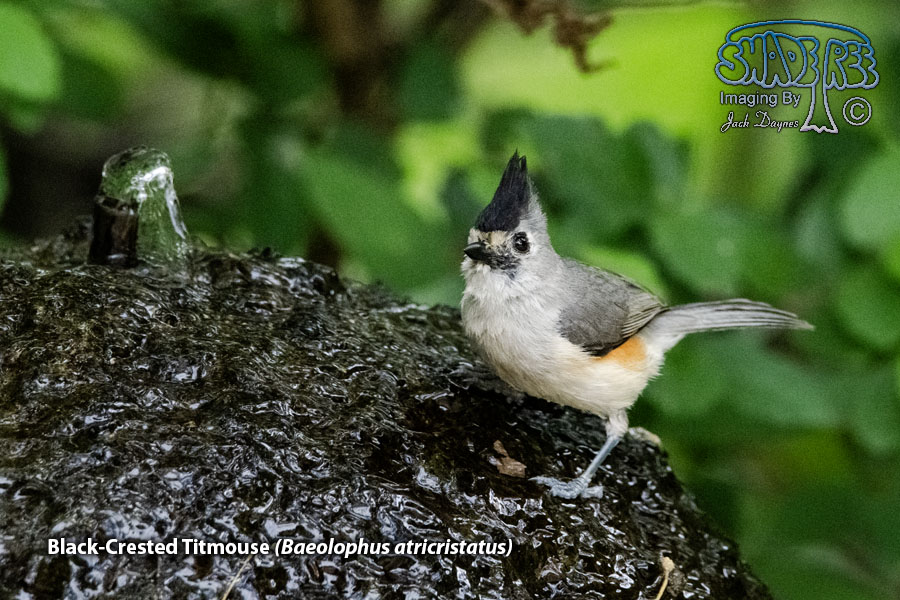
Black-Crested Titmouse(Baeolophus atricristatus) |
|
Description: In south Texas, the titmouse species we can meet is the Black-Crested Titmouse. Similar species, such as the Tufted Titmouse, would be extremely rare at the National Butterfly Center and surrounding region. |
Date Taken: 2024:04:26 13:30 |
|
Location:
National Butterfly Center |
|
Camera Information: NIKON Z 9, 800 mm, f/8.0, 1/1000 |
File Name: BlackCrestedTitmouse_Z9X3761_NationalButterflyCenter |
| © 2025 Jack Daynes, shadeTreeImaging.com |
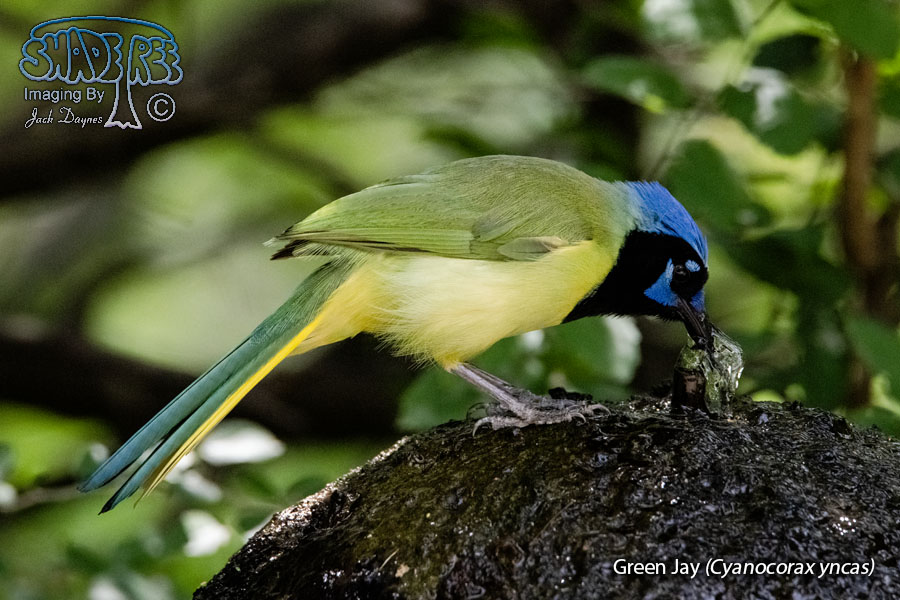
Green Jay(Cyanocorax yncas) |
|
Description: In south Texas, the jay species we are most likely to meet is the Green Jay. They are bold and charismatic, and one of the many locations to find them is at the National Butterfly Center and surrounding region. |
Date Taken: 2024:04:26 13:27 |
|
Location:
National Butterfly Center |
|
Camera Information: NIKON Z 9, 800 mm, f/8.0, 1/2000 |
File Name: GreenJay_Z9X3720_NationalButterflyCenter |
| © 2025 Jack Daynes, shadeTreeImaging.com |
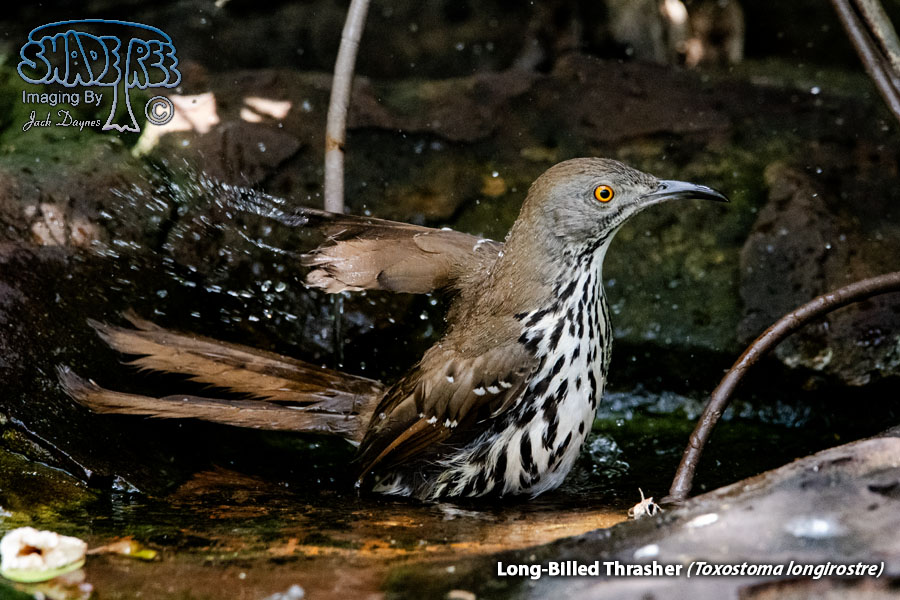
Long-Billed Thrasher(Toxostoma longirostre) |
|
Description: In south Texas, the thrasher species we are most likely to meet is the Long-Billed Thrasher. One of the many locations to find them is at the National Butterfly Center and surrounding region. How these birds got christened with this name eludes me. As thrashers go, their beaks are relatively short. |
Date Taken: 2024:04:26 13:09 |
|
Location:
National Butterfly Center |
|
Camera Information: NIKON Z 9, 800 mm, f/8.0, 1/1600 |
File Name: LongBilledThrasher_Z9X3573_NationalButterflyCenter |
| © 2025 Jack Daynes, shadeTreeImaging.com |
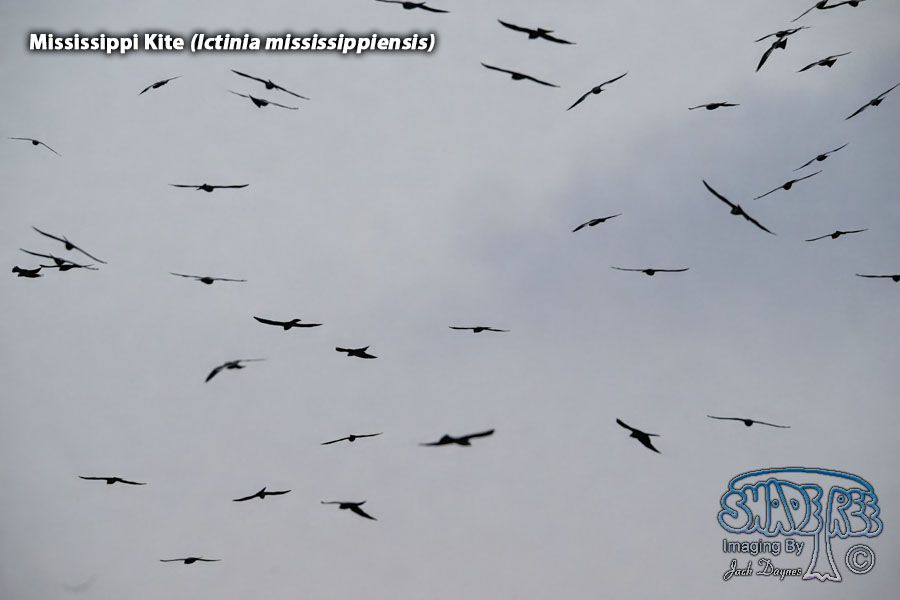
Mississippi Kite(Ictinia mississippiensis) |
|
Description: When Mississippi Kites migrate, they travel in large groups. Sometimes they number in the thousands. I was lucky to be at the National Butterfly Center when these northbound birds ended their day’s journey near me. |
Date Taken: 2024:04:26 18:31 |
|
Location:
National Butterfly Center |
|
Camera Information: NIKON Z 9, 800 mm, f/8.0, 1/8000 |
File Name: MississippiKite_Z9X4044_NationalButterflyCenter |
| © 2025 Jack Daynes, shadeTreeImaging.com |
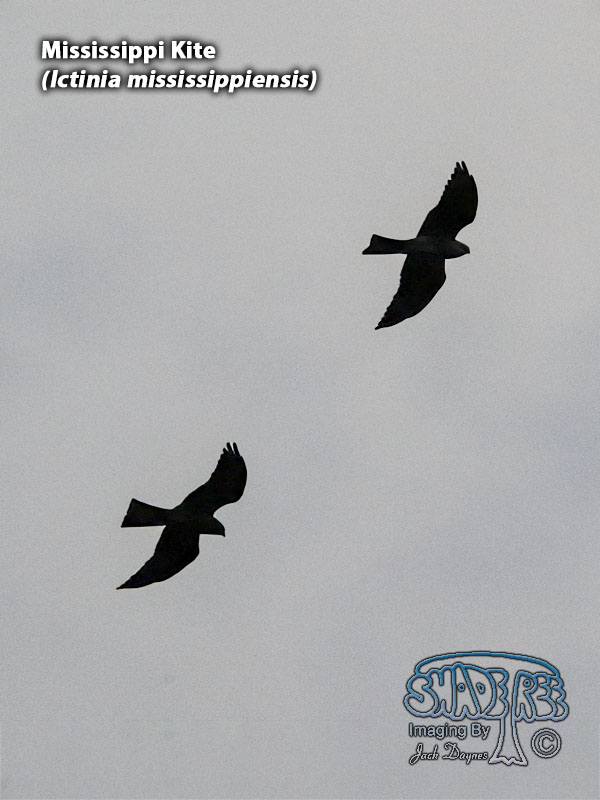
Mississippi Kite(Ictinia mississippiensis) |
|
Description: When Mississippi Kites migrate, they travel in large groups. Sometimes they number in the thousands. I was lucky to be at the National Butterfly Center when these northbound birds ended their day’s journey near me. |
Date Taken: 2024:04:26 18:31 |
|
Location:
National Butterfly Center |
|
Camera Information: NIKON Z 9, 800 mm, f/8.0, 1/10000 |
File Name: MississippiKite_Z9X4090_NationalButterflyCenter |
| © 2025 Jack Daynes, shadeTreeImaging.com |
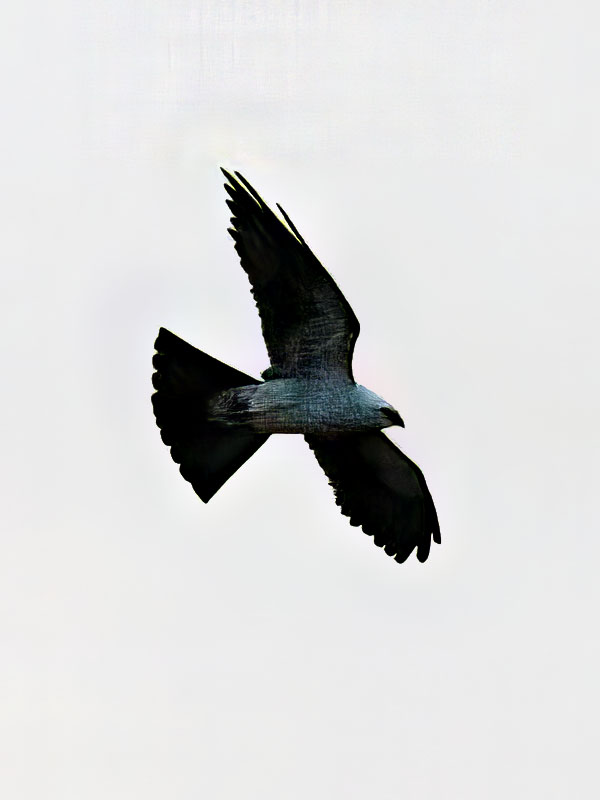
Mississippi Kite(Ictinia mississippiensis) |
|
Description: When Mississippi Kites migrate, they travel in large groups. Sometimes they number in the thousands. I was lucky to be at the National Butterfly Center when these northbound birds ended their day’s journey near me. |
Date Taken: 2024:04:26 18:32 |
|
Location:
National Butterfly Center |
|
Camera Information: NIKON Z 9, 800 mm, f/8.0, 1/4000 |
File Name: MississippiKite_Z9X4149_NationalButterflyCenter-copy |
| © 2025 Jack Daynes, shadeTreeImaging.com |
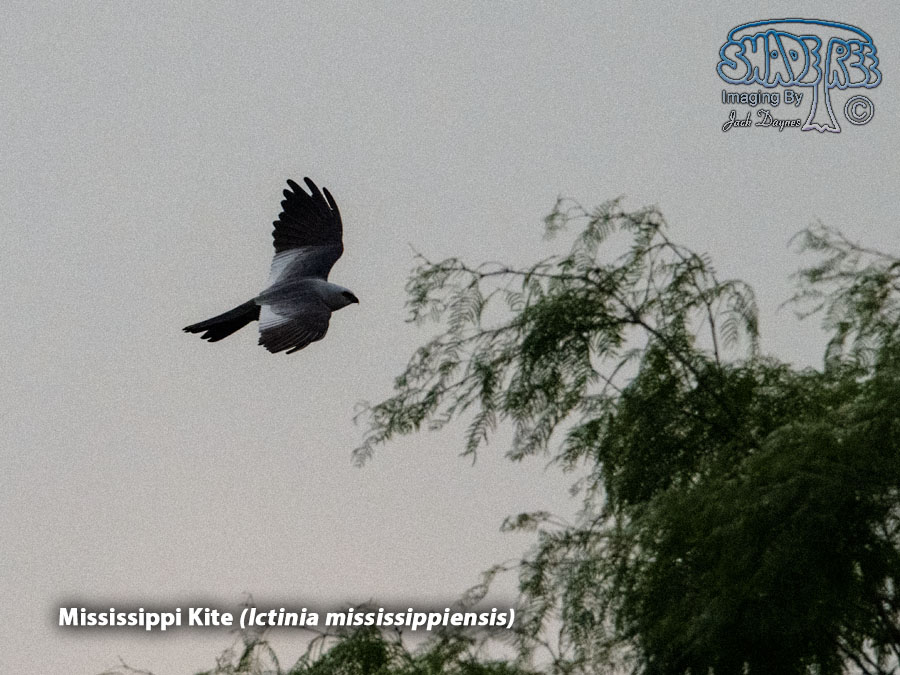
Mississippi Kite(Ictinia mississippiensis) |
|
Description: When Mississippi Kites migrate, they travel in large groups. Sometimes they number in the thousands. I was lucky to be at the National Butterfly Center when these northbound birds ended their day’s journey near me. |
Date Taken: 2024:04:26 18:32 |
|
Location:
National Butterfly Center |
|
Camera Information: NIKON Z 9, 800 mm, f/8.0, 1/4000 |
File Name: MississippiKite_Z9X4160_NationalButterflyCenter |
| © 2025 Jack Daynes, shadeTreeImaging.com |
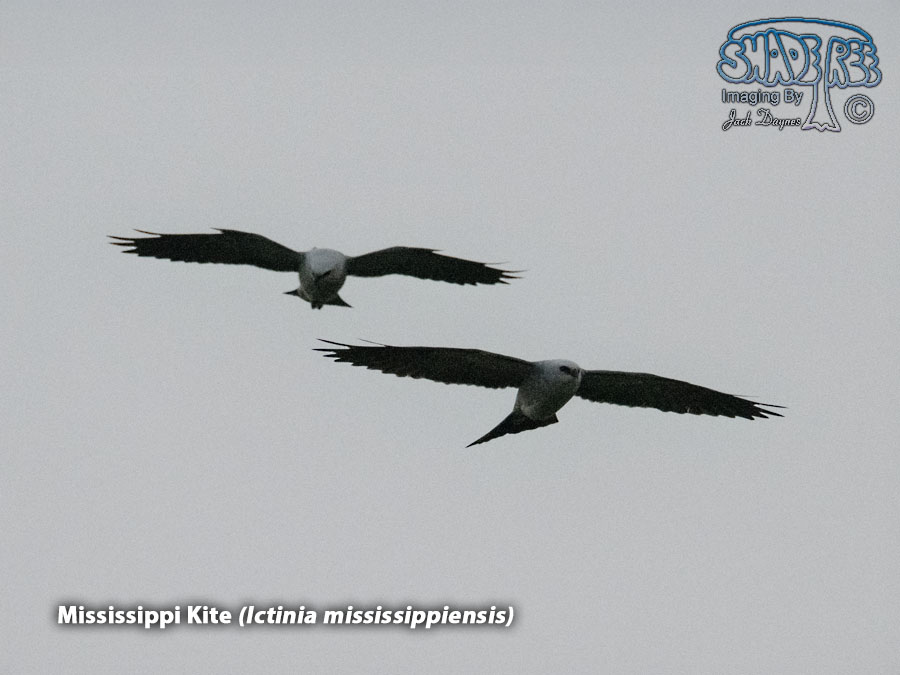
Mississippi Kite(Ictinia mississippiensis) |
|
Description: When Mississippi Kites migrate, they travel in large groups. Sometimes they number in the thousands. I was lucky to be at the National Butterfly Center when these northbound birds ended their day’s journey near me. |
Date Taken: 2024:04:26 18:33 |
|
Location:
National Butterfly Center |
|
Camera Information: NIKON Z 9, 800 mm, f/8.0, 1/5000 |
File Name: MississippiKite_Z9X4249_NationalButterflyCenter |
| © 2025 Jack Daynes, shadeTreeImaging.com |
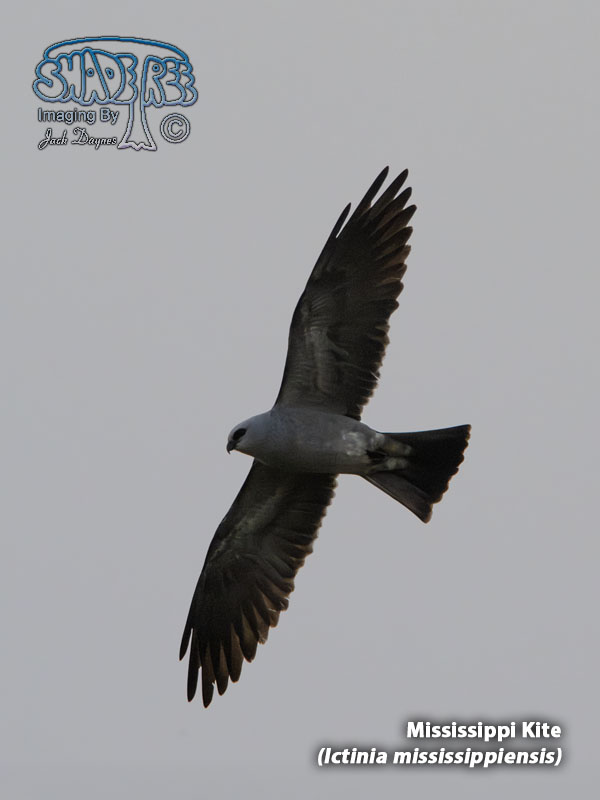
Mississippi Kite(Ictinia mississippiensis) |
|
Description: When Mississippi Kites migrate, they travel in large groups. Sometimes they number in the thousands. I was lucky to be at the National Butterfly Center when these northbound birds ended their day’s journey near me. |
Date Taken: 2024:04:26 18:33 |
|
Location:
National Butterfly Center |
|
Camera Information: NIKON Z 9, 800 mm, f/8.0, 1/4000 |
File Name: MississippiKite_Z9X4319_NationalButterflyCenter-copy |
| © 2025 Jack Daynes, shadeTreeImaging.com |
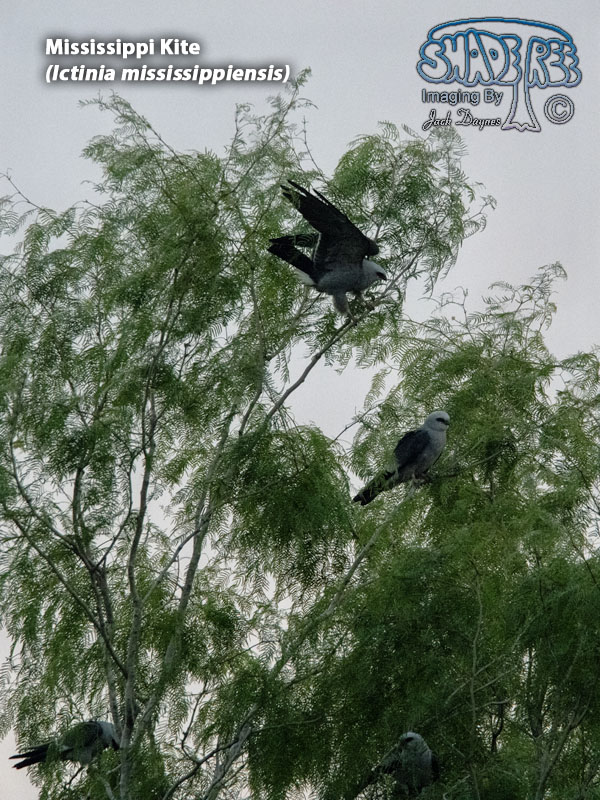
Mississippi Kite(Ictinia mississippiensis) |
|
Description: When Mississippi Kites migrate, they travel in large groups. Sometimes they number in the thousands. I was lucky to be at the National Butterfly Center when these northbound birds ended their day’s journey near me. |
Date Taken: 2024:04:26 18:35 |
|
Location:
National Butterfly Center |
|
Camera Information: NIKON Z 9, 800 mm, f/8.0, 1/2000 |
File Name: MississippiKite_Z9X4430_NationalButterflyCenter |
| © 2025 Jack Daynes, shadeTreeImaging.com |
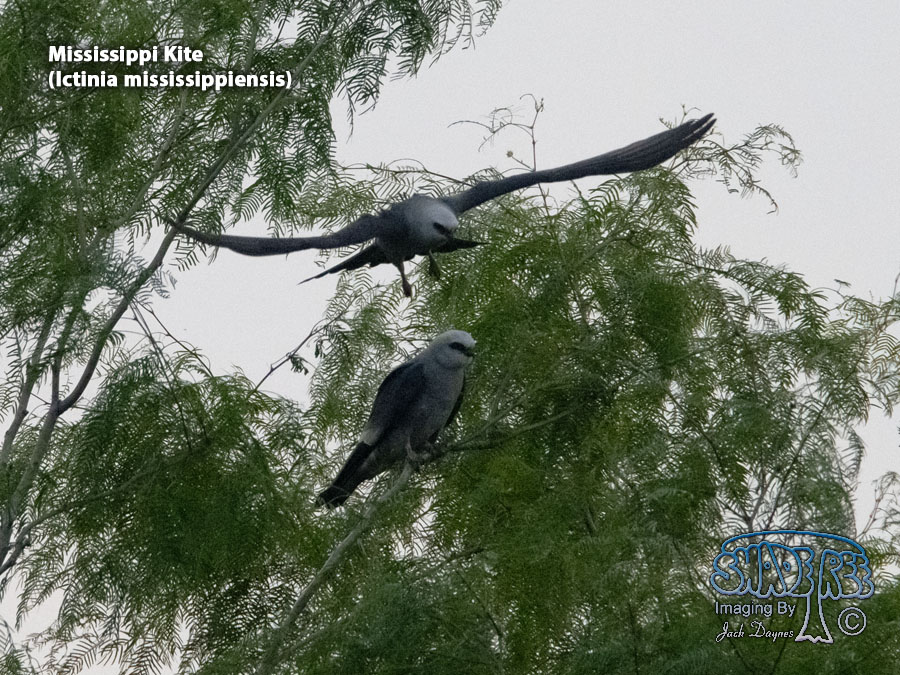
Mississippi Kite(Ictinia mississippiensis) |
|
Description: When Mississippi Kites migrate, they travel in large groups. Sometimes they number in the thousands. I was lucky to be at the National Butterfly Center when these northbound birds ended their day’s journey near me. |
Date Taken: 2024:04:26 18:35 |
|
Location:
National Butterfly Center |
|
Camera Information: NIKON Z 9, 800 mm, f/8.0, 1/2000 |
File Name: MississippiKite_Z9X4432_NationalButterflyCenter |
| © 2025 Jack Daynes, shadeTreeImaging.com |
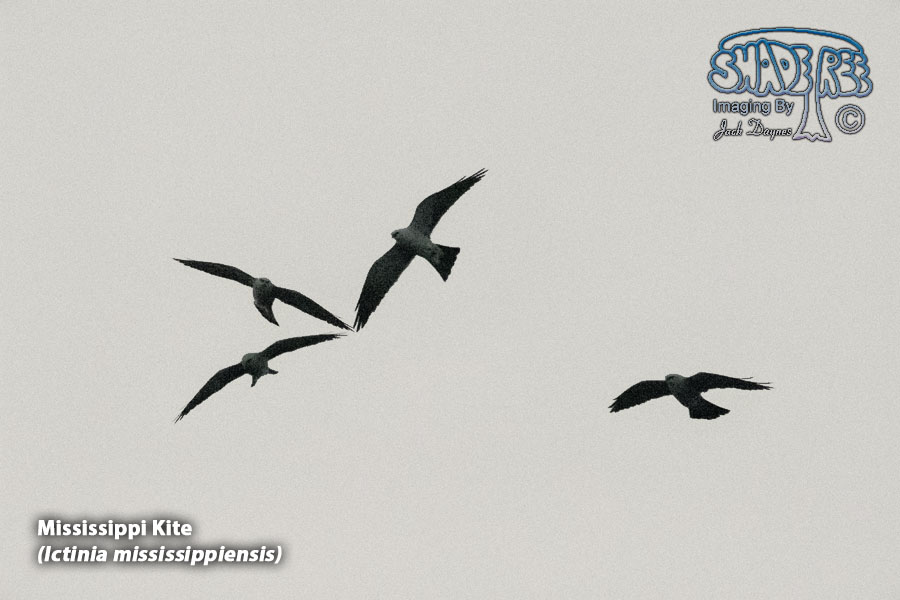
Mississippi Kite(Ictinia mississippiensis) |
|
Description: When Mississippi Kites migrate, they travel in large groups. Sometimes they number in the thousands. I was lucky to be at the National Butterfly Center when these northbound birds ended their day’s journey near me. |
Date Taken: 2024:04:26 18:51 |
|
Location:
National Butterfly Center |
|
Camera Information: NIKON Z 9, 800 mm, f/8.0, 1/2500 |
File Name: MississippiKite_Z9X4911_NationalButterflyCenter |
| © 2025 Jack Daynes, shadeTreeImaging.com |
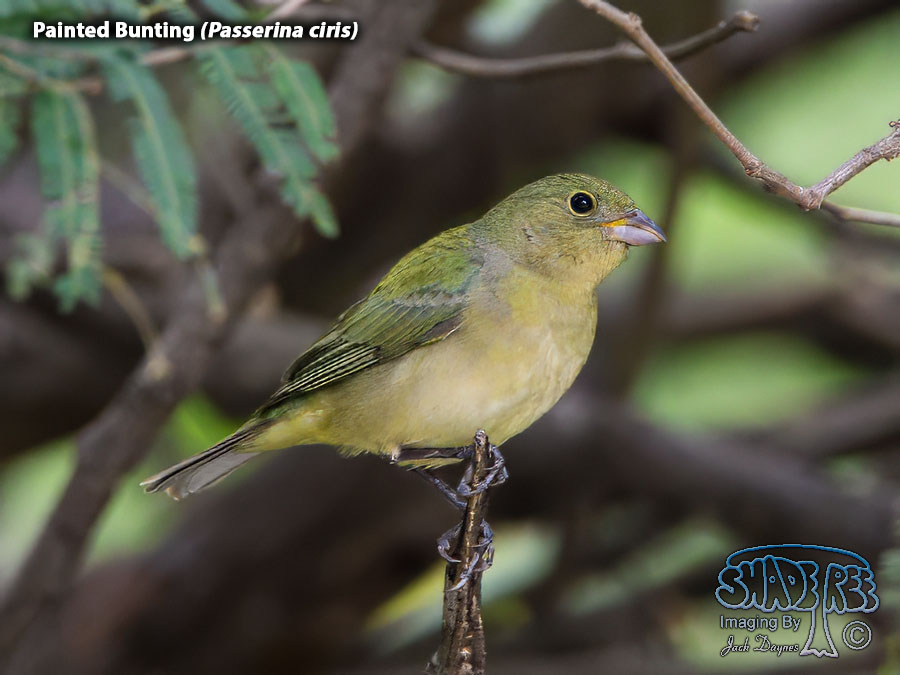
Painted Bunting(Passerina ciris) |
|
Description: Painted Bunting males are quite distinctive, but females and immature birds look very much alike. Given that I met this bird in April, it is unlikely the bird pictured here is immature. I believe it was too early for an immature bird to have reached this stage of development. I was lucky to be at the National Butterfly Center when these birds were visiting. |
Date Taken: 2024:04:26 13:22 |
|
Location:
National Butterfly Center |
|
Camera Information: NIKON Z 9, 800 mm, f/8.0, 1/640 |
File Name: PaintedBuntingF_Z9X3631_NationalButterflyCenter |
| © 2024 Jack Daynes, shadeTreeImaging.com |
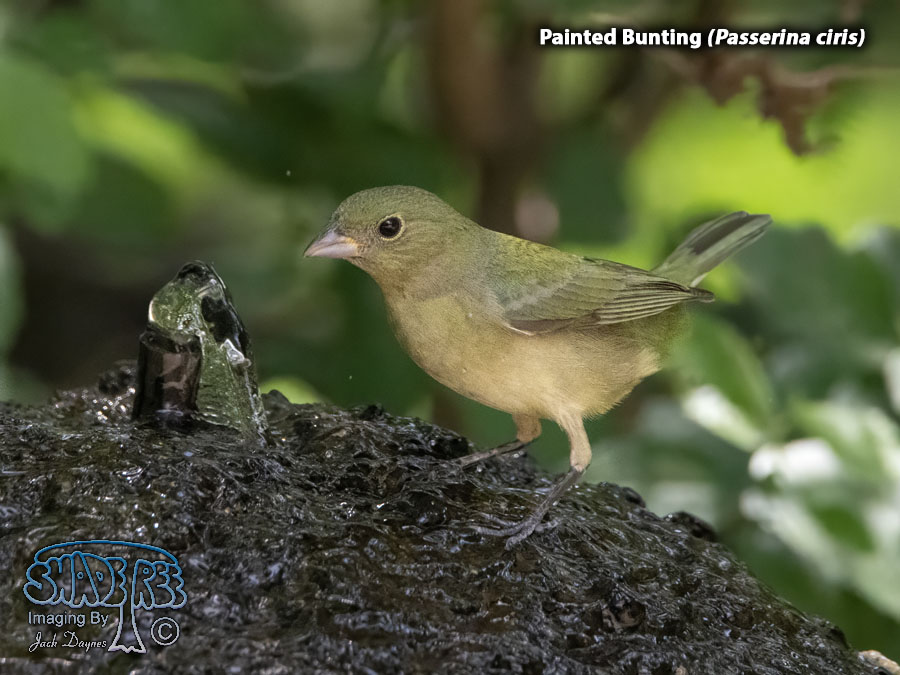
Painted Bunting(Passerina ciris) |
|
Description: Painted Bunting males are quite distinctive, but females and immature birds look very much alike. Given that I met this bird in April, it is unlikely the bird pictured here is immature. I believe it was too early for an immature bird to have reached this stage of development. I was lucky to be at the National Butterfly Center when these birds were visiting. |
Date Taken: 2024:04:26 13:23 |
|
Location:
National Butterfly Center |
|
Camera Information: NIKON Z 9, 800 mm, f/8.0, 1/2000 |
File Name: PaintedBuntingF_Z9X3636_NationalButterflyCenter |
| © 2024 Jack Daynes, shadeTreeImaging.com |
Click map markers to reveal further information
