Twice, I have cruised through the wetlands of Bear River Migratory Bird Refuge. These fields, ponds and marshes lie at the northeastern margins of Utah’s Great Salt Lake. Following are notes from those visits.
2015-05-12 Two Days At Bear River

The Bear River Migratory Bird Refuge, west of Brigham City Utah is 80,000 acres of marsh, open water, uplands, and alkali mudflats. There is a one-way dirt track loop through the middle of the refuge that offers some good views into the various habitats where the Bear River drains into the Great Salt Lake. After my morning session at Antelope Island, I drove to this location. Not satisfied that I’d gotten what I could from this reserve, I returned the following morning.
A high point for me, though it did not produce high-quality images, was a meeting with a Sandhill Crane family group with two chicks (or ‘colts’). There were Red-Winged Blackbirds giving the cranes hell, relentlessly dive-bombing the crane’s head and back. The cranes were working the cat-tails and bulrushes along some grassy pastures, and perhaps they were a genuine threat to the blackbirds nesting there. I watched the drama for about an hour hoping the birds would wander closer, but they did not. It was a delightful visit none-the-less.
Some birds I photographed were American Avocet, American White Pelican, Barn Swallow, Brown-Headed Cowbird, California Gull, Canada Geese with young, Cinnamon Teal, Clark’s Grebe, Double-Crested Cormorant, Forster’s Tern, Great Blue Heron, Marsh Wren, Pied-Billed Grebe, Sandhill Crane, Red-Winged Blackbird, Western Grebe and Yellow-Headed Blackbird.
2017-08-16 Bear River
After showing Jerry and me the Promontory Road raptors in the early morning, our friend and local legend, master photographer Joe Ford, took us out to the Bear River Migratory Bird Reserve. While I’d visited this area in the spring of 2015, there really isn’t a limit on visits to such places. It will offer different treats each time.
For those who are not familiar with the reserve, the Bear River empties into the Great Salt Lake via a delta and wetland, partitioned by levies that alternate as flooded fields, ponds, and marshy grass fields. Shorebirds, waterfowl, pelicans, blackbirds, and swallows abound. Changing seasons mean the scenes and the avian occupants will be different depending on the time of year. I will need many more visits to decide which season is my favorite.
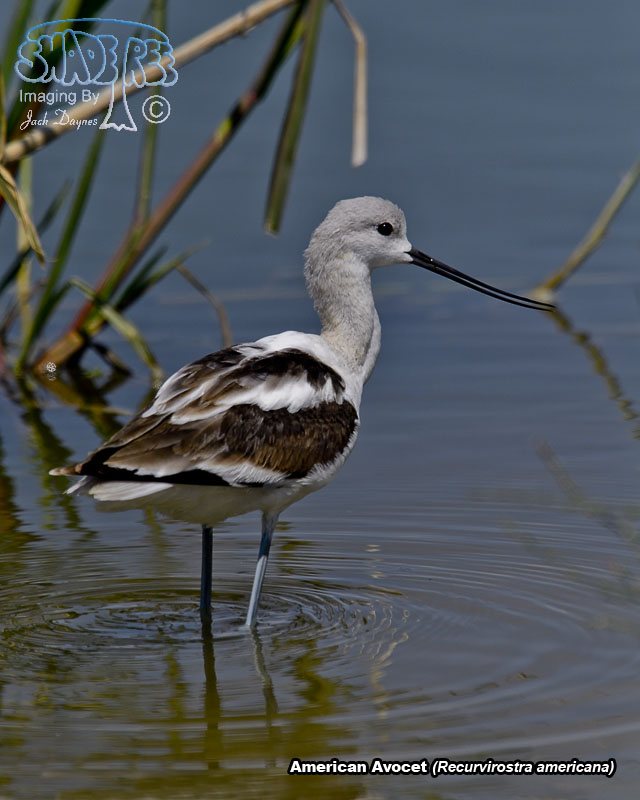
American Avocet(Recurvirostra americana) |
|
Description: The Bear River Migratory Bird Refuge is a large wetland delta where the Bear River terminates in the Great Salt Lake. |
Date Taken: 2017:08:16 10:41 |
|
Location:
Bear River Managment Area |
|
Camera Information: NIKON D5, 800 mm, f/8.0, 1/4000 |
File Name: AmericanAvocet_D5X4474-BearRiver |
| © 2017 Jack Daynes, shadeTreeImaging.com |

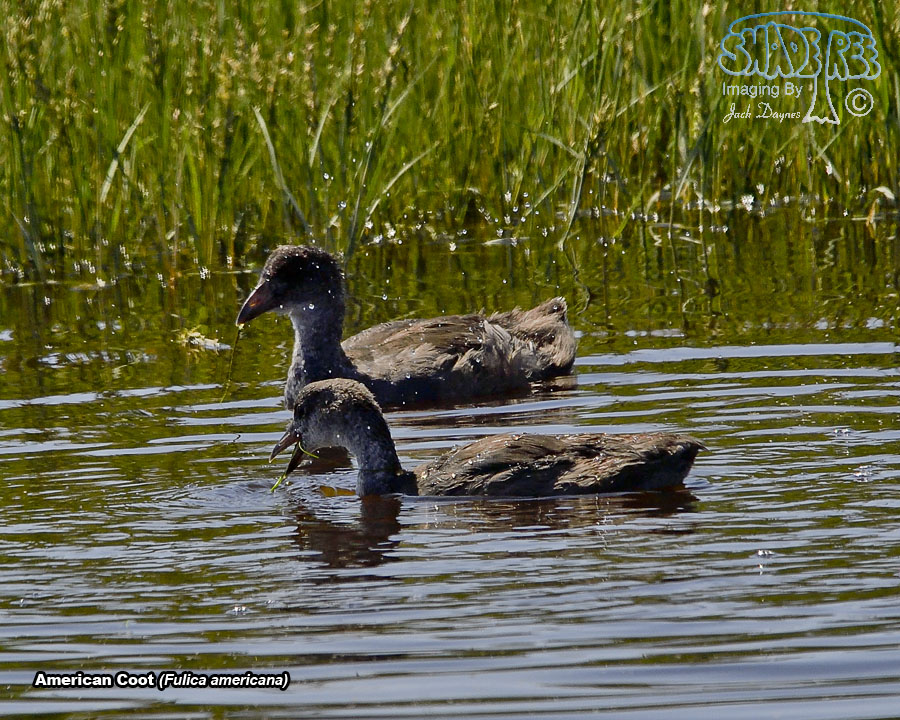
American Coot(Fulica americana) |
|
Description: The Bear River Migratory Bird Refuge is a large wetland delta where the Bear River terminates in the Great Salt Lake. |
Date Taken: 2017:08:16 9:33 |
|
Location:
Bear River Managment Area |
|
Camera Information: NIKON D5, 800 mm, f/10.0, 1/1600 |
File Name: AmericanCoot-Juvenile_D5X4057-BearRiver |
| © 2017 Jack Daynes, shadeTreeImaging.com |
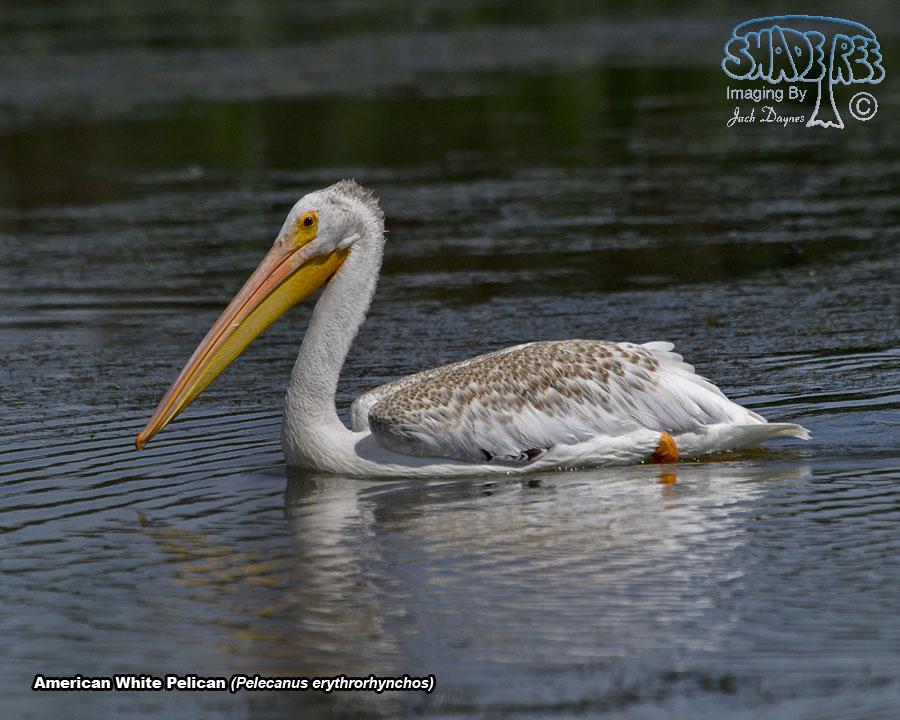
American White Pelican(Pelecanus erythrorhynchos) |
|
Description: The Bear River Migratory Bird Refuge is a large wetland delta where the Bear River terminates in the Great Salt Lake. |
Date Taken: 2017:08:16 10:30 |
|
Location:
Bear River Managment Area |
|
Camera Information: NIKON D5, 800 mm, f/7.1, 1/8000 |
File Name: AmericanWhitePelican_D5X4329-BearRiver |
| © 2017 Jack Daynes, shadeTreeImaging.com |
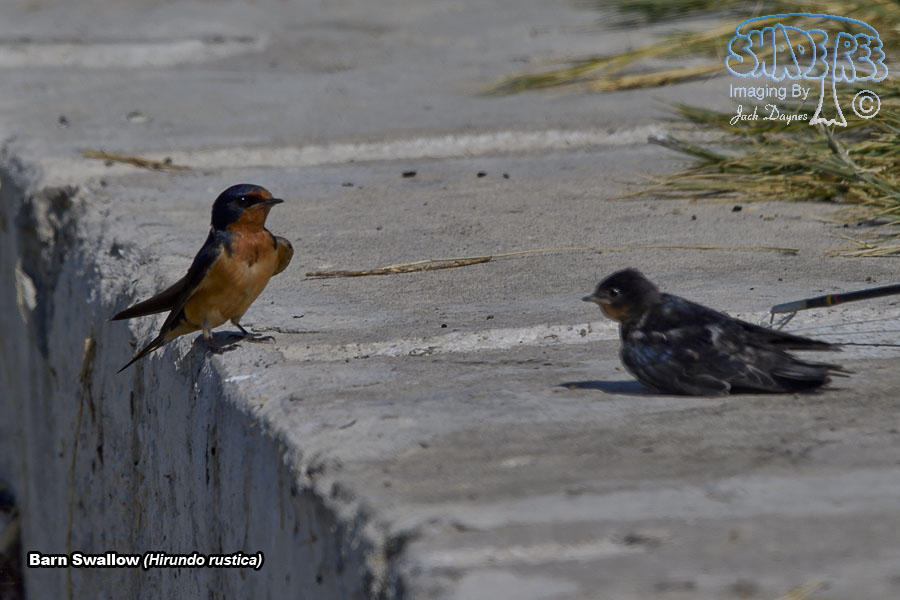
Barn Swallow(Hirundo rustica) |
|
Description: The Bear River Migratory Bird Refuge is a large wetland delta where the Bear River terminates in the Great Salt Lake. |
Date Taken: 2017:08:16 9:22 |
|
Location:
Bear River Managment Area |
|
Camera Information: NIKON D5, 800 mm, f/10.0, 1/2500 |
File Name: BarnSwallow_D5X4030-BearRiver |
| © 2017 Jack Daynes, shadeTreeImaging.com |
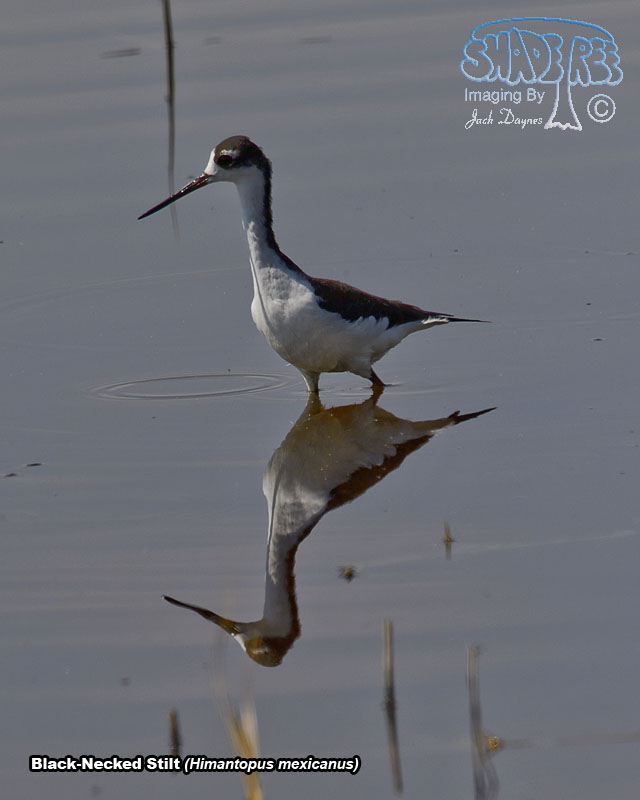
Black-Necked Stilt(Himantopus mexicanus) |
|
Description: The Bear River Migratory Bird Refuge is a large wetland delta where the Bear River terminates in the Great Salt Lake. |
Date Taken: 2017:08:16 9:37 |
|
Location:
Bear River Managment Area |
|
Camera Information: NIKON D5, 800 mm, f/11.0, 1/2000 |
File Name: BlackNeckedStilt_D5X4090-BearRiver |
| © 2017 Jack Daynes, shadeTreeImaging.com |
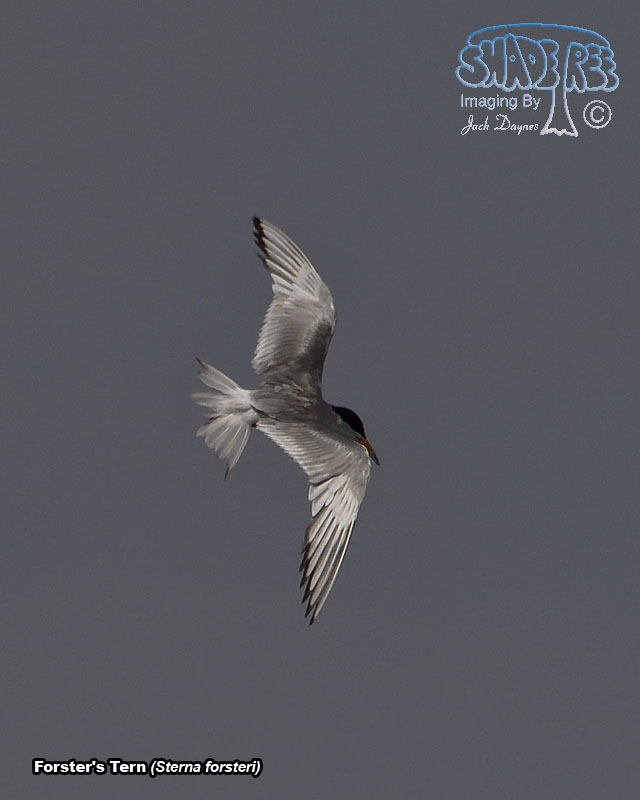
Forster's Tern(Sterna forsteri) |
|
Description: The Bear River Migratory Bird Refuge is a large wetland delta where the Bear River terminates in the Great Salt Lake. |
Date Taken: 2017:08:16 10:43 |
|
Location:
Bear River Managment Area |
|
Camera Information: NIKON D5, 800 mm, f/8.0, 1/5000 |
File Name: ForstersTern_D5X4491-BearRiver |
| © 2017 Jack Daynes, shadeTreeImaging.com |
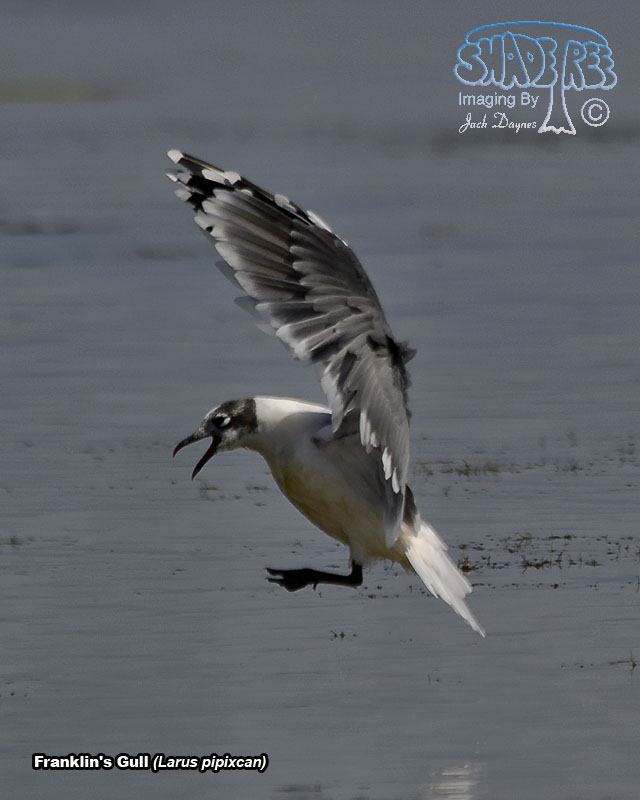
Franklin's Gull(Leucophaeus pipixcan) |
|
Description: The Bear River Migratory Bird Refuge is a large wetland delta where the Bear River terminates in the Great Salt Lake. |
Date Taken: 2017:08:16 10:28 |
|
Location:
Bear River Managment Area |
|
Camera Information: NIKON D5, 800 mm, f/7.1, 1/5000 |
File Name: FranklinsGull_D5X4302-BearRiver |
| © 2017 Jack Daynes, shadeTreeImaging.com |
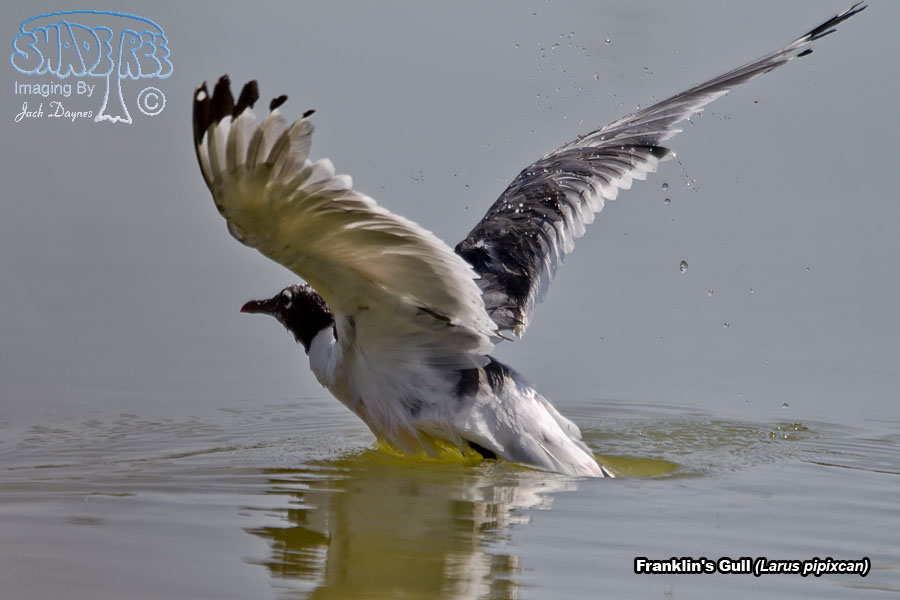
Franklin's Gull(Leucophaeus pipixcan) |
|
Description: The Bear River Migratory Bird Refuge is a large wetland delta where the Bear River terminates in the Great Salt Lake. |
Date Taken: 2017:08:16 10:58 |
|
Location:
Bear River Managment Area |
|
Camera Information: NIKON D5, 800 mm, f/5.6, 1/8000 |
File Name: FranklinsGull_D5X4513-BearRiver |
| © 2017 Jack Daynes, shadeTreeImaging.com |
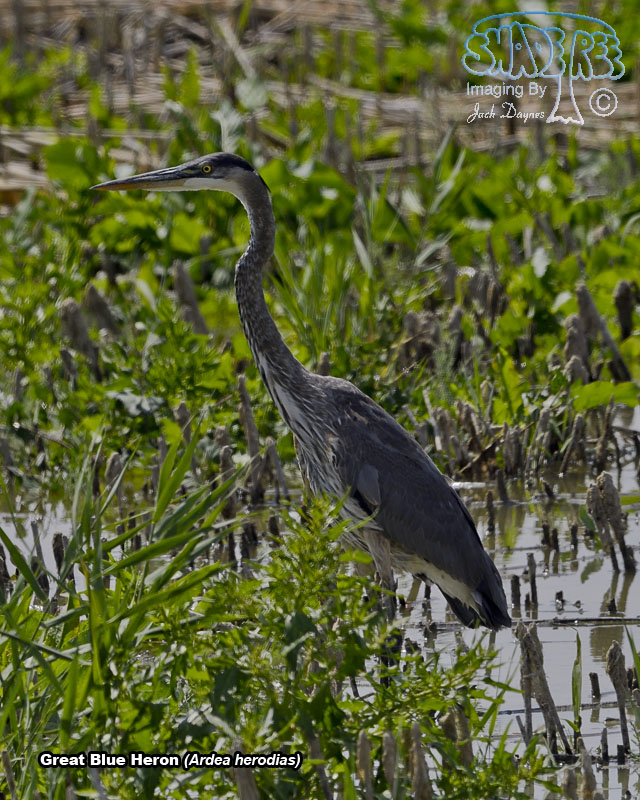
Great Blue Heron(Ardea herodias) |
|
Description: The Bear River Migratory Bird Refuge is a large wetland delta where the Bear River terminates in the Great Salt Lake. |
Date Taken: 2017:08:16 10:16 |
|
Location:
Bear River Managment Area |
|
Camera Information: NIKON D5, 800 mm, f/11.0, 1/1600 |
File Name: GreatBlueHeron_D5X4237-BearRiver |
| © 2017 Jack Daynes, shadeTreeImaging.com |
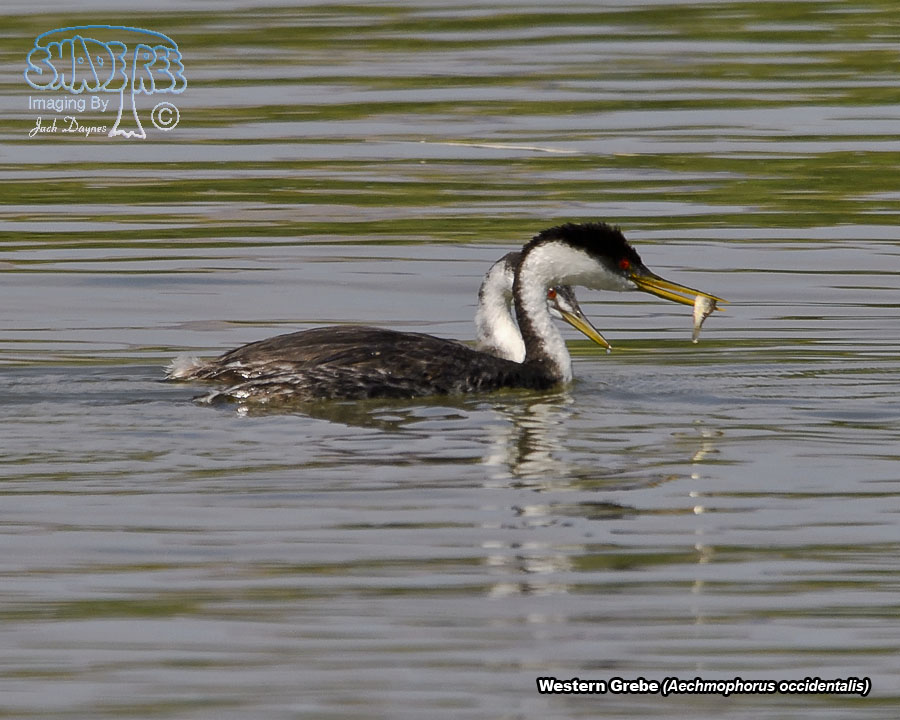
Western Grebe(Aechmophorus occidentalis) |
|
Description: The Bear River Migratory Bird Refuge is a large wetland delta where the Bear River terminates in the Great Salt Lake. |
Date Taken: 2017:08:16 9:46 |
|
Location:
Bear River Managment Area |
|
Camera Information: NIKON D5, 800 mm, f/11.0, 1/1600 |
File Name: WesternGrebe_D5X4109-BearRiver |
| © 2017 Jack Daynes, shadeTree Imaging |
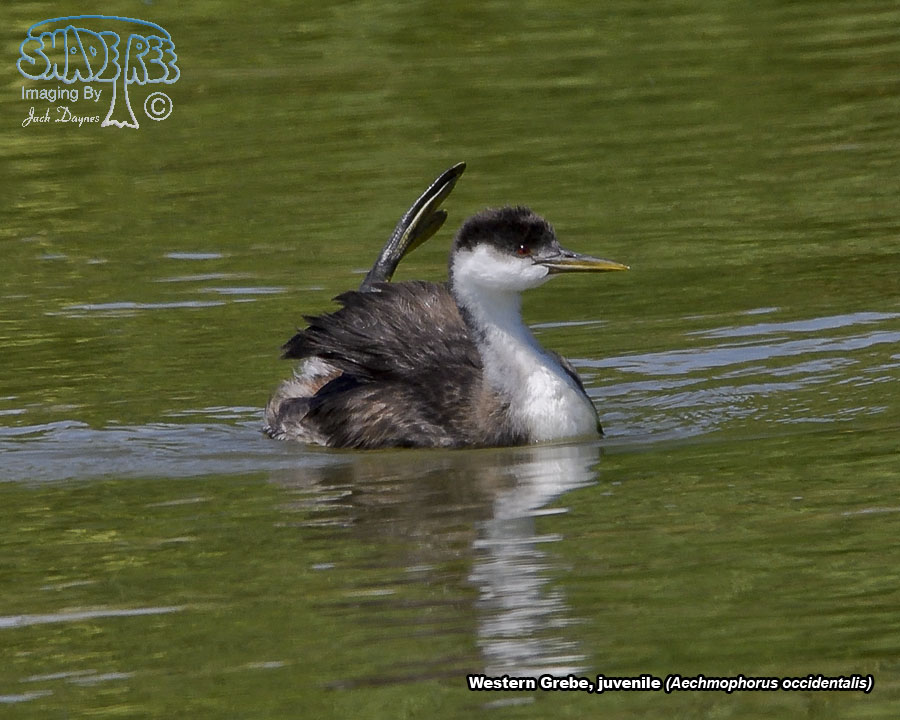
Western Grebe(Aechmophorus occidentalis) |
|
Description: The Bear River Migratory Bird Refuge is a large wetland delta where the Bear River terminates in the Great Salt Lake. |
Date Taken: 2017:08:16 9:49 |
|
Location:
Bear River Managment Area |
|
Camera Information: NIKON D5, 800 mm, f/11.0, 1/800 |
File Name: WesternGrebe_D5X4172-BearRiver |
| © 2017 Jack Daynes, shadeTree Imaging |
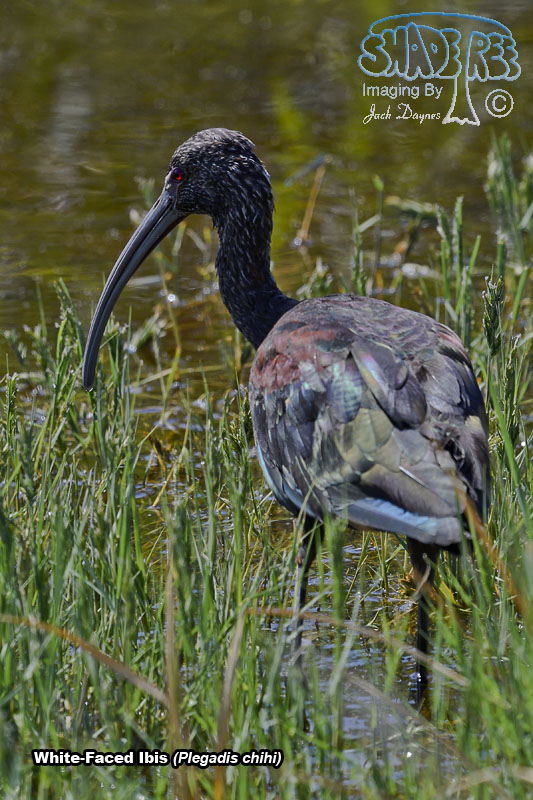
White-Faced Ibis(Plegadis chihi) |
|
Description: The Bear River Migratory Bird Refuge is a large wetland delta where the Bear River terminates in the Great Salt Lake. |
Date Taken: 2017:08:16 9:36 |
|
Location:
Bear River Managment Area |
|
Camera Information: NIKON D5, 800 mm, f/11.0, 1/800 |
File Name: WhiteFacedIbis_D5X4065-BearRiver |
| © 2007 Jack Daynes, shadeTree Imaging |
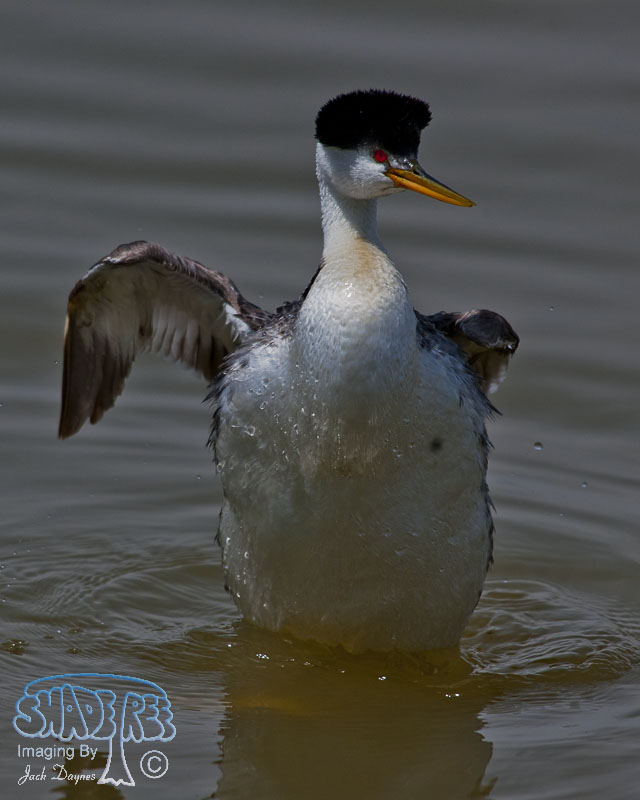
Clark's Grebe(Aechmophorus clarkii) |
|
Description: Bear River Migratory Bird Refuge, 17 miles west of Brigham City Utah. |
Date Taken: 2015:05:11 12:30 |
|
Location:
Bear River Managment Area |
|
Camera Information: NIKON D3X, 800 mm, f/8.0, 1/5000 |
File Name: D3X1467-ClarksGrebe |
| © 2015 Jack Daynes, shadeTreeImaging.com |
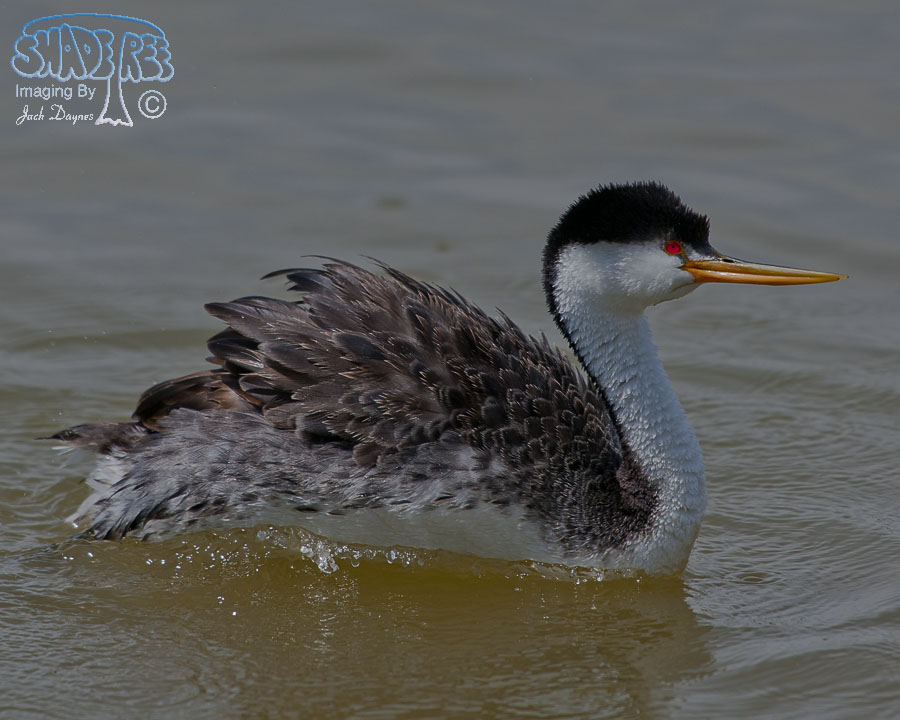
Clark's Grebe(Aechmophorus clarkii) |
|
Description: Bear River Migratory Bird Refuge, 17 miles west of Brigham City Utah. |
Date Taken: 2015:05:11 12:30 |
|
Location:
Bear River Managment Area |
|
Camera Information: NIKON D3X, 800 mm, f/8.0, 1/1600 |
File Name: D3X1470-ClarksGrebe |
| © 2015 Jack Daynes, shadeTreeImaging.com |
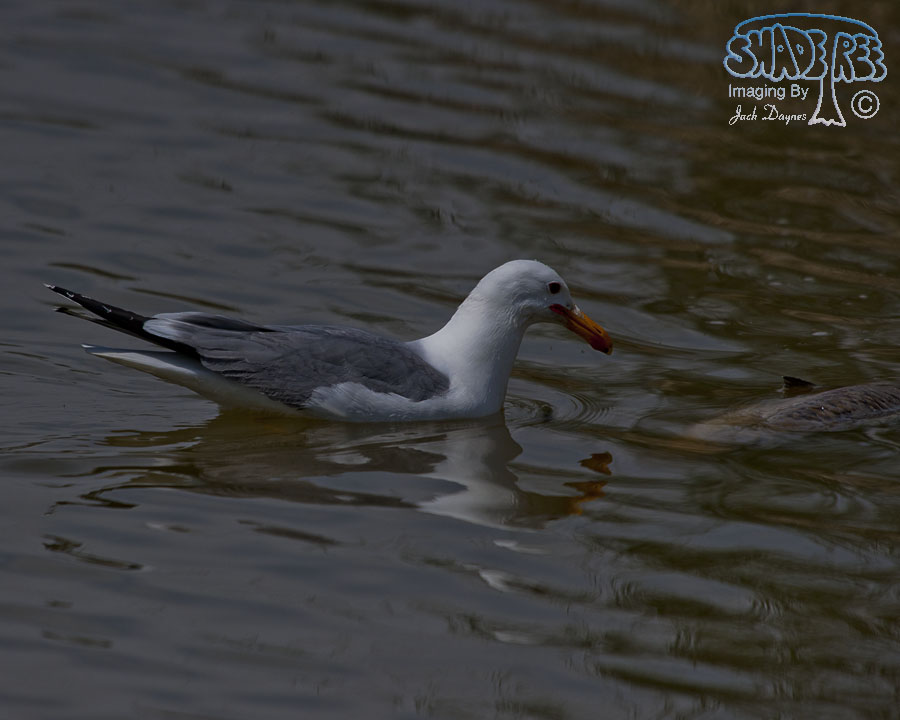
California Gull(Larus californicus) |
|
Description: This gull found a feast in a dead fish (carp?). Bear River Migratory Bird Refuge, 17 miles west of Brigham City Utah. |
Date Taken: 2015:05:11 12:31 |
|
Location:
Bear River Managment Area |
|
Camera Information: NIKON D3X, 800 mm, f/8.0, 1/6400 |
File Name: D3X1477-CaliforniaGull |
| © 2015 Jack Daynes, shadeTreeImaging.com |
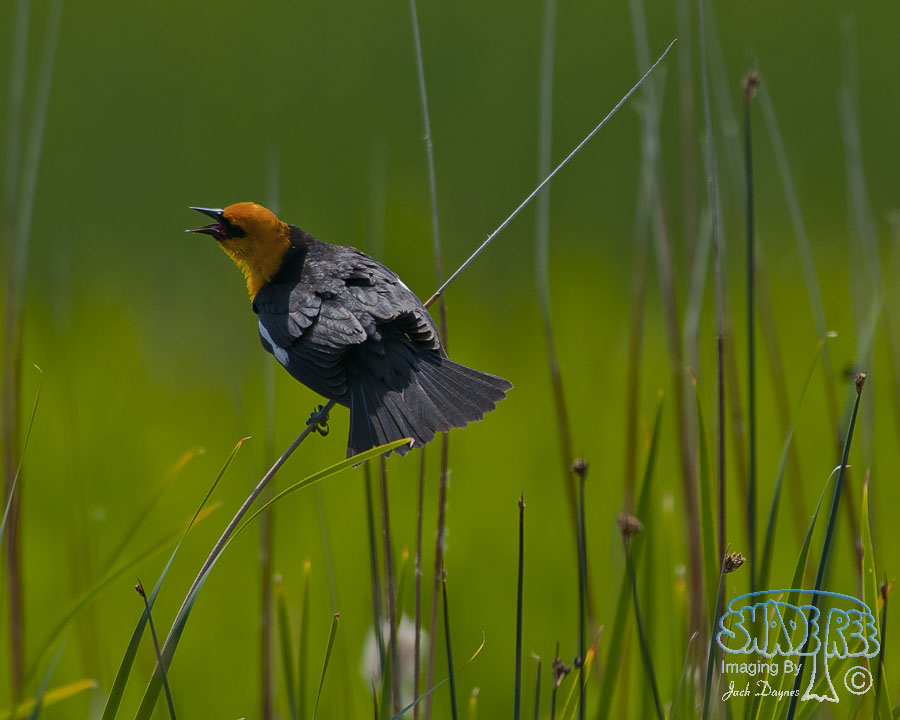
Yellow-Headed Blackbird(Xanthocephalus xanthocephalus) |
|
Description: Bear River Migratory Bird Refuge, 17 miles west of Brigham City Utah. |
Date Taken: 2015:05:11 12:41 |
|
Location:
Bear River Managment Area |
|
Camera Information: NIKON D3X, 800 mm, f/8.0, 1/1000 |
File Name: D3X1486-YellowHeadedBlackBird |
| © 2015 Jack Daynes, shadeTreeImaging.com |
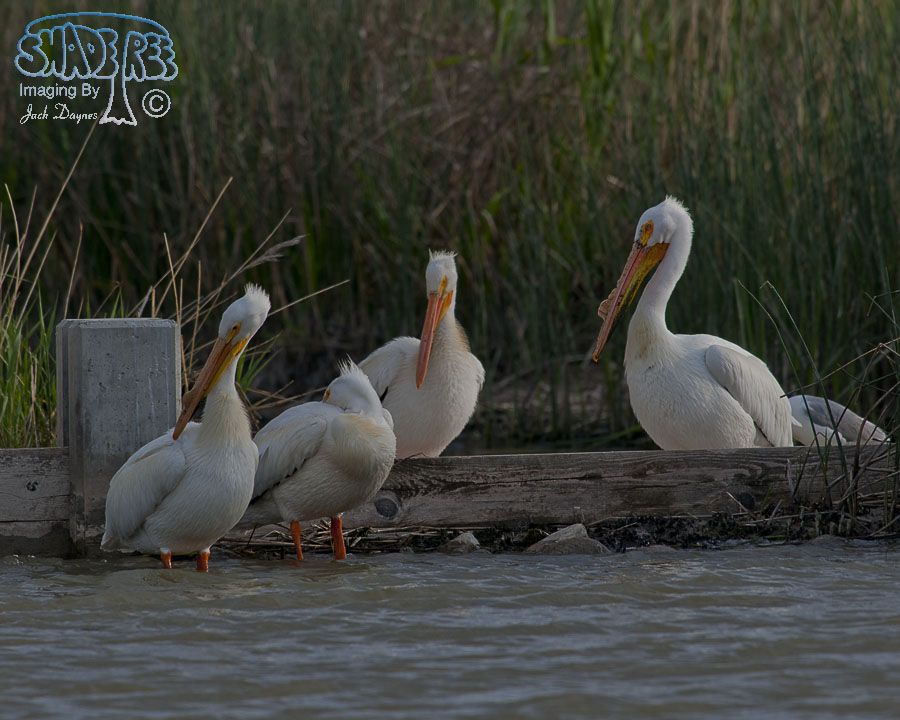
American White Pelican(Pelecanus erythrorhynchos) |
|
Description: Bear River Migratory Bird Refuge, 17 miles west of Brigham City Utah. |
Date Taken: 2015:05:12 6:54 |
|
Location:
Bear River Managment Area |
|
Camera Information: NIKON D3X, 800 mm, f/8.0, 1/800 |
File Name: D3X1493-AmericanWhitePelican |
| © 2015 Jack Daynes, shadeTreeImaging.com |
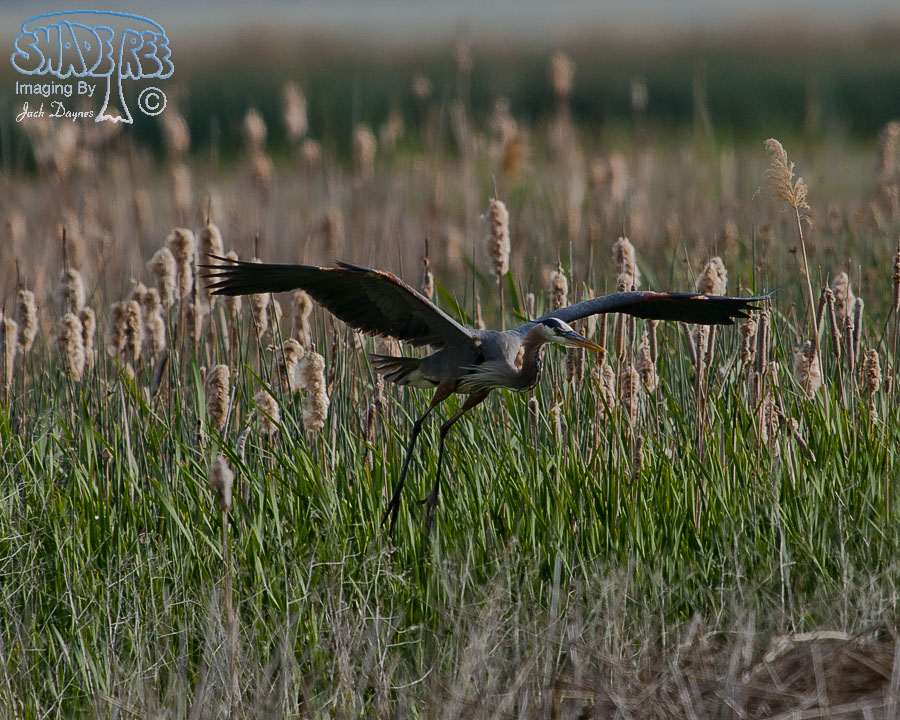
Great Blue Heron(Ardea herodias) |
|
Description: Bear River Migratory Bird Refuge, 17 miles west of Brigham City Utah. |
Date Taken: 2015:05:12 7:13 |
|
Location:
Bear River Managment Area |
|
Camera Information: NIKON D3X, 800 mm, f/8.0, 1/800 |
File Name: D3X1515-GreatBlueHeron |
| © 2015 Jack Daynes, shadeTreeImaging.com |
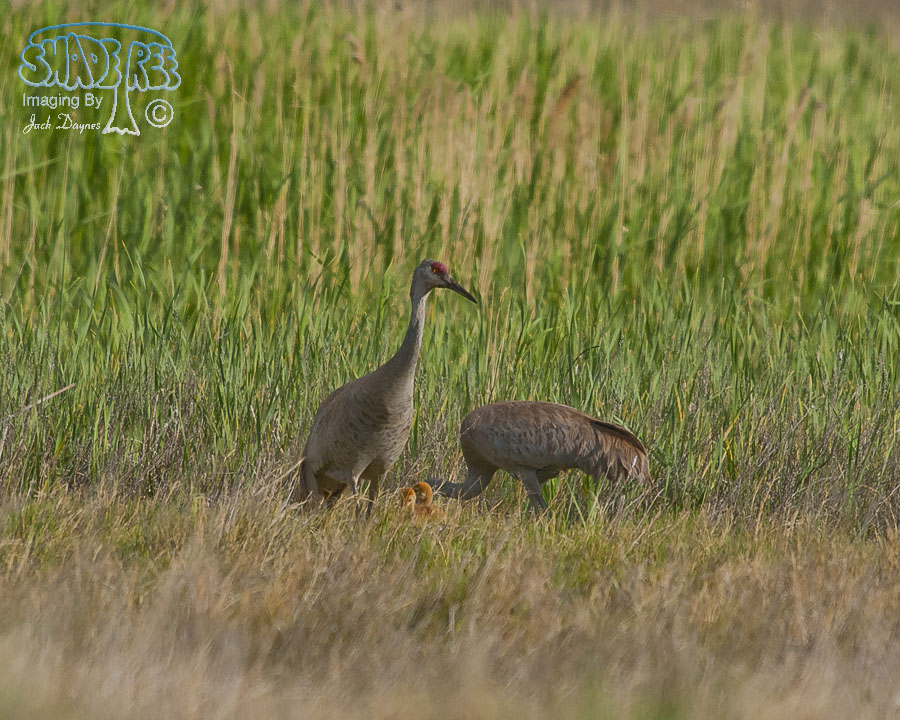
Sandhill Crane(Antigone canadensis) |
|
Description: This family had two colts (chicks) and bore the wrath of the Red-Winged Blackbirds in the neighborhood. Bear River Migratory Bird Refuge, 17 miles west of Brigham City Utah. |
Date Taken: 2015:05:12 7:23 |
|
Location:
Bear River Managment Area |
|
Camera Information: NIKON D3X, 800 mm, f/8.0, 1/800 |
File Name: D3X1605-SandhillCrane-Family |
| © 2015 Jack Daynes, shadeTreeImaging.com |
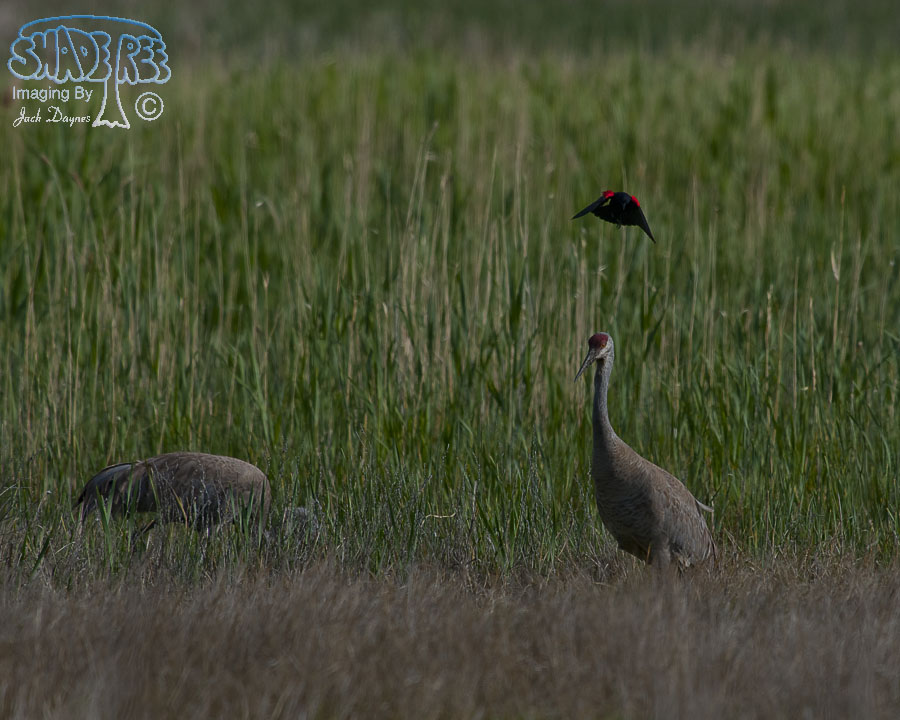
Sandhill Crane(Antigone canadensis) |
|
Description: This family had two colts (chicks) and bore the wrath of the Red-Winged Blackbirds in the neighborhood. Bear River Migratory Bird Refuge, 17 miles west of Brigham City Utah. |
Date Taken: 2015:05:12 7:37 |
|
Location:
Bear River Managment Area |
|
Camera Information: NIKON D3X, 800 mm, f/8.0, 1/1250 |
File Name: D3X1644-SandhillCrane-Family |
| © 2015 Jack Daynes, shadeTreeImaging.com |
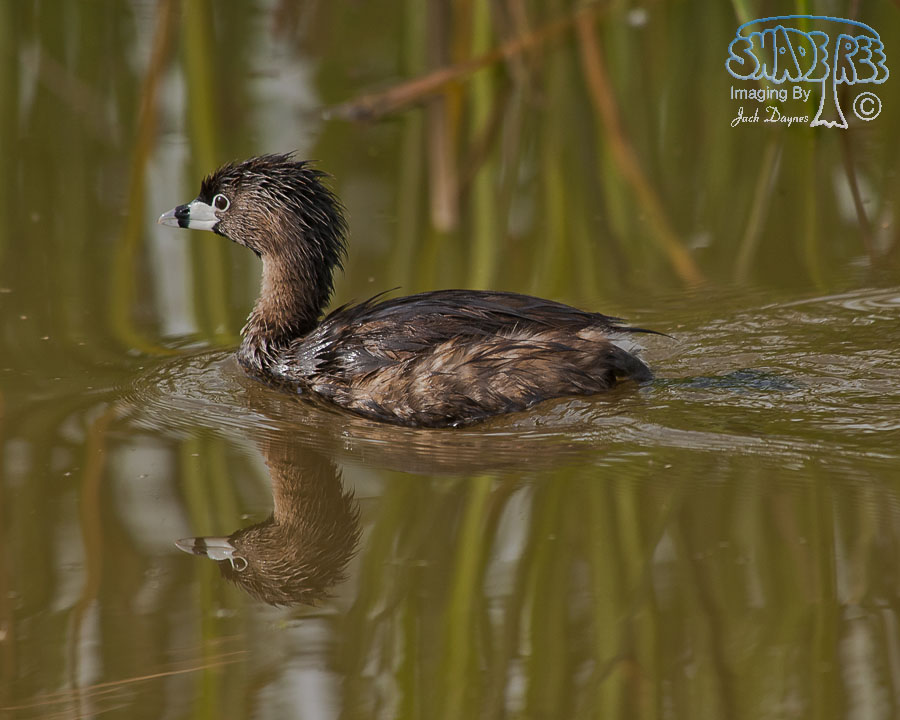
Pied-Billed Grebe(Podilymbus podiceps) |
|
Description: Bear River Migratory Bird Refuge, 17 miles west of Brigham City Utah. |
Date Taken: 2015:05:12 7:49 |
|
Location:
Bear River Managment Area |
|
Camera Information: NIKON D3X, 800 mm, f/8.0, 1/400 |
File Name: D3X1664-PiedBilledGrebe |
| © 2015 Jack Daynes, shadeTreeImaging.com |
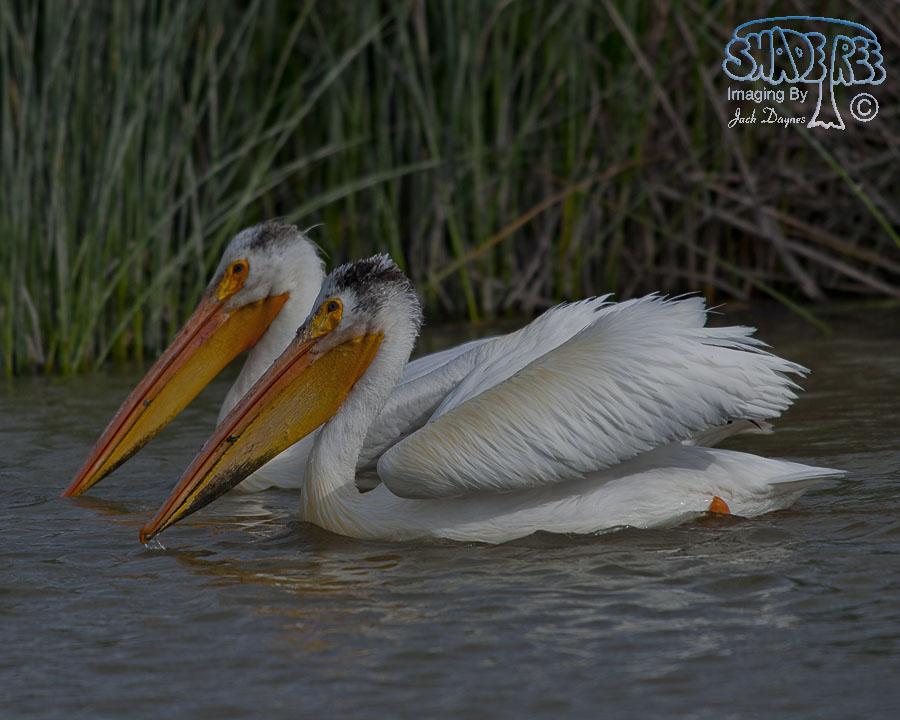
American White Pelican(Pelecanus erythrorhynchos) |
|
Description: Bear River Migratory Bird Refuge, 17 miles west of Brigham City Utah. |
Date Taken: 2015:05:12 8:11 |
|
Location:
Bear River Managment Area |
|
Camera Information: NIKON D3X, 800 mm, f/8.0, 1/2500 |
File Name: D3X1681-AmericanWhitePelican |
| © 2015 Jack Daynes, shadeTreeImaging.com |
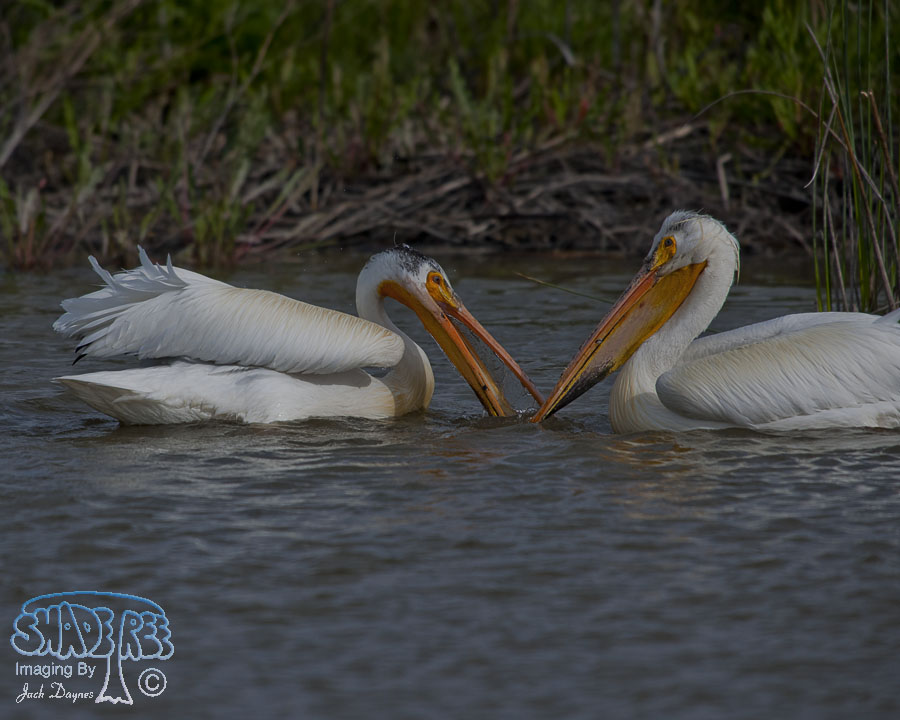
American White Pelican(Pelecanus erythrorhynchos) |
|
Description: Bear River Migratory Bird Refuge, 17 miles west of Brigham City Utah. |
Date Taken: 2015:05:12 8:11 |
|
Location:
Bear River Managment Area |
|
Camera Information: NIKON D3X, 800 mm, f/8.0, 1/3200 |
File Name: D3X1686-AmericanWhitePelican |
| © 2015 Jack Daynes, shadeTreeImaging.com |
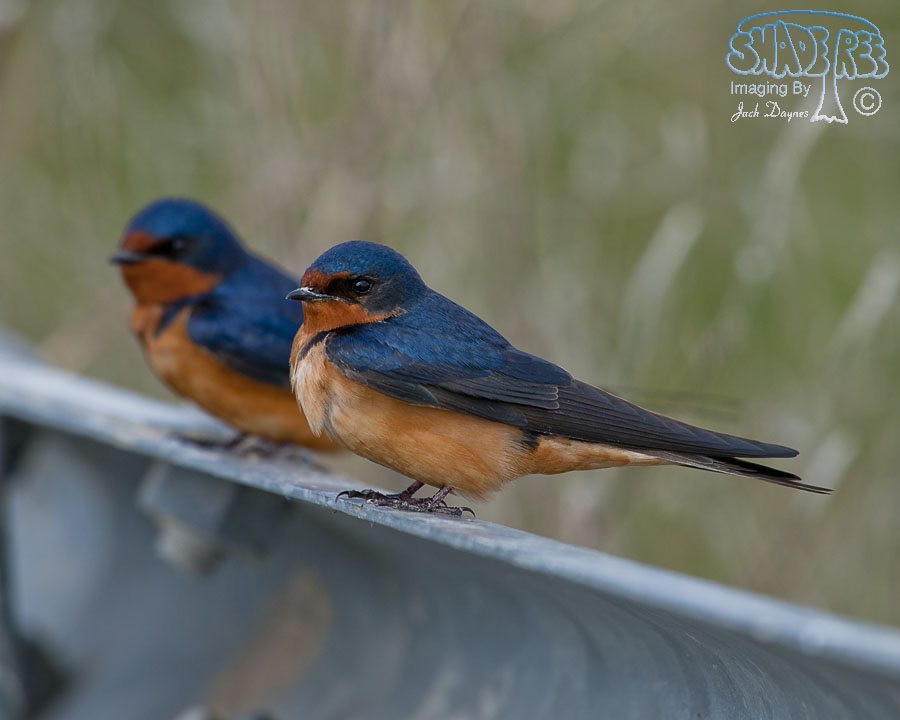
Barn Swallow(Hirundo rustica) |
|
Description: Bear River Migratory Bird Refuge, 17 miles west of Brigham City Utah. |
Date Taken: 2015:05:12 8:30 |
|
Location:
Bear River Managment Area |
|
Camera Information: NIKON D3X, 800 mm, f/8.0, 1/500 |
File Name: D3X1690-BarnSwallow |
| © 2015 Jack Daynes, shadeTreeImaging.com |
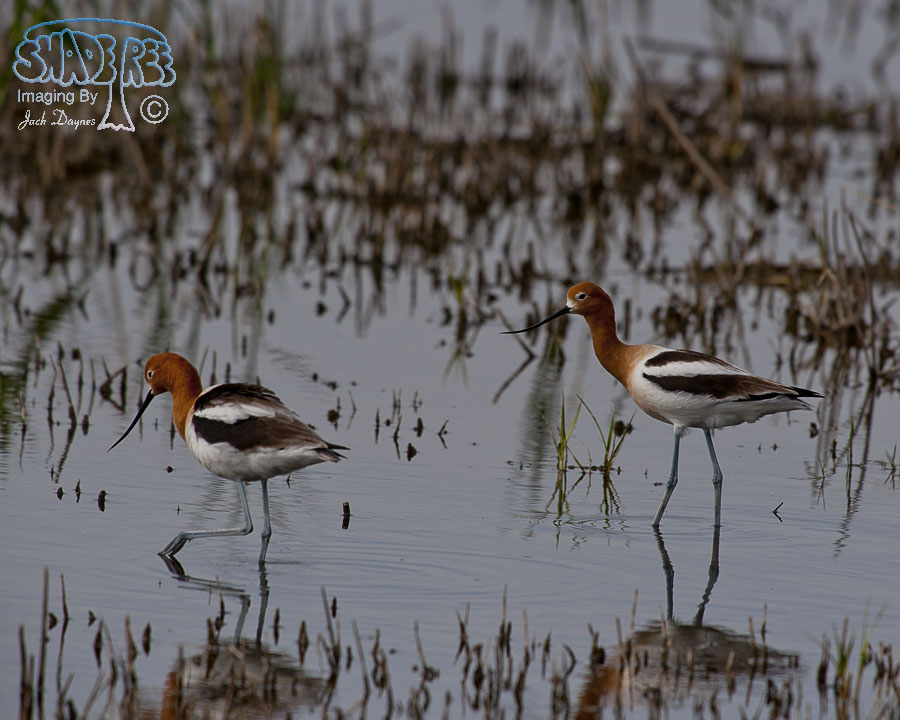
American Avocet(Recurvirostra americana) |
|
Description: Bear River Migratory Bird Refuge, 17 miles west of Brigham City Utah. |
Date Taken: 2015:05:12 8:46 |
|
Location:
Bear River Managment Area |
|
Camera Information: NIKON D3X, 800 mm, f/8.0, 1/2500 |
File Name: D3X1701-AmericanAvocet |
| © 2015 Jack Daynes, shadeTreeImaging.com |
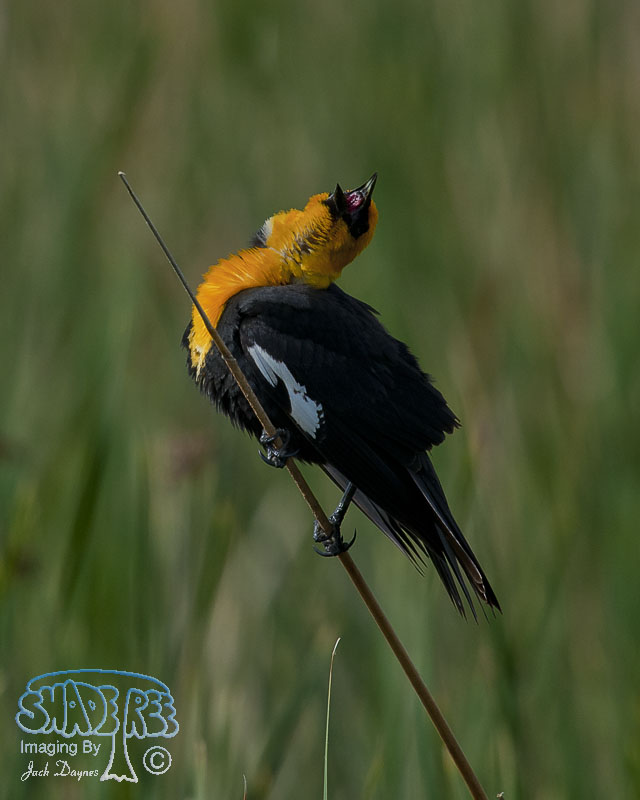
Yellow-Headed Blackbird(Xanthocephalus xanthocephalus) |
|
Description: Bear River Migratory Bird Refuge, 17 miles west of Brigham City Utah. |
Date Taken: 2015:05:12 8:51 |
|
Location:
Bear River Managment Area |
|
Camera Information: NIKON D3X, 800 mm, f/8.0, 1/1000 |
File Name: D3X1709-YellowHeadedBlackBird |
| © 2015 Jack Daynes, shadeTreeImaging.com |
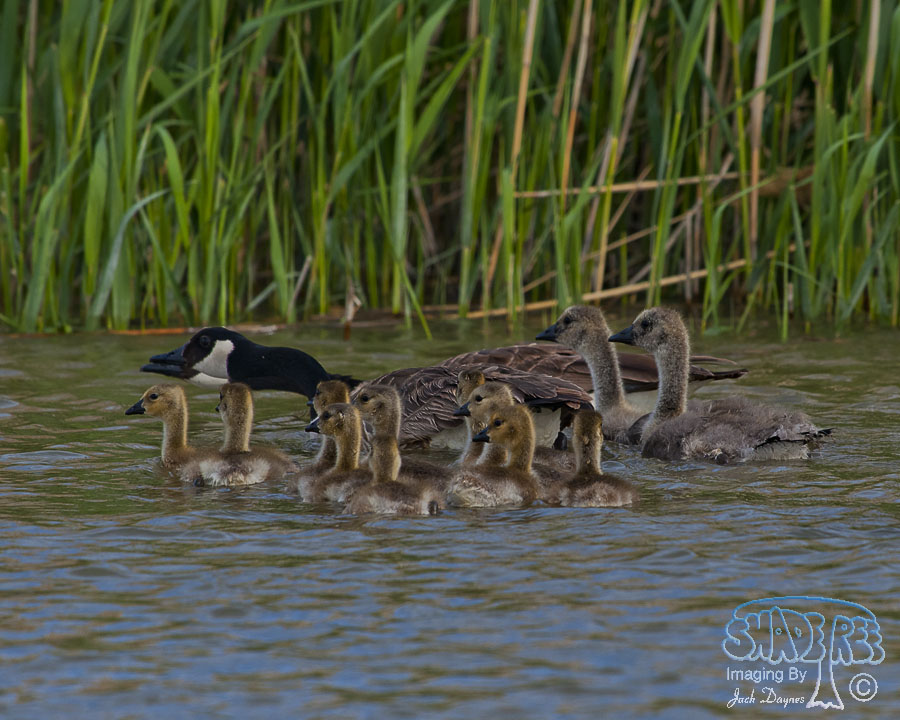
Canada Goose(Branta canadensis) |
|
Description: Bear River Migratory Bird Refuge, 17 miles west of Brigham City Utah. |
Date Taken: 2015:05:12 8:54 |
|
Location:
Bear River Managment Area |
|
Camera Information: NIKON D3X, 800 mm, f/8.0, 1/800 |
File Name: D3X1720-CanadaGeese-Families |
| © 2015 Jack Daynes, shadeTreeImaging.com |
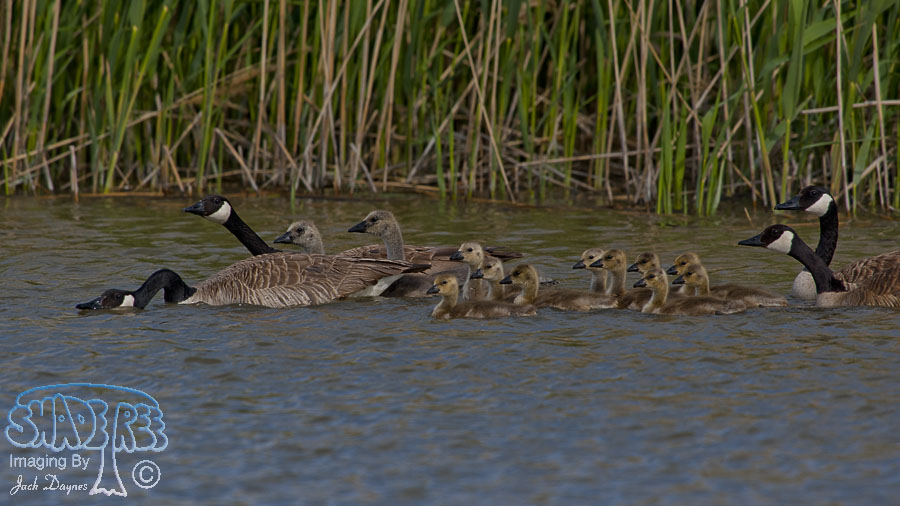
Canada Goose(Branta canadensis) |
|
Description: Bear River Migratory Bird Refuge, 17 miles west of Brigham City Utah. |
Date Taken: 2015:05:12 8:55 |
|
Location:
Bear River Managment Area |
|
Camera Information: NIKON D3X, 800 mm, f/8.0, 1/1600 |
File Name: D3X1729-CanadaGeese-Families |
| © 2015 Jack Daynes, shadeTreeImaging.com |
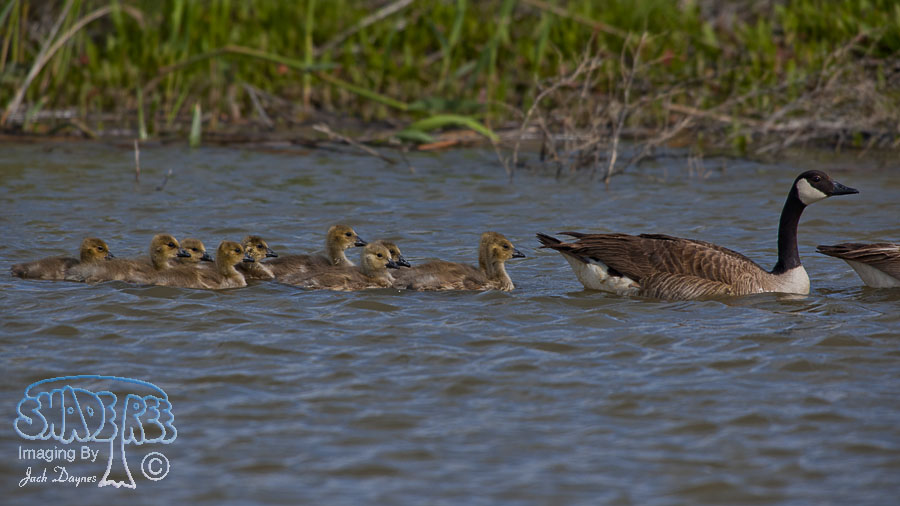
Canada Goose(Branta canadensis) |
|
Description: Bear River Migratory Bird Refuge, 17 miles west of Brigham City Utah. |
Date Taken: 2015:05:12 8:55 |
|
Location:
Bear River Managment Area |
|
Camera Information: NIKON D3X, 800 mm, f/8.0, 1/2000 |
File Name: D3X1734-CanadaGeese-Families |
| © 2015 Jack Daynes, shadeTreeImaging.com |
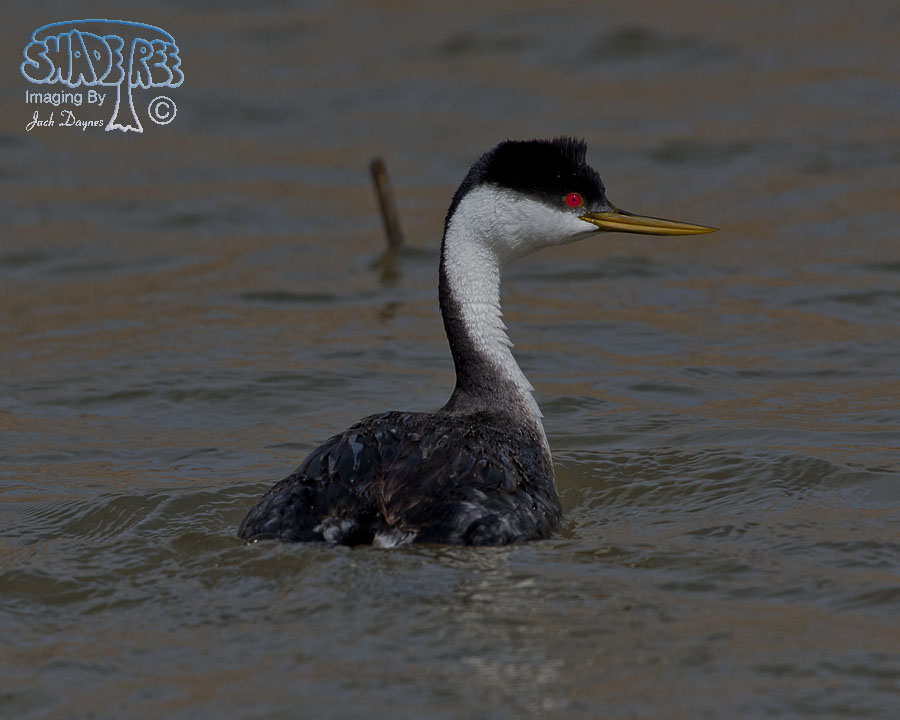
Western Grebe(Aechmophorus occidentalis) |
|
Description: Bear River Migratory Bird Refuge, 17 miles west of Brigham City Utah. |
Date Taken: 2015:05:12 9:28 |
|
Location:
Bear River Managment Area |
|
Camera Information: NIKON D3X, 800 mm, f/8.0, 1/3200 |
File Name: D3X1748-WesternGrebe |
| © 2015 Jack Daynes, shadeTreeImaging.com |
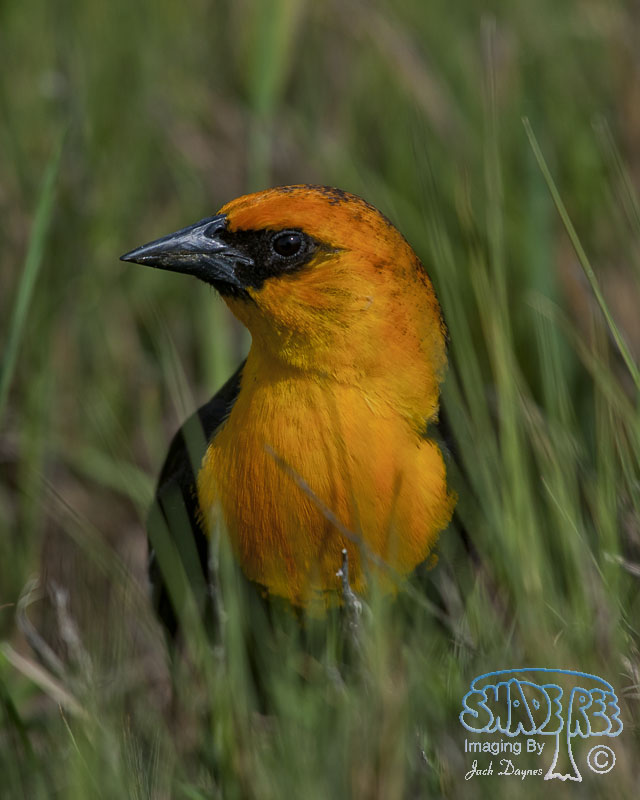
Yellow-Headed Blackbird(Xanthocephalus xanthocephalus) |
|
Description: Bear River Migratory Bird Refuge, 17 miles west of Brigham City Utah. |
Date Taken: 2015:05:12 9:38 |
|
Location:
Bear River Managment Area |
|
Camera Information: NIKON D3X, 800 mm, f/8.0, 1/1600 |
File Name: D3X1752-YellowHeadedBlackBird |
| © 2015 Jack Daynes, shadeTreeImaging.com |
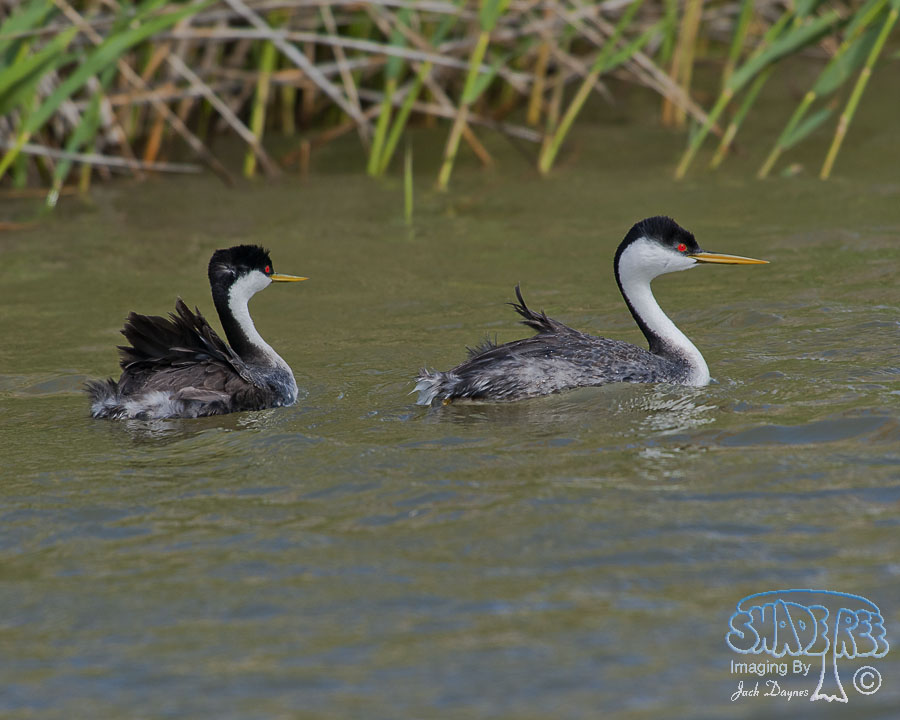
Western Grebe(Aechmophorus occidentalis) |
|
Description: Bear River Migratory Bird Refuge, 17 miles west of Brigham City Utah. |
Date Taken: 2015:05:12 9:45 |
|
Location:
Bear River Managment Area |
|
Camera Information: NIKON D3X, 800 mm, f/8.0, 1/1250 |
File Name: D3X1763-WesternGrebe |
| © 2015 Jack Daynes, shadeTreeImaging.com |
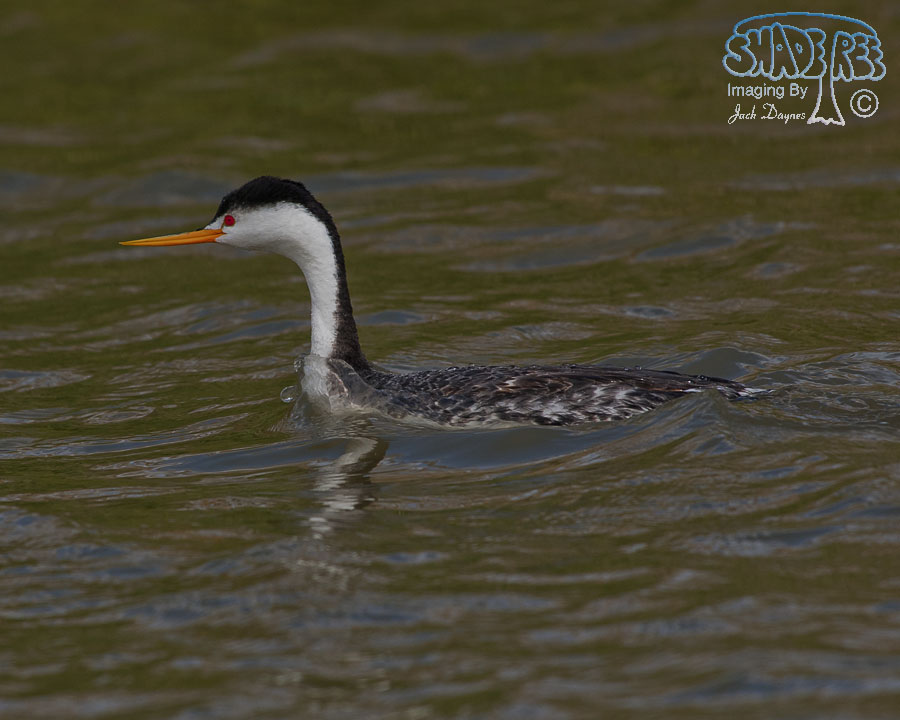
Clark's Grebe(Aechmophorus clarkii) |
|
Description: Bear River Migratory Bird Refuge, 17 miles west of Brigham City Utah. |
Date Taken: 2015:05:12 9:47 |
|
Location:
Bear River Managment Area |
|
Camera Information: NIKON D3X, 800 mm, f/8.0, 1/1250 |
File Name: D3X1767-ClarksGrebe |
| © 2015 Jack Daynes, shadeTreeImaging.com |
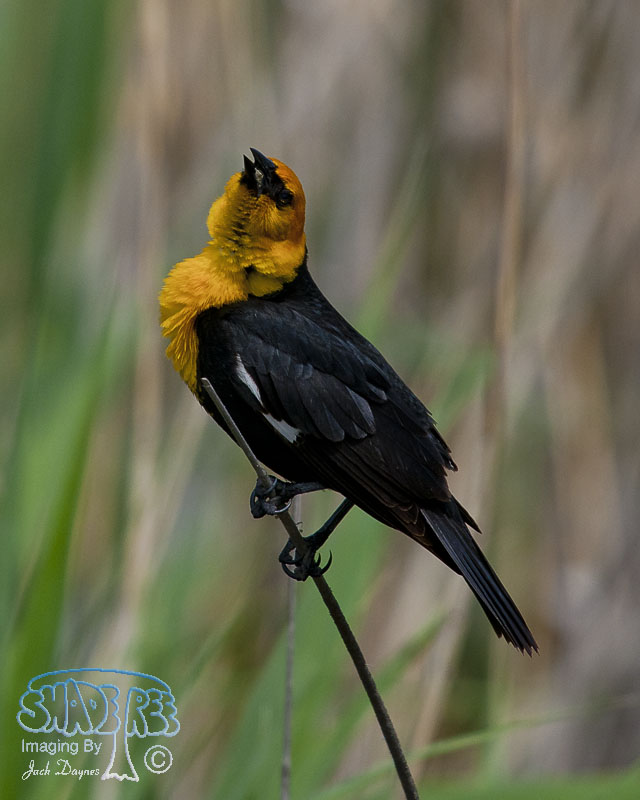
Yellow-Headed Blackbird(Xanthocephalus xanthocephalus) |
|
Description: Bear River Migratory Bird Refuge, 17 miles west of Brigham City Utah. |
Date Taken: 2015:05:12 9:56 |
|
Location:
Bear River Managment Area |
|
Camera Information: NIKON D3X, 800 mm, f/8.0, 1/2000 |
File Name: D3X1782-YellowHeadedBlackBird |
| © 2015 Jack Daynes, shadeTreeImaging.com |
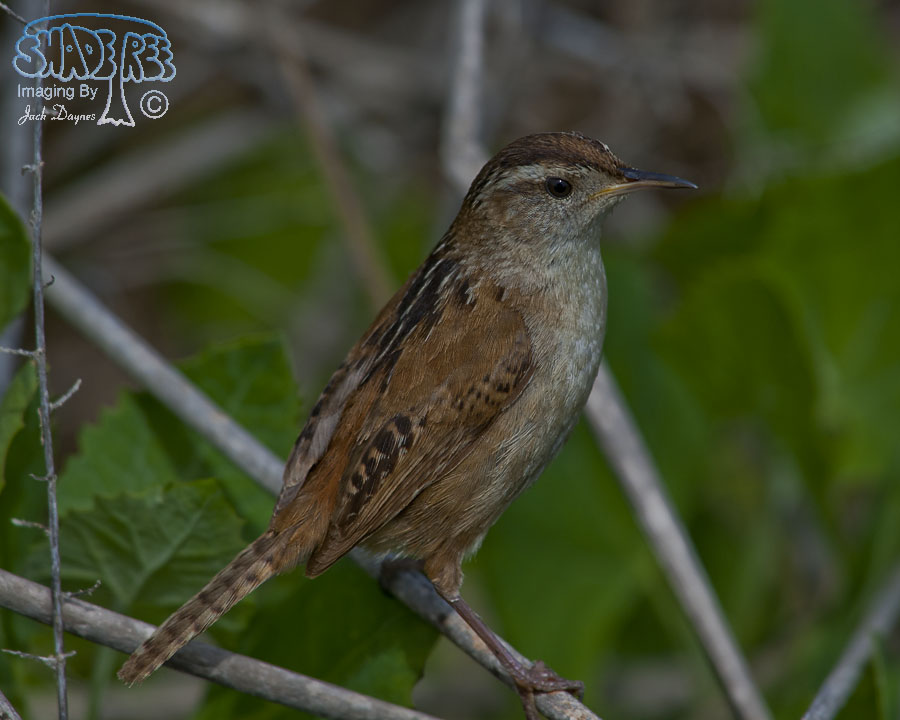
Marsh Wren(Cistothorus palustris) |
|
Description: Bear River Migratory Bird Refuge, 17 miles west of Brigham City Utah. |
Date Taken: 2015:05:12 9:59 |
|
Location:
Bear River Managment Area |
|
Camera Information: NIKON D3X, 800 mm, f/8.0, 1/1250 |
File Name: D3X1805-MarshWren |
| © 2015 Jack Daynes, shadeTreeImaging.com |
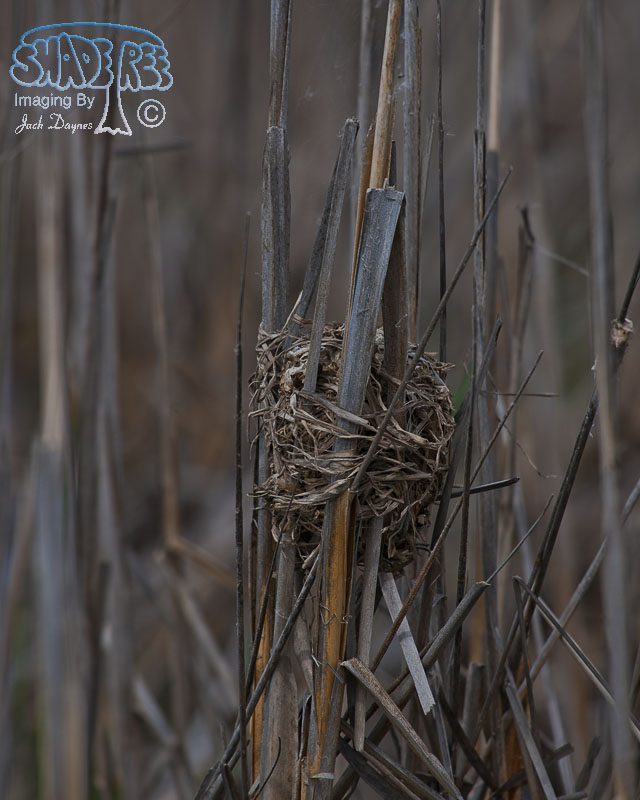
Marsh Wren(Cistothorus palustris) |
|
Description: Lots of nesting by these wrens in these wetlands. Bear River Migratory Bird Refuge, 17 miles west of Brigham City Utah. |
Date Taken: 2015:05:12 10:08 |
|
Location:
Bear River Managment Area |
|
Camera Information: NIKON D3X, 800 mm, f/8.0, 1/1250 |
File Name: D3X1835-MarshWren-Nest |
| © 2015 Jack Daynes, shadeTreeImaging.com |
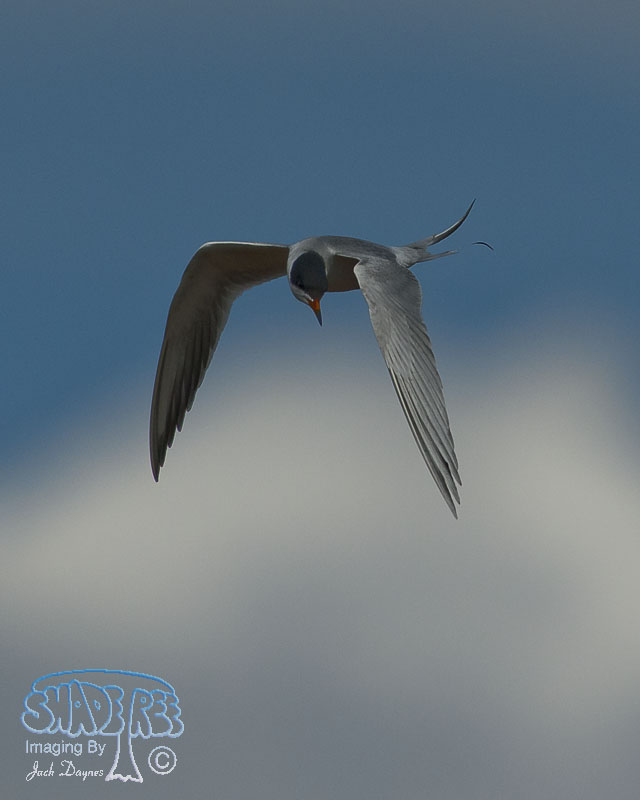
Forster's Tern(Sterna forsteri) |
|
Description: Bear River Migratory Bird Refuge, 17 miles west of Brigham City Utah. |
Date Taken: 2015:05:12 10:10 |
|
Location:
Bear River Managment Area |
|
Camera Information: NIKON D3X, 800 mm, f/8.0, 1/6400 |
File Name: D3X1836-ForstersTern |
| © 2015 Jack Daynes, shadeTreeImaging.com |
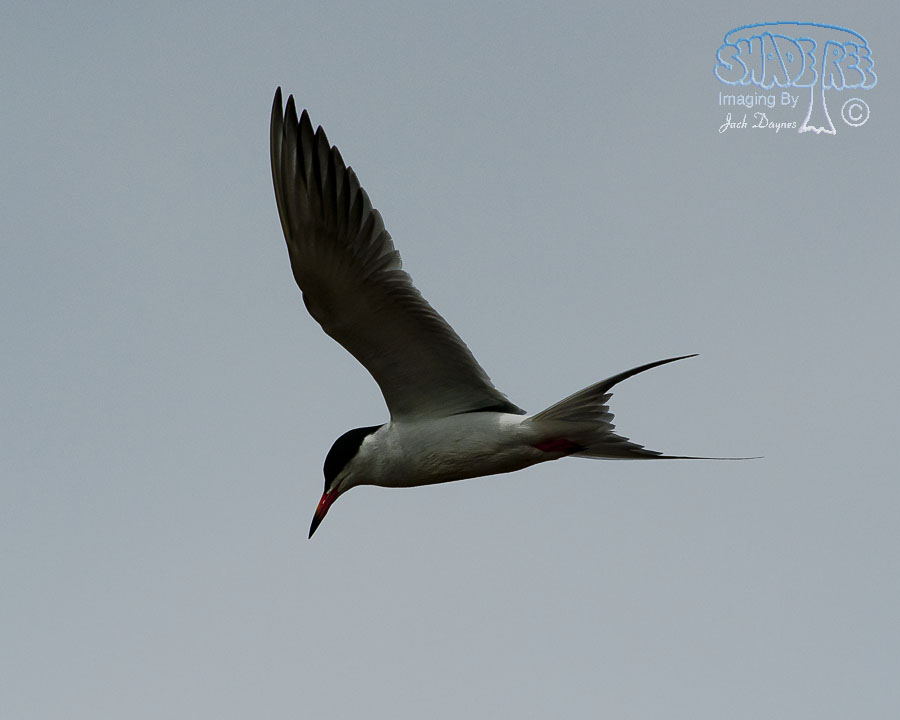
Forster's Tern(Sterna forsteri) |
|
Description: Bear River Migratory Bird Refuge, 17 miles west of Brigham City Utah. |
Date Taken: 2015:05:12 10:11 |
|
Location:
Bear River Managment Area |
|
Camera Information: NIKON D3X, 800 mm, f/8.0, 1/6400 |
File Name: D3X1848-ForstersTern |
| © 2015 Jack Daynes, shadeTreeImaging.com |
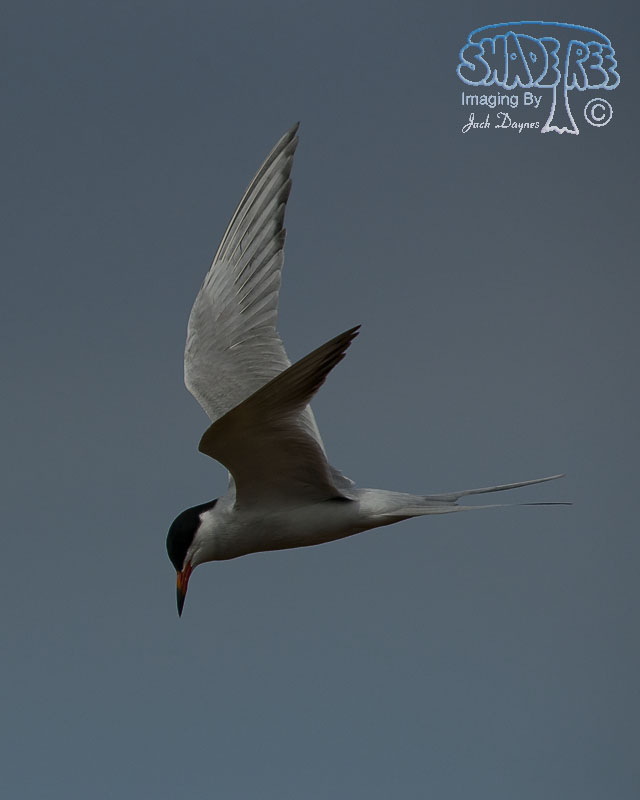
Forster's Tern(Sterna forsteri) |
|
Description: Bear River Migratory Bird Refuge, 17 miles west of Brigham City Utah. |
Date Taken: 2015:05:12 10:14 |
|
Location:
Bear River Managment Area |
|
Camera Information: NIKON D3X, 800 mm, f/8.0, 1/6400 |
File Name: D3X1859-ForstersTern |
| © 2015 Jack Daynes, shadeTreeImaging.com |
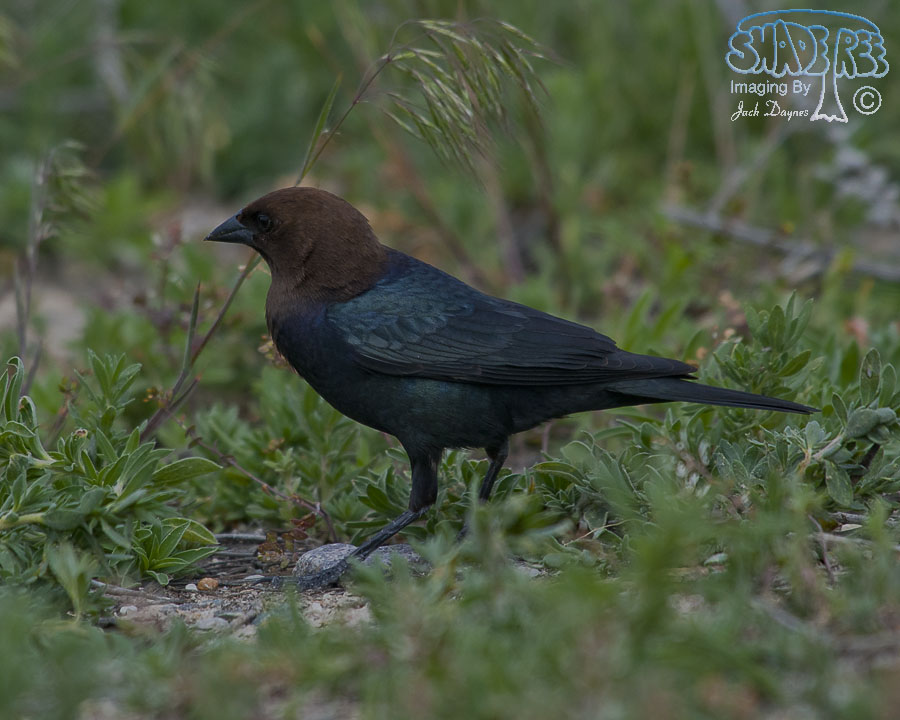
Brown-Headed Cowbird(Molothrus ater) |
|
Description: Bear River Migratory Bird Refuge, 17 miles west of Brigham City Utah. |
Date Taken: 2015:05:12 10:27 |
|
Location:
Bear River Managment Area |
|
Camera Information: NIKON D3X, 800 mm, f/8.0, 1/1000 |
File Name: D3X1880-BrownHeadedCowBird |
| © 2015 Jack Daynes, shadeTreeImaging.com |
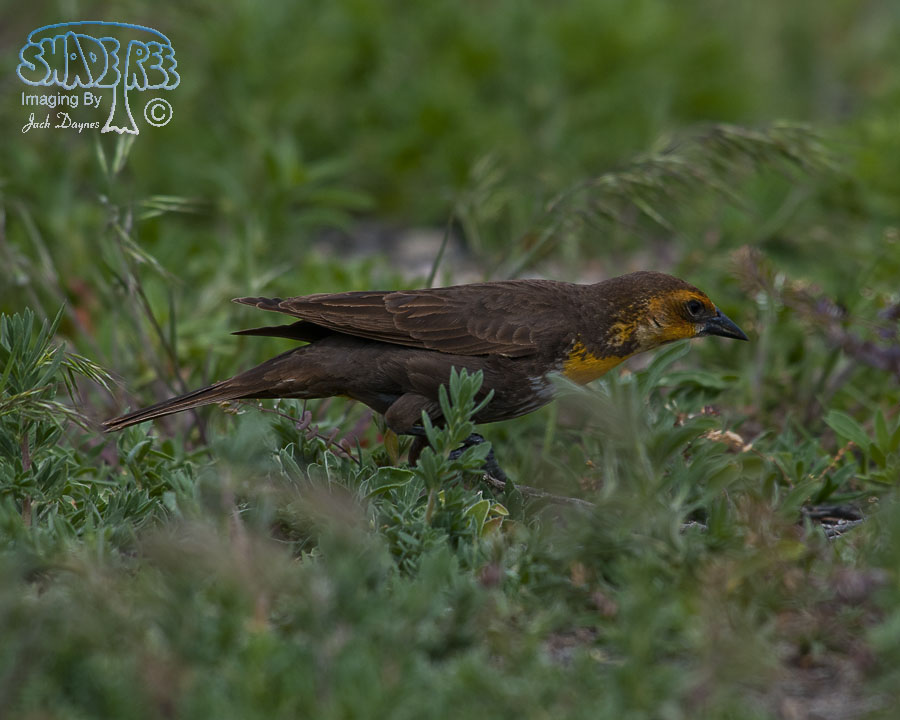
Yellow-Headed Blackbird(Xanthocephalus xanthocephalus) |
|
Description: Female bird at Bear River Migratory Bird Refuge, 17 miles west of Brigham City Utah. |
Date Taken: 2015:05:12 10:29 |
|
Location:
Bear River Managment Area |
|
Camera Information: NIKON D3X, 800 mm, f/8.0, 1/1250 |
File Name: D3X1884-YellowHeadedBlackBird |
| © 2015 Jack Daynes, shadeTreeImaging.com |
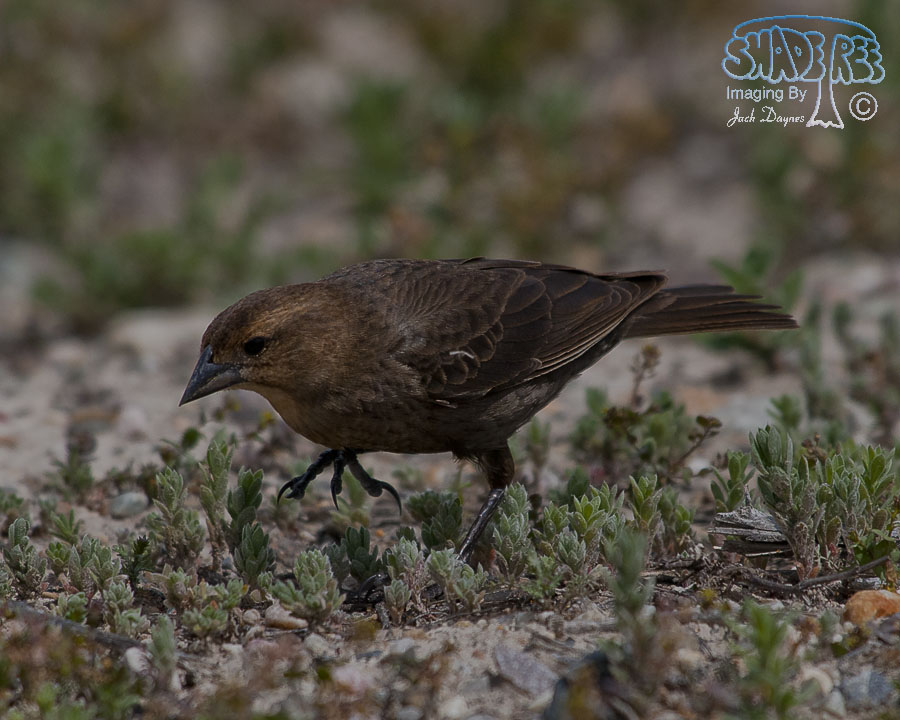
Brown-Headed Cowbird(Molothrus ater) |
|
Description: Bear River Migratory Bird Refuge, 17 miles west of Brigham City Utah. |
Date Taken: 2015:05:12 10:42 |
|
Location:
Bear River Managment Area |
|
Camera Information: NIKON D3X, 800 mm, f/8.0, 1/3200 |
File Name: D3X1951-BrownHeadedCowBird |
| © 2015 Jack Daynes, shadeTreeImaging.com |
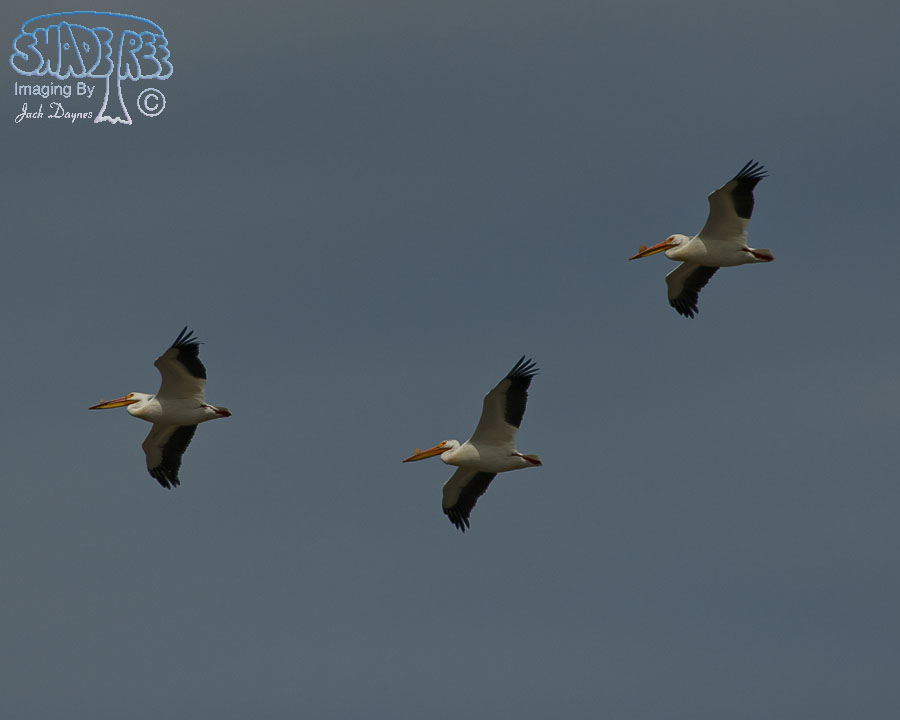
American White Pelican(Pelecanus erythrorhynchos) |
|
Description: Bear River Migratory Bird Refuge, 17 miles west of Brigham City Utah. |
Date Taken: 2015:05:12 10:47 |
|
Location:
Bear River Managment Area |
|
Camera Information: NIKON D3X, 800 mm, f/8.0, 1/5000 |
File Name: D3X1965-AmericanWhitePelican |
| © 2015 Jack Daynes, shadeTreeImaging.com |
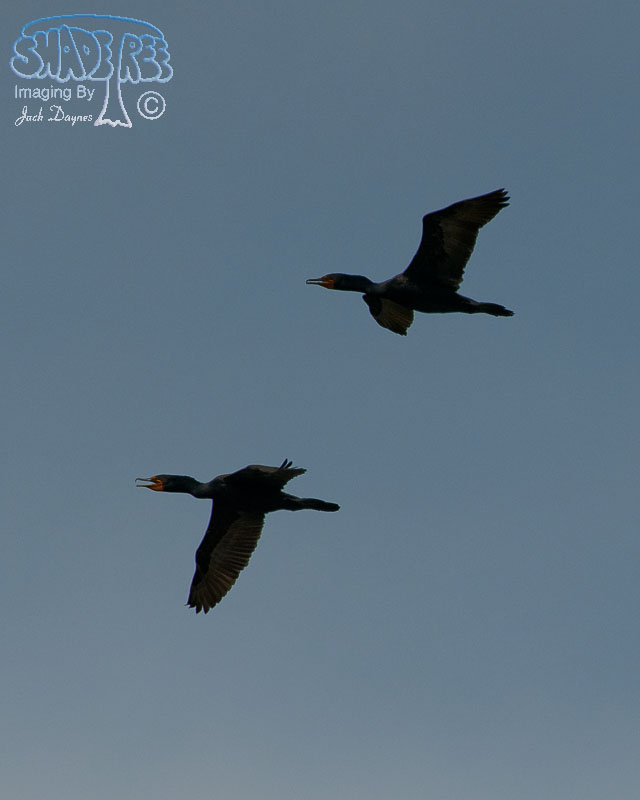
Double-Crested Cormorant(Phalacrocorax auritus) |
|
Description: Bear River Migratory Bird Refuge, 17 miles west of Brigham City Utah. |
Date Taken: 2015:05:12 10:47 |
|
Location:
Bear River Managment Area |
|
Camera Information: NIKON D3X, 800 mm, f/8.0, 1/5000 |
File Name: D3X1966-DoubleCrestedCormorant |
| © 2015 Jack Daynes, shadeTreeImaging.com |
Click map markers to reveal further information
