
Bentsen-Rio Grande Valley State Park occupies 797-acres, with over 1,200 acres of adjoining U.S. Fish and Wildlife refuge tracts. In 1944, the Bentsen family donated 586.9 acres to the Texas Parks Board, with the condition that the land be used exclusively for Public Park Purposes and that it is maintained, operated, known, and designated as Bentsen Rio Grande Valley State Park. People have reported more than 360 species of birds here. With 7 miles of trails, and 3.5 miles of park roads, there is a wealth of adventures to be had on bike or by foot.
It was during the February Texas Big Freeze on 2021-02-16 when I paid my first visit to this jewel of a birding destination. Monday started off at 22°F and I felt it too cold to explore the outdoors, but Tuesday, the 16th of February was slightly warmer at 30°F, and I braved the cold for my first visit.
Once inside the park grounds, I stopped near the entry point for the trail system at the La Familia Nature Center, where several feeder stations attracted birds of all kinds. Here were the usual suspects of sparrows, blackbirds, jays, doves, and chachalacas. But it surprised me that flycatchers such as Great Kiskadees, and orioles such as the Altamira would show an interest in the seeds being offered. There were oranges presented for their consumption, but it was the seeds that they were going for. My guess is that the unusually cold weather altered the availability of their preferred fare. Certainly, this would seem true for the normally insectivorous flycatchers. The cold snap likely took most of the bugs off the table. There seemed to be dozens of kiskadees working on the seeds scattered over the ground.
Three days later, on 2021-02-19 I took my bike and committed to a Friday tour of the Bentsen RGVSP. I broke camp early and headed a mile-and-a-half south from my rented space in Palmview (Texas) to ride into the park, and explore those seven miles of trails. The skies were clear, and the sun promised a warmer day ahead. I explored most of the trails woven into the reserve’s grounds, but during my visits, the best opportunities for meeting wildlife occurred in the first ¾ mile after leaving the visitor center.
My best opportunities for capturing images come from sitting quietly in a location where birds will come to me. Fortunately, this park had several promising locations where I could execute this approach. When I noticed a water drip setup in an open grassy field, and Altamira Orioles were among the birds visiting, I knew I’d found my spot. By the time I’d finished both days, I’d captured Altamira Orioles, American Goldfinches, American Pipits, Black-Crested Titmouse, Chipping Sparrows, Collared Peccary, Golden-Fronted Woodpeckers, Gray Hawk, Great Kiskadee, Green Jays, Lark Sparrows, Northern Cardinals, Northern Mockingbirds, Orange-Crowned Warblers, Roseate Spoonbills, Western Meadowlarks, Wild Turkey, and Yellow-Rumped Warblers.
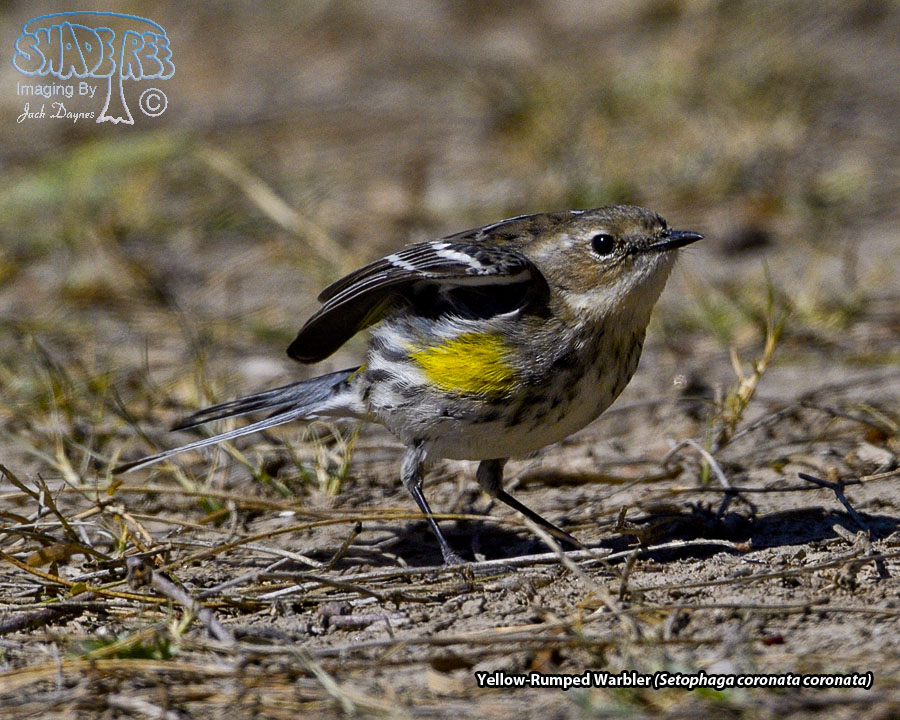
Yellow-Rumped Warbler(Setophaga coronata coronata) |
|
Description: Though not as plentiful as were the Orange-Crowned, Yellow-Rumps were well represented in the park. I returned to Bentsen Rio Grande Valley State Park Friday, three days after my first brief visit last Tuesday, when cold weather had a firm grip on most life forms. With my repaired bicycle under me, I explored all the paths the park would allow and spent a lovely day capturing wildlife images. |
Date Taken: 2021:02:19 11:24 |
|
Location:
Bentsen RGV State Park |
|
Camera Information: NIKON D5, 800 mm, f/8.0, 1/4000 |
File Name: YellowRumpedWarbler_D5X3107-Bentsen-RGV-SP |
| © 2021 Jack Daynes, shadeTreeImaging.com |

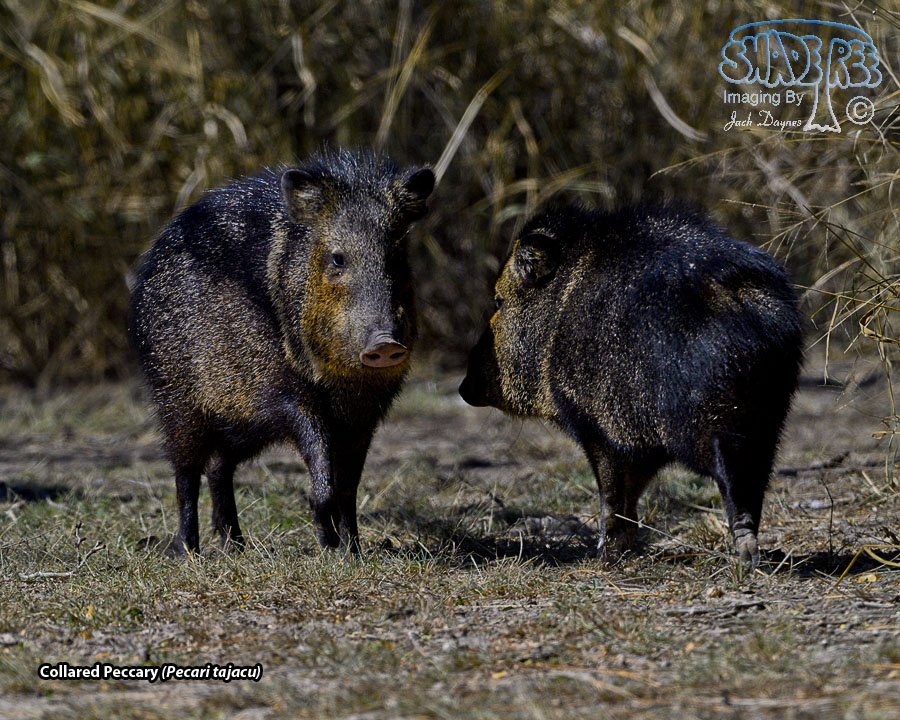
Collared Peccary(Pecari tajacu) |
|
Description: Chasing after these rugged little pigs is a fool's errand, but sitting quietly and waiting for their approach was more productive. I returned to Bentsen Rio Grande Valley State Park Friday, three days after my first brief visit last Tuesday, when cold weather had a firm grip on most live forms. With my repaired bicycle under me, I explored all the paths the park would allow and spent a lovely day capturing wildlife images. |
Date Taken: 2021:02:19 11:30 |
|
Location:
Bentsen RGV State Park |
|
Camera Information: NIKON D5, 800 mm, f/8.0, 1/4000 |
File Name: CollaredPeccary_D5X3183-Bentsen-RGV-SP |
| © 2021 Jack Daynes, shadeTreeImaging.com |
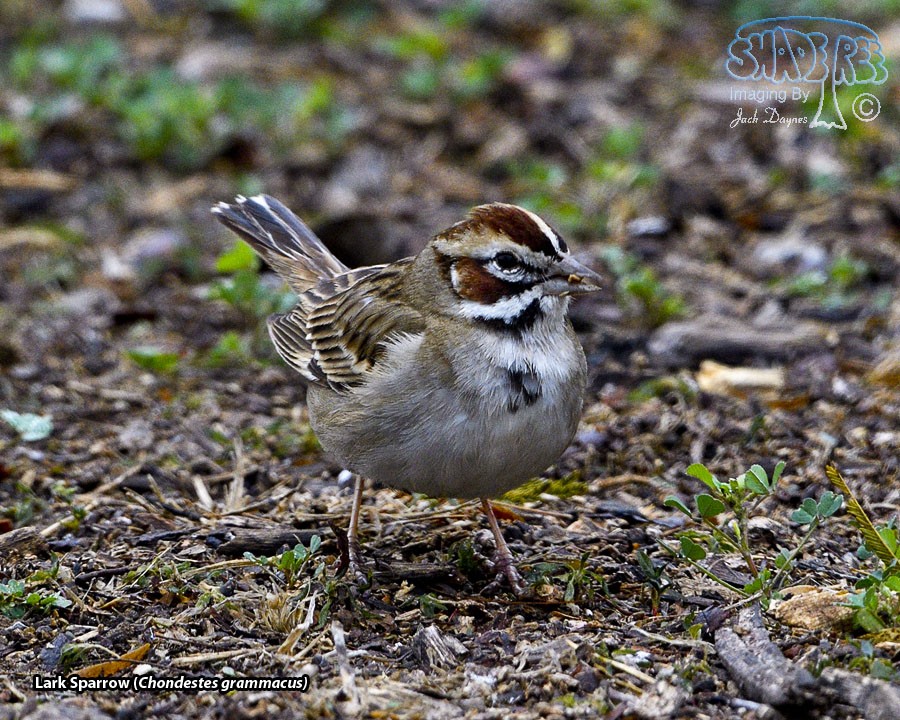
Lark Sparrow(Chondestes grammacus) |
|
Description: I’d seen Lark Sparrows elsewhere in Texas, but until this day, they were too shy for decent photographs. I visited Bentsen Rio Grande Valley State Park Friday, three days earlier during a freak cold weather event that had a firm grip on most life forms. With my repaired bicycle under me, and somewhat warmer weather, I explored all the paths the park would allow and spent a lovely day capturing wildlife images. |
Date Taken: 2021:02:18 9:26 |
|
Location:
Bentsen RGV State Park |
|
Camera Information: NIKON D5, 800 mm, f/8.0, 1/800 |
File Name: LarkSparrow_D5X2626-Bentsen-RGV-SP |
| © 2021 Jack Daynes, shadeTreeImaging.com |
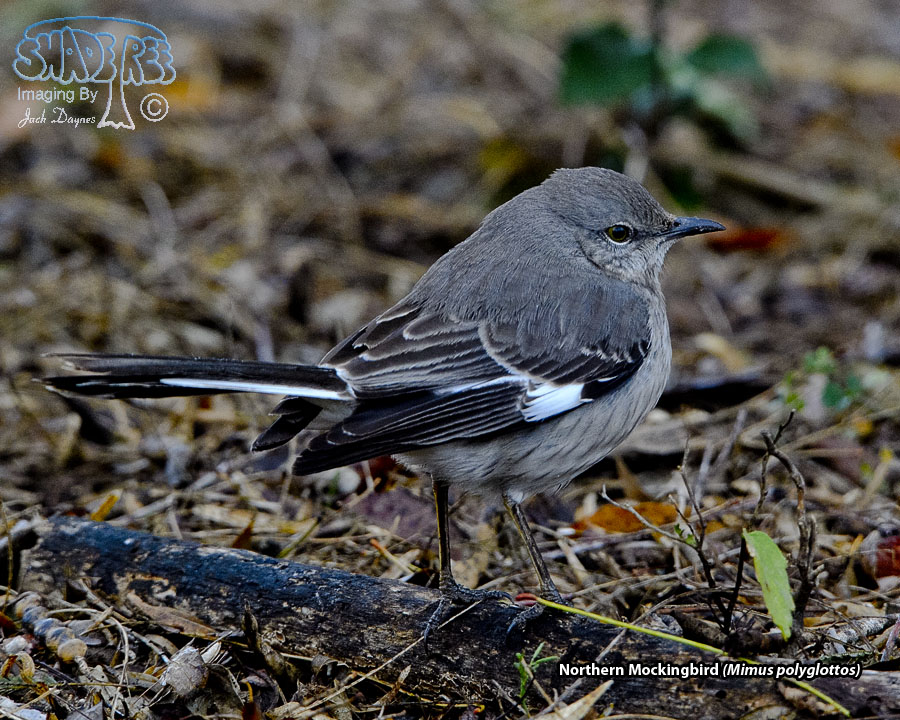
Northern Mockingbird(Mimus polyglottos) |
|
Description: Mockingbirds were the boldest birds I saw in the park. I returned to Bentsen Rio Grande Valley State Park Friday, three days after my first brief visit last Tuesday, when cold weather had a firm grip on most live forms. With my repaired bicycle under me, I explored all the paths the park would allow and spent a lovely day capturing wildlife images. |
Date Taken: 2021:02:18 9:19 |
|
Location:
Bentsen RGV State Park |
|
Camera Information: NIKON D5, 800 mm, f/8.0, 1/500 |
File Name: NorthernMockingbird_D5X2545-Bentsen-RGV-SP |
| © 2021 Jack Daynes, shadeTreeImaging.com |
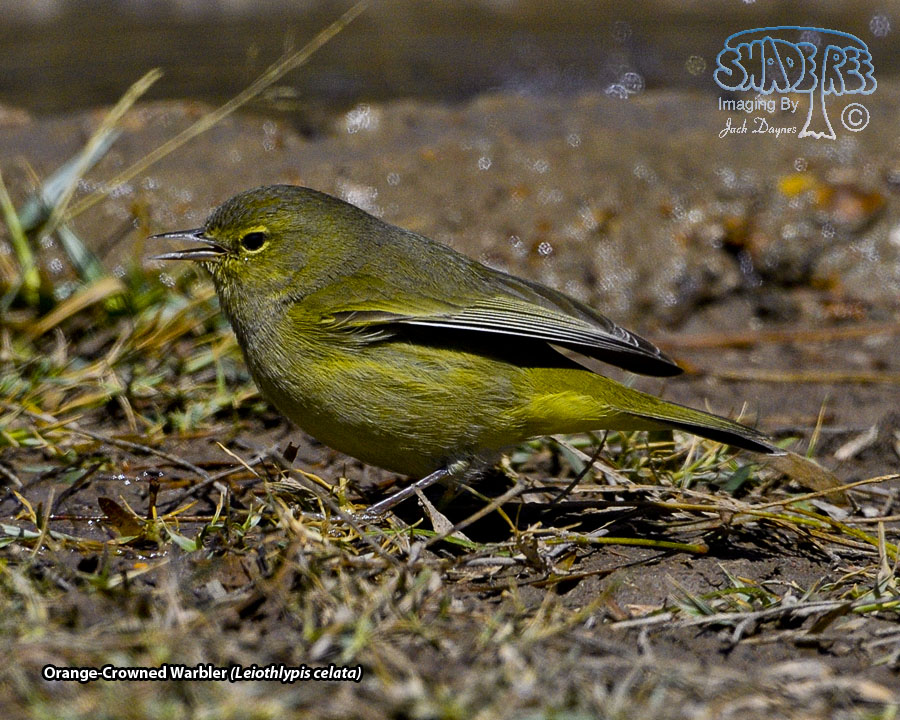
Orange-Crowned Warbler(Leiothlypis celata) |
|
Description: Orange-Crowned outnumbered all other warblers in south Texas. I returned to Bentsen Rio Grande Valley State Park Friday, three days after my first brief visit last Tuesday, when cold weather had a firm grip on most life forms. With my repaired bicycle under me, I explored all the paths the park would allow and spent a lovely day capturing wildlife images. |
Date Taken: 2021:02:19 13:31 |
|
Location:
Bentsen RGV State Park |
|
Camera Information: NIKON D5, 800 mm, f/8.0, 1/4000 |
File Name: OrangeCrownedWarbler_D5X3431-Bentsen-RGV-SP |
| © 2021 Jack Daynes, shadeTreeImaging.com |
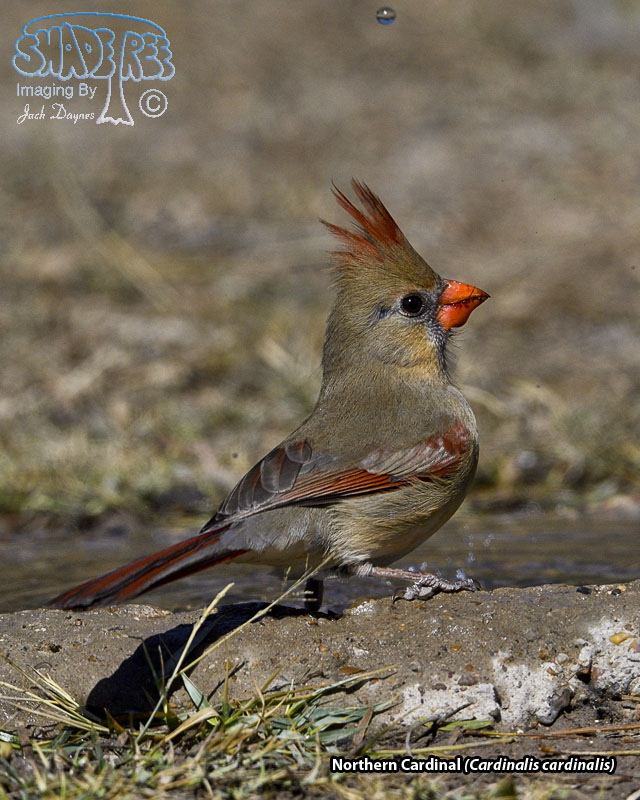
Northern Cardinal(Cardinalis cardinalis) |
|
Description: Like the jays, cardinals split their time between the bush, the feeders, and the water. I returned to Bentsen Rio Grande Valley State Park Friday, three days after my first brief visit last Tuesday, when cold weather had a firm grip on most live forms. With my repaired bicycle under me, I explored all the paths the park would allow and spent a lovely day capturing wildlife images. |
Date Taken: 2021:02:19 13:58 |
|
Location:
Bentsen RGV State Park |
|
Camera Information: NIKON D5, 800 mm, f/8.0, 1/4000 |
File Name: NorthernCardinal_D5X3525-Bentsen-RGV-SP |
| © 2021 Jack Daynes, shadeTreeImaging.com |
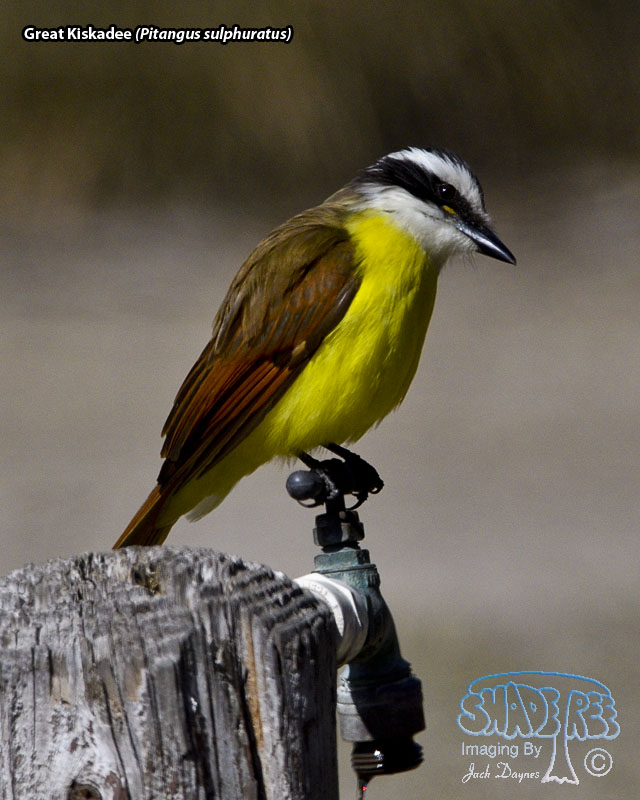
Great Kiskadee(Pitangus sulphuratus) |
|
Description: Kiskadees on Tuesday were eating seeds, but with today’s warmer weather, they were back to bugs. I returned to Bentsen Rio Grande Valley State Park Friday, three days after my first brief visit last Tuesday, when cold weather had a firm grip on most live forms. With my repaired bicycle under me, I explored all the paths the park would allow and spent a lovely day capturing wildlife images. |
Date Taken: 2021:02:19 11:16 |
|
Location:
Bentsen RGV State Park |
|
Camera Information: NIKON D5, 800 mm, f/8.0, 1/4000 |
File Name: GreatKiskadee_D5X3074-Bentsen-RGV-SP |
| © 2021 Jack Daynes, shadeTreeImaging.com |
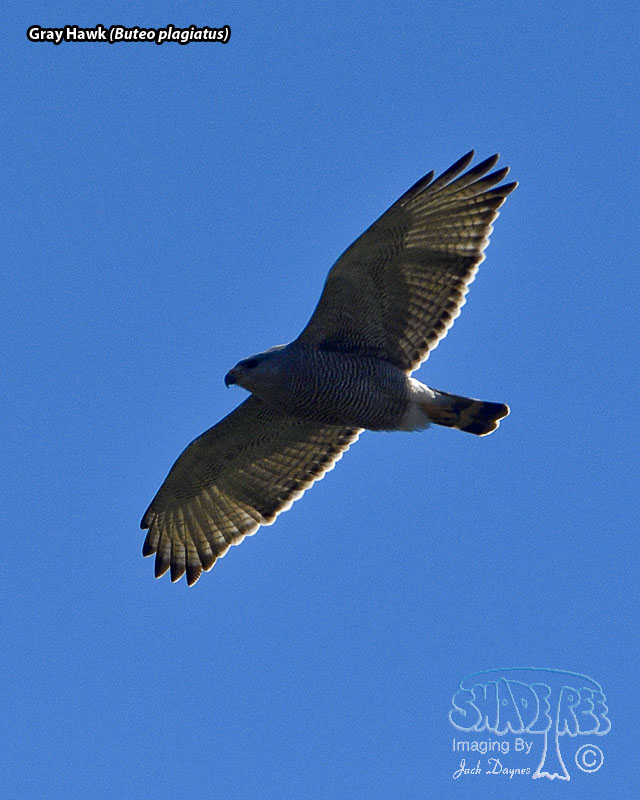
Gray Hawk(Buteo plagiatus) |
|
Description: There weren’t many raptors at the park, but these birds sailed over me and afforded a few hand-held images. I returned to Bentsen Rio Grande Valley State Park Friday, three days after my first brief visit last Tuesday, when cold weather had a firm grip on most live forms. With my repaired bicycle under me, I explored all the paths the park would allow and spent a lovely day capturing wildlife images. |
Date Taken: 2021:02:19 13:11 |
|
Location:
Bentsen RGV State Park |
|
Camera Information: NIKON D5, 800 mm, f/8.0, 1/8000 |
File Name: GrayHawk_D5X3233-Bentsen-RGV-SP |
| © 2021 Jack Daynes, shadeTreeImaging.com |
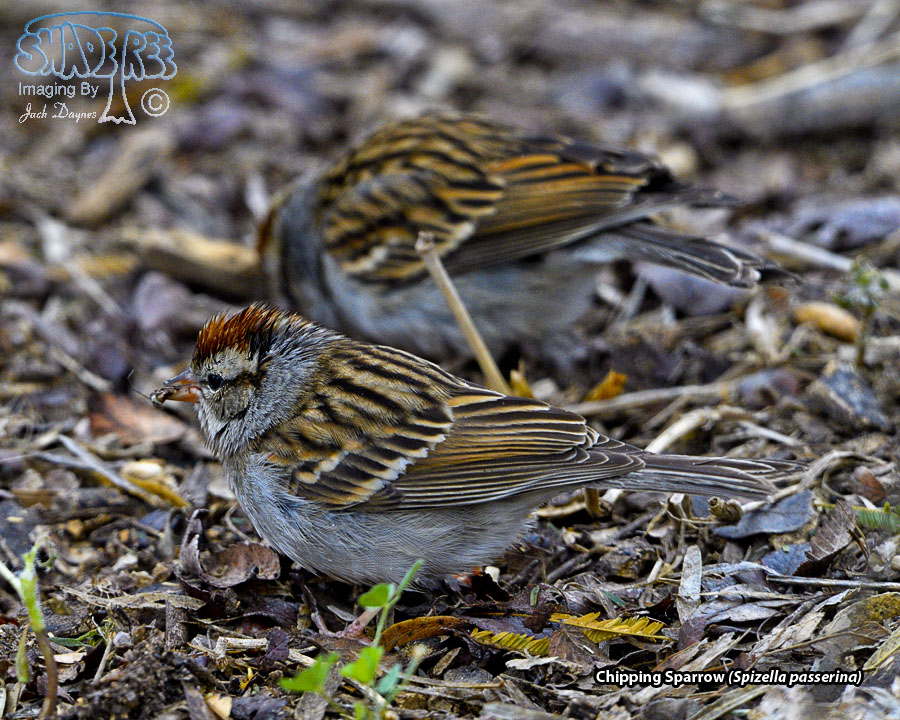
Chipping Sparrow(Spizella passerina) |
|
Description: These birds were the first Chipping Sparrows I met in Texas. I found them in the visitor parking lot at Bentsen Rio Grande Valley State Park Friday, three days after my first brief visit last Tuesday, when cold weather had a firm grip on most life forms. With my repaired bicycle under me, I explored all the paths the park would allow and spent a lovely day capturing wildlife images. |
Date Taken: 2021:02:18 9:39 |
|
Location:
Bentsen RGV State Park |
|
Camera Information: NIKON D5, 800 mm, f/8.0, 1/500 |
File Name: ChippingSparrow_D5X2817-Bentsen-RGV-SP |
| © 2021 Jack Daynes, shadeTreeImaging.com |
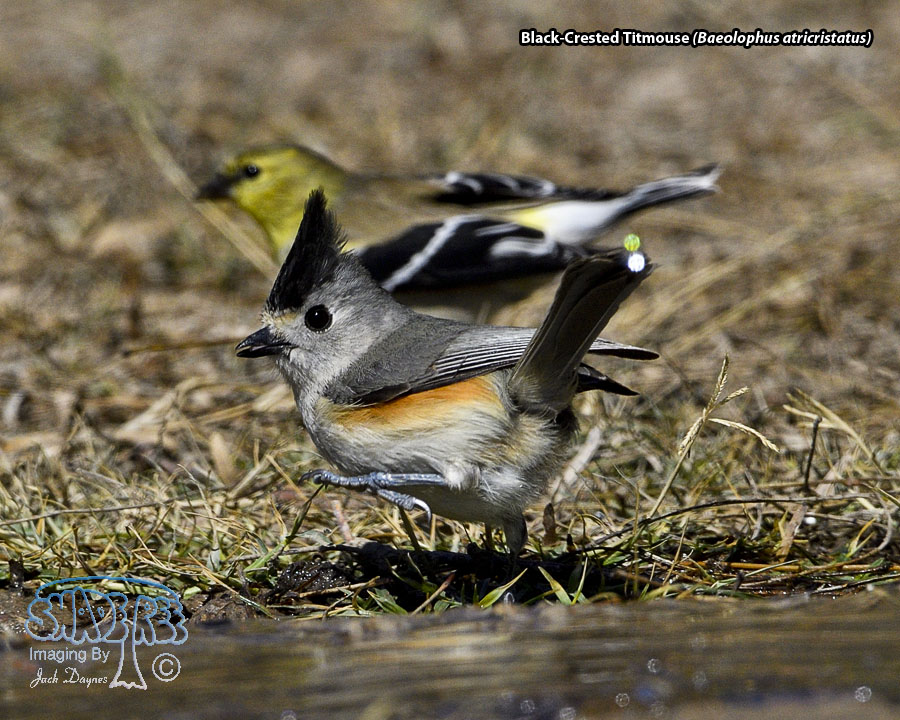
Black-Crested Titmouse(Baeolophus atricristatus) |
|
Description: Titmice here were skittish, like titmice everywhere I’ve seen them in Texas. I returned to Bentsen Rio Grande Valley State Park Friday, three days after my first brief visit last Tuesday, when cold weather had a firm grip on most life forms. With my repaired bicycle under me, I explored all the paths the park would allow and spent a lovely day capturing wildlife images. |
Date Taken: 2021:02:19 14:04 |
|
Location:
Bentsen RGV State Park |
|
Camera Information: NIKON D5, 800 mm, f/8.0, 1/4000 |
File Name: BlackCrestedTitmouse_D5X3676-Bentsen-RGV-SP |
| © 2021 Jack Daynes, shadeTreeImaging.com |
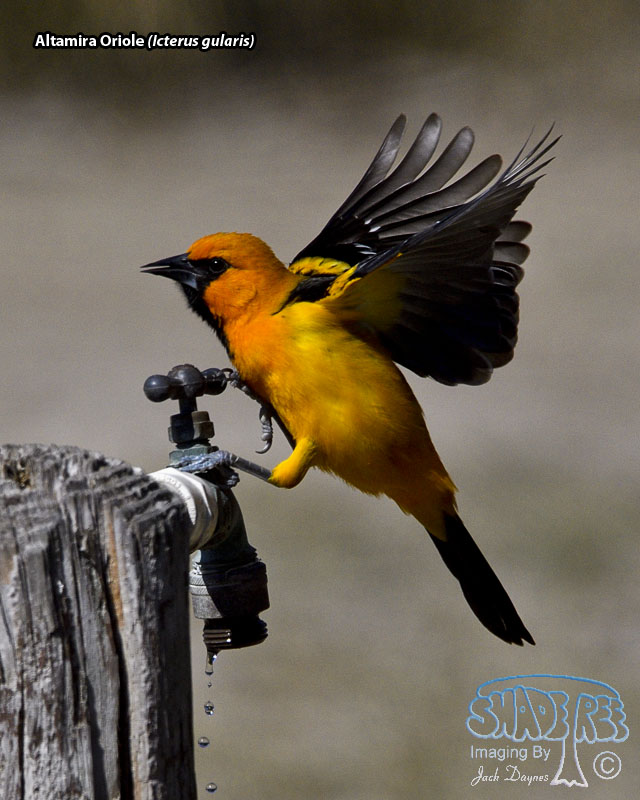
Altamira Oriole(Icterus gularis) |
|
Description: I lingered with the Altamira Orioles here, getting better acquainted with the species. I returned to Bentsen Rio Grande Valley State Park Friday, three days after my first brief visit last Tuesday, when cold weather had a firm grip on most live forms. With my repaired bicycle under me, I explored all the paths the park would allow and spent a lovely day capturing wildlife images. |
Date Taken: 2021:02:19 11:15 |
|
Location:
Bentsen RGV State Park |
|
Camera Information: NIKON D5, 800 mm, f/8.0, 1/4000 |
File Name: AltamiraOriole_D5X3058-Bentsen-RGV-SP |
| © 2021 Jack Daynes, shadeTreeImaging.com |
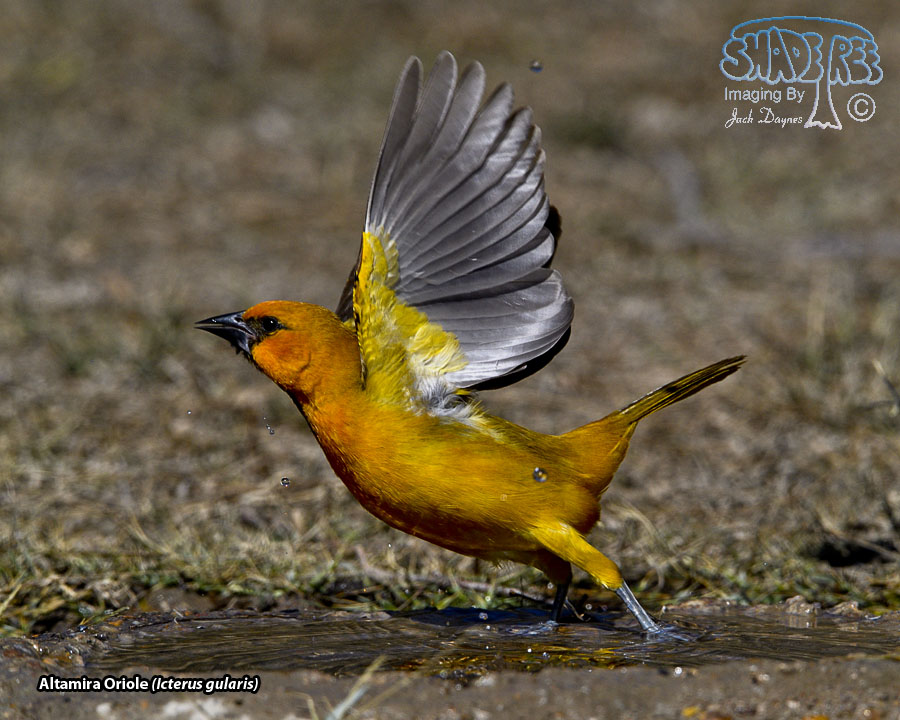
Altamira Oriole(Icterus gularis) |
|
Description: I lingered with the Altamira Orioles here, getting better acquainted with the species. I returned to Bentsen Rio Grande Valley State Park Friday, three days after my first brief visit last Tuesday, when cold weather had a firm grip on most live forms. With my repaired bicycle under me, I explored all the paths the park would allow and spent a lovely day capturing wildlife images. |
Date Taken: 2021:02:19 14:10 |
|
Location:
Bentsen RGV State Park |
|
Camera Information: NIKON D5, 800 mm, f/8.0, 1/4000 |
File Name: AltamiraOriole_D5X3825-Bentsen-RGV-SP |
| © 2021 Jack Daynes, shadeTreeImaging.com |
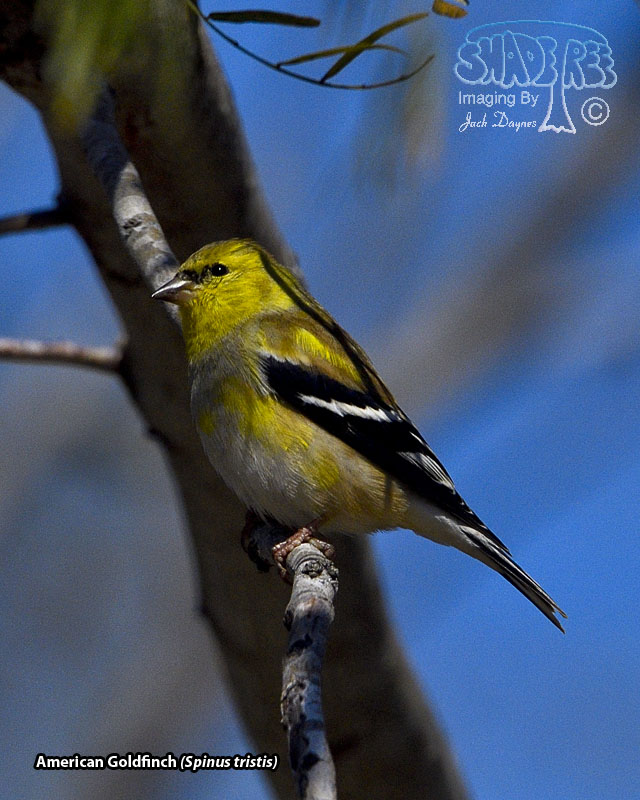
American Goldfinch(Spinus tristis) |
|
Description: Goldfinches hanging on feeders make so-so images, but at the water feature are more interesting to me. I returned to Bentsen Rio Grande Valley State Park Friday, three days after my first brief visit last Tuesday, when cold weather had a firm grip on most live forms. With my repaired bicycle under me, I explored all the paths the park would allow and spent a lovely day capturing wildlife images. |
Date Taken: 2021:02:19 13:59 |
|
Location:
Bentsen RGV State Park |
|
Camera Information: NIKON D5, 800 mm, f/8.0, 1/8000 |
File Name: AmericanGoldfinch_D5X3561-Bentsen-RGV-SP |
| © 2021 Jack Daynes, shadeTreeImaging.com |
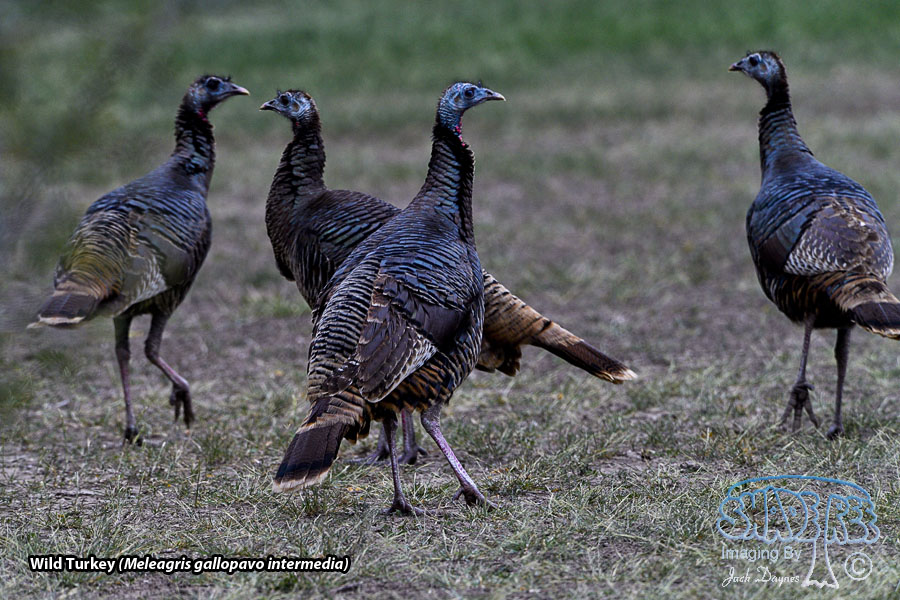
Wild Turkey(Meleagris gallopavo) |
|
Description: I met these Rio Grande Wild Turkeys at Bentsen RGV SP. They are one of six subspecies (M. g. intermedia) recognised by science. The mercury rose to 30°F this morning from 22°F yesterday in south Texas. I had camped only a mile-and-a-half from Bentsen Rio Grande Valley State Park, so despite the cold, I ventured out for a couple of hours, until my hands began complaining of the low temperature. |
Date Taken: 2021:02:16 11:54 |
|
Location:
Bentsen RGV State Park |
|
Camera Information: NIKON D5, 800 mm, f/8.0, 1/800 |
File Name: WildTurkey_D5X2224-Bentsen-RGV-SP |
| © 2021 Jack Daynes, shadeTreeImaging.com |
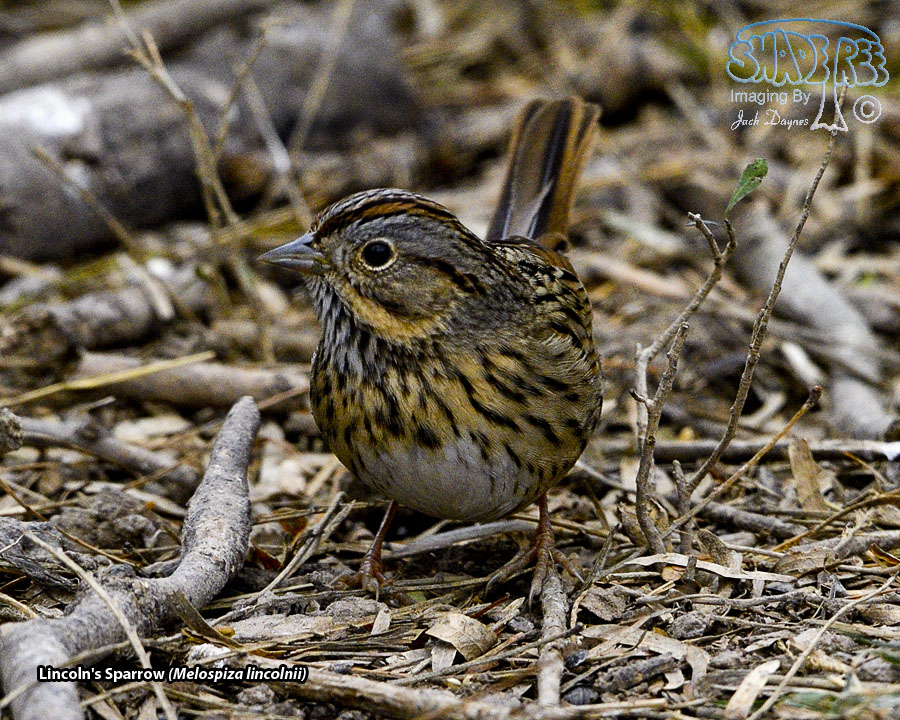
Lincoln's Sparrow(Melospiza lincolnii) |
|
Description: Lincoln’s were the only sparrows I encountered on my first visit to Bentsen RGV SP. The mercury rose to 30°F this morning from 22°F yesterday in south Texas. I had camped only a mile-and-a-half from Bentsen Rio Grande Valley State Park, so despite the cold, I ventured out for a couple of hours, until my hands began complaining of the low temperature. |
Date Taken: 2021:02:16 11:07 |
|
Location:
Bentsen RGV State Park |
|
Camera Information: NIKON D5, 800 mm, f/8.0, 1/800 |
File Name: LincolnsSparrow_D5X2044-Bentsen-RGV-SP |
| © 2021 Jack Daynes, shadeTreeImaging.com |
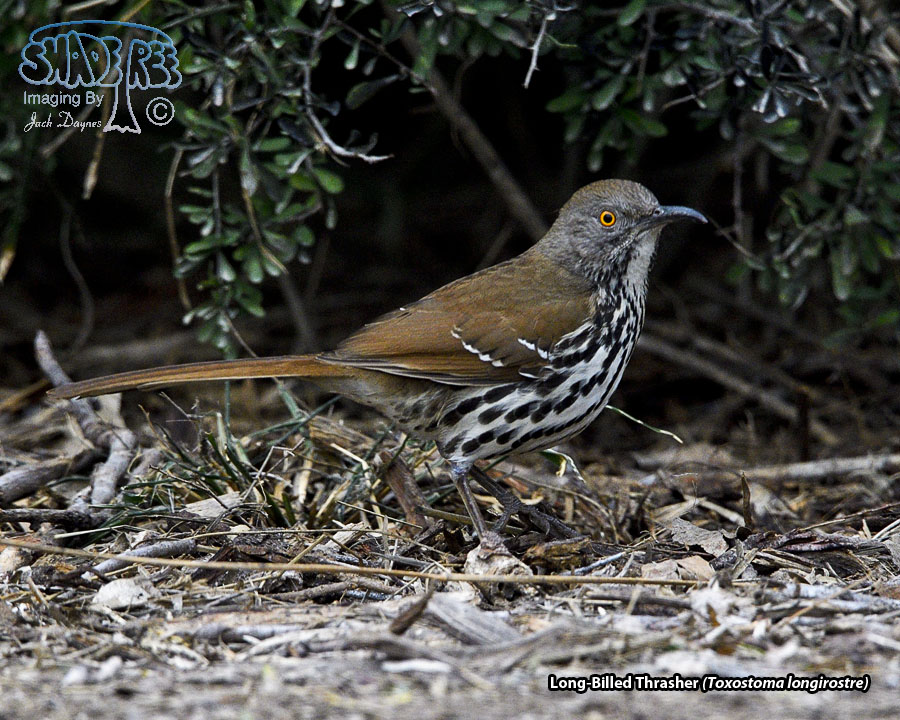
Long-Billed Thrasher(Toxostoma longirostre) |
|
Description: Thrashers were among the birds enjoying the seed feeders at Bentsen RGV SP this cold morning. The mercury rose to 30°F this morning from 22°F yesterday in south Texas. I had camped only a mile-and-a-half from Bentsen Rio Grande Valley State Park, so despite the cold, I ventured out for a couple of hours, until my hands began complaining of the low temperature. |
Date Taken: 2021:02:16 11:30 |
|
Location:
Bentsen RGV State Park |
|
Camera Information: NIKON D5, 800 mm, f/8.0, 1/800 |
File Name: LongBilledThrasher_D5X2148-Bentsen-RGV-SP |
| © 2021 Jack Daynes, shadeTreeImaging.com |
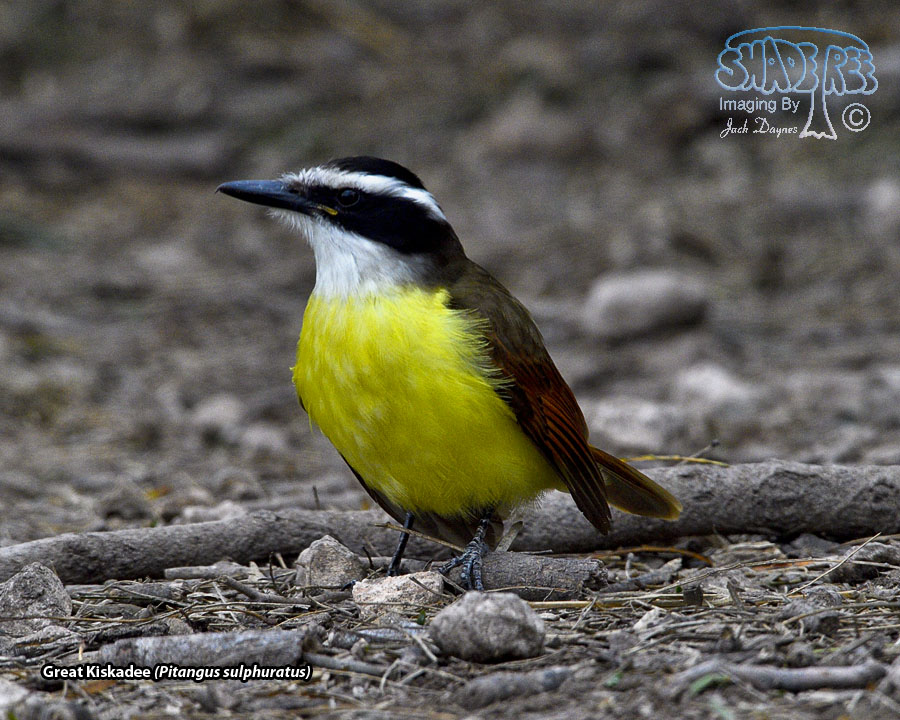
Great Kiskadee(Pitangus sulphuratus) |
|
Description: Frigid weather seemed to bring unexpected birds, such as these kiskadees, to the seed feeders at Bentsen RGV SP. The mercury rose to 30°F this morning from 22°F yesterday in south Texas. I had camped only a mile-and-a-half from Bentsen Rio Grande Valley State Park, so despite the cold, I ventured out for a couple of hours, until my hands began complaining of the low temperature. |
Date Taken: 2021:02:16 10:43 |
|
Location:
Bentsen RGV State Park |
|
Camera Information: NIKON D5, 800 mm, f/8.0, 1/800 |
File Name: GreatKiskadee_D5X1921-Bentsen-RGV-SP |
| © 2021 Jack Daynes, shadeTreeImaging.com |
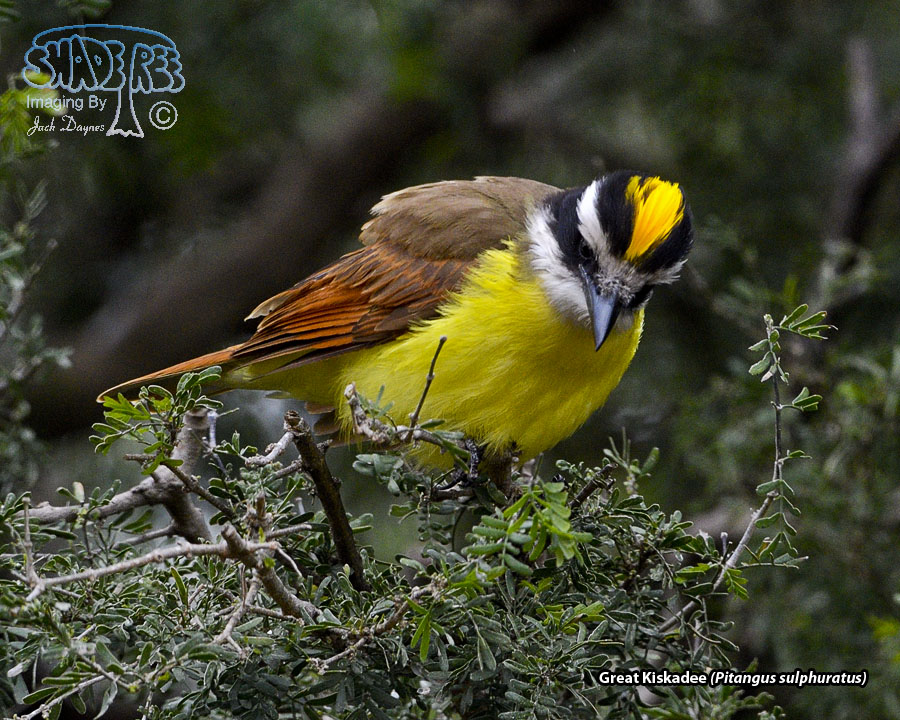
Great Kiskadee(Pitangus sulphuratus) |
|
Description: Frigid weather seemed to bring unexpected birds, such as these kiskadees, to the seed feeders at Bentsen RGV SP. The mercury rose to 30°F this morning from 22°F yesterday in south Texas. I had camped only a mile-and-a-half from Bentsen Rio Grande Valley State Park, so despite the cold, I ventured out for a couple of hours, until my hands began complaining of the low temperature. |
Date Taken: 2021:02:16 10:44 |
|
Location:
Bentsen RGV State Park |
|
Camera Information: NIKON D5, 800 mm, f/8.0, 1/250 |
File Name: GreatKiskadee_D5X1923-Bentsen-RGV-SP |
| © 2021 Jack Daynes, shadeTreeImaging.com |
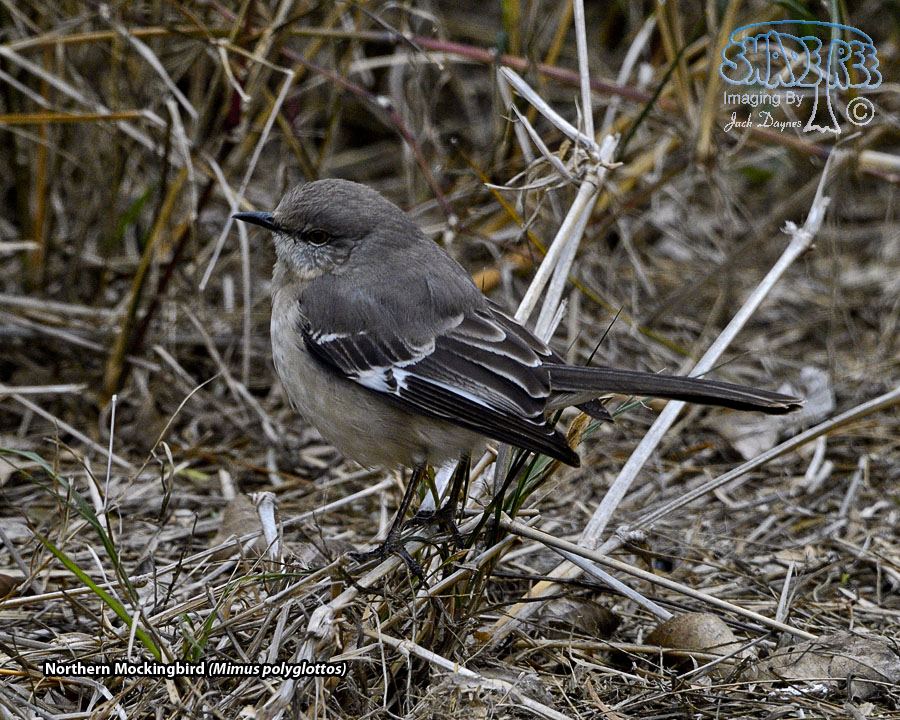
Northern Mockingbird(Mimus polyglottos) |
|
Description: Mockingbirds were at the top of the pecking-order at Bentsen RGV SP. The mercury rose to 30°F this morning from 22°F yesterday in south Texas. I had camped only a mile-and-a-half from Bentsen Rio Grande Valley State Park, so despite the cold, I ventured out for a couple of hours, until my hands began complaining of the low temperature. |
Date Taken: 2021:02:16 11:34 |
|
Location:
Bentsen RGV State Park |
|
Camera Information: NIKON D5, 800 mm, f/8.0, 1/800 |
File Name: NorthernMockingbird_D5X2197-Bentsen-RGV-SP |
| © 2021 Jack Daynes, shadeTreeImaging.com |
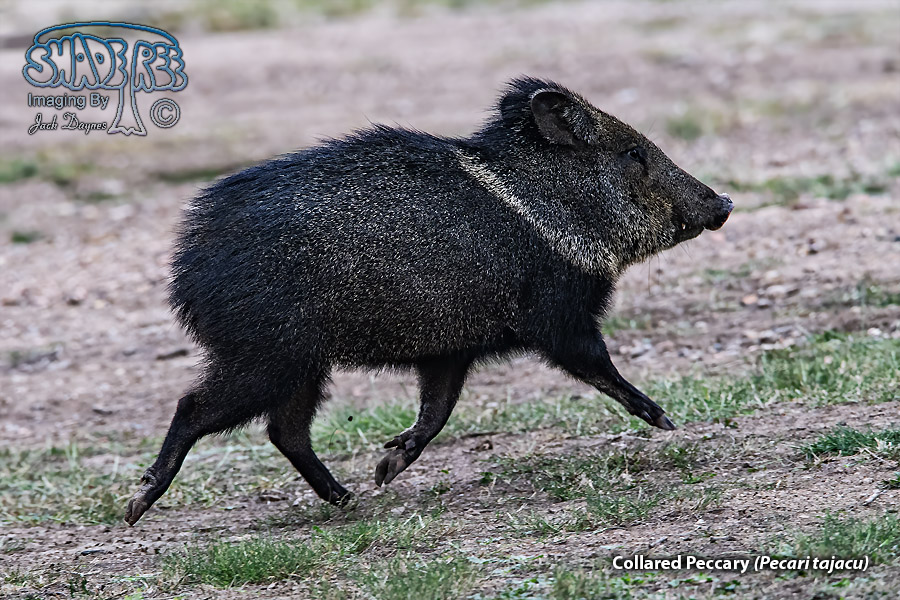
Collared Peccary(Pecari tajacu) |
|
Description: The Collared Peccaries I’d met in Texas and Arizona evaded my camera, but these at Bentsen RGV SP were slightly more cooperative. The mercury rose to 30°F this morning from 22°F yesterday in south Texas. I had camped only a mile-and-a-half from Bentsen Rio Grande Valley State Park, so despite the cold, I ventured out for a couple of hours, until my hands began complaining of the low temperature. |
Date Taken: 2021:02:16 12:40 |
|
Location:
Bentsen RGV State Park |
|
Camera Information: NIKON D5, 800 mm, f/8.0, 1/1000 |
File Name: CollaredPeccary_D5X2376-Bentsen-RGV-SP |
| © 2021 Jack Daynes, shadeTreeImaging.com |
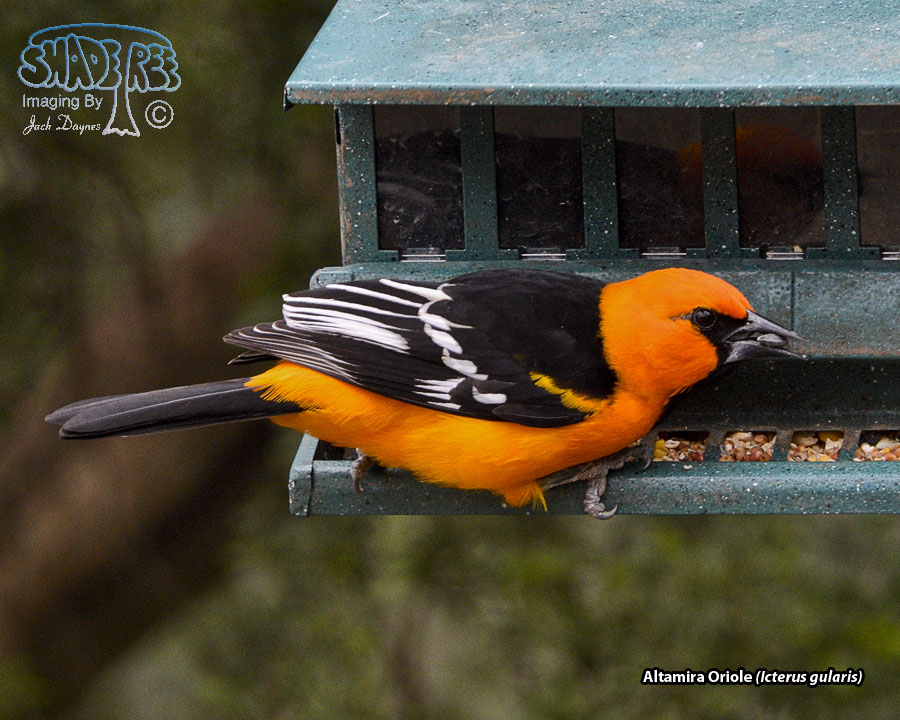
Altamira Oriole(Icterus gularis) |
|
Description: Frigid weather seemed to bring unexpected birds, such as these orioles, to the seed feeders at Bentsen RGV SP. The mercury rose to 30°F this morning from 22°F yesterday in south Texas. I had camped only a mile-and-a-half from Bentsen Rio Grande Valley State Park, so despite the cold, I ventured out for a couple of hours, until my hands began complaining of the low temperature. |
Date Taken: 2021:02:16 10:45 |
|
Location:
Bentsen RGV State Park |
|
Camera Information: NIKON D5, 800 mm, f/8.0, 1/250 |
File Name: AltamiraOriole_D5X1945-Bentsen-RGV-SP |
| © 2021 Jack Daynes, shadeTreeImaging.com |
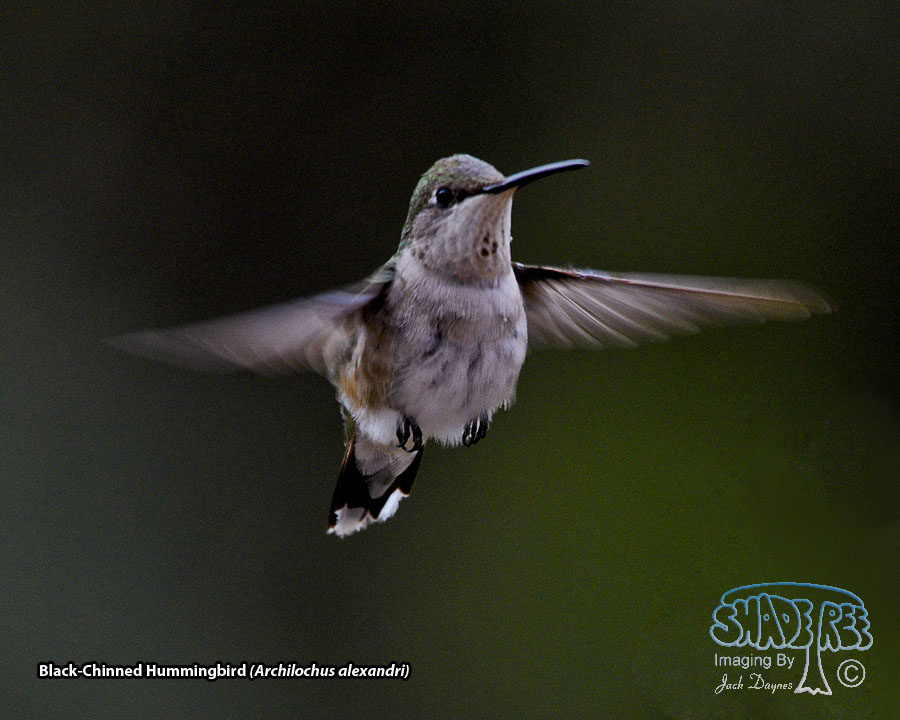
Black-Chinned Hummingbird(Archilochus alexandri) |
|
Description: Hummingbirds were scarce in south Texas this winter, but I enjoyed meeting this bird at the feeders in Bentsen RGV SP. The mercury rose to 30°F this morning from 22°F yesterday in south Texas. I had camped only a mile-and-a-half from Bentsen Rio Grande Valley State Park, so despite the cold, I ventured out for a couple of hours, until my hands began complaining of the low temperature. |
Date Taken: 2021:02:16 12:37 |
|
Location:
Bentsen RGV State Park |
|
Camera Information: NIKON D5, 800 mm, f/8.0, 1/500 |
File Name: BlackChinnedHummingbird_D5X2360-Bentsen-RGV-SP |
| © 2021 Jack Daynes, shadeTreeImaging.com |
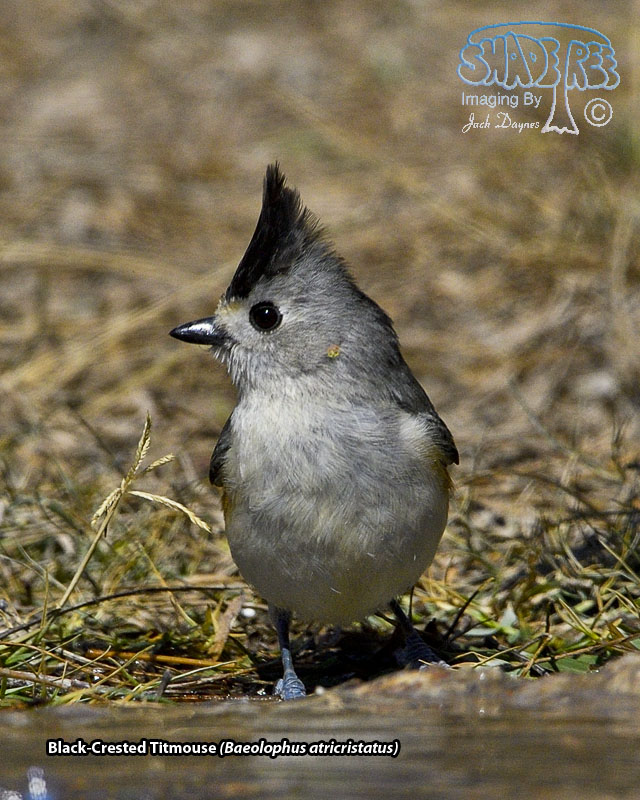
Black-Crested Titmouse(Baeolophus atricristatus) |
|
Description: Titmice here were skittish, like titmice everywhere I’ve seen them in Texas. I returned to Bentsen Rio Grande Valley State Park Friday, three days after my first brief visit last Tuesday, when cold weather had a firm grip on most life forms. With my repaired bicycle under me, I explored all the paths the park would allow and spent a lovely day capturing wildlife images. |
Date Taken: 2021:02:19 14:03 |
|
Location:
Bentsen RGV State Park |
|
Camera Information: NIKON D5, 800 mm, f/8.0, 1/4000 |
File Name: BlackCrestedTitmouse_D5X3647-Bentsen-RGV-SP |
| © 2021 Jack Daynes, shadeTreeImaging.com |
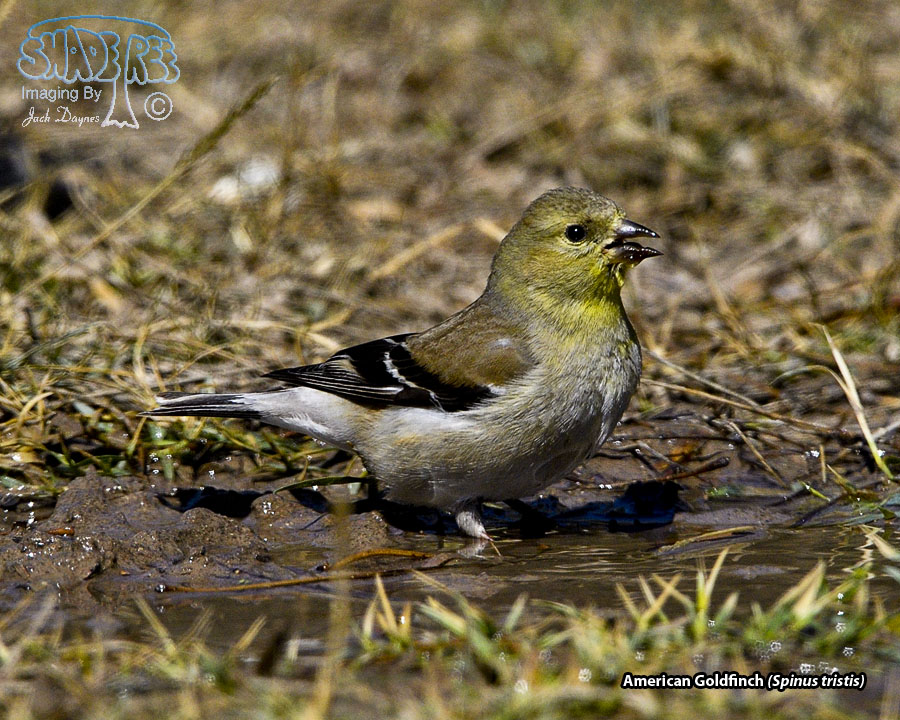
American Goldfinch(Spinus tristis) |
|
Description: Goldfinches hanging on feeders make so-so images, but at the water feature they are more interesting to me. I returned to Bentsen Rio Grande Valley State Park Friday, three days after my first brief visit last Tuesday, when cold weather had a firm grip on most life forms. With my repaired bicycle under me, I explored all the paths the park would allow and spent a lovely day capturing wildlife images. |
Date Taken: 2021:02:19 13:59 |
|
Location:
Bentsen RGV State Park |
|
Camera Information: NIKON D5, 800 mm, f/8.0, 1/4000 |
File Name: AmericanGoldfinch_D5X3563-Bentsen-RGV-SP |
| © 2021 Jack Daynes, shadeTreeImaging.com |
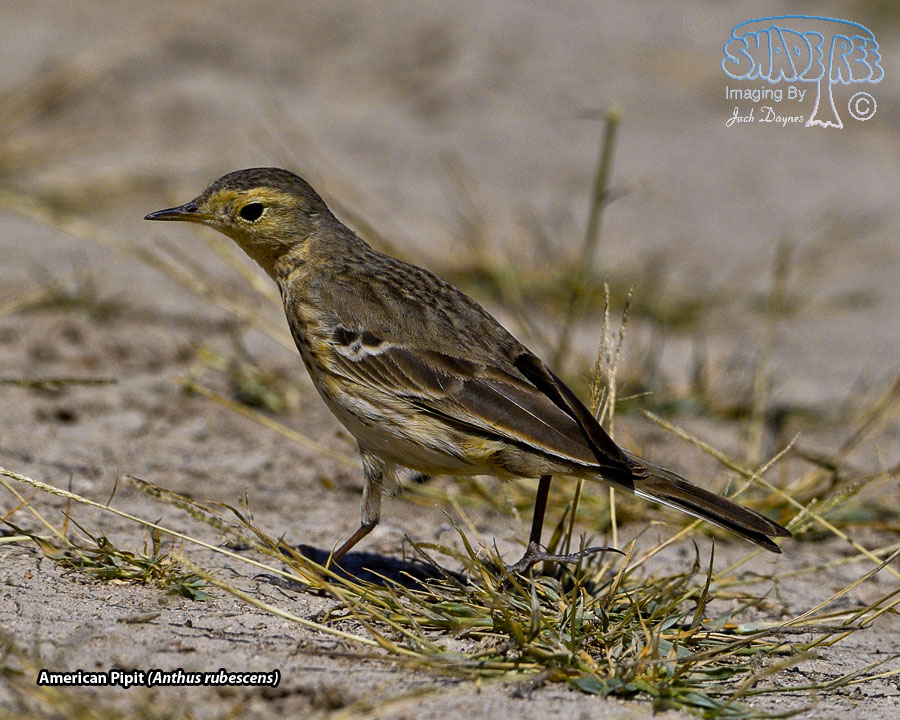
American Pipit(Anthus rubescens) |
|
Description: I wasn’t expecting pipits here, but here they were! I returned to Bentsen Rio Grande Valley State Park Friday, three days after my first brief visit last Tuesday, when cold weather had a firm grip on most life forms. With my repaired bicycle under me, I explored all the paths the park would allow and spent a lovely day capturing wildlife images. |
Date Taken: 2021:02:19 13:18 |
|
Location:
Bentsen RGV State Park |
|
Camera Information: NIKON D5, 800 mm, f/8.0, 1/8000 |
File Name: AmericanPipit_D5X3381-Bentsen-RGV-SP |
| © 2021 Jack Daynes, shadeTreeImaging.com |
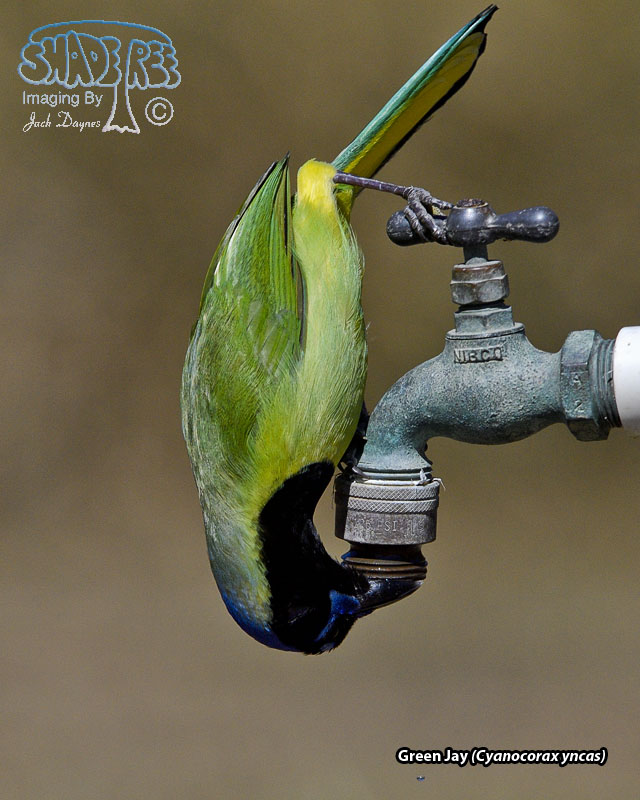
Green Jay(Cyanocorax yncas) |
|
Description: Green Jays split their time between the bush, the feeders, and the water. I returned to Bentsen Rio Grande Valley State Park Friday, three days after my first brief visit last Tuesday, when cold weather had a firm grip on most live forms. With my repaired bicycle under me, I explored all the paths the park would allow and spent a lovely day capturing wildlife images. |
Date Taken: 2021:02:19 14:00 |
|
Location:
Bentsen RGV State Park |
|
Camera Information: NIKON D5, 800 mm, f/8.0, 1/4000 |
File Name: GreenJay_D5X3607-Bentsen-RGV-SP |
| © 2021 Jack Daynes, shadeTreeImaging.com |
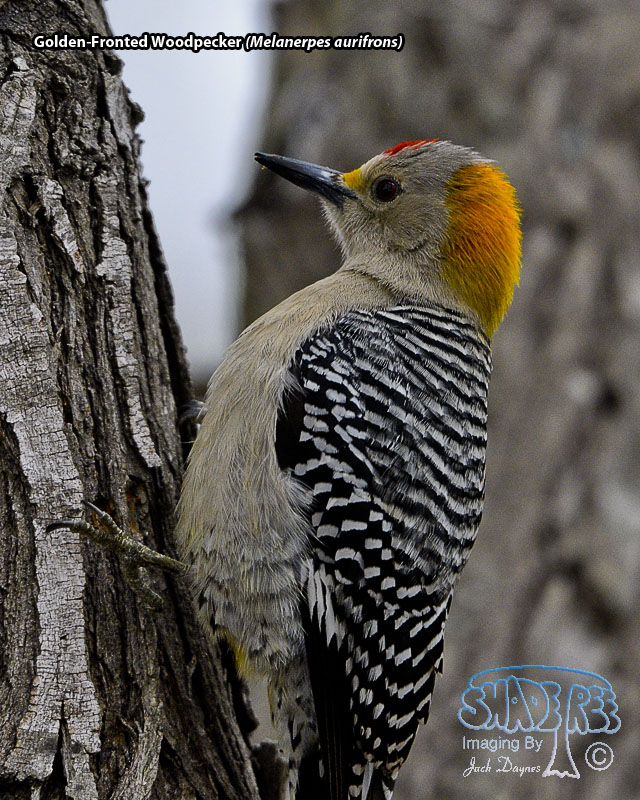
Golden-Fronted Woodpecker(Melanerpes aurifrons) |
|
Description: The parking lot adjacent to the visitor center proved a fine place to meet birds such as woodpeckers, warblers, and sparrows. I returned to Bentsen Rio Grande Valley State Park Friday, three days after my first brief visit last Tuesday, when cold weather had a firm grip on most live forms. With my repaired bicycle under me, I explored all the paths the park would allow and spent a lovely day capturing wildlife images. |
Date Taken: 2021:02:18 9:09 |
|
Location:
Bentsen RGV State Park |
|
Camera Information: NIKON D5, 800 mm, f/8.0, 1/1000 |
File Name: GoldenFrontedWoodpecker_D5X2420-Bentsen-RGV-SP |
| © 2021 Jack Daynes, shadeTreeImaging.com |
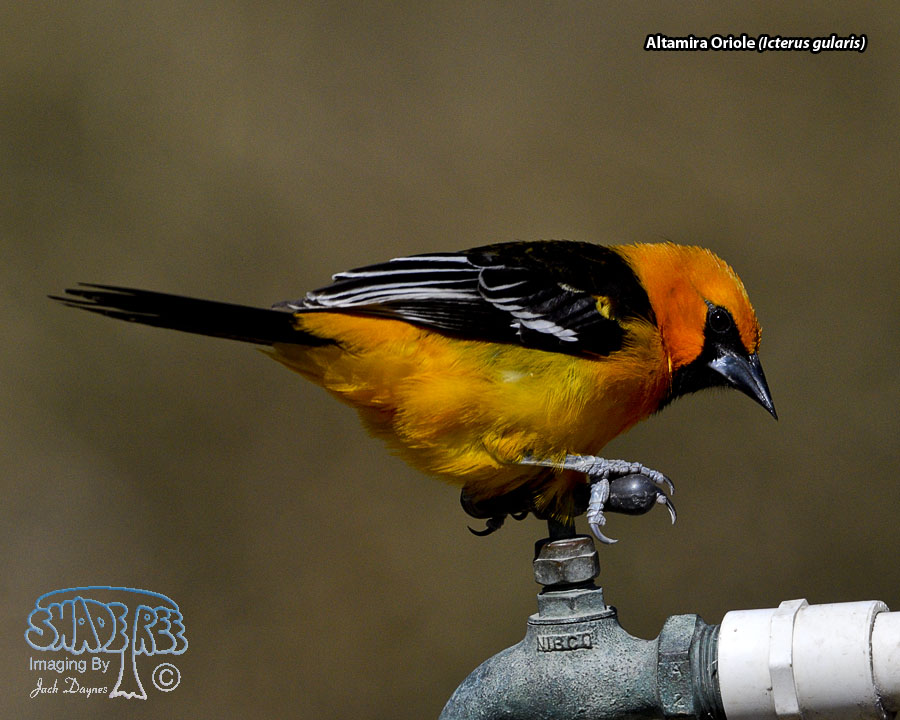
Altamira Oriole(Icterus gularis) |
|
Description: I lingered with the Altamira Orioles here, getting better acquainted with the species. I returned to Bentsen Rio Grande Valley State Park Friday, three days after my first brief visit last Tuesday, when cold weather had a firm grip on most live forms. With my repaired bicycle under me, I explored all the paths the park would allow and spent a lovely day capturing wildlife images. |
Date Taken: 2021:02:19 14:09 |
|
Location:
Bentsen RGV State Park |
|
Camera Information: NIKON D5, 800 mm, f/8.0, 1/8000 |
File Name: AltamiraOriole_D5X3779-Bentsen-RGV-SP |
| © 2021 Jack Daynes, shadeTreeImaging.com |
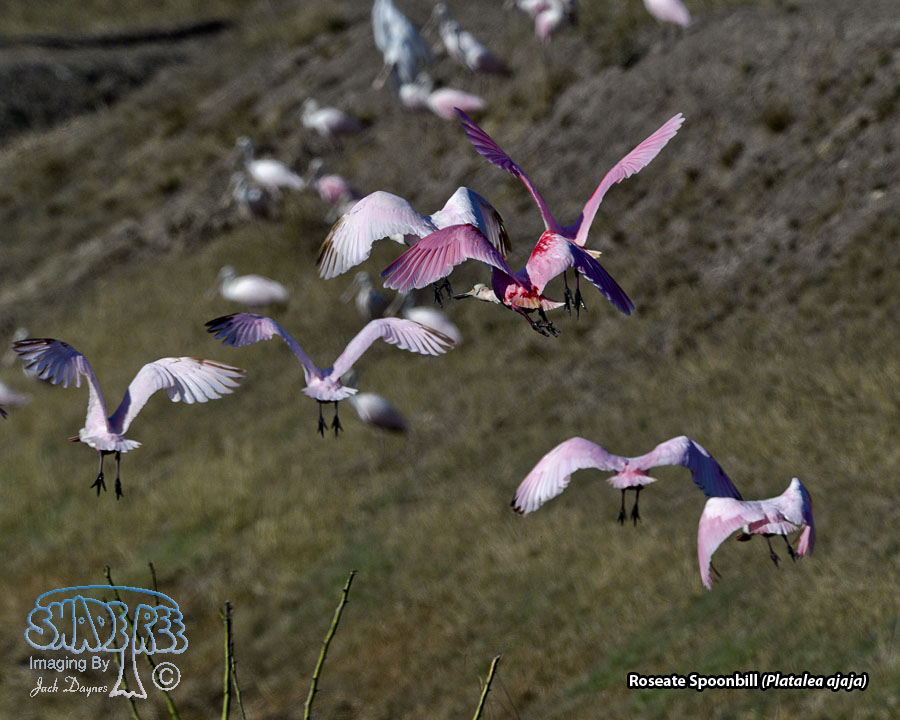
Roseate Spoonbill(Platalea ajaja) |
|
Description: Before I arrived at the park, I spotted spoonbills in a drainage ditch and stopped to investigate. I returned to Bentsen Rio Grande Valley State Park Friday, three days after my first brief visit last Tuesday, when cold weather had a firm grip on most life forms. With my repaired bicycle under me, I explored all the paths the park would allow and spent a lovely day capturing wildlife images. |
Date Taken: 2021:02:19 9:52 |
|
Location:
Sno-Bird Estates Colonia |
|
Camera Information: NIKON D5, 800 mm, f/8.0, 1/4000 |
File Name: RoseateSpoonbill_D5X2891-Bentsen-Road |
| © 2021 Jack Daynes, shadeTreeImaging.com |
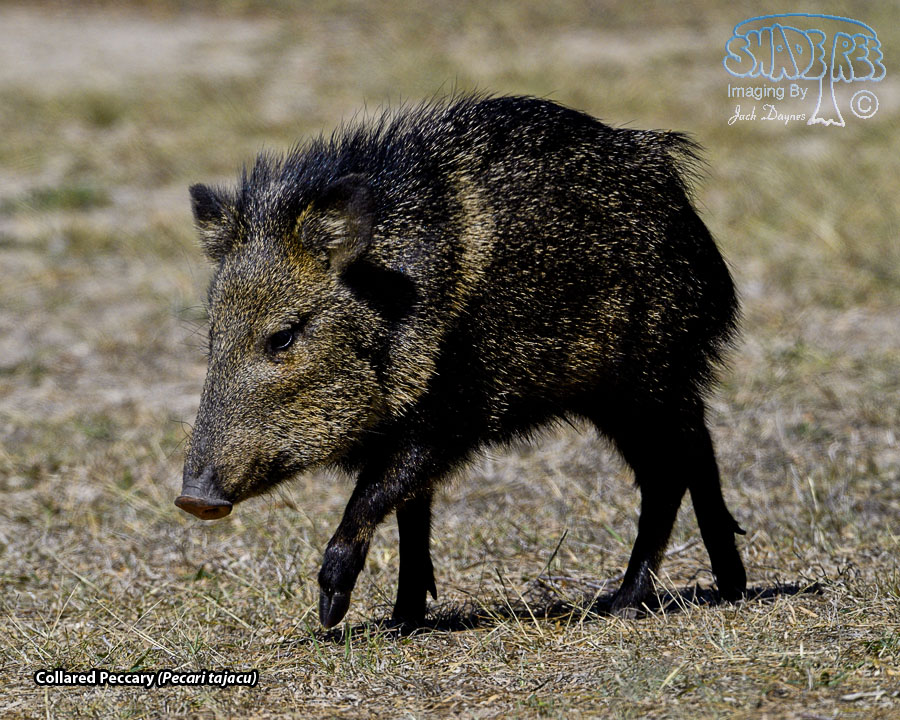
Collared Peccary(Pecari tajacu) |
|
Description: Chasing after these rugged little pigs is a fool's errand, but sitting quietly and waiting for their approach was more productive. I returned to Bentsen Rio Grande Valley State Park Friday, three days after my first brief visit last Tuesday, when cold weather had a firm grip on most live forms. With my repaired bicycle under me, I explored all the paths the park would allow and spent a lovely day capturing wildlife images. |
Date Taken: 2021:02:19 11:07 |
|
Location:
Bentsen RGV State Park |
|
Camera Information: NIKON D5, 800 mm, f/8.0, 1/4000 |
File Name: CollaredPeccary_D5X2934-Bentsen-RGV-SP |
| © 2021 Jack Daynes, shadeTreeImaging.com |
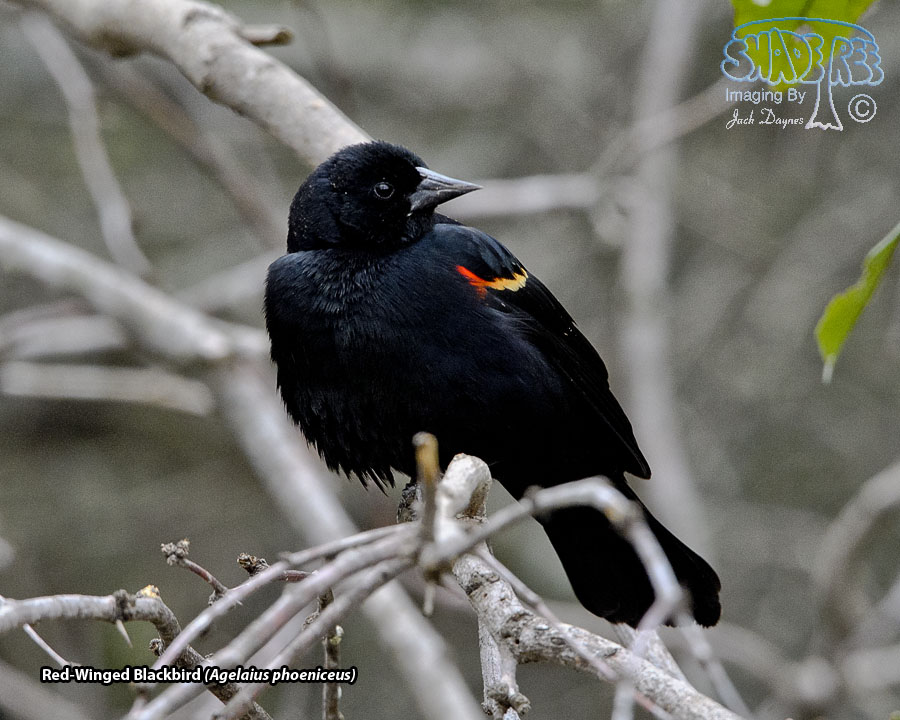
Red-Winged Blackbird(Agelaius phoeniceus) |
|
Description: Blackbirds were abundant at the feeders at Bentsen RGV SP. The mercury rose to 30°F this morning from 22°F yesterday in south Texas. I had camped only a mile-and-a-half from Bentsen Rio Grande Valley State Park, so despite the cold, I ventured out for a couple of hours, until my hands began complaining of the low temperature. |
Date Taken: 2021:02:16 11:07 |
|
Location:
Bentsen RGV State Park |
|
Camera Information: NIKON D5, 800 mm, f/8.0, 1/500 |
File Name: RedWingedBlackbird_D5X2047-Bentsen-RGV-SP |
| © 2021 Jack Daynes, shadeTreeImaging.com |
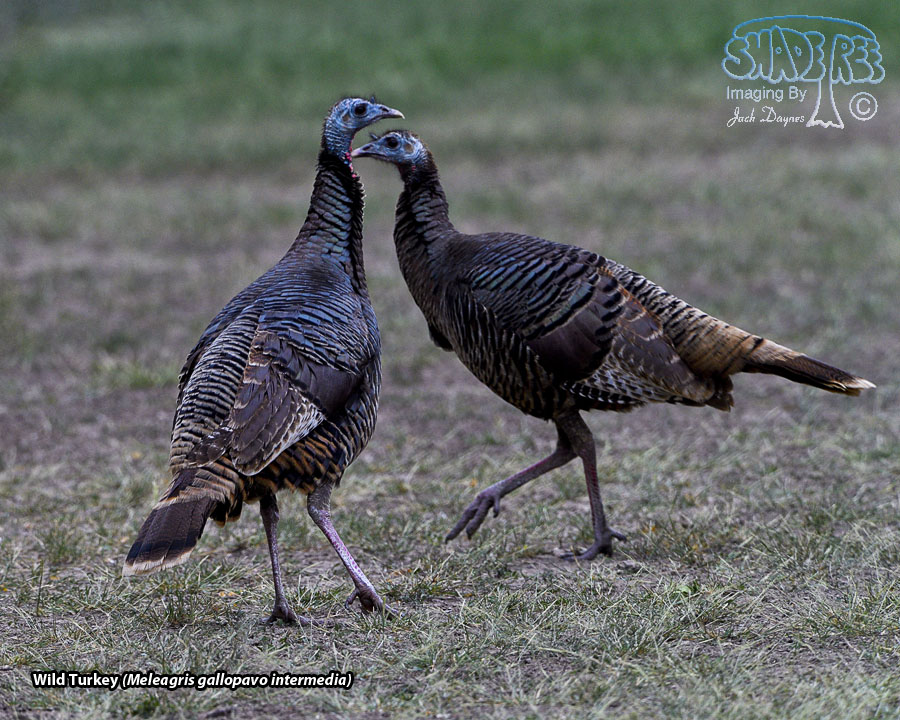
Wild Turkey(Meleagris gallopavo) |
|
Description: I met these Rio Grande Wild Turkeys at Bentsen RGV SP. They are one of six subspecies (M. g. intermedia) recognised by science. The mercury rose to 30°F this morning from 22°F yesterday in south Texas. I had camped only a mile-and-a-half from Bentsen Rio Grande Valley State Park, so despite the cold, I ventured out for a couple of hours, until my hands began complaining of the low temperature. |
Date Taken: 2021:02:16 11:54 |
|
Location:
Bentsen RGV State Park |
|
Camera Information: NIKON D5, 800 mm, f/8.0, 1/800 |
File Name: WildTurkey_D5X2219-Bentsen-RGV-SP |
| © 2021 Jack Daynes, shadeTreeImaging.com |
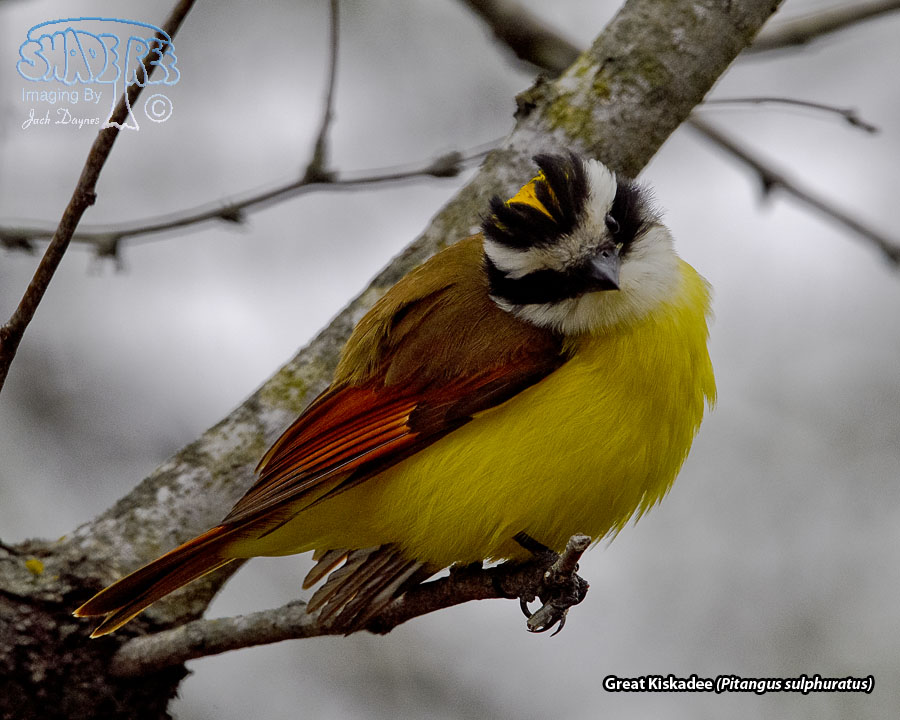
Great Kiskadee(Pitangus sulphuratus) |
|
Description: Frigid weather seemed to bring unexpected birds, such as these kiskadees, to the seed feeders at Bentsen RGV SP. The mercury rose to 30°F this morning from 22°F yesterday in south Texas. I had camped only a mile-and-a-half from Bentsen Rio Grande Valley State Park, so despite the cold, I ventured out for a couple of hours, until my hands began complaining of the low temperature. |
Date Taken: 2021:02:16 10:47 |
|
Location:
Bentsen RGV State Park |
|
Camera Information: NIKON D5, 800 mm, f/8.0, 1/1000 |
File Name: GreatKiskadee_D5X1971-Bentsen-RGV-SP |
| © 2021 Jack Daynes, shadeTreeImaging.com |
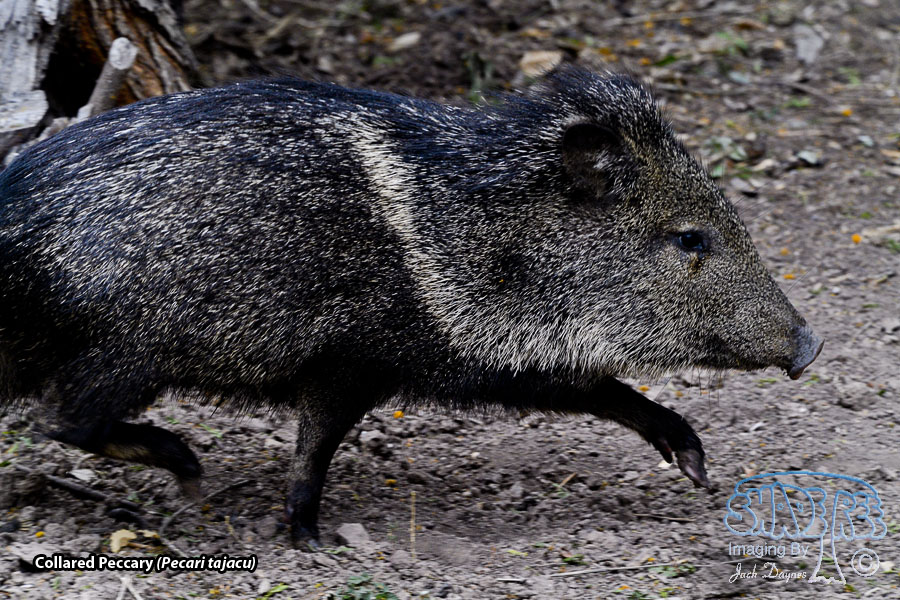
Collared Peccary(Pecari tajacu) |
|
Description: The Collared Peccaries I’d met in Texas and Arizona evaded my camera, but these at Bentsen RGV SP were slightly more cooperative. The mercury rose to 30°F this morning from 22°F yesterday in south Texas. I had camped only a mile-and-a-half from Bentsen Rio Grande Valley State Park, so despite the cold, I ventured out for a couple of hours, until my hands began complaining of the low temperature. |
Date Taken: 2021:02:16 12:35 |
|
Location:
Bentsen RGV State Park |
|
Camera Information: NIKON D5, 800 mm, f/8.0, 1/500 |
File Name: CollaredPeccary_D5X2354-Bentsen-RGV-SP |
| © 2021 Jack Daynes, shadeTreeImaging.com |
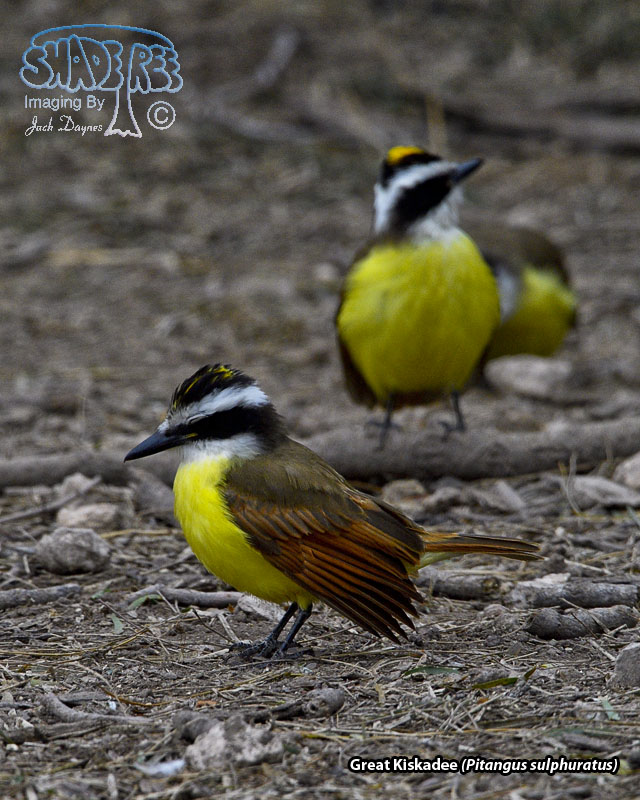
Great Kiskadee(Pitangus sulphuratus) |
|
Description: Frigid weather seemed to bring unexpected birds, such as these kiskadees, to the seed feeders at Bentsen RGV SP. The mercury rose to 30°F this morning from 22°F yesterday in south Texas. I had camped only a mile-and-a-half from Bentsen Rio Grande Valley State Park, so despite the cold, I ventured out for a couple of hours, until my hands began complaining of the low temperature. |
Date Taken: 2021:02:16 10:40 |
|
Location:
Bentsen RGV State Park |
|
Camera Information: NIKON D5, 800 mm, f/8.0, 1/1000 |
File Name: GreatKiskadee_D5X1904-Bentsen-RGV-SP |
| © 2021 Jack Daynes, shadeTreeImaging.com |
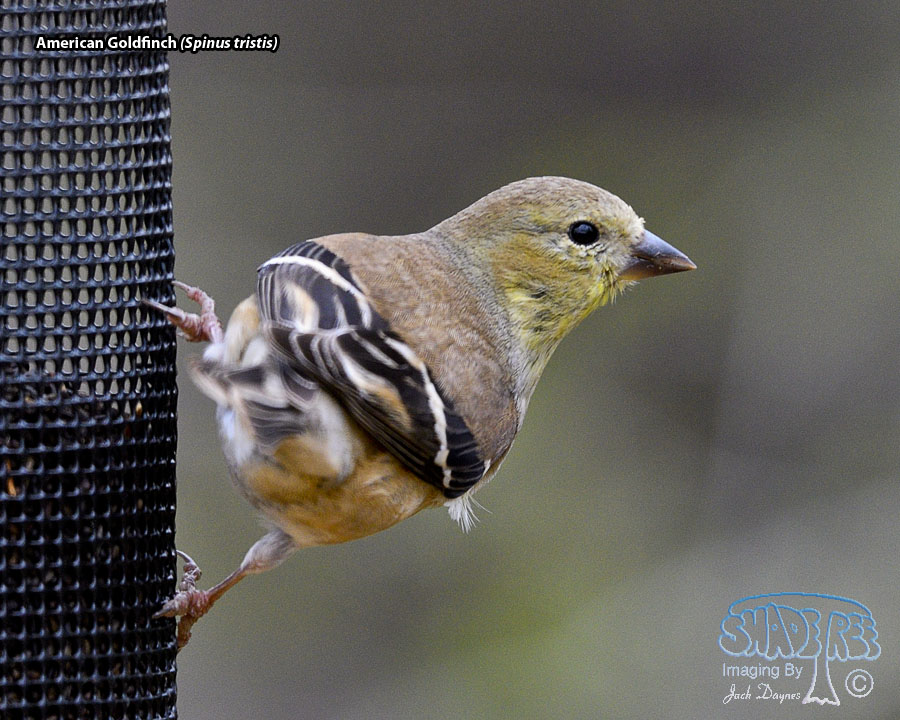
American Goldfinch(Spinus tristis) |
|
Description: I’d missed meeting American Goldfinches in Texas until I visited the seed feeders at Bentsen RGV SP. The mercury rose to 30°F this morning from 22°F yesterday in south Texas. I had camped only a mile-and-a-half from Bentsen Rio Grande Valley State Park, so despite the cold, I ventured out for a couple of hours, until my hands began complaining of the low temperature. |
Date Taken: 2021:02:16 11:18 |
|
Location:
Bentsen RGV State Park |
|
Camera Information: NIKON D5, 800 mm, f/8.0, 1/500 |
File Name: AmericanGoldfinch_D5X2083-Bentsen-RGV-SP |
| © 2021 Jack Daynes, shadeTreeImaging.com |
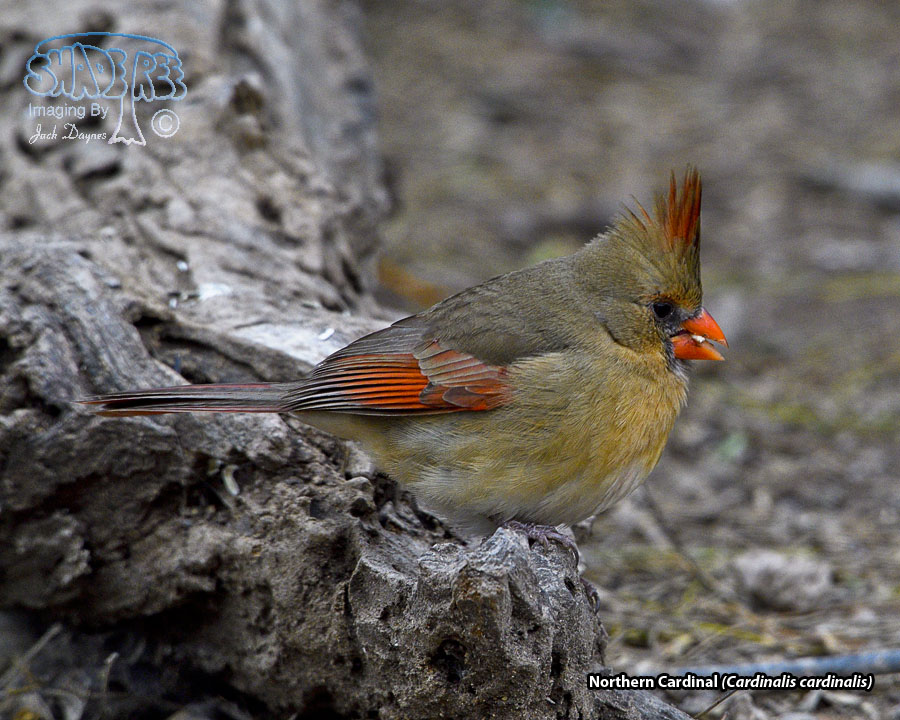
Northern Cardinal(Cardinalis cardinalis) |
|
Description: Cardinals were among the birds enjoying the seed feeders at Bentsen RGV SP this cold morning. The mercury rose to 30°F this morning from 22°F yesterday in south Texas. I had camped only a mile-and-a-half from Bentsen Rio Grande Valley State Park, so despite the cold, I ventured out for a couple of hours, until my hands began complaining of the low temperature. |
Date Taken: 2021:02:16 11:04 |
|
Location:
Bentsen RGV State Park |
|
Camera Information: NIKON D5, 800 mm, f/8.0, 1/800 |
File Name: NorthernCardinal_D5X2029-Bentsen-RGV-SP |
| © 2021 Jack Daynes, shadeTreeImaging.com |
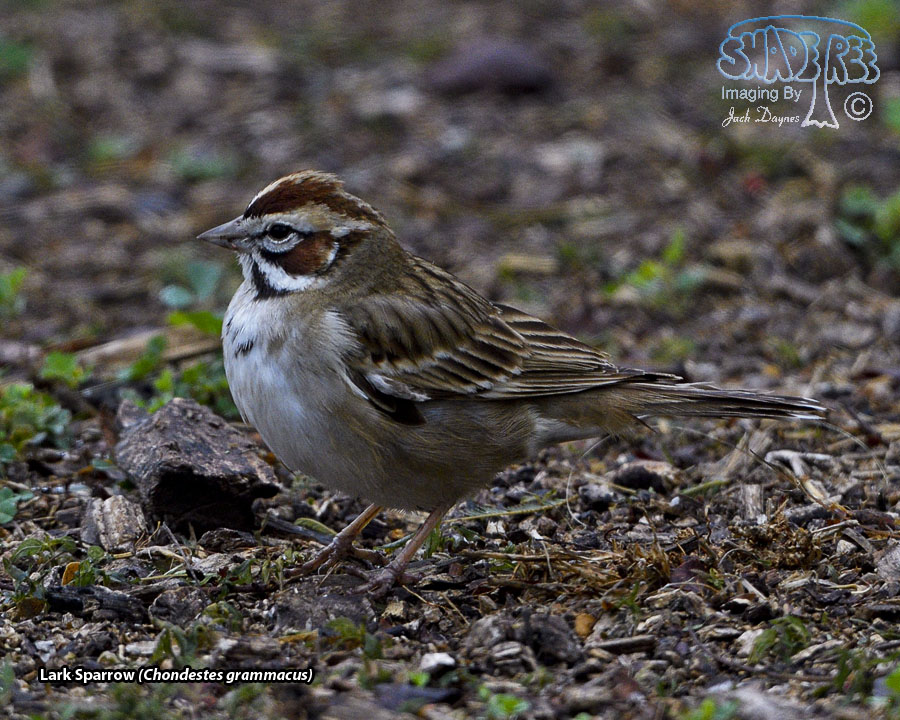
Lark Sparrow(Chondestes grammacus) |
|
Description: I’d seen Lark Sparrows elsewhere in Texas, but until this day, they were too shy for decent photographs. I visited Bentsen Rio Grande Valley State Park Friday, three days earlier during a freak cold weather event that had a firm grip on most life forms. With my repaired bicycle under me, and somewhat warmer weather, I explored all the paths the park would allow and spent a lovely day capturing wildlife images. |
Date Taken: 2021:02:18 9:25 |
|
Location:
Bentsen RGV State Park |
|
Camera Information: NIKON D5, 800 mm, f/8.0, 1/800 |
File Name: LarkSparrow_D5X2591-Bentsen-RGV-SP |
| © 2021 Jack Daynes, shadeTreeImaging.com |
Click map markers to reveal further information
