

Thirty miles east of Kingman Arizona, in the high country south of I-40, where the Big Sandy River and the Santa Maria River join, the Bill Williams River begins its 46 mile journey to the Colorado River at Lake Havasu. Rain in Arizona comes fast and hard when it comes, and then there are long periods when water is scarce. Accordingly, this small river delivers water to the Colorado in “feast-or-famine” fashion.
Planet Ranch was a mining operation 9 or 10 Miles upstream from the junction with the Colorado River. Mining operations began in 1863 and continued until 1937. It may be the earliest copper mine to open in Arizona. In 1968, the Army Corps of Engineers built a flood control dam 42 miles upstream from the river mouth, forming Alamo Lake. In 1984, the city of Scottsdale Arizona, spent $11.7 million to buy the Planet Ranch, with hopes to claim water rights to the Bill Williams River. Legislation soon followed to protect the rural areas from being robbed of their resources by the highest bidder (does this remind anyone of Mulholland’s stealing the Owens Valley water rights to send the resource to Los Angeles?). This left Scottsdale holding the bag. Their folly became magnified when they attempted to raise alfalfa on the land, as it was required to maintain the water rights, and the city ended up spending $1.18 million more to raise crops worth $626,341.
While various state and county agencies and private developers argue about how to manage the “resource”, for now the area offers interested birders and outdoor enthusiasts an opportunity to explore the area and enjoy what’s left of its natural beauty. A rough dirt road leaves Route 95 just south of the Bill Williams River Mouth and gates block a little more than 3 miles east, vehicle traffic. A broad, sandy river bottom trail leads from there through a vast cottonwood bosque where one might meet many riparian passerine species and desert dwellers.
Downstream at the Colorado River, waterfowl in season abound. Grebes, ducks, gulls, and possibly other species might float and dive in the edge waters of the delta at Lake Havasu. Near the Visitor Center there is a man-made peninsula with a trail leading about 0.4 miles with lookouts and stopping points along the way, where interested observers can enjoy bird viewing.
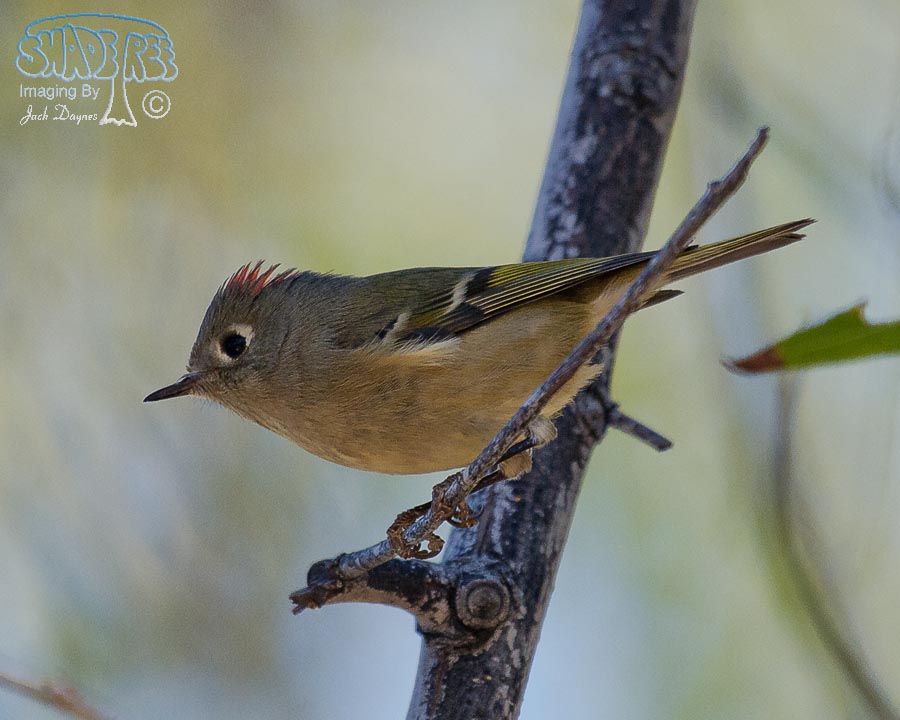
Ruby-Crowned Kinglet(Regulus calendula) |
|
Description: Planet Ranch bosque on the eastern side of Bill Williams NWR in Arizona. North of Parker, Arizona. |
Date Taken: 2014:11:25 12:44 |
|
Location:
Bill Williams NWR |
|
Camera Information: NIKON D3X, 800 mm, f/8.0, 1/320 |
File Name: D3X2202-RubyCrownedKinglet |
| © 2014 Jack Daynes, shadeTreeImaging.com |

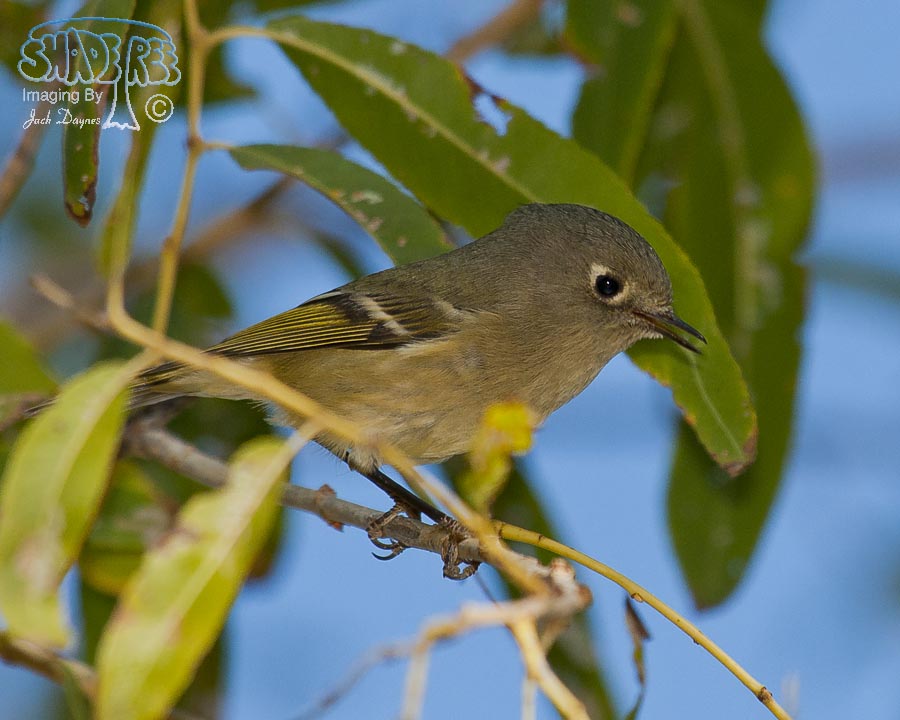
Ruby-Crowned Kinglet(Regulus calendula) |
|
Description: Planet Ranch bosque on the eastern side of Bill Williams NWR in Arizona. North of Parker, Arizona. |
Date Taken: 2014:11:25 12:48 |
|
Location:
Bill Williams NWR |
|
Camera Information: NIKON D3X, 800 mm, f/8.0, 1/640 |
File Name: D3X2222-RubyCrownedKinglet |
| © 2014 Jack Daynes, shadeTreeImaging.com |
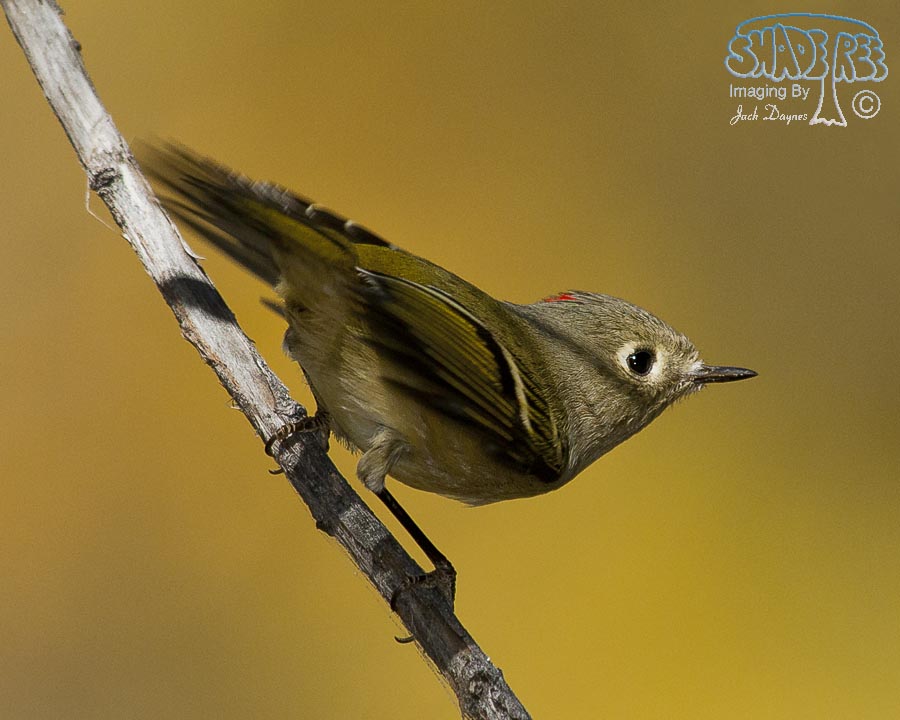
Ruby-Crowned Kinglet(Regulus calendula) |
|
Description: Planet Ranch bosque on the eastern side of Bill Williams NWR in Arizona. North of Parker, Arizona. |
Date Taken: 2014:11:25 12:53 |
|
Location:
Bill Williams NWR |
|
Camera Information: NIKON D3X, 800 mm, f/8.0, 1/1600 |
File Name: D3X2247-RubyCrownedKinglet |
| © 2014 Jack Daynes, shadeTreeImaging.com |
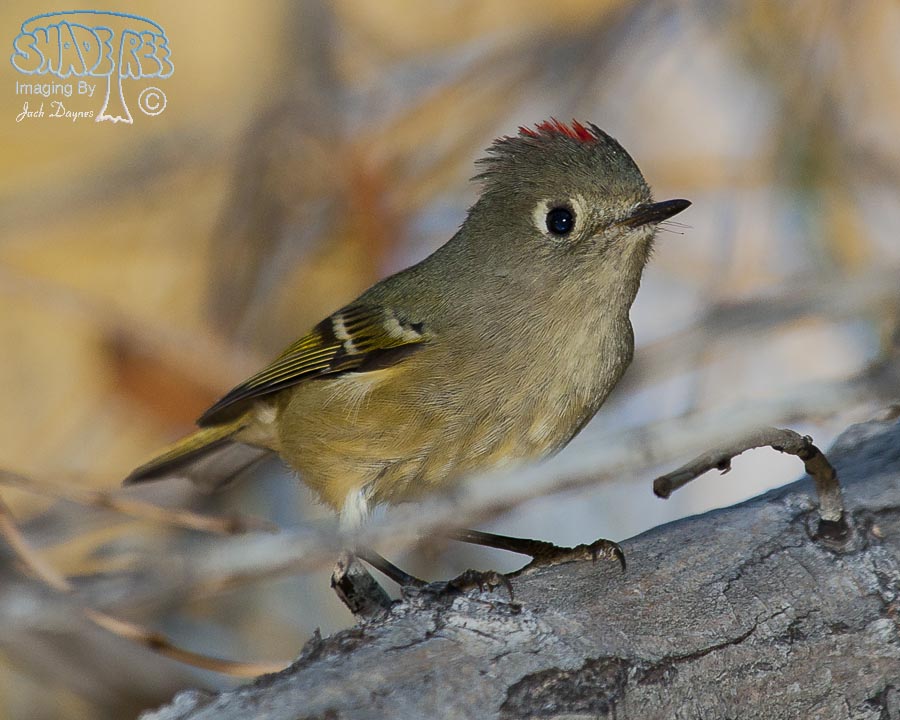
Ruby-Crowned Kinglet(Regulus calendula) |
|
Description: Planet Ranch bosque on the eastern side of Bill Williams NWR in Arizona. North of Parker, Arizona. |
Date Taken: 2014:11:25 12:54 |
|
Location:
Bill Williams NWR |
|
Camera Information: NIKON D3X, 800 mm, f/8.0, 1/500 |
File Name: D3X2259-RubyCrownedKinglet |
| © 2014 Jack Daynes, shadeTreeImaging.com |
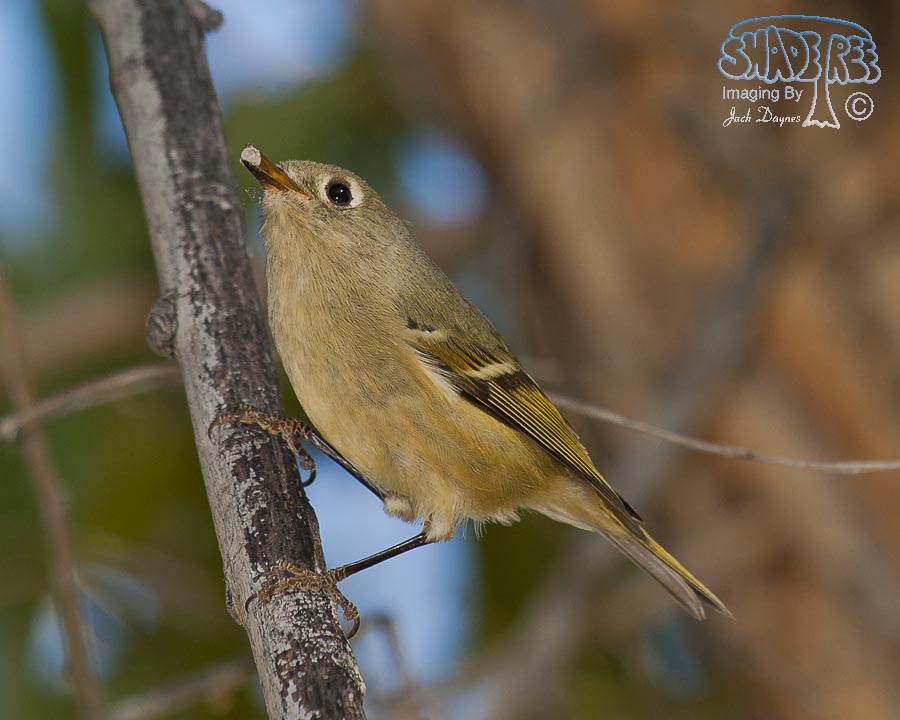
Ruby-Crowned Kinglet(Regulus calendula) |
|
Description: Planet Ranch bosque on the eastern side of Bill Williams NWR in Arizona. North of Parker, Arizona. |
Date Taken: 2014:11:25 13:00 |
|
Location:
Planet Ranch |
|
Camera Information: NIKON D3X, 800 mm, f/8.0, 1/200 |
File Name: D3X2273-RubyCrownedKinglet |
| © 2014 Jack Daynes, shadeTreeImaging.com |
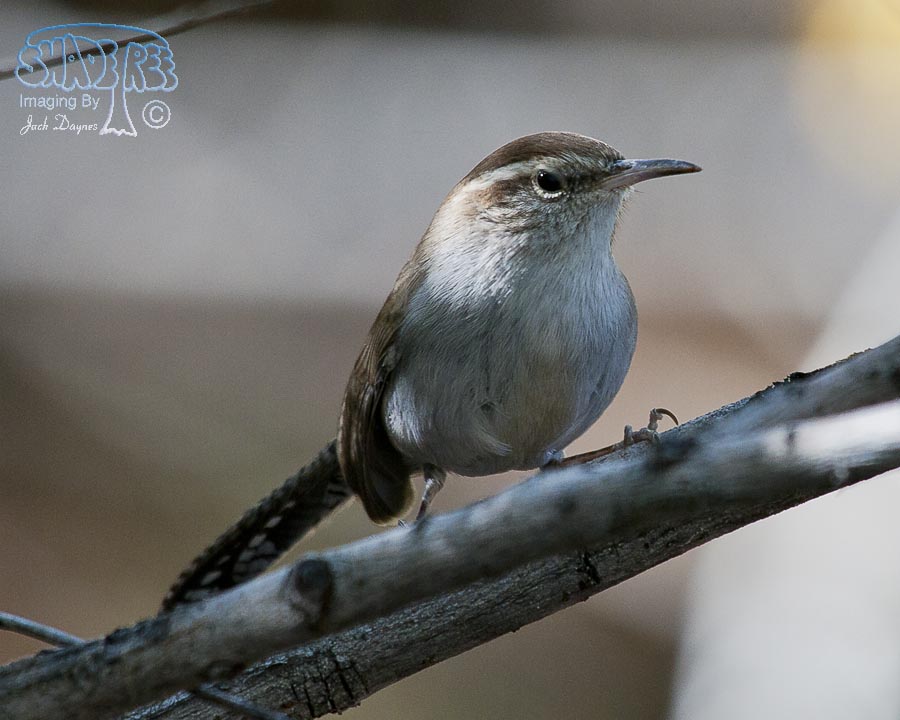
Bewick's Wren(Thryomanes bewickii) |
|
Description: Planet Ranch bosque on the eastern side of Bill Williams NWR in Arizona. North of Parker, Arizona. |
Date Taken: 2014:11:25 13:30 |
|
Location:
Planet Ranch |
|
Camera Information: NIKON D3X, 800 mm, f/8.0, 1/200 |
File Name: D3X2289-BewicksWren |
| © 2014 Jack Daynes, shadeTreeImaging.com |
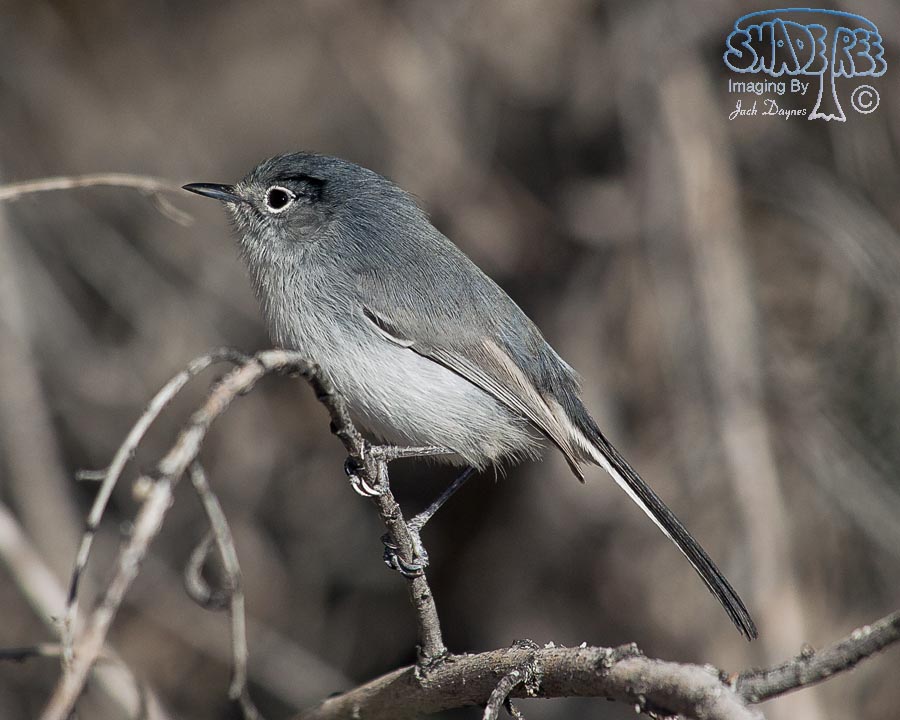
Black-Tailed Gnatcatcher(Polioptila melanura) |
|
Description: Planet Ranch bosque on the eastern side of Bill Williams NWR in Arizona. North of Parker, Arizona. |
Date Taken: 2014:11:25 13:39 |
|
Location:
Planet Ranch |
|
Camera Information: NIKON D3X, 800 mm, f/8.0, 1/1600 |
File Name: D3X2298-BlackTailedGnatCatcher |
| © 2014 Jack Daynes, shadeTreeImaging.com |
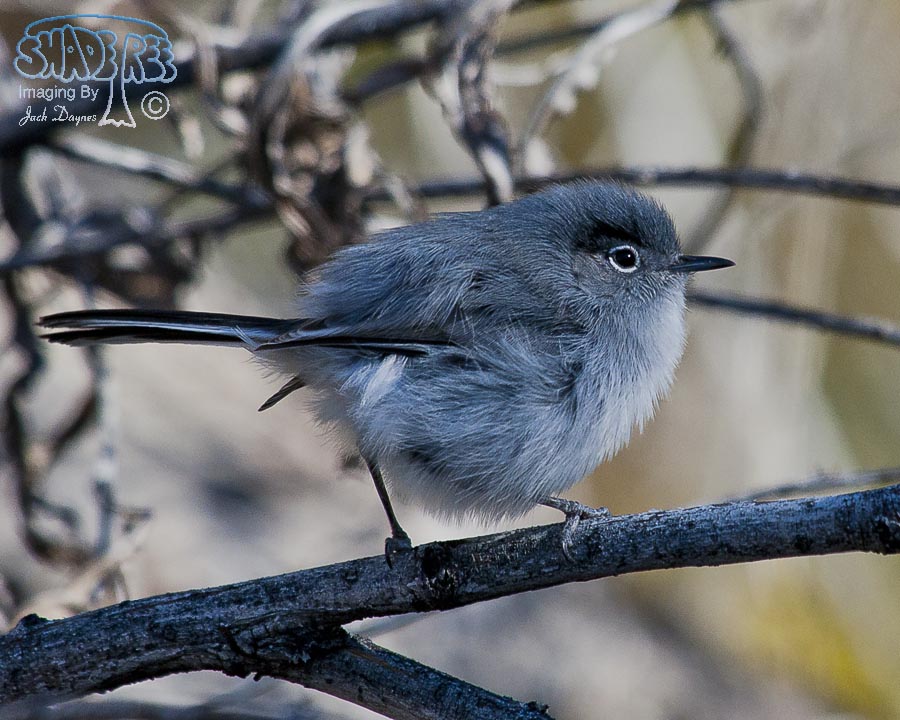
Black-Tailed Gnatcatcher(Polioptila melanura) |
|
Description: Planet Ranch bosque on the eastern side of Bill Williams NWR in Arizona. North of Parker, Arizona. |
Date Taken: 2014:11:25 13:41 |
|
Location:
Planet Ranch |
|
Camera Information: NIKON D3X, 800 mm, f/8.0, 1/800 |
File Name: D3X2318-BlackTailedGnatCatcher |
| © 2014 Jack Daynes, shadeTreeImaging.com |
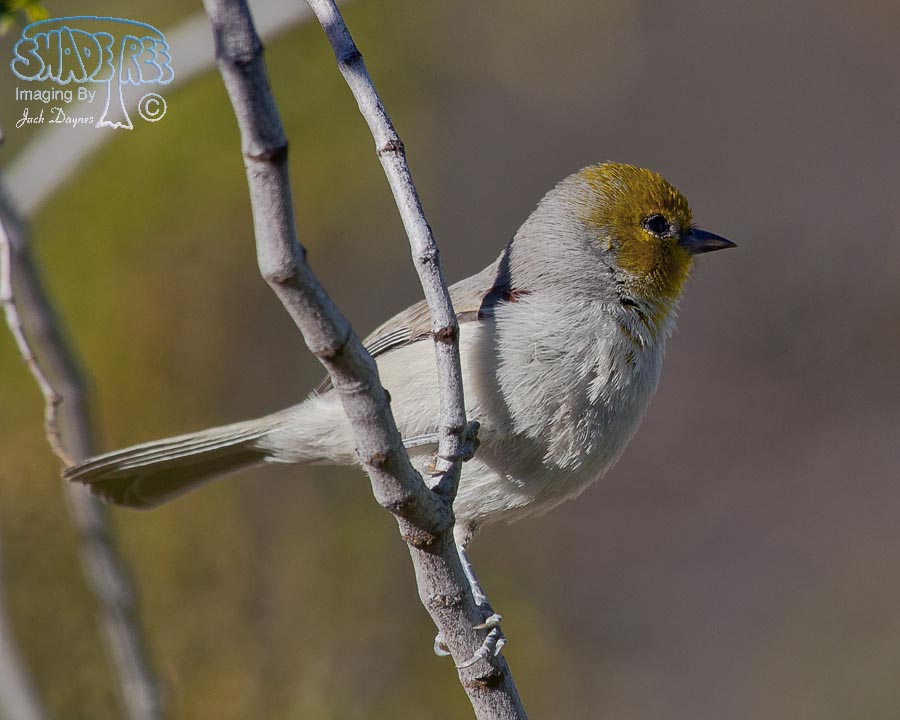
Verdin(Auriparus flaviceps) |
|
Description: Planet Ranch bosque on the eastern side of Bill Williams NWR in Arizona. North of Parker, Arizona. |
Date Taken: 2014:11:25 14:28 |
|
Location:
Planet Ranch |
|
Camera Information: NIKON D3X, 800 mm, f/8.0, 1/1250 |
File Name: D3X2352-Verdin |
| © 2014 Jack Daynes, shadeTreeImaging.com |
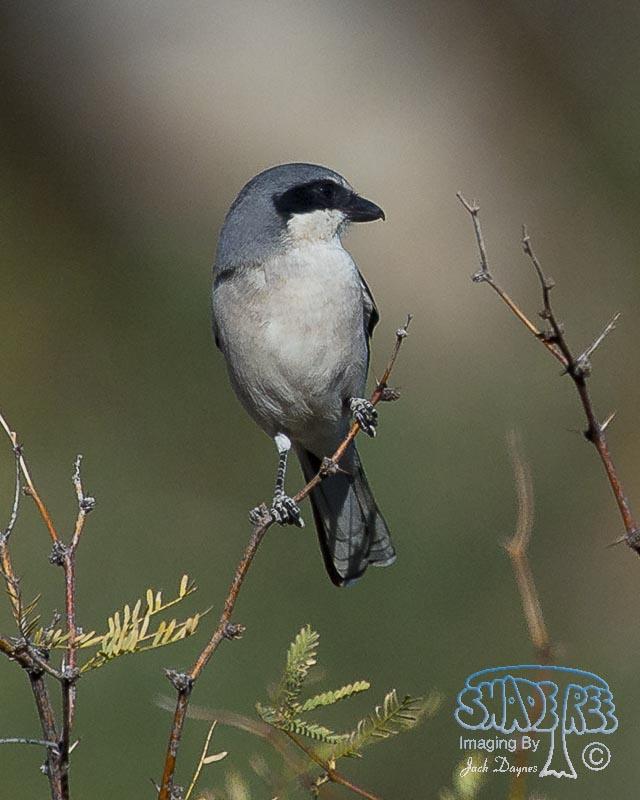
Loggerhead Shrike(Lanius ludovicianus) |
|
Description: Planet Ranch bosque on the eastern side of Bill Williams NWR in Arizona. North of Parker, Arizona. |
Date Taken: 2014:11:25 14:31 |
|
Location:
Planet Ranch |
|
Camera Information: NIKON D3X, 800 mm, f/8.0, 1/2500 |
File Name: D3X2358-LoggerHeadShrike |
| © 2014 Jack Daynes, shadeTreeImaging.com |
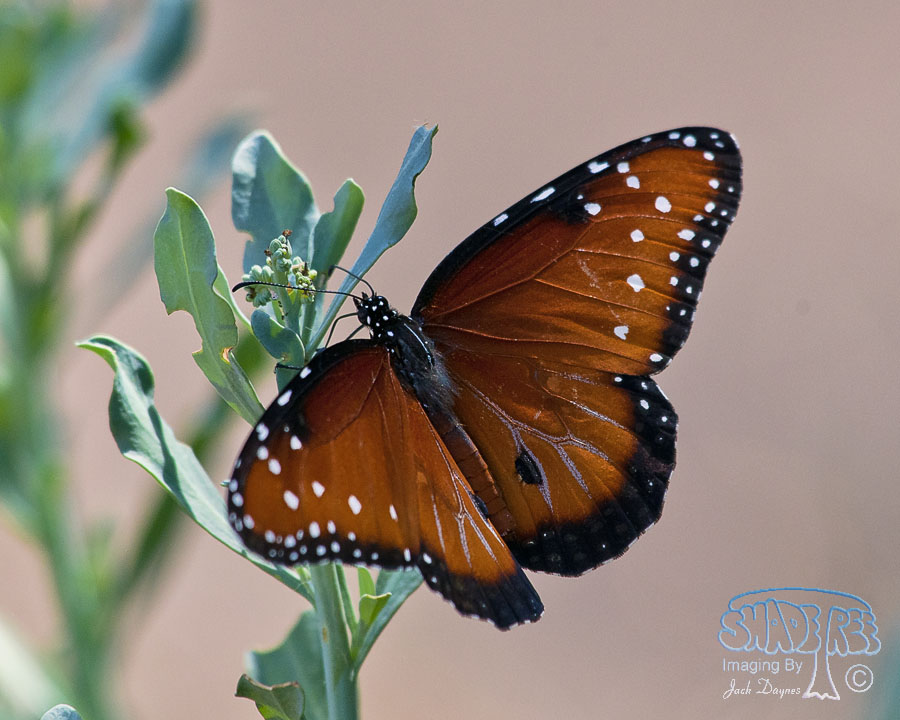
Queen Butterfly(Danaus gilippus) |
|
Description: I took a detour up the valley at Bill Williams River NWR north of Parker, Arizona. There I met some impressive scenery and local fuana. (2015-04-29) |
Date Taken: 2015:04:29 11:06 |
|
Location:
Planet Ranch |
|
Camera Information: NIKON D3X, 800 mm, f/9.0, 1/320 |
File Name: D3X8378-QueenButterfly |
| © 2015 Jack Daynes, shadeTreeImaging.com |
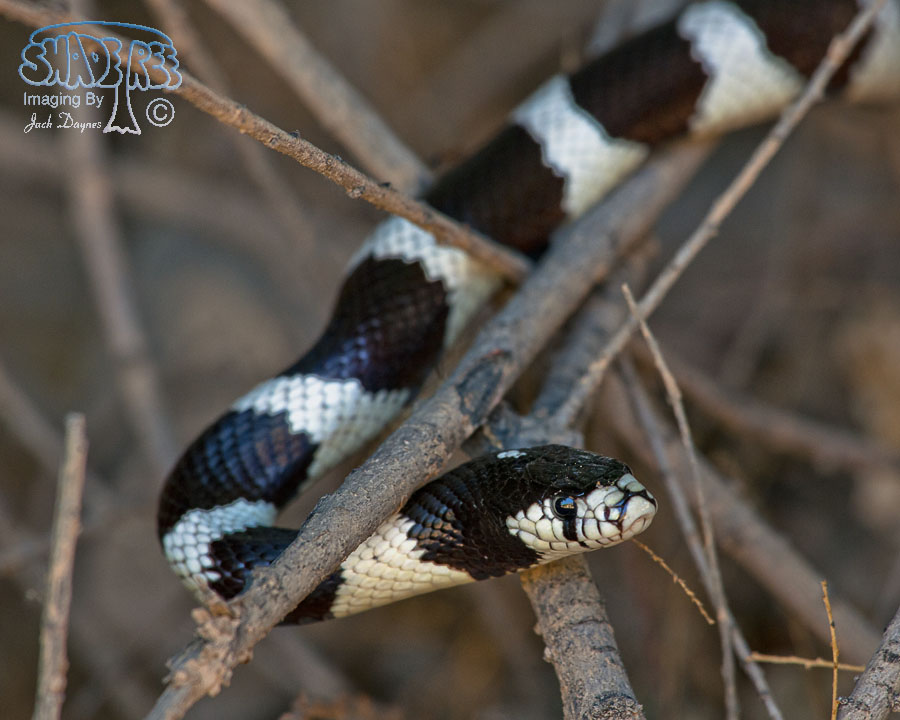
California Kingsnake(Lampropeltis getula californiae) |
|
Description: Planet Ranch bosque on the eastern side of Bill Williams NWR in Arizona. North of Parker, Arizona. |
Date Taken: 2015:04:29 11:33 |
|
Location:
Planet Ranch |
|
Camera Information: NIKON D3X, 800 mm, f/9.0, 1/80 |
File Name: D3X8383-CaliforniaKingSnake |
| © 2015 Jack Daynes, shadeTreeImaging.com |
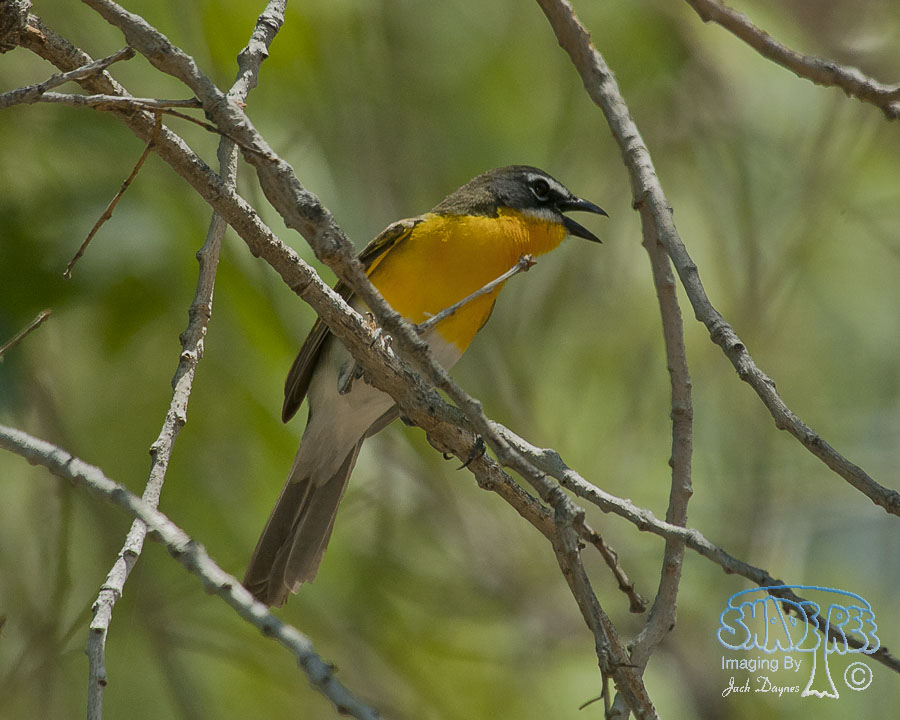
Yellow-Breasted Chat(Icteria virens) |
|
Description: Planet Ranch bosque on the eastern side of Bill Williams NWR in Arizona. North of Parker, Arizona. |
Date Taken: 2015:04:29 12:33 |
|
Location:
Planet Ranch |
|
Camera Information: NIKON D3X, 800 mm, f/9.0, 1/800 |
File Name: D3X8392-YellowBreastedChat |
| © 2015 Jack Daynes, shadeTreeImaging.com |
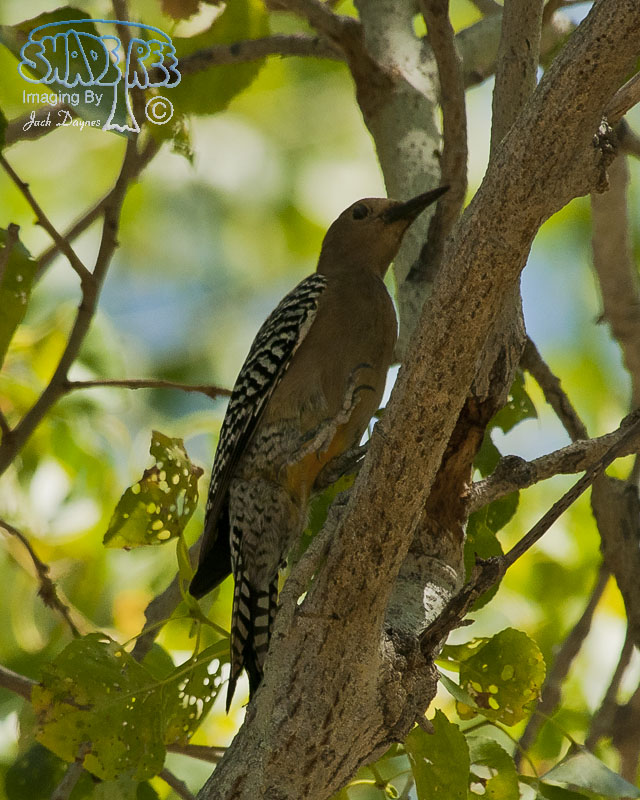
Gila Woodpecker(Melanerpes uropygialis) |
|
Description: Planet Ranch bosque on the eastern side of Bill Williams NWR in Arizona. North of Parker, Arizona. |
Date Taken: 2015:04:29 12:44 |
|
Location:
Planet Ranch |
|
Camera Information: NIKON D3X, 800 mm, f/9.0, 1/1000 |
File Name: D3X8396-GilaWoodpecker |
| © 2015 Jack Daynes, shadeTreeImaging.com |
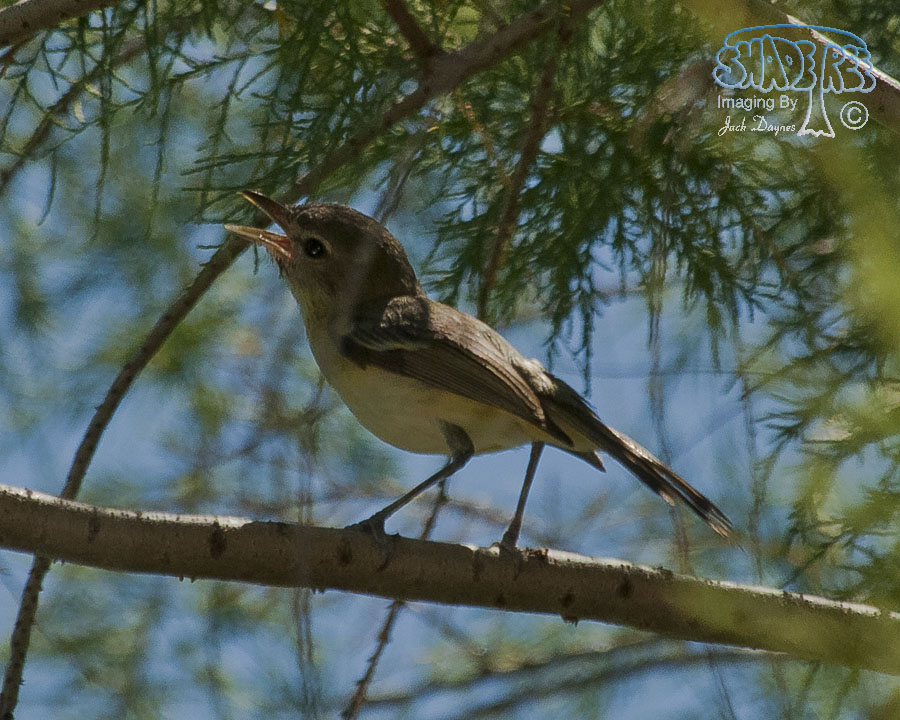
Bell's Vireo(Vireo bellii) |
|
Description: Planet Ranch bosque on the eastern side of Bill Williams NWR in Arizona. North of Parker, Arizona. |
Date Taken: 2015:04:29 13:04 |
|
Location:
Planet Ranch |
|
Camera Information: NIKON D3X, 800 mm, f/9.0, 1/1000 |
File Name: D3X8398-BellsVireo |
| © 2015 Jack Daynes, shadeTreeImaging.com |
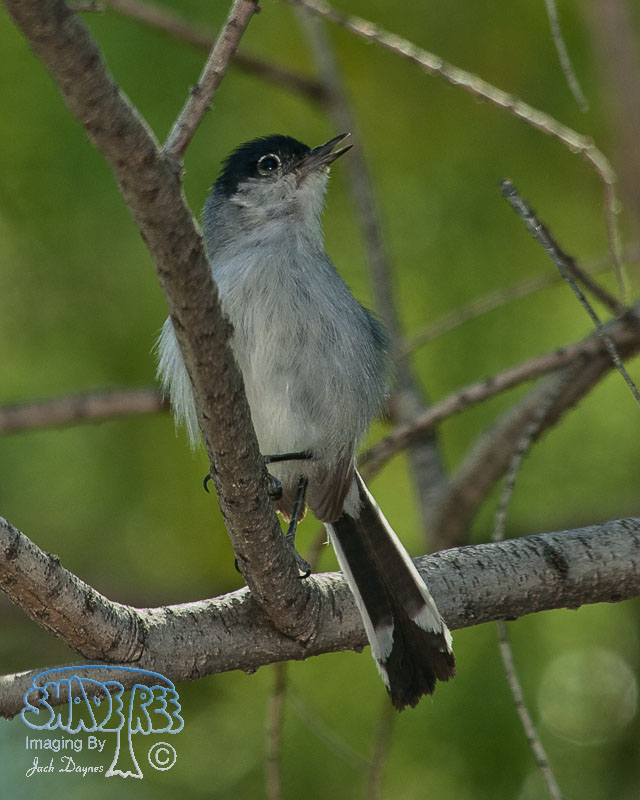
Black-Tailed Gnatcatcher(Polioptila melanura) |
|
Description: Planet Ranch bosque on the eastern side of Bill Williams NWR in Arizona. North of Parker, Arizona. |
Date Taken: 2015:04:29 13:11 |
|
Location:
Planet Ranch |
|
Camera Information: NIKON D3X, 800 mm, f/9.0, 1/320 |
File Name: D3X8403-BlackTailedGnatCatcher |
| © 2015 Jack Daynes, shadeTreeImaging.com |
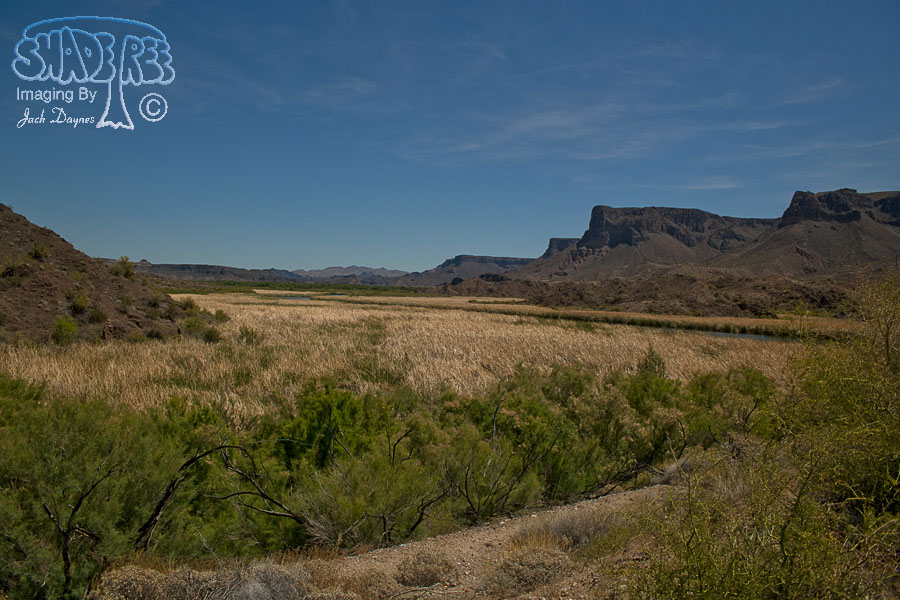
|
Description: The marsh at the delta of the Bill Williams River NWR north of Parker, Arizona. |
Date Taken: 2015:04:29 13:46 |
|
Location:
Planet Ranch |
|
Camera Information: NIKON D3X, 28 mm, f/9.0, 1/4000 |
File Name: D3X8407-BillWilliamsNWR-Scenery |
| © 2015 Jack Daynes, shadeTreeImaging.com |
Click map markers to reveal further information
