

Twice, I visited this gem of a bird sanctuary. My first explorations took place on 2020-02-23, as I traveled to Texas on my first birding expedition to the Lone Star State.
I scouted several of the trails at the Riparian Preserve in Gilbert after I arrived late Saturday afternoon, but I did not carry my camera. The light was fading, and I wanted to get a feel for this place I’d been hearing about for years. Given the developments of housing and light commercial buildings all around, it is surprising to find such a sample of nature in its midst. There are seven ponds squeezed into a single 110 acre lot, with 4½ miles of trails throughout the park. They don’t keep every pond full. I noticed two that were mere mudflats and others were only inches deep. But this is not a bad thing. It provides a wider variety of habitats.
One of the first birds I met on Sunday morning were Gila Woodpeckers. They were working the holes in the Saguaro Cactus at the east end of the parking lot. My first impression was that the birds might be preparing the excavated holes for nesting, potentially clearing out refuse from the many starlings who seemed to have taken over the area. After reviewing my images I discovered they were foraging on ants from inside the cavities.
I had never studied how Great-Tailed Grackles drink water before my visit on Sunday. I had a lovely encounter with a pair of these birds, and watched as a noisy male took a drink from a small pool on top of a rock. When taking on water, the bird turned its head upside-down and collected the water in its upper, decurved bill. I thought that was interesting!
I wasn’t on a mission that day to chase rarities. I was mostly getting acquainted with the “usual suspects” in the neighborhood. It was a most satisfying morning. The local citizens are lucky to have such a place to enjoy and explore.
My second visit here took place on 2020-11-12 as I headed east to spend time with friends in eastern Arizona’s Graham County, then later, in New Mexico before continuing on to Texas to enjoy birding there without the hindrance that the pandemic posed on my previous visit there.
It was a big day for me Thursday in Gilbert. The sun was at its harshest mid-day height when I arrived at the Water Ranch, but I stayed into the late afternoon when the rich, warm glow of a low winter sun shed on all my subjects.
I spent much of my time perched on my small folding stool at the edge of Pond #7, where I could observe the lonely, out of place Roseate Spoonbill that blew in a few months ago and has been staying here at the preserve. The nearest locations where this bird might belong are on the gulf coast of Texas or the southern Gulf of California coast of mainland Mexico. How it ended up in central Arizona is a mystery. Some believe it got caught up and carried here by a powerful summer storm. To the delight of local birders, it seems to have found a satisfying habitat at the Water Ranch, because it has remained here, making the best of its circumstances. Come spring, if hormones kick in, it will probably fly off in search of romance.

Most of the time during my vigil, the spoonbill foraged at the far end of the large pond from where I positioned myself. I took the distant images the bird gave me, watching and enjoying its side-to-side bill sweeping through the pond’s shallow water. Snowy Egrets seem to take advantage of the action, pouncing on the small fishy prey disturbed by the spoonbill’s foraging style. I’d seen this cooperative interspecies foraging before. This past spring in Texas, I watched as Snowy and Reddish Egrets followed the packs of spoonbills as they moved through the shallow water of the estuaries east of Brownsville.
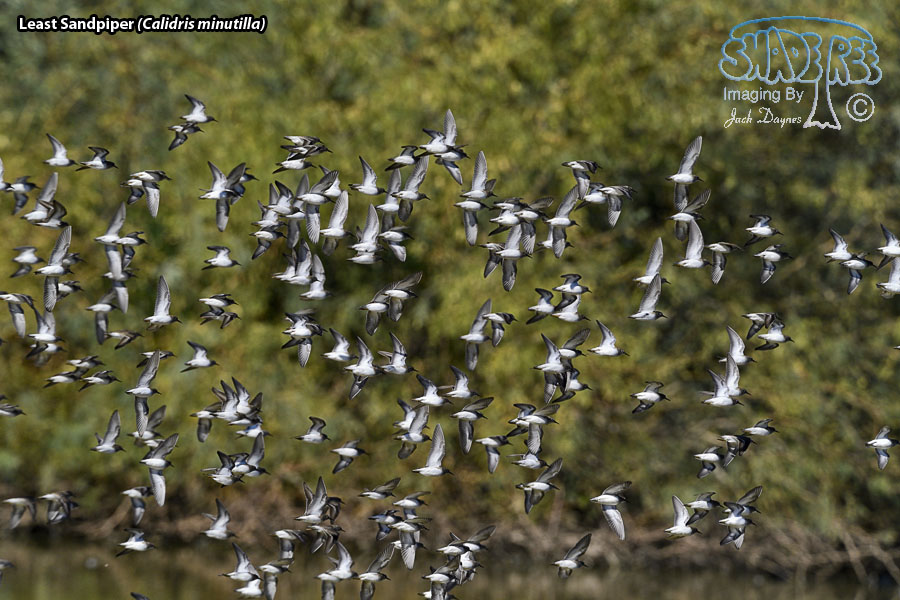
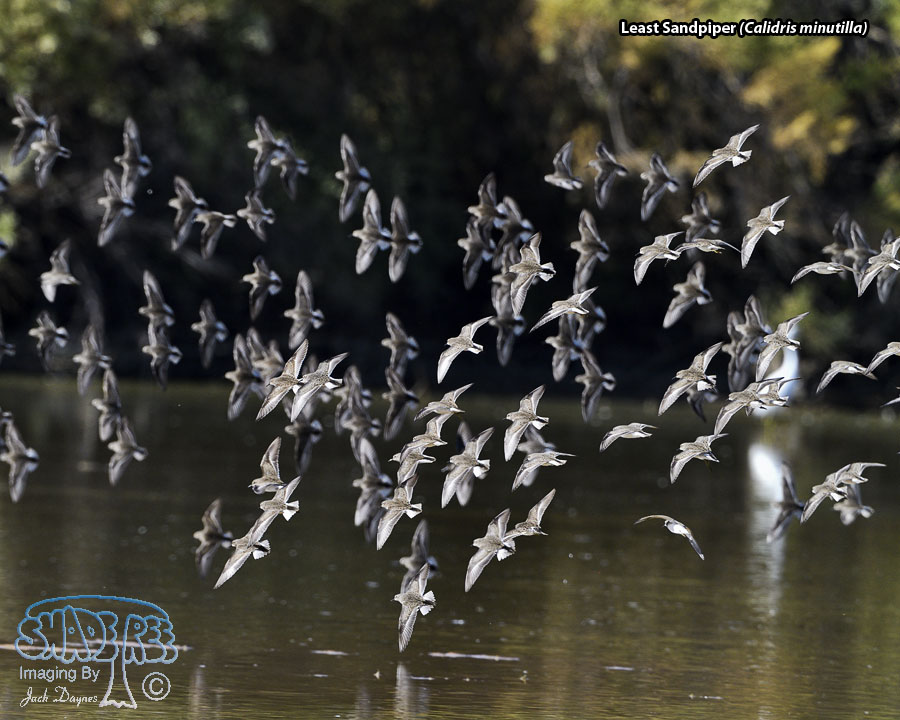
There were other attractions at the ranch to entertain me. I saw plenty of shorebirds. Though inconspicuous at a distance, there were many hundreds of Least Sandpipers mingling with the stilts, yellowlegs, avocets, dowitchers, ducks, and pelicans before me. When disturbed by passing raptors, these sparrow-sized shorebirds picked up and sallied over the pond in murmerating flights, wheeling and turning in near unison. During my shore-side vigil, calm waters provided me with reflecting images of the birds foraging in the nearby shallows.
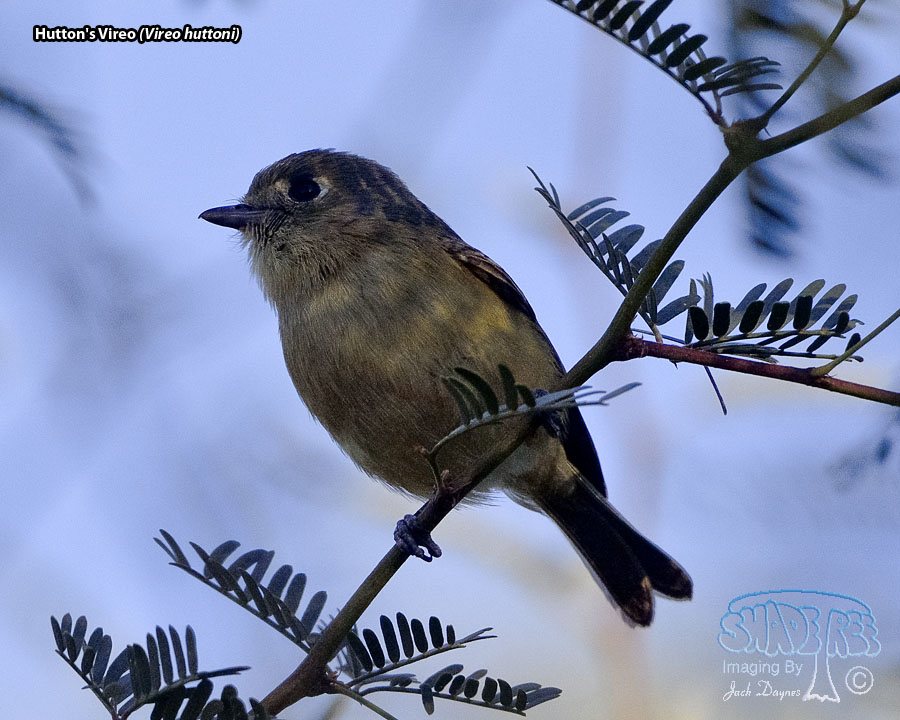
After several hours, I picked up my gear from the pond’s shore and continued my long hike along the trails that weaved through the preserve. I found flycatchers, towhees, vireos, and warblers working the thorny brush that lined the pathways. While I was near the eastern limit of the preserve near Pond #2, I heard unfamiliar calls. When I investigated the sounds, I discovered it was a Marsh Hawk making a racket while soaring in circles over the pond. I couldn’t tell what the fuss was over, but the bird’s behavior provided me with an opportunity to capture a series of airborne images.
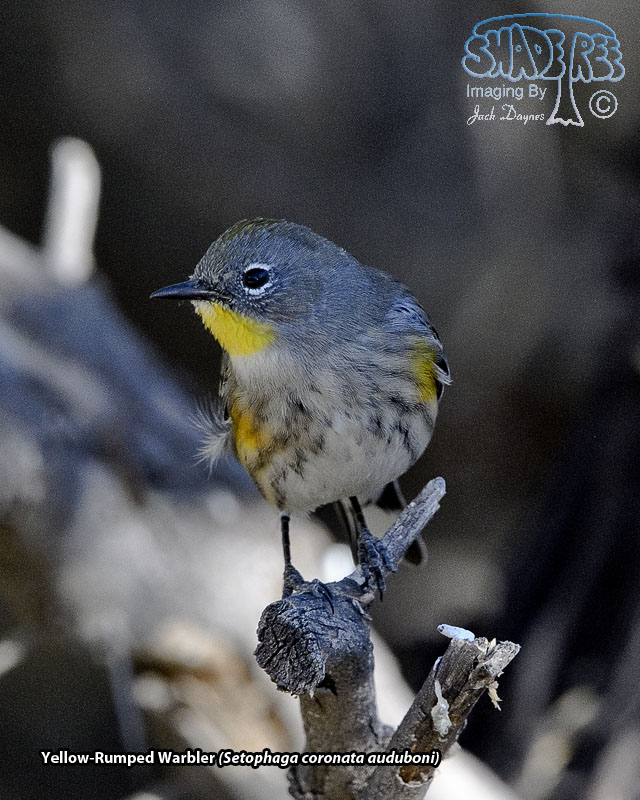
Yellow-Rumped Warbler(Setophaga coronata auduboni) |
|
Description: There were plenty of these winter visitors in the park. It was a lovely day at the Gilbert Water Ranch. The weather was mild, and the winds were calm. Gilbert is in the Greater Phoenix area of Arizona. |
Date Taken: 2020:11:11 15:35 |
|
Location:
Gilbert Water Ranch |
|
Camera Information: NIKON D5, 800 mm, f/8.0, 1/500 |
File Name: YellowRumpedWarbler_D5X0003-GilbertWaterRanch |
| © 2020 Jack Daynes, shadeTreeImaging.com |

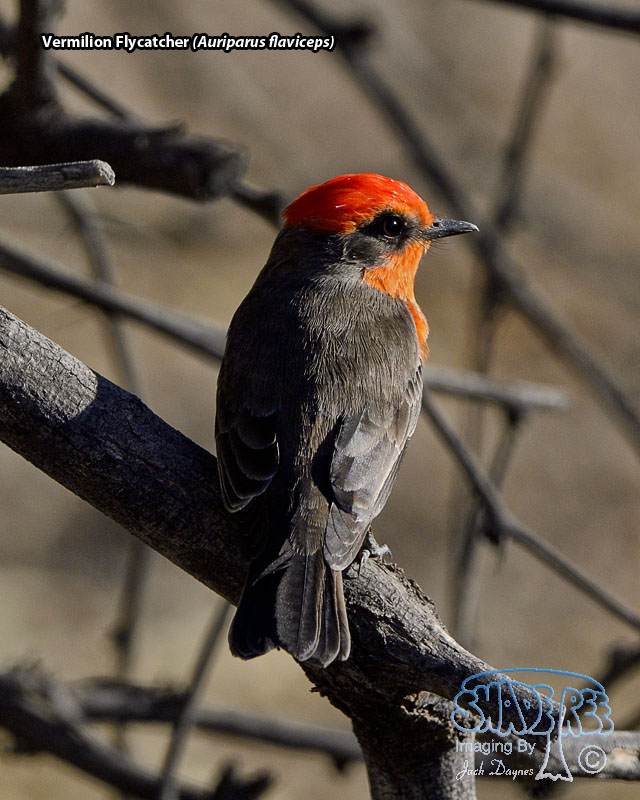
Vermilion Flycatcher(Pyrocephalus rubinus) |
|
Description: Male Vermilion Flycatchers are one of the brighter birds in the Arizona desert. It was a lovely day at the Gilbert Water Ranch. The weather was mild, and the winds were calm. Gilbert is in the Greater Phoenix area of Arizona. |
Date Taken: 2020:11:11 15:38 |
|
Location:
Gilbert Water Ranch |
|
Camera Information: NIKON D5, 800 mm, f/8.0, 1/2000 |
File Name: VermilionFlycatcatcher_D5X0051-GilbertWaterRanch |
| © 2020 Jack Daynes, shadeTreeImaging.com |
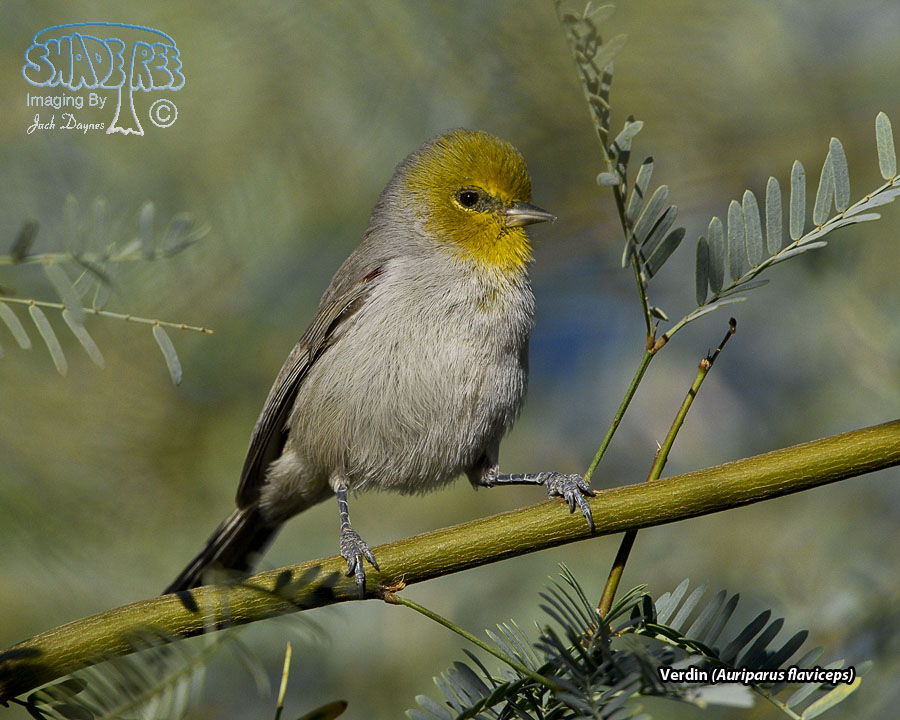
Verdin(Auriparus flaviceps) |
|
Description: Verdin are present year-round at the preserve. It was a lovely day at the Gilbert Water Ranch. The weather was mild, and the winds were calm. Gilbert is in the Greater Phoenix area of Arizona. |
Date Taken: 2020:11:11 16:04 |
|
Location:
Gilbert Water Ranch |
|
Camera Information: NIKON D5, 800 mm, f/8.0, 1/2000 |
File Name: Verdin_D5X0095-GilbertWaterRanch |
| © 2020 Jack Daynes, shadeTreeImaging.com |
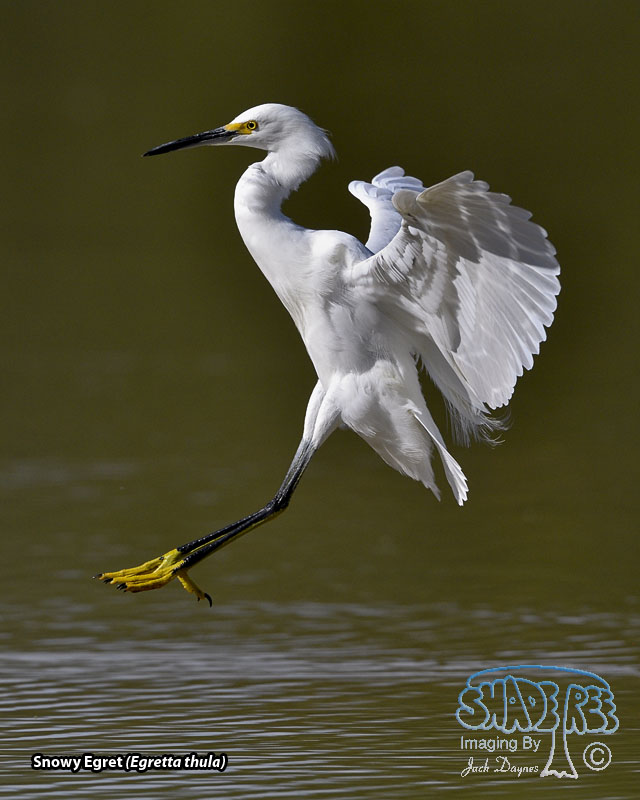
Snowy Egret(Egretta thula) |
|
Description: Snowy Egrets far outnumbered all other waders at the preserve. It was a lovely day at the Gilbert Water Ranch. The weather was mild, and the winds were calm. Gilbert is in the Greater Phoenix area of Arizona. |
Date Taken: 2020:11:11 13:36 |
|
Location:
Gilbert Water Ranch |
|
Camera Information: NIKON D5, 800 mm, f/8.0, 1/4000 |
File Name: SnowyEgret_D5X9387-GilbertWaterRanch |
| © 2020 Jack Daynes, shadeTreeImaging.com |
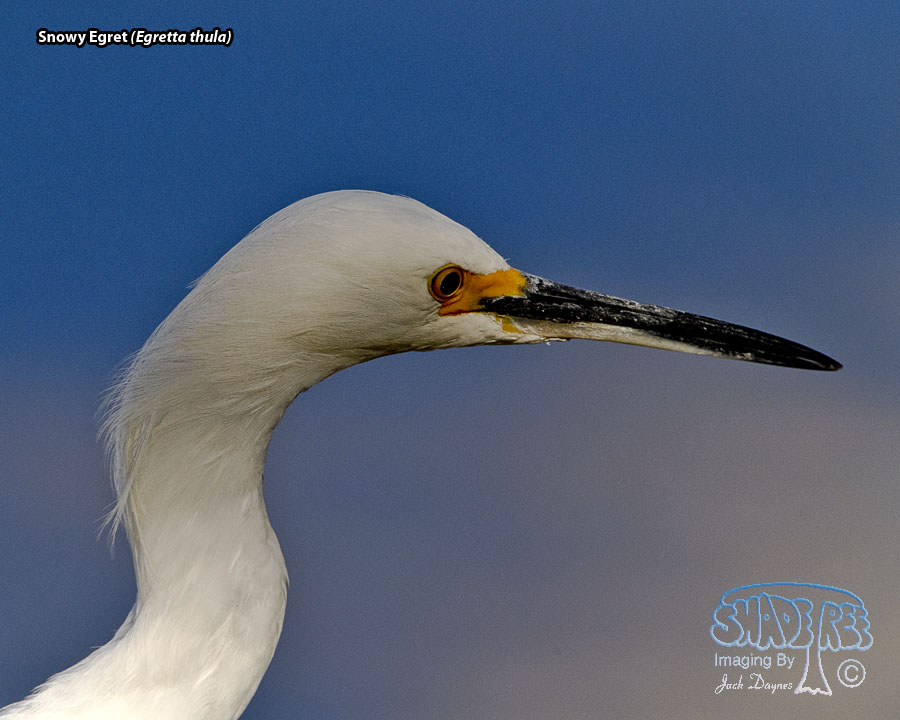
Snowy Egret(Egretta thula) |
|
Description: Snowy Egrets far outnumbered all other waders at the preserve. It was a lovely day at the Gilbert Water Ranch. The weather was mild, and the winds were calm. Gilbert is in the Greater Phoenix area of Arizona. |
Date Taken: 2020:11:11 13:08 |
|
Location:
Gilbert Water Ranch |
|
Camera Information: NIKON D5, 800 mm, f/8.0, 1/4000 |
File Name: SnowyEgret_D5X9086-GilbertWaterRanch |
| © 2020 Jack Daynes, shadeTreeImaging.com |
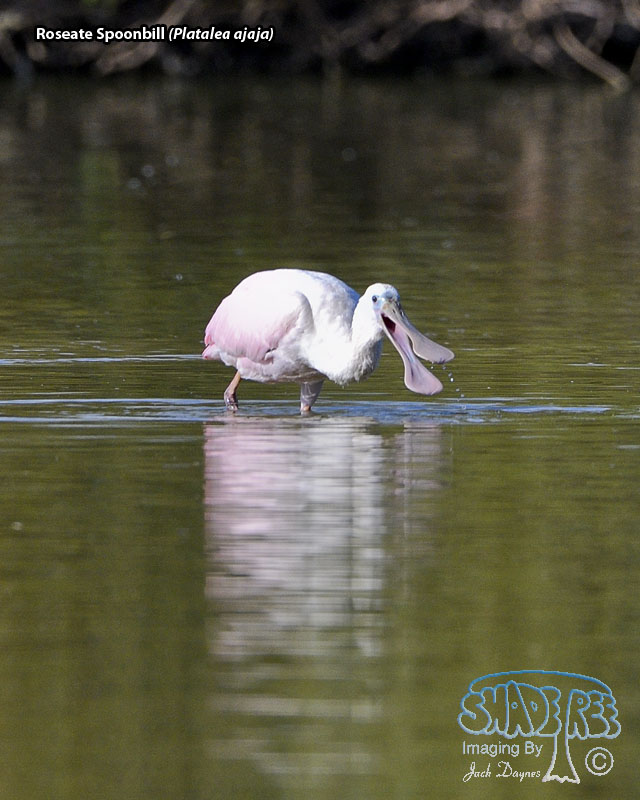
Roseate Spoonbill(Platalea ajaja) |
|
Description: This lonesome lost spoonbill found its way to Arizona and has delighted birders here all summer. It was a lovely day at the Gilbert Water Ranch. The weather was mild, and the winds were calm. Gilbert is in the Greater Phoenix area of Arizona. |
Date Taken: 2020:11:11 14:30 |
|
Location:
Gilbert Water Ranch |
|
Camera Information: NIKON D5, 800 mm, f/8.0, 1/2000 |
File Name: RoseateSpoonbill_D5X9621-GilbertWaterRanch |
| © 2020 Jack Daynes, shadeTreeImaging.com |
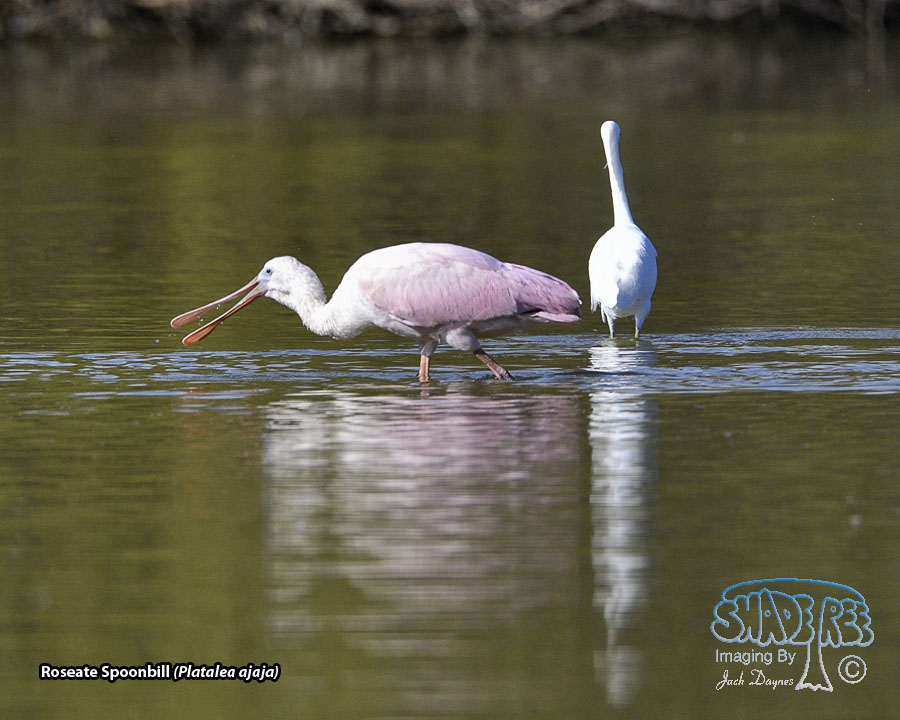
Roseate Spoonbill(Platalea ajaja) |
|
Description: This lonesome lost spoonbill found its way to Arizona and has delighted birders here all summer. It was a lovely day at the Gilbert Water Ranch. The weather was mild, and the winds were calm. Gilbert is in the Greater Phoenix area of Arizona. |
Date Taken: 2020:11:11 14:18 |
|
Location:
Gilbert Water Ranch |
|
Camera Information: NIKON D5, 800 mm, f/8.0, 1/4000 |
File Name: RoseateSpoonbill_D5X9536-GilbertWaterRanch |
| © 2020 Jack Daynes, shadeTreeImaging.com |
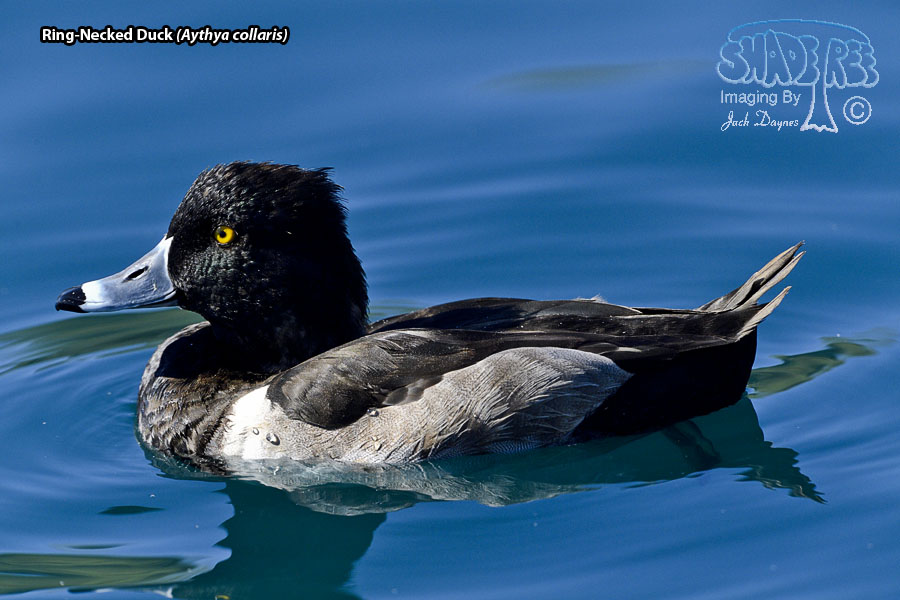
Ring-Necked Duck(Aythya collaris) |
|
Description: Ring-Necked Ducks were part of the congregation of ducks taking handouts of bread from children on the dock by the library building. It was a lovely day at the Gilbert Water Ranch. The weather was mild, and the winds were calm. Gilbert is in the Greater Phoenix area of Arizona. |
Date Taken: 2020:11:11 12:40 |
|
Location:
Gilbert Water Ranch |
|
Camera Information: NIKON D5, 800 mm, f/8.0, 1/2000 |
File Name: RingNeckedDuck_D5X8998-GilbertWaterRanch |
| © 2020 Jack Daynes, shadeTreeImaging.com |
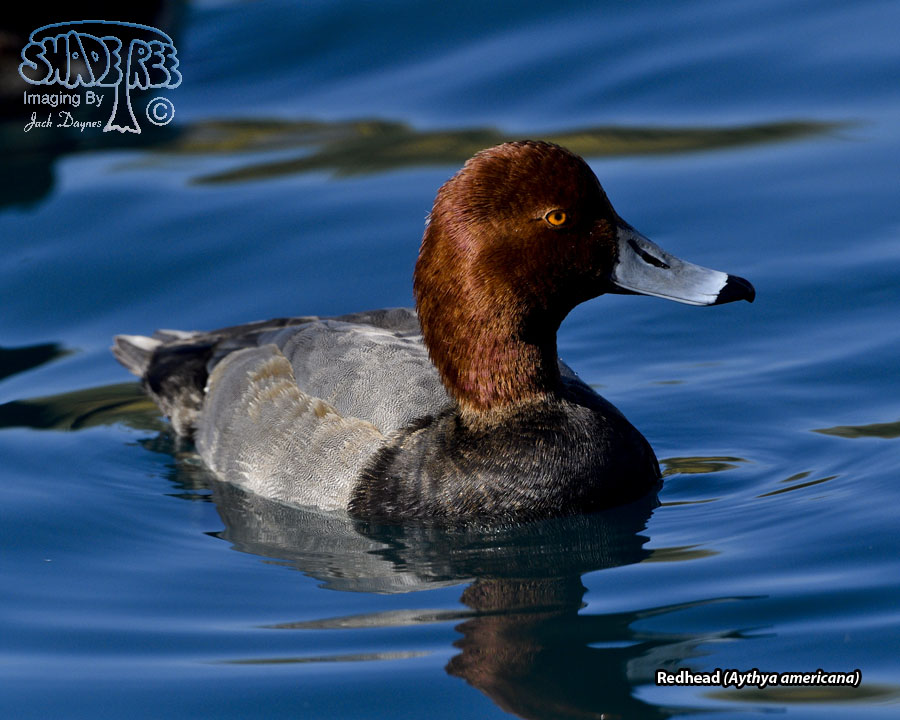
Redhead(Aythya americana) |
|
Description: This lone Redhead was part of the collection of ducks taking handouts of bread from children on the dock by the library building. It was a lovely day at the Gilbert Water Ranch. The weather was mild, and the winds were calm. Gilbert is in the Greater Phoenix area of Arizona. |
Date Taken: 2020:11:11 12:38 |
|
Location:
Gilbert Water Ranch |
|
Camera Information: NIKON D5, 800 mm, f/8.0, 1/4000 |
File Name: Redhead_D5X8963-GilbertWaterRanch |
| © 2020 Jack Daynes, shadeTreeImaging.com |
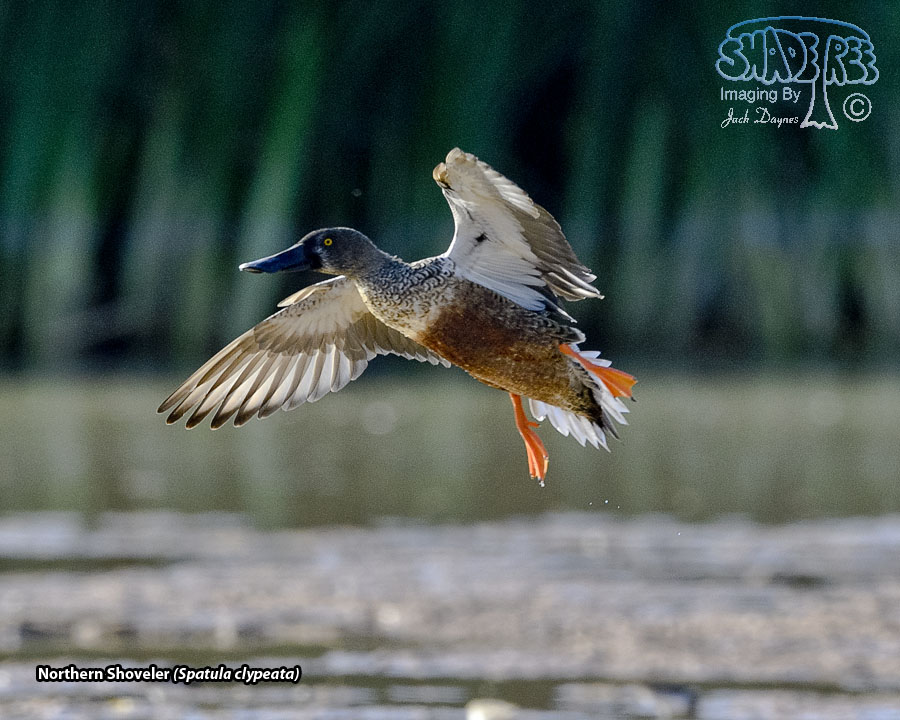
Northern Shoveler(Spatula clypeata) |
|
Description: Shovelers are specialized foragers. they have sieve-like filters (called lamellae) at the edges of their bill for filtering small food items from the water's shallows. |
Date Taken: 2020:11:11 15:06 |
|
Location:
Gilbert Water Ranch |
|
Camera Information: NIKON D5, 800 mm, f/8.0, 1/1000 |
File Name: NorthernShoveler_D5X9759-GilbertWaterRanch |
| © 2020 Jack Daynes, shadeTreeImaging.com |
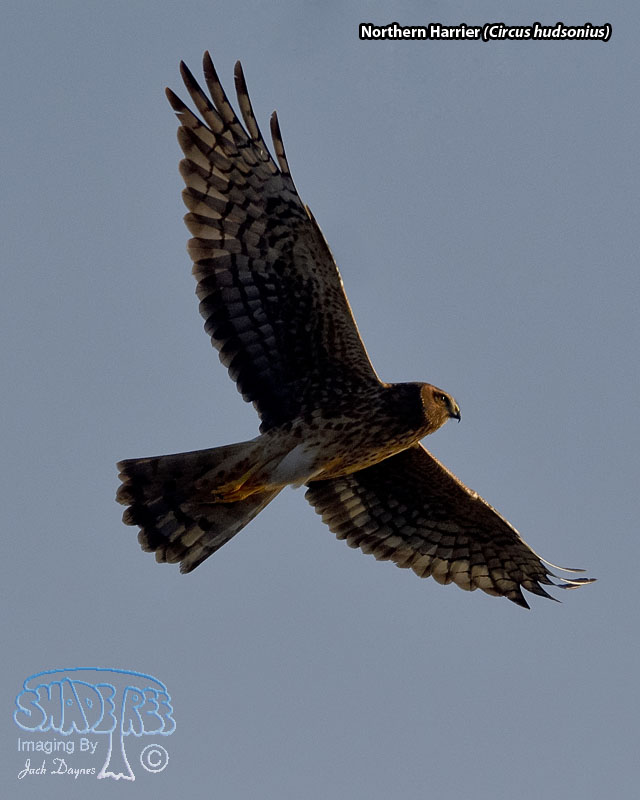
Northern Harrier(Circus hudsonius) |
|
Description: This Marsh Hawk was making such a racket with its vocalizations, it caught my attention. It was a lovely day at the Gilbert Water Ranch. The weather was mild, and the winds were calm. Gilbert is in the Greater Phoenix area of Arizona. |
Date Taken: 2020:11:11 16:09 |
|
Location:
Gilbert Water Ranch |
|
Camera Information: NIKON D5, 800 mm, f/8.0, 1/8000 |
File Name: NorthernHarrier_D5X0205-GilbertWaterRanch |
| © 2020 Jack Daynes, shadeTreeImaging.com |
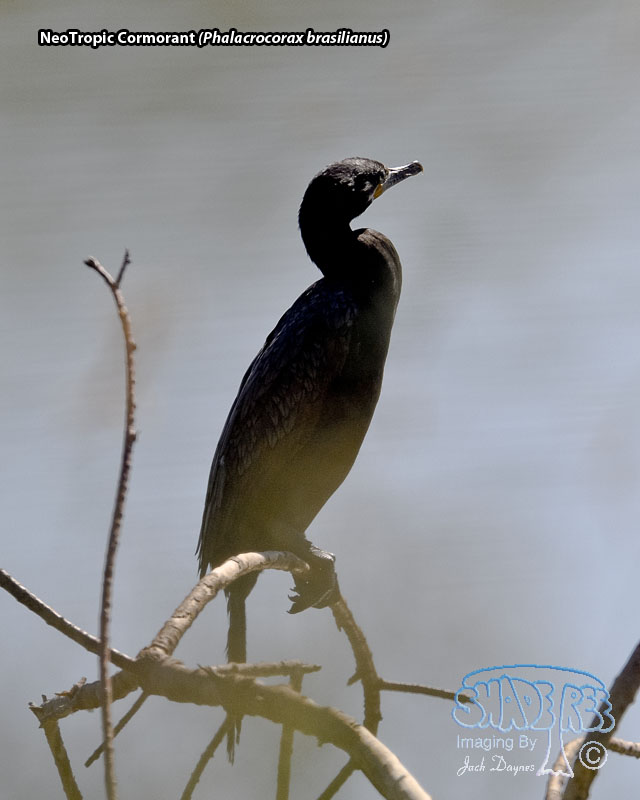
Neotropic Cormorant(Phalacrocorax brasilianus) |
|
Description: I would have expected to see more Double-Crested Cormorants here, but these smaller Neotropics were all that I met. It was a lovely day at the Gilbert Water Ranch. The weather was mild, and the winds were calm. Gilbert is in the Greater Phoenix area of Arizona. |
Date Taken: 2020:11:11 12:18 |
|
Location:
Gilbert Water Ranch |
|
Camera Information: NIKON D5, 800 mm, f/8.0, 1/8000 |
File Name: NeoTropicCormorant_D5X8935-GilbertWaterRanch |
| © 2020 Jack Daynes, shadeTreeImaging.com |
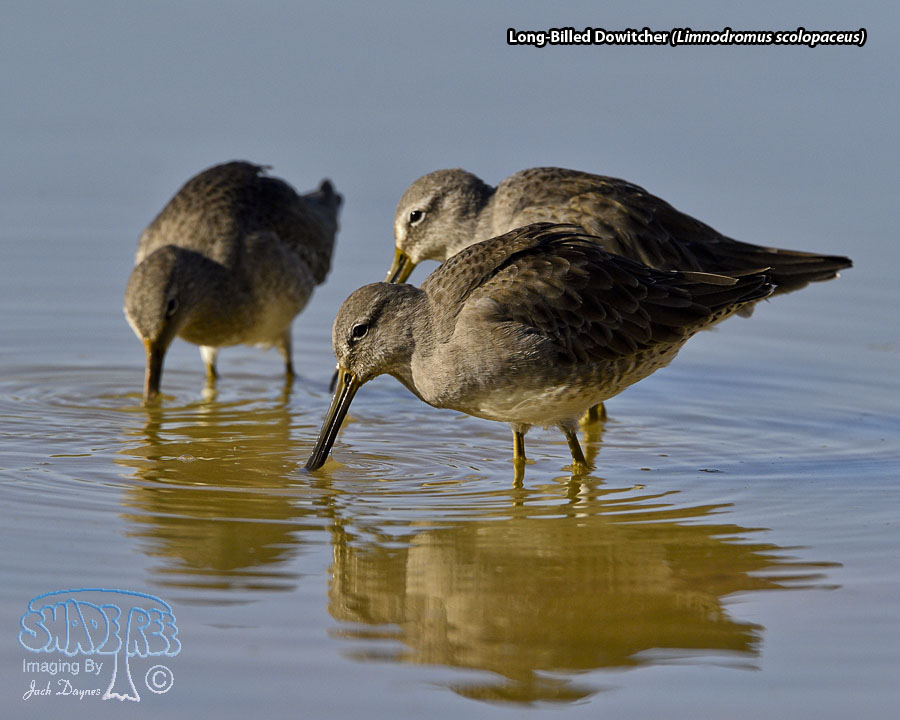
Long-Billed Dowitcher(Limnodromus scolopaceus) |
|
Description: Distinguishing dowitcher species is a challenge. Because of the habitat, I chose to name these birds “Long-Billed”. It was a lovely day at the Gilbert Water Ranch. The weather was mild, and the winds were calm. Gilbert is in the Greater Phoenix area of Arizona. |
Date Taken: 2020:11:11 15:05 |
|
Location:
Gilbert Water Ranch |
|
Camera Information: NIKON D5, 800 mm, f/8.0, 1/4000 |
File Name: LongBilledDowitcher_D5X9741-GilbertWaterRanch |
| © 2020 Jack Daynes, shadeTreeImaging.com |
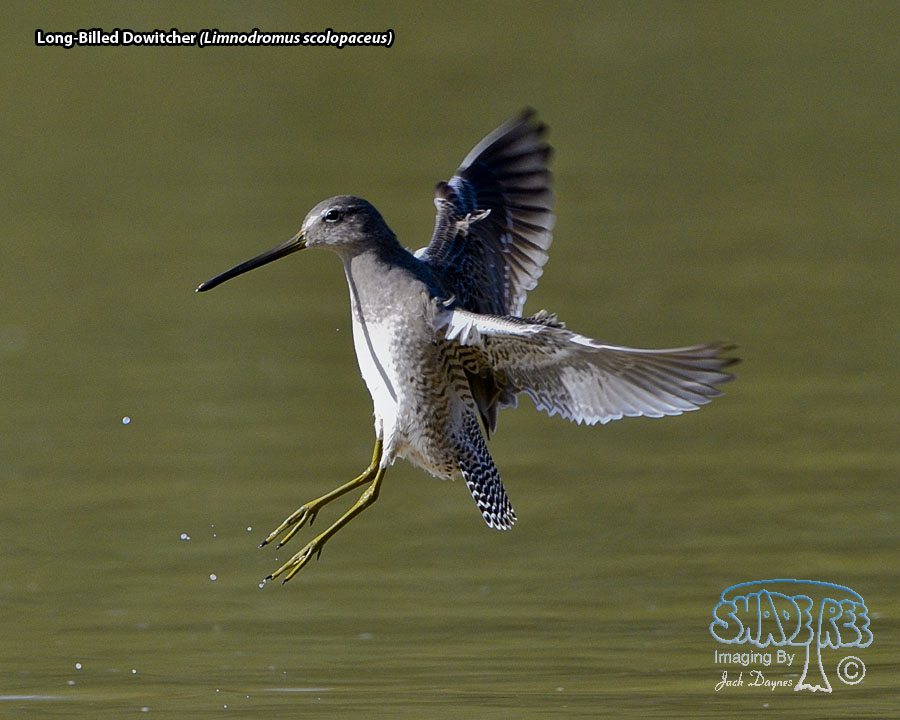
Long-Billed Dowitcher(Limnodromus scolopaceus) |
|
Description: Distinguishing dowitcher species is a challenge. Because of the habitat, I chose to name this bird “Long-Billed”. It was a lovely day at the Gilbert Water Ranch. The weather was mild, and the winds were calm. Gilbert is in the Greater Phoenix area of Arizona. |
Date Taken: 2020:11:11 14:15 |
|
Location:
Gilbert Water Ranch |
|
Camera Information: NIKON D5, 800 mm, f/8.0, 1/2000 |
File Name: LongBilledDowitcher_D5X9516-GilbertWaterRanch |
| © 2020 Jack Daynes, shadeTreeImaging.com |
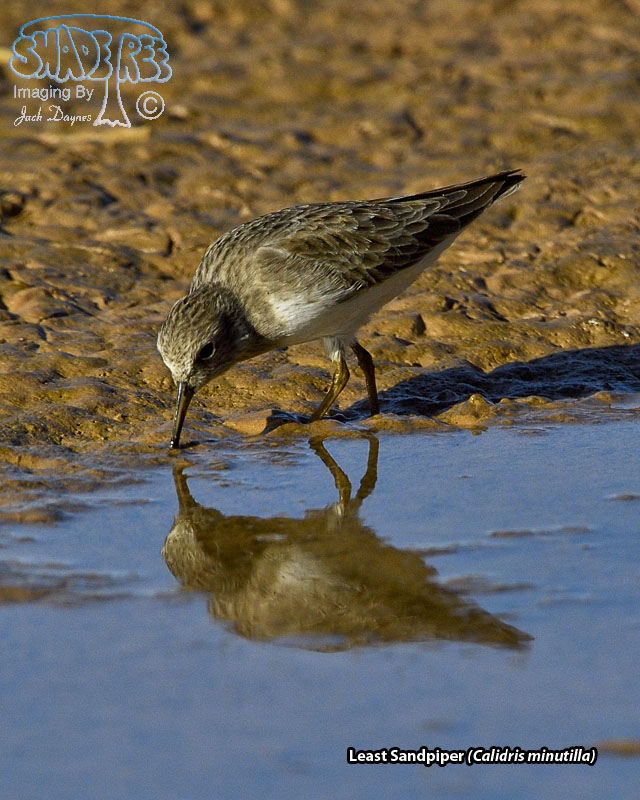
Least Sandpiper(Calidris minutilla) |
|
Description: These smallest of the sandpiper clan were present in the hundreds, but were easily overlooked until they lifted off the pond in murmurating swarms and then settled back down to feed quietly. It was a lovely day at the Gilbert Water Ranch. The weather was mild, and the winds were calm. Gilbert is in the Greater Phoenix area of Arizona. |
Date Taken: 2020:11:11 15:24 |
|
Location:
Gilbert Water Ranch |
|
Camera Information: NIKON D5, 800 mm, f/8.0, 1/4000 |
File Name: LeastSandpiper_D5X9934-GilbertWaterRanch |
| © 2020 Jack Daynes, shadeTreeImaging.com |
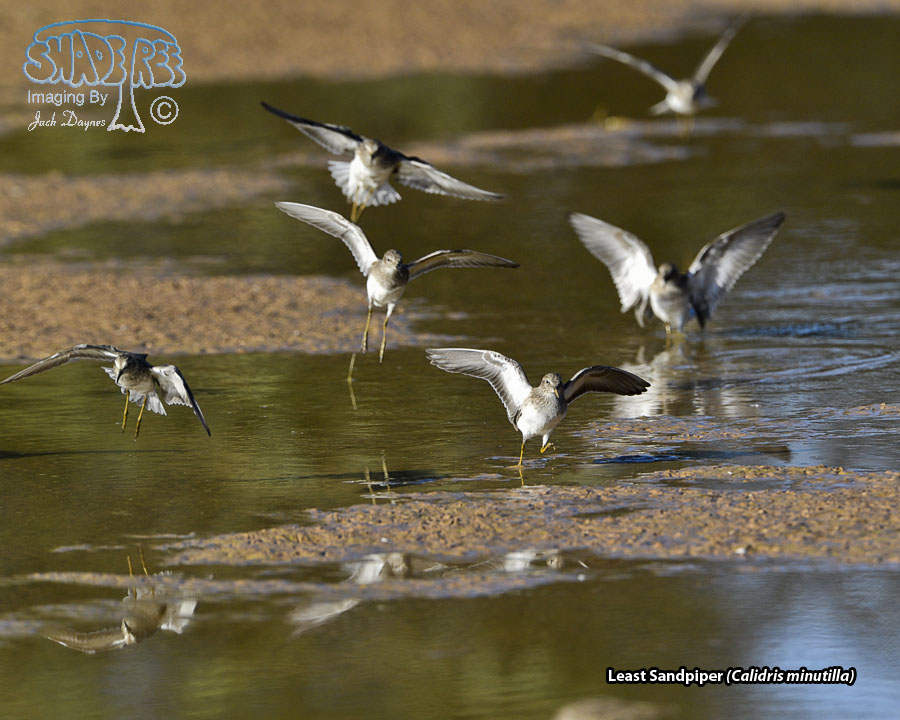
Least Sandpiper(Calidris minutilla) |
|
Description: These smallest of the sandpiper clan were present in the hundreds, but were easily overlooked until they lifted off the pond in murmurating swarms and then settled back down to feed quietly. It was a lovely day at the Gilbert Water Ranch. The weather was mild, and the winds were calm. Gilbert is in the Greater Phoenix area of Arizona. |
Date Taken: 2020:11:11 15:22 |
|
Location:
Gilbert Water Ranch |
|
Camera Information: NIKON D5, 800 mm, f/8.0, 1/2000 |
File Name: LeastSandpiper_D5X9857-GilbertWaterRanch |
| © 2020 Jack Daynes, shadeTreeImaging.com |
Least Sandpiper(Calidris minutilla) |
|
Description: These smallest of the sandpiper clan were present in the hundreds, but were easily overlooked until they lifted off the pond in murmurating swarms and then settled back down to feed quietly. It was a lovely day at the Gilbert Water Ranch. The weather was mild, and the winds were calm. Gilbert is in the Greater Phoenix area of Arizona. |
Date Taken: 2020:11:11 13:18 |
|
Location:
Gilbert Water Ranch |
|
Camera Information: NIKON D5, 800 mm, f/8.0, 1/4000 |
File Name: LeastSandpiper_D5X9182-GilbertWaterRanch |
| © 2020 Jack Daynes, shadeTreeImaging.com |
Least Sandpiper(Calidris minutilla) |
|
Description: These smallest of the sandpiper clan were present in the hundreds, but were easily overlooked until they lifted off the pond in murmurating swarms and then settled back down to feed quietly. It was a lovely day at the Gilbert Water Ranch. The weather was mild, and the winds were calm. Gilbert is in the Greater Phoenix area of Arizona. |
Date Taken: 2020:11:11 13:17 |
|
Location:
Gilbert Water Ranch |
|
Camera Information: NIKON D5, 800 mm, f/8.0, 1/2000 |
File Name: LeastSandpiper_D5X9162-GilbertWaterRanch |
| © 2020 Jack Daynes, shadeTreeImaging.com |
Killdeer(Charadrius vociferus) |
|
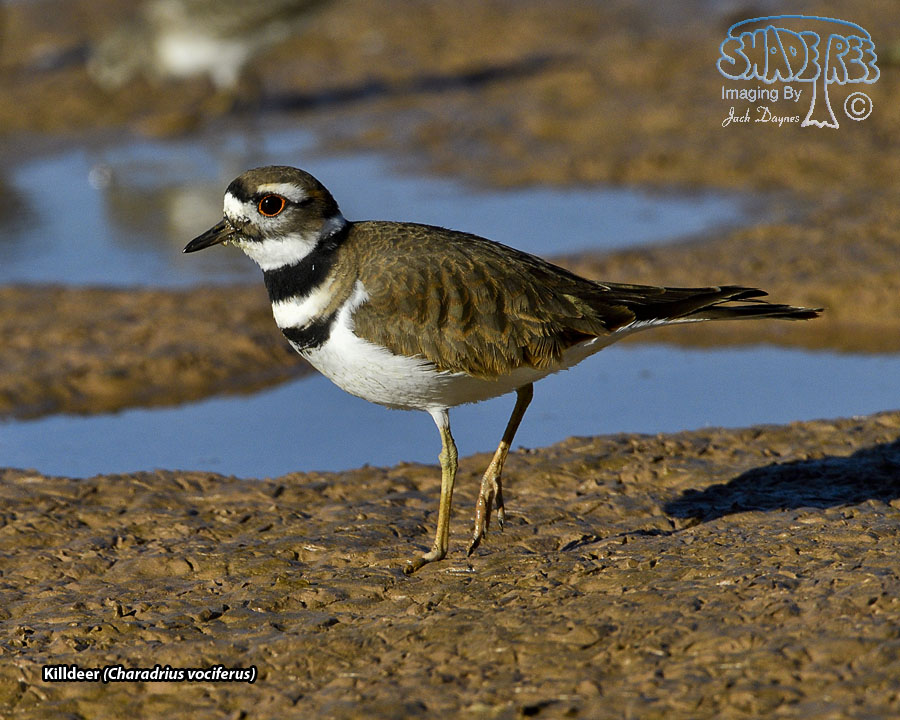
Description: Killdeer are found at the preserve, I suspect year-round. It was a lovely day at the Gilbert Water Ranch. The weather was mild, and the winds were calm. Gilbert is in the Greater Phoenix area of Arizona. |
Date Taken: 2020:11:11 15:21 |
|
Location:
Gilbert Water Ranch |
|
Camera Information: NIKON D5, 800 mm, f/8.0, 1/4000 |
File Name: Killdeer_D5X9838-GilbertWaterRanch |
| © 2020 Jack Daynes, shadeTreeImaging.com |
Hutton's Vireo(Vireo huttoni) |
|
Description: Hutton’s Vireos are often confused with Ruby-Crowned Kinglets, but their bill-shape is a tipoff. It was a lovely day at the Gilbert Water Ranch. The weather was mild, and the winds were calm. Gilbert is in the Greater Phoenix area of Arizona. |
Date Taken: 2020:11:11 15:59 |
|
Location:
Gilbert Water Ranch |
|
Camera Information: NIKON D5, 800 mm, f/8.0, 1/4000 |
File Name: HuttonsVireo_D5X0087-GilbertWaterRanch |
| © 2020 Jack Daynes, shadeTreeImaging.com |
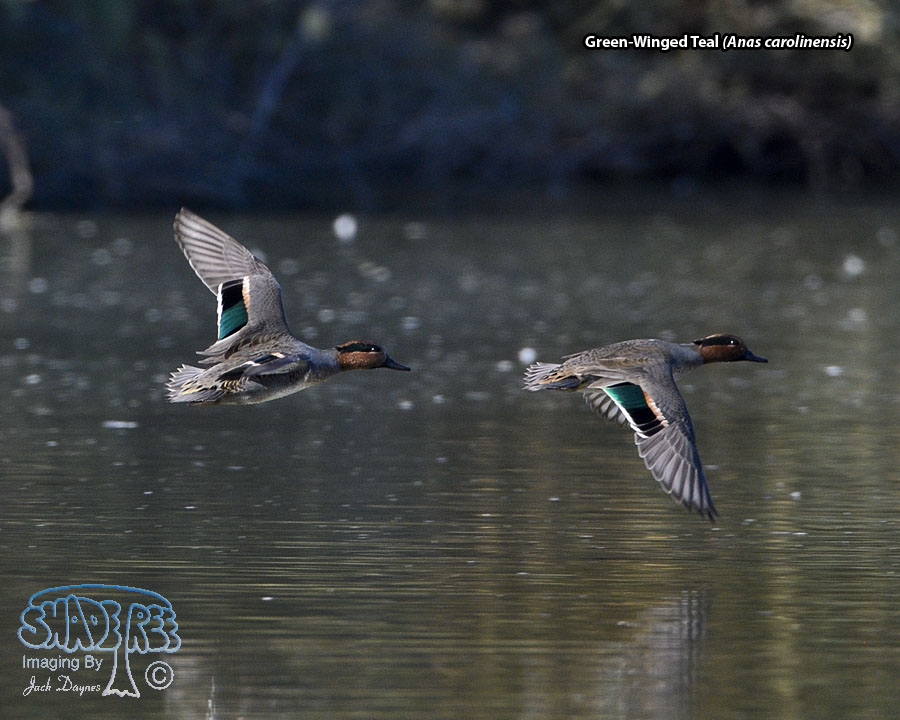
Green-Winged Teal(Anas carolinensis) |
|
Description: These diminutive ducks were fun to see, though their shyness limited photo opportunities. It was a lovely day at the Gilbert Water Ranch. The weather was mild, and the winds were calm. Gilbert is in the Greater Phoenix area of Arizona. |
Date Taken: 2020:11:11 14:41 |
|
Location:
Gilbert Water Ranch |
|
Camera Information: NIKON D5, 800 mm, f/8.0, 1/1000 |
File Name: GreenWingedTeal_D5X9659-GilbertWaterRanch |
| © 2020 Jack Daynes, shadeTreeImaging.com |
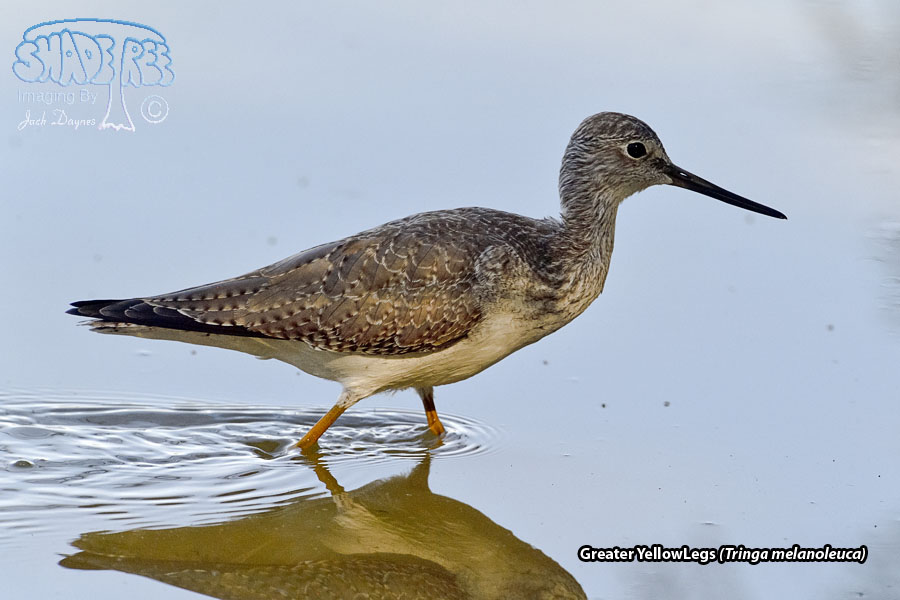
Greater Yellowlegs(Tringa melanoleuca) |
|
Description: Yellowlegs here were shy, but made their presence known all day with their vocalizing. It was a lovely day at the Gilbert Water Ranch. The weather was mild, and the winds were calm. Gilbert is in the Greater Phoenix area of Arizona. |
Date Taken: 2020:11:11 13:08 |
|
Location:
Gilbert Water Ranch |
|
Camera Information: NIKON D5, 800 mm, f/8.0, 1/2000 |
File Name: GreaterYellowLegs_D5X9083-GilbertWaterRanch |
| © 2020 Jack Daynes, shadeTreeImaging.com |
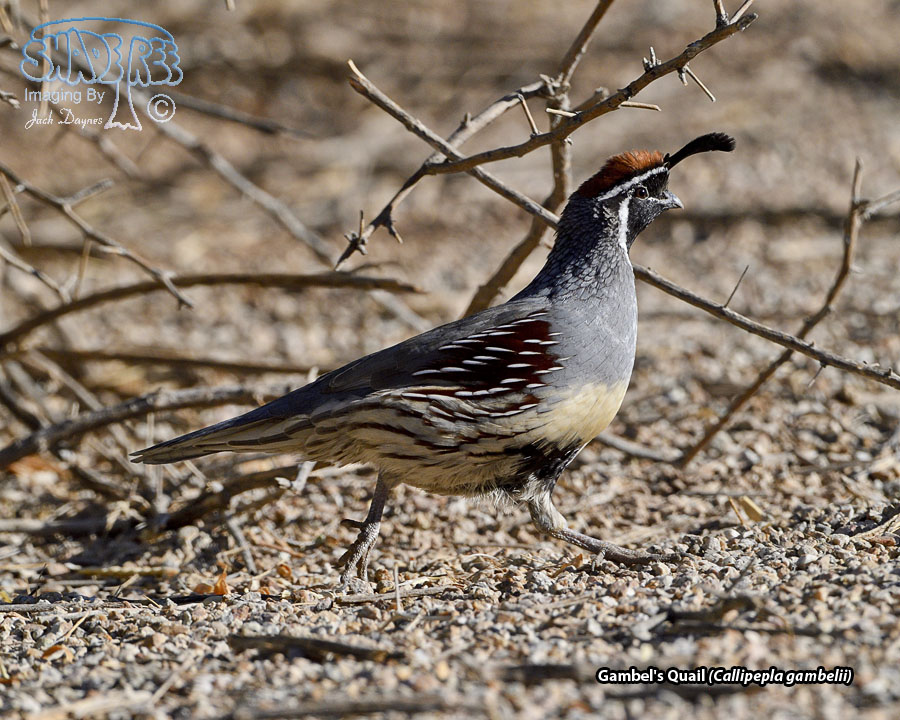
Gambel's Quail(Callipepla gambelii) |
|
Description: Quail worked throughout the understory and along the paths within the preserve. It was a lovely day at the Gilbert Water Ranch. The weather was mild, and the winds were calm. Gilbert is in the Greater Phoenix area of Arizona. |
Date Taken: 2020:11:11 15:26 |
|
Location:
Gilbert Water Ranch |
|
Camera Information: NIKON D5, 800 mm, f/8.0, 1/2000 |
File Name: GambelsQuail_D5X9959-GilbertWaterRanch |
| © 2020 Jack Daynes, shadeTreeImaging.com |
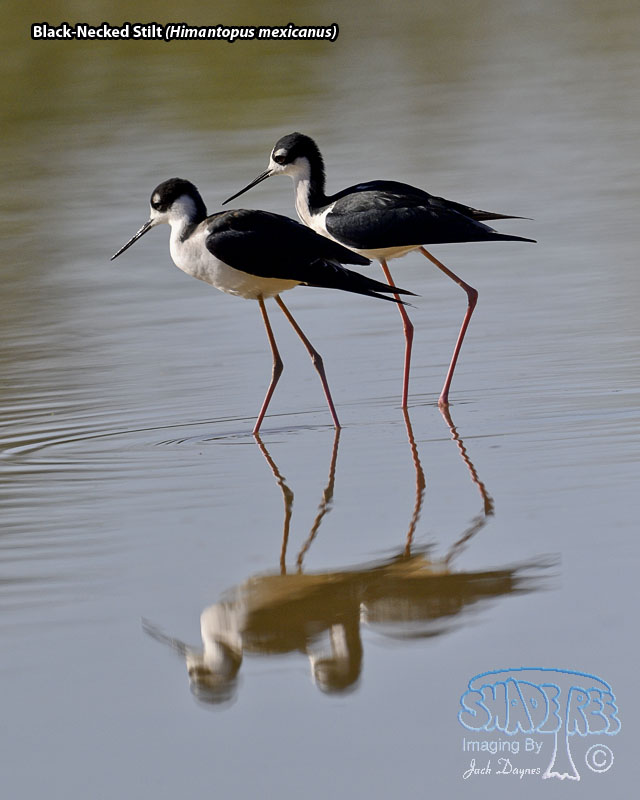
Black-Necked Stilt(Himantopus mexicanus) |
|
Description: Stilts were the most conspicuous shorebird at the Water Ranch. It was a lovely day at the Gilbert Water Ranch. The weather was mild, and the winds were calm. Gilbert is in the Greater Phoenix area of Arizona. |
Date Taken: 2020:11:11 14:46 |
|
Location:
Gilbert Water Ranch |
|
Camera Information: NIKON D5, 800 mm, f/8.0, 1/4000 |
File Name: BlackNeckedStilt_D5X9686-GilbertWaterRanch |
| © 2020 Jack Daynes, shadeTreeImaging.com |
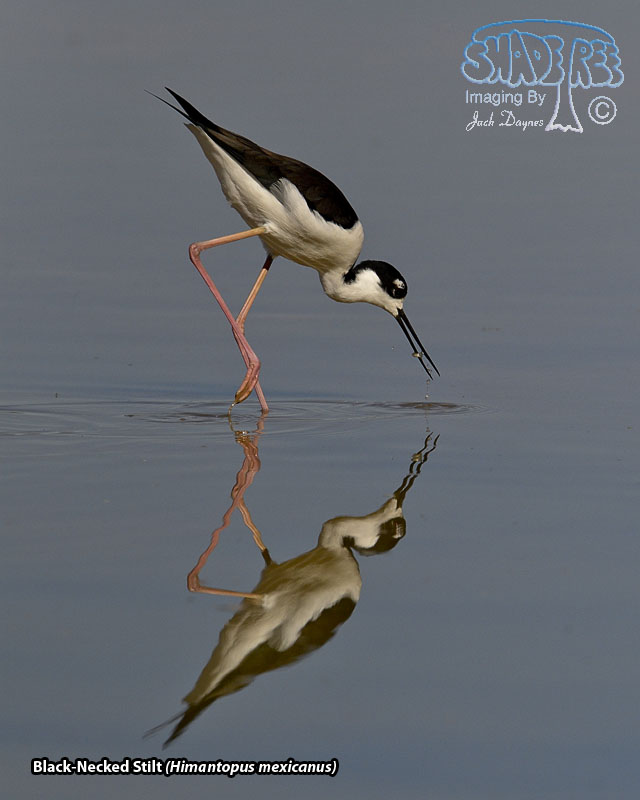
Black-Necked Stilt(Himantopus mexicanus) |
|
Description: Stilts were the most conspicuous shorebird at the Water Ranch. It was a lovely day at the Gilbert Water Ranch. The weather was mild, and the winds were calm. Gilbert is in the Greater Phoenix area of Arizona. |
Date Taken: 2020:11:11 13:06 |
|
Location:
Gilbert Water Ranch |
|
Camera Information: NIKON D5, 800 mm, f/8.0, 1/8000 |
File Name: BlackNeckedStilt_D5X9022-GilbertWaterRanch |
| © 2020 Jack Daynes, shadeTreeImaging.com |
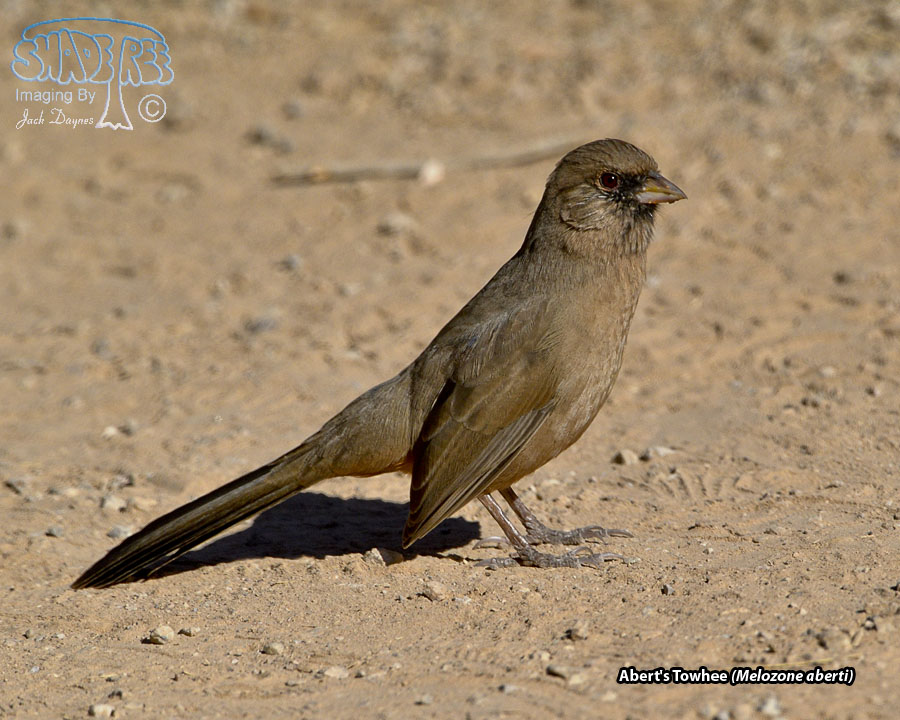
Abert's Towhee(Melozone aberti) |
|
Description: The towhees showed up along the brush lined pathways. It was a lovely day at the Gilbert Water Ranch. The weather was mild, and the winds were calm. Gilbert is in the Greater Phoenix area of Arizona. |
Date Taken: 2020:11:11 12:32 |
|
Location:
Gilbert Water Ranch |
|
Camera Information: NIKON D5, 800 mm, f/8.0, 1/8000 |
File Name: AbertsTowhee_D5X8939-GilbertWaterRanch |
| © 2020 Jack Daynes, shadeTreeImaging.com |
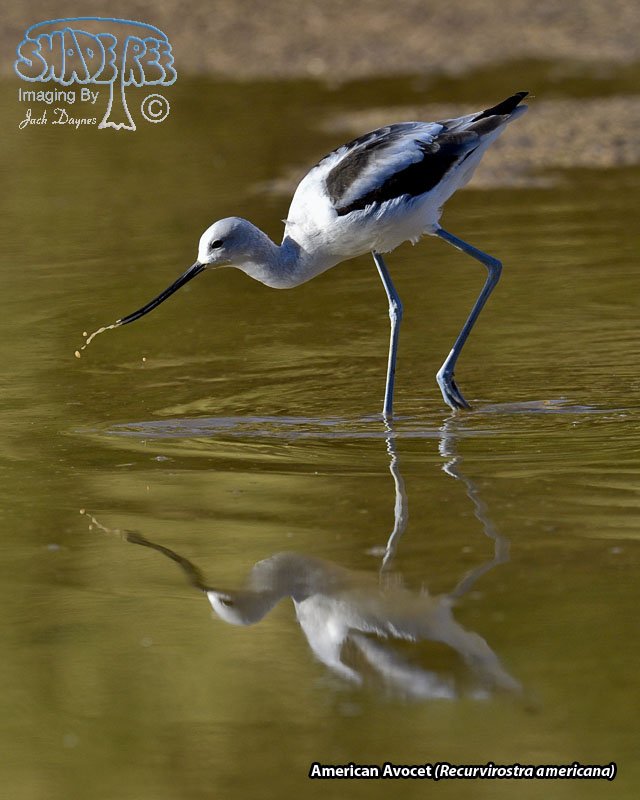
American Avocet(Recurvirostra americana) |
|
Description: The avocets worked the pond's shallow areas to find food. It was a lovely day at the Gilbert Water Ranch. The weather was mild, and the winds were calm. Gilbert is in the Greater Phoenix area of Arizona. |
Date Taken: 2020:11:11 15:21 |
|
Location:
Gilbert Water Ranch |
|
Camera Information: NIKON D5, 800 mm, f/8.0, 1/2000 |
File Name: AmericanAvocet_D5X9820-GilbertWaterRanch |
| © 2020 Jack Daynes, shadeTreeImaging.com |
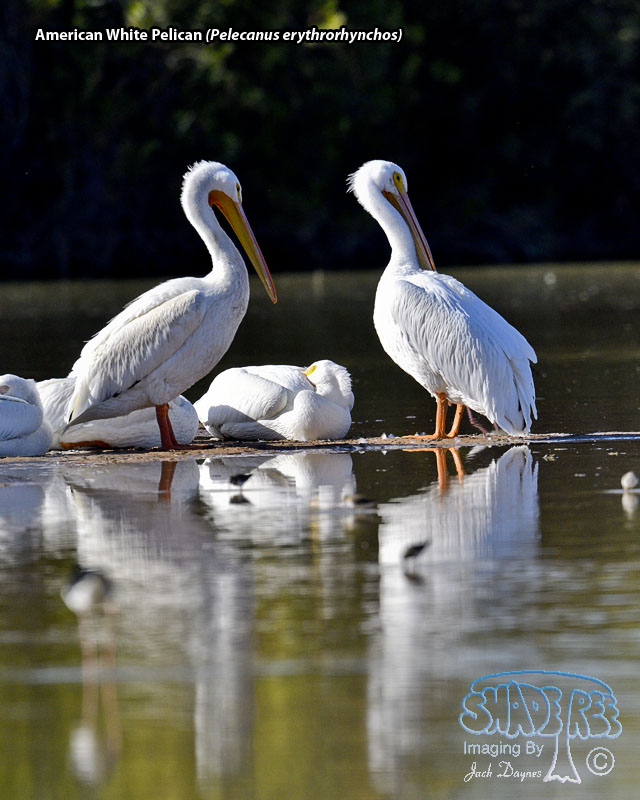
American White Pelican(Pelecanus erythrorhynchos) |
|
Description: The pelicans loafed the whole day on a shallow island in the middle of the pond. It was a lovely day at the Gilbert Water Ranch. The weather was mild, and the winds were calm. Gilbert is in the Greater Phoenix area of Arizona. |
Date Taken: 2020:11:11 14:38 |
|
Location:
Gilbert Water Ranch |
|
Camera Information: NIKON D5, 800 mm, f/8.0, 1/8000 |
File Name: AmericanWhitePelican_D5X9652-GilbertWaterRanch |
| © 2020 Jack Daynes, shadeTreeImaging.com |
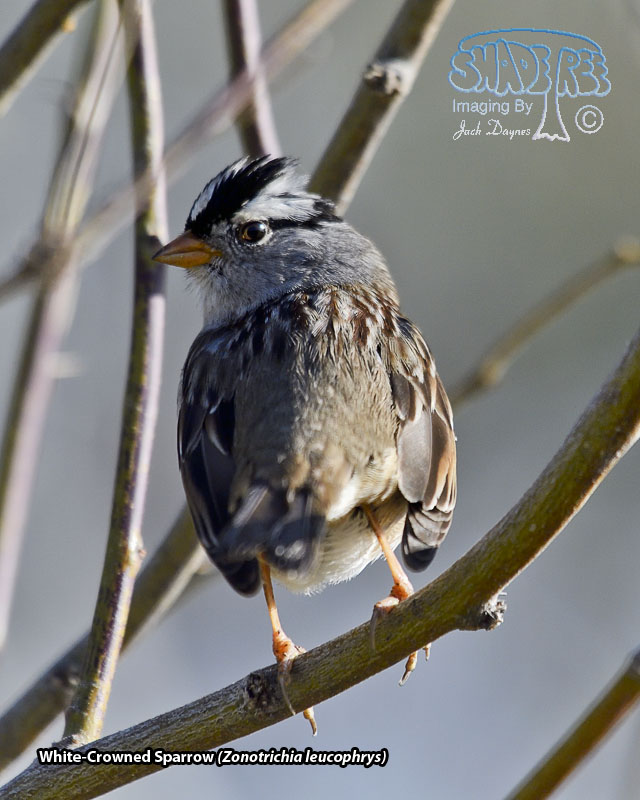
White-Crowned Sparrow(Zonotrichia leucophrys) |
|
Description: These are birds I met at the Gilbert Water Ranch, or Riparian Preserve which is located in the middle of the Valley of the Sun, or the Greater Phoenix Metropolian area, Arizona. |
Date Taken: 2020:02:23 7:55 |
|
Location:
Gilbert Water Ranch |
|
Camera Information: NIKON D5, 800 mm, f/5.6, 1/2500 |
File Name: WhiteCrownedSparrow_D5X9903-GilbertArizona |
| © 2020 Jack Daynes, shadeTreeImaging.com |
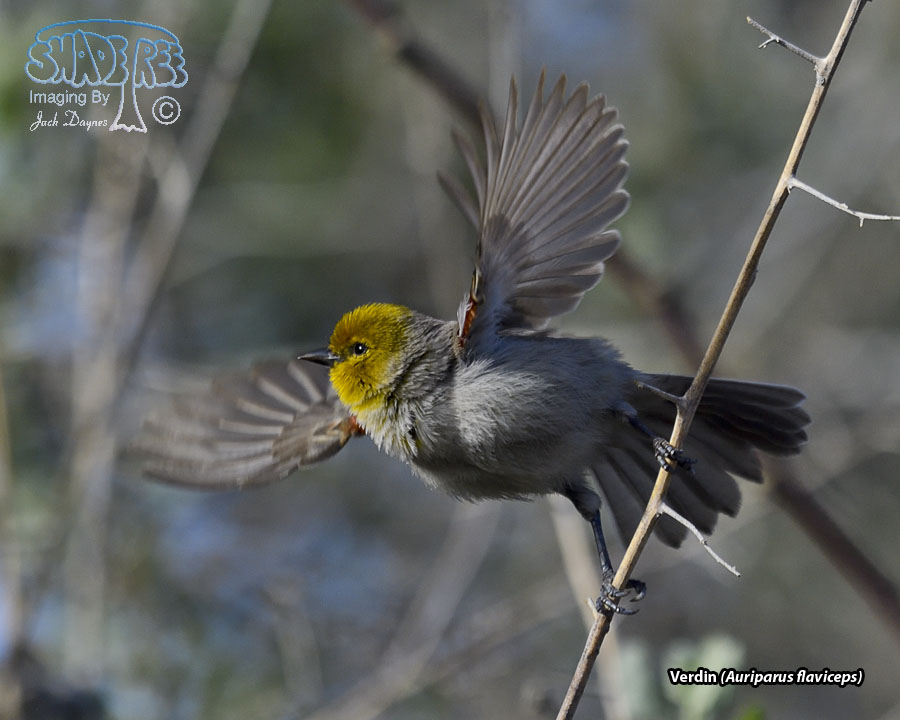
Verdin(Auriparus flaviceps) |
|
Description: The take-off. These are birds I met at the Gilbert Water Ranch, or Riparian Preserve which is located in the middle of the Valley of the Sun, or the Greater Phoenix Metropolian area, Arizona. |
Date Taken: 2020:02:23 8:37 |
|
Location:
Gilbert Water Ranch |
|
Camera Information: NIKON D5, 800 mm, f/5.6, 1/4000 |
File Name: Verdin_D5X0220-GilbertArizona |
| © 2020 Jack Daynes, shadeTreeImaging.com |
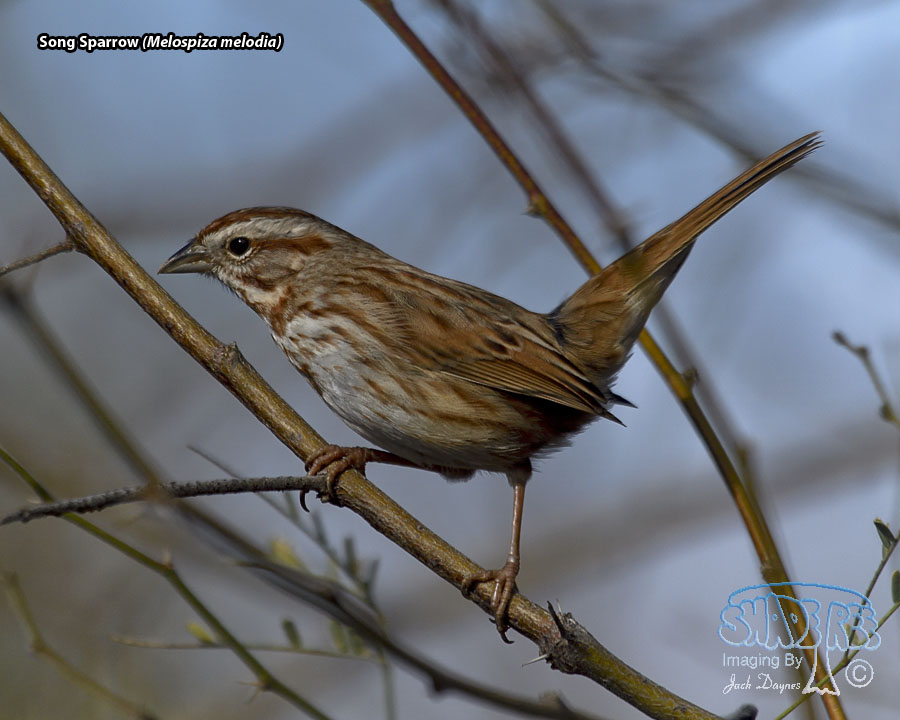
Song Sparrow(Melospiza melodia) |
|
Description: These are birds I met at the Gilbert Water Ranch, or Riparian Preserve which is located in the middle of the Valley of the Sun, or the Greater Phoenix Metropolian area, Arizona. |
Date Taken: 2020:02:23 8:40 |
|
Location:
Gilbert Water Ranch |
|
Camera Information: NIKON D5, 800 mm, f/5.6, 1/8000 |
File Name: SongSparrow_D5X0281-GilbertArizona |
| © 2020 Jack Daynes, shadeTreeImaging.com |
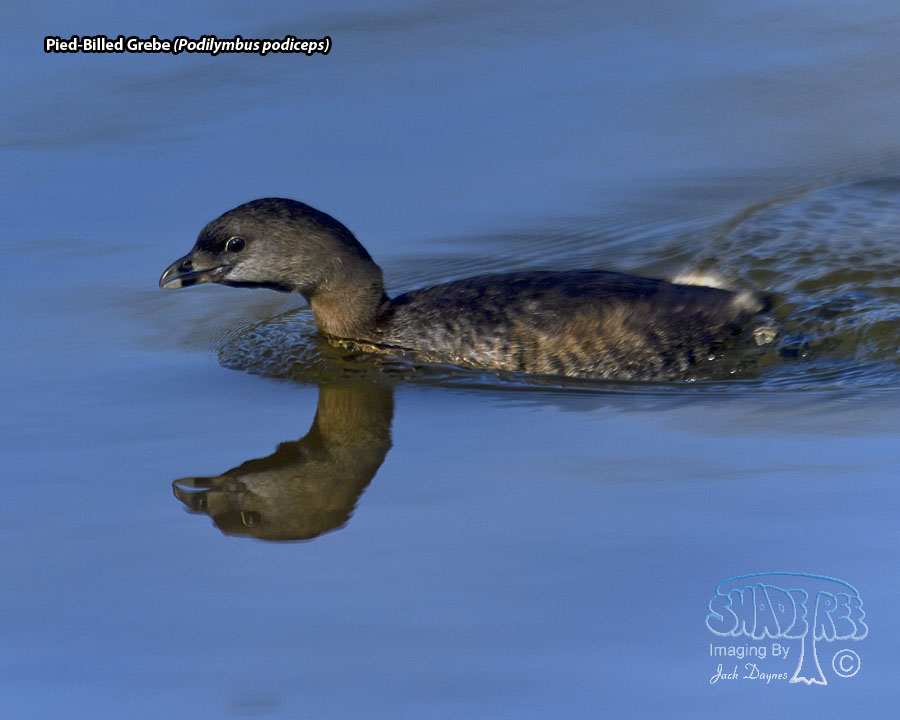
Pied-Billed Grebe(Podilymbus podiceps) |
|
Description: These are birds I met at the Gilbert Water Ranch, or Riparian Preserve which is located in the middle of the Valley of the Sun, or the Greater Phoenix Metropolian area, Arizona. |
Date Taken: 2020:02:23 8:49 |
|
Location:
Gilbert Water Ranch |
|
Camera Information: NIKON D5, 800 mm, f/5.6, 1/6400 |
File Name: PiedBilledGrebe_D5X0333-GilbertArizona |
| © 2020 Jack Daynes, shadeTreeImaging.com |
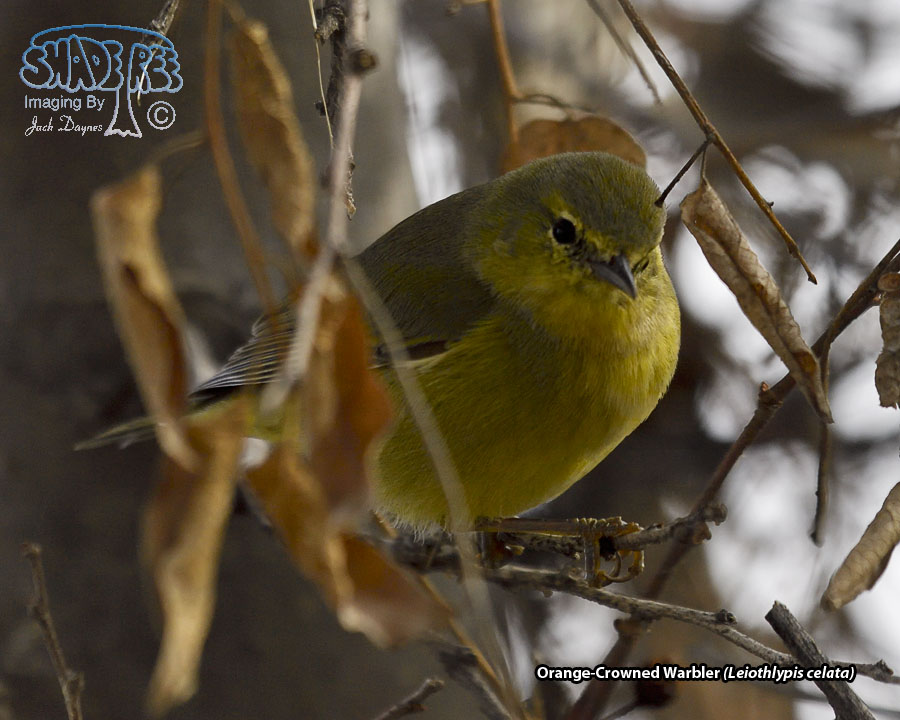
Orange-Crowned Warbler(Leiothlypis celata) |
|
Description: These are birds I met at the Gilbert Water Ranch, or Riparian Preserve which is located in the middle of the Valley of the Sun, or the Greater Phoenix Metropolian area, Arizona. |
Date Taken: 2020:02:23 8:27 |
|
Location:
Gilbert Water Ranch |
|
Camera Information: NIKON D5, 800 mm, f/5.6, 1/1250 |
File Name: OrangeCrownedWarbler_D5X0099-GilbertArizona |
| © 2020 Jack Daynes, shadeTreeImaging.com |
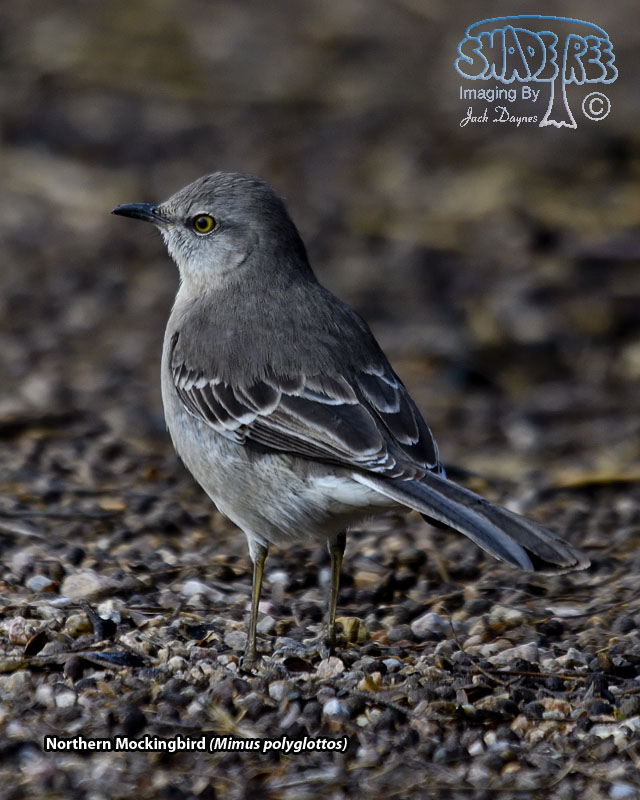
Northern Mockingbird(Mimus polyglottos) |
|
Description: These are birds I met at the Gilbert Water Ranch, or Riparian Preserve which is located in the middle of the Valley of the Sun, or the Greater Phoenix Metropolian area, Arizona. |
Date Taken: 2020:02:23 7:39 |
|
Location:
Gilbert Water Ranch |
|
Camera Information: NIKON D5, 800 mm, f/5.6, 1/1000 |
File Name: NorthernMockingbird_D5X9854-GilbertArizona |
| © 2020 Jack Daynes, shadeTreeImaging.com |
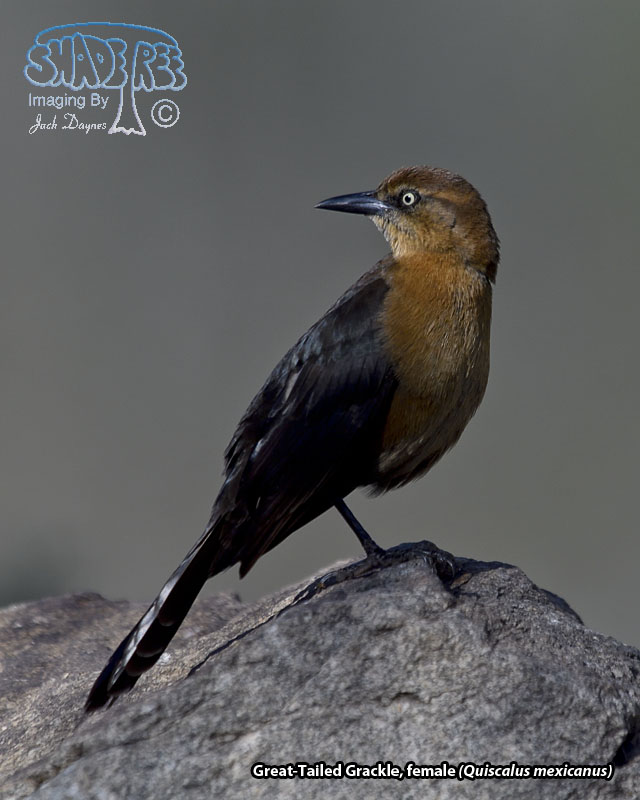
Great-Tailed Grackle(Quiscalus mexicanus) |
|
Description: Female. These are birds I met at the Gilbert Water Ranch, or Riparian Preserve which is located in the middle of the Valley of the Sun, or the Greater Phoenix Metropolian area, Arizona. |
Date Taken: 2020:02:23 8:56 |
|
Location:
Gilbert Water Ranch |
|
Camera Information: NIKON D5, 800 mm, f/5.6, 1/2500 |
File Name: GreatTailedGrackle_D5X0495-GilbertArizona |
| © 2020 Jack Daynes, shadeTreeImaging.com |
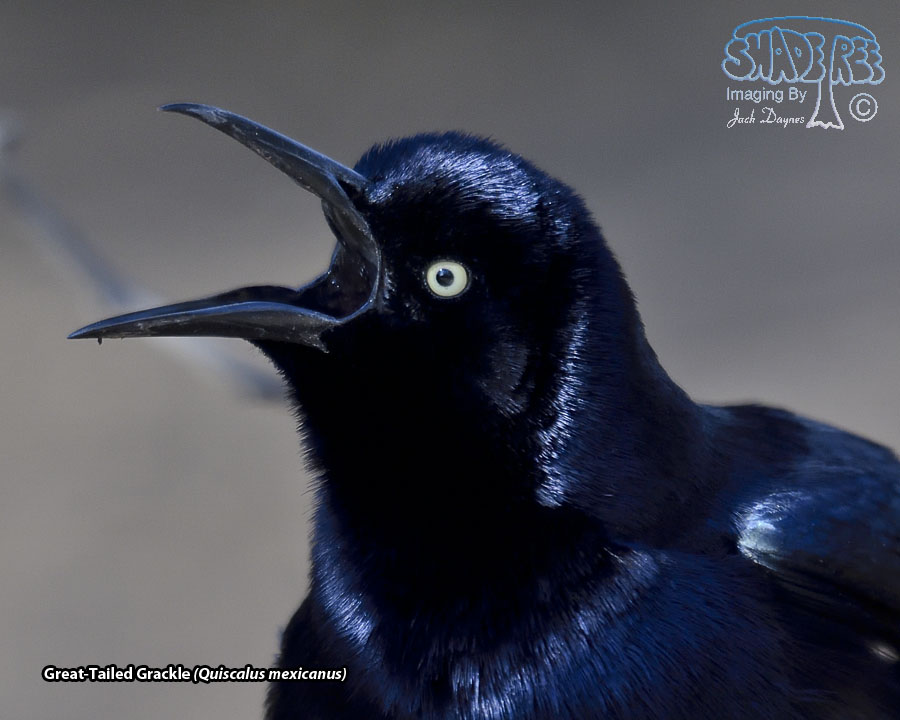
Great-Tailed Grackle(Quiscalus mexicanus) |
|
Description: A very noisy bird I met at the Gilbert Water Ranch, or Riparian Preserve which is located in the middle of the Valley of the Sun, or the Greater Phoenix Metropolian area, Arizona. |
Date Taken: 2020:02:23 8:54 |
|
Location:
Gilbert Water Ranch |
|
Camera Information: NIKON D5, 800 mm, f/5.6, 1/800 |
File Name: GreatTailedGrackle_D5X0422-GilbertArizona |
| © 2020 Jack Daynes, shadeTreeImaging.com |
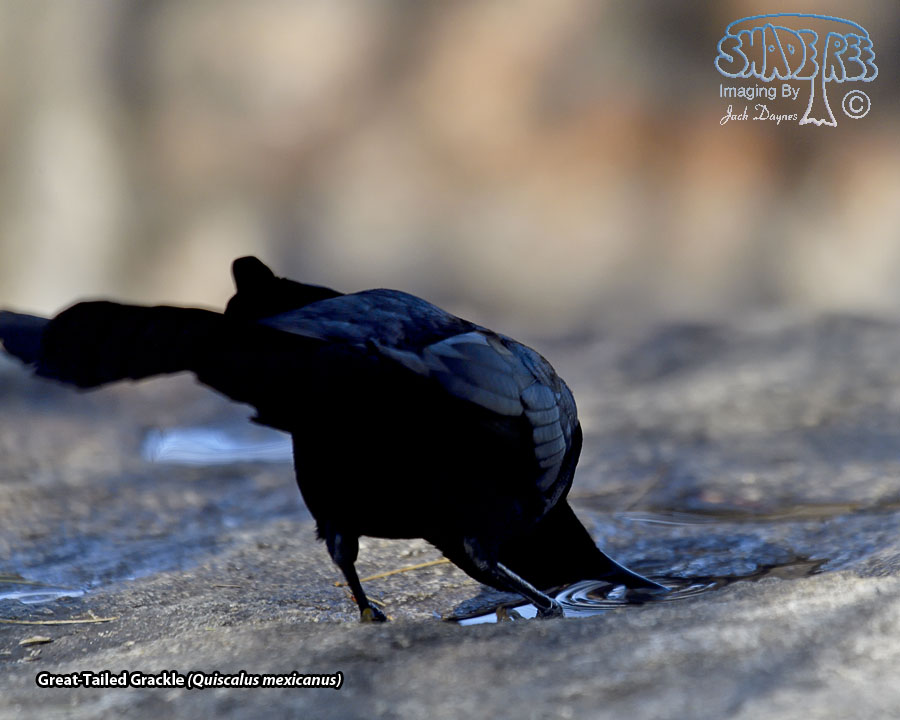
Great-Tailed Grackle(Quiscalus mexicanus) |
|
Description: Head turned upside-down to drink. These are birds I met at the Gilbert Water Ranch, or Riparian Preserve which is located in the middle of the Valley of the Sun, or the Greater Phoenix Metropolian area, Arizona. |
Date Taken: 2020:02:23 8:54 |
|
Location:
Gilbert Water Ranch |
|
Camera Information: NIKON D5, 800 mm, f/5.6, 1/2500 |
File Name: GreatTailedGrackle_D5X0435-GilbertArizona |
| © 2020 Jack Daynes, shadeTreeImaging.com |
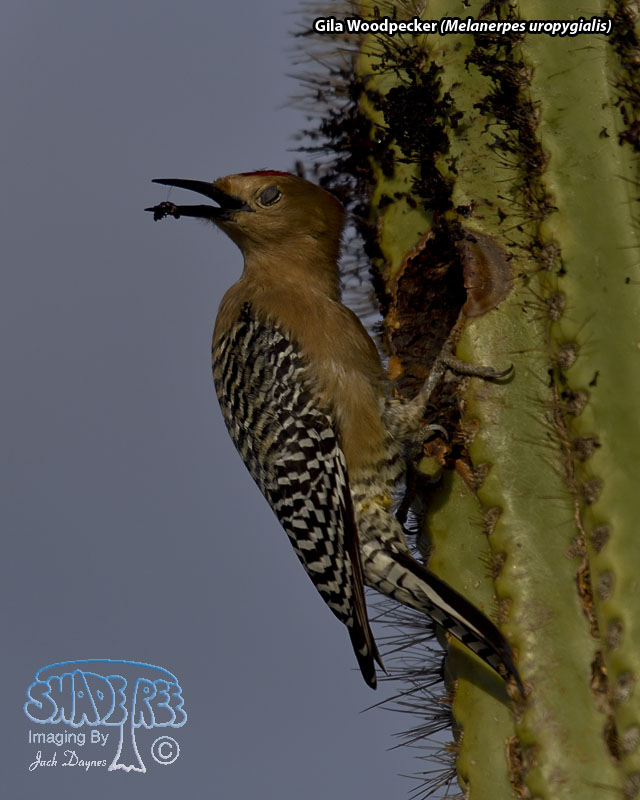
Gila Woodpecker(Melanerpes uropygialis) |
|
Description: I first thought these birds were preping the nest hole, but then saw they were eating ants from inside the hole. These are birds I met at the Gilbert Water Ranch, or Riparian Preserve which is located in the middle of the Valley of the Sun, or the Greater Phoenix Metropolian area, Arizona. |
Date Taken: 2020:02:23 7:25 |
|
Location:
Gilbert Water Ranch |
|
Camera Information: NIKON D5, 800 mm, f/5.6, 1/8000 |
File Name: GilaWoodpecker_D5X9748-GilbertArizona |
| © 2020 Jack Daynes, shadeTreeImaging.com |
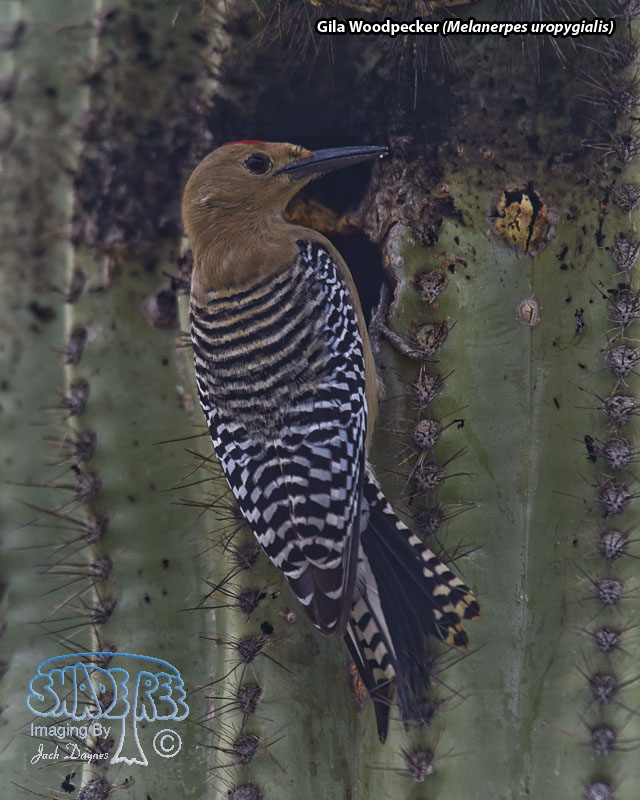
Gila Woodpecker(Melanerpes uropygialis) |
|
Description: I first thought these birds were preping the nest hole, but then saw they were eating ants from inside the hole. These are birds I met at the Gilbert Water Ranch, or Riparian Preserve which is located in the middle of the Valley of the Sun, or the Greater Phoenix Metropolian area, Arizona. |
Date Taken: 2020:02:23 9:49 |
|
Location:
Gilbert Water Ranch |
|
Camera Information: NIKON D5, 800 mm, f/5.6, 1/2000 |
File Name: GilaWoodpecker_D5X0658-GilbertArizona |
| © 2020 Jack Daynes, shadeTreeImaging.com |
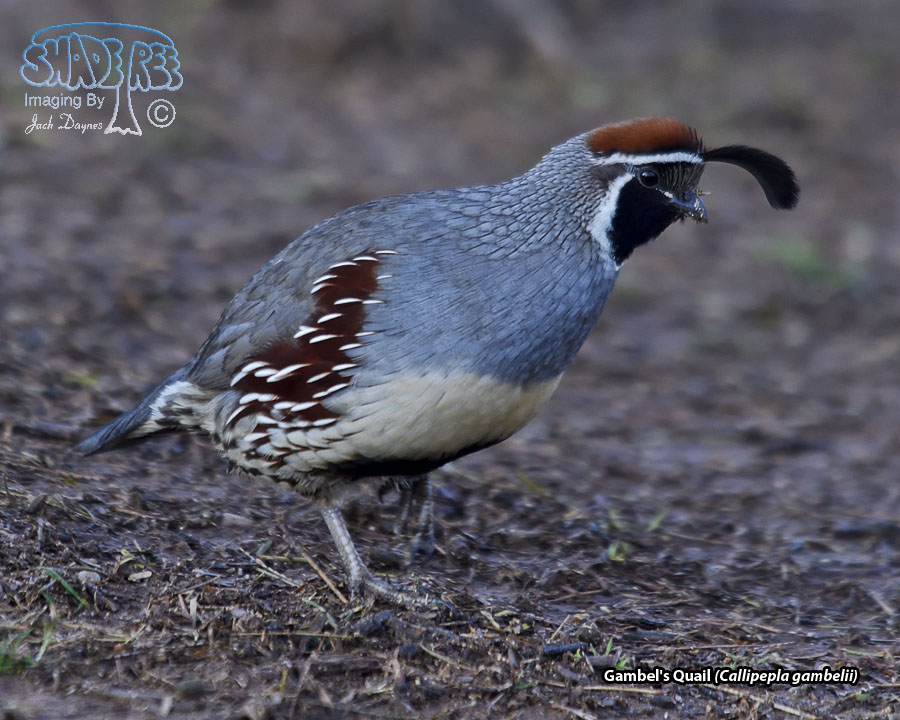
Gambel's Quail(Callipepla gambelii) |
|
Description: These are birds I met at the Gilbert Water Ranch, or Riparian Preserve which is located in the middle of the Valley of the Sun, or the Greater Phoenix Metropolian area, Arizona. |
Date Taken: 2020:02:23 7:17 |
|
Location:
Gilbert Water Ranch |
|
Camera Information: NIKON D5, 800 mm, f/5.6, 1/800 |
File Name: GambelsQuail_D5X9721-GilbertArizona |
| © 2020 Jack Daynes, shadeTreeImaging.com |
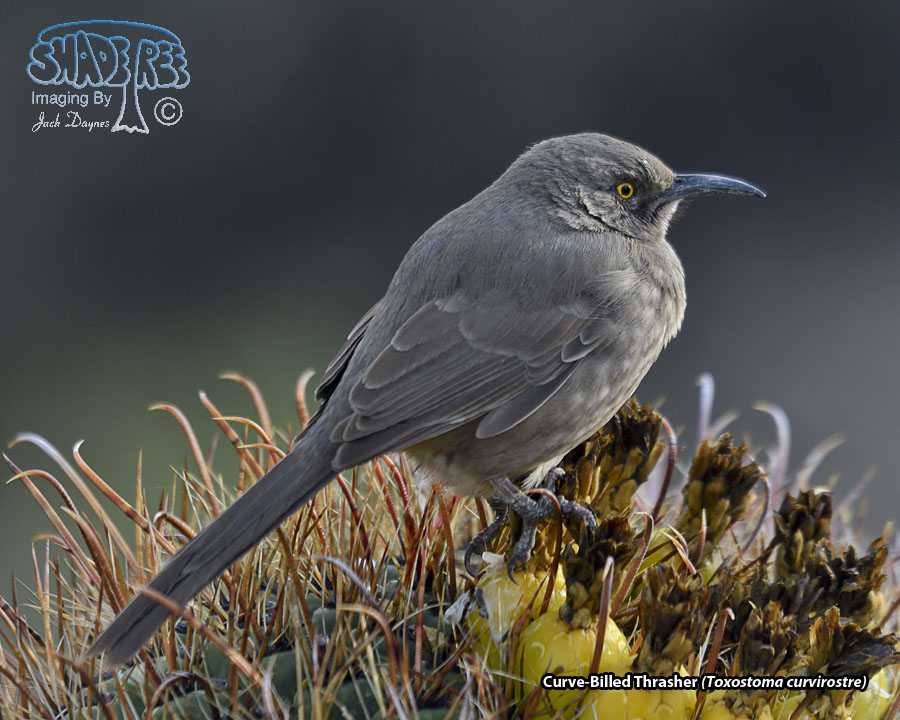
Curve-Billed Thrasher(Toxostoma curvirostre) |
|
Description: These are birds I met at the Gilbert Water Ranch, or Riparian Preserve which is located in the middle of the Valley of the Sun, or the Greater Phoenix Metropolian area, Arizona. |
Date Taken: 2020:02:23 7:32 |
|
Location:
Gilbert Water Ranch |
|
Camera Information: NIKON D5, 800 mm, f/5.6, 1/800 |
File Name: CurveBilledThrasher_D5X9830-GilbertArizona |
| © 2020 Jack Daynes, shadeTreeImaging.com |
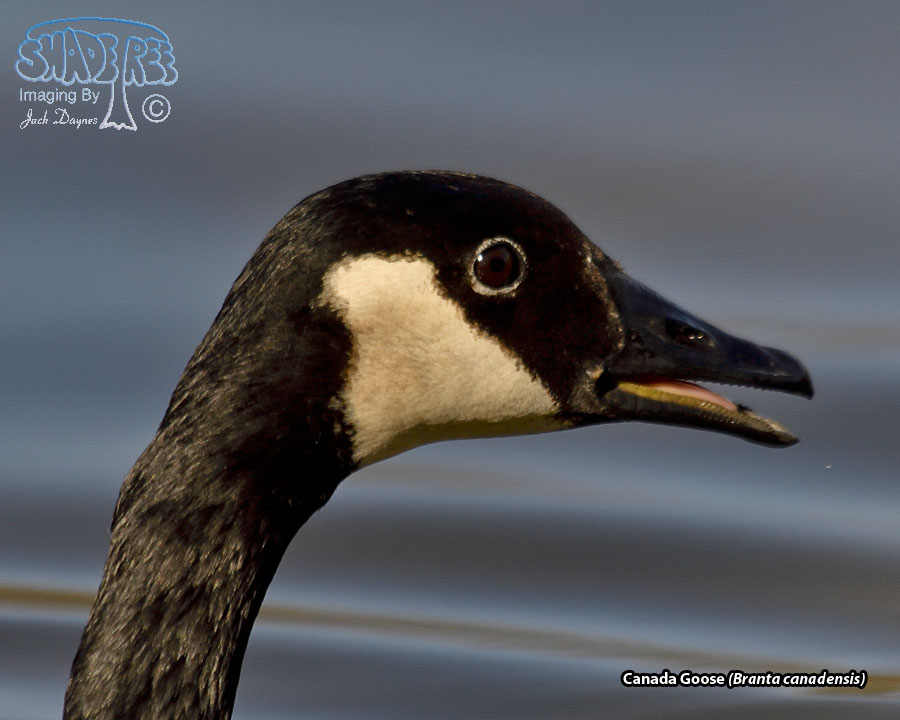
Canada Goose(Branta canadensis;Canada Goose;Anatidae;Canada-Geese;CanadaGoose;Canada-Goose;Geese;Goose;Waterfowl;) |
|
Description: These are birds I met at the Gilbert Water Ranch, or Riparian Preserve which is located in the middle of the Valley of the Sun, or the Greater Phoenix Metropolian area, Arizona. |
Date Taken: 2020:02:23 8:49 |
|
Location:
Gilbert Water Ranch |
|
Camera Information: NIKON D5, 800 mm, f/5.6, 1/4000 |
File Name: CanadaGoose_D5X0346-GilbertArizona |
| © 2020 Jack Daynes, shadeTreeImaging.com |
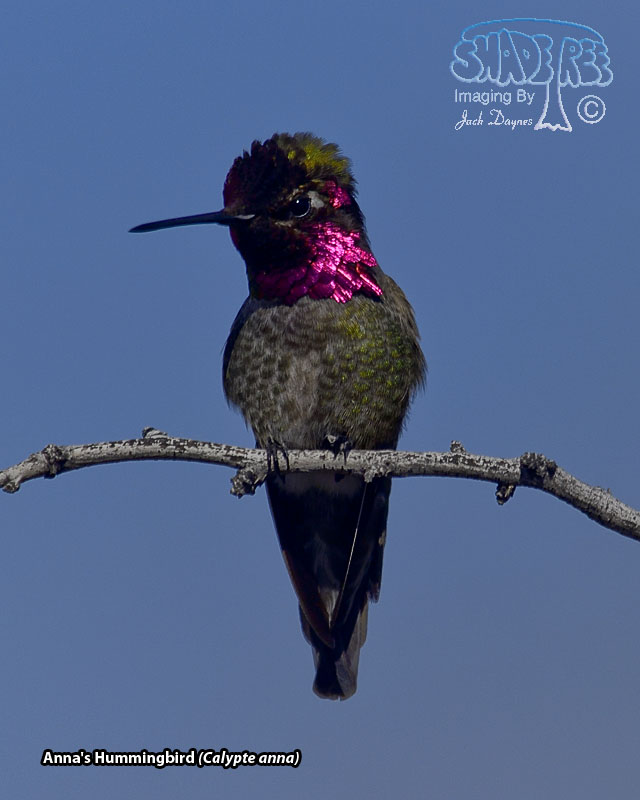
Anna's Hummingbird(Calypte anna) |
|
Description: These are birds I met at the Gilbert Water Ranch, or Riparian Preserve which is located in the middle of the Valley of the Sun, or the Greater Phoenix Metropolian area, Arizona. |
Date Taken: 2020:02:23 9:05 |
|
Location:
Gilbert Water Ranch |
|
Camera Information: NIKON D5, 800 mm, f/5.6, 1/8000 |
File Name: AnnasHummingbird_D5X0637-GilbertArizona |
| © 2020 Jack Daynes, shadeTreeImaging.com |
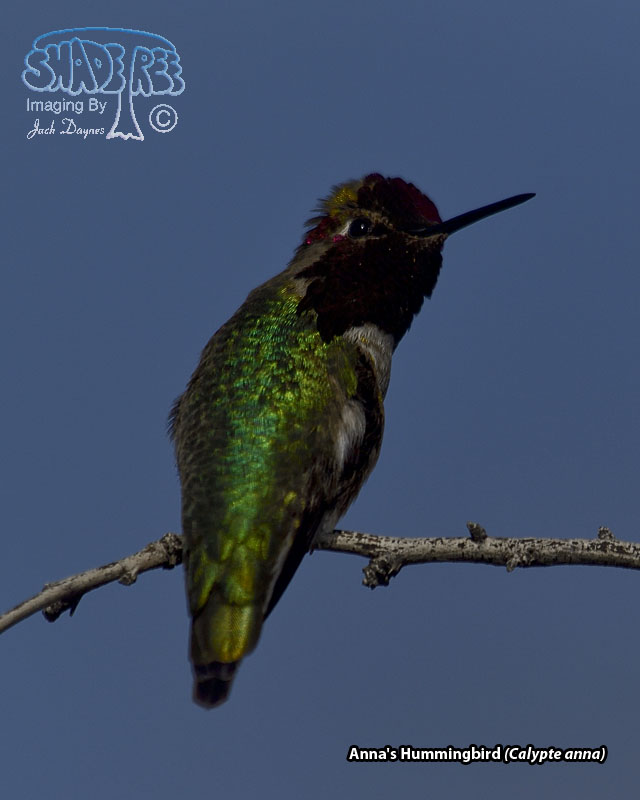
Anna's Hummingbird(Calypte anna) |
|
Description: These are birds I met at the Gilbert Water Ranch, or Riparian Preserve which is located in the middle of the Valley of the Sun, or the Greater Phoenix Metropolian area, Arizona. |
Date Taken: 2020:02:23 9:03 |
|
Location:
Gilbert Water Ranch |
|
Camera Information: NIKON D5, 800 mm, f/5.6, 1/8000 |
File Name: AnnasHummingbird_D5X0594-GilbertArizona |
| © 2020 Jack Daynes, shadeTreeImaging.com |
Click map markers to reveal further information
