
My first visit to Malheur National Wildlife Reserve was in December 2003. The only bird images from that visit were some mediocre shots of my first meeting with a Rough-Legged Hawk. More memorable for me was an encounter with a herd of Bighorn Sheep in Catlow Valley as I was driving to Malheur that morning. Almost two years later, on 2005-05-20, I paid my second visit as I was heading to Alaska. More than a decade passed before I managed my third visit. In June 2015, I was on my Big Intermountain West trip of 53 days and 5300 miles in my Samurai. I spent two days exploring the area that trip. My most recent stay was 2017-08-30. Having barely survived my 2015 marathon in the Samurai, I purchased my current mini-home-on-wheels, the Winnebago Travato. I re-traced some of my 2015 journey with a few adjustments to include visits with old friends in Montana and Idaho. The call of Malheur was not to be ignored, and I paid a late August call on this amazing place.

Malheur is a French word for Bad Hour, Bad Time or Misfortune. The reserve carries the same name as the river, which earned its moniker in 1818 and again in 1826 when trappers had their pelts stolen by some crafty Native Americans. In 1845, an experienced trapper led a group of pioneering citizens up the Malheur River looking for a shorter route to Oregon, but the party ran short of water after leaving the river and 23 people died. The “misfortunes” that gave the area its name, center on the river, and not the valley we’ve come to love.
The checkered history of this valley has more to do with displacing Native Americans and with ruthless cattle barons than with any bad luck. Water rights often caused conflict between competing cattle barons and homesteaders. A homesteader shot and killed Peter French, the biggest cattle baron of his era, probably over some questionable ethics in dealing with such matters.
The abundance of birds and wildlife in the Donner und Blitzen Valley, as it’s sometimes called, was unrivaled in western USA prior to the European invasions of the early 1800s. Only the Klamath Basin could claim the abundance of life supported here. Water diversions and the killing of birds for their feathers in the late 19th and early 20th centuries devastated the avifauna until visionary conservationists like William Finley convinced Theodore Roosevelt to establish a wildlife reserve here.
As many as 342 bird species have been sighted here in recent years. According to eBird, birdwatchers have claimed 237 species in 2019, and we still have a month and a half left this year. Whether it is raptors, waders, shorebirds, passerines or waterfowl, there is something for all bird lovers to look forward to encountering during a visit to this amazing place. As with any destination, the season can influence these meetings. I don’t claim status as a know-it-all guide to birds in this area, but the locations on the reserve I’ve explored with satisfying results have been:
- The wooded grounds around the visitor center
- Owls and other raptors,
- Blackbirds and other passerines attracted to feeders
- Migrant species in season
- The pond to the north of the visitor center
- Shorebirds
- Terns
- Swallows
- Waterfowl
- Ospreys, Harriers, and other raptors
- Sparrows and wrens
- The Narrows
- Waterfowl
- Ibis
- Shorebirds
- Tall waders
- Terns
- Gulls
- Benson Pond
- Swans, geese, and other waterfowl
- Raptors
- Gulls
- Swallows
- The Center Patrol Road
- Thrashers
- Buntings
- Wrens
- Flycatchers
- Waterfowl
- Shorebirds
- Blackbirds
- There is a possibility of seeing pretty much anything on this route.
I intentionally made the above list vague and by no means complete, but I offer it as an example of some possibilities here. I hope to visit Malheur NWR in the future. If I do, I will attempt to explore Steen’s Mountain and experience life at its highest elevations. The gallery below displays some encounters I’ve had during my limited time here.
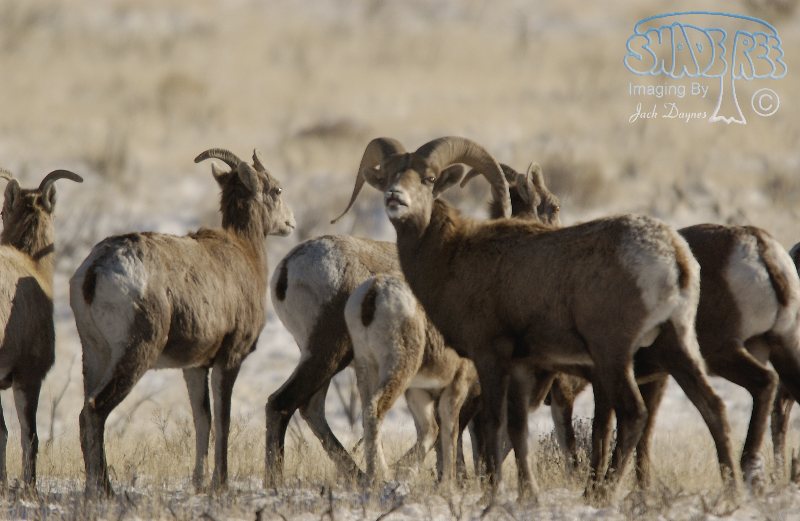
Bighorn Sheep(Ovis canadensis) |
|
Description: On my way to Malheur NWR, I met this herd of sheep in Catlow Valley, Southeastern Oregon. |
Date Taken: 2003:12:14 14:03 |
|
Location:
Andrews |
|
Camera Information: NIKON D1X, 800 mm, f/5.6, 1/2500 |
File Name: JCD_4267BigHornSheep |
| © 2003 Jack Daynes, shadeTreeImaging.com |

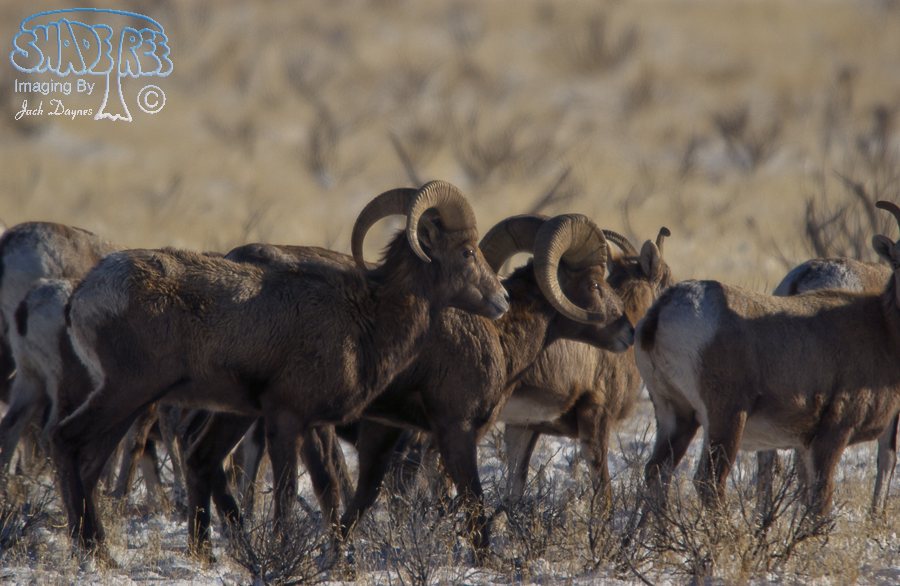
Bighorn Sheep(Ovis canadensis) |
|
Description: On my way to Malheur NWR, I met this herd of sheep in Catlow Valley, Southeastern Oregon. |
Date Taken: 2003:12:14 14:04 |
|
Location:
Andrews |
|
Camera Information: NIKON D1X, 800 mm, f/5.6, 1/2500 |
File Name: JCD_4286BigHornSheep |
| © 2003 Jack Daynes, shadeTreeImaging.com |
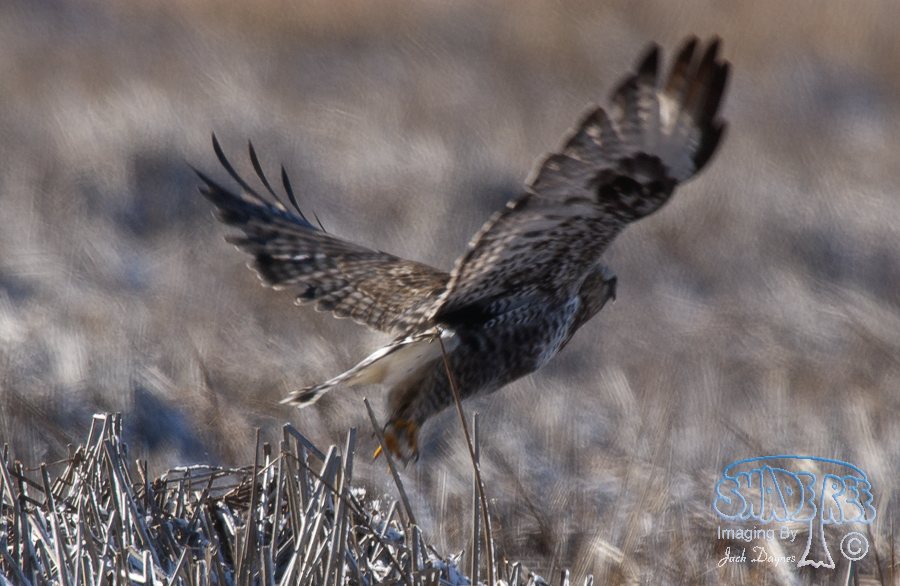
Rough-Legged Hawk(Buteo lagopus) |
|
Description: This was my first visit to Malheur National Wildlife Reserve in Southeastern Oregon. Truly a "must see" destination for bird lovers. |
Date Taken: 2003:12:14 12:27 |
|
Location:
Center Patrol Road |
|
Camera Information: NIKON D1X, 800 mm, f/5.6, 1/500 |
File Name: JCD_4250RoughLeggedHawk |
| © 2003 Jack Daynes, shadeTree Imaging |
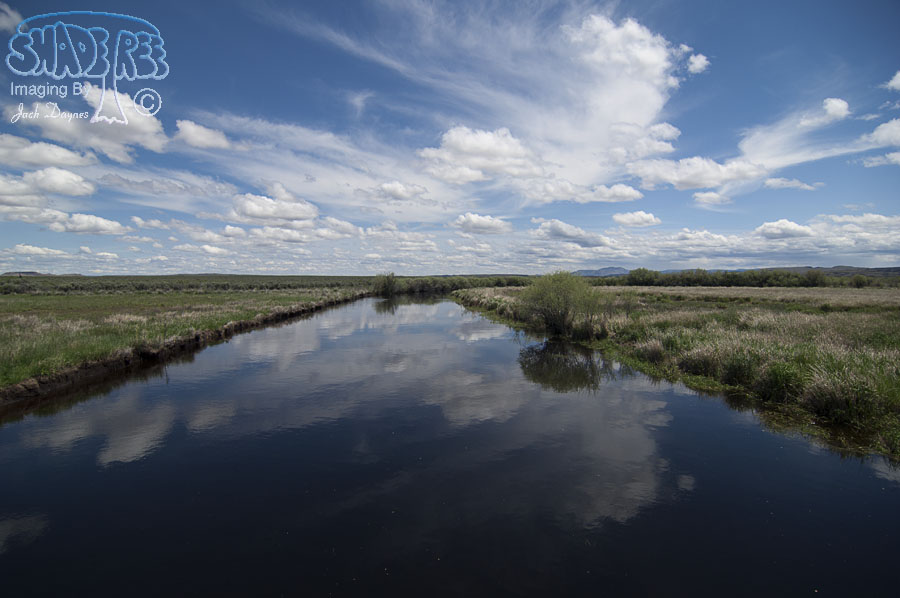
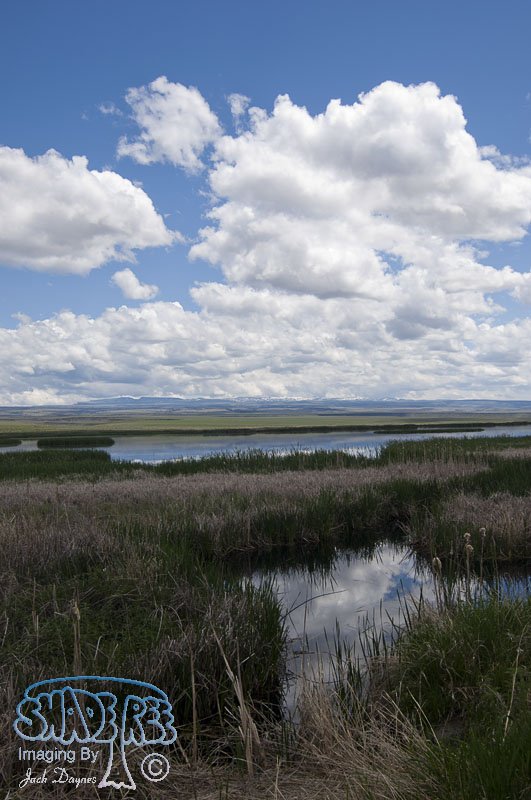
Marshlands(Scenery) |
|
Description: Much of birdlife at Malheur NWR is in the wetlands around the Blitzen River and can be seen from the "Center Patrol Road". |
Date Taken: 2015:06:03 12:10 |
|
Location:
Center Patrol Road |
|
Camera Information: NIKON D2X, 12 mm, f/4.5, 1/2500 |
File Name: D2X0633-Scenery-MalheurNWR |
| © 2015 Jack Daynes, shadeTreeImaging.com |
Marshlands(Scenery) |
|
Description: Much of birdlife at Malheur NWR is in the wetlands around the Blitzen River and can be seen from the "Center Patrol Road". |
Date Taken: 2015:06:03 13:51 |
|
Location:
Center Patrol Road |
|
Camera Information: NIKON D2X, 24 mm, f/4.5, 1/1250 |
File Name: D2X0647-Scenery-MalheurNWR |
| © 2015 Jack Daynes, shadeTreeImaging.com |
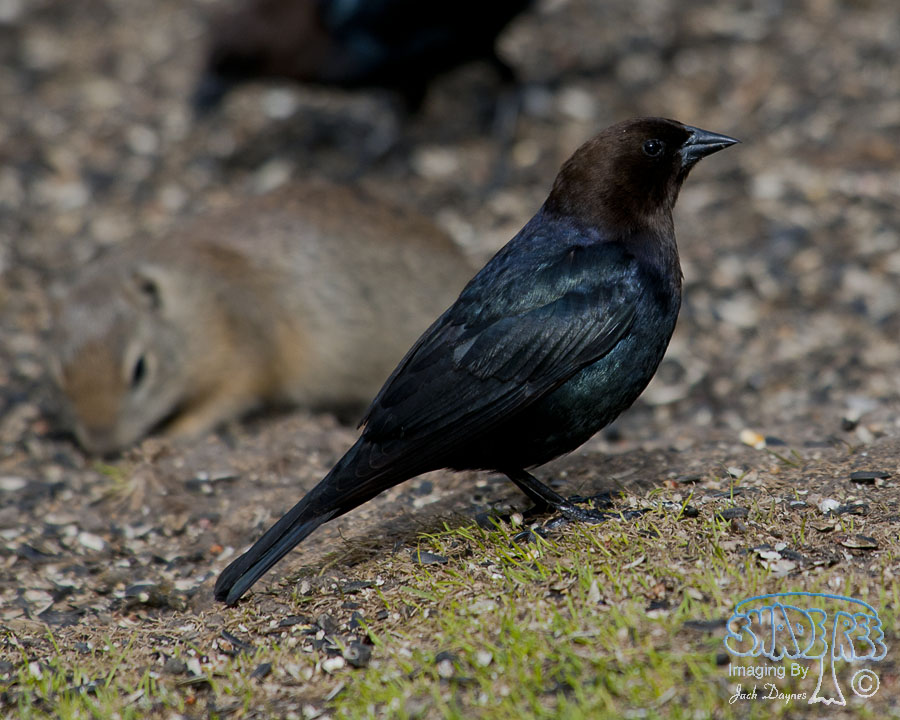
Brown-Headed Cowbird(Molothrus ater) |
|
Description: Where feeders are in place at the Visitor Center, local critters can be readily observed. Malheur NWR Headquarters in eastern Oregon. |
Date Taken: 2015:06:02 17:44 |
|
Location:
Visitor Center |
|
Camera Information: NIKON D3X, 800 mm, f/7.1, 1/1600 |
File Name: D3X7008-BrownHeadedCowBird |
| © 2015 Jack Daynes, shadeTreeImaging.com |
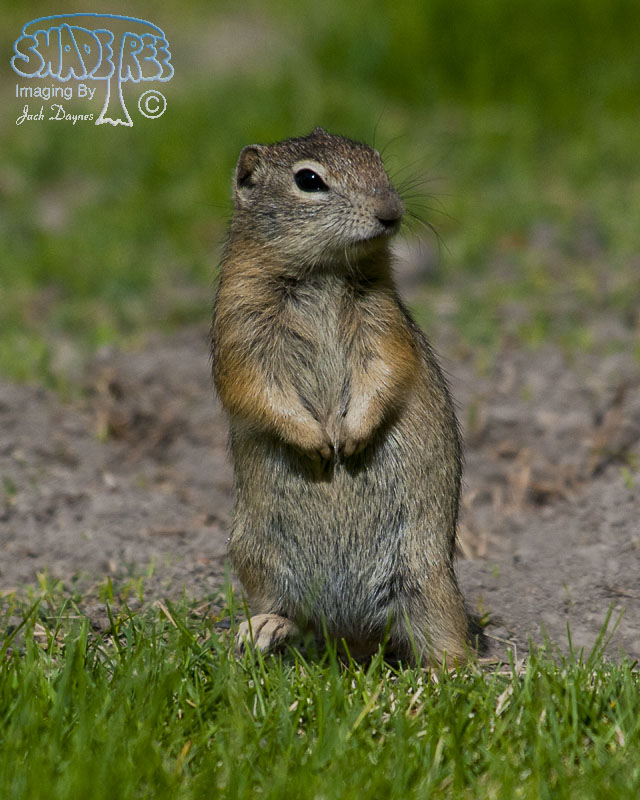
Belding's Ground Squirrel(Urocitellus beldingi) |
|
Description: These critters can be readily observerd at the Malheur NWR Headquarters in eastern Oregon. |
Date Taken: 2015:06:02 17:45 |
|
Location:
Visitor Center |
|
Camera Information: NIKON D3X, 800 mm, f/7.1, 1/4000 |
File Name: D3X7013-BeldingsGroundSquirrel |
| © 2015 Jack Daynes, shadeTreeImaging.com |
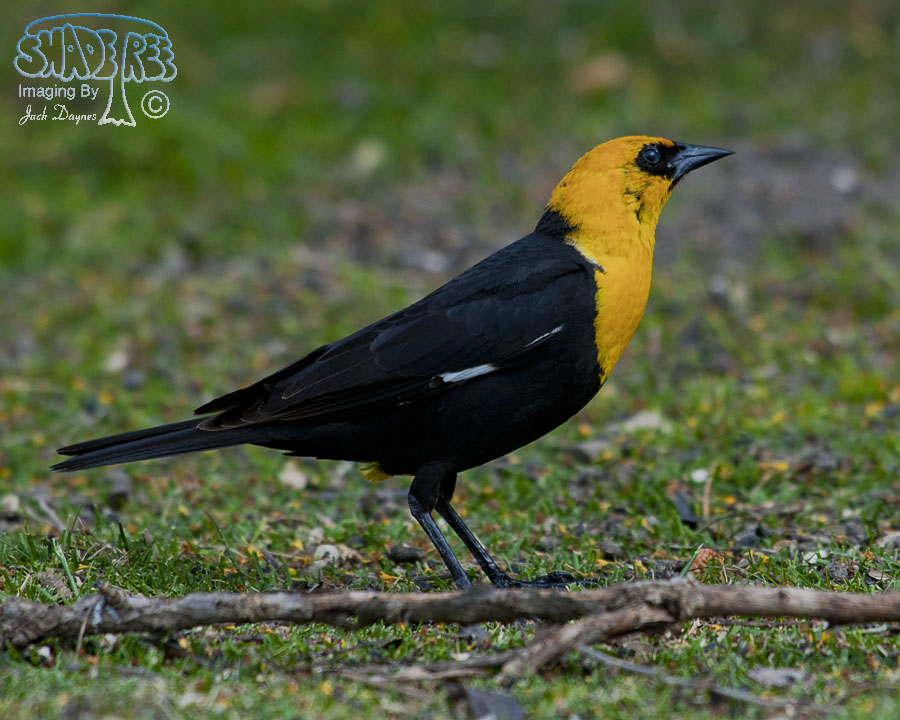
Yellow-Headed Blackbird(Xanthocephalus xanthocephalus) |
|
Description: Where feeders are in place at the Visitor Center, local critters can be readily observed. Malheur NWR Headquarters in eastern Oregon. |
Date Taken: 2015:06:02 17:46 |
|
Location:
Visitor Center |
|
Camera Information: NIKON D3X, 800 mm, f/7.1, 1/640 |
File Name: D3X7015-YellowHeadedBlackbird |
| © 2015 Jack Daynes, shadeTreeImaging.com |
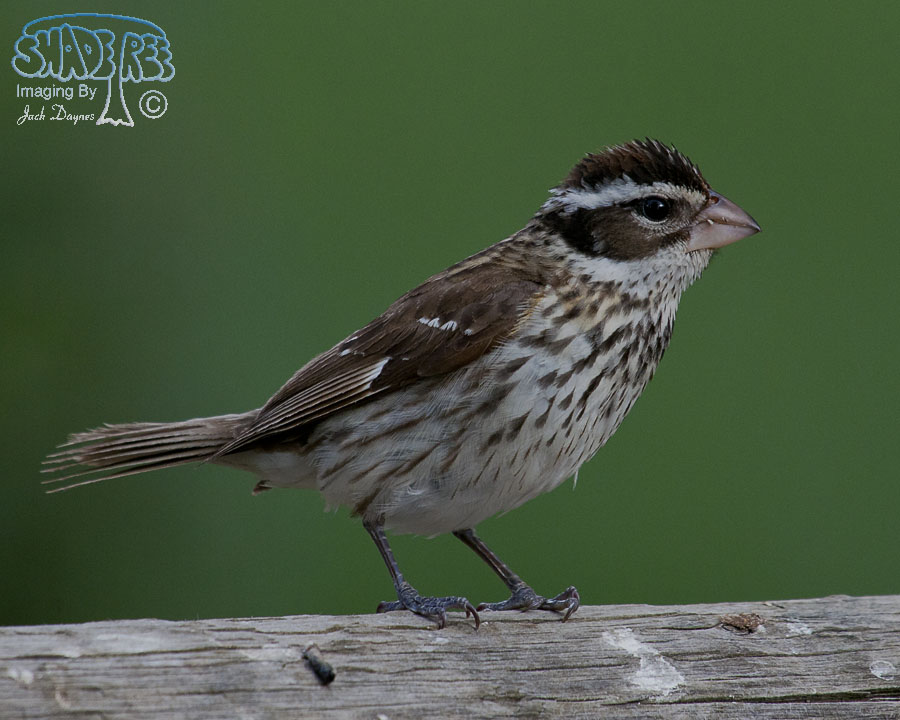
Rose-Breasted Grosbeak(Pheucticus ludovicianus) |
|
Description: Not normally found at this location, this bird was observed at the Malheur NWR Headquarters in eastern Oregon. |
Date Taken: 2015:06:02 18:36 |
|
Location:
Visitor Center |
|
Camera Information: NIKON D3X, 800 mm, f/8.0, 1/500 |
File Name: D3X7039-RoseBreastedGrosbeak-Female |
| © 2015 Jack Daynes, shadeTreeImaging.com |
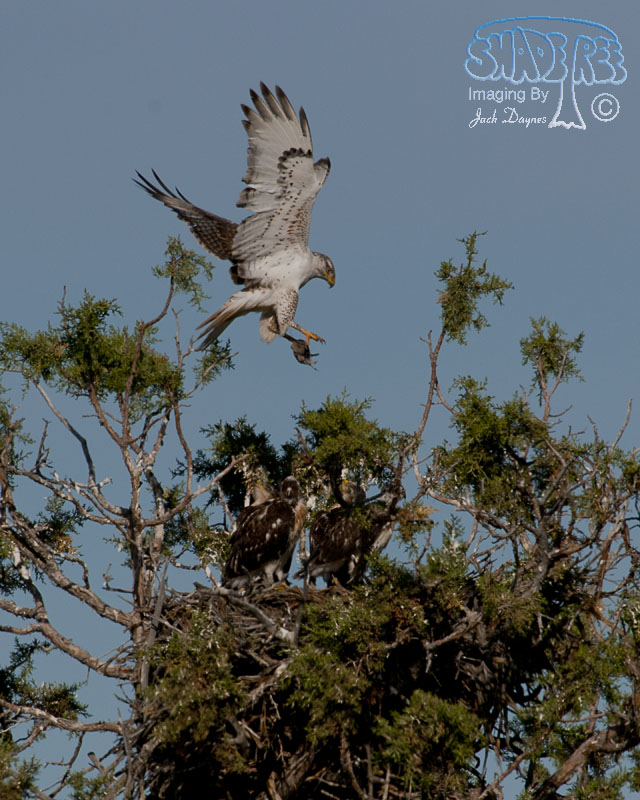
Ferruginous Hawk(Buteo regalis) |
|
Description: Feeding time! This nest had four very large and health looking preflight age chicks. I sat alongside the road from Burns Oregon to Malheur NWR for over an hour. This was the only appearance by an adult. |
Date Taken: 2015:06:03 8:58 |
|
Location:
Narrows |
|
Camera Information: NIKON D3X, 800 mm, f/8.0, 1/5000 |
File Name: D3X7116-FerrugineusHawk-Nest |
| © 2015 Jack Daynes, shadeTreeImaging.com |
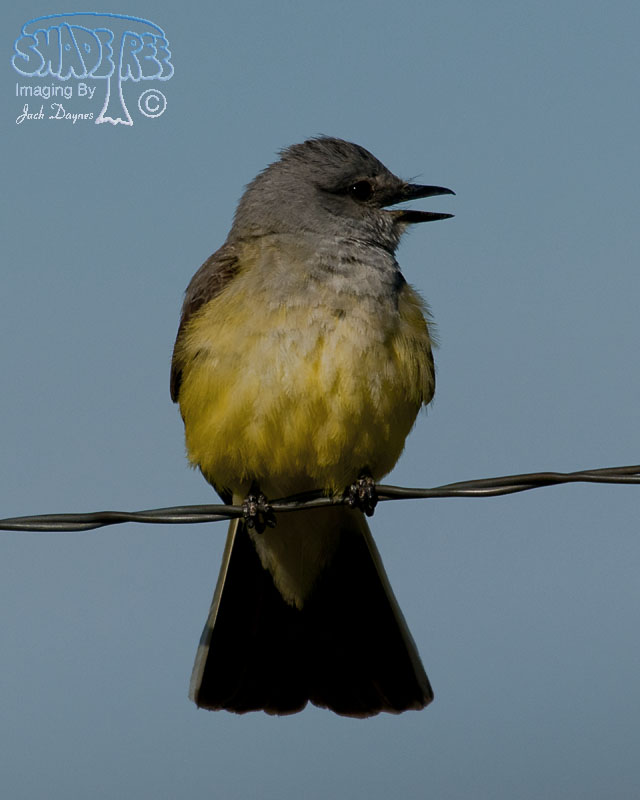
Western Kingbird(Tyrannus verticalis) |
|
Description: These birds were nesting under the nest of a Ferrugenous Hawk family. Alongside the road from Burns Oregon to Malheur NWR. |
Date Taken: 2015:06:03 9:30 |
|
Location:
Narrows |
|
Camera Information: NIKON D3X, 800 mm, f/8.0, 1/6400 |
File Name: D3X7206-WesternKingBird |
| © 2015 Jack Daynes, shadeTreeImaging.com |
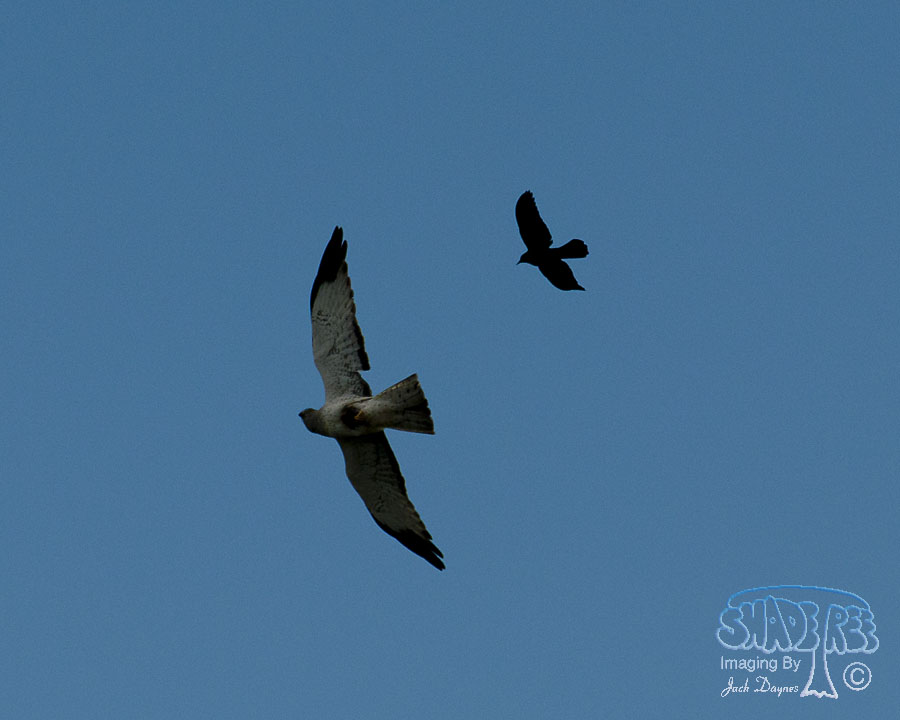
Northern Harrier(Circus cyaneus) |
|
Description: This hawk was being harrased by a Red-Winged Blackbird near the Headquarters of Malheur NWR south of Burns in eastern Oregon. |
Date Taken: 2015:06:03 11:21 |
|
Location:
Visitor Center |
|
Camera Information: NIKON D3X, 800 mm, f/8.0, 1/4000 |
File Name: D3X7308-NorthernHarrier-Harrassed |
| © 2015 Jack Daynes, shadeTreeImaging.com |
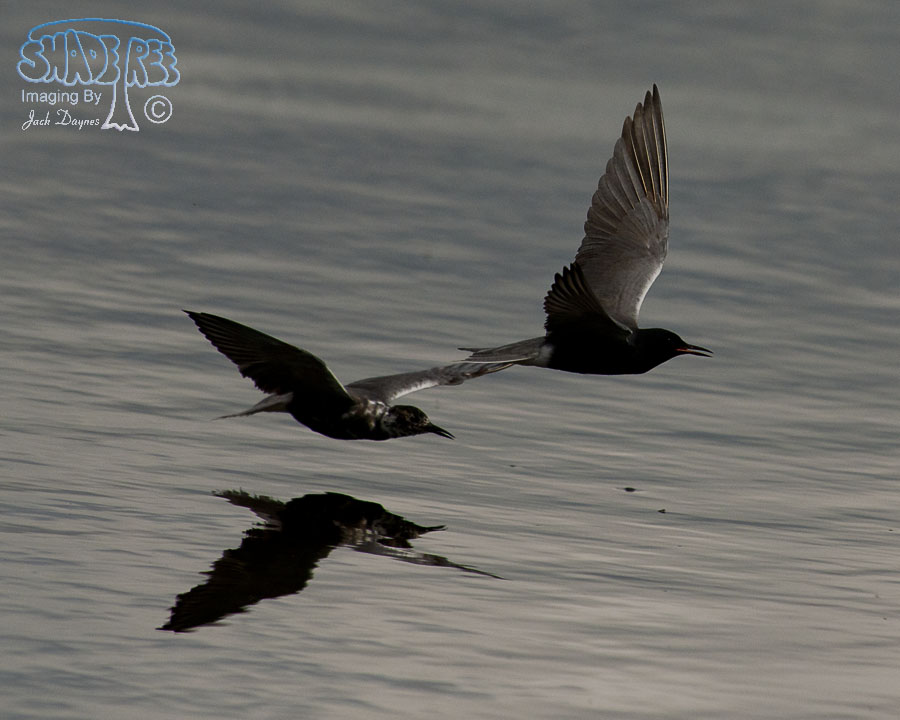
Black Tern(Chlidonias niger) |
|
Description: In flight is the usual way these birds are seen. Near the Headquarters of Malheur NWR south of Burns in eastern Oregon. |
Date Taken: 2015:06:03 11:34 |
|
Location:
Visitor Center |
|
Camera Information: NIKON D3X, 800 mm, f/8.0, 1/5000 |
File Name: D3X7587-BlackTern |
| © 2015 Jack Daynes, shadeTreeImaging.com |
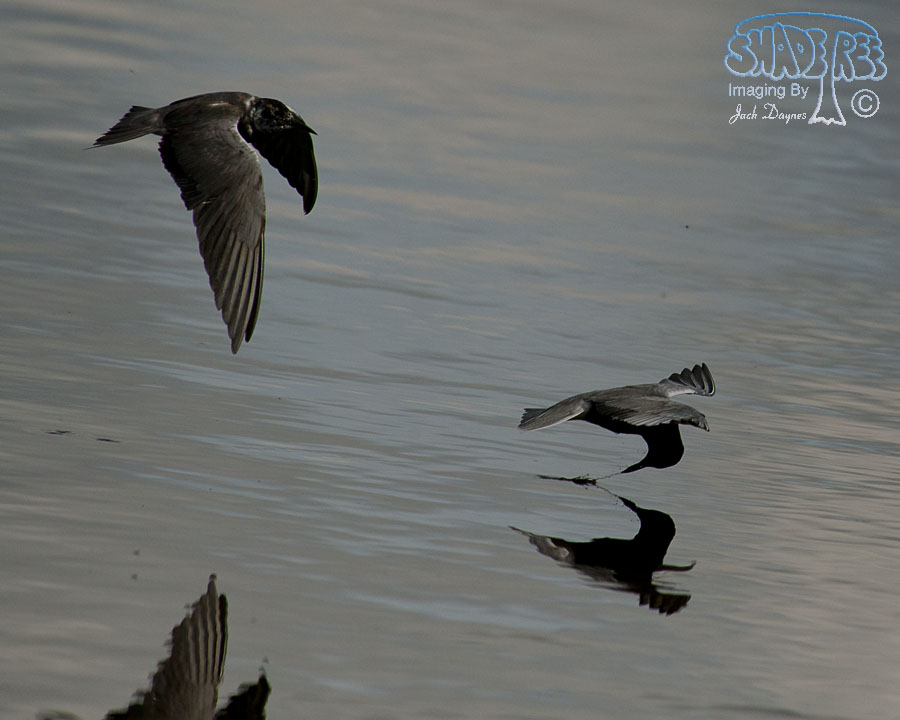
Black Tern(Chlidonias niger) |
|
Description: In flight is the usual way these birds are seen. Near the Headquarters of Malheur NWR south of Burns in eastern Oregon. |
Date Taken: 2015:06:03 11:34 |
|
Location:
Visitor Center |
|
Camera Information: NIKON D3X, 800 mm, f/8.0, 1/5000 |
File Name: D3X7589-BlackTern |
| © 2015 Jack Daynes, shadeTreeImaging.com |
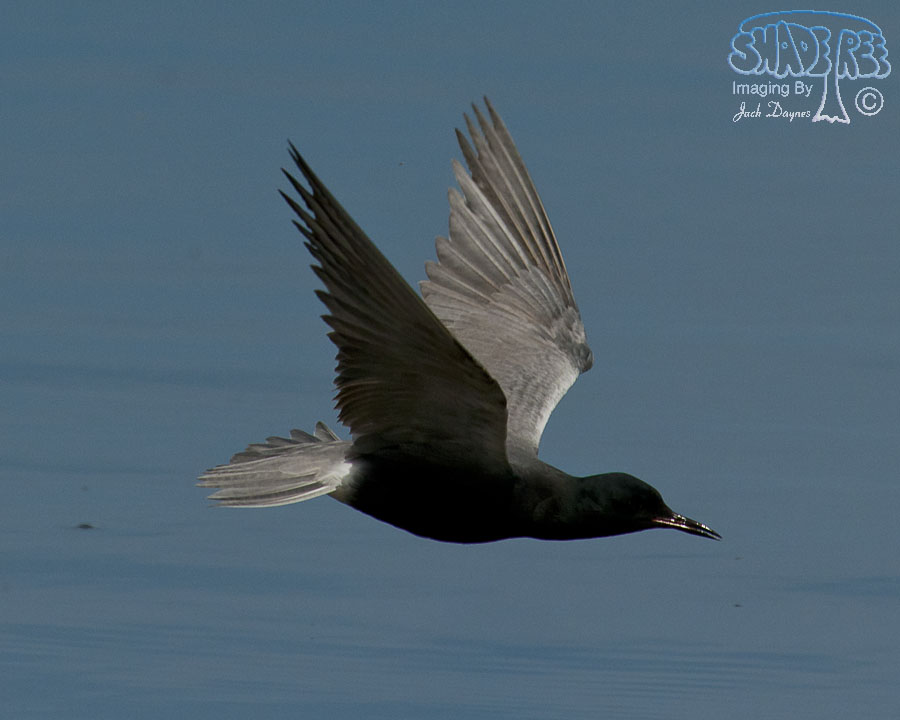
Black Tern(Chlidonias niger) |
|
Description: In flight is the usual way these birds are seen. Near the Headquarters of Malheur NWR south of Burns in eastern Oregon. |
Date Taken: 2015:06:03 11:35 |
|
Location:
Visitor Center |
|
Camera Information: NIKON D3X, 800 mm, f/8.0, 1/4000 |
File Name: D3X7626-BlackTern |
| © 2015 Jack Daynes, shadeTreeImaging.com |
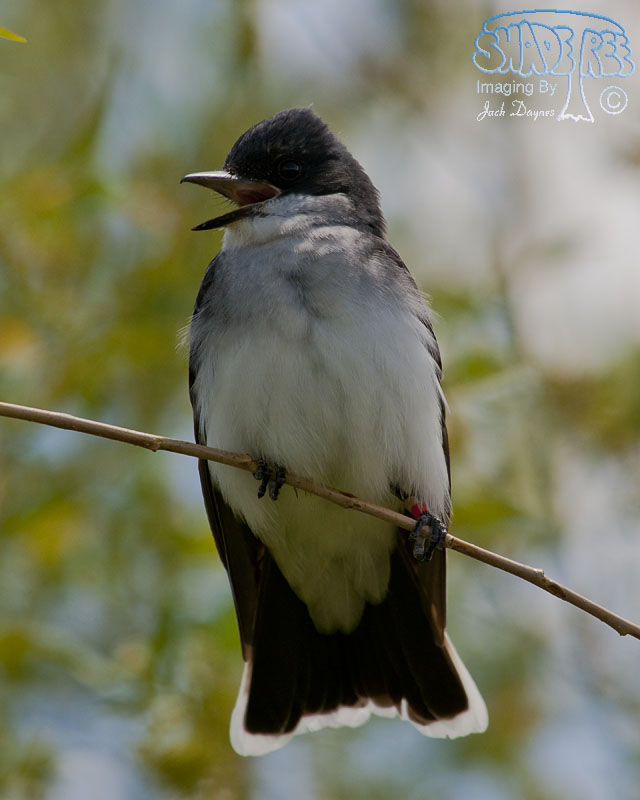
Eastern Kingbird(Tyrannus tyrannus) |
|
Description: I met this bird along the Center Patrol Road of Malheur NWR in the area near Buena Vista Ponds. |
Date Taken: 2015:06:03 14:10 |
|
Location:
Center Patrol Road |
|
Camera Information: NIKON D3X, 800 mm, f/8.0, 1/1600 |
File Name: D3X7704-EasternKingBird |
| © 2015 Jack Daynes, shadeTreeImaging.com |
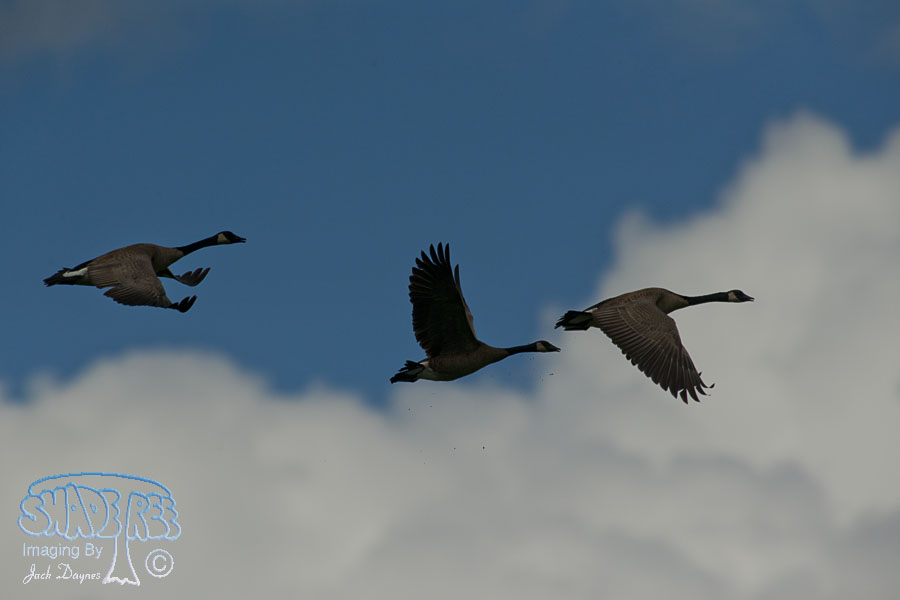
Canada Goose(Branta canadensis) |
|
Description: Benson Pond in Malheur NWR about 10 miles north of Frenchglen Oregon. |
Date Taken: 2015:06:03 15:36 |
|
Location:
Benson Pond |
|
Camera Information: NIKON D3X, 800 mm, f/8.0, 1/6400 |
File Name: D3X7810-CanadaGeese |
| © 2015 Jack Daynes, shadeTreeImaging.com |
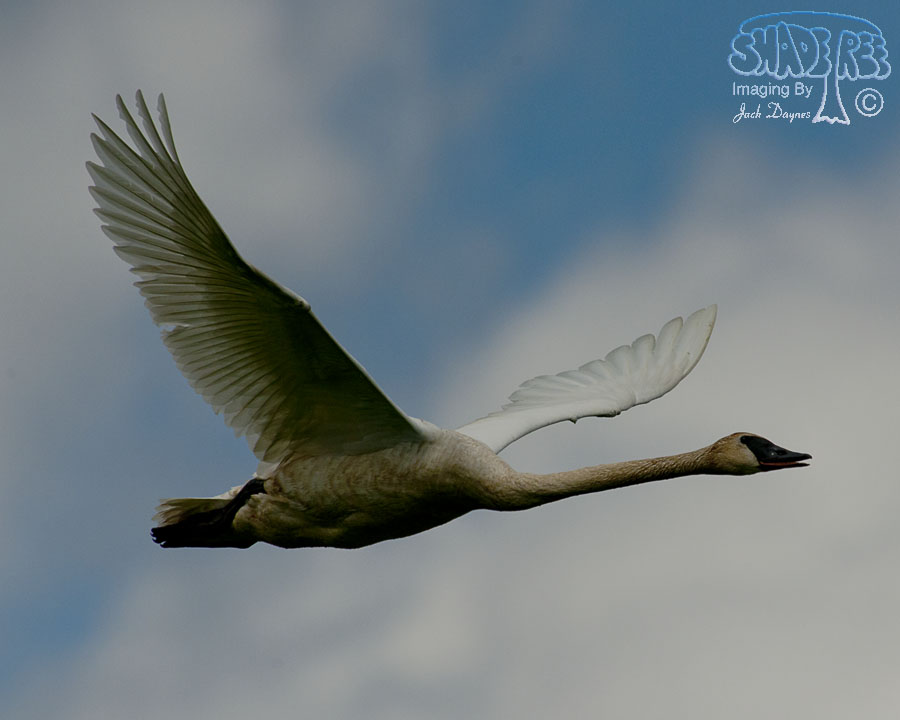
Trumpeter Swan(Cygnus buccinator) |
|
Description: Benson Pond in Malheur NWR about 10 miles north of Frenchglen Oregon. |
Date Taken: 2015:06:03 15:36 |
|
Location:
Benson Pond |
|
Camera Information: NIKON D3X, 800 mm, f/8.0, 1/6400 |
File Name: D3X7815-TrumpeterSwan |
| © 2015 Jack Daynes, shadeTreeImaging.com |
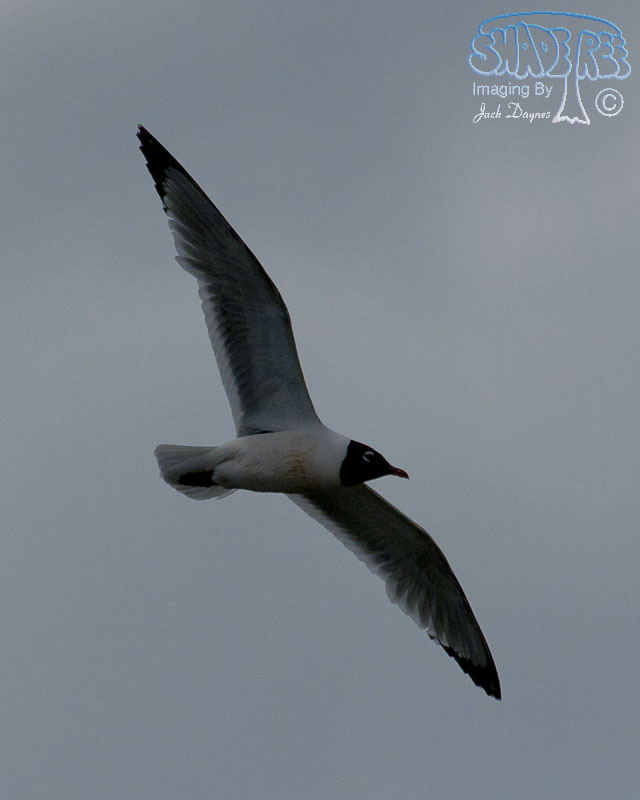
Franklin's Gull(Leucophaeus pipixcan) |
|
Description: Benson Pond in Malheur NWR about 10 miles north of Frenchglen Oregon. |
Date Taken: 2015:06:03 15:51 |
|
Location:
Benson Pond |
|
Camera Information: NIKON D3X, 800 mm, f/8.0, 1/8000 |
File Name: D3X7840-FranklinsGull |
| © 2015 Jack Daynes, shadeTreeImaging.com |
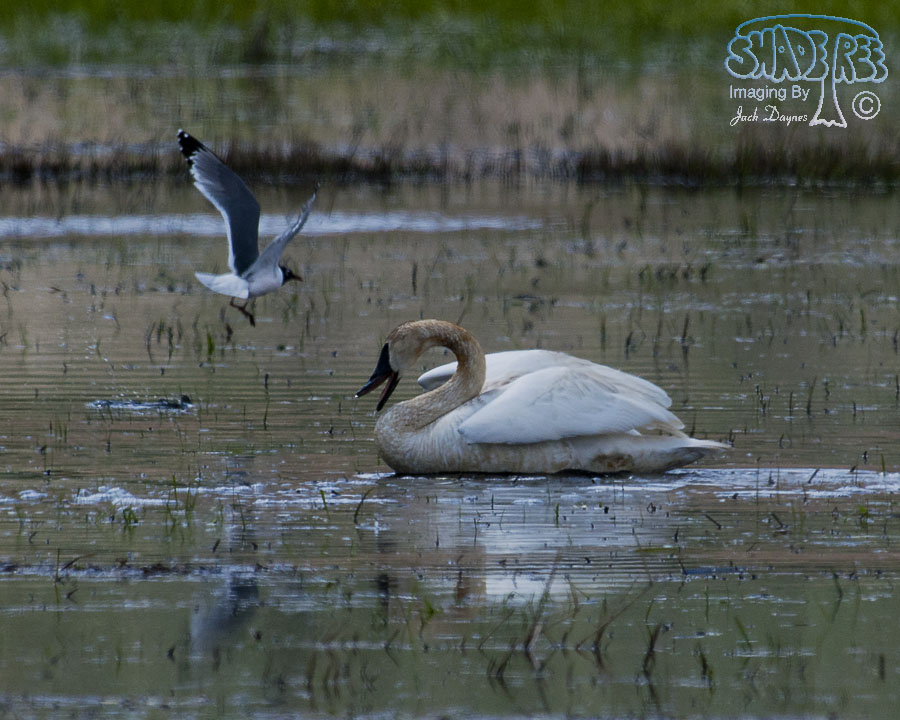
Trumpeter Swan(Cygnus buccinator) |
|
Description: Benson Pond in Malheur NWR about 10 miles north of Frenchglen Oregon. |
Date Taken: 2015:06:03 15:51 |
|
Location:
Benson Pond |
|
Camera Information: NIKON D3X, 800 mm, f/8.0, 1/1600 |
File Name: D3X7867-TrumpeterSwan |
| © 2015 Jack Daynes, shadeTreeImaging.com |
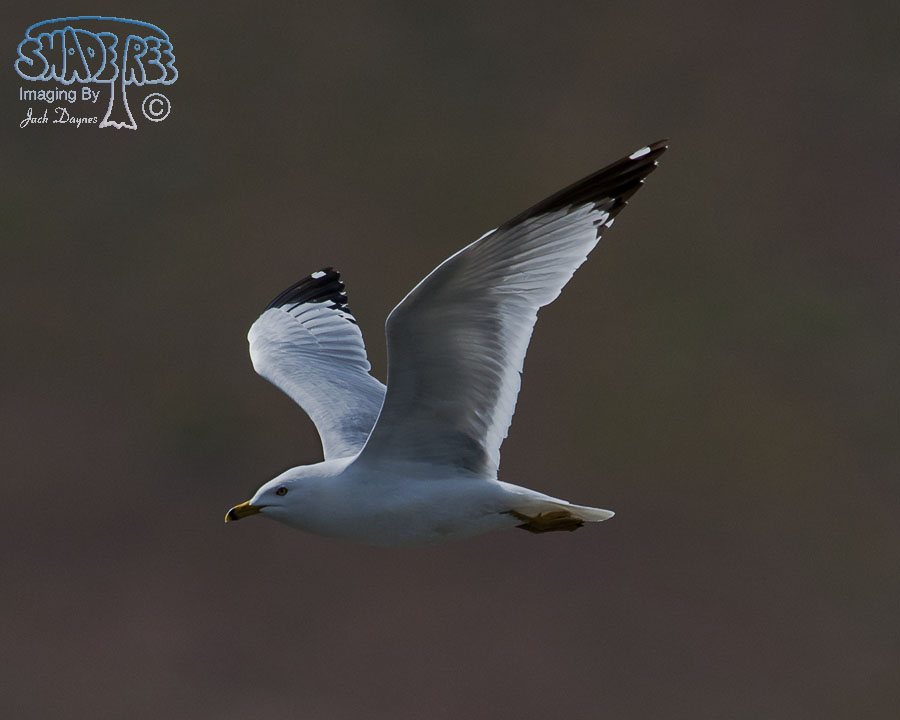
Ring-Billed Gull(Larus delawarensis) |
|
Description: Benson Pond in Malheur NWR about 10 miles north of Frenchglen Oregon. |
Date Taken: 2015:06:03 15:56 |
|
Location:
Benson Pond |
|
Camera Information: NIKON D3X, 800 mm, f/8.0, 1/2000 |
File Name: D3X7929-RingBilledGull |
| © 2015 Jack Daynes, shadeTreeImaging.com |
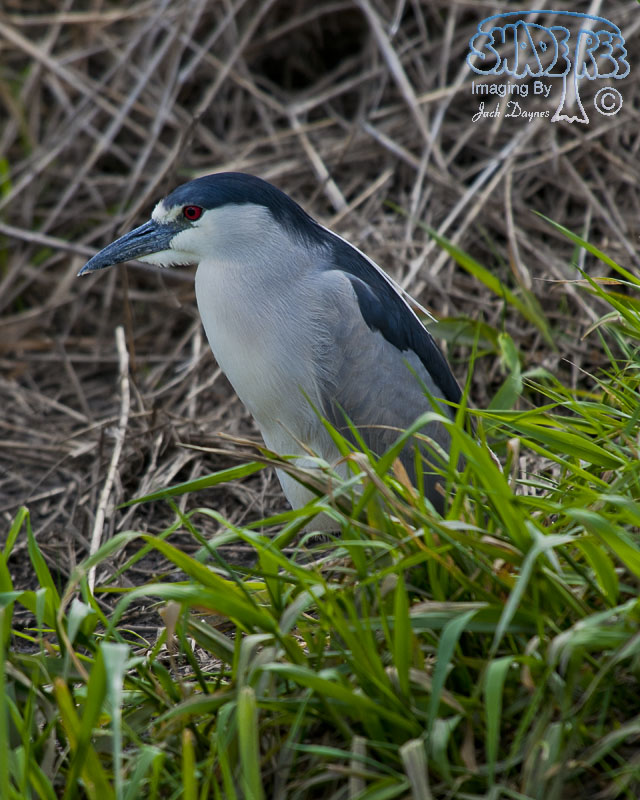
Black-Crowned Night-Heron(Nycticorax nycticorax) |
|
Description: Benson Pond in Malheur NWR about 10 miles north of Frenchglen Oregon. |
Date Taken: 2015:06:03 16:45 |
|
Location:
Benson Pond |
|
Camera Information: NIKON D3X, 800 mm, f/8.0, 1/640 |
File Name: D3X7948-BlackCrownedNightHeron |
| © 2015 Jack Daynes, shadeTreeImaging.com |
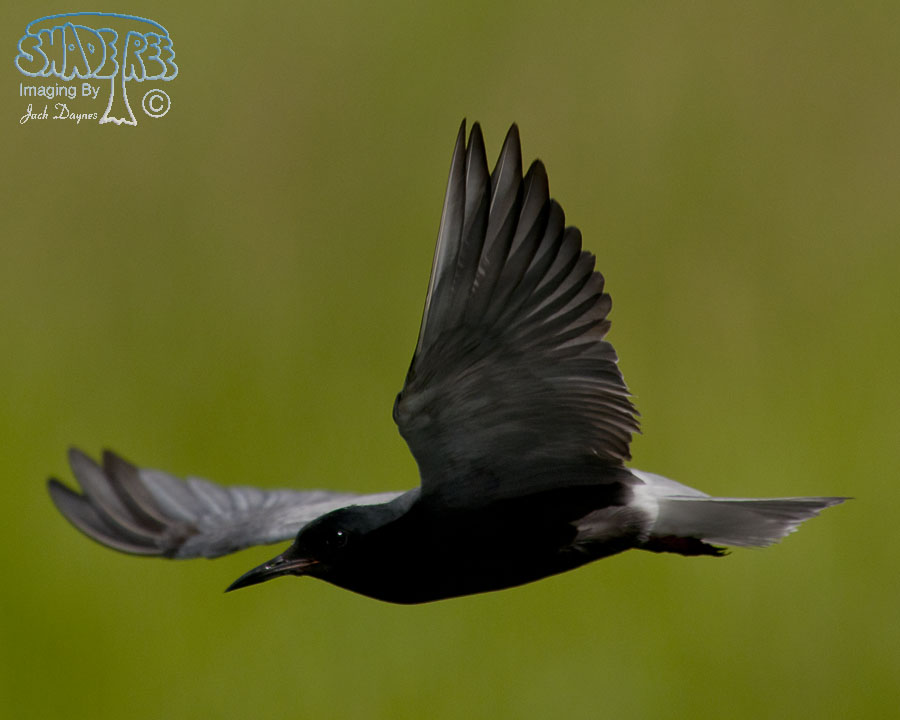
Black Tern(Chlidonias niger) |
|
Description: In flight is the usual way these birds are seen. The wetlands north of Frenchglen and "The P Ranch" in Malheur NWR in eastern Oregon. |
Date Taken: 2015:06:03 17:09 |
|
Location:
Center Patrol Road |
|
Camera Information: NIKON D3X, 800 mm, f/8.0, 1/3200 |
File Name: D3X8012-BlackTern |
| © 2015 Jack Daynes, shadeTreeImaging.com |
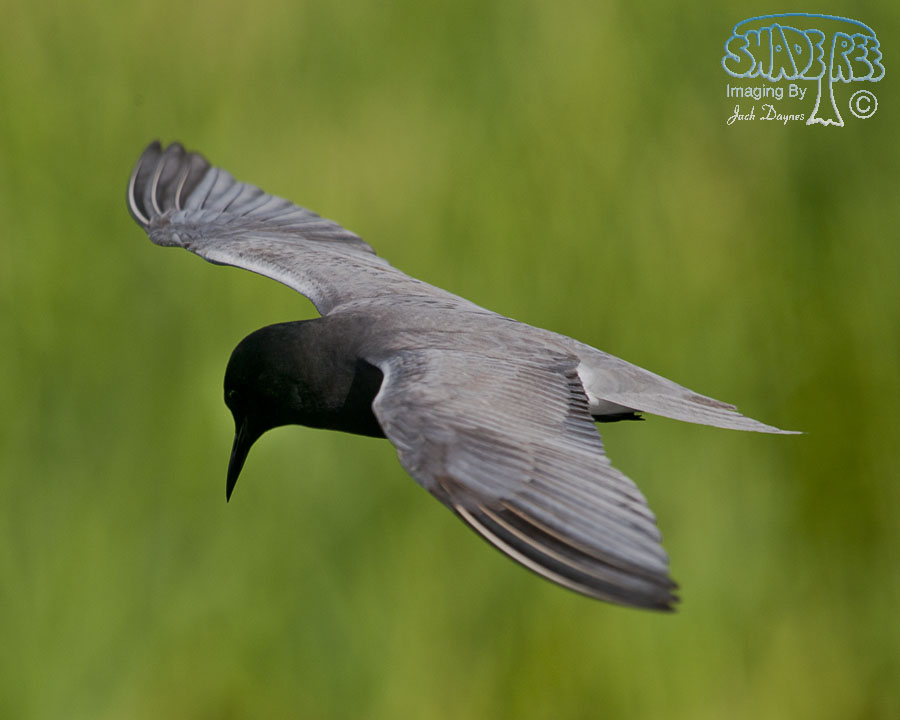
Black Tern(Chlidonias niger) |
|
Description: In flight is the usual way these birds are seen. The wetlands north of Frenchglen and "The P Ranch" in Malheur NWR in eastern Oregon. |
Date Taken: 2015:06:03 17:11 |
|
Location:
Center Patrol Road |
|
Camera Information: NIKON D3X, 800 mm, f/8.0, 1/2000 |
File Name: D3X8036-BlackTern |
| © 2015 Jack Daynes, shadeTreeImaging.com |
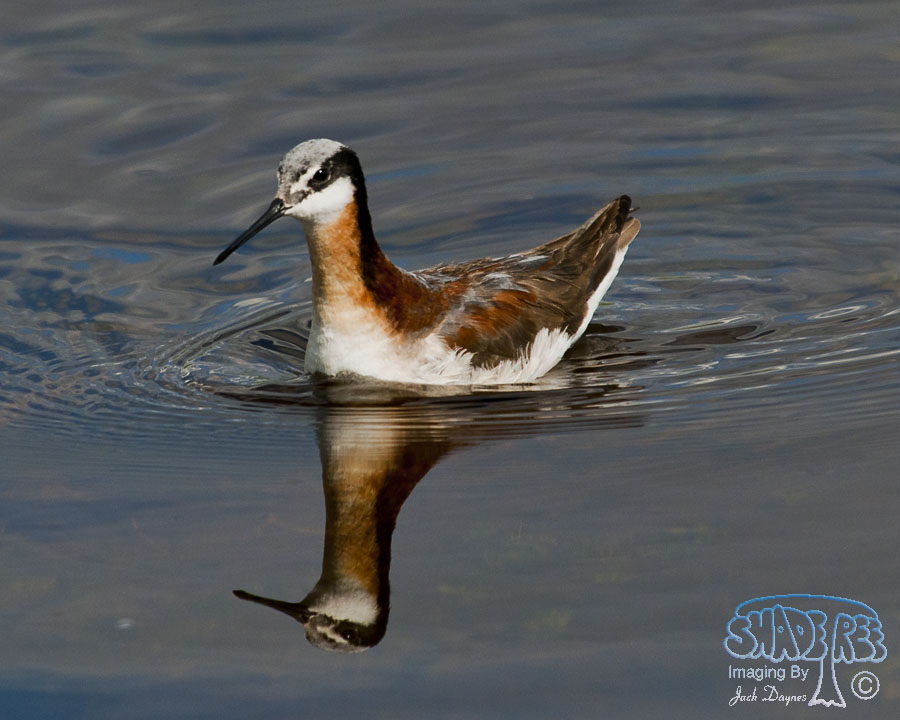
Wilson's Phalarope(Phalaropus tricolor) |
|
Description: The wetlands north of Frenchglen and "The P Ranch" in Malheur NWR in eastern Oregon. |
Date Taken: 2015:06:03 17:28 |
|
Location:
Center Patrol Road |
|
Camera Information: NIKON D3X, 800 mm, f/8.0, 1/2500 |
File Name: D3X8071-WilsonsPhalarope |
| © 2015 Jack Daynes, shadeTreeImaging.com |
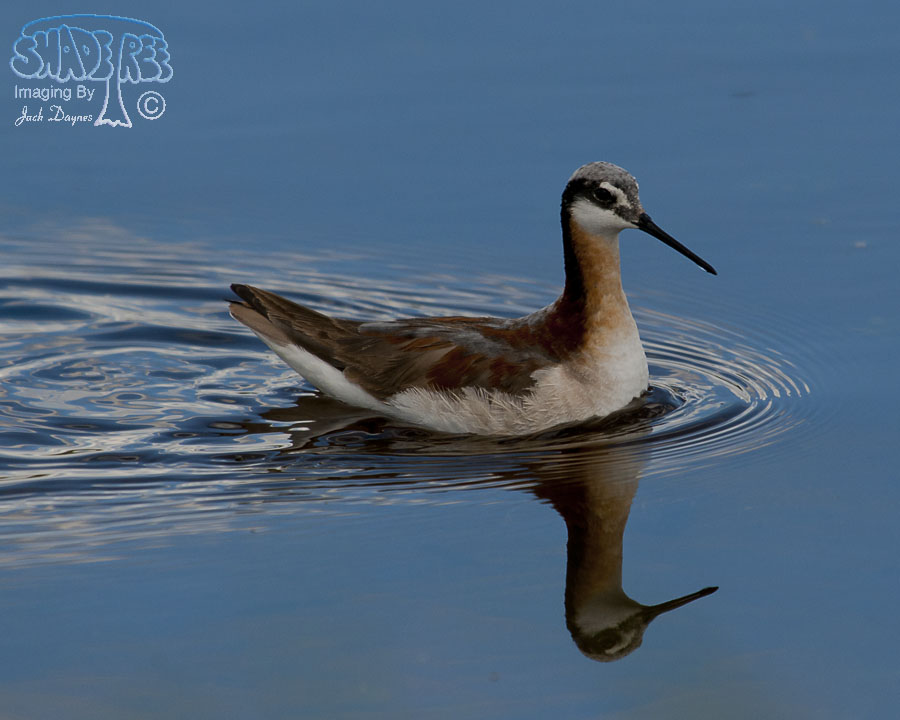
Wilson's Phalarope(Phalaropus tricolor) |
|
Description: The wetlands north of Frenchglen and "The P Ranch" in Malheur NWR in eastern Oregon. |
Date Taken: 2015:06:03 17:50 |
|
Location:
Center Patrol Road |
|
Camera Information: NIKON D3X, 800 mm, f/8.0, 1/1250 |
File Name: D3X8195-WilsonsPhalarope |
| © 2015 Jack Daynes, shadeTreeImaging.com |
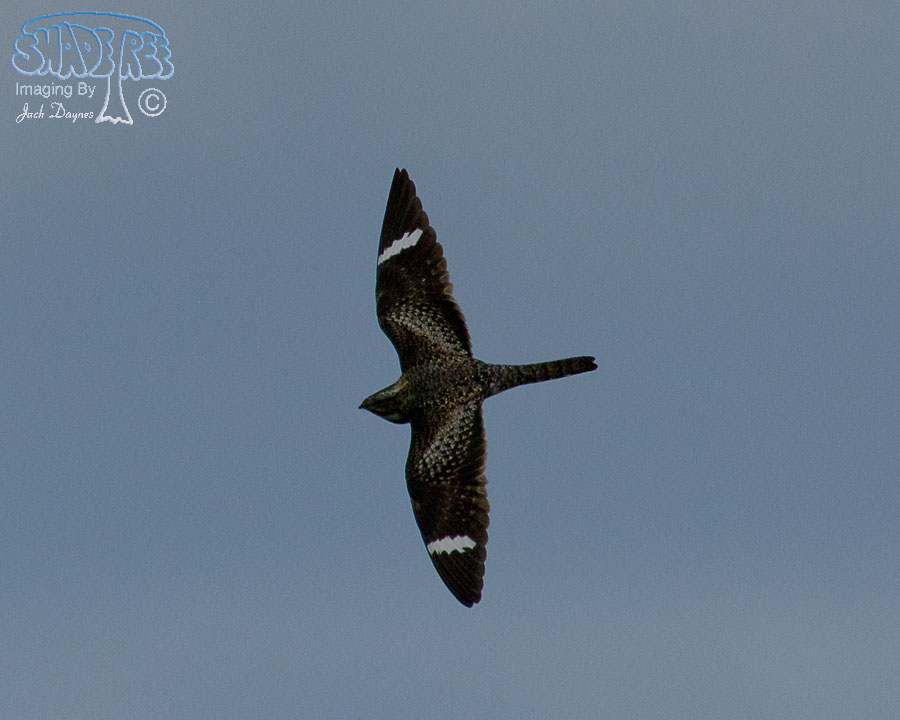
Common Nighthawk(Chordeiles minor) |
|
Description: The wetlands north of Frenchglen and "The P Ranch" in Malheur NWR in eastern Oregon. |
Date Taken: 2015:06:03 17:59 |
|
Location:
Center Patrol Road |
|
Camera Information: NIKON D3X, 800 mm, f/8.0, 1/8000 |
File Name: D3X8212-CommonNightHawk |
| © 2015 Jack Daynes, shadeTreeImaging.com |
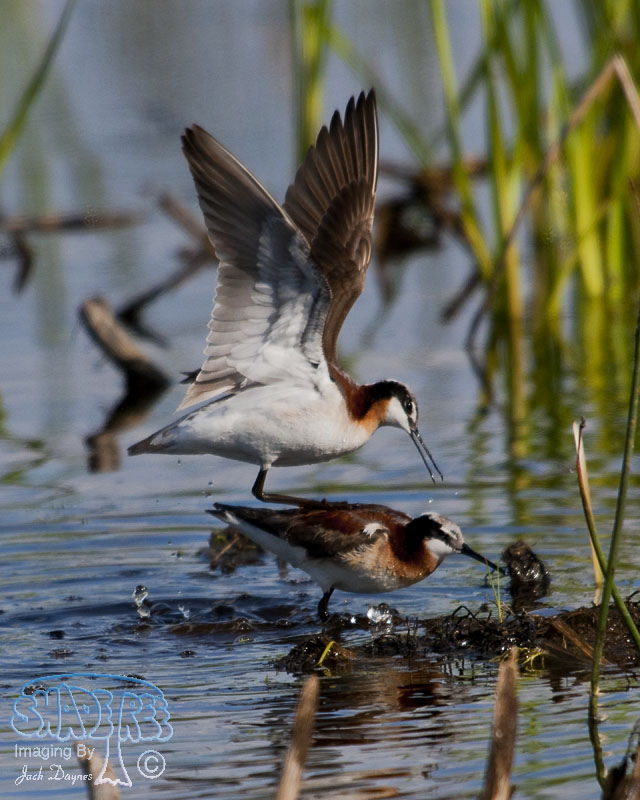
Wilson's Phalarope(Phalaropus tricolor) |
|
Description: Breeding activity; she'll lay her eggs and leave the male to raise the babies. I met these lovers in the wetlands north of Frenchglen and "The P Ranch" at eastern Oregon’s Malheur NWR. |
Date Taken: 2015:06:03 18:38 |
|
Location:
Center Patrol Road |
|
Camera Information: NIKON D3X, 800 mm, f/8.0, 1/2000 |
File Name: D3X8237-WilsonsPhalarope |
| © 2015 Jack Daynes, shadeTreeImaging.com |
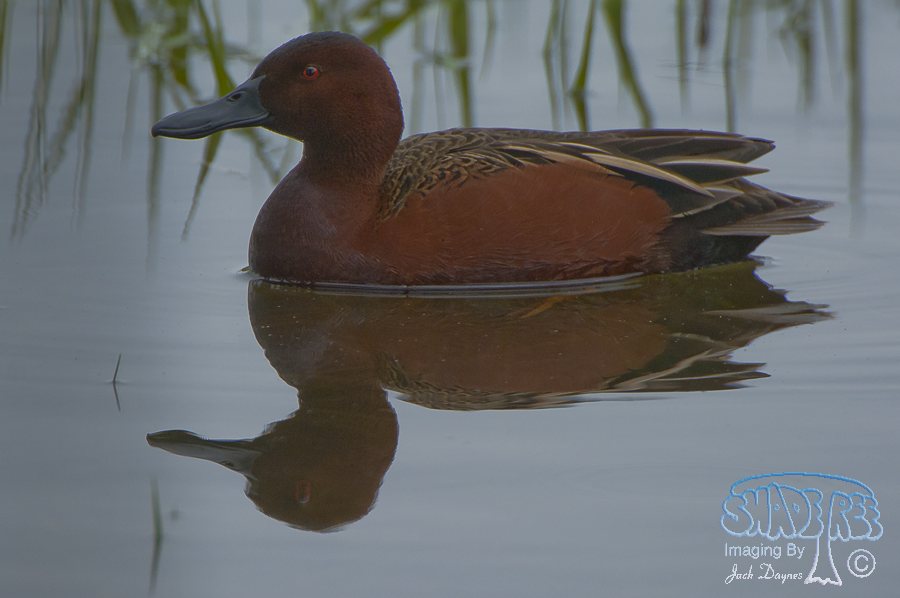
Cinnamon Teal(Spatula cyanoptera) |
|
Description: Malheur NWR, Central Oregon 2005-05-20. |
Date Taken: 2005:05:20 9:09 |
|
Location:
Diamond Lane |
|
Camera Information: NIKON D2X, 550 mm, f/5.6, 1/640 |
File Name: JCD2132CinnamonTeal |
| © 2005 Jack Daynes, shadeTreeImaging.com |
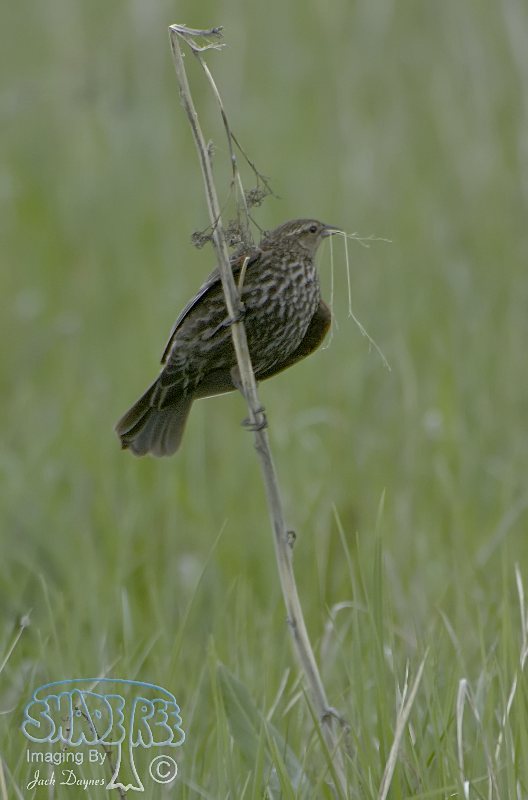
Red-Winged Blackbird(Agelaius phoeniceus) |
|
Description: Malheur NWR, Central Oregon 2005-05-20. |
Date Taken: 2005:05:20 9:54 |
|
Location:
Diamond Lane |
|
Camera Information: NIKON D2X, 550 mm, f/5.6, 1/500 |
File Name: JCD2154RedWingedBlackBird |
| © 2005 Jack Daynes, shadeTreeImaging.com |
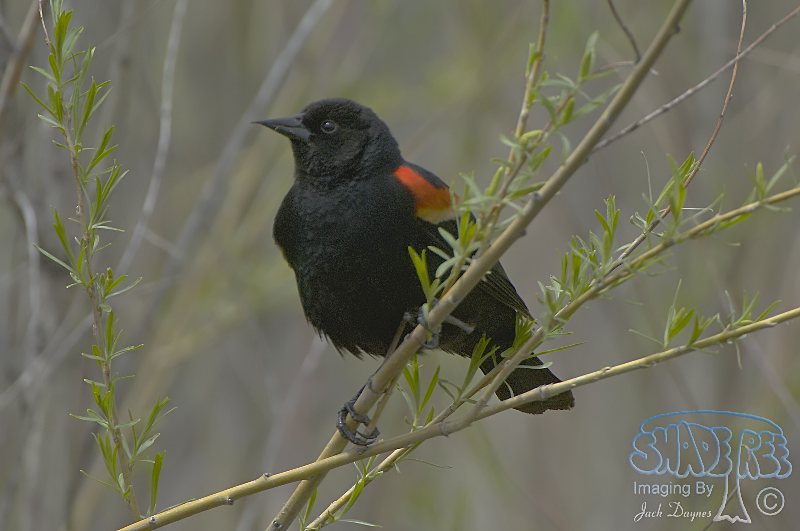
Red-Winged Blackbird(Agelaius phoeniceus) |
|
Description: Malheur NWR, Central Oregon 2005-05-20. |
Date Taken: 2005:05:20 10:25 |
|
Location:
Diamond Lane |
|
Camera Information: NIKON D2X, 550 mm, f/5.6, 1/750 |
File Name: JCD2170RedWingedBlackBird |
| © 2005 Jack Daynes, shadeTreeImaging.com |
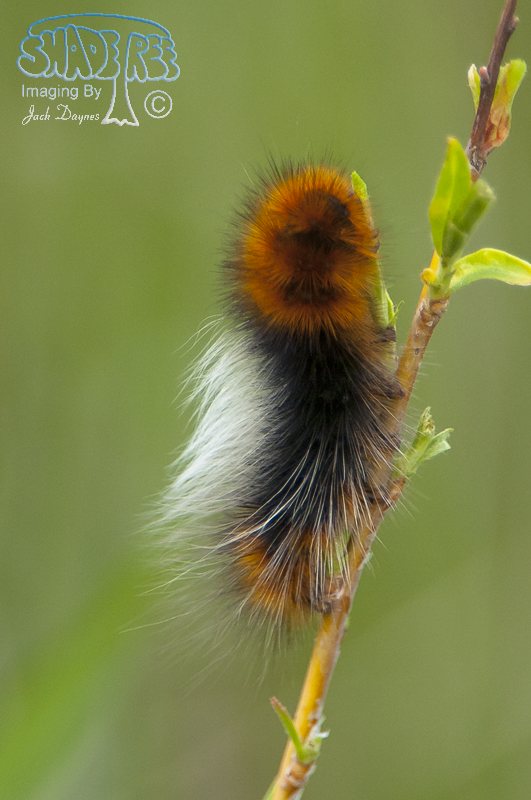
Ranchman's Tiger Moth Larva(Platyprepia virginalis) |
|
Description: Malheur NWR, Central Oregon 2005-05-20. |
Date Taken: 2005:05:20 10:34 |
|
Location:
Diamond Lane |
|
Camera Information: NIKON D2X, 550 mm, f/5.6, 1/640 |
File Name: JCD2188Caterpiller |
| © 2005 Jack Daynes, shadeTreeImaging.com |
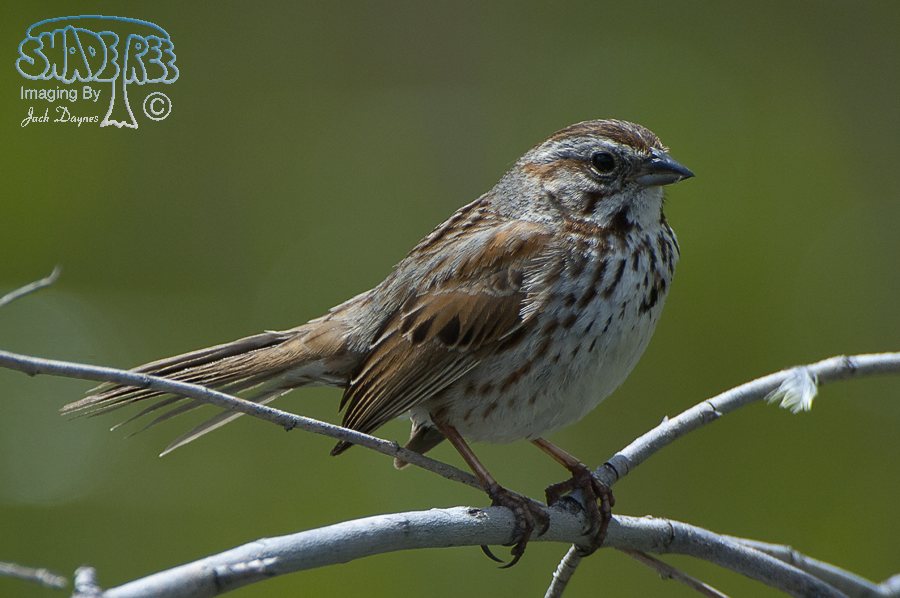
Song Sparrow(Melospiza melodia) |
|
Description: Malheur NWR, Central Oregon 2005-05-20. |
Date Taken: 2005:05:20 11:38 |
|
Location:
Diamond Lane |
|
Camera Information: NIKON D2X, 550 mm, f/5.6, 1/1000 |
File Name: JCD2201SongSparrow |
| © 2005 Jack Daynes, shadeTreeImaging.com |
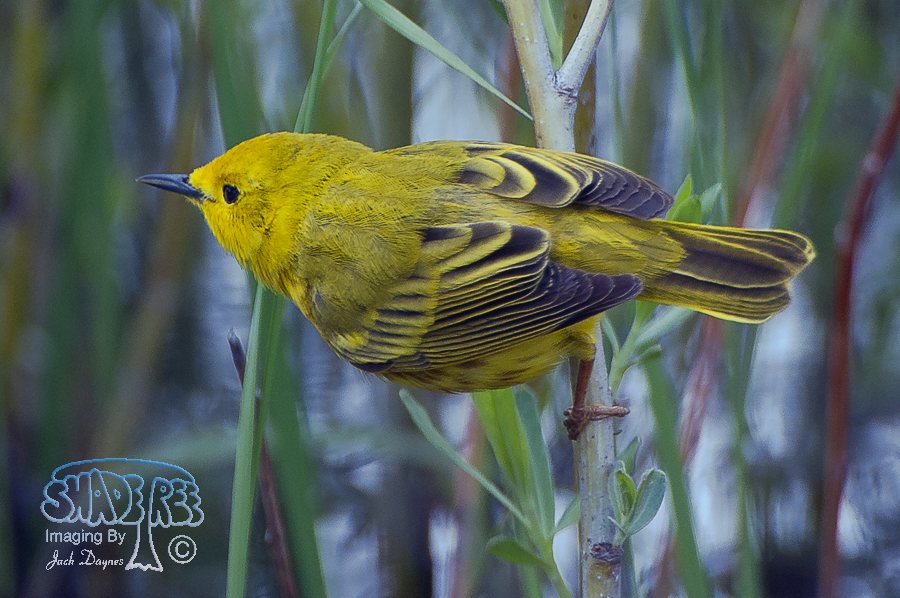
American Yellow Warbler(Setophaga petechia) |
|
Description: Malheur NWR, Central Oregon 2005-05-20. |
Date Taken: 2005:05:20 14:31 |
|
Location:
Diamond Lane |
|
Camera Information: NIKON D2X, 550 mm, f/5.6, 1/180 |
File Name: JCD2257YellowWarbler |
| © 2005 Jack Daynes, shadeTreeImaging.com |
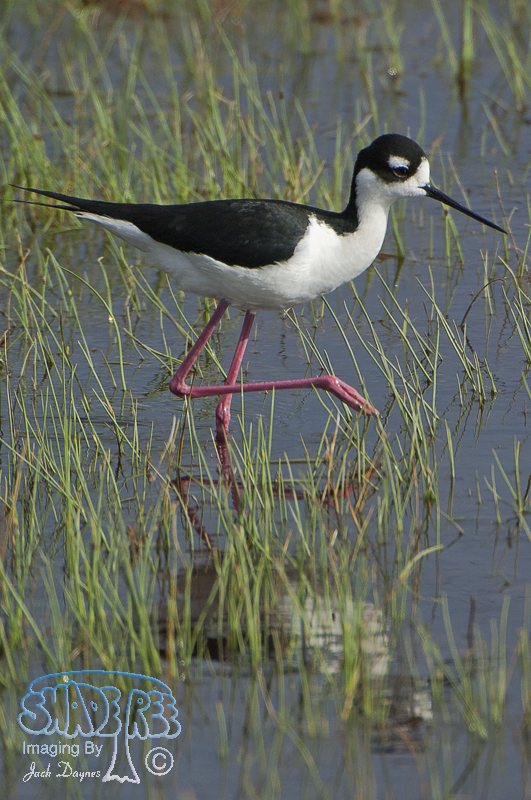
Black-Necked Stilt(Himantopus mexicanus) |
|
Description: Malheur NWR, Central Oregon 2005-05-20. |
Date Taken: 2005:05:20 16:20 |
|
Location:
Diamond Lane |
|
Camera Information: NIKON D2X, 550 mm, f/5.6, 1/1250 |
File Name: JCD2332BlackNeckedStilt |
| © 2005 Jack Daynes, shadeTreeImaging.com |
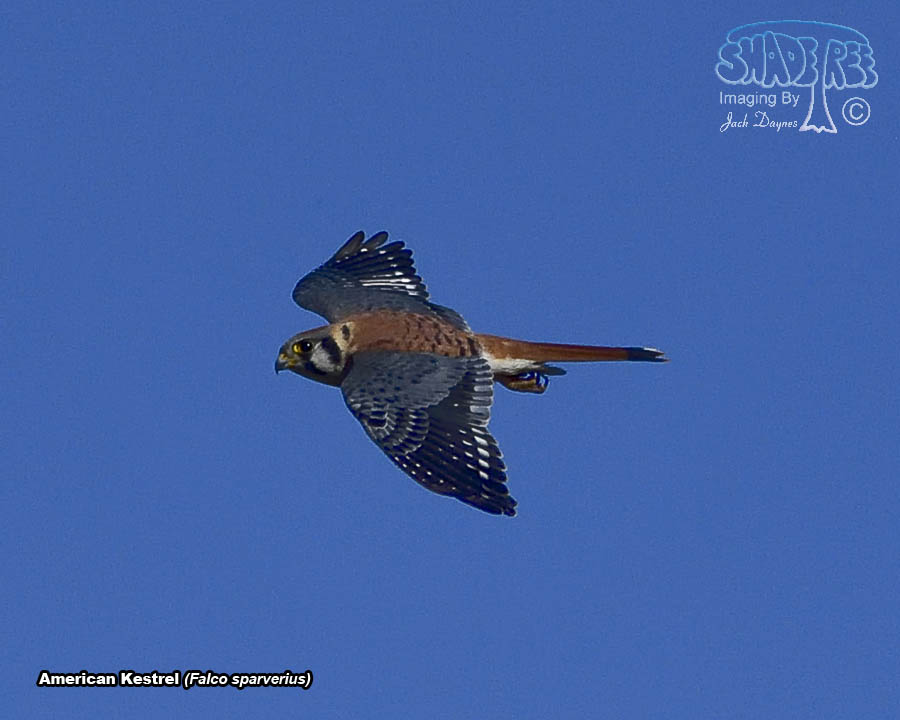
American Kestrel(Falco sparverius) |
|
Description: This bird was seen at Malheur NWR in southeastern Oregon, west of Steens Mountains and south of Burns Oregon. Harney County. |
Date Taken: 2017:08:30 7:39 |
|
Location:
Visitor Center |
|
Camera Information: NIKON D5, 800 mm, f/7.1, 1/8000 |
File Name: AmericanKestrel_D5X8727-MalheurNWR |
| © 2017 Jack Daynes, shadeTreeImaging.com |
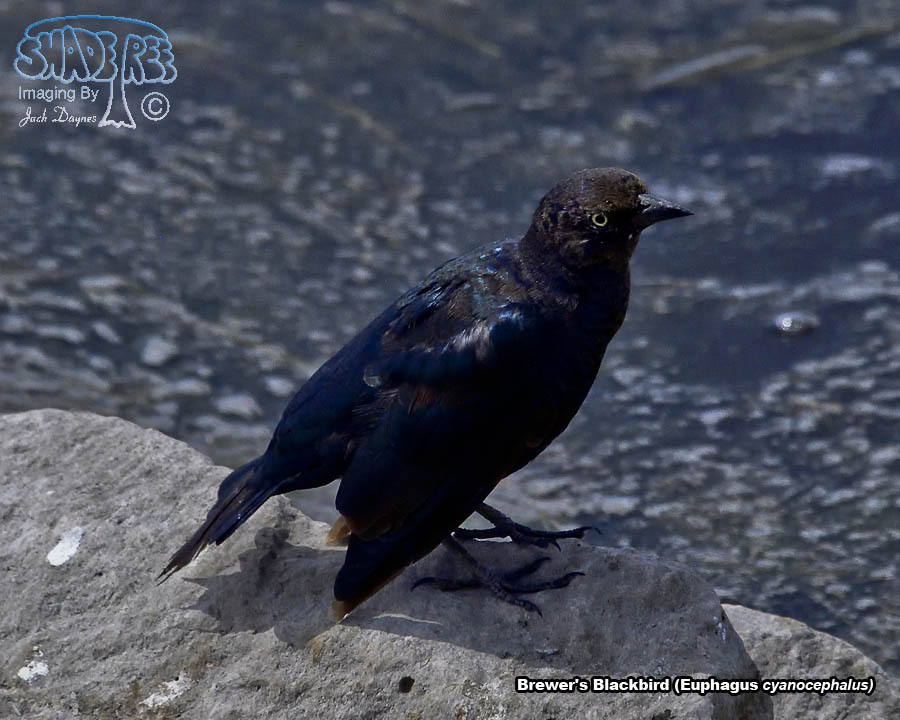
Brewer's Blackbird(Euphagus cyanocephalus) |
|
Description: These birds were flying vertically to flycatch, but I failed to capture that action. Malheur NWR is in southeastern Oregon, west of Steens Mountains and south of Burns Oregon. Harney County. |
Date Taken: 2017:08:30 12:05 |
|
Location:
Narrows |
|
Camera Information: NIKON D5, 800 mm, f/8.0, 1/8000 |
File Name: BrewersBlackbird_D5X9025-MalheurNWR |
| © 2017 Jack Daynes, shadeTreeImaging.com |
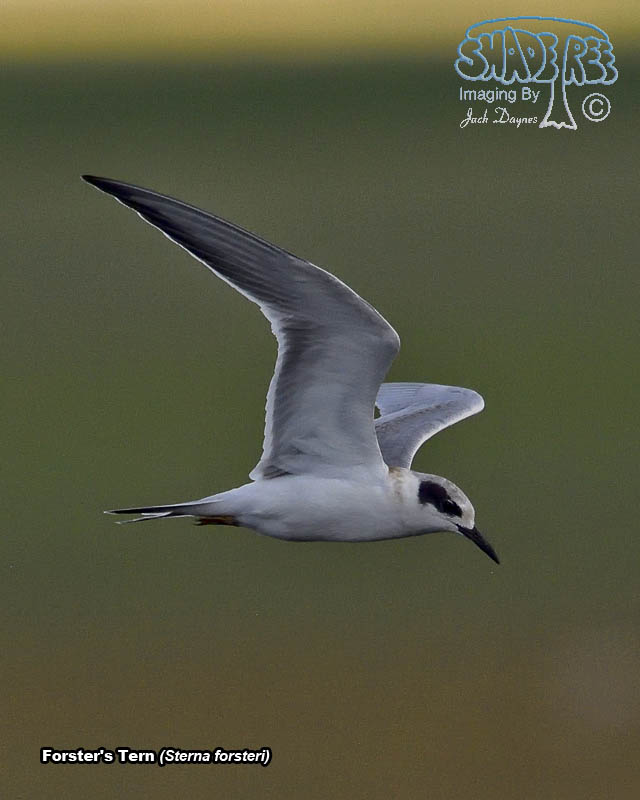
Forster's Tern(Sterna forsteri) |
|
Description: Birds at the Narrows. Malheur NWR is in southeastern Oregon, west of Steens Mountains and south of Burns Oregon. Harney County. |
Date Taken: 2017:08:30 12:15 |
|
Location:
Narrows |
|
Camera Information: NIKON D5, 800 mm, f/8.0, 1/8000 |
File Name: ForstersTern_D5X9137-MalheurNWR |
| © 2017 Jack Daynes, shadeTreeImaging.com |
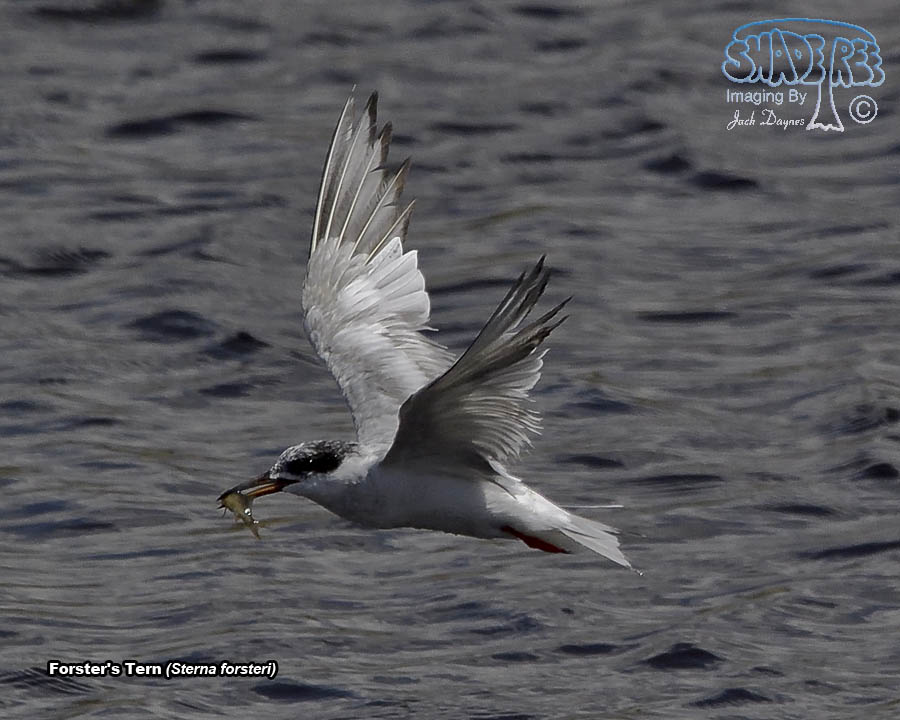
Forster's Tern(Sterna forsteri) |
|
Description: With fresh caught fish prey at Malheur NWR in southeastern Oregon, west of Steens Mountains and south of Burns Oregon. Harney County. |
Date Taken: 2017:08:30 12:24 |
|
Location:
Narrows |
|
Camera Information: NIKON D5, 800 mm, f/8.0, 1/8000 |
File Name: ForstersTern_D5X9153-MalheurNWR |
| © 2017 Jack Daynes, shadeTreeImaging.com |
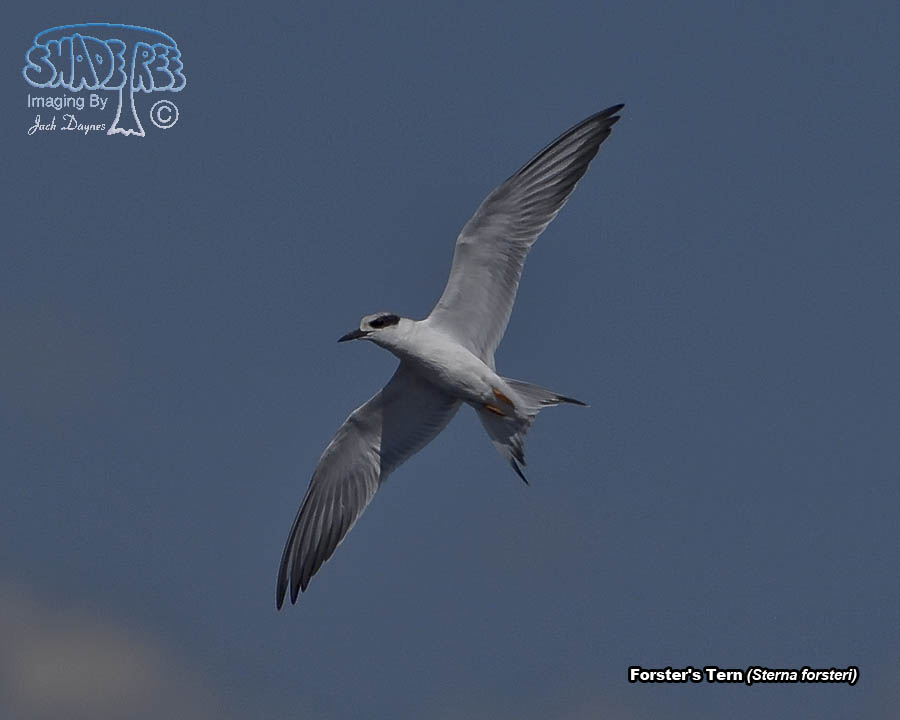
Forster's Tern(Sterna forsteri) |
|
Description: Malheur NWR is in southeastern Oregon, west of Steens Mountains and south of Burns Oregon. Harney County. |
Date Taken: 2017:08:30 12:29 |
|
Location:
Narrows |
|
Camera Information: NIKON D5, 800 mm, f/8.0, 1/8000 |
File Name: ForstersTern_D5X9215-MalheurNWR |
| © 2017 Jack Daynes, shadeTreeImaging.com |
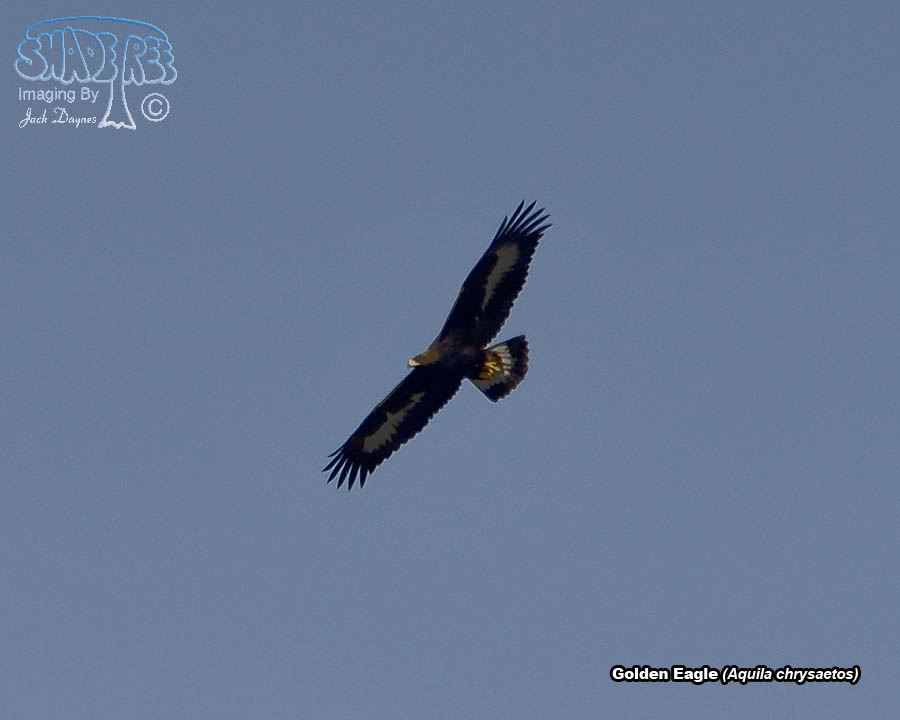
Golden Eagle(Aquila chrysaetos) |
|
Description: Juvenile bird at Malheur NWR in southeastern Oregon, west of Steens Mountains and south of Burns Oregon. Harney County. |
Date Taken: 2017:08:30 8:24 |
|
Location:
Center Patrol Road |
|
Camera Information: NIKON D5, 800 mm, f/7.1, 1/8000 |
File Name: GoldenEagle-Juvenile_D5X8788-MalheurNWR |
| © 2017 Jack Daynes, shadeTreeImaging.com |
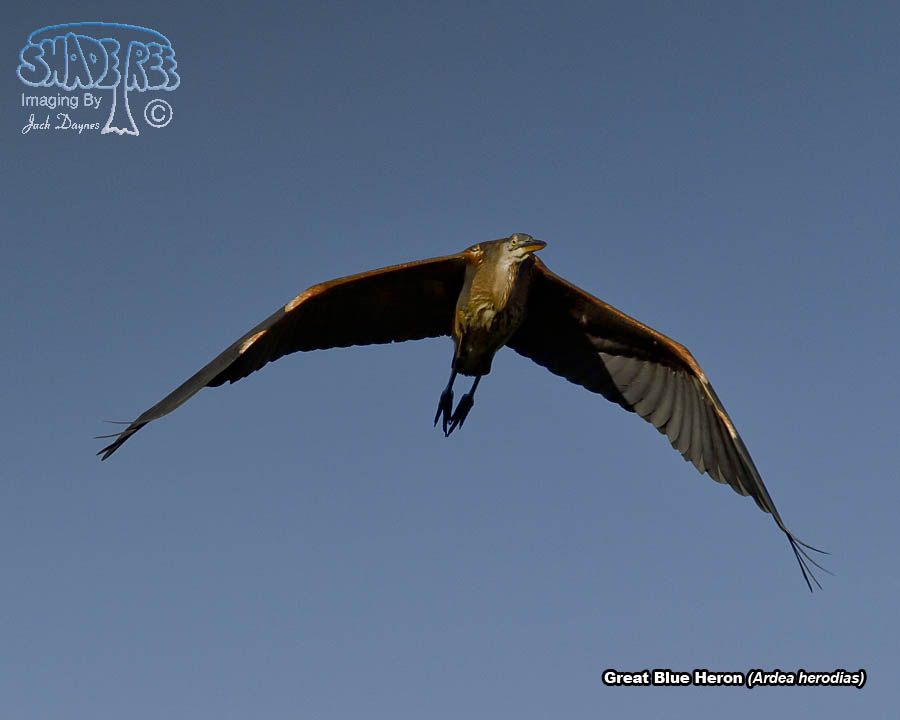
Great Blue Heron(Ardea herodias) |
|
Description: Malheur NWR is in southeastern Oregon, west of Steens Mountains and south of Burns Oregon. Harney County. |
Date Taken: 2017:08:30 7:02 |
|
Location:
Visitor Center |
|
Camera Information: NIKON D5, 800 mm, f/8.0, 1/8000 |
File Name: GreatBlueHeron_D5X8560-MalheurNWR |
| © 2017 Jack Daynes, shadeTreeImaging.com |
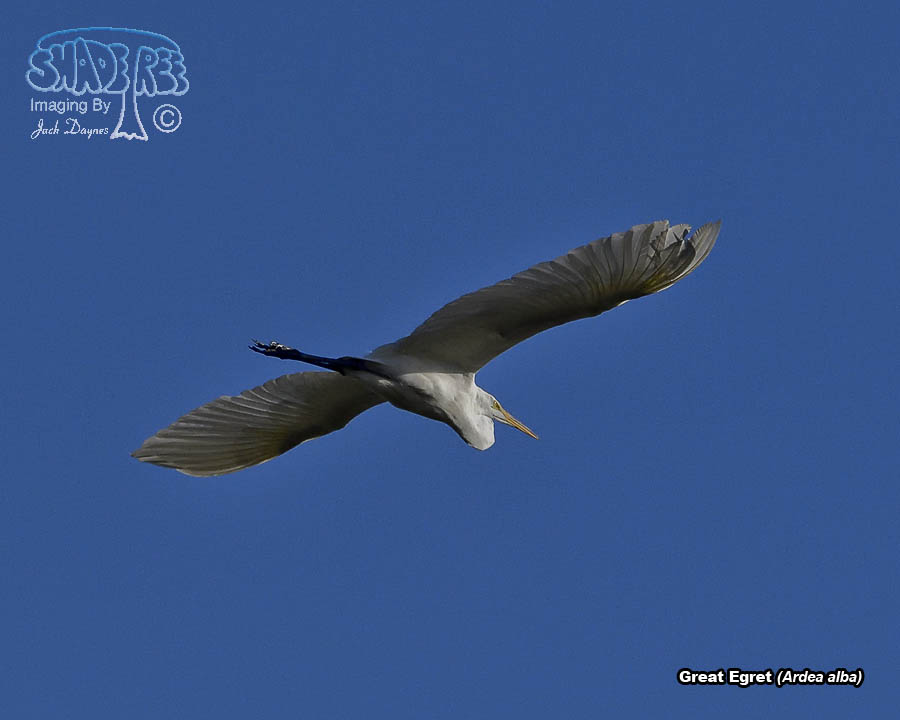
Great Egret(Ardea alba) |
|
Description: Malheur NWR is in southeastern Oregon, west of Steens Mountains and south of Burns Oregon. Harney County. |
Date Taken: 2017:08:30 7:08 |
|
Location:
Visitor Center |
|
Camera Information: NIKON D5, 800 mm, f/8.0, 1/8000 |
File Name: GreatEgret_D5X8601-MalheurNWR |
| © 2017 Jack Daynes, shadeTreeImaging.com |
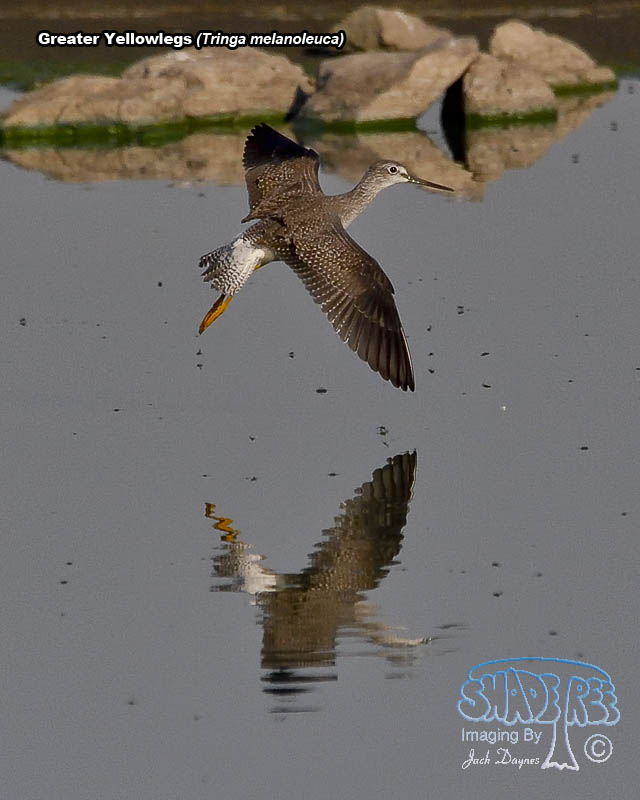
Greater Yellowlegs(Tringa melanoleuca) |
|
Description: Malheur NWR is in southeastern Oregon, west of Steens Mountains and south of Burns Oregon. Harney County. |
Date Taken: 2017:08:30 7:04 |
|
Location:
Visitor Center |
|
Camera Information: NIKON D5, 800 mm, f/8.0, 1/8000 |
File Name: GreaterYellowLegs_D5X8571-MalheurNWR |
| © 2017 Jack Daynes, shadeTreeImaging.com |
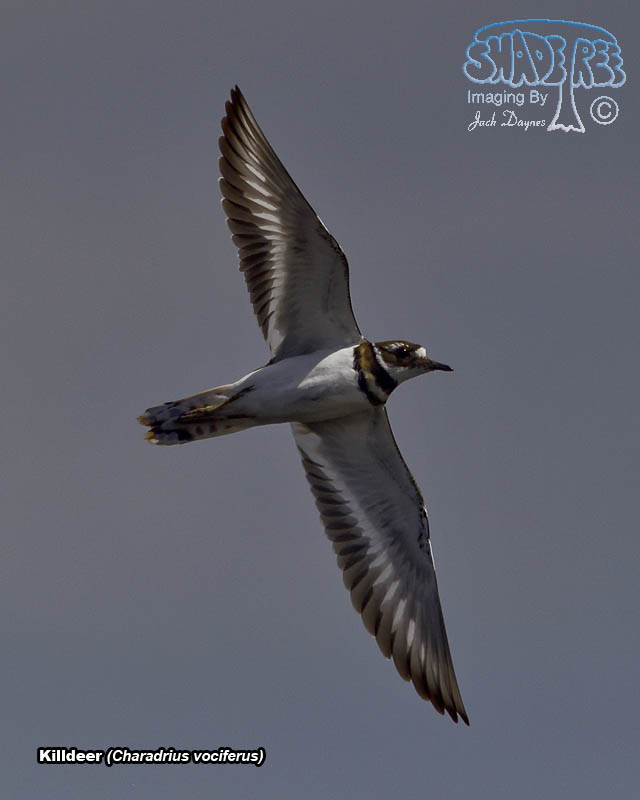
Killdeer(Charadrius vociferus) |
|
Description: This is my all-time favorite Killdeer image. Malheur NWR is in southeastern Oregon, west of Steens Mountains and south of Burns Oregon. Harney County. |
Date Taken: 2017:08:30 12:31 |
|
Location:
Narrows |
|
Camera Information: NIKON D5, 800 mm, f/8.0, 1/8000 |
File Name: Killdeer_D5X9249-MalheurNWR |
| © 2017 Jack Daynes, shadeTreeImaging.com |
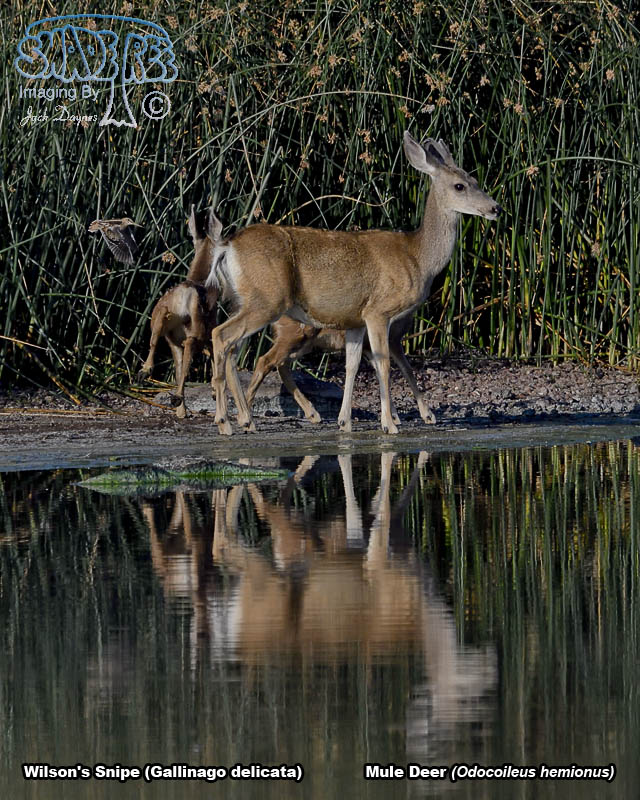
Mule Deer and Wilson's Snipe(Gallinago delicata) |
|
Description: The deer startled the Wilson's Snipe, and the snipe startled the deer. Malheur NWR is in southeastern Oregon, west of Steens Mountains and south of Burns Oregon. Harney County. |
Date Taken: 2017:08:30 6:52 |
|
Location:
Visitor Center |
|
Camera Information: NIKON D5, 800 mm, f/8.0, 1/5000 |
File Name: MuleDeerSnipe_D5X8320-MalheurNWR |
| © 2017 Jack Daynes, shadeTreeImaging.com |
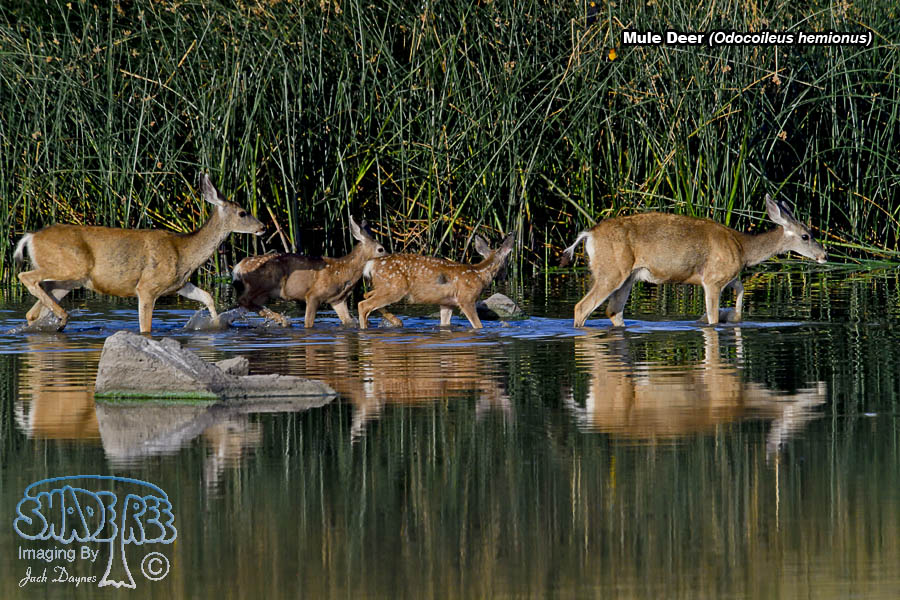
Mule Deer(Odocoileus hemionus) |
|
Description: There were two doe and two fawns in this group at Malheur NWR in southeastern Oregon, west of Steens Mountains and south of Burns Oregon. Harney County. |
Date Taken: 2017:08:30 6:53 |
|
Location:
Visitor Center |
|
Camera Information: NIKON D5, 800 mm, f/8.0, 1/8000 |
File Name: MuleDeer_D5X8349-MalheurNWR |
| © 2017 Jack Daynes, shadeTreeImaging.com |
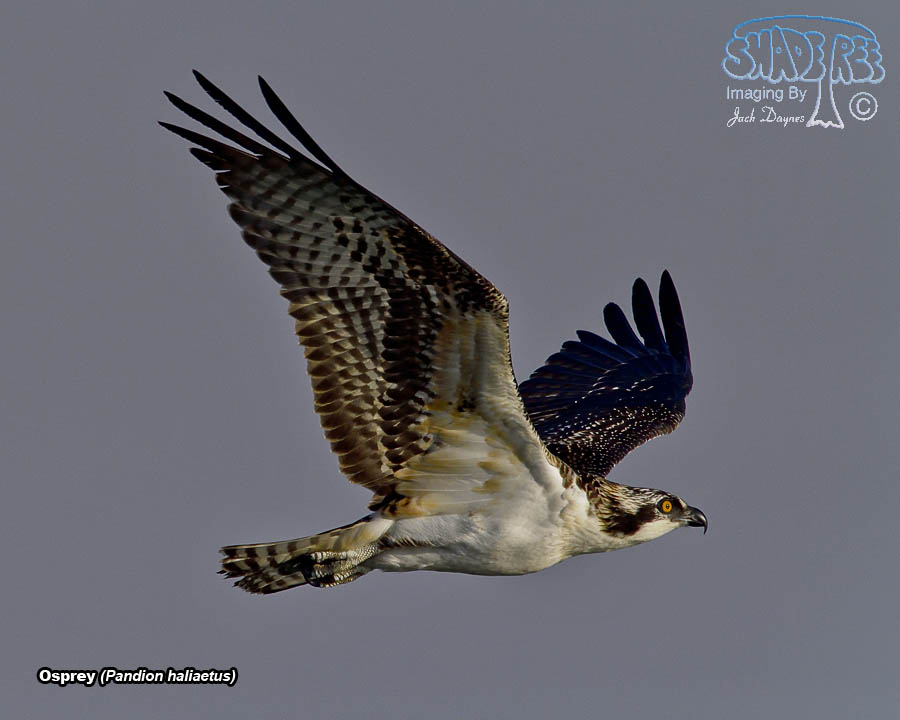
Osprey(Pandion haliaetus) |
|
Description: Malheur NWR is in southeastern Oregon, west of Steens Mountains and south of Burns Oregon. Harney County. |
Date Taken: 2017:08:30 6:42 |
|
Location:
Visitor Center |
|
Camera Information: NIKON D5, 800 mm, f/8.0, 1/8000 |
File Name: Osprey_D5X8220-MalheurNWR |
| © 2017 Jack Daynes, shadeTreeImaging.com |
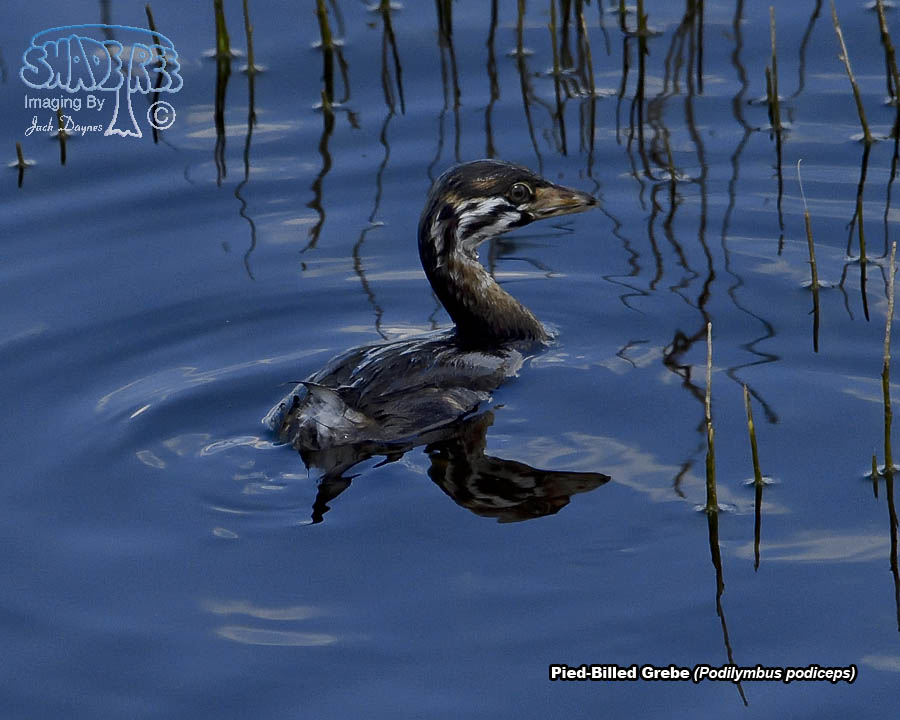
Pied-Billed Grebe(Podilymbus podiceps) |
|
Description: Juvenile at Malheur NWR in southeastern Oregon, west of Steens Mountains and south of Burns Oregon. Harney County. |
Date Taken: 2017:08:30 12:11 |
|
Location:
Narrows |
|
Camera Information: NIKON D5, 800 mm, f/8.0, 1/4000 |
File Name: PiedBilledGrebe-Juvenile_D5X9073-MalheurNWR |
| © 2017 Jack Daynes, shadeTreeImaging.com |
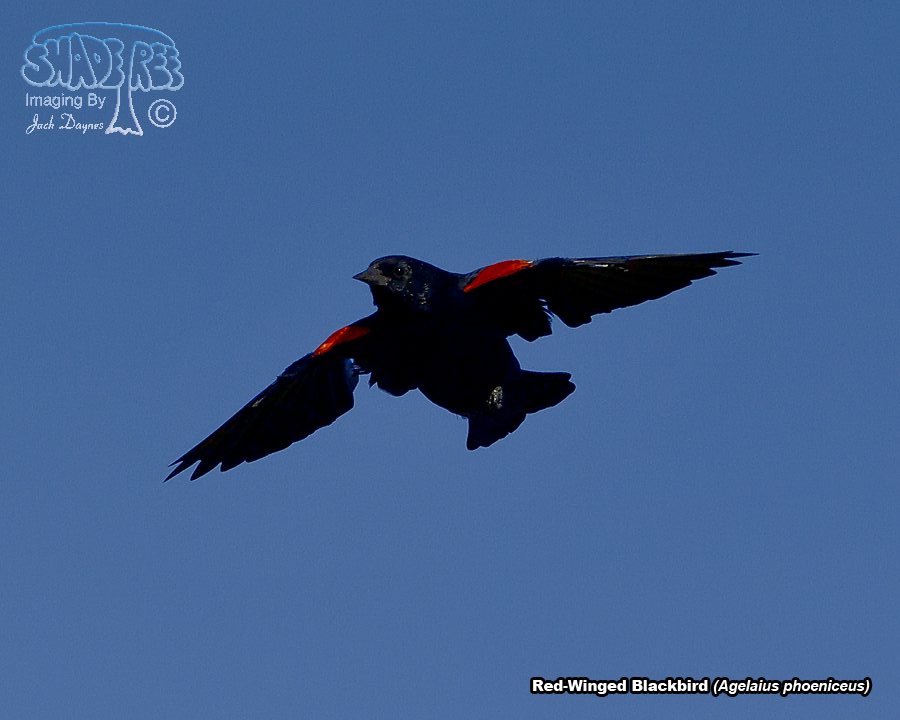
Red-Winged Blackbird(Agelaius phoeniceus) |
|
Description: Malheur NWR is in southeastern Oregon, west of Steens Mountains and south of Burns Oregon. Harney County. |
Date Taken: 2017:08:30 7:39 |
|
Location:
Visitor Center |
|
Camera Information: NIKON D5, 800 mm, f/7.1, 1/8000 |
File Name: RedWingedBlackbird_D5X8743-MalheurNWR |
| © 2017 Jack Daynes, shadeTreeImaging.com |
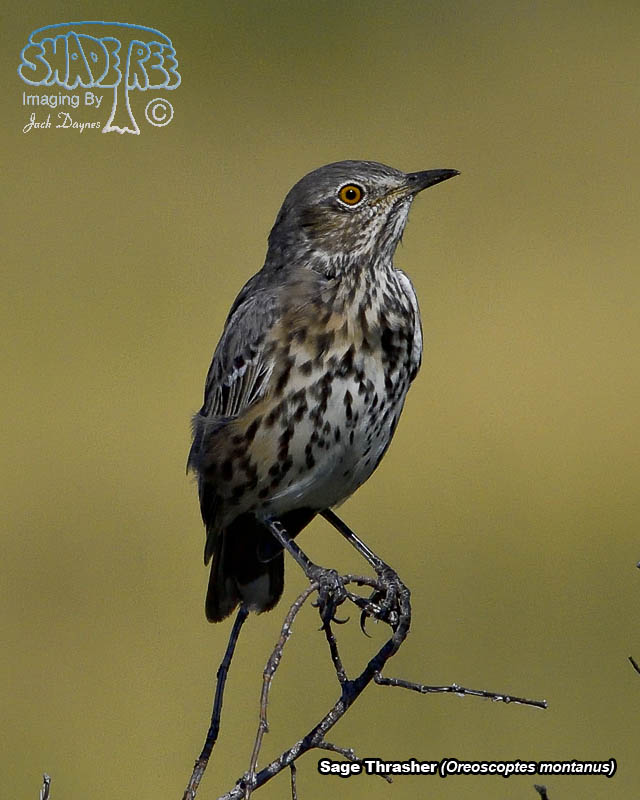
Sage Thrasher(Oreoscoptes montanus) |
|
Description: Posing nicely. Malheur NWR is in southeastern Oregon, west of Steens Mountains and south of Burns Oregon. Harney County. |
Date Taken: 2017:08:30 8:42 |
|
Location:
Center Patrol Road |
|
Camera Information: NIKON D5, 800 mm, f/10.0, 1/8000 |
File Name: SageThrasher_D5X8849-MalheurNWR |
| © 2017 Jack Daynes, shadeTreeImaging.com |
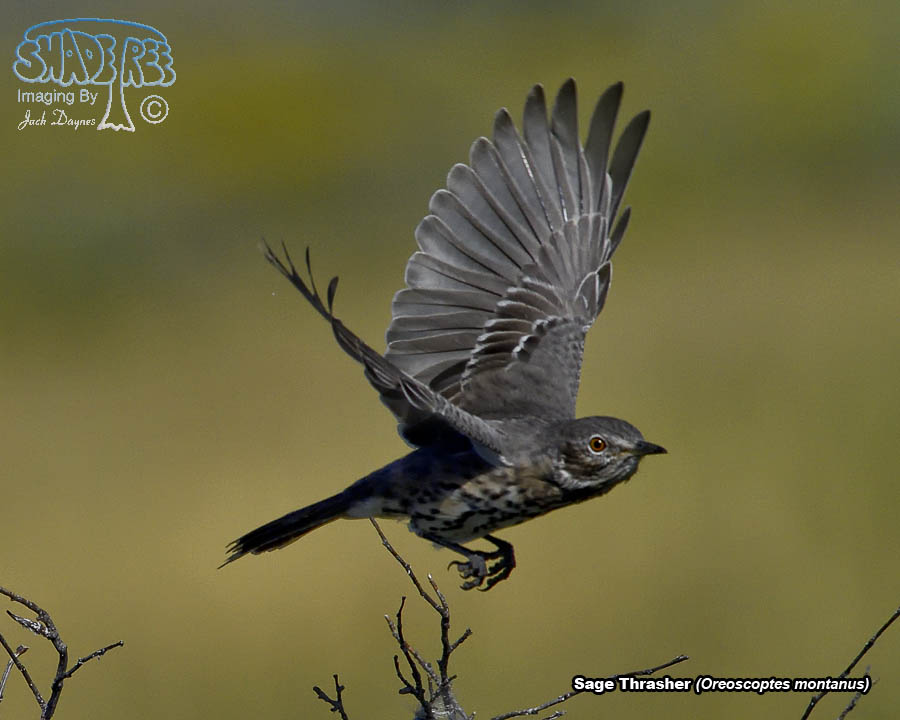
Sage Thrasher(Oreoscoptes montanus) |
|
Description: And we have lift-off. Malheur NWR is in southeastern Oregon, west of Steens Mountains and south of Burns Oregon. Harney County. |
Date Taken: 2017:08:30 8:42 |
|
Location:
Center Patrol Road |
|
Camera Information: NIKON D5, 800 mm, f/10.0, 1/8000 |
File Name: SageThrasher_D5X8853-MalheurNWR |
| © 2017 Jack Daynes, shadeTreeImaging.com |
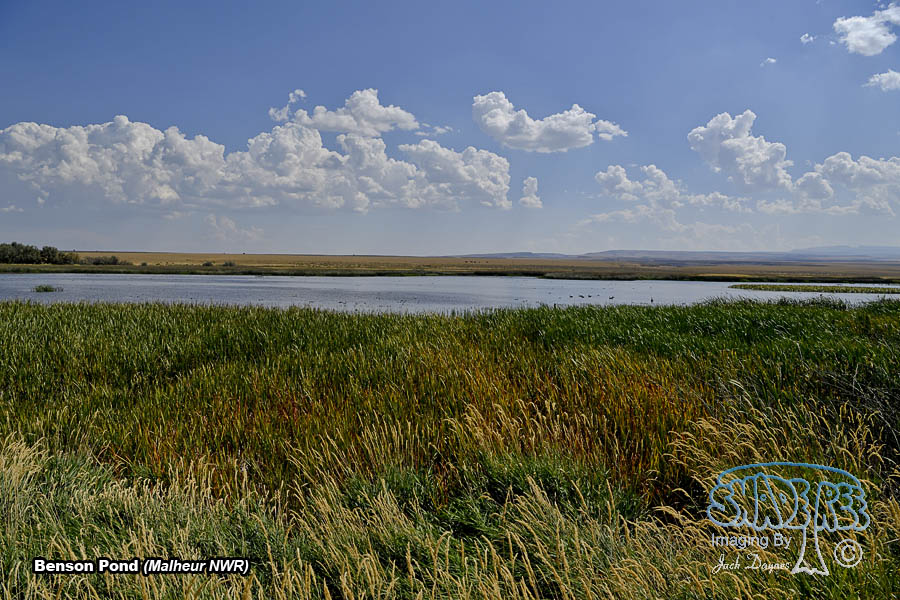
Benson Pond(Scenery) |
|
Description: Malheur NWR is dominated by wetlands. Southeastern Oregon, west of Steens Mountains and south of Burns Oregon. Harney County. |
Date Taken: 2017:08:30 10:43 |
|
Location:
Center Patrol Road |
|
Camera Information: NIKON D5, 24 mm, f/10.0, 1/8000 |
File Name: Scenery_D5X8855-MalheurNWR |
| © 2017 Jack Daynes, shadeTreeImaging.com |
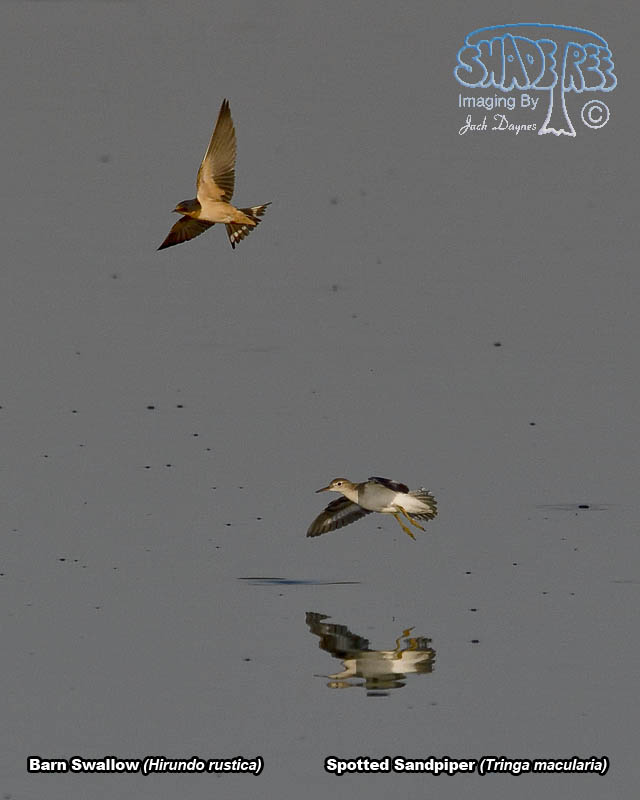
Barn Swallow(Hirundo rustica) |
|
Description: Malheur NWR is in southeastern Oregon, west of Steens Mountains and south of Burns Oregon. Harney County. |
Date Taken: 2017:08:30 6:39 |
|
Location:
Visitor Center |
|
Camera Information: NIKON D5, 800 mm, f/8.0, 1/8000 |
File Name: SpottedSandpiper-BarnSwallow_D5X8143-MalheurNWR |
| © 2017 Jack Daynes, shadeTreeImaging.com |
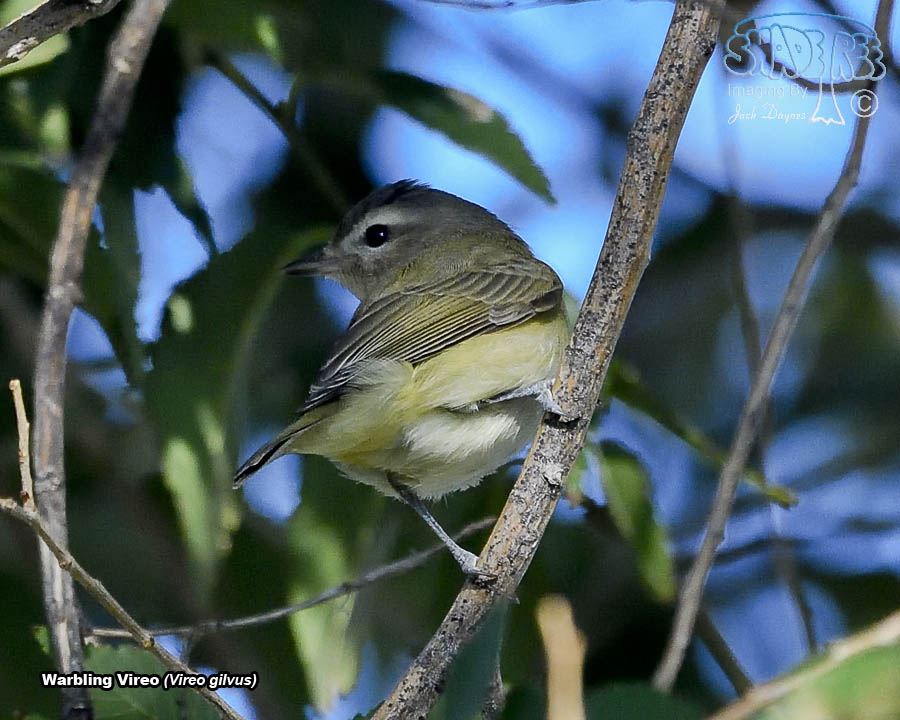
Warbling Vireo(Vireo gilvus) |
|
Description: At the Visitor Center. Malheur NWR is in southeastern Oregon, west of Steens Mountains and south of Burns Oregon. Harney County. |
Date Taken: 2017:08:30 7:11 |
|
Location:
Visitor Center |
|
Camera Information: NIKON D5, 800 mm, f/7.1, 1/2500 |
File Name: WarblingVireo_D5X8611-MalheurNWR |
| © 2017 Jack Daynes, shadeTreeImaging.com |
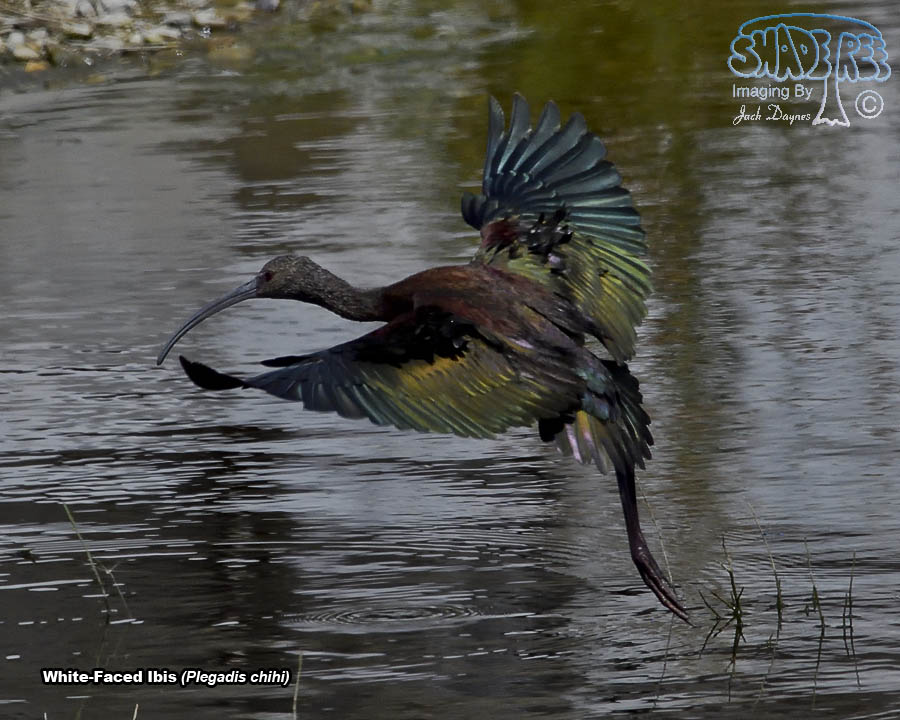
White-Faced Ibis(Plegadis chihi) |
|
Description: Malheur NWR is in southeastern Oregon, west of Steens Mountains and south of Burns Oregon, in Harney County. |
Date Taken: 2017:08:30 12:01 |
|
Location:
Narrows |
|
Camera Information: NIKON D5, 800 mm, f/10.0, 1/8000 |
File Name: WhiteFacedIbis_D5X8999-MalheurNWR |
| © 2017 Jack Daynes, shadeTreeImaging.com |
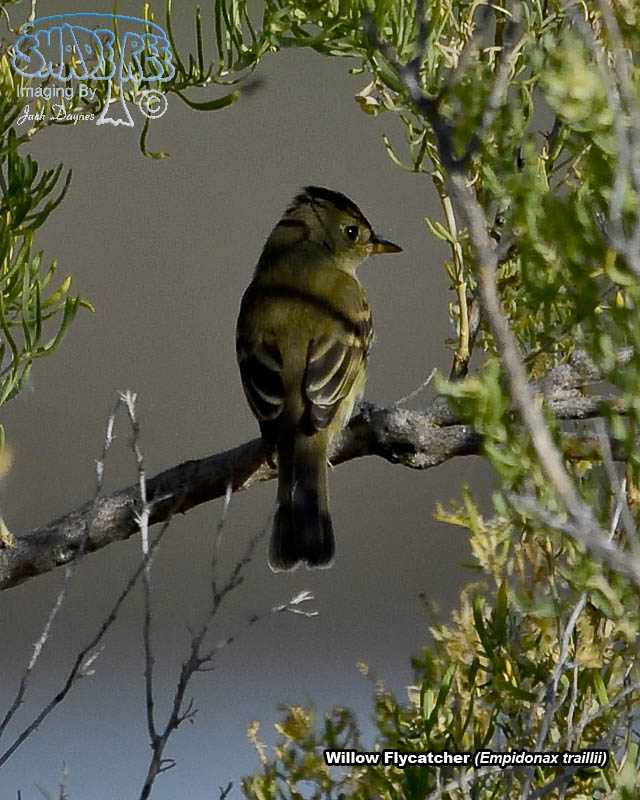
Willow Flycatcher(Empidonax traillii) |
|
Description: The ID for this bird may not be correct. Malheur NWR is in southeastern Oregon, west of Steens Mountains and south of Burns Oregon. Harney County. |
Date Taken: 2017:08:30 7:17 |
|
Location:
Visitor Center |
|
Camera Information: NIKON D5, 800 mm, f/7.1, 1/8000 |
File Name: WillowFlycatcher_D5X8623-MalheurNWR |
| © 2017 Jack Daynes, shadeTreeImaging.com |
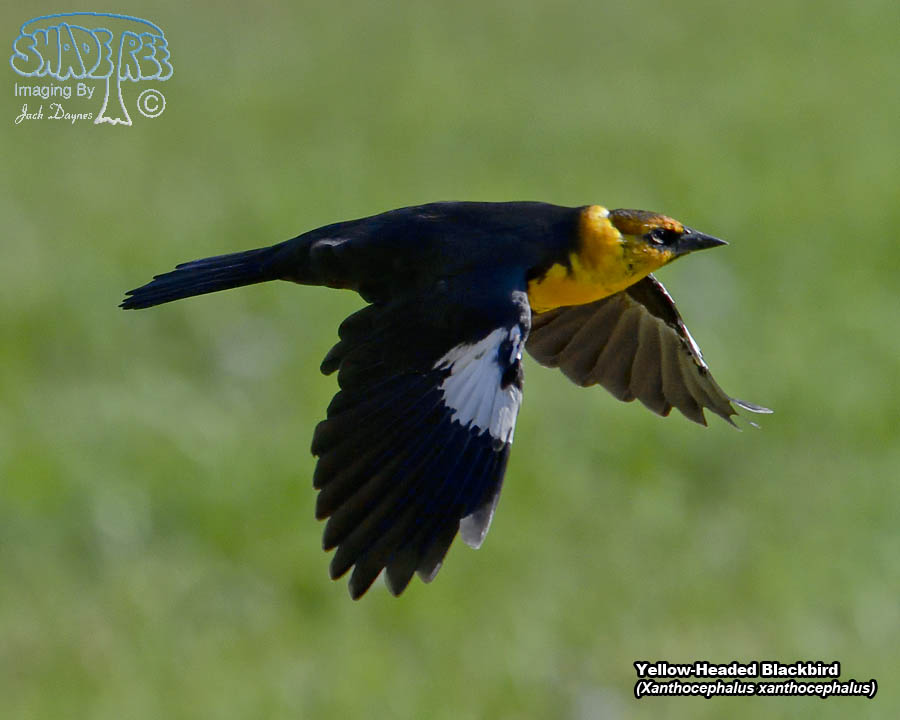
Yellow-Headed Blackbird(Xanthocephalus xanthocephalus) |
|
Description: Malheur NWR is in southeastern Oregon, west of Steens Mountains and south of Burns Oregon. Harney County. |
Date Taken: 2017:08:30 7:49 |
|
Location:
Visitor Center |
|
Camera Information: NIKON D5, 800 mm, f/7.1, 1/8000 |
File Name: YellowHeadedBlackbird_D5X8773-MalheurNWR |
| © 2017 Jack Daynes, shadeTreeImaging.com |
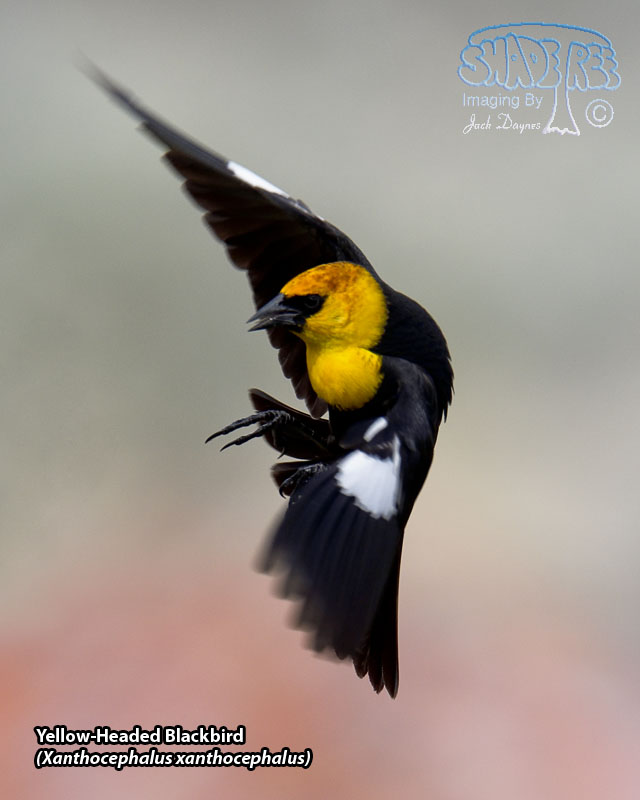
Yellow-Headed Blackbird(Xanthocephalus xanthocephalus) |
|
Description: Malheur NWR has been one of my favorite Oregon birding destinations since I found my way there in December 2003. The refuge’s visitor center still provided some good meetings with birds such as Yellow-Headed Blackbirds. |
Date Taken: 2022:04:25 10:09 |
|
Location:
Malheur NWR |
|
Camera Information: NIKON D850, 800 mm, f/8.0, 1/800 |
File Name: YellowHeadedBlackbird_8505306-MalheurNWR |
| © 2022 Jack Daynes, shadeTreeImaging.com |
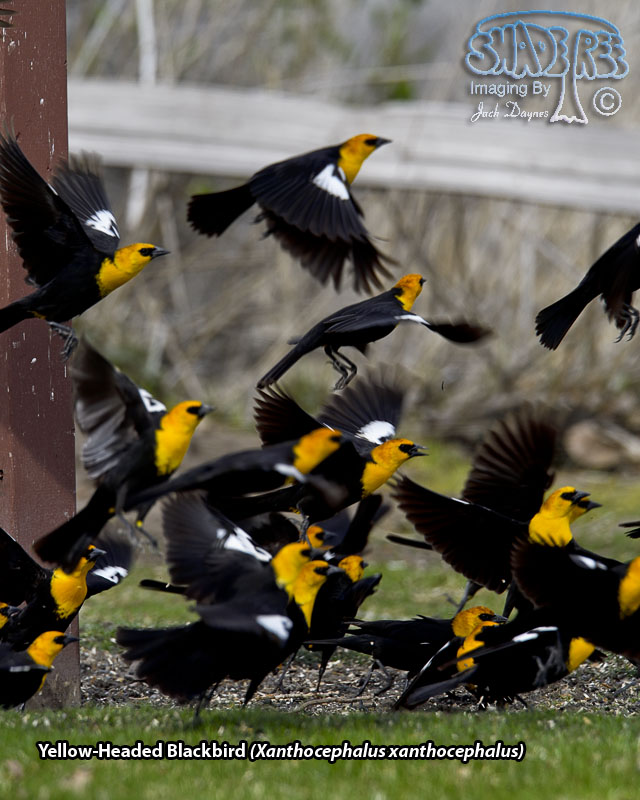
Yellow-Headed Blackbird(Xanthocephalus xanthocephalus) |
|
Description: Malheur NWR has been one of my favorite Oregon birding destinations since I found my way there in December 2003. The refuge’s visitor center still provided some good meetings with birds such as Yellow-Headed Blackbirds. |
Date Taken: 2022:04:25 9:56 |
|
Location:
Malheur NWR |
|
Camera Information: NIKON D850, 800 mm, f/8.0, 1/800 |
File Name: YellowHeadedBlackbird_8504981-MalheurNWR |
| © 2022 Jack Daynes, shadeTreeImaging.com |
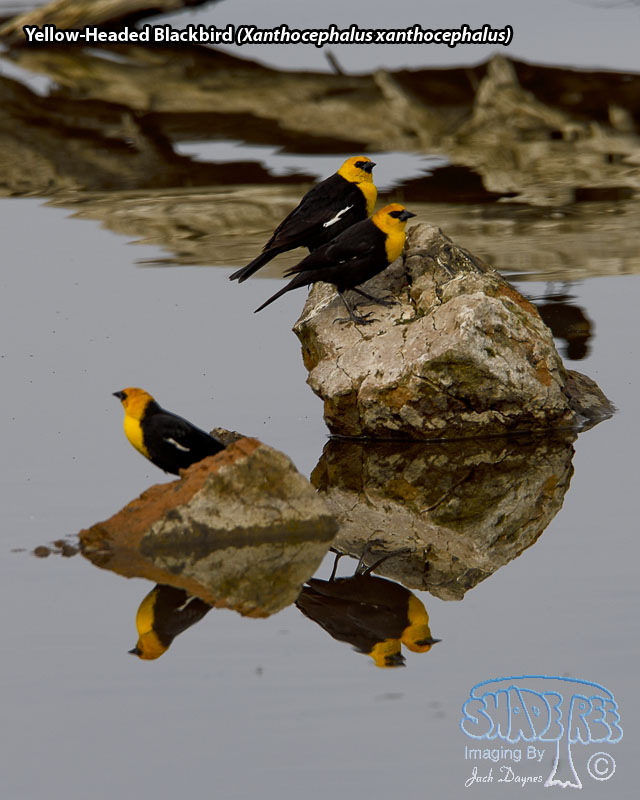
Yellow-Headed Blackbird(Xanthocephalus xanthocephalus) |
|
Description: Malheur NWR has been one of my favorite Oregon birding destinations since I found my way there in December 2003. The refuge’s visitor center still provided some good meetings with birds such as Yellow-Headed Blackbirds. |
Date Taken: 2022:04:25 8:56 |
|
Location:
Malheur NWR |
|
Camera Information: NIKON D850, 800 mm, f/8.0, 1/800 |
File Name: YellowHeadedBlackbird_8504755-MalheurNWR |
| © 2022 Jack Daynes, shadeTreeImaging.com |
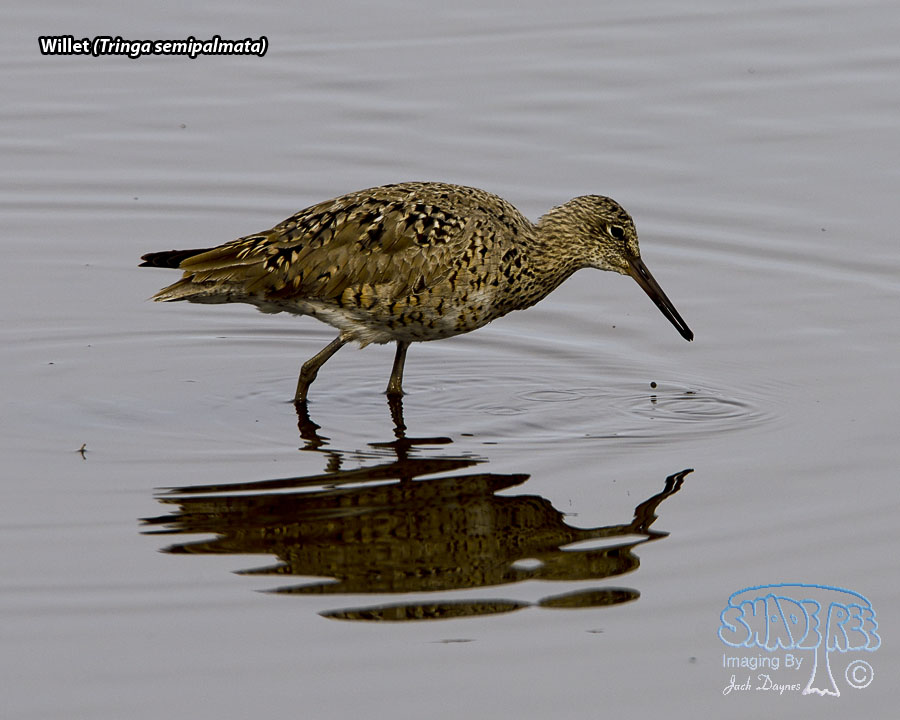
Willet(Tringa semipalmata) |
|
Description: Malheur NWR has been one of my favorite Oregon birding destinations since I found my way there in December 2003. Despite the lowest water levels I’ve seen in Marshall Pond at the refuge’s visitor center, There were still some good meetings with birds such as this Willet. |
Date Taken: 2022:04:25 9:34 |
|
Location:
Malheur NWR |
|
Camera Information: NIKON D850, 800 mm, f/8.0, 1/800 |
File Name: Willet_8504780-MalheurNWR |
| © 2022 Jack Daynes, shadeTreeImaging.com |
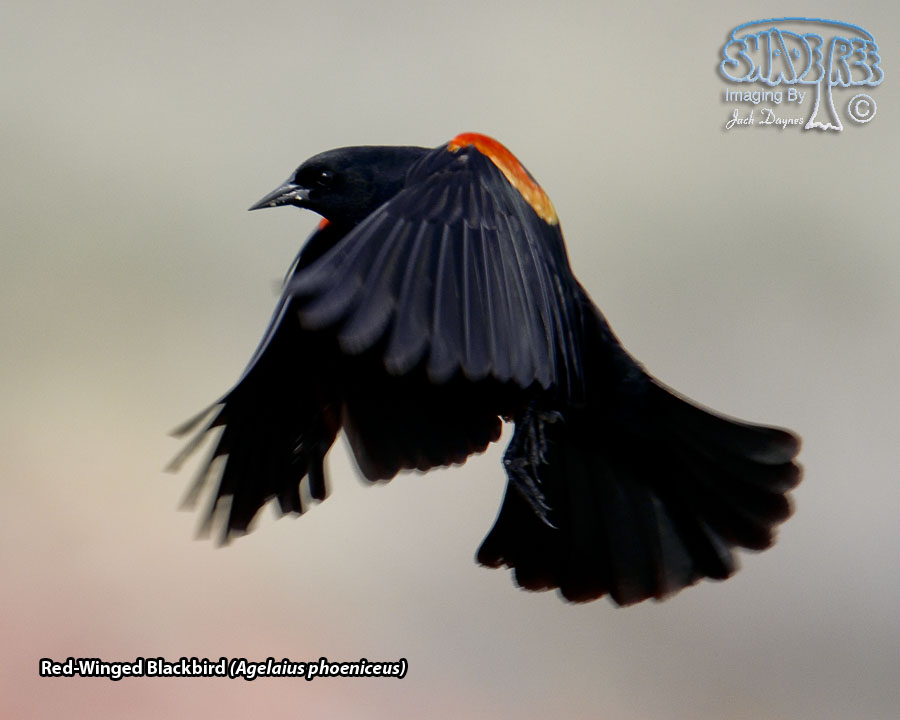
Red-Winged Blackbird(Agelaius phoeniceus) |
|
Description: Malheur NWR has been one of my favorite Oregon birding destinations since I found my way there in December 2003. The refuge’s visitor center still provided some good meetings with birds such as Red-Winged Blackbirds. |
Date Taken: 2022:04:25 10:09 |
|
Location:
Malheur NWR |
|
Camera Information: NIKON D850, 800 mm, f/8.0, 1/800 |
File Name: RedwingedBlackbird_8505285-MalheurNWR |
| © 2022 Jack Daynes, shadeTreeImaging.com |
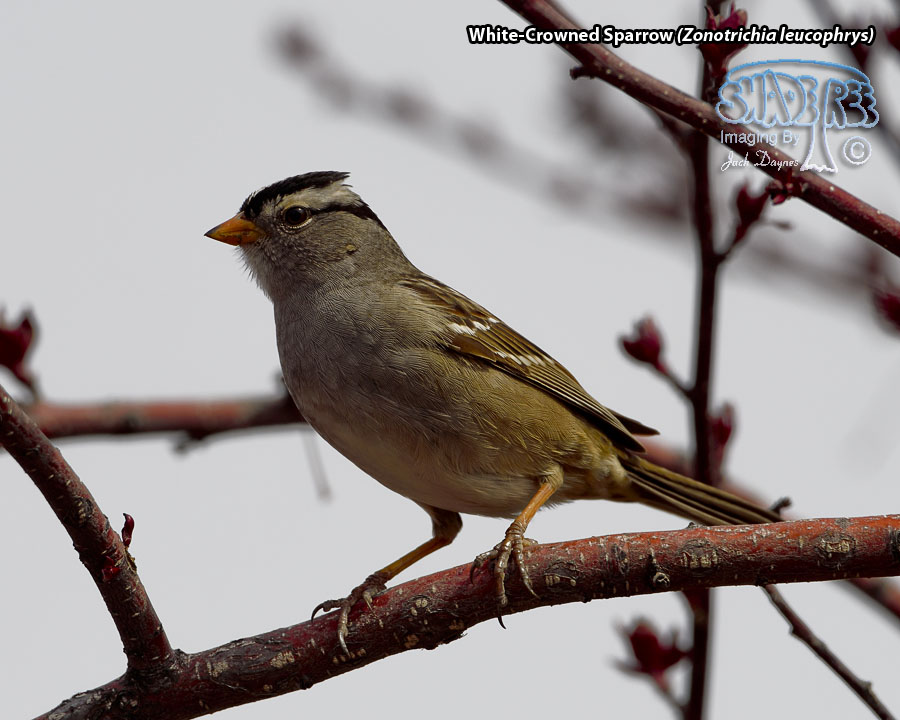
White-Crowned Sparrow(Zonotrichia leucophrys) |
|
Description: Malheur NWR has been one of my favorite Oregon birding destinations since I found my way there in December 2003. The refuge’s visitor center still provided some good meetings with birds such as this White-Crowned Sparrow. |
Date Taken: 2022:04:25 10:45 |
|
Location:
Malheur NWR |
|
Camera Information: NIKON D850, 800 mm, f/8.0, 1/800 |
File Name: WhiteCrownedSparrow_8505340-MalheurNWR |
| © 2022 Jack Daynes, shadeTreeImaging.com |
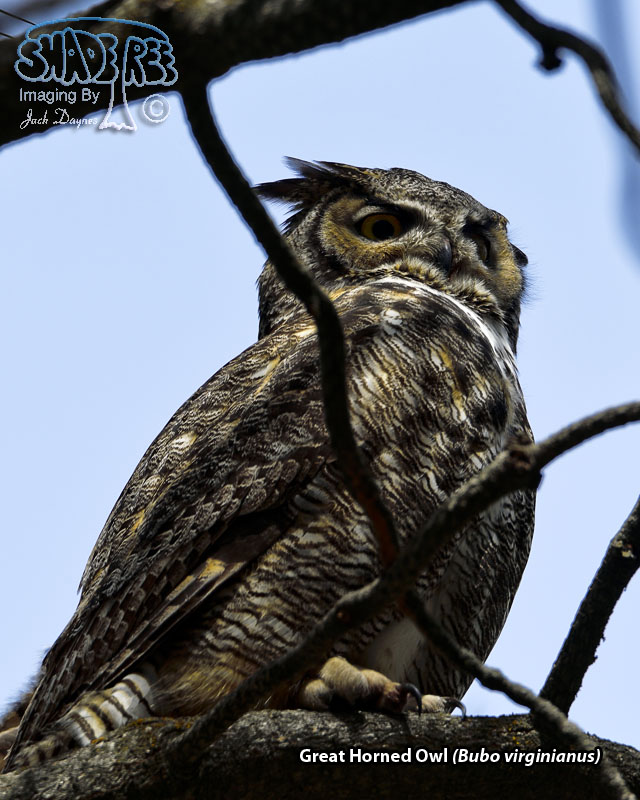
Great Horned Owl(Bubo virginianus) |
|
Description: Malheur NWR has been one of my favorite Oregon birding destinations since I found my way there in December 2003. The refuge’s visitor center still provided some good meetings with birds such as this Great Horned Owls. |
Date Taken: 2022:04:25 11:45 |
|
Location:
Malheur NWR |
|
Camera Information: NIKON D850, 800 mm, f/8.0, 1/800 |
File Name: GreatHornedOwl_8505467-MalheurNWR |
| © 2022 Jack Daynes, shadeTreeImaging.com |
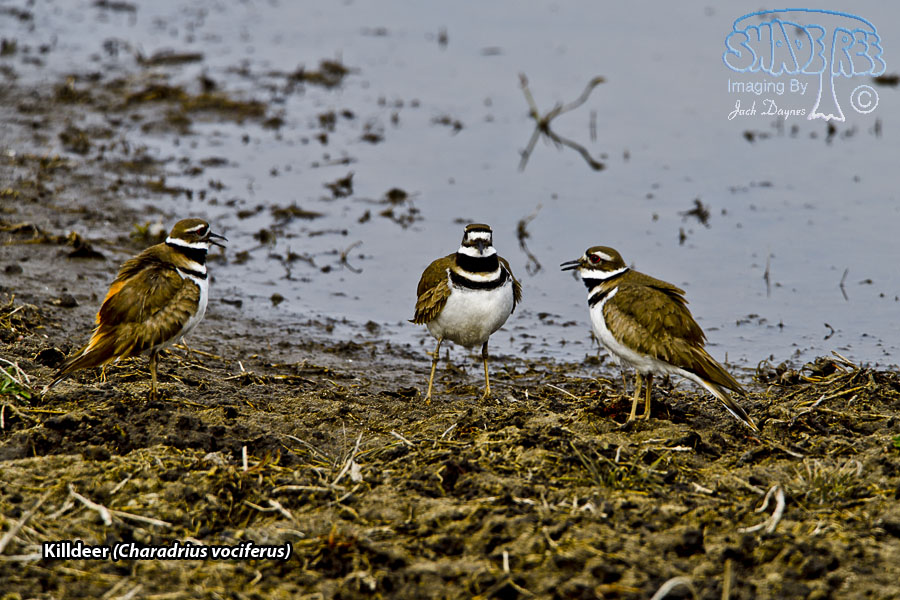
Killdeer(Charadrius vociferus) |
|
Description: Malheur NWR has been one of my favorite Oregon birding destinations since I found my way there in December 2003. Despite the lowest water levels I’ve seen in Marshall Pond at the refuge’s visitor center, There were still some good meetings with birds such as these Killdeer. |
Date Taken: 2022:04:25 9:10 |
|
Location:
Malheur NWR |
|
Camera Information: NIKON D850, 800 mm, f/8.0, 1/800 |
File Name: Killdeer_8504768-MalheurNWR |
| © 2022 Jack Daynes, shadeTreeImaging.com |
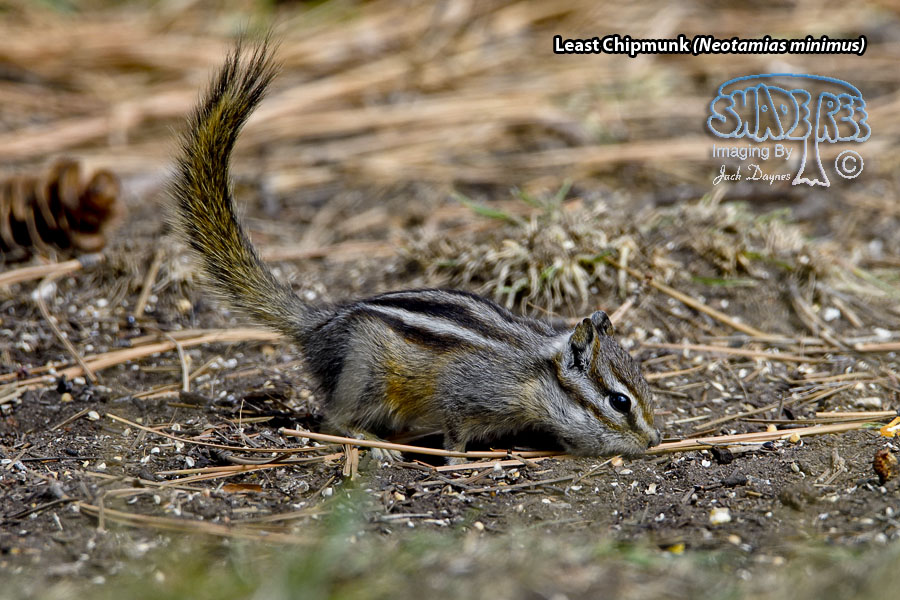
Least Chipmunk(Neotamias minimus) |
|
Description: Malheur NWR has been one of my favorite Oregon birding destinations since I found my way there in December 2003. The refuge’s visitor center still provided some good meetings with creatures such as this Least Chipmunk. |
Date Taken: 2022:04:25 10:52 |
|
Location:
Malheur NWR |
|
Camera Information: NIKON D850, 800 mm, f/8.0, 1/800 |
File Name: LeastChipmunk_8505354-MalheurNWR |
| © 2022 Jack Daynes, shadeTreeImaging.com |
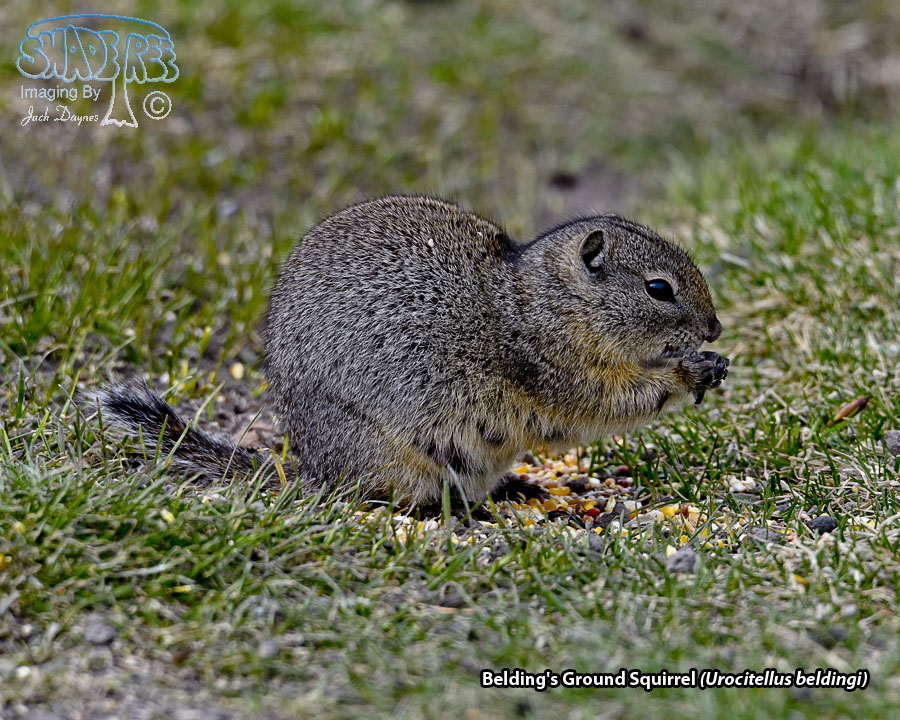
Belding's Ground Squirrel(Urocitellus beldingi) |
|
Description: Malheur NWR has been one of my favorite Oregon birding destinations since I found my way there in December 2003. The refuge’s visitor center still provided some good meetings with creatures such as this Belding's Ground Squirrels. |
Date Taken: 2022:04:25 8:19 |
|
Location:
Malheur NWR |
|
Camera Information: NIKON D850, 800 mm, f/8.0, 1/800 |
File Name: BeldingsGroundSquirrel_8504708-MalheurNWR |
| © 2022 Jack Daynes, shadeTreeImaging.com |
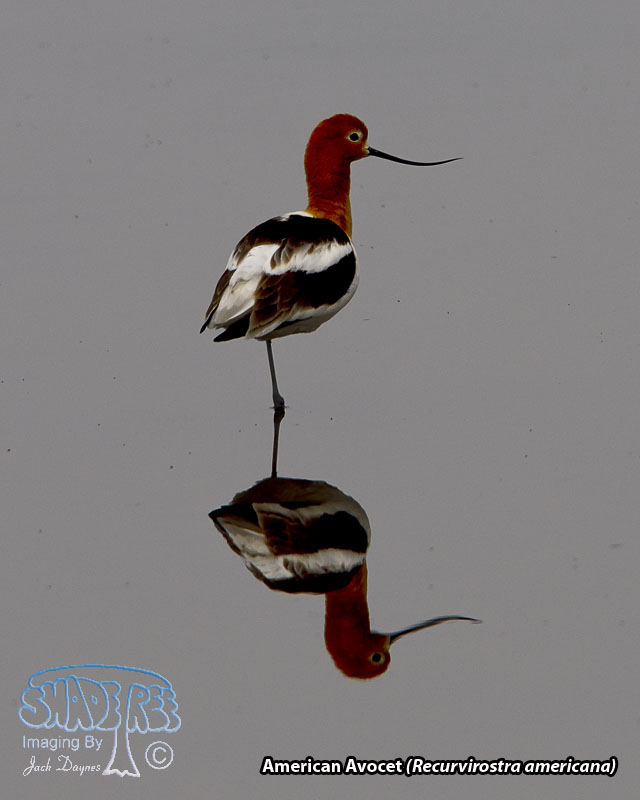
American Avocet(Recurvirostra americana) |
|
Description: Malheur NWR has been one of my favorite Oregon birding destinations since I found my way there in December 2003. Despite the lowest water levels I’ve seen in Marshall Pond at the refuge’s visitor center, There were still some good meetings with birds such as this American Avocet. |
Date Taken: 2022:04:25 8:34 |
|
Location:
Malheur NWR |
|
Camera Information: NIKON D850, 800 mm, f/8.0, 1/800 |
File Name: AmericanAvocet_8504724-MalheurNWR |
| © 2022 Jack Daynes, shadeTreeImaging.com |
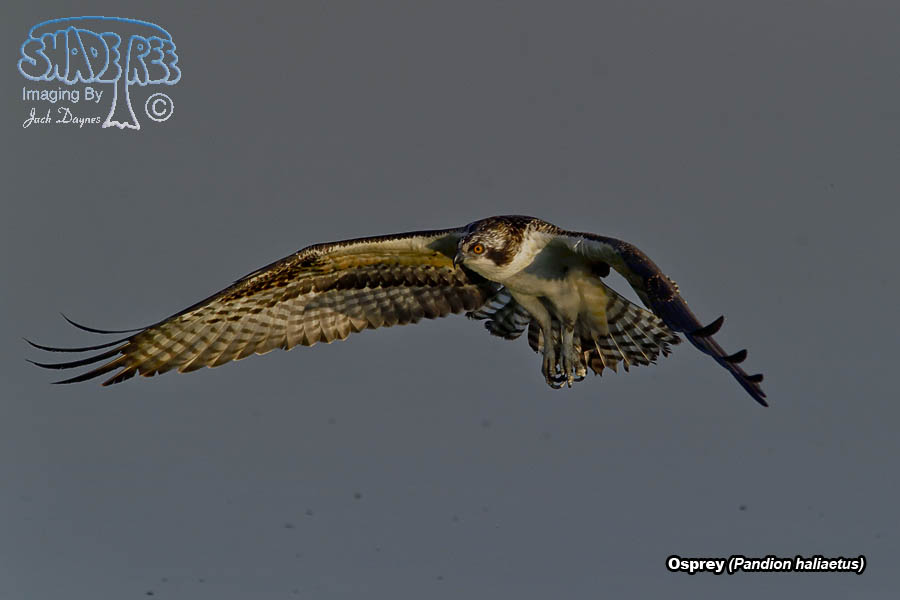
Osprey(Pandion haliaetus) |
|
Description: Malheur NWR is in southeastern Oregon, west of Steens Mountains and south of Burns Oregon. Harney County. |
Date Taken: 2017:08:30 6:42 |
|
Location:
Malheur NWR |
|
Camera Information: NIKON D5, 800 mm, f/8.0, 1/8000 |
File Name: Osprey_D5X8245-MalheurNWR |
| © 2017 Jack Daynes, shadeTreeImaging.com |
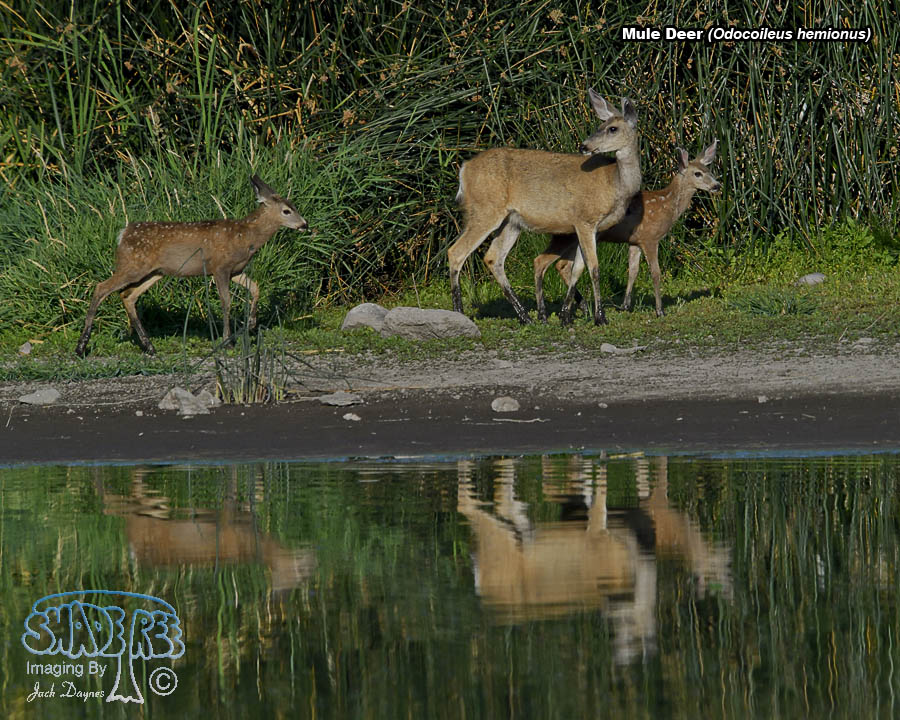
Mule Deer(Odocoileus hemionus) |
|
Description: There were two doe and two fawns in this group at Malheur NWR in southeastern Oregon, west of Steens Mountains and south of Burns Oregon. Harney County. |
Date Taken: 2017:08:30 6:54 |
|
Location:
Malheur NWR |
|
Camera Information: NIKON D5, 800 mm, f/8.0, 1/8000 |
File Name: MuleDeer_D5X8415-MalheurNWR |
| © 2017 Jack Daynes, shadeTreeImaging.com |
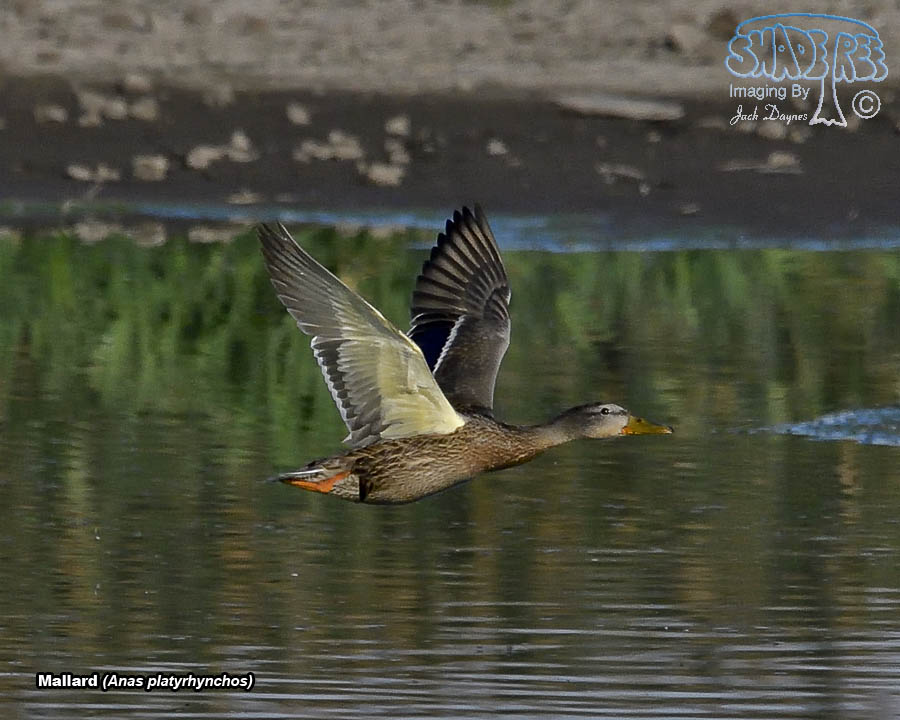
Mallard(Anas platyrhynchos) |
|
Description: Malheur NWR is in southeastern Oregon, west of Steens Mountains and south of Burns Oregon. Harney County. |
Date Taken: 2017:08:30 6:51 |
|
Location:
Malheur NWR |
|
Camera Information: NIKON D5, 800 mm, f/8.0, 1/6400 |
File Name: Mallard-Hen_D5X8267-MalheurNWR |
| © 2017 Jack Daynes, shadeTreeImaging.com |
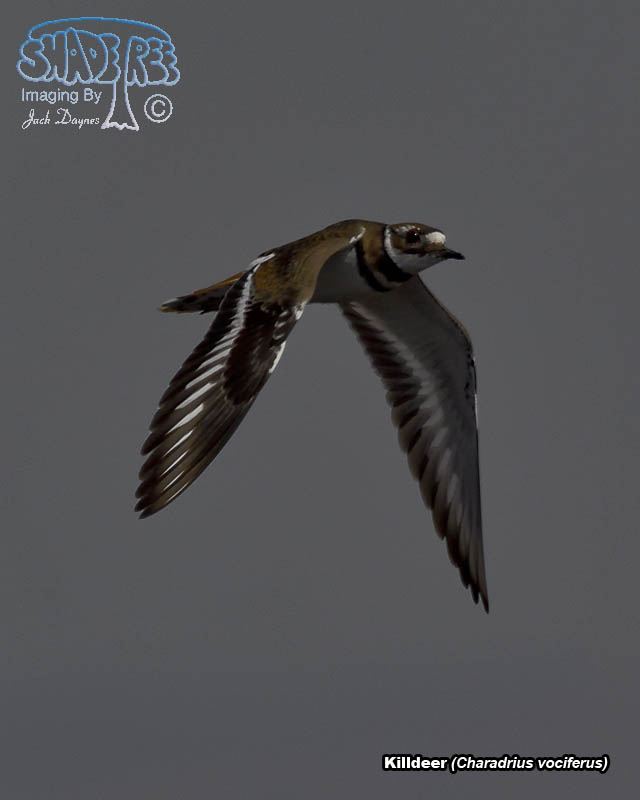
Killdeer(Charadrius vociferus) |
|
Description: Malheur NWR is in southeastern Oregon, west of Steens Mountains and south of Burns Oregon. Harney County. |
Date Taken: 2017:08:30 12:31 |
|
Location:
Malheur NWR |
|
Camera Information: NIKON D5, 800 mm, f/8.0, 1/8000 |
File Name: Killdeer_D5X9245-MalheurNWR |
| © 2017 Jack Daynes, shadeTreeImaging.com |
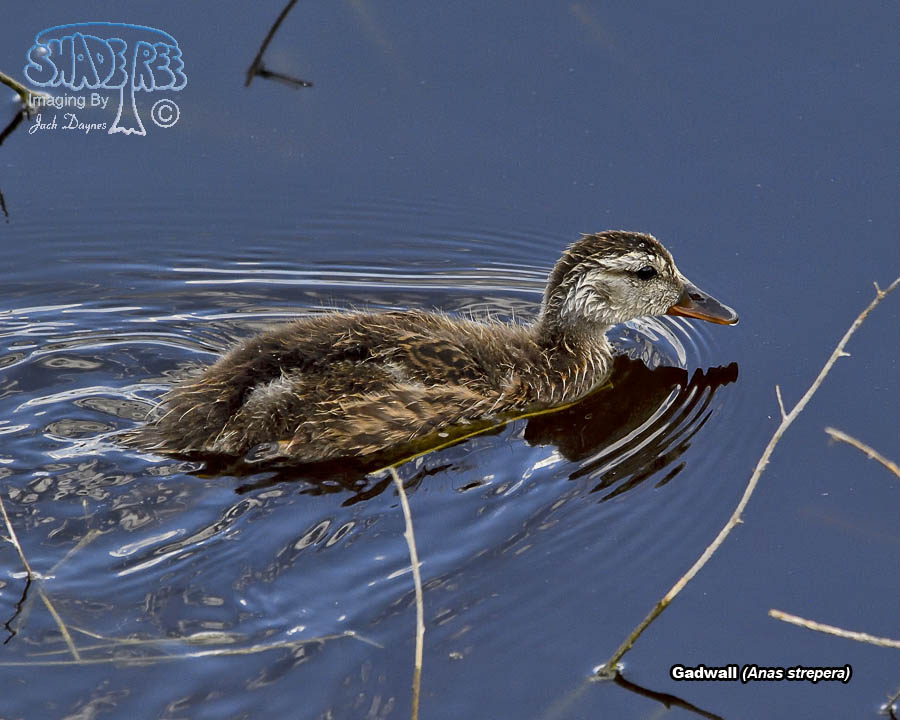
Gadwall(Mareca strepera) |
|
Description: Juvenile bird at Malheur NWR in southeastern Oregon, west of Steens Mountains and south of Burns Oregon. Harney County. |
Date Taken: 2017:08:30 12:15 |
|
Location:
Malheur NWR |
|
Camera Information: NIKON D5, 800 mm, f/8.0, 1/2000 |
File Name: Gadwall-Juvenile_D5X9120-MalheurNWR |
| © 2017 Jack Daynes, shadeTreeImaging.com |
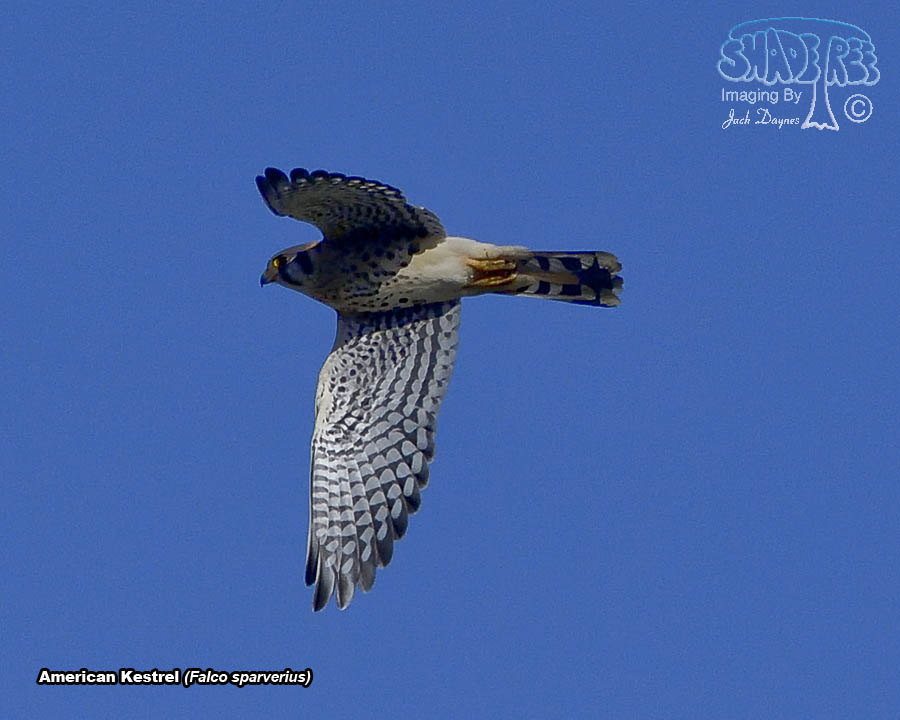
American Kestrel(Falco sparverius) |
|
Description: Malheur NWR is in southeastern Oregon, west of Steens Mountains and south of Burns Oregon. Harney County. |
Date Taken: 2017:08:30 7:39 |
|
Location:
Malheur NWR |
|
Camera Information: NIKON D5, 800 mm, f/7.1, 1/8000 |
File Name: AmericanKestrel_D5X8733-MalheurNWR |
| © 2017 Jack Daynes, shadeTreeImaging.com |
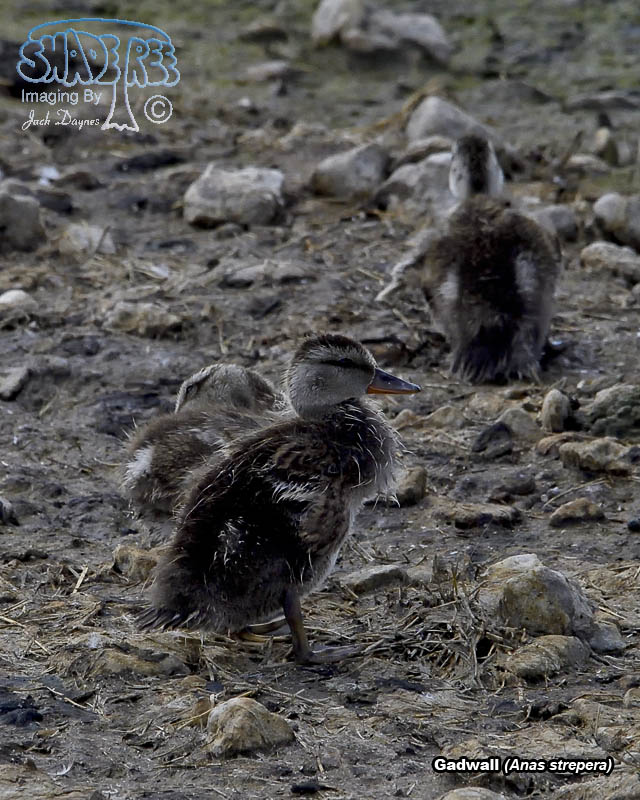
Gadwall(Mareca strepera) |
|
Description: Older chicks at Malheur NWR in southeastern Oregon, west of Steens Mountains and south of Burns Oregon. Harney County. |
Date Taken: 2017:08:30 12:02 |
|
Location:
Malheur NWR |
|
Camera Information: NIKON D5, 800 mm, f/10.0, 1/2500 |
File Name: Gadwall-Chicks_D5X9008-MalheurNWR |
| © 2017 Jack Daynes, shadeTreeImaging.com |
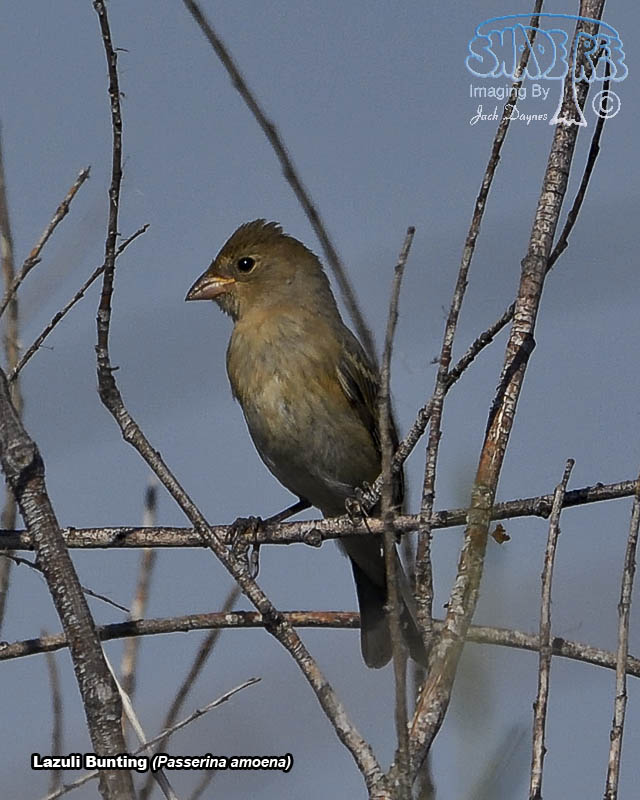
Lazuli Bunting(Passerina amoena) |
|
Description: Juvenile at Malheur NWR is in southeastern Oregon, west of Steens Mountains and south of Burns Oregon. Harney County. |
Date Taken: 2017:08:30 8:38 |
|
Location:
Malheur NWR |
|
Camera Information: NIKON D5, 800 mm, f/10.0, 1/8000 |
File Name: LazuliBunting-Juvenile_D5X8808-MalheurNWR |
| © 2017 Jack Daynes, shadeTree Imaging |
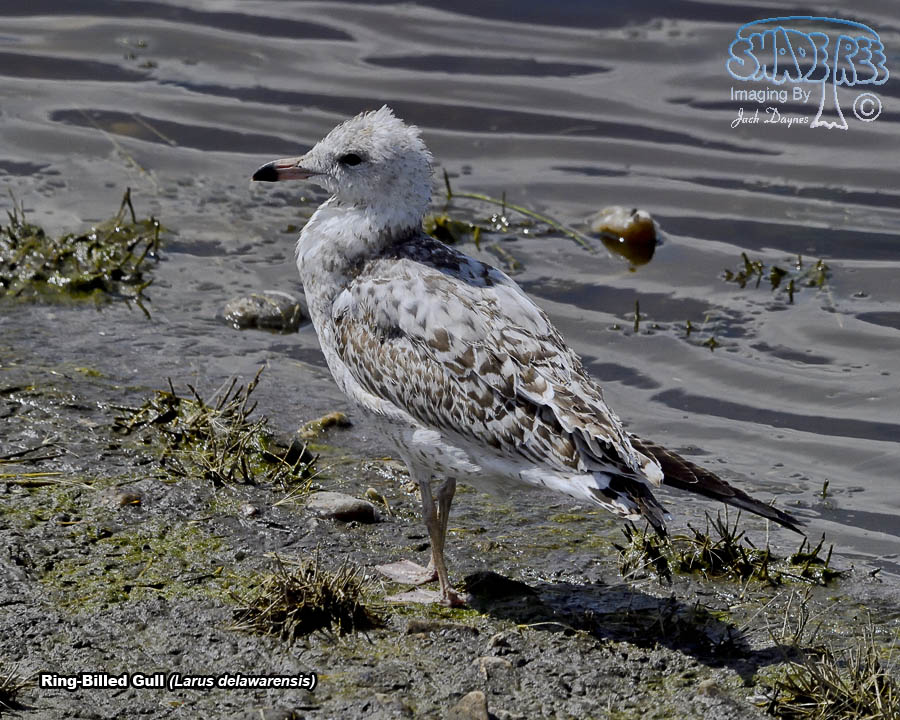
Ring-Billed Gull(Larus delawarensis) |
|
Description: Malheur NWR is in southeastern Oregon, west of Steens Mountains and south of Burns Oregon. Harney County. |
Date Taken: 2017:08:30 11:58 |
|
Location:
Malheur NWR |
|
Camera Information: NIKON D5, 800 mm, f/10.0, 1/8000 |
File Name: RingBilledGull-Pre-Juvenile_D5X8952-MalheurNWR |
| © 2017 Jack Daynes, shadeTreeImaging.com |
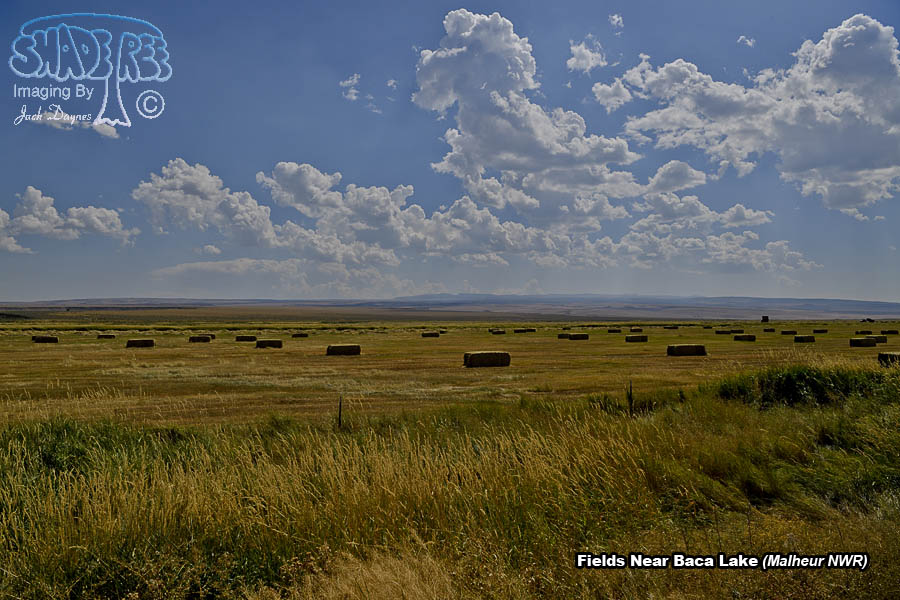
Fields Near Baca Lake(Scenery) |
|
Description: Malheur NWR is in southeastern Oregon, west of Steens Mountains and south of Burns Oregon. Harney County. |
Date Taken: 2017:08:30 10:55 |
|
Location:
Malheur NWR |
|
Camera Information: NIKON D5, 26 mm, f/10.0, 1/8000 |
File Name: Scenery_D5X8876-MalheurNWR |
| © 2017 Jack Daynes, shadeTreeImaging.com |
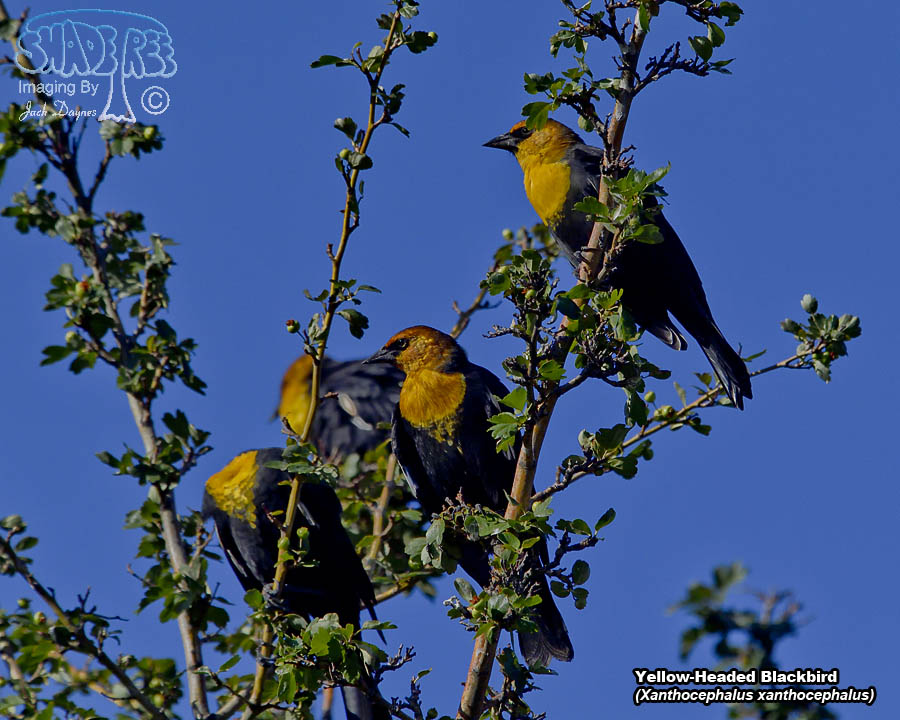
Yellow-Headed Blackbird(Xanthocephalus xanthocephalus) |
|
Description: Malheur NWR is in southeastern Oregon, west of Steens Mountains and south of Burns Oregon. Harney County. |
Date Taken: 2017:08:30 7:30 |
|
Location:
Malheur NWR |
|
Camera Information: NIKON D5, 800 mm, f/7.1, 1/8000 |
File Name: YellowHeadedBlackBird_D5X8675-MalheurNWR |
| © 2017 Jack Daynes, shadeTreeImaging.com |
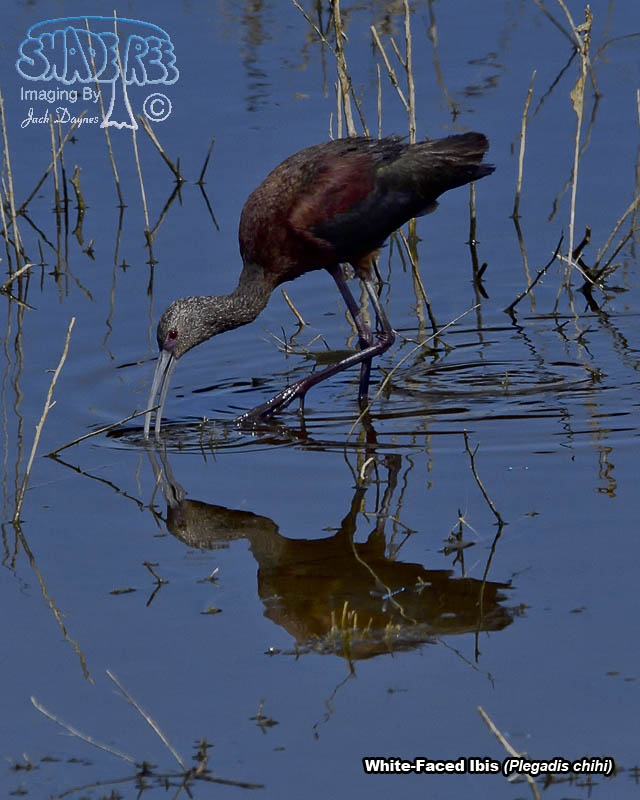
White-Faced Ibis(Plegadis chihi) |
|
Description: Malheur NWR is in southeastern Oregon, west of Steens Mountains and south of Burns Oregon, in Harney County. |
Date Taken: 2017:08:30 12:00 |
|
Location:
Malheur NWR |
|
Camera Information: NIKON D5, 800 mm, f/10.0, 1/8000 |
File Name: WhiteFacedIbis_D5X8985-MalheurNWR |
| © 2017 Jack Daynes, shadeTreeImaging.com |
Click map markers to reveal further information
