In 2017, I spent two days exploring Mammoth Lakes in the eastern Sierra-Nevada Mountains. Below are notes from the visit.


2017-07-16 Mammoth Lakes Birds
Mammoth Creek connects a string of high elevation lakes in the Sierra Nevada Mountains. Starting above Skelton Lake (9,920′), it drains into Arrowhead Lake (9,690′), Lake Mary (8,920’), Lake Mamie (8,900’), and finally Twin Lakes (8,540′) which looks to be three bodies of water. Someone informed me that Pacific Wrens have been seen along Twin Falls as it descends from Lake Mamie to Twin Lakes, and there might be Pine Grosbeaks too.
I followed the navigational instructions to the campground on the west side of the first lake, but I discovered that the bridge was barricaded to vehicles. So I parked my van and walked with my camera gear over the bridge to investigate. Reaching the campsite on the west side of the lake, I saw all the damage that the spring thaw floods had caused. I found tree branches had fallen to block pathways, picnic tables submerged in mud, and creeks flowing over normally dry trails. There were workers laboring to put the pieces back together, but much work remained. None of this bothered the birds in the least. I wasn’t wearing suitable footwear for creek-forging, so I had to forgo the pursuit of the wren, at least for the time being.
I found this unoccupied campground well suited to my purposes. I found a site near a marshy thicket where there were many Orange-Crowned Warblers dashing about and Song Sparrows were singing their cheerful refrain. Parking my folding stool in an out-of-the-way spot, I set up my camera and observed my surroundings. In a few hours I’d captured Dark-Eyed Juncos, Nashville Warblers, Orange-Crowned Warblers, Ruby-Crowned Kinglets, Song Sparrows, Warbling Vireos, and a Western Wood-Pewee.
2017-07-18 Twin Lakes Mammoth, Round Two
My plan for this day was to head out to the end of Lake Mary Road in Mammoth. There were several locations nearby where I thought I might find the Pine Grosbeak. On reflection, I’d seen several birds at distance on other outings in the Eastern Sierras on this trip that I dismissed as Purple Finches. I now suspect they were Pine Grosbeaks. I planned to be on the lookout for them again today. I believe I’m almost done with this region for now. I love it here, but I need to start my run back south soon. I’ve met some nice birds on this trip. Several gave up some decent images.
Mammoth Basin, at the end of Lake Mary Road, wasn’t very birdy today. It didn’t help that the wind was very strong all day. I can’t be sure, but I think I caught a brief glimpse of a pair of Gray-Crowned Rosy Finches at the top of the smaller falls dropping to Twin Lakes.
With the windy conditions, I thought the unused campsite at the bottom of Twin Falls might be less windy and worth another try. I drove down and parked on the east side of the upper lake and packed my gear over the bridges to see what birds that might be out and about. Two days ago I hunkered down in one location and explored little of the rest of the camp. Today I wandered the entire campground and found a few different birds. I found wrens, but they were House Wrens. It seemed there was an entire family. Orange-Crowned Warblers, Song Sparrows, Western Tanagers and Western Wood-Pewee were all present, but the only “Pine” birds I saw well were Pine Siskins. I think I caught a fleeting glimpse of a reddish finch-like bird, which could have been the grosbeak I sought. But alas, I failed to capture any pictures.
One bird I thought interesting was a Red-Naped Sapsucker. I captured a few poor, but ID quality images in case someone might want to weigh in on the ID. I think there were two birds at the southern end of the campground.
A footnote to my previous post and my rant about “common” birds. As I am less than familiar with what is rare and what is common in this area, I posted images of the Nashville Warbler I met on my earlier trip. Today I received an email from Dave Shuford, who has been studying this bird’s nesting practices in the Eastern Sierras. I exchanged several helpful emails with him (it seems we both have a friendship with Phil Unitt). One of my “common” bird images added a small piece to the body of knowledge for this bird.
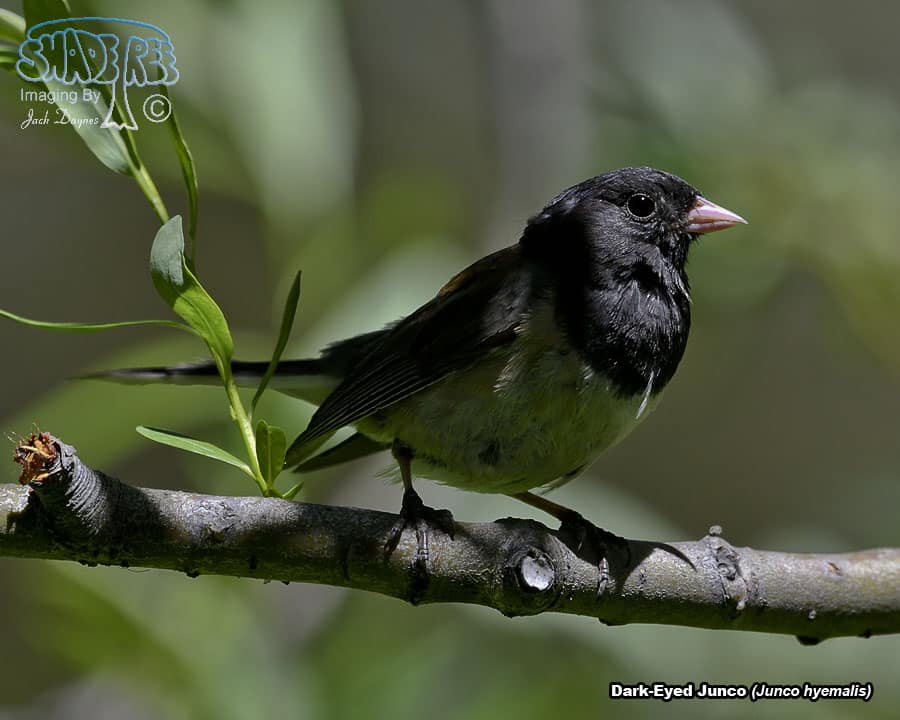
Dark-Eyed Junco(Junco hyemalis) |
|
Description: Twin Lakes in Mammoth California elevation 8625 feet. Mono County California in the eastern Sierras. |
Date Taken: 2017:07:18 10:00 |
|
Location:
Twin Lakes |
|
Camera Information: NIKON D5, 800 mm, f/8.0, 1/1000 |
File Name: DarkEyedJunco_D5X9775-TwinLakes |
| © 2017 Jack Daynes, shadeTree-Imaging.com |

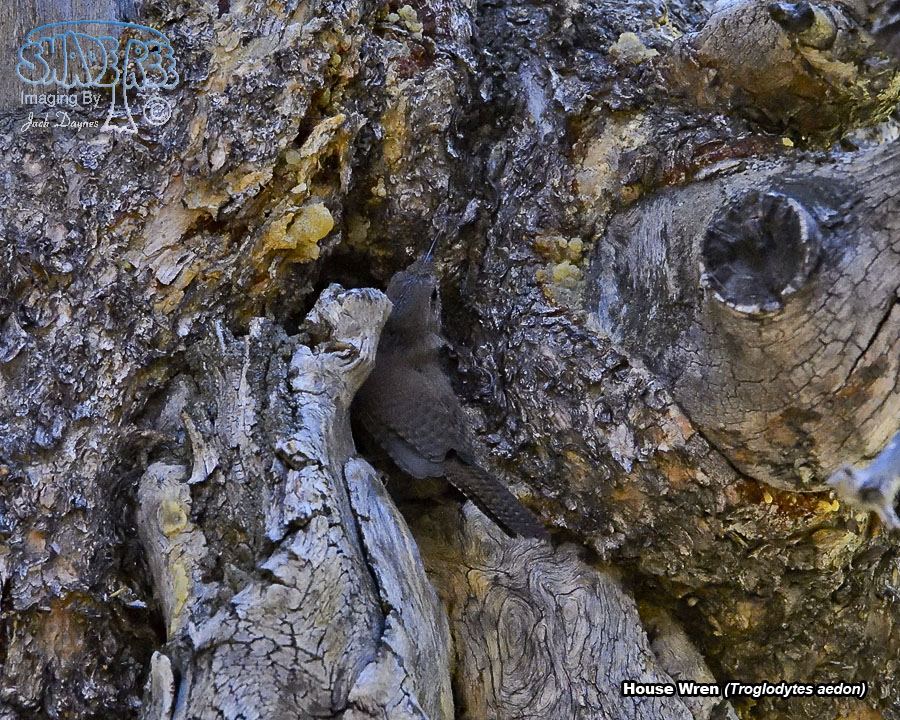
House Wren(Troglodytes aedon) |
|
Description: Twin Lakes in Mammoth California elevation 8625 feet. Mono County California in the eastern Sierras. |
Date Taken: 2017:07:18 10:28 |
|
Location:
Twin Lakes Mammoth |
|
Camera Information: NIKON D5, 800 mm, f/8.0, 1/800 |
File Name: HouseWren_D5X0007-TwinLakes |
| © 2017 Jack Daynes, shadeTreeImaging.com |
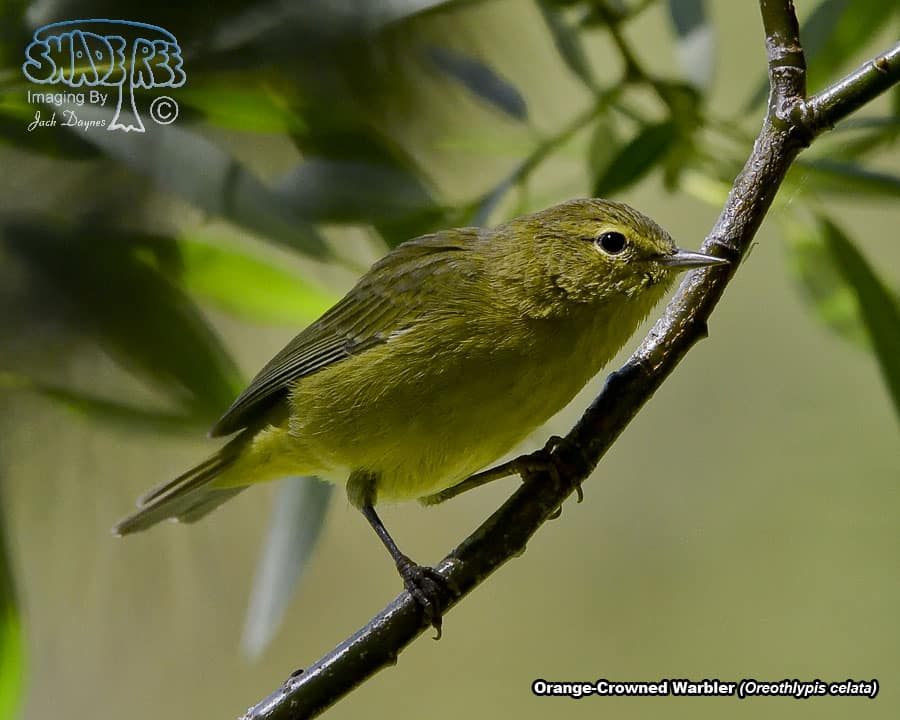
Orange-Crowned Warbler(Leiothlypis celata) |
|
Description: Twin Lakes in Mammoth California elevation 8625 feet. Mono County California in the eastern Sierras. |
Date Taken: 2017:07:18 9:55 |
|
Location:
Twin Lakes |
|
Camera Information: NIKON D5, 800 mm, f/8.0, 1/800 |
File Name: OrangeCrownedWarbler_D5X9762-TwinLakes |
| © 2017 Jack Daynes, shadeTree-Imaging.com |
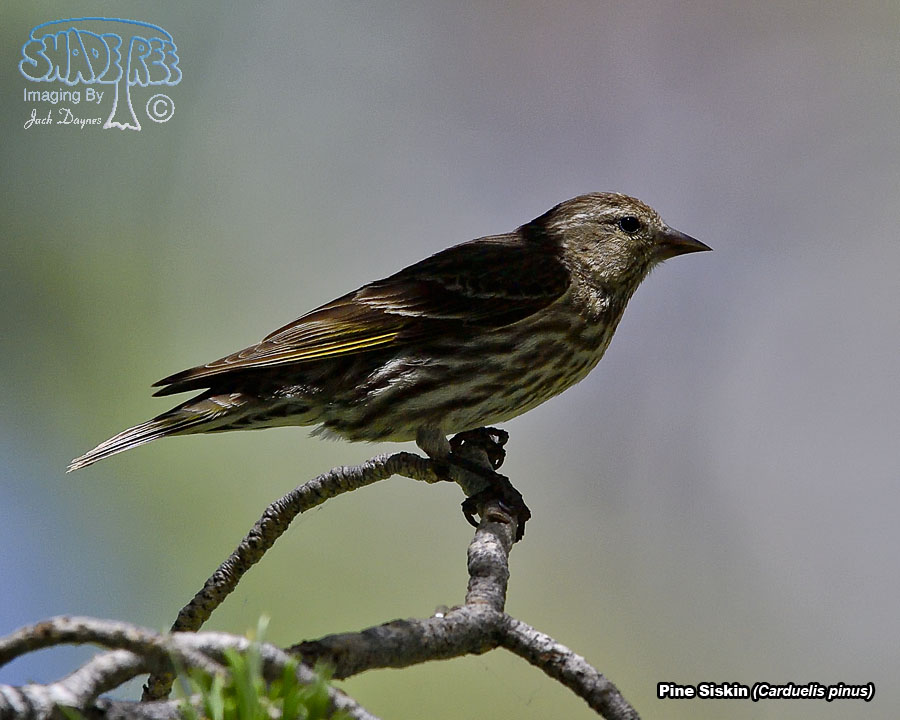
Pine Siskin(Spinus pinus) |
|
Description: Twin Lakes in Mammoth California elevation 8625 feet. Mono County California in the eastern Sierras. |
Date Taken: 2017:07:18 9:41 |
|
Location:
Twin Lakes |
|
Camera Information: NIKON D5, 800 mm, f/8.0, 1/800 |
File Name: PineSiskin_D5X9716-TwinLakes |
| © 2017 Jack Daynes, shadeTree Imaging |
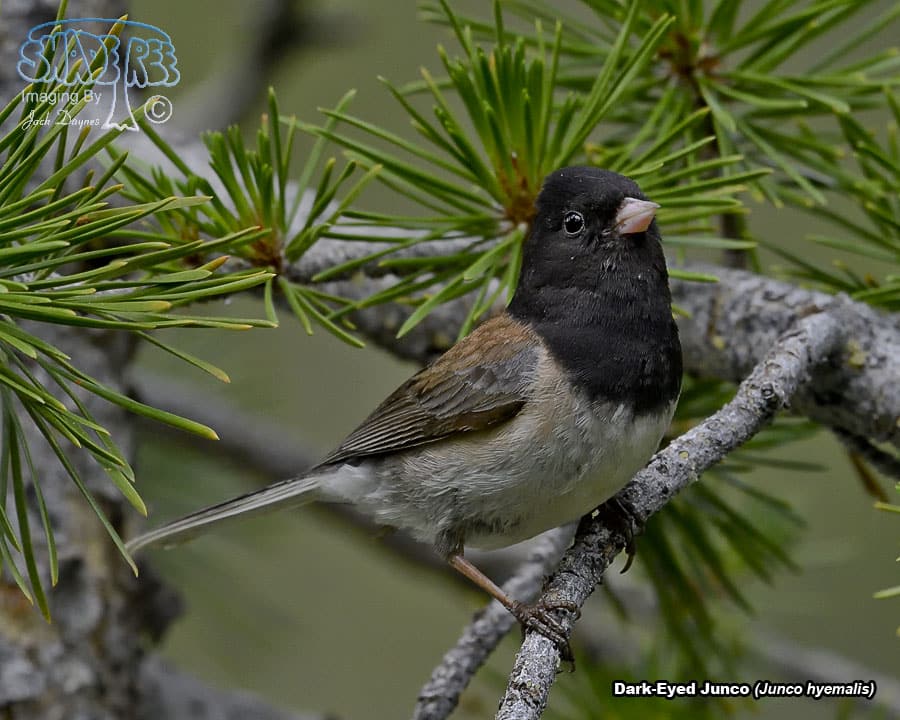
Dark-Eyed Junco(Junco hyemalis) |
|
Description: Twin Lakes in Mammoth California elevation 8625 feet. Mono County California in the eastern Sierras. |
Date Taken: 2017:07:16 8:28 |
|
Location:
Twin Lakes |
|
Camera Information: NIKON D5, 800 mm, f/8.0, 1/800 |
File Name: DarkEyedJunco_D5X9417-TwinLakes |
| © 2017 Jack Daynes, shadeTree-Imaging.com |
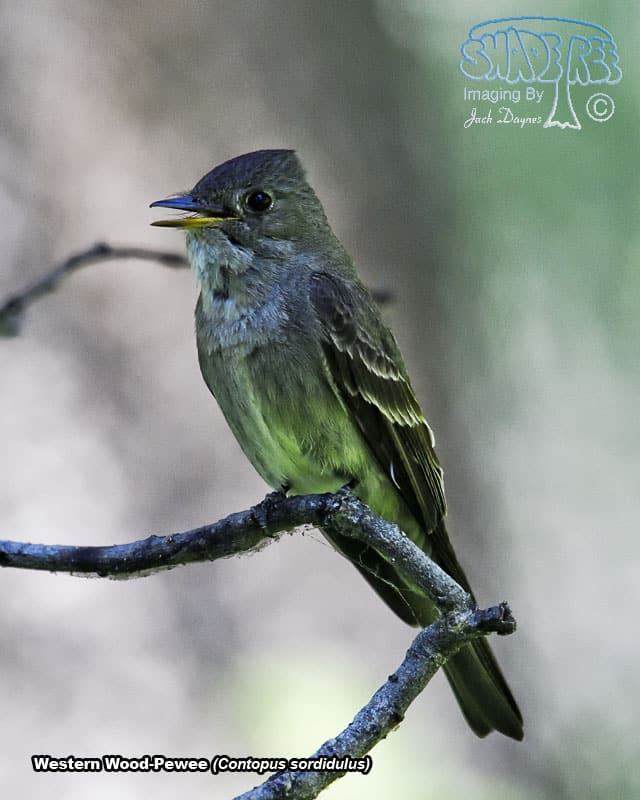
Western Wood-Pewee(Contopus sordidulus) |
|
Description: Twin Lakes in Mammoth California elevation 8625 feet. Mono County California in the eastern Sierras. |
Date Taken: 2017:07:18 10:10 |
|
Location:
Twin Lakes |
|
Camera Information: NIKON D5, 800 mm, f/8.0, 1/800 |
File Name: WesternWoodPewee_D5X9965-TwinLakes |
| © 2017 Jack Daynes, shadeTree-Imaging.com |
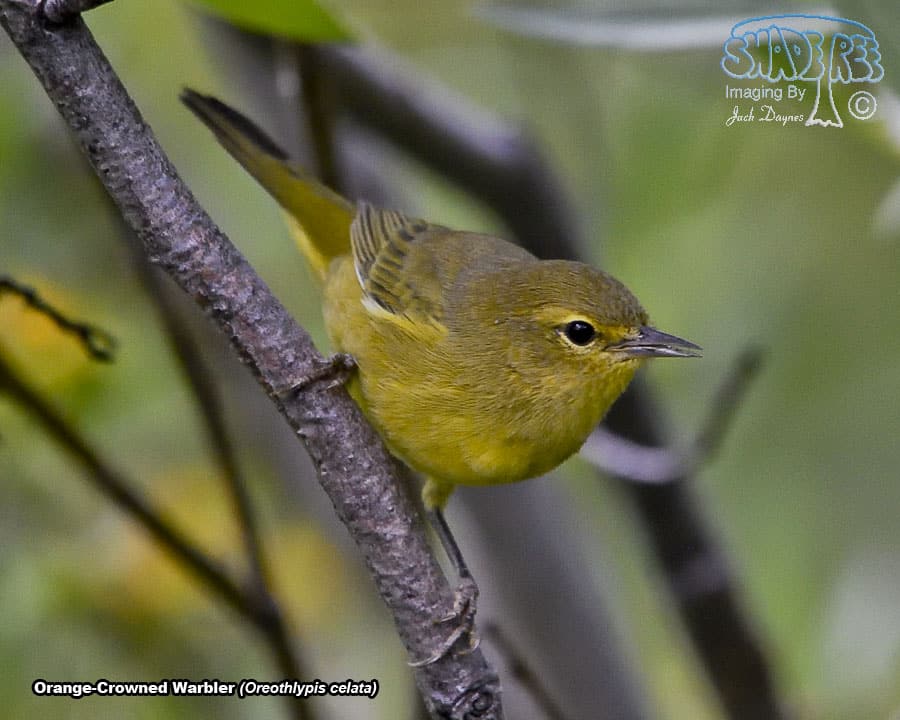
Orange-Crowned Warbler(Leiothlypis celata) |
|
Description: Twin Lakes in Mammoth California elevation 8625 feet. Mono County California in the eastern Sierras. |
Date Taken: 2017:07:16 8:18 |
|
Location:
Twin Lakes |
|
Camera Information: NIKON D5, 800 mm, f/8.0, 1/800 |
File Name: OrangeCrownedWarbler_D5X9324-TwinLakes |
| © 2017 Jack Daynes, shadeTree-Imaging.com |
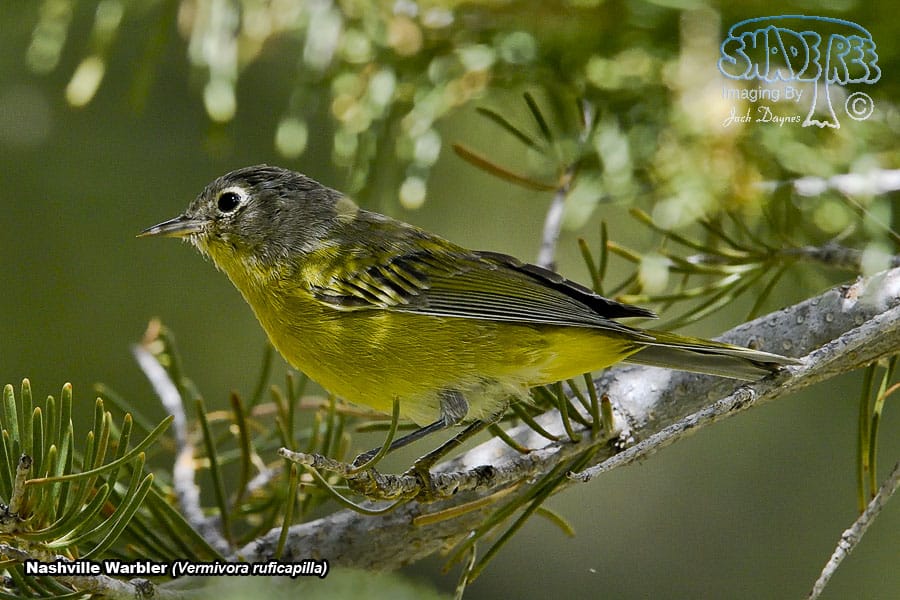
Nashville Warbler(Leiothlypis ruficapilla) |
|
Description: Twin Lakes in Mammoth California elevation 8625 feet. Mono County California in the eastern Sierras. |
Date Taken: 2017:07:16 9:00 |
|
Location:
Twin Lakes |
|
Camera Information: NIKON D5, 800 mm, f/8.0, 1/800 |
File Name: NashvilleWarbler_D5X9636-TwinLakes |
| © 2017 Jack Daynes, shadeTree-Imaging.com |
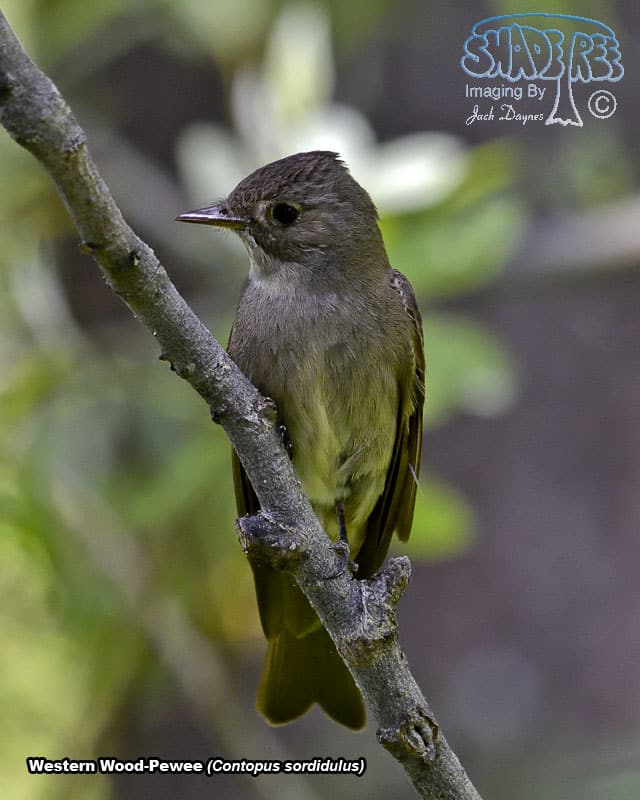
Western Wood-Pewee(Contopus sordidulus) |
|
Description: Twin Lakes in Mammoth California elevation 8625 feet. Mono County California in the eastern Sierras. |
Date Taken: 2017:07:18 10:08 |
|
Location:
Twin Lakes |
|
Camera Information: NIKON D5, 800 mm, f/8.0, 1/800 |
File Name: WesternWoodPewee_D5X9916-TwinLakes |
| © 2017 Jack Daynes, shadeTree-Imaging.com |
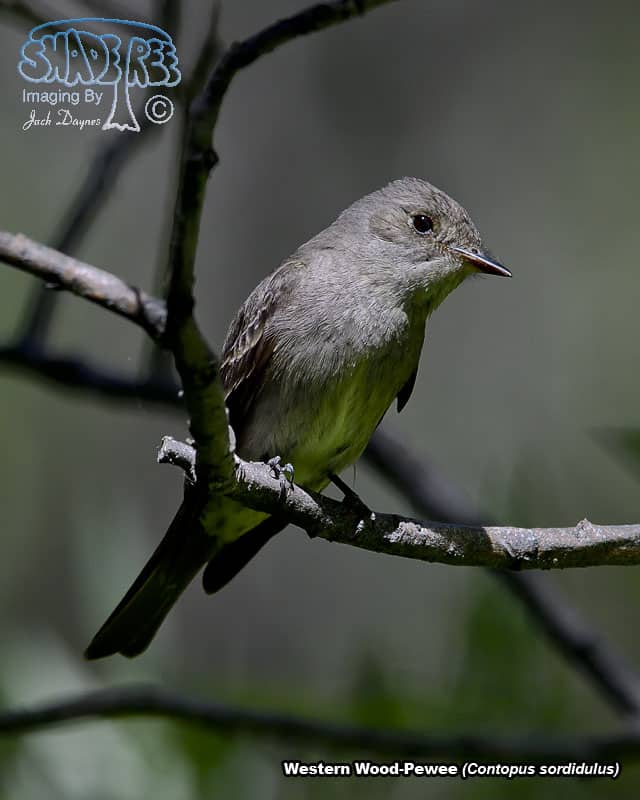
Western Wood-Pewee(Contopus sordidulus) |
|
Description: Twin Lakes in Mammoth California elevation 8625 feet. Mono County California in the eastern Sierras. |
Date Taken: 2017:07:18 10:07 |
|
Location:
Twin Lakes |
|
Camera Information: NIKON D5, 800 mm, f/8.0, 1/800 |
File Name: WesternWoodPewee_D5X9893-TwinLakes |
| © 2017 Jack Daynes, shadeTree-Imaging.com |
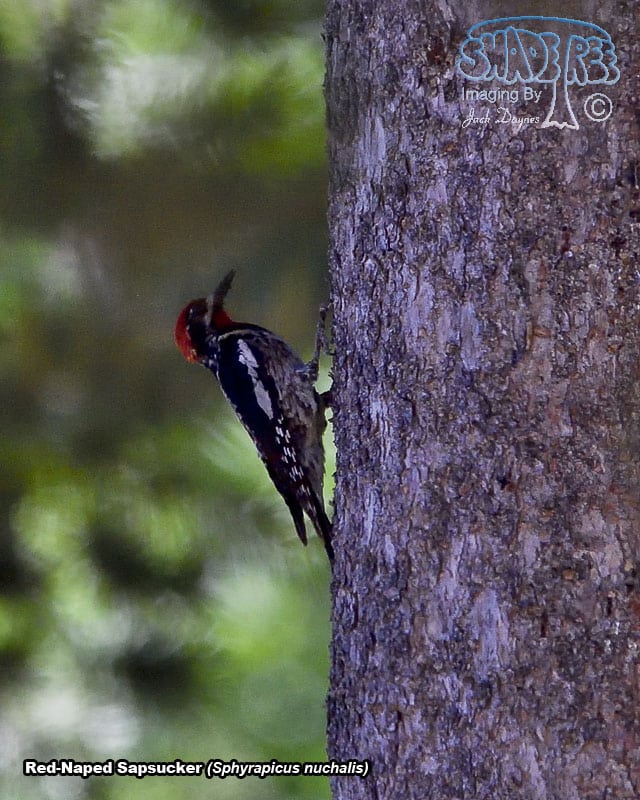
Red-Naped Sapsucker(Sphyrapicus nuchalis) |
|
Description: Twin Lakes in Mammoth California elevation 8625 feet. Mono County California in the eastern Sierras. |
Date Taken: 2017:07:18 10:53 |
|
Location:
Twin Lakes |
|
Camera Information: NIKON D5, 800 mm, f/8.0, 1/800 |
File Name: RedNapedSapsucker_D5X0015-TwinLakes |
| © 2017 Jack Daynes, shadeTree-Imaging.com |
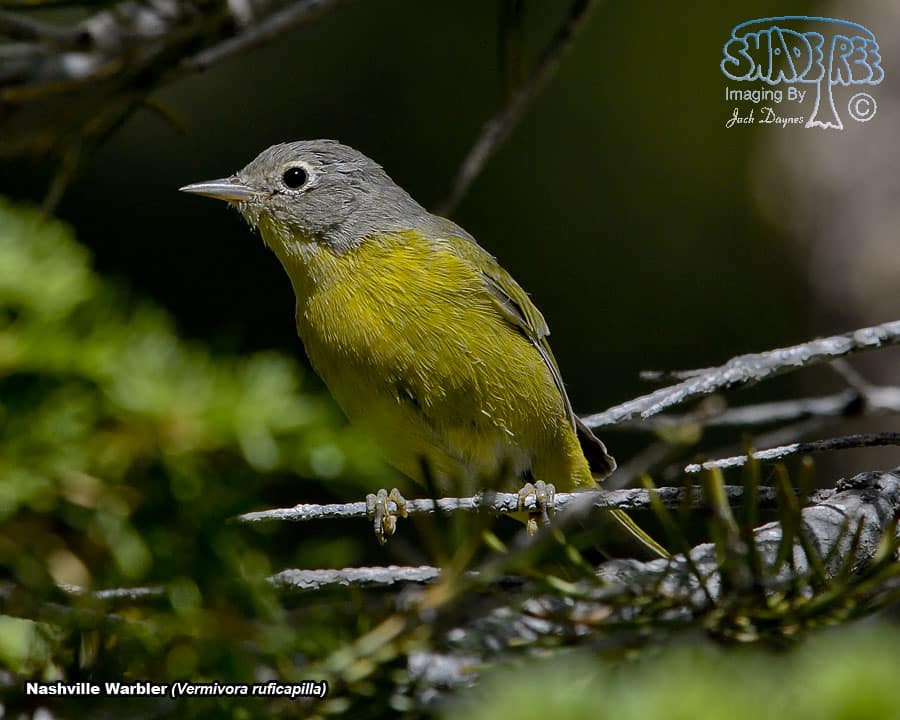
Nashville Warbler(Leiothlypis ruficapilla) |
|
Description: Twin Lakes in Mammoth California elevation 8625 feet. Mono County California in the eastern Sierras. |
Date Taken: 2017:07:16 9:00 |
|
Location:
Twin Lakes |
|
Camera Information: NIKON D5, 800 mm, f/8.0, 1/1000 |
File Name: NashvilleWarbler_D5X9625-TwinLakes |
| © 2017 Jack Daynes, shadeTree-Imaging.com |
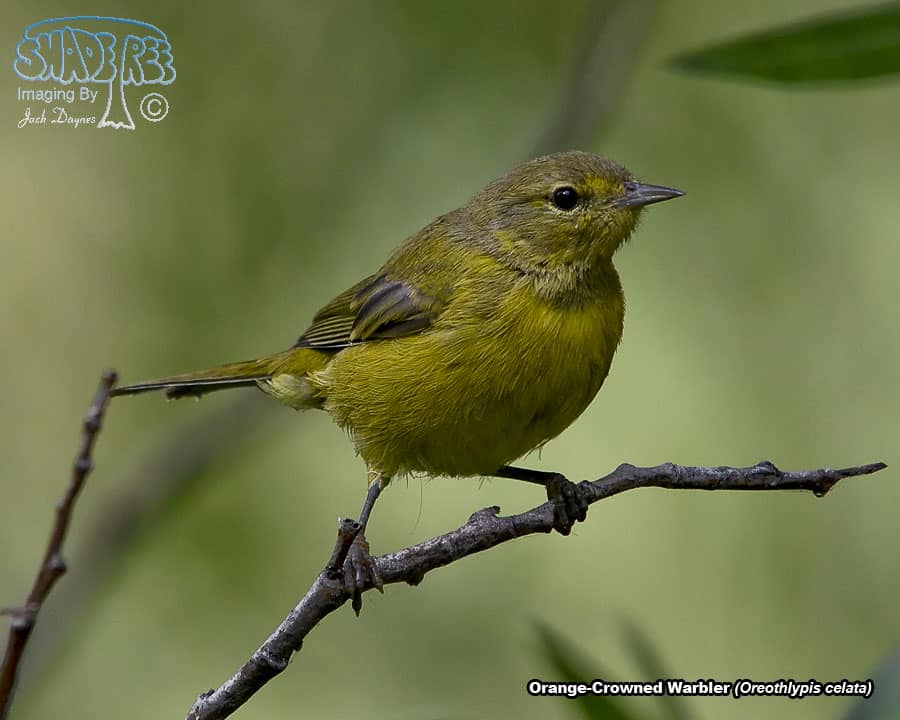
Orange-Crowned Warbler(Leiothlypis celata) |
|
Description: Twin Lakes in Mammoth California elevation 8625 feet. Mono County California in the eastern Sierras. |
Date Taken: 2017:07:16 8:22 |
|
Location:
Twin Lakes |
|
Camera Information: NIKON D5, 800 mm, f/8.0, 1/800 |
File Name: OrangeCrownedWarbler_D5X9356-TwinLakes |
| © 2017 Jack Daynes, shadeTree-Imaging.com |
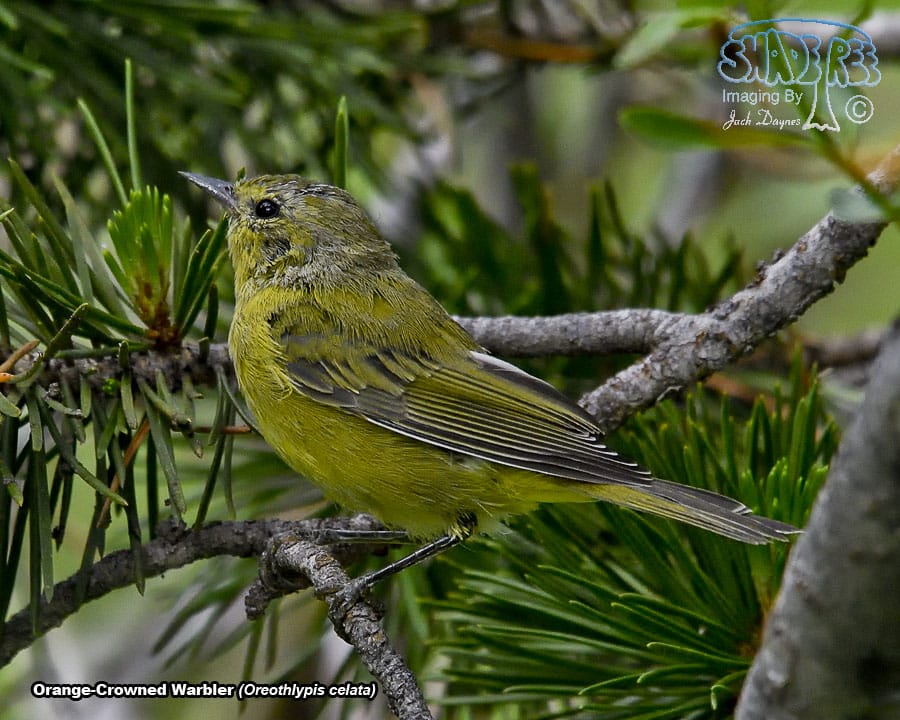
Orange-Crowned Warbler(Oreothlypis celata) |
|
Description: Twin Lakes in Mammoth California elevation 8625 feet. Mono County California in the eastern Sierras. |
Date Taken: 2017:07:16 8:23 |
|
Location:
Twin Lakes |
|
Camera Information: NIKON D5, 800 mm, f/8.0, 1/800 |
File Name: OrangeCrownedWarbler_D5X9372-TwinLakes |
| © 2017 Jack Daynes, shadeTree-Imaging.com |
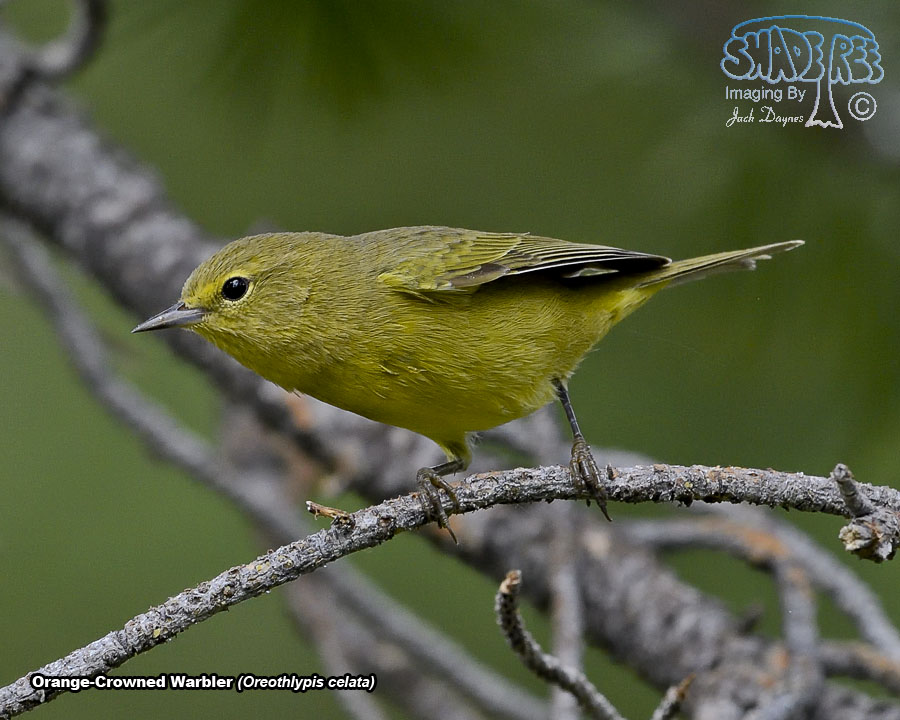
Orange-Crowned Warbler(Leiothlypis celata) |
|
Description: Twin Lakes in Mammoth California elevation 8625 feet. Mono County California in the eastern Sierras. |
Date Taken: 2017:07:16 8:48 |
|
Location:
Twin Lakes |
|
Camera Information: NIKON D5, 800 mm, f/8.0, 1/800 |
File Name: OrangeCrownedWarbler_D5X9524-TwinLakes |
| © 2017 Jack Daynes, shadeTree Imaging |
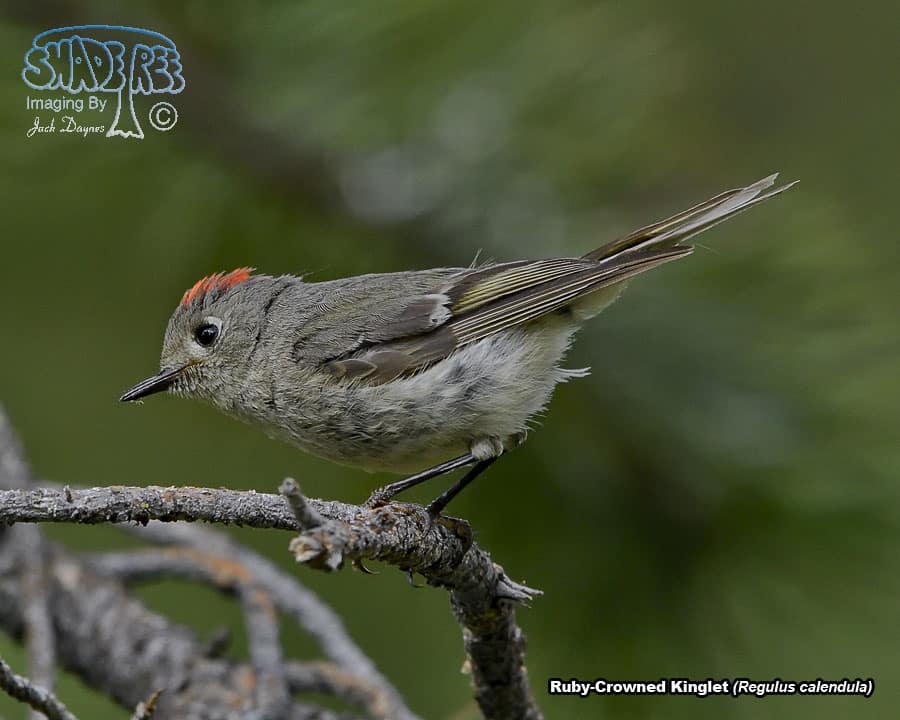
Ruby-Crowned Kinglet(Regulus calendula) |
|
Description: Twin Lakes in Mammoth California elevation 8625 feet. Mono County California in the eastern Sierras. |
Date Taken: 2017:07:16 8:41 |
|
Location:
Twin Lakes |
|
Camera Information: NIKON D5, 800 mm, f/8.0, 1/800 |
File Name: RubyCrownedKinglet_D5X9448-TwinLakes |
| © 2017 Jack Daynes, shadeTree-Imaging.com |
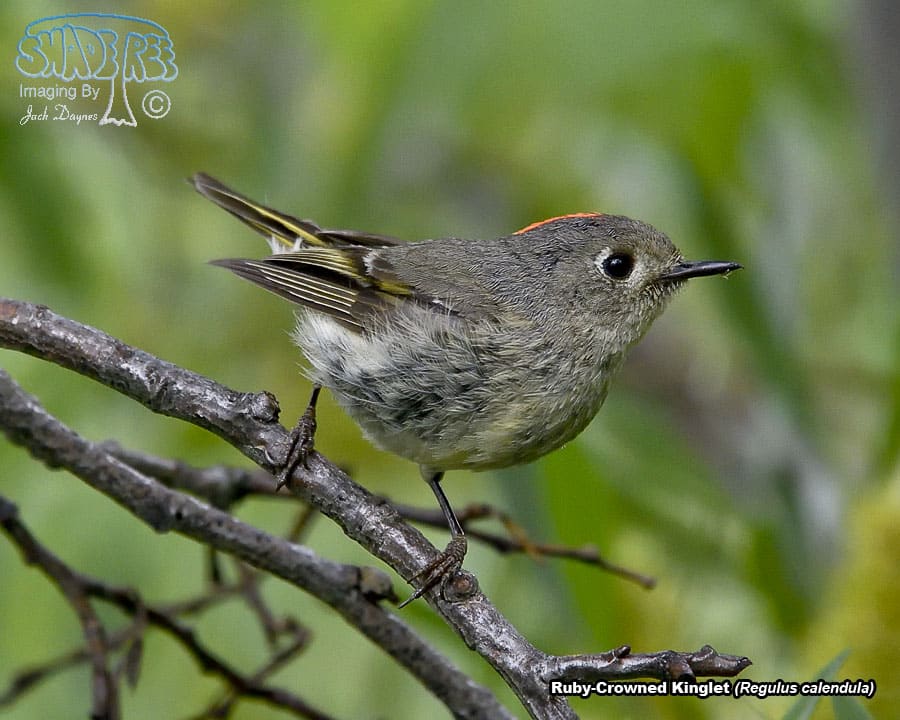
Ruby-Crowned Kinglet(Regulus calendula) |
|
Description: Twin Lakes in Mammoth California elevation 8625 feet. Mono County California in the eastern Sierras. |
Date Taken: 2017:07:16 8:41 |
|
Location:
Twin Lakes |
|
Camera Information: NIKON D5, 800 mm, f/8.0, 1/800 |
File Name: RubyCrownedKinglet_D5X9455-TwinLakes |
| © 2017 Jack Daynes, shadeTree-Imaging.com |
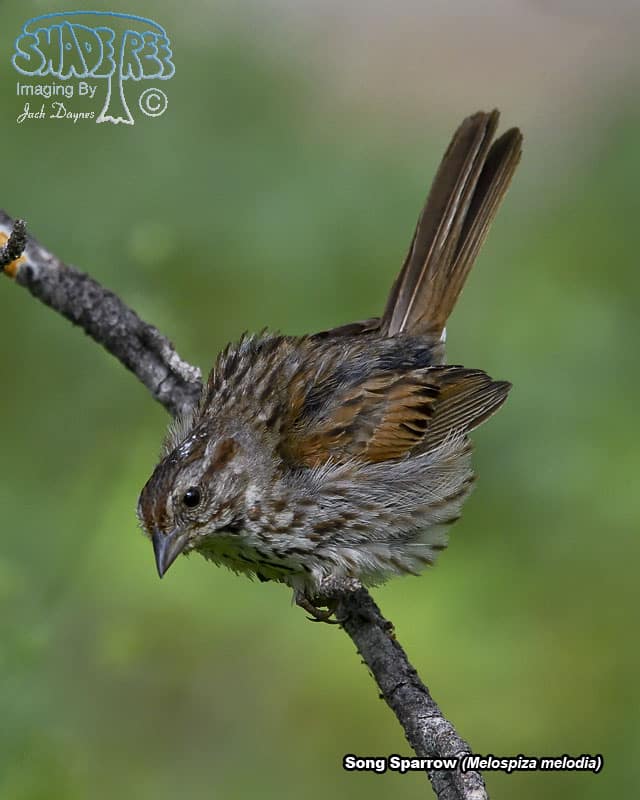
Song Sparrow(Melospiza melodia) |
|
Description: Twin Lakes in Mammoth California elevation 8625 feet. Mono County California in the eastern Sierras. |
Date Taken: 2017:07:16 8:35 |
|
Location:
Twin Lakes |
|
Camera Information: NIKON D5, 800 mm, f/8.0, 1/800 |
File Name: SongSparrow_D5X9431-TwinLakes |
| © 2017 Jack Daynes, shadeTree-Imaging.com |
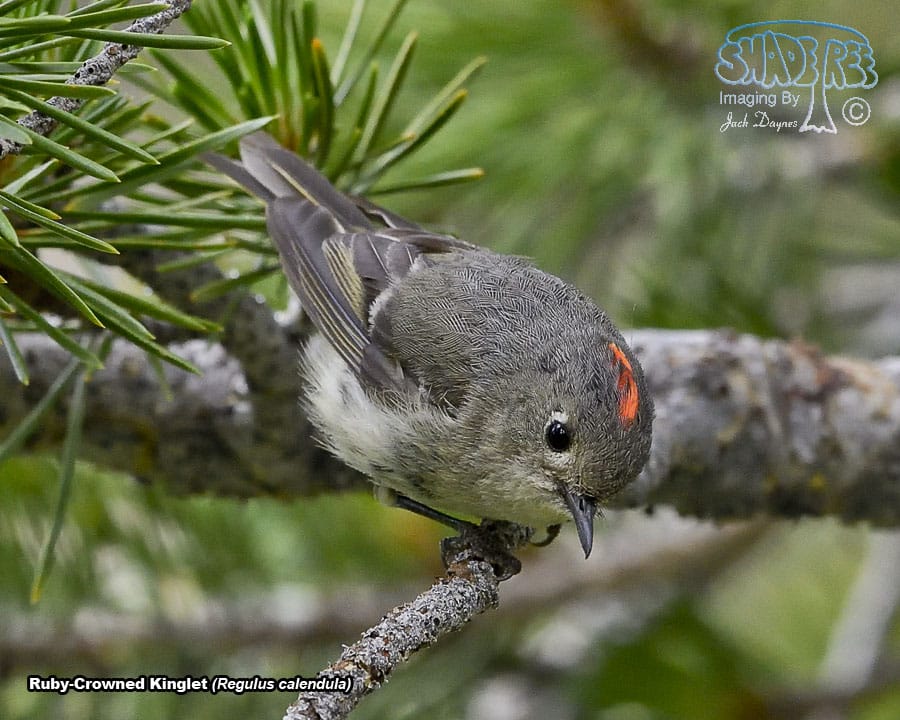
Ruby-Crowned Kinglet(Regulus calendula) |
|
Description: Twin Lakes in Mammoth California elevation 8625 feet. Mono County California in the eastern Sierras. |
Date Taken: 2017:07:16 8:51 |
|
Location:
Twin Lakes |
|
Camera Information: NIKON D5, 800 mm, f/8.0, 1/800 |
File Name: RubyCrownedKinglet_D5X9551-TwinLakes |
| © 2017 Jack Daynes, shadeTree-Imaging.com |
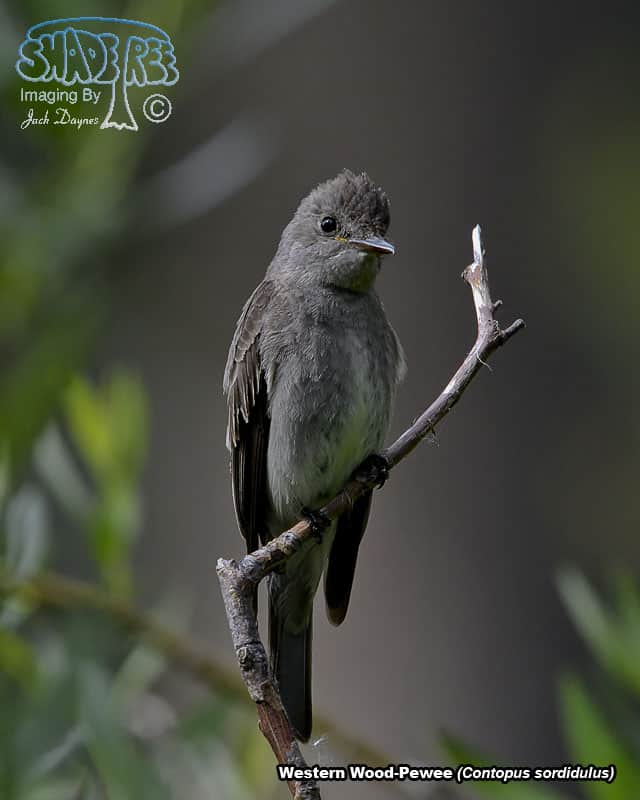
Western Wood-Pewee(Contopus sordidulus) |
|
Description: Twin Lakes in Mammoth California elevation 8625 feet. Mono County California in the eastern Sierras. |
Date Taken: 2017:07:16 8:52 |
|
Location:
Twin Lakes |
|
Camera Information: NIKON D5, 800 mm, f/8.0, 1/800 |
File Name: WesternWoodPewee_D5X9580-TwinLakes |
| © 2017 Jack Daynes, shadeTree-Imaging.com |
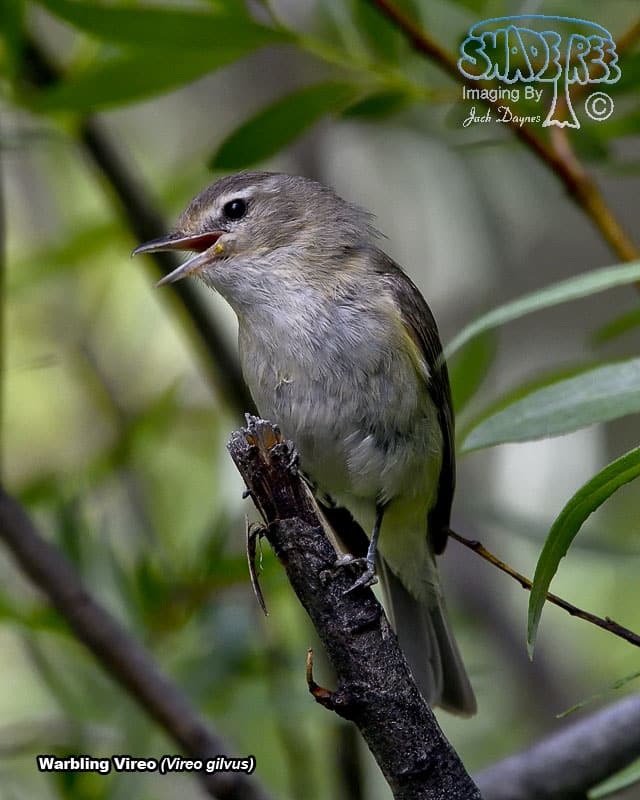
Warbling Vireo(Vireo gilvus) |
|
Description: Twin Lakes in Mammoth California elevation 8625 feet. Mono County California in the eastern Sierras. |
Date Taken: 2017:07:16 9:20 |
|
Location:
Twin Lakes |
|
Camera Information: NIKON D5, 800 mm, f/8.0, 1/800 |
File Name: WarblingVireo_D5X9662-TwinLakes |
| © 2017 Jack Daynes, shadeTree-Imaging.com |
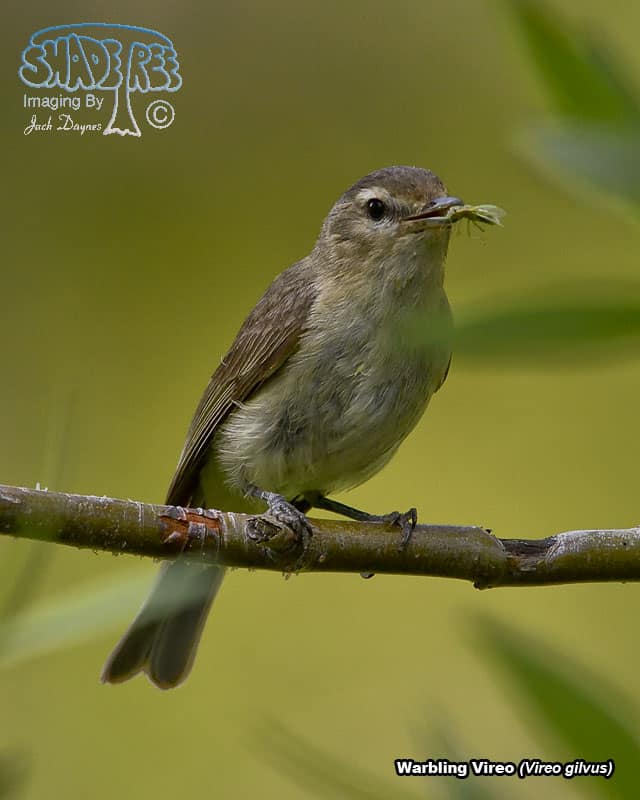
Warbling Vireo(Vireo gilvus) |
|
Description: Twin Lakes in Mammoth California elevation 8625 feet. Mono County California in the eastern Sierras. |
Date Taken: 2017:07:16 9:14 |
|
Location:
Twin Lakes |
|
Camera Information: NIKON D5, 800 mm, f/8.0, 1/800 |
File Name: WarblingVireo_D5X9643-TwinLakes |
| © 2017 Jack Daynes, shadeTree-Imaging.com |
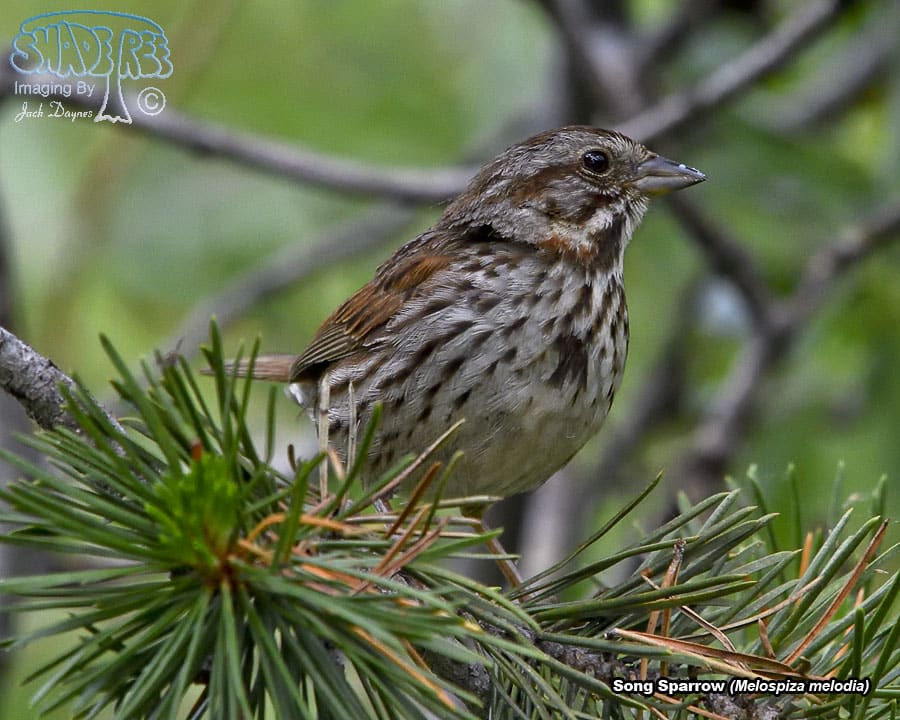
Song Sparrow(Melospiza melodia) |
|
Description: Twin Lakes in Mammoth California elevation 8625 feet. Mono County California in the eastern Sierras. |
Date Taken: 2017:07:16 8:56 |
|
Location:
Twin Lakes |
|
Camera Information: NIKON D5, 800 mm, f/8.0, 1/800 |
File Name: SongSparrow_D5X9616-TwinLakes |
| © 2017 Jack Daynes, shadeTree-Imaging.com |
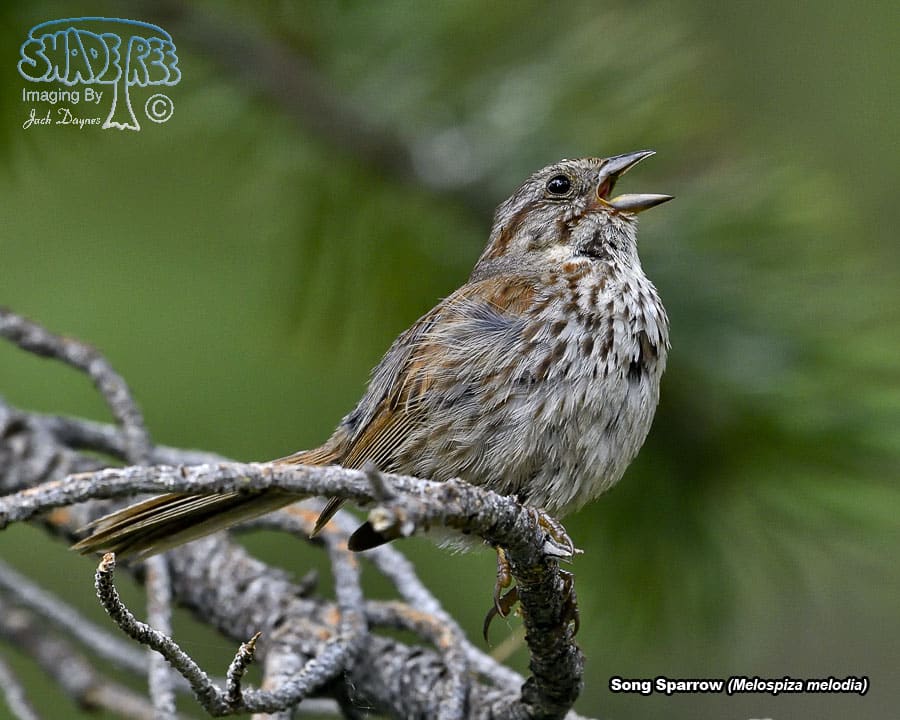
Song Sparrow(Melospiza melodia) |
|
Description: Twin Lakes in Mammoth California elevation 8625 feet. Mono County California in the eastern Sierras. |
Date Taken: 2017:07:16 8:44 |
|
Location:
Twin Lakes |
|
Camera Information: NIKON D5, 800 mm, f/8.0, 1/800 |
File Name: SongSparrow_D5X9483-TwinLakes |
| © 2017 Jack Daynes, shadeTree-Imaging.com |
Click map markers to reveal further information
