2016-11-08~14: Camping In The Mojave

I left Poway on Tuesday, November 8 to catch up with the Bird and Mammal team from the San Diego Natural History Museum. The science team had been at their Cima Camp since Sunday. Most of the museum excursions are four-day affairs, but this trip had two camp outs, back-to-back. The second stay was at Cedar Canyon, 15 miles south of our Cima Camp.
The camp at Cima was about 40 miles southeast of Baker, California. The team selected the campsites to closely align with prior studies by Joseph Grinnell, conducted in the early 1900s and 1940s. It was about a four and a half hour drive from my home to the first camp at Cima. To reach the camp, I drove the I-15 north from San Diego. Twenty-seven miles past the world’s tallest thermometer in Baker California (toward Las Vegas), I turned south on Cima Road for 11 miles, near to the Mojave Memorial Cross. The elevation at our camp was just under 5000 feet and in the middle of a vast Joshua Tree forest. I was immediately struck with awe by the serene beauty of the scene here. There were 20-30 foot tall Joshua Trees stretching into the distance as much as 15 miles away.
I arrived at the camp to find the entire team hard at work preparing specimens they’d collected that morning and the previous day.
November 2016-11-10
When I camped with the science team from the San Diego Natural History Museum, my primary mission was gathering images of small rodents caught by the mammal team. Still, a bird lover at heart, I tried to find time to meet the local birds. During autumn migration, there can be some pleasant surprises, but year-round, one can usually find several resident birds in the area. The Black-Throated Sparrow, the Cactus Wren, the Rock Wren, the Bewick’s Wren, and the Ladder-Backed Woodpecker are usually lurking somewhere near, no matter which part of the desert you may find yourself. I found White-Crowned and Vesper Sparrows on my last trip here, along with Northern Flickers.
At Cedar Canyon, where the desert transitions from scrub and Joshua Tree habitat to Juniper and Pines, I also met Bushtits. The Bushtits I met here differed from those I usually meet near my home in Poway. The sides of their faces, around the ears, were darker colored. Some juncos here differ from the Oregon Dark-Eyed Juncos I’m used to meeting in southern California. There were Slate-Colored members of the junco troops here. This variety of junco is usually associated with the Rocky Mountains.
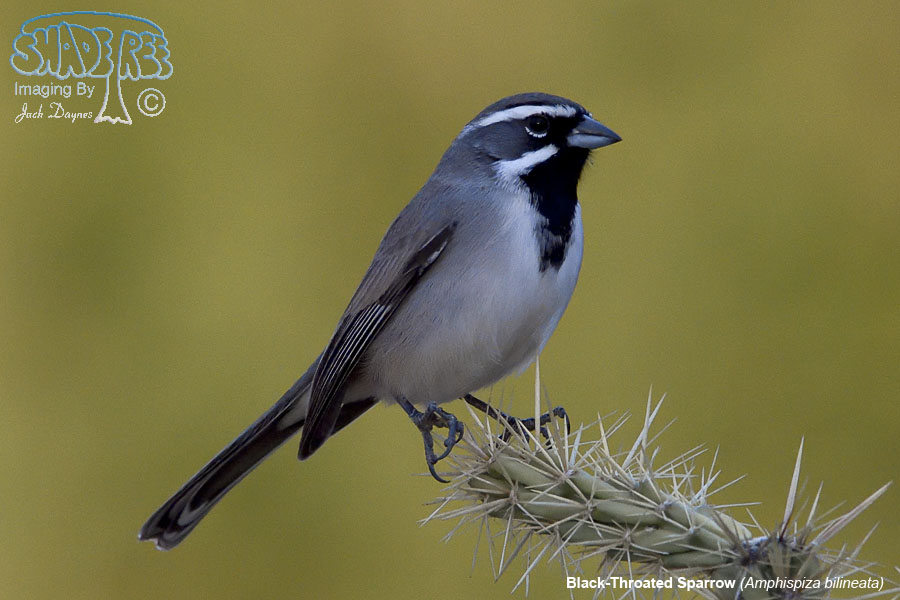
Black-Throated Sparrow(Amphispiza bilineata) |
|
Description: This bird is found year round across many desert environs.Seen while camped with the Science Team from the San Diego Natural History Museum and gathering data as a followup study from previous studies of about 80 years prior. Mojave National Preserve in San Bernardino County, California. |
Date Taken: 2016:11:12 14:04 |
|
Location:
Cedar Canyon Camp |
|
Camera Information: NIKON D5, 800 mm, f/8.0, 1/2000 |
File Name: BlackThroatedSparrow_D5X9160 |
| © 2016 Jack Daynes, shadeTreeImaging.com |

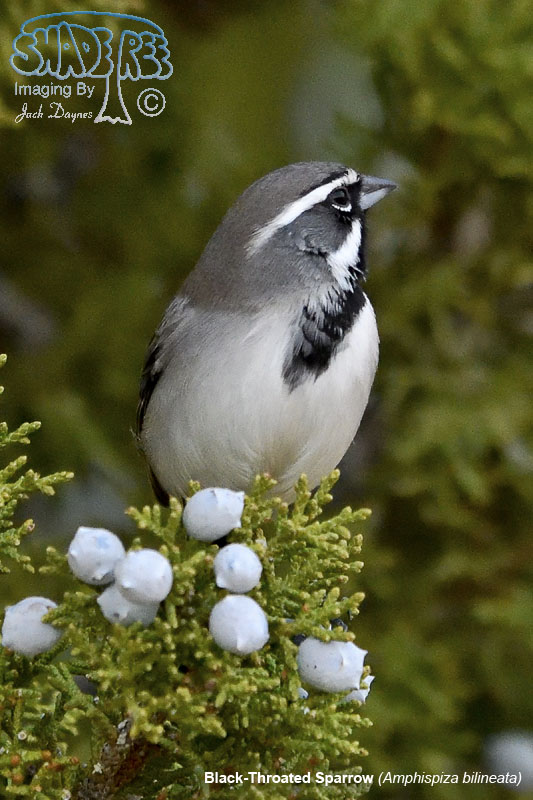
Black-Throated Sparrow(Amphispiza bilineata) |
|
Description: This bird is found year round across many desert environs.Seen while camped with the Science Team from the San Diego Natural History Museum and gathering data as a followup study from previous studies of about 80 years prior. Mojave National Preserve in San Bernardino County, California. |
Date Taken: 2016:11:12 14:07 |
|
Location:
Cedar Canyon Camp |
|
Camera Information: NIKON D5, 800 mm, f/8.0, 1/800 |
File Name: BlackThroatedSparrow_D5X9168 |
| © 2016 Jack Daynes, shadeTreeImaging.com |
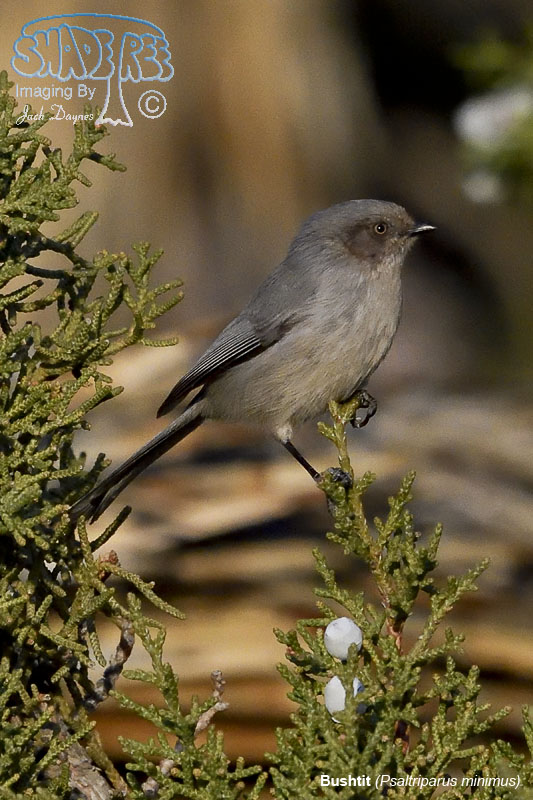
Bushtit(Psaltriparus minimus) |
|
Description: Bushtits in the high Mojave Desert differ slightly than those found near my house, by the dark patch by the ear. Camped with the Science Team from the San Diego Natural History Museum and gathering data as a followup study from previous studies of about 80 years prior. Mojave National Preserve in San Bernardino County, California. |
Date Taken: 2016:11:12 14:09 |
|
Location:
Cedar Canyon |
|
Camera Information: NIKON D5, 800 mm, f/8.0, 1/2500 |
File Name: Bushtit_D5X9174 |
| © 2016 Jack Daynes, shadeTreeImaging.com |
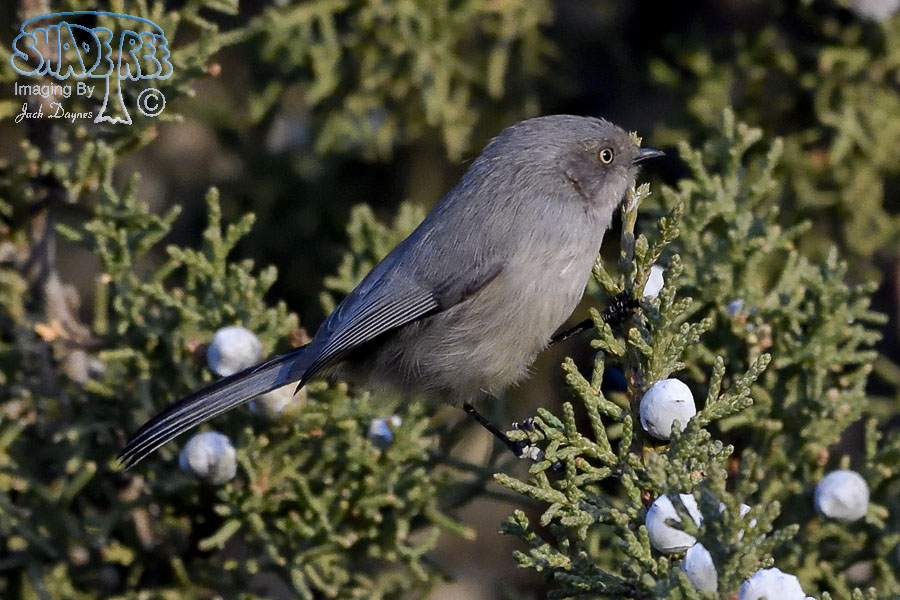
Bushtit(Psaltriparus minimus) |
|
Description: Bushtits in the high Mojave Desert differ slightly than those found near my house, by the dark patch by the ear. Camped with the Science Team from the San Diego Natural History Museum and gathering data as a followup study from previous studies of about 80 years prior. Mojave National Preserve in San Bernardino County, California. |
Date Taken: 2016:11:12 14:11 |
|
Location:
Cedar Canyon |
|
Camera Information: NIKON D5, 800 mm, f/8.0, 1/1000 |
File Name: Bushtit_D5X9180 |
| © 2016 Jack Daynes, shadeTreeImaging.com |
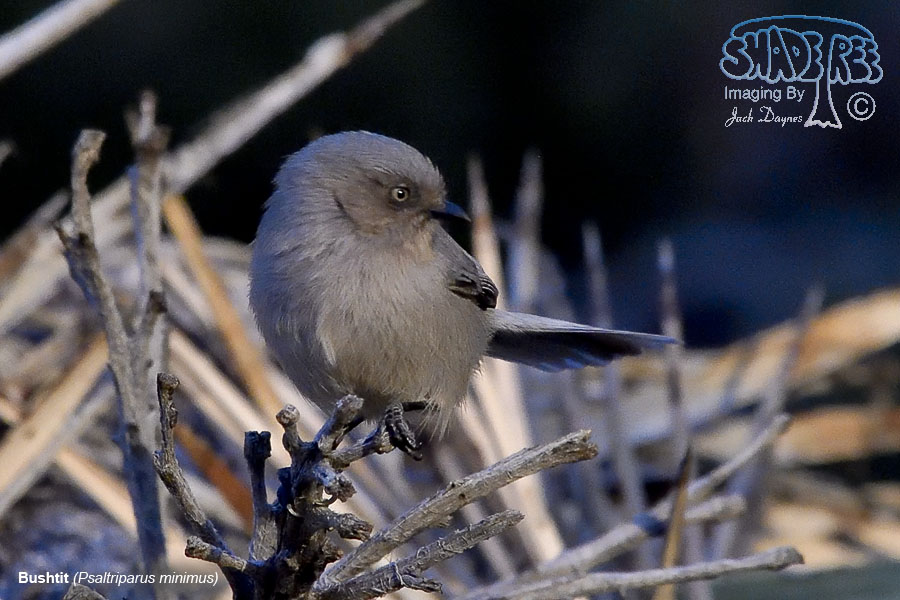
Bushtit(Psaltriparus minimus) |
|
Description: Bushtits in the high Mojave Desert differ slightly than those found near my house, by the dark patch by the ear. Camped with the Science Team from the San Diego Natural History Museum and gathering data as a followup study from previous studies of about 80 years prior. Mojave National Preserve in San Bernardino County, California. |
Date Taken: 2016:11:12 14:11 |
|
Location:
Cedar Canyon Camp |
|
Camera Information: NIKON D5, 800 mm, f/8.0, 1/1600 |
File Name: Bushtit_D5X9185 |
| © 2016 Jack Daynes, shadeTreeImaging.com |
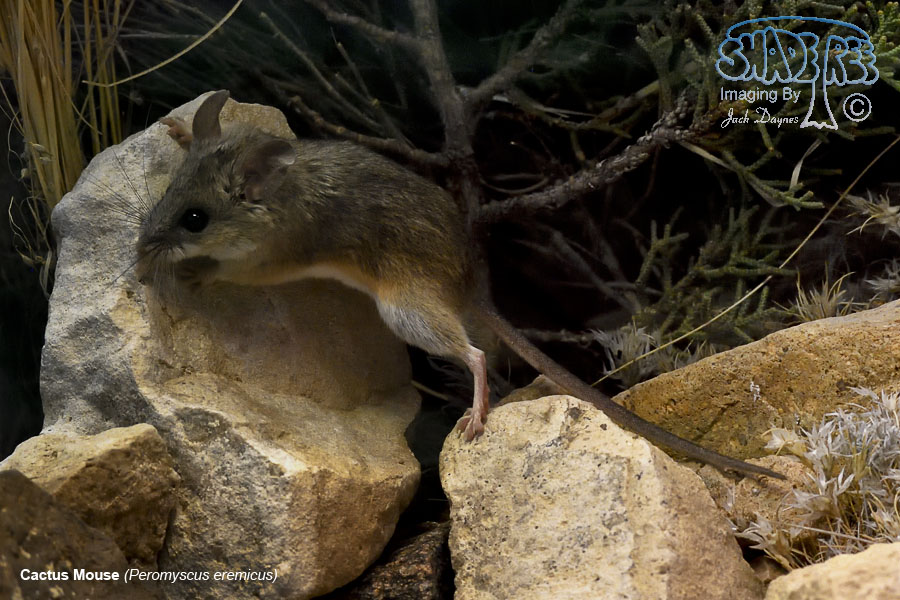
Cactus Mouse(Peromyscus eremicus) |
|
Description: Camped with the Science Team from the San Diego Natural History Museum and gathering data as a followup study from previous studies of about 80 years prior. Mojave National Preserve in San Bernardino County, California. |
Date Taken: 2016:11:12 6:47 |
|
Location:
Cedar Canyon Camp |
|
Camera Information: NIKON D5, 105 mm, f/11.0, 1/1250 |
File Name: CactusMouse_D5X8358 |
| © 2016 Jack Daynes, shadeTreeImaging.com |
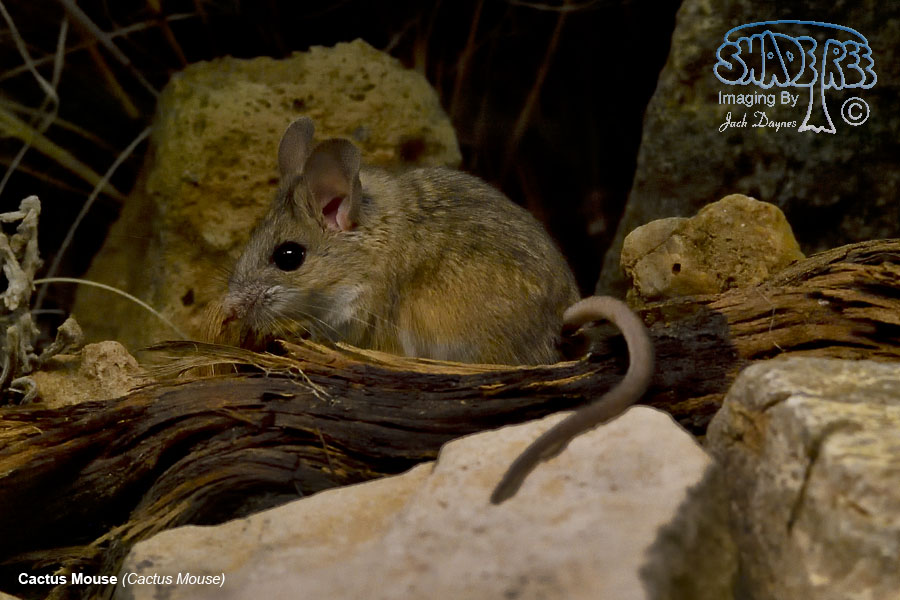
Cactus Mouse(Peromyscus eremicus) |
|
Description: Camped with the Science Team from the San Diego Natural History Museum and gathering data as a followup study from previous studies of about 80 years prior. Mojave National Preserve in San Bernardino County, California. |
Date Taken: 2016:11:12 6:53 |
|
Location:
Cedar Canyon Camp |
|
Camera Information: NIKON D5, 105 mm, f/11.0, 1/3200 |
File Name: CactusMouse_D5X8472 |
| © 2016 Jack Daynes, shadeTreeImaging.com |
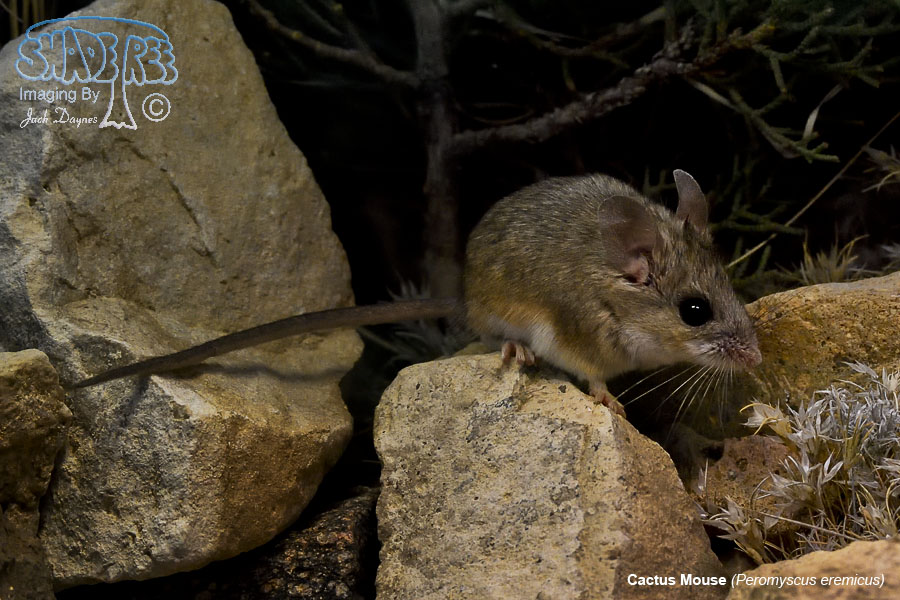
Cactus Mouse(Peromyscus eremicus) |
|
Description: Camped with the Science Team from the San Diego Natural History Museum and gathering data as a followup study from previous studies of about 80 years prior. Mojave National Preserve in San Bernardino County, California. |
Date Taken: 2016:11:12 6:53 |
|
Location:
Cedar Canyon Camp |
|
Camera Information: NIKON D5, 105 mm, f/11.0, 1/1250 |
File Name: CactusMouse_D5X8485 |
| © 2016 Jack Daynes, shadeTreeImaging.com |
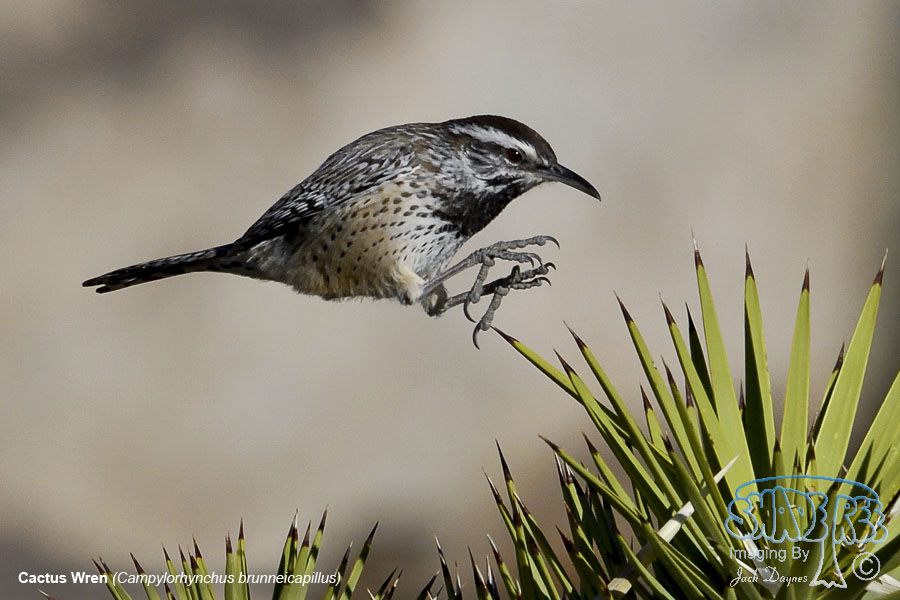
Cactus Wren(Campylorhynchus brunneicapillus) |
|
Description: Camped with the Science Team from the San Diego Natural History Museum and gathering data as a followup study from previous studies of about 80 years prior. Mojave National Preserve in San Bernardino County, California. |
Date Taken: 2016:11:10 6:11 |
|
Location:
Cima Camp |
|
Camera Information: NIKON D5, 800 mm, f/11.0, 1/6400 |
File Name: CactusWren_D5X6833 |
| © 2016 Jack Daynes, shadeTreeImaging.com |
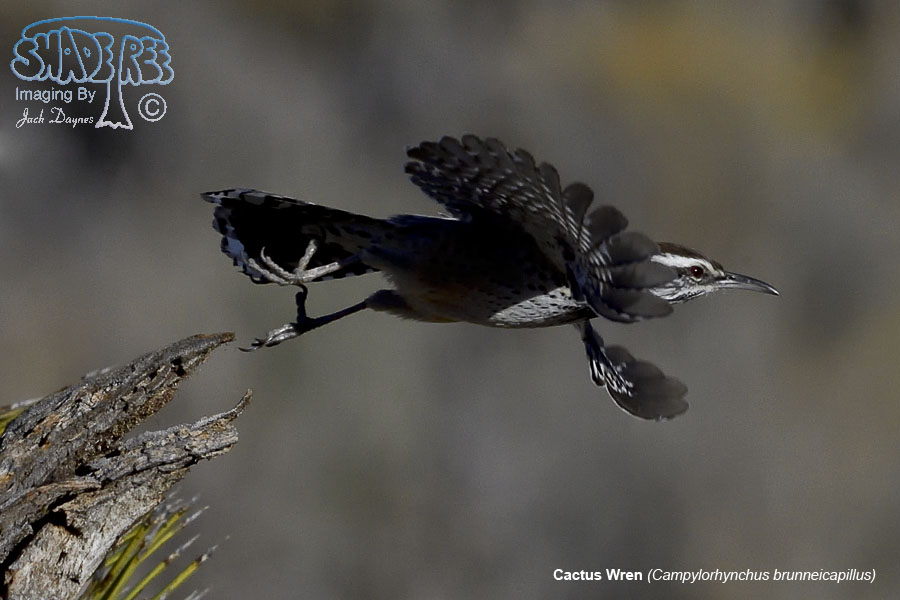
Cactus Wren(Campylorhynchus brunneicapillus) |
|
Description: Camped with the Science Team from the San Diego Natural History Museum and gathering data as a followup study from previous studies of about 80 years prior. Mojave National Preserve in San Bernardino County, California. |
Date Taken: 2016:11:10 6:13 |
|
Location:
Cima Camp |
|
Camera Information: NIKON D5, 800 mm, f/11.0, 1/8000 |
File Name: CactusWren_D5X6842 |
| © 2016 Jack Daynes, shadeTreeImaging.com |
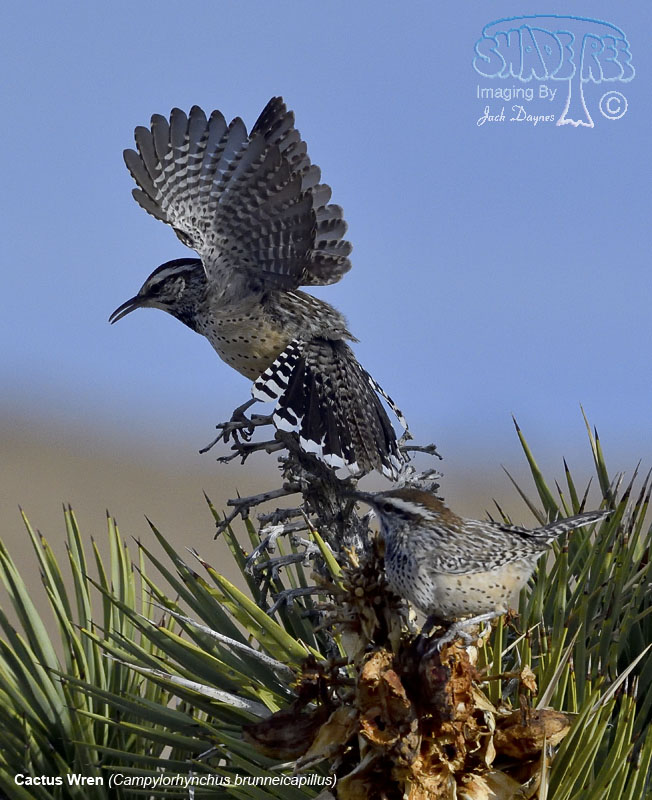
Cactus Wren(Campylorhynchus brunneicapillus) |
|
Description: Most members of the 'wren' clan are solitary, but the Cactus Wren can be very communal. Camped with the Science Team from the San Diego Natural History Museum and gathering data as a followup study from previous studies of about 80 years prior. Mojave National Preserve in San Bernardino County, California. |
Date Taken: 2016:11:12 5:58 |
|
Location:
Cedar Canyon |
|
Camera Information: NIKON D5, 800 mm, f/11.0, 1/8000 |
File Name: CactusWren_D5X8052 |
| © 2016 Jack Daynes, shadeTreeImaging.com |
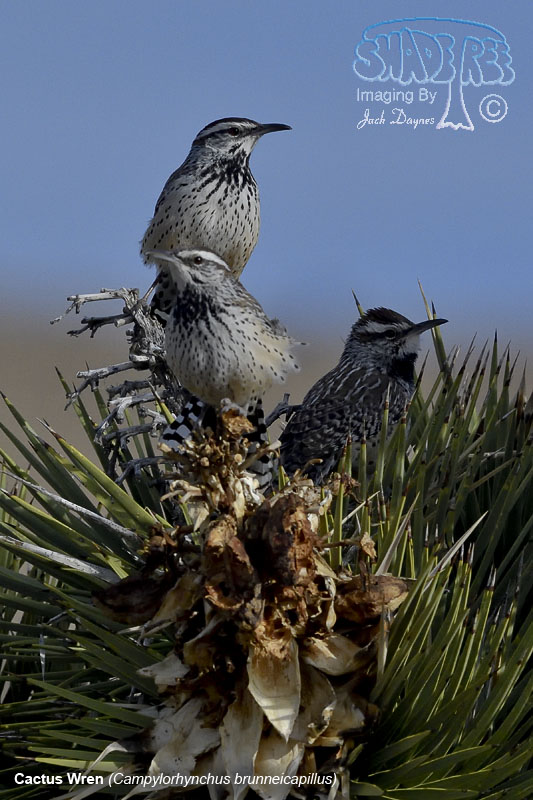
Cactus Wren(Campylorhynchus brunneicapillus) |
|
Description: Most members of the 'wren' clan are solitary, but the Cactus Wren can be very communal. Camped with the Science Team from the San Diego Natural History Museum and gathering data as a followup study from previous studies of about 80 years prior. Mojave National Preserve in San Bernardino County, California. |
Date Taken: 2016:11:12 5:58 |
|
Location:
Cedar Canyon |
|
Camera Information: NIKON D5, 800 mm, f/11.0, 1/8000 |
File Name: CactusWren_D5X8070 |
| © 2016 Jack Daynes, shadeTreeImaging.com |
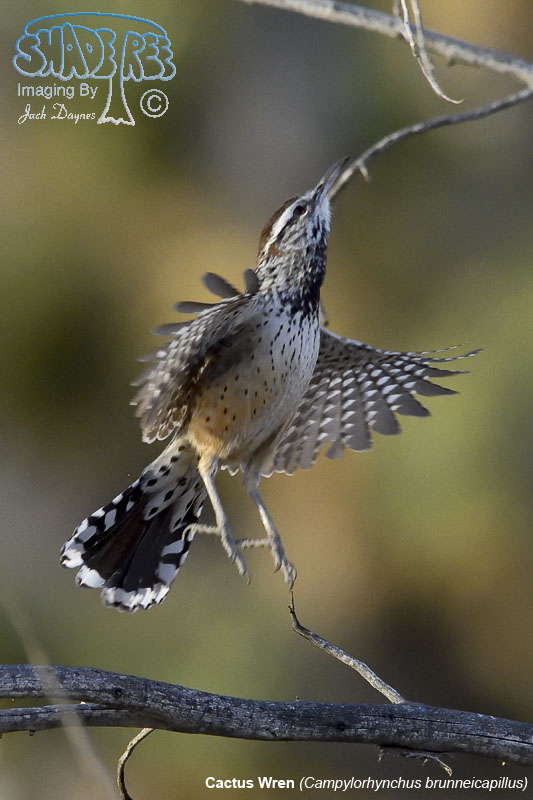
Cactus Wren(Campylorhynchus brunneicapillus) |
|
Description: Camped with the Science Team from the San Diego Natural History Museum and gathering data as a followup study from previous studies of about 80 years prior. Mojave National Preserve in San Bernardino County, California. |
Date Taken: 2016:11:12 13:58 |
|
Location:
Cedar Canyon |
|
Camera Information: NIKON D5, 800 mm, f/8.0, 1/2000 |
File Name: CactusWren_D5X9137 |
| © 2016 Jack Daynes, shadeTreeImaging.com |
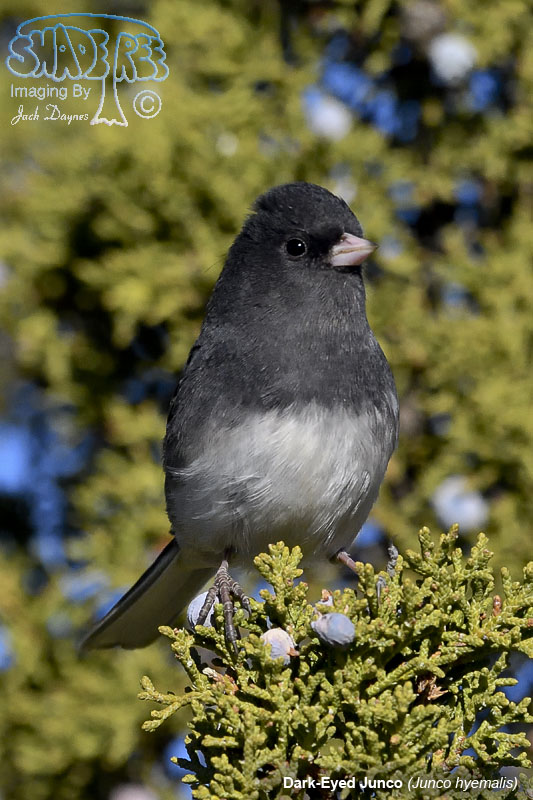
Dark-Eyed Junco(Junco hyemalis) |
|
Description: This 'slate-colored' junco is normally associated with the Rockey Mountains, but found at sever locations during our study of the area. Camped with the Science Team from the San Diego Natural History Museum and gathering data as a followup study from previous studies of about 80 years prior. Mojave National Preserve in San Bernardino County, California. |
Date Taken: 2016:11:13 6:13 |
|
Location:
Cedar Canyon |
|
Camera Information: NIKON D5, 800 mm, f/8.0, 1/8000 |
File Name: DarkEyedJunco_D5X9188 |
| © 2016 Jack Daynes, shadeTreeImaging.com |
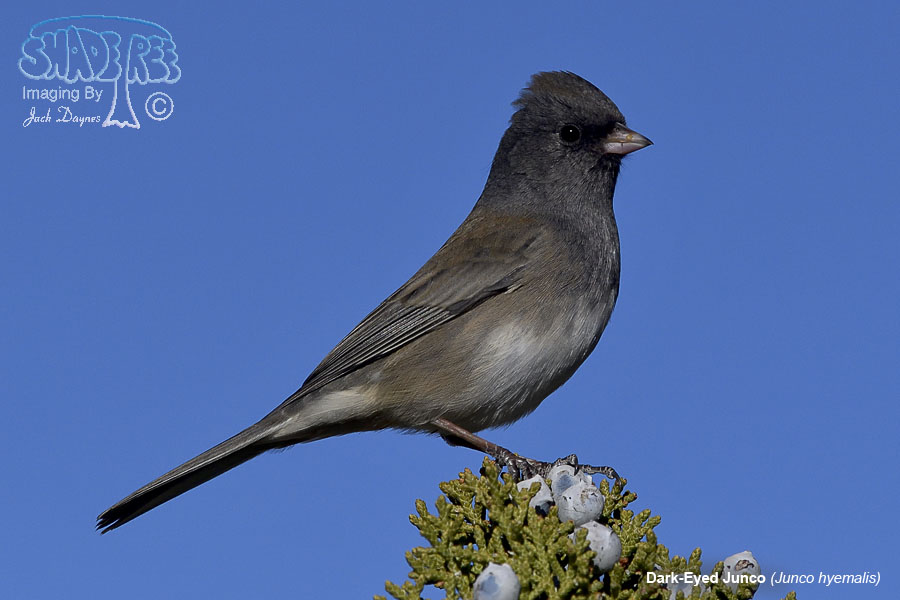
Dark-Eyed Junco(Junco hyemalis) |
|
Description: This 'slate-colored' junco is normally associated with the Rockey Mountains, but found at sever locations during our study of the area. Camped with the Science Team from the San Diego Natural History Museum and gathering data as a followup study from previous studies of about 80 years prior. Mojave National Preserve in San Bernardino County, California. |
Date Taken: 2016:11:13 6:13 |
|
Location:
Cedar Canyon |
|
Camera Information: NIKON D5, 800 mm, f/8.0, 1/8000 |
File Name: DarkEyedJunco_D5X9193 |
| © 2016 Jack Daynes, shadeTreeImaging.com |
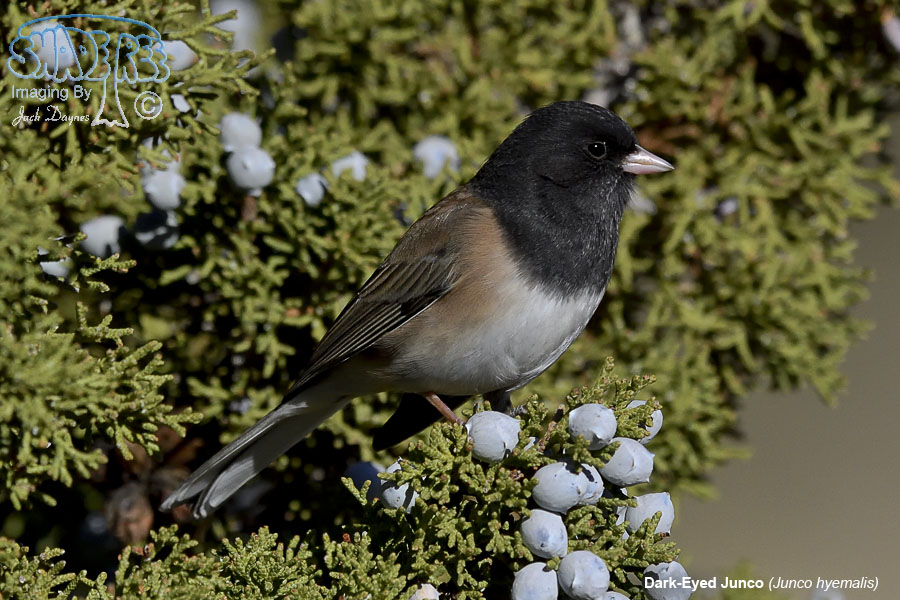
Dark-Eyed Junco(Junco hyemalis) |
|
Description: Camped with the Science Team from the San Diego Natural History Museum and gathering data as a followup study from previous studies of about 80 years prior. Mojave National Preserve in San Bernardino County, California. |
Date Taken: 2016:11:13 6:18 |
|
Location:
Cedar Canyon |
|
Camera Information: NIKON D5, 800 mm, f/8.0, 1/8000 |
File Name: DarkEyedJunco_D5X9203 |
| © 2016 Jack Daynes, shadeTreeImaging.com |
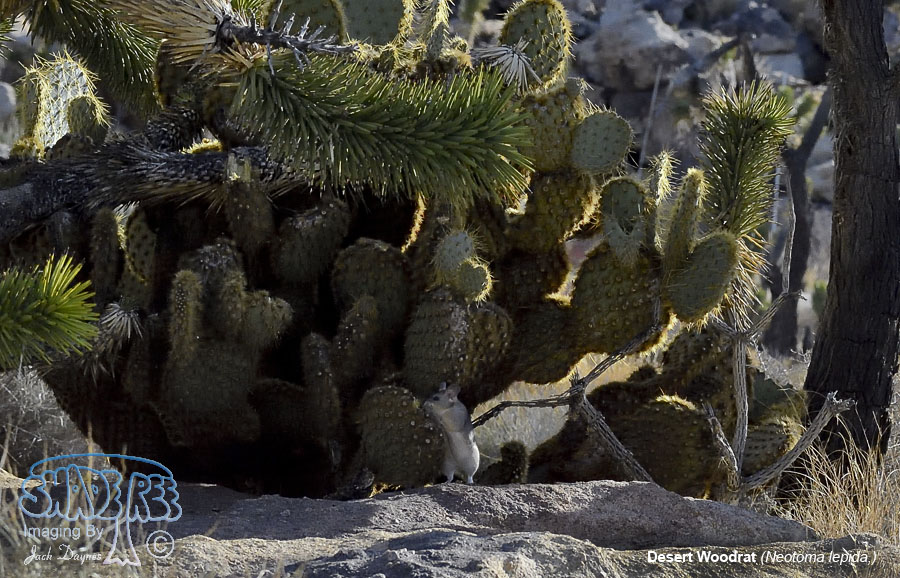
Desert Woodrat(Neotoma lepida) |
|
Description: Camped with the Science Team from the San Diego Natural History Museum and gathering data as a followup study from previous studies of about 80 years prior. Mojave National Preserve in San Bernardino County, California. |
Date Taken: 2016:11:09 6:46 |
|
Location:
Cima Camp |
|
Camera Information: NIKON D5, 105 mm, f/11.0, 1/6400 |
File Name: DesertWoodRat_D5X6294 |
| © 2016 Jack Daynes, shadeTreeImaging.com |
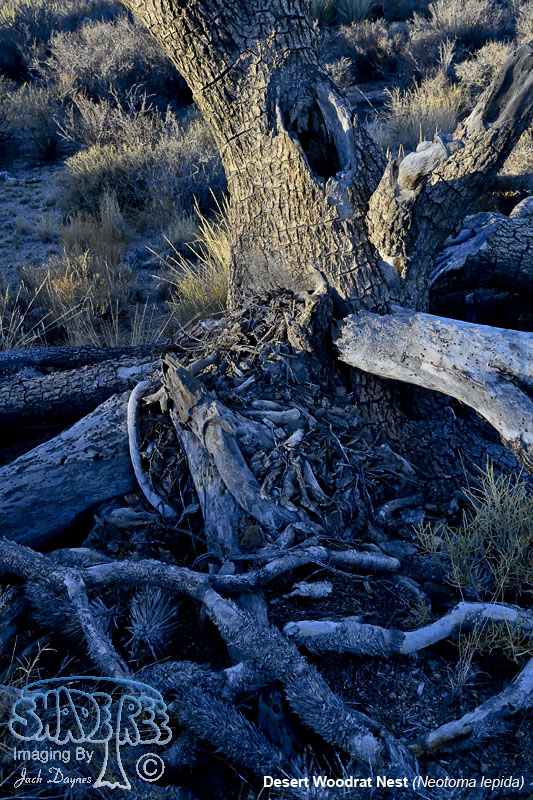
Desert Woodrat Nest(Neotoma lepida) |
|
Description: Camped with the Science Team from the San Diego Natural History Museum and gathering data as a followup study from previous studies of about 80 years prior. Mojave National Preserve in San Bernardino County, California. |
Date Taken: 2016:11:09 13:56 |
|
Location:
Cima Camp |
|
Camera Information: NIKON D5, 40 mm, f/11.0, 1/2000 |
File Name: DesertWoodRat-Nest_D5X6793 |
| © 2016 Jack Daynes, shadeTreeImaging.com |
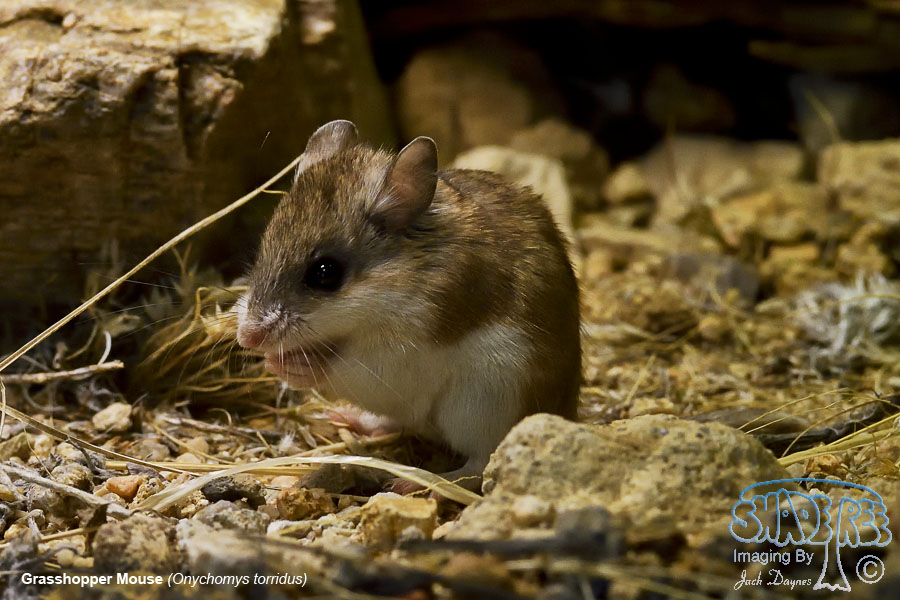
Grasshopper Mouse(Onychomys torridus) |
|
Description: Sometimes called The Lion of the Desert, this animal is a fierce predator of insects and will fearlessly attack and kill scorpions. Seen while camped with the Science Team from the San Diego Natural History Museum and gathering data as a followup study from previous studies of about 80 years prior. Mojave National Preserve in San Bernardino County, California. |
Date Taken: 2016:11:11 6:51 |
|
Location:
Cedar Canyon Camp |
|
Camera Information: NIKON D5, 105 mm, f/11.0, 1/1600 |
File Name: GrassHopperMouse_D5X7521 |
| © 2016 Jack Daynes, shadeTreeImaging.com |
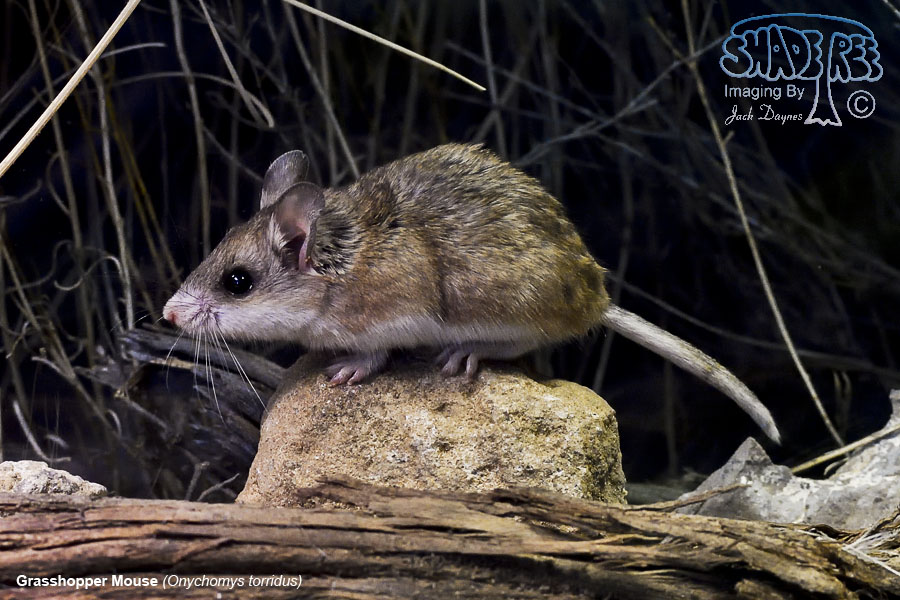
Grasshopper Mouse(Onychomys torridus) |
|
Description: Sometimes called The Lion of the Desert, this animal is a fierce predator of insects and will fearlessly attack and kill scorpions. Seen while camped with the Science Team from the San Diego Natural History Museum and gathering data as a followup study from previous studies of about 80 years prior. Mojave National Preserve in San Bernardino County, California. |
Date Taken: 2016:11:11 6:52 |
|
Location:
Cedar Canyon Camp |
|
Camera Information: NIKON D5, 105 mm, f/11.0, 1/500 |
File Name: GrassHopperMouse_D5X7538 |
| © 2016 Jack Daynes, shadeTreeImaging.com |
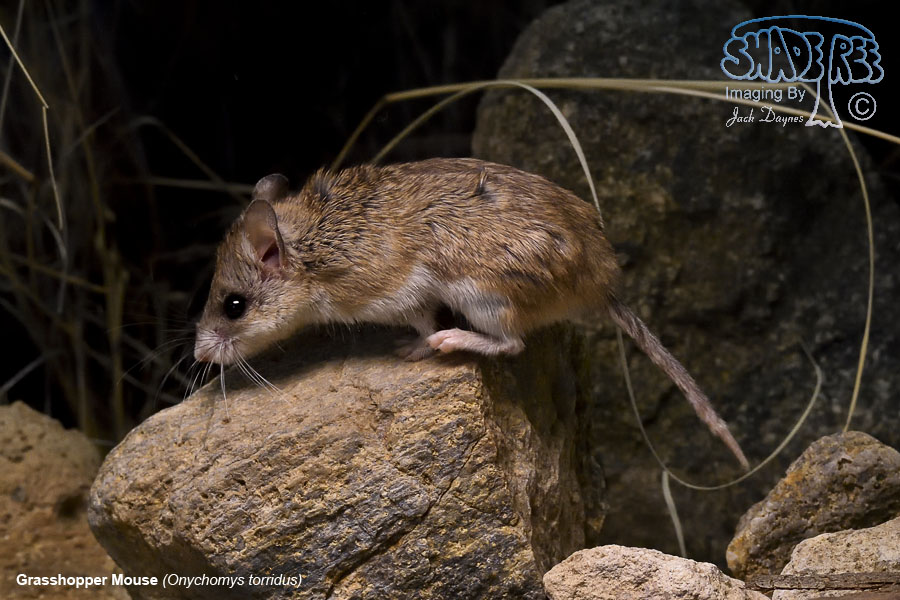
Grasshopper Mouse(Onychomys torridus) |
|
Description: Sometimes called The Lion of the Desert, this animal is a fierce predator of insects and will fearlessly attack and kill scorpions. Seen while camped with the Science Team from the San Diego Natural History Museum and gathering data as a followup study from previous studies of about 80 years prior. Mojave National Preserve in San Bernardino County, California. |
Date Taken: 2016:11:13 6:54 |
|
Location:
Cedar Canyon Camp |
|
Camera Information: NIKON D5, 105 mm, f/11.0, 1/1250 |
File Name: GrasshopperMouse_D5X9289 |
| © 2016 Jack Daynes, shadeTreeImaging.com |
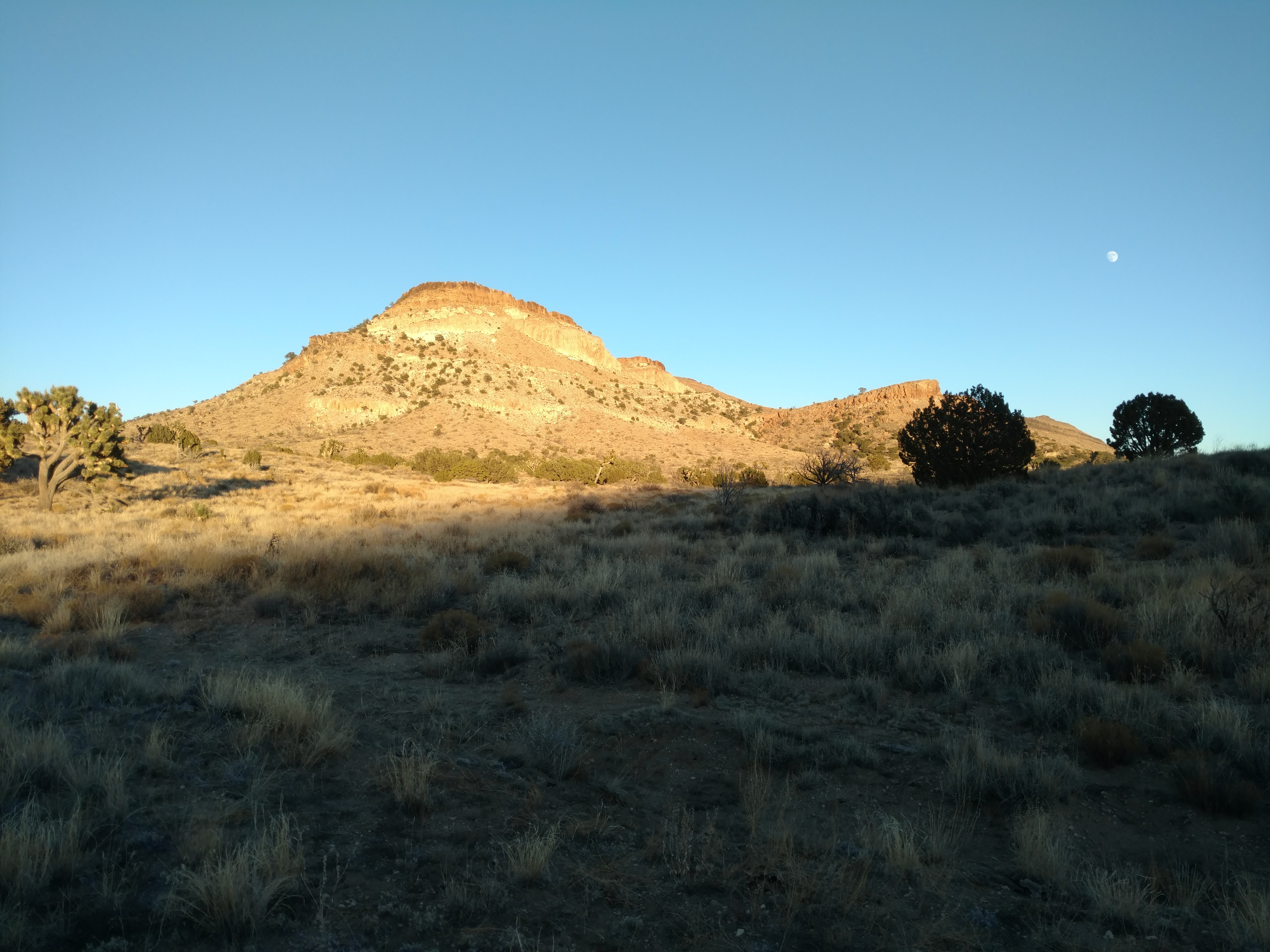
Scenes Around Camp(Scenery) |
|
Description: Camped with the Science Team from the San Diego Natural History Museum and gathering data as a followup study from previous studies of about 80 years prior. Mojave National Preserve in San Bernardino County, California. |
Date Taken: 2016:11:11 16:11 |
|
Location:
Cedar Canyon Camp |
|
Camera Information: XT1575, 4.67 mm, f/2.0, 1/535 |
File Name: JcD-_2016-11-11_16_11_22_PhonePic |
| © 2016 Jack Daynes, shadeTreeImaging.com |
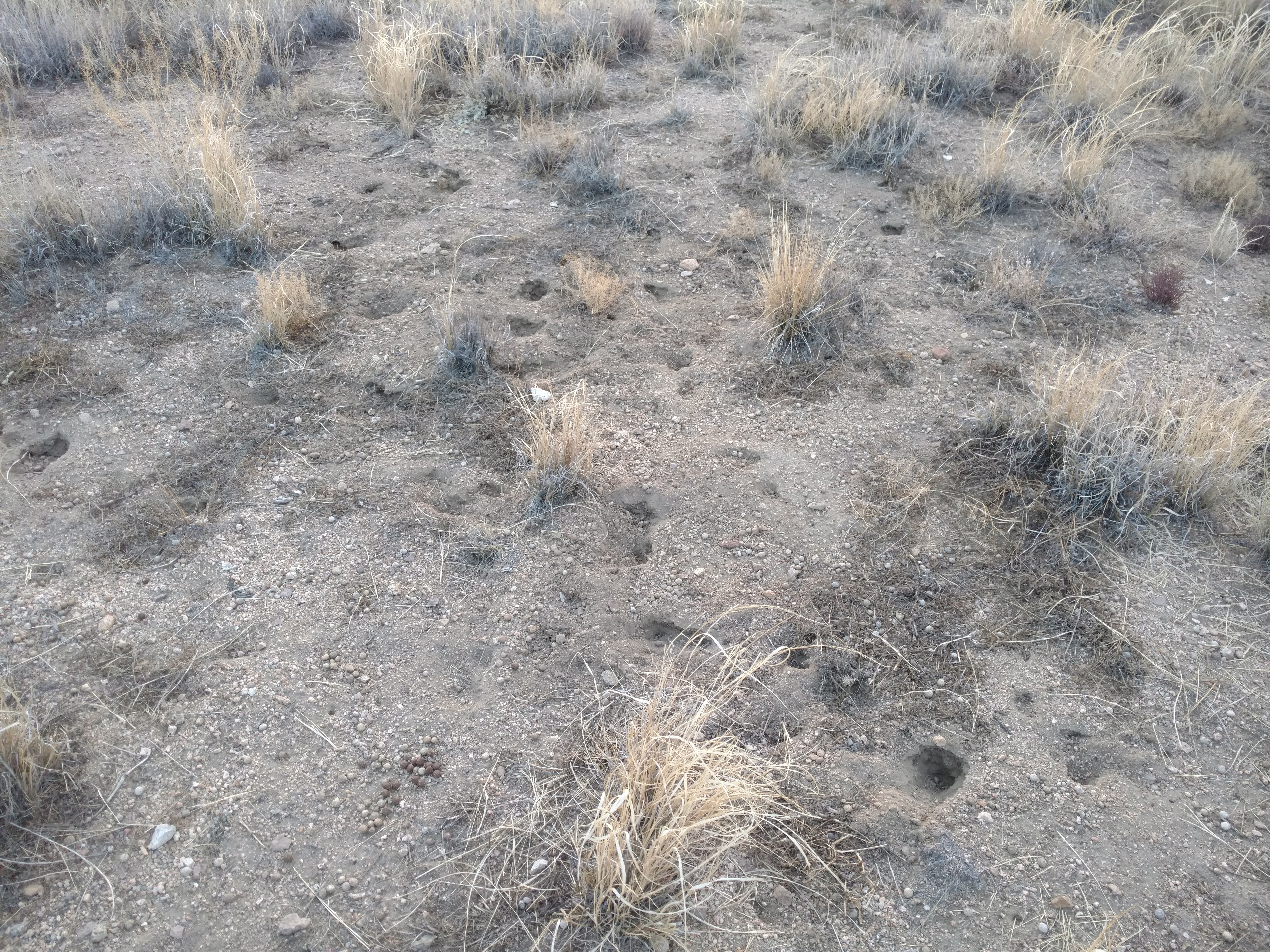
Rodent Burrows(Scenery) |
|
Description: Burrows demonstrate the presence of lively Rodent population. Mojave National Preserve in San Bernardino County, California. |
Date Taken: 2016:11:12 16:32 |
|
Location:
Cedar Canyon Camp |
|
Camera Information: XT1575, 4.67 mm, f/2.0, 1/30 |
File Name: JcD-_2016-11-12_16_32_28_PhonePic |
| © 2016 Jack Daynes, shadeTreeImaging.com |
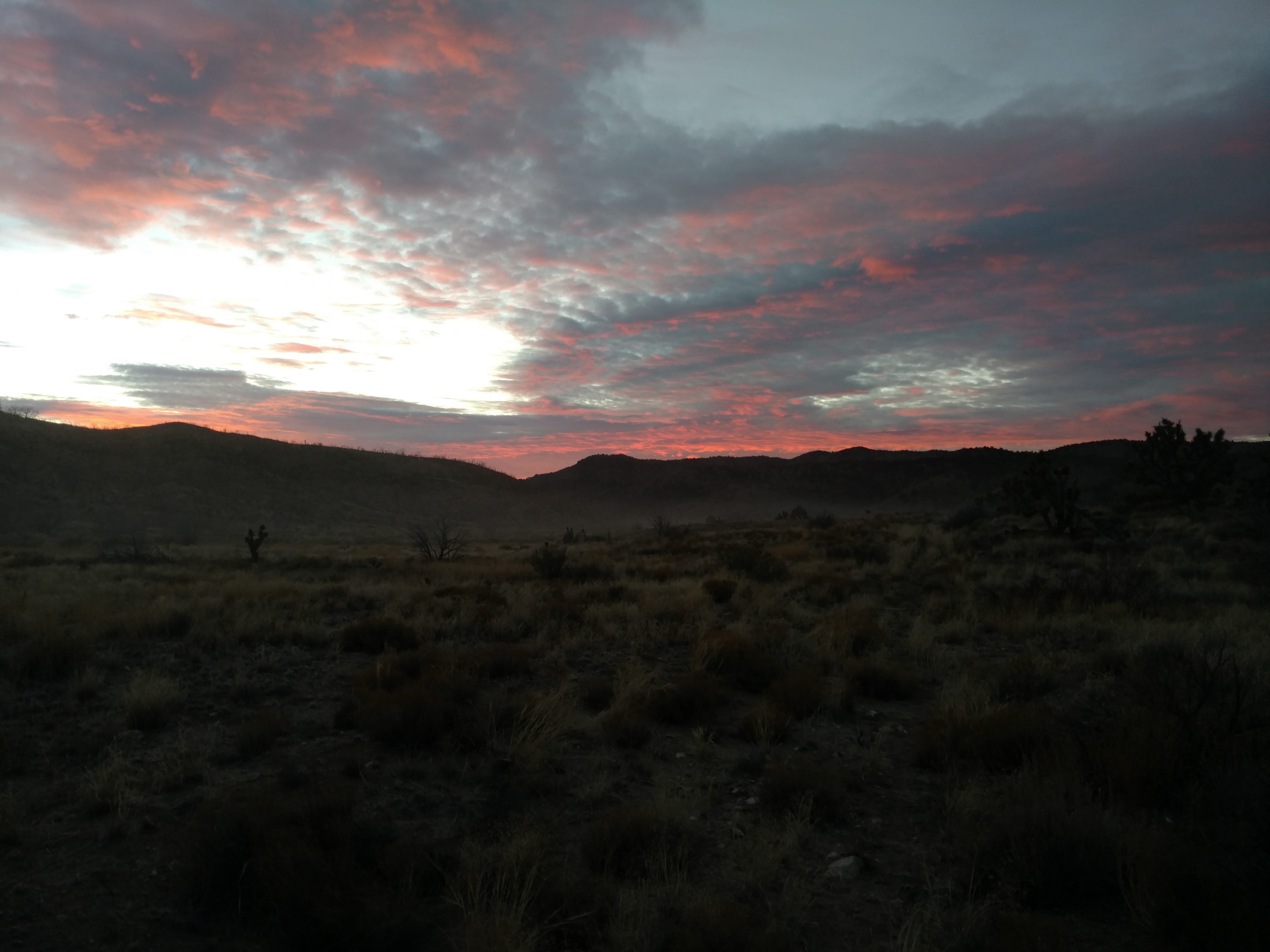
Scenes Around Camp(Scenery) |
|
Description: Camped with the Science Team from the San Diego Natural History Museum and gathering data as a followup study from previous studies of about 80 years prior. Mojave National Preserve in San Bernardino County, California. |
Date Taken: 2016:11:12 16:46 |
|
Location:
Cedar Canyon Camp |
|
Camera Information: XT1575, 4.67 mm, f/2.0, 1/40 |
File Name: JcD-_2016-11-12_16_46_31_PhonePic |
| © 2016 Jack Daynes, shadeTreeImaging.com |
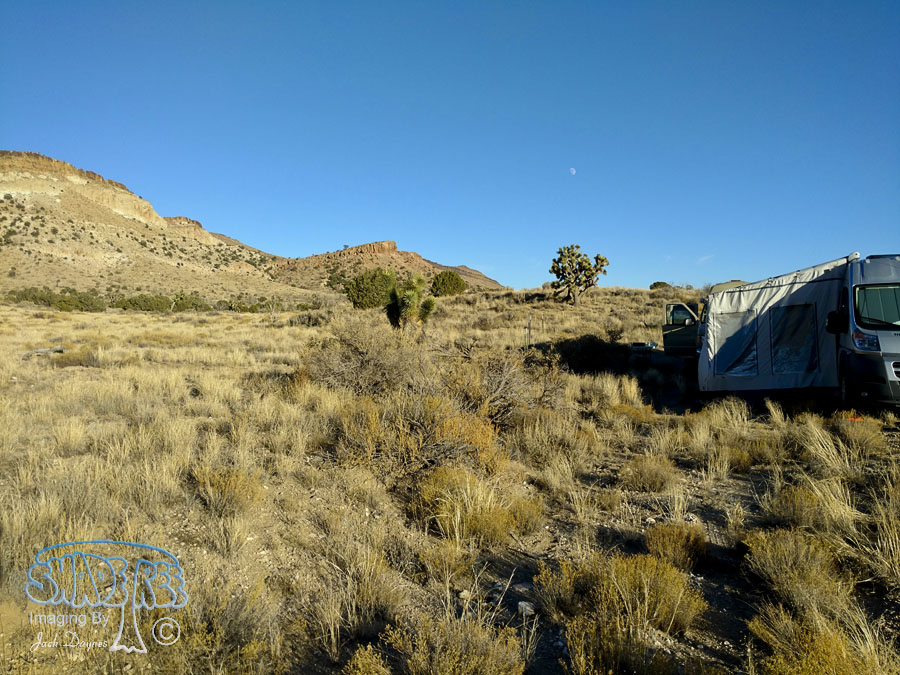
Scenes Around Camp(Scenery) |
|
Description: Camped with the Science Team from the San Diego Natural History Museum and gathering data as a followup study from previous studies of about 80 years prior. Mojave National Preserve in San Bernardino County, California. |
Date Taken: 2016:11:10 15:27 |
|
Location:
Cedar Canyon Camp |
|
Camera Information: XT1575, 4.67 mm, f/2.0, 1/1250 |
File Name: JcD-2016-11-10_PhonePic |
| © 2016 Jack Daynes, shadeTreeImaging.com |
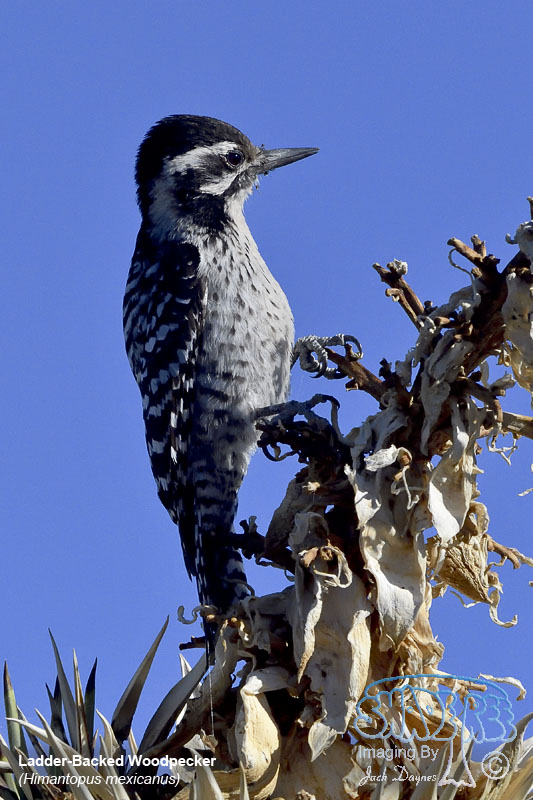
Ladder-Backed Woodpecker(Dryobates scalaris) |
|
Description: Camped with the Science Team from the San Diego Natural History Museum and gathering data as a followup study from previous studies of about 80 years prior. Mojave National Preserve in San Bernardino County, California. |
Date Taken: 2016:11:10 6:42 |
|
Location:
Cima Camp |
|
Camera Information: NIKON D5, 800 mm, f/11.0, 1/5000 |
File Name: LadderBackedWoodpecker_D5X6919 |
| © 2016 Jack Daynes, shadeTreeImaging.com |
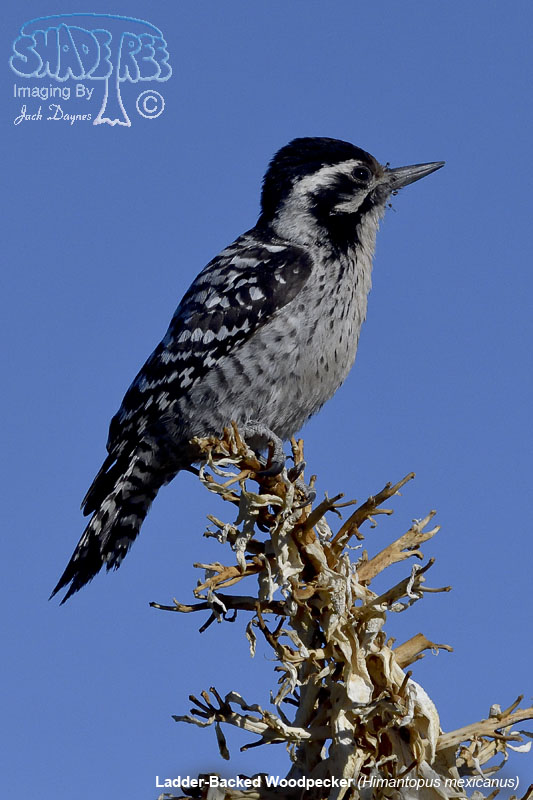
Ladder-Backed Woodpecker(Dryobates scalaris) |
|
Description: Camped with the Science Team from the San Diego Natural History Museum and gathering data as a followup study from previous studies of about 80 years prior. Mojave National Preserve in San Bernardino County, California. |
Date Taken: 2016:11:10 6:42 |
|
Location:
Cima Camp |
|
Camera Information: NIKON D5, 800 mm, f/11.0, 1/8000 |
File Name: LadderBackedWoodpecker_D5X6931 |
| © 2016 Jack Daynes, shadeTreeImaging.com |
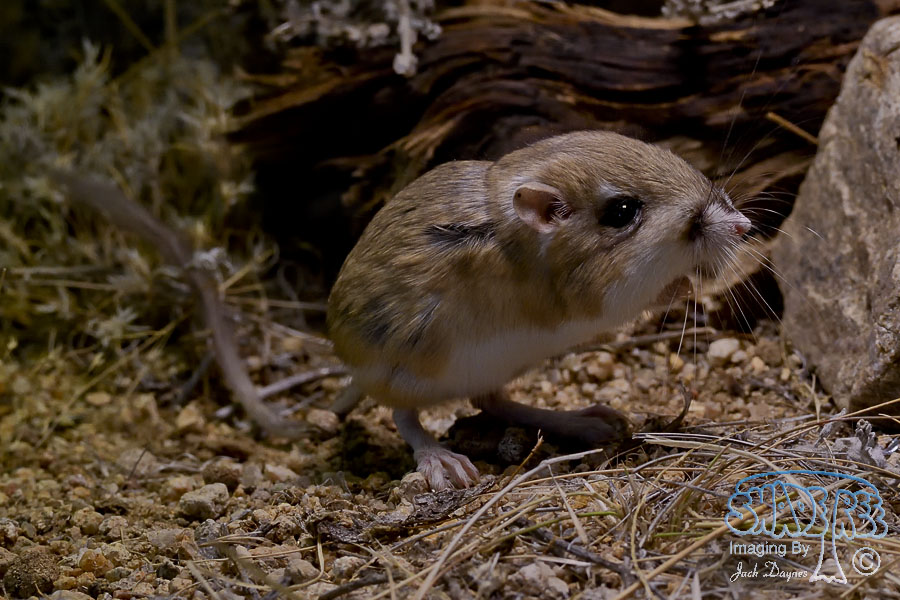
Merriam's Kangaroo Rat(Dipodomys merriami) |
|
Description: Camped with the Science Team from the San Diego Natural History Museum and gathering data as a followup study from previous studies of about 80 years prior. Mojave National Preserve in San Bernardino County, California. |
Date Taken: 2016:11:11 7:16 |
|
Location:
Cedar Canyon Camp |
|
Camera Information: NIKON D5, 105 mm, f/11.0, 1/1000 |
File Name: MerriamsKangarooRat_D5X7761 |
| © 2016 Jack Daynes, shadeTreeImaging.com |
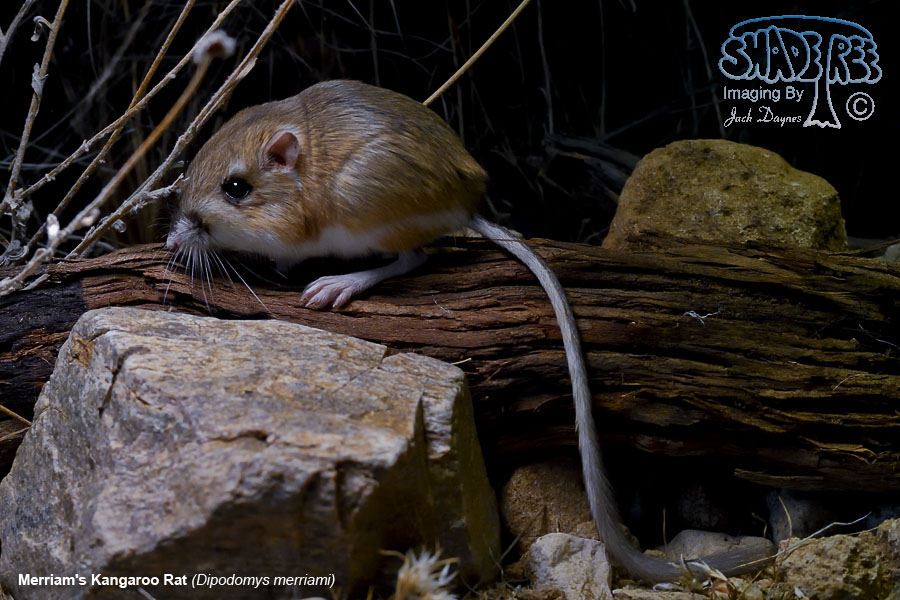
Merriam's Kangaroo Rat(Dipodomys merriami) |
|
Description: Camped with the Science Team from the San Diego Natural History Museum and gathering data as a followup study from previous studies of about 80 years prior. Mojave National Preserve in San Bernardino County, California. |
Date Taken: 2016:11:11 7:23 |
|
Location:
Cedar Canyon Camp |
|
Camera Information: NIKON D5, 105 mm, f/11.0, 1/1000 |
File Name: MerriamsKangarooRat_D5X7911 |
| © 2016 Jack Daynes, shadeTreeImaging.com |
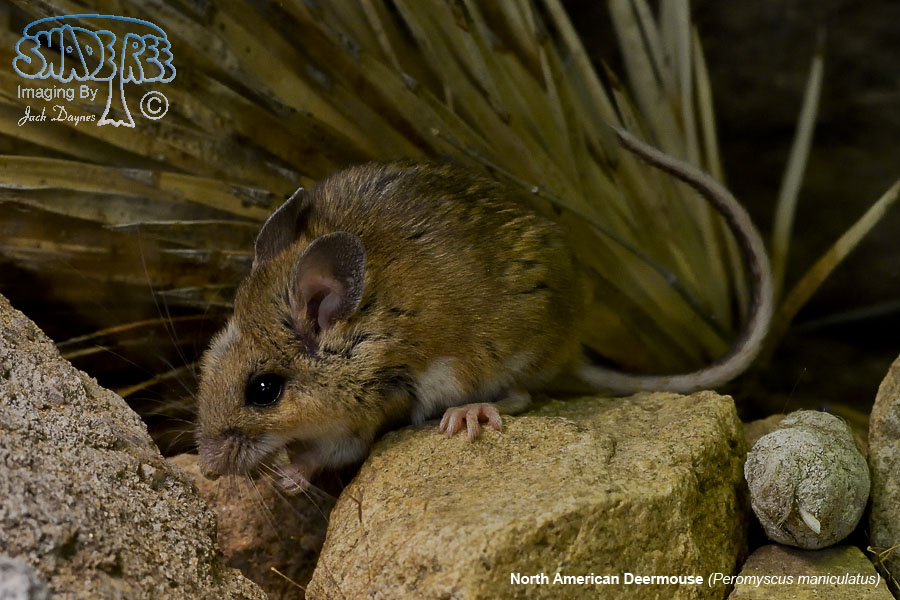
North American Deer Mouse(Peromyscus maniculatus) |
|
Description: Camped with the Science Team from the San Diego Natural History Museum and gathering data as a followup study from previous studies of about 80 years prior. Mojave National Preserve in San Bernardino County, California. |
Date Taken: 2016:11:09 7:29 |
|
Location:
Cima Camp |
|
Camera Information: NIKON D5, 105 mm, f/11.0, 1/320 |
File Name: NorthAmericanDeerMouse_D5X6678 |
| © 2016 Jack Daynes, shadeTreeImaging.com |
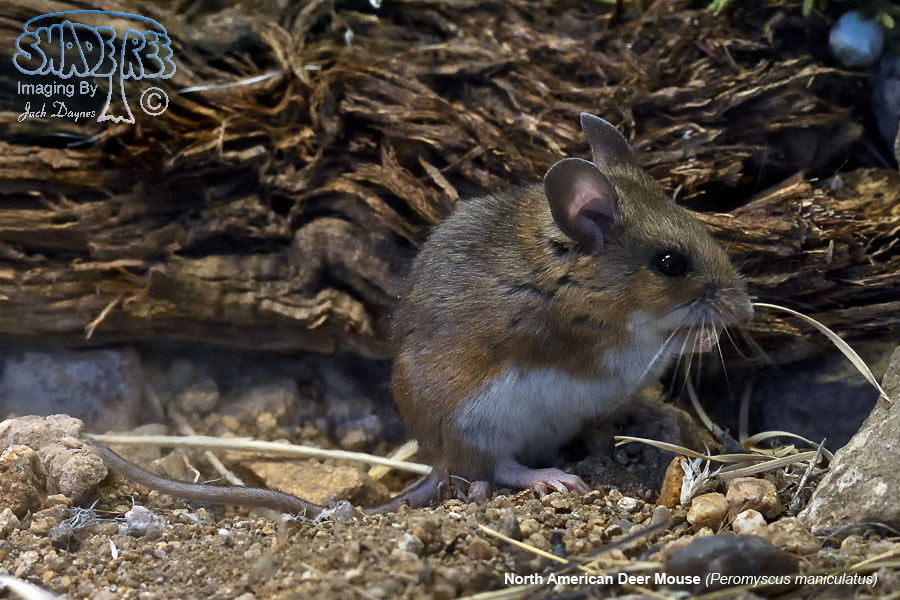
North American Deer Mouse(Peromyscus maniculatus) |
|
Description: Camped with the Science Team from the San Diego Natural History Museum and gathering data as a followup study from previous studies of about 80 years prior. Mojave National Preserve in San Bernardino County, California. |
Date Taken: 2016:11:13 7:20 |
|
Location:
Cedar Canyon Camp |
|
Camera Information: NIKON D5, 105 mm, f/11.0, 1/800 |
File Name: NorthAmericanDeerMouse_D5X9382 |
| © 2016 Jack Daynes, shadeTreeImaging.com |
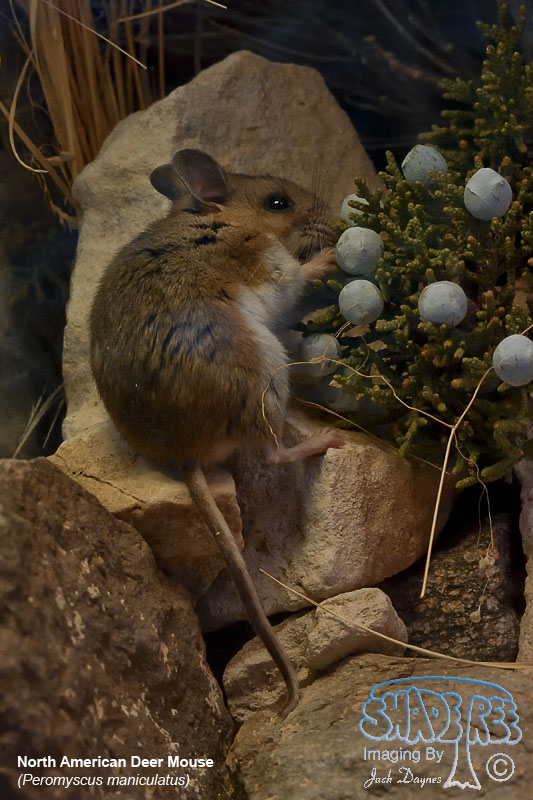
North American Deer Mouse(Peromyscus maniculatus) |
|
Description: Camped with the Science Team from the San Diego Natural History Museum and gathering data as a followup study from previous studies of about 80 years prior. Mojave National Preserve in San Bernardino County, California. |
Date Taken: 2016:11:13 7:21 |
|
Location:
Cedar Canyon Camp |
|
Camera Information: NIKON D5, 105 mm, f/11.0, 1/1600 |
File Name: NorthAmericanDeerMouse_D5X9421 |
| © 2016 Jack Daynes, shadeTreeImaging.com |
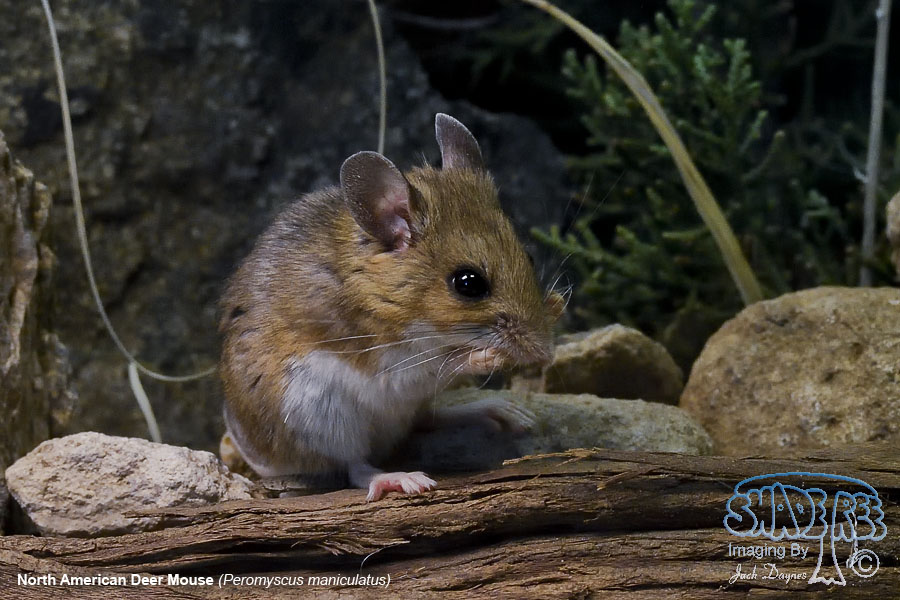
North American Deer Mouse(Peromyscus maniculatus) |
|
Description: Camped with the Science Team from the San Diego Natural History Museum and gathering data as a followup study from previous studies of about 80 years prior. Mojave National Preserve in San Bernardino County, California. |
Date Taken: 2016:11:13 7:25 |
|
Location:
Cedar Canyon Camp |
|
Camera Information: NIKON D5, 105 mm, f/11.0, 1/800 |
File Name: NorthAmericanDeerMouse_D5X9544 |
| © 2016 Jack Daynes, shadeTreeImaging.com |
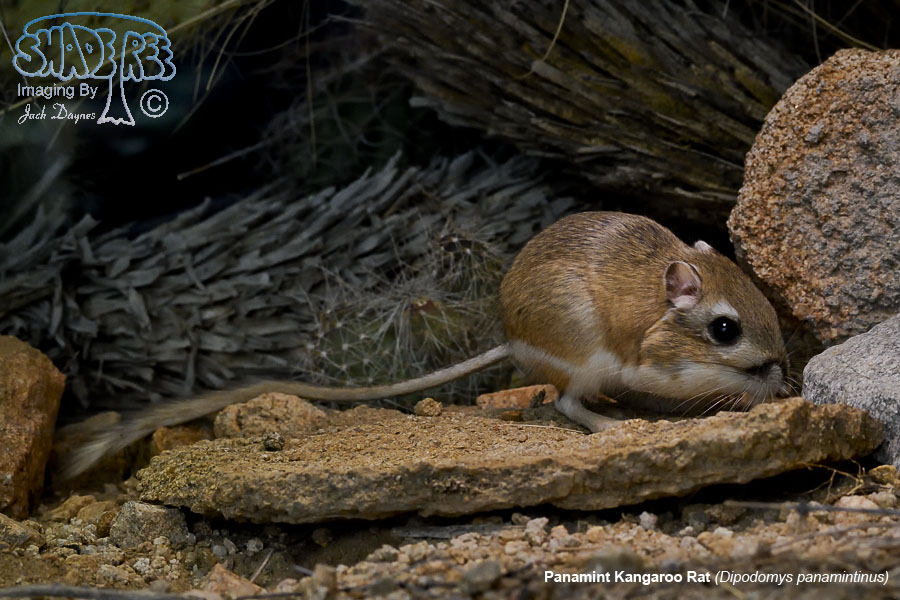
Panamint Kangaroo Rat(Dipodomys panamintinus) |
|
Description: Camped with the Science Team from the San Diego Natural History Museum and gathering data as a followup study from previous studies of about 80 years prior. Mojave National Preserve in San Bernardino County, California. |
Date Taken: 2016:11:09 6:44 |
|
Location:
Cima Camp |
|
Camera Information: NIKON D5, 105 mm, f/11.0, 1/640 |
File Name: PanamintKangarooRat_D5X6289 |
| © 2016 Jack Daynes, shadeTreeImaging.com |
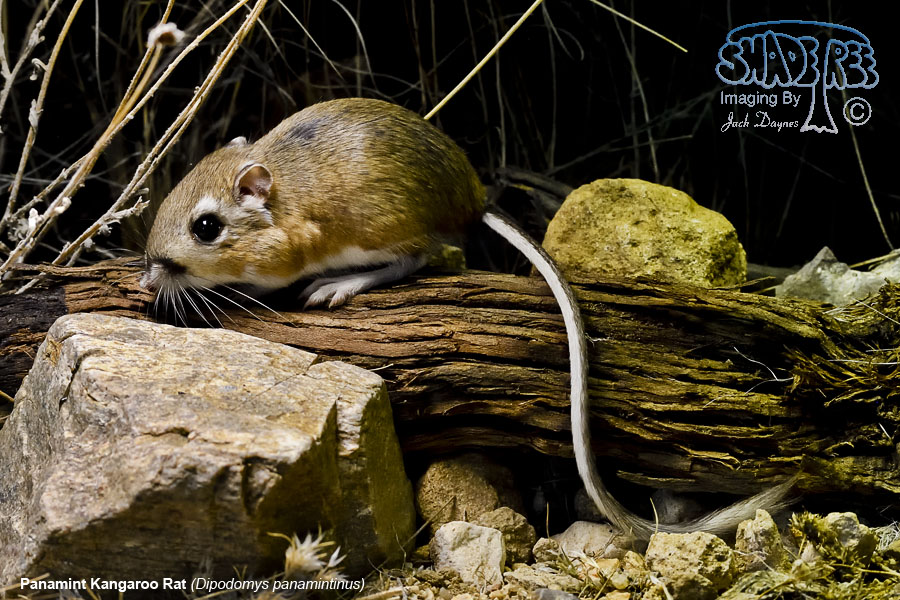
Panamint Kangaroo Rat(Dipodomys panamintinus) |
|
Description: Camped with the Science Team from the San Diego Natural History Museum and gathering data as a followup study from previous studies of about 80 years prior. Mojave National Preserve in San Bernardino County, California. |
Date Taken: 2016:11:11 7:13 |
|
Location:
Cedar Canyon Camp |
|
Camera Information: NIKON D5, 105 mm, f/11.0, 1/1000 |
File Name: PanamintKangarooRat_D5X7749 |
| © 2016 Jack Daynes, shadeTreeImaging.com |
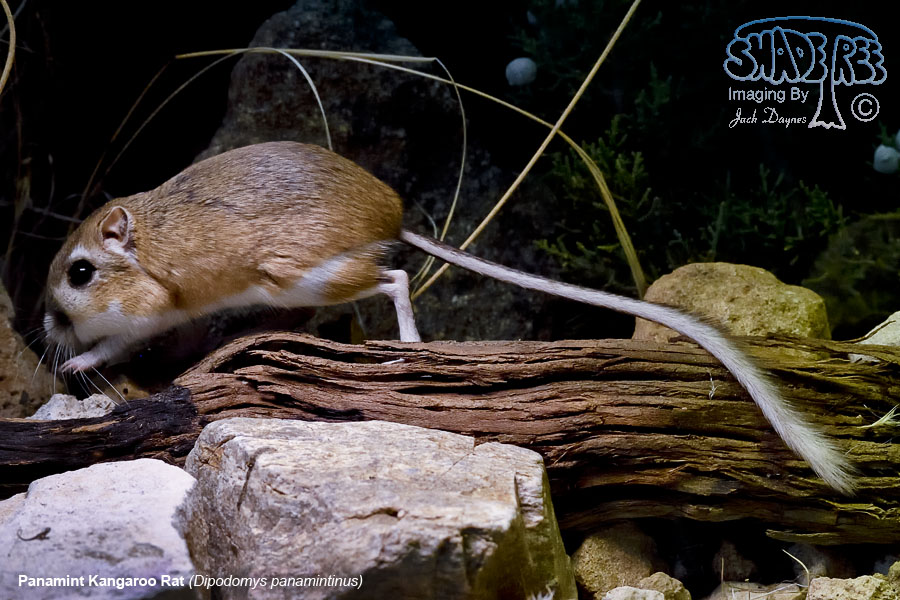
Panamint Kangaroo Rat(Dipodomys panamintinus) |
|
Description: Camped with the Science Team from the San Diego Natural History Museum and gathering data as a followup study from previous studies of about 80 years prior. Mojave National Preserve in San Bernardino County, California. |
Date Taken: 2016:11:12 8:19 |
|
Location:
Cedar Canyon Camp |
|
Camera Information: NIKON D5, 105 mm, f/11.0, 1/1600 |
File Name: PanamintKangarooRat_D5X9018 |
| © 2016 Jack Daynes, shadeTreeImaging.com |
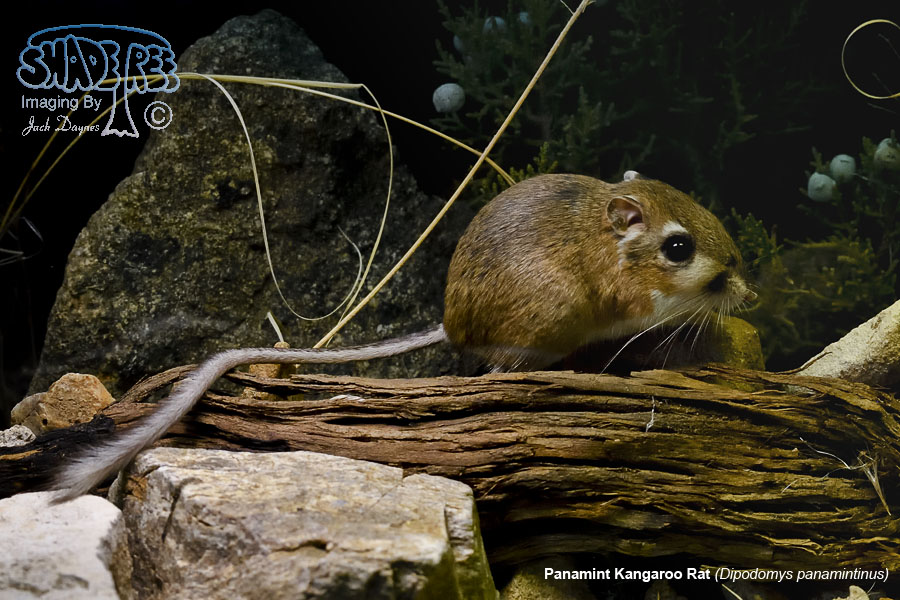
Panamint Kangaroo Rat(Dipodomys panamintinus) |
|
Description: Camped with the Science Team from the San Diego Natural History Museum and gathering data as a followup study from previous studies of about 80 years prior. Mojave National Preserve in San Bernardino County, California. |
Date Taken: 2016:11:12 8:22 |
|
Location:
Cedar Canyon Camp |
|
Camera Information: NIKON D5, 105 mm, f/11.0, 1/1250 |
File Name: PanamintKangarooRat_D5X9048 |
| © 2016 Jack Daynes, shadeTreeImaging.com |
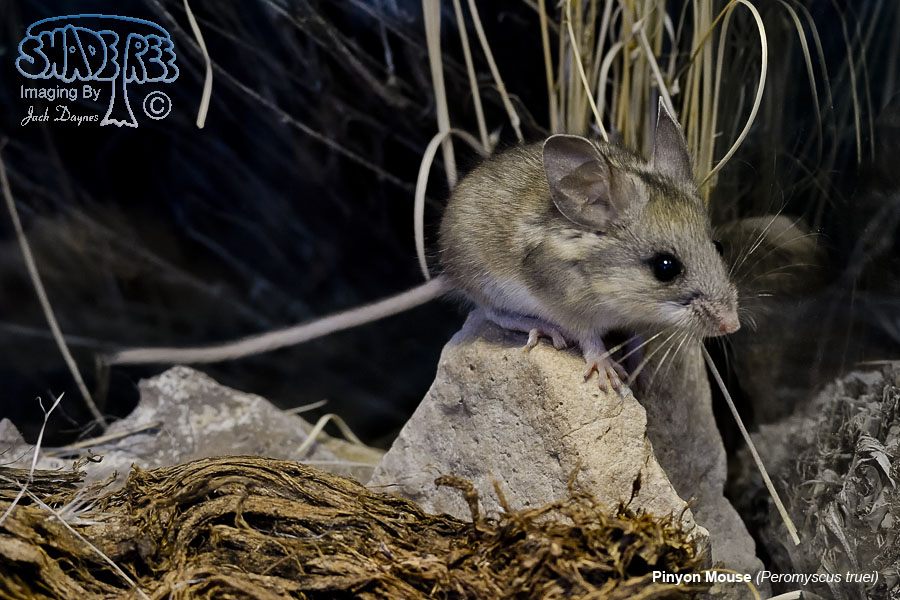
Pinyon Mouse(Peromyscus truei) |
|
Description: Camped with the Science Team from the San Diego Natural History Museum and gathering data as a followup study from previous studies of about 80 years prior. Mojave National Preserve in San Bernardino County, California. |
Date Taken: 2016:11:11 6:02 |
|
Location:
Cedar Canyon Camp |
|
Camera Information: NIKON D5, 105 mm, f/7.1, 1/250 |
File Name: PinyonMouse_D5X6956 |
| © 2016 Jack Daynes, shadeTreeImaging.com |
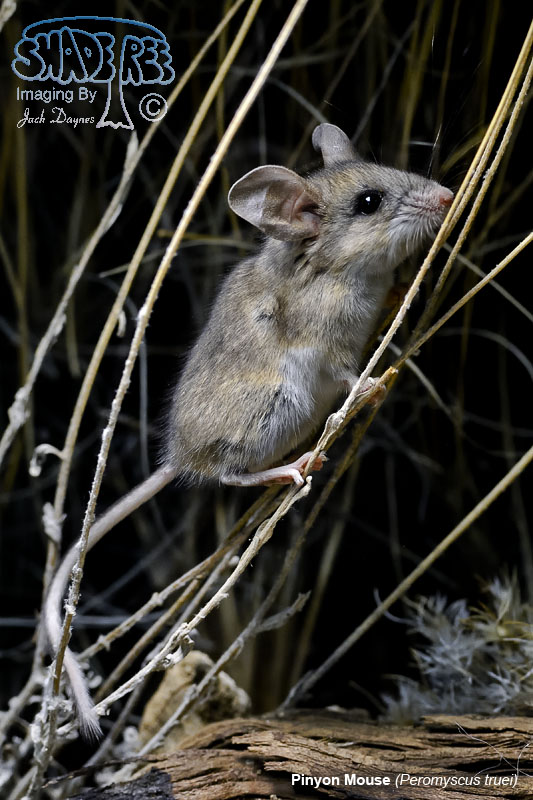
Pinyon Mouse(Peromyscus truei) |
|
Description: Camped with the Science Team from the San Diego Natural History Museum and gathering data as a followup study from previous studies of about 80 years prior. Mojave National Preserve in San Bernardino County, California. |
Date Taken: 2016:11:11 6:13 |
|
Location:
Cedar Canyon Camp |
|
Camera Information: NIKON D5, 105 mm, f/8.0, 1/640 |
File Name: PinyonMouse_D5X7176 |
| © 2016 Jack Daynes, shadeTreeImaging.com |
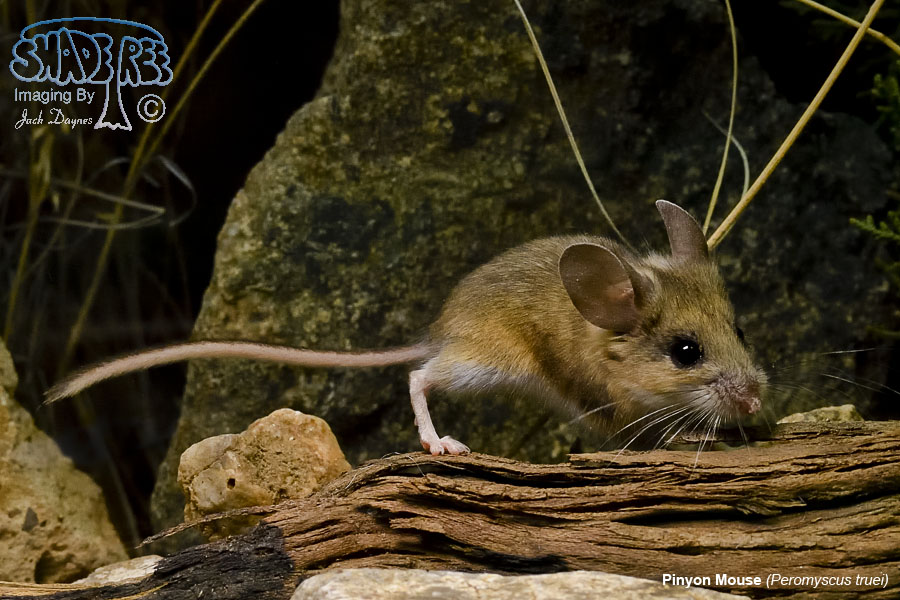
Pinyon Mouse(Peromyscus truei) |
|
Description: Camped with the Science Team from the San Diego Natural History Museum and gathering data as a followup study from previous studies of about 80 years prior. Mojave National Preserve in San Bernardino County, California. |
Date Taken: 2016:11:12 6:20 |
|
Location:
Cedar Canyon Camp |
|
Camera Information: NIKON D5, 105 mm, f/11.0, 1/1600 |
File Name: PinyonMouse_D5X8123 |
| © 2016 Jack Daynes, shadeTreeImaging.com |
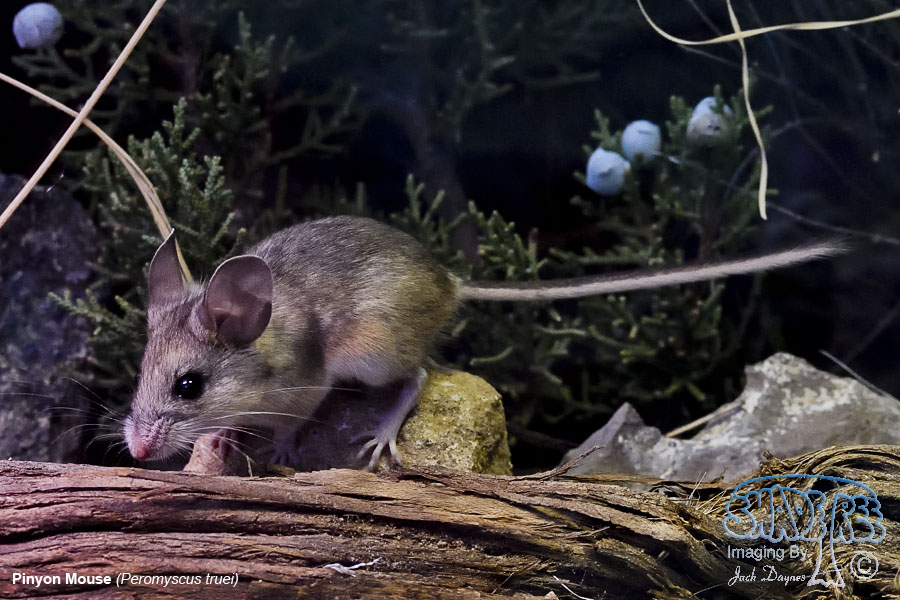
Pinyon Mouse(Peromyscus truei) |
|
Description: Camped with the Science Team from the San Diego Natural History Museum and gathering data as a followup study from previous studies of about 80 years prior. Mojave National Preserve in San Bernardino County, California. |
Date Taken: 2016:11:12 8:06 |
|
Location:
Cedar Canyon Camp |
|
Camera Information: NIKON D5, 105 mm, f/11.0, 1/800 |
File Name: PinyonMouse_D5X8985 |
| © 2016 Jack Daynes, shadeTreeImaging.com |
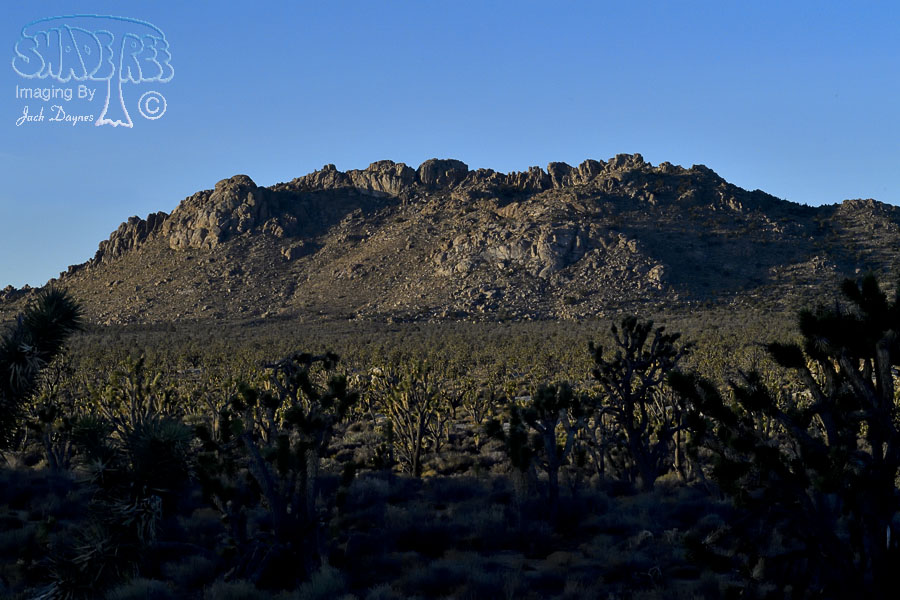
Scenery Near Camp(n/a) |
|
Description: Scenes from around our camp with the Science Team from the San Diego Natural History Museum and gathering data as a followup study from previous studies of about 80 years prior. Mojave National Preserve in San Bernardino County, California. |
Date Taken: 2016:11:09 4:42 |
|
Location:
Cima Camp |
|
Camera Information: NIKON D5, 105 mm, f/18.0, 1/2000 |
File Name: Scenery_D5X6124 |
| © 2016 Jack Daynes, shadeTreeImaging.com |
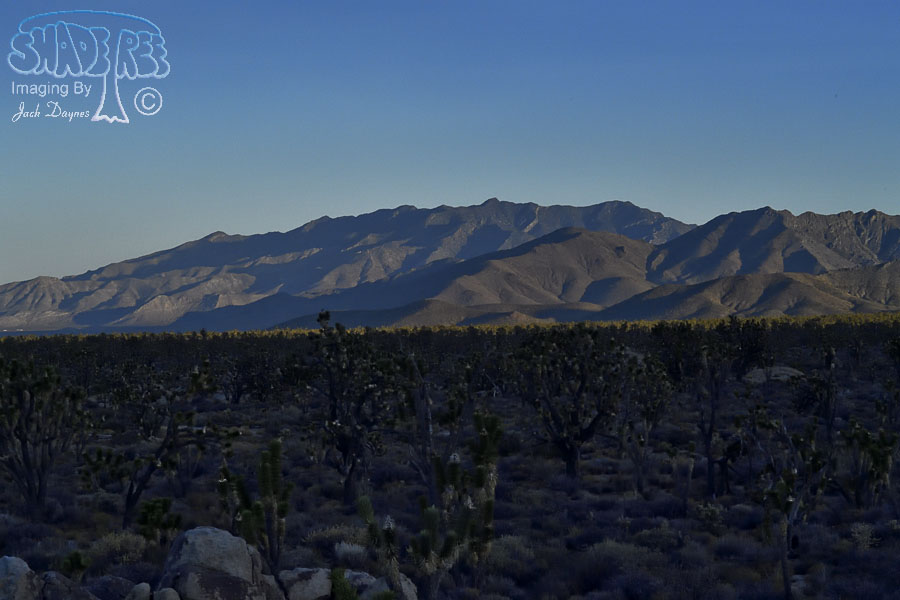
|
Description: Scenes from around our camp with the Science Team from the San Diego Natural History Museum and gathering data as a followup study from previous studies of about 80 years prior. Mojave National Preserve in San Bernardino County, California. |
Date Taken: 2016:11:09 4:43 |
|
Location:
Cima Camp |
|
Camera Information: NIKON D5, 105 mm, f/18.0, 1/2500 |
File Name: Scenery_D5X6137 |
| © 2016 Jack Daynes, shadeTreeImaging.com |
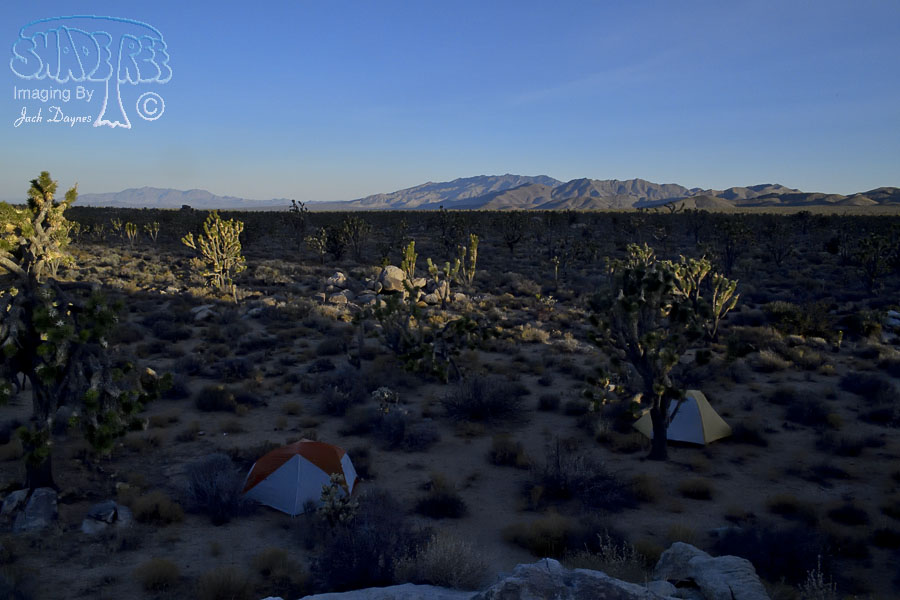
|
Description: Scenes from around our camp with the Science Team from the San Diego Natural History Museum and gathering data as a followup study from previous studies of about 80 years prior. Mojave National Preserve in San Bernardino County, California. |
Date Taken: 2016:11:09 4:48 |
|
Location:
Cima Camp |
|
Camera Information: NIKON D5, 28 mm, f/18.0, 1/2000 |
File Name: Scenery_D5X6152 |
| © 2016 Jack Daynes, shadeTreeImaging.com |
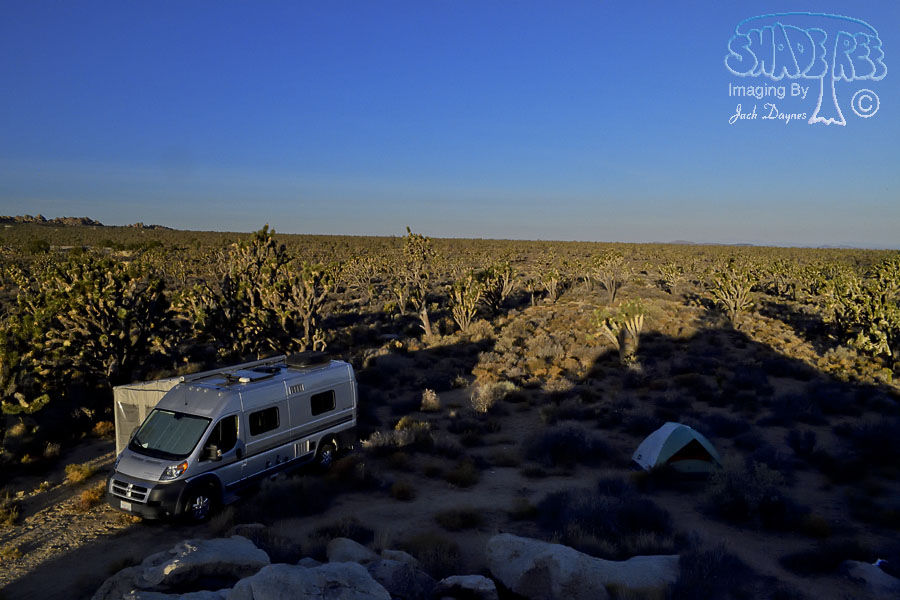
|
Description: Joshua Trees as far as the eye can see. Camped with the Science Team from the San Diego Natural History Museum and gathering data as a followup study from previous studies of about 80 years prior. Mojave National Preserve in San Bernardino County, California. |
Date Taken: 2016:11:09 4:48 |
|
Location:
Cima Camp |
|
Camera Information: NIKON D5, 28 mm, f/18.0, 1/3200 |
File Name: Scenery_D5X6160 |
| © 2016 Jack Daynes, shadeTreeImaging.com |
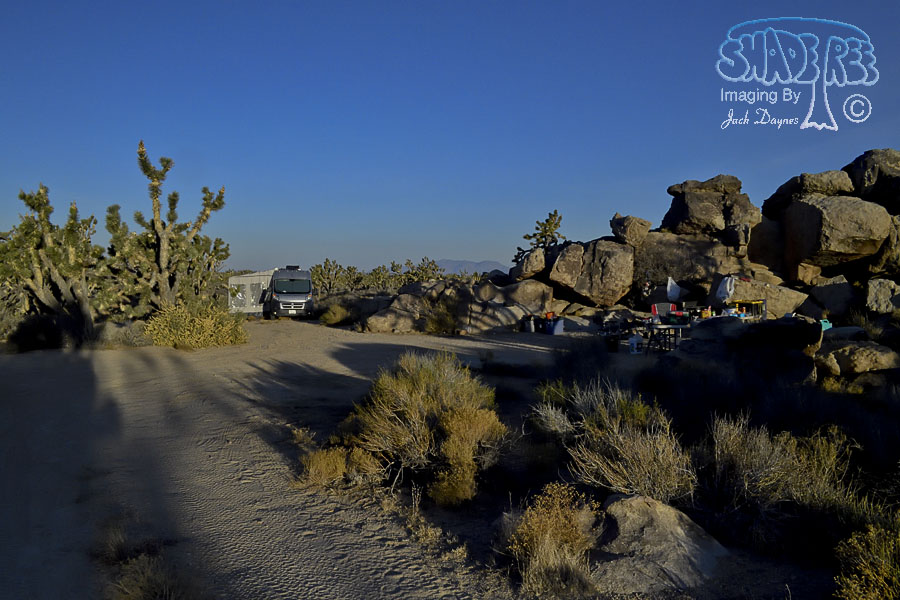
|
Description: Camped with the Science Team from the San Diego Natural History Museum and gathering data as a followup study from previous studies of about 80 years prior. Mojave National Preserve in San Bernardino County, California. |
Date Taken: 2016:11:09 4:50 |
|
Location:
Cima Camp |
|
Camera Information: NIKON D5, 28 mm, f/18.0, 1/4000 |
File Name: Scenery_D5X6164 |
| © 2016 Jack Daynes, shadeTreeImaging.com |
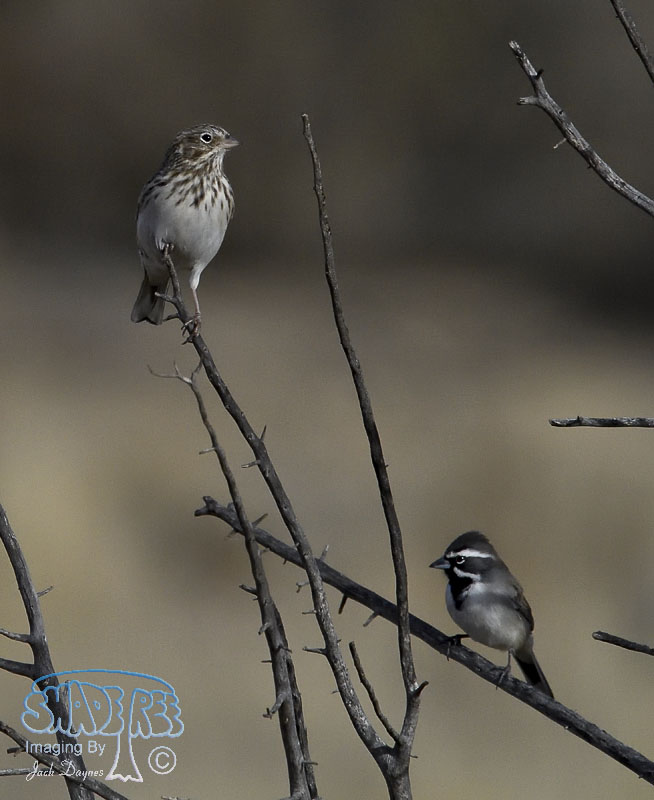
Vesper Sparrow(Pooecetes gramineus) |
|
Description: Camped with the Science Team from the San Diego Natural History Museum and gathering data as a followup study from previous studies of about 80 years prior. Mojave National Preserve in San Bernardino County, California. |
Date Taken: 2016:11:12 6:04 |
|
Location:
Cedar Canyon Camp |
|
Camera Information: NIKON D5, 800 mm, f/11.0, 1/8000 |
File Name: VesperSparrow_D5X8094 |
| © 2016 Jack Daynes, shadeTreeImaging.com |
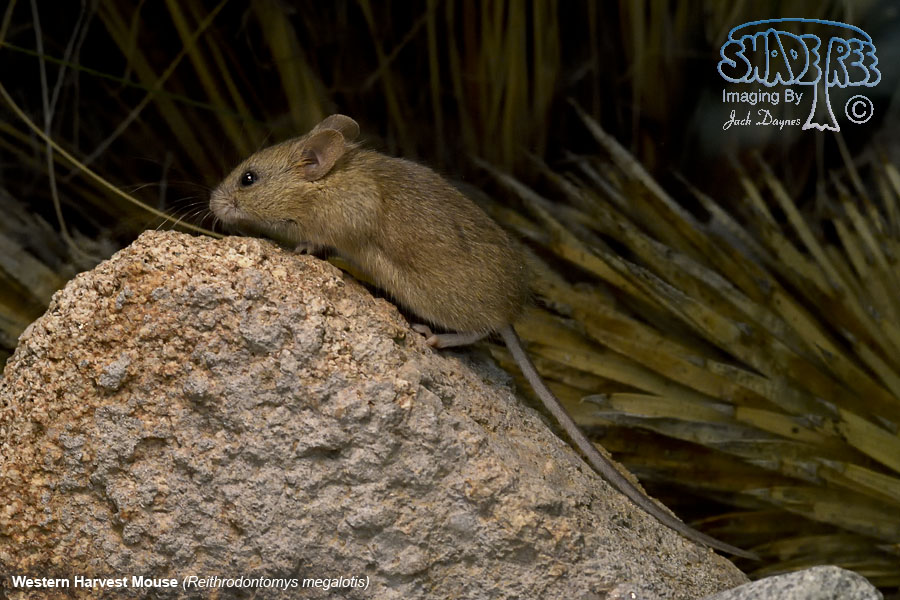
Western Harvest Mouse(Reithrodontomys megalotis) |
|
Description: Camped with the Science Team from the San Diego Natural History Museum and gathering data as a followup study from previous studies of about 80 years prior. Mojave National Preserve in San Bernardino County, California. |
Date Taken: 2016:11:09 7:07 |
|
Location:
Cima Camp |
|
Camera Information: NIKON D5, 105 mm, f/11.0, 1/640 |
File Name: WesternHarvestMouse_D5X6389 |
| © 2016 Jack Daynes, shadeTreeImaging.com |
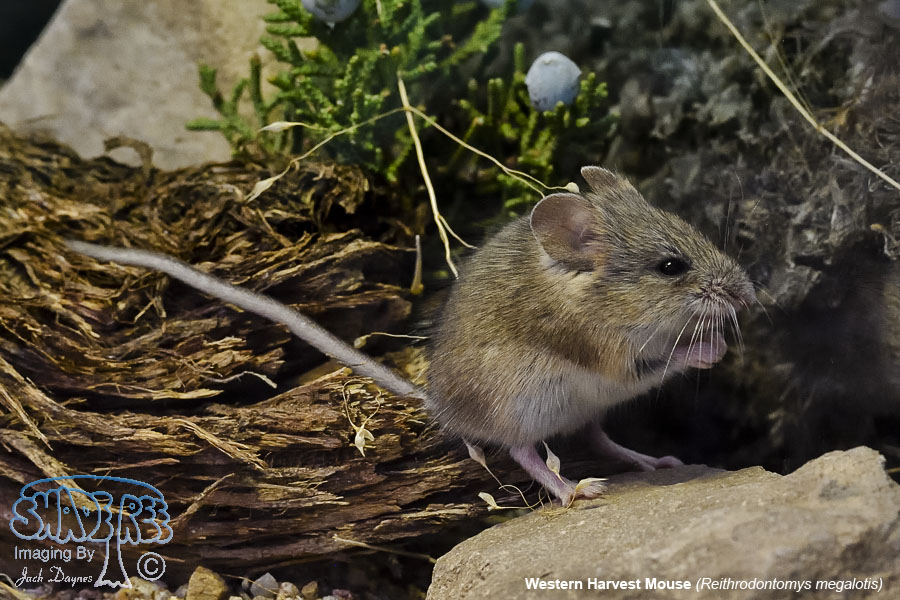
Western Harvest Mouse(Reithrodontomys megalotis) |
|
Description: Camped with the Science Team from the San Diego Natural History Museum and gathering data as a followup study from previous studies of about 80 years prior. Mojave National Preserve in San Bernardino County, California. |
Date Taken: 2016:11:12 7:15 |
|
Location:
Cedar Canyon Camp |
|
Camera Information: NIKON D5, 105 mm, f/11.0, 1/640 |
File Name: WesternHarvestMouse_D5X8519 |
| © 2016 Jack Daynes, shadeTreeImaging.com |
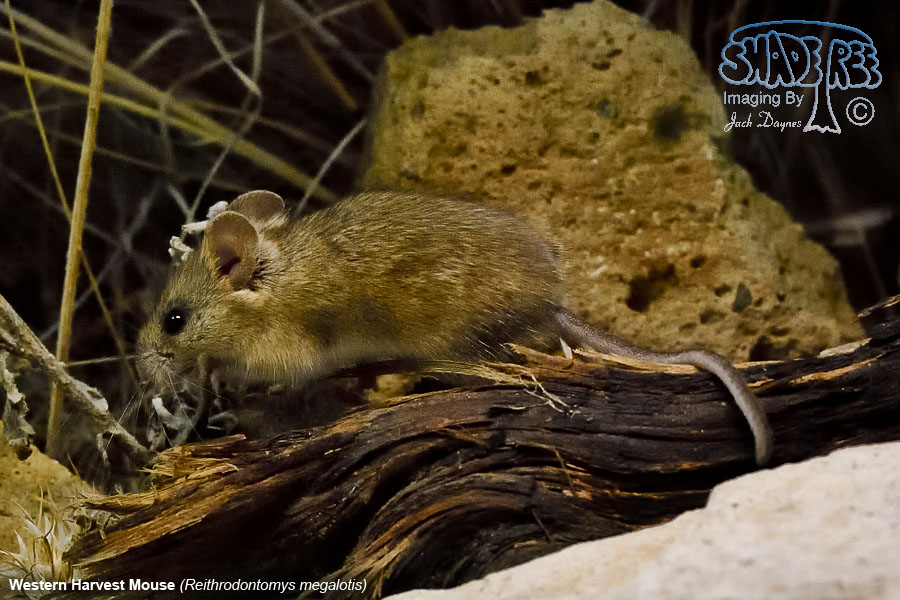
Western Harvest Mouse(Reithrodontomys megalotis) |
|
Description: Camped with the Science Team from the San Diego Natural History Museum and gathering data as a followup study from previous studies of about 80 years prior. Mojave National Preserve in San Bernardino County, California. |
Date Taken: 2016:11:12 7:23 |
|
Location:
Cedar Canyon Camp |
|
Camera Information: NIKON D5, 105 mm, f/11.0, 1/2000 |
File Name: WesternHarvestMouse_D5X8619 |
| © 2016 Jack Daynes, shadeTreeImaging.com |
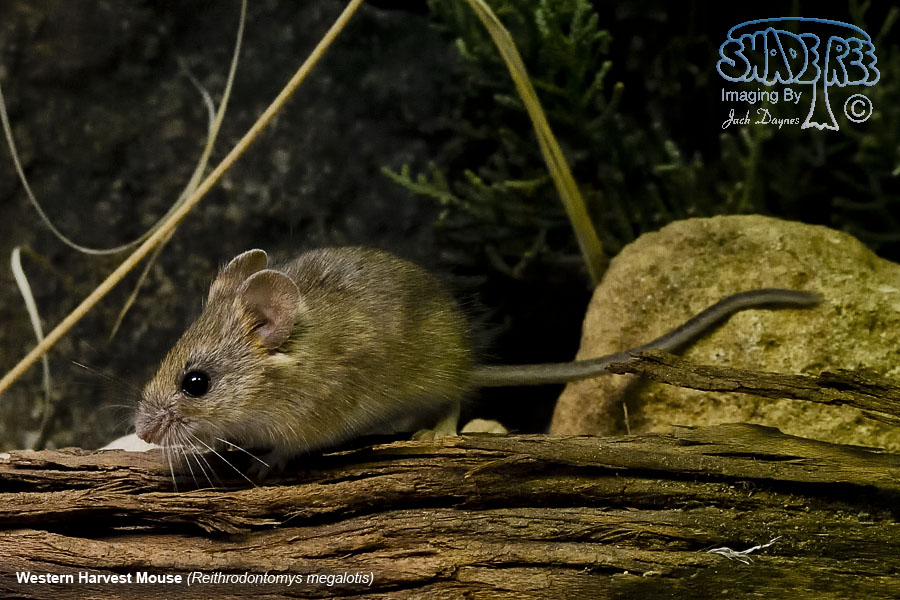
Western Harvest Mouse(Reithrodontomys megalotis) |
|
Description: Camped with the Science Team from the San Diego Natural History Museum and gathering data as a followup study from previous studies of about 80 years prior. Mojave National Preserve in San Bernardino County, California. |
Date Taken: 2016:11:12 7:26 |
|
Location:
Cedar Canyon Camp |
|
Camera Information: NIKON D5, 105 mm, f/11.0, 1/1250 |
File Name: WesternHarvestMouse_D5X8729 |
| © 2016 Jack Daynes, shadeTreeImaging.com |
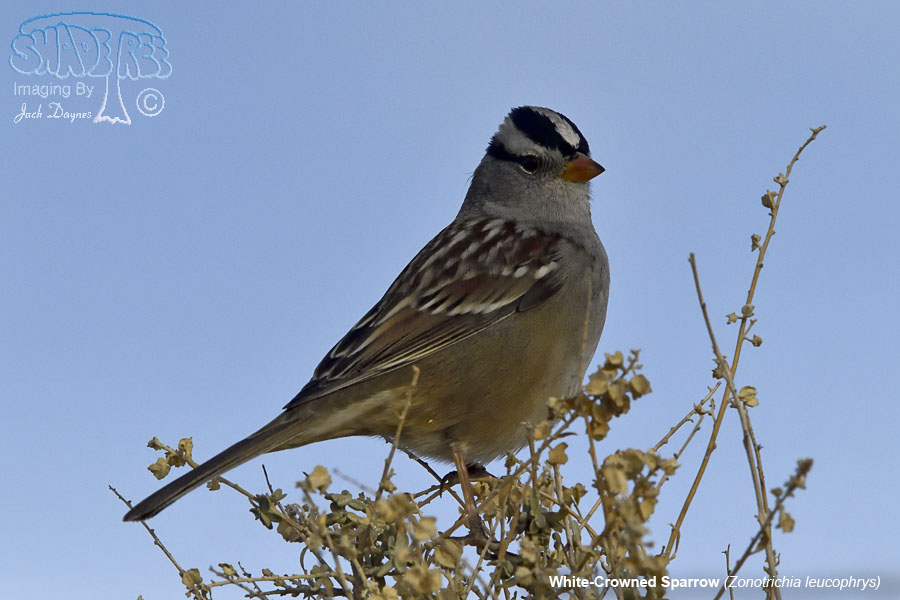
White-Crowned Sparrow(Zonotrichia leucophrys) |
|
Description: Camped with the Science Team from the San Diego Natural History Museum and gathering data as a followup study from previous studies of about 80 years prior. Mojave National Preserve in San Bernardino County, California. |
Date Taken: 2016:11:12 5:35 |
|
Location:
Cedar Canyon Camp |
|
Camera Information: NIKON D5, 800 mm, f/11.0, 1/8000 |
File Name: WhiteCrownedSparrow_D5X8034 |
| © 2016 Jack Daynes, shadeTreeImaging.com |
Click map markers to reveal further information
