 Mono Lake is unique. To the uninterested or uninformed passerby it might seem just another large lake, and it is large (over 45,000 acres). What is less obvious is the dynamic ecosystem that has evolved over the 760,000 years this lake has existed.
With no outlet to the ocean, water comes into the lake, it can only leave by evaporation, but the dissolved minerals remain. Today the water is two or three times saltier than the ocean. Native fish cannot survive here. Yet a rich ecosystem has evolved in this lake; one that depends on this high (but not too high) salinity.
All spring, algae blooms here, followed by exploding populations of brine shrimp and alkali flies. These food sources are very important for millions of breeding and migratory birds. The lake hosts the second largest breeding population of California Gulls. Only the Great Salt Lake in Utah supports a larger breeding colony.
I can’t remember my first visit here, but the first images I collected were from May 2005 while I was heading north on my expedition to Alaska. Since that time I have visited in November 2009, August 2014, May 2016, July 2017, and August 2019, and I have enjoyed every visit.
My best encounters at Mono Lake have been either from the Western shore north of Lee Vining, or on the Southern shore between Rush Creek and Navy Beach, which includes South Tufa Beach. A third location I have included here is Mono Mills, a few miles southeast of the lake where piney woods spread over the pumice and bedrock, and play host to woodpeckers and other forest loving birds.
The gallery below displays samples of my meetings here.
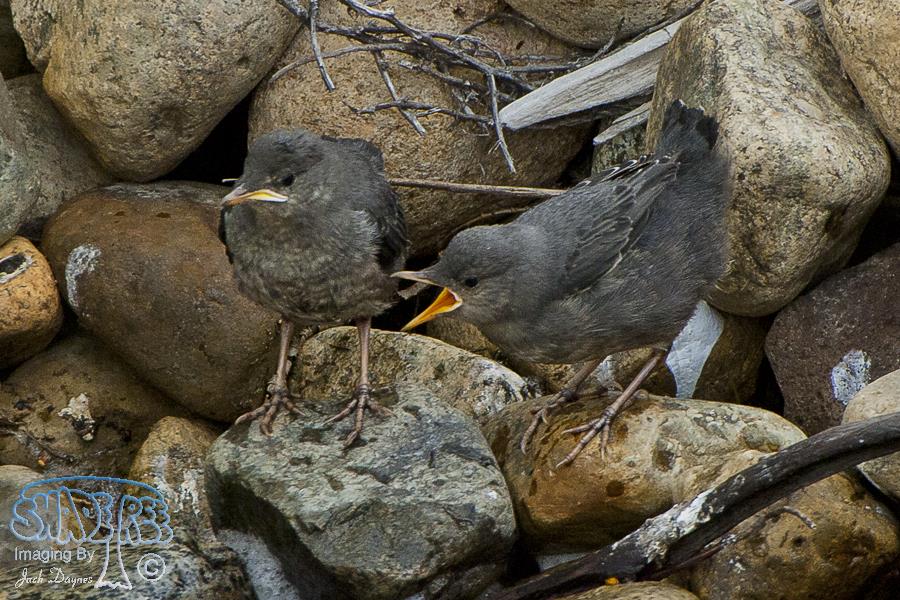
American Dipper(Cinclus mexicanus) |
|
Description: Hungry young dippers waiting to be fed by their attending parent at Rush Creek, Mono Basin, California. |
Date Taken: 2005:05:18 13:20 |
|
Location:
Mono Lake |
|
Camera Information: NIKON D2X, 550 mm, f/6.3, 1/400 |
File Name: JCD1620AmericanDipper |
| © 2005 Jack Daynes, shadeTree Imaging |

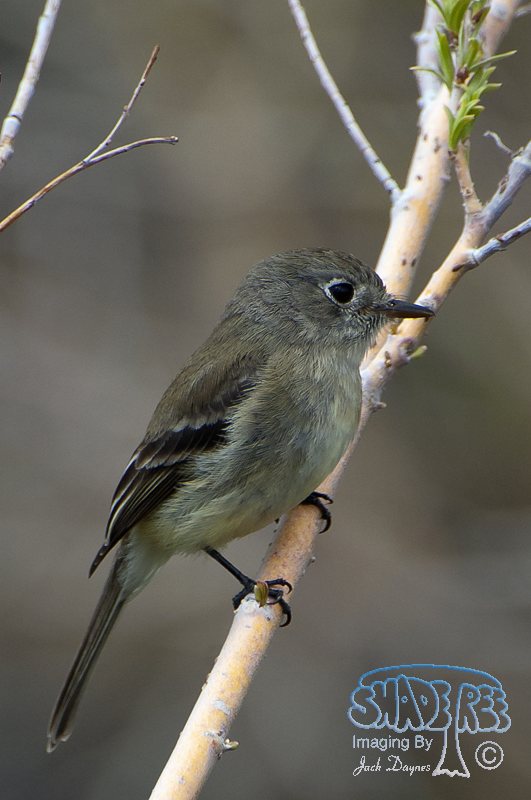
Hammond's Flycatcher(Empidonax hammondii) |
|
Description: Rush Creek, Mono Basin. Near Lee Vining in Mono County California. |
Date Taken: 2005:05:18 13:52 |
|
Location:
Mono Lake |
|
Camera Information: NIKON D2X, 550 mm, f/6.3, 1/500 |
File Name: JCD1698HammondsFlycatcher |
| © 2005 Jack Daynes, shadeTree Imaging |
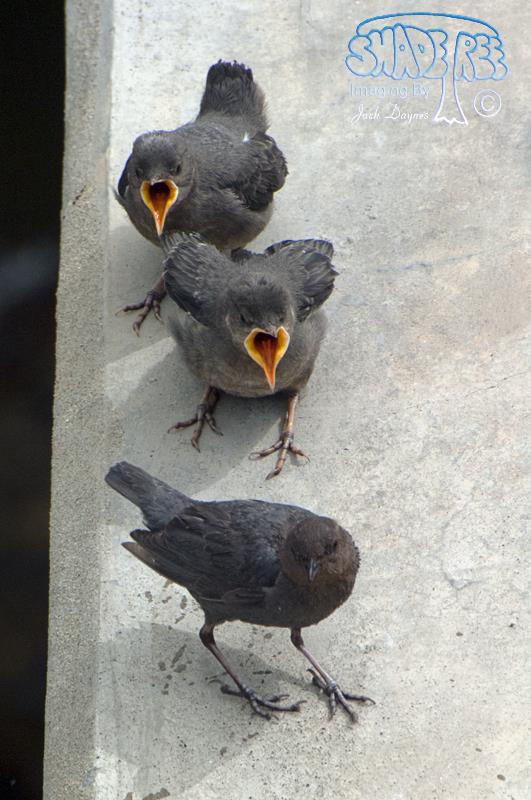
American Dipper(Cinclus mexicanus) |
|
Description: Hungry young dippers waiting to be fed by their attending parent at Rush Creek, Mono Basin, California. |
Date Taken: 2005:05:18 14:05 |
|
Location:
Mono Lake |
|
Camera Information: NIKON D2X, 550 mm, f/6.3, 1/800 |
File Name: JCD1725AmericanDipper |
| © 2005 Jack Daynes, shadeTree Imaging |
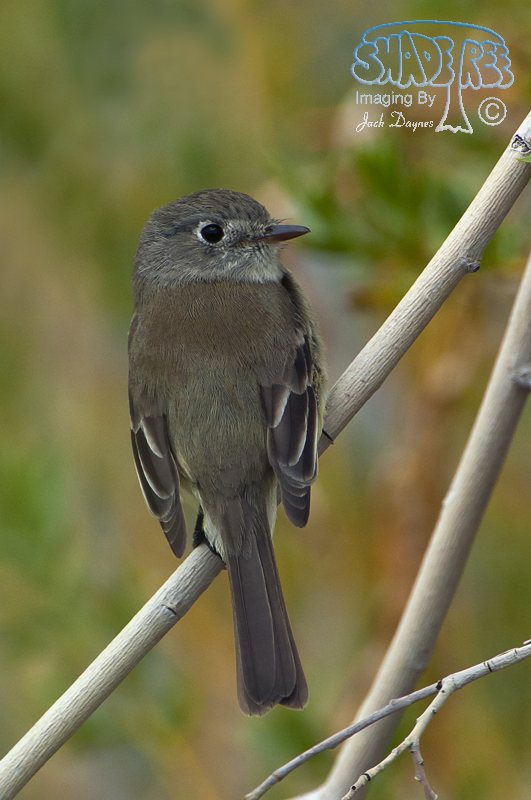
Hammond's Flycatcher(Empidonax hammondii) |
|
Description: Rush Creek, Mono Basin. Near Lee Vining in Mono County California. |
Date Taken: 2005:05:18 14:08 |
|
Location:
Mono Lake |
|
Camera Information: NIKON D2X, 550 mm, f/6.3, 1/500 |
File Name: JCD1742HammondsFlycatcher |
| © 2005 Jack Daynes, shadeTreeImaging.com |
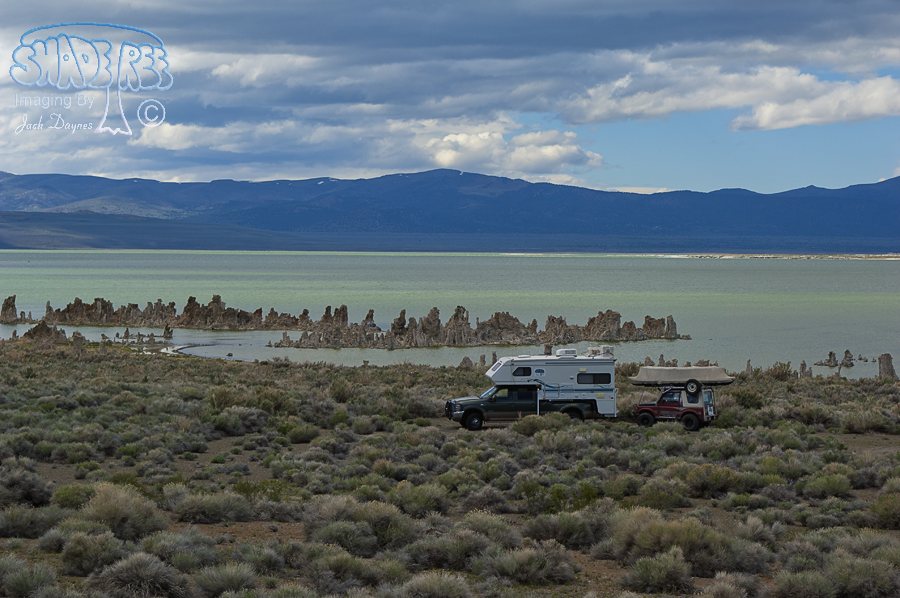
On The Way To Alaska(n/a) |
|
Description: Headed for Alaska stopped at Mono Lake and Mono Basin near Lee Vining California 2005-05-18. |
Date Taken: 2005:05:18 15:16 |
|
Location:
Mono Lake |
|
Camera Information: NIKON D2X, 70 mm, f/5.6, 1/1600 |
File Name: JCD1795AlaskaBound |
| © 2005 Jack Daynes, shadeTree Imaging |
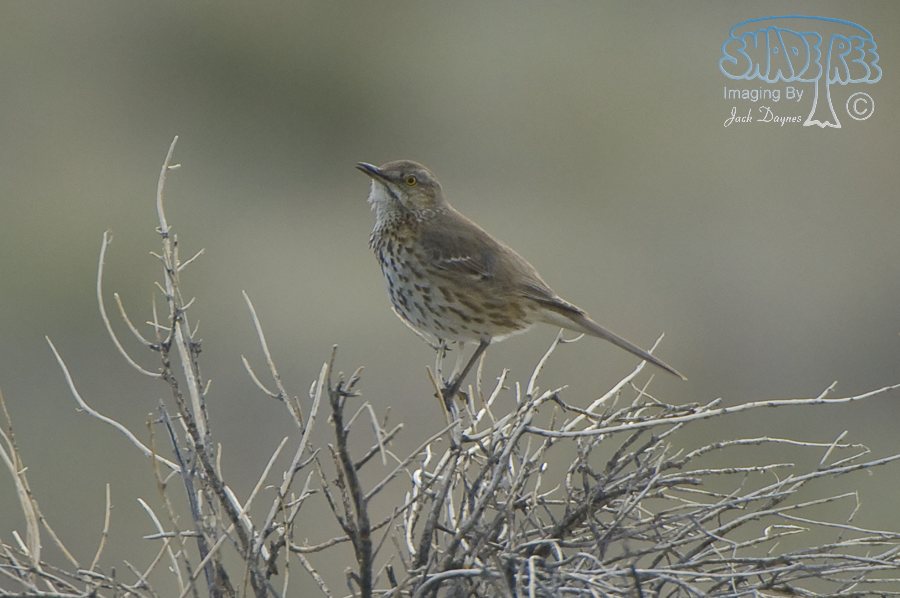
Sage Thrasher(Oreoscoptes montanus) |
|
Description: Mono Lake an Mono Basin near Lee Vining California 2005-05-18. |
Date Taken: 2005:05:18 16:35 |
|
Location:
Mono Lake |
|
Camera Information: NIKON D2X, 550 mm, f/5.6, 1/500 |
File Name: JCD1935SageThrasher |
| © 2005 Jack Daynes, shadeTreeImaging.com |
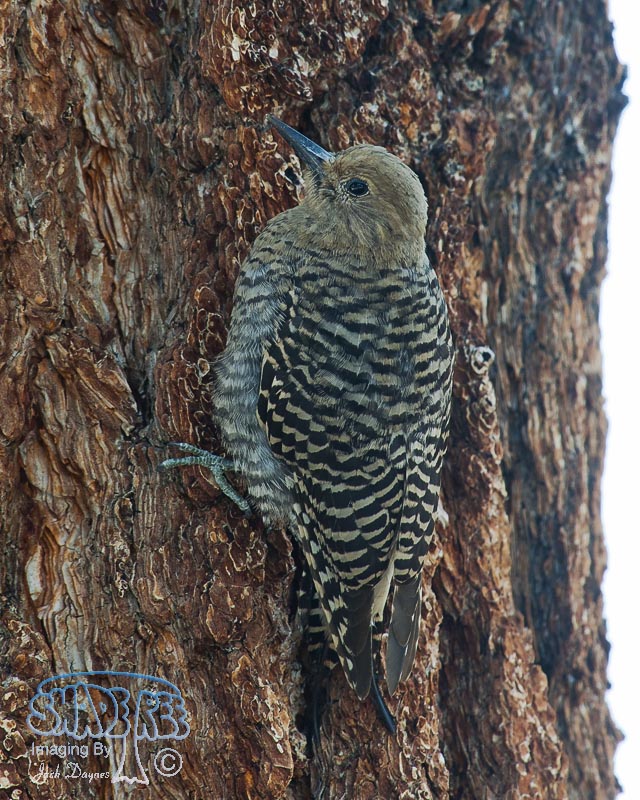
Williamson's Sapsucker(Sphyrapicus thyroideus) |
|
Description: At a roadside monument to the historic Mono Mills, along State Route 120. Mono County, California. |
Date Taken: 2014:08:06 10:48 |
|
Location:
Mono Lake |
|
Camera Information: NIKON D3X, 800 mm, f/9.0, 1/60 |
File Name: D3X6761-WilliamsonsSapsucker |
| © 2014 Jack Daynes, shadeTree-Imaging.com |
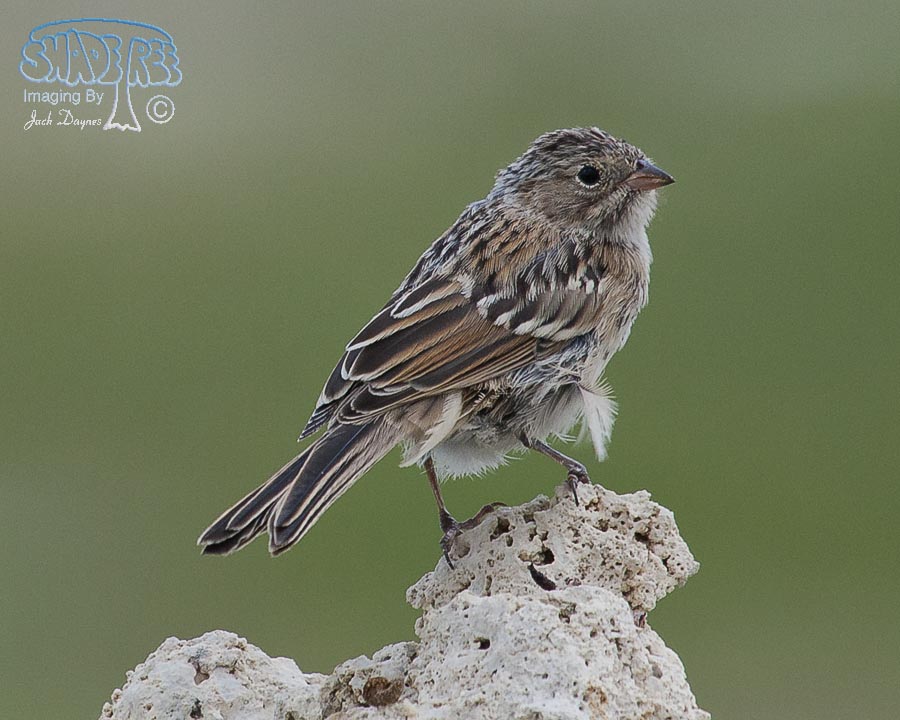
Brewer's Sparrow(Spizella breweri) |
|
Description: (Spizella breweri) A juvenile bird I met at the South Tufa shores of Mono Lake. Mono County, California USA 2014-08-08. |
Date Taken: 2014:08:08 13:03 |
|
Location:
Mono Lake |
|
Camera Information: NIKON D3X, 800 mm, f/8.0, 1/640 |
File Name: D3X7427-BrewersSparrow-Juvenile |
| © 2014 Jack Daynes, shadeTree-Imaging.com |
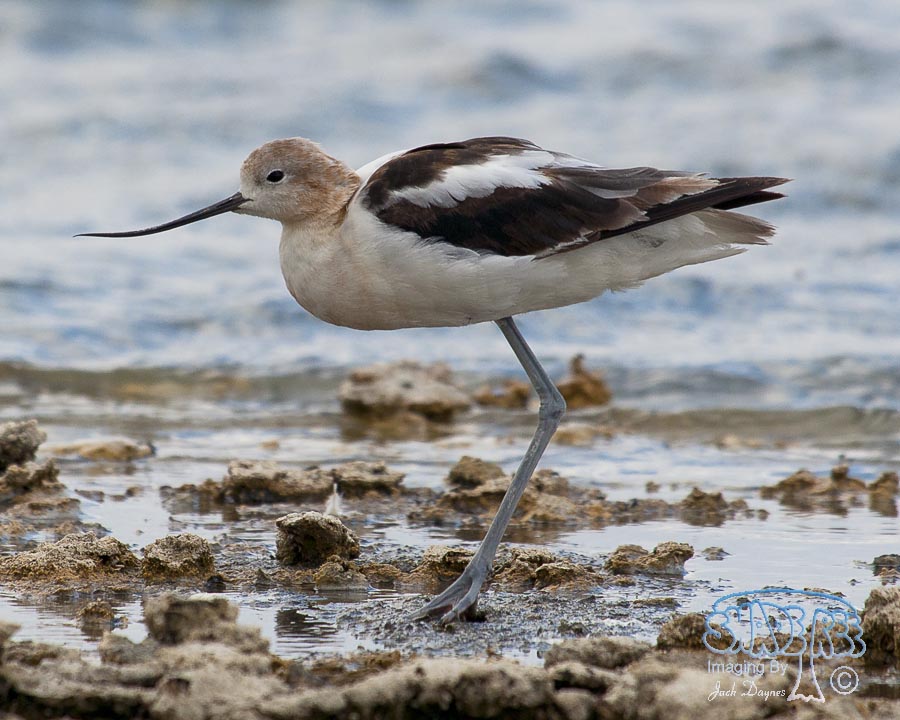
American Avocet(Recurvirostra americana) |
|
Description: At the South Tufa shores of Mono Lake. Mono County, California. |
Date Taken: 2014:08:08 13:19 |
|
Location:
Mono Lake |
|
Camera Information: NIKON D3X, 800 mm, f/8.0, 1/1250 |
File Name: D3X7443-AmericanAvocet |
| © 2014 Jack Daynes, shadeTreeImaging.com |
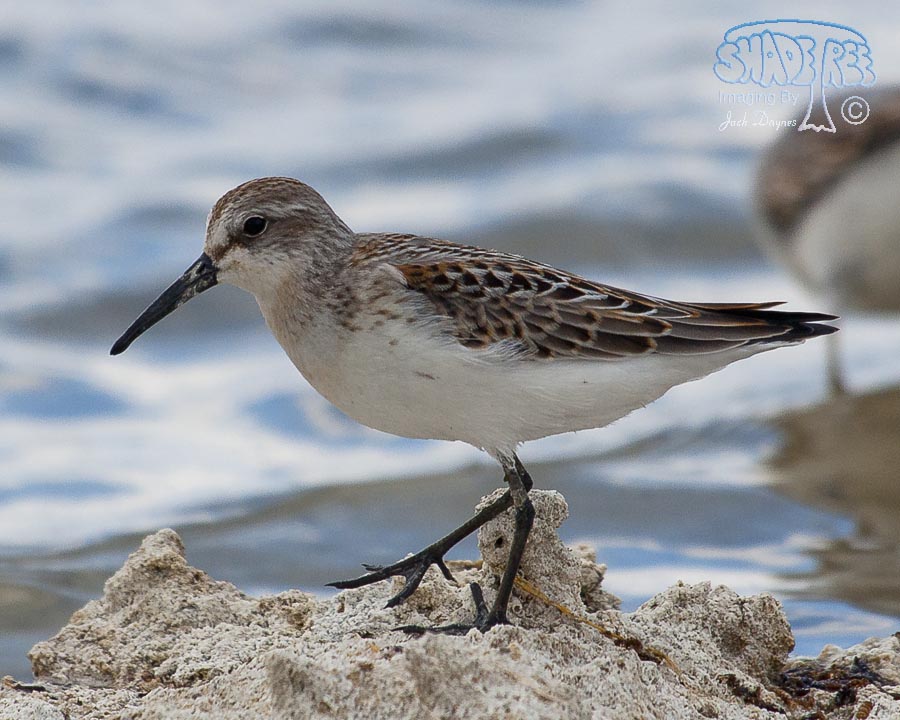
Western Sandpiper(Calidris mauri) |
|
Description: At the South Tufa shores of Mono Lake. Mono County, California. |
Date Taken: 2014:08:08 13:21 |
|
Location:
Mono Lake |
|
Camera Information: NIKON D3X, 800 mm, f/8.0, 1/1250 |
File Name: D3X7446-WesternSandPiper |
| © 2014 Jack Daynes, shadeTreeImaging.com |
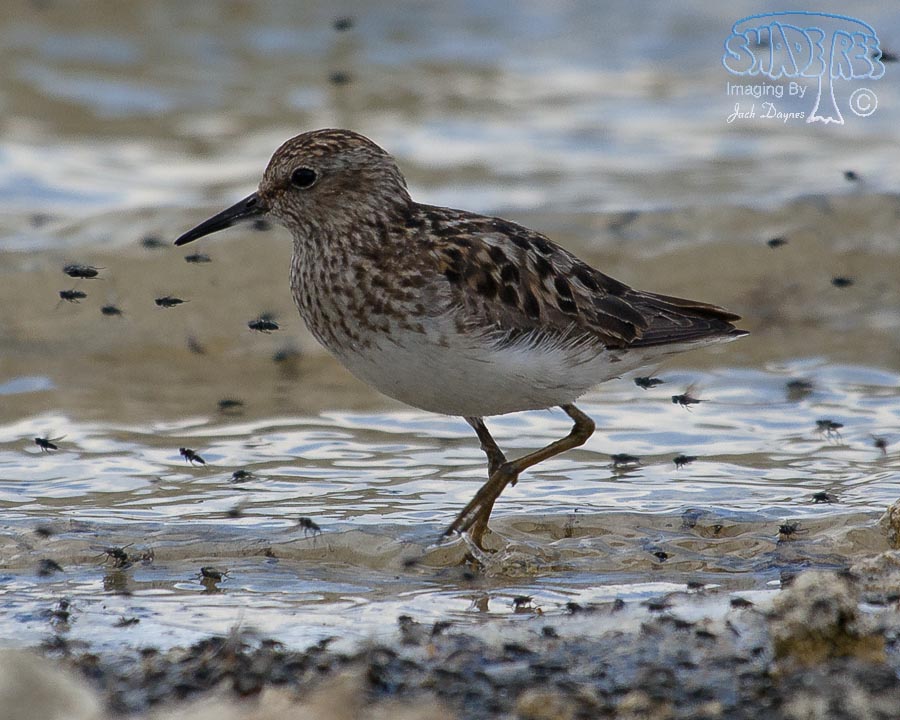
Least Sandpiper(Calidris minutilla) |
|
Description: At the South Tufa shores of Mono Lake. Mono County, California. |
Date Taken: 2014:08:08 13:21 |
|
Location:
Mono Lake |
|
Camera Information: NIKON D3X, 800 mm, f/8.0, 1/1000 |
File Name: D3X7451-LeastSandPiper |
| © 2014 Jack Daynes, shadeTreeImaging.com |
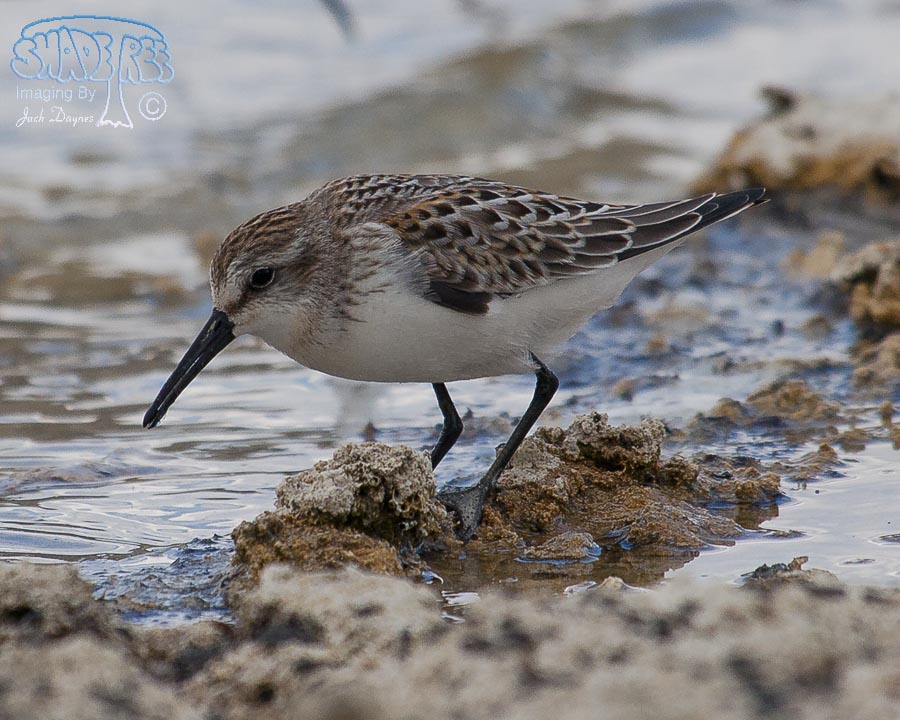
Wilson's Phalarope(Calidris mauri) |
|
Description: At the South Tufa shores of Mono Lake. Mono County, California. |
Date Taken: 2014:08:08 13:22 |
|
Location:
Mono Lake |
|
Camera Information: NIKON D3X, 800 mm, f/8.0, 1/1250 |
File Name: D3X7455-WesternSandPiper |
| © 2014 Jack Daynes, shadeTreeImaging.com |
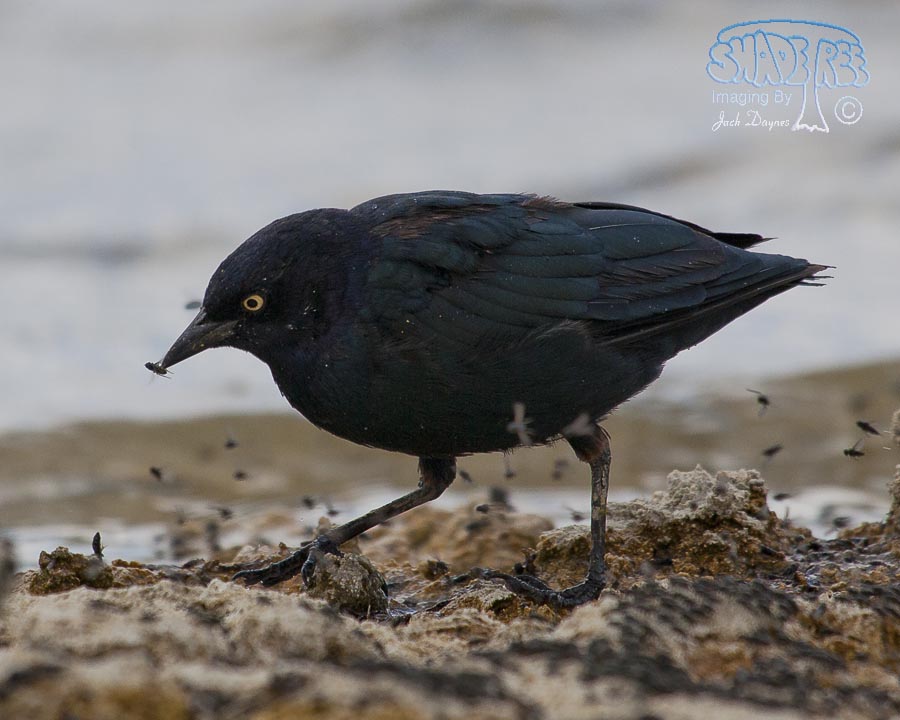
Brewer's Blackbird(Euphagus cyanocephalus) |
|
Description: At the South Tufa shores of Mono Lake. Mono County, California. |
Date Taken: 2014:08:08 13:45 |
|
Location:
Mono Lake |
|
Camera Information: NIKON D3X, 800 mm, f/8.0, 1/1250 |
File Name: D3X7573-BrewersBlackBird |
| © 2014 Jack Daynes, shadeTree-Imaging.com |
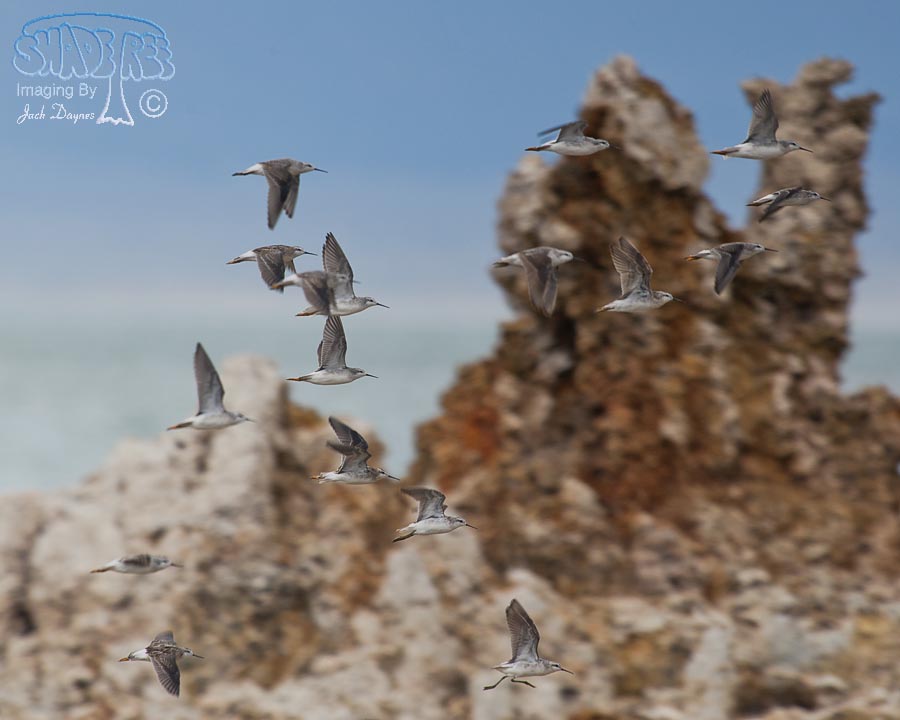
Wilson's Phalarope(Phalaropus tricolor) |
|
Description: At the South Tufa shores of Mono Lake. Mono County, California. |
Date Taken: 2014:08:08 14:07 |
|
Location:
Mono Lake |
|
Camera Information: NIKON D3X, 800 mm, f/8.0, 1/640 |
File Name: D3X7606-WilsonsPhalarope |
| © 2014 Jack Daynes, shadeTreeImaging.com |
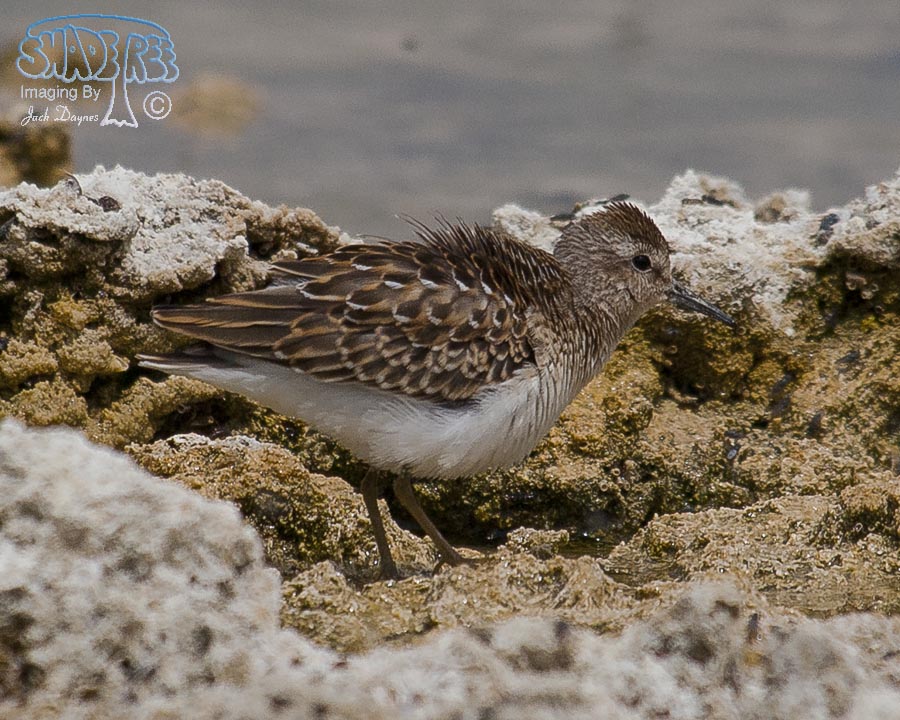
Least Sandpiper(Calidris minutilla) |
|
Description: At the South Tufa shores of Mono Lake. Mono County, California. |
Date Taken: 2014:08:08 14:22 |
|
Location:
Mono Lake |
|
Camera Information: NIKON D3X, 800 mm, f/8.0, 1/3200 |
File Name: D3X7625-LeastSandPiper |
| © 2014 Jack Daynes, shadeTreeImaging.com |
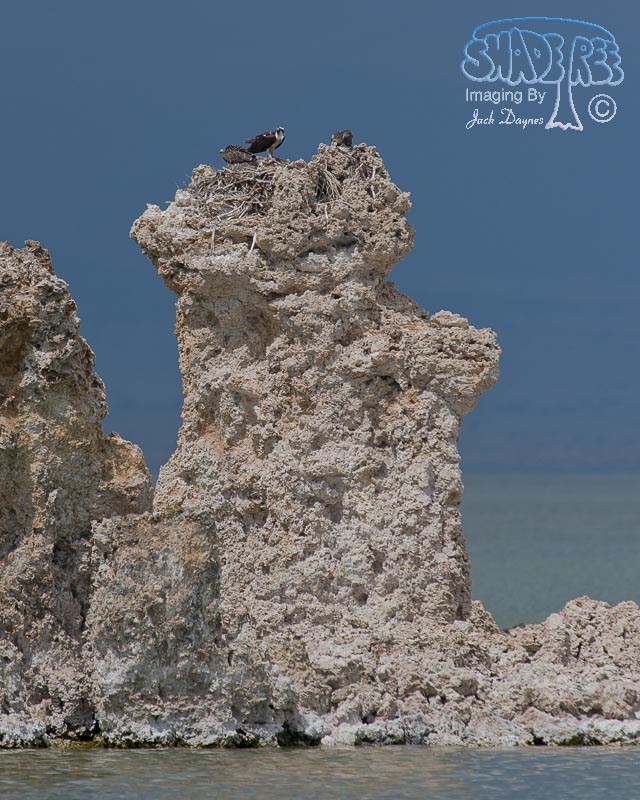
Osprey(Pandion haliaetus) |
|
Description: Nesting on Tufa Formation at the South Tufa shores of Mono Lake. Mono County, California. |
Date Taken: 2014:08:08 14:32 |
|
Location:
Mono Lake |
|
Camera Information: NIKON D3X, 800 mm, f/8.0, 1/2500 |
File Name: D3X7641-Osprey-Nest |
| © 2014 Jack Daynes, shadeTreeImaging.com |
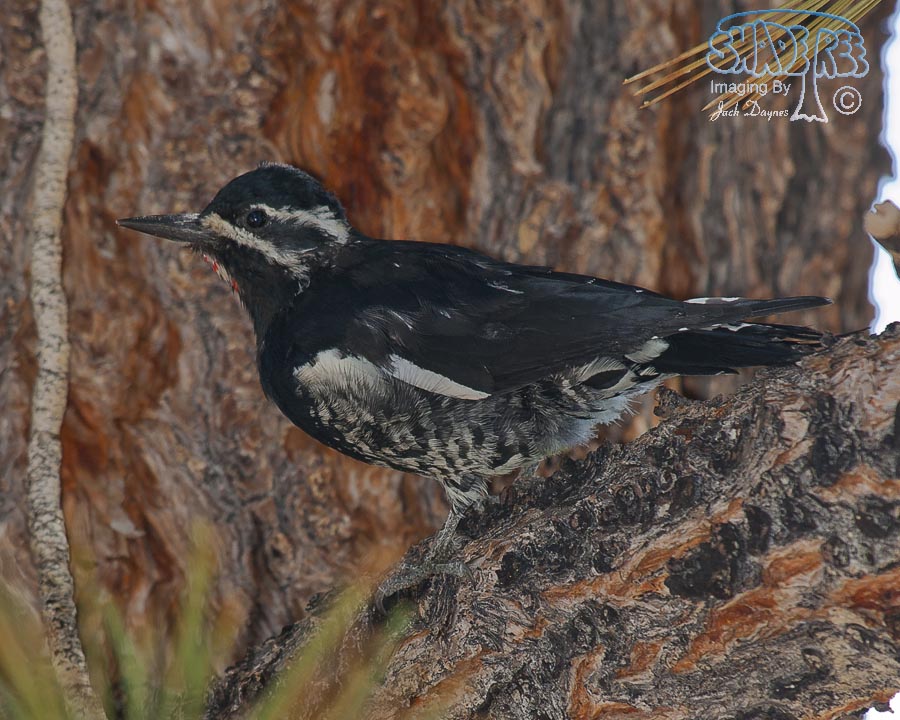
Williamson's Sapsucker(Sphyrapicus thyroideus) |
|
Description: (Sphyrapicus thyroideus) A male bird at a roadside monument to the historic Mono Mills, along State Route 120. Mono County, California USA 2014-08-09. |
Date Taken: 2014:08:09 10:45 |
|
Location:
Mono Lake |
|
Camera Information: NIKON D3X, 800 mm, f/8.0, 1/125 |
File Name: D3X7778-WilliamsonsSapsucker |
| © 2014 Jack Daynes, shadeTree-Imaging.com |
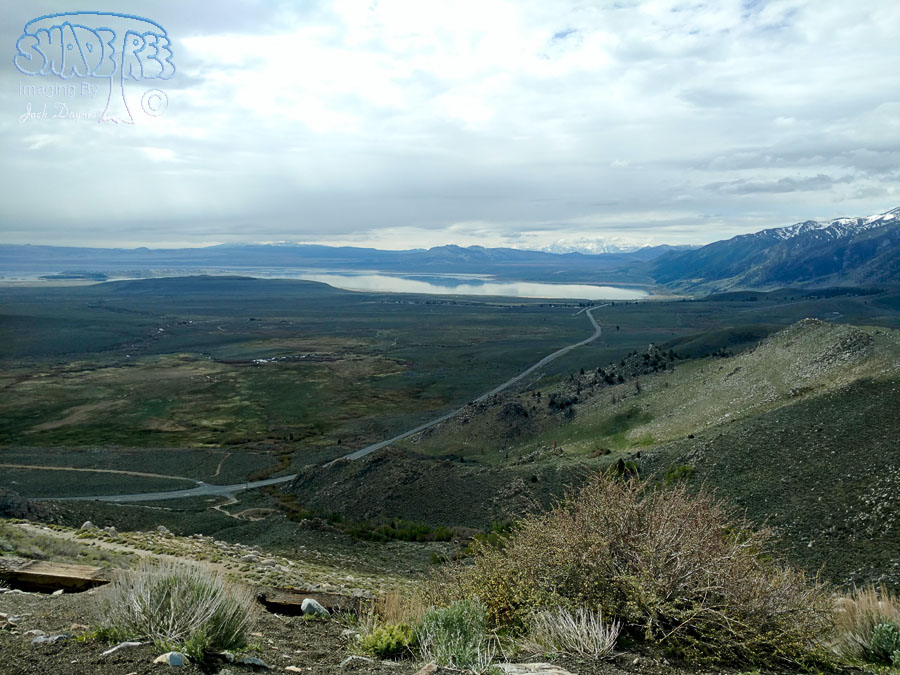
Mono Lake Vista(n/a) |
|
Description: Overlook from Highway 395, north of Lee Vining. |
Date Taken: 2016:05:08 9:37 |
|
Location:
Mono Lake |
|
Camera Information: XT1575, 4.67 mm, f/2.0, 1/1600 |
File Name: IMG_20160508_093750312-MonoLakeVistas |
| © 2016 Jack Daynes, shadeTreeImaging.com |
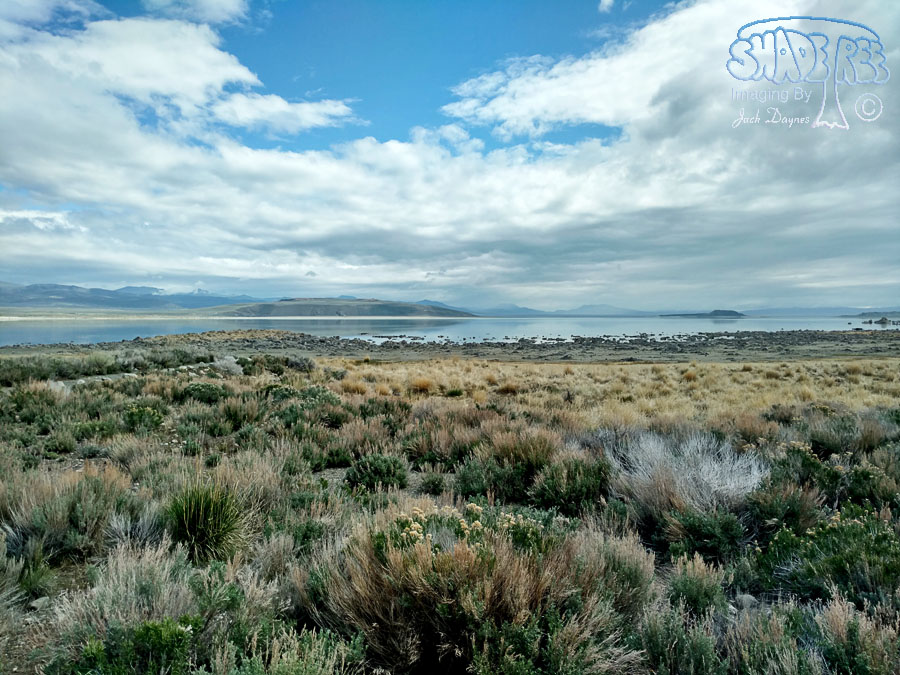
Mono Lake Vista(n/a) |
|
Description: Overlook from Highway 395, north of Lee Vining. |
Date Taken: 2016:05:08 10:13 |
|
Location:
Mono Lake |
|
Camera Information: XT1575, 4.67 mm, f/2.0, 1/1600 |
File Name: IMG_20160508_101302291-MonoLakeVistas |
| © 2016 Jack Daynes, shadeTreeImaging.com |
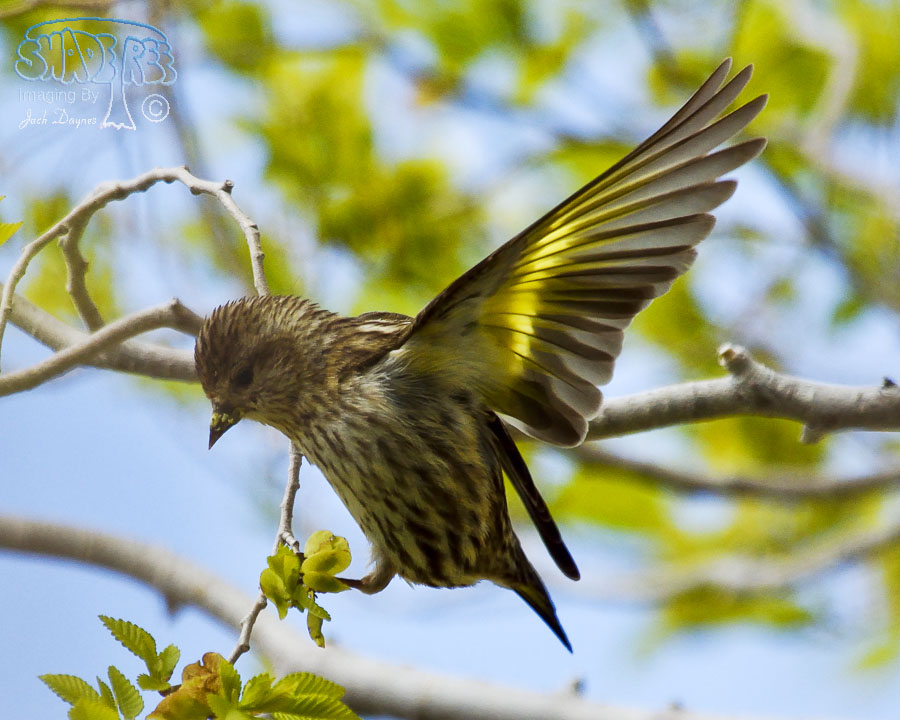
Pine Siskin(Spinus pinus) |
|
Description: Feeding on a Siberian Elm at a roadside stop north of Lee Vining California along Highway US-395 USA 2016-05-08. |
Date Taken: 2016:05:08 10:28 |
|
Location:
Mono Lake |
|
Camera Information: NIKON D7200, 800 mm, f/8.0, 1/1250 |
File Name: D72-1402-PineSiskin |
| © 2016 Jack Daynes, shadeTreeImaging.com |
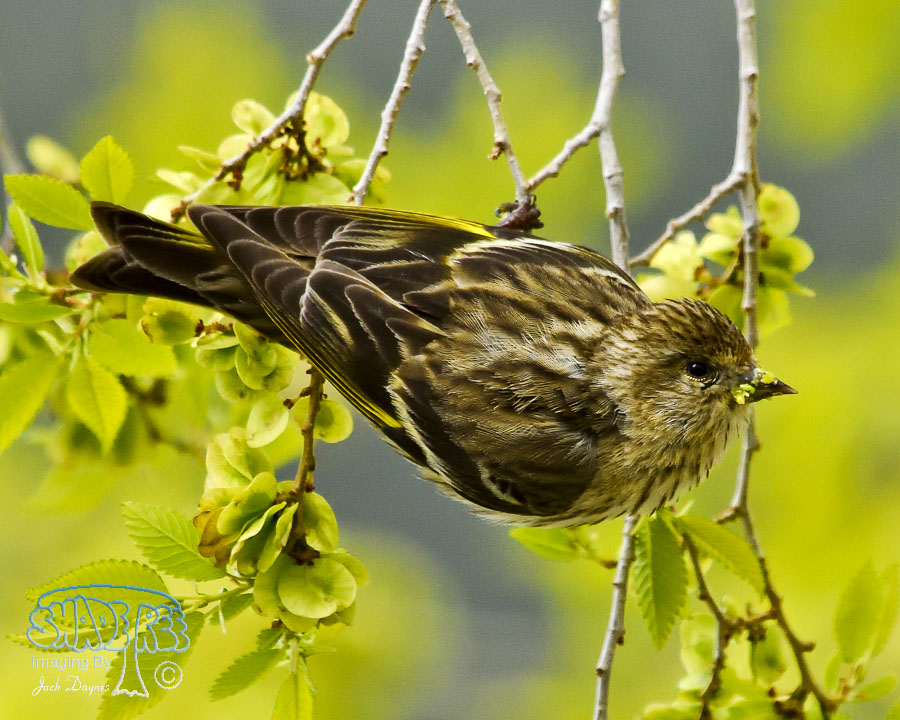
Pine Siskin(Spinus pinus) |
|
Description: Feeding on a Siberian Elm at a roadside stop north of Lee Vining California along Highway US-395 USA 2016-05-08. |
Date Taken: 2016:05:08 10:31 |
|
Location:
Mono Lake |
|
Camera Information: NIKON D7200, 800 mm, f/8.0, 1/1250 |
File Name: D72-1422-PineSiskin |
| © 2016 Jack Daynes, shadeTreeImaging.com |
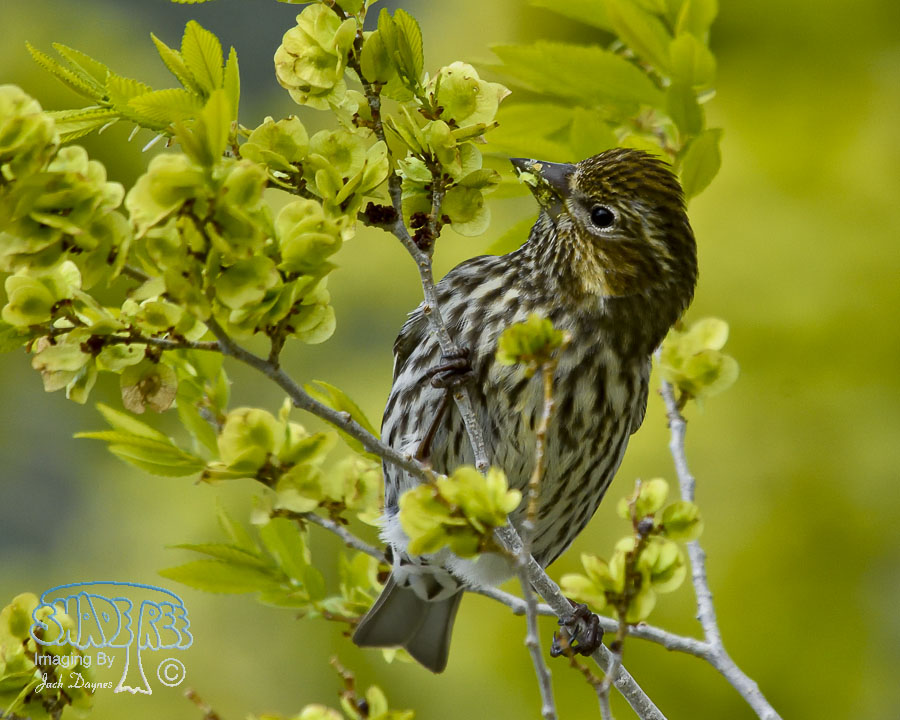
Cassin's Finch(Haemorhous cassinii) |
|
Description: Feeding on a Siberian Elm at a roadside stop north of Lee Vining California along Highway US-395 USA 2016-05-08. |
Date Taken: 2016:05:08 10:32 |
|
Location:
Mono Lake |
|
Camera Information: NIKON D7200, 800 mm, f/8.0, 1/1250 |
File Name: D72-1438-CassinsFinch |
| © 2016 Jack Daynes, shadeTreeImaging.com |
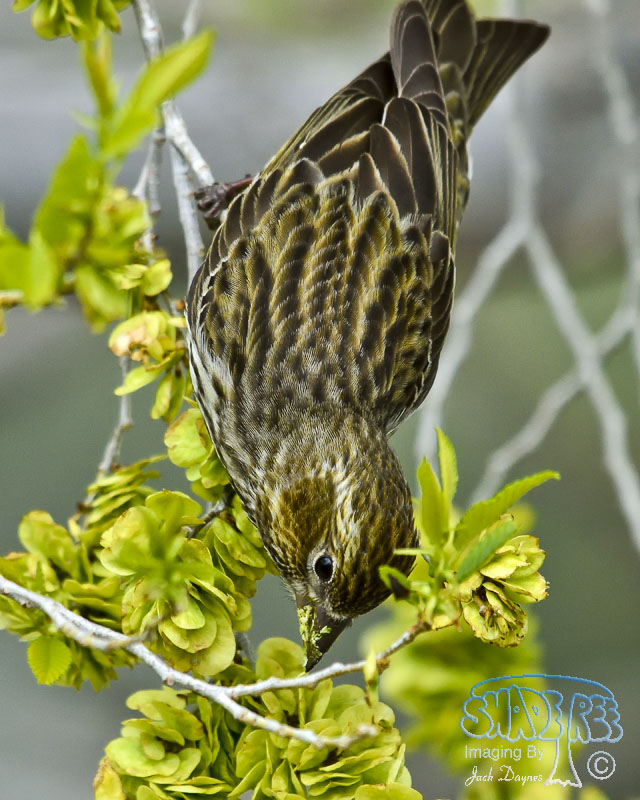
Cassin's Finch(Haemorhous cassinii) |
|
Description: Feeding on a Siberian Elm at a roadside stop north of Lee Vining California along Highway US-395 USA 2016-05-08. |
Date Taken: 2016:05:08 10:49 |
|
Location:
Mono Lake |
|
Camera Information: NIKON D7200, 800 mm, f/8.0, 1/1250 |
File Name: D72-1542-CassinsFinch |
| © 2016 Jack Daynes, shadeTreeImaging.com |
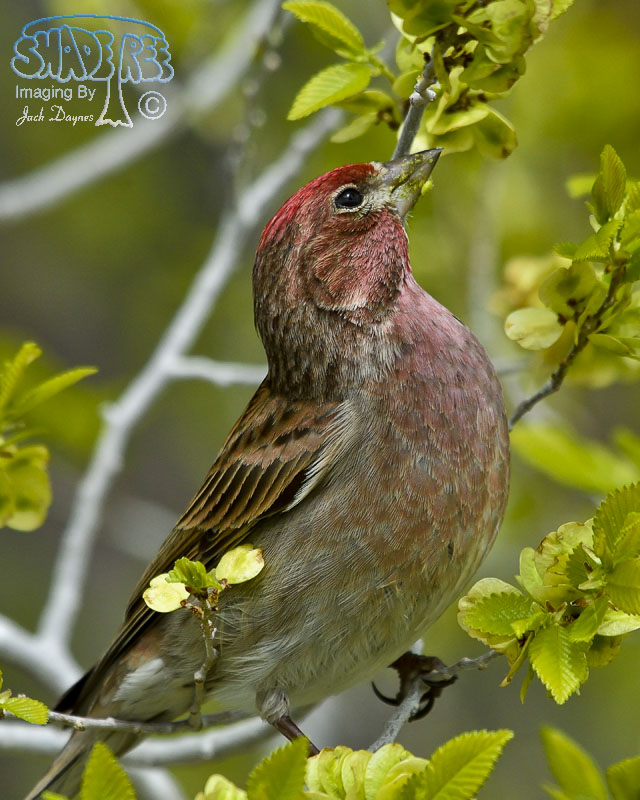
Cassin's Finch(Haemorhous cassinii) |
|
Description: Feeding on a Siberian Elm at a roadside stop north of Lee Vining California along Highway US-395 USA 2016-05-08. |
Date Taken: 2016:05:08 10:52 |
|
Location:
Mono Lake |
|
Camera Information: NIKON D7200, 800 mm, f/8.0, 1/1250 |
File Name: D72-1599-CassinsFinch |
| © 2016 Jack Daynes, shadeTreeImaging.com |
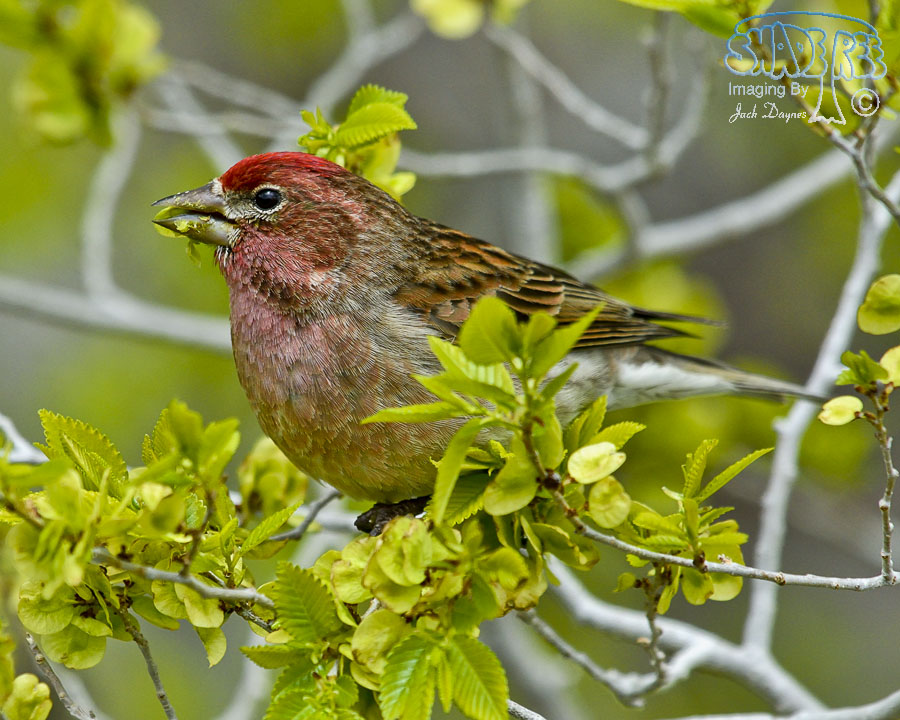
Cassin's Finch(Haemorhous cassinii) |
|
Description: Feeding on a Siberian Elm at a roadside stop north of Lee Vining California along Highway US-395 USA 2016-05-08. |
Date Taken: 2016:05:08 10:53 |
|
Location:
Mono Lake |
|
Camera Information: NIKON D7200, 800 mm, f/8.0, 1/1250 |
File Name: D72-1613-CassinsFinch |
| © 2016 Jack Daynes, shadeTreeImaging.com |
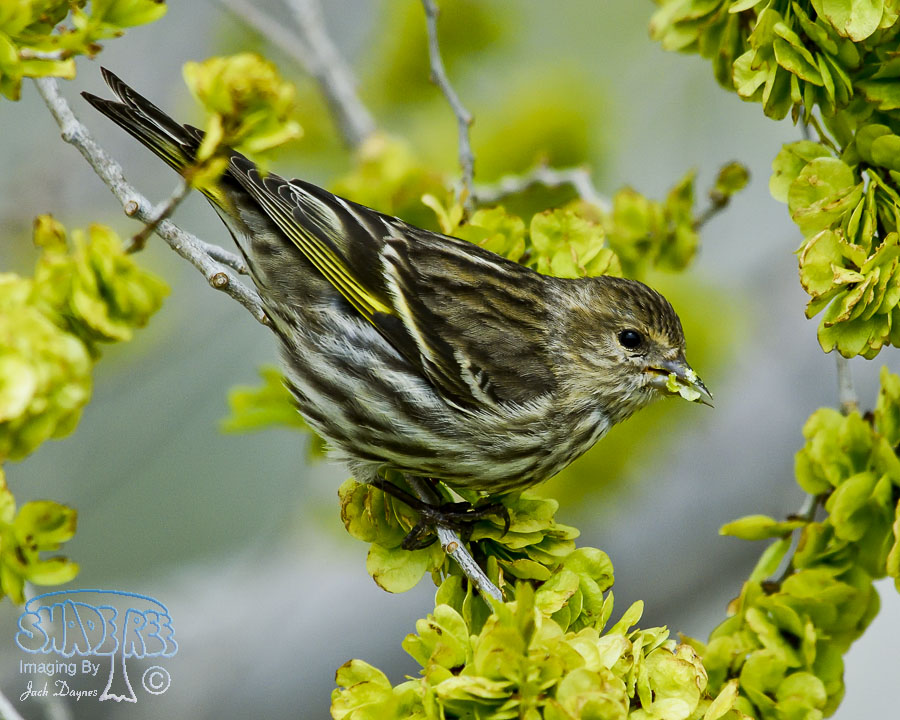
Pine Siskin(Spinus pinus) |
|
Description: Feeding on a Siberian Elm at a roadside stop north of Lee Vining California along Highway US-395 USA 2016-05-08. |
Date Taken: 2016:05:08 11:01 |
|
Location:
Mono Lake |
|
Camera Information: NIKON D7200, 800 mm, f/8.0, 1/1250 |
File Name: D72-1680-PineSiskin |
| © 2016 Jack Daynes, shadeTreeImaging.com |
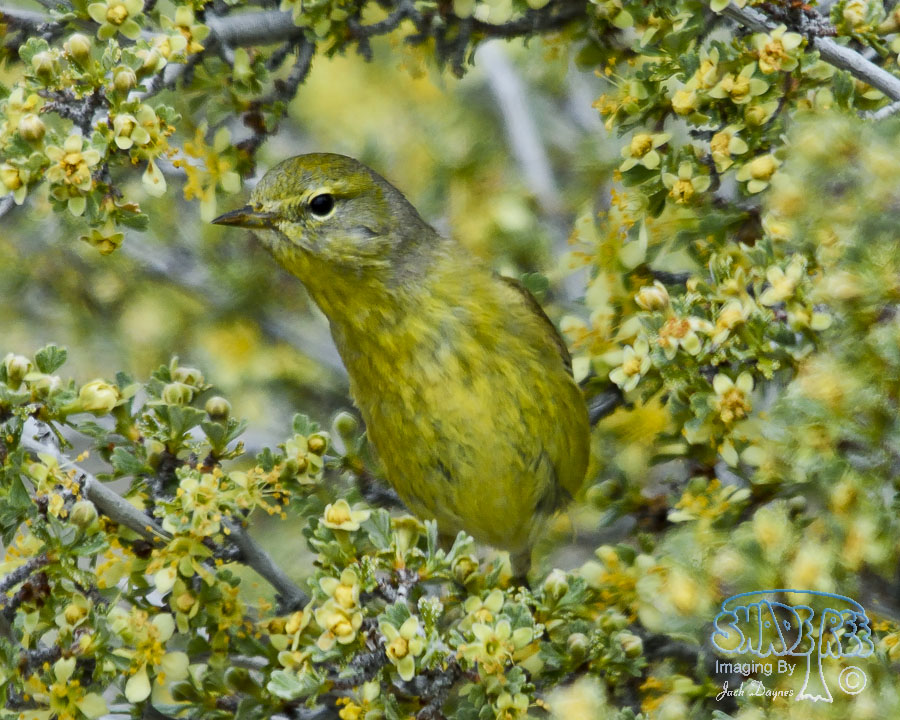
Orange-Crowned Warbler(Leiothlypis celata) |
|
Description: On the road to South Tufa near Lee Vining California. |
Date Taken: 2016:05:08 12:34 |
|
Location:
Mono Lake |
|
Camera Information: NIKON D7200, 800 mm, f/8.0, 1/1250 |
File Name: D72-1696-OrangeCrownedWarbler |
| © 2016 Jack Daynes, shadeTreeImaging.com |
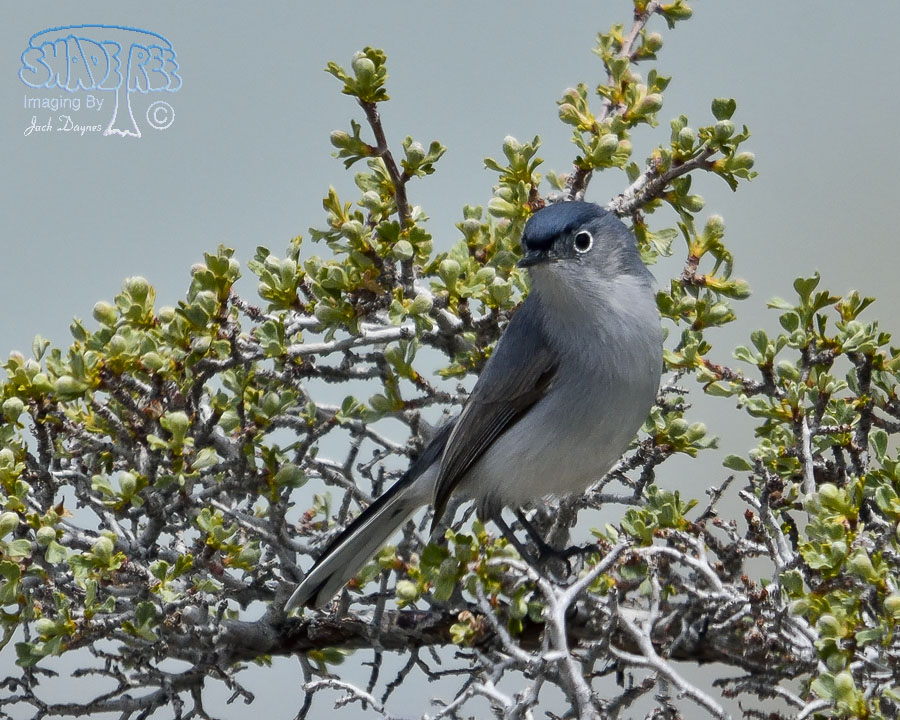
Blue-Gray Gnatcatcher(Polioptila caerulea) |
|
Description: On the road to South Tufa near Lee Vining California. |
Date Taken: 2016:05:08 12:38 |
|
Location:
Mono Lake |
|
Camera Information: NIKON D7200, 800 mm, f/8.0, 1/1600 |
File Name: D72-1705-BlueGrayGnatCatcher |
| © 2016 Jack Daynes, shadeTreeImaging.com |
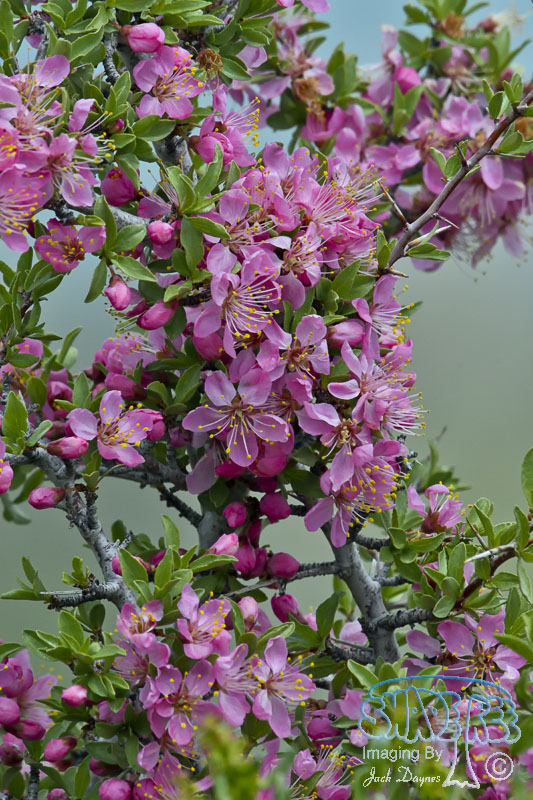
Desert Peach(Prunus andersonii) |
|
Description: On the road to South Tufa near Lee Vining California. |
Date Taken: 2016:05:08 12:43 |
|
Location:
Mono Lake |
|
Camera Information: NIKON D7200, 800 mm, f/16.0, 1/1250 |
File Name: D72-1723-DesertPeach-Flower |
| © 2016 Jack Daynes, shadeTreeImaging.com |
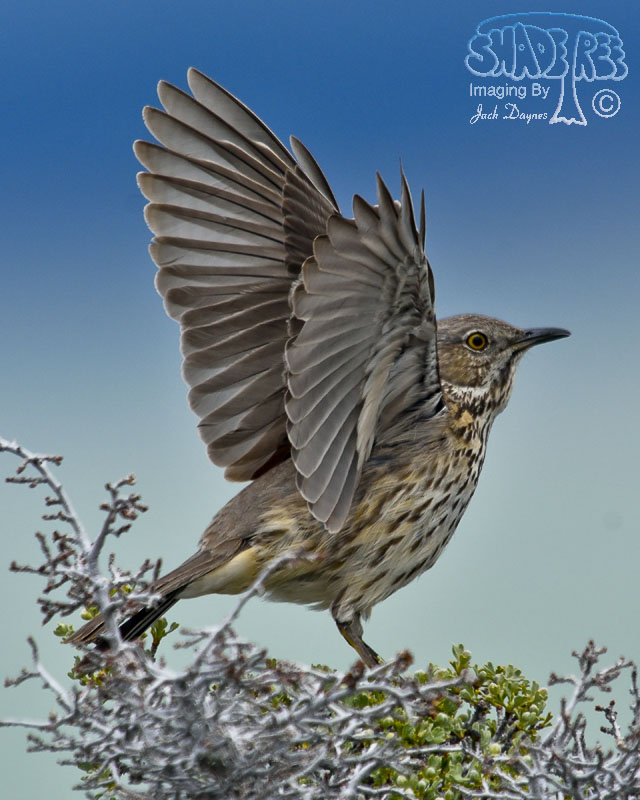
Sage Thrasher(Oreoscoptes montanus) |
|
Description: On the road to South Tufa near Lee Vining California. |
Date Taken: 2016:05:08 12:49 |
|
Location:
Mono Lake |
|
Camera Information: NIKON D7200, 800 mm, f/8.0, 1/1250 |
File Name: D72-1726-SageThrasher |
| © 2016 Jack Daynes, shadeTreeImaging.com |
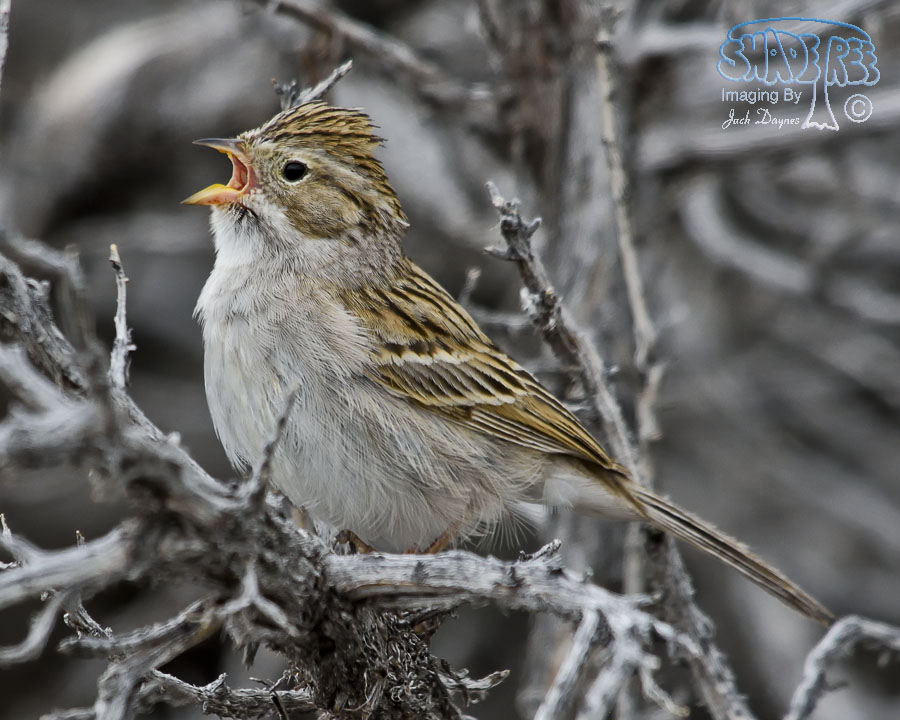
Brewer's Sparrow(Spizella breweri) |
|
Description: On the road to South Tufa near Lee Vining California. |
Date Taken: 2016:05:08 13:03 |
|
Location:
Mono Lake |
|
Camera Information: NIKON D7200, 800 mm, f/8.0, 1/1250 |
File Name: D72-1744-BrewersSparrow |
| © 2016 Jack Daynes, shadeTreeImaging.com |
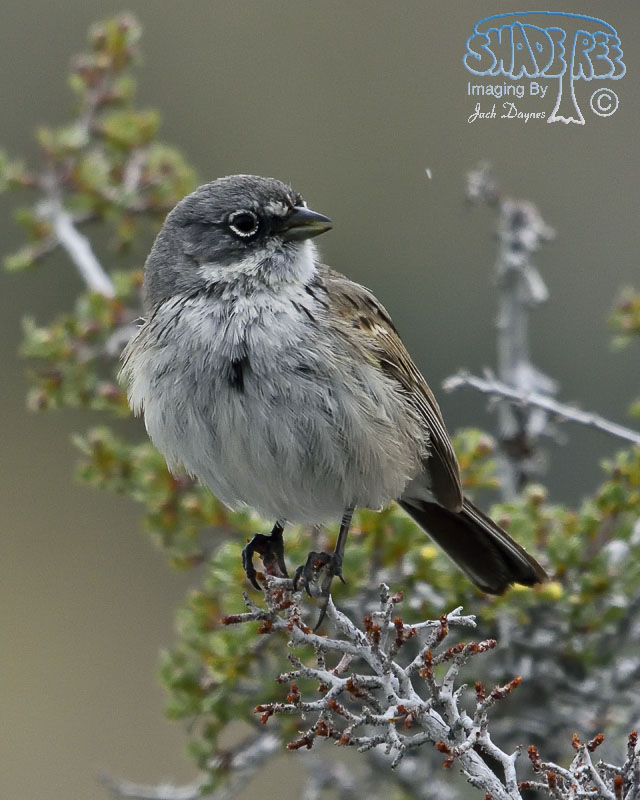
Sagebrush Sparrow(Artemisiospiza nevadensis) |
|
Description: On the road to South Tufa near Lee Vining California. |
Date Taken: 2016:05:08 13:49 |
|
Location:
Mono Lake |
|
Camera Information: NIKON D7200, 800 mm, f/8.0, 1/1250 |
File Name: D72-1792-SageBrushSparrow |
| © 2016 Jack Daynes, shadeTreeImaging.com |
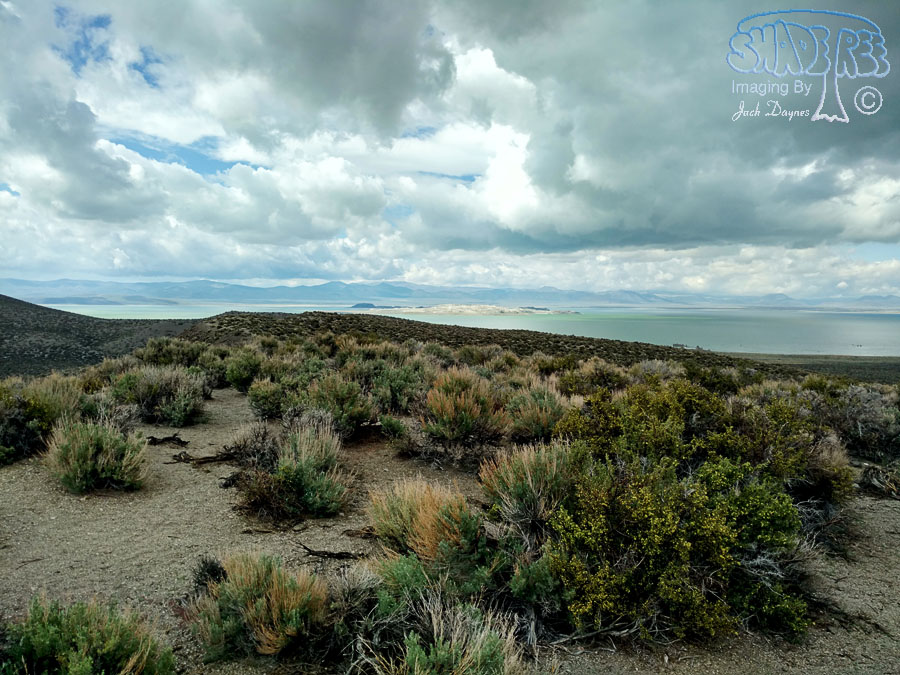
Mono Lake Vista(n/a) |
|
Description: At Mono Craters near Lee Vining California. |
Date Taken: 2016:05:08 16:10 |
|
Location:
Mono Lake |
|
Camera Information: XT1575, 4.67 mm, f/2.0, 1/1400 |
File Name: IMG_20160508_161002436-MonoLakeVistas |
| © 2016 Jack Daynes, shadeTreeImaging.com |
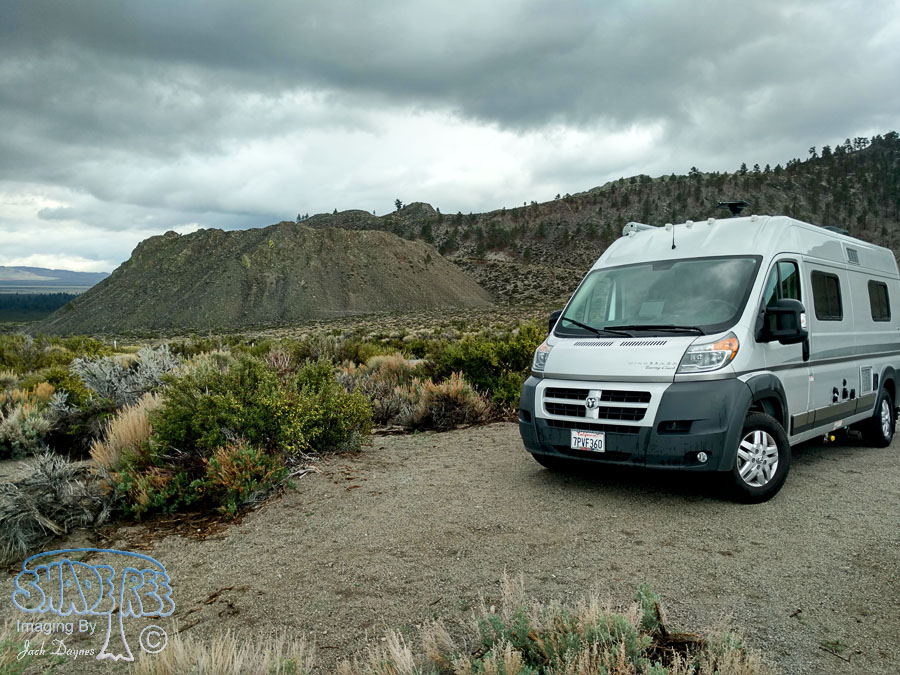
Travato(n/a) |
|
Description: At Mono Craters near Lee Vining California. |
Date Taken: 2016:05:08 16:11 |
|
Location:
Mono Lake |
|
Camera Information: XT1575, 4.67 mm, f/2.0, 1/750 |
File Name: IMG_20160508_161137977-Travato-MonoCraters |
| © 2016 Jack Daynes, shadeTreeImaging.com |
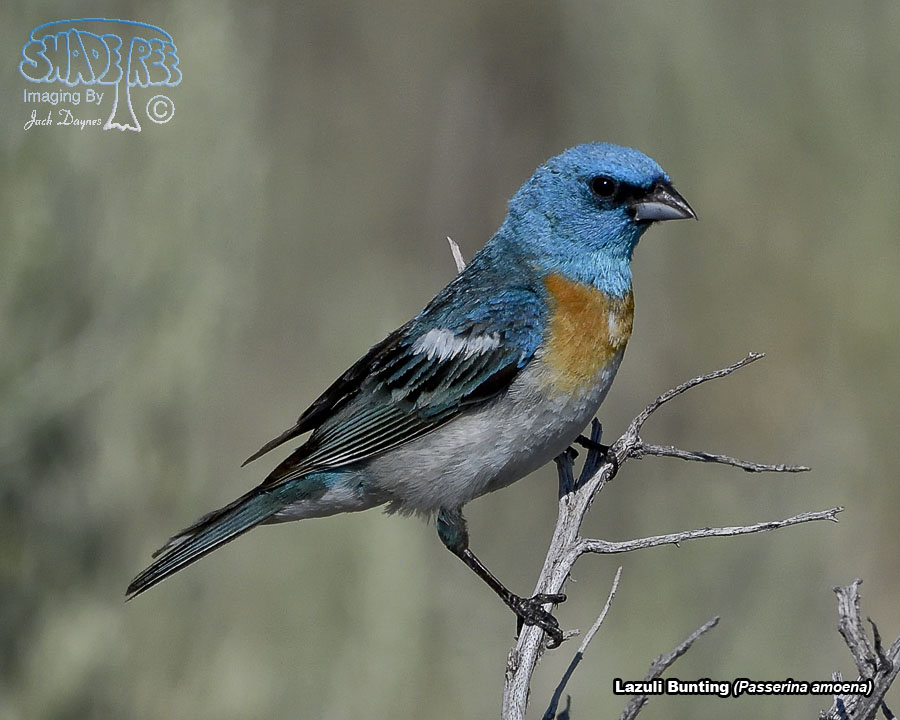
Lazuli Bunting(Passerina amoena) |
|
Description: Mono Lake Picnic Area in the northwest shore. Near Lee Vining in Mono County, just off US-395. |
Date Taken: 2017:07:12 7:36 |
|
Location:
Mono Lake |
|
Camera Information: NIKON D5, 800 mm, f/8.0, 1/5000 |
File Name: LazuliBunting_D5X8381-MonoLake |
| © 2017 Jack Daynes, shadeTreeImaging.com |
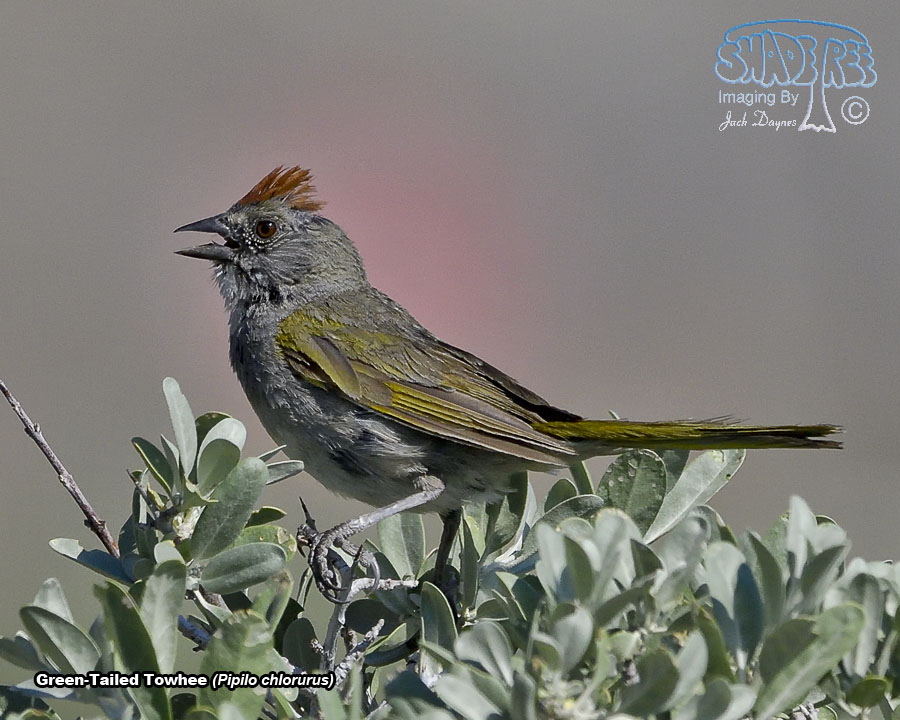
Green-Tailed Towhee(Pipilo chlorurus) |
|
Description: Mono Lake Picnic Area in the northwest shore. Near Lee Vining in Mono County, just off US-395. |
Date Taken: 2017:07:12 7:50 |
|
Location:
Mono Lake |
|
Camera Information: NIKON D5, 800 mm, f/8.0, 1/5000 |
File Name: GreenTailedTowhee_D5X8427-MonoLake |
| © 2017 Jack Daynes, shadeTreeImaging.com |
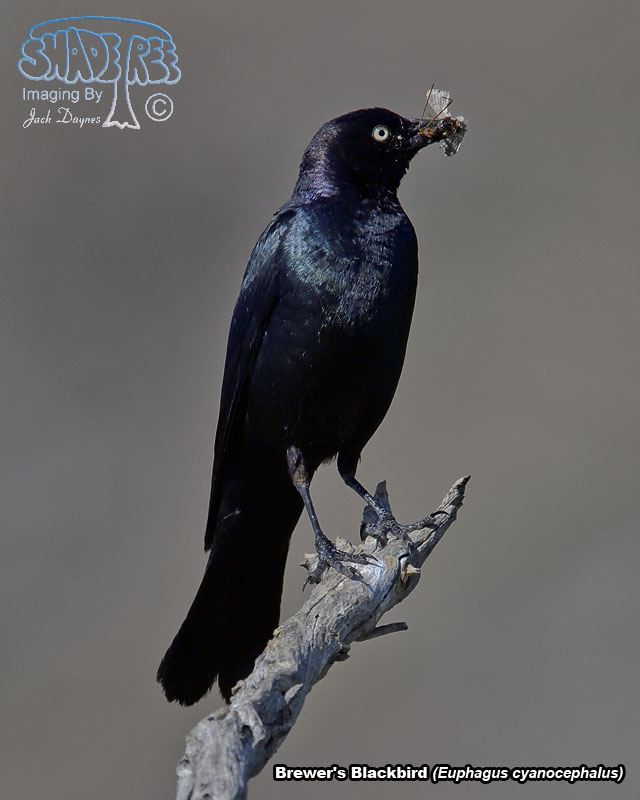
Brewer's Blackbird(Euphagus cyanocephalus) |
|
Description: Mono Lake Picnic Area in the northwest shore. Near Lee Vining in Mono County, just off US-395. |
Date Taken: 2017:07:12 7:52 |
|
Location:
Mono Lake |
|
Camera Information: NIKON D5, 800 mm, f/8.0, 1/4000 |
File Name: BrewersBlackBird_D5X8445-MonoLake |
| © 2017 Jack Daynes, shadeTreeImaging.com |
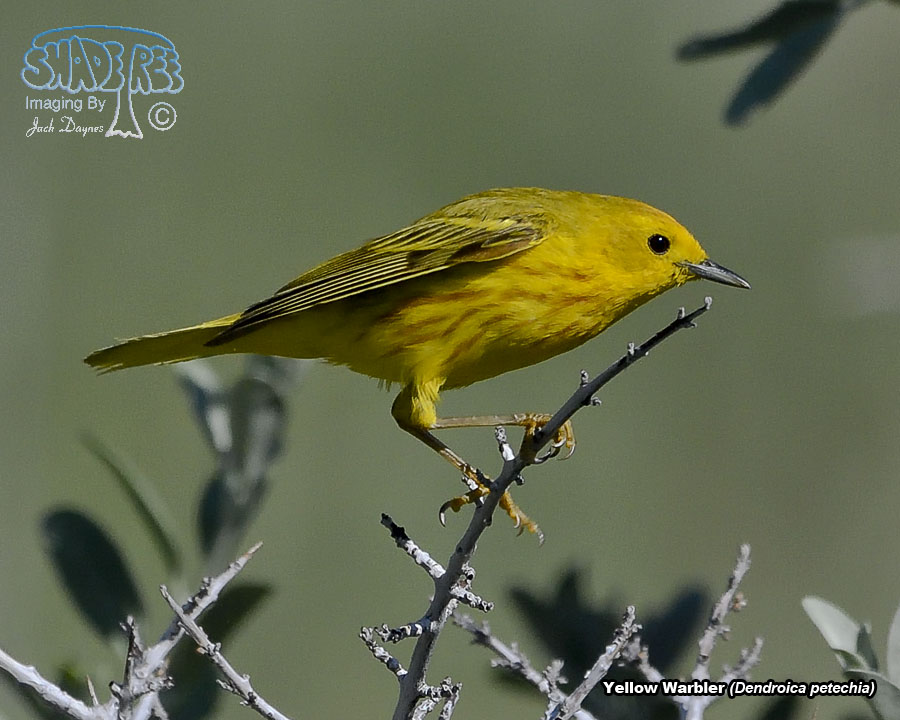
American Yellow Warbler(Setophaga petechia) |
|
Description: Mono Lake Picnic Area in the northwest shore. Near Lee Vining in Mono County, just off US-395. |
Date Taken: 2017:07:12 7:55 |
|
Location:
Mono Lake |
|
Camera Information: NIKON D5, 800 mm, f/8.0, 1/4000 |
File Name: YellowWarbler_D5X8455-MonoLake |
| © 2017 Jack Daynes, shadeTree Imaging |
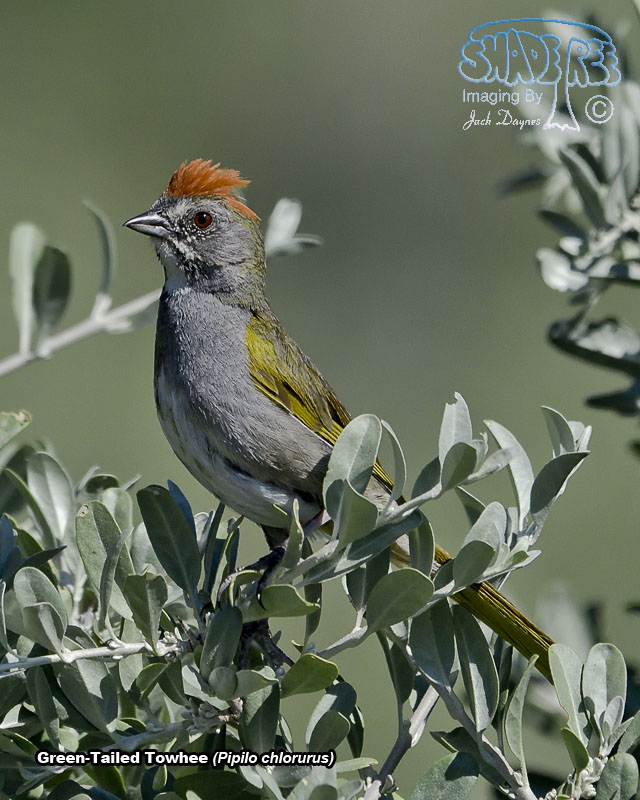
Green-Tailed Towhee(Pipilo chlorurus) |
|
Description: Mono Lake Picnic Area in the northwest shore. Near Lee Vining in Mono County, just off US-395. |
Date Taken: 2017:07:12 8:06 |
|
Location:
Mono Lake |
|
Camera Information: NIKON D5, 800 mm, f/8.0, 1/4000 |
File Name: GreenTailedTowhee_D5X8476-MonoLake |
| © 2017 Jack Daynes, shadeTreeImaging.com |
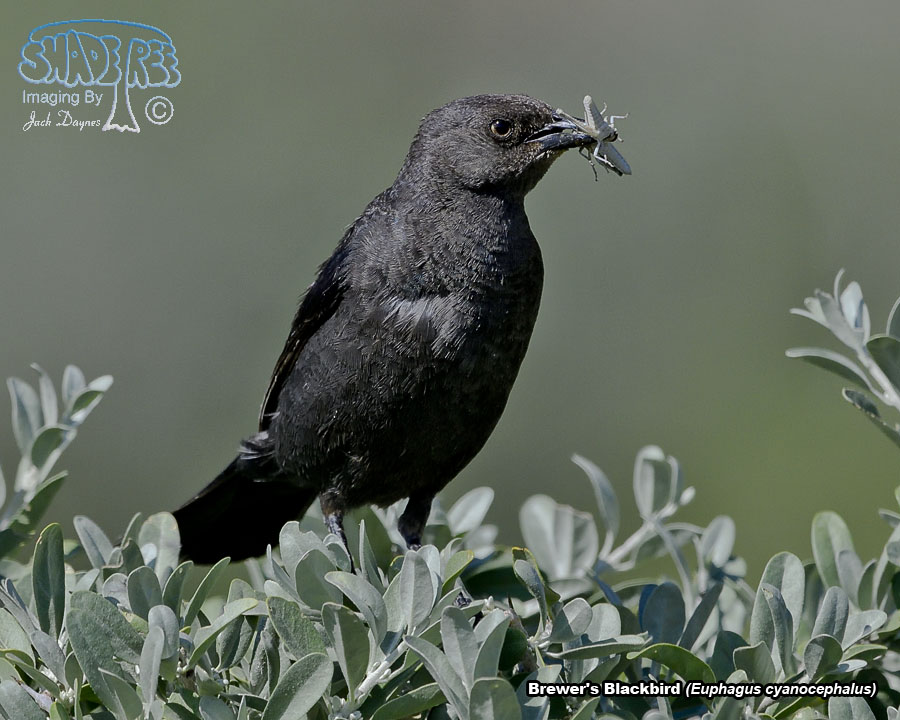
Brewer's Blackbird(Euphagus cyanocephalus) |
|
Description: Mono Lake Picnic Area in the northwest shore. Near Lee Vining in Mono County, just off US-395. |
Date Taken: 2017:07:12 8:11 |
|
Location:
Mono Lake |
|
Camera Information: NIKON D5, 800 mm, f/8.0, 1/3200 |
File Name: BrewersBlackBird_D5X8504-MonoLake |
| © 2017 Jack Daynes, shadeTreeImaging.com |
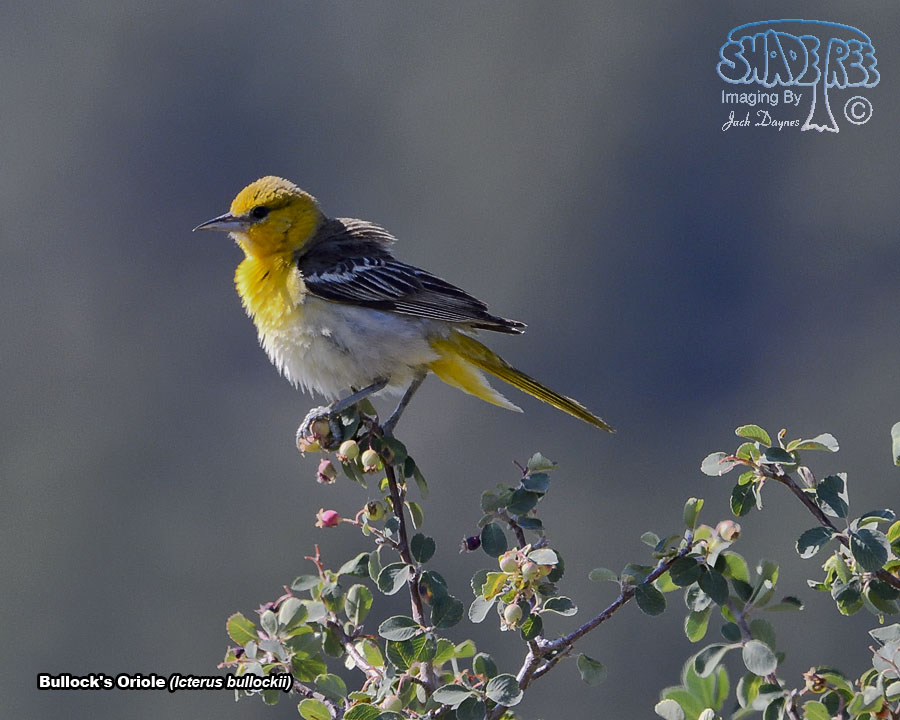
Bullock's Oriole(Icterus bullockii) |
|
Description: Mono Lake Picnic Area in the northwest shore. Near Lee Vining in Mono County, just off US-395. |
Date Taken: 2017:07:12 8:13 |
|
Location:
Mono Lake |
|
Camera Information: NIKON D5, 800 mm, f/8.0, 1/1600 |
File Name: BullocksOriole_D5X8536-MonoLake |
| © 2017 Jack Daynes, shadeTreeImaging.com |
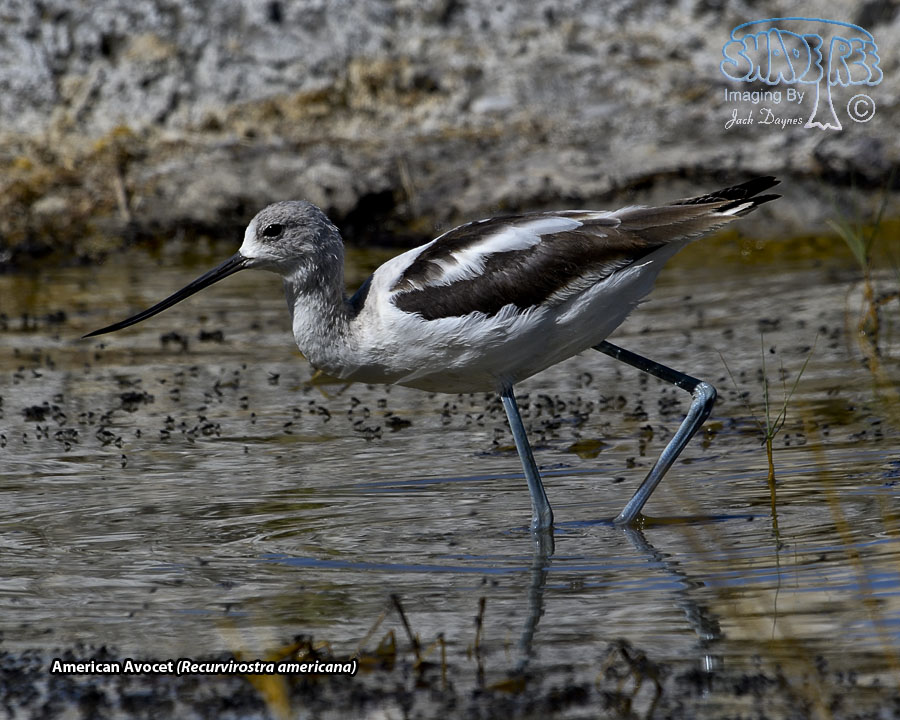
American Avocet(Recurvirostra americana) |
|
Description: Avocets were feeding in the shallow waters near the shoreline. This image was captured during a 4 hour vigil at the Mono Lake shore north of Lee Vining California. Summers at Mono Lake, when the algae blooms occur in this super-salty water, Brine-flies (or Alkali Flies) feed on the algae. Millions of birds, as many as 80 species feed on the fat and protein rich flies. |
Date Taken: 2019:08:20 15:45 |
|
Location:
Mono Lake |
|
Camera Information: NIKON D5, 800 mm, f/14.0, 1/1000 |
File Name: AmericanAvocet_D5X5513-MonoLake |
| © 2019 Jack Daynes, shadeTreeImaging.com |
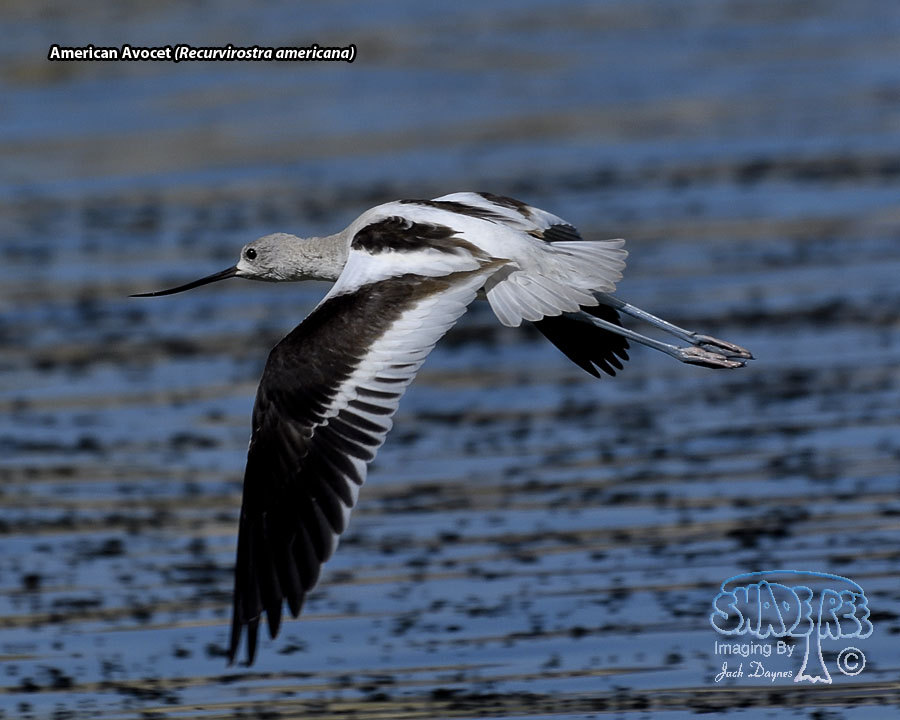
American Avocet(Recurvirostra americana) |
|
Description: Avocets were feeding in the shallow waters near the shoreline. This image was captured during a 4 hour vigil at the Mono Lake shore north of Lee Vining California. Summers at Mono Lake, when the algae blooms occur in this super-salty water, Brine-flies (or Alkali Flies) feed on the algae. Millions of birds, as many as 80 species feed on the fat and protein-rich flies. |
Date Taken: 2019:08:20 15:45 |
|
Location:
Mono Lake |
|
Camera Information: NIKON D5, 800 mm, f/14.0, 1/1250 |
File Name: AmericanAvocet_D5X5537-MonoLake |
| © 2019 Jack Daynes, shadeTreeImaging.com |
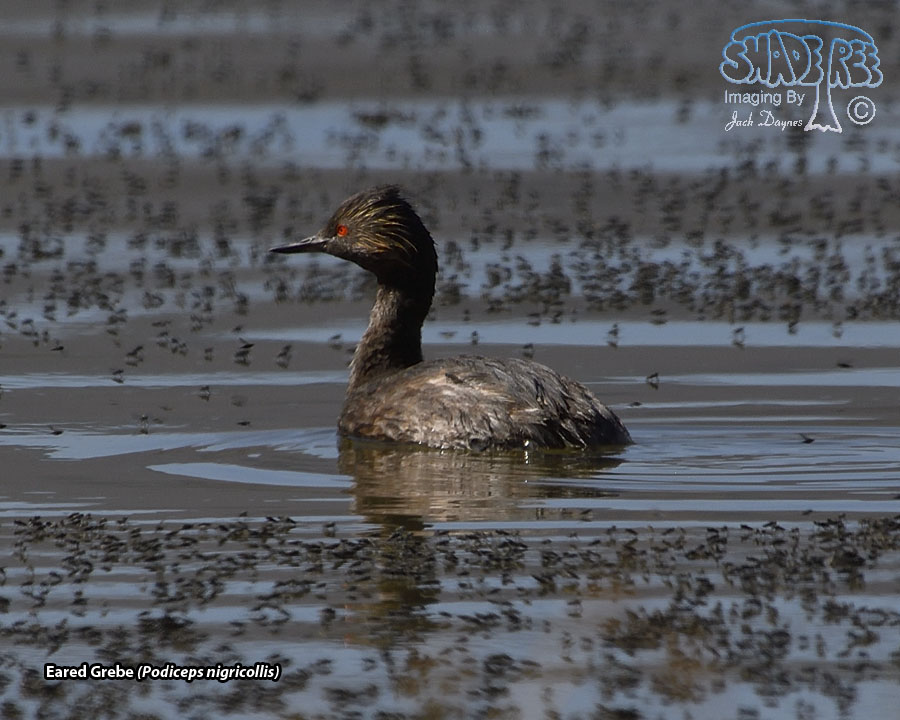
Eared Grebe(Podiceps nigricollis) |
|
Description: These grebes seemed to prefer the waters far from the shoreline. This image was captured during a 4 hour vigil at the Mono Lake shore north of Lee Vining California. Summers at Mono Lake, when the algae blooms occur in this super-salty water, Brine-flies (or Alkali Flies) feed on the algae. Millions of birds, as many as 80 species feed on the fat and protein rich flies. |
Date Taken: 2019:08:20 16:09 |
|
Location:
Mono Lake |
|
Camera Information: NIKON D5, 800 mm, f/14.0, 1/1000 |
File Name: EaredGrebe_D5X5628-MonoLake |
| © 2019 Jack Daynes, shadeTreeImaging.com |
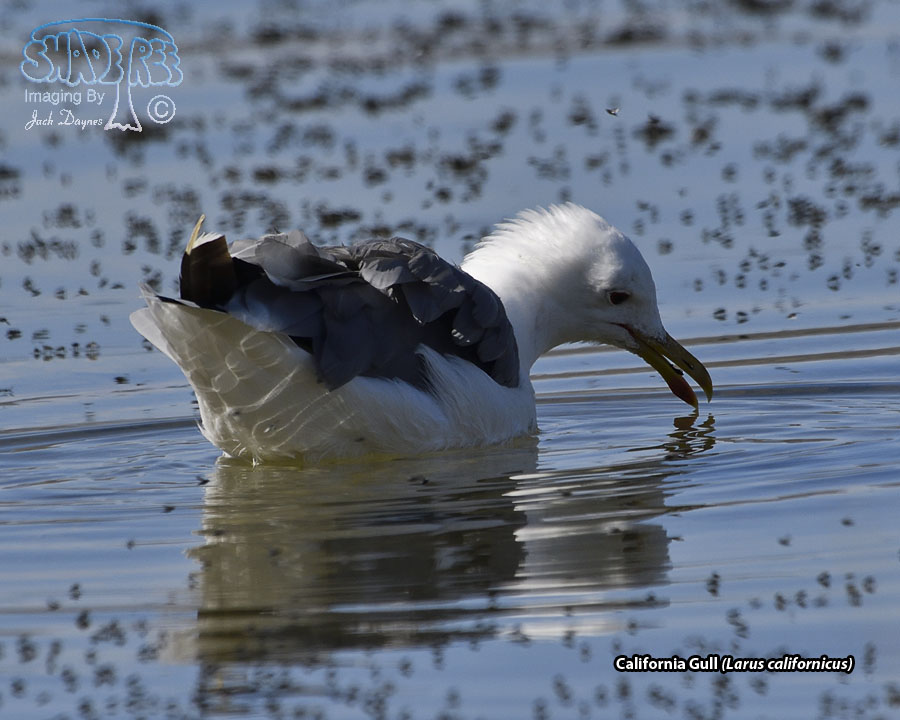
California Gull(Larus californicus) |
|
Description: Mono Lake hosts the 2nd largest breeding colony of California Gulls in the world. This image was captured during a 4 hour vigil at the Mono Lake shore north of Lee Vining California. Summers at Mono Lake, when the algae blooms occur in this super-salty water, Brine-flies (or Alkali Flies) feed on the algae. Millions of birds, as many as 80 species feed on the fat and protein rich flies. |
Date Taken: 2019:08:20 16:16 |
|
Location:
Mono Lake |
|
Camera Information: NIKON D5, 800 mm, f/14.0, 1/1250 |
File Name: CaliforniaGull_D5X5648-MonoLake |
| © 2019 Jack Daynes, shadeTreeImaging.com |
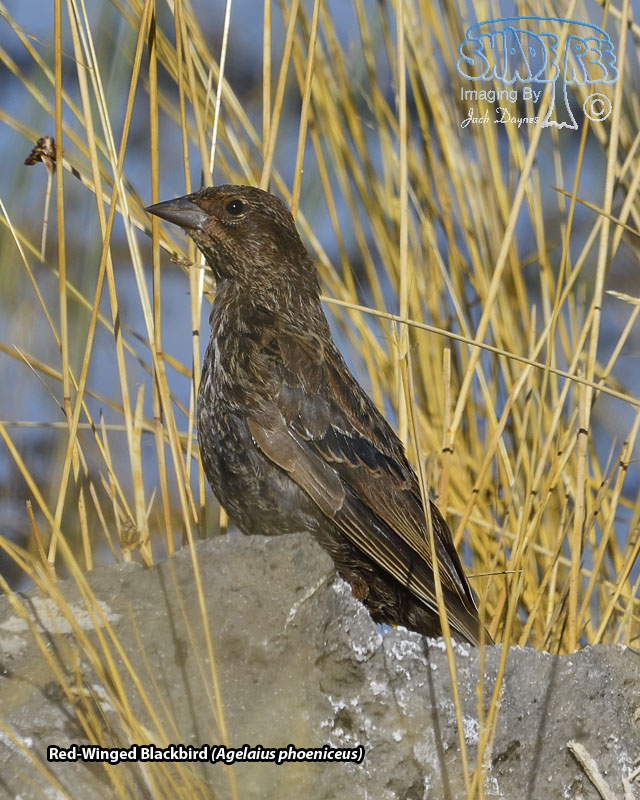
Red-Winged Blackbird(Agelaius phoeniceus) |
|
Description: Most of the blackbirds I met on this visit to Mono Lake were Red-Winged, but Brewer's and Yellow-Headed Blackbirds were also in attendance. This image was captured during a 4 hour vigil at the Mono Lake shore north of Lee Vining California. Summers at Mono Lake, when the algae blooms occur in this super-salty water, Brine-flies (or Alkali Flies) feed on the algae. Millions of birds, as many as 80 species feed on the fat and protein rich flies. |
Date Taken: 2019:08:20 16:42 |
|
Location:
Mono Lake |
|
Camera Information: NIKON D5, 800 mm, f/14.0, 1/1000 |
File Name: RedWingedBlackbird_D5X5912-MonoLake |
| © 2019 Jack Daynes, shadeTreeImaging.com |
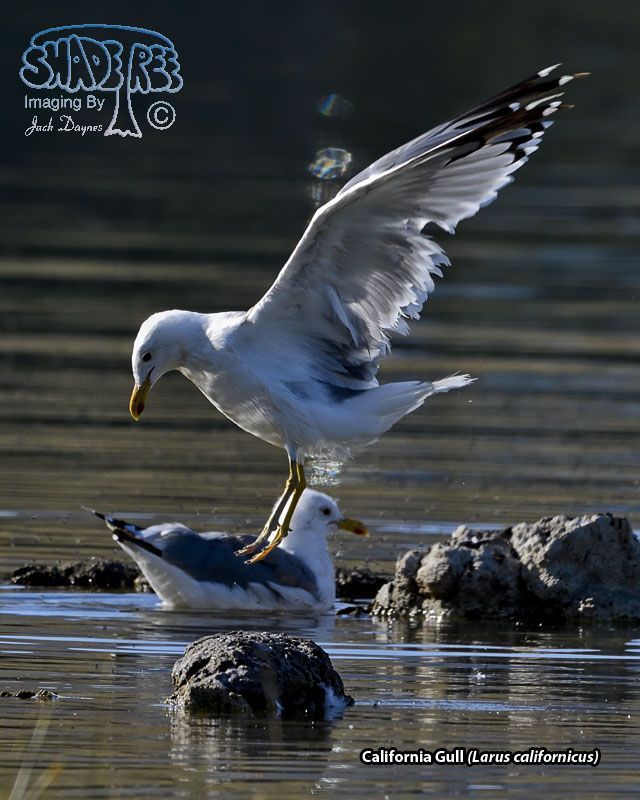
California Gull(Larus californicus) |
|
Description: Mono Lake hosts the 2nd largest breeding colony of California Gulls in the world. This image was captured during a 4 hour vigil at the Mono Lake shore north of Lee Vining California. Summers at Mono Lake, when the algae blooms occur in this super-salty water, Brine-flies (or Alkali Flies) feed on the algae. Millions of birds, as many as 80 species feed on the fat and protein rich flies. |
Date Taken: 2019:08:20 17:11 |
|
Location:
Mono Lake |
|
Camera Information: NIKON D5, 800 mm, f/16.0, 1/800 |
File Name: CaliforniaGull_D5X6200-MonoLake |
| © 2019 Jack Daynes, shadeTreeImaging.com |
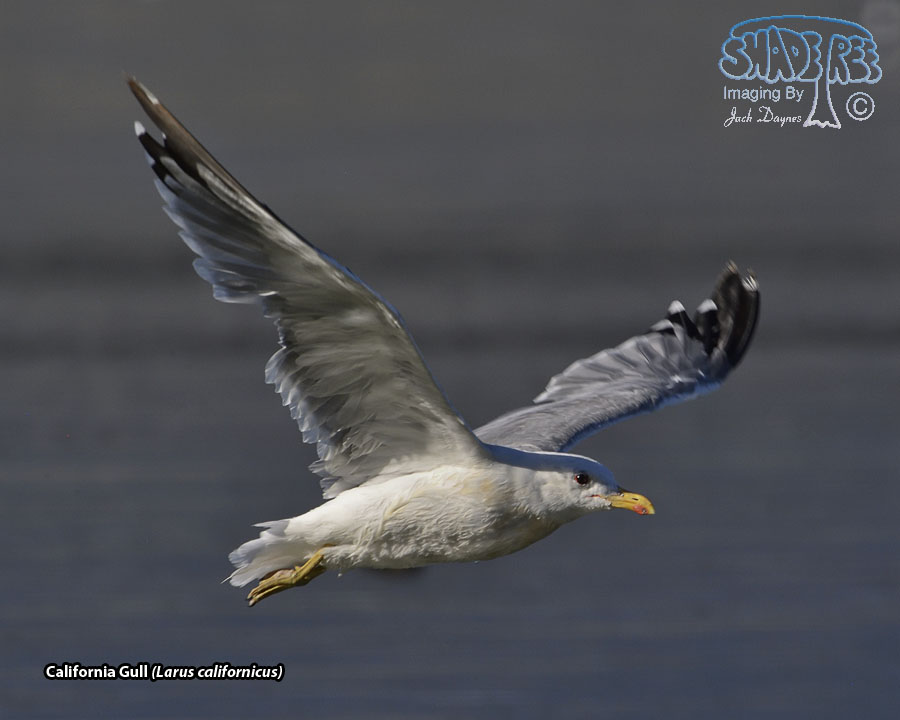
California Gull(Larus californicus) |
|
Description: Mono Lake hosts the 2nd largest breeding colony of California Gulls in the world. This image was captured during a 4 hour vigil at the Mono Lake shore north of Lee Vining California. Summers at Mono Lake, when the algae blooms occur in this super-salty water, Brine-flies (or Alkali Flies) feed on the algae. Millions of birds, as many as 80 species feed on the fat and protein rich flies. |
Date Taken: 2019:08:20 17:19 |
|
Location:
Mono Lake |
|
Camera Information: NIKON D5, 800 mm, f/16.0, 1/800 |
File Name: CaliforniaGull_D5X6345-MonoLake |
| © 2019 Jack Daynes, shadeTreeImaging.com |
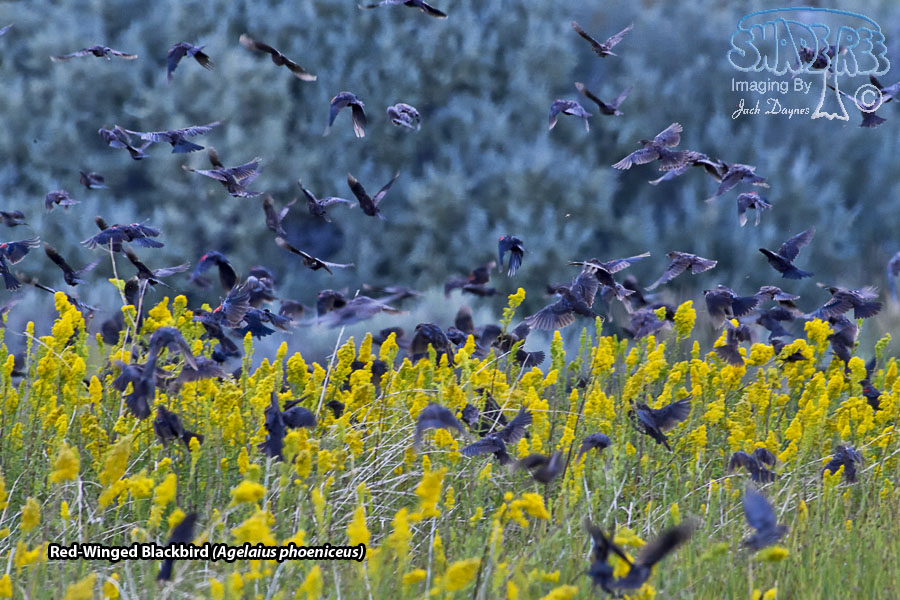
Red-Winged Blackbird(Agelaius phoeniceus) |
|
Description: Most of the blackbirds I met on this visit to Mono Lake were Red-Winged, but Brewer's and Yellow-Headed Blackbirds were also in attendance. This image was captured during a 4 hour vigil at the Mono Lake shore north of Lee Vining California. Summers at Mono Lake, when the algae blooms occur in this super-salty water, Brine-flies (or Alkali Flies) feed on the algae. Millions of birds, as many as 80 species feed on the fat and protein rich flies. |
Date Taken: 2019:08:20 17:29 |
|
Location:
Mono Lake |
|
Camera Information: NIKON D5, 800 mm, f/16.0, 1/500 |
File Name: RedWingedBlackbird_D5X6506-MonoLake |
| © 2019 Jack Daynes, shadeTreeImaging.com |
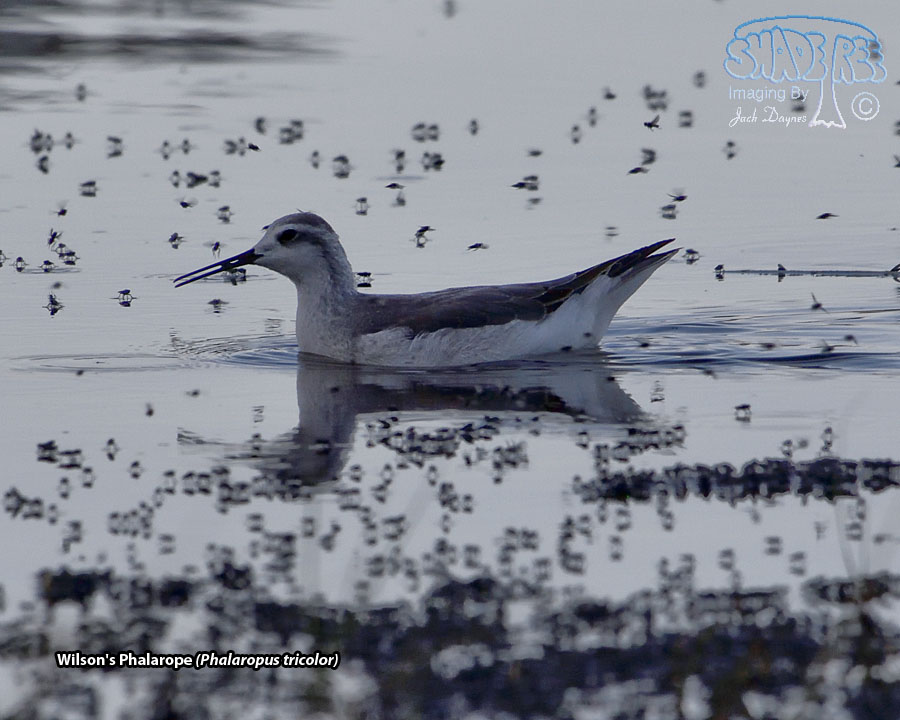
Wilson's Phalarope(Phalaropus tricolor) |
|
Description: All the Wilson's Phalaropes I saw on this visit to Mono Lake seemed to be hatch-year birds. Mom probably left after the eggs were laid, and dad left when he felt the young birds could find their own food. This image was captured during a 4 hour vigil at the Mono Lake shore north of Lee Vining California. Summers at Mono Lake, when the algae blooms occur in this super-salty water, Brine-flies (or Alkali Flies) feed on the algae. Millions of birds, as many as 80 species feed on the fat and protein rich flies. |
Date Taken: 2019:08:20 17:33 |
|
Location:
Mono Lake |
|
Camera Information: NIKON D5, 800 mm, f/16.0, 1/800 |
File Name: WilsonsPhalarope_D5X6540-MonoLake |
| © 2019 Jack Daynes, shadeTreeImaging.com |
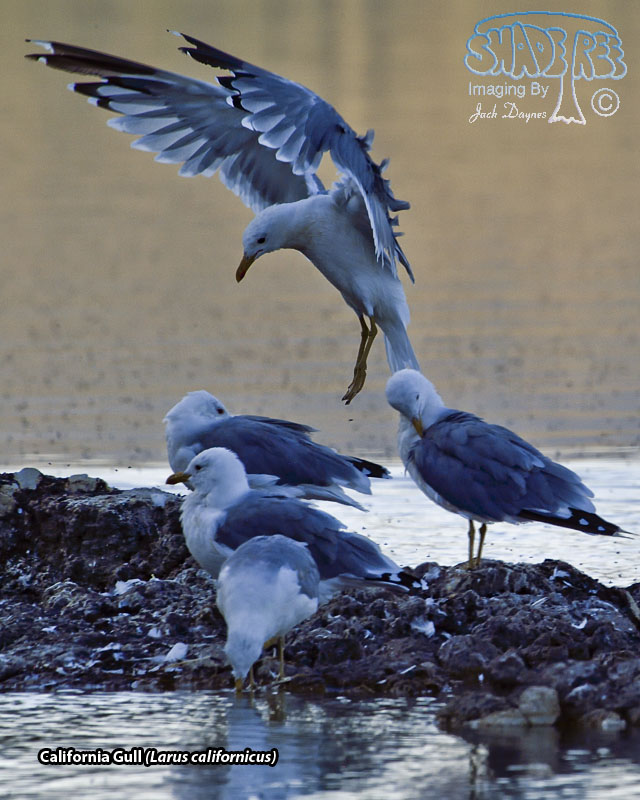
California Gull(Larus californicus) |
|
Description: Mono Lake hosts the 2nd largest breeding colony of California Gulls in the world. This image was captured during a 4 hour vigil at the Mono Lake shore north of Lee Vining California. Summers at Mono Lake, when the algae blooms occur in this super-salty water, Brine-flies (or Alkali Flies) feed on the algae. Millions of birds, as many as 80 species feed on the fat and protein rich flies. |
Date Taken: 2019:08:20 17:47 |
|
Location:
Mono Lake |
|
Camera Information: NIKON D5, 800 mm, f/16.0, 1/800 |
File Name: CaliforniaGull_D5X6891-MonoLake |
| © 2019 Jack Daynes, shadeTreeImaging.com |
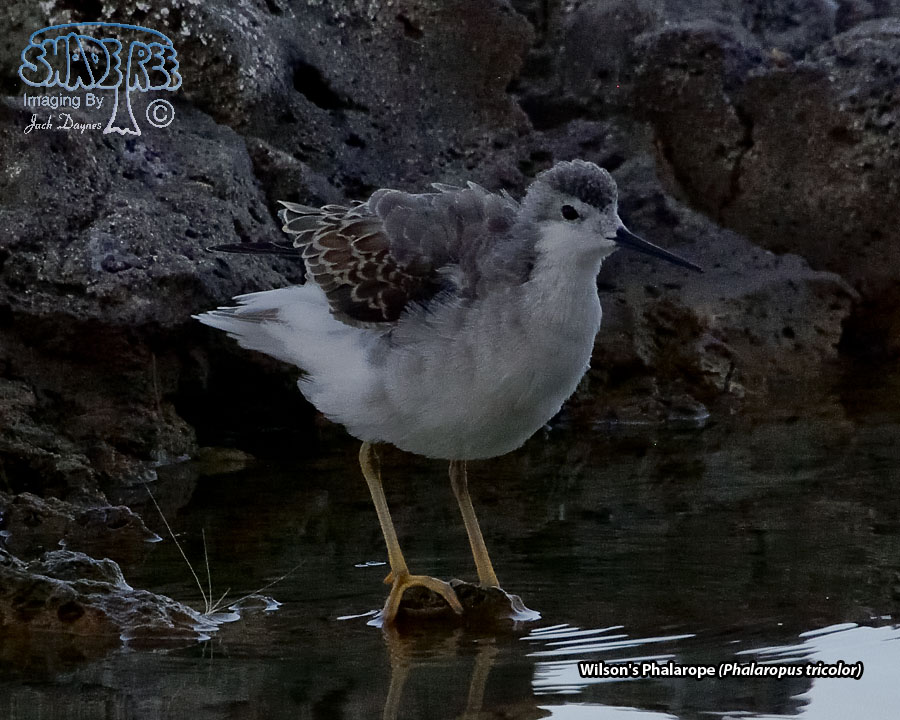
Wilson's Phalarope(Phalaropus tricolor) |
|
Description: All the Wilson's Phalaropes I saw on this visit to Mono Lake seemed to be hatch-year birds. Mom probably left after the eggs were laid, and dad left when he felt the young birds could find their own food. This image was captured during a 4 hour vigil at the Mono Lake shore north of Lee Vining California. Summers at Mono Lake, when the algae blooms occur in this super-salty water, Brine-flies (or Alkali Flies) feed on the algae. Millions of birds, as many as 80 species feed on the fat and protein rich flies. |
Date Taken: 2019:08:20 18:11 |
|
Location:
Mono Lake |
|
Camera Information: NIKON D5, 800 mm, f/18.0, 1/800 |
File Name: WilsonsPhalarope_D5X7330-MonoLake |
| © 2019 Jack Daynes, shadeTreeImaging.com |
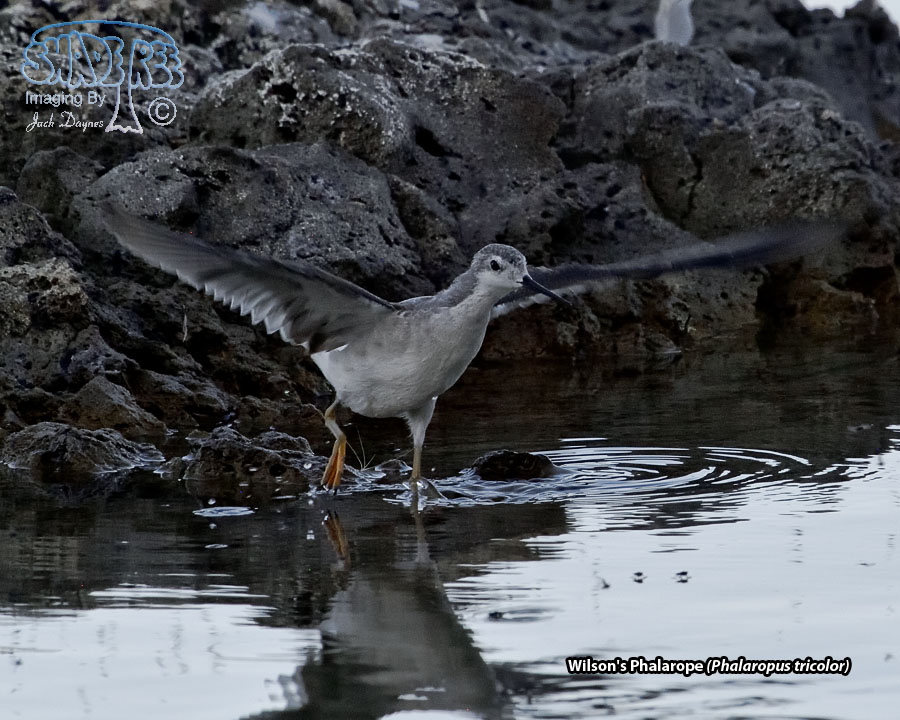
Wilson's Phalarope(Phalaropus tricolor) |
|
Description: All the Wilson's Phalaropes I saw on this visit to Mono Lake seemed to be hatch-year birds. Mom probably left after the eggs were laid, and dad left when he felt the young birds could find their own food. This image was captured during a 4 hour vigil at the Mono Lake shore north of Lee Vining California. Summers at Mono Lake, when the algae blooms occur in this super-salty water, Brine-flies (or Alkali Flies) feed on the algae. Millions of birds, as many as 80 species feed on the fat and protein rich flies. |
Date Taken: 2019:08:20 18:12 |
|
Location:
Mono Lake |
|
Camera Information: NIKON D5, 800 mm, f/18.0, 1/800 |
File Name: WilsonsPhalarope_D5X7342-MonoLake |
| © 2019 Jack Daynes, shadeTreeImaging.com |
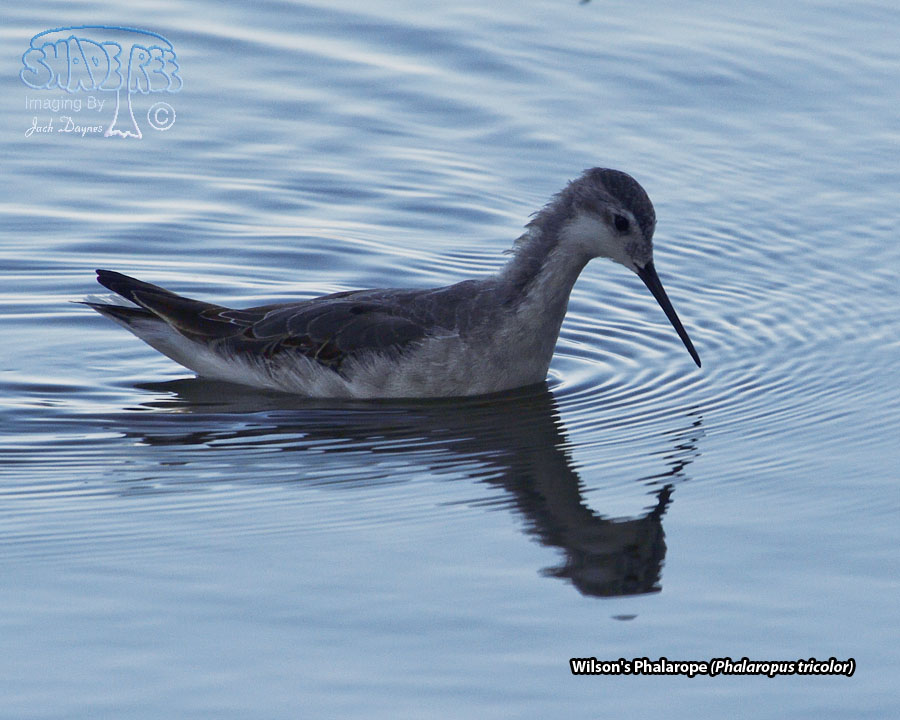
Wilson's Phalarope(Phalaropus tricolor) |
|
Description: All the Wilson's Phalaropes I saw on this visit to Mono Lake seemed to be hatch-year birds. Mom probably left after the eggs were laid, and dad left when he felt the young birds could find their own food. This image was captured during a 4 hour vigil at the Mono Lake shore north of Lee Vining California. Summers at Mono Lake, when the algae blooms occur in this super-salty water, Brine-flies (or Alkali Flies) feed on the algae. Millions of birds, as many as 80 species feed on the fat and protein rich flies. |
Date Taken: 2019:08:20 18:12 |
|
Location:
Mono Lake |
|
Camera Information: NIKON D5, 800 mm, f/18.0, 1/800 |
File Name: WilsonsPhalarope_D5X7372-MonoLake |
| © 2019 Jack Daynes, shadeTreeImaging.com |
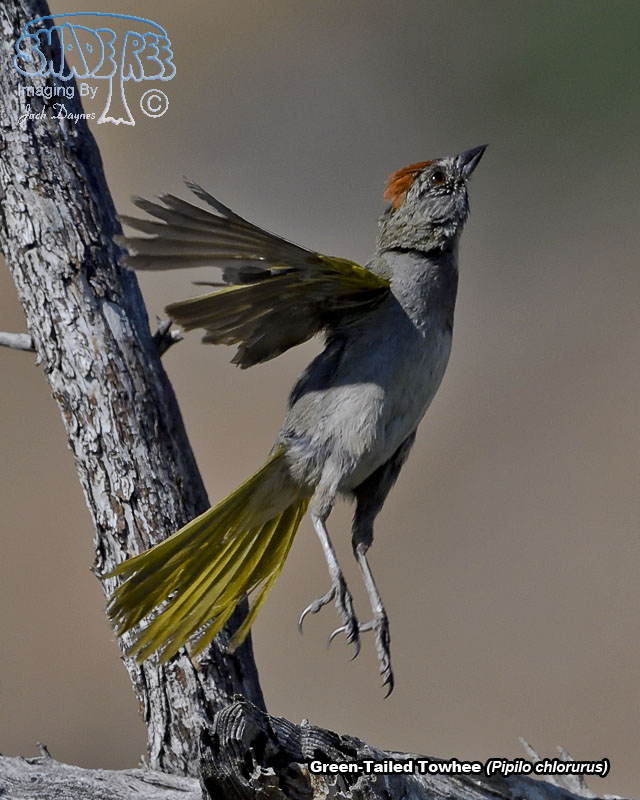
Green-Tailed Towhee(Pipilo chlorurus) |
|
Description: Mono Lake Picnic Area in the northwest shore. Near Lee Vining in Mono County, just off US-395. |
Date Taken: 2017:07:12 7:47 |
|
Location:
Mono Lake |
|
Camera Information: NIKON D5, 800 mm, f/8.0, 1/4000 |
File Name: GreenTailedTowhee_D5X8401-MonoLake |
| © 2017 Jack Daynes, shadeTreeImaging.com |
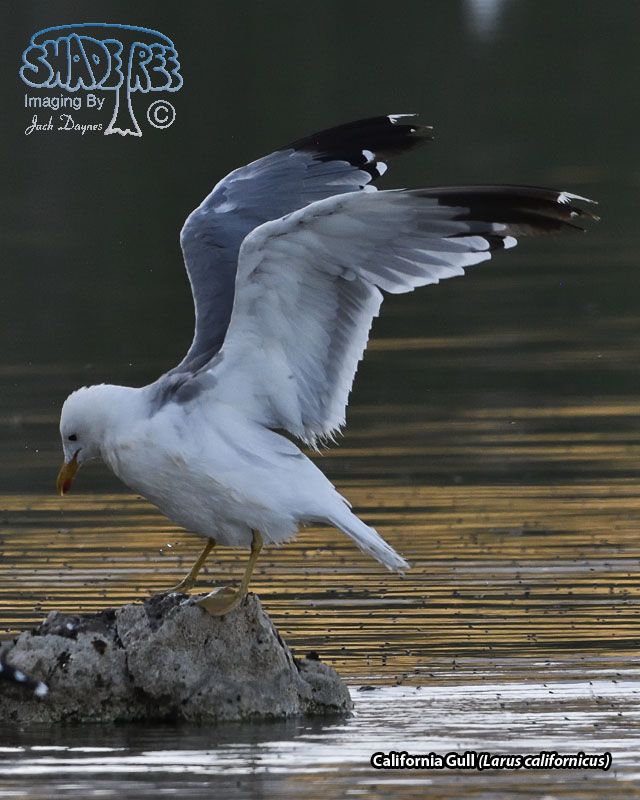
California Gull(Larus californicus) |
|
Description: Mono Lake hosts the 2nd largest breeding colony of California Gulls in the world. This image was captured during a 3 hour vigil at the Mono Lake shore north of Lee Vining California. Summers at Mono Lake, when the algae blooms occur in this super-salty water, Brine-flies (or Alkali Flies) feed on the algae. Millions of birds, as many as 80 species feed on the fat and protein rich flies. |
Date Taken: 2019:08:20 17:43 |
|
Location:
Mono Lake |
|
Camera Information: NIKON D5, 800 mm, f/16.0, 1/800 |
File Name: CaliforniaGull_D5X6824-MonoLake |
| © 2019 Jack Daynes, shadeTreeImaging.com |
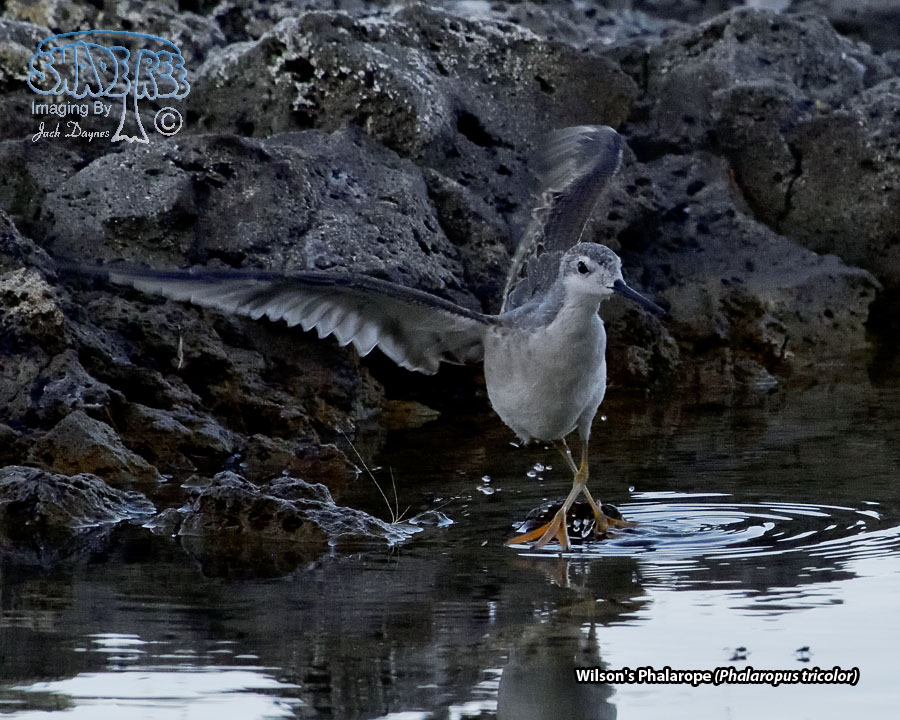
Wilson's Phalarope(Phalaropus tricolor) |
|
Description: All the Wilson's Phalaropes I saw on this visit to Mono Lake seemed to be hatch-year birds. Mom probably left after the eggs were laid, and dad left when he felt the young birds could find their own food. This image was captured during a 3 hour vigil at the Mono Lake shore north of Lee Vining California. Summers at Mono Lake, when the algae blooms occur in this super-salty water, Brine-flies (or Alkali Flies) feed on the algae. Millions of birds, as many as 80 species feed on the fat and protein rich flies. |
Date Taken: 2019:08:20 18:12 |
|
Location:
Mono Lake |
|
Camera Information: NIKON D5, 800 mm, f/18.0, 1/800 |
File Name: WilsonsPhalarope_D5X7341-MonoLake |
| © 2019 Jack Daynes, shadeTreeImaging.com |
Click map markers to reveal further information
