
Water treatment facilities can be environmentally beneficial and often provide great habitat for wildlife, especially waterfowl and other water-loving species. Santee Lakes is a prime example and one of the better locations in San Diego County to find interesting birds.
Two million gallons of partially treated sewage enter the facility and progress through a series of ten small lakes before joining the San Diego River system in Mission Trails Regional Park. The treatment starts a mile and a half up Sycamore Canyon and passes through a treatment plant and three ponds before it reaches the first of seven more ponds open to the public. By the time the water reaches the river system, it has transformed to a relatively clean outflow, with most of its hazardous elements removed.
The seven public ponds stretch exactly one mile across the valley floor. An earthen levy with crossing paths or parkways separates each pond. Each has a numbered designation, One through Seven, with One being the lowest and Seven being the uppermost of the publicly accessible lakes. Access to lakes Six and Seven are restricted to RV’s and campers staying at any of the 300 sites on the adjacent grounds, but day-use visitors can access all the other five lakes.
I’ve not visited these lakes often, but I’ve enjoyed the times I’ve spent there, wandering through its grounds. Trails, walkways and bridges weave through the parklands, and adjoining islands. In season, migrant ducks on these waters are fun, but Wood Ducks, Mallards, and possibly others raise families here. Perhaps my favorite encounter here was one early morning when I caught a Belted Kingfisher performing hovering maneuvers right before me.
The gallery below shows some results from my visits.
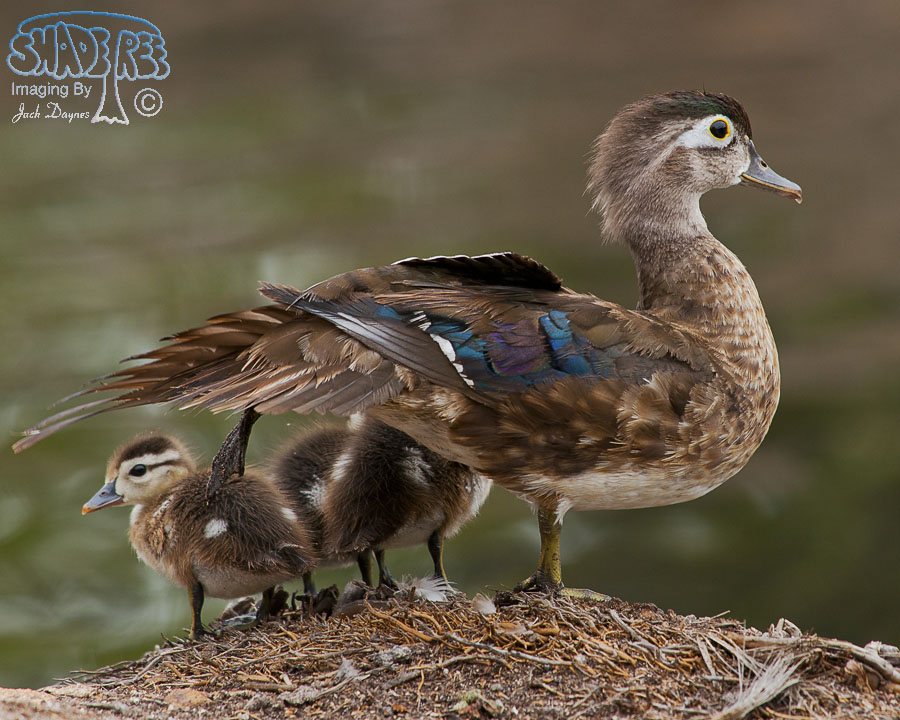
Wood Duck(Aix sponsa) |
|
Description: Mom with chicks at Santee Lakes in Santee, California. San Diego County. |
Date Taken: 2015:07:05 9:42 |
|
Location:
Santee Lakes |
|
Camera Information: NIKON D3X, 800 mm, f/8.0, 1/125 |
File Name: D3X2100-WoodDuck |
| © 2015 Jack Daynes, shadeTree-Imaging.com |

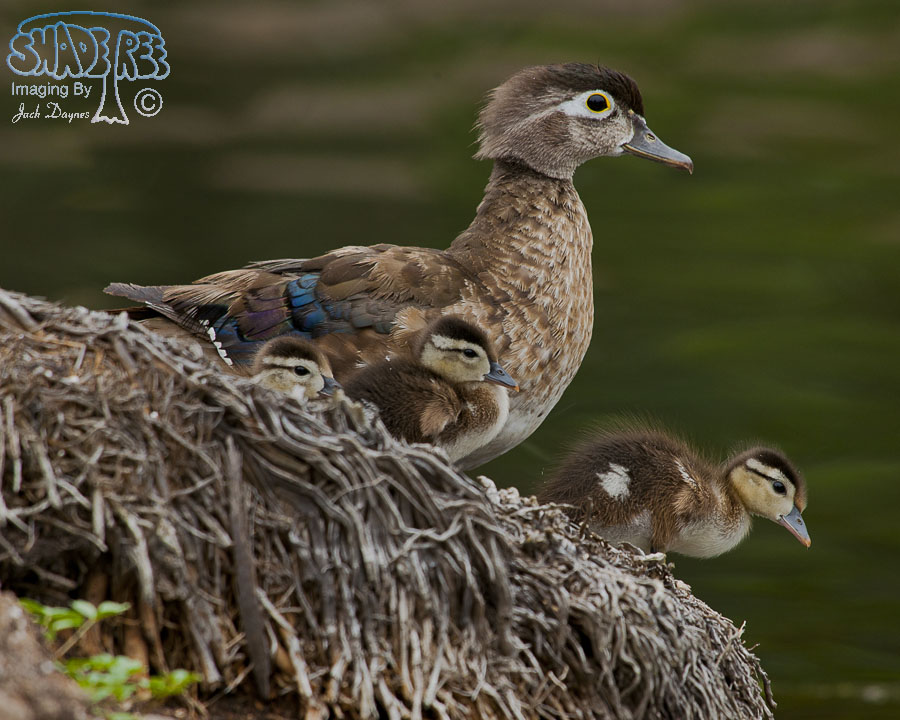
Wood Duck(Aix sponsa) |
|
Description: Mom with chicks at Santee Lakes in Santee, California. San Diego County. |
Date Taken: 2015:07:05 9:51 |
|
Location:
Santee Lakes |
|
Camera Information: NIKON D3X, 800 mm, f/8.0, 1/160 |
File Name: D3X2180-WoodDuck |
| © 2015 Jack Daynes, shadeTreeImaging.com |
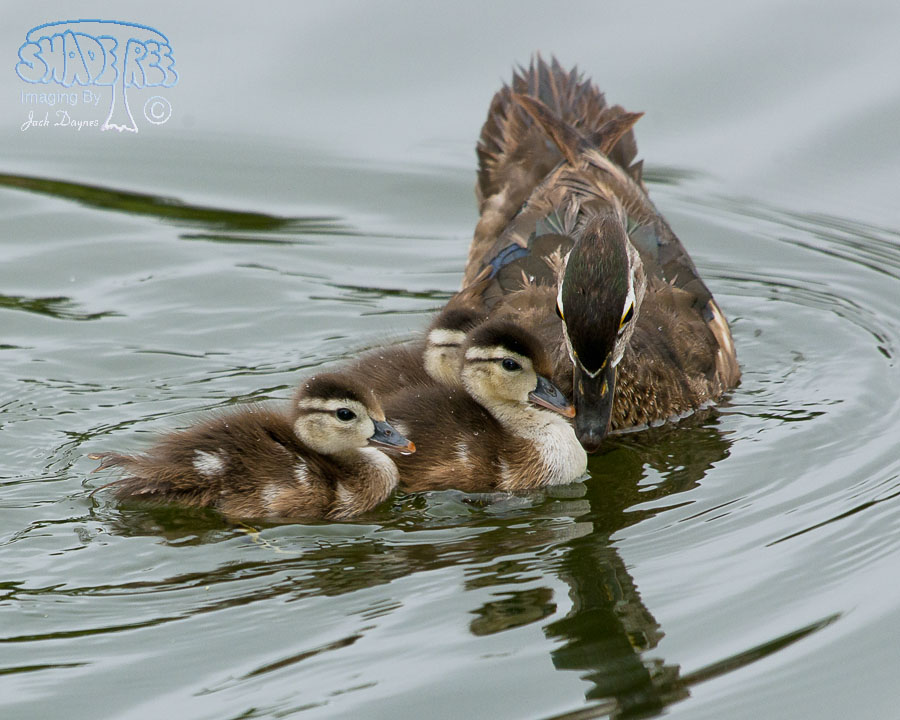
Wood Duck(Aix sponsa) |
|
Description: Mom with chicks at Santee Lakes in Santee, California. San Diego County. |
Date Taken: 2015:07:05 10:01 |
|
Location:
Santee Lakes |
|
Camera Information: NIKON D3X, 800 mm, f/8.0, 1/400 |
File Name: D3X2234-WoodDuck |
| © 2015 Jack Daynes, shadeTree-Imaging.com |
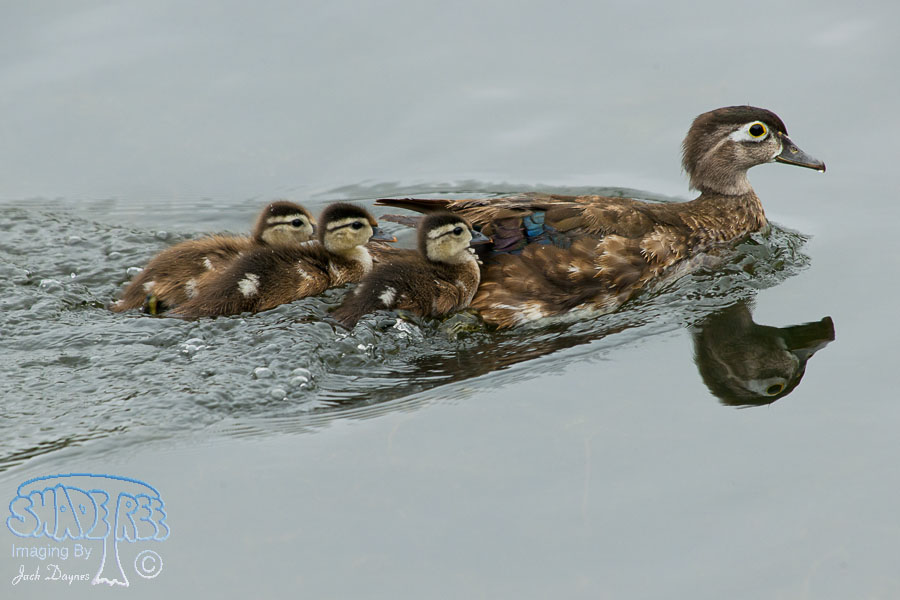
Wood Duck(Aix sponsa) |
|
Description: Off at high speed: Mom with chicks in her wake at Santee Lakes in Santee, California. San Diego County. |
Date Taken: 2015:07:05 10:01 |
|
Location:
Santee Lakes |
|
Camera Information: NIKON D3X, 800 mm, f/8.0, 1/320 |
File Name: D3X2238-WoodDuck |
| © 2015 Jack Daynes, shadeTree-Imaging.com |
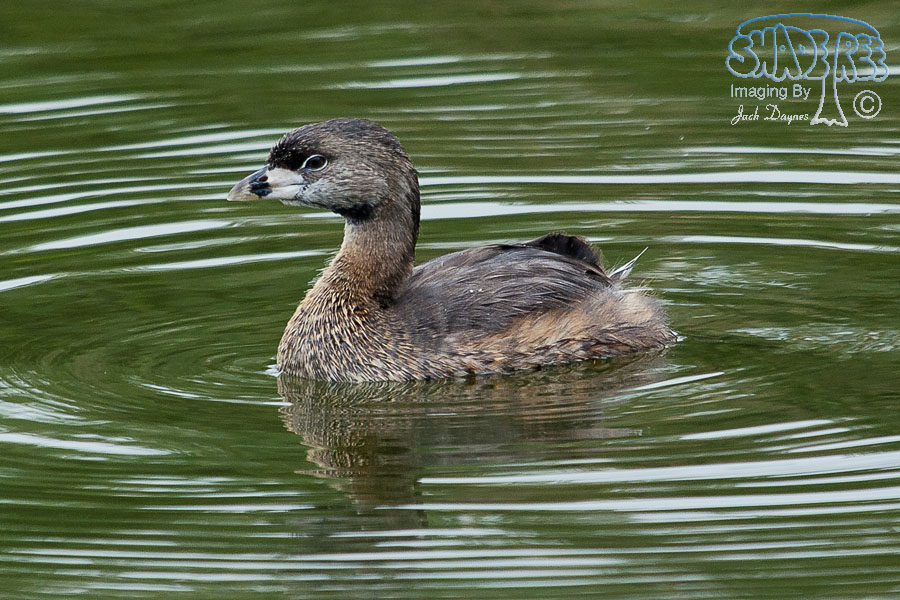
Pied-Billed Grebe(Podilymbus podiceps) |
|
Description: Resident species at Santee Lakes in Santee, California. San Diego County. |
Date Taken: 2015:07:05 10:02 |
|
Location:
Santee Lakes |
|
Camera Information: NIKON D3X, 800 mm, f/8.0, 1/200 |
File Name: D3X2253-PiedBilledGrebe |
| © 2015 Jack Daynes, shadeTree-Imaging.com |
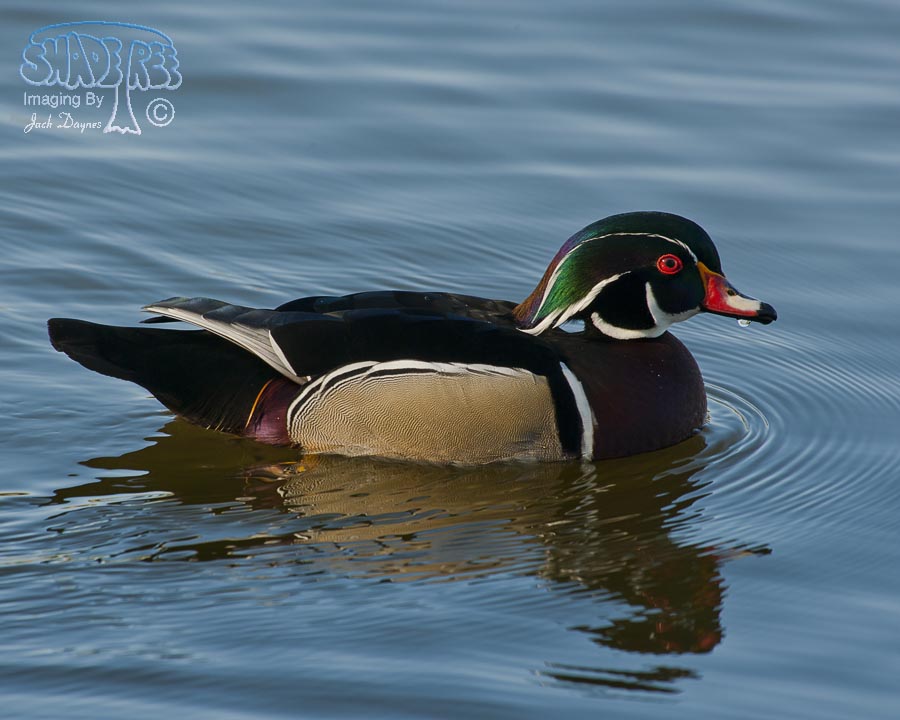
Wood Duck(Aix sponsa) |
|
Description: Resident breeding species at Santee Lakes in Santee, California. San Diego County. |
Date Taken: 2014:12:19 10:08 |
|
Location:
Santee Lakes |
|
Camera Information: NIKON D3X, 800 mm, f/13.0, 1/160 |
File Name: D3X4038-WoodDuck |
| © 2014 Jack Daynes, shadeTreeImaging.com |
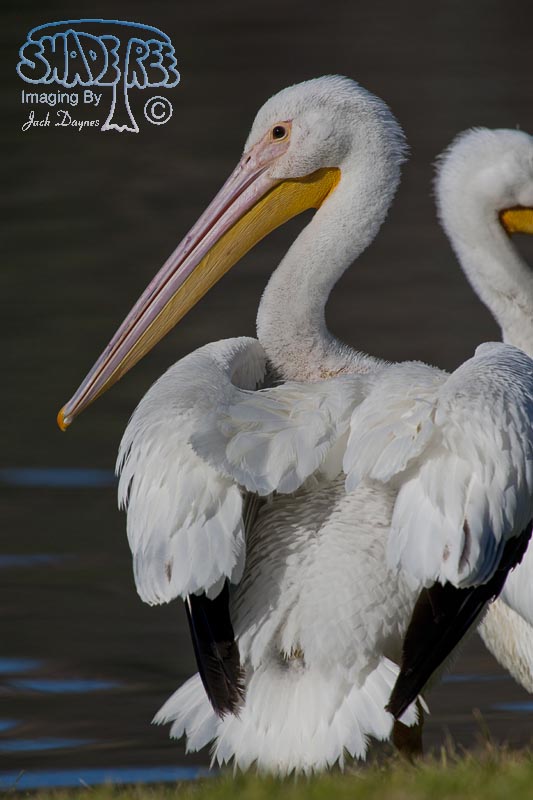
American White Pelican(Pelecanus erythrorhynchos) |
|
Description: Winter visitor at Santee Lakes in Santee, California. San Diego County. |
Date Taken: 2014:12:19 10:40 |
|
Location:
Santee Lakes |
|
Camera Information: NIKON D3X, 800 mm, f/13.0, 1/3200 |
File Name: D3X4054-AmericanWhitePelican |
| © 2014 Jack Daynes, shadeTreeImaging.com |
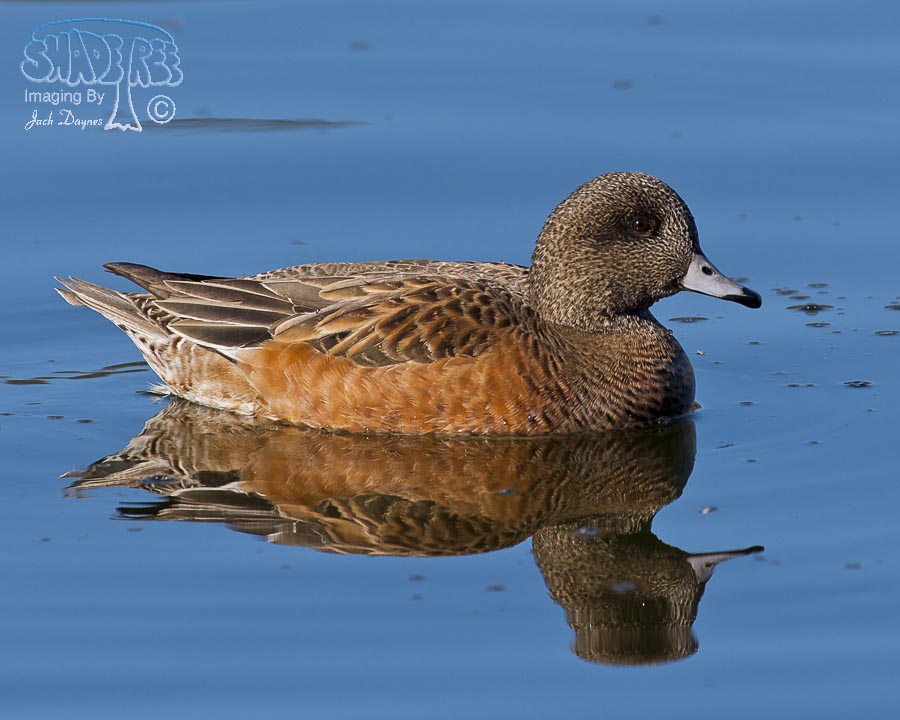
American Wigeon(Mareca americana) |
|
Description: Winter visitor at Santee Lakes in Santee, California. San Diego County. |
Date Taken: 2014:12:19 10:58 |
|
Location:
Santee Lakes |
|
Camera Information: NIKON D3X, 800 mm, f/13.0, 1/640 |
File Name: D3X4090-AmericanWigeon |
| © 2014 Jack Daynes, shadeTreeImaging.com |
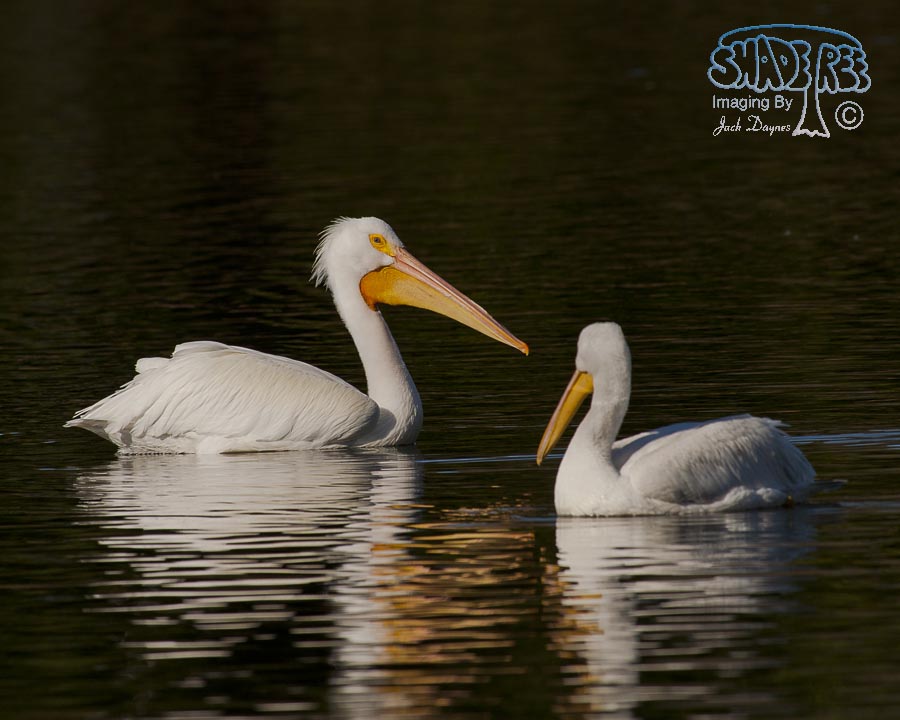
American White Pelican(Pelecanus erythrorhynchos) |
|
Description: Winter visitor at Santee Lakes in Santee, California. San Diego County. |
Date Taken: 2014:12:19 10:58 |
|
Location:
Santee Lakes |
|
Camera Information: NIKON D3X, 800 mm, f/13.0, 1/1250 |
File Name: D3X4092-AmericanWhitePelican |
| © 2014 Jack Daynes, shadeTreeImaging.com |
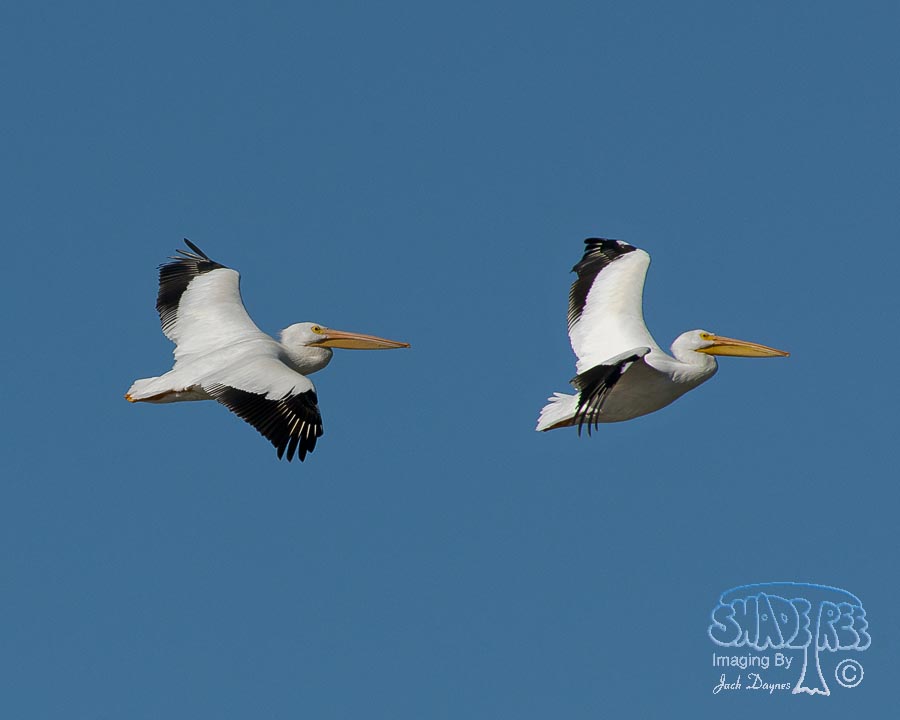
American White Pelican(Pelecanus erythrorhynchos) |
|
Description: Winter visitors arriving at Santee Lakes in Santee, California. San Diego County. |
Date Taken: 2014:12:19 11:05 |
|
Location:
Santee Lakes |
|
Camera Information: NIKON D3X, 800 mm, f/13.0, 1/2000 |
File Name: D3X4155-AmericanWhitePelican |
| © 2014 Jack Daynes, shadeTreeImaging.com |
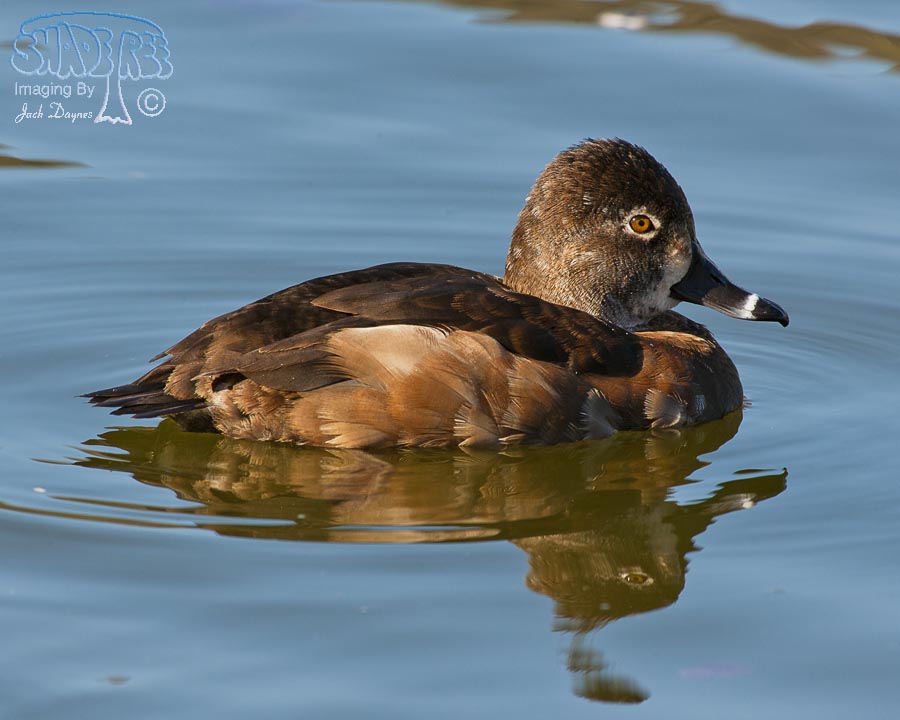
Ring-Necked Duck(Aythya collaris) |
|
Description: Winter visitor at Santee Lakes in Santee, California. San Diego County. |
Date Taken: 2014:12:19 11:15 |
|
Location:
Santee Lakes |
|
Camera Information: NIKON D3X, 800 mm, f/13.0, 1/320 |
File Name: D3X4181-RingNeckedDuck |
| © 2014 Jack Daynes, shadeTreeImaging.com |
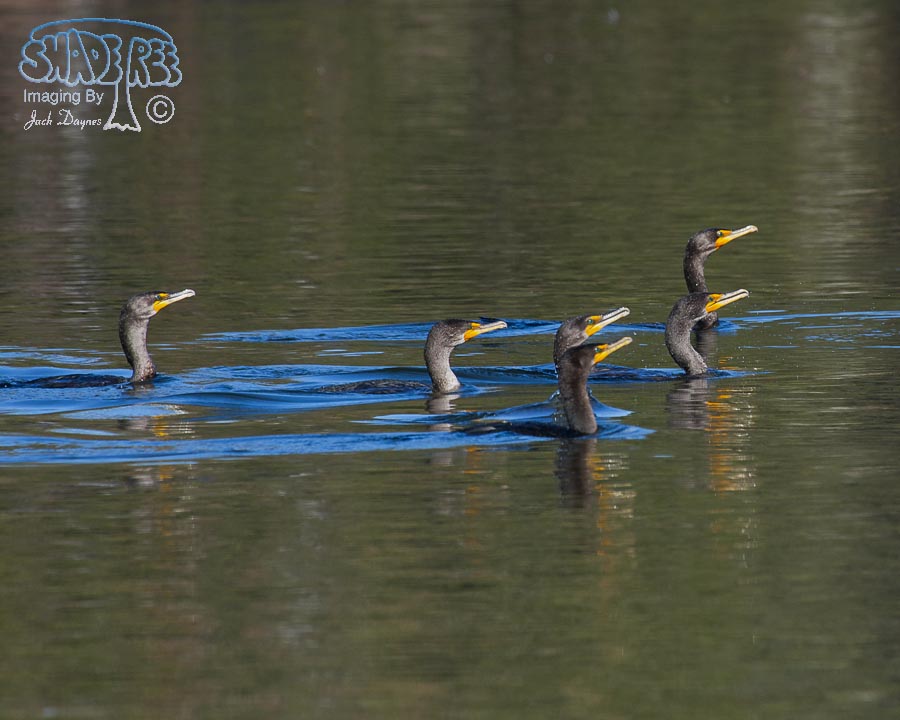
Double-Crested Cormorant(Phalacrocorax auritus) |
|
Description: Synchronized swimmers at Santee Lakes in Santee, California. San Diego County. |
Date Taken: 2014:12:19 11:18 |
|
Location:
Santee Lakes |
|
Camera Information: NIKON D3X, 800 mm, f/13.0, 1/500 |
File Name: D3X4193-DoubleCrestedCormorant |
| © 2014 Jack Daynes, shadeTreeImaging.com |
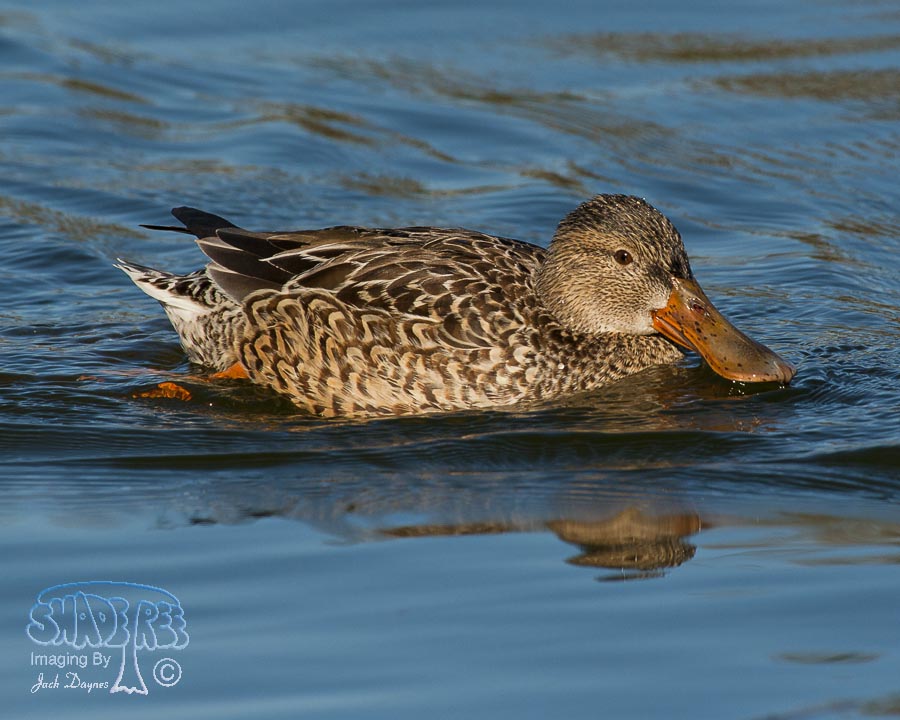
Northern Shoveler(Spatula clypeata) |
|
Description: Winter visitor at Santee Lakes in Santee, California. San Diego County. |
Date Taken: 2014:12:19 11:18 |
|
Location:
Santee Lakes |
|
Camera Information: NIKON D3X, 800 mm, f/13.0, 1/1000 |
File Name: D3X4200-NorthernShoveler |
| © 2014 Jack Daynes, shadeTreeImaging.com |
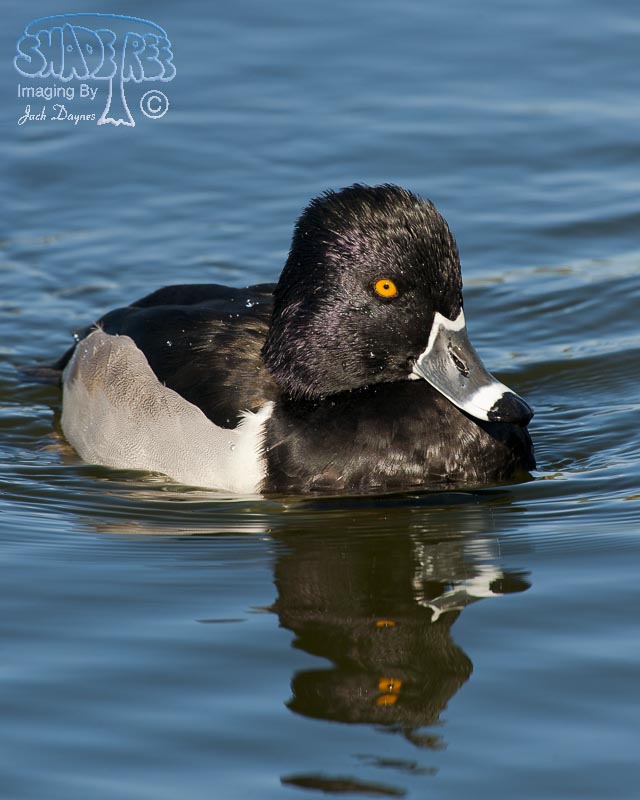
Ring-Necked Duck(Aythya collaris) |
|
Description: Winter visitor at Santee Lakes in Santee, California. San Diego County. |
Date Taken: 2014:12:19 11:19 |
|
Location:
Santee Lakes |
|
Camera Information: NIKON D3X, 800 mm, f/13.0, 1/500 |
File Name: D3X4208-RingNeckedDuck |
| © 2014 Jack Daynes, shadeTreeImaging.com |
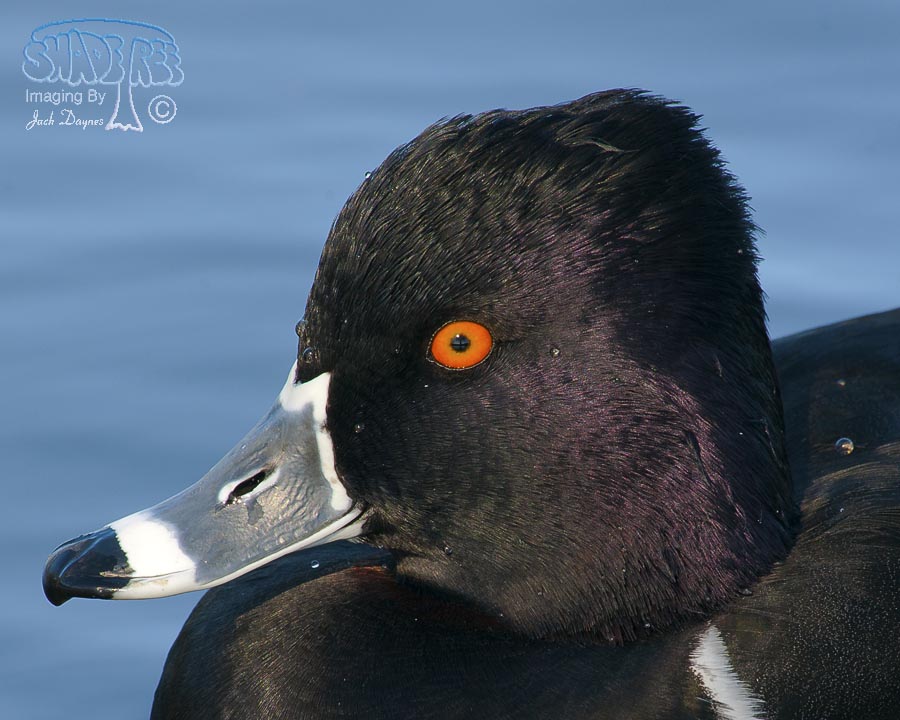
Ring-Necked Duck(Aythya collaris) |
|
Description: Winter visitor's headshot at Santee Lakes in Santee, California. San Diego County. |
Date Taken: 2014:12:19 11:21 |
|
Location:
Santee Lakes |
|
Camera Information: NIKON D3X, 800 mm, f/13.0, 1/125 |
File Name: D3X4221-RingNeckedDuck |
| © 2014 Jack Daynes, shadeTree-Imaging.com |
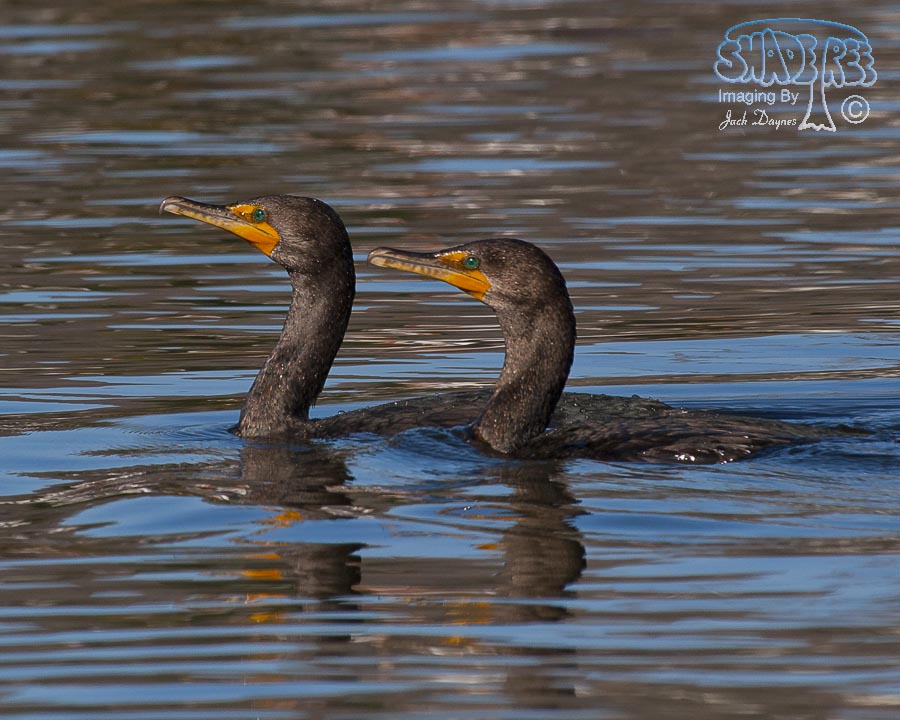
Double-Crested Cormorant(Phalacrocorax auritus) |
|
Description: Foraging birds at Santee Lakes in Santee, California. San Diego County. |
Date Taken: 2014:12:19 11:25 |
|
Location:
Santee Lakes |
|
Camera Information: NIKON D3X, 800 mm, f/13.0, 1/1000 |
File Name: D3X4249-DoubleCrestedCormorant |
| © 2014 Jack Daynes, shadeTreeImaging.com |
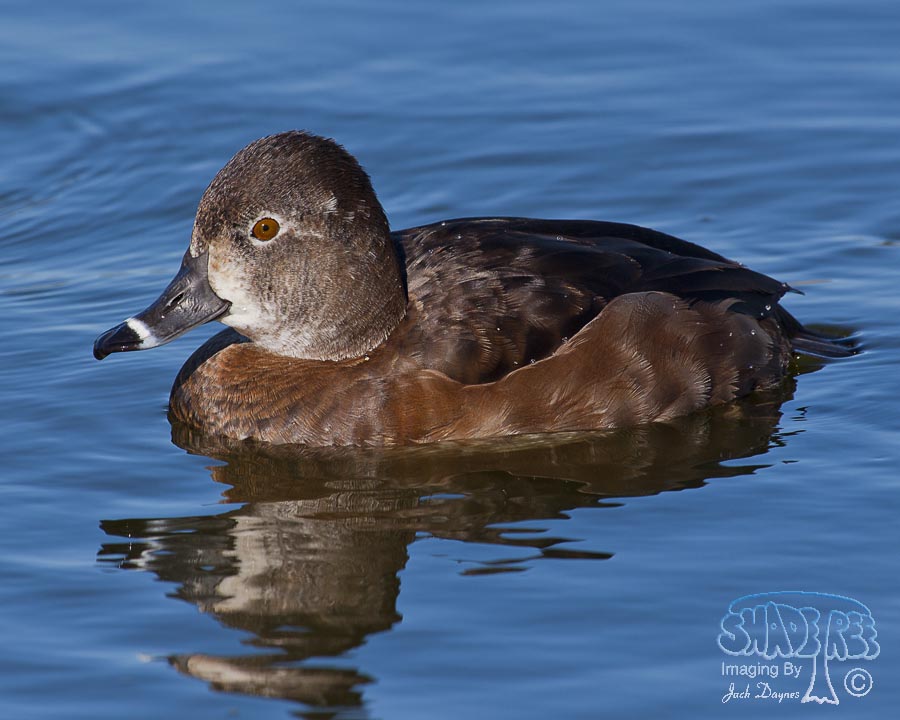
Ring-Necked Duck(Aythya collaris) |
|
Description: Winter visitor at Santee Lakes in Santee, California. San Diego County. |
Date Taken: 2014:12:19 11:26 |
|
Location:
Santee Lakes |
|
Camera Information: NIKON D3X, 800 mm, f/13.0, 1/400 |
File Name: D3X4250-RingNeckedDuck |
| © 2014 Jack Daynes, shadeTreeImaging.com |
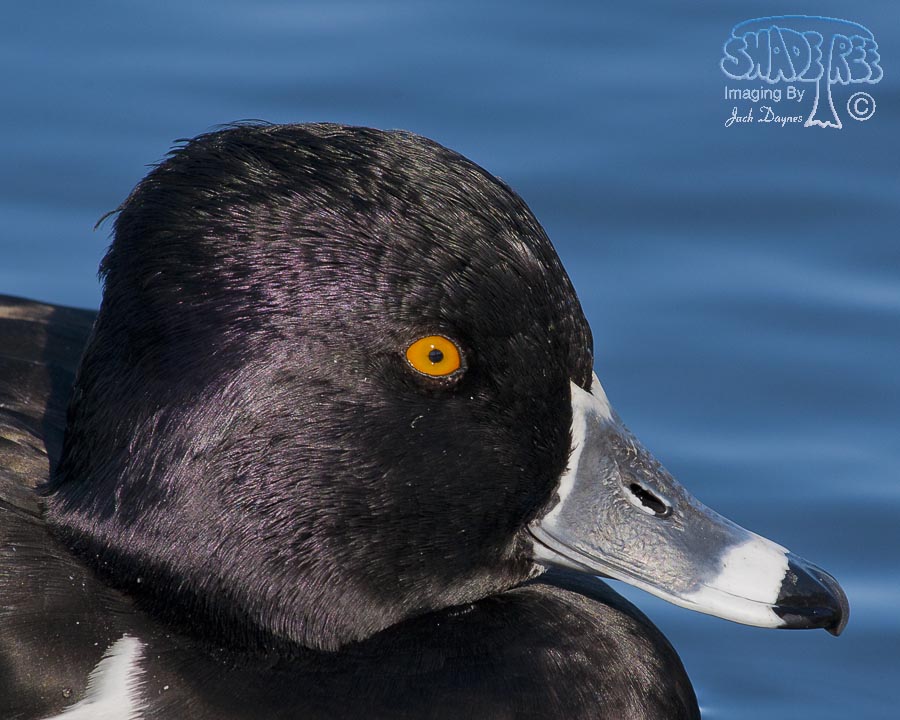
Ring-Necked Duck(Aythya collaris) |
|
Description: Winter visitor's head shot at Santee Lakes in Santee, California. San Diego County. |
Date Taken: 2014:12:19 11:26 |
|
Location:
Santee Lakes |
|
Camera Information: NIKON D3X, 800 mm, f/13.0, 1/250 |
File Name: D3X4255-RingNeckedDuck |
| © 2014 Jack Daynes, shadeTreeImaging.com |
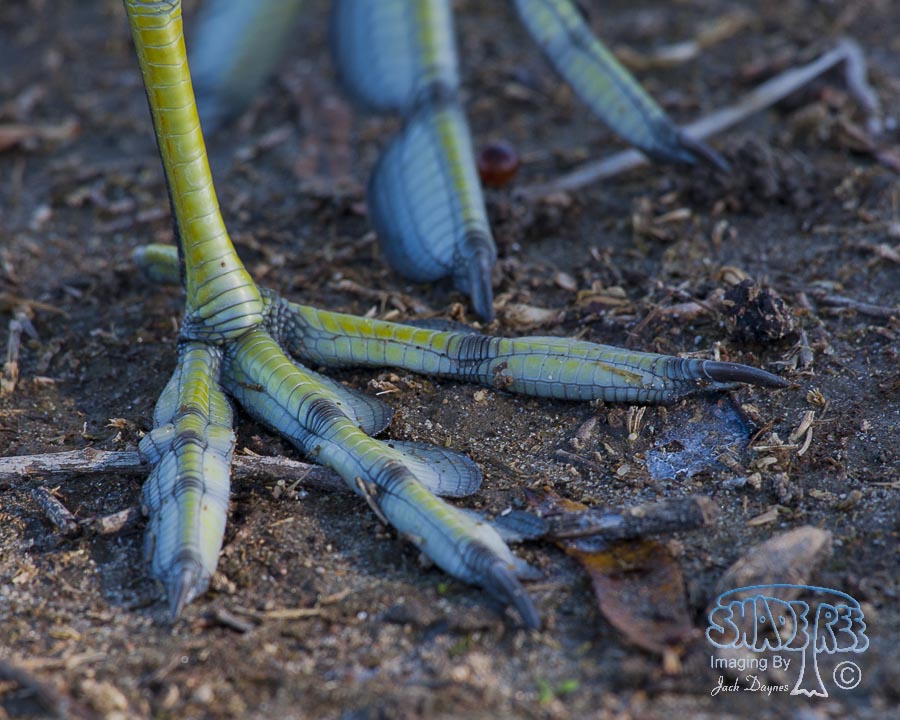
American Coot(Fulica americana) |
|
Description: Watching the feet at Santee Lakes in Santee, California. San Diego County. |
Date Taken: 2014:12:19 11:28 |
|
Location:
Santee Lakes |
|
Camera Information: NIKON D3X, 800 mm, f/13.0, 1/100 |
File Name: D3X4258-AmericanCoot |
| © 2014 Jack Daynes, shadeTreeImaging.com |
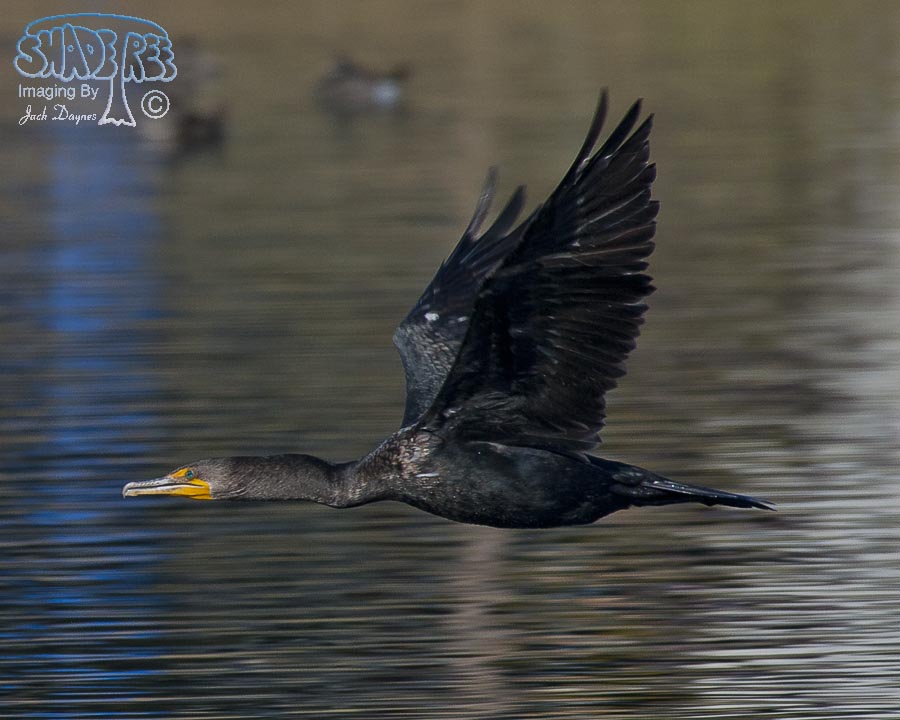
Double-Crested Cormorant(Phalacrocorax auritus) |
|
Description: This bird was interested in finding a new fishing spot at Santee Lakes in Santee, California. San Diego County. |
Date Taken: 2014:12:19 11:33 |
|
Location:
Santee Lakes |
|
Camera Information: NIKON D3X, 800 mm, f/13.0, 1/640 |
File Name: D3X4289-DoubleCrestedCormorant |
| © 2014 Jack Daynes, shadeTreeImaging.com |
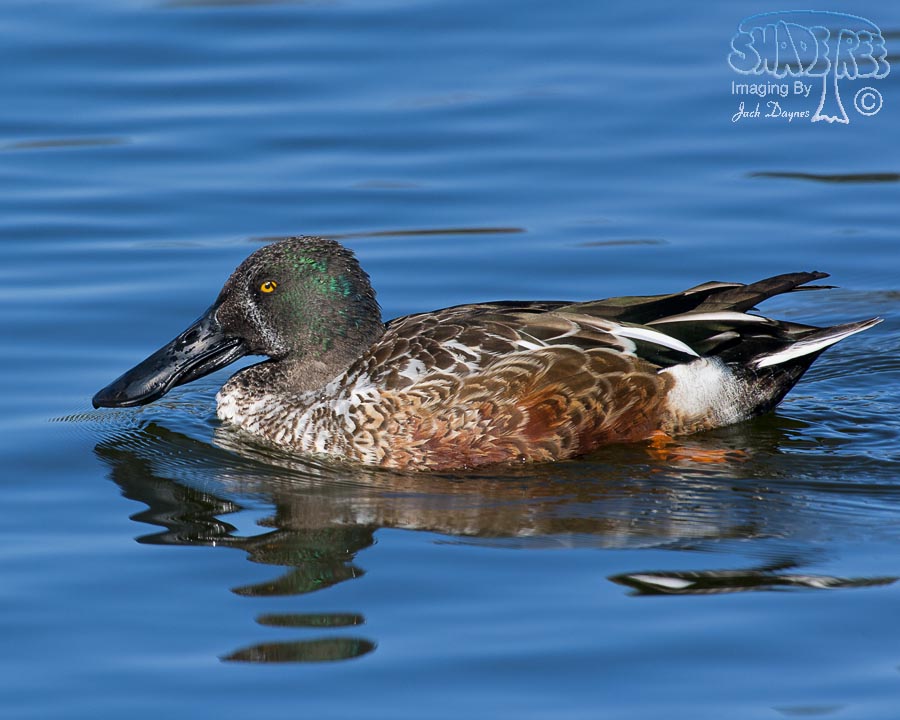
Northern Shoveler(Spatula clypeata) |
|
Description: Winter visitor at Santee Lakes in Santee, California. San Diego County. |
Date Taken: 2014:12:19 11:38 |
|
Location:
Santee Lakes |
|
Camera Information: NIKON D3X, 800 mm, f/13.0, 1/800 |
File Name: D3X4307-NorthernShoveler |
| © 2014 Jack Daynes, shadeTreeImaging.com |
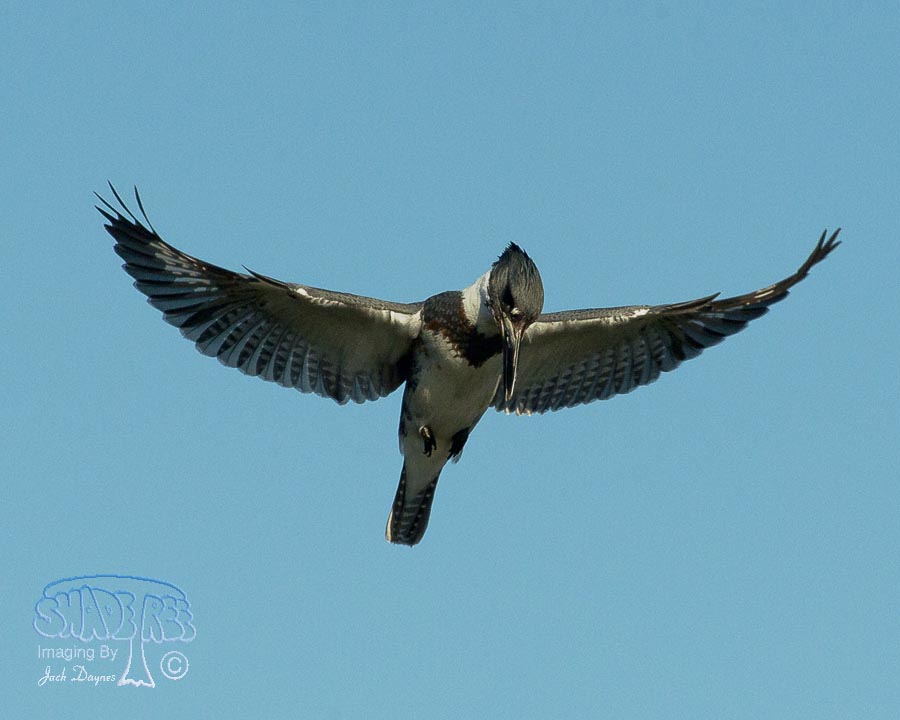
Belted Kingfisher(Ceryle alcyon) |
|
Description: Looking for a meal at Santee Lakes in Santee, California. San Diego County. |
Date Taken: 2014:12:19 11:45 |
|
Location:
Santee Lakes |
|
Camera Information: NIKON D3X, 800 mm, f/13.0, 1/2000 |
File Name: D3X4332-BeltedKingfisher |
| © 2014 Jack Daynes, shadeTreeImaging.com |
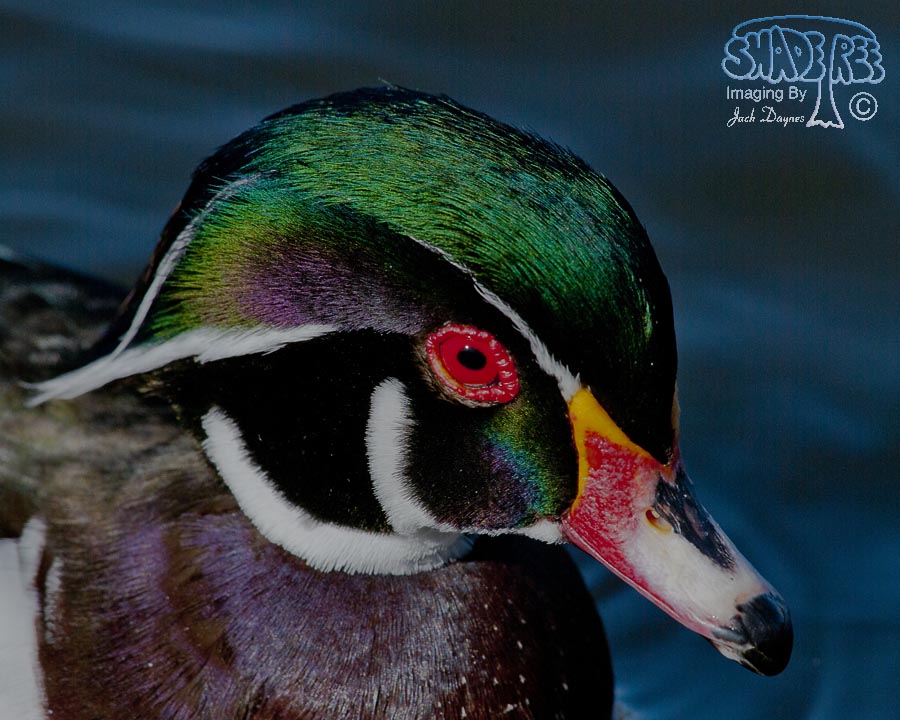
Wood Duck(Aix sponsa) |
|
Description: Resident bird's head shot at Santee Lakes in Santee, California. San Diego County. |
Date Taken: 2014:12:19 11:50 |
|
Location:
Santee Lakes |
|
Camera Information: NIKON D3X, 800 mm, f/13.0, 1/2000 |
File Name: D3X4347-WoodDuck |
| © 2014 Jack Daynes, shadeTreeImaging.com |
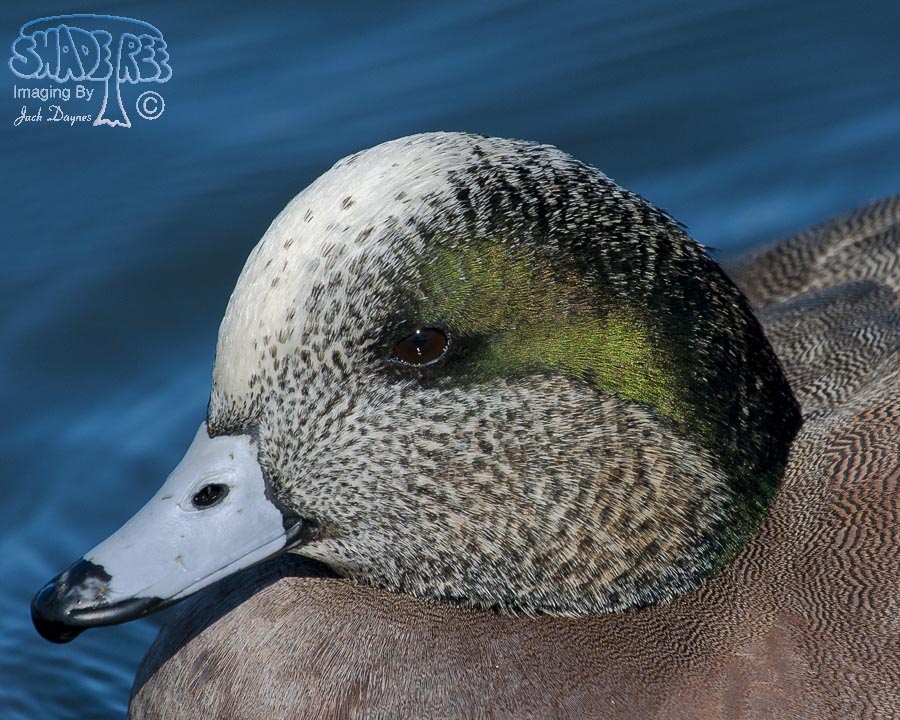
American Wigeon(Mareca americana) |
|
Description: Winter visitor's head shot at Santee Lakes in Santee, California. San Diego County. |
Date Taken: 2014:12:19 11:53 |
|
Location:
Santee Lakes |
|
Camera Information: NIKON D3X, 800 mm, f/13.0, 1/800 |
File Name: D3X4353-AmericanWigeon |
| © 2014 Jack Daynes, shadeTreeImaging.com |
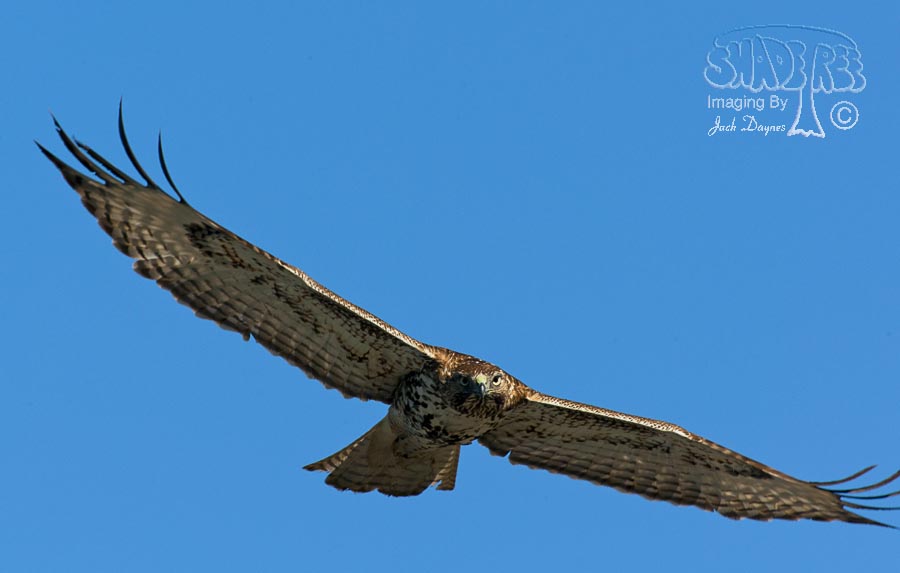
Red-Tailed Hawk(Buteo jamaicensis) |
|
Description: Flyover at Santee Lakes in Santee, California. San Diego County. |
Date Taken: 2014:12:19 11:58 |
|
Location:
Santee Lakes |
|
Camera Information: NIKON D3X, 800 mm, f/13.0, 1/1000 |
File Name: D3X4378-RedTailedHawk |
| © 2014 Jack Daynes, shadeTreeImaging.com |
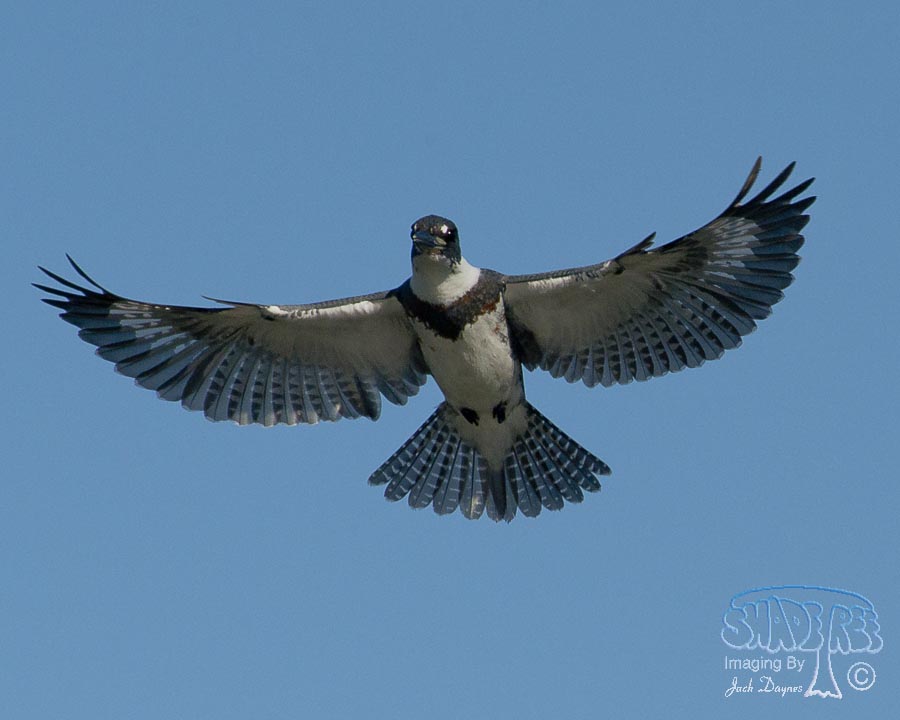
Belted Kingfisher(Ceryle alcyon) |
|
Description: Looking for a meal at Santee Lakes in Santee, California. San Diego County. |
Date Taken: 2014:12:19 12:08 |
|
Location:
Santee Lakes |
|
Camera Information: NIKON D3X, 800 mm, f/13.0, 1/2000 |
File Name: D3X4404-BeltedKingfisher |
| © 2014 Jack Daynes, shadeTree-Imaging.com |
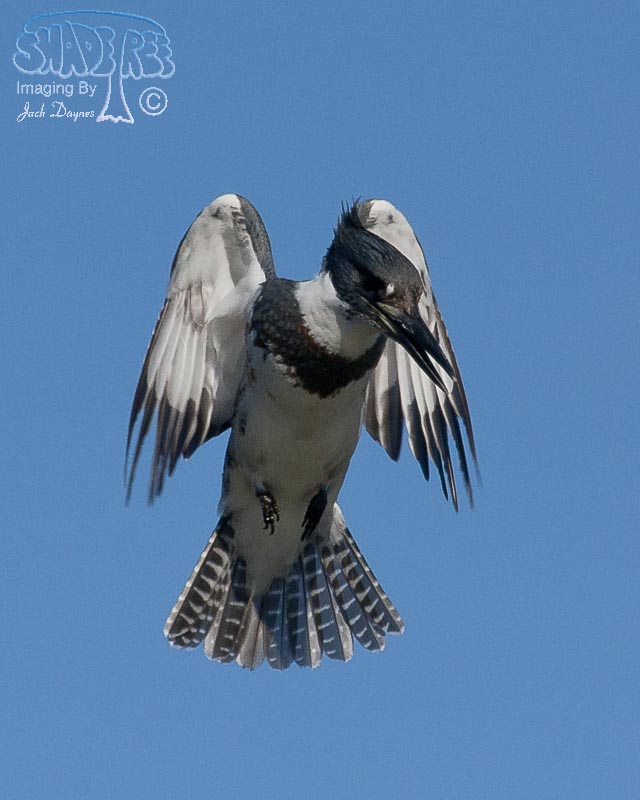
Belted Kingfisher(Ceryle alcyon) |
|
Description: Looking for a meal at Santee Lakes in Santee, California. San Diego County. |
Date Taken: 2014:12:19 12:08 |
|
Location:
Santee Lakes |
|
Camera Information: NIKON D3X, 800 mm, f/13.0, 1/1600 |
File Name: D3X4410-BeltedKingfisher |
| © 2014 Jack Daynes, shadeTreeImaging.com |
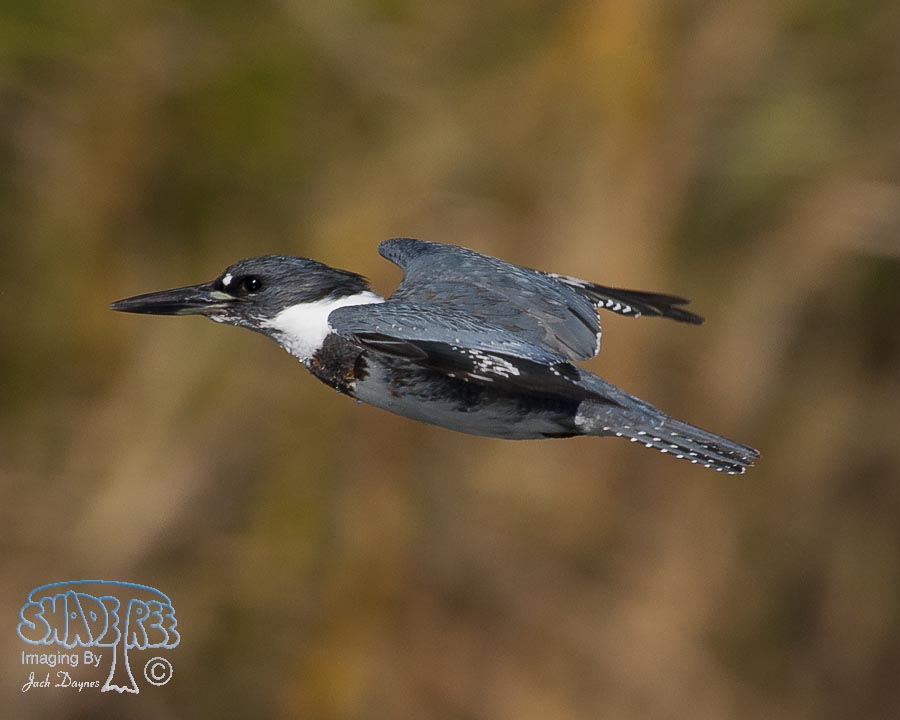
Belted Kingfisher(Ceryle alcyon) |
|
Description: Santee Lakes in Santee, California. San Diego County. |
Date Taken: 2014:12:19 12:08 |
|
Location:
Santee Lakes |
|
Camera Information: NIKON D3X, 800 mm, f/13.0, 1/640 |
File Name: D3X4413-BeltedKingfisher |
| © 2014 Jack Daynes, shadeTree-Imaging.com |
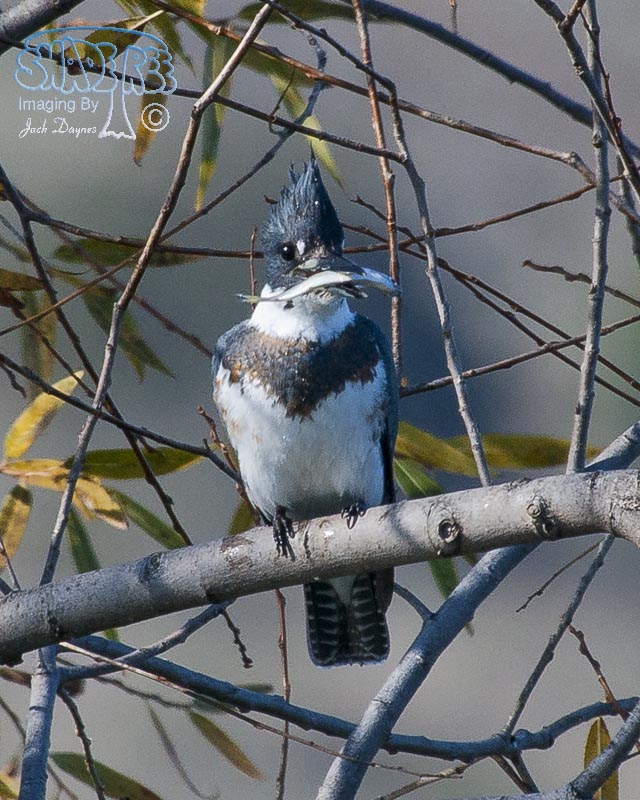
Belted Kingfisher(Ceryle alcyon) |
|
Description: Capturing a meal at Santee Lakes in Santee, California. San Diego County. |
Date Taken: 2014:12:19 12:14 |
|
Location:
Santee Lakes |
|
Camera Information: NIKON D3X, 800 mm, f/13.0, 1/400 |
File Name: D3X4446-BeltedKingfisher |
| © 2014 Jack Daynes, shadeTree-Imaging.com |
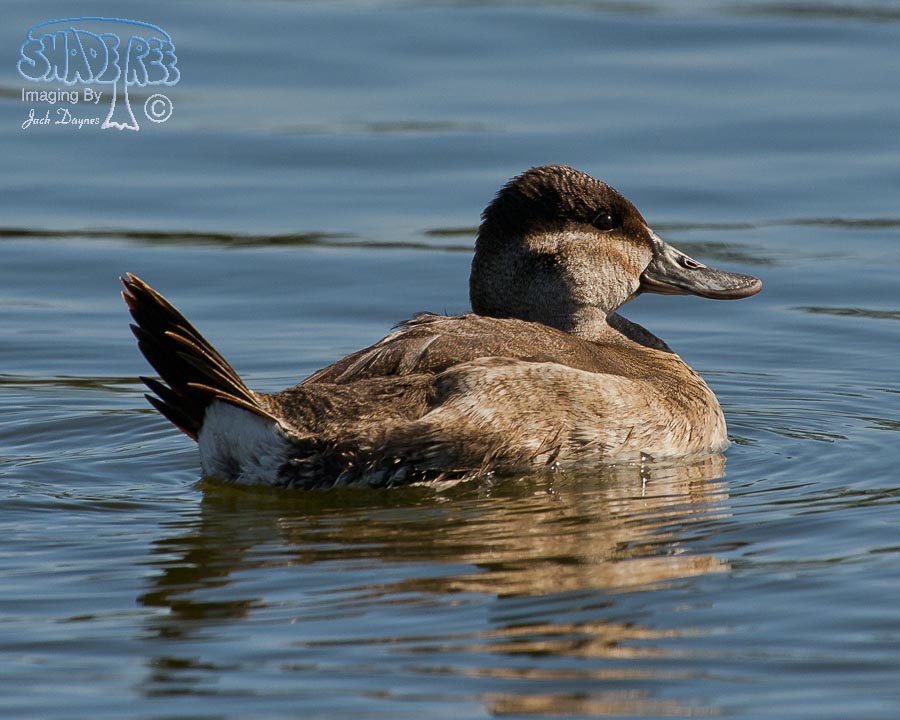
Ruddy Duck(Oxyura jamaicensis) |
|
Description: Santee Lakes in Santee, California. San Diego County. |
Date Taken: 2014:12:19 13:27 |
|
Location:
Santee Lakes |
|
Camera Information: NIKON D3X, 800 mm, f/13.0, 1/800 |
File Name: D3X4476-RuddyDuck |
| © 2014 Jack Daynes, shadeTreeImaging.com |
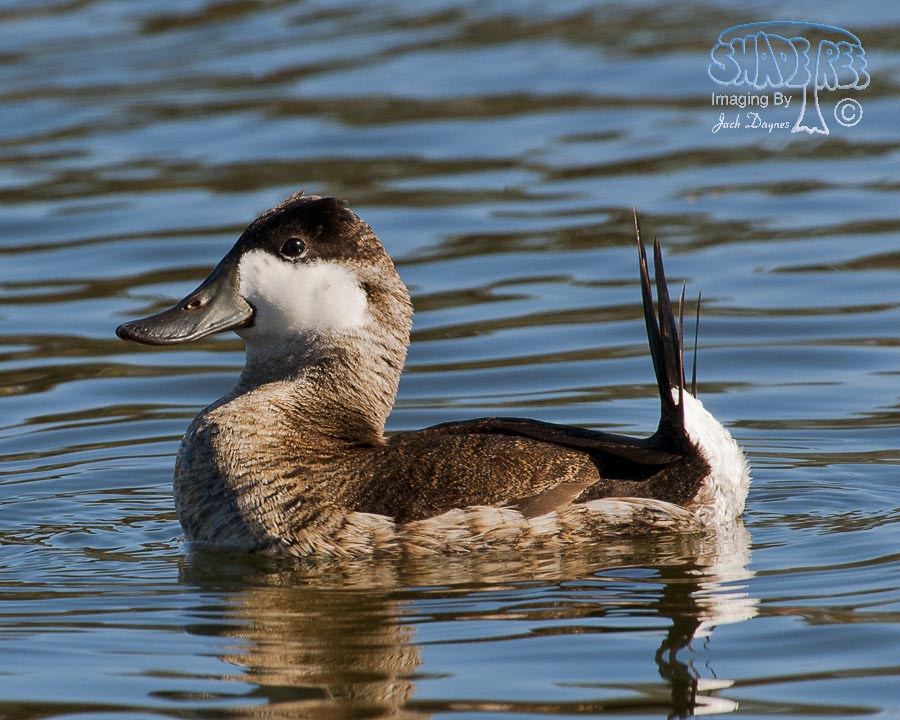
Ruddy Duck(Oxyura jamaicensis) |
|
Description: Santee Lakes in Santee, California. San Diego County. |
Date Taken: 2014:12:19 13:34 |
|
Location:
Santee Lakes |
|
Camera Information: NIKON D3X, 800 mm, f/13.0, 1/640 |
File Name: D3X4520-RuddyDuck |
| © 2014 Jack Daynes, shadeTreeImaging.com |
Click map markers to reveal further information
