2005-07-08: If it’s Friday, this must be Anchorage

Driving south on the Parks Highway, I stopped in Anchorage to book passage for July 17th on a ferry for me and the Samurai from Haines, Alaska to Prince Rupert, British Columbia. I also booked a cabin for the 36 hour trip. The cost was $172 for me, $382 for the Samurai, and $172 for the cabin (with bath). There would be brief stops in Juneau, Petersburg, Wrangell, and Ketchikan, before arriving at Prince Rupert. That meant I’d have enough time to explore the Seward Peninsula a bit before hitting the trail to Haines.
While I was looking forward to the rest of the journey, it started to ‘feel’ like the homeward leg had begun. This was probably because I made commitments to my itinerary that moved me toward “home”.
My stops in Anchorage after breakfast included Elderberry Park, where the northwestern corner of town met the open waters of the Cook Inlet (Knik Arm). There were many gulls on the mud flats below. Further away on the flats were many hundreds of Marbled Godwits (Limosa fedoa) I recently learned that these birds would have been the subspecies “beringiae”. The nominate subspecies (Limosa fedoa fedoa) would never venture this far west. I took no photos, as they were well beyond reasonable camera range, but the sight was impressive.
In the afternoon, while driving toward Seward, I stopped to look at the shores along the Turnagain Arm. The tide must have been receding. Near the highway, the Cook Inlet was very narrow. The water seemed to move like a great river emptying into the ocean, complete with white water and rapids. At these high latitudes, the movement from high to low tide is extreme.
2005-07-09: Seward

Yesterday afternoon I drove the highway to Seward from Anchorage. I didn’t find much in Anchorage that could inspire me to linger. With my commitment to the ferry ride, I needed to more carefully manage my time for the first time on this trip. I wanted to see more of the Kenai Peninsula, but Seward seemed a good choice to offer me a slice, if not the whole pie.
On entering the town proper, I drove past RV stops, a couple of small ‘lodges’, and several larger sprawling motel complexes that smelled of money. Near the end of town I found the “Trailhead Lodge”. I liked it and booked two nights. I was tired and decided to order a pizza and hole up in the room to rest until morning. At breakfast I read up on my ‘bird options’ for the area. This day I would explore the area and see what I could find.
I first drove south along the western side of Resurrection Bay to Lowell Point. The road followed the shoreline rather closely and led to an RV camp and a few houses. At the end of the road, was a parking lot and a trail system. There, an extension of the road led to an ‘upper parking’ area. This was part of the state park. The trees here differed from those I’d seen in the rest of the state. The canopy reached up to 60~80 feet. Ferns and giant broad-leafed plants with leaves about a foot wide densely covered the understory. From this place, I could hear chickadees, nuthatches, thrushes, and crossbills. If not for the airplanes above, the boat motors below, and tourists all around, this place would be quite serene.
On my exit from Lowell Point, I encountered a family of River Otters. I also briefly saw one Sea Otter. I focused my attention on the River Otters, and I kept moving the Samurai in their direction of travel, stopping ahead and taking photos as they’d swim by, fishing as they went. That was a treat!
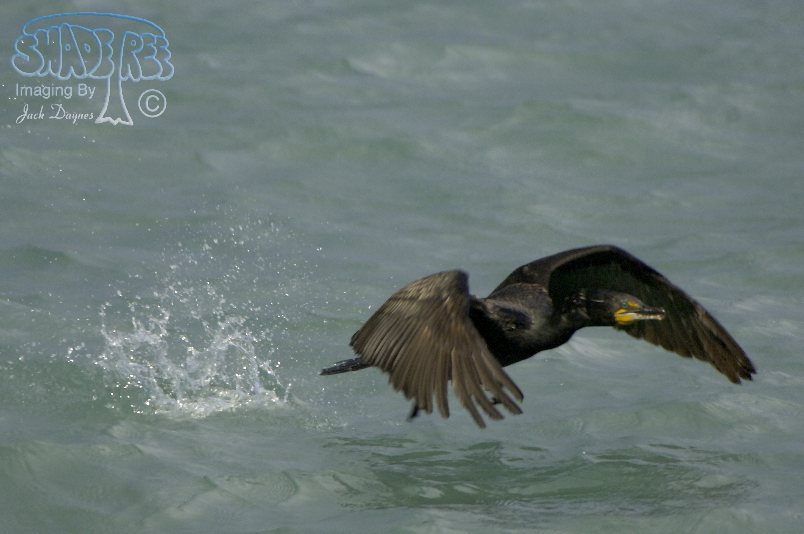
Later, I explored the east side of the bay from Nash Road. Then I visited the upper end of the valley to see the “Exit Glacier”. I returned to my room, organized my supplies, then took another run at the Lowell Point road. Gulls were plentiful, and I spent my time taking ‘in flight’ photos. I also got a few nice photos of a Double-Crested Cormorant taking flight from the water.
Seward seemed to me to be a pretty nice place. I’d like to visit here in the winter. I’ve heard that many birds visit here in the cold season. While I saw several Bald Eagles here, I’m told that in winter they were everywhere.
2005-07-10: Adios to Seward

Yesterday afternoon, I made an appointment to have Sami’s tires rotated and balanced. At about 35 mph it got a little ‘hop in its step’. It had done this in the past, but here, it seemed to be getting worse. I arranged to be at the shop at 10am and get it sorted out. With all the miles ahead of me, it seemed a good time to attend to the problem. I got checked out of the room, had breakfast and showed up at the shop at the agreed upon time. However, the owner had booked two jobs in front of me. I had expected the first one, but the second customer was an unwelcome surprise to me. They asked me to wait for at least an hour. So much for small town repair shops. I decided to do an about face and begin traveling immediately.
Damn! Later on the drive, the driver’s outside door handle broke. It was a bit stiff before I left San Diego, but I’d lubed it and it seemed to be working fine. Now it appears it will be an annoyance until I get home.
Traveling north now, and just before reaching Anchorage, I stopped at Potter’s Marsh just south of town. I saw only Mew Gulls … lots of them. Even the fledglings were airborne. This was yet another sign of the advancing season I guess!
2005-07-11: Glennallen

I drove all the way from Seward to Glennallen, a distance of about 300 miles. I stopped at a few places, but only briefly … until I came to a section of the road that promised the Arctic Warbler. The second stop I made on the stretch of road described, delivered the bird. The subject, however, proved impossible to photograph. He’d sing, but either from inside a willow thicket, or from behind a branch on the backside of a spruce tree. Try as I might, I could not get this bird to pose for a portrait. After about 40 minutes, I had to give up and resume my journey.
What makes this bird so interesting to me is that it is unlikely to be seen further south on our continent. When it leaves here, it travels south along the Western Pacific shores of Asia. Our only opportunity to meet the bird on this continent is right here, right now.
Last night I spent some time looking at maps and referring to my bird finding book. I made notes on my maps for about the first 25 miles about places I might meet interesting birds, including the Upland Sandpiper. There were also possibilities to meet large mammals, too.
Later:
The Nabesna Road extends for 42 miles from the Tok Cutoff into the Wrangell-Saint Elias National Park, with only the first 4 miles being paved. My drive wasn’t very eventful. I stopped, listened, and explored side trails. I looked hard, but I didn’t see any noteworthy birds. I saw some HUGE wolf prints. I used to raise Saint Bernards, and these footprints were substantially bigger than any dog I’ve seen. What a thrill it would be to see this critter.
I traveled to Rock Lake and Long Lake. Other than a few ducks on the water and some Lincoln’s and White-Crowned Sparrows, there wasn’t much going on with the birds. I keep getting the feeling that the birds are moving south, and so should I.
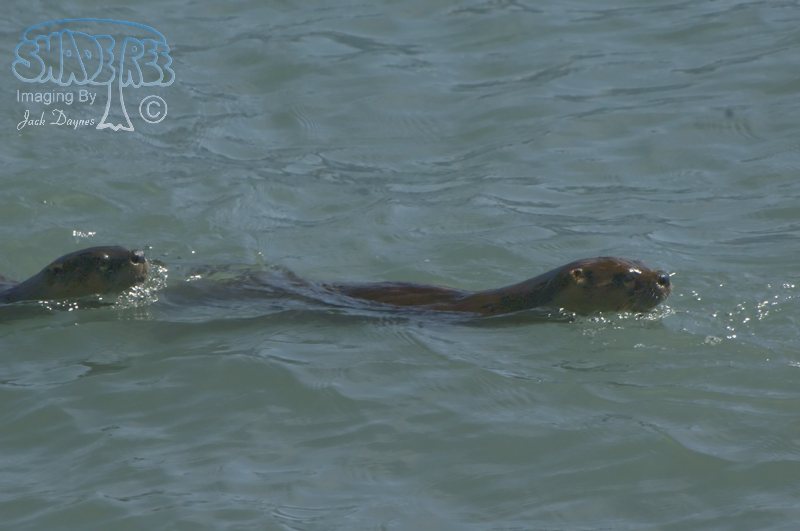
River Otter(Lutra canadensis) |
|
Description: Resurrection Bay, Seward, Alaska 2005-07-09. |
Date Taken: 2005:07:09 11:26 |
|
Location:
Lowell Point |
|
Camera Information: NIKON D2X, 490 mm, f/10.0, 1/400 |
File Name: JCD7741RiverOtter |
| © 2005 Jack Daynes, shadeTreeImaging.com |

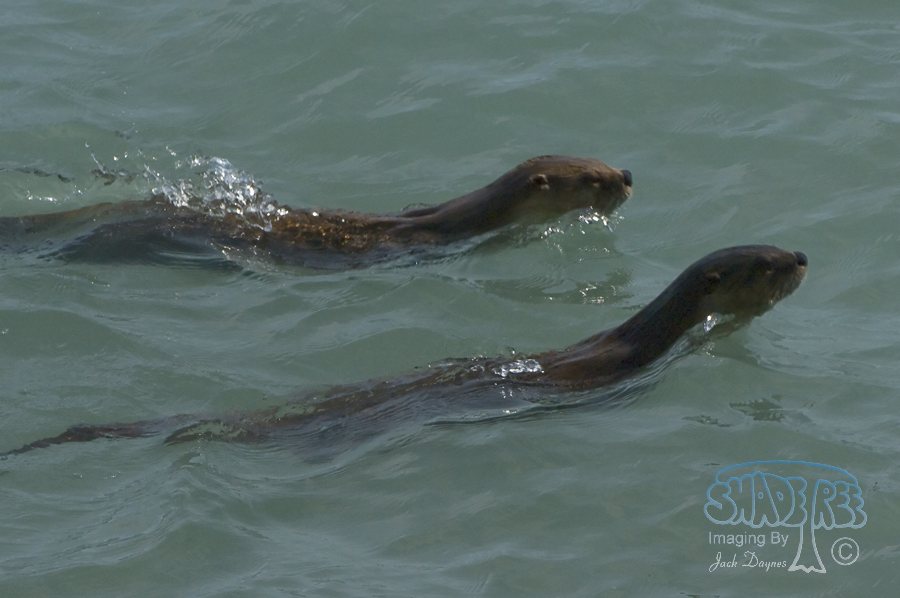
River Otter(Lutra canadensis) |
|
Description: Resurrection Bay, Seward, Alaska 2005-07-09. |
Date Taken: 2005:07:09 11:28 |
|
Location:
Lowell Point |
|
Camera Information: NIKON D2X, 280 mm, f/9.5, 1/350 |
File Name: JCD7750RiverOtter |
| © 2005 Jack Daynes, shadeTreeImaging.com |
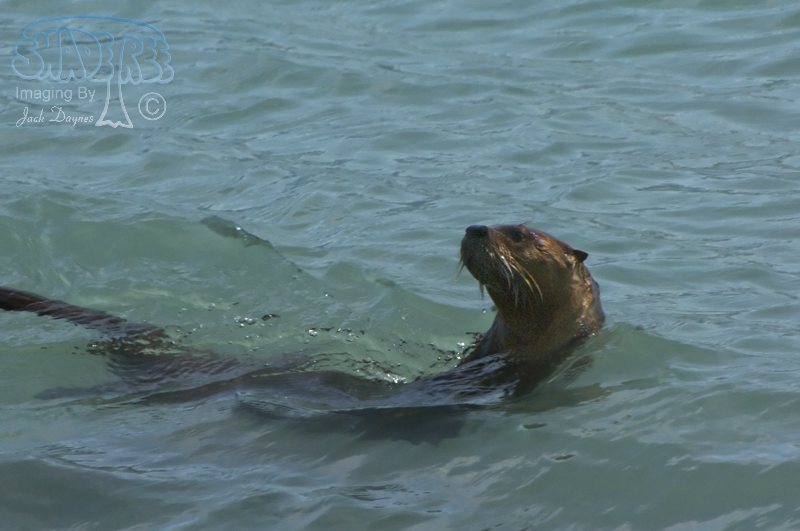
River Otter(Lutra canadensis) |
|
Description: Resurrection Bay, Seward, Alaska 2005-07-09. |
Date Taken: 2005:07:09 11:29 |
|
Location:
Lowell Point |
|
Camera Information: NIKON D2X, 550 mm, f/9.5, 1/350 |
File Name: JCD7759RiverOtter |
| © 2005 Jack Daynes, shadeTreeImaging.com |
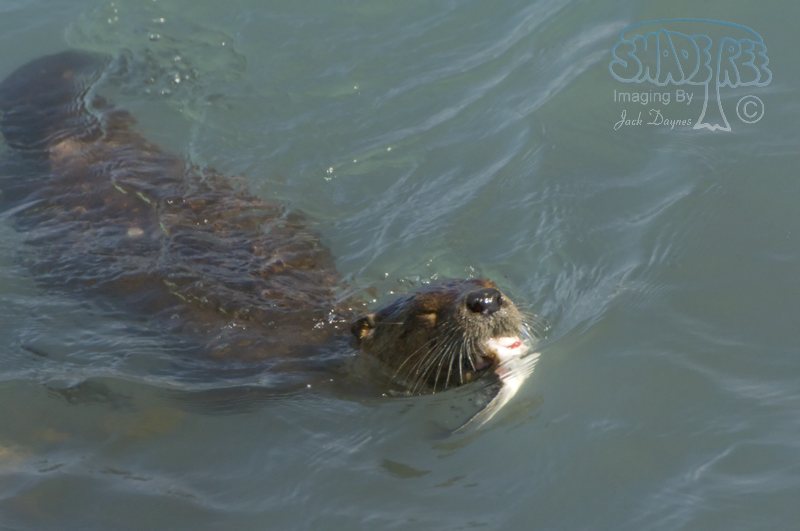
River Otter(Lutra canadensis) |
|
Description: Resurrection Bay, Seward, Alaska 2005-07-09. |
Date Taken: 2005:07:09 11:34 |
|
Location:
Lowell Point |
|
Camera Information: NIKON D2X, 550 mm, f/7.1, 1/320 |
File Name: JCD7770RiverOtter |
| © 2005 Jack Daynes, shadeTreeImaging.com |
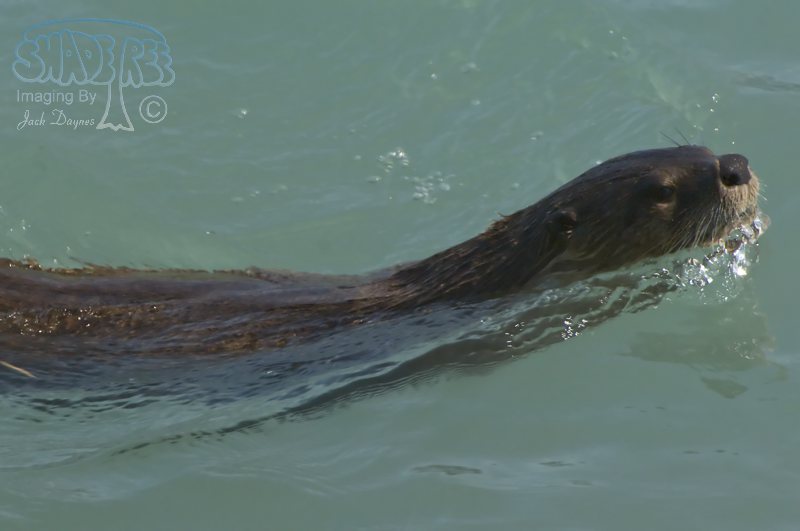
River Otter(Lutra canadensis) |
|
Description: Resurrection Bay, Seward, Alaska 2005-07-09. |
Date Taken: 2005:07:09 11:34 |
|
Location:
Lowell Point |
|
Camera Information: NIKON D2X, 550 mm, f/7.6, 1/350 |
File Name: JCD7779RiverOtter |
| © 2005 Jack Daynes, shadeTreeImaging.com |
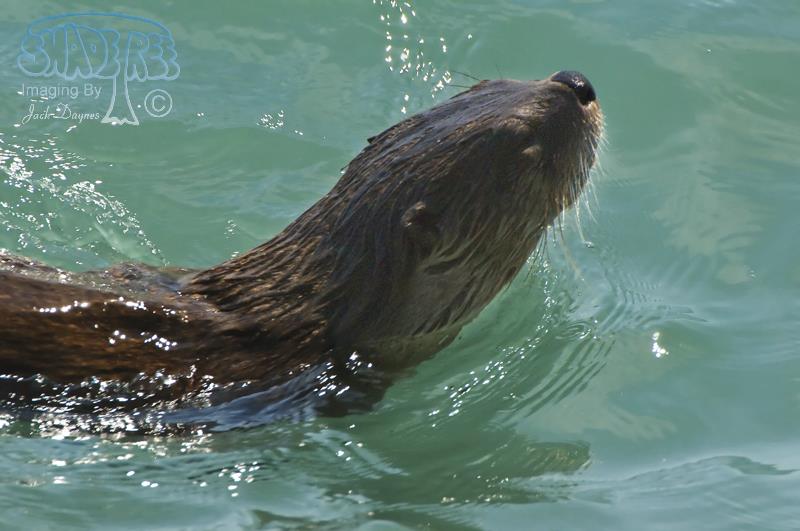
River Otter(Lutra canadensis) |
|
Description: Resurrection Bay, Seward, Alaska. |
Date Taken: 2005:07:09 11:38 |
|
Location:
Lowell Point |
|
Camera Information: NIKON D2X, 550 mm, f/8.5, 1/500 |
File Name: JCD7784RiverOtter |
| Copyright 2005, Jack Daynes |
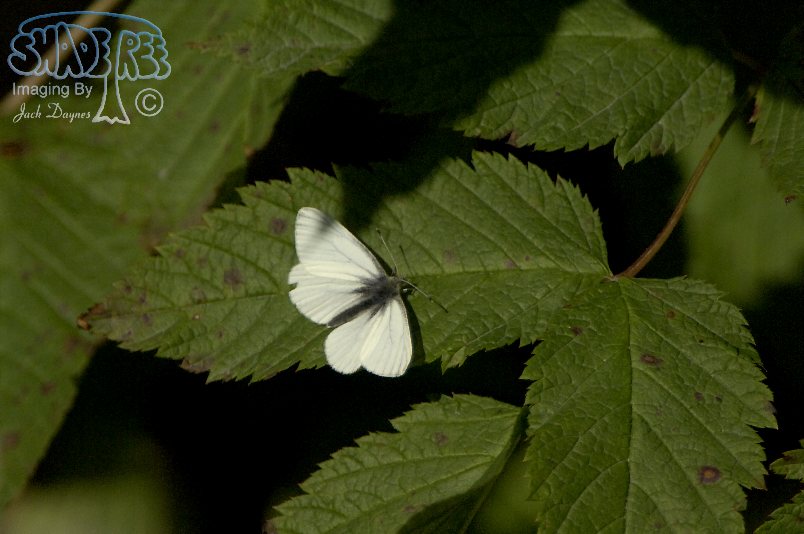
White Butterfly(Unknown sp.) |
|
Description: Resurrection Bay, Seward, Alaska 2005-07-09. |
Date Taken: 2005:07:09 12:49 |
|
Location:
Lowell Point |
|
Camera Information: NIKON D2X, 550 mm, f/5.6, 1/1600 |
File Name: JCD7816WhiteButterfly |
| © 2005 Jack Daynes, shadeTreeImaging.com |
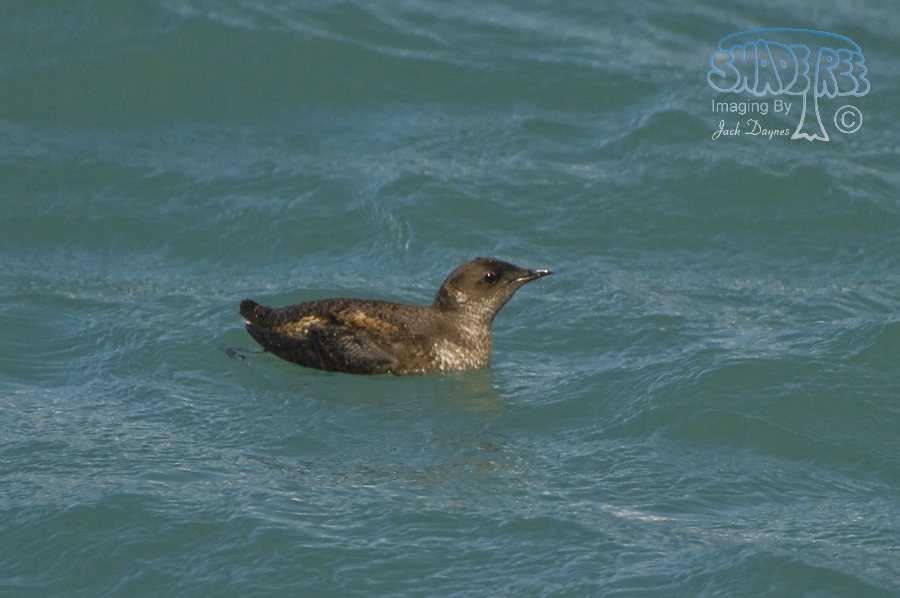
Marbled Murrelet(Brachyramphus marmoratus) |
|
Description: Resurrection Bay, Seward, Alaska 2005-07-09. |
Date Taken: 2005:07:09 16:09 |
|
Location:
Lowell Point |
|
Camera Information: NIKON D2X, 550 mm, f/5.6, 1/1000 |
File Name: JCD7839MarbledMurrelet |
| © 2005 Jack Daynes, shadeTreeImaging.com |
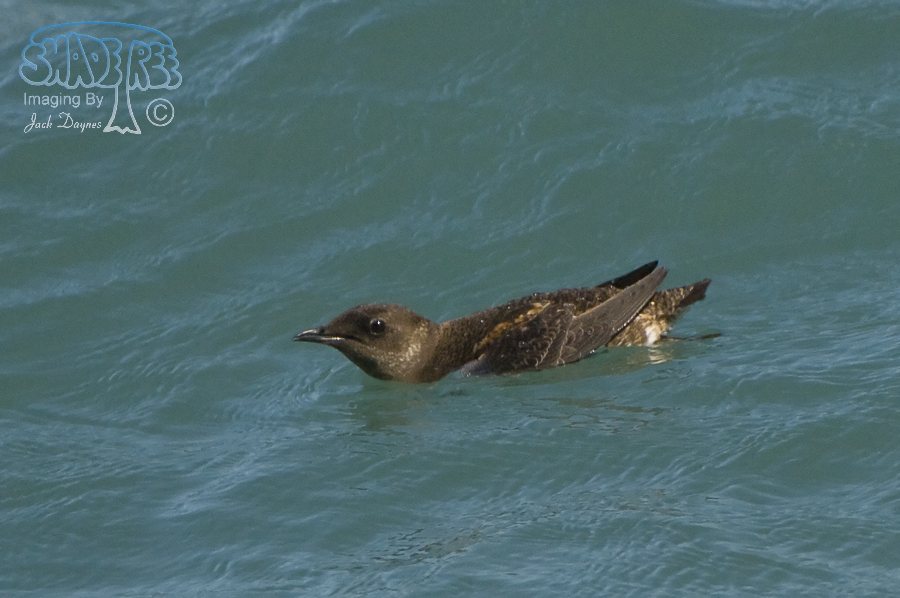
Marbled Murrelet(Brachyramphus marmoratus) |
|
Description: Resurrection Bay, Seward, Alaska 2005-07-09. |
Date Taken: 2005:07:09 16:10 |
|
Location:
Lowell Point |
|
Camera Information: NIKON D2X, 550 mm, f/5.6, 1/1000 |
File Name: JCD7852MarbledMurrelet |
| © 2005 Jack Daynes, shadeTreeImaging.com |
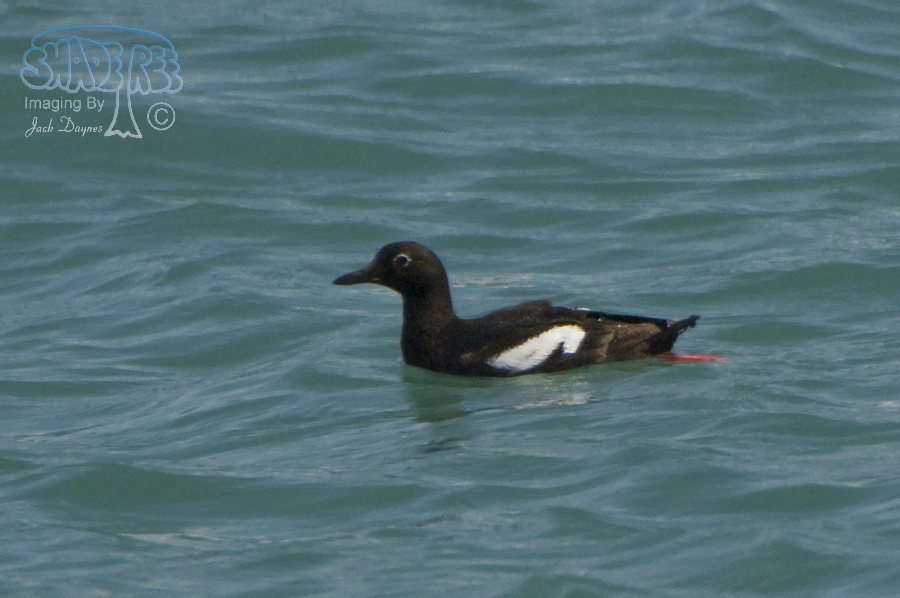
Pigeon Guillemot(Cepphus columba) |
|
Description: Resurrection Bay, Seward, Alaska 2005-07-09. |
Date Taken: 2005:07:09 16:21 |
|
Location:
Lowell Point |
|
Camera Information: NIKON D2X, 550 mm, f/5.6, 1/1000 |
File Name: JCD7870PigeonGuillemot |
| © 2005 Jack Daynes, shadeTreeImaging.com |
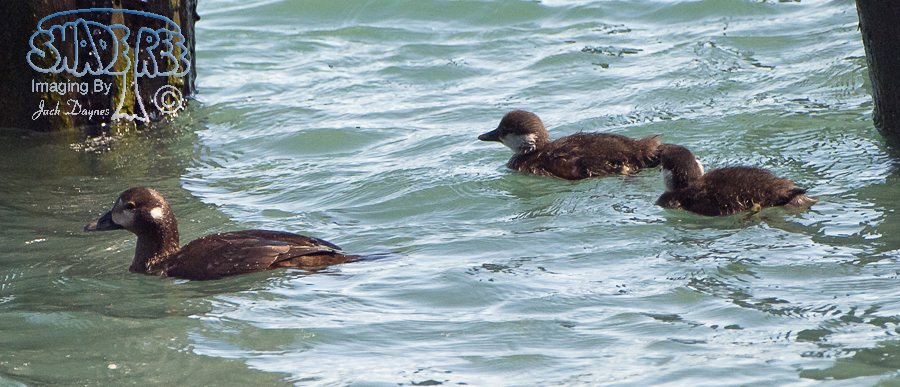
Harlequin Duck(Histrionicus histrionicus) |
|
Description: Resurrection Bay, Seward, Alaska 2005-07-09. |
Date Taken: 2005:07:09 16:27 |
|
Location:
Lowell Point |
|
Camera Information: NIKON D2X, 370 mm, f/5.6, 1/750 |
File Name: JCD7898HarlequinDuckFamily |
| © 2005 Jack Daynes, shadeTreeImaging.com |
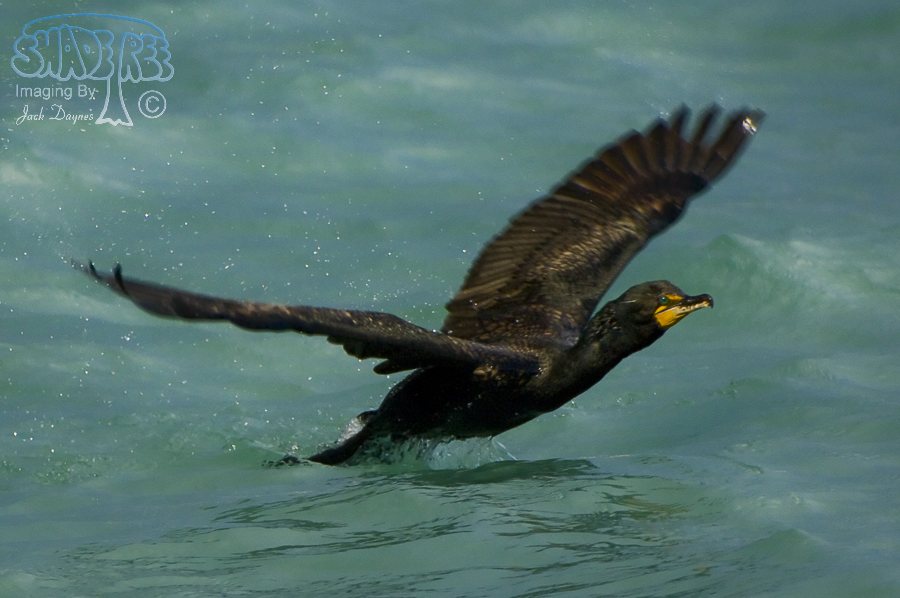
Double-Crested Cormorant(Phalacrocorax auritus) |
|
Description: Resurrection Bay, Seward, Alaska 2005-07-09. |
Date Taken: 2005:07:09 16:54 |
|
Location:
Lowell Point |
|
Camera Information: NIKON D2X, 550 mm, f/5.6, 1/640 |
File Name: JCD7923DoubleCrestedCormorant |
| © 2005 Jack Daynes, shadeTreeImaging.com |
Double-Crested Cormorant(Phalacrocorax auritus) |
|
Description: Resurrection Bay, Seward, Alaska 2005-07-09. |
Date Taken: 2005:07:09 16:54 |
|
Location:
Lowell Point |
|
Camera Information: NIKON D2X, 550 mm, f/5.6, 1/750 |
File Name: JCD7924DoubleCrestedCormorant |
| © 2005 Jack Daynes, shadeTreeImaging.com |
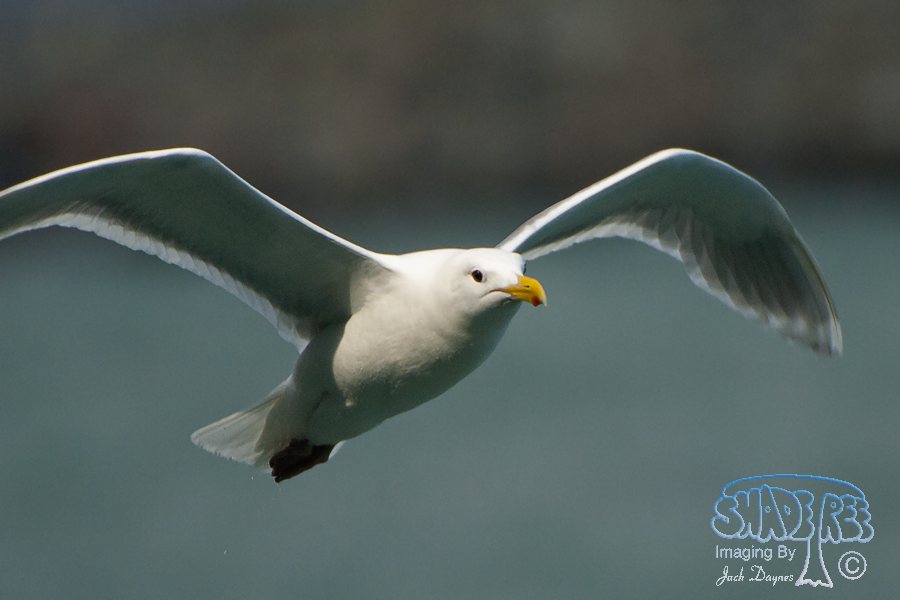
Glaucous-Winged Gull(Larus glaucescens) |
|
Description: Resurrection Bay, Seward, Alaska 2005-07-09. |
Date Taken: 2005:07:09 17:04 |
|
Location:
Lowell Point |
|
Camera Information: NIKON D2X, 550 mm, f/5.6, 1/800 |
File Name: JCD8002GlaucousWingedGull |
| © 2005 Jack Daynes, shadeTreeImaging.com |
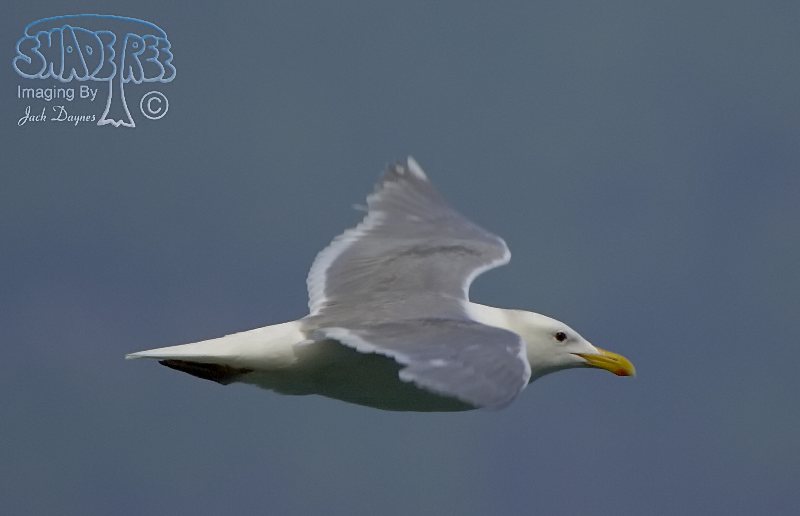
Glaucous-Winged Gull(Larus glaucescens) |
|
Description: Resurrection Bay, Seward, Alaska 2005-07-09. |
Date Taken: 2005:07:09 17:05 |
|
Location:
Lowell Point |
|
Camera Information: NIKON D2X, 550 mm, f/5.6, 1/1000 |
File Name: JCD8011GlaucousWingedGull |
| © 2005 Jack Daynes, shadeTreeImaging.com |
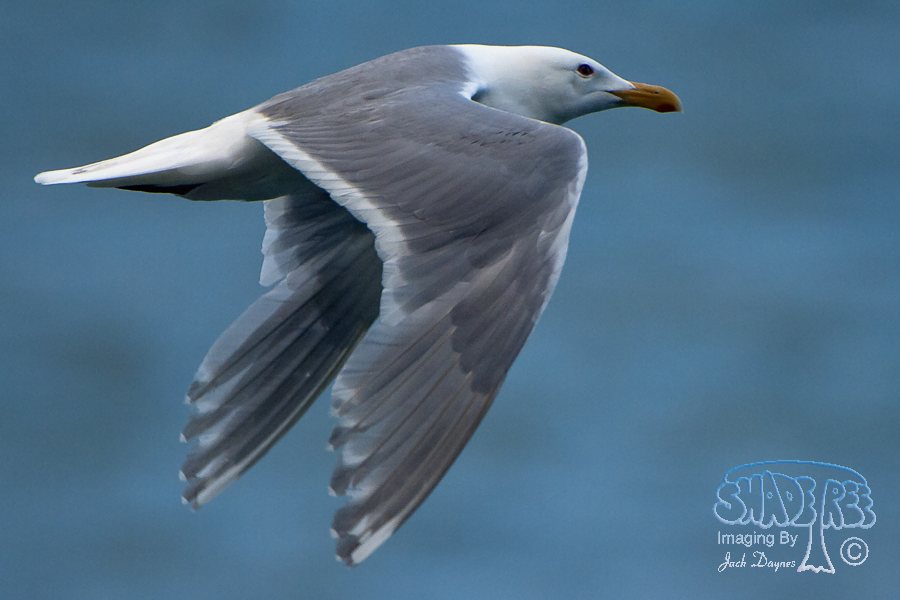
Glaucous-Winged Gull(Larus glaucescens) |
|
Description: Resurrection Bay, Seward, Alaska 2005-07-09. |
Date Taken: 2005:07:09 17:16 |
|
Location:
Lowell Point |
|
Camera Information: NIKON D2X, 550 mm, f/5.6, 1/750 |
File Name: JCD8058GlaucousWingedGull |
| © 2005 Jack Daynes, shadeTreeImaging.com |
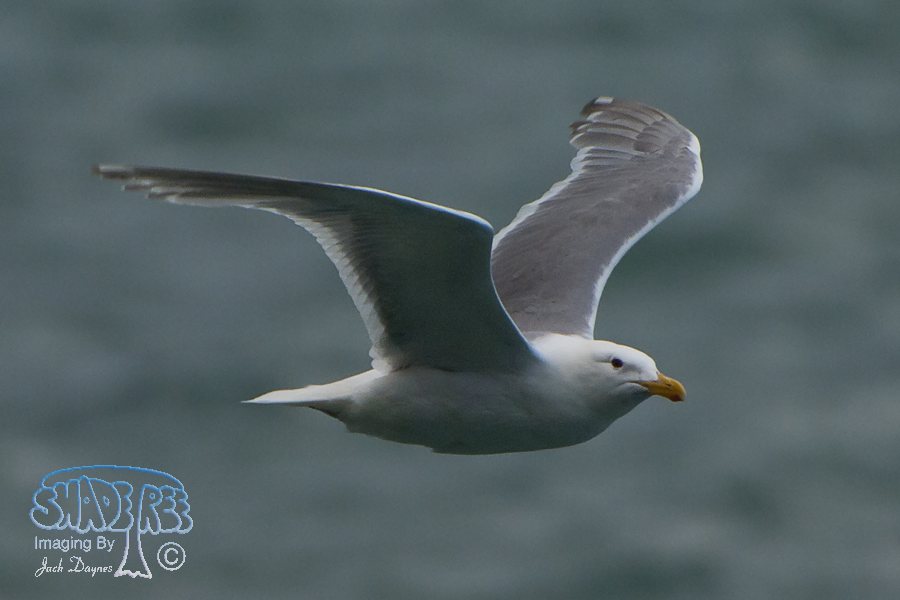
Glaucous-Winged Gull(Larus glaucescens) |
|
Description: Resurrection Bay, Seward, Alaska 2005-07-09. |
Date Taken: 2005:07:09 17:20 |
|
Location:
Lowell Point |
|
Camera Information: NIKON D2X, 550 mm, f/5.6, 1/750 |
File Name: JCD8085GlaucousWingedGull |
| © 2005 Jack Daynes, shadeTreeImaging.com |
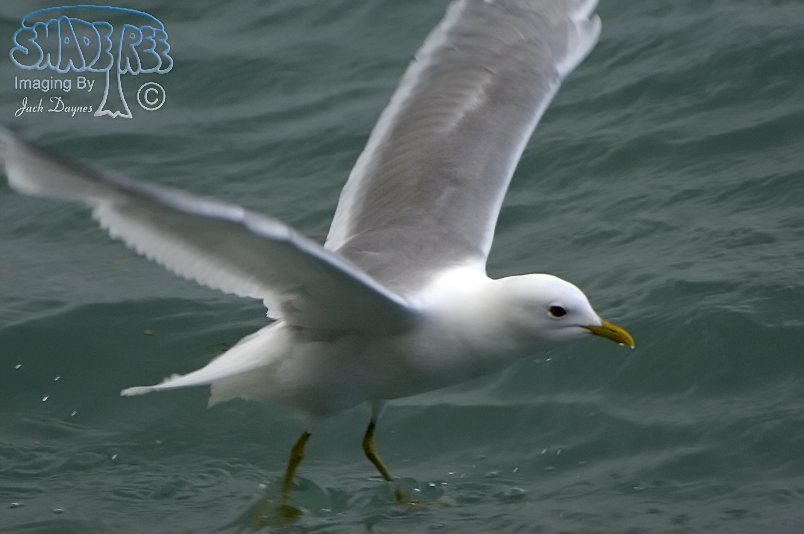
Short-Billed Gull(Larus brachyrhynchus) |
|
Description: Resurrection Bay, Seward, Alaska 2005-07-09. |
Date Taken: 2005:07:09 17:25 |
|
Location:
Lowell Point |
|
Camera Information: NIKON D2X, 550 mm, f/5.6, 1/350 |
File Name: JCD8130MewGull |
| © 2005 Jack Daynes, shadeTreeImaging.com |
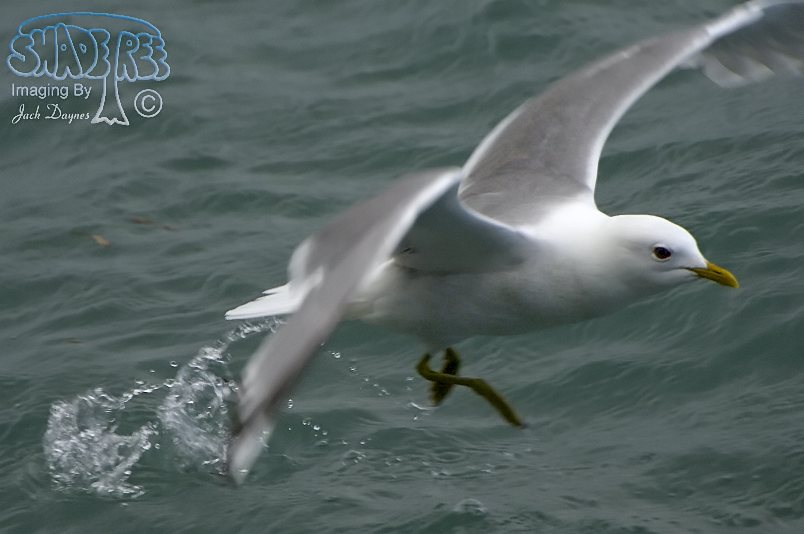
Short-Billed Gull(Larus brachyrhynchus) |
|
Description: Resurrection Bay, Seward, Alaska 2005-07-09. |
Date Taken: 2005:07:09 17:25 |
|
Location:
Lowell Point |
|
Camera Information: NIKON D2X, 550 mm, f/5.6, 1/350 |
File Name: JCD8131MewGull |
| © 2005 Jack Daynes, shadeTreeImaging.com |
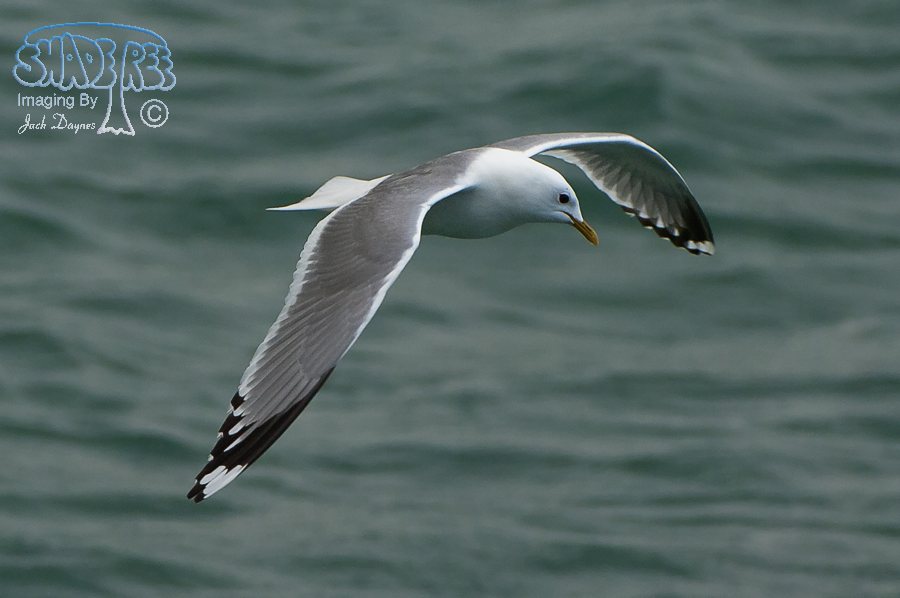
Short-Billed Gull(Larus brachyrhynchus) |
|
Description: Resurrection Bay, Seward, Alaska 2005-07-09. |
Date Taken: 2005:07:09 17:26 |
|
Location:
Lowell Point |
|
Camera Information: NIKON D2X, 310 mm, f/5.6, 1/500 |
File Name: JCD8151MewGull |
| © 2005 Jack Daynes, shadeTreeImaging.com |
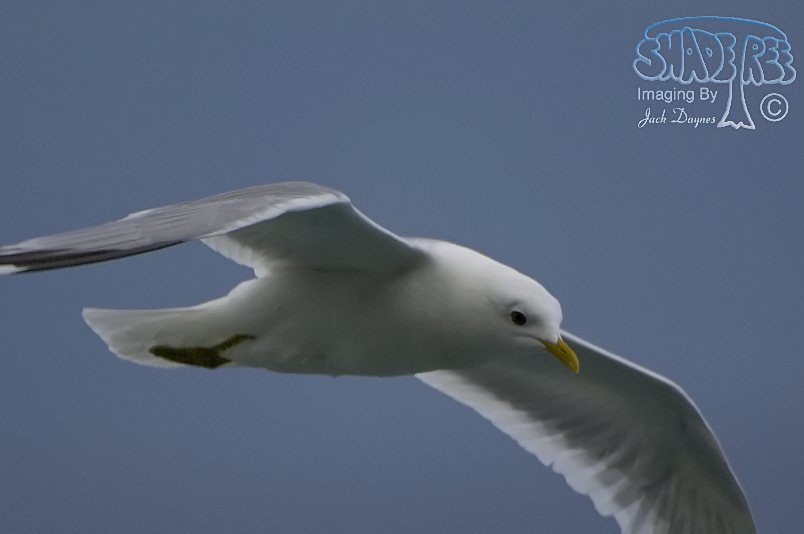
Short-Billed Gull(Larus brachyrhynchus) |
|
Description: Resurrection Bay, Seward, Alaska 2005-07-09. |
Date Taken: 2005:07:09 17:28 |
|
Location:
Lowell Point |
|
Camera Information: NIKON D2X, 550 mm, f/5.6, 1/640 |
File Name: JCD8200MewGull |
| © 2005 Jack Daynes, shadeTreeImaging.com |
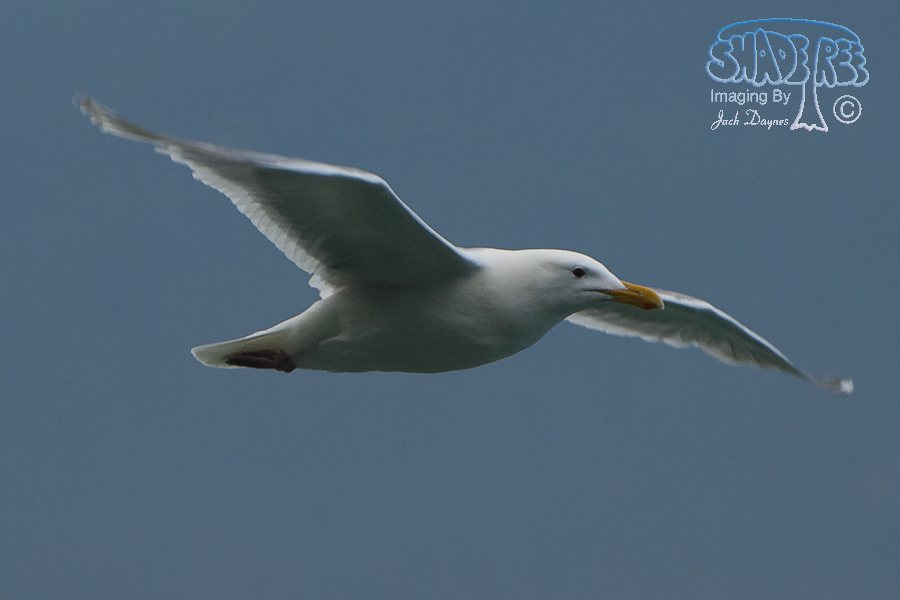
Glaucous-Winged Gull(Larus glaucescens) |
|
Description: Resurrection Bay, Seward, Alaska 2005-07-09. |
Date Taken: 2005:07:09 17:30 |
|
Location:
Lowell Point |
|
Camera Information: NIKON D2X, 370 mm, f/5.6, 1/640 |
File Name: JCD8223GlaucousWingedGull |
| © 2005 Jack Daynes, shadeTreeImaging.com |
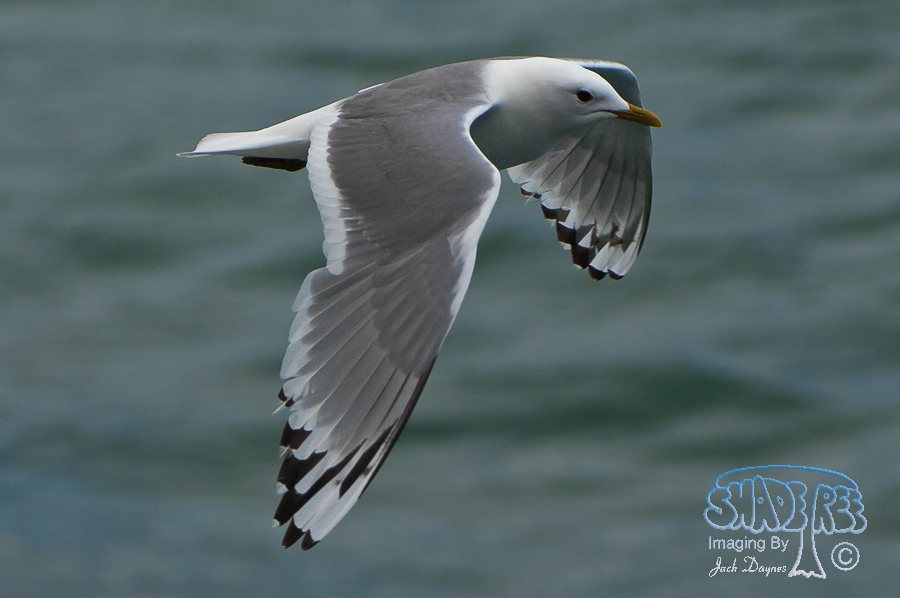
Short-Billed Gull(Larus brachyrhynchus) |
|
Description: Resurrection Bay, Seward, Alaska 2005-07-09. |
Date Taken: 2005:07:09 17:31 |
|
Location:
Lowell Point |
|
Camera Information: NIKON D2X, 280 mm, f/5.6, 1/640 |
File Name: JCD8256MewGull |
| © 2005 Jack Daynes, shadeTreeImaging.com |
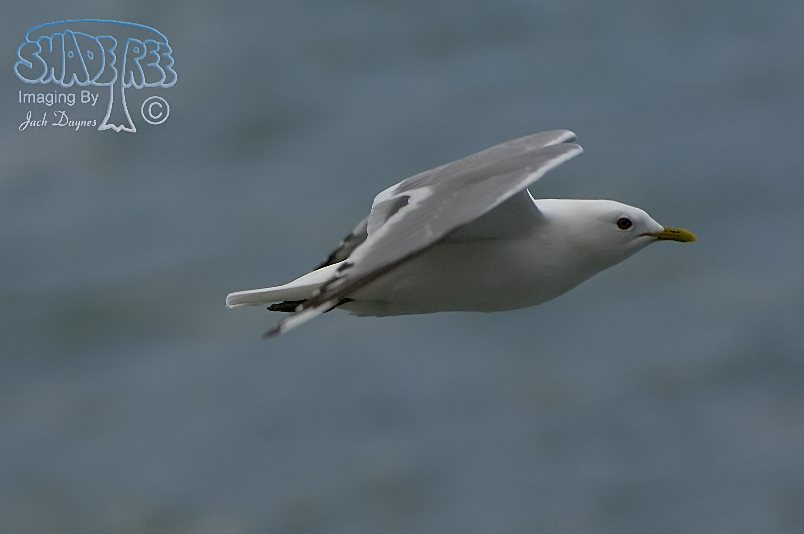
Short-Billed Gull(Larus brachyrhynchus) |
|
Description: Resurrection Bay, Seward, Alaska 2005-07-09. |
Date Taken: 2005:07:09 17:32 |
|
Location:
Lowell Point |
|
Camera Information: NIKON D2X, 280 mm, f/5.6, 1/640 |
File Name: JCD8272MewGull |
| © 2005 Jack Daynes, shadeTreeImaging.com |
Click map markers to reveal further information
