
The Morley Nelson Snake River Birds of Prey National Conservation Area has been set aside to promote the protection and preservation of raptors. These birds sometimes gather here in large numbers. The steep, rocky cliffs lining the inner canyon that carries the Snake River through the wide plains of Southern Idaho are well suited for their nesting needs.
Southern Idaho has been forged in fire and ice. Ten to twelve million years ago the volcanic hot spot that today simmers under Yellowstone Park drifted through this valley. More accurate to stated, the continental crust drifted over the hot spot and left behind the wide plain we see today.
Ten thousand years ago there was a great inland lake we now call Lake Bonneville. Scientists believe an alluvial dam held the water in Utah, but as glacial ice melted it raised the lake to its highest levels, finally pushing through the soft alluvial berm at the present day Red Rock Pass in Idaho. As the berm dam collapsed, it released a layer of water over 400 feet deep from the 32,000 square mile lake and produced a catastrophic flood that followed the Snake Basin, gouging the 600 foot deep inner canyon and carrying house-sized boulders for hundreds of miles. The floodwaters reached speeds of seventy MPH and passed 33,000,000 cubic feet of water per second at its peak. The peak flow lasted for weeks, but even after it subsided, the water continued flowing for years.
Today, the Snake River Plain is a rich food source for predatory birds. Piute Ground Squirrels, known locally as “Whistle Pigs”, occur here in large numbers, and provide nourishment for the highest concentration of nesting Prairie Falcons in North America. These birds comprise the largest contingent of the raptor population here. Hawks, owls, eagles, and falcons nest in this area in large numbers, with up to 800 pairs known to reside here. The larger members of the raptor community have Black-Tailed Jackrabbits to fill their nutritional needs. Migrating raptors also rely on this region for refueling on their sometimes long journeys north or south.
I have not timed my visits here well enough to witness the great raptor spectacle I have heard about. January is the time to visit for the peak activity of the raptors. For this is when the squirrels bear their young, and the raptors have their best opportunity to capture prey. But if you plan to exploit the opportunity to visit in this time frame, dress VERY warm. The mercury may be in the 20°F range when you get there.
My visits have been in late May, and while the temperatures are pleasant, raptor numbers are low. I met a few Prairie Falcons zooming past at a distance, but when I followed the roads down into the canyon where the river flows at Swan Falls, I had some interesting encounters with passerines and waterfowl. The gallery below gives you a glimpse of those meetings.
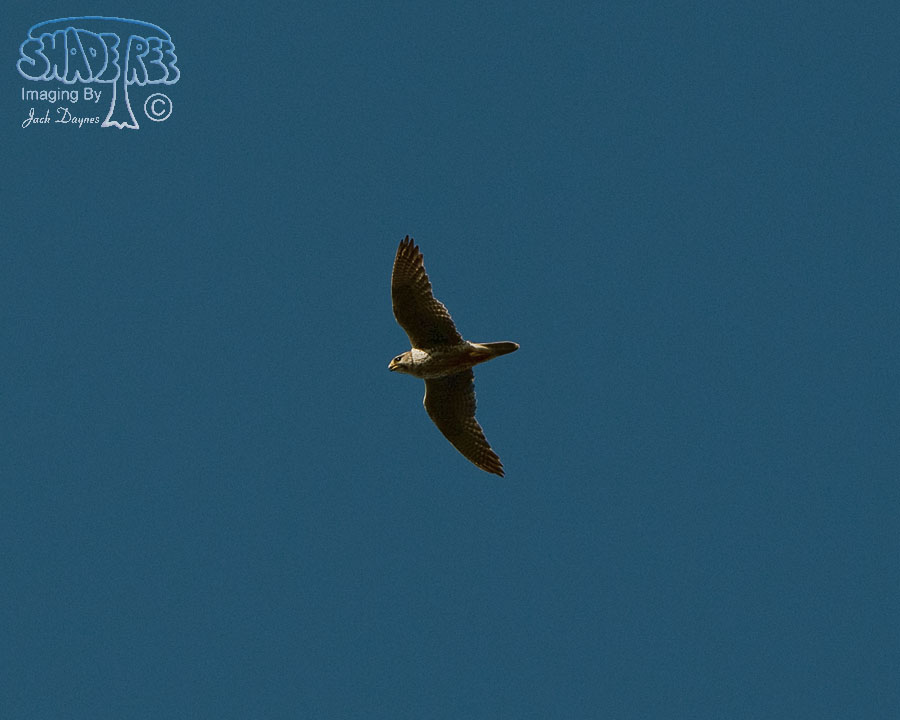
Prairie Falcon(Falco mexicanus) |
|
Description: I failed to get close images of these swift birds, but enjoyed trying. Snake River Birds of Prey National Conservation Area south of Meridian Idaho. |
Date Taken: 2015:05:29 8:45 |
|
Location:
Birds of Prey NCA |
|
Camera Information: NIKON D3X, 300 mm, f/8.0, 1/1000 |
File Name: D3X5571-PrairieFalcon |
| © 2015 Jack Daynes, shadeTreeImaging.com |

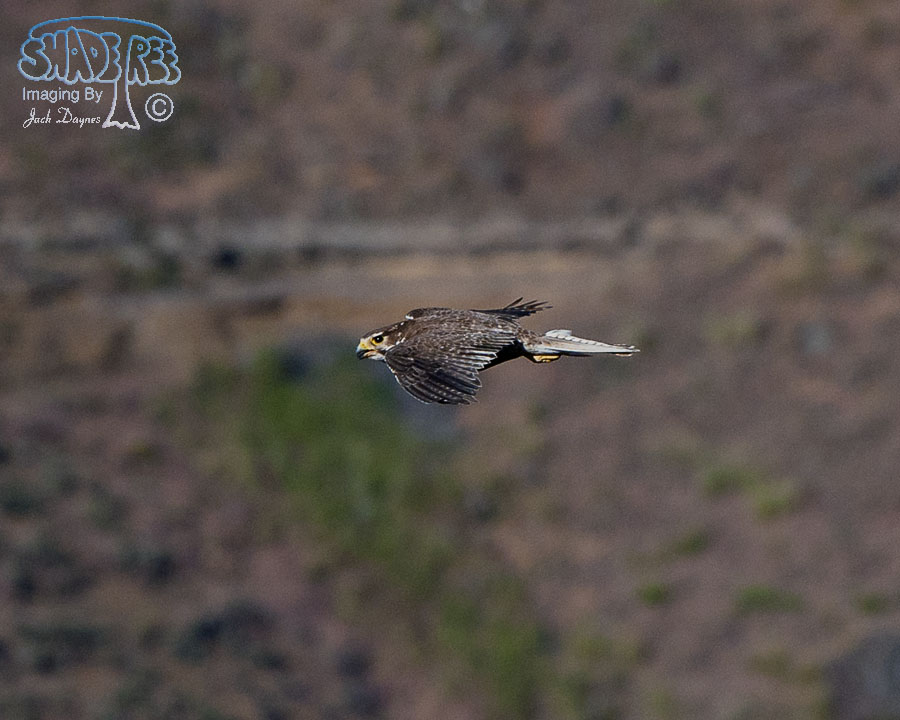
Prairie Falcon(Falco mexicanus) |
|
Description: I failed to get close images of these swift birds, but enjoyed trying. Snake River Birds of Prey National Conservation Area south of Meridian Idaho. |
Date Taken: 2015:05:29 8:49 |
|
Location:
Birds of Prey NCA |
|
Camera Information: NIKON D3X, 380 mm, f/8.0, 1/2000 |
File Name: D3X5620-PrairieFalcon |
| © 2015 Jack Daynes, shadeTreeImaging.com |
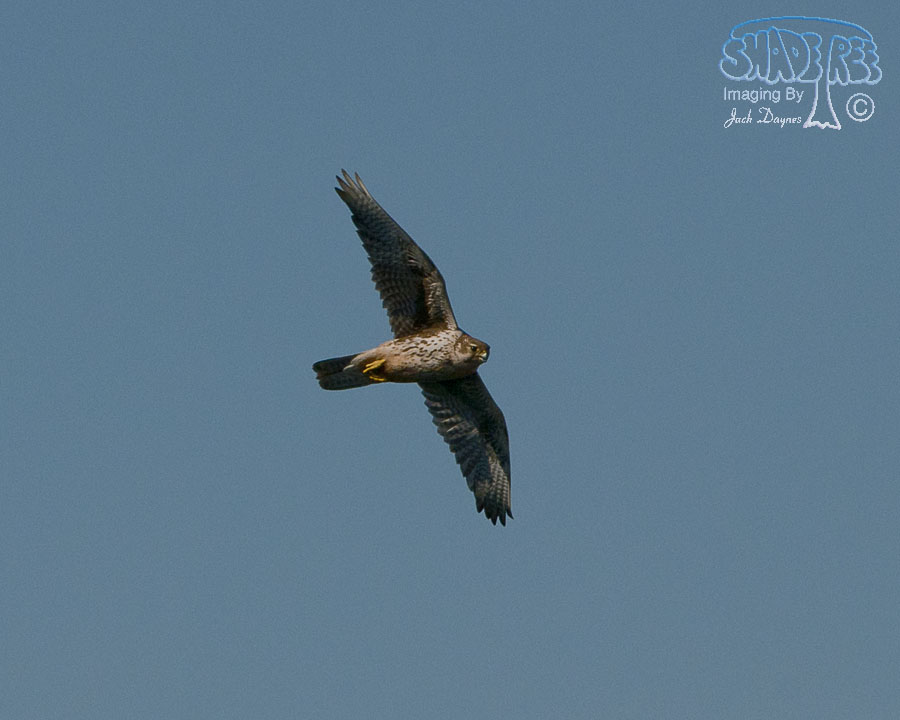
Prairie Falcon(Falco mexicanus) |
|
Description: I failed to get close images of these swift birds, but enjoyed trying. Snake River Birds of Prey National Conservation Area south of Meridian Idaho. |
Date Taken: 2015:05:29 10:07 |
|
Location:
Birds of Prey NCA |
|
Camera Information: NIKON D3X, 400 mm, f/8.0, 1/4000 |
File Name: D3X5714-PrairieFalcon |
| © 2015 Jack Daynes, shadeTreeImaging.com |
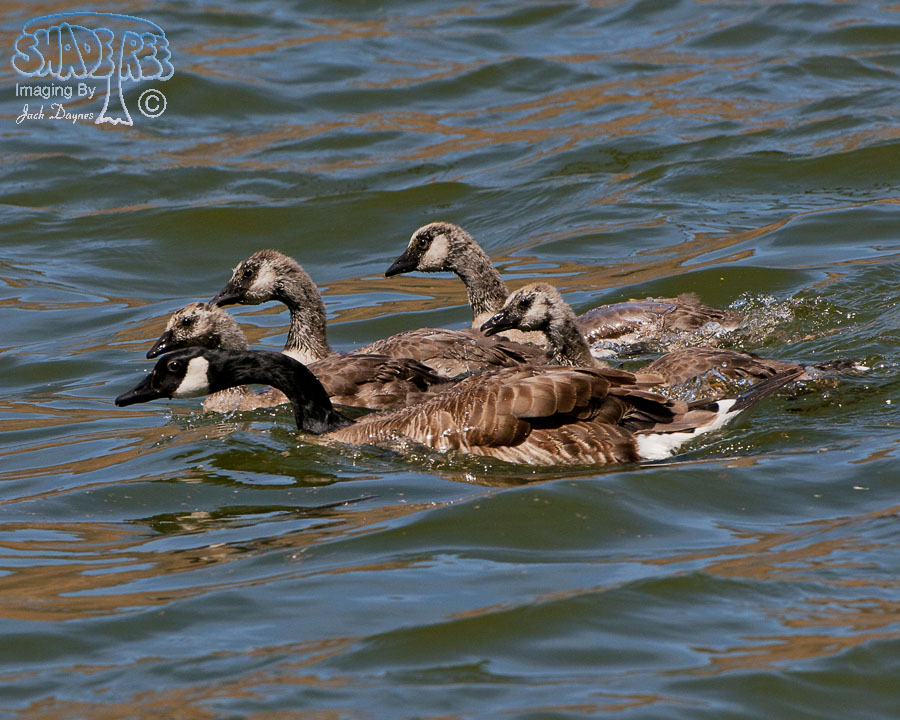
Canada Goose(Branta canadensis) |
|
Description: These geese seem to have nested late at Swan Falls. Snake River Birds of Prey National Conservation Area south of Meridian Idaho. |
Date Taken: 2015:05:29 11:53 |
|
Location:
Birds of Prey NCA |
|
Camera Information: NIKON D3X, 400 mm, f/7.1, 1/1600 |
File Name: D3X5949-CanadaGeese |
| © 2015 Jack Daynes, shadeTreeImaging.com |
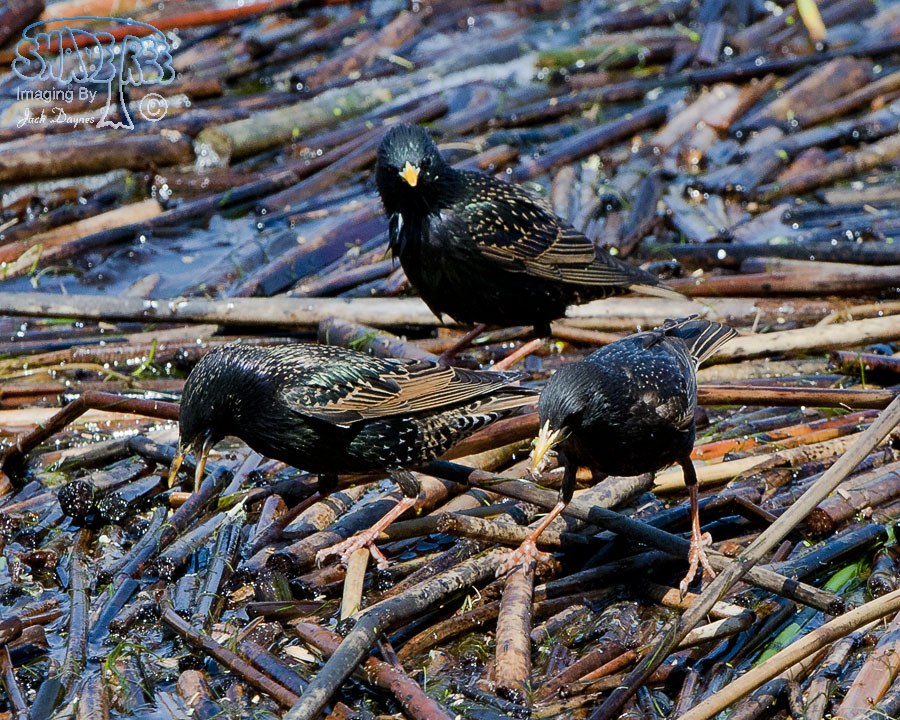
European Starling(Sturnus vulgaris) |
|
Description: Cattail rafts at Swan Falls collected a wealth of small insects that Starlings and Red-Winged Blackbirds feasted on. Snake River Birds of Prey National Conservation Area south of Meridian Idaho. |
Date Taken: 2015:05:29 11:58 |
|
Location:
Birds of Prey NCA |
|
Camera Information: NIKON D3X, 350 mm, f/7.1, 1/1000 |
File Name: D3X5982-EuropeanStarling |
| © 2015 Jack Daynes, shadeTreeImaging.com |
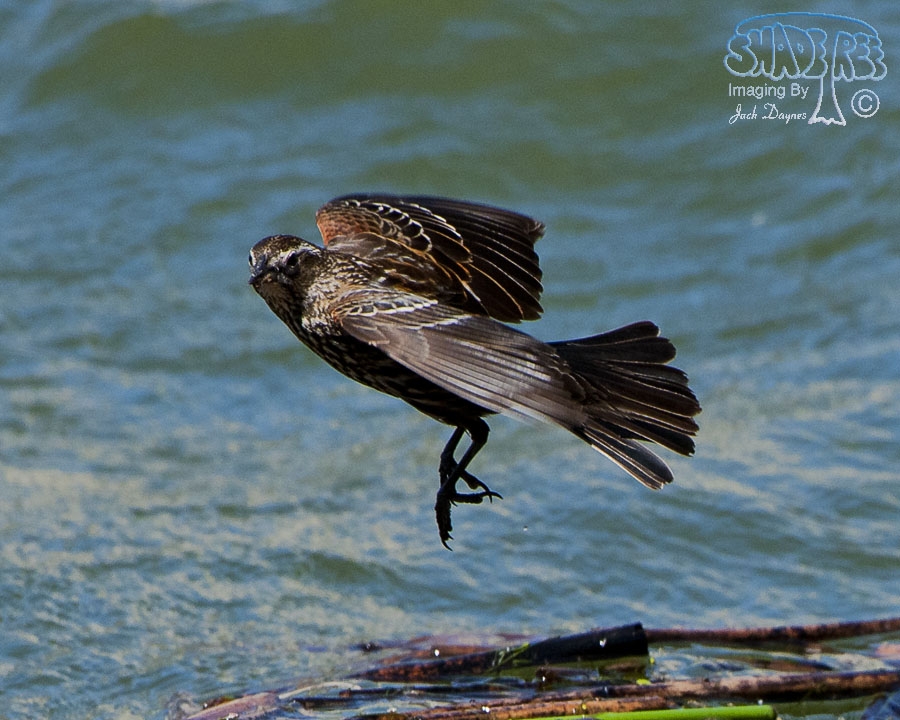
Red-Winged Blackbird(Agelaius phoeniceus) |
|
Description: Cattail rafts at Swan Falls collected a wealth of small insects that Starlings and Red-Winged Blackbirds feasted on. Snake River Birds of Prey National Conservation Area south of Meridian Idaho. |
Date Taken: 2015:05:29 12:01 |
|
Location:
Birds of Prey NCA |
|
Camera Information: NIKON D3X, 400 mm, f/7.1, 1/1000 |
File Name: D3X6020-RedWingedBlackBird-Female |
| © 2015 Jack Daynes, shadeTreeImaging.com |
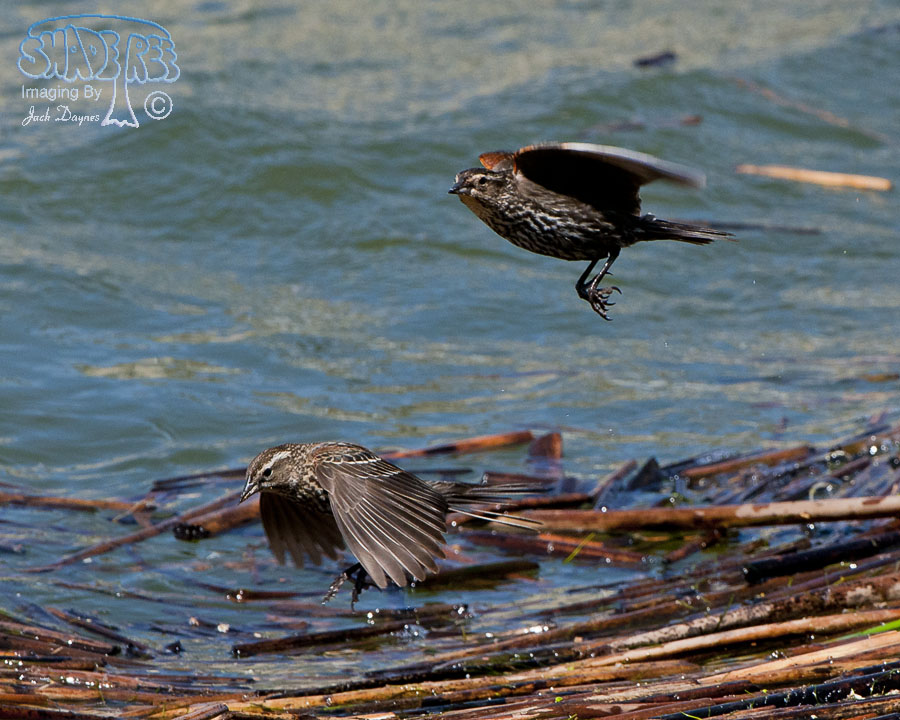
Red-Winged Blackbird(Agelaius phoeniceus) |
|
Description: Cattail rafts at Swan Falls collected a wealth of small insects that Starlings and Red-Winged Blackbirds feasted on. Snake River Birds of Prey National Conservation Area south of Meridian Idaho. |
Date Taken: 2015:05:29 12:01 |
|
Location:
Birds of Prey NCA |
|
Camera Information: NIKON D3X, 400 mm, f/7.1, 1/1250 |
File Name: D3X6043-RedWingedBlackBird-Female |
| © 2015 Jack Daynes, shadeTreeImaging.com |
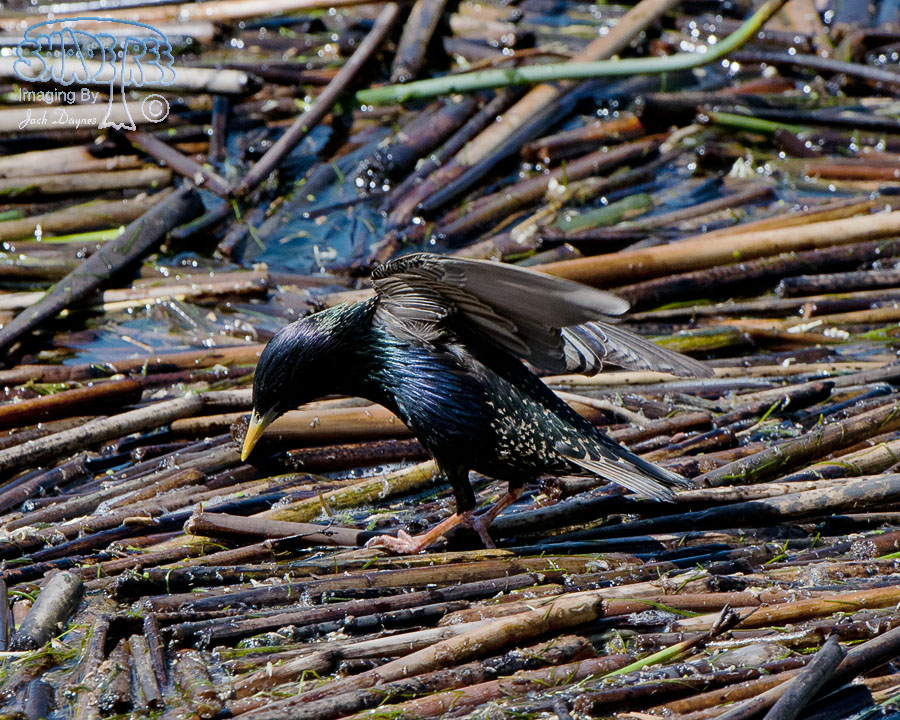
European Starling(Sturnus vulgaris) |
|
Description: Cattail rafts at Swan Falls collected a wealth of small insects that Starlings and Red-Winged Blackbirds feasted on. Snake River Birds of Prey National Conservation Area south of Meridian Idaho. |
Date Taken: 2015:05:29 12:05 |
|
Location:
Birds of Prey NCA |
|
Camera Information: NIKON D3X, 400 mm, f/7.1, 1/1000 |
File Name: D3X6064-EuropeanStarling |
| © 2015 Jack Daynes, shadeTreeImaging.com |
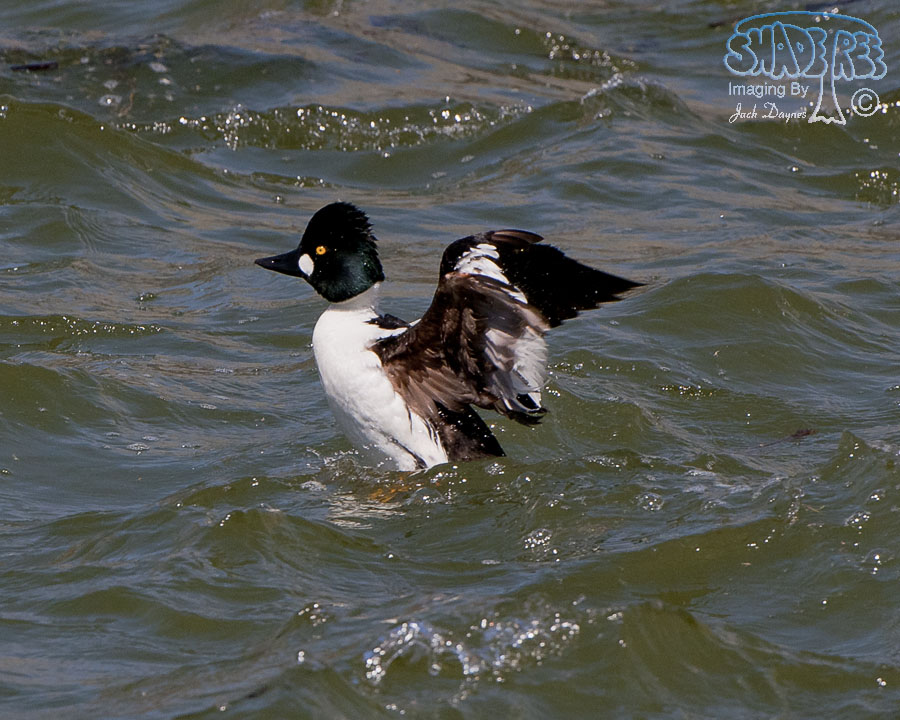
Common Goldeneye(Bucephala clangula) |
|
Description: Wind-chopped water at Swan Falls wasn't a problem for these ducks. Snake River Birds of Prey National Conservation Area south of Meridian Idaho. |
Date Taken: 2015:05:29 12:06 |
|
Location:
Birds of Prey NCA |
|
Camera Information: NIKON D3X, 400 mm, f/7.1, 1/1600 |
File Name: D3X6083-CommonGoldenEye |
| © 2015 Jack Daynes, shadeTreeImaging.com |
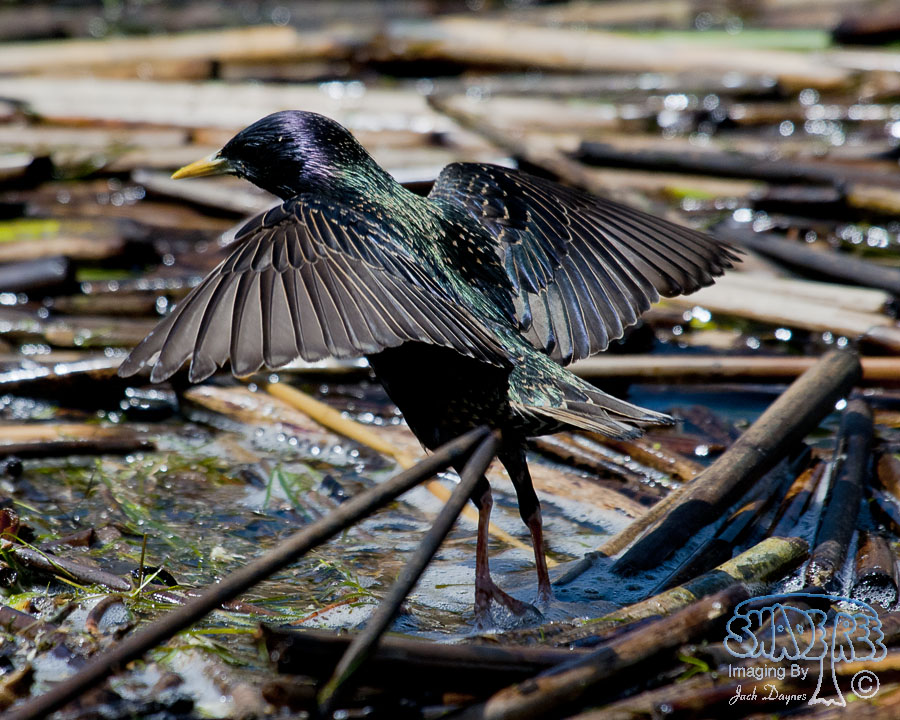
European Starling(Sturnus vulgaris) |
|
Description: Cattail rafts at Swan Falls collected a wealth of small insects that Starlings and Red-Winged Blackbirds feasted on. Snake River Birds of Prey National Conservation Area south of Meridian Idaho. |
Date Taken: 2015:05:29 12:12 |
|
Location:
Birds of Prey NCA |
|
Camera Information: NIKON D3X, 800 mm, f/7.1, 1/2500 |
File Name: D3X6135-EuropeanStarling |
| © 2015 Jack Daynes, shadeTreeImaging.com |
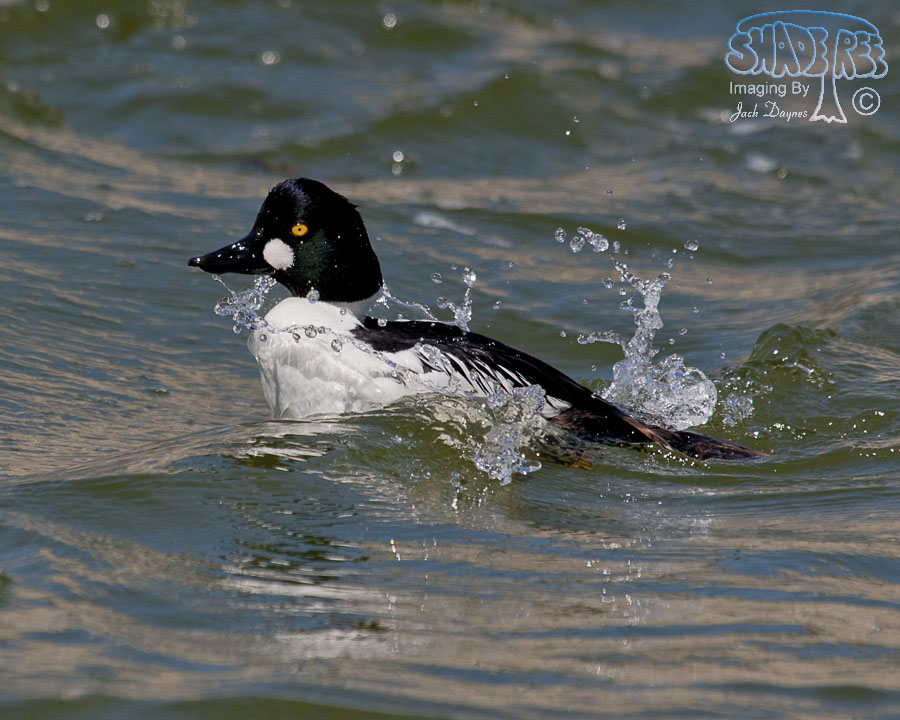
Common Goldeneye(Bucephala clangula) |
|
Description: Wind-chopped water at Swan Falls wasn't a problem for these ducks. Snake River Birds of Prey National Conservation Area south of Meridian Idaho. |
Date Taken: 2015:05:29 12:15 |
|
Location:
Birds of Prey NCA |
|
Camera Information: NIKON D3X, 800 mm, f/7.1, 1/2500 |
File Name: D3X6166-CommonGoldenEye |
| © 2015 Jack Daynes, shadeTreeImaging.com |
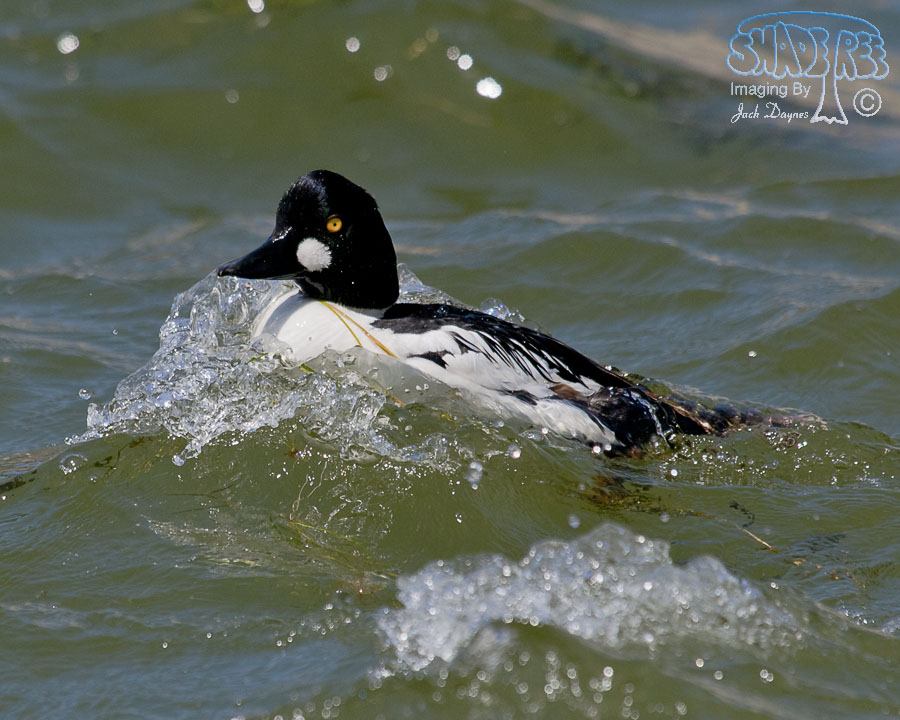
Common Goldeneye(Bucephala clangula) |
|
Description: Wind-chopped water at Swan Falls wasn't a problem for these ducks. Snake River Birds of Prey National Conservation Area south of Meridian Idaho. |
Date Taken: 2015:05:29 12:22 |
|
Location:
Birds of Prey NCA |
|
Camera Information: NIKON D3X, 800 mm, f/7.1, 1/2500 |
File Name: D3X6180-CommonGoldenEye |
| © 2015 Jack Daynes, shadeTreeImaging.com |
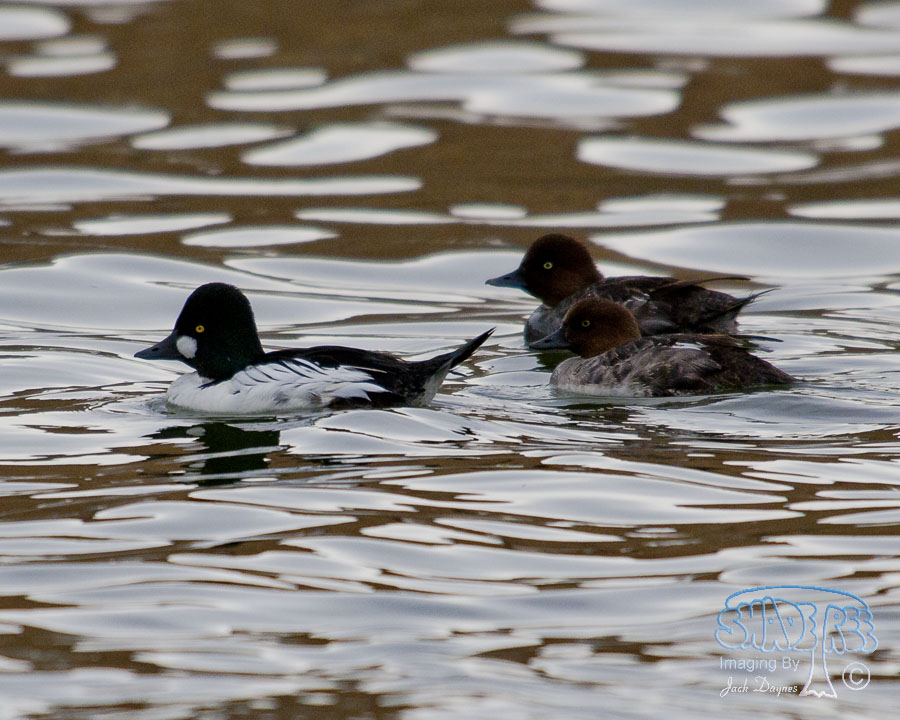
Common Goldeneye(Bucephala clangula) |
|
Description: Snake River Birds of Prey National Conservation Area south of Meridian Idaho. |
Date Taken: 2015:06:01 8:47 |
|
Location:
Birds of Prey NCA |
|
Camera Information: NIKON D3X, 800 mm, f/7.1, 1/500 |
File Name: D3X6631-CommonGoldenEye |
| © 2015 Jack Daynes, shadeTreeImaging.com |
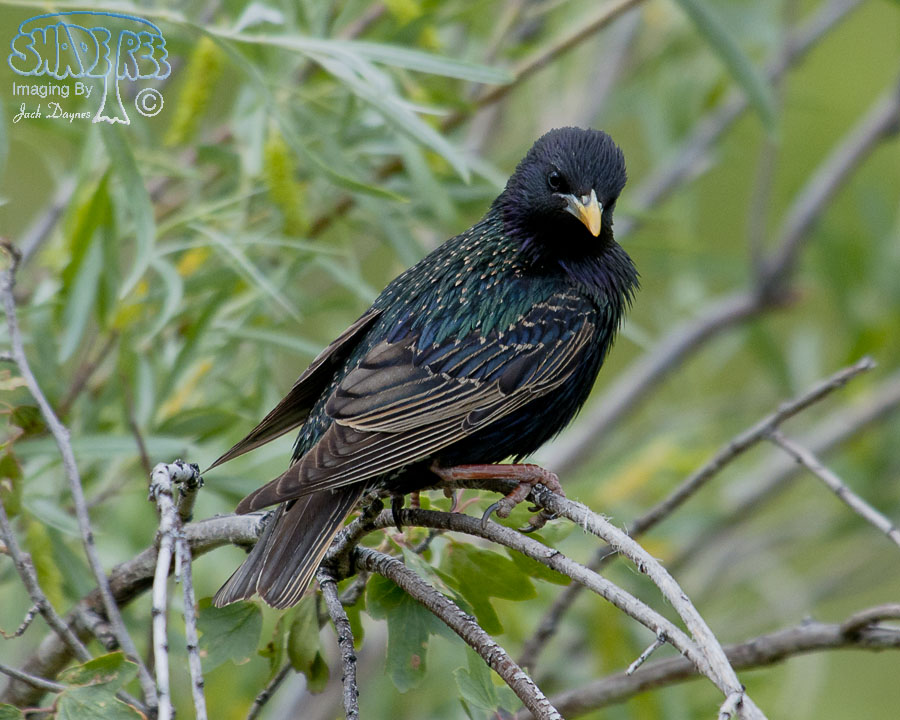
European Starling(Sturnus vulgaris) |
|
Description: The riparian thickets below Swan Falls Dam at the Snake River Birds of Prey National Conservation Area south of Meridian Idaho. |
Date Taken: 2015:06:01 10:23 |
|
Location:
Birds of Prey NCA |
|
Camera Information: NIKON D3X, 800 mm, f/7.1, 1/1000 |
File Name: D3X6661-EuropeanStarling |
| © 2015 Jack Daynes, shadeTreeImaging.com |
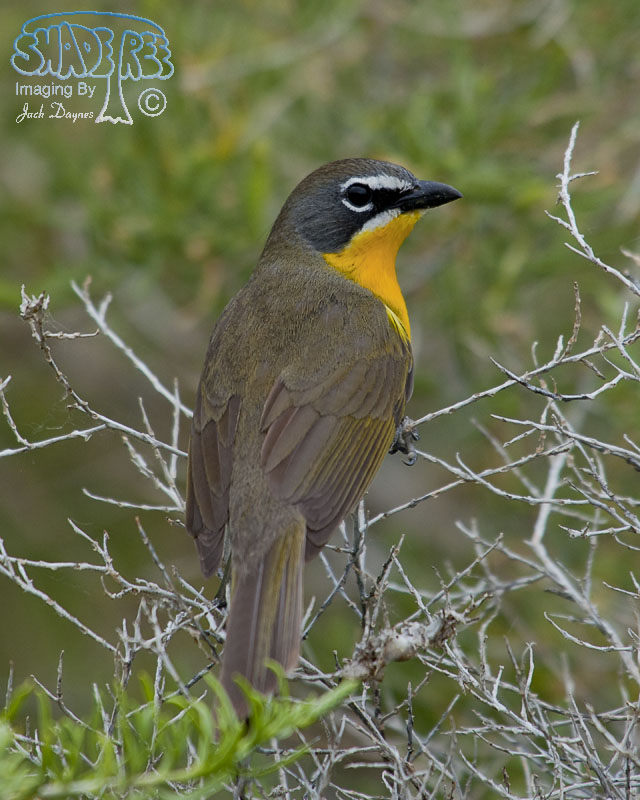
Yellow-Breasted Chat(Icteria virens) |
|
Description: The riparian thickets below Swan Falls Dam at the Snake River Birds of Prey National Conservation Area south of Meridian Idaho. |
Date Taken: 2015:06:01 10:47 |
|
Location:
Birds of Prey NCA |
|
Camera Information: NIKON D3X, 800 mm, f/7.1, 1/800 |
File Name: D3X6667-YellowBreastedChat |
| © 2015 Jack Daynes, shadeTreeImaging.com |
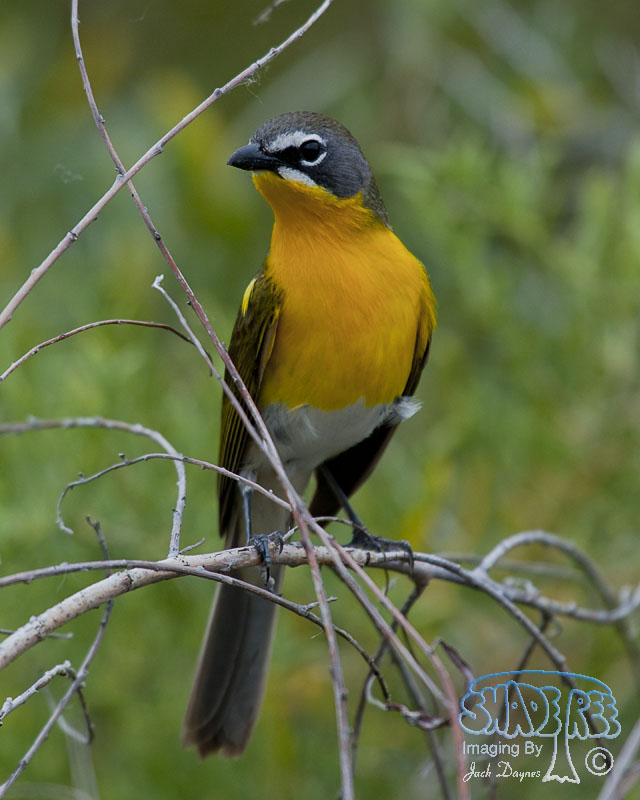
Yellow-Breasted Chat(Icteria virens) |
|
Description: The riparian thickets below Swan Falls Dam at the Snake River Birds of Prey National Conservation Area south of Meridian Idaho. |
Date Taken: 2015:06:01 10:53 |
|
Location:
Birds of Prey NCA |
|
Camera Information: NIKON D3X, 800 mm, f/7.1, 1/1000 |
File Name: D3X6681-YellowBreastedChat |
| © 2015 Jack Daynes, shadeTreeImaging.com |
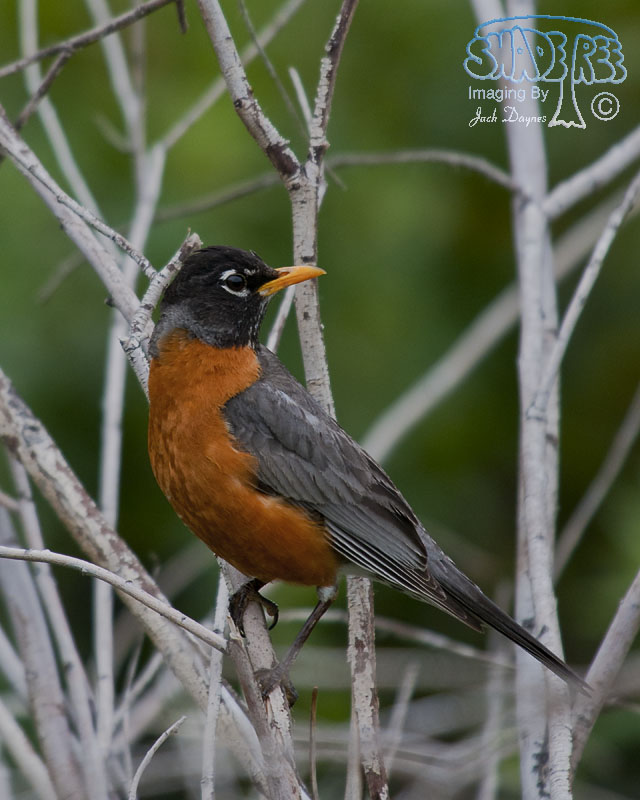
American Robin(Turdus migratorius) |
|
Description: The riparian thickets below Swan Falls Dam at the Snake River Birds of Prey National Conservation Area south of Meridian Idaho. |
Date Taken: 2015:06:01 11:04 |
|
Location:
Birds of Prey NCA |
|
Camera Information: NIKON D3X, 800 mm, f/7.1, 1/800 |
File Name: D3X6694-AmericanRobin |
| © 2015 Jack Daynes, shadeTreeImaging.com |
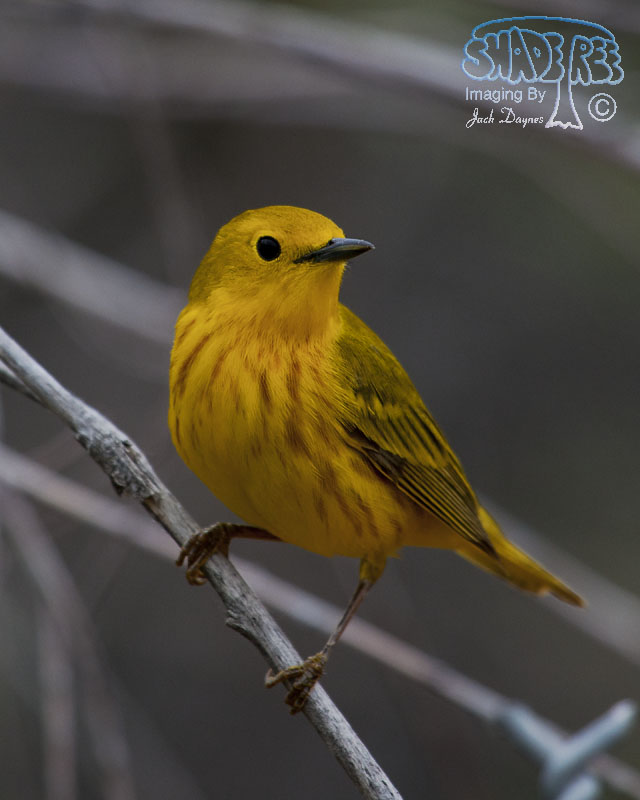
American Yellow Warbler(Setophaga petechia) |
|
Description: The riparian thickets below Swan Falls Dam at the Snake River Birds of Prey National Conservation Area south of Meridian Idaho. |
Date Taken: 2015:06:01 11:09 |
|
Location:
Birds of Prey NCA |
|
Camera Information: NIKON D3X, 800 mm, f/7.1, 1/800 |
File Name: D3X6725-YellowWarbler |
| © 2015 Jack Daynes, shadeTreeImaging.com |
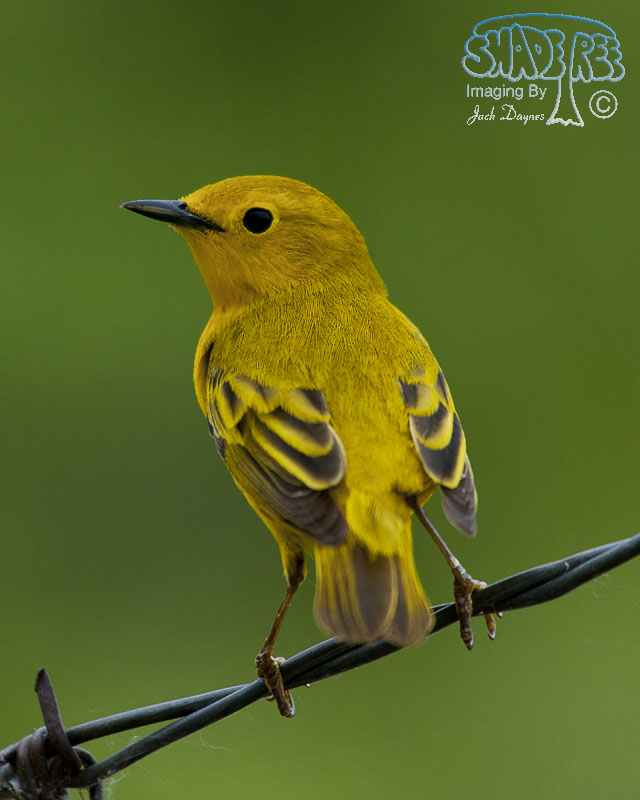
American Yellow Warbler(Setophaga petechia) |
|
Description: The riparian thickets below Swan Falls Dam at the Snake River Birds of Prey National Conservation Area south of Meridian Idaho. |
Date Taken: 2015:06:01 11:10 |
|
Location:
Birds of Prey NCA |
|
Camera Information: NIKON D3X, 800 mm, f/7.1, 1/1000 |
File Name: D3X6760-YellowWarbler |
| © 2015 Jack Daynes, shadeTreeImaging.com |
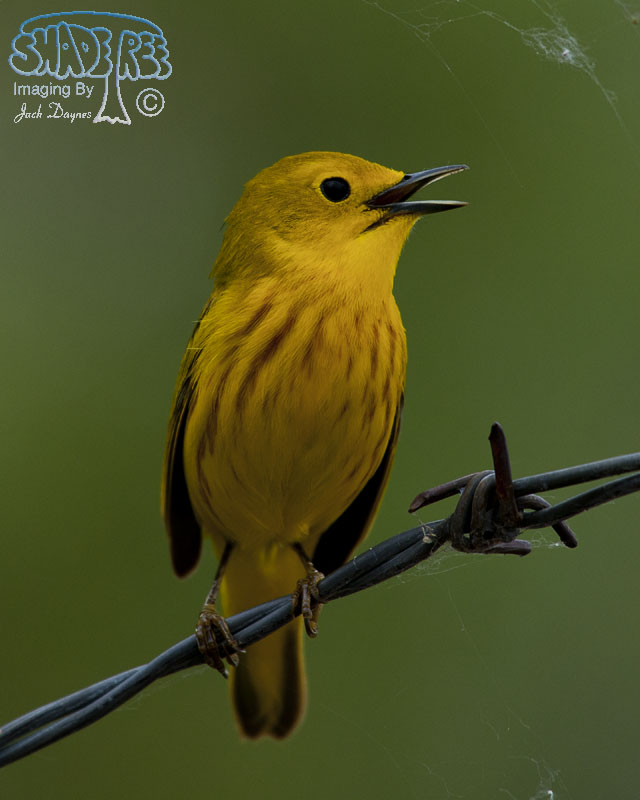
American Yellow Warbler(Setophaga petechia) |
|
Description: The riparian thickets below Swan Falls Dam at the Snake River Birds of Prey National Conservation Area south of Meridian Idaho. |
Date Taken: 2015:06:01 11:12 |
|
Location:
Birds of Prey NCA |
|
Camera Information: NIKON D3X, 800 mm, f/7.1, 1/1000 |
File Name: D3X6781-YellowWarbler |
| © 2015 Jack Daynes, shadeTreeImaging.com |
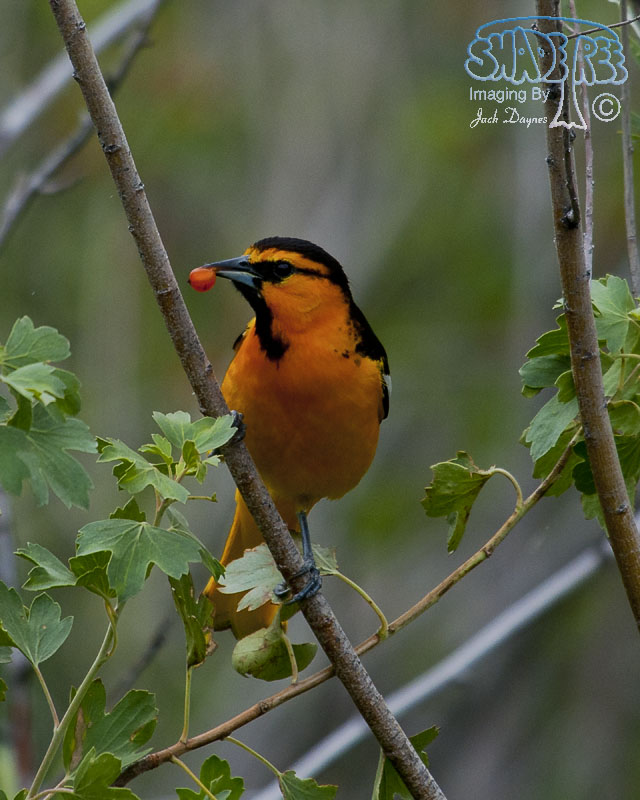
Bullock's Oriole(Icterus bullockii) |
|
Description: The riparian thickets below Swan Falls Dam at the Snake River Birds of Prey National Conservation Area south of Meridian Idaho. |
Date Taken: 2015:06:01 11:16 |
|
Location:
Birds of Prey NCA |
|
Camera Information: NIKON D3X, 800 mm, f/7.1, 1/1000 |
File Name: D3X6797-BullocksOriole |
| © 2015 Jack Daynes, shadeTreeImaging.com |
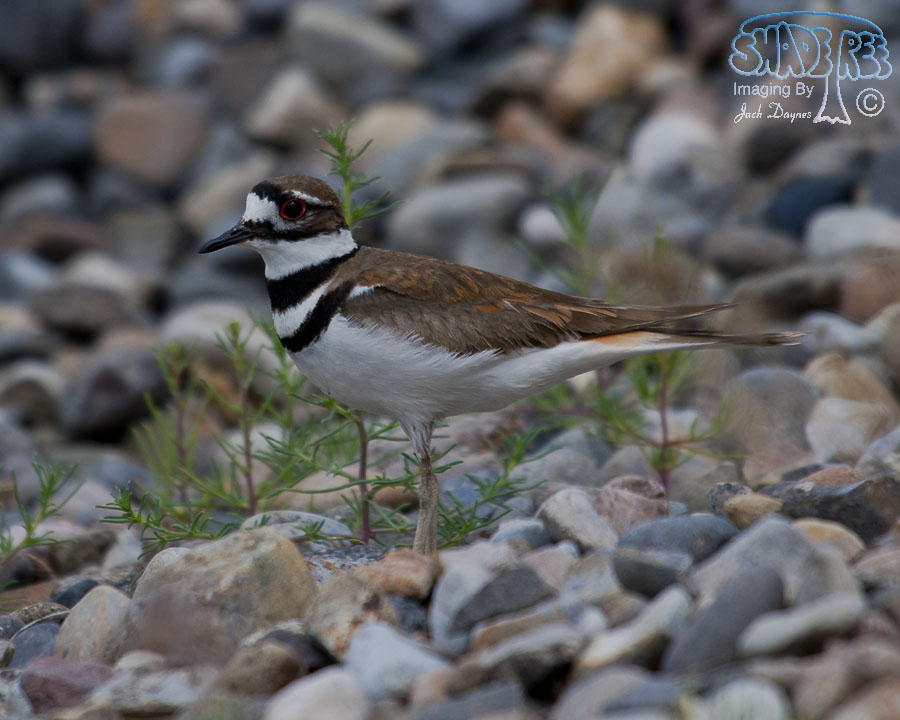
Killdeer(Charadrius vociferus) |
|
Description: Gravel beds at the base of the rocky clifs hosted Killdeer and Horned Larks. Snake River Birds of Prey National Conservation Area south of Meridian Idaho. |
Date Taken: 2015:06:01 11:50 |
|
Location:
Birds of Prey NCA |
|
Camera Information: NIKON D3X, 800 mm, f/7.1, 1/2000 |
File Name: D3X6816-Killdeer |
| © 2015 Jack Daynes, shadeTreeImaging.com |
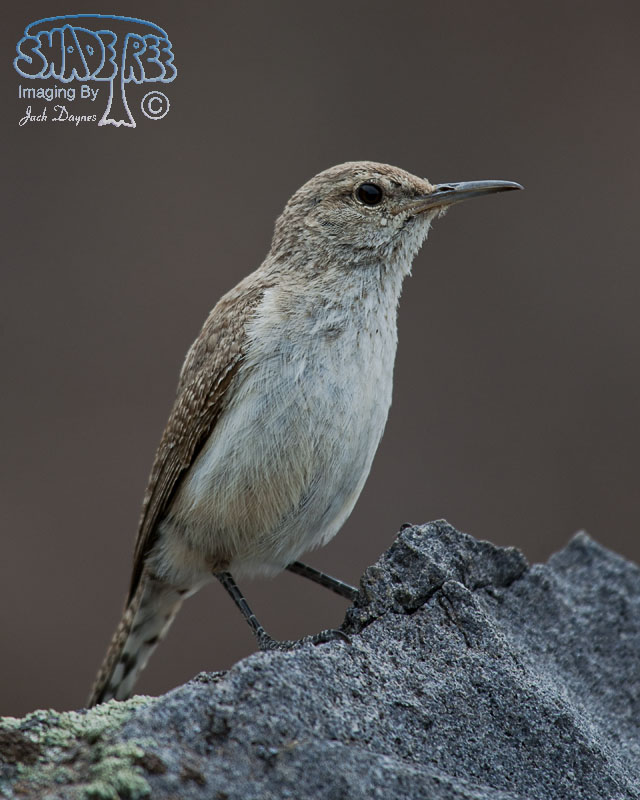
Rock Wren(Salpinctes obsoletus) |
|
Description: Rock Wrens made their homes on the steep rocky cliffs where raptors nested. Snake River Birds of Prey National Conservation Area south of Meridian Idaho. |
Date Taken: 2015:06:01 12:15 |
|
Location:
Birds of Prey NCA |
|
Camera Information: NIKON D3X, 800 mm, f/7.1, 1/1250 |
File Name: D3X6828-RockWren |
| © 2015 Jack Daynes, shadeTreeImaging.com |
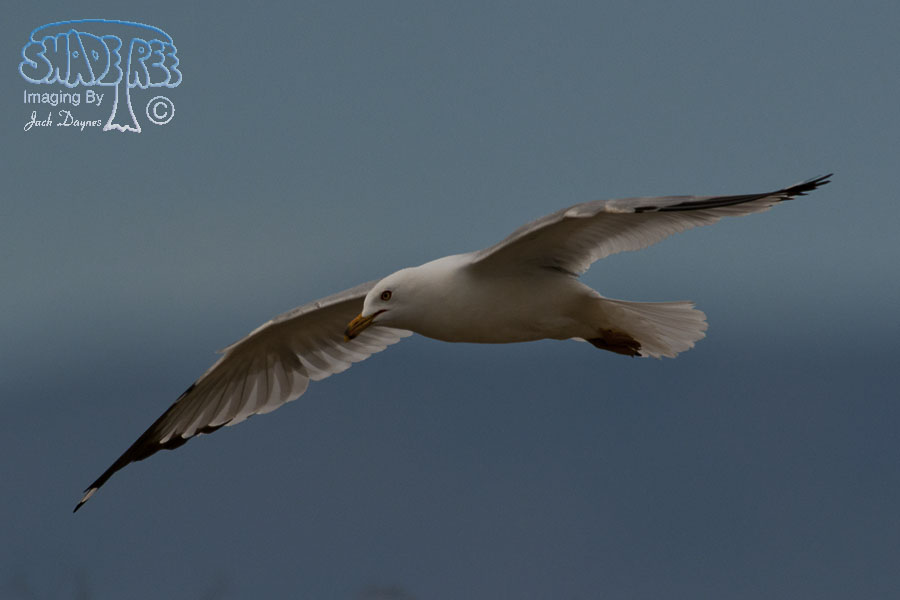
Ring-Billed Gull(Larus delawarensis) |
|
Description: Snake River Birds of Prey National Conservation Area south of Meridian Idaho. |
Date Taken: 2015:06:01 13:01 |
|
Location:
Birds of Prey NCA |
|
Camera Information: NIKON D3X, 800 mm, f/7.1, 1/6400 |
File Name: D3X6870-RingBilledGull |
| © 2015 Jack Daynes, shadeTreeImaging.com |
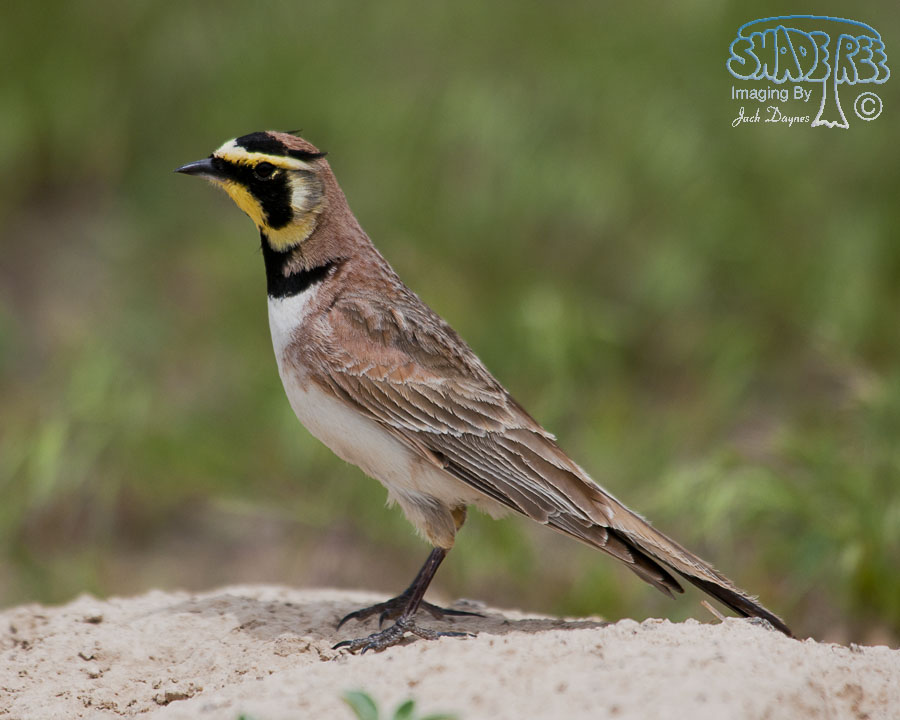
Horned Lark(Eremophila alpestris) |
|
Description: Grasslands of the Snake River Plain hosted Horned Larks while I visited in May. Snake River Birds of Prey National Conservation Area south of Meridian Idaho. |
Date Taken: 2015:06:01 13:31 |
|
Location:
Birds of Prey NCA |
|
Camera Information: NIKON D3X, 800 mm, f/7.1, 1/3200 |
File Name: D3X6888-HornedLark |
| © 2015 Jack Daynes, shadeTreeImaging.com |
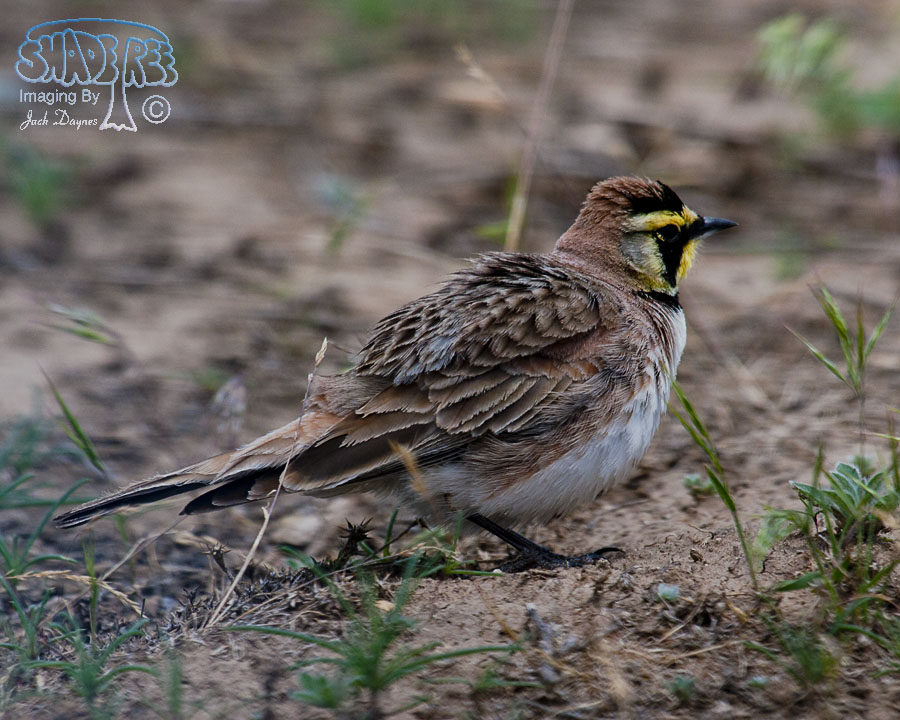
Horned Lark(Eremophila alpestris) |
|
Description: Grasslands of the Snake River Plain hosted Horned Larks while I visited in May. Snake River Birds of Prey National Conservation Area south of Meridian Idaho. |
Date Taken: 2015:06:01 13:36 |
|
Location:
Birds of Prey NCA |
|
Camera Information: NIKON D3X, 800 mm, f/7.1, 1/2500 |
File Name: D3X6903-HornedLark |
| © 2015 Jack Daynes, shadeTreeImaging.com |
Click map markers to reveal further information
