For the sake of simplicity, the area I often refer to as “Lack and Lindsey” includes the shoreline and adjacent fields from the New River Delta north to Obsidian Butte.

If I travel to the Salton Sea and have only enough time for *one* stop, I will choose the southeastern shore near the intersection of Lack and Lindsey Roads. Elevated gravel roads run along the shoreline and provide excellent views of the bird-life working water’s edges. The elevated road zig-zags south, almost to the New River delta. Because of the steepness of the rip-rap that supports the roadway, the dropping sea level is not as evident along this shore as much as beaches like the one at Poe Road. Edge waters still lap the rocks in places, but the exposed mudflats between the water and rocks is expanding.
At Lack and Lindsey, there is a marsh that used to have visible expanses of open water. In the past, I’ve met some lovely birds there, such as stilts, avocets, and storks. Cattails have grown dense in recent years and have clogged the ideal views I enjoyed in the past. There is a sandy beach between the marsh and the shore that runs north as far as the eye can see. This shoreline often hosts large flocks of loafing gulls, shorebirds, herons, egrets, cormorants, and pelicans.
The beach at the south end of this roadway is also sandy. This beach turns away from the road and extends over a mile and a half to the New River delta. Loafing flocks of birds will sometimes haunt this beach. I’ve never hiked out to this area. I’ve found observing birds from inside my vehicle causes less disturbance. I’m not sure how secure the surface is there. It is no picnic to get tangle up on soft Salton Sea mud.

As is common in agricultural areas, all roads in this region follow a north-south or east-west direction, meeting at right angles. My favorite places to linger along this roadway are the points where the western path turns to the south at the water’s edge. Flights of gulls, shorebirds, cormorants, terns and pelicans often wheel past these points and provide close views as they fly by. It’s a good practice to keeping one’s head on a swivel to track shorebird flights as they approach. It’s best not to let tunnel vision prevent the opportunity to track a passing flight of dowitchers, godwits, willets, sandpipers, or other flocks. With a light breeze from the west, sometimes airborne herons, gulls, or pelicans will pass by, heading into the wind. If I let myself get caught up with these subjects, I might miss a fast moving flock of shorebirds flying low over the water’s surface. (Head-on-a-swivel!)
The winds prevail from the west in this region. When they blow hard, as they will sometimes, the resulting strong wave action can churn up sediment in shallow near-shore waters. Such times are not much fun to birdwatch, let alone attempting photography. When the winds are calm, the water can get glassy, and can provide lovely reflections on subjects near the surface. I have captured some of my favorite images here during such conditions.
There are some shallow freshwater ponds on the eastern side of the road. These ponds can provide opportunities to observe shorebirds, waterfowl, and passerines throughout the changing seasons, and should not get overlooked. The adjacent agricultural-fields can produce late afternoon meetings with aerial and terrestrial feeders. I’ve met Lesser Nighthawks and Gull-Billed Terns in flight as they worked over these grounds. These areas may also contain Burrowing Owls. As is true for the entire Imperial Valley, when being flooded for irrigation, these fields can attract large flocks of White-Faced Ibis and Cattle Egrets, accompanied by curlews, shorebirds, and gulls.
I enjoy evening sunsets from these shores. When winds are calm, the colors reflecting from the crimson skies can fill the eye with beauty. I sometimes camp on these boundary roads hoping to witness a glorious sky as the sun falls behind the mountains to the west. Unless storms draw a curtain over the skies, only a windy late afternoon can diminish the potential for a rosy end-of-the-day panoramic spectacle.
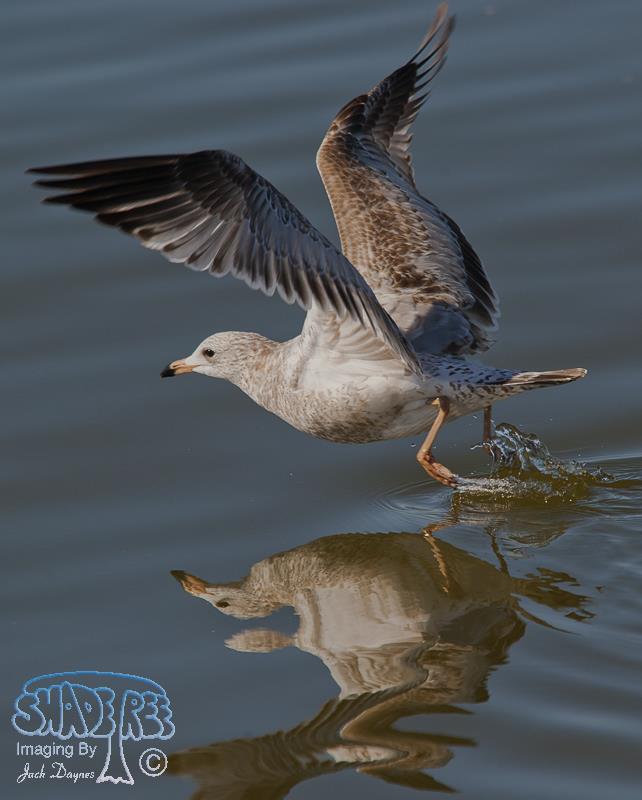
California Gull(Larus californicus) |
|
Description: Ring-Billed Gulls are found at many beaches on the Salton Sea. Near Lack & Lindsey Roads. Salton Sea NWR and Vicinity. Imperial County, California. |
Date Taken: 2011:10:13 14:50 |
|
Location:
Lack-And-Lindsey-Roads |
|
Camera Information: NIKON D3X, 800 mm, f/6.3, 1/1600 |
File Name: D3X3841-CaliforniaGull |
| © 2011 Jack Daynes, shadeTreeImaging.com |

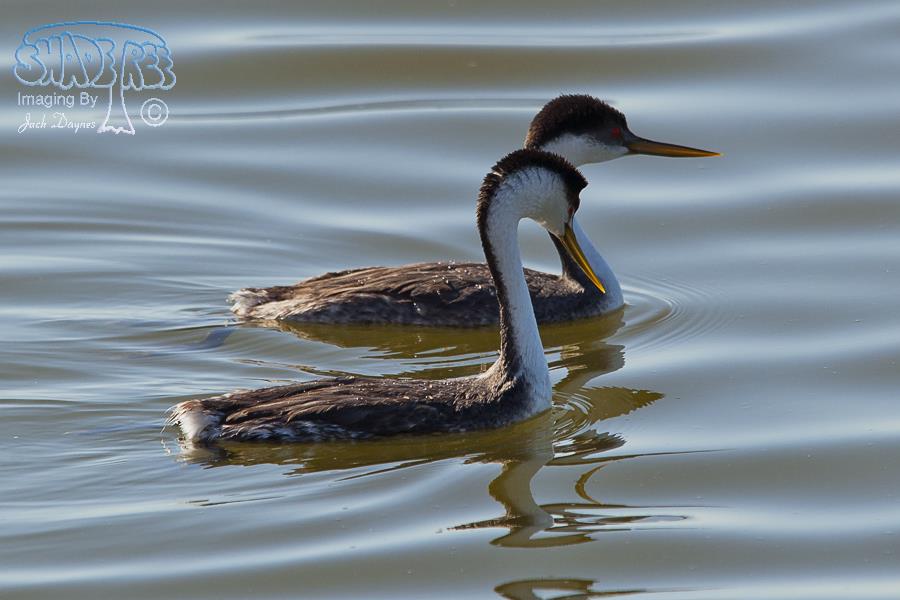
Western Grebe(Aechmophorus occidentalis) |
|
Description: Any of four species of grebes, including these Western Grebes, may be found around the Salton Sea. Near Lack & Lindsey Roads. Salton Sea NWR and Vicinity. Imperial County, California. |
Date Taken: 2011:10:13 14:58 |
|
Location:
Lack-And-Lindsey-Roads |
|
Camera Information: NIKON D3X, 800 mm, f/6.3, 1/1600 |
File Name: D3X3954-WesternGrebe |
| © 2011 Jack Daynes, shadeTreeImaging.com |
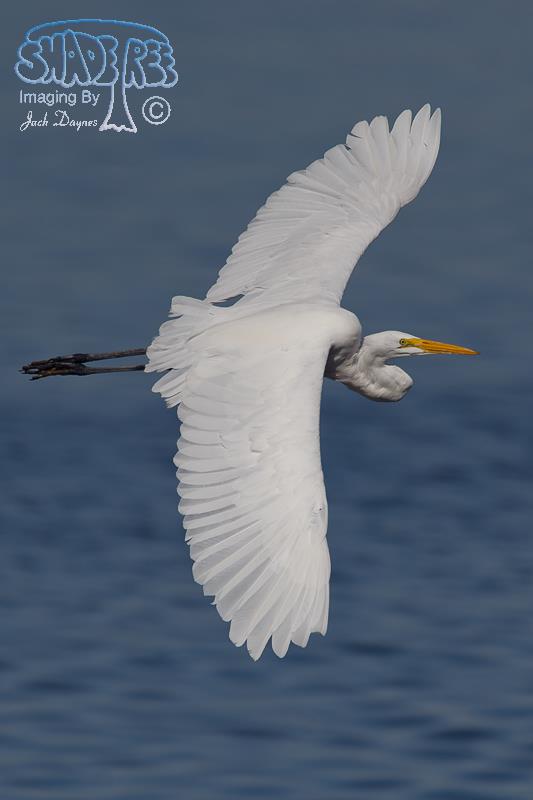
Great Egret(Ardea alba) |
|
Description: Banking flight for landing near Lack & Lindsey Roads. Salton Sea NWR and Vicinity. Imperial County, California. |
Date Taken: 2011:10:13 15:04 |
|
Location:
Lack-And-Lindsey-Roads |
|
Camera Information: NIKON D3X, 800 mm, f/6.3, 1/3200 |
File Name: D3X3980-GreatEgret |
| © 2011 Jack Daynes, shadeTreeImaging.com |
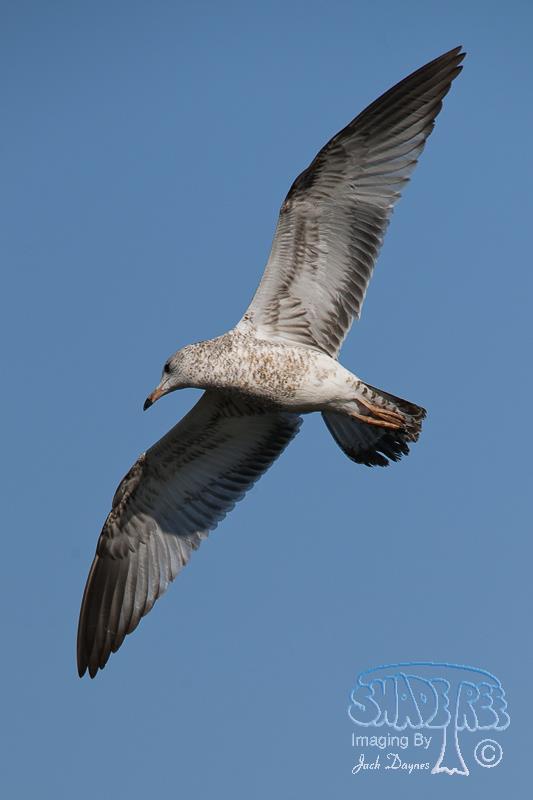
California Gull(Larus californicus) |
|
Description: These and several other gull species are often found around the Salton Sea. Near Lack & Lindsey Roads. Salton Sea NWR and Vicinity. Imperial County, California. |
Date Taken: 2011:10:13 15:09 |
|
Location:
Lack-And-Lindsey-Roads |
|
Camera Information: NIKON D3X, 800 mm, f/6.3, 1/4000 |
File Name: D3X4035-CaliforniaGull |
| © 2011 Jack Daynes, shadeTreeImaging.com |
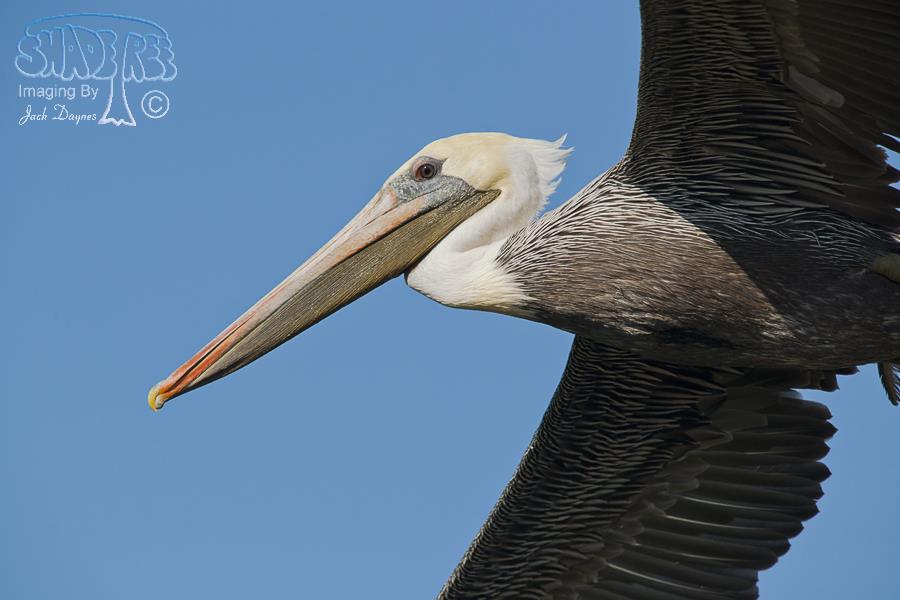
Brown Pelican(Pelecanus occidentalis) |
|
Description: Brown Pelicans are common at the Salton Sea. Near Lack & Lindsey Roads. Salton Sea NWR and Vicinity. Imperial County, California. |
Date Taken: 2011:10:13 15:30 |
|
Location:
Lack-And-Lindsey-Roads |
|
Camera Information: NIKON D3X, 800 mm, f/6.3, 1/2500 |
File Name: D3X4151-BrownPelican |
| © 2011 Jack Daynes, shadeTreeImaging.com |
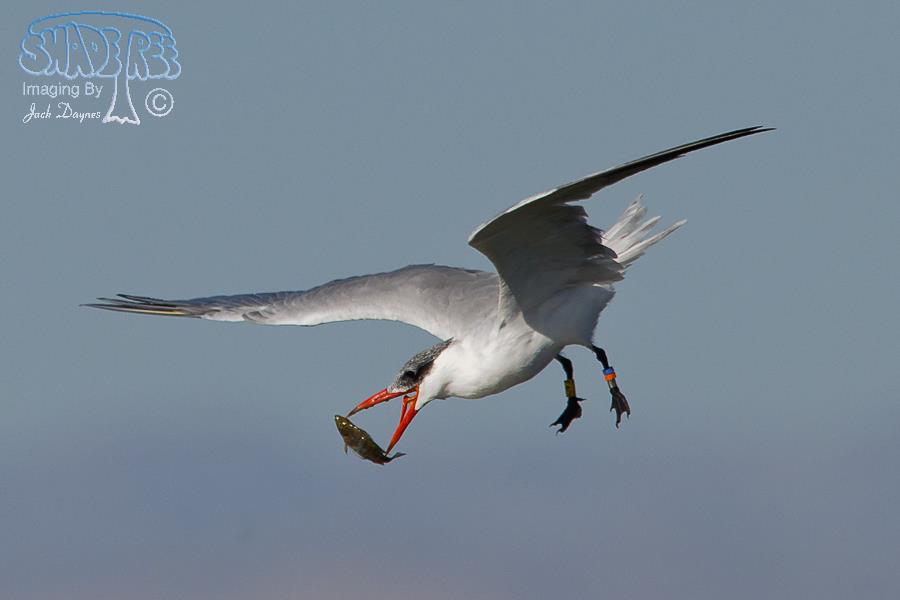
Caspian Tern(Hydroprogne caspia) |
|
Description: Juggling a meal near Lack & Lindsey Roads. Salton Sea NWR and Vicinity. Imperial County, California. |
Date Taken: 2011:10:13 15:32 |
|
Location:
Lack-And-Lindsey-Roads |
|
Camera Information: NIKON D3X, 800 mm, f/6.3, 1/2500 |
File Name: D3X4177-CaspianTern |
| © 2011 Jack Daynes, shadeTreeImaging.com |
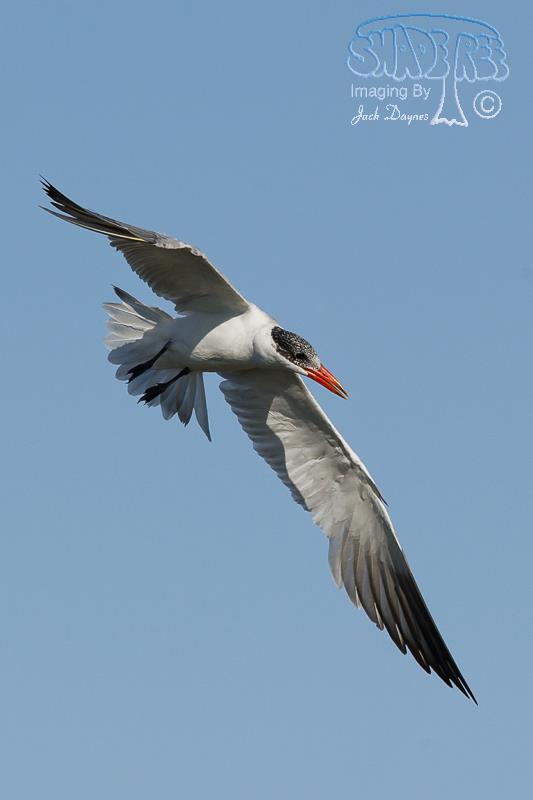
Caspian Tern(Hydroprogne caspia) |
|
Description: On the prowl for food near Lack & Lindsey Roads. Salton Sea NWR and Vicinity. Imperial County, California. |
Date Taken: 2011:10:13 15:35 |
|
Location:
Lack-And-Lindsey-Roads |
|
Camera Information: NIKON D3X, 800 mm, f/6.3, 1/3200 |
File Name: D3X4189-CaspianTern |
| © 2011 Jack Daynes, shadeTreeImaging.com |
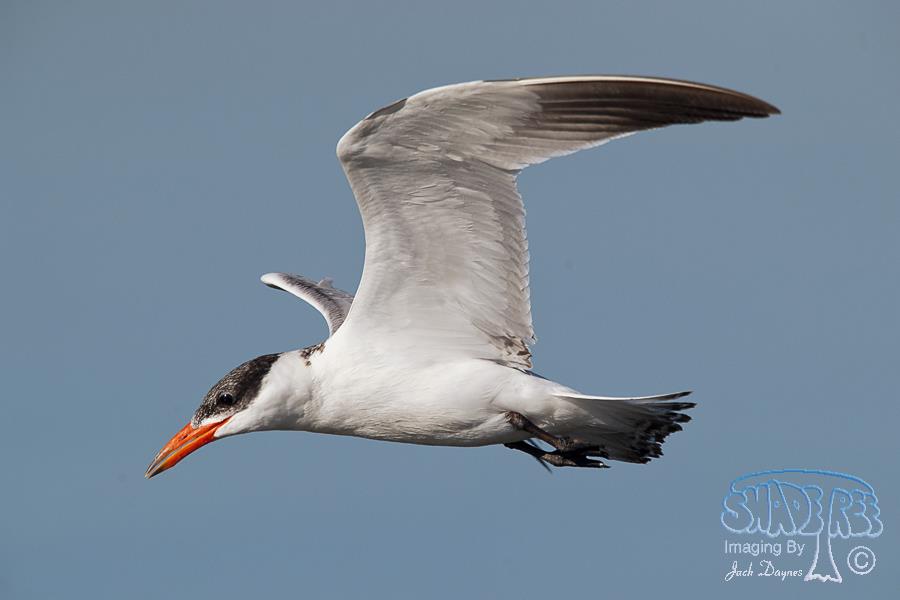
Caspian Tern(Hydroprogne caspia) |
|
Description: On the prowl for food near Lack & Lindsey Roads. Salton Sea NWR and Vicinity. Imperial County, California. |
Date Taken: 2011:10:13 15:45 |
|
Location:
Lack-And-Lindsey-Roads |
|
Camera Information: NIKON D3X, 800 mm, f/6.3, 1/3200 |
File Name: D3X4248-CaspianTern |
| © 2011 Jack Daynes, shadeTreeImaging.com |
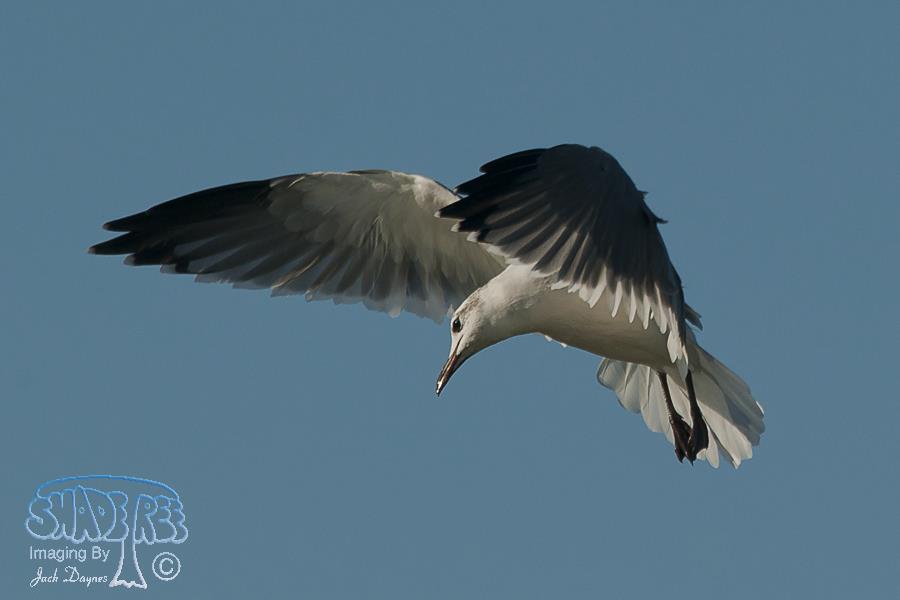
Laughing Gull(Leucophaeus atricilla) |
|
Description: Meetings with Laughing Gulls are less common at the Salton Sea than any other gull species. Near Lack & Lindsey Roads. Salton Sea NWR and Vicinity. Imperial County, California. |
Date Taken: 2011:10:13 15:47 |
|
Location:
Lack-And-Lindsey-Roads |
|
Camera Information: NIKON D3X, 800 mm, f/6.3, 1/2500 |
File Name: D3X4259-LaughingGull |
| © 2011 Jack Daynes, shadeTreeImaging.com |
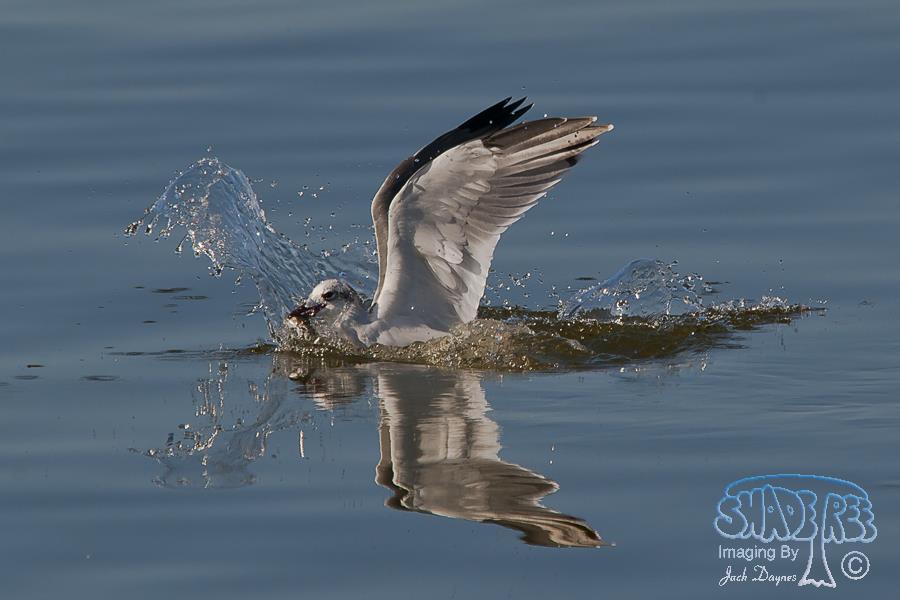
Laughing Gull(Leucophaeus atricilla) |
|
Description: Capturing prey near Lack & Lindsey Roads. Salton Sea NWR and Vicinity. Imperial County, California. |
Date Taken: 2011:10:13 15:47 |
|
Location:
Lack-And-Lindsey-Roads |
|
Camera Information: NIKON D3X, 800 mm, f/6.3, 1/1600 |
File Name: D3X4264-LaughingGull |
| © 2011 Jack Daynes, shadeTreeImaging.com |
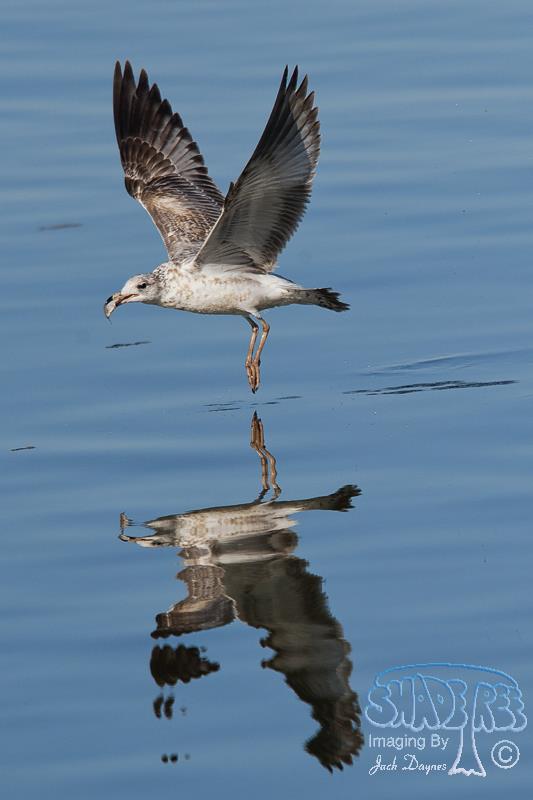
California Gull(Larus californicus) |
|
Description: Meal secured near Lack & Lindsey Roads. Salton Sea NWR and Vicinity. Imperial County, California. |
Date Taken: 2011:10:13 15:57 |
|
Location:
Lack-And-Lindsey-Roads |
|
Camera Information: NIKON D3X, 800 mm, f/6.3, 1/3200 |
File Name: D3X4392-CaliforniaGull |
| © 2011 Jack Daynes, shadeTreeImaging.com |
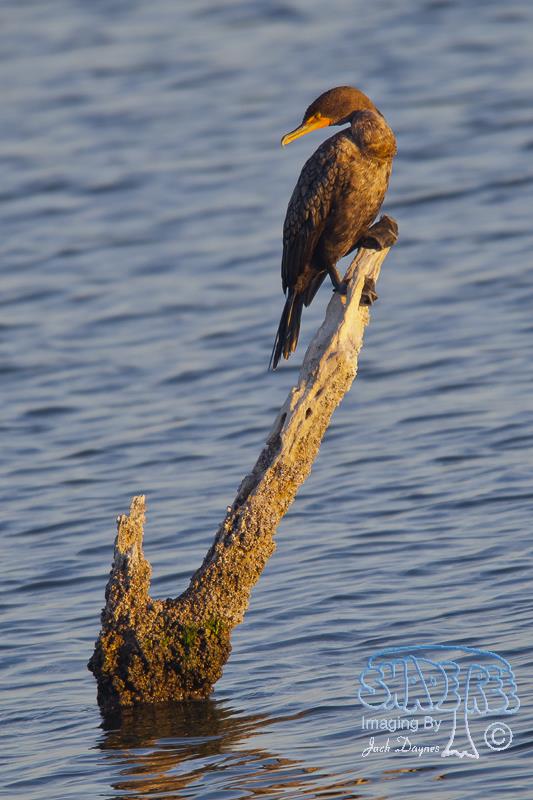
Double-Crested Cormorant(Phalacrocorax auritus) |
|
Description: Perched on a snag that was submerged more than a century ago, near Lack & Lindsey Roads. Salton Sea NWR and Vicinity. Imperial County, California. |
Date Taken: 2011:10:14 7:07 |
|
Location:
Lack-And-Lindsey-Roads |
|
Camera Information: NIKON D3X, 800 mm, f/6.3, 1/400 |
File Name: D3X4408-DoubleCrestedCormorant |
| © 2011 Jack Daynes, shadeTreeImaging.com |
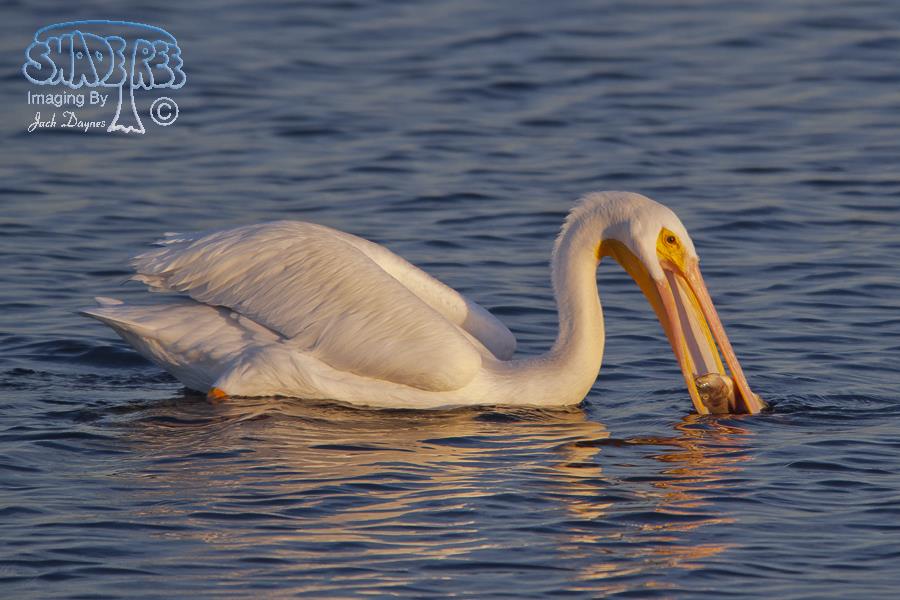
American White Pelican(Pelecanus erythrorhynchos) |
|
Description: A tilapia gave its life so the pelican could live. Near Lack & Lindsey Roads. Salton Sea NWR and Vicinity. Imperial County, California. |
Date Taken: 2011:10:14 7:11 |
|
Location:
Lack-And-Lindsey-Roads |
|
Camera Information: NIKON D3X, 800 mm, f/6.3, 1/1000 |
File Name: D3X4424-AmericanWhitePelican |
| © 2011 Jack Daynes, shadeTreeImaging.com |
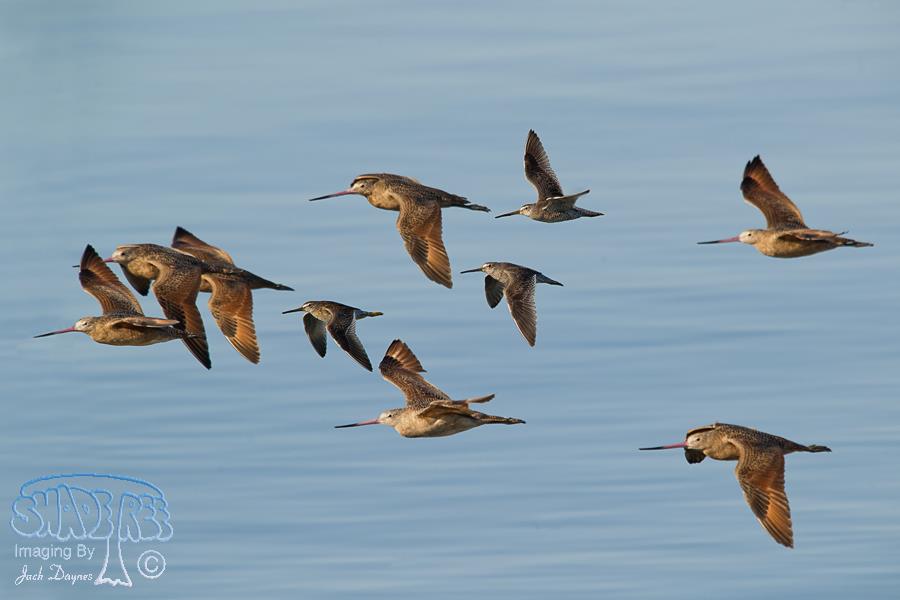
Marbled Godwit(Limosa fedoa) |
|
Description: Flying with Long-billed Dowitchers near Lack & Lindsey Roads. Salton Sea NWR and Vicinity. Imperial County, California. |
Date Taken: 2011:10:13 16:22 |
|
Location:
Lack-And-Lindsey-Roads |
|
Camera Information: NIKON D3X, 800 mm, f/6.3, 1/1600 |
File Name: D3X6863-MarbledGodwit |
| © 2011 Jack Daynes, shadeTreeImaging.com |
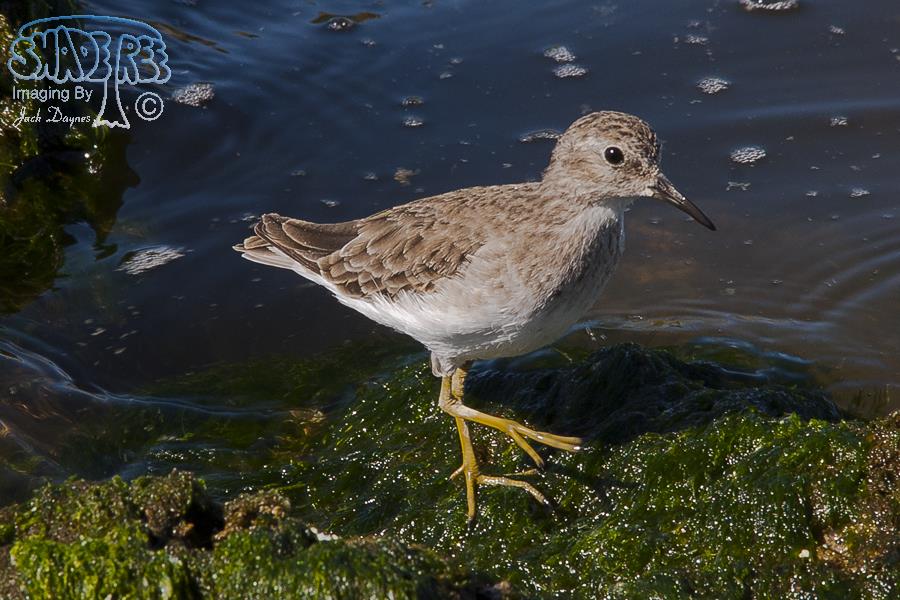
Least Sandpiper(Calidris minutilla) |
|
Description: Foraging near Lack & Lindsey Roads. Salton Sea NWR and Vicinity. Imperial County, California. |
Date Taken: 2011:10:13 14:35 |
|
Location:
Lack-And-Lindsey-Roads |
|
Camera Information: NIKON D3X, 800 mm, f/10.0, 1/200 |
File Name: D3X7756-LeastSandPiper |
| © 2011 Jack Daynes, shadeTreeImaging.com |
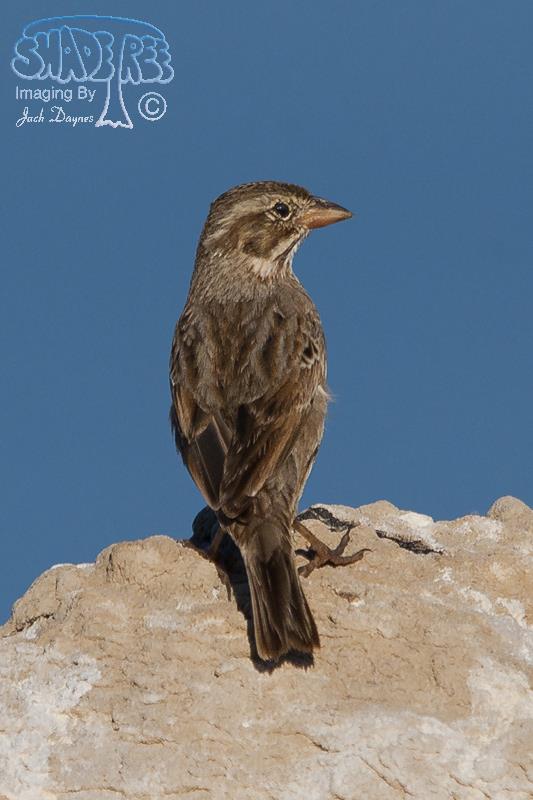
Large-billed Savannah Sparrow(Passerculus sandwichensis) |
|
Description: A rare meeting for me near Lack & Lindsey Roads. Salton Sea NWR and Vicinity. Imperial County, California. |
Date Taken: 2011:10:13 16:35 |
|
Location:
Lack-And-Lindsey-Roads |
|
Camera Information: NIKON D3X, 800 mm, f/6.3, 1/2500 |
File Name: D3X8006-LargeBilled-SavannahSparrow |
| © 2011 Jack Daynes, shadeTreeImaging.com |
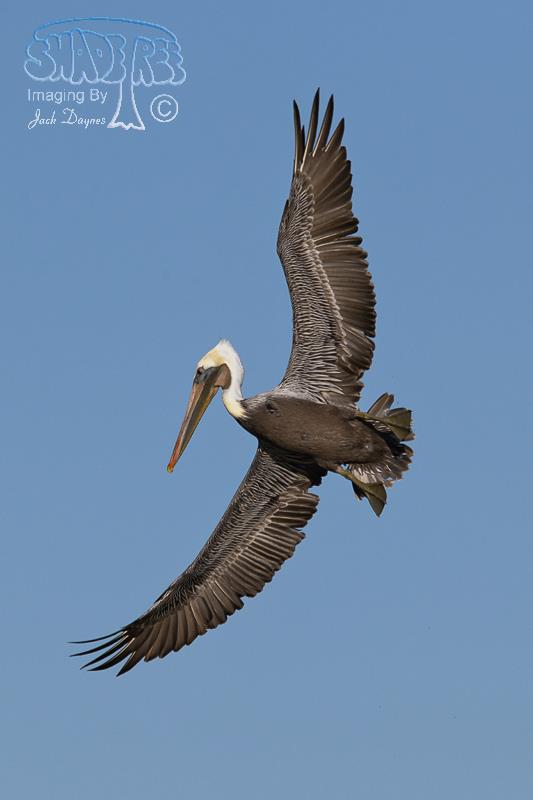
Brown Pelican(Pelecanus occidentalis) |
|
Description: This bird has an eye on a tilapia near Lack & Lindsey Roads. Salton Sea NWR and Vicinity. Imperial County, California. |
Date Taken: 2011:10:13 16:41 |
|
Location:
Lack-And-Lindsey-Roads |
|
Camera Information: NIKON D3X, 800 mm, f/6.3, 1/3200 |
File Name: D3X8028-BrownPelican |
| © 2011 Jack Daynes, shadeTreeImaging.com |
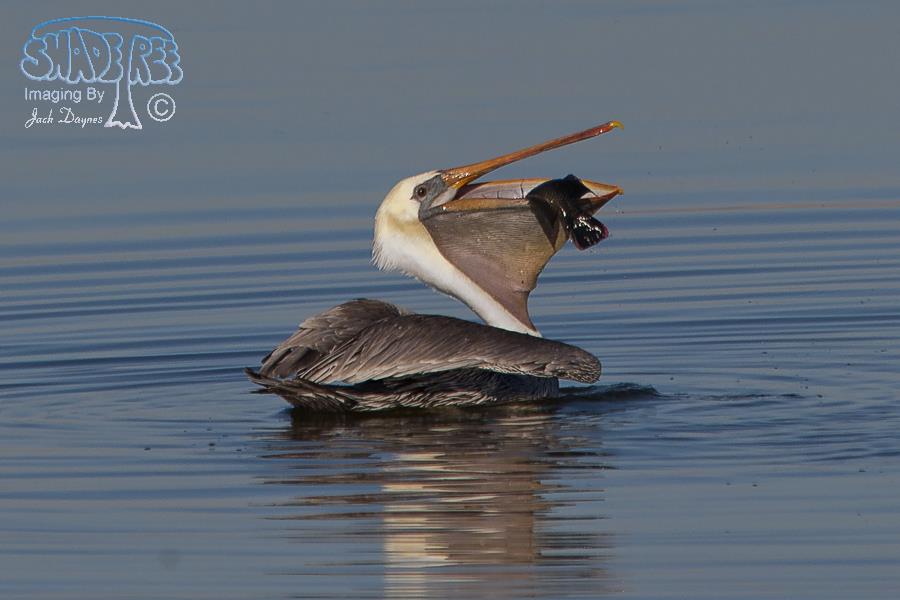
Brown Pelican(Pelecanus occidentalis) |
|
Description: Meal secured near Lack & Lindsey Roads. Salton Sea NWR and Vicinity. Imperial County, California. |
Date Taken: 2011:10:13 16:41 |
|
Location:
Lack-And-Lindsey-Roads |
|
Camera Information: NIKON D3X, 800 mm, f/6.3, 1/2500 |
File Name: D3X8045-BrownPelican |
| © 2011 Jack Daynes, shadeTreeImaging.com |
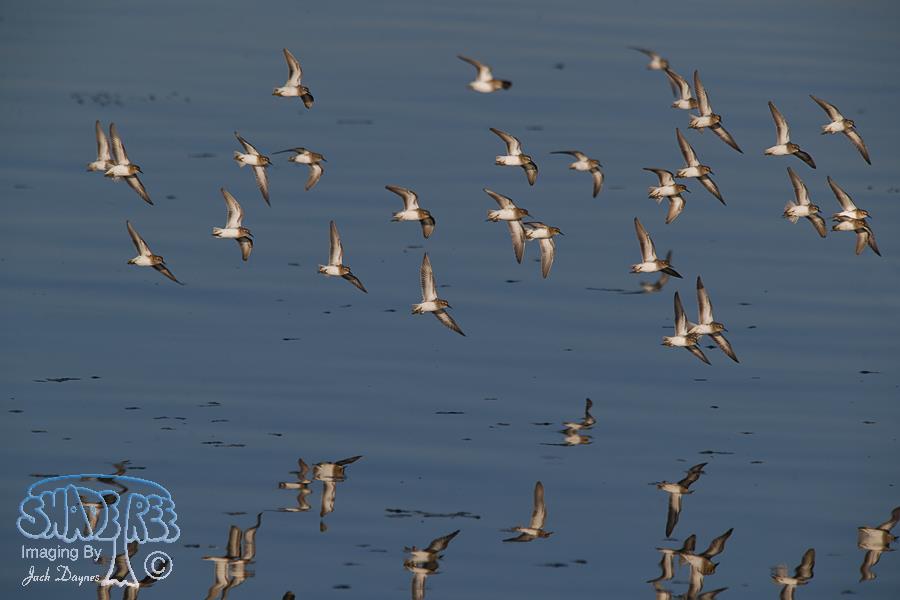
Least Sandpiper(Calidris minutilla) |
|
Description: Group flight over calm water near Lack & Lindsey Roads. Salton Sea NWR and Vicinity. Imperial County, California. |
Date Taken: 2011:10:13 17:02 |
|
Location:
Lack-And-Lindsey-Roads |
|
Camera Information: NIKON D3X, 800 mm, f/6.3, 1/1600 |
File Name: D3X8206-LeastSandPiper |
| © 2011 Jack Daynes, shadeTreeImaging.com |
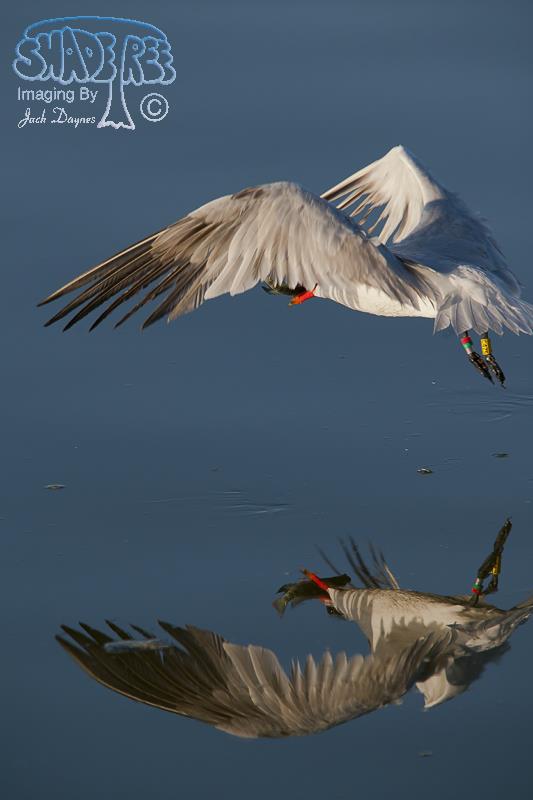
Caspian Tern(Hydroprogne caspia) |
|
Description: The reflection tells the story near Lack & Lindsey Roads. Salton Sea NWR and Vicinity. Imperial County, California. |
Date Taken: 2011:10:13 17:07 |
|
Location:
Lack-And-Lindsey-Roads |
|
Camera Information: NIKON D3X, 800 mm, f/6.3, 1/1250 |
File Name: D3X8252-CaspianTern |
| © 2011 Jack Daynes, shadeTreeImaging.com |
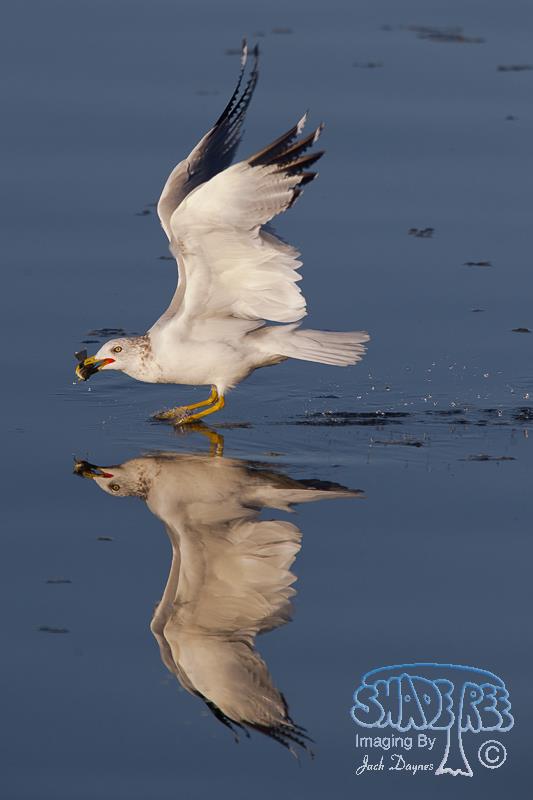
Ring-Billed Gull(Larus delawarensis) |
|
Description: As if walking on water near Lack & Lindsey Roads. Salton Sea NWR and Vicinity. Imperial County, California. |
Date Taken: 2011:10:13 17:09 |
|
Location:
Lack-And-Lindsey-Roads |
|
Camera Information: NIKON D3X, 800 mm, f/6.3, 1/2000 |
File Name: D3X8265-RingBilledGull |
| © 2011 Jack Daynes, shadeTreeImaging.com |
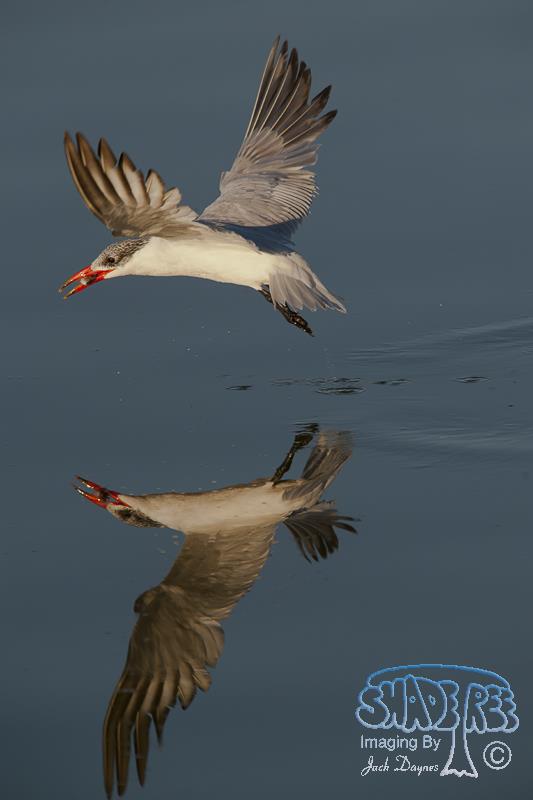
Caspian Tern(Hydroprogne caspia) |
|
Description: The fishing was good this day near Lack & Lindsey Roads. Salton Sea NWR and Vicinity. Imperial County, California. |
Date Taken: 2011:10:13 17:11 |
|
Location:
Lack-And-Lindsey-Roads |
|
Camera Information: NIKON D3X, 800 mm, f/6.3, 1/1600 |
File Name: D3X8277-CaspianTern |
| © 2011 Jack Daynes, shadeTreeImaging.com |
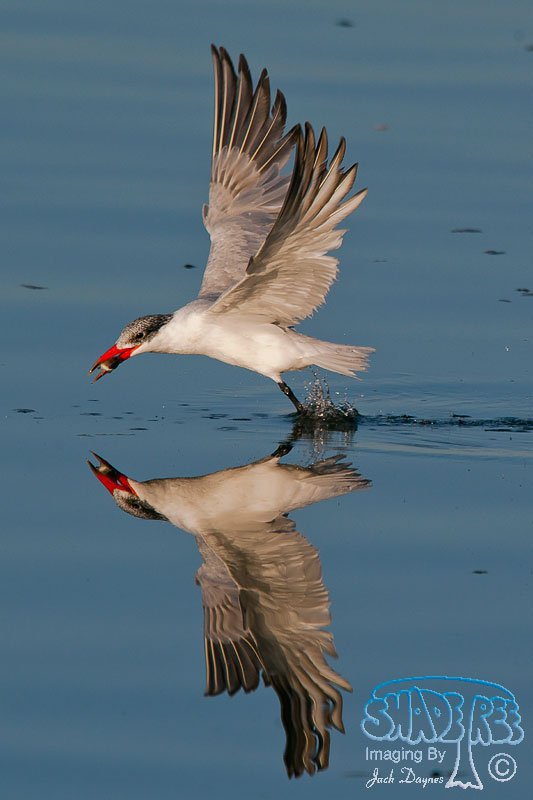
Caspian Tern(Hydroprogne caspia) |
|
Description: The fishing was good this day near Lack & Lindsey Roads. Salton Sea NWR and Vicinity. Imperial County, California. |
Date Taken: 2011:10:13 17:13 |
|
Location:
Lack-And-Lindsey-Roads |
|
Camera Information: NIKON D3X, 800 mm, f/6.3, 1/2000 |
File Name: D3X8298-CaspianTern |
| © 2011 Jack Daynes, shadeTreeImaging.com |
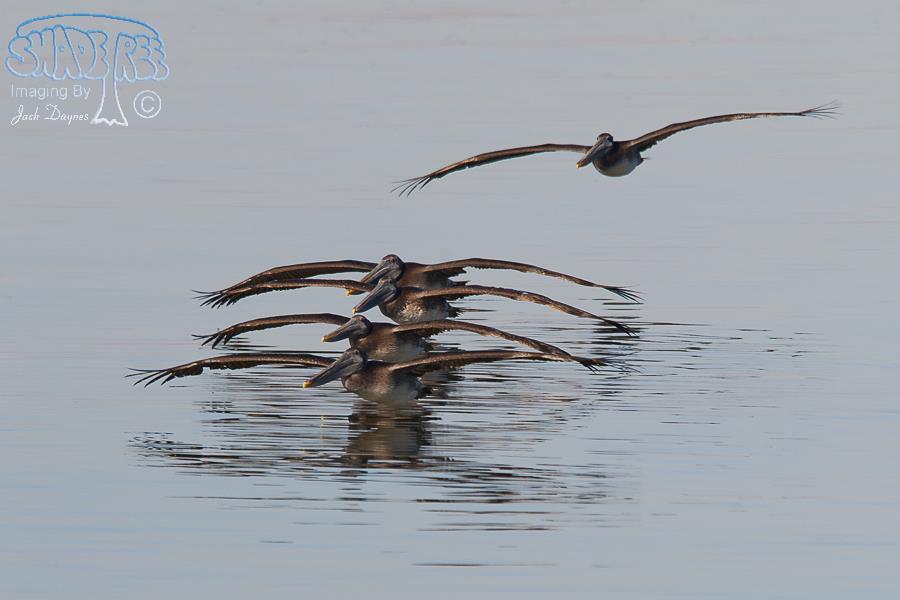
Brown Pelican(Pelecanus occidentalis) |
|
Description: Rafts of Brown Pelicans fly low over the water to take advantage of the extra lift due to the air density. Near Lack & Lindsey Roads. Salton Sea NWR and Vicinity. Imperial County, California. |
Date Taken: 2011:10:13 16:06 |
|
Location:
Lack-And-Lindsey-Roads |
|
Camera Information: NIKON D3X, 800 mm, f/6.3, 1/2000 |
File Name: D3X8533-BrownPelican |
| © 2011 Jack Daynes, shadeTreeImaging.com |
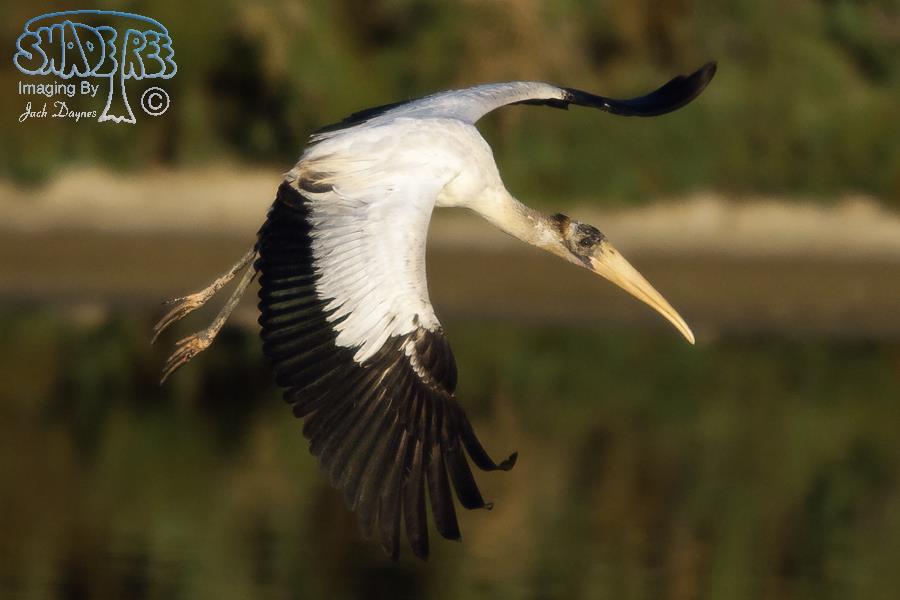
Wood Stork(Mycteria americana) |
|
Description: I'd seen these birds the previous afternoon a few miles to the north, and hoped they'd show up at this marsh. The morning did not disappoint. Near Lindsey Road. Salton Sea Vicinity. Imperial County, California. |
Date Taken: 2009:07:06 6:24 |
|
Location:
Lack-And-Lindsey-Roads |
|
Camera Information: NIKON D2X, 800 mm, f/5.6, 1/2500 |
File Name: JCD2786.WoodStork |
| © 2009 Jack Daynes, shadeTreeImaging.com |
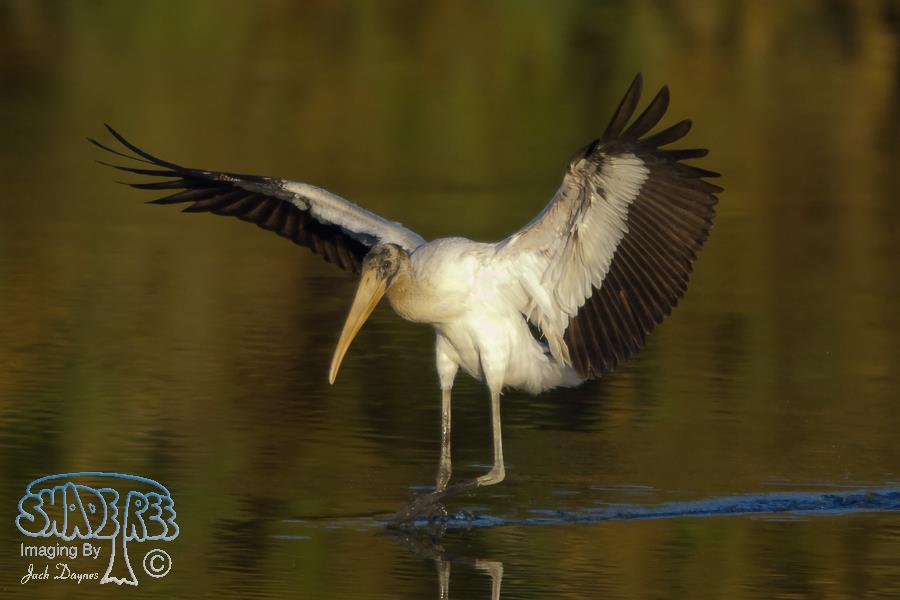
Wood Stork(Mycteria americana) |
|
Description: I'd seen these birds the previous afternoon a few miles to the north, and hoped they'd show up at this marsh. The morning did not disappoint. Near Lindsey Road. Salton Sea Vicinity. Imperial County, California. |
Date Taken: 2009:07:06 6:24 |
|
Location:
Lack-And-Lindsey-Roads |
|
Camera Information: NIKON D2X, 800 mm, f/5.6, 1/2000 |
File Name: JCD2795.WoodStork |
| © 2009 Jack Daynes, shadeTreeImaging.com |
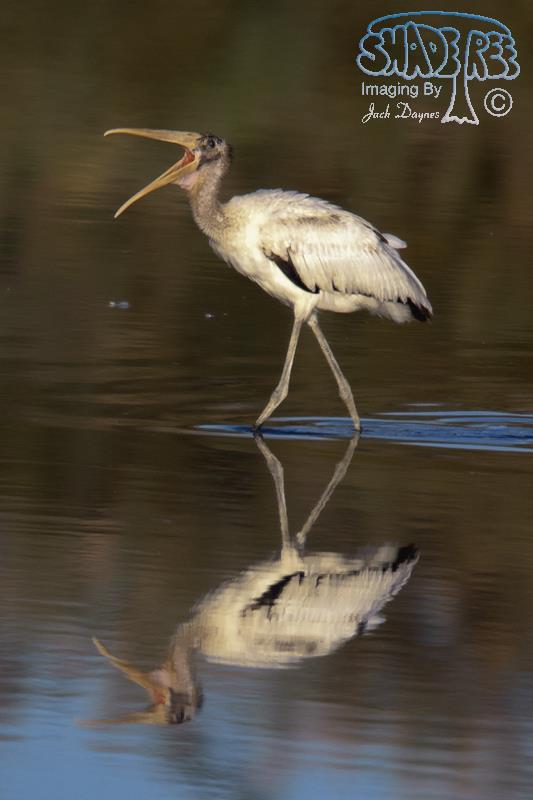
Wood Stork(Mycteria americana) |
|
Description: I can't tell what he's saying. Near Lindsey Road. Salton Sea Vicinity. Imperial County, California. |
Date Taken: 2009:07:06 6:30 |
|
Location:
Lack-And-Lindsey-Roads |
|
Camera Information: NIKON D2X, 800 mm, f/5.6, 1/2000 |
File Name: JCD2862.WoodStork |
| © 2009 Jack Daynes, shadeTreeImaging.com |
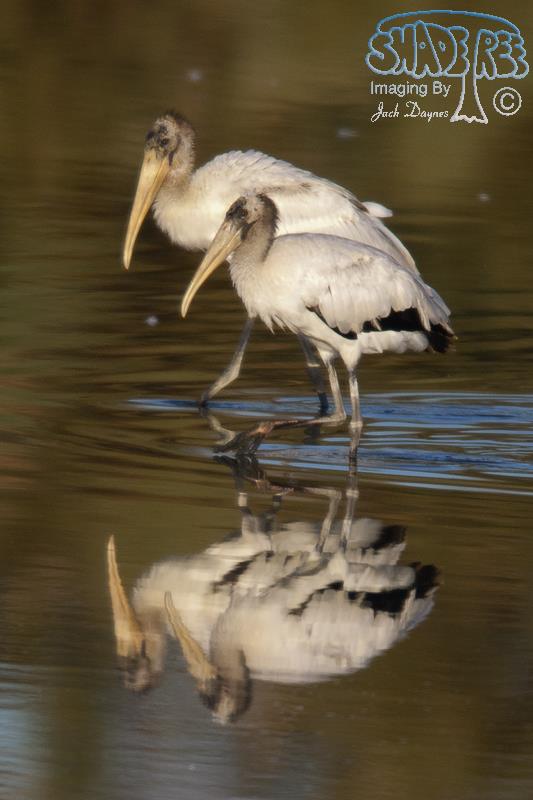
Wood Stork(Mycteria americana) |
|
Description: Posing as chevrons. Near Lindsey Road. Salton Sea Vicinity. Imperial County, California. |
Date Taken: 2009:07:06 6:30 |
|
Location:
Lack-And-Lindsey-Roads |
|
Camera Information: NIKON D2X, 800 mm, f/5.6, 1/2500 |
File Name: JCD2867.WoodStork |
| © 2009 Jack Daynes, shadeTreeImaging.com |
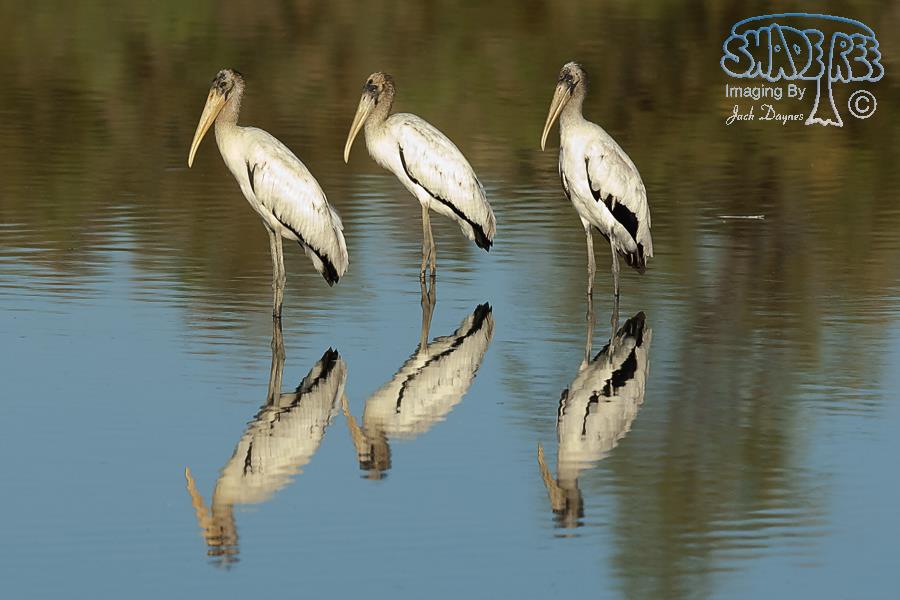
Wood Stork(Mycteria americana) |
|
Description: Posing as chevrons. Near Lindsey Road. Salton Sea Vicinity. Imperial County, California. |
Date Taken: 2009:07:06 6:56 |
|
Location:
Lack-And-Lindsey-Roads |
|
Camera Information: NIKON D2X, 400 mm, f/5.6, 1/3200 |
File Name: JCD3005.WoodStork |
| © 2009 Jack Daynes, shadeTreeImaging.com |
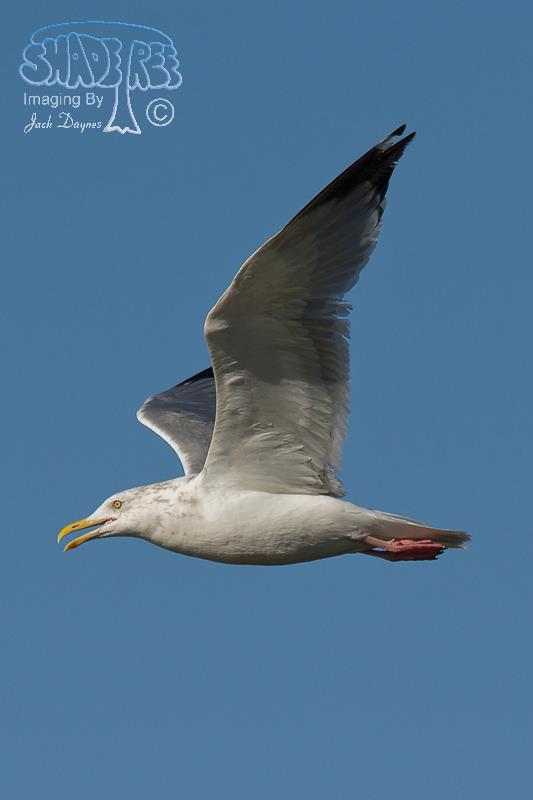
Herring Gull(Larus argentatus) |
|
Description: Adult bird near Lack & Lindsey Roads. Salton Sea NWR and Vicinity. Imperial County, California. |
Date Taken: 2011:10:13 15:39 |
|
Location:
Lack-And-Lindsey-Roads |
|
Camera Information: NIKON D3X, 800 mm, f/6.3, 1/4000 |
File Name: D3X4227-HerringGull |
| © 2011 Jack Daynes, shadeTreeImaging.com |
Click map markers to reveal further information
