
Bosque del Apache is a birding Mecca in the middle Rio Grande Valley. It is near the geographic center of New Mexico. A winter pilgrimage will reward the traveler with an epic spectacle of Snow Geese and Sandhill Cranes in numbers so great that the skies will darken when they lift off together. The sights and sounds may weaken the knees with awe.
Cranes and geese are not the only birds one can expect to encounter here, but they are the rock stars. To witness overwhelming numbers of these, a late autumn to early spring visit is required. Birding here in the summer is interesting, but it cannot compare to the experience of a winter visit. During this season, many other avian visitors will also be here. Waterfowl of many species, raptors, pheasants, quail, shorebirds, passerines, pelicans and cormorants will usually be here. Some of these birds might stay here year round.

There are other locations where large numbers of cranes and/or geese gather. Most places can’t compare with the sheer numbers that are found here in season. What sets this place apart from any other I’ve seen, is the close approach that the birds here will allow. This is especially true of the cranes. When I’ve met these magnificent birds foraging on the ground at other locations, they are often at a great distance. It is typical to get no closer than one or two hundred yards. At Bosque there are 12 miles of drivable roads through the reserve. When the cranes are feeding along the northern “Farm Loop”, I’ve seen them at much closer range. It is possible to encounter distances of less than 100 feet, but with luck and patience, one might achieve a 50 foot encounter. At such distances, these four foot tall, elegant birds are impressive. In flight they travel in a “V” formation. With wingspans of up to seven and a half feet they are a spectacle to behold.
One enjoyable aspect of my past encounters with these cranes is the sounds they make. Individuals issue a trilled trumpeted sound that is rather pleasant to hear. The assembly of several thousand of these birds in a field creates an impressive chorus that is reminiscent of a 1950s sci-fi soundtrack. During migrations, they may fly at such great altitudes that even with sharp eyes, spotting them is difficult. But the unmistakable sounds let you know they are overhead.
To the north of the “Farm Loop” road (the southern road is called the “Marsh Loop”) are large agricultural fields. During the summer, local farmers lease the land for crop raising. Alfalfa (lucerne) and corn (maize) are typical crops. After summer, farmers plant some of these fields with crops intended to feed the birds. The partnership between commercial and conservation interests benefits all parties.
I am long overdue for a return visit to this wonderful place.
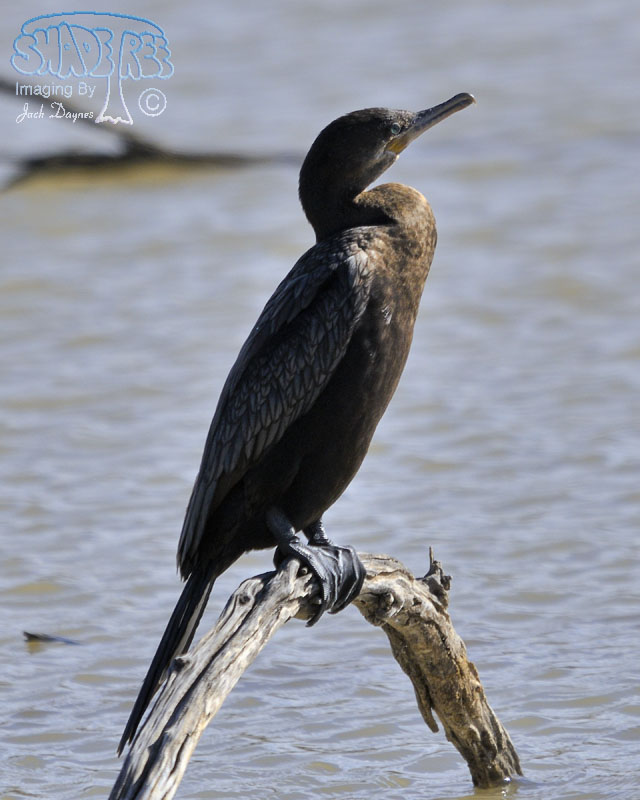
Neotropic Cormorant(Phalacrocorax brasilianus) |
|
Description: At the 'Old Rookery' in Bosque Del Apache, south of Socorro New Mexico. |
Date Taken: 2016:03:18 16:38 |
|
Location:
Bosque Del Apache |
|
Camera Information: NIKON D3X, 800 mm, f/8.0, 1/1250 |
File Name: D3X6676-NeoTropicCormorant |
| © 2016 Jack Daynes, shadeTreeImaging.com |

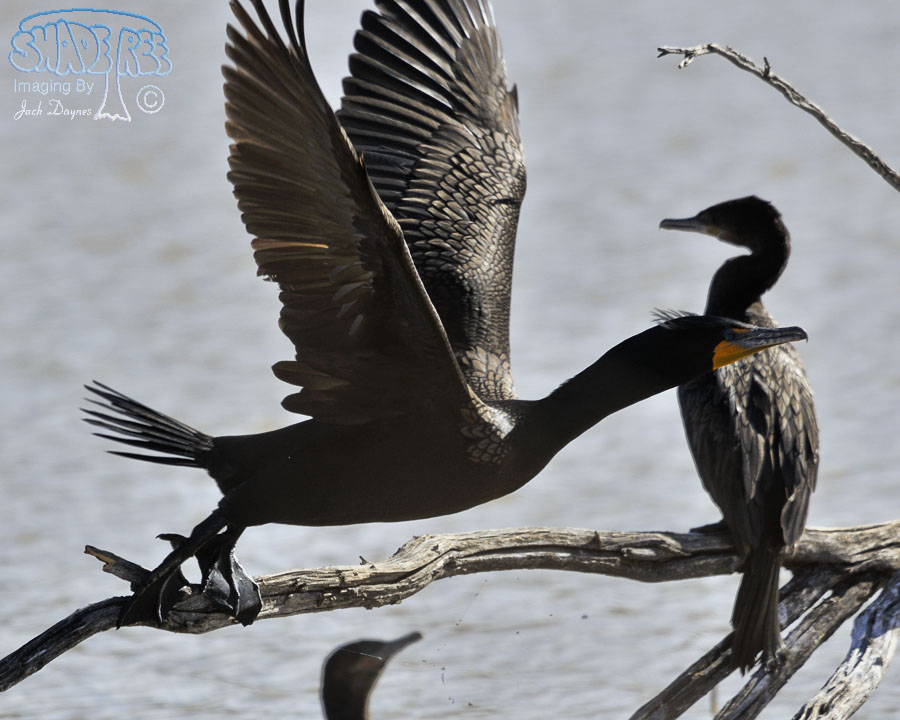
Double-Crested Cormorant(Phalacrocorax auritus) |
|
Description: Perched with Neotropic Cormorants at the 'Old Rookery' in Bosque Del Apache, south of Socorro New Mexico. |
Date Taken: 2016:03:18 16:40 |
|
Location:
Bosque Del Apache |
|
Camera Information: NIKON D3X, 800 mm, f/8.0, 1/1250 |
File Name: D3X6718-DoubleCrestedCormorant |
| © 2016 Jack Daynes, shadeTreeImaging.com |
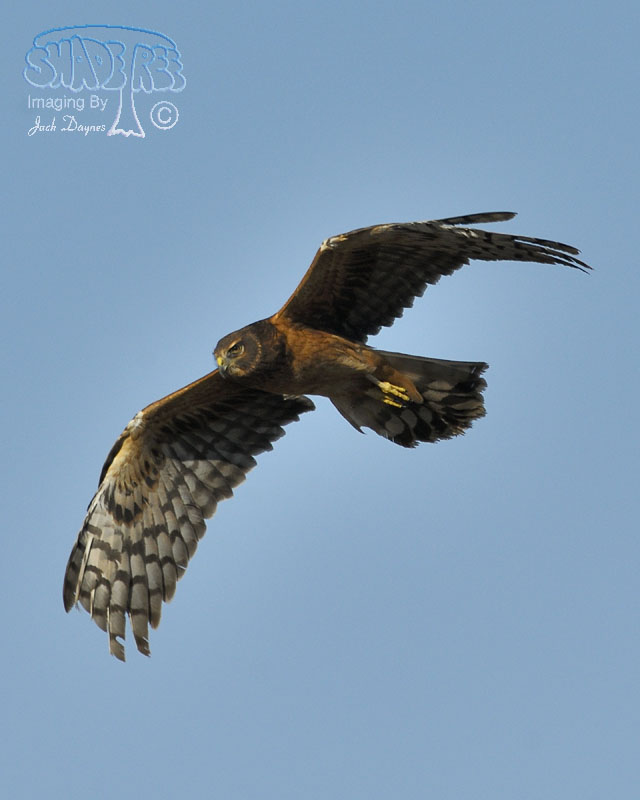
Northern Harrier(Circus cyaneus) |
|
Description: Bosque Del Apache, south of Socorro New Mexico. |
Date Taken: 2016:03:18 17:01 |
|
Location:
Bosque Del Apache |
|
Camera Information: NIKON D3X, 800 mm, f/8.0, 1/2500 |
File Name: D3X6741-NorthernHarrier |
| © 2016 Jack Daynes, shadeTreeImaging.com |
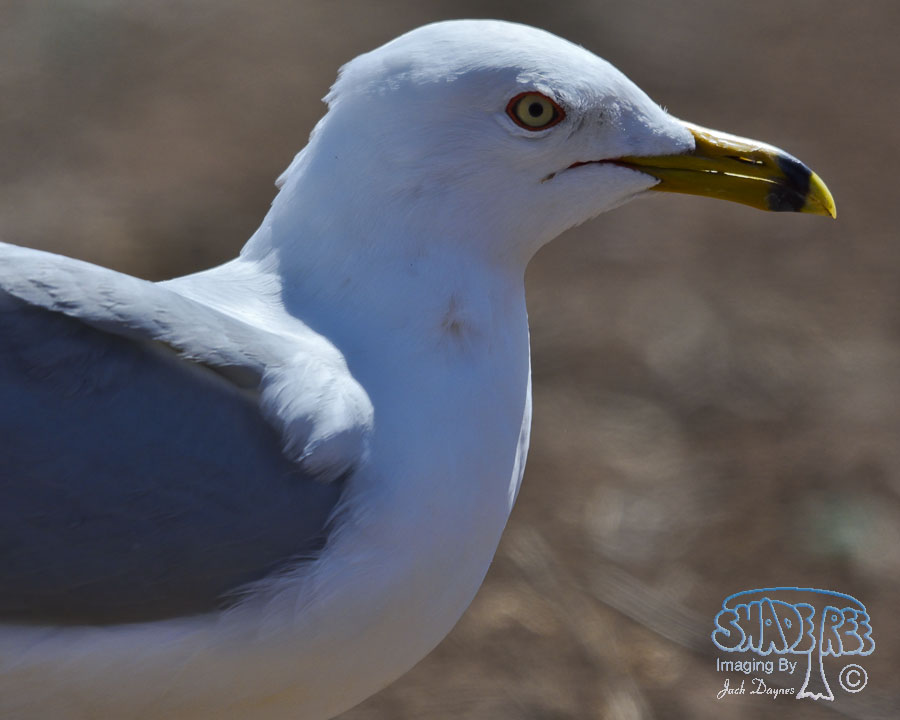
Ring-Billed Gull(Larus delawarensis) |
|
Description: Bosque Del Apache, south of Socorro New Mexico. |
Date Taken: 2016:03:23 13:17 |
|
Location:
Bosque Del Apache |
|
Camera Information: NIKON D7200, 800 mm, f/8.0, 1/2000 |
File Name: D726484-RingBilledGull |
| © 2016 Jack Daynes, shadeTreeImaging.com |
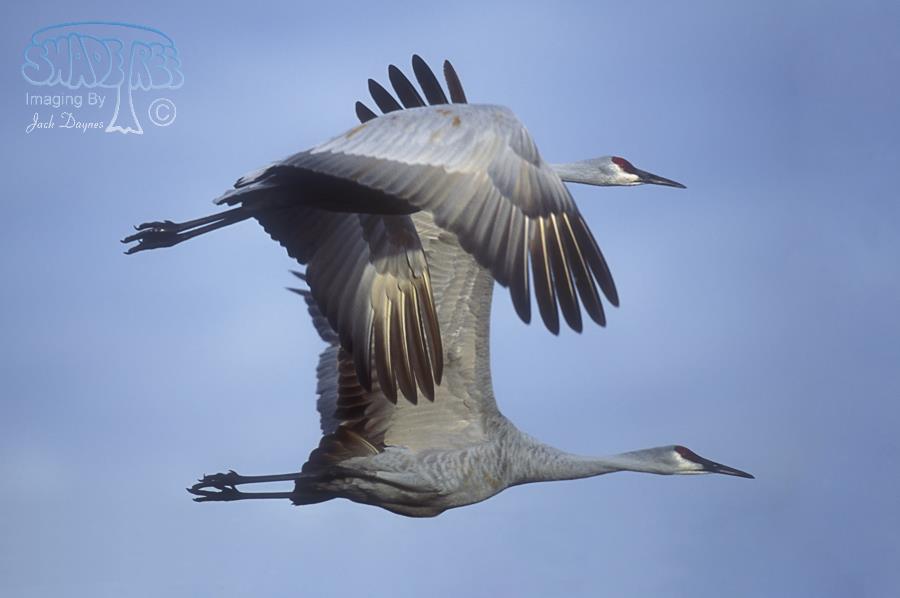
Sandhill Crane(Antigone canadensis) |
|
Description: Bosque del Apache NWR. Near Socorro, New Mexico. |
Date Taken: 2001:12:28 12:29 |
|
Location:
Bosque del Apache NWR |
|
Camera Information: Nikon SUPER COOLSCAN 4000 ED, 0 mm, |
File Name: A1L28c33-SandhillCrane |
| © 2001 Jack Daynes |
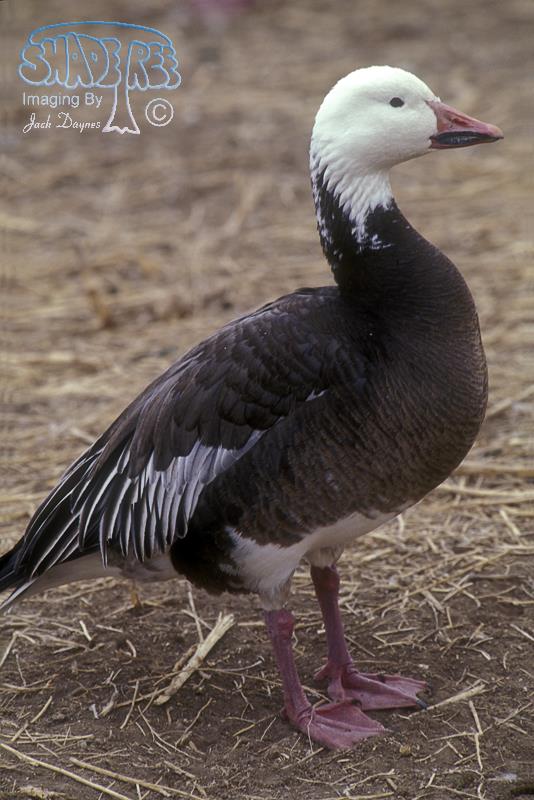
Snow Goose(Anser caerulescens) |
|
Description: Blue Morph. Bosque del Apache NWR. Near Socorro, New Mexico. |
Date Taken: 2001:11:29 8:52 |
|
Location:
Bosque del Apache |
|
Camera Information: Nikon SUPER COOLSCAN 4000 ED, |
File Name: A1L29c30-SnowGoose |
| © 2001 Jack Daynes, shadeTreeImaging.com |
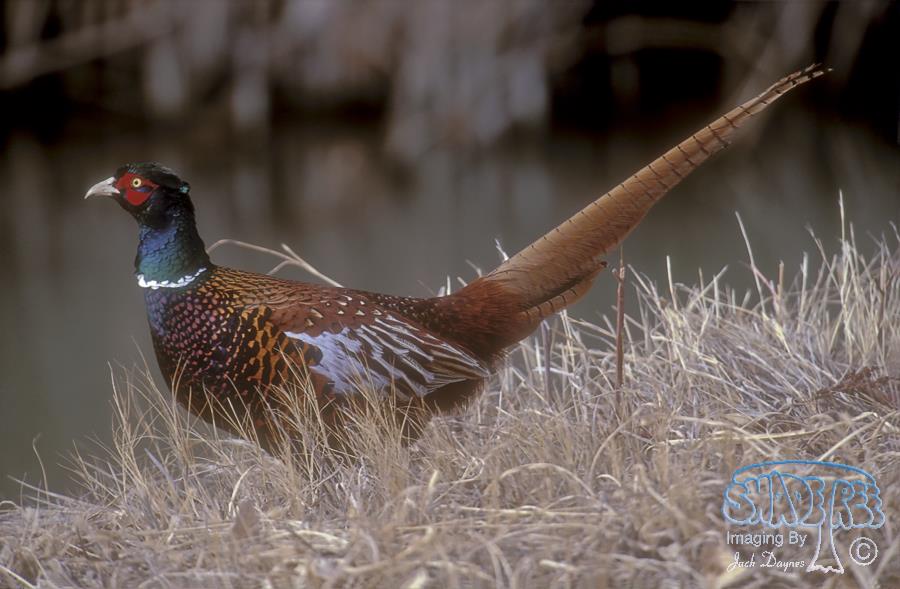
Phasianus colchicus(Phasianus colchicus) |
|
Description: Bosque del Apache NWR. Near Socorro, New Mexico. |
Date Taken: 2006:01:14 9:09 |
|
Location:
Bosque del Apache NWR |
|
Camera Information: Nikon SUPER COOLSCAN 4000 ED, |
File Name: A1L30d28-CommonPheasant |
| © 2001 Jack Daynes, shadeTreeImaging.com |
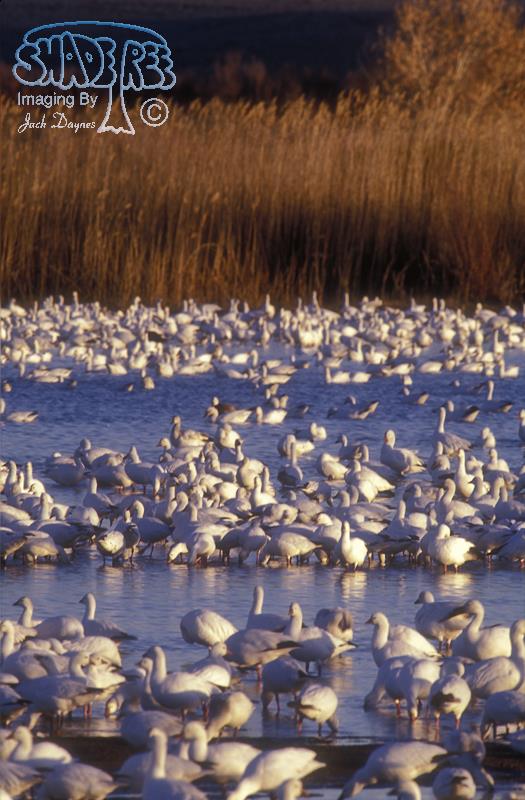
Snow Goose(Anser caerulescens) |
|
Description: Resting in the early morning on water at Bosque del Apache. Near Socorro, New Mexico. |
Date Taken: 2001:11:30 8:52 |
|
Location:
Bosque del Apache |
|
Camera Information: Nikon SUPER COOLSCAN 4000 ED, |
File Name: A1L30e24-SnowGoose |
| © 2001 Jack Daynes, shadeTreeImaging.com |
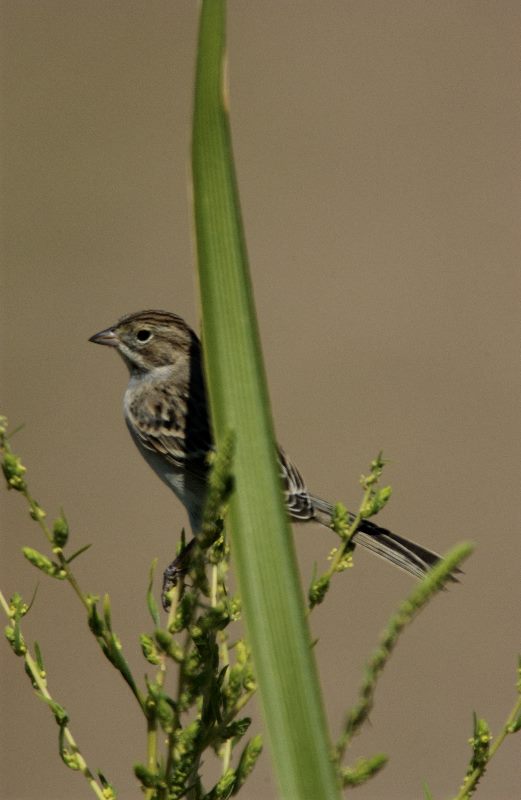
Lark Bunting(Calamospiza melanocorys) |
|
Description: Juvenile bird at Bosque del Apache NWR. Near Socorro, New Mexico USA 2003-08-24. |
Date Taken: 2003:08:24 12:51 |
|
Location:
Bosque del Apache NWR |
|
Camera Information: NIKON D1X, 800 mm, f/5.6, 1/2000 |
File Name: JCD_0496LarkBuntingJuv |
| © 2003 Jack Daynes, shadeTreeImaging.com |
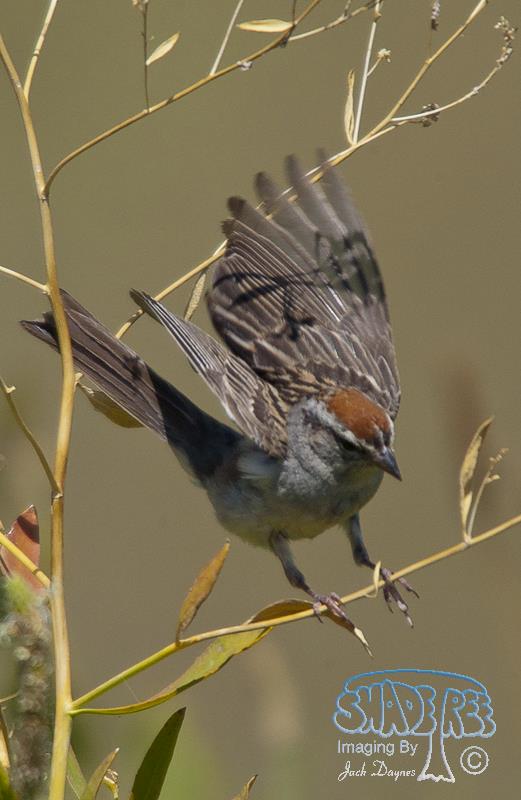
Chipping Sparrow(Spizella passerina) |
|
Description: This encounter took place in Bosque del Apache NWR. Near Socorro, New Mexico USA 2003-08-24. |
Date Taken: 2003:08:24 13:32 |
|
Location:
Bosque del Apache NWR |
|
Camera Information: NIKON D1X, 800 mm, f/5.6, 1/1250 |
File Name: JCD_0508ChippingSparrow |
| © 2003 Jack Daynes, shadeTreeImaging.com |
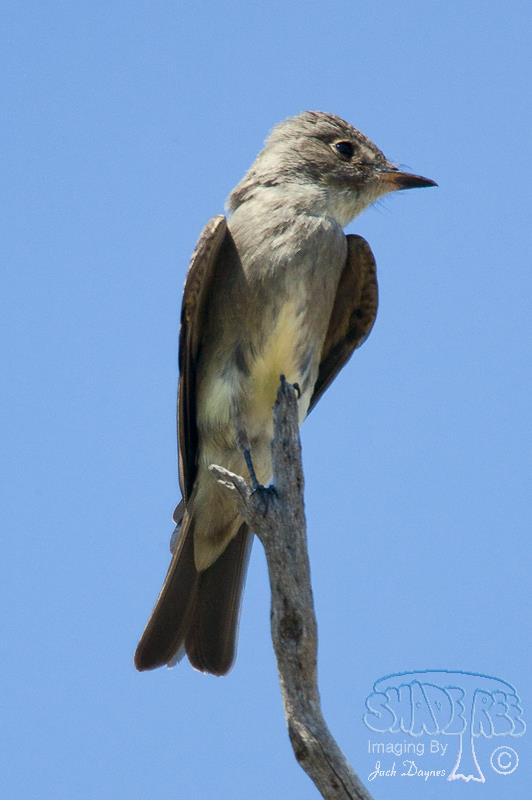
Western Wood-Pewee(Contopus sordidulus) |
|
Description: Bosque del Apache NWR. Near Socorro, New Mexico. |
Date Taken: 2003:08:24 14:27 |
|
Location:
Bosque del Apache NWR |
|
Camera Information: NIKON D1X, 800 mm, f/5.6, 1/1250 |
File Name: JCD_0530WestWoodPewee |
| © 2003 Jack Daynes, shadeTreeImaging.com |
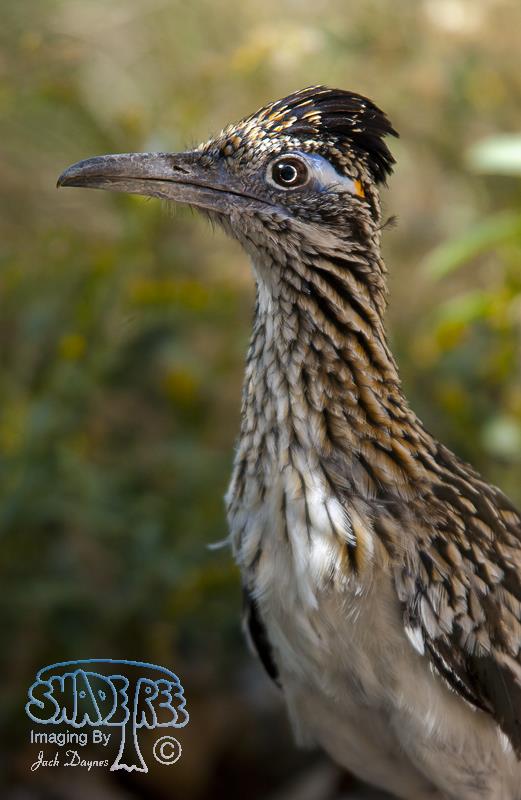
Greater Roadrunner(Geococcyx californianus) |
|
Description: Bosque del Apache NWR. Near Socorro, New Mexico. |
Date Taken: 2003:08:24 17:13 |
|
Location:
Bosque Del Apache |
|
Camera Information: NIKON D1X, 800 mm, f/5.6, 1/320 |
File Name: JCD_0565RoadRunner |
| © 2003 Jack Daynes, shadeTreeImaging.com |
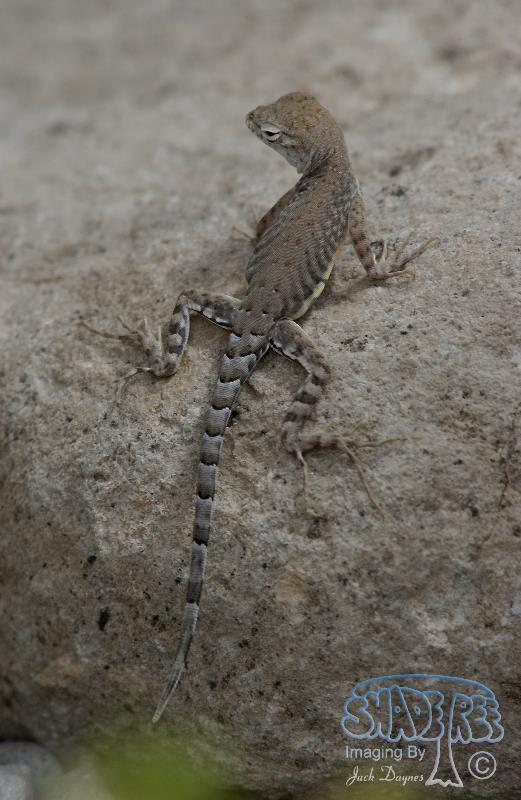
Earless Lizard(Holbrookia maculata) |
|
Description: Bosque del Apache NWR. Near Socorro, New Mexico. |
Date Taken: 2003:08:25 12:56 |
|
Location:
Bosque del Apache NWR |
|
Camera Information: NIKON D1X, 800 mm, f/10.0, 1/320 |
File Name: JCD_0734EarlessLizard |
| © 2003 Jack Daynes, shadeTreeImaging.com |
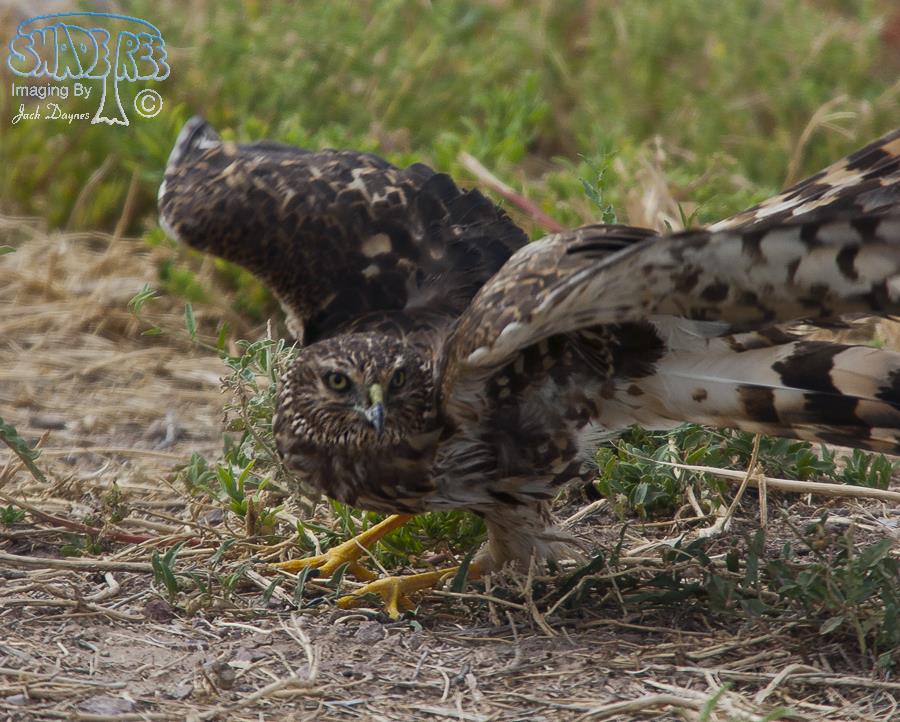
Northern Harrier(Circus cyaneus) |
|
Description: Once called Marsh Hawk, I saw this bird at Bosque del Apache NWR. Near Socorro, New Mexico. |
Date Taken: 2003:08:25 16:48 |
|
Location:
Bosque del Apache NWR |
|
Camera Information: NIKON D1X, 800 mm, f/5.6, 1/750 |
File Name: JCD_0836NorthernHarrier |
| © 2003 Jack Daynes, shadeTreeImaging.com |
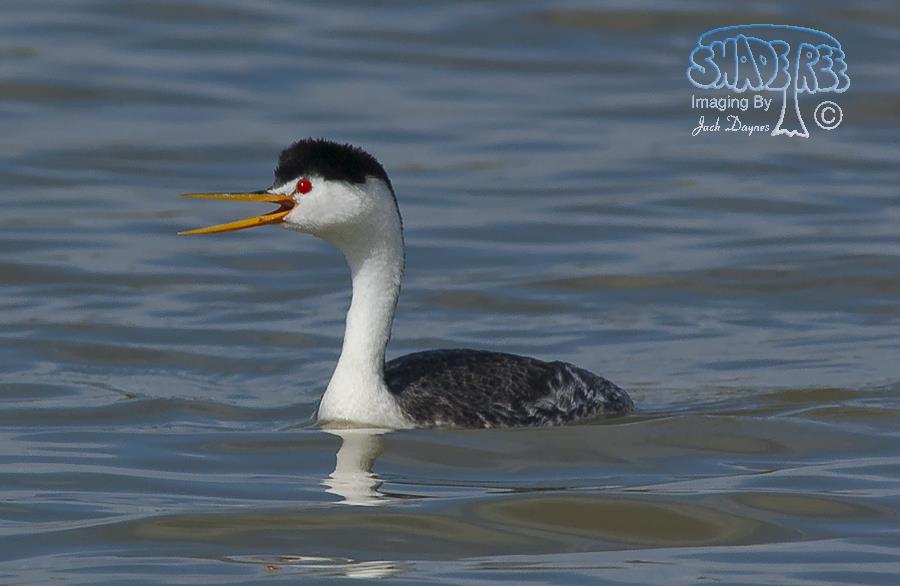
Clark's Grebe(Aechmophorus clarkii) |
|
Description: Bosque del Apache NWR. Near Socorro, New Mexico. |
Date Taken: 2003:08:25 17:56 |
|
Location:
Bosque del Apache NWR |
|
Camera Information: NIKON D1X, 800 mm, f/8.0, 1/750 |
File Name: JCD_0879ClarksGrebe |
| © 2003 Jack Daynes, shadeTreeImaging.com |
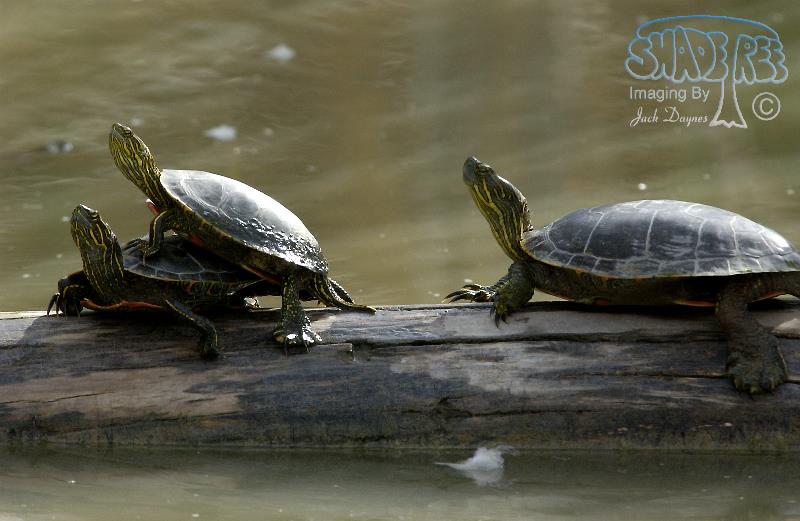
Painted Turtle(Chrysemys picta) |
|
Description: Bosque del Apache NWR. Near Socorro, New Mexico. |
Date Taken: 2003:08:25 18:30 |
|
Location:
Bosque del Apache NWR |
|
Camera Information: NIKON D1X, 800 mm, f/8.0, 1/250 |
File Name: JCD_0927PaintedTurtle |
| © 2003 Jack Daynes, shadeTreeImaging.com |
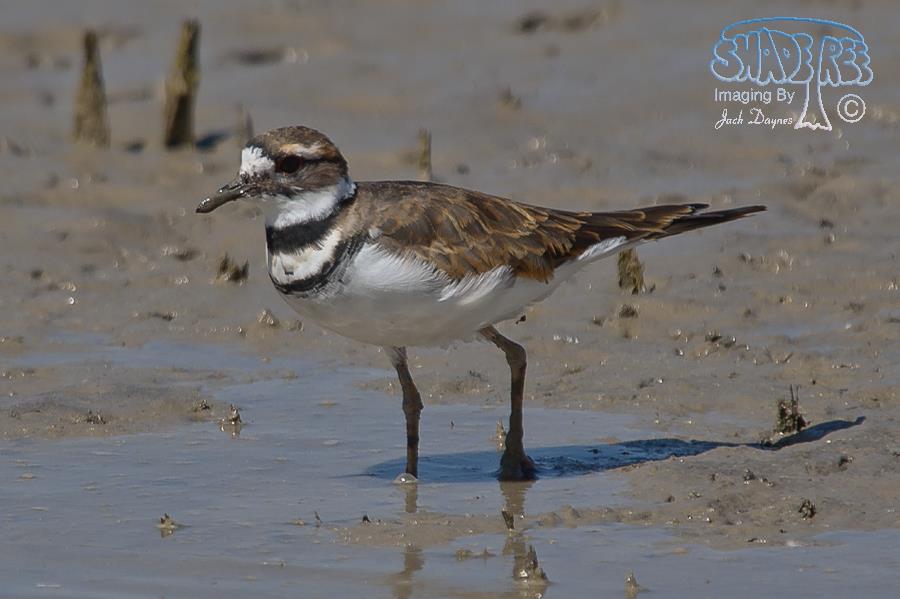
Killdeer(Charadrius vociferus) |
|
Description: Bosque del Apache NWR. Near Socorro, New Mexico. |
Date Taken: 2003:09:19 12:41 |
|
Location:
Bosque del Apache NWR |
|
Camera Information: NIKON D1X, 800 mm, f/5.6, 1/400 |
File Name: JCD_1833Killdeer |
| © 2003 Jack Daynes, shadeTreeImaging.com |
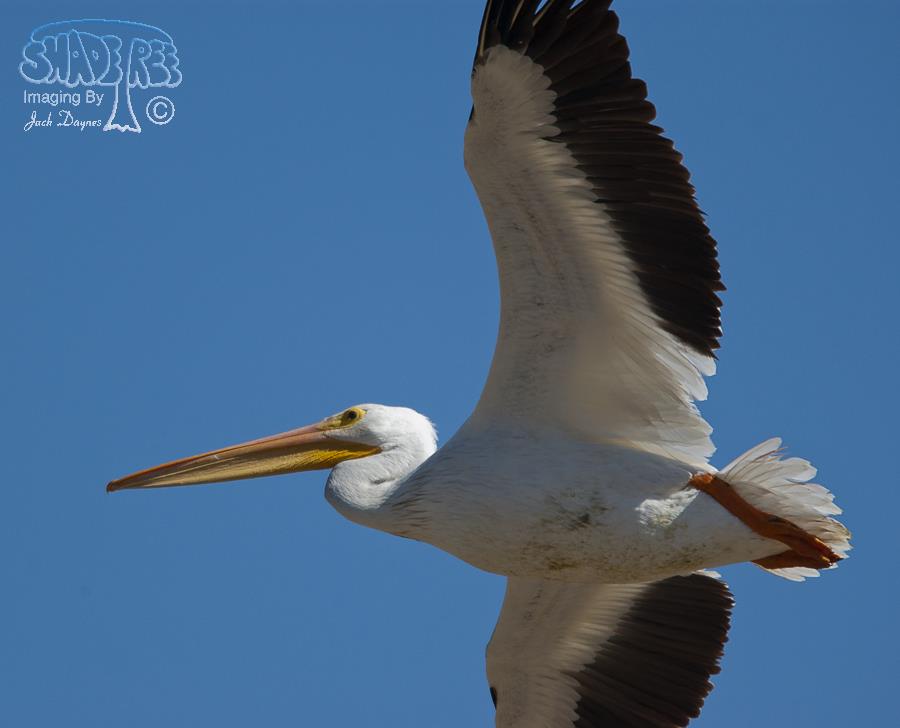
American White Pelican(Pelecanus erythrorhynchos) |
|
Description: Bosque del Apache NWR. Near Socorro, New Mexico. |
Date Taken: 2003:09:20 9:45 |
|
Location:
Bosque del Apache NWR |
|
Camera Information: NIKON D1X, 800 mm, f/5.6, 1/2000 |
File Name: JCD_2039WhitePelican |
| © 2003 Jack Daynes, shadeTreeImaging.com |
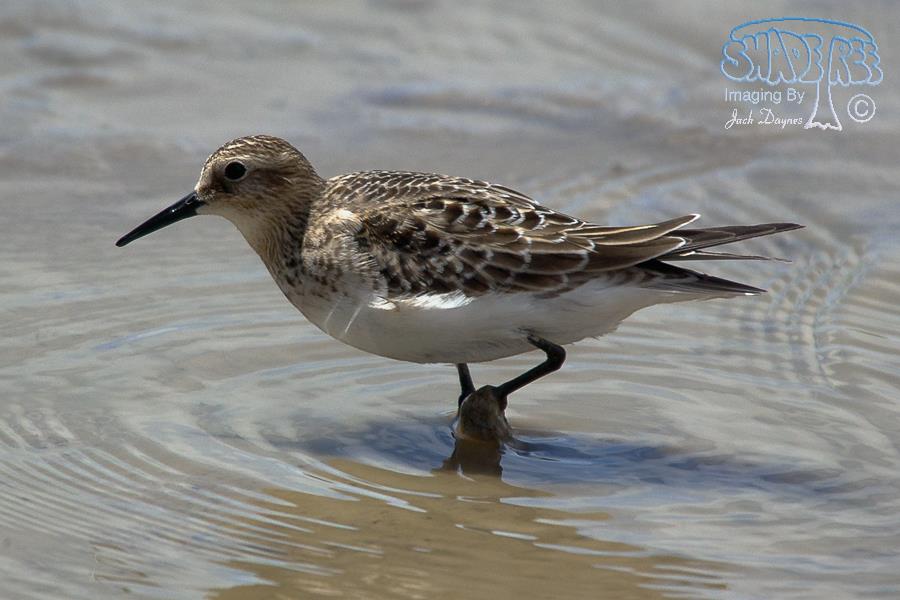
Baird's Sandpiper(Calidris bairdii) |
|
Description: Bosque del Apache NWR. Near Socorro, New Mexico. |
Date Taken: 2003:09:20 12:07 |
|
Location:
Bosque del Apache NWR |
|
Camera Information: NIKON D1X, 800 mm, f/5.6, 1/1600 |
File Name: JCD_2164Bairds-Sandpiper |
| © 2003 Jack Daynes, shadeTreeImaging.com |
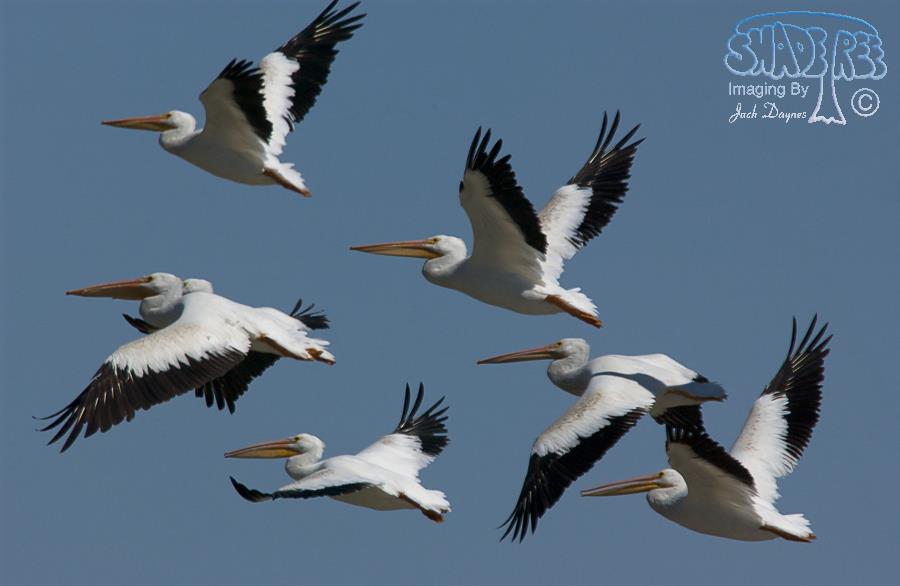
American White Pelican(Pelecanus erythrorhynchos) |
|
Description: Bosque del Apache NWR. Near Socorro, New Mexico. |
Date Taken: 2003:09:21 9:38 |
|
Location:
Bosque del Apache NWR |
|
Camera Information: NIKON D1X, 800 mm, f/5.6, 1/4000 |
File Name: JCD_2417WhitePelican |
| © 2003 Jack Daynes, shadeTreeImaging.com |
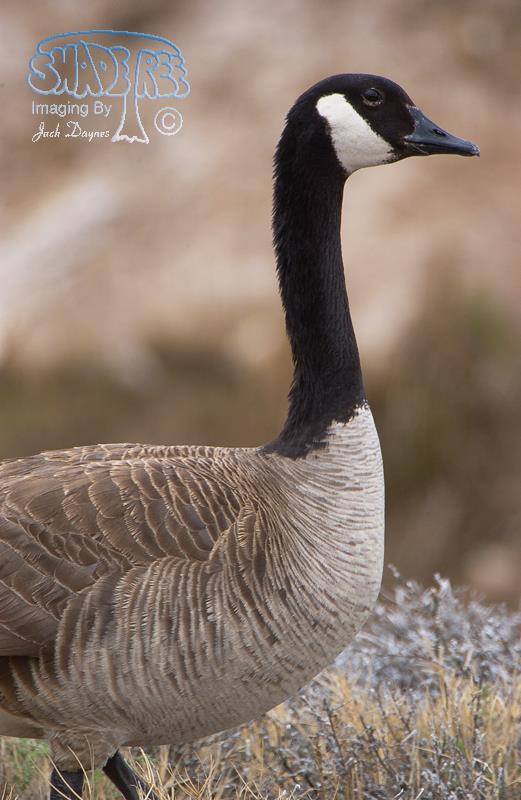
Canada Goose(Branta canadensis) |
|
Description: Bosque del Apache NWR. Near Socorro, New Mexico. |
Date Taken: 2005:02:16 12:32 |
|
Location:
Bosque del Apache NWR |
|
Camera Information: NIKON D1X, 800 mm, f/8.0, 1/250 |
File Name: JCD_3229CanadaGoose |
| © 2005 Jack Daynes, shadeTreeImaging.com |
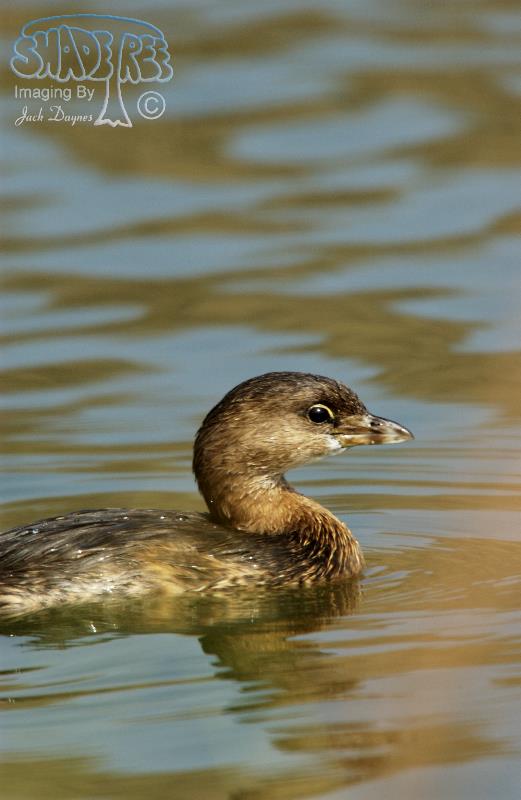
Pied-Billed Grebe(Podilymbus podiceps) |
|
Description: Bosque del Apache NWR. Near Socorro, New Mexico 2005-02-15. |
Date Taken: 2003:10:05 14:28 |
|
Location:
Bosque del Apache NWR |
|
Camera Information: NIKON D1X, 800 mm, f/7.1, 1/320 |
File Name: JCD_3402PiedBilledGrebe |
| © 2005 Jack Daynes, shadeTreeImaging.com |
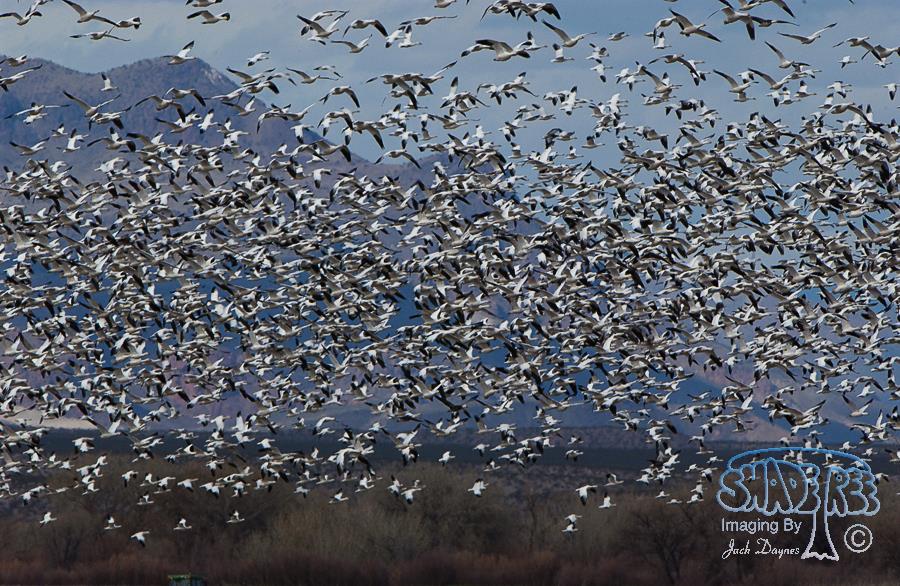
Snow Goose(Anser caerulescens) |
|
Description: Overwhelming numbers. Bosque del Apache NWR. Near Socorro, New Mexico. |
Date Taken: 2005:02:16 14:38 |
|
Location:
Bosque del Apache |
|
Camera Information: NIKON D1X, 490 mm, f/13.0, 1/640 |
File Name: JCD_3419SnowGeese |
| © 2005 Jack Daynes, shadeTreeImaging.com |
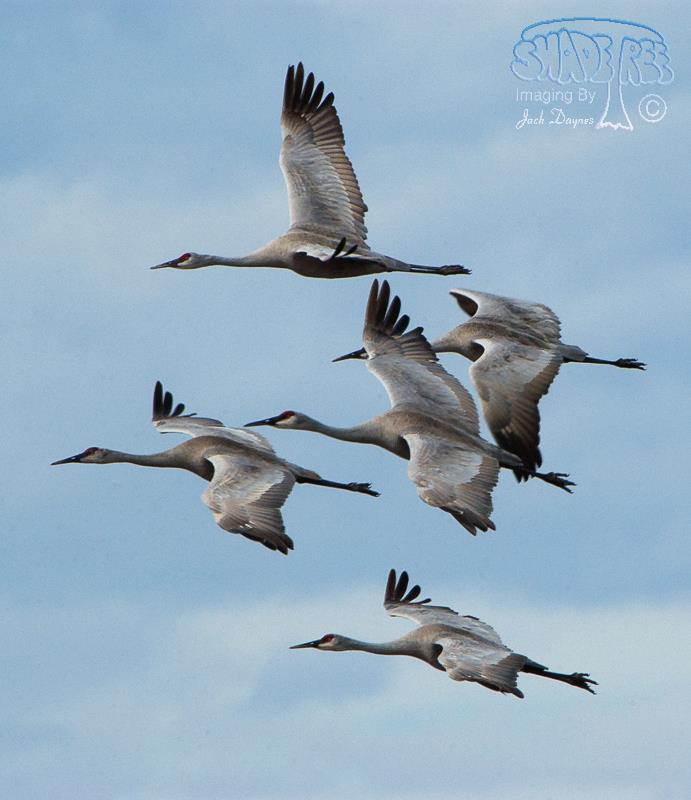
Sandhill Crane(Antigone canadensis) |
|
Description: Bosque del Apache NWR. Near Socorro, New Mexico. |
Date Taken: 2005:02:16 14:58 |
|
Location:
Bosque del Apache NWR |
|
Camera Information: NIKON D1X, 800 mm, f/13.0, 1/640 |
File Name: JCD_3514SandHillCranes |
| © 2005 Jack Daynes, shadeTreeImaging.com |
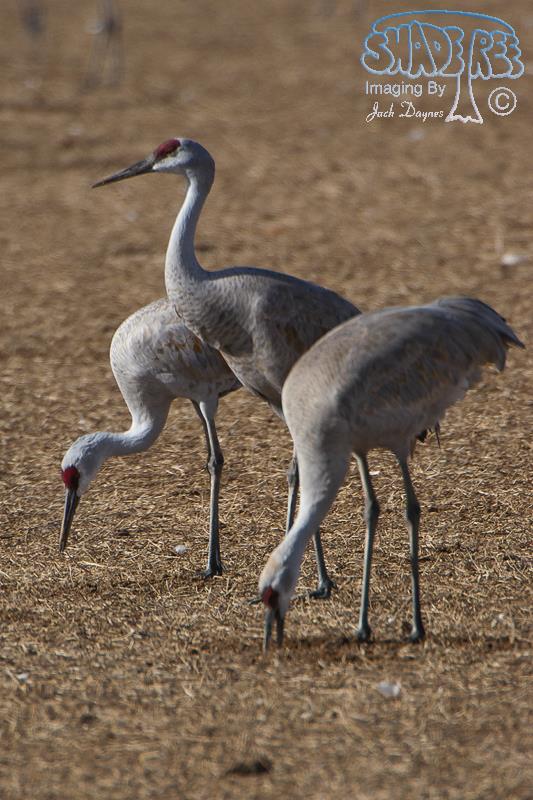
Sandhill Crane(Antigone canadensis) |
|
Description: Bosque del Apache NWR. Near Socorro, New Mexico. |
Date Taken: 2005:02:16 15:38 |
|
Location:
Bosque del Apache NWR |
|
Camera Information: NIKON D1X, 800 mm, f/8.0, 1/1000 |
File Name: JCD_3654SandHillCranes |
| © 2005 Jack Daynes, shadeTreeImaging.com |
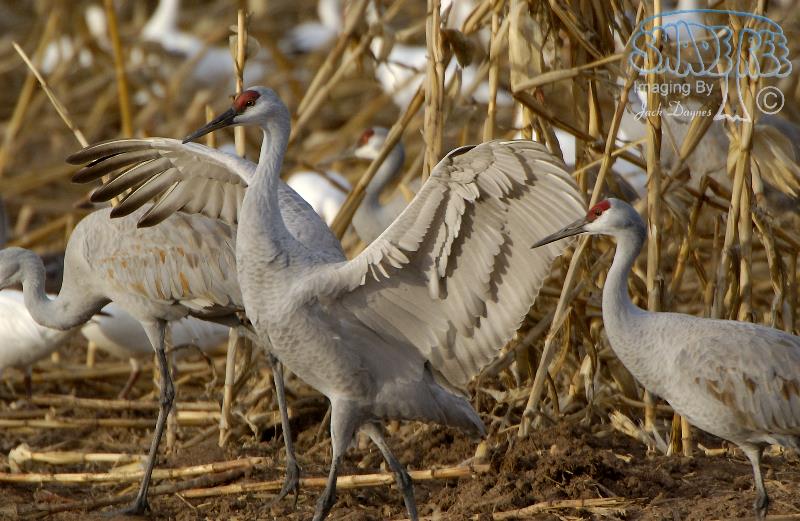
Sandhill Crane(Antigone canadensis) |
|
Description: Bosque del Apache NWR. Near Socorro, New Mexico 2005-02-15. |
Date Taken: 2005:02:16 17:23 |
|
Location:
Bosque del Apache NWR |
|
Camera Information: NIKON D1X, 800 mm, f/8.0, 1/320 |
File Name: JCD_4083SandHillCranes |
| © 2005 Jack Daynes, shadeTreeImaging.com |
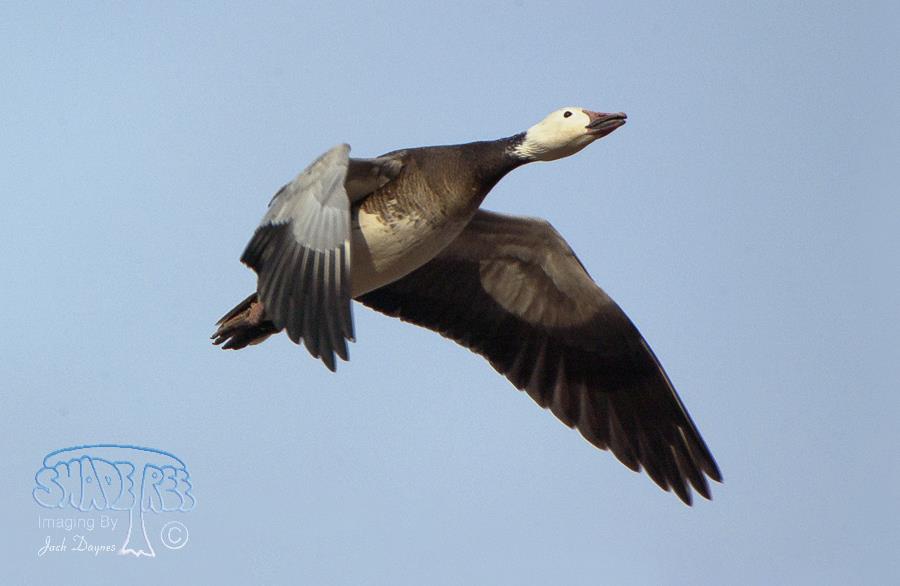
Snow Goose(Anser caerulescens) |
|
Description: "Blue" form of the Snow Goose at Bosque del Apache NWR. Near Socorro, New Mexico. |
Date Taken: 2005:02:16 17:27 |
|
Location:
Bosque del Apache NWR |
|
Camera Information: NIKON D1X, 800 mm, f/8.0, 1/750 |
File Name: JCD_4121SnowGeeseBLUE |
| © 2005 Jack Daynes, shadeTreeImaging.com |
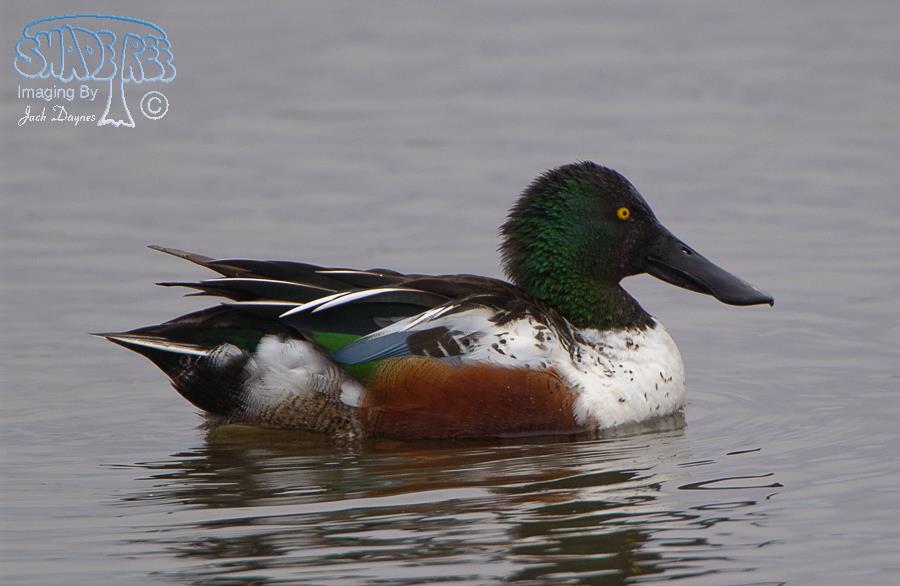
Northern Shoveler(Spatula clypeata) |
|
Description: Bosque del Apache NWR. Near Socorro, New Mexico. |
Date Taken: 2005:02:17 9:27 |
|
Location:
Bosque del Apache NWR |
|
Camera Information: NIKON D1X, 800 mm, f/8.0, 1/350 |
File Name: JCD_4206NorthernShoveler |
| © 2005 Jack Daynes, shadeTreeImaging.com |
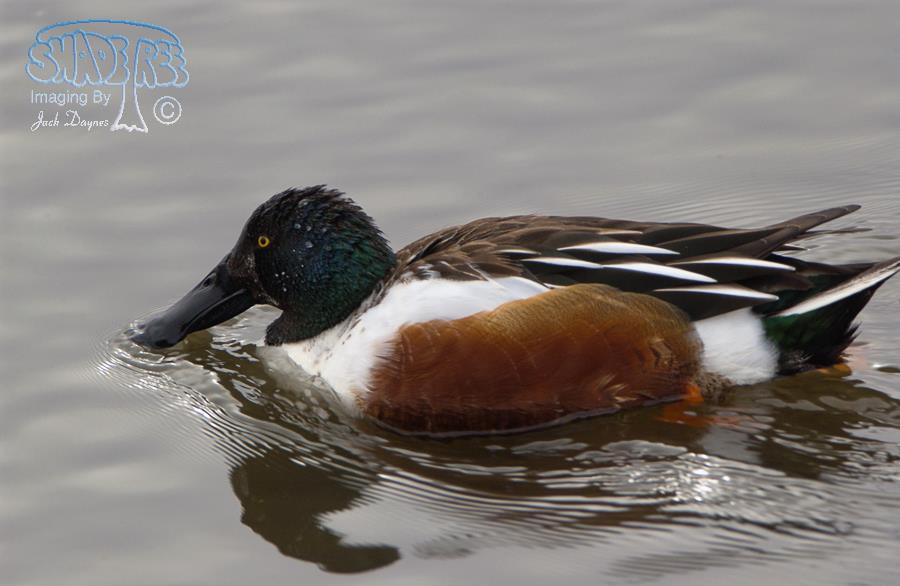
Northern Shoveler(Spatula clypeata) |
|
Description: Bosque del Apache NWR. Near Socorro, New Mexico. |
Date Taken: 2005:02:17 9:41 |
|
Location:
Bosque del Apache NWR |
|
Camera Information: NIKON D1X, 400 mm, f/8.0, 1/250 |
File Name: JCD_4231NorthernShoveler |
| © 2005 Jack Daynes, shadeTreeImaging.com |
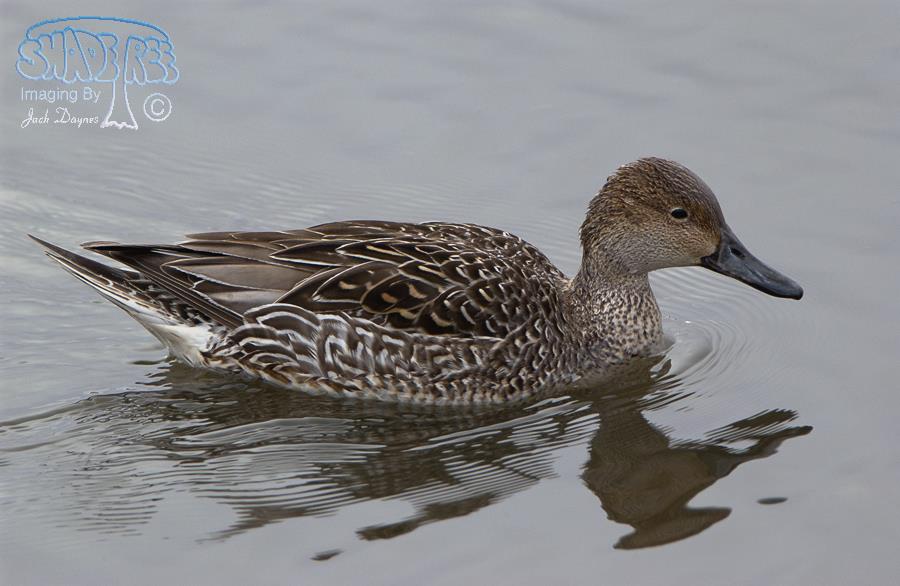
Northern Pintail(Anas acuta) |
|
Description: Bosque del Apache NWR. Near Socorro, New Mexico. |
Date Taken: 2005:02:17 9:41 |
|
Location:
Bosque del Apache NWR |
|
Camera Information: NIKON D1X, 400 mm, f/8.0, 1/250 |
File Name: JCD_4234NorthernPintail |
| © 2005 Jack Daynes, shadeTreeImaging.com |
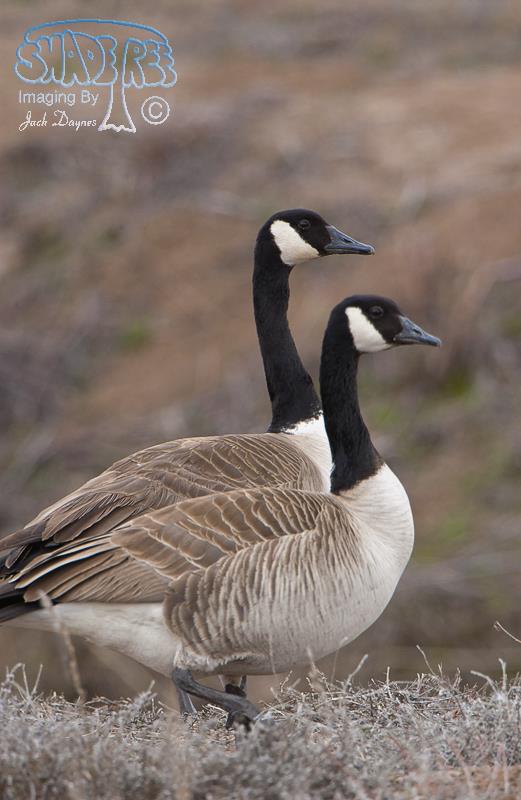
Canada Goose(Branta canadensis) |
|
Description: Bosque del Apache NWR. Near Socorro, New Mexico. |
Date Taken: 2005:02:17 10:38 |
|
Location:
Bosque del Apache NWR |
|
Camera Information: NIKON D1X, 650 mm, f/8.0, 1/180 |
File Name: JCD_4323CanadaGeese |
| © 2005 Jack Daynes, shadeTreeImaging.com |
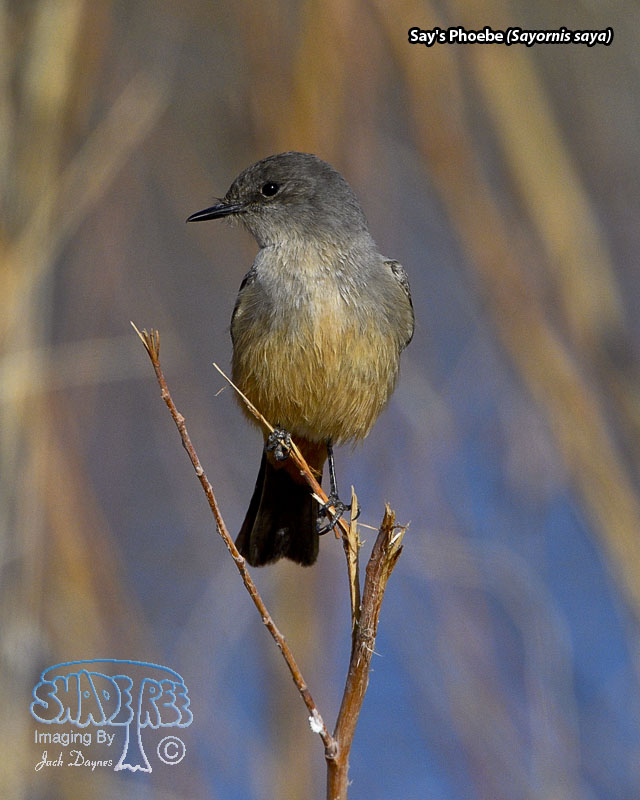
Say's Phoebe(Sayornis saya) |
|
Description: I think I’ve met Say’s Phoebes on every visit I’ve made to Bosque. The world famous Bosque del Apache may not be the center of the geese and crane universe today that it once was, but it can still provide a few thrills. A tour on this Tuesday in December taught me this lesson. |
Date Taken: 2020:12:22 10:50 |
|
Location:
Bosque del Apache NWR |
|
Camera Information: NIKON D5, 800 mm, f/8.0, 1/4000 |
File Name: SaysPhoebe_D5X0035-BosqueDelApache |
| © 2020 Jack Daynes, shadeTreeImaging.com |
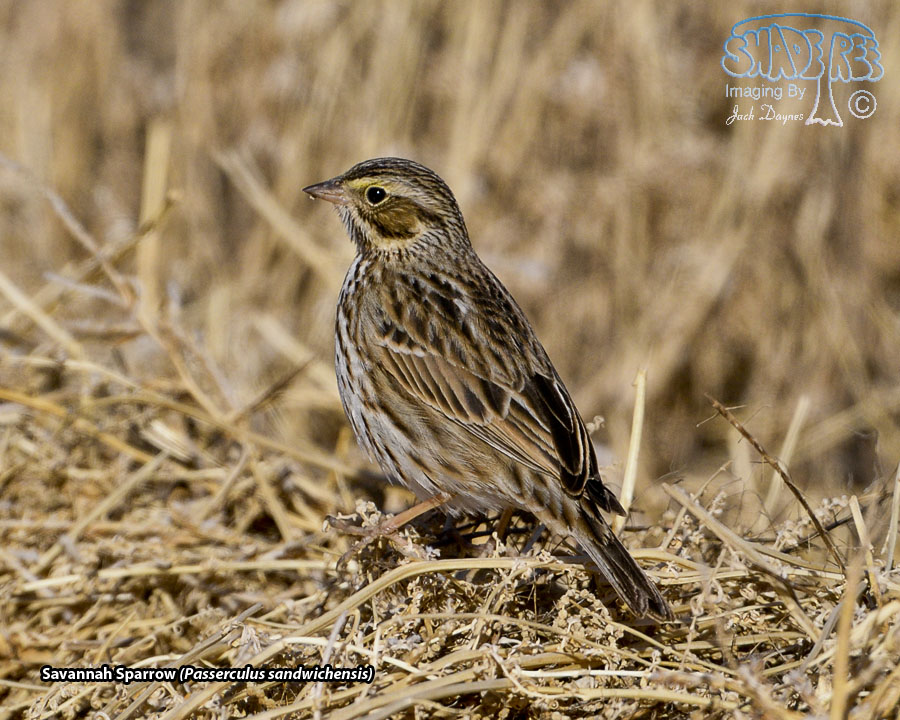
Savannah Sparrow(Passerculus sandwichensis) |
|
Description: Winter’s will host a small population of Savannah Sparrows at Bosque. The world famous Bosque del Apache may not be the center of the geese and crane universe today that it once was, but it can still provide a few thrills. A tour on this Tuesday in December taught me this lesson. |
Date Taken: 2020:12:22 10:37 |
|
Location:
Bosque del Apache NWR |
|
Camera Information: NIKON D5, 800 mm, f/8.0, 1/8000 |
File Name: SavannahSparrow_D5X9996-BosqueDelApache |
| © 2020 Jack Daynes, shadeTreeImaging.com |
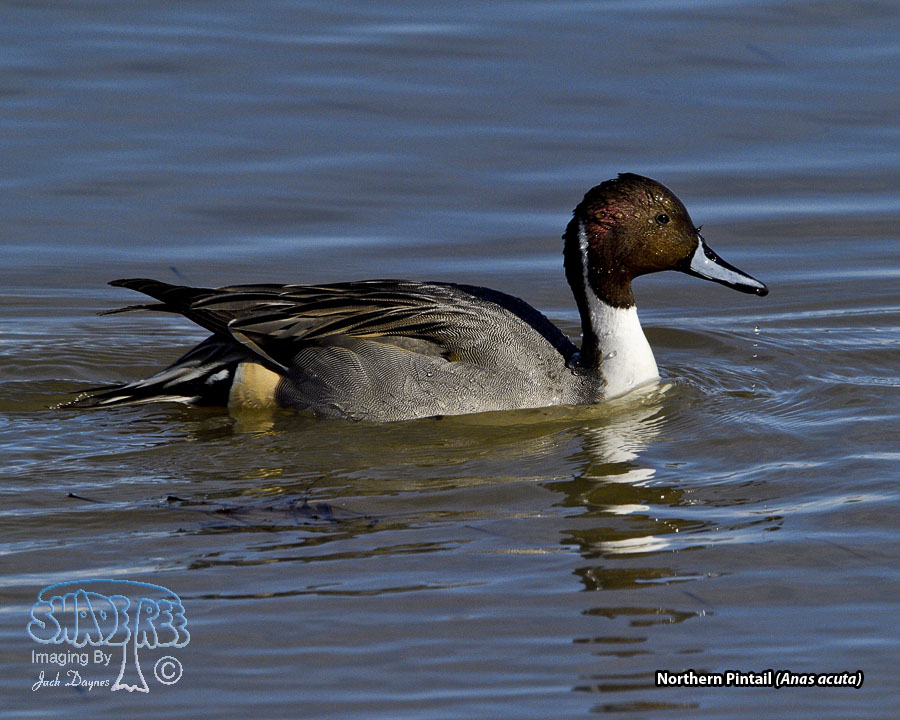
Northern Pintail(Anas acuta) |
|
Description: This male Northern Pintail enjoyed foraging in the sloppy mud at the outlet of the Flight Deck Pond. The world famous Bosque del Apache may not be the center of the geese and crane universe today that it once was, but it can still provide a few thrills. A tour on this Tuesday in December taught me this lesson. |
Date Taken: 2020:12:22 13:52 |
|
Location:
Bosque del Apache NWR |
|
Camera Information: NIKON D5, 800 mm, f/11.0, 1/4000 |
File Name: NorthernPintail_D5X1343-BosqueDelApache |
| © 2020 Jack Daynes, shadeTreeImaging.com |
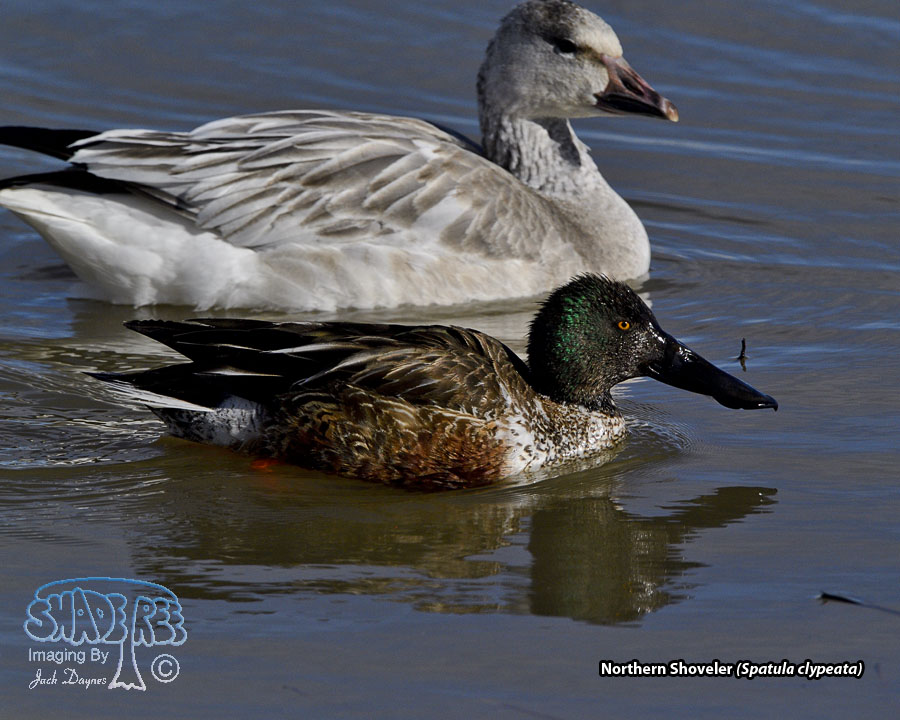
Northern Shoveler(Spatula clypeata) |
|
Description: There seemed to be more Northern Shovelers at Bosque this day than any other duck. The world famous Bosque del Apache may not be the center of the geese and crane universe today that it once was, but it can still provide a few thrills. A tour on this Tuesday in December taught me this lesson. |
Date Taken: 2020:12:22 13:55 |
|
Location:
Bosque del Apache NWR |
|
Camera Information: NIKON D5, 800 mm, f/11.0, 1/4000 |
File Name: NorthernShoveler_D5X1364-BosqueDelApache |
| © 2020 Jack Daynes, shadeTreeImaging.com |
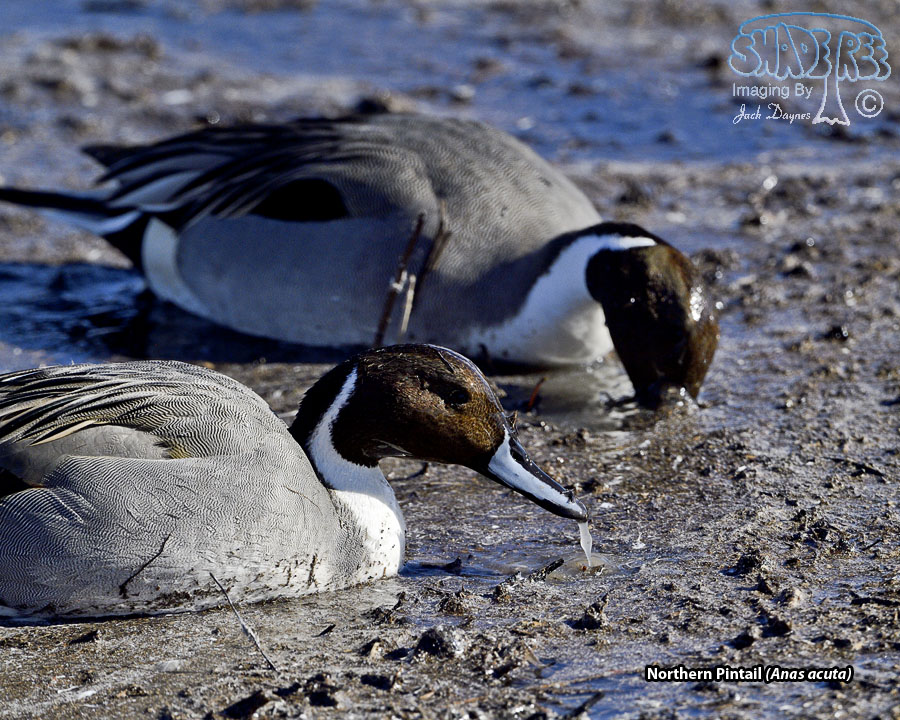
Northern Pintail(Anas acuta) |
|
Description: These male Northern Pintails enjoyed foraging in the sloppy mud at the outlet of the Flight Deck Pond. The world famous Bosque del Apache may not be the center of the geese and crane universe today that it once was, but it can still provide a few thrills. A tour on this Tuesday in December taught me this lesson. |
Date Taken: 2020:12:22 13:27 |
|
Location:
Bosque del Apache NWR |
|
Camera Information: NIKON D5, 800 mm, f/8.0, 1/4000 |
File Name: NorthernPintail_D5X1105-BosqueDelApache |
| © 2020 Jack Daynes, shadeTreeImaging.com |
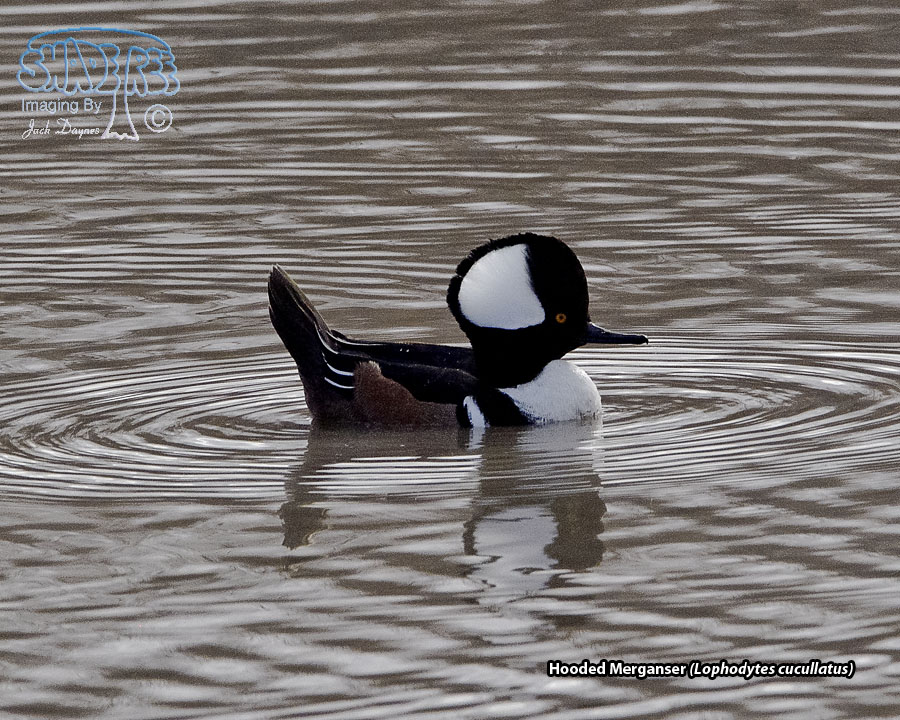
Hooded Merganser(Lophodytes cucullatus) |
|
Description: Male member of a pair of Hooded Mergansers foraging in the shallow mudflats that used to be the Rookery Pond. The world famous Bosque del Apache may not be the center of the geese and crane universe today that it once was, but it can still provide a few thrills. A tour on this Tuesday in December taught me this lesson. |
Date Taken: 2020:12:22 14:56 |
|
Location:
Bosque del Apache NWR |
|
Camera Information: NIKON D5, 800 mm, f/8.0, 1/4000 |
File Name: HoodedMerganser_D5X1753-BosqueDelApache |
| © 2020 Jack Daynes, shadeTreeImaging.com |
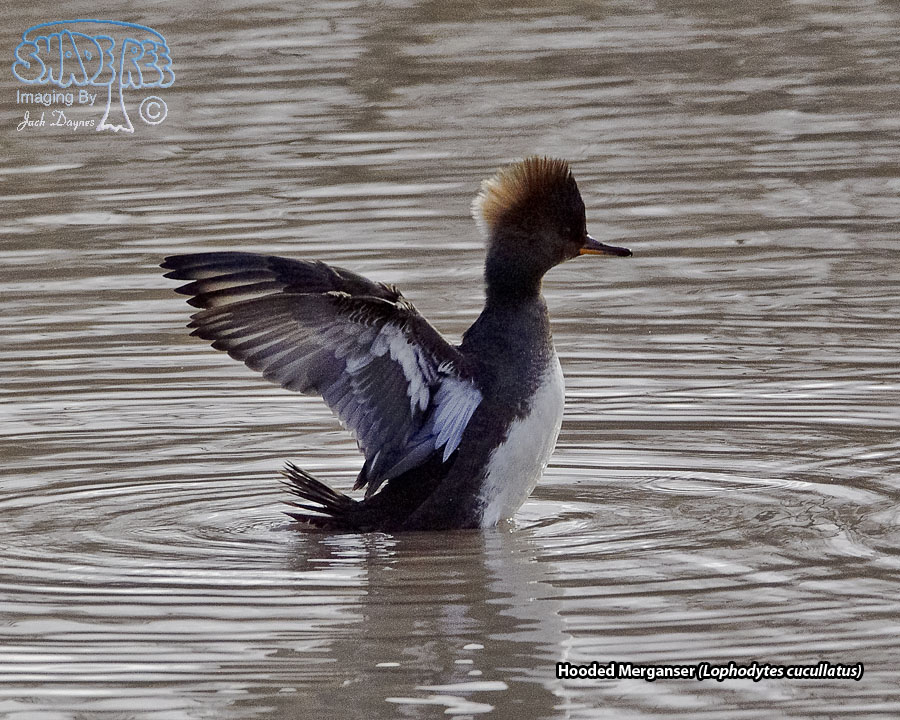
Hooded Merganser(Lophodytes cucullatus) |
|
Description: Female member of a pair of Hooded Mergansers foraging in the shallow mudflats that used to be the Rookery Pond. The world famous Bosque del Apache may not be the center of the geese and crane universe today that it once was, but it can still provide a few thrills. A tour on this Tuesday in December taught me this lesson. |
Date Taken: 2020:12:22 14:56 |
|
Location:
Bosque del Apache NWR |
|
Camera Information: NIKON D5, 800 mm, f/8.0, 1/4000 |
File Name: HoodedMerganser_D5X1747-BosqueDelApache |
| © 2020 Jack Daynes, shadeTreeImaging.com |
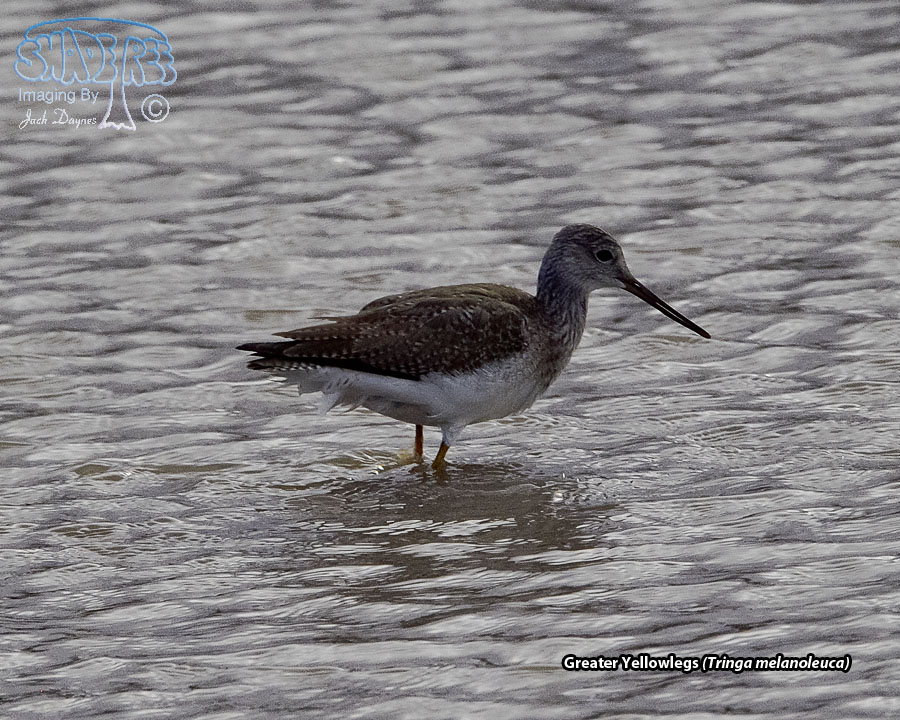
Greater Yellowlegs(Tringa melanoleuca) |
|
Description: A single Greater Yellowlegs foraged in the shallow mudflats that used to be the Rookery Pond. The world famous Bosque del Apache may not be the center of the geese and crane universe today that it once was, but it can still provide a few thrills. A tour on this Tuesday in December taught me this lesson. |
Date Taken: 2020:12:22 15:01 |
|
Location:
Bosque del Apache NWR |
|
Camera Information: NIKON D5, 800 mm, f/8.0, 1/8000 |
File Name: GreaterYellowlegs_D5X1809-BosqueDelApache |
| © 2020 Jack Daynes, shadeTreeImaging.com |
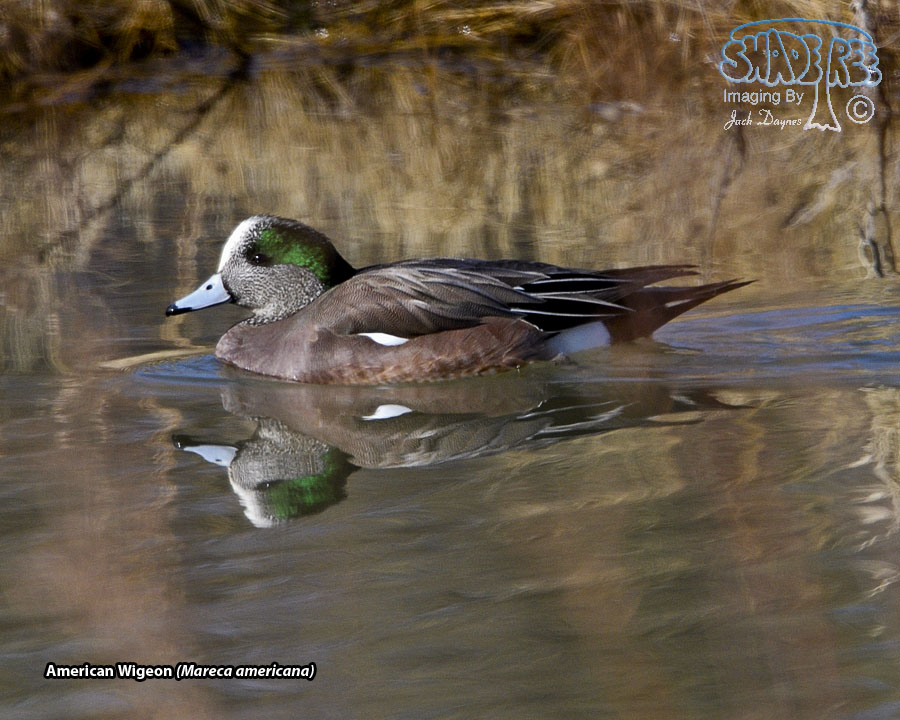
American Wigeon(Mareca americana) |
|
Description: I saw small numbers of American Wigeons along the reserve’s waterways. The world famous Bosque del Apache may not be the center of the geese and crane universe today that it once was, but it can still provide a few thrills. A tour on this Tuesday in December taught me this lesson. |
Date Taken: 2020:12:22 10:35 |
|
Location:
Bosque del Apache NWR |
|
Camera Information: NIKON D5, 800 mm, f/8.0, 1/4000 |
File Name: AmericanWigeon_D5X9986-BosqueDelApache |
| © 2020 Jack Daynes, shadeTreeImaging.com |
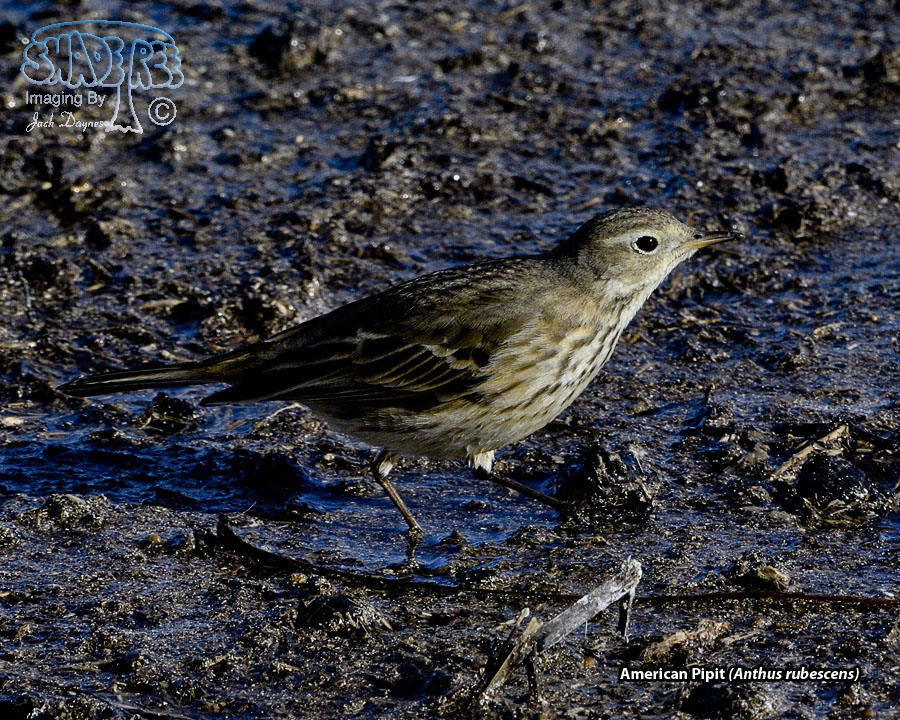
American Pipit(Anthus rubescens) |
|
Description: American Pipits foraged at the water’s edges where white geese congregated. The world famous Bosque del Apache may not be the center of the geese and crane universe today that it once was, but it can still provide a few thrills. A tour on this Tuesday in December taught me this lesson. |
Date Taken: 2020:12:22 14:22 |
|
Location:
Bosque del Apache NWR |
|
Camera Information: NIKON D5, 800 mm, f/16.0, 1/1000 |
File Name: AmericanPipit_D5X1607-BosqueDelApache |
| © 2020 Jack Daynes, shadeTreeImaging.com |
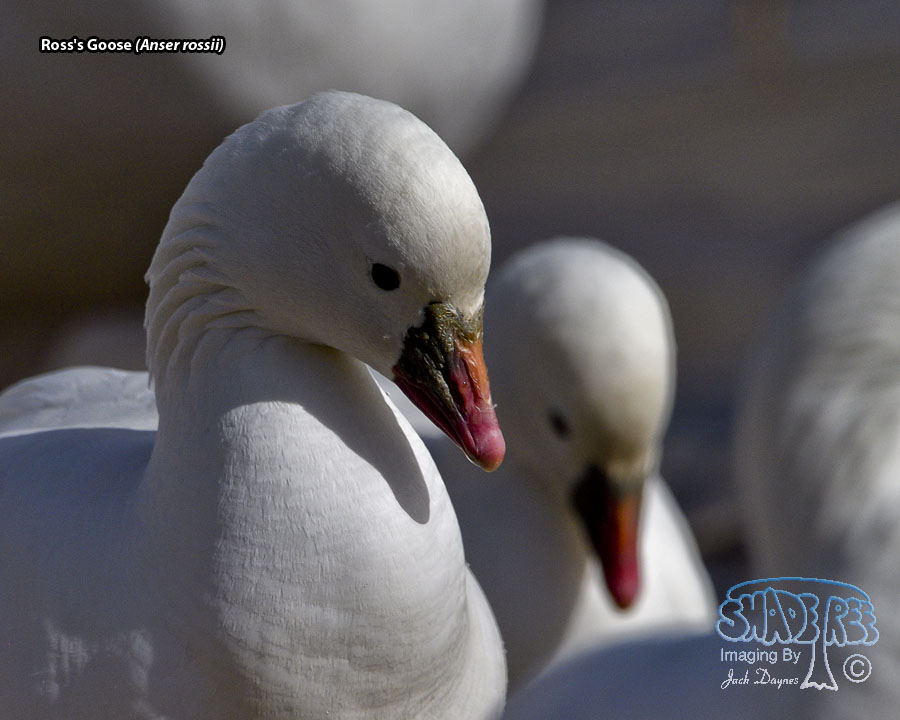
Ross's Goose(Anser rossii) |
|
Description: With the close approach of white geese, capturing these headshots seemed like a good idea. It required a close examination of the mass of white geese before me to pick out the Ross’s Geese. The world famous Bosque del Apache may not be the center of the geese and crane universe today that it once was, but it can still provide a few thrills. A tour on this Tuesday in December taught me this lesson. |
Date Taken: 2020:12:22 12:12 |
|
Location:
Bosque del Apache NWR |
|
Camera Information: NIKON D5, 800 mm, f/8.0, 1/8000 |
File Name: RossGoose_D5X0973-BosqueDelApache |
| © 2020 Jack Daynes, shadeTreeImaging.com |
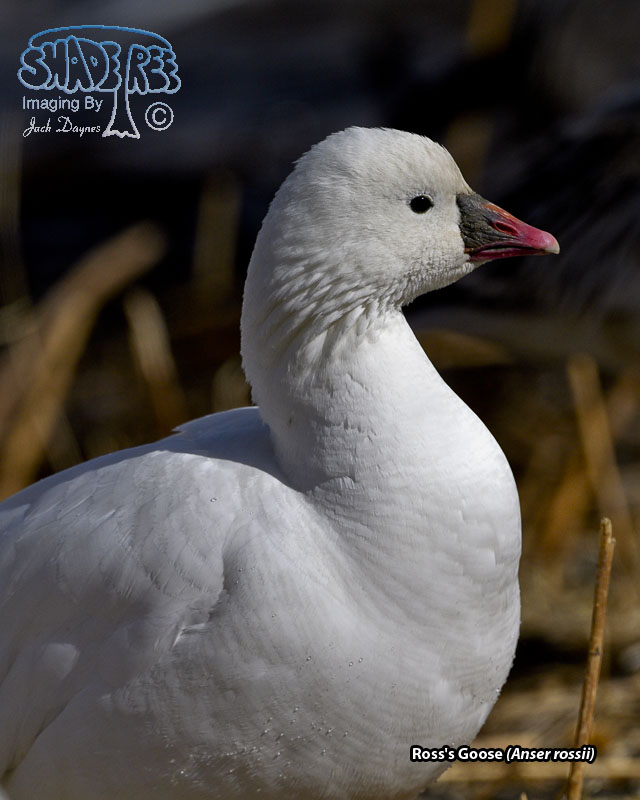
Ross's Goose(Anser rossii) |
|
Description: With the close approach of white geese, capturing these headshots seemed like a good idea. It required a close examination of the mass of white geese before me to pick out the Ross’s Geese. The world famous Bosque del Apache may not be the center of the geese and crane universe today that it once was, but it can still provide a few thrills. A tour on this Tuesday in December taught me this lesson. |
Date Taken: 2020:12:22 12:14 |
|
Location:
Bosque del Apache NWR |
|
Camera Information: NIKON D5, 800 mm, f/8.0, 1/8000 |
File Name: RossGoose_D5X1008-BosqueDelApache |
| © 2020 Jack Daynes, shadeTreeImaging.com |
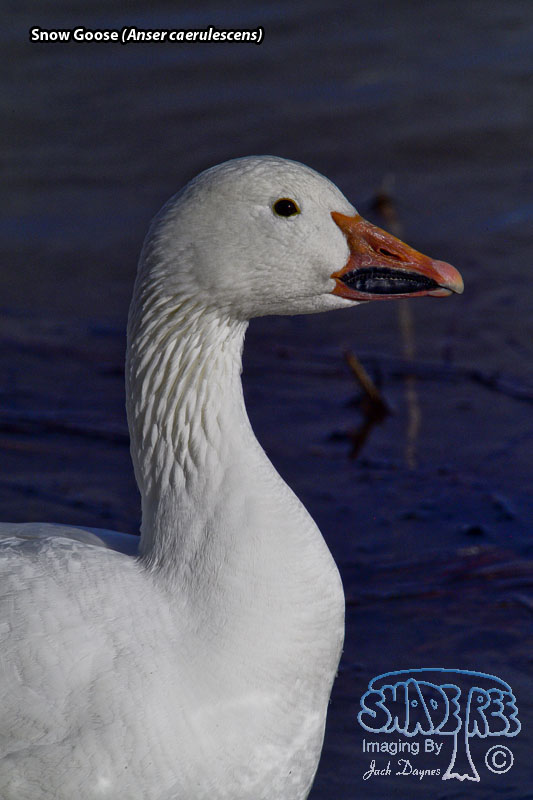
Snow Goose(Anser caerulescens) |
|
Description: With the close approach of white geese, capturing these headshots seemed like a good idea. Snow Geese numbers have dwindled over the past few years at Bosque, but when a swarm of several thousand white geese descends, it can still dazzle. The world famous Bosque del Apache may not be the center of the geese and crane universe today that it once was, but it can still provide a few thrills. A tour on this Tuesday in December taught me this lesson. |
Date Taken: 2020:12:22 14:30 |
|
Location:
Bosque del Apache NWR |
|
Camera Information: NIKON D5, 800 mm, f/16.0, 1/8000 |
File Name: SnowGoose_D5X1670-BosqueDelApache |
| © 2020 Jack Daynes, shadeTreeImaging.com |
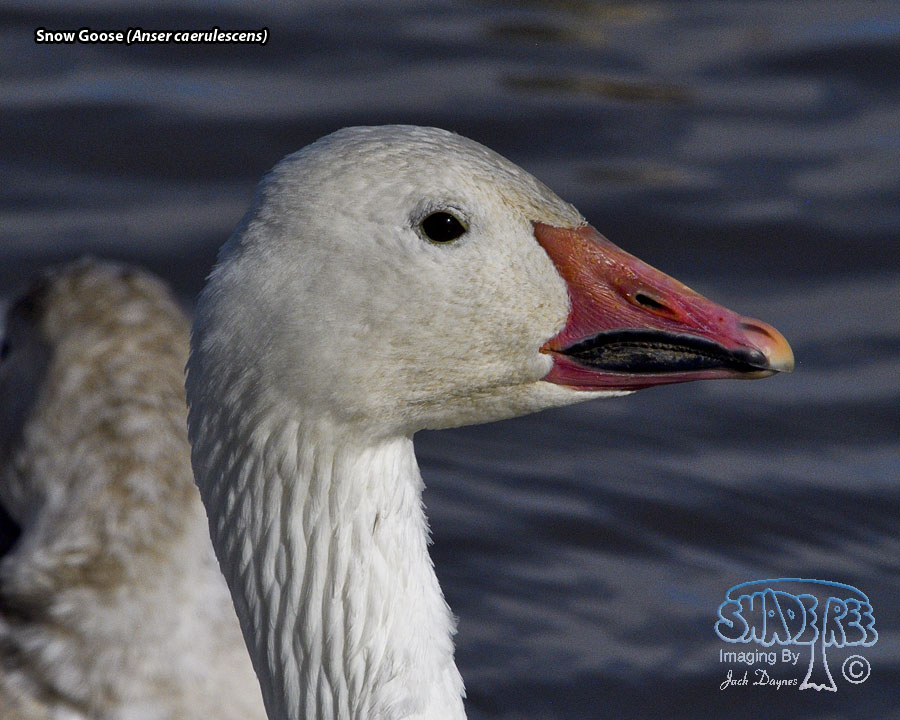
Snow Goose(Anser caerulescens) |
|
Description: With the close approach of white geese, capturing these headshots seemed like a good idea. Snow Geese numbers have dwindled over the past few years at Bosque, but when a swarm of several thousand white geese descends, it can still dazzle. The world famous Bosque del Apache may not be the center of the geese and crane universe today that it once was, but it can still provide a few thrills. A tour on this Tuesday in December taught me this lesson. |
Date Taken: 2020:12:22 14:09 |
|
Location:
Bosque del Apache NWR |
|
Camera Information: NIKON D5, 800 mm, f/22.0, 1/2000 |
File Name: SnowGoose_D5X1426-BosqueDelApache |
| © 2020 Jack Daynes, shadeTreeImaging.com |
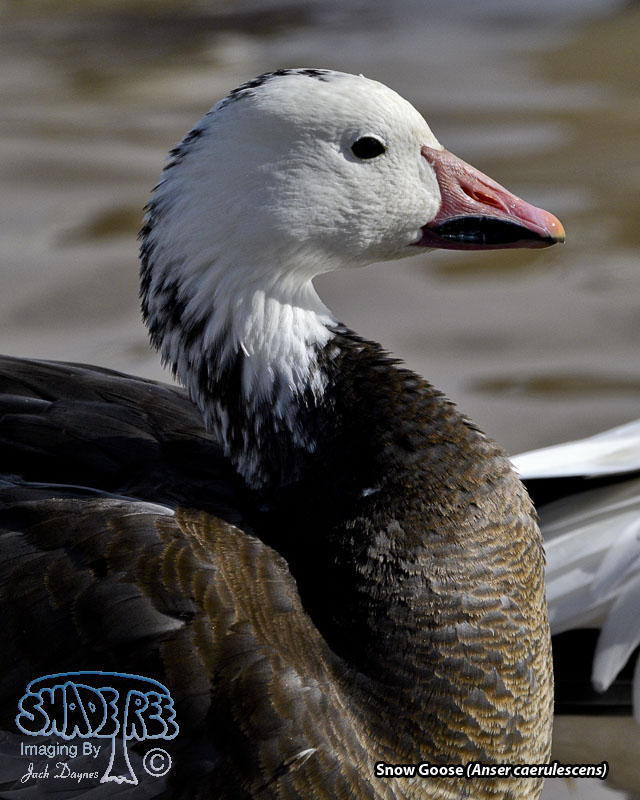
Snow Goose(Anser caerulescens) |
|
Description: With the close approach of white geese, capturing these headshots seemed like a good idea. Snow Geese numbers have dwindled over the past few years at Bosque, but when a swarm of several thousand white geese descends, it can still dazzle. The world famous Bosque del Apache may not be the center of the geese and crane universe today that it once was, but it can still provide a few thrills. A tour on this Tuesday in December taught me this lesson. |
Date Taken: 2020:12:22 12:09 |
|
Location:
Bosque del Apache NWR |
|
Camera Information: NIKON D5, 800 mm, f/8.0, 1/4000 |
File Name: SnowGoose_D5X0950-BosqueDelApache |
| © 2020 Jack Daynes, shadeTreeImaging.com |
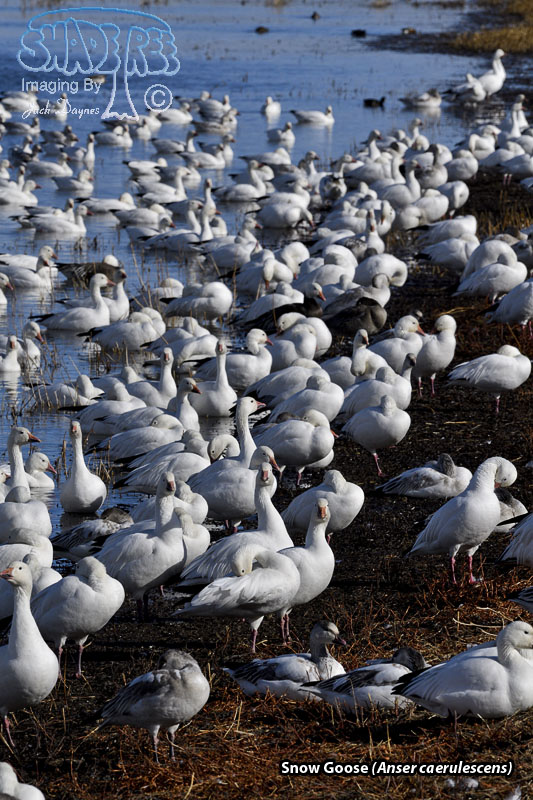
Snow Goose(Anser caerulescens) |
|
Description: Snow Geese numbers have dwindled over the past few years at Bosque, but when a swarm of several thousand descends, it can still dazzle. The world famous Bosque del Apache may not be the center of the geese and crane universe today that it once was, but it can still provide a few thrills. A tour on this Tuesday in December taught me this lesson. |
Date Taken: 2020:12:22 14:05 |
|
Location:
Bosque del Apache NWR |
|
Camera Information: NIKON D5, 400 mm, f/22.0, 1/1000 |
File Name: SnowGoose_D5X1408-BosqueDelApache |
| © 2020 Jack Daynes, shadeTreeImaging.com |
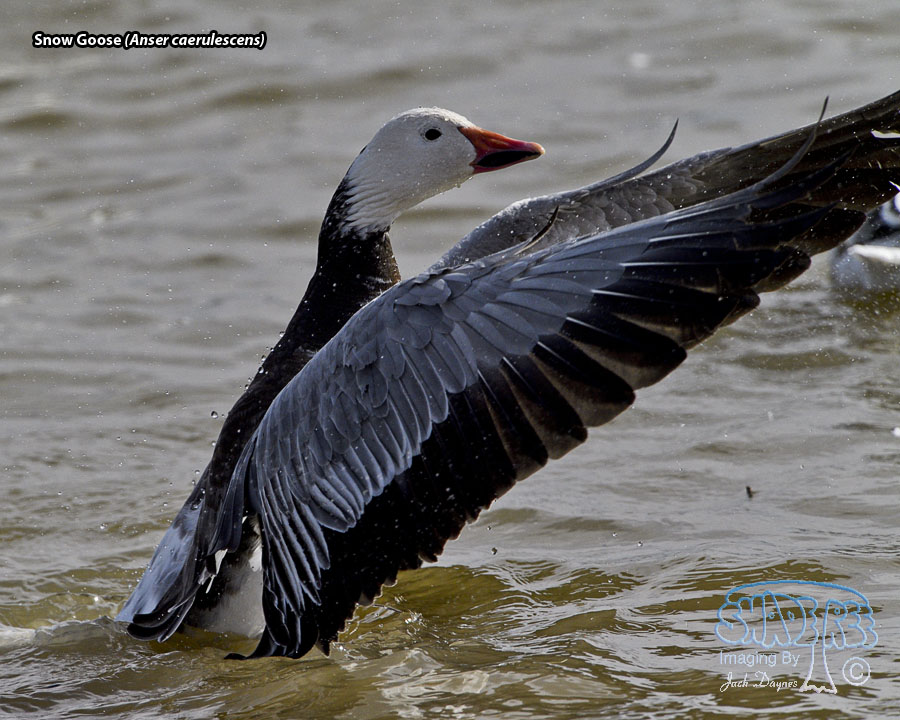
Snow Goose(Anser caerulescens) |
|
Description: Snow Geese numbers have dwindled over the past few years at Bosque, but when a swarm of several thousand descends, it can still dazzle. The world famous Bosque del Apache may not be the center of the geese and crane universe today that it once was, but it can still provide a few thrills. A tour on this Tuesday in December taught me this lesson. |
Date Taken: 2020:12:22 11:40 |
|
Location:
Bosque del Apache NWR |
|
Camera Information: NIKON D5, 800 mm, f/8.0, 1/8000 |
File Name: SnowGoose_D5X0574-BosqueDelApache |
| © 2020 Jack Daynes, shadeTreeImaging.com |
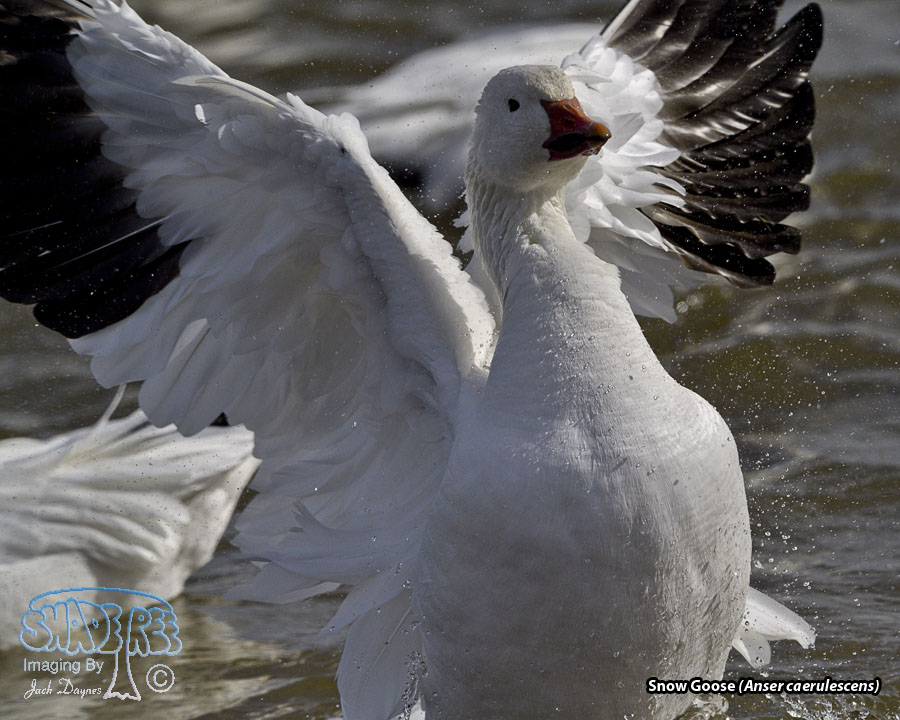
Snow Goose(Anser caerulescens) |
|
Description: Snow Geese numbers have dwindled over the past few years at Bosque, but when a swarm of several thousand descends, it can still dazzle. The world famous Bosque del Apache may not be the center of the geese and crane universe today that it once was, but it can still provide a few thrills. A tour on this Tuesday in December taught me this lesson. |
Date Taken: 2020:12:22 11:37 |
|
Location:
Bosque del Apache NWR |
|
Camera Information: NIKON D5, 800 mm, f/8.0, 1/8000 |
File Name: SnowGoose_D5X0546-BosqueDelApache |
| © 2020 Jack Daynes, shadeTreeImaging.com |
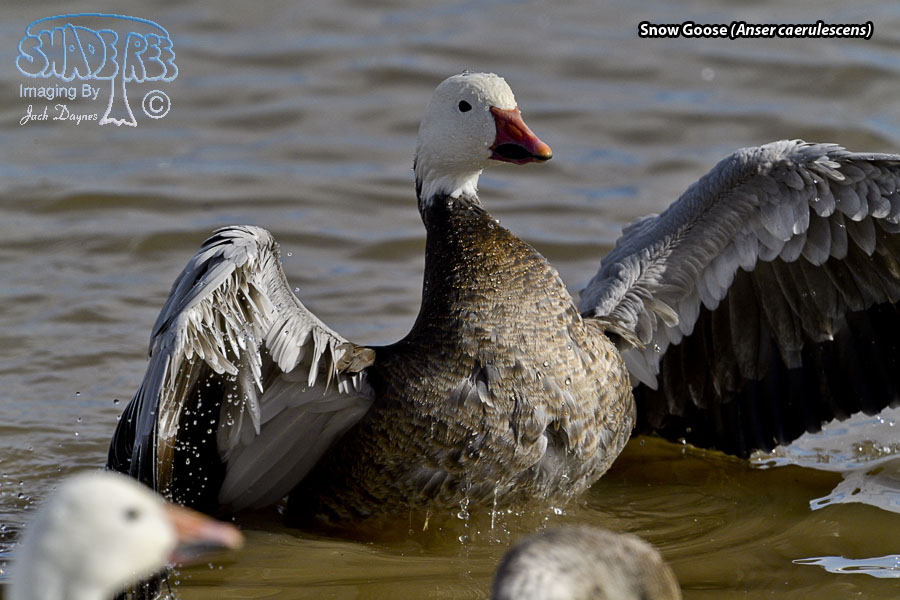
Snow Goose(Anser caerulescens) |
|
Description: When a swarm of several thousand white geese descended before me, their first order of business was to quench their thirst. The second priority was to bathe. The world famous Bosque del Apache may not be the center of the geese and crane universe today that it once was, but it can still provide a few thrills. A tour on this Tuesday in December taught me this lesson. |
Date Taken: 2020:12:22 11:53 |
|
Location:
Bosque del Apache NWR |
|
Camera Information: NIKON D5, 800 mm, f/8.0, 1/4000 |
File Name: SnowGoose_D5X0729-BosqueDelApache |
| © 2020 Jack Daynes, shadeTreeImaging.com |
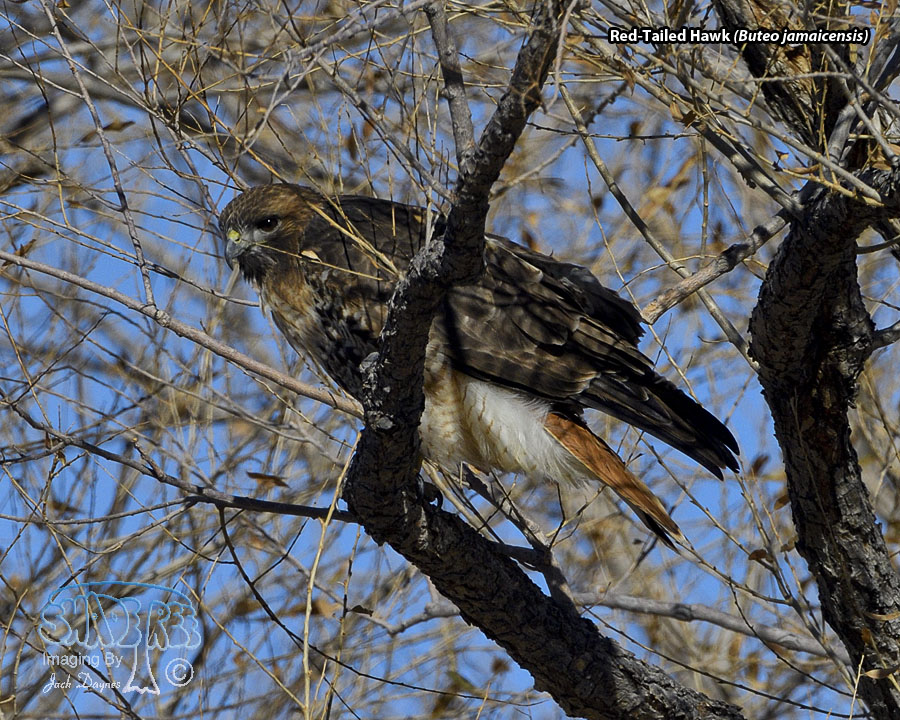
Red-Tailed Hawk(Buteo jamaicensis) |
|
Description: Red-Tailed Hawks seemed shy during our tour at Bosque. Jerry, his good friend Ken and I spent a few hours at Bosque del Apache before meeting master falconer Matt and his Harris Hawks. |
Date Taken: 2020:12:05 13:15 |
|
Location:
Bosque del Apache NWR |
|
Camera Information: NIKON D5, 800 mm, f/8.0, 1/4000 |
File Name: RedTailedHawk_D5X4688-BosqueDelApache |
| © 2020 Jack Daynes, shadeTreeImaging.com |
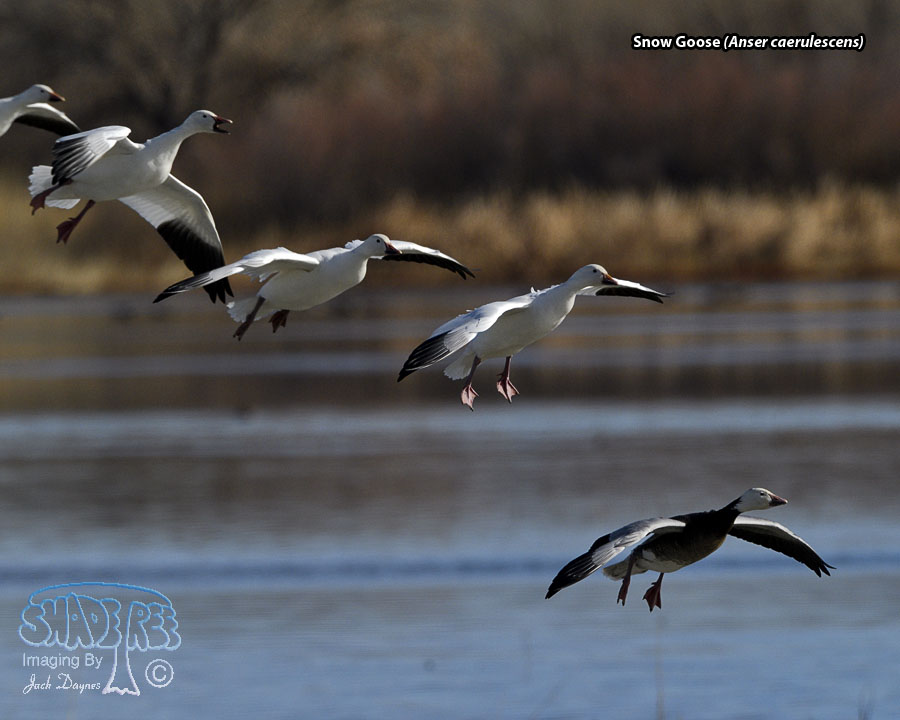
Snow Goose(Anser caerulescens) |
|
Description: Snow Geese numbers have dwindled over the past few years at Bosque, but when a swarm of several thousand descends, it can still dazzle. The world famous Bosque del Apache may not be the center of the geese and crane universe today that it once was, but it can still provide a few thrills. A tour on this Tuesday in December taught me this lesson. |
Date Taken: 2020:12:22 11:16 |
|
Location:
Bosque del Apache NWR |
|
Camera Information: NIKON D5, 800 mm, f/8.0, 1/4000 |
File Name: SnowGoose_D5X0192-BosqueDelApache |
| © 2020 Jack Daynes, shadeTreeImaging.com |
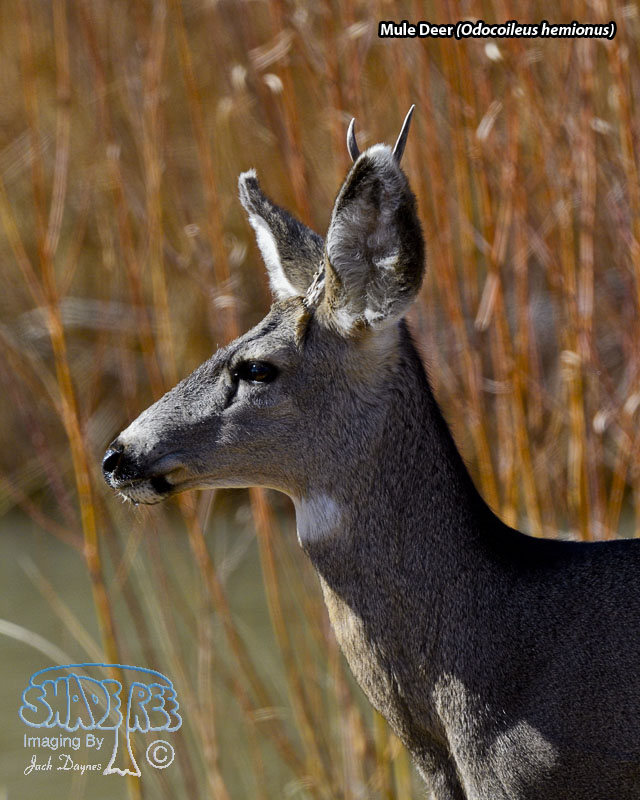
Mule Deer(Odocoileus hemionus) |
|
Description: This fork spike buck crossed the road in front of us during our tour at Bosque. Jerry, his good friend Ken and I spent a few hours at Bosque del Apache before meeting master falconer Matt and his Harris's Hawks. |
Date Taken: 2020:12:05 11:12 |
|
Location:
Bosque del Apache NWR |
|
Camera Information: NIKON D5, 800 mm, f/8.0, 1/2000 |
File Name: MuleDeer_D5X4284-BosqueDelApache |
| © 2020 Jack Daynes, shadeTreeImaging.com |
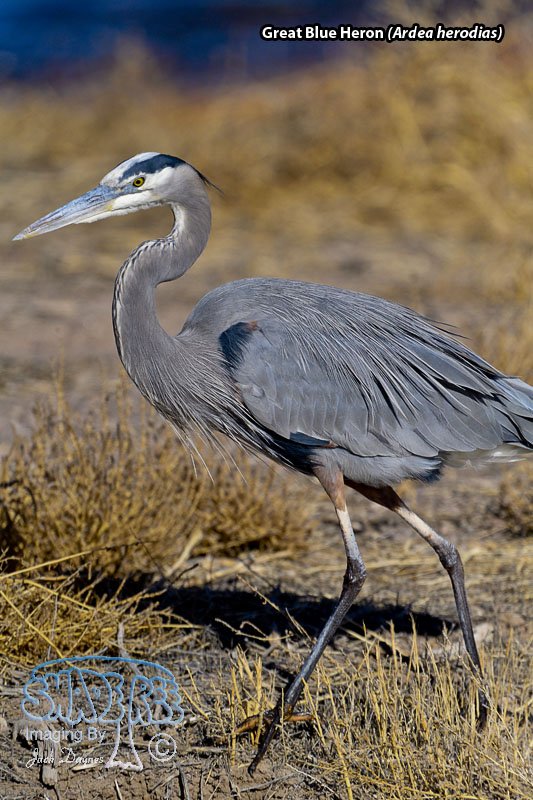
Great Blue Heron(Ardea herodias) |
|
Description: Jerry, his good friend Ken and I spent a few hours at Bosque del Apache before meeting master falconer Matt and his Harris's Hawks. |
Date Taken: 2020:12:05 13:45 |
|
Location:
Bosque del Apache NWR |
|
Camera Information: NIKON D5, 800 mm, f/5.6, 1/8000 |
File Name: GreatBlueHeron_D5X4774-BosqueDelApache |
| © 2020 Jack Daynes, shadeTreeImaging.com |
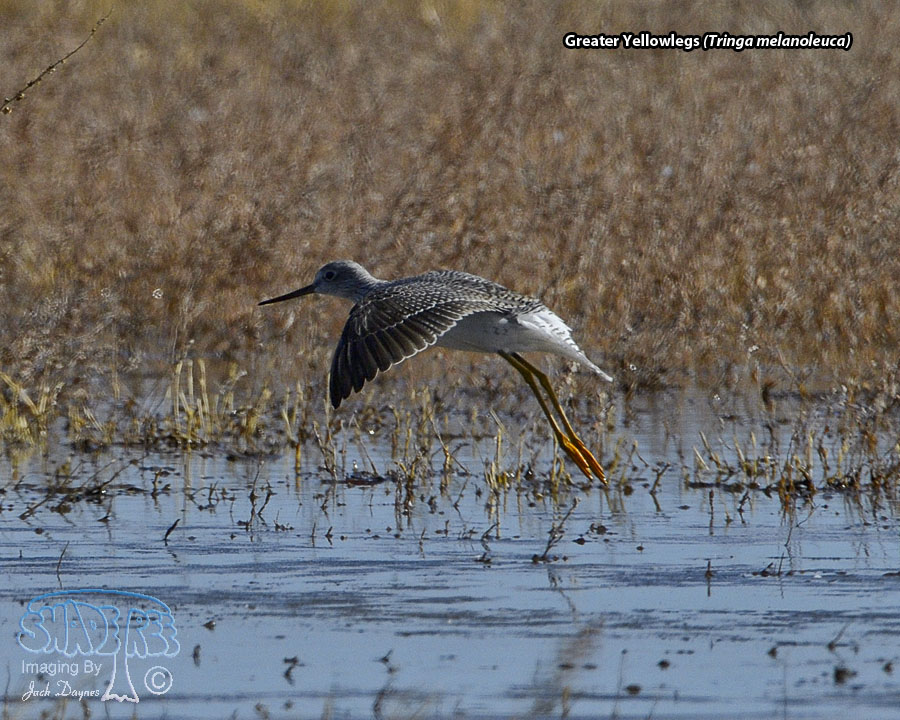
Greater Yellowlegs(Tringa melanoleuca) |
|
Description: These Greater Yellowlegs, and a few Killdeer were the only shorebird species we met during our Saturday tour at Bosque. Jerry, his good friend Ken and I spent a few hours at Bosque del Apache before meeting master falconer Matt and his Harris's Hawks. |
Date Taken: 2020:12:05 12:12 |
|
Location:
Bosque del Apache NWR |
|
Camera Information: NIKON D5, 800 mm, f/8.0, 1/4000 |
File Name: GreaterYellowlegs_D5X4507-BosqueDelApache |
| © 2020 Jack Daynes, shadeTreeImaging.com |
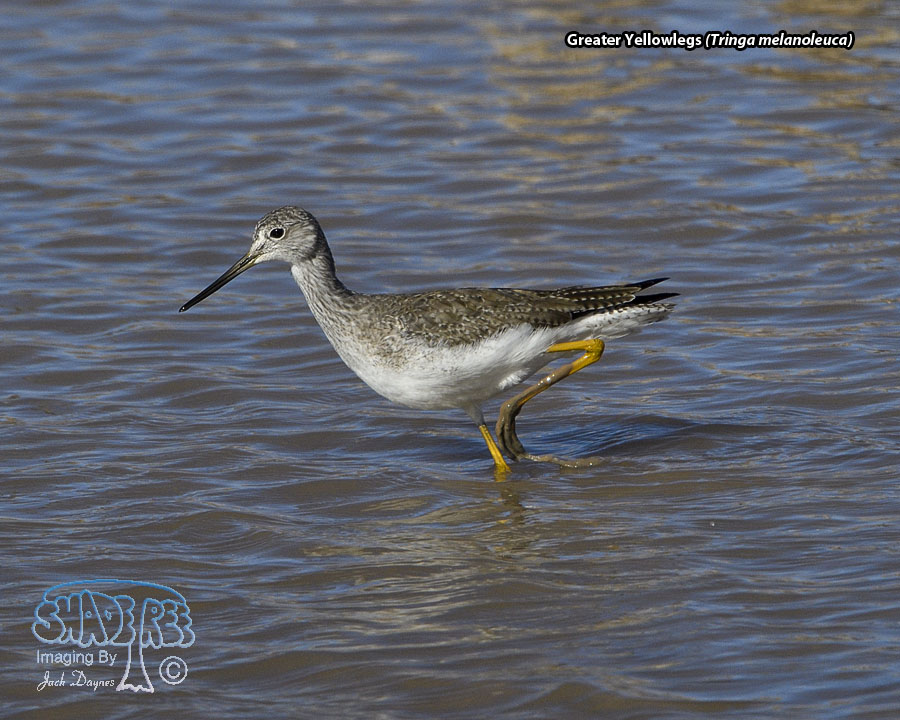
Greater Yellowlegs(Tringa melanoleuca) |
|
Description: These Greater Yellowlegs, and a few Killdeer were the only shorebird species we met during our Saturday tour at Bosque. Jerry, his good friend Ken and I spent a few hours at Bosque del Apache before meeting master falconer Matt and his Harris's Hawks. |
Date Taken: 2020:12:05 13:11 |
|
Location:
Bosque del Apache NWR |
|
Camera Information: NIKON D5, 800 mm, f/8.0, 1/4000 |
File Name: GreaterYellowlegs_D5X4673-BosqueDelApache |
| © 2020 Jack Daynes, shadeTreeImaging.com |
Click map markers to reveal further information
