Arctic Tern

Sterna paradisaea
The Arctic Tern has a circumpolar breeding distribution covering the Arctic and sub-Arctic. It sees two summers each year, one in the Arctic and the other in the Antarctic. Researchers once believed their migration traversed over 25,000 miles of the globe each year, but that figure assumed a linear path between their June (Arctic) and December (Antarctic) homes. Recent studies with light-weight GPS recording sensors have shown scientists that the flight route followed by these birds is a meandering path that more than doubles the distance previously believed and includes lengthy layovers in places like the North Atlantic Ocean to feed. Wind may influence the course that the birds follow, which can be counter to their overall north-south migration.
This study revealed that the actual distance covered annually by the Arctic Tern is more like 44,000 miles. A typical lifespan is 30 years, meaning they travel 1,300,000 to 1,500,000 miles over the course of their lives. These birds lead a pelagic lifestyle when they aren’t raising families. I suspect if they included the miles out to sea in these totals, the numbers would even be greater.
Studies show the Arctic Tern is monotypic (i.e. there are no recognized subspecies).
When first I met these birds, my time with them was brief. I was staying in Whitehorse in the Yukon Territory (Canada) and headed to Alaska in 2005. The birds were feeding chicks on a gravel bar across the river from a city park. I very much enjoyed this high latitude town, and in 2022, I visited there again (Stories <here>, <here>, and <here>). I might feel differently about this town if I’d visited in the dead of winter. Even so, as with most other locations I’ve enjoyed visiting, I noticed a marked increase in the human population. When I visited here in 2005, the population was around 20,000, but in 2022, it had grown to over 28,000.
29 Photos
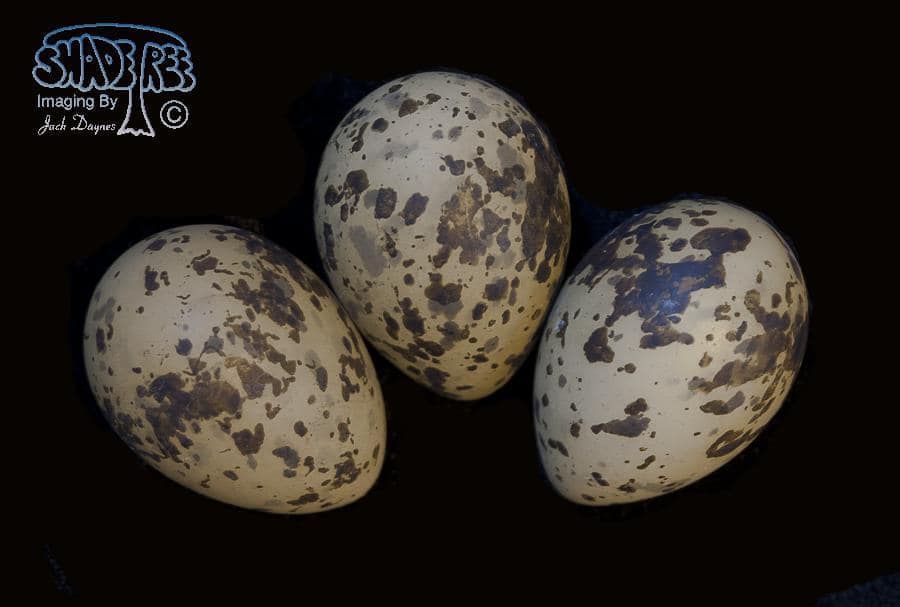
Arctic Tern(Sterna paradisaea) |
|
Description: Part of the collection at the Western Foundation of Vertibrate Zoology in Camarillo, California. |
Date Taken: 2011:11:02 13:30 |
|
Location:
W F V Z |
|
Camera Information: NIKON D3X, 105 mm, f/11.0, 1/1 |
File Name: D3X4752-ArcticTern |
| © 2011 Jack Daynes, shadeTree Imaging |

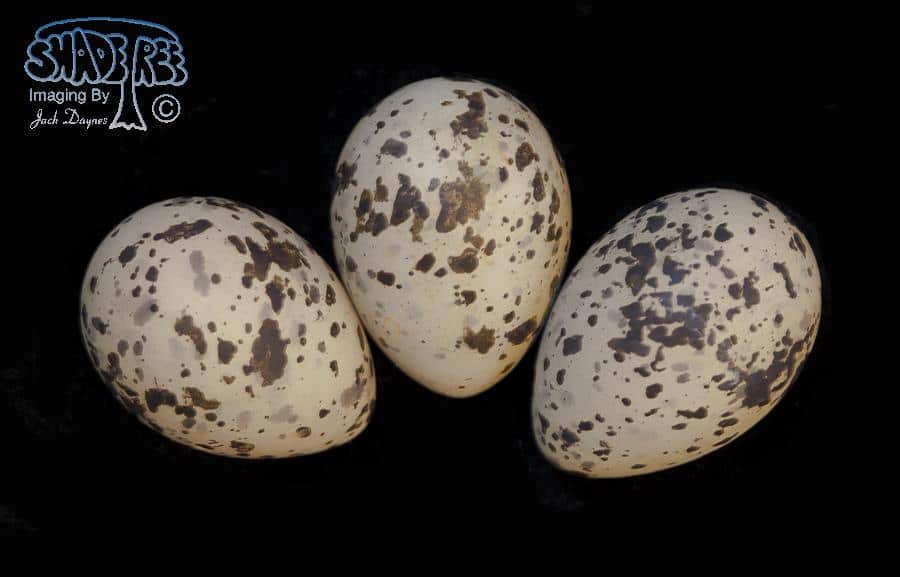
Arctic Tern(Sterna paradisaea) |
|
Description: Part of the collection at the Western Foundation of Vertibrate Zoology in Camarillo, California. |
Date Taken: 2011:11:02 13:30 |
|
Location:
W F V Z |
|
Camera Information: NIKON D3X, 105 mm, f/11.0, 1/1 |
File Name: D3X4753-ArcticTern |
| © 2011 Jack Daynes, shadeTree Imaging |
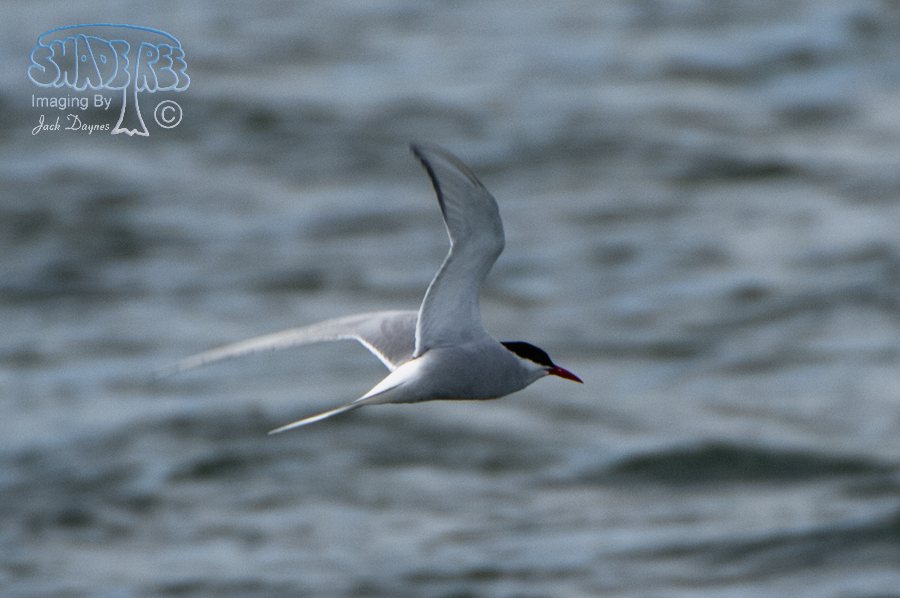
Arctic Tern(Sterna paradisaea) |
|
Description: Whitehorse, Yukon, Canada. |
Date Taken: 2005:06:16 9:45 |
|
Location:
Whitehorse |
|
Camera Information: NIKON D2X, 550 mm, f/5.6, 1/400 |
File Name: JCD4593ArcticTern |
| © 2005 Jack Daynes, shadeTreeImaging.com |
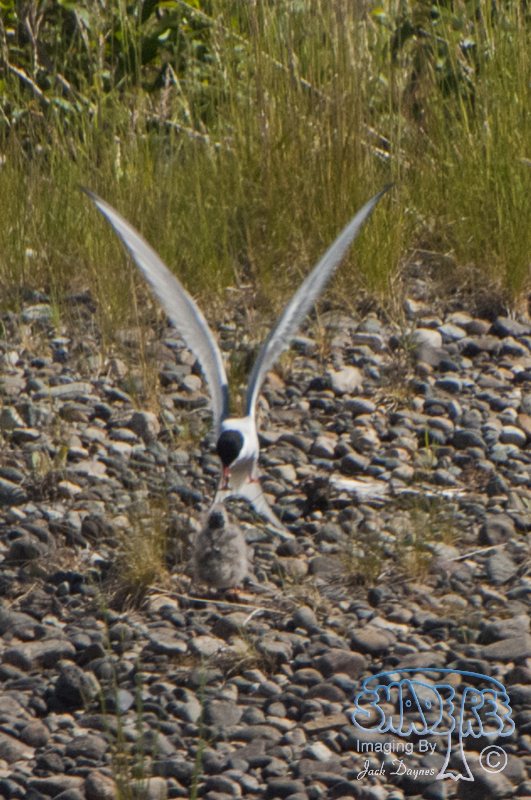
Arctic Tern(Sterna paradisaea) |
|
Description: Whitehorse, Yukon, Canada. |
Date Taken: 2005:06:16 14:41 |
|
Location:
Whitehorse |
|
Camera Information: NIKON D2X, 550 mm, f/8.0, 1/250 |
File Name: JCD4705ArcticTernFeedingChick |
| © 2005 Jack Daynes, shadeTreeImaging.com |
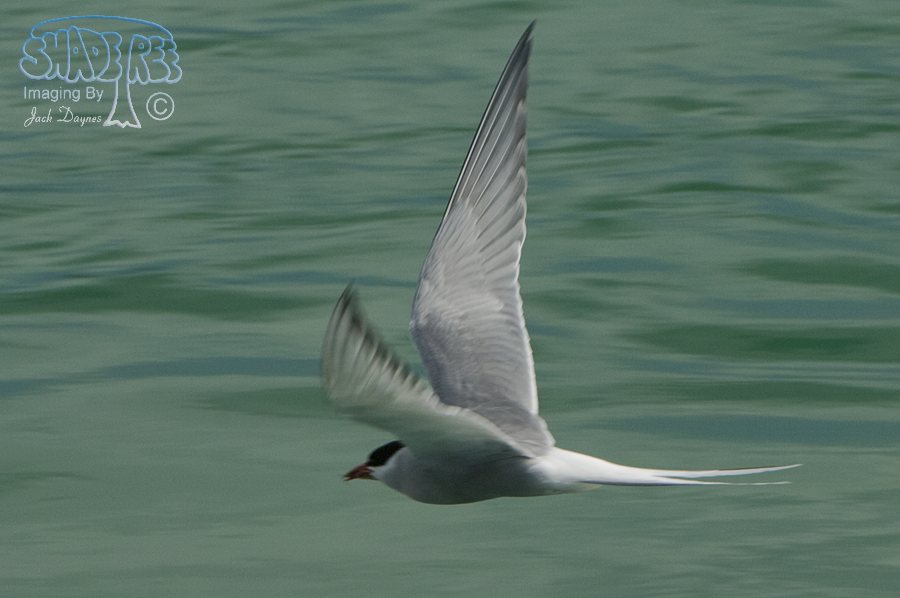
Arctic Tern(Sterna paradisaea) |
|
Description: Whitehorse, Yukon, Canada. |
Date Taken: 2005:06:16 15:40 |
|
Location:
Whitehorse |
|
Camera Information: NIKON D2X, 280 mm, f/8.5, 1/320 |
File Name: JCD4827ArcticTern |
| © 2005 Jack Daynes, shadeTreeImaging.com |
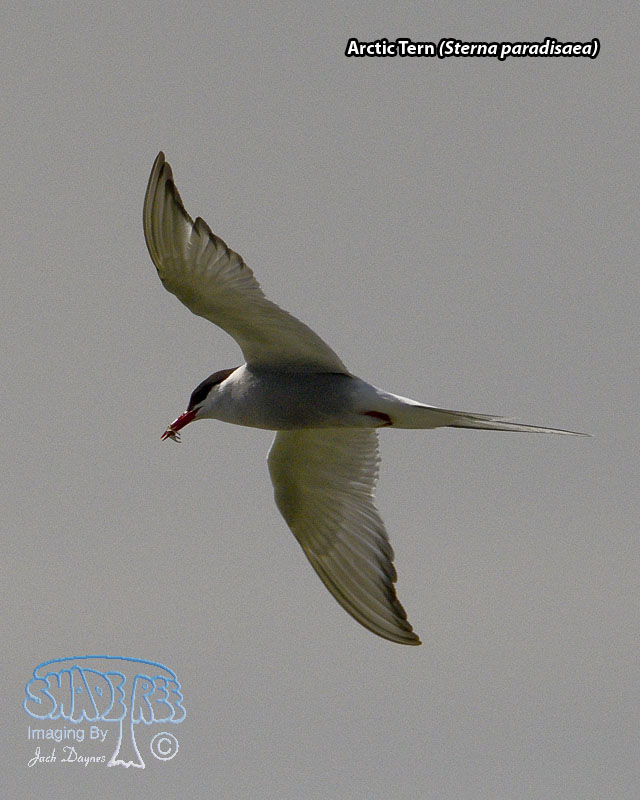
Arctic Tern(Sterna paradisaea) |
|
Description: My luck with capturing Arctic Terns went well enough, so I tried again the next day. I may never get to see them again. |
Date Taken: 2022:06:18 17:25 |
|
Location:
Riverdale |
|
Camera Information: NIKON D850, 800 mm, f/8.0, 1/8000 |
File Name: ArcticTern_8502378-Whitehorse.YK_ |
| © 2022 Jack Daynes, shadeTreeImaging.com |
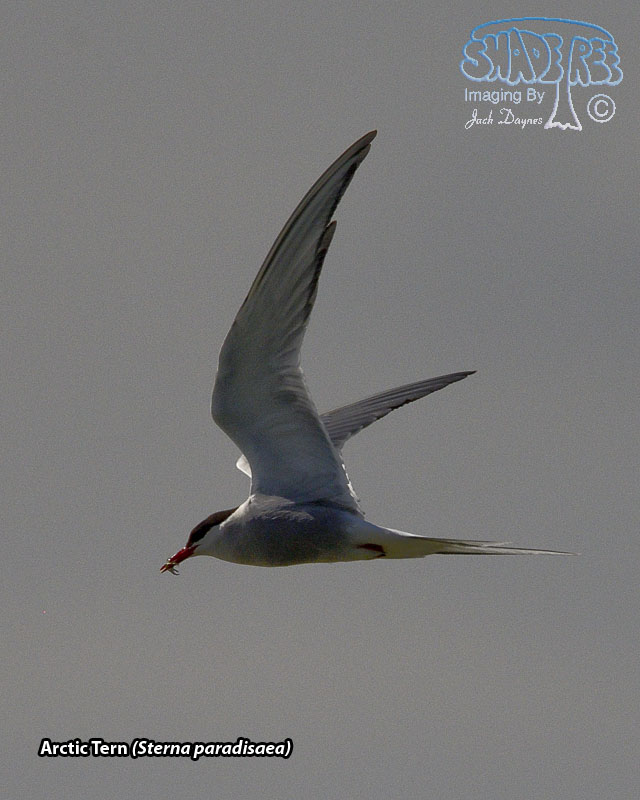
Arctic Tern(Sterna paradisaea) |
|
Description: My luck with capturing Arctic Terns went well enough, so I tried again the next day. I may never get to see them again. |
Date Taken: 2022:06:18 17:25 |
|
Location:
Riverdale |
|
Camera Information: NIKON D850, 800 mm, f/8.0, 1/8000 |
File Name: ArcticTern_8502377-Whitehorse.YK_ |
| © 2022 Jack Daynes, shadeTreeImaging.com |
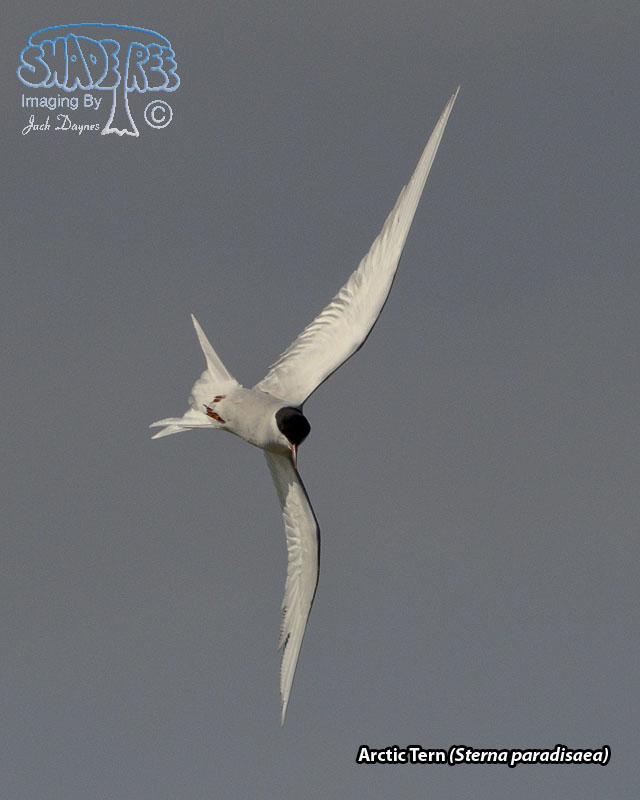
Arctic Tern(Sterna paradisaea) |
|
Description: My luck with capturing Arctic Terns went well enough, so I tried again the next day. I may never get to see them again. |
Date Taken: 2022:06:18 17:25 |
|
Location:
Riverdale |
|
Camera Information: NIKON D850, 800 mm, f/8.0, 1/8000 |
File Name: ArcticTern_8502374-Whitehorse.YK_ |
| © 2022 Jack Daynes, shadeTreeImaging.com |
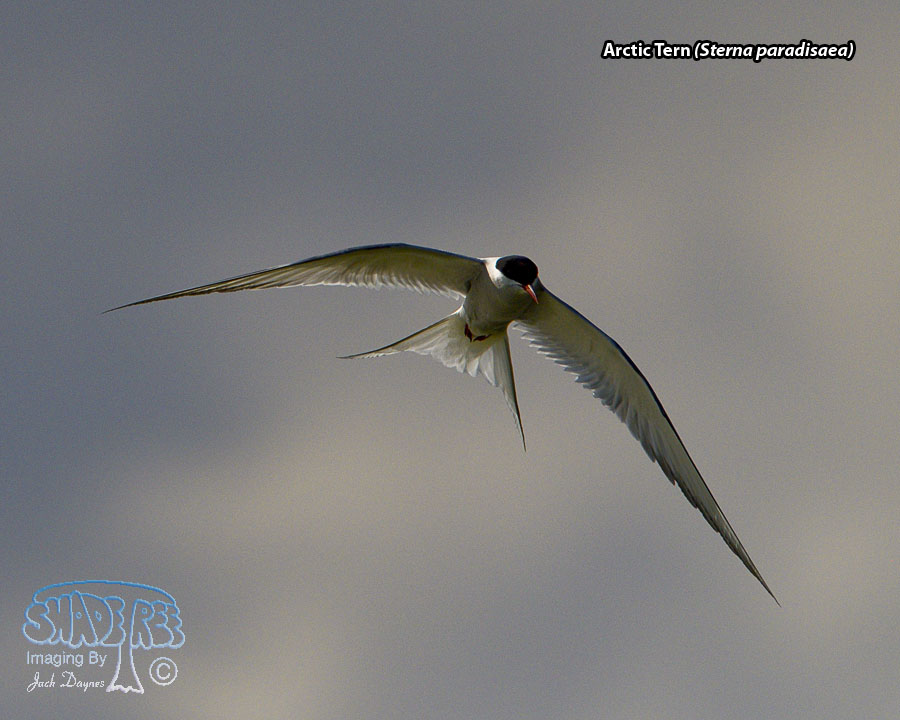
Arctic Tern(Sterna paradisaea) |
|
Description: My luck with capturing Arctic Terns went well enough, so I tried again the next day. I may never get to see them again. |
Date Taken: 2022:06:18 17:04 |
|
Location:
Riverdale |
|
Camera Information: NIKON D850, 800 mm, f/8.0, 1/8000 |
File Name: ArcticTern_8502279-Whitehorse.YK_ |
| © 2022 Jack Daynes, shadeTreeImaging.com |
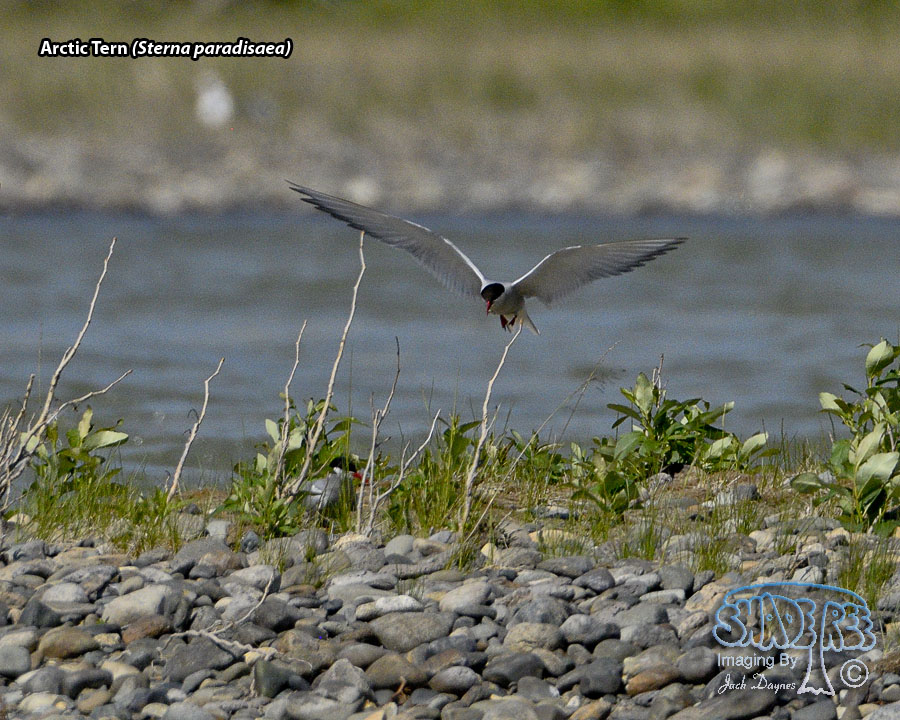
Arctic Tern(Sterna paradisaea) |
|
Description: My luck with capturing Arctic Terns went well enough, so I tried again the next day. I may never get to see them again. |
Date Taken: 2022:06:18 12:14 |
|
Location:
Riverdale |
|
Camera Information: NIKON D850, 800 mm, f/8.0, 1/8000 |
File Name: ArcticTern_8502073-Whitehorse.YK_ |
| © 2022 Jack Daynes, shadeTreeImaging.com |
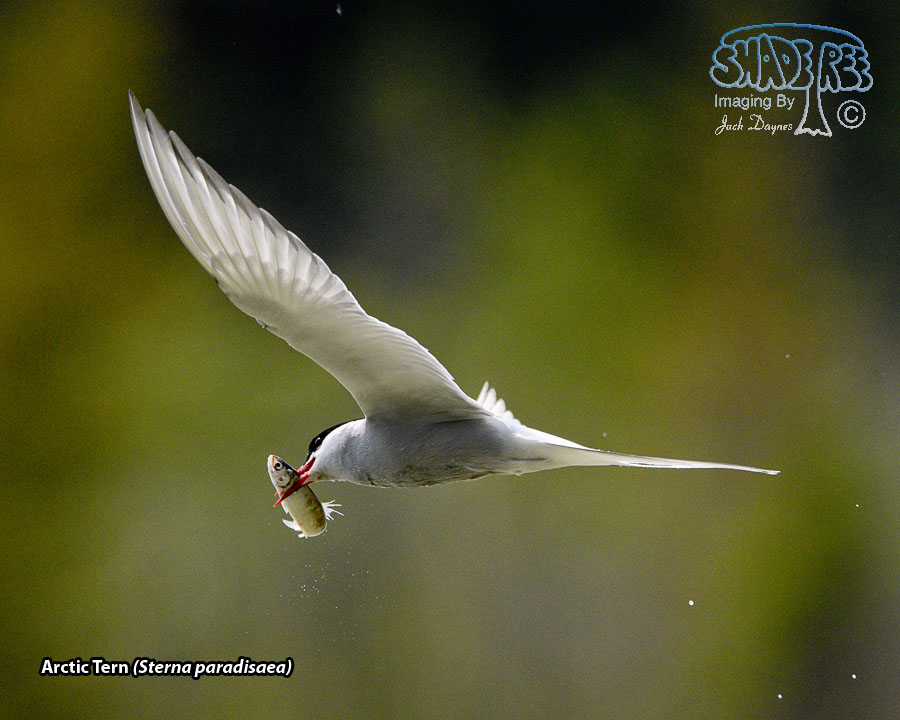
Arctic Tern(Sterna paradisaea) |
|
Description: I couldn’t bear to leave Whitehorse without trying my luck one last time capturing Arctic Terns. |
Date Taken: 2022:06:17 14:39 |
|
Location:
Riverdale |
|
Camera Information: NIKON D850, 800 mm, f/8.0, 1/6400 |
File Name: ArcticTern_8501707-Whitehorse.YK_ |
| © 2022 Jack Daynes, shadeTreeImaging.com |
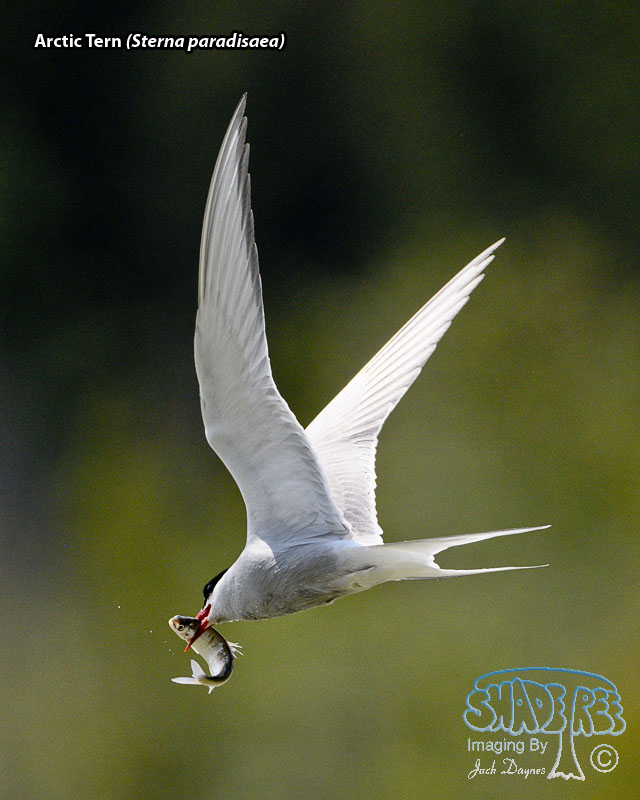
Arctic Tern(Sterna paradisaea) |
|
Description: I couldn’t bear to leave Whitehorse without trying my luck one last time capturing Arctic Terns. |
Date Taken: 2022:06:17 14:39 |
|
Location:
Riverdale |
|
Camera Information: NIKON D850, 800 mm, f/8.0, 1/6400 |
File Name: ArcticTern_8501709-Whitehorse.YK_ |
| © 2022 Jack Daynes, shadeTreeImaging.com |
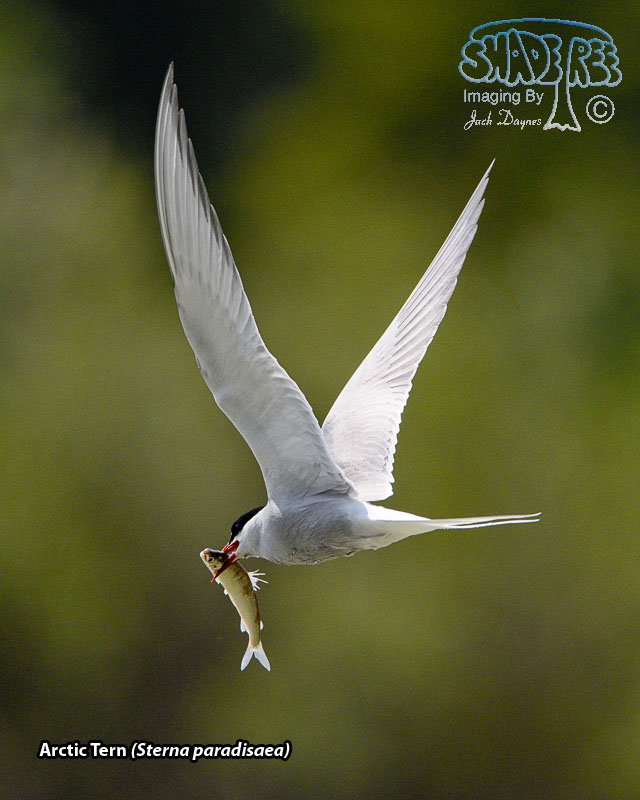
Arctic Tern(Sterna paradisaea) |
|
Description: I couldn’t bear to leave Whitehorse without trying my luck one last time capturing Arctic Terns. |
Date Taken: 2022:06:17 14:39 |
|
Location:
Riverdale |
|
Camera Information: NIKON D850, 800 mm, f/8.0, 1/6400 |
File Name: ArcticTern_8501712-Whitehorse.YK_ |
| © 2022 Jack Daynes, shadeTreeImaging.com |
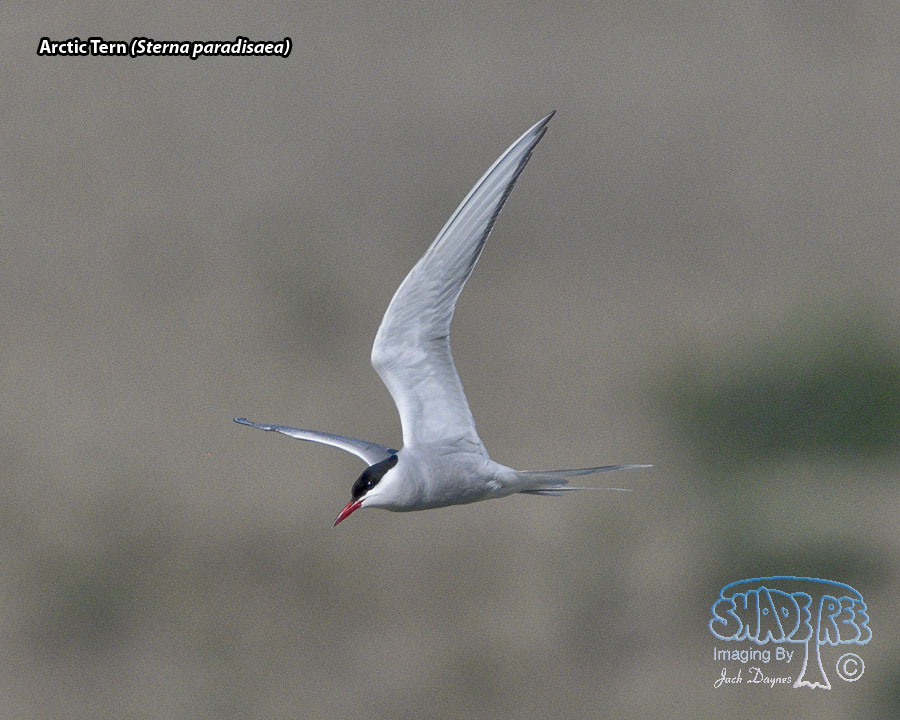
Arctic Tern(Sterna paradisaea) |
|
Description: My luck with capturing Arctic Terns went well enough, so I tried again the next day. I may never get to see them again. |
Date Taken: 2022:06:18 10:27 |
|
Location:
Riverdale |
|
Camera Information: NIKON D850, 800 mm, f/8.0, 1/8000 |
File Name: ArcticTern_8501919-Whitehorse.YK_ |
| © 2022 Jack Daynes, shadeTreeImaging.com |
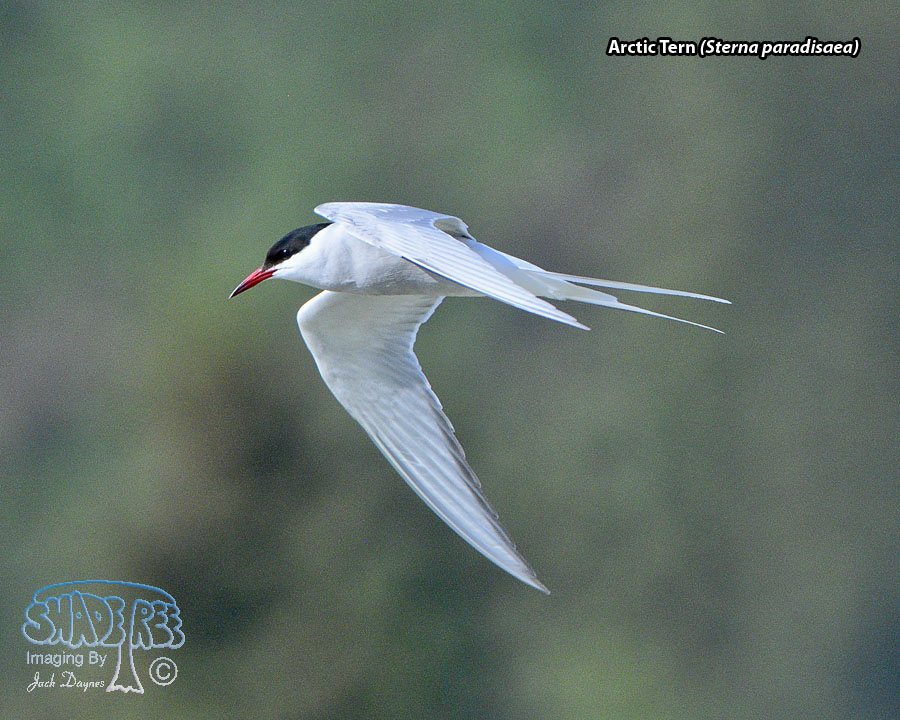
Arctic Tern(Sterna paradisaea) |
|
Description: My luck with capturing Arctic Terns went well enough, so I tried again the next day. I may never get to see them again. |
Date Taken: 2022:06:18 10:27 |
|
Location:
Riverdale |
|
Camera Information: NIKON D850, 800 mm, f/8.0, 1/4000 |
File Name: ArcticTern_8501956-Whitehorse.YK_ |
| © 2022 Jack Daynes, shadeTreeImaging.com |
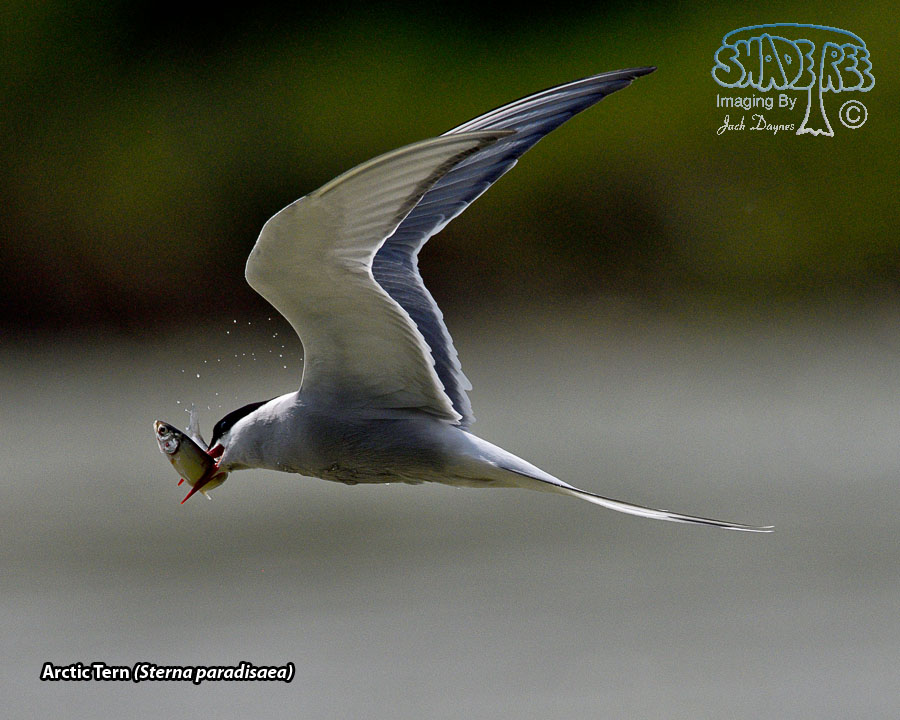
Arctic Tern(Sterna paradisaea) |
|
Description: I couldn’t bear to leave Whitehorse without trying my luck one last time capturing Arctic Terns. |
Date Taken: 2022:06:17 14:39 |
|
Location:
Riverdale |
|
Camera Information: NIKON D850, 800 mm, f/8.0, 1/8000 |
File Name: ArcticTern_8501704-Whitehorse.YK_ |
| © 2022 Jack Daynes, shadeTreeImaging.com |
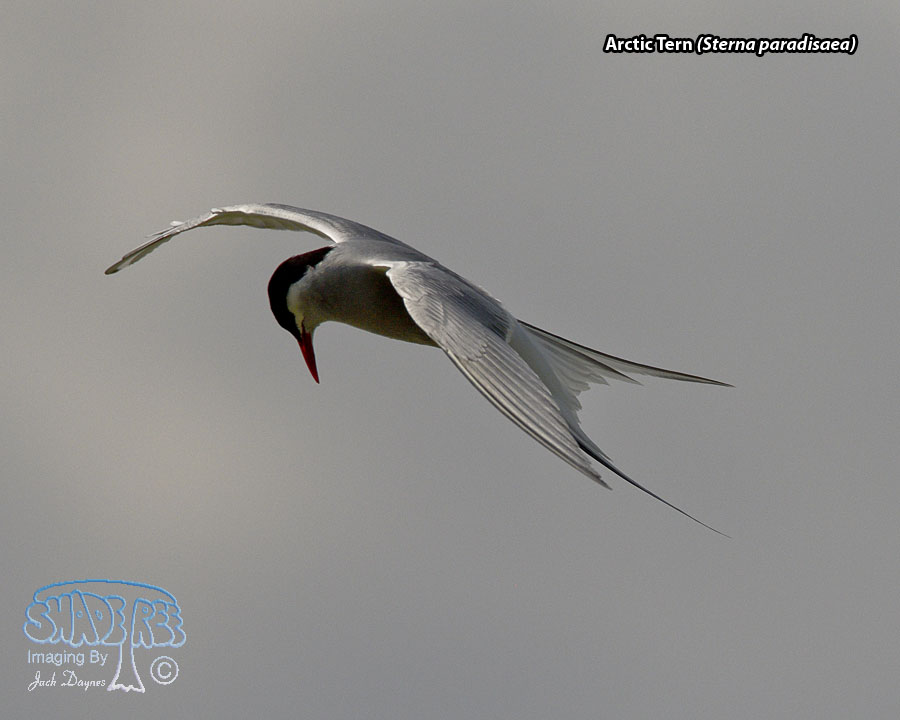
Arctic Tern(Sterna paradisaea) |
|
Description: I couldn’t bear to leave Whitehorse without trying my luck one last time capturing Arctic Terns. |
Date Taken: 2022:06:17 14:39 |
|
Location:
Riverdale |
|
Camera Information: NIKON D850, 800 mm, f/8.0, 1/8000 |
File Name: ArcticTern_8501676-Whitehorse.YK_ |
| © 2022 Jack Daynes, shadeTreeImaging.com |
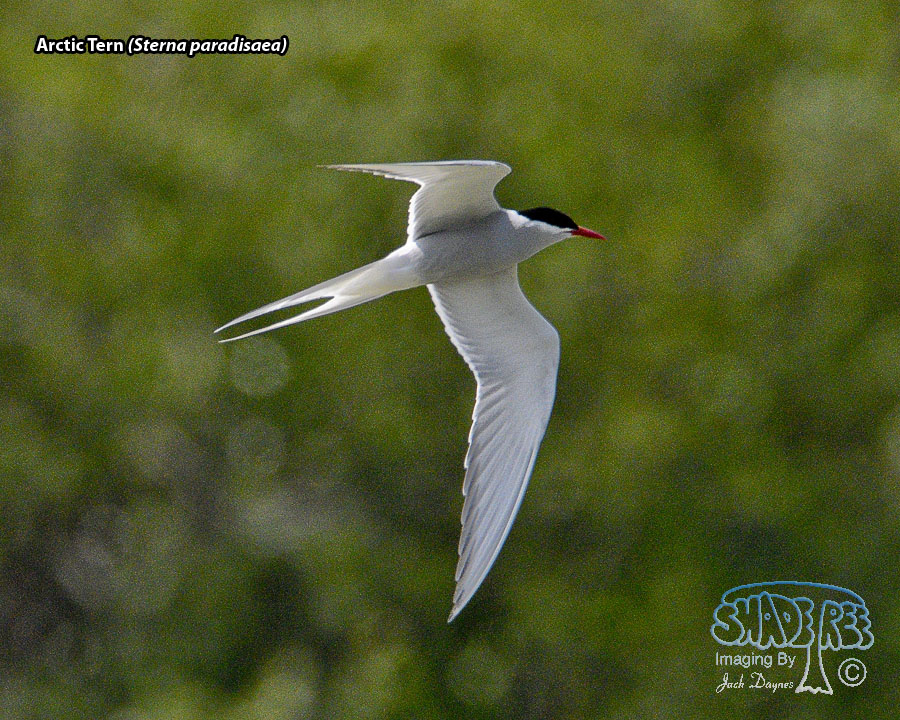
Arctic Tern(Sterna paradisaea) |
|
Description: I couldn’t bear to leave Whitehorse without trying my luck one last time capturing Arctic Terns. |
Date Taken: 2022:06:17 14:00 |
|
Location:
Riverdale |
|
Camera Information: NIKON D850, 800 mm, f/8.0, 1/5000 |
File Name: ArcticTern_8501305-Whitehorse.YK_ |
| © 2022 Jack Daynes, shadeTreeImaging.com |
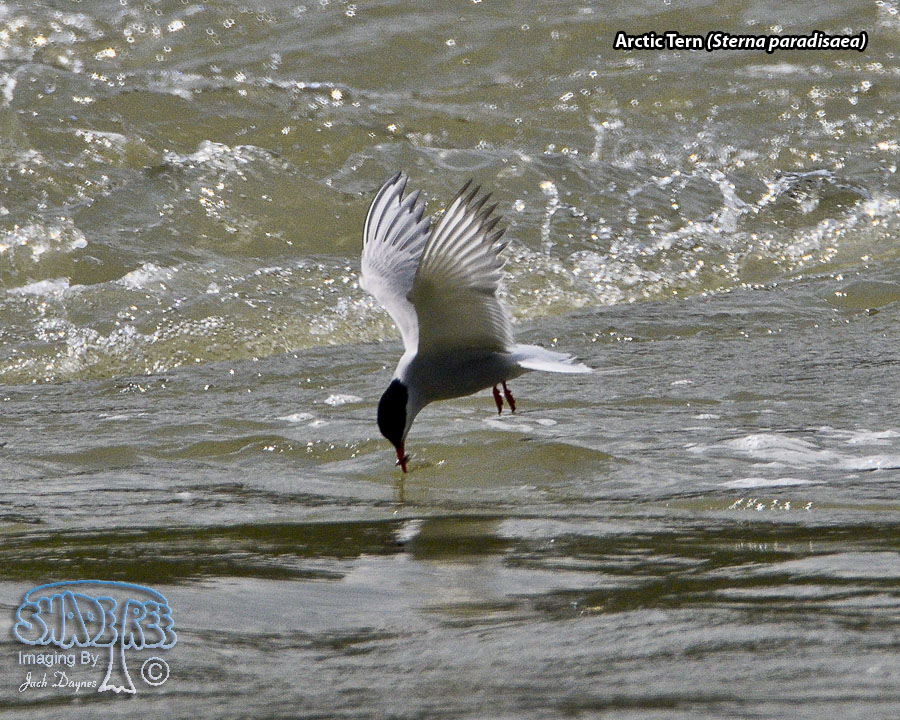
Arctic Tern(Sterna paradisaea) |
|
Description: I couldn’t bear to leave Whitehorse without trying my luck one last time capturing Arctic Terns. |
Date Taken: 2022:06:17 13:55 |
|
Location:
Riverdale |
|
Camera Information: NIKON D850, 800 mm, f/8.0, 1/8000 |
File Name: ArcticTern_8501190-Whitehorse.YK_ |
| © 2022 Jack Daynes, shadeTreeImaging.com |
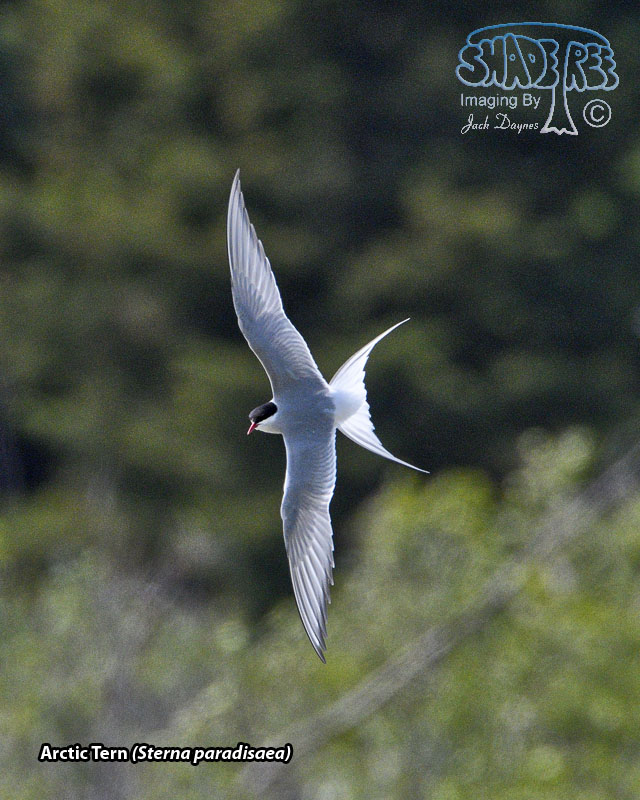
Arctic Tern(Sterna paradisaea) |
|
Description: I couldn’t bear to leave Whitehorse without trying my luck one last time capturing Arctic Terns. |
Date Taken: 2022:06:17 13:55 |
|
Location:
Riverdale |
|
Camera Information: NIKON D850, 800 mm, f/8.0, 1/5000 |
File Name: ArcticTern_8501157-Whitehorse.YK_ |
| © 2022 Jack Daynes, shadeTreeImaging.com |
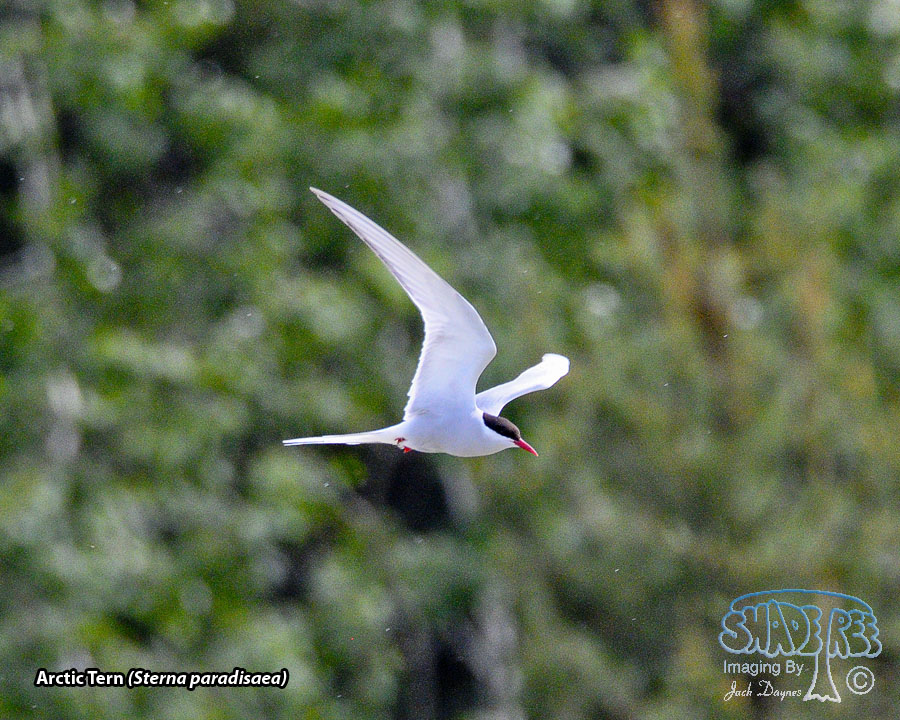
Arctic Tern(Sterna paradisaea) |
|
Description: After three days of rain, I took the opportunity to walk the river trails on each side of the Yukon River in Whitehorse looking for Arctic Terns. I was only able to get distant views of them. |
Date Taken: 2022:06:15 13:12 |
|
Location:
Riverdale |
|
Camera Information: NIKON D850, 800 mm, f/8.0, 1/1600 |
File Name: ArcticTern_8509721-Whitehorse.YK_ |
| © 2022 Jack Daynes, shadeTreeImaging.com |
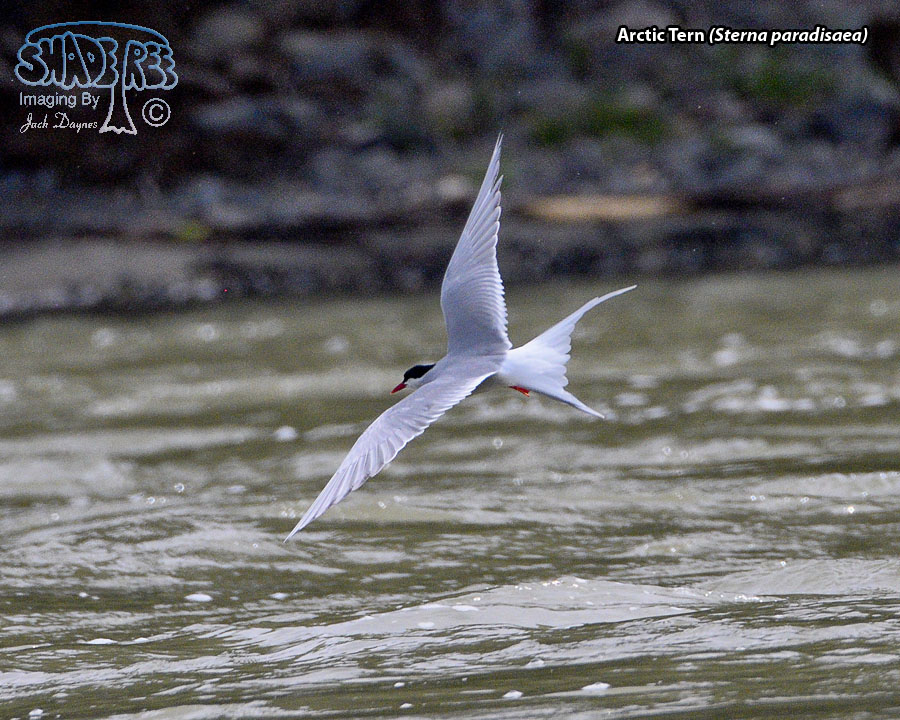
Arctic Tern(Sterna paradisaea) |
|
Description: After three days of rain, I took the opportunity to walk the river trails on each side of the Yukon River in Whitehorse looking for Arctic Terns. I was only able to get distant views of them. |
Date Taken: 2022:06:15 13:12 |
|
Location:
Riverdale |
|
Camera Information: NIKON D850, 800 mm, f/8.0, 1/4000 |
File Name: ArcticTern_8509739-Whitehorse.YK_ |
| © 2022 Jack Daynes, shadeTreeImaging.com |
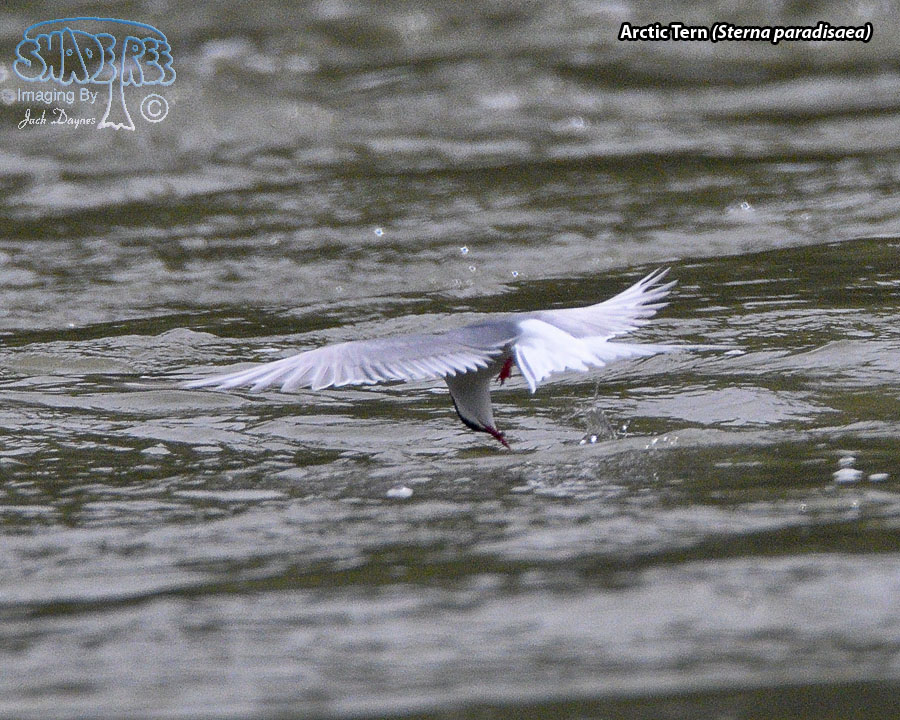
Arctic Tern(Sterna paradisaea) |
|
Description: After three days of rain, I took the opportunity to walk the river trails on each side of the Yukon River in Whitehorse looking for Arctic Terns. I was only able to get distant views of them. |
Date Taken: 2022:06:15 13:12 |
|
Location:
Riverdale |
|
Camera Information: NIKON D850, 800 mm, f/8.0, 1/8000 |
File Name: ArcticTern_8509741-Whitehorse.YK_ |
| © 2022 Jack Daynes, shadeTreeImaging.com |
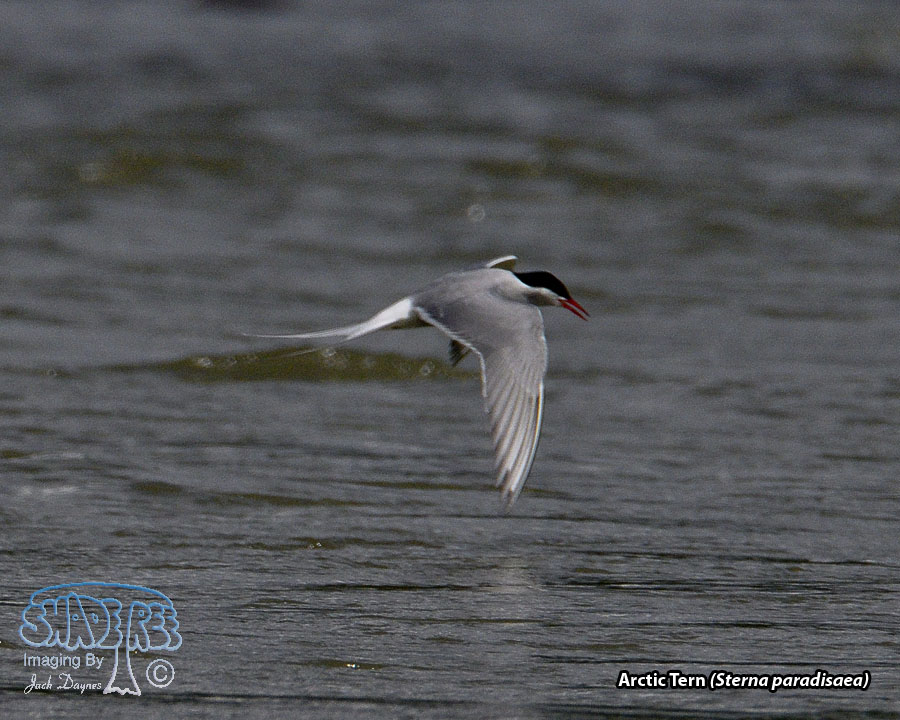
Arctic Tern(Sterna paradisaea) |
|
Description: After three days of rain, I took the opportunity to walk the river trails on each side of the Yukon River in Whitehorse looking for Arctic Terns. I was only able to get distant views of them. |
Date Taken: 2022:06:15 13:19 |
|
Location:
Riverdale |
|
Camera Information: NIKON D850, 800 mm, f/8.0, 1/8000 |
File Name: ArcticTern_8509976-Whitehorse.YK_ |
| © 2022 Jack Daynes, shadeTreeImaging.com |
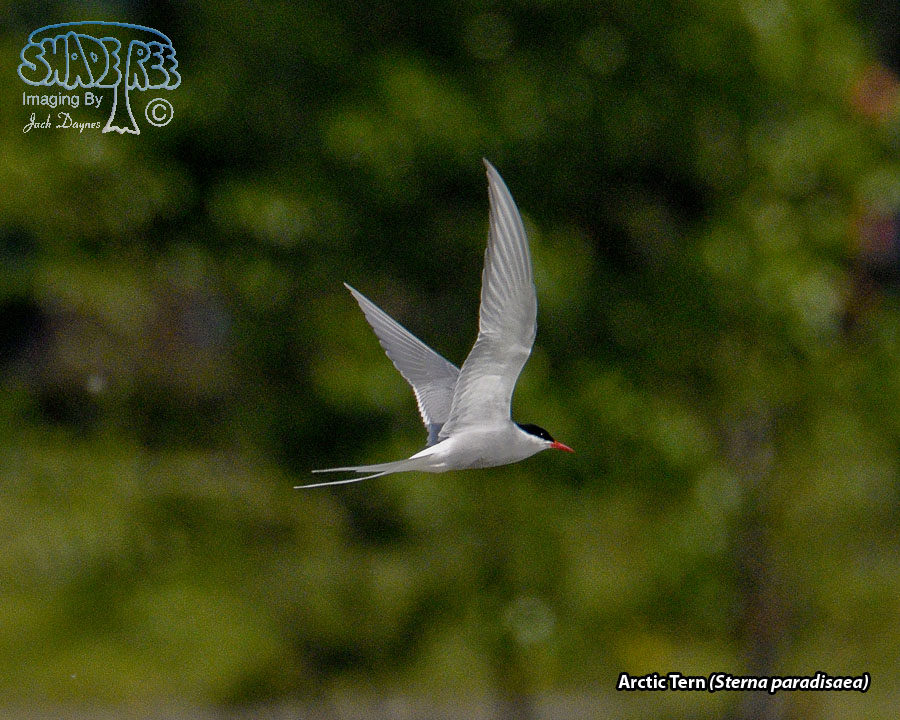
Arctic Tern(Sterna paradisaea) |
|
Description: After three days of rain, I took the opportunity to walk the river trails on each side of the Yukon River in Whitehorse looking for Arctic Terns. I was only able to get distant views of them. |
Date Taken: 2022:06:15 13:19 |
|
Location:
Riverdale |
|
Camera Information: NIKON D850, 800 mm, f/8.0, 1/8000 |
File Name: ArcticTern_8509981-Whitehorse.YK_ |
| © 2022 Jack Daynes, shadeTreeImaging.com |
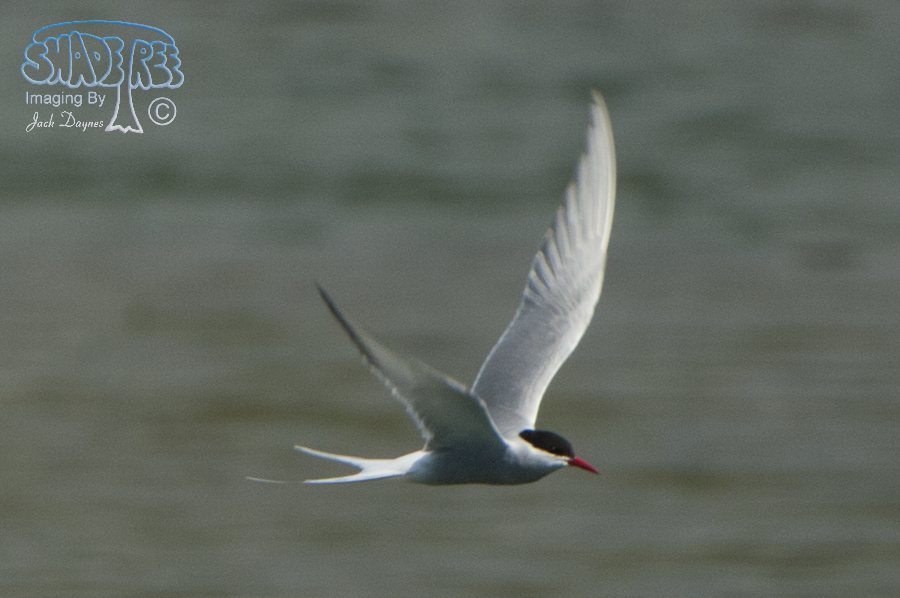
Arctic Tern(Sterna paradisaea) |
|
Description: Whitehorse, Yukon, Canada. |
Date Taken: 2005:06:16 15:33 |
|
Location:
Whitehorse |
|
Camera Information: NIKON D2X, 550 mm, f/8.0, 1/250 |
File Name: JCD4798ArcticTern |
| © 2005 Jack Daynes, shadeTreeImaging.com |
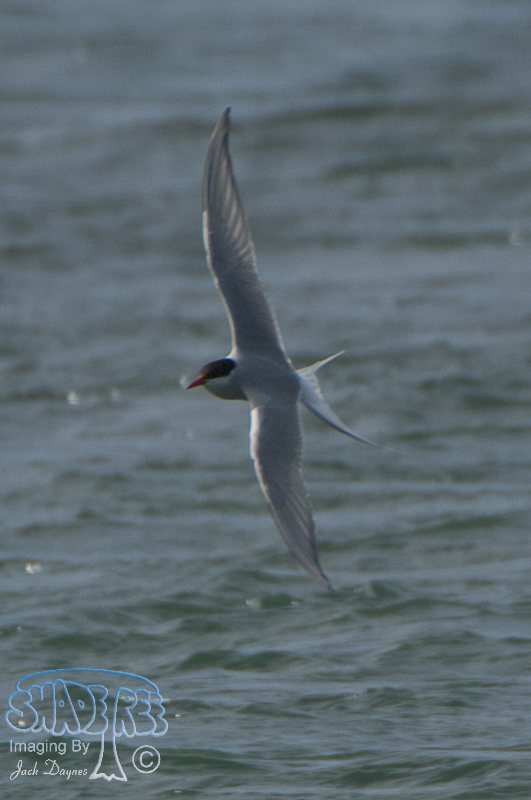
Arctic Tern(Sterna paradisaea) |
|
Description: Whitehorse, Yukon, Canada. |
Date Taken: 2005:06:16 9:47 |
|
Location:
Whitehorse |
|
Camera Information: NIKON D2X, 550 mm, f/5.6, 1/640 |
File Name: JCD4608ArcticTern |
| © 2005 Jack Daynes, shadeTreeImaging.com |
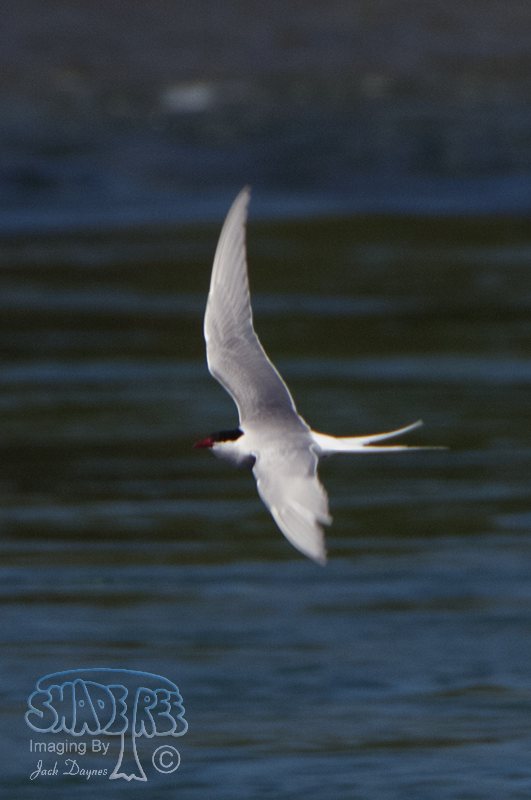
Arctic Tern(Sterna paradisaea) |
|
Description: Whitehorse, Yukon, Canada. |
Date Taken: 2005:06:16 10:17 |
|
Location:
Whitehorse |
|
Camera Information: NIKON D2X, 550 mm, f/5.6, 1/320 |
File Name: JCD4669ArcticTern |
| © 2005 Jack Daynes, shadeTreeImaging.com |
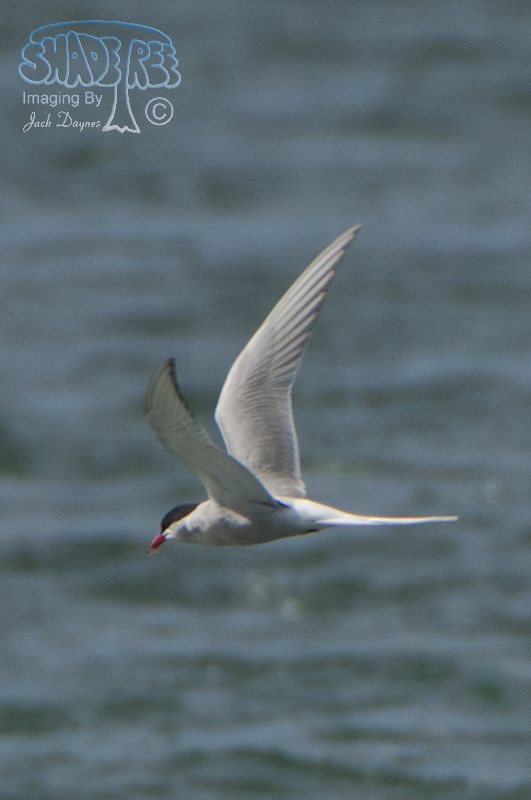
Arctic Tern(Sterna paradisaea) |
|
Description: Whitehorse, Yukon, Canada. |
Date Taken: 2005:06:16 9:47 |
|
Location:
Whitehorse |
|
Camera Information: NIKON D2X, 550 mm, f/5.6, 1/640 |
File Name: JCD4614ArcticTern |
| © 2005 Jack Daynes, shadeTreeImaging.com |
Click map markers to reveal further information
