Burrowing Owl

Athene cunicularia
The Burrowing Owl is resident in northern Mexico and the American Southwest. In spring, many will migrate north, even to Canada to breed, and some will travel to Mexico in winter. We list these birds as endangered in Canada. In Mexico, it is a Bird of Special Protection. Habitat loss is a contributing factor in their decline. In some regions, these birds depend on prairie dogs for burrows. Prairie dog towns, once common in North America, are now a rarity.
As a bird that spends much of its time underground, Burrowing Owls have developed some interesting coping mechanisms. One such trait is that it can tolerate higher concentrations of carbon dioxide than most animals. Another tactic is to store a larder of prey items in their burrows for lean times. Observers have noted these birds will sometimes leave dung and other fowl items at the entrance to their burrows. We believe the practice attracts beetles and other insects, who then become meals for the owls.
Today, science recognizes twenty-five subspecies of Burrowing Owl, some are now extinct. Describing each of these would be unproductive in this venue. The two North American subspecies are:
- A. c. hypugaea lives in Oregon east to Kansas, and British Columbia east to Saskatchewan, and south to Baja California, and through Mexico to Central America.
- A. c. floridana lives in Florida.
Most of my meetings with these fierce-eyed predators have been in southeastern California. In Imperial County, especially near the Salton Sea and nearby agricultural fields, they stand watch along the roadways. When I was very young, Burrowing Owls were a common sight in and around San Diego. Sadly, human development and careless pet owners have driven nearly every one of these birds from the county.
21 Photos
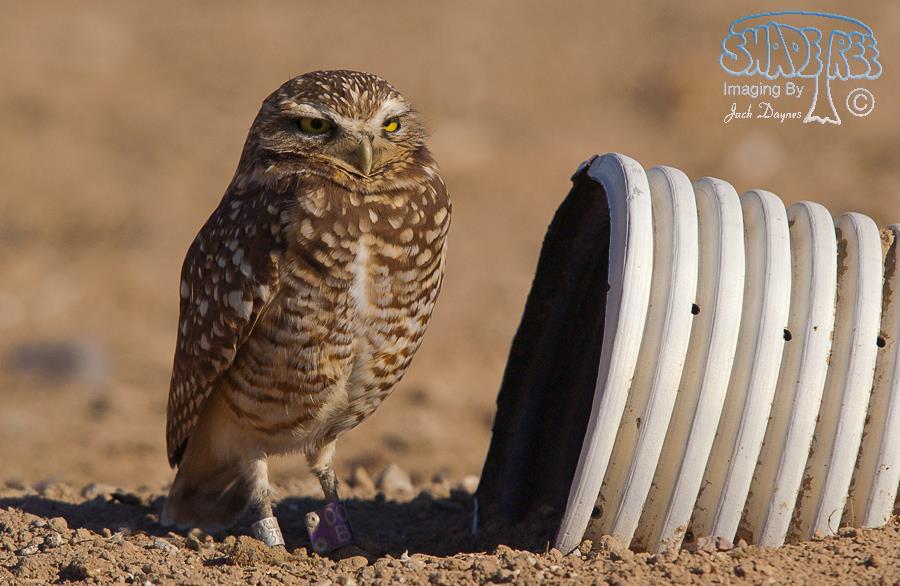
Burrowing Owl(Athene cunicularia) |
|
Description: Artificial Burrow. Vendel Road, Salton Sea NWR. Imperial County, California. |
Date Taken: 2004:02:07 15:35 |
|
Location:
Salton Sea NWR |
|
Camera Information: NIKON D1X, 800 mm, f/8.0, 1/3000 |
File Name: JCD_6102BurrowingOwl |
| © 2004 Jack Daynes, shadeTree Imaging |

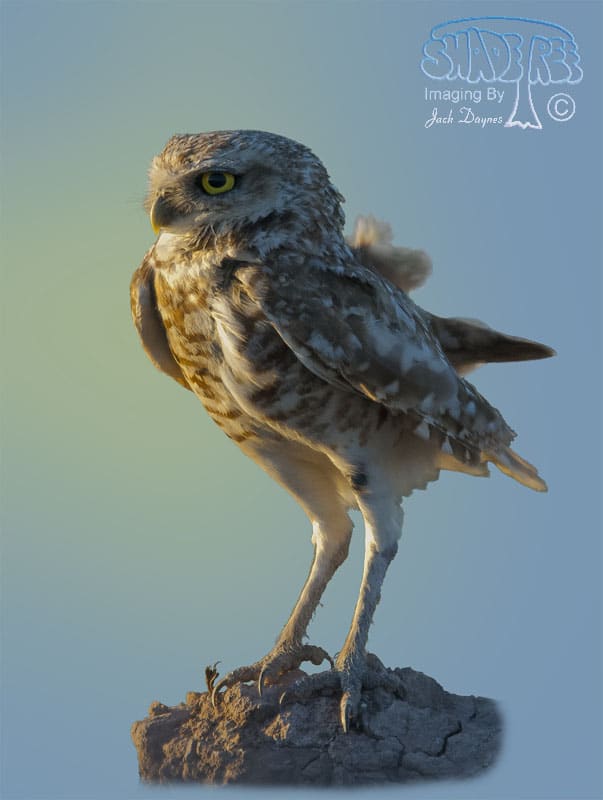
Burrowing Owl(Athene cunicularia) |
|
Description: Near Lindsey Road. Salton Sea Vicinity. Imperial County, California. |
Date Taken: 2009:07:05 19:33 |
|
Location:
Salton Sea |
|
Camera Information: NIKON D2X, 800 mm, f/5.6, 1/125 |
File Name: Cut_JCD2577.BurrowingOwl |
| © 2009 Jack Daynes, shadeTree Imaging |
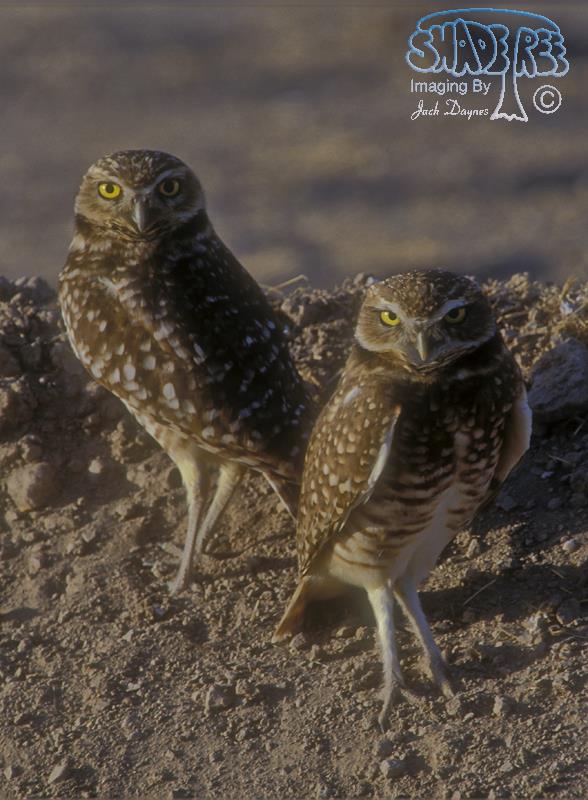
Burrowing Owl(Athene cunicularia) |
|
Description: Near Salton Sea NWR. Imperial County, California. |
Date Taken: 2002:03:07 0:48 |
|
Location:
Salton Sea |
|
Camera Information: Nikon SUPER COOLSCAN 4000 ED, |
File Name: A2C07b36-BurrowingOwl |
| © 2002 - Jack Daynes - shadeTree Imaging |
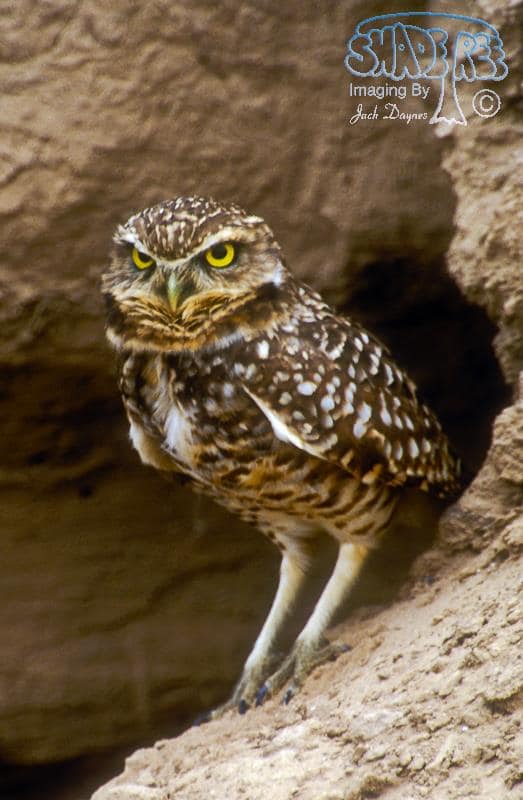
Burrowing Owl(Athene cunicularia) |
|
Description: Near Salton Sea NWR. Imperial County, California. |
Date Taken: 2002:02:17 0:48 |
|
Location:
Salton Sea |
|
Camera Information: Nikon SUPER COOLSCAN 4000 ED, |
File Name: A2B17c31-BurrowingOwl |
| © 2002 - Jack Daynes - shadeTree Imaging |
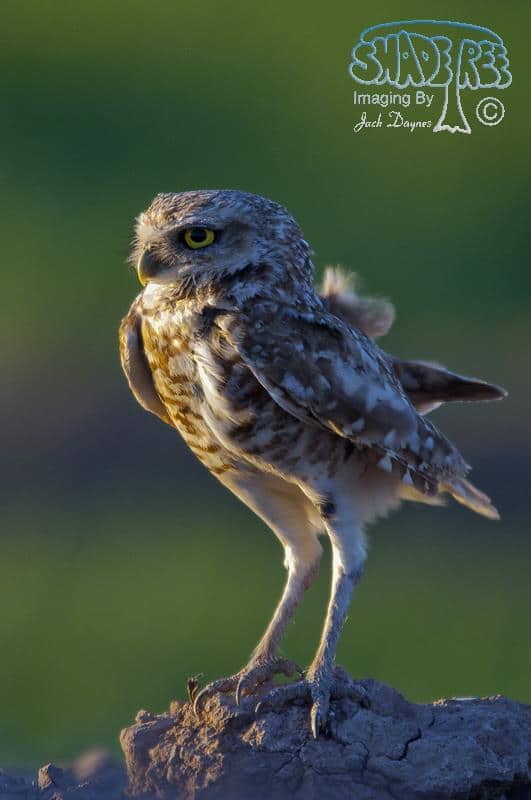
Burrowing Owl(Athene cunicularia) |
|
Description: Near Lindsey Road. Salton Sea Vicinity. Imperial County, California. |
Date Taken: 2009:07:05 19:33 |
|
Location:
Salton Sea |
|
Camera Information: NIKON D2X, 800 mm, f/5.6, 1/125 |
File Name: JCD2577.BurrowingOwl |
| © 2009 - Jack Daynes - shadeTree Imaging |
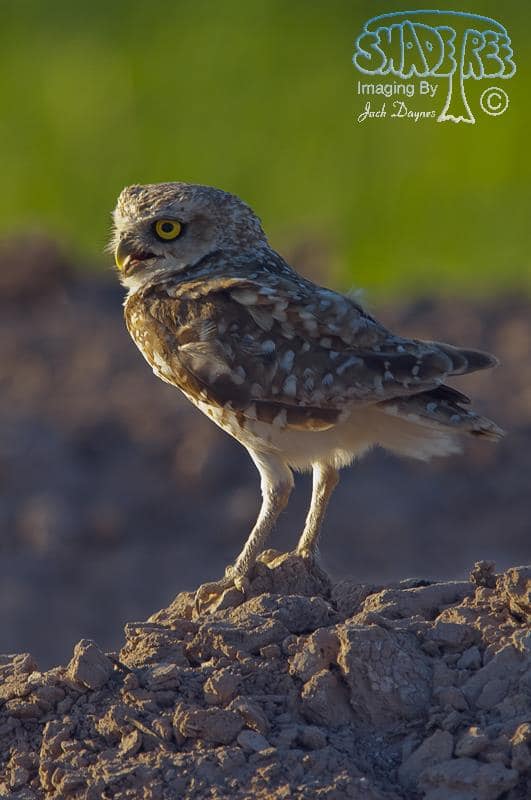
Burrowing Owl(Athene cunicularia) |
|
Description: Near Lindsey Road. Salton Sea Vicinity. Imperial County, California. |
Date Taken: 2009:07:05 19:01 |
|
Location:
Salton Sea |
|
Camera Information: NIKON D2X, 800 mm, f/7.1, 1/160 |
File Name: JCD2476.BurrowingOwl |
| © 2009 - Jack Daynes - shadeTree Imaging |
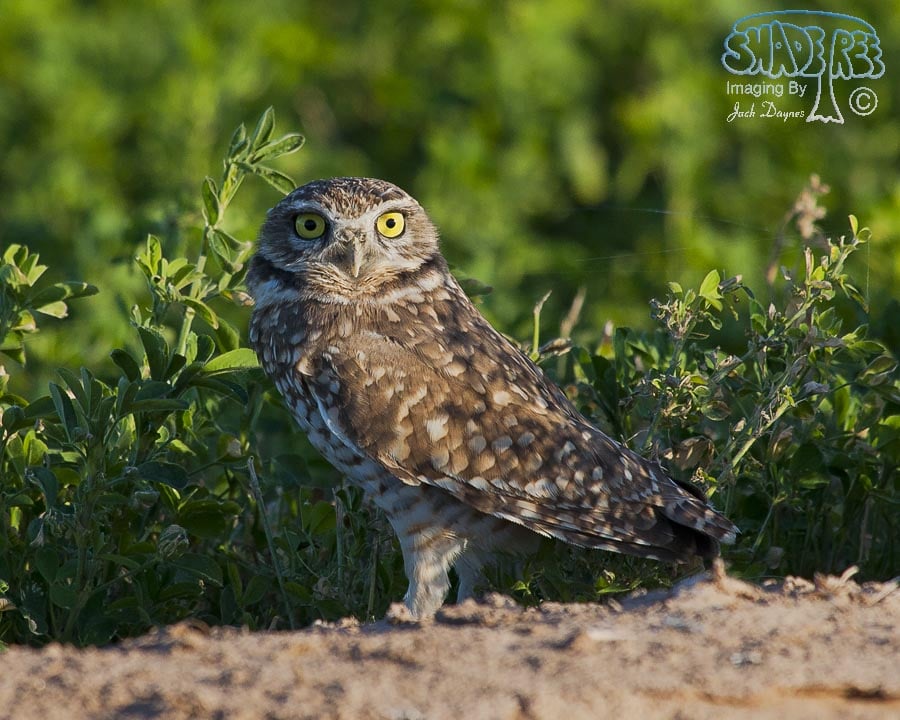
Burrowing Owl(Athene cunicularia) |
|
Description: Agricultural zone along Mohave Road, south of Parker, Arizona. |
Date Taken: 2014:11:29 16:24 |
|
Location:
La Paz (historical) |
|
Camera Information: NIKON D3X, 800 mm, f/8.0, 1/640 |
File Name: D3X2603-BurrowingOwl |
| © 2014 Jack Daynes, shadeTree-Imaging.com |
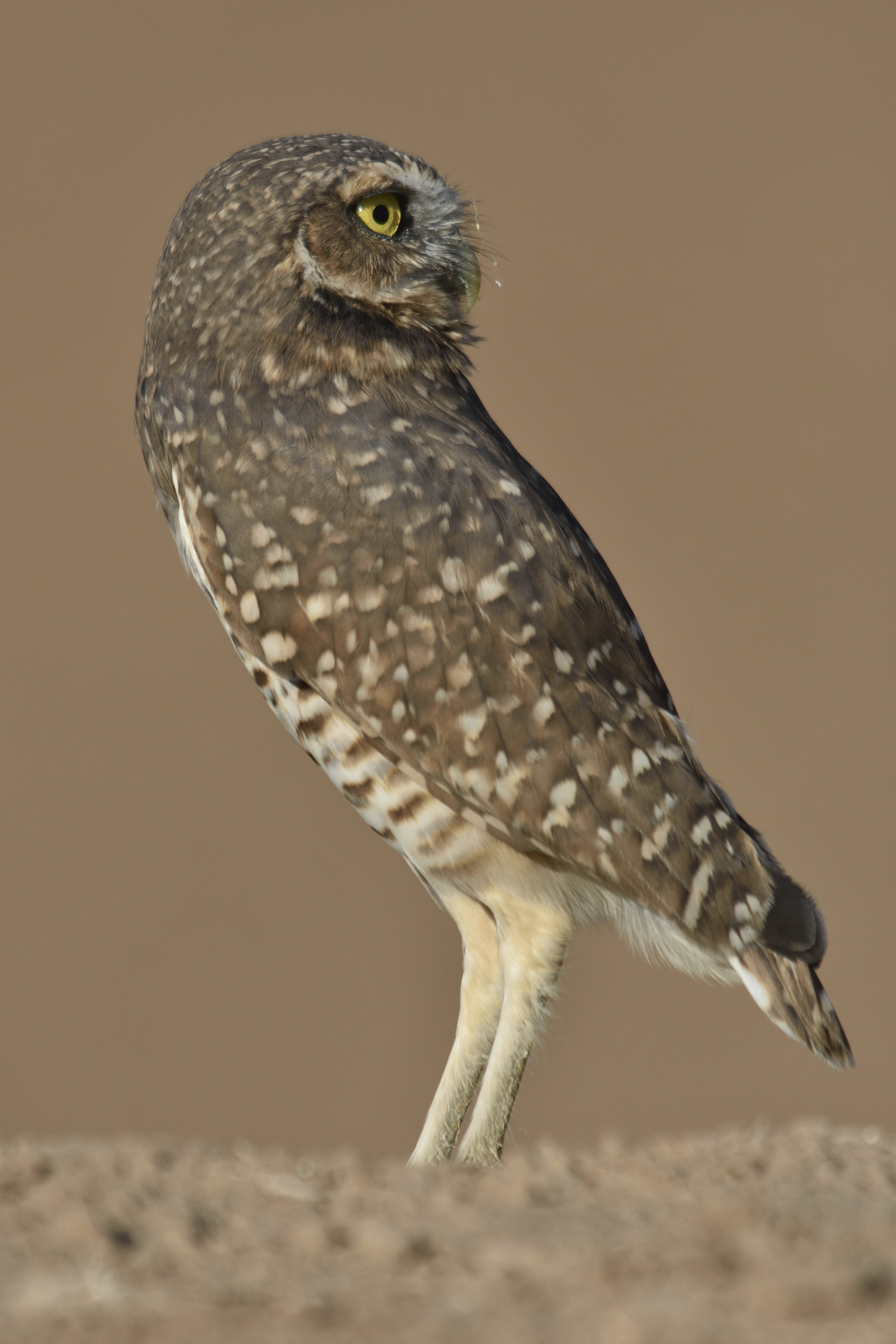
Burrowing Owl(Athene cunicularia) |
|
Description: Salton Sea in Imperial County, near Walker Road. Southern California. |
Date Taken: 2015:10:16 16:28 |
|
Location:
Walker Road |
|
Camera Information: NIKON D7200, 800 mm, f/8.0, 1/1600 |
File Name: D720693-BurrowingOwl |
| © 2015 Jack Daynes, shadeTreeImaging.com |
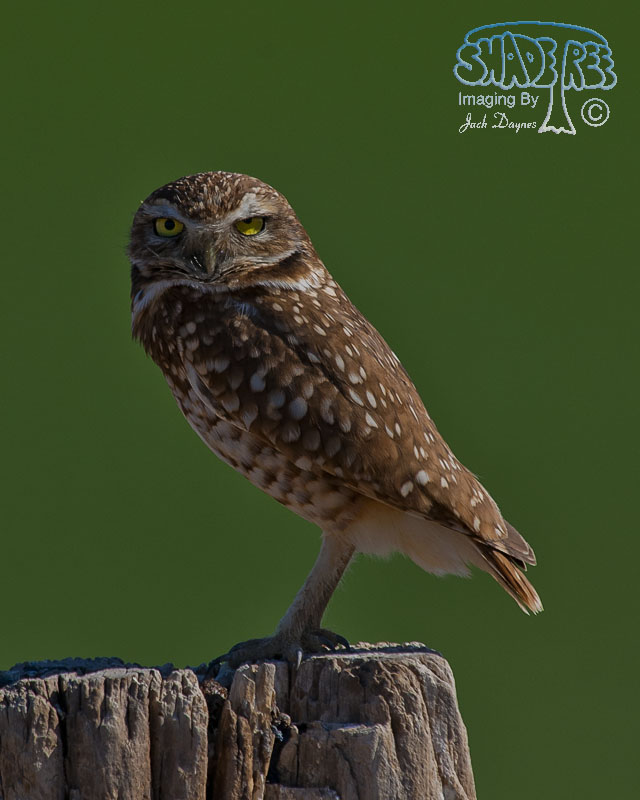
Burrowing Owl(Athene cunicularia) |
|
Description: Salton Sea near Lack and Lindey Roads. Imperial County near Calpatria, California. |
Date Taken: 2015:04:28 8:44 |
|
Location:
Fondo |
|
Camera Information: NIKON D3X, 800 mm, f/9.0, 1/1250 |
File Name: D3X8207-BurrowingOwl |
| © 2015 Jack Daynes, shadeTree-Imaging.com |
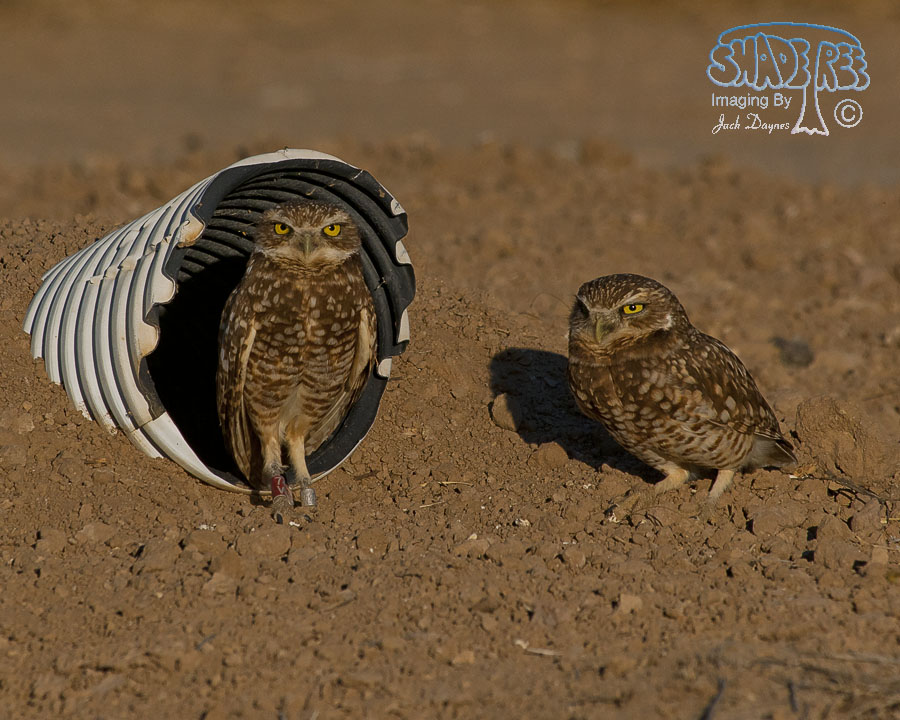
Burrowing Owl(Athene cunicularia) |
|
Description: These charming little owls seem to do well in the agriculture fields around the Salton Sea. Salton Sea NWR at Vendel Road. Imperial County near Westmoreland, California. |
Date Taken: 2015:04:27 18:30 |
|
Location:
Vendel Road |
|
Camera Information: NIKON D3X, 800 mm, f/10.0, 1/1600 |
File Name: D3X7879-BurrowingOwl |
| © 2015 Jack Daynes, shadeTreeImaging.com |
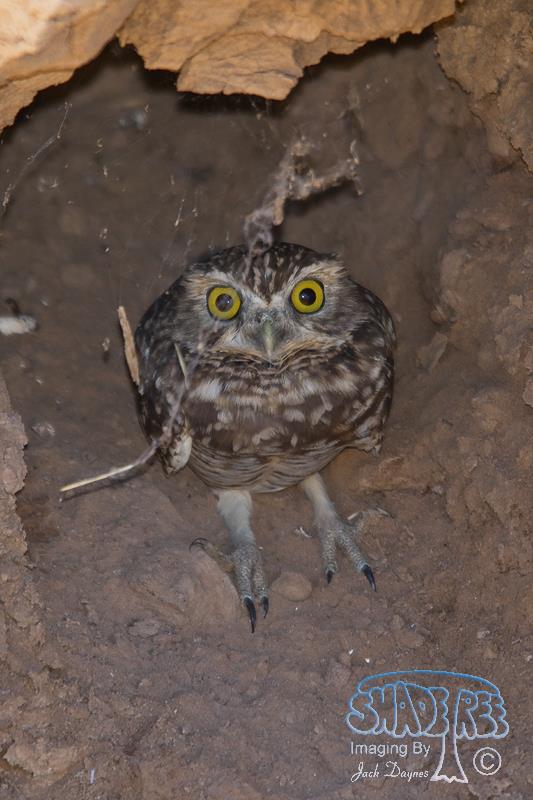
Burrowing Owl(Athene cunicularia) |
|
Description: Near Lack & Lindsey Roads. Salton Sea NWR and Vicinity. Imperial County, California. |
Date Taken: 2011:10:13 11:52 |
|
Location:
Westmorland |
|
Camera Information: NIKON D3X, 800 mm, f/5.6, 1/250 |
File Name: D3X3626-BurrowingOwl |
| © 2011 Jack Daynes, shadeTree Imaging |
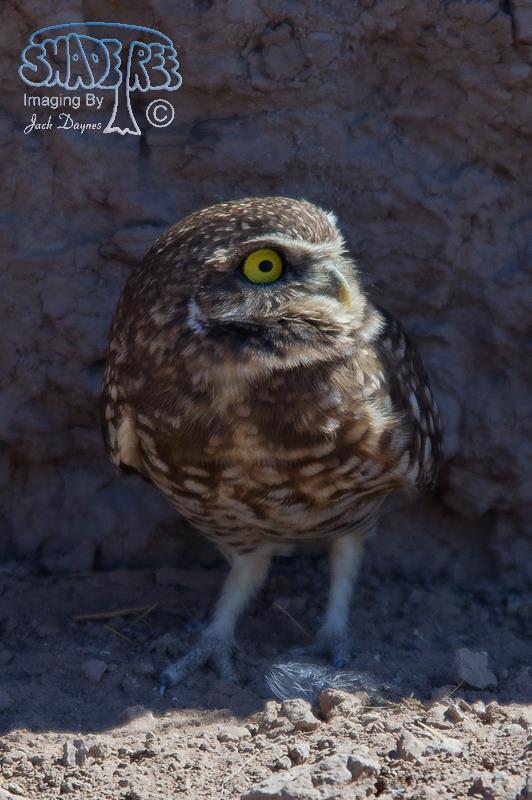
Burrowing Owl(Athene cunicularia) |
|
Description: Agricultural ditches anywhere in the Imperial Valley might produce meetings with Burrowing Owls. Near Lack & Lindsey Roads. Salton Sea NWR and Vicinity. Imperial County, California. |
Date Taken: 2011:10:13 11:43 |
|
Location:
Lack-And-Lindsey-Roads |
|
Camera Information: NIKON D3X, 800 mm, f/5.6, 1/1600 |
File Name: D3X3616-BurrowingOwl |
| © 2011 Jack Daynes, shadeTreeImaging.com |
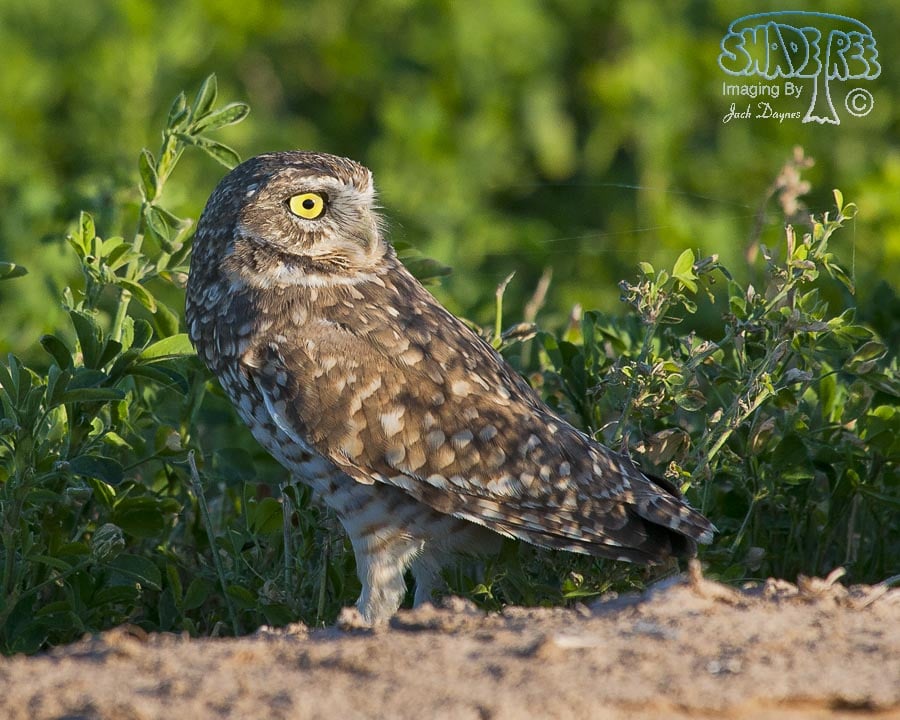
Burrowing Owl(Athene cunicularia) |
|
Description: Agricultural zone along Mohave Road, south of Parker, Arizona. |
Date Taken: 2014:11:29 16:24 |
|
Location:
La Paz (historical) |
|
Camera Information: NIKON D3X, 800 mm, f/8.0, 1/640 |
File Name: D3X2605-BurrowingOwl |
| © 2014 Jack Daynes, shadeTree-Imaging.com |
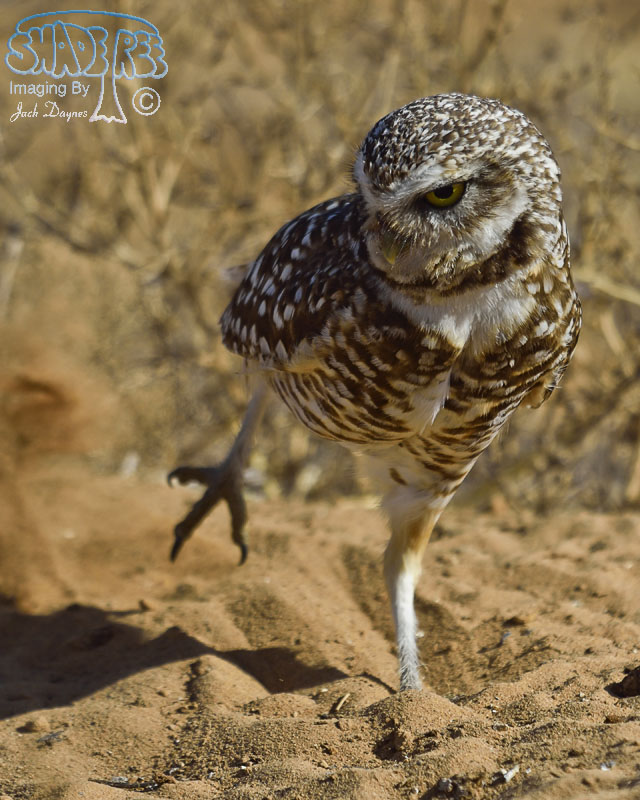
Burrowing Owl(Athene cunicularia) |
|
Description: Cleaning out the burrow in the fallow fields near Los Lunas New Mexico. |
Date Taken: 2016:03:21 15:42 |
|
Location:
Los Lentes |
|
Camera Information: NIKON D7200, 800 mm, f/8.0, 1/2000 |
File Name: D725885-BurrowingOwl |
| © 2016 Jack Daynes, shadeTreeImaging.com |
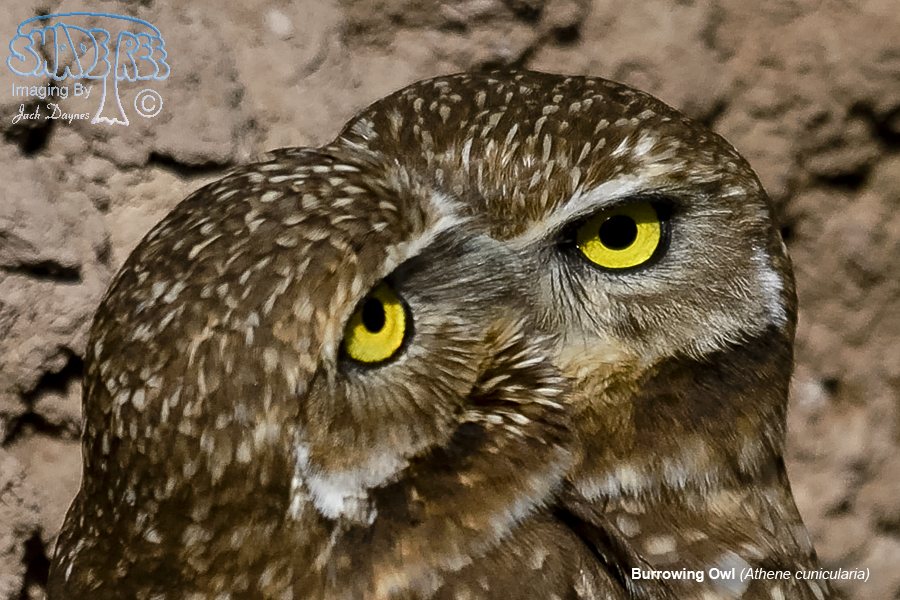
Burrowing Owl(Athene cunicularia) |
|
Description: Sinclair Road. Salton Sea Vicinity. Imperial County, California. |
Date Taken: 2017:01:17 8:54 |
|
Location:
Estelle |
|
Camera Information: NIKON D5, 800 mm, f/8.0, 1/2500 |
File Name: BurrowingOwl_D5X3246 |
| © 2017 Jack Daynes, shadeTree Imaging |
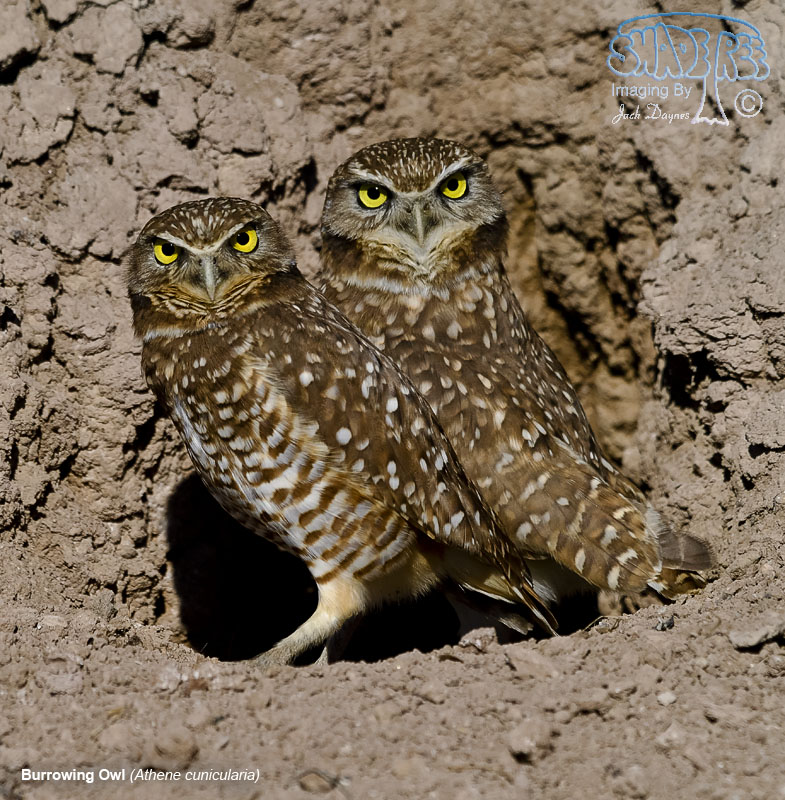
Burrowing Owl(Athene cunicularia) |
|
Description: Sinclair Road. Salton Sea Vicinity. Imperial County, California. |
Date Taken: 2017:01:17 8:54 |
|
Location:
Estelle |
|
Camera Information: NIKON D5, 800 mm, f/8.0, 1/3200 |
File Name: BurrowingOwl_D5X3239 |
| © 2017 Jack Daynes, shadeTreeImaging.com |
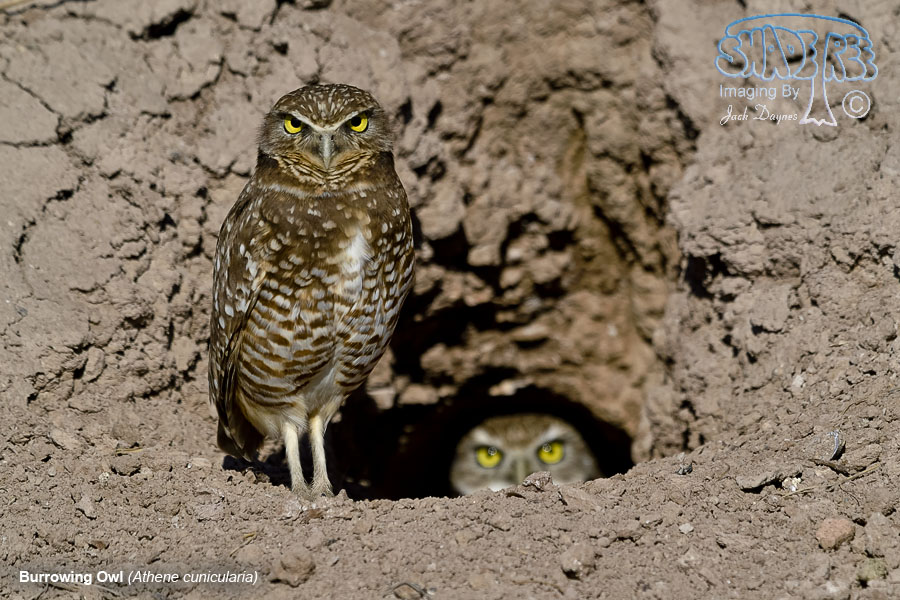
Burrowing Owl(Athene cunicularia) |
|
Description: Sinclair Road. Salton Sea Vicinity. Imperial County, California. |
Date Taken: 2017:01:17 8:52 |
|
Location:
Estelle |
|
Camera Information: NIKON D5, 800 mm, f/8.0, 1/2500 |
File Name: BurrowingOwl_D5X3207 |
| © 2017 Jack Daynes, shadeTreeImaging.com |
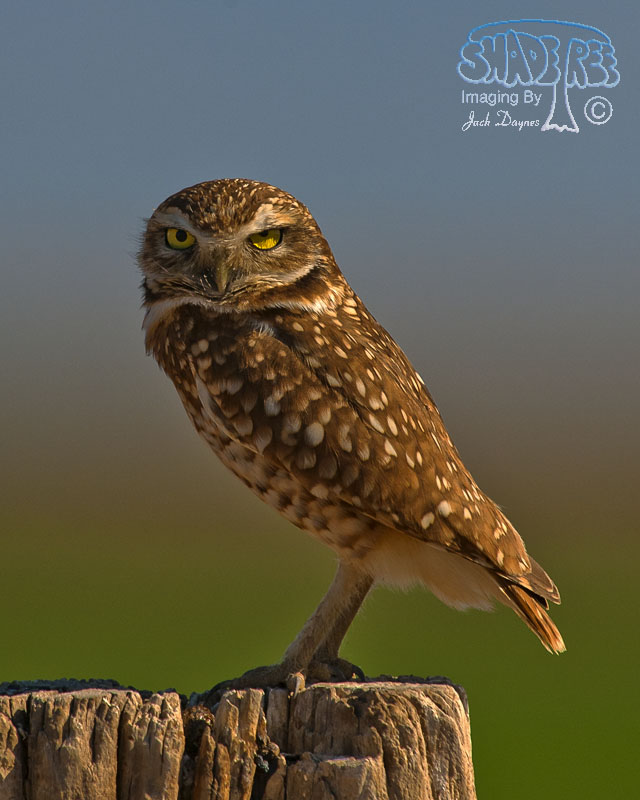
Burrowing Owl(Athene cunicularia) |
|
Description: Salton Sea near Lack and Lindsey Roads. Imperial County near Calpatria, California. |
Date Taken: 2015:04:28 8:45 |
|
Location:
Fondo |
|
Camera Information: NIKON D3X, 800 mm, f/9.0, 1/2500 |
File Name: D3X8213-BurrowingOwl |
| © 2015 Jack Daynes, shadeTree-Imaging.com |
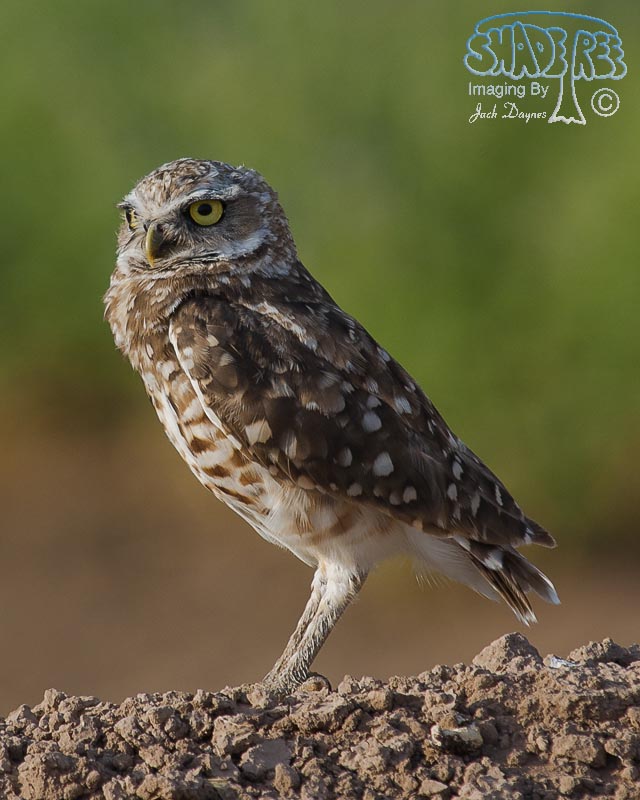
Burrowing Owl(Athene cunicularia) |
|
Description: Near the southeastern shore of the Salton Sea in Imperial County, California. |
Date Taken: 2014:07:26 7:26 |
|
Location:
Salton Sea |
|
Camera Information: NIKON D3X, 800 mm, f/8.0, 1/1250 |
File Name: D3X6353-BurrowingOwl |
| © 2014 Jack Daynes, shadeTree-Imaging.com |
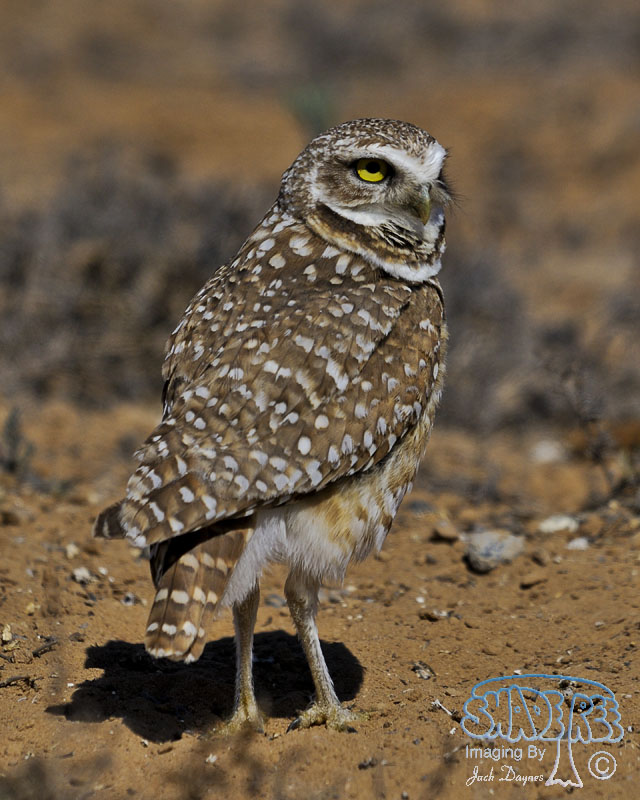
Burrowing Owl(Athene cunicularia) |
|
Description: Fallow fields near Los Lunas New Mexico. |
Date Taken: 2016:03:21 11:26 |
|
Location:
Los Lentes |
|
Camera Information: NIKON D3X, 800 mm, f/8.0, 1/2500 |
File Name: D3X7233-BurrowingOwl |
| © 2016 Jack Daynes, shadeTreeImaging.com |
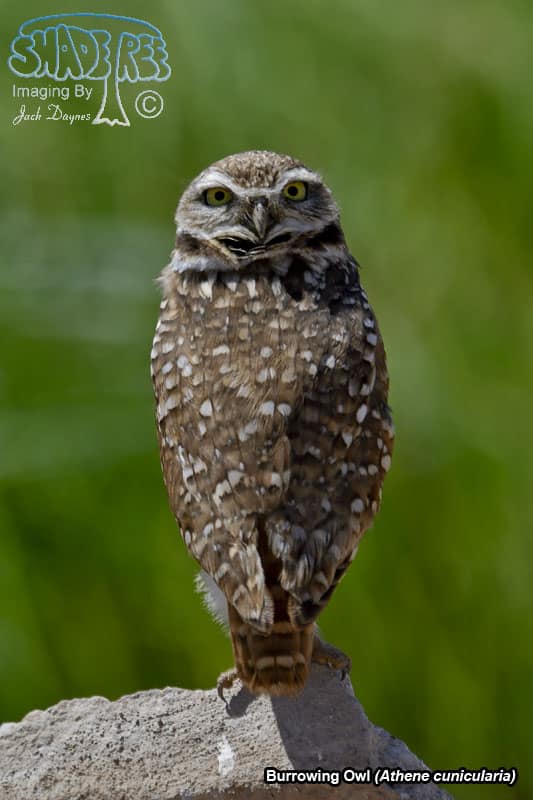
Burrowing Owl(Athene cunicularia) |
|
Description: Seen west of El Centro in the Imperial Valley in southern California. |
Date Taken: 2017:04:19 11:24 |
|
Location:
Mount Signal |
|
Camera Information: NIKON D5, 800 mm, f/8.0, 1/3200 |
File Name: BurrowingOwl-_D5X5007 |
| © 2017 Jack Daynes, shadeTreeImaging.com |
Click map markers to reveal further information
