Laughing Gull
Leucophaeus atricilla

The Laughing Gull is predominantly a bird of the shores of the east coast and gulf waters of North America. But they also live southward into the Caribbean and the west coast of Mexico. Winters may find these birds in northern South America on the Caribbean and Pacific coastlines. Some have bred at the Salton Sea since 1997.
If one spends time around these highly vocal birds, it is easy to see (or hear) how these gulls got their common name. During the late 1800s, the millinery trade sought bird feathers to adorn ladies’ hats. The practice caused their population to plummet, but has recovered since protections were established in the early 1900s.
There have been differing opinions throughout the 20th and 21st centuries among the ornithological taxonomist community regarding the status of subspecies of the Laughing Gull. Some see the species as monotypic (no subspecies), while others regard the North American and Central American birds as different from the South American birds. For those who call for a split, the subspecies are:
- L. a. megalopterus are northern birds breeding from southeastern California at the Salton Sea, and south to western Mexico, and from Maine to Florida and Texas, and somewhat through eastern Central America. They spend winters south into Peru (South America).
- L. a. atricilla are the southern population breeding in the West Indies to the Leeward Antilles and Trinidad, and islands off Venezuela and French Guiana. They spend winters south to northern Brazil.
I first met Laughing Gulls in Southern California at the Salton Sea. There they breed in low numbers. But I got to know them well when I visited the Texas Gulf Coast in the springs of 2020 and 2021. Year-round, they outnumber all other gull species, and most of them sported black heads. In mid-August 2022, I returned to Texas and stayed through September, and very few of these gulls had black heads. Juvenile birds are often entertaining to watch as they try to figure out how to operate in the world. I enjoyed spending time with these young gulls during my fall visit.
39 Photos
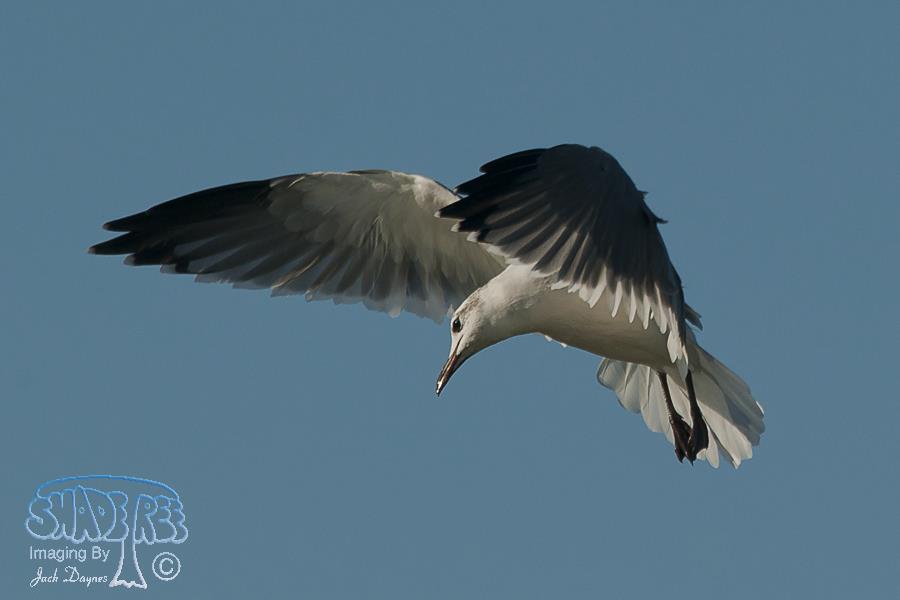
Laughing Gull(Leucophaeus atricilla) |
|
Description: Meetings with Laughing Gulls are less common at the Salton Sea than any other gull species. Near Lack & Lindsey Roads. Salton Sea NWR and Vicinity. Imperial County, California. |
Date Taken: 2011:10:13 15:47 |
|
Location:
Lack-And-Lindsey-Roads |
|
Camera Information: NIKON D3X, 800 mm, f/6.3, 1/2500 |
File Name: D3X4259-LaughingGull |
| © 2011 Jack Daynes, shadeTreeImaging.com |

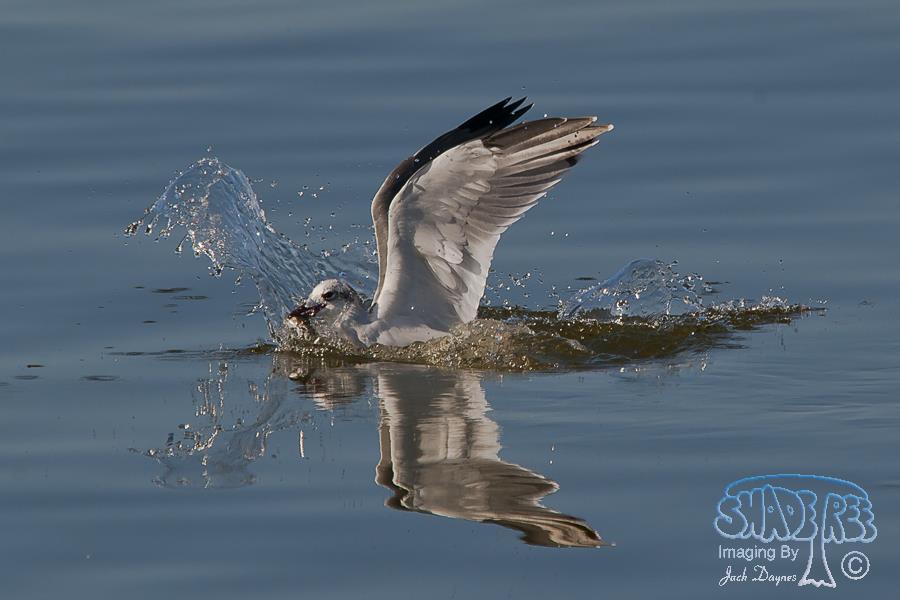
Laughing Gull(Leucophaeus atricilla) |
|
Description: Capturing prey near Lack & Lindsey Roads. Salton Sea NWR and Vicinity. Imperial County, California. |
Date Taken: 2011:10:13 15:47 |
|
Location:
Lack-And-Lindsey-Roads |
|
Camera Information: NIKON D3X, 800 mm, f/6.3, 1/1600 |
File Name: D3X4264-LaughingGull |
| © 2011 Jack Daynes, shadeTreeImaging.com |
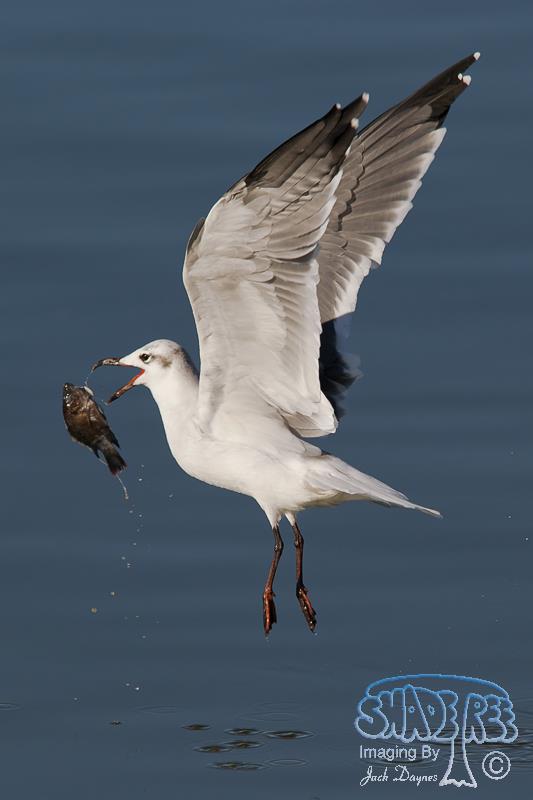
Laughing Gull(Leucophaeus atricilla) |
|
Description: Getting a grip. Near Lack & Lindsey Roads. Salton Sea NWR and Vicinity. Imperial County, California. |
Date Taken: 2011:10:13 16:11 |
|
Location:
Fondo |
|
Camera Information: NIKON D3X, 800 mm, f/6.3, 1/1600 |
File Name: D3X6794-LaughingGull |
| © 2011 Jack Daynes, shadeTree Imaging |
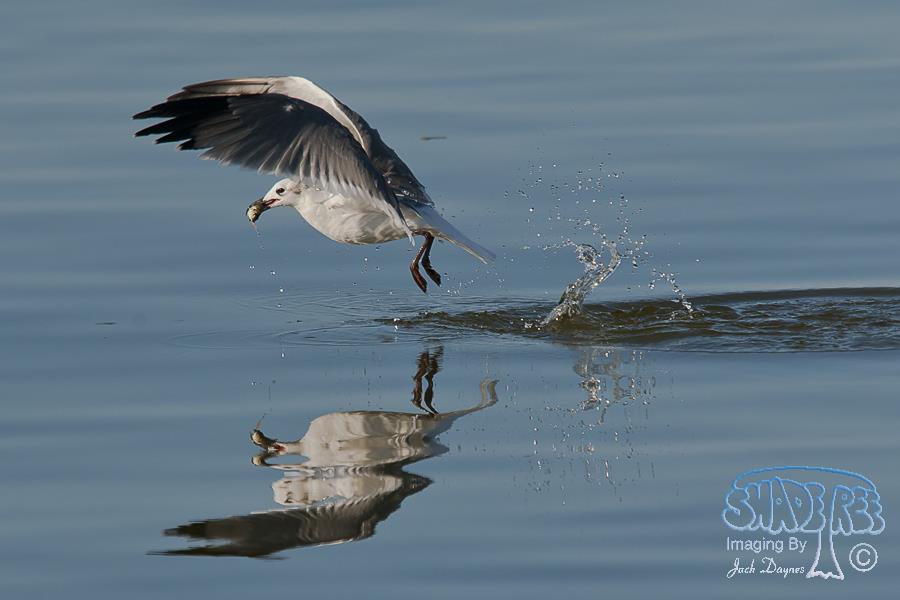
Laughing Gull(Leucophaeus atricilla) |
|
Description: The fishing was good near Lack & Lindsey Roads this day. Salton Sea NWR and Vicinity. Imperial County, California. |
Date Taken: 2011:10:13 16:00 |
|
Location:
Fondo |
|
Camera Information: NIKON D3X, 800 mm, f/6.3, 1/2000 |
File Name: D3X8451-LaughingGull |
| © 2011 Jack Daynes, shadeTree Imaging |
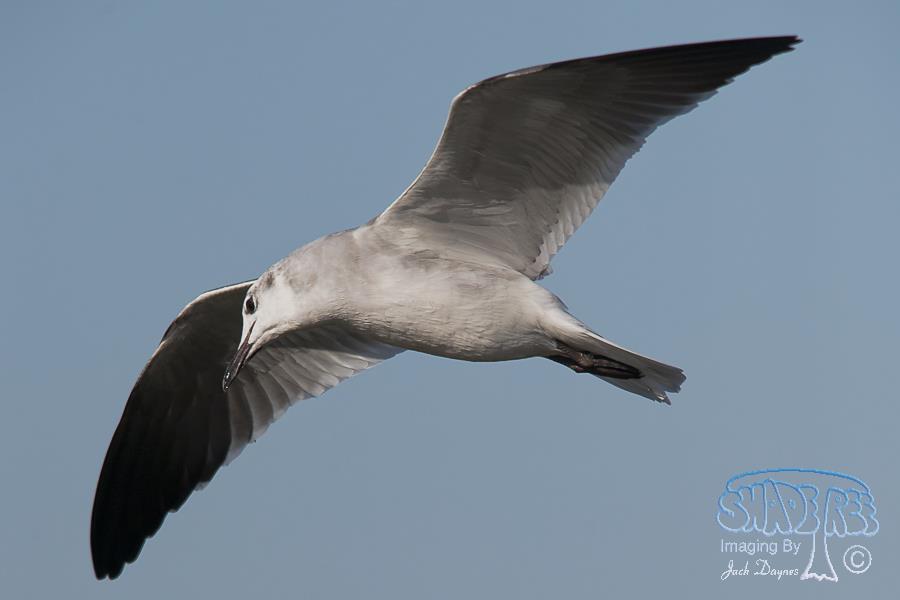
Laughing Gull(Leucophaeus atricilla) |
|
Description: Near Lack & Lindsey Roads. Salton Sea NWR and Vicinity. Imperial County, California. |
Date Taken: 2011:10:13 16:01 |
|
Location:
Fondo |
|
Camera Information: NIKON D3X, 800 mm, f/6.3, 1/3200 |
File Name: D3X8468-LaughingGull |
| © 2011 Jack Daynes, shadeTree Imaging |
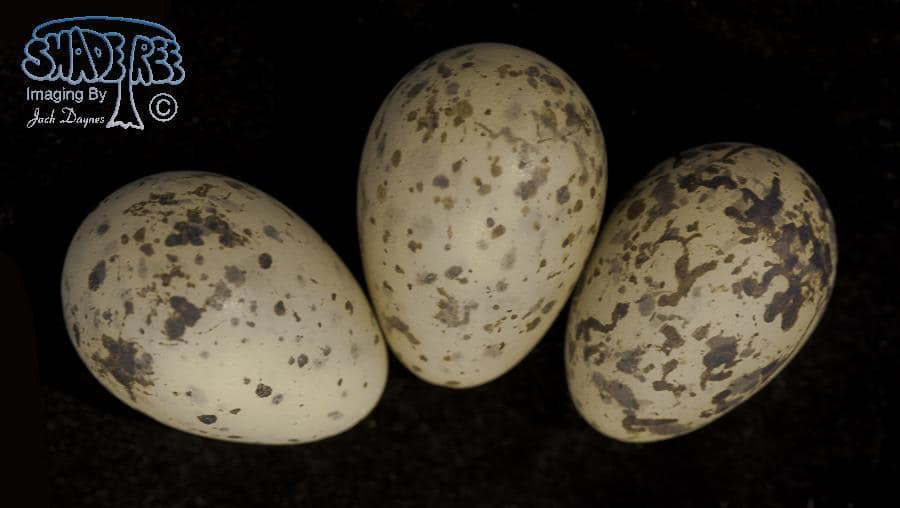
Laughing Gull(Leucophaeus atricilla) |
|
Description: Part of the collection at the Western Foundation of Vertibrate Zoology in Camarillo, California. |
Date Taken: 2011:11:02 10:40 |
|
Location:
W F V Z |
|
Camera Information: NIKON D3X, 105 mm, f/8.0, 1/3 |
File Name: D3X4669-LaughingGull |
| © 2011 Jack Daynes, shadeTree Imaging |
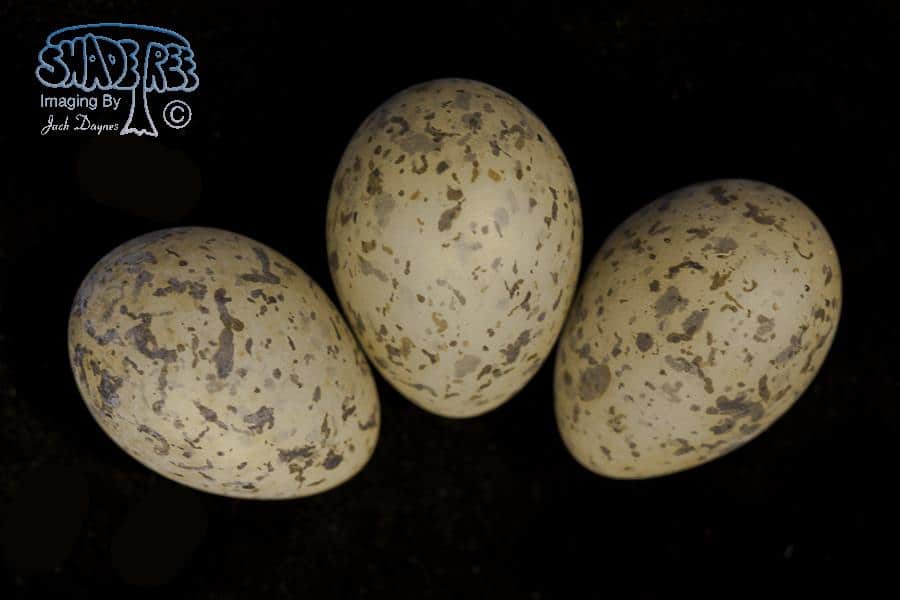
Laughing Gull(Leucophaeus atricilla) |
|
Description: Part of the collection at the Western Foundation of Vertibrate Zoology in Camarillo, California. |
Date Taken: 2011:11:02 10:42 |
|
Location:
W F V Z |
|
Camera Information: NIKON D3X, 105 mm, f/8.0, 1/3 |
File Name: D3X4672-LaughingGull |
| © 2011 Jack Daynes, shadeTree Imaging |
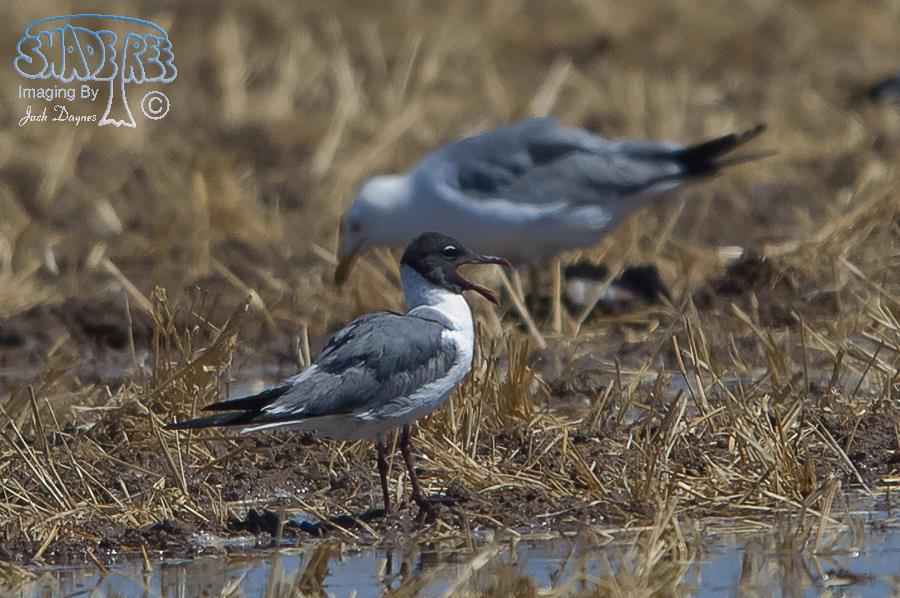
Laughing Gull(Leucophaeus atricilla) |
|
Description: Loafing at a flooded field off Lindsey Road. Salton Sea Vicinity. Imperial County, California. |
Date Taken: 2009:07:05 15:04 |
|
Location:
Fondo |
|
Camera Information: NIKON D2X, 800 mm, f/7.1, 1/2500 |
File Name: JCD2272.LaughingGull |
| © 2009 Jack Daynes, shadeTree Imaging |
Laughing Gull(Leucophaeus atricill) |
|
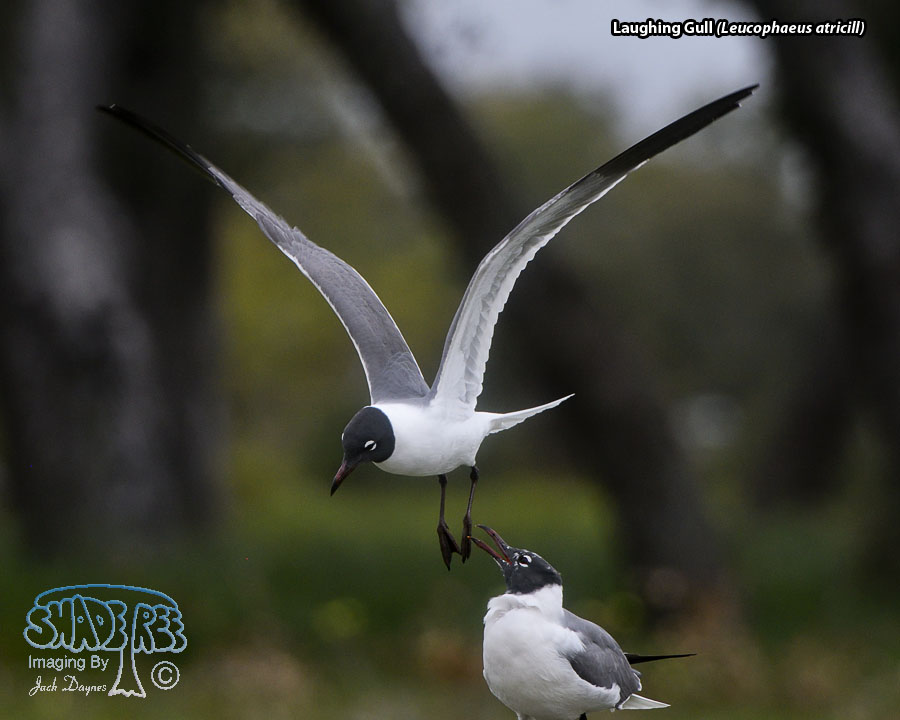
Description: Laughing Gulls were ever-present in the greater Corpus Christi area. My second day at Aransas NWR on Monday, was only a half day, so I drove south to Rockport where I would board a boat (the Skimmer) on Tuesday to see a whole new side of the reserve. In exploring the town I saw the ever-present Laughing gulls perched on a fenceline. After stopping I noticed I'd stumbled onto the Rockport Rookery, an 8+ acre site the city purchased from the Beasley family. |
Date Taken: 2020:03:16 15:36 |
|
Location:
Fulton (Texas) |
|
Camera Information: NIKON D500, 460 mm, f/7.1, 1/800 |
File Name: LaughingGull_D502399-Rockport-TX |
| © 2020 Jack Daynes, shadeTreeImaging.com |
Laughing Gull(Leucophaeus atricill) |
|
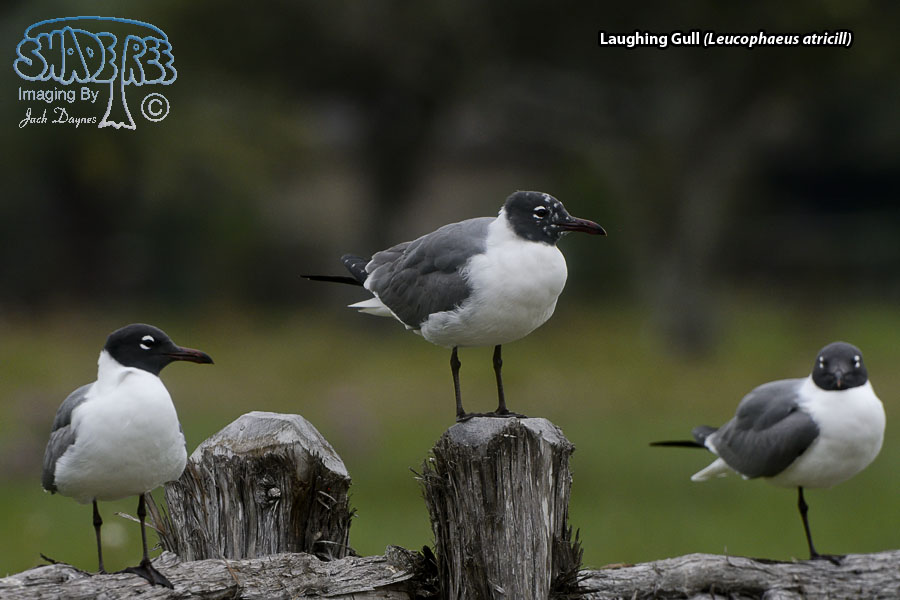
Description: Laughing Gulls were ever-present in the greater Corpus Christi area. My second day at Aransas NWR on Monday, was only a half day, so I drove south to Rockport where I would board a boat (the Skimmer) on Tuesday to see a whole new side of the reserve. In exploring the town I saw the ever-present Laughing gulls perched on a fenceline. After stopping I noticed I'd stumbled onto the Rockport Rookery, an 8+ acre site the city purchased from the Beasley family. |
Date Taken: 2020:03:16 15:39 |
|
Location:
Fulton (Texas) |
|
Camera Information: NIKON D500, 460 mm, f/8.0, 1/800 |
File Name: LaughingGull_D502521-Rockport-TX |
| © 2020 Jack Daynes, shadeTreeImaging.com |
Laughing Gull(Leucophaeus atricill) |
|
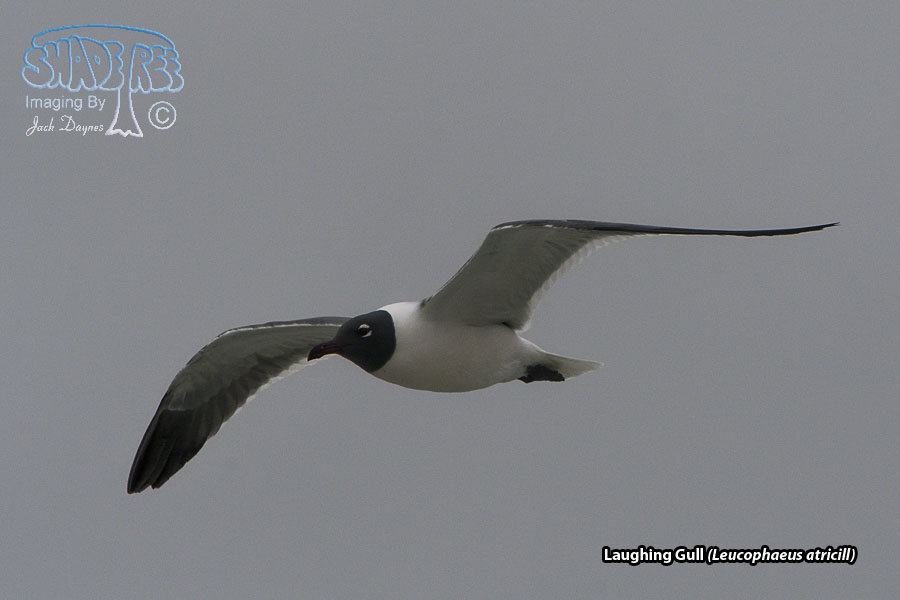
Description: Ever the oppotunists, this gull followed our boat hoping to find a morsel in our wake. My third day of exploration of Aransas NWR was a memorable one. I boarded the tour boat the "Skimmer" and got schooled by Captain Tommy Moore on a three plus hour cruise of the back-bays and waterways beyond the view of the public from the tour roads on the reserve. |
Date Taken: 2020:03:17 11:05 |
|
Location:
Aransas NWR |
|
Camera Information: NIKON D500, 550 mm, f/8.0, 1/2500 |
File Name: LaughingGull_D503750-BoatRide-Aransas-NWR |
| © 2020 Jack Daynes, shadeTreeImaging.com |
Laughing Gull(Leucophaeus atricill) |
|
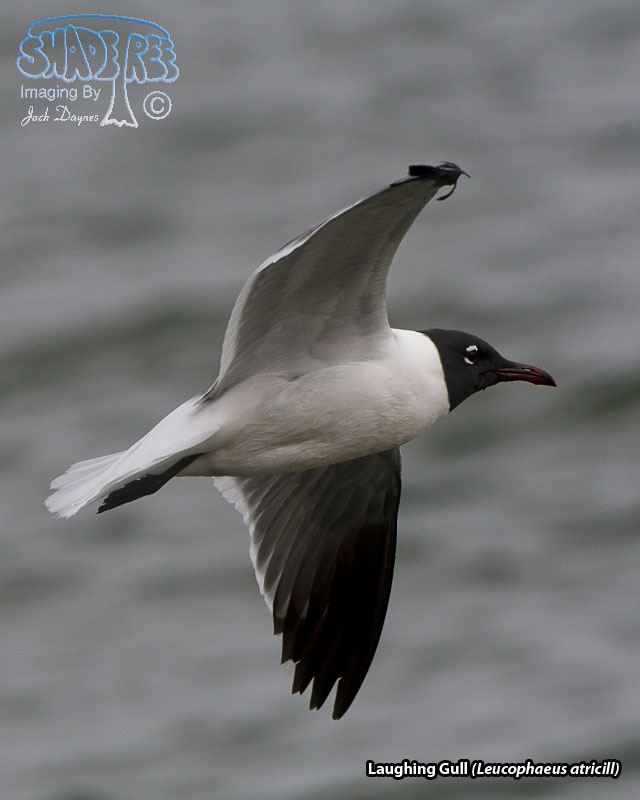
Description: These gulls were seen everywhere I visited in the region. I met these birds after my third day of exploration of Aransas NWR aboard the "Skimmer". There was still time left in the day for explorations. I found a nice place to park next to Little Bay and photograph local resident birds. |
Date Taken: 2020:03:17 16:46 |
|
Location:
Little Bay |
|
Camera Information: NIKON D500, 550 mm, f/8.0, 1/2000 |
File Name: LaughingGull_D504510-Rockport-TX |
| © 2020 Jack Daynes, shadeTreeImaging.com |
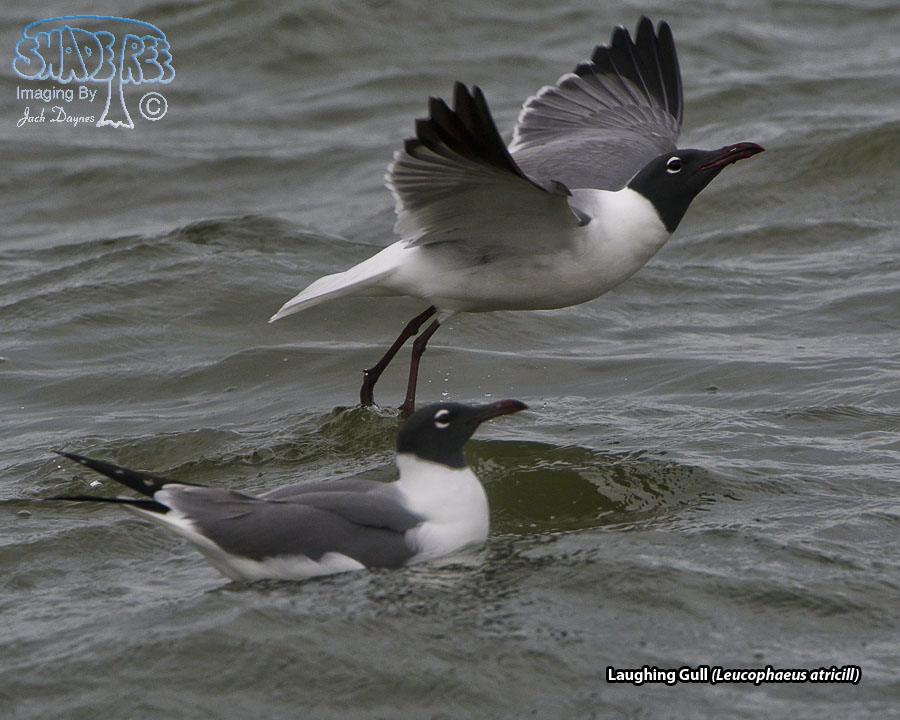
Laughing Gull(Leucophaeus atricill) |
|
Description: These gulls were seen everywhere I visited in the region. I met these birds after my third day of exploration of Aransas NWR aboard the "Skimmer". There was still time left in the day for explorations. I found a nice place to park next to Little Bay and photograph local resident birds. |
Date Taken: 2020:03:17 16:49 |
|
Location:
Little Bay |
|
Camera Information: NIKON D500, 550 mm, f/8.0, 1/1600 |
File Name: LaughingGull_D504579-Rockport-TX |
| © 2020 Jack Daynes, shadeTreeImaging.com |
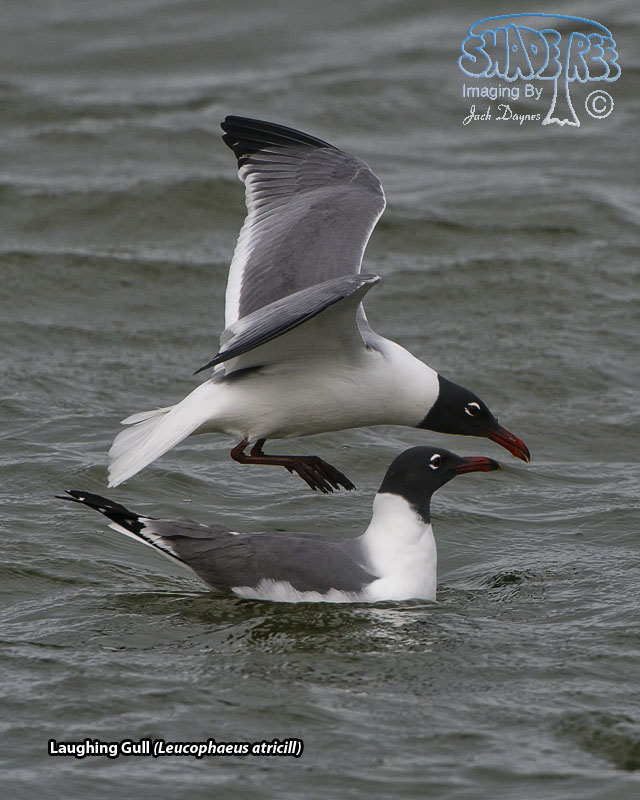
Laughing Gull(Leucophaeus atricill) |
|
Description: These gulls were seen everywhere I visited in the region. I met these birds after my third day of exploration of Aransas NWR aboard the "Skimmer". There was still time left in the day for explorations. I found a nice place to park next to Little Bay and photograph local resident birds. |
Date Taken: 2020:03:17 17:10 |
|
Location:
Little Bay |
|
Camera Information: NIKON D500, 550 mm, f/8.0, 1/1600 |
File Name: LaughingGull_D504879-Rockport-TX |
| © 2020 Jack Daynes, shadeTreeImaging.com |
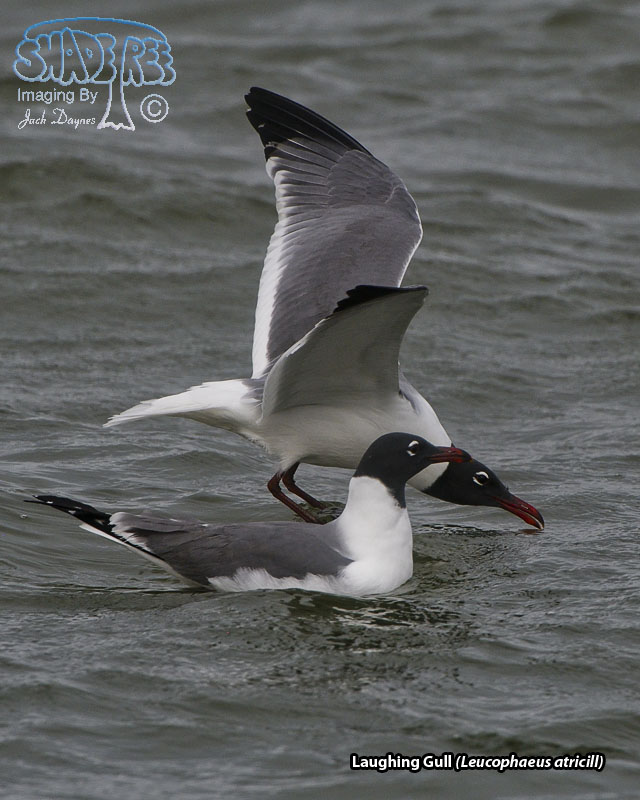
Laughing Gull(Leucophaeus atricill) |
|
Description: These gulls were seen everywhere I visited in the region. I met these birds after my third day of exploration of Aransas NWR aboard the "Skimmer". There was still time left in the day for explorations. I found a nice place to park next to Little Bay and photograph local resident birds. |
Date Taken: 2020:03:17 17:10 |
|
Location:
Little Bay |
|
Camera Information: NIKON D500, 550 mm, f/8.0, 1/1600 |
File Name: LaughingGull_D504880-Rockport-TX |
| © 2020 Jack Daynes, shadeTreeImaging.com |
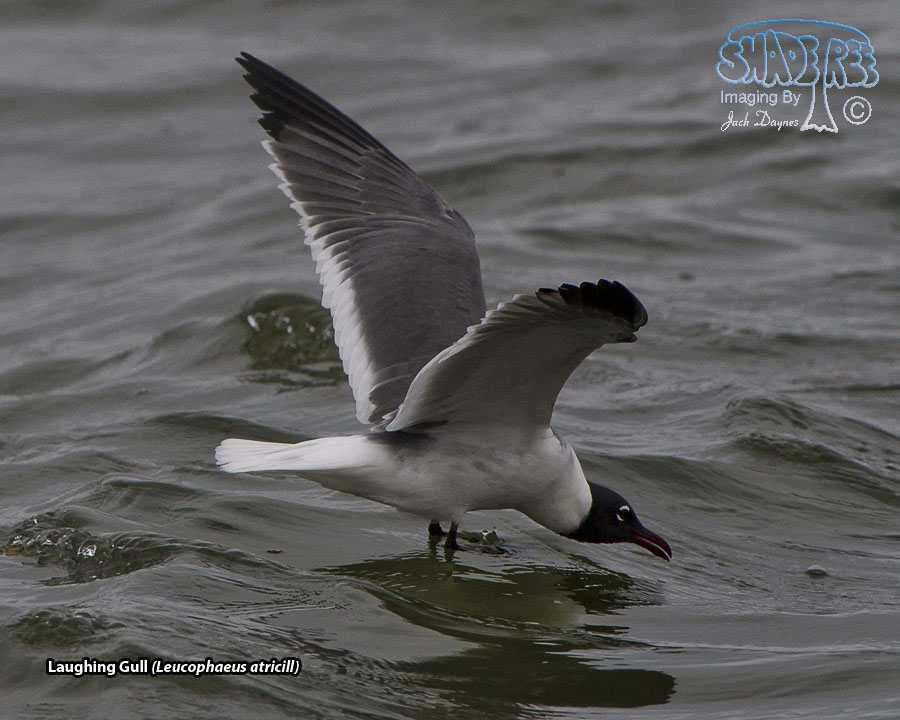
Laughing Gull(Leucophaeus atricill) |
|
Description: These gulls were seen everywhere I visited in the region. I met these birds after my third day of exploration of Aransas NWR aboard the "Skimmer". There was still time left in the day for explorations. I found a nice place to park next to Little Bay and photograph local resident birds. |
Date Taken: 2020:03:17 17:30 |
|
Location:
Little Bay |
|
Camera Information: NIKON D500, 550 mm, f/8.0, 1/1600 |
File Name: LaughingGull_D505125-Rockport-TX |
| © 2020 Jack Daynes, shadeTreeImaging.com |
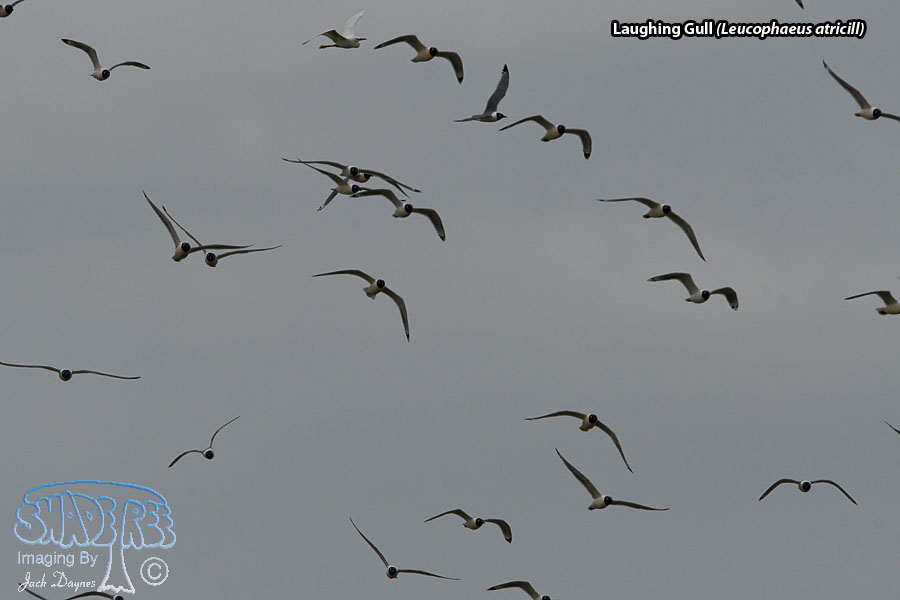
Laughing Gull(Leucophaeus atricill) |
|
Description: Laughing Gulls were constantly heard where I stayed. The camp where I spent April in Brownsville, Texas has a "Reseca" or Oxbow lake on its border, Several feeder stations, with tall trees and grassy areas. |
Date Taken: 2020:04:26 9:00 |
|
Location:
Breeze Lake |
|
Camera Information: NIKON D500, 800 mm, f/8.0, 1/2500 |
File Name: LaughingGull_D508497Breeze-Lake-TX |
| © 2020 Jack Daynes, shadeTreeImaging.com |
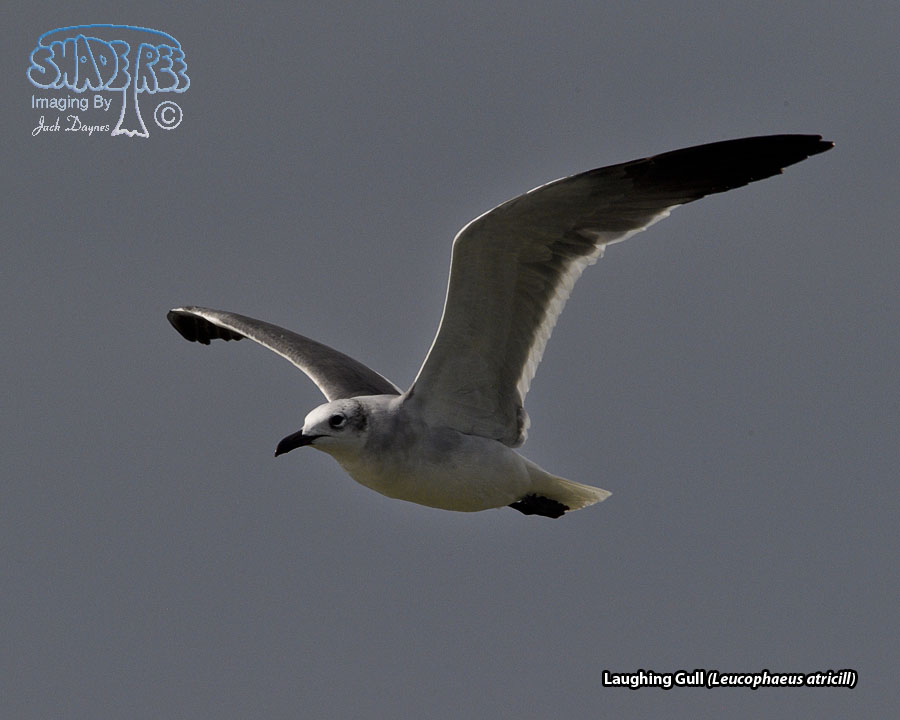
Laughing Gull(Leucophaeus atricill) |
|
Description: As with my visit last spring, Laughing Gulls were most common near the Convention Center. Last spring I learned how productive South Padre Island can be for birding. This was my first visit in winter, and it did not disappoint. |
Date Taken: 2021:01:19 13:41 |
|
Location:
Convention Center |
|
Camera Information: NIKON D5, 800 mm, f/11.0, 1/4000 |
File Name: LaughingGull_D5X3625-SouthPadreIsland |
| © 2021 Jack Daynes, shadeTreeImaging.com |
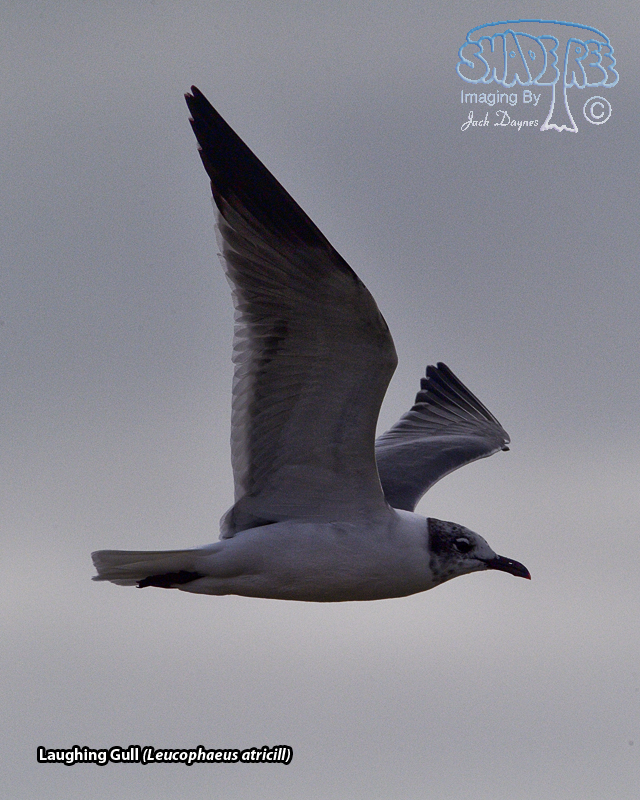
Laughing Gull(Leucophaeus atricilla) |
|
Description: Laughing Gulls are the most common gull on the Texas coast. I rode my bike to the southern end of Boca Chica Beach and enjoyed meeting the foraging birds at the mouth of the Rio Grande. This is the east-most border of Texas and Mexico. |
Date Taken: 2021:01:30 8:44 |
|
Location:
Boca Chica Beach |
|
Camera Information: NIKON D5, 800 mm, f/11.0, 1/2000 |
File Name: LaughingGull_D5X6568-BocaChicaBeach |
| © 2021 Jack Daynes, shadeTreeImaging.com |
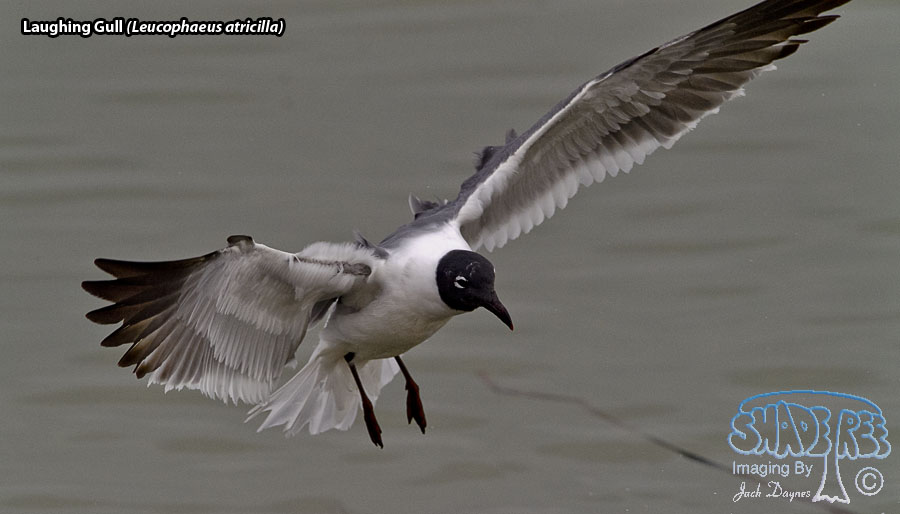
Laughing Gull(Leucophaeus atricilla) |
|
Description: It came as no surprise that these gulls were the noisiest birds on the marsh. Hurricane Harvey, in 2017, hit Port Aransas (Texas) hard. The beginning stages of rebuilding the Port Aransas Nature Center’s boardwalk began with a 1500' footpath, but there are plans to extend it to about three miles. |
Date Taken: 2021:02:28 8:37 |
|
Location:
Port Aransas Nature Preserve |
|
Camera Information: NIKON D5, 800 mm, f/8.0, 1/4000 |
File Name: LaughingGull_D5X6671-PortAransas_TX |
| © 2021 Jack Daynes, shadeTreeImaging.com |
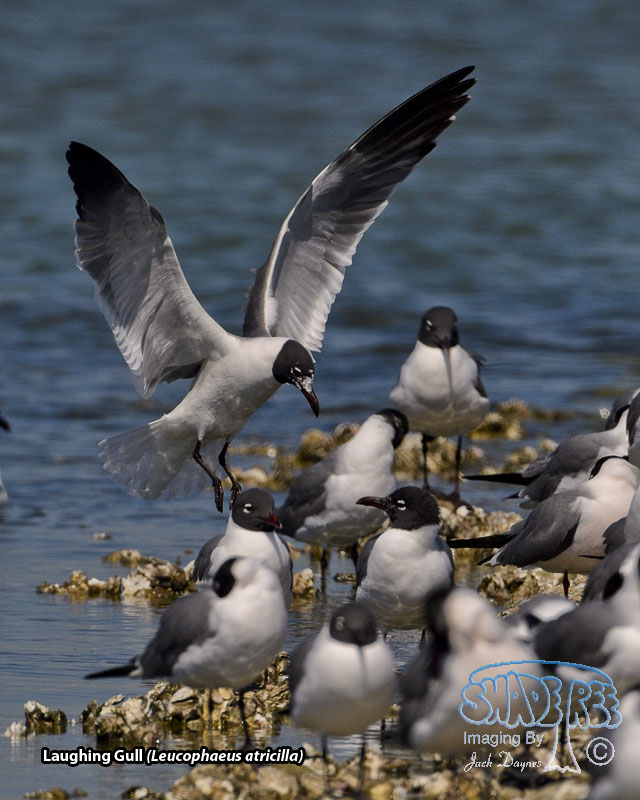
Laughing Gull(Leucophaeus atricilla) |
|
Description: Laughing Gulls on the Texas coast would soon be nesting on nearby low islands. On Wednesday (2021-03-03) I drove from Aransas NWR to Galveston. I pulled off the freeway at Tiki Island, where it was my good fortune to meet a Coast Warden for Texas Audubon, as he was loading his boat onto its trailer. He was generous enough to offer to take me with him on his rounds to monitor nesting islands in West Bay the next day. |
Date Taken: 2021:03:04 11:55 |
|
Location:
West Bay |
|
Camera Information: NIKON D5, 800 mm, f/8.0, 1/8000 |
File Name: LaughingGull_D5X8194-WestBay_Galveston-TX |
| © 2021 Jack Daynes, shadeTreeImaging.com |
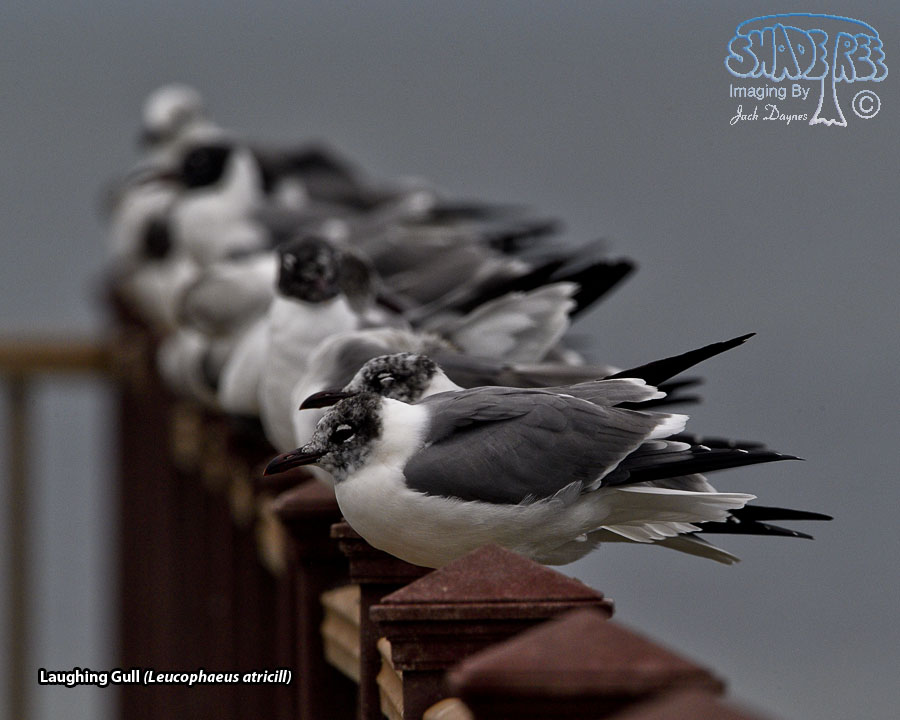
Laughing Gull(Leucophaeus atricill) |
|
Description: Laughing Gulls roosting on the rails required staff to wash the decks periodically. There are wetlands that the South Padre Island Convention Centre (free access) and the Birding & Nature Center (admission fee required) share. My previous visits to the wetlands had been to the Convention Centre. On this day I would find out why folks pay money to see the marsh, when there is free access next door. |
Date Taken: 2021:02:08 9:34 |
|
Location:
South Padre Island WBC |
|
Camera Information: NIKON D5, 800 mm, f/11.0, 1/1000 |
File Name: LaughingGull_D5X9991SouthPadre-WBC |
| © 2021 Jack Daynes, shadeTreeImaging.com |
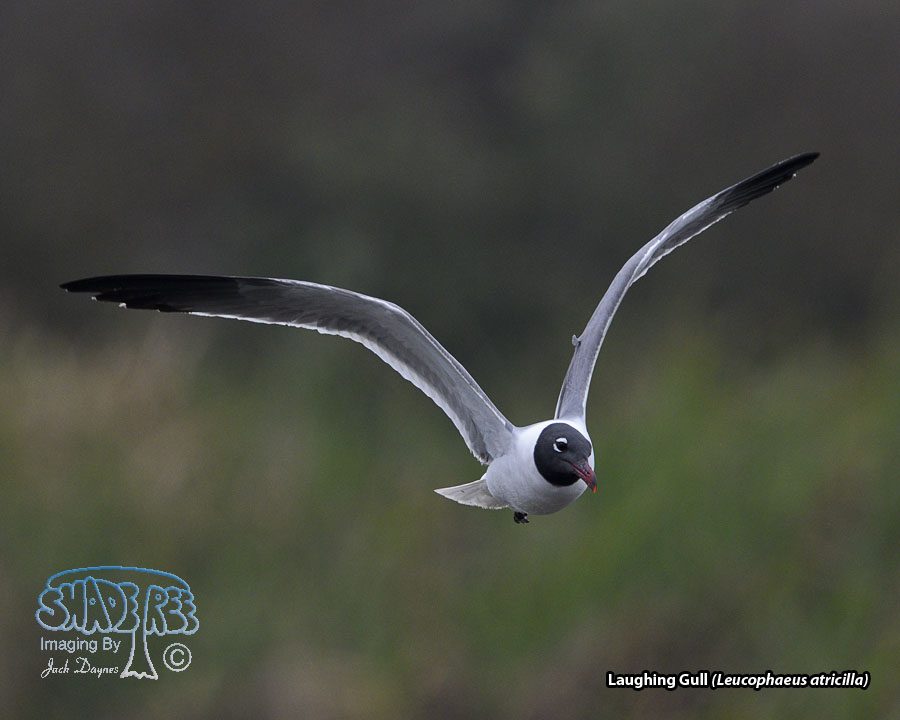
Laughing Gull(Leucophaeus atricilla) |
|
Description: Laughing Gulls, whether seen or heard, will always let you know they are around. My trip to South Padre Island this day started slowly, but picked up nicely before the day finished. The Convention Centre delivered wonderful birds, as it often will. |
Date Taken: 2021:03:16 12:00 |
|
Location:
Convention Center |
|
Camera Information: NIKON D5, 800 mm, f/8.0, 1/2000 |
File Name: LaughingGull_D5X2818-SPI_ConventionCenter |
| © 2021 Jack Daynes, shadeTreeImaging.com |
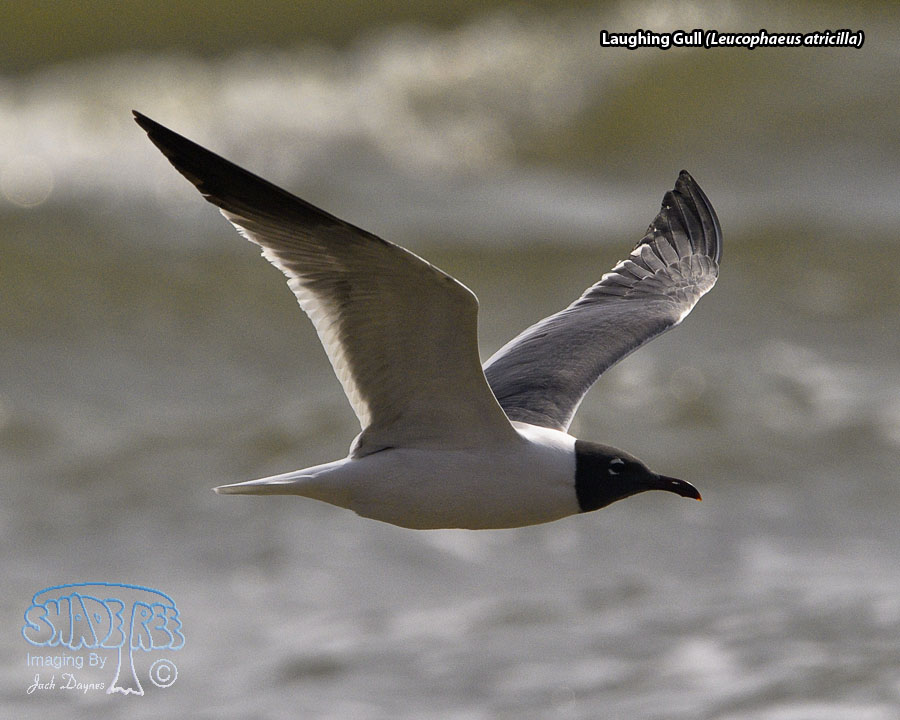
Laughing Gull(Leucophaeus atricilla) |
|
Description: Laughing and Ring-Billed Gulls were the only members of their clan I saw at the river mouth this day. I loaded my gear on my bike and rode out on Boca Chica Beach to the mouth of the Rio Grande, where the fresh water meets the Gulf of Mexico. Here the chances to meet and observe the dynamic interaction of species are high. |
Date Taken: 2021:03:27 9:50 |
|
Location:
Boca Chica Beach |
|
Camera Information: NIKON D5, 800 mm, f/8.0, 1/8000 |
File Name: LaughingGull_D5X6162-BocaChicaBeach |
| © 2021 Jack Daynes, shadeTreeImaging.com |
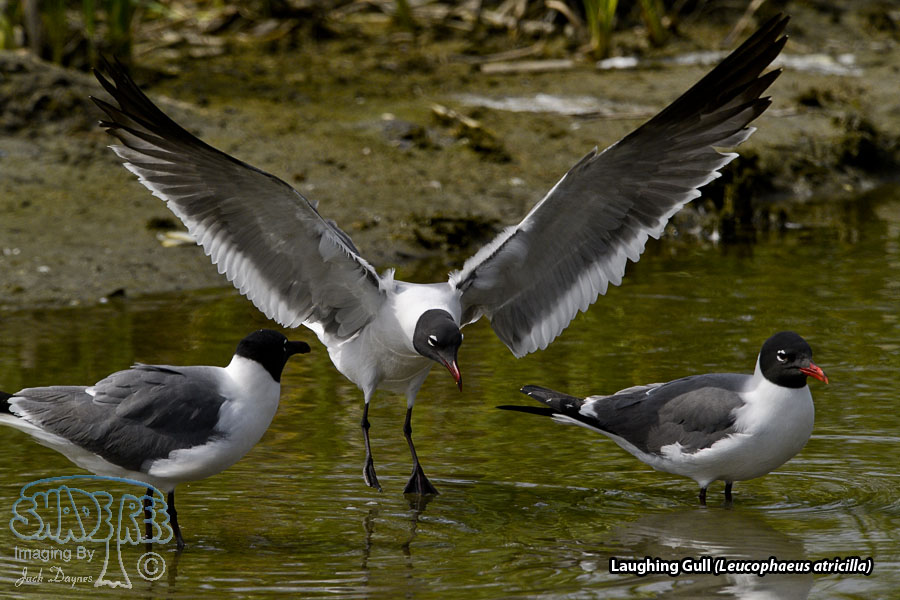
Laughing Gull(Leucophaeus atricilla) |
|
Description: There’s no getting away from hordes of Laughing Gulls in south Texas. With a momentary lull in warbler migration on South Padre Island, I paid my admission to the Birds and Nature Center to attempt catching subjects that don’t make many appearances at the Convention Centre. |
Date Taken: 2021:04:08 15:41 |
|
Location:
South Padre Island WBC |
|
Camera Information: NIKON D5, 800 mm, f/8.0, 1/4000 |
File Name: LaughingGull_D5X3121-SPI_BirdNatureCtr |
| © 2021 Jack Daynes, shadeTreeImaging.com |
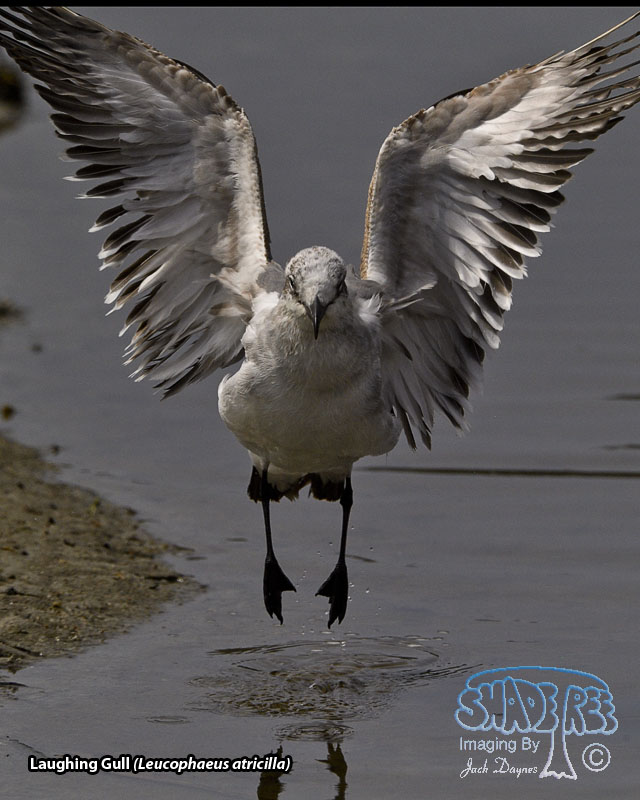
Laughing Gull(Leucophaeus atricilla) |
|
Description: First Winter bird. There’s no getting away from hordes of Laughing Gulls in south Texas. With a momentary lull in warbler migration on South Padre Island, I paid my admission to the Birds and Nature Center to attempt catching subjects that don’t make many appearances at the Convention Centre. |
Date Taken: 2021:04:08 15:39 |
|
Location:
South Padre Island WBC |
|
Camera Information: NIKON D5, 800 mm, f/8.0, 1/8000 |
File Name: LaughingGull_D5X3100-SPI_BirdNatureCtr |
| © 2021 Jack Daynes, shadeTreeImaging.com |
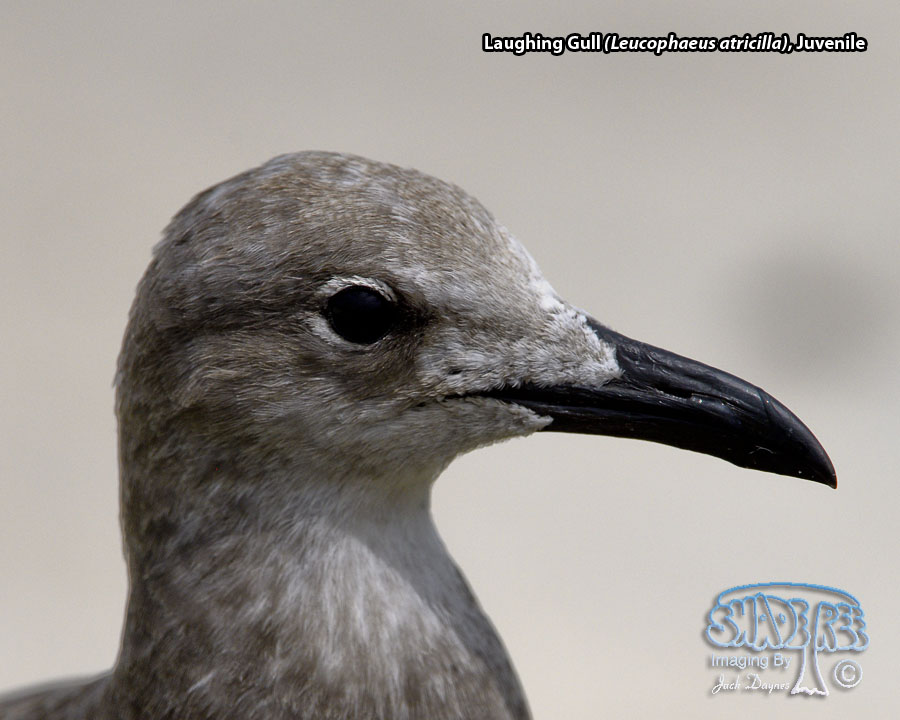
Laughing Gull(Leucophaeus atricilla) |
|
Description: After I boarded the Port Aransas Ferry and crossed the channel, I noticed the Black Terns were joined by gulls and pelicans. The Laughing Gulls had lost their breeding plumage and brought with them their juvenile offspring. |
Date Taken: 2022:08:21 12:27 |
|
Location:
Port Aransas Ferry Landing |
|
Camera Information: NIKON D850, 800 mm, f/8.0, 1/8000 |
File Name: LaughingGull_8505727-PortAransas |
| © 2022 Jack Daynes, shadeTreeImaging.com |
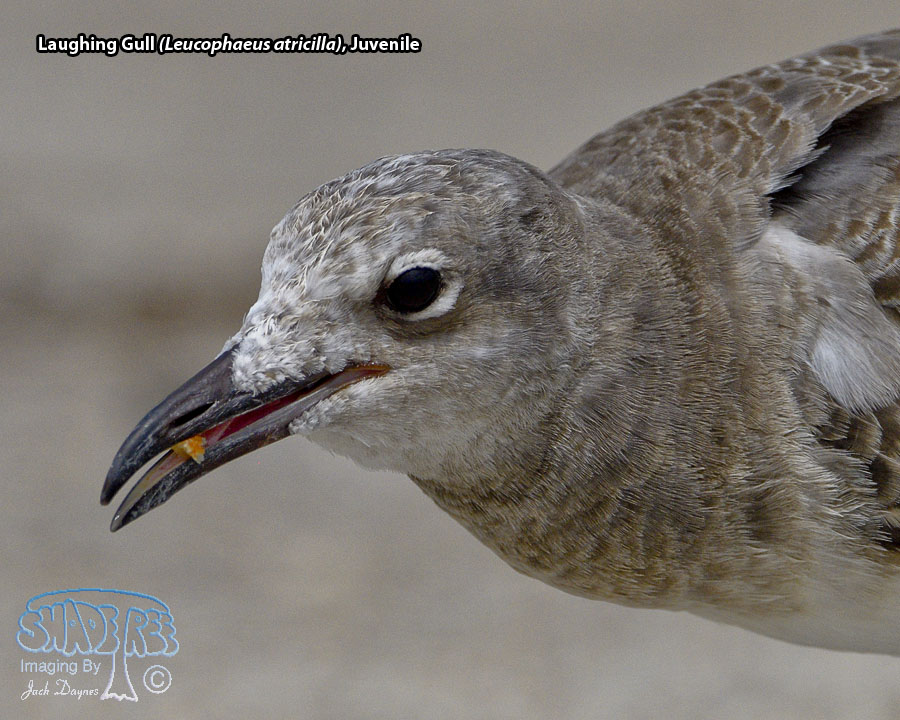
Laughing Gull(Leucophaeus atricilla) |
|
Description: After I boarded the Port Aransas Ferry and crossed the channel, I noticed the Black Terns were joined by gulls and pelicans. The Laughing Gulls had lost their breeding plumage and brought with them their juvenile offspring. |
Date Taken: 2022:08:21 12:29 |
|
Location:
Port Aransas Ferry Landing |
|
Camera Information: NIKON D850, 800 mm, f/8.0, 1/8000 |
File Name: LaughingGull_8505751-PortAransas |
| © 2022 Jack Daynes, shadeTreeImaging.com |
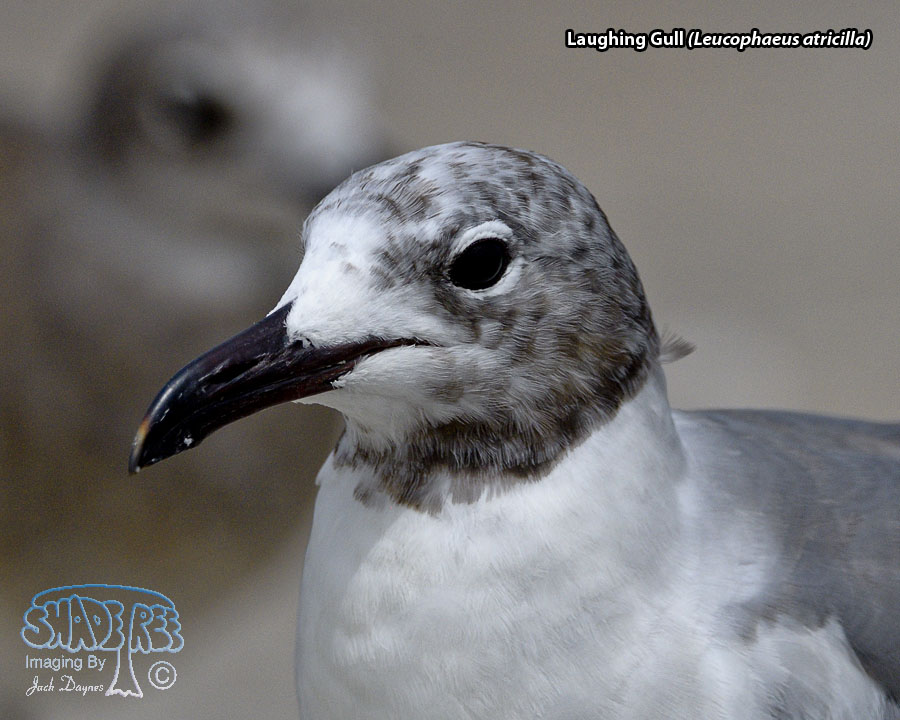
Laughing Gull(Leucophaeus atricilla) |
|
Description: After I boarded the Port Aransas Ferry and crossed the channel, I noticed the Black Terns were joined by gulls and pelicans. The Laughing Gulls had lost their breeding plumage and brought with them their juvenile offspring. |
Date Taken: 2022:08:21 12:29 |
|
Location:
Port Aransas Ferry Landing |
|
Camera Information: NIKON D850, 800 mm, f/8.0, 1/8000 |
File Name: LaughingGull_8505755-PortAransas |
| © 2022 Jack Daynes, shadeTreeImaging.com |
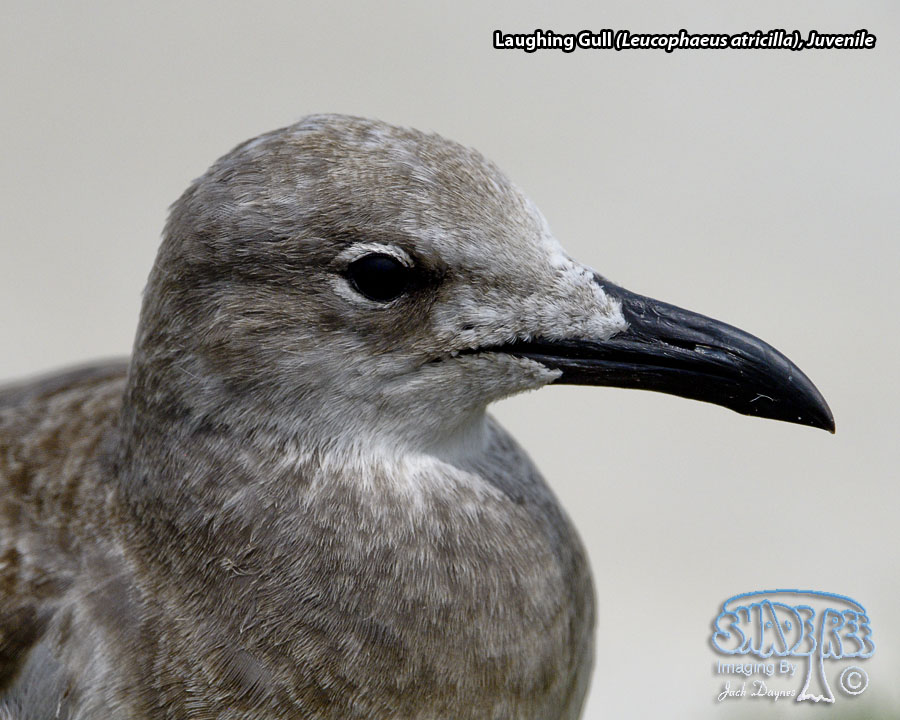
Laughing Gull(Leucophaeus atricilla) |
|
Description: After I boarded the Port Aransas Ferry and crossed the channel, I noticed the Black Terns were joined by gulls and pelicans. The Laughing Gulls had lost their breeding plumage and brought with them their juvenile offspring. |
Date Taken: 2022:08:21 12:29 |
|
Location:
Port Aransas Ferry Landing |
|
Camera Information: NIKON D850, 800 mm, f/8.0, 1/8000 |
File Name: LaughingGull_8505759-PortAransas |
| © 2022 Jack Daynes, shadeTreeImaging.com |
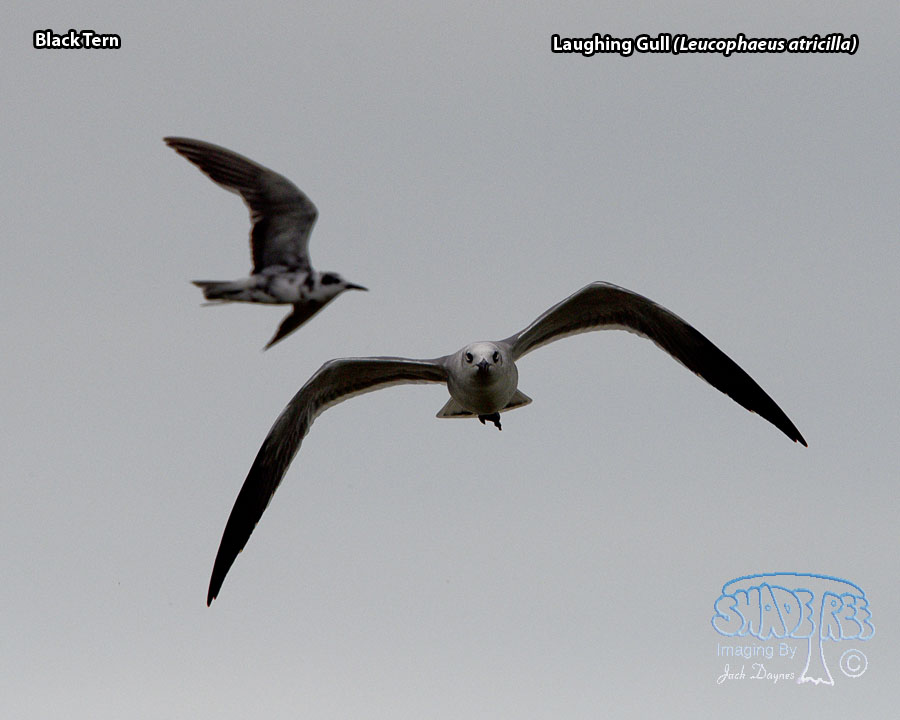
Laughing Gull(Leucophaeus atricilla) |
|
Description: Laughing Gulls here on South Padre Island in spring all sport black head-gear. But in September they are not as ‘showy’. |
Date Taken: 2022:09:06 12:43 |
|
Location:
South Padre Island Covention Cen |
|
Camera Information: NIKON D850, 800 mm, f/8.0, 1/8000 |
File Name: LaughingGull_8508797-SPI.ConventionCentre |
| © 2022 Jack Daynes, shadeTreeImaging.com |
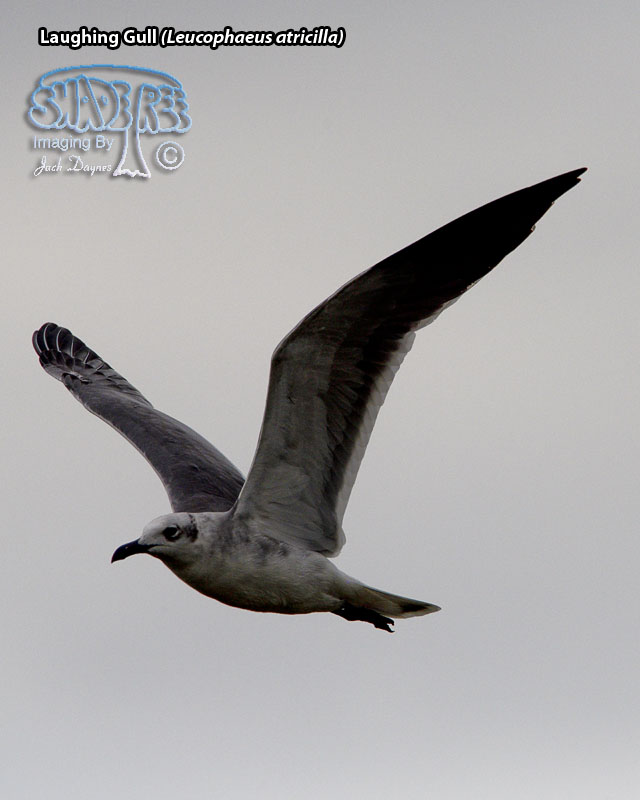
Laughing Gull(Leucophaeus atricilla) |
|
Description: Laughing Gulls here on South Padre Island in spring all sport black head-gear. But in September they are not as ‘showy’. |
Date Taken: 2022:09:06 12:43 |
|
Location:
South Padre Island Covention Cen |
|
Camera Information: NIKON D850, 800 mm, f/8.0, 1/8000 |
File Name: LaughingGull_8508802-SPI.ConventionCentre |
| © 2022 Jack Daynes, shadeTreeImaging.com |
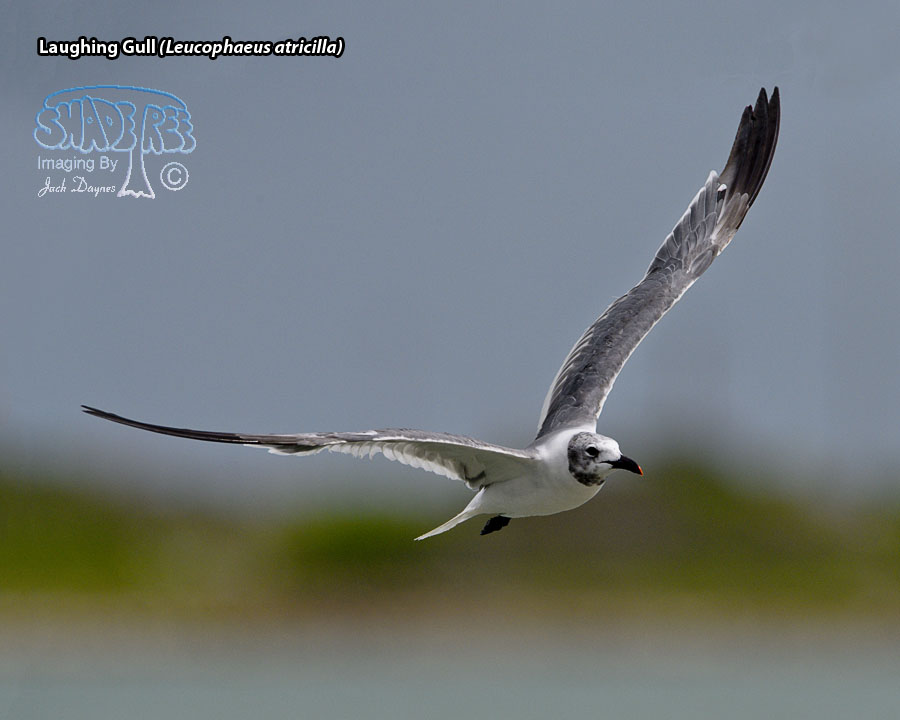
Laughing Gull(Leucophaeus atricilla) |
|
Description: After I boarded the Port Aransas Ferry and crossed the channel, I noticed the Black Terns were joined by gulls and pelicans. The Laughing Gulls had lost their breeding plumage and brought with them their juvenile offspring. |
Date Taken: 2022:08:21 12:27 |
|
Location:
Port Aransas Ferry Landing |
|
Camera Information: NIKON D850, 800 mm, f/8.0, 1/8000 |
File Name: LaughingGull_8505709-PortAransas |
| © 2022 Jack Daynes, shadeTreeImaging.com |
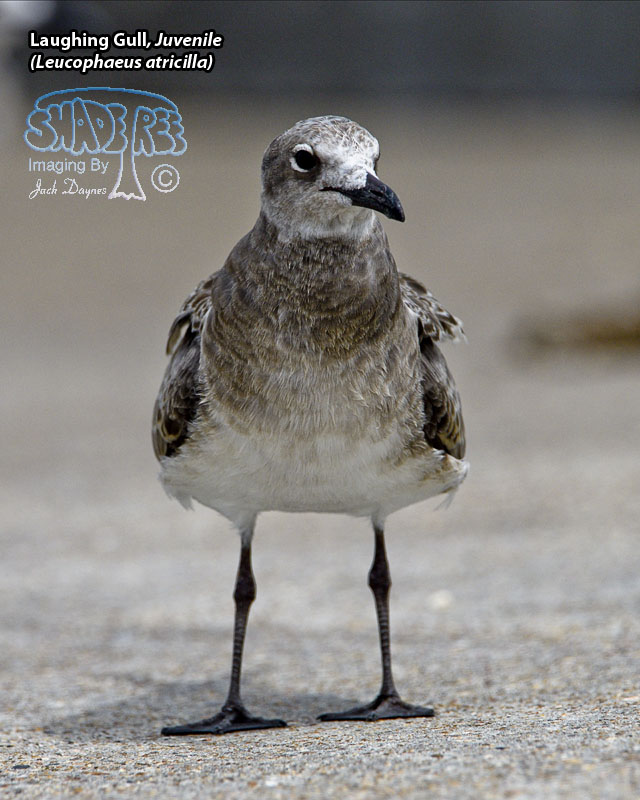
Laughing Gull(Leucophaeus atricilla) |
|
Description: After I boarded the Port Aransas Ferry and crossed the channel, I noticed the Black Terns were joined by gulls and pelicans. The Laughing Gulls had lost their breeding plumage and brought with them their juvenile offspring. |
Date Taken: 2022:08:21 12:27 |
|
Location:
Port Aransas Ferry Landing |
|
Camera Information: NIKON D850, 800 mm, f/8.0, 1/8000 |
File Name: LaughingGull_8505700-PortAransas |
| © 2022 Jack Daynes, shadeTreeImaging.com |
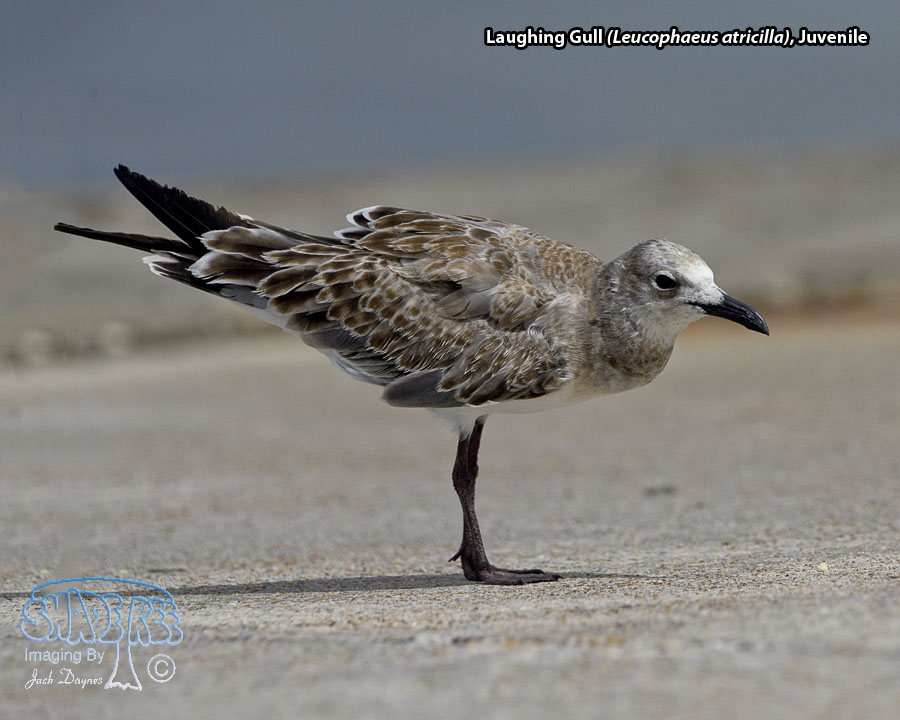
Laughing Gull(Leucophaeus atricilla) |
|
Description: After I boarded the Port Aransas Ferry and crossed the channel, I noticed the Black Terns were joined by gulls and pelicans. The Laughing Gulls had lost their breeding plumage and brought with them their juvenile offspring. |
Date Taken: 2022:08:21 12:26 |
|
Location:
Port Aransas Ferry Landing |
|
Camera Information: NIKON D850, 800 mm, f/8.0, 1/8000 |
File Name: LaughingGull_8505697-PortAransas |
| © 2022 Jack Daynes, shadeTreeImaging.com |
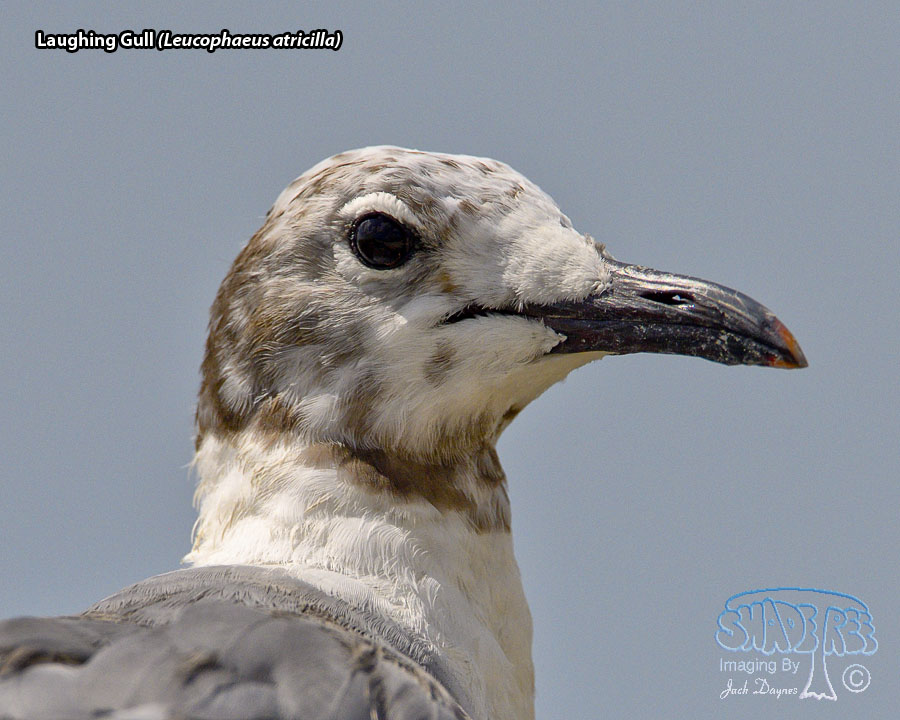
Laughing Gull(Leucophaeus atricilla) |
|
Description: There were both first-year birds and adult non-breeding gulls along the West Line Road to the boat launch and the northwest corner of Shoveler Pond at Anahuac National Wildlife Refuge. |
Date Taken: 2022:08:17 11:28 |
|
Location:
West Line Road |
|
Camera Information: NIKON D850, 800 mm, f/7.1, 1/8000 |
File Name: LaughingGull_8504506-Anahuac.NWR_ |
| © 2022 Jack Daynes, shadeTreeImaging.com |
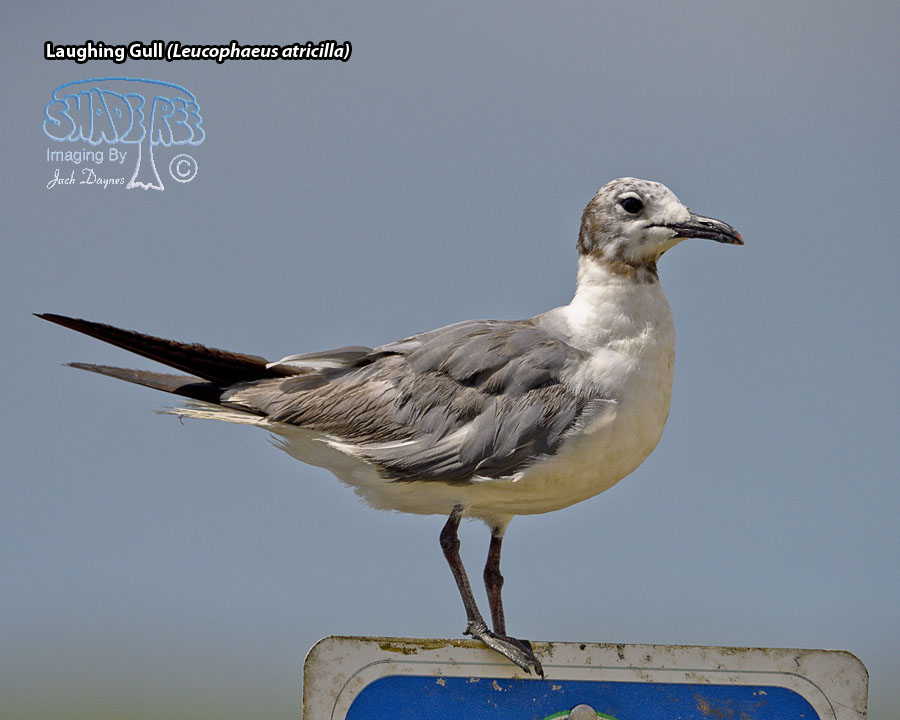
Laughing Gull(Leucophaeus atricilla) |
|
Description: There were both first-year birds and adult non-breeding gulls along the West Line Road to the boat launch and the northwest corner of Shoveler Pond at Anahuac National Wildlife Refuge. |
Date Taken: 2022:08:17 11:27 |
|
Location:
West Line Road |
|
Camera Information: NIKON D850, 800 mm, f/7.1, 1/8000 |
File Name: LaughingGull_8504490-Anahuac.NWR_ |
| © 2022 Jack Daynes, shadeTreeImaging.com |
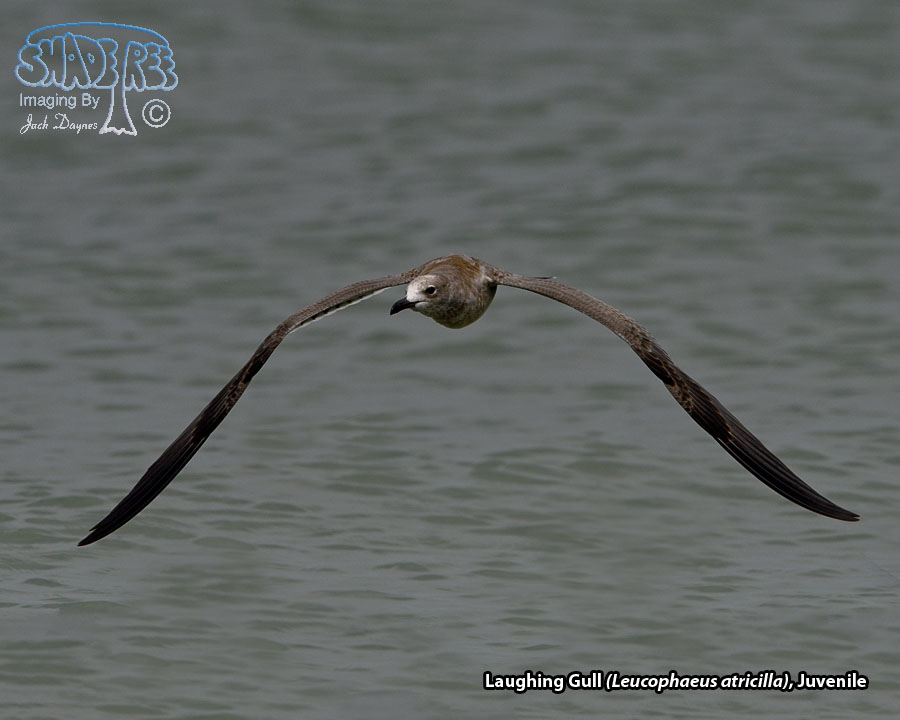
Laughing Gull(Leucophaeus atricilla) |
|
Description: After I boarded the Port Aransas Ferry and crossed the channel, I noticed the Black Terns were joined by gulls and pelicans. The Laughing Gulls had lost their breeding plumage and brought with them their juvenile offspring. |
Date Taken: 2022:08:21 12:27 |
|
Location:
Port Aransas Ferry Landing |
|
Camera Information: NIKON D850, 800 mm, f/8.0, 1/8000 |
File Name: LaughingGull_8505724-PortAransas |
| © 2022 Jack Daynes, shadeTreeImaging.com |
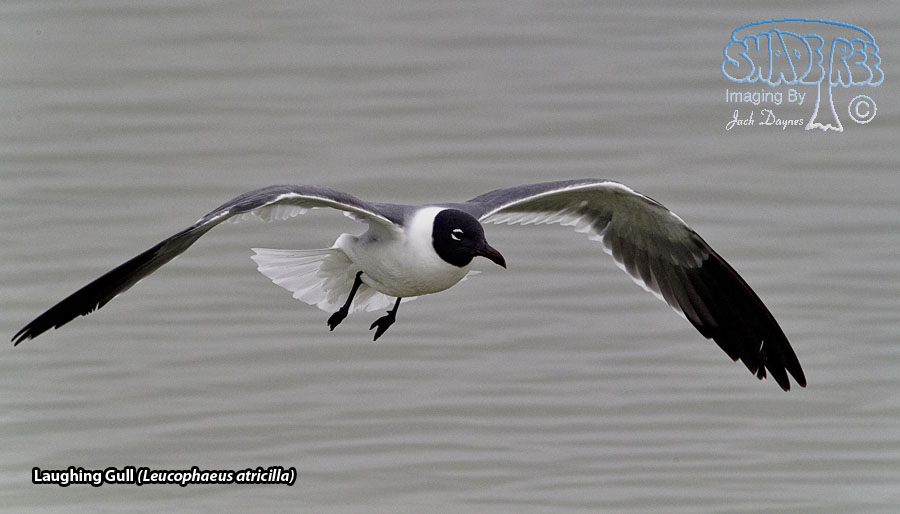
Laughing Gull(Leucophaeus atricilla) |
|
Description: It came as no surprise that these gulls were the noisiest birds on the marsh. Hurricane Harvey, in 2017, hit Port Aransas (Texas) hard. The beginning stages of rebuilding the Port Aransas Nature Center’s boardwalk began with a 1500' footpath, but there are plans to extend it to about three miles. |
Date Taken: 2021:02:28 8:36 |
|
Location:
Port Aransas Nature Preserve |
|
Camera Information: NIKON D5, 800 mm, f/8.0, 1/4000 |
File Name: LaughingGull_D5X6654-PortAransas_TX |
| © 2021 Jack Daynes, shadeTreeImaging.com |
Click map markers to reveal further information
