
I first explored the Upper Applegate Valley in June-2015. Oregon Route 238 leaves Jacksonville Oregon, eventually following the Applegate River to Applegate Lake for 28 miles, and continues south to just past the California border. On my first exploration there, I traveled along the road until I reached the dam. There, the road crosses over the dam wall, and I followed it to explore some roads east of the lake on French Glen Road. One of the most productive places I found on this tour was a picnic ground 3 miles below the dam.
Subjects included in this day’s set include American Robin, Black-Headed Grosbeak, Cassin’s Vireo, Chipping Sparrow, Red-Breasted Sapsucker, and Western Tanager.
The Applegate River originates in northern California and drops into its own serene valley past Jacksonville before contributing to the Rogue River a few miles west of Grants Pass. From 1850 to 1890, placer mining heavily impacted the river and caused significant disruption to the salmon fishery in the upper valley. It’s hard to see the past damage today. Pastures and lush greenery now adorn the valley.
They named the river in honor of Lindsay Applegate, one of the early pioneers of the Oregon Trail. Prospectors discovered a substantial deposit of copper in the early 1900s and developed the Blue Ledge Mine on the California side of the border. They built the town-site “Copper” and it became such a boomtown that it had its own post office from 1924 to 1932. As the demands of settlement and development of the valley increased, people developed roads to replace the old wagon trails of past years.
In 1964, congress approved construction of a dam on the Applegate River to mitigate flooding and assist in irrigation, but it was not until 1976 that the Corps of Engineers began work on the project. In 1980, they filled the lake and inundated the old town-site of Copper.
One element that remains from the heyday of the mines is an old covered wooden bridge called the McKee Bridge. During the time of the mining activity, they built it to accommodate road travelers and ore haulers. It has taken a series of restoration efforts, both public and private, to revive the bridge from the ravages of time and weather. Today, it is a pedestrian-only bridge, and it serves as the focal point of local celebrations. Today, a civic-minded group called “Mckee Historical Covered Bridge Society” maintains the bridge.
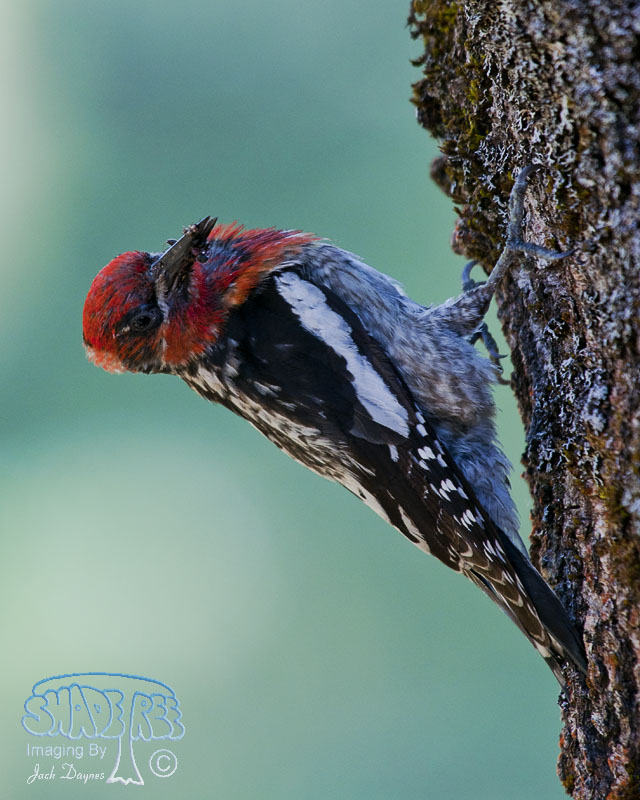
Red-Breasted Sapsucker(Sphyrapicus ruber) |
|
Description: Along the road to Applegate Lake from Jacksonville, Oregon. |
Date Taken: 2015:06:10 10:01 |
|
Location:
Applegate Valley |
|
Camera Information: NIKON D3X, 800 mm, f/8.0, 1/100 |
File Name: D3X9542-RedBreastedSapSucker |
| © 2015 Jack Daynes, shadeTreeImaging.com |

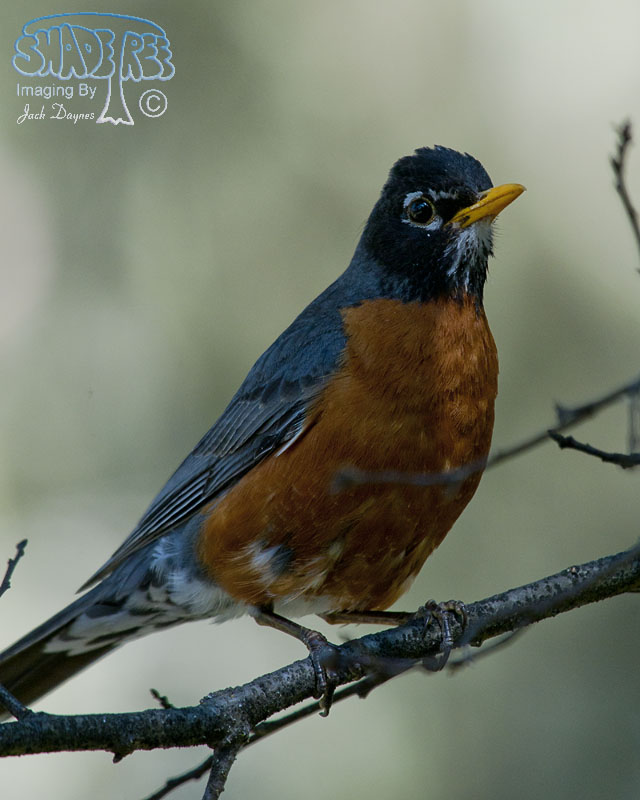
American Robin(Turdus migratorius) |
|
Description: Along the road to Applegate Lake from Jacksonville, Oregon. |
Date Taken: 2015:06:10 10:26 |
|
Location:
Applegate Valley |
|
Camera Information: NIKON D3X, 800 mm, f/8.0, 1/400 |
File Name: D3X9545-AmericanRobin |
| © 2015 Jack Daynes, shadeTreeImaging.com |
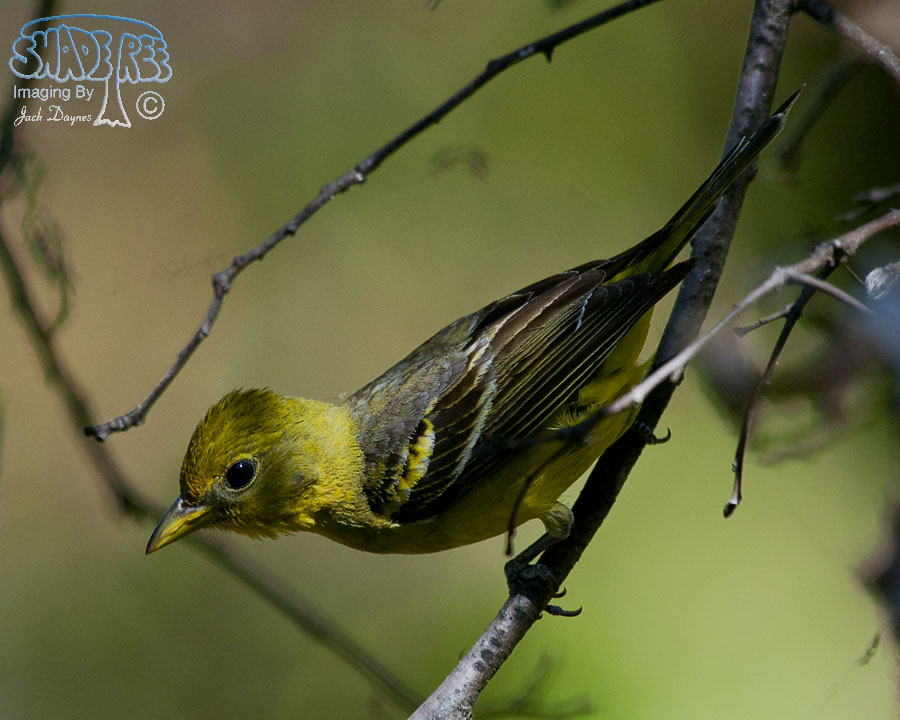
Western Tanager(Piranga ludoviciana) |
|
Description: Along the road to Applegate Lake from Jacksonville, Oregon. |
Date Taken: 2015:06:10 10:31 |
|
Location:
Applegate Valley |
|
Camera Information: NIKON D3X, 800 mm, f/8.0, 1/500 |
File Name: D3X9569-WesternTanager-Female |
| © 2015 Jack Daynes, shadeTreeImaging.com |
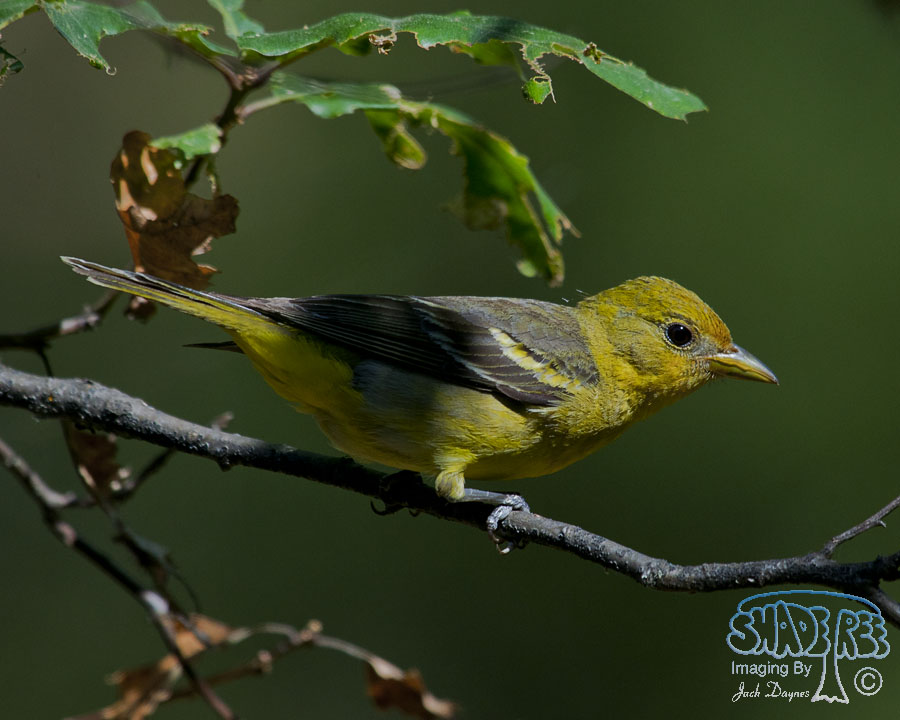
Western Tanager(Piranga ludoviciana) |
|
Description: Along the road to Applegate Lake from Jacksonville, Oregon. |
Date Taken: 2015:06:10 10:33 |
|
Location:
Applegate Valley |
|
Camera Information: NIKON D3X, 800 mm, f/8.0, 1/500 |
File Name: D3X9590-WesternTanager-Female |
| © 2015 Jack Daynes, shadeTreeImaging.com |
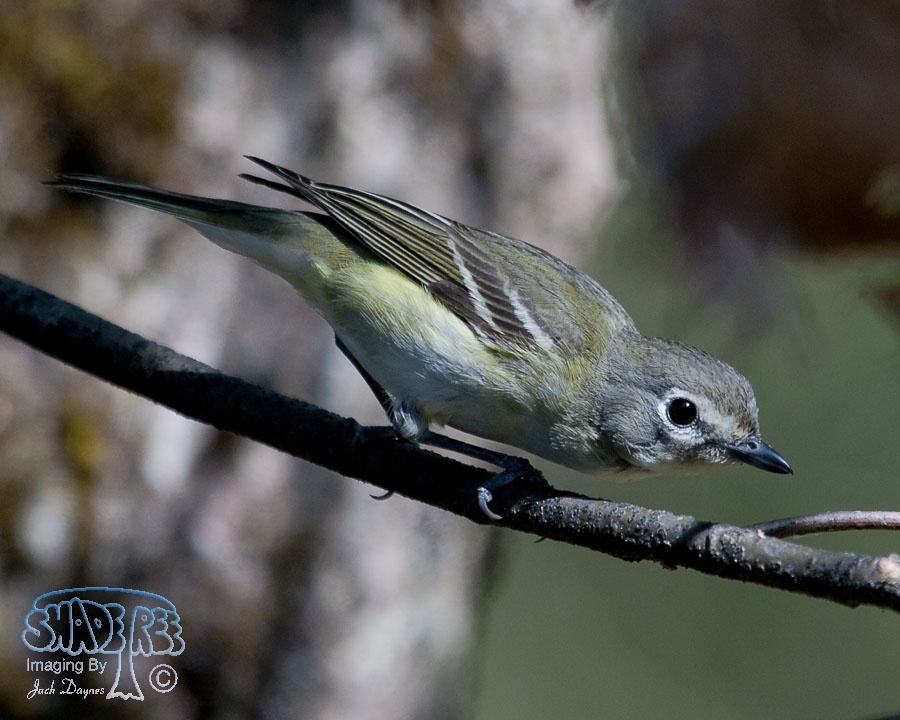
Cassin's Vireo(Vireo cassinii) |
|
Description: Along the road to Applegate Lake from Jacksonville, Oregon. |
Date Taken: 2015:06:10 10:34 |
|
Location:
Applegate Valley |
|
Camera Information: NIKON D3X, 800 mm, f/8.0, 1/500 |
File Name: D3X9622-CassinsVireo |
| © 2015 Jack Daynes, shadeTreeImaging.com |
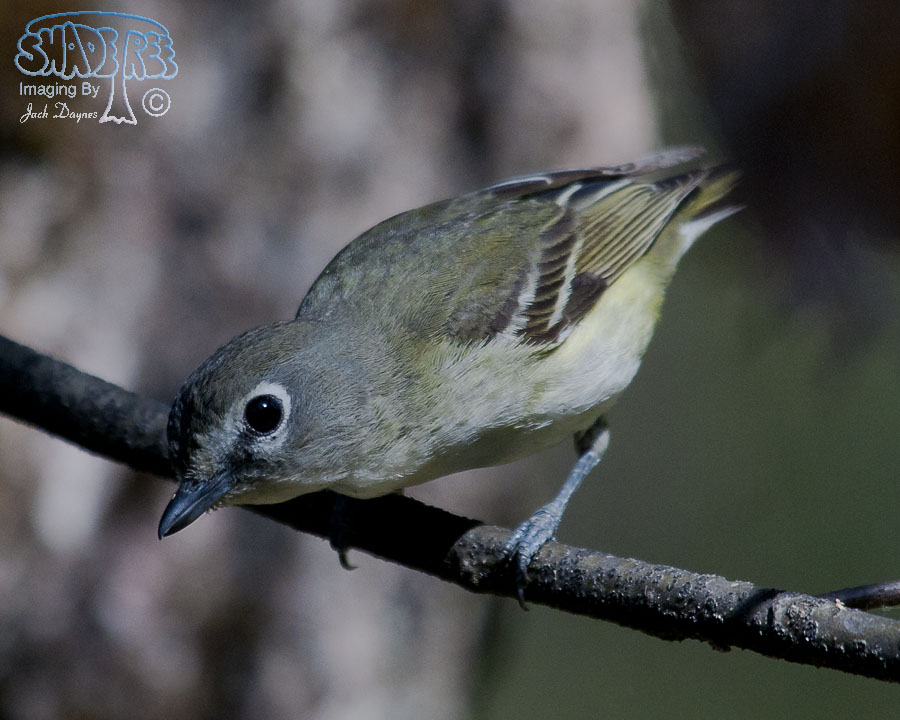
Cassin's Vireo(Vireo cassinii) |
|
Description: Along the road to Applegate Lake from Jacksonville, Oregon. |
Date Taken: 2015:06:10 10:34 |
|
Location:
Applegate Valley |
|
Camera Information: NIKON D3X, 800 mm, f/8.0, 1/640 |
File Name: D3X9624-CassinsVireo |
| © 2015 Jack Daynes, shadeTreeImaging.com |
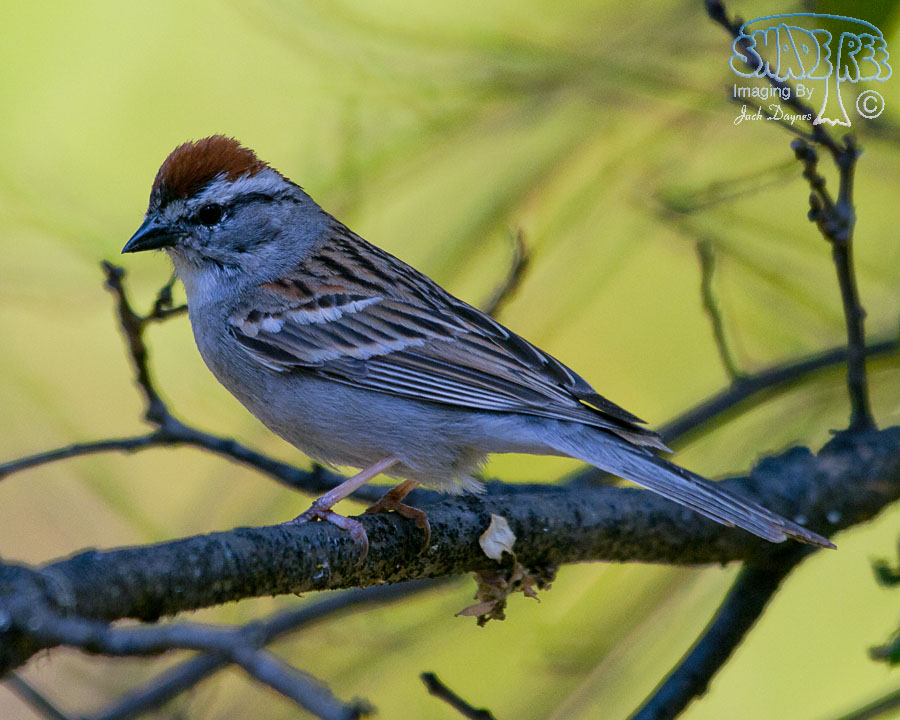
Chipping Sparrow(Spizella passerina) |
|
Description: Along the road to Applegate Lake from Jacksonville, Oregon. |
Date Taken: 2015:06:10 10:35 |
|
Location:
Applegate Valley |
|
Camera Information: NIKON D3X, 800 mm, f/8.0, 1/400 |
File Name: D3X9639-ChippingSparrow |
| © 2015 Jack Daynes, shadeTreeImaging.com |
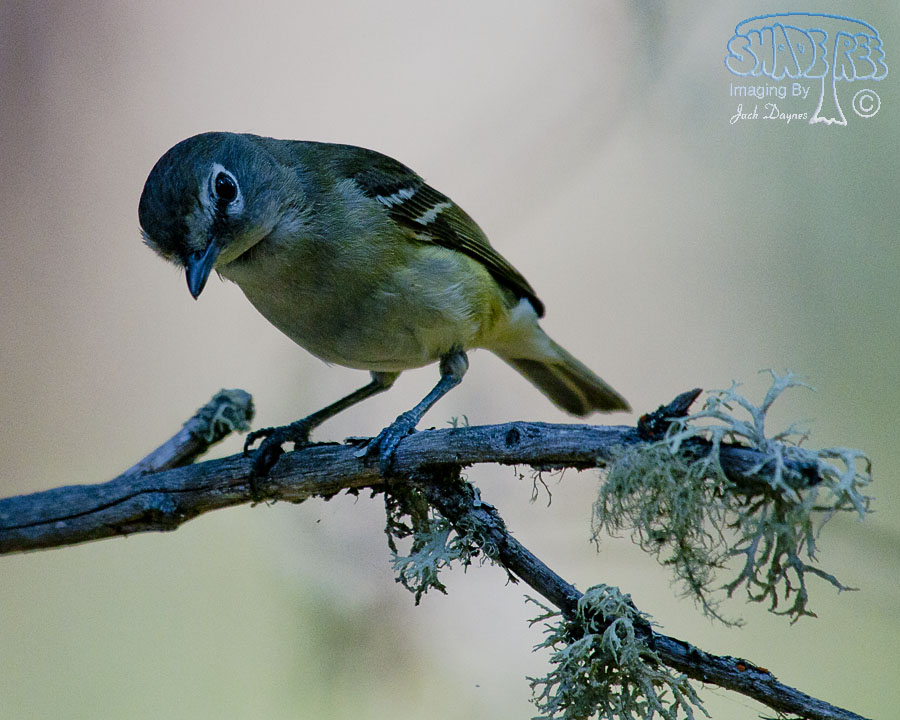
Cassin's Vireo(Vireo cassinii) |
|
Description: Along the road to Applegate Lake from Jacksonville, Oregon. |
Date Taken: 2015:06:10 10:35 |
|
Location:
Applegate Valley |
|
Camera Information: NIKON D3X, 800 mm, f/8.0, 1/800 |
File Name: D3X9647-CassinsVireo |
| © 2015 Jack Daynes, shadeTreeImaging.com |
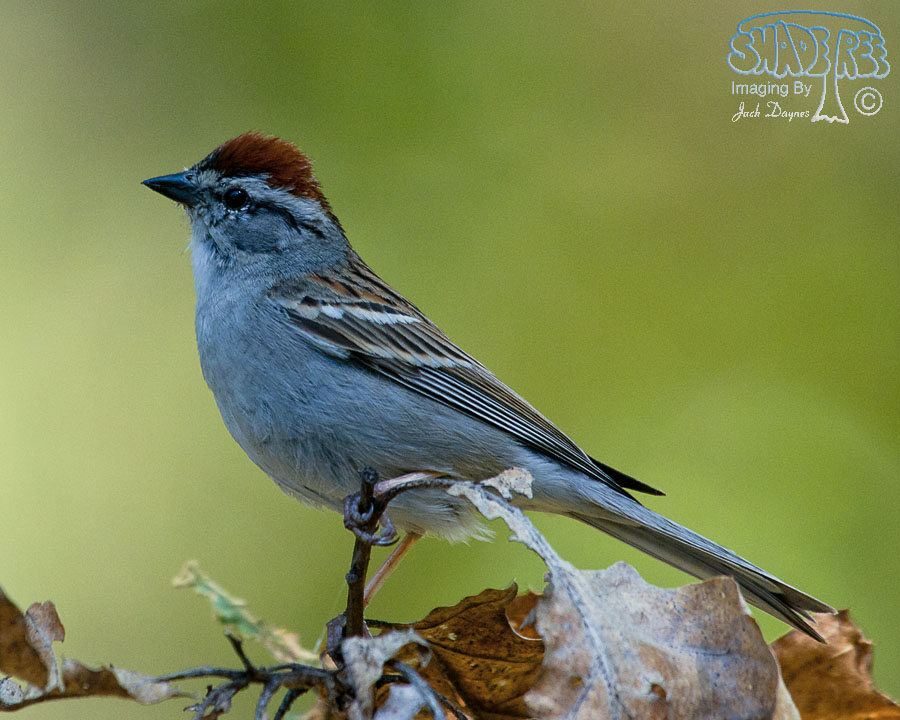
Chipping Sparrow(Spizella passerina) |
|
Description: Along the road to Applegate Lake from Jacksonville, Oregon. |
Date Taken: 2015:06:10 10:35 |
|
Location:
Applegate Valley |
|
Camera Information: NIKON D3X, 800 mm, f/8.0, 1/400 |
File Name: D3X9657-ChippingSparrow |
| © 2015 Jack Daynes, shadeTreeImaging.com |
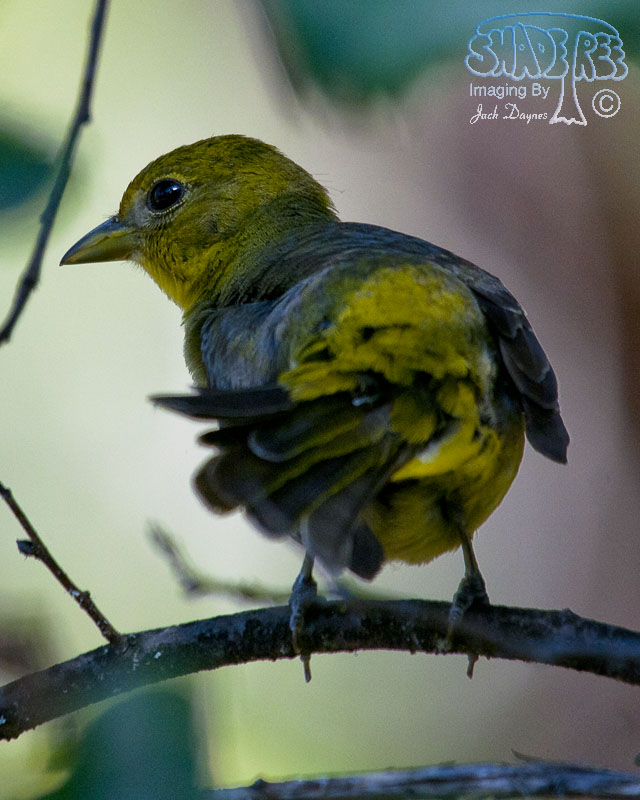
Western Tanager(Piranga ludoviciana) |
|
Description: Along the road to Applegate Lake from Jacksonville, Oregon. |
Date Taken: 2015:06:10 10:36 |
|
Location:
Applegate Valley |
|
Camera Information: NIKON D3X, 800 mm, f/8.0, 1/400 |
File Name: D3X9666-WesternTanager-Female |
| © 2015 Jack Daynes, shadeTreeImaging.com |
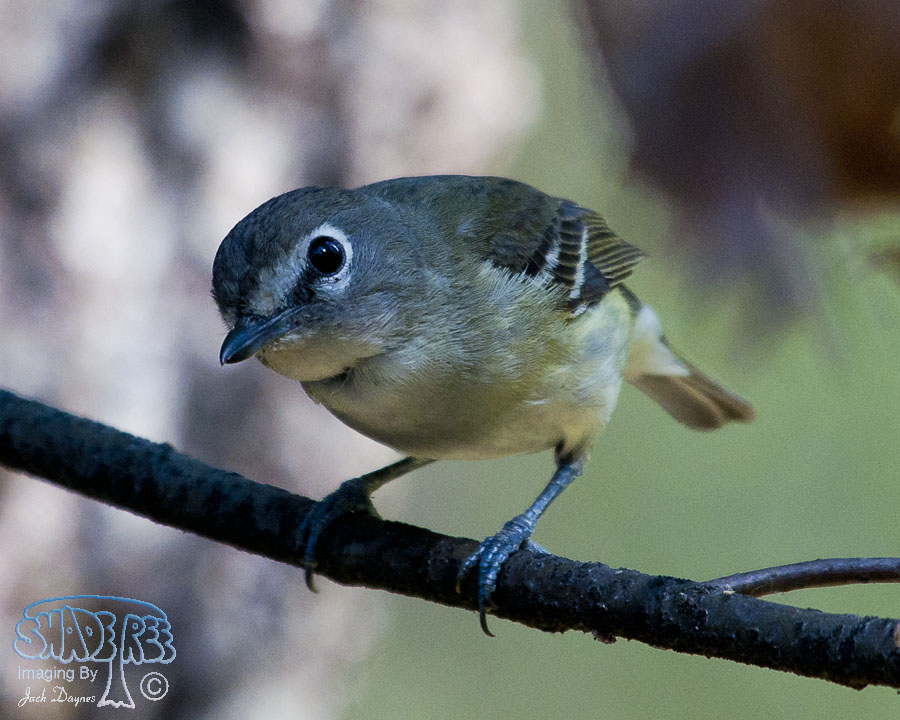
Cassin's Vireo(Vireo cassinii) |
|
Description: Along the road to Applegate Lake from Jacksonville, Oregon. |
Date Taken: 2015:06:10 10:37 |
|
Location:
Applegate Valley |
|
Camera Information: NIKON D3X, 800 mm, f/8.0, 1/400 |
File Name: D3X9685-CassinsVireo |
| © 2015 Jack Daynes, shadeTreeImaging.com |
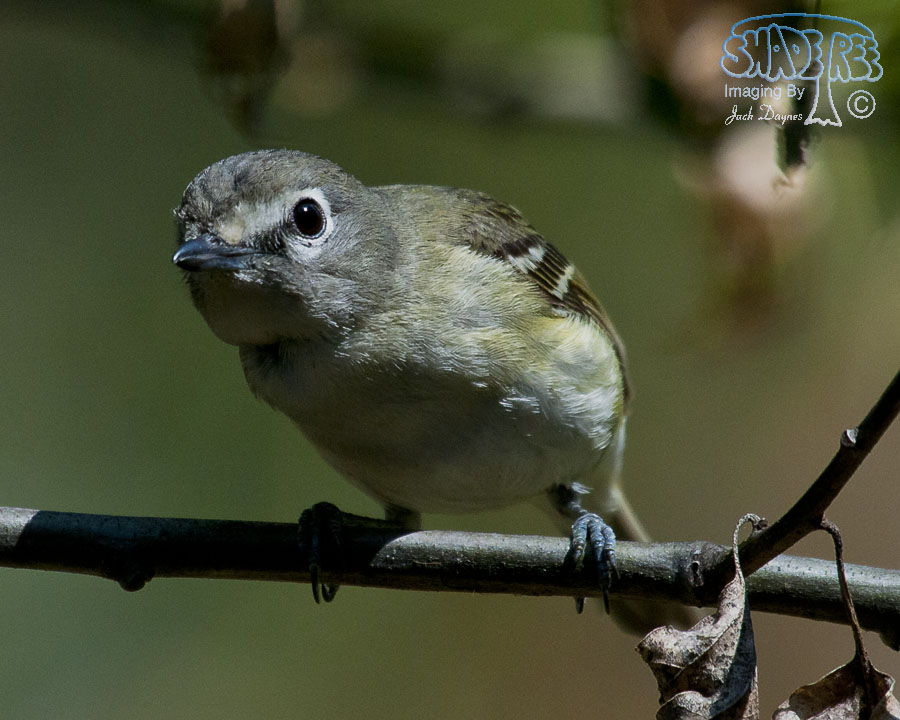
Cassin's Vireo(Vireo cassinii) |
|
Description: Along the road to Applegate Lake from Jacksonville, Oregon. |
Date Taken: 2015:06:10 10:40 |
|
Location:
Applegate Valley |
|
Camera Information: NIKON D3X, 800 mm, f/8.0, 1/800 |
File Name: D3X9708-CassinsVireo |
| © 2015 Jack Daynes, shadeTreeImaging.com |
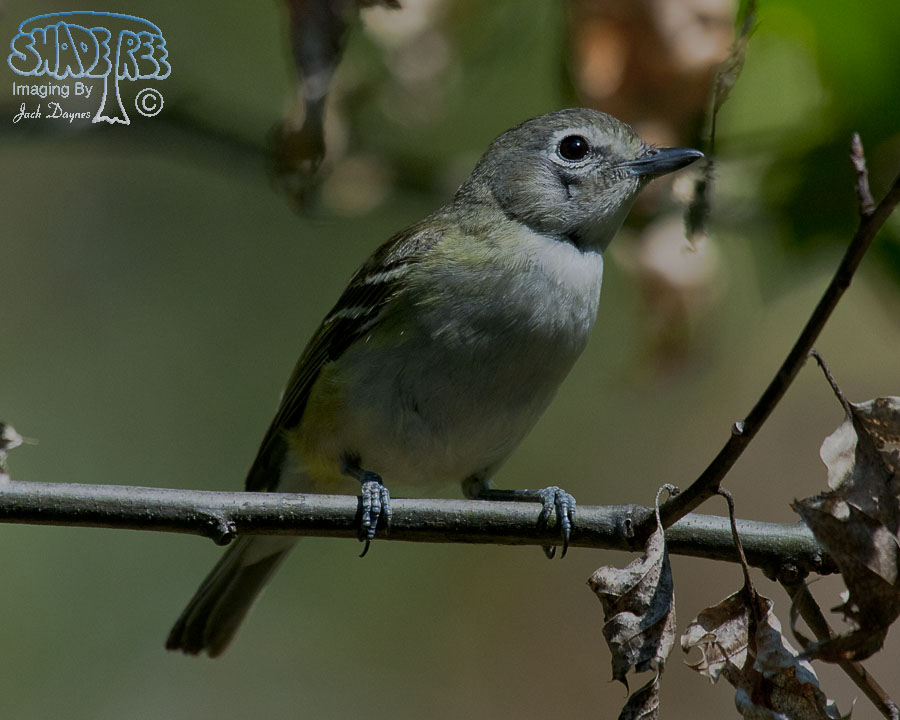
Cassin's Vireo(Vireo cassinii) |
|
Description: Along the road to Applegate Lake from Jacksonville, Oregon. |
Date Taken: 2015:06:10 10:40 |
|
Location:
Applegate Valley |
|
Camera Information: NIKON D3X, 800 mm, f/8.0, 1/800 |
File Name: D3X9714-CassinsVireo |
| © 2015 Jack Daynes, shadeTreeImaging.com |
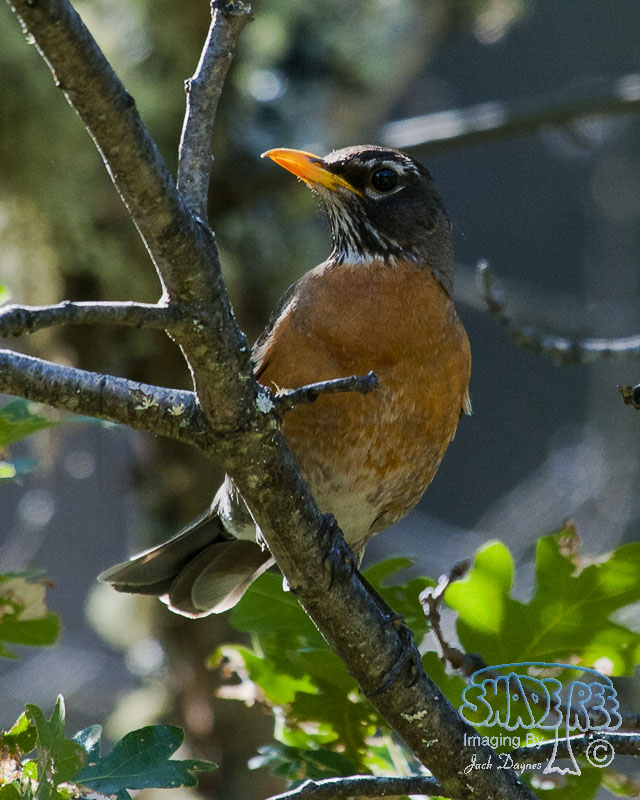
American Robin(Turdus migratorius) |
|
Description: Along the road to Applegate Lake from Jacksonville, Oregon. |
Date Taken: 2015:06:10 11:16 |
|
Location:
Applegate Valley |
|
Camera Information: NIKON D3X, 800 mm, f/8.0, 1/400 |
File Name: D3X9716-AmericanRobin |
| © 2015 Jack Daynes, shadeTreeImaging.com |
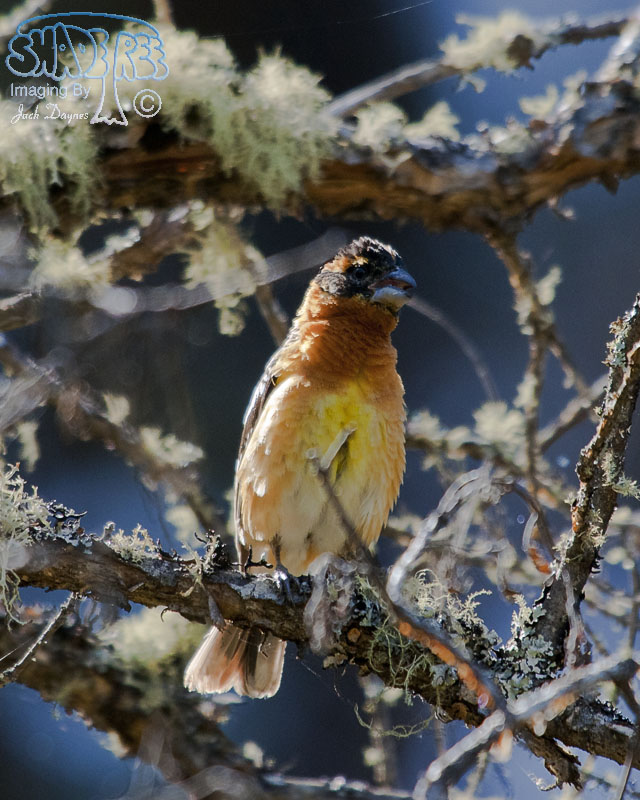
Black-Headed Grosbeak(Pheucticus melanocephalus) |
|
Description: Along the road to Applegate Lake from Jacksonville, Oregon. |
Date Taken: 2015:06:10 11:22 |
|
Location:
Applegate Valley |
|
Camera Information: NIKON D3X, 800 mm, f/8.0, 1/800 |
File Name: D3X9722-BlackHeadedGrosBeak |
| © 2015 Jack Daynes, shadeTreeImaging.com |
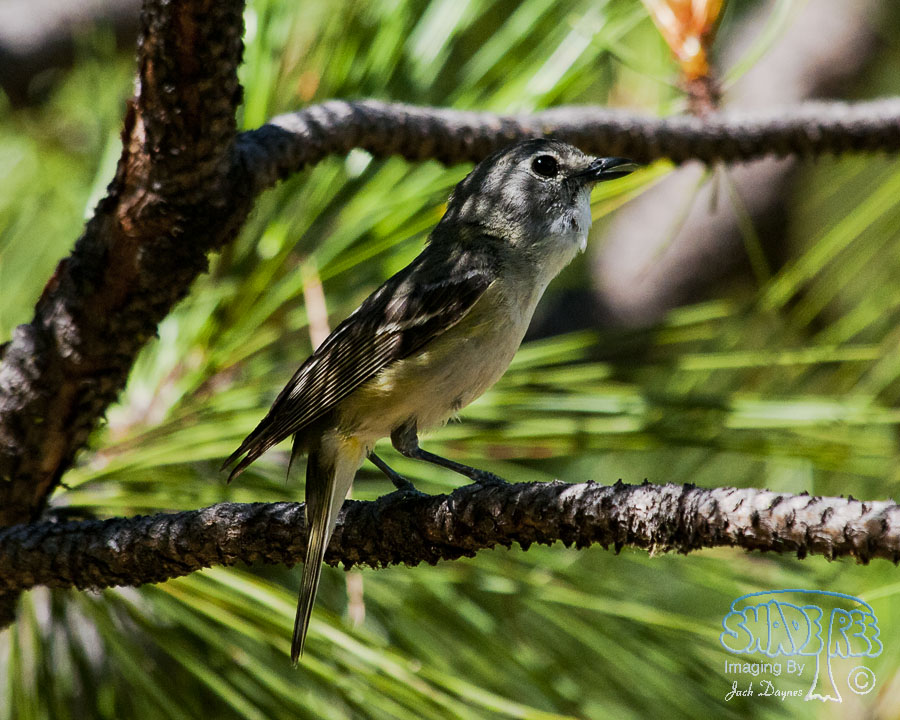
Cassin's Vireo(Vireo cassinii) |
|
Description: Along the road to Applegate Lake from Jacksonville, Oregon. |
Date Taken: 2015:06:10 11:46 |
|
Location:
Applegate Valley |
|
Camera Information: NIKON D3X, 800 mm, f/8.0, 1/1250 |
File Name: D3X9761-CassinsVireo |
| © 2015 Jack Daynes, shadeTreeImaging.com |
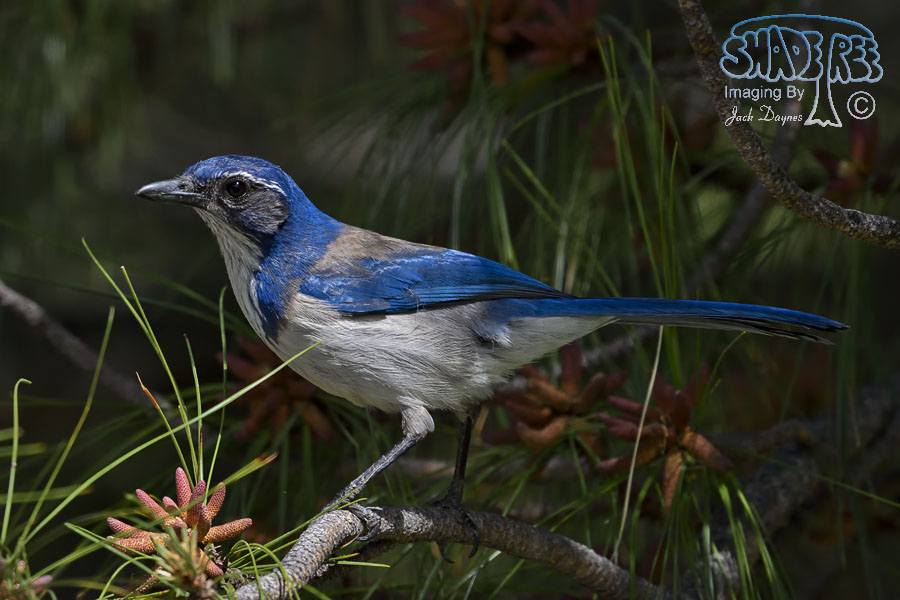
California Scrub-Jay(Aphelocoma californica) |
|
Description: Near Applegate Lake in Jackson County Oregon, very near to the California border. This bird used to be called the Western Scrub-Jay, but in 2016 it was officially split in two species-- this bird and the Woodhouse's Scrub-Jay (Aphelocoma woodhouseii). |
Date Taken: 2016:04:28 11:00 |
|
Location:
Applegate Lake |
|
Camera Information: NIKON D7200, 800 mm, f/8.0, 1/1250 |
File Name: D729670-WesternScrubJay |
| © 2016 Jack Daynes, shadeTreeImaging.com |
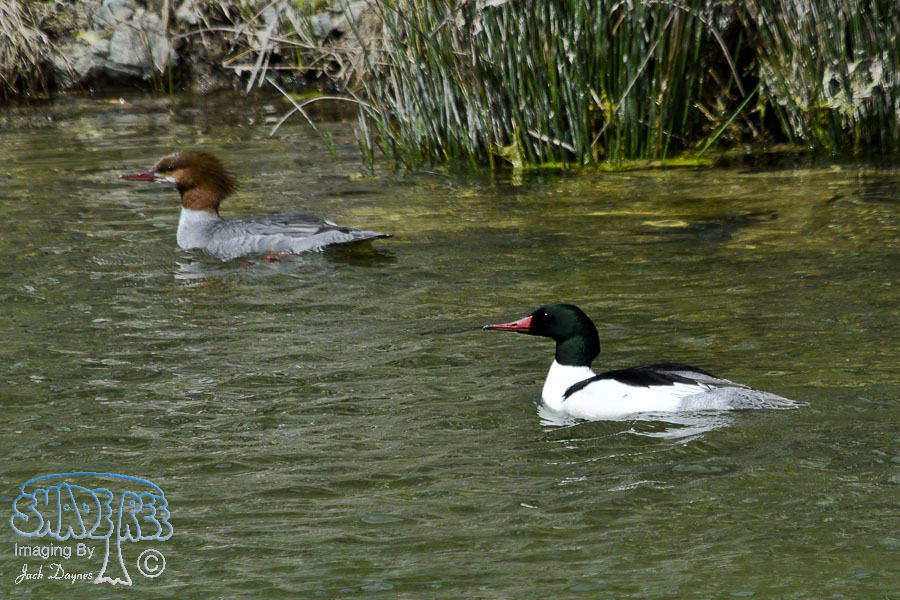
Common Merganser(Mergus merganser) |
|
Description: Near Applegate Lake in Jackson County Oregon, very near to the California border. |
Date Taken: 2016:04:28 11:26 |
|
Location:
Applegate Lake |
|
Camera Information: NIKON D7200, 800 mm, f/8.0, 1/1250 |
File Name: D729674-CommonMerganser |
| © 2016 Jack Daynes, shadeTreeImaging.com |
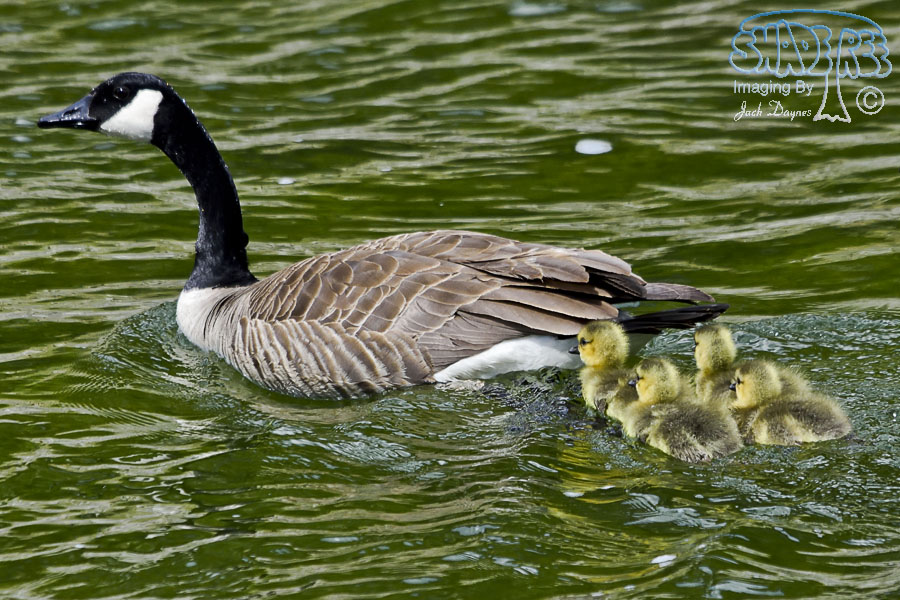
Canada Goose(Branta canadensis) |
|
Description: Near Applegate Lake in Jackson County Oregon, very near to the California border. |
Date Taken: 2016:04:28 11:29 |
|
Location:
Applegate Lake |
|
Camera Information: NIKON D7200, 800 mm, f/8.0, 1/1250 |
File Name: D729687-CanadaGoose-Family |
| © 2016 Jack Daynes, shadeTreeImaging.com |
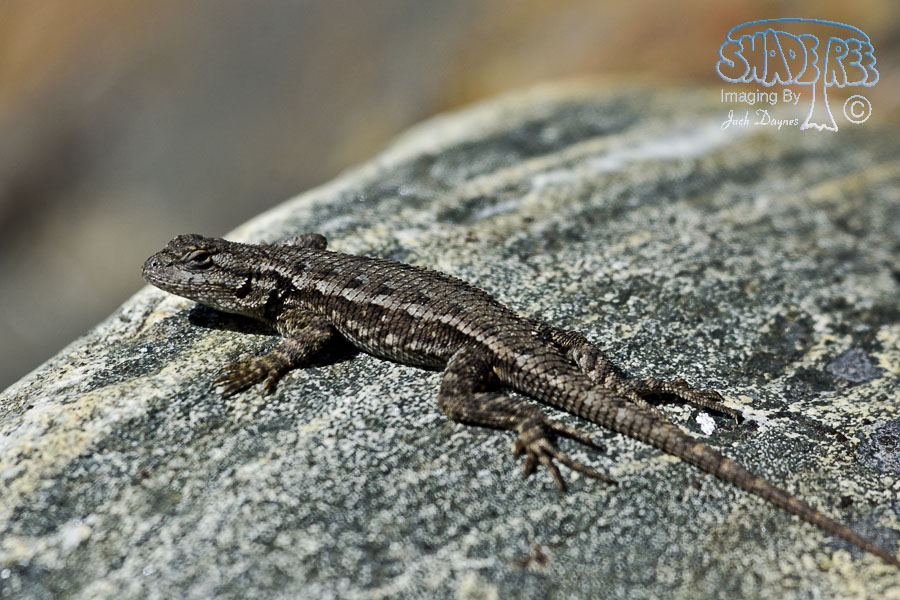
Western Fence Lizard(Sceloporus occidentalis) |
|
Description: Near Applegate Lake in Jackson County Oregon, very near to the California border. |
Date Taken: 2016:04:28 11:45 |
|
Location:
Applegate Lake |
|
Camera Information: NIKON D7200, 800 mm, f/8.0, 1/1250 |
File Name: D729695-WesternFenceLizard |
| © 2016 Jack Daynes, shadeTreeImaging.com |
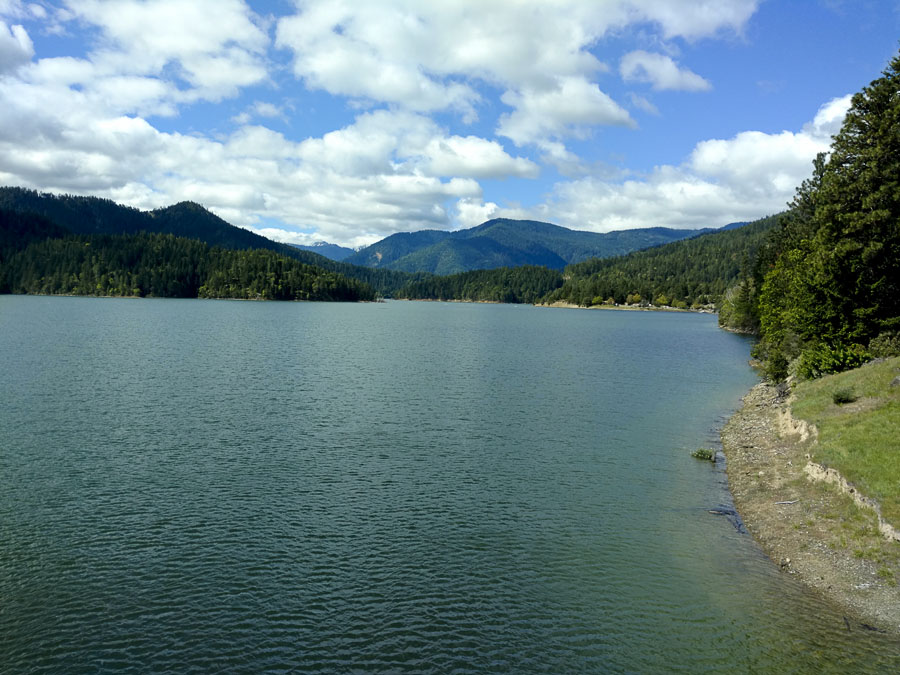
Drive-by Scenery(n/a) |
|
Description: Applegate Lake near the dam in Jackson County Oregon, very near to the California border. |
Date Taken: 2016:04:28 10:36 |
|
Location:
Applegate Lake |
|
Camera Information: XT1575, 4.67 mm, f/2.0, 1/1400 |
File Name: IMG_20160428_103639305 |
| © 2016 Jack Daynes, shadeTreeImaging.com |
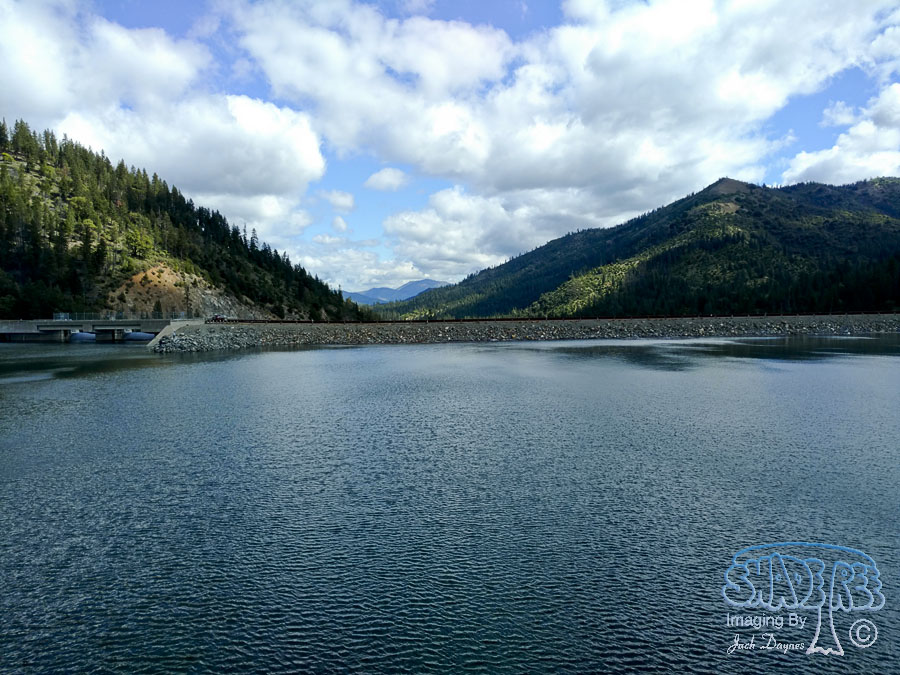
Drive-by Scenery(n/a) |
|
Description: Applegate Lake near the dam in Jackson County Oregon, very near to the California border. |
Date Taken: 2016:04:28 10:37 |
|
Location:
Applegate Lake |
|
Camera Information: XT1575, 4.67 mm, f/2.0, 1/1400 |
File Name: IMG_20160428_103744606 |
| © 2016 Jack Daynes, shadeTreeImaging.com |
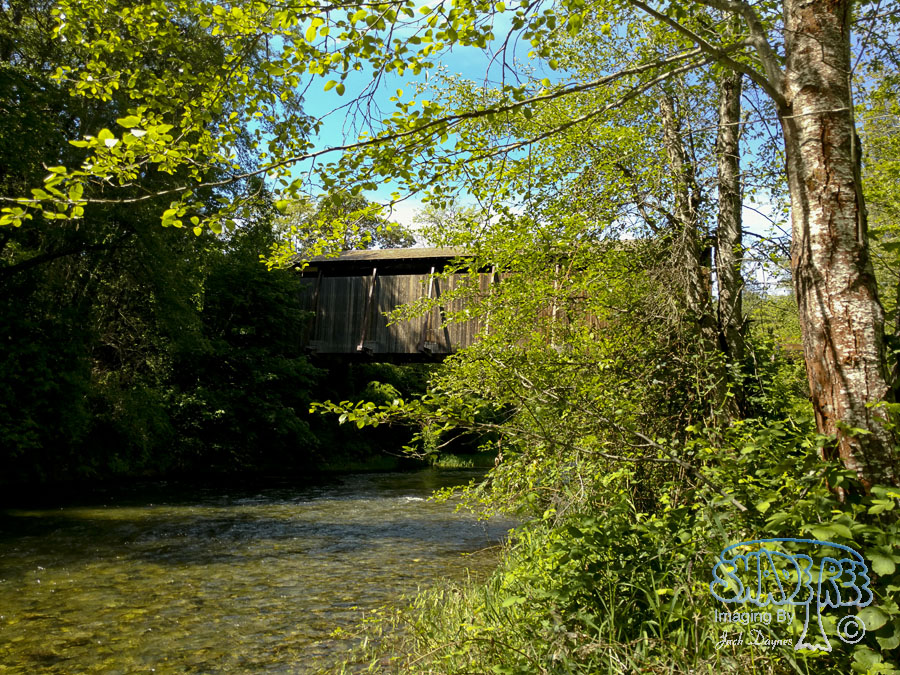
McKee Bridge(n/a) |
|
Description: Historic McKee Bridge in the Applegate Valley |
Date Taken: 2016:05:02 11:13 |
|
Location:
McKee Bridge |
|
Camera Information: XT1575, 4.67 mm, f/2.0, 1/370 |
File Name: IMG_20160502_111335906-MackeeBridge |
| © 2016 Jack Daynes, shadeTreeImaging.com |
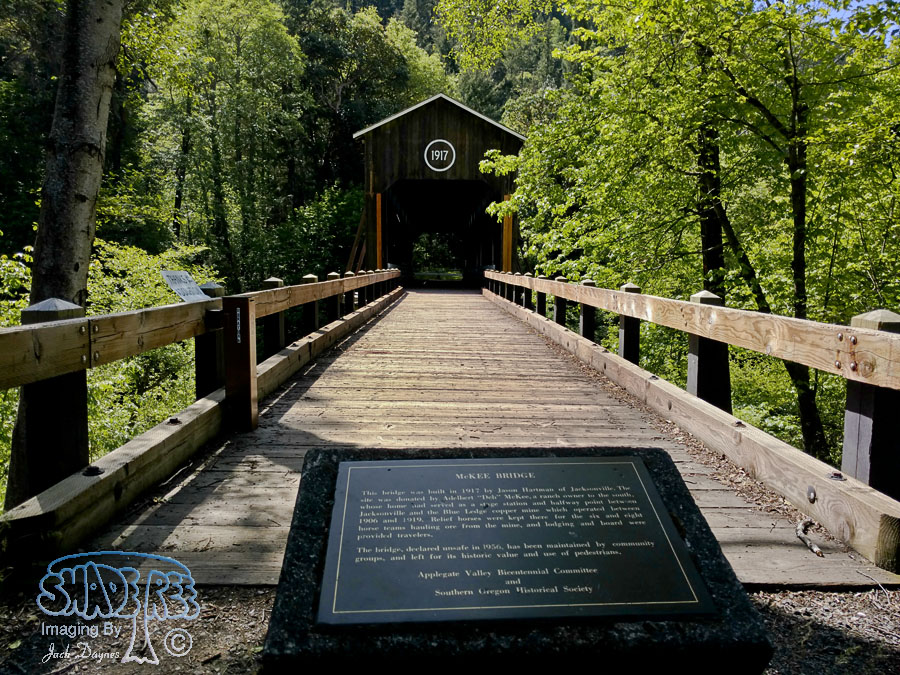
McKee Bridge(n/a) |
|
Description: Historic McKee Bridge in the Applegate Valley |
Date Taken: 2016:05:02 11:16 |
|
Location:
McKee Bridge |
|
Camera Information: XT1575, 4.67 mm, f/2.0, 1/800 |
File Name: IMG_20160502_111622972-MackeeBridge |
| © 2016 Jack Daynes, shadeTreeImaging.com |
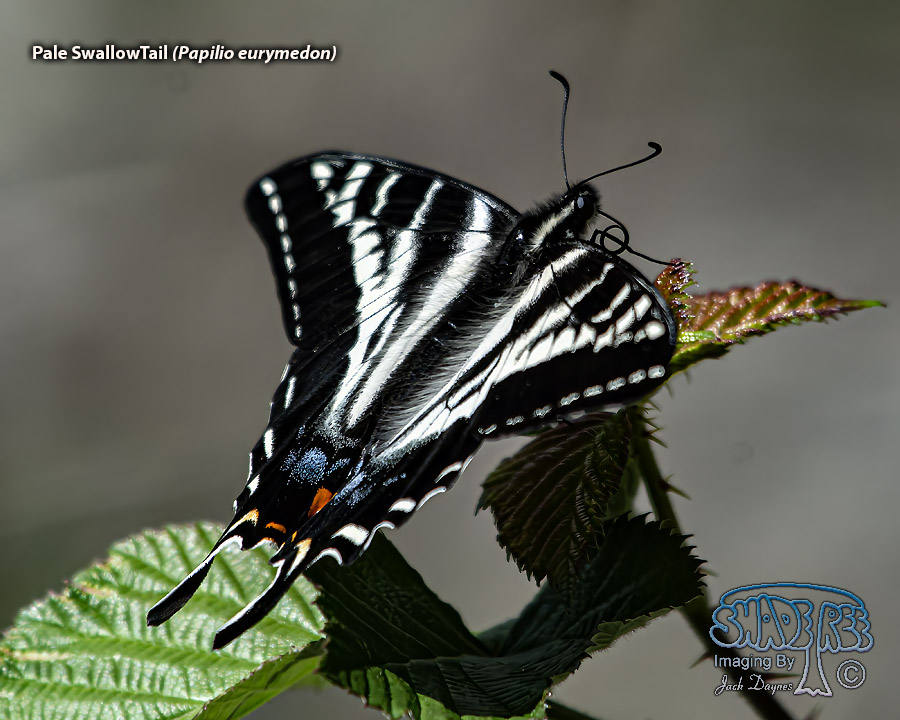
Pale SwallowTail(Papilio eurymedon) |
|
Description: Near Applegate Lake in Jackson County Oregon, very near to the California border. |
Date Taken: 2016:04:28 11:52 |
|
Location:
Applegate Lake |
|
Camera Information: NIKON D7200, 800 mm, f/8.0, 1/1250 |
File Name: D729700-PaleSwallowTail |
| © 2016 Jack Daynes, shadeTreeImaging.com |
Click map markers to reveal further information
