
In 2004, I was just beginning my education about birds and how to capture them in my images. It was an exciting time for me. Many of my meetings with birds would be my first meetings.
I have a cousin who lives in Tucson Arizona with her husband, whom I enjoy spending time with when I can, and they are kind enough to put up with me. On this occasion, I was looking to explore the outskirts of town, and I learned of Redington Road east of Tanque Verde. It promised to give me an experience meeting nature in the rugged hills east of town. I met species I had not seen before on this day. My meetings were with White-Winged Doves, Earless Lizards, Canyon Towhees, Rufous-Crowned Sparrows, Familiar Bluets, Bewick’s Wrens, and Northern Cardinals.
In April-2023, I left Tucson Saturday with my heart set on traveling the full length of Redington Road. So I drove to the end of Tanque Verde Road and climbed the steep, winding gravel to the crest of the first grade. The road was tough going. There were few birds to be seen as I drove, but there were plenty of ATVs, Jeeps, and other vehicles from folks looking to get away from the city. The further away from Tucson I traveled, the fewer people and vehicles I met stopped at the pull-offs shooting their guns at targets.
I continued on, occasionally stopping to look and listen for birds. During one brief midday stop, I explored a grove of giant Junipers. I didn’t see much bird activity, but there were female Phainopeplas, Townsend Solitaires, and a few small birds flying over that I could not identify. Had I remained longer, I may have seen more species, but it was too early to settle in for the night, so I continued down the road.

I reached the crest of the Redington Road and began descending the eastern slopes. I began looking for birds with a little more enthusiasm. Humans were more scarce on the east side of the mountain, and birds seemed a little more available. One species I noticed were American Robins, proving once more that this was truly the year of the robin. This winter, folks across the USA have been reporting invasions of these iconic birds.
I found a camp spot on the eastern slope, where it seemed worthwhile spending some time. I could hear birds calling and singing from the slopes above where I camped. The birds that became obvious to me were Black-Throated Sparrows, Bell’s Vireos, Townsend Solitaires, Rock Wrens, Northern Flickers, and a few strange voices I could not identify in the distance. After settling in, I took out my camera and tried my best to capture images of those birds willing to share some time with me. When the light began to fade, I went back to my Silver Cocoon and processed the day’s images until I couldn’t ignore the call of the horizontal plane.
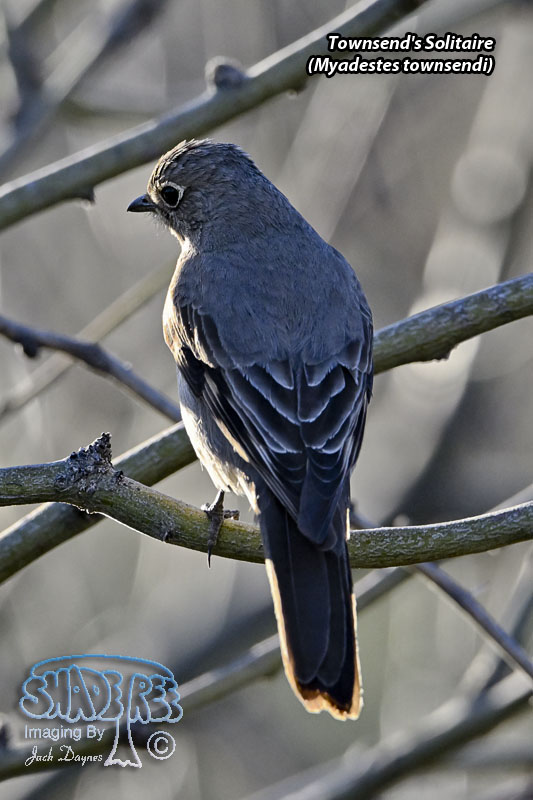
Townsend's Solitaire(Myadestes townsendi) |
|
Description: Historic Redington Road runs east out of Tucson through some very rugged country. I stopped on the eastern slopes to spend time with the birds and make camp. |
Date Taken: 2023:04:03 7:07 |
|
Location:
Redington Road |
|
Camera Information: NIKON Z 9, 800 mm, f/8.0, 1/800 |
File Name: TownsendsSolitaire_ZX97580_RedingtonRoad-Tucson-AZ |
| © 2023 Jack Daynes, shadeTreeImaging.com |

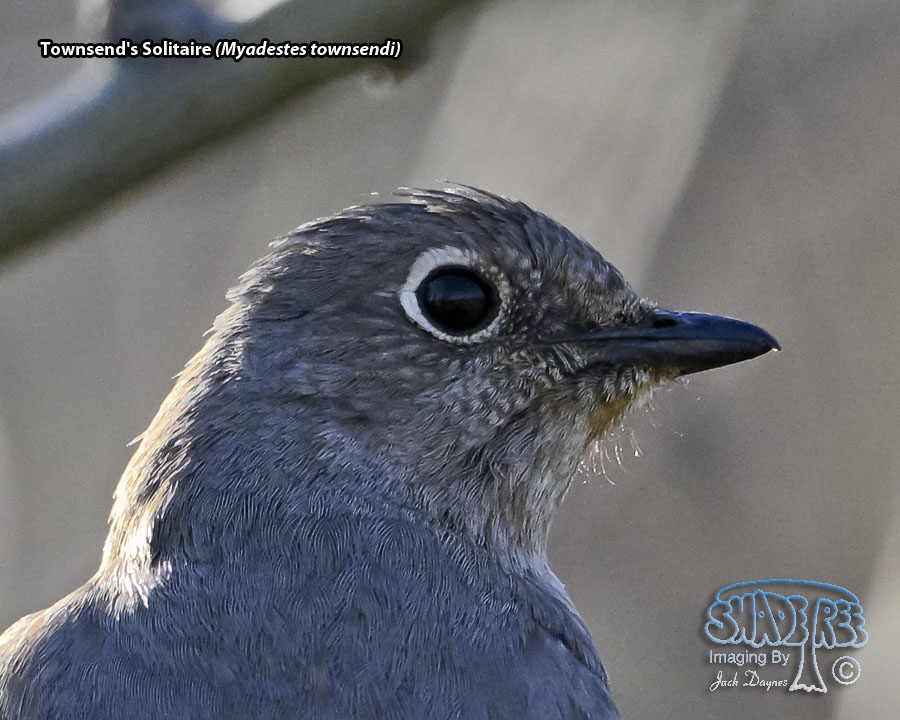
Townsend's Solitaire(Myadestes townsendi) |
|
Description: Historic Redington Road runs east out of Tucson through some very rugged country. I stopped on the eastern slopes to spend time with the birds and make camp. |
Date Taken: 2023:04:03 7:07 |
|
Location:
Redington Road |
|
Camera Information: NIKON Z 9, 800 mm, f/8.0, 1/800 |
File Name: TownsendsSolitaire_ZX97574_RedingtonRoad-Tucson-AZ |
| © 2023 Jack Daynes, shadeTreeImaging.com |
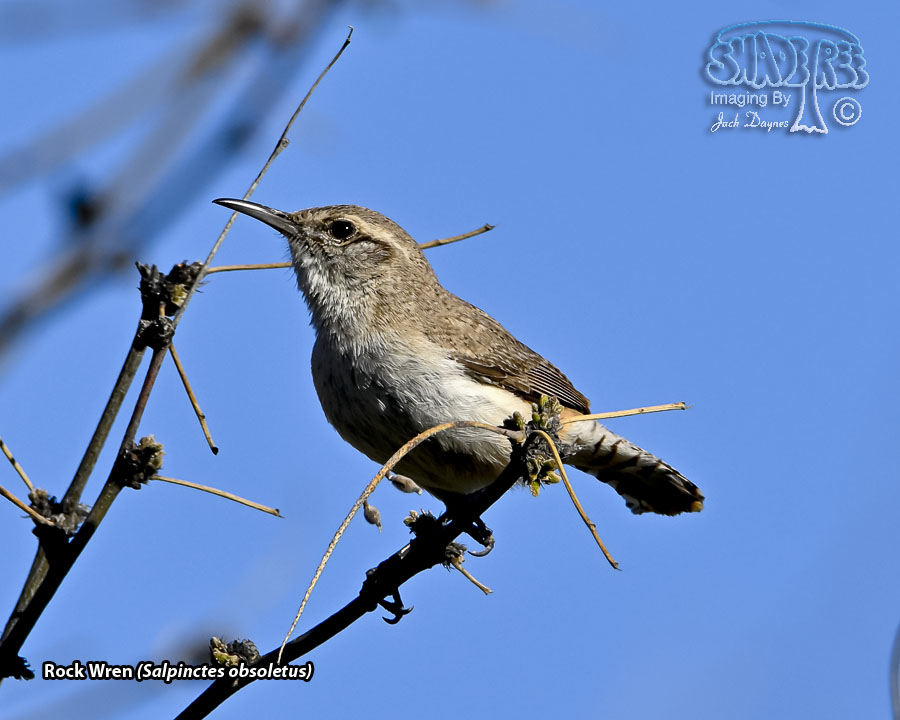
Rock Wren(Salpinctes obsoletus) |
|
Description: Historic Redington Road runs east out of Tucson through some very rugged country. I stopped on the eastern slopes to spend time with the birds and make camp. |
Date Taken: 2023:04:03 8:31 |
|
Location:
Redington Road |
|
Camera Information: NIKON Z 9, 800 mm, f/8.0, 1/800 |
File Name: RockWren_ZX97971_RedingtonRoad-Tucson-AZ |
| © 2023 Jack Daynes, shadeTreeImaging.com |
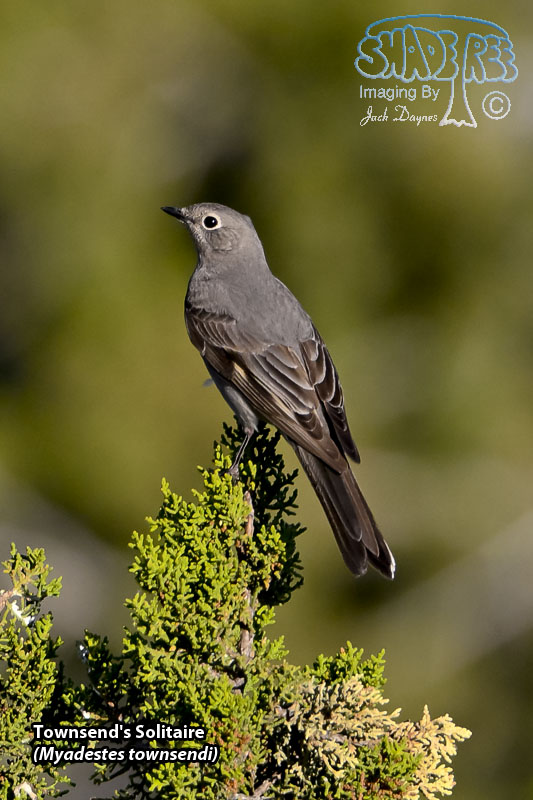
Townsend's Solitaire(Myadestes townsendi) |
|
Description: Historic Redington Road runs east out of Tucson through some very rugged country. I stopped on the eastern slopes to spend time with the birds and make camp. |
Date Taken: 2023:04:03 7:02 |
|
Location:
Redington Road |
|
Camera Information: NIKON Z 9, 800 mm, f/8.0, 1/800 |
File Name: TownsendsSolitaire_ZX97539_RedingtonRoad-Tucson-AZ |
| © 2023 Jack Daynes, shadeTreeImaging.com |
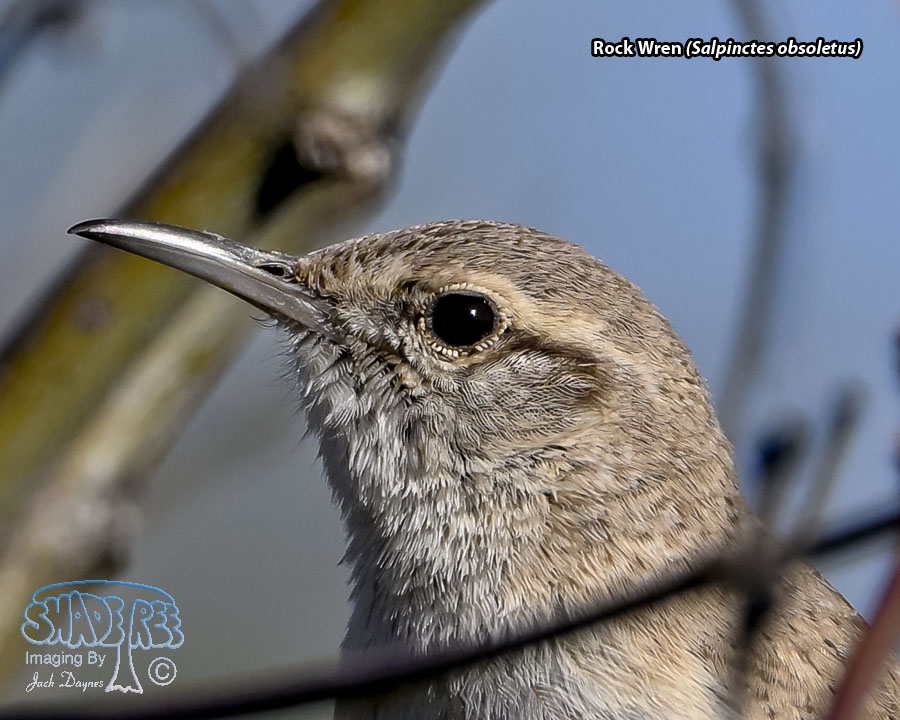
Rock Wren(Salpinctes obsoletus) |
|
Description: Historic Redington Road runs east out of Tucson through some very rugged country. I stopped on the eastern slopes to spend time with the birds and make camp. |
Date Taken: 2023:04:03 8:26 |
|
Location:
Redington Road |
|
Camera Information: NIKON Z 9, 800 mm, f/8.0, 1/800 |
File Name: RockWren_ZX97927_RedingtonRoad-Tucson-AZ |
| © 2023 Jack Daynes, shadeTreeImaging.com |
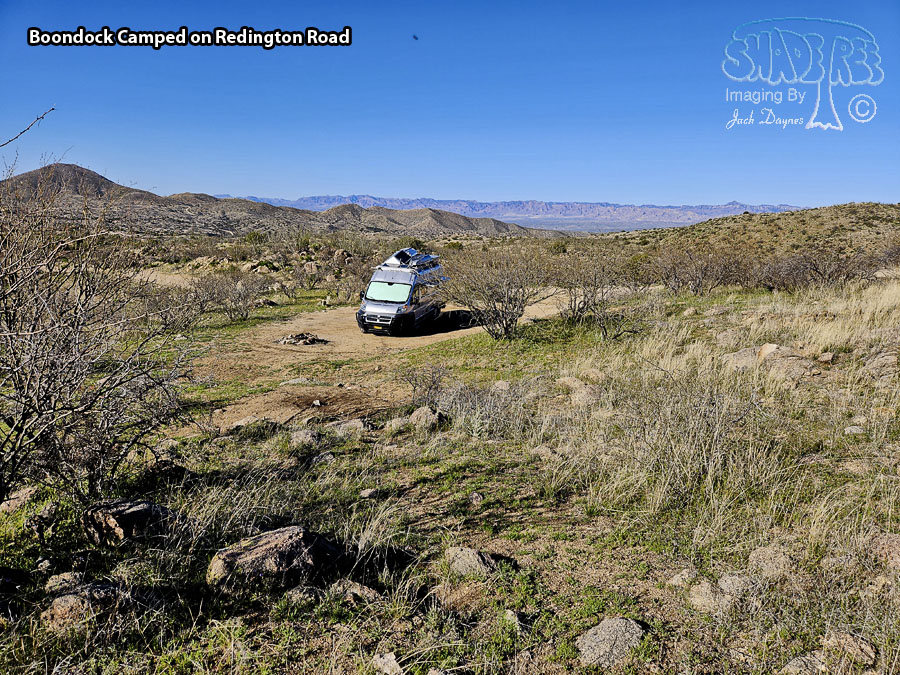
Boondock Camped on Redington Road(Scenery) |
|
Description: Historic Redington Road runs east out of Tucson through some very rugged country. I stopped on the eastern slopes to spend time with the birds and make camp. |
Date Taken: 2023:04:02 16:30 |
|
Location:
Redington Road |
|
Camera Information: SM-S906U, 5.4 mm, f/1.8, 1/1500 |
File Name: RedingtonRoadCamp_20230402_163019 |
| © 2023 Jack Daynes, shadeTreeImaging.com |
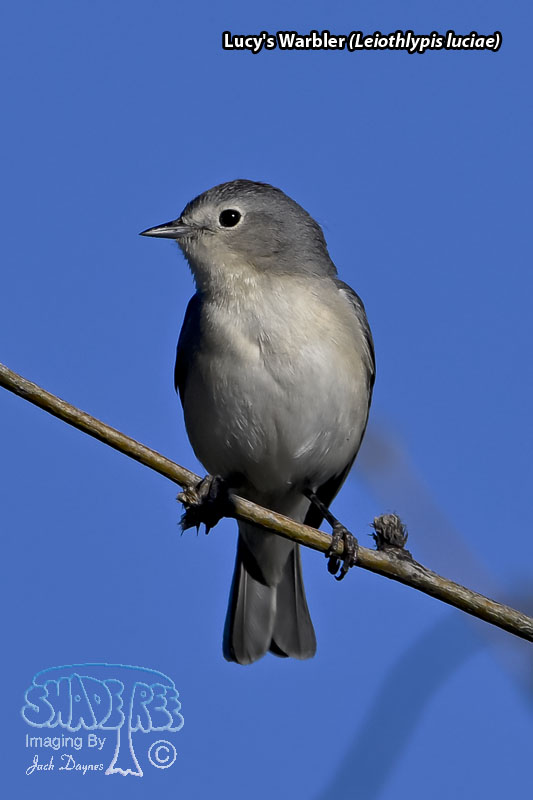
Lucy's Warbler(Leiothlypis luciae) |
|
Description: Historic Redington Road runs east out of Tucson through some very rugged country. I stopped on the eastern slopes to spend time with the birds and make camp. |
Date Taken: 2023:04:03 7:45 |
|
Location:
Redington Road |
|
Camera Information: NIKON Z 9, 800 mm, f/8.0, 1/800 |
File Name: LucysWarbler_ZX97655_RedingtonRoad-Tucson-AZ |
| © 2023 Jack Daynes, shadeTreeImaging.com |
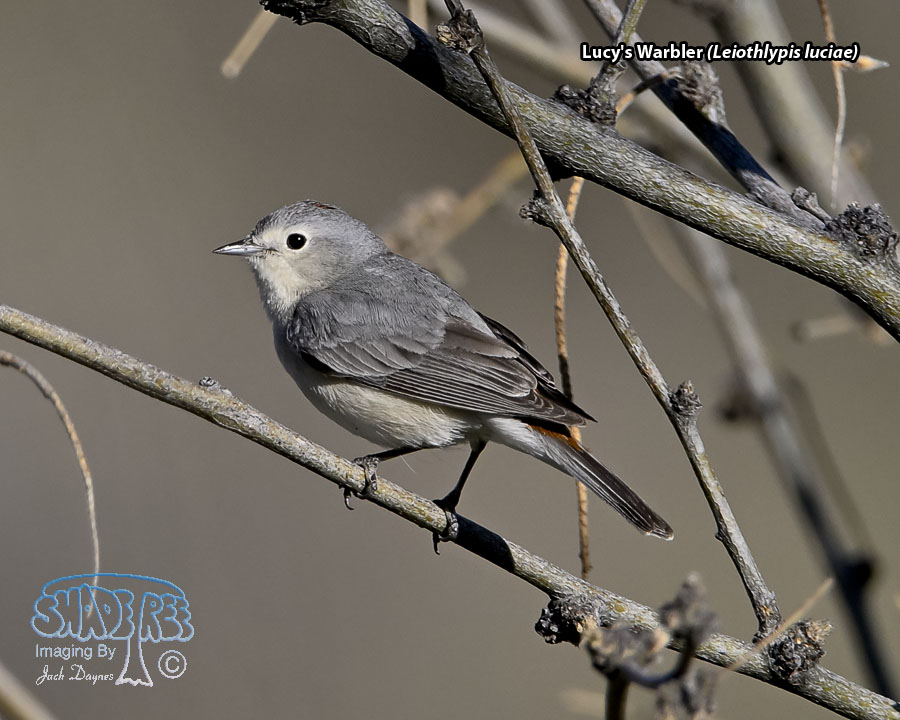
Lucy's Warbler(Leiothlypis luciae) |
|
Description: Historic Redington Road runs east out of Tucson through some very rugged country. I stopped on the eastern slopes to spend time with the birds and make camp. |
Date Taken: 2023:04:03 7:43 |
|
Location:
Redington Road |
|
Camera Information: NIKON Z 9, 800 mm, f/8.0, 1/800 |
File Name: LucysWarbler_ZX97643_RedingtonRoad-Tucson-AZ |
| © 2023 Jack Daynes, shadeTreeImaging.com |
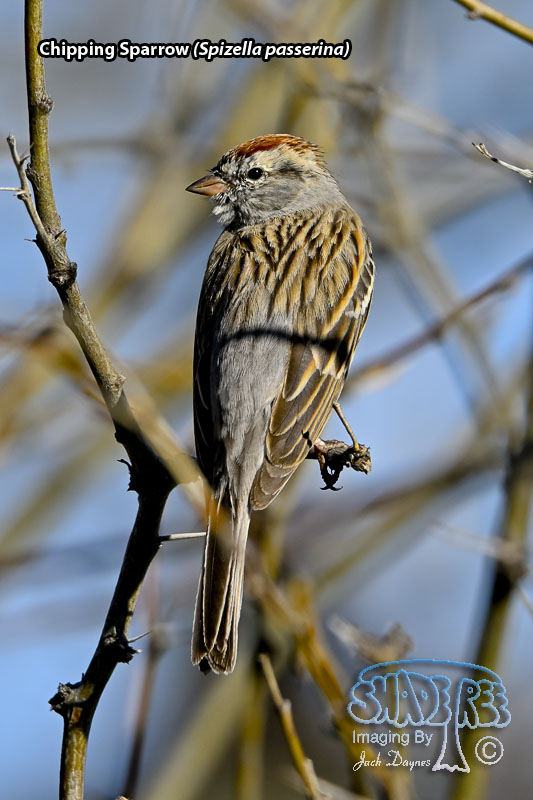
Chipping Sparrow(Spizella passerina) |
|
Description: Historic Redington Road runs east out of Tucson through some very rugged country. I stopped on the eastern slopes to spend time with the birds and make camp. |
Date Taken: 2023:04:03 8:34 |
|
Location:
Redington Road |
|
Camera Information: NIKON Z 9, 800 mm, f/8.0, 1/800 |
File Name: ChippingSparrow_ZX98018_RedingtonRoad-Tucson-AZ |
| © 2023 Jack Daynes, shadeTreeImaging.com |
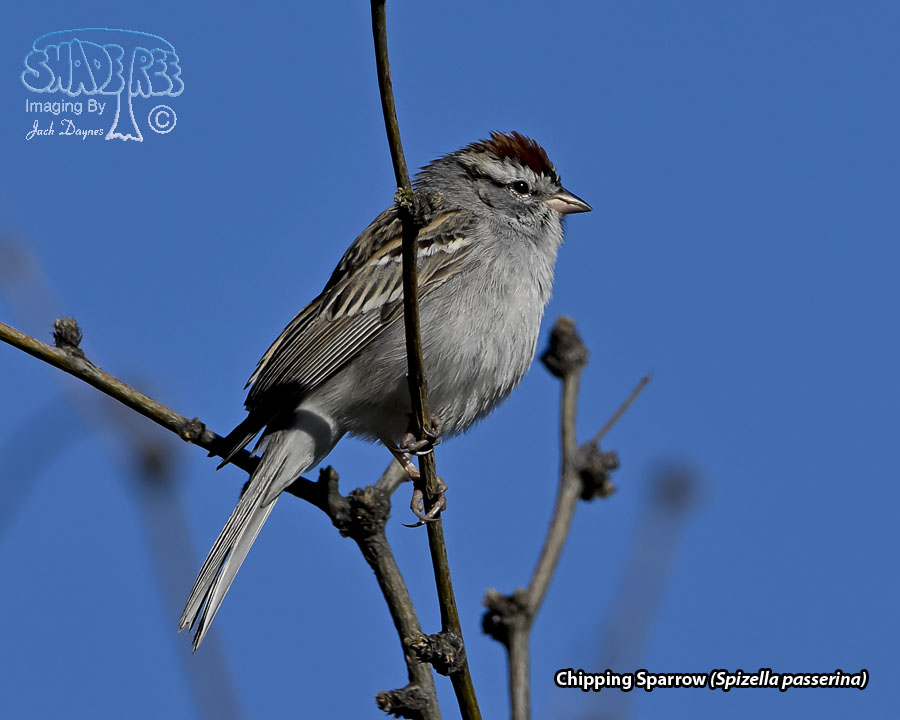
Chipping Sparrow(Spizella passerina) |
|
Description: Historic Redington Road runs east out of Tucson through some very rugged country. I stopped on the eastern slopes to spend time with the birds and make camp. |
Date Taken: 2023:04:03 8:23 |
|
Location:
Redington Road |
|
Camera Information: NIKON Z 9, 800 mm, f/8.0, 1/800 |
File Name: ChippingSparrow_ZX97868_RedingtonRoad-Tucson-AZ |
| © 2023 Jack Daynes, shadeTreeImaging.com |
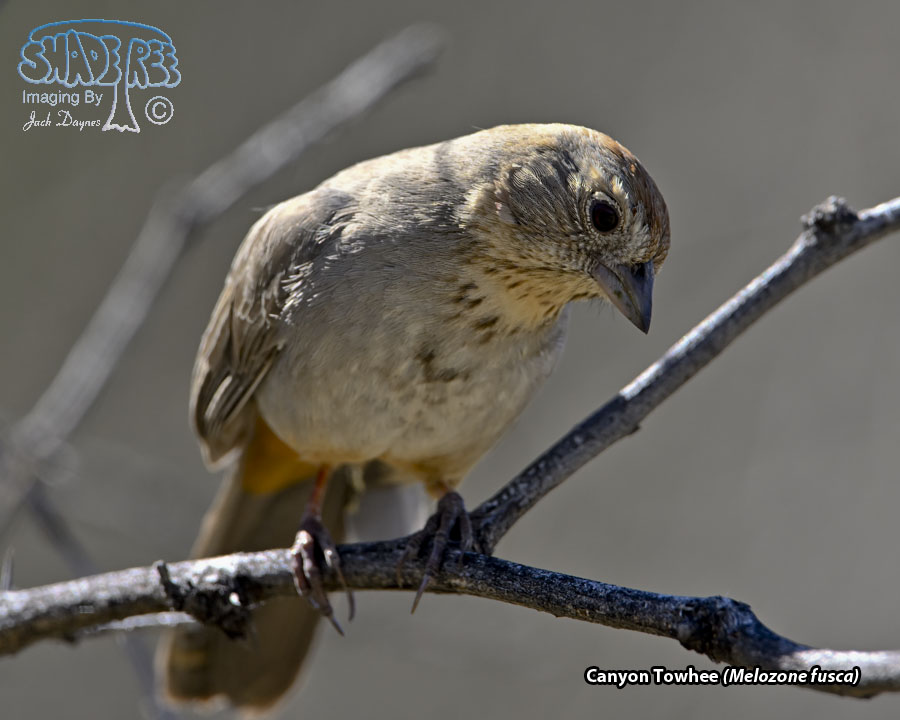
Canyon Towhee(Melozone fusca) |
|
Description: Historic Redington Road runs east out of Tucson through some very rugged country. I stopped on the eastern slopes to spend time with the birds and make camp. |
Date Taken: 2023:04:02 14:09 |
|
Location:
Redington Road |
|
Camera Information: NIKON Z 9, 800 mm, f/8.0, 1/800 |
File Name: CanyonTowhee_ZX97518_RedingtonRoad-Tucson-AZ |
| © 2023 Jack Daynes, shadeTreeImaging.com |
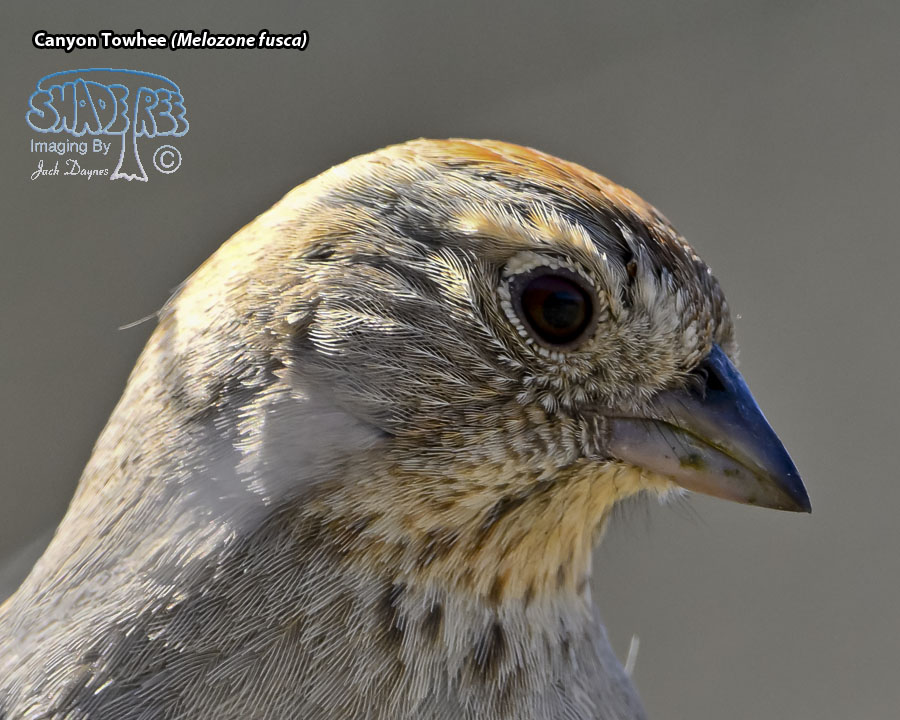
Canyon Towhee(Melozone fusca) |
|
Description: Historic Redington Road runs east out of Tucson through some very rugged country. I stopped on the eastern slopes to spend time with the birds and make camp. |
Date Taken: 2023:04:02 14:09 |
|
Location:
Redington Road |
|
Camera Information: NIKON Z 9, 800 mm, f/8.0, 1/800 |
File Name: CanyonTowhee_ZX97506_RedingtonRoad-Tucson-AZ |
| © 2023 Jack Daynes, shadeTreeImaging.com |
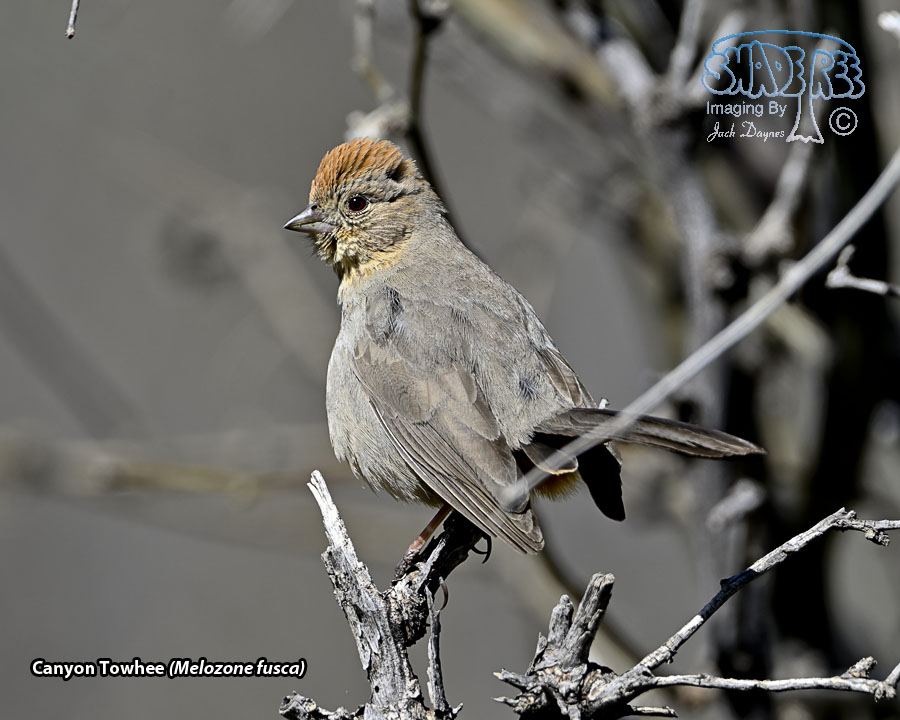
Canyon Towhee(Melozone fusca) |
|
Description: Historic Redington Road runs east out of Tucson through some very rugged country. I stopped on the eastern slopes to spend time with the birds and make camp. |
Date Taken: 2023:04:02 13:58 |
|
Location:
Redington Road |
|
Camera Information: NIKON Z 9, 800 mm, f/8.0, 1/800 |
File Name: CanyonTowhee_ZX97343_RedingtonRoad-Tucson-AZ |
| © 2023 Jack Daynes, shadeTreeImaging.com |
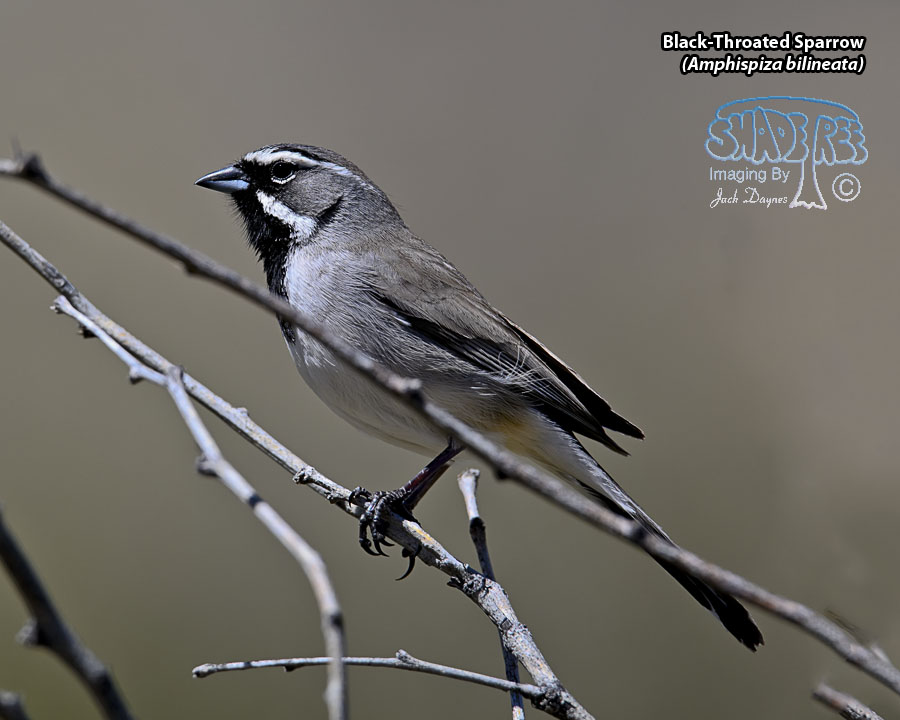
Black-Throated Sparrow(Amphispiza bilineata) |
|
Description: Historic Redington Road runs east out of Tucson through some very rugged country. I stopped on the eastern slopes to spend time with the birds and make camp. |
Date Taken: 2023:04:02 11:53 |
|
Location:
Redington Road |
|
Camera Information: NIKON Z 9, 800 mm, f/8.0, 1/800 |
File Name: BlackThroatedSparrow_ZX96970_RedingtonRoad-Tucson-AZ |
| © 2023 Jack Daynes, shadeTreeImaging.com |
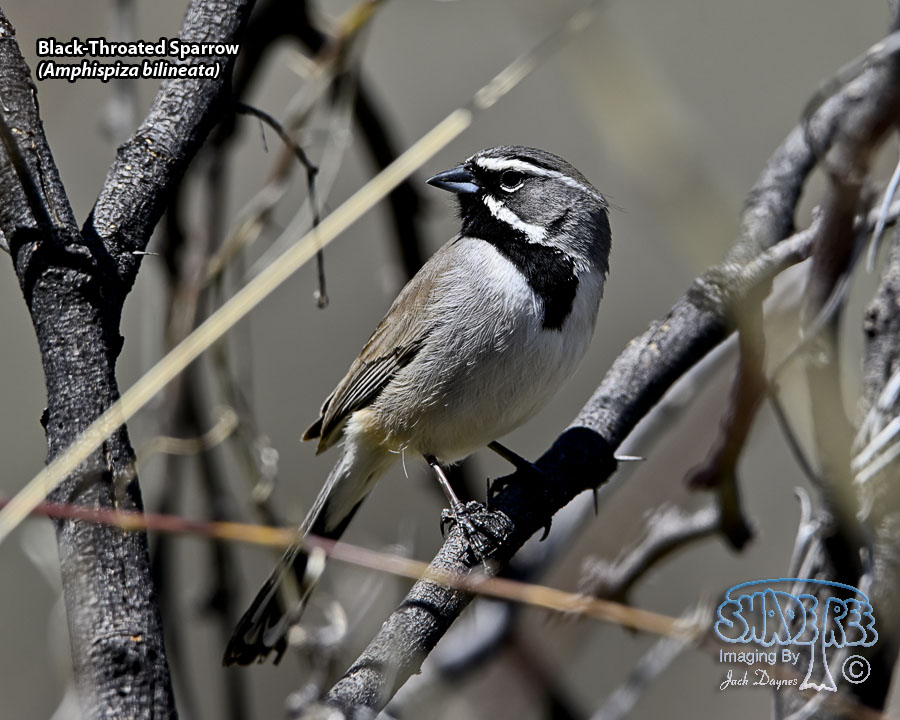
Black-Throated Sparrow(Amphispiza bilineata) |
|
Description: Historic Redington Road runs east out of Tucson through some very rugged country. I stopped on the eastern slopes to spend time with the birds and make camp. |
Date Taken: 2023:04:02 11:48 |
|
Location:
Redington Road |
|
Camera Information: NIKON Z 9, 800 mm, f/8.0, 1/800 |
File Name: BlackThroatedSparrow_ZX96920_RedingtonRoad-Tucson-AZ |
| © 2023 Jack Daynes, shadeTreeImaging.com |
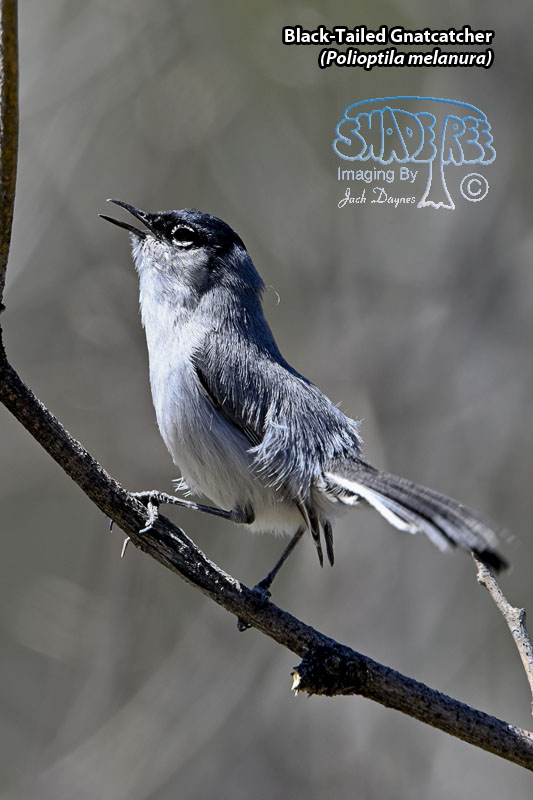
Black-Tailed Gnatcatcher(Polioptila melanura) |
|
Description: Historic Redington Road runs east out of Tucson through some very rugged country. I stopped on the eastern slopes to spend time with the birds and make camp. |
Date Taken: 2023:04:02 12:52 |
|
Location:
Redington Road |
|
Camera Information: NIKON Z 9, 800 mm, f/8.0, 1/800 |
File Name: BlackTailedGnatcatcher_ZX97096_RedingtonRoad-Tucson-AZ |
| © 2023 Jack Daynes, shadeTreeImaging.com |
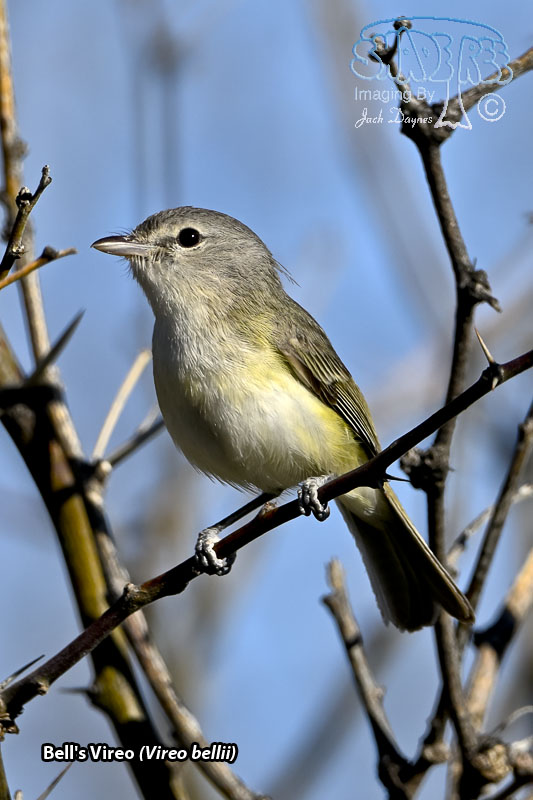
Bell's Vireo(Vireo bellii) |
|
Description: Historic Redington Road runs east out of Tucson through some very rugged country. I stopped on the eastern slopes to spend time with the birds and make camp. |
Date Taken: 2023:04:03 8:17 |
|
Location:
Redington Road |
|
Camera Information: NIKON Z 9, 800 mm, f/8.0, 1/800 |
File Name: BellsVireo_ZX97813_RedingtonRoad-Tucson-AZ |
| © 2023 Jack Daynes, shadeTreeImaging.com |
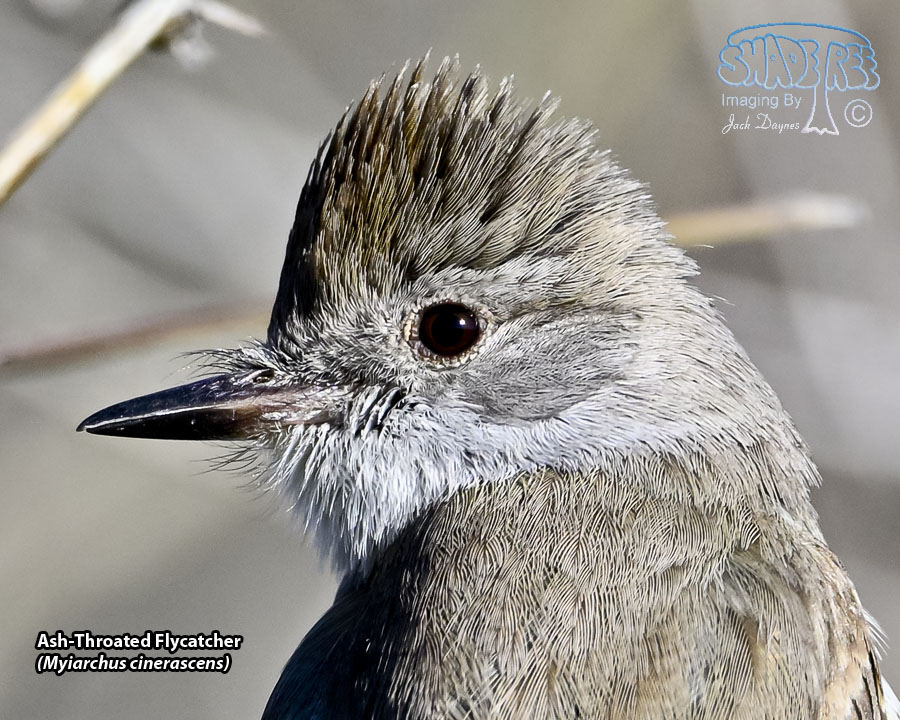
Ash-Throated Flycatcher(Myiarchus cinerascens) |
|
Description: Historic Redington Road runs east out of Tucson through some very rugged country. I stopped on the eastern slopes to spend time with the birds and make camp. |
Date Taken: 2023:04:03 8:12 |
|
Location:
Redington Road |
|
Camera Information: NIKON Z 9, 800 mm, f/8.0, 1/800 |
File Name: AshThroatedFlycatcher_ZX97756_RedingtonRoad-Tucson-AZ |
| © 2023 Jack Daynes, shadeTreeImaging.com |
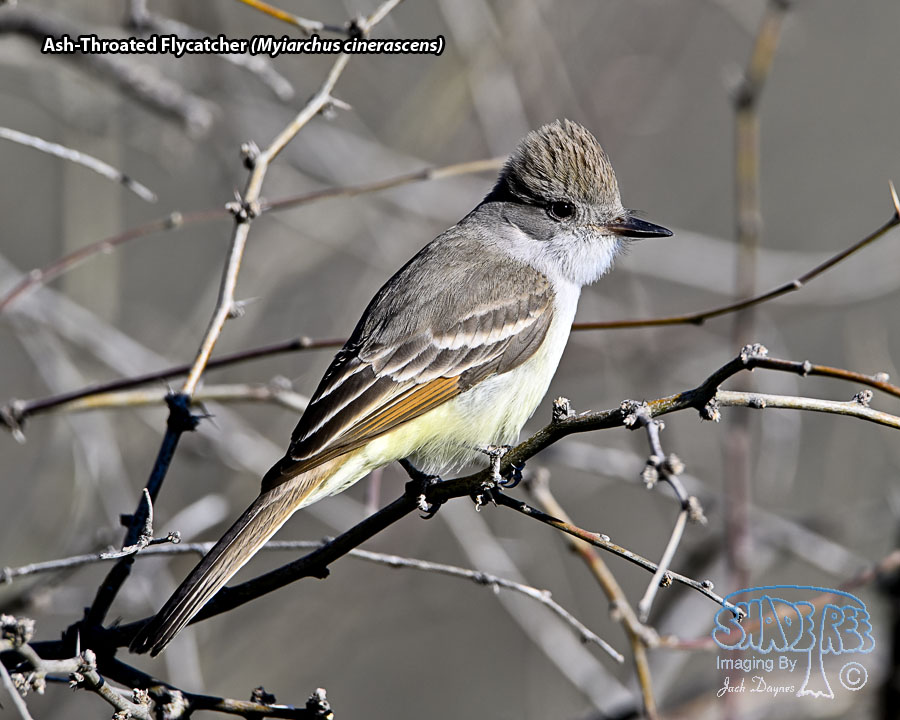
Ash-Throated Flycatcher(Myiarchus cinerascens) |
|
Description: Historic Redington Road runs east out of Tucson through some very rugged country. I stopped on the eastern slopes to spend time with the birds and make camp. |
Date Taken: 2023:04:03 8:12 |
|
Location:
Redington Road |
|
Camera Information: NIKON Z 9, 800 mm, f/8.0, 1/800 |
File Name: AshThroatedFlycatcher_ZX97732_RedingtonRoad-Tucson-AZ |
| © 2023 Jack Daynes, shadeTreeImaging.com |
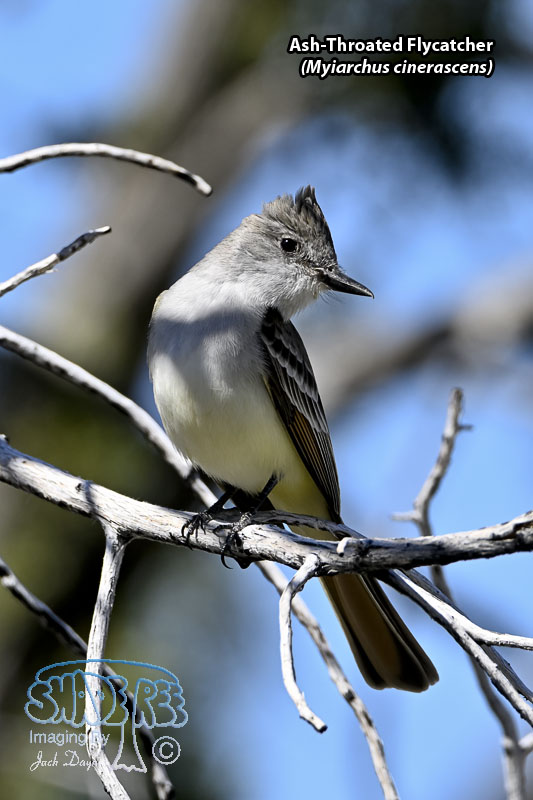
Ash-Throated Flycatcher(Myiarchus cinerascens) |
|
Description: Historic Redington Road runs east out of Tucson through some very rugged country. I stopped on the eastern slopes to spend time with the birds and make camp. |
Date Taken: 2023:04:02 13:41 |
|
Location:
Redington Road |
|
Camera Information: NIKON Z 9, 800 mm, f/8.0, 1/800 |
File Name: AshThroatedFlycatcher_ZX97231_RedingtonRoad-Tucson-AZ |
| © 2023 Jack Daynes, shadeTreeImaging.com |
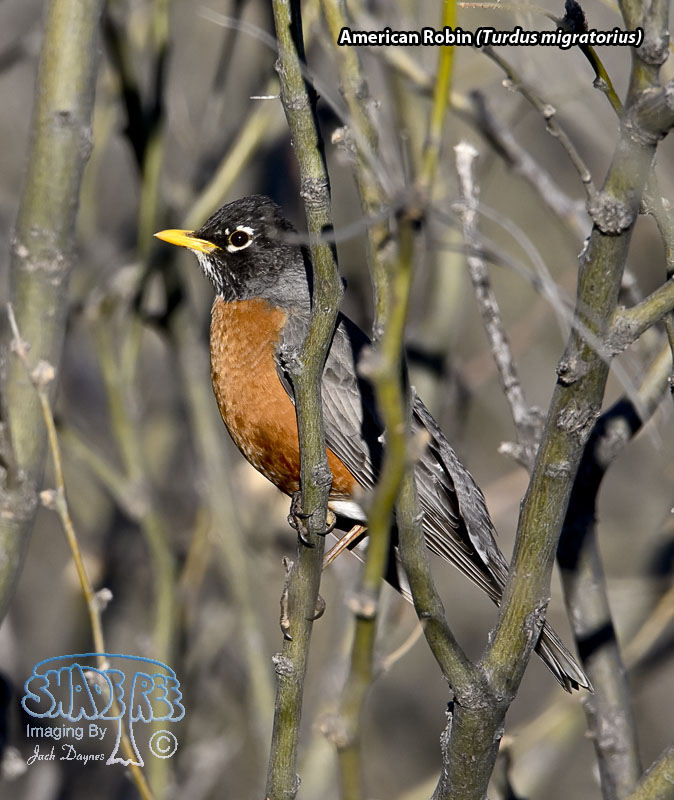
American Robin(Turdus migratorius) |
|
Description: Historic Redington Road runs east out of Tucson through some very rugged country. I stopped on the eastern slopes to spend time with the birds and make camp. |
Date Taken: 2023:04:03 7:12 |
|
Location:
Redington Road |
|
Camera Information: NIKON Z 9, 800 mm, f/8.0, 1/800 |
File Name: AmericanRobin_ZX97600_RedingtonRoad-Tucson-AZ |
| © 2023 Jack Daynes, shadeTreeImaging.com |
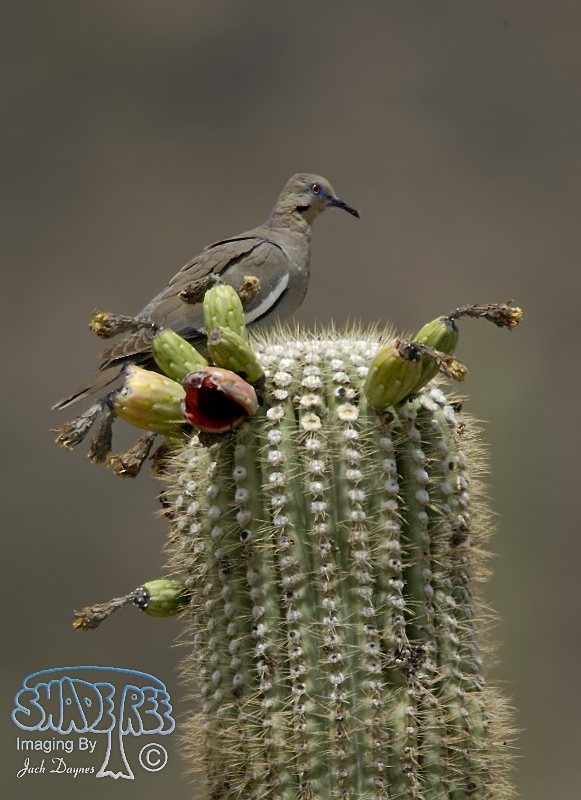
White-Winged Dove(Zenaida asiatica) |
|
Description: Feeding on Saguaro Fruit. Rincon Mountains, East of Tucson, Arizona. |
Date Taken: 2004:06:23 13:20 |
|
Location:
Redington Road |
|
Camera Information: NIKON D1X, 800 mm, f/5.6, 1/1600 |
File Name: JCD_6827WhiteWingedDove |
| © 2004 Jack Daynes, shadeTreeImaging.com |
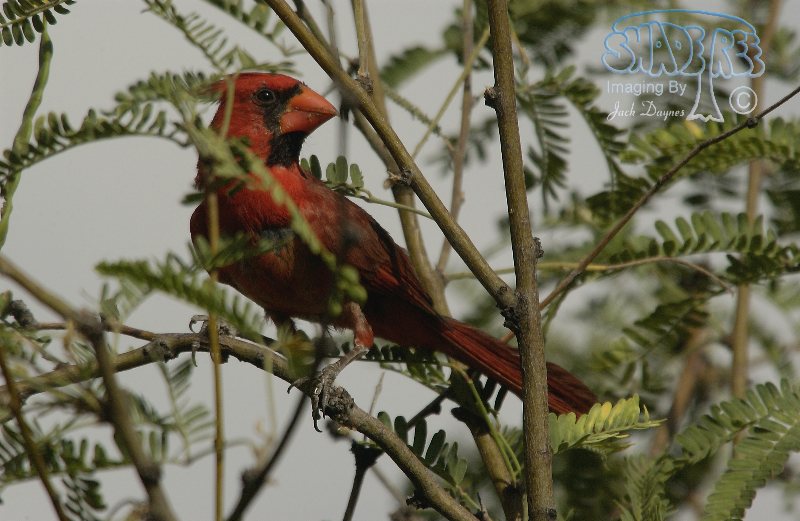
Northern Cardinal(Cardinalis cardinalis) |
|
Description: Redington Pass, Rincon Mountains, East of Tucson, Arizona. |
Date Taken: 2004:06:24 16:57 |
|
Location:
Redington Road |
|
Camera Information: NIKON D1X, 800 mm, f/5.6, 1/1600 |
File Name: JCD_6997NorthernCardinal |
| © 2004 Jack Daynes, shadeTreeImaging.com |
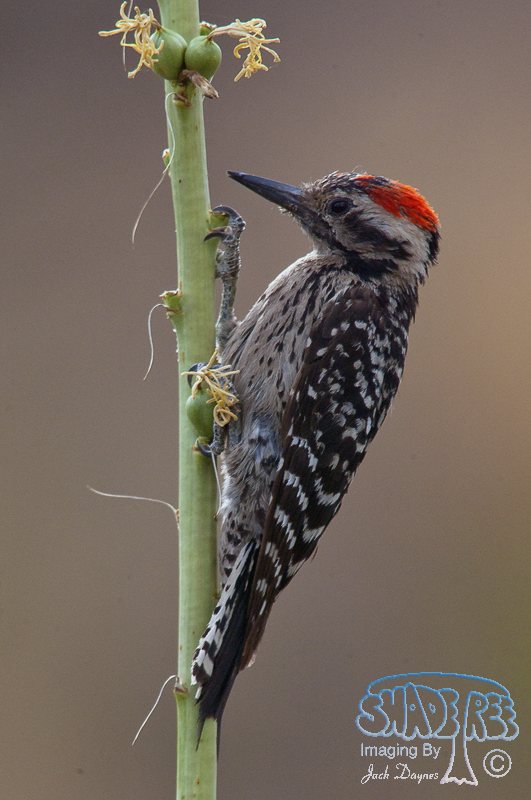
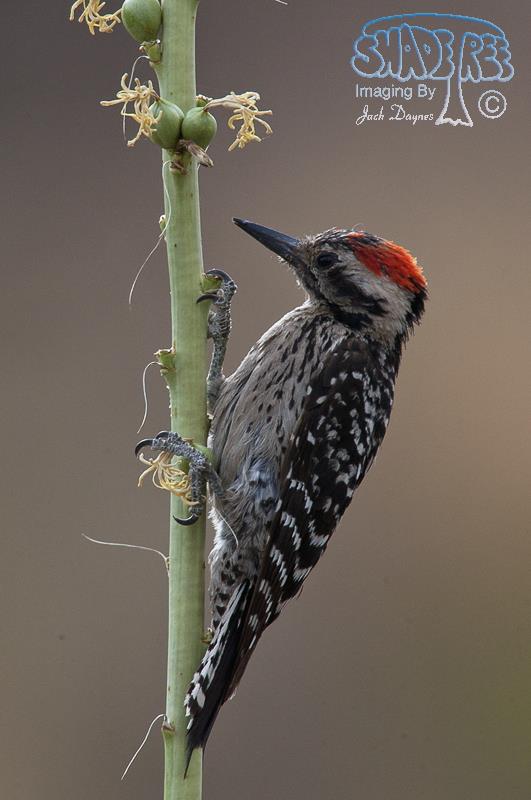
Ladder-Backed Woodpecker(Dryobates scalaris) |
|
Description: Redington Pass, Rincon Mountains, East of Tucson, Arizona. |
Date Taken: 2004:06:23 17:03 |
|
Location:
Redington Road |
|
Camera Information: NIKON D1X, 800 mm, f/6.3, 1/320 |
File Name: JCD_6874LadderBackedWoodpecker |
| © 2004 Jack Daynes, shadeTreeImaging.com |
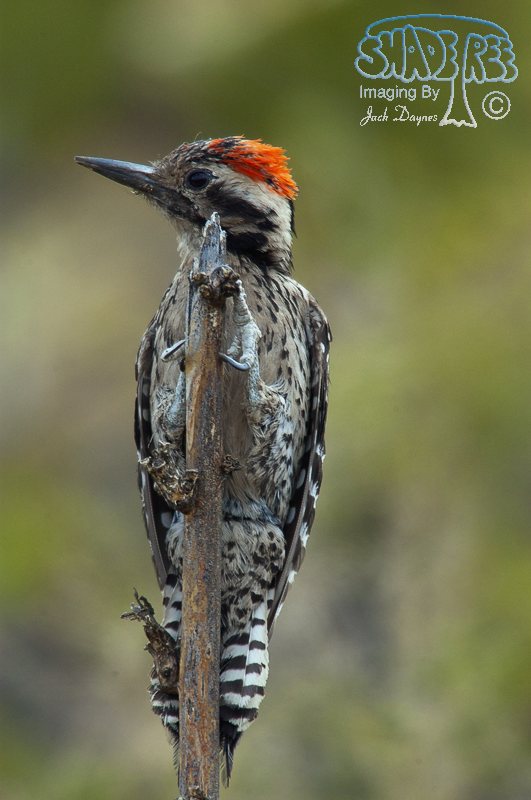
Ladder-Backed Woodpecker(Dryobates scalaris) |
|
Description: I met this male bird along the Redington Road in the Rincon Mountains, east of Tucson, Arizona USA 2004-06-23. |
Date Taken: 2004:06:23 17:03 |
|
Location:
Tanque Verde |
|
Camera Information: NIKON D1X, 800 mm, f/6.3, 1/320 |
File Name: JCD_6876LadderBackedWoodpecker |
| © 2004 Jack Daynes, shadeTree Imaging |
Ladder-Backed Woodpecker(Dryobates scalaris) |
|
Description: Redington Pass, Rincon Mountains, East of Tucson, Arizona. |
Date Taken: 2004:06:23 16:50 |
|
Location:
Redington Road |
|
Camera Information: NIKON D1X, 800 mm, f/6.3, 1/320 |
File Name: JCD_6872LadderBackedWoodpecker |
| © 2004 Jack Daynes, shadeTreeImaging.com |
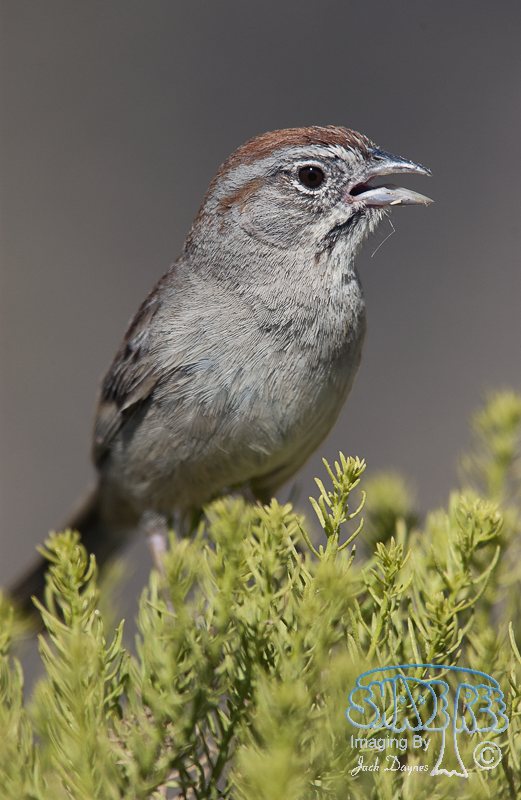
Rufous-Crowned Sparrow(Aimophila ruficeps) |
|
Description: Redington Pass, Rincon Mountains, East of Tucson, Arizona. |
Date Taken: 2004:06:24 9:52 |
|
Location:
Redington Road |
|
Camera Information: NIKON D1X, 800 mm, f/6.3, 1/1500 |
File Name: JCD_6931RufousCrownedSparrow |
| © 2004 Jack Daynes, shadeTreeImaging.com |
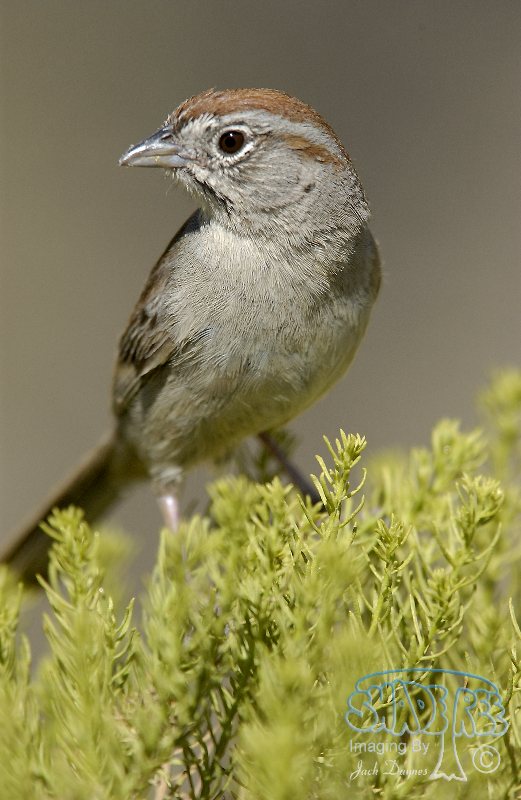
Rufous-Crowned Sparrow(Aimophila ruficeps) |
|
Description: Redington Pass, Rincon Mountains, East of Tucson, Arizona. |
Date Taken: 2004:06:24 9:51 |
|
Location:
Redington Road |
|
Camera Information: NIKON D1X, 800 mm, f/6.3, 1/1500 |
File Name: JCD_6923RufousCrownedSparrow |
| © 2004 Jack Daynes, shadeTreeImaging.com |
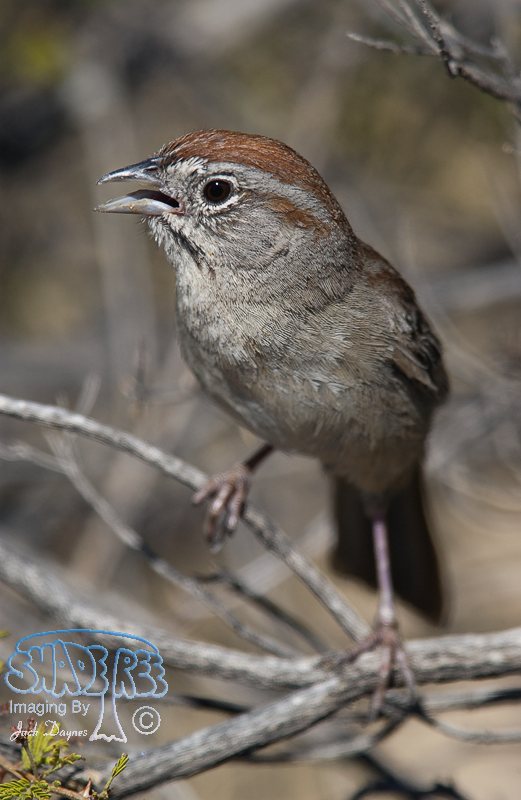
Rufous-Crowned Sparrow(Aimophila ruficeps) |
|
Description: Redington Pass, Rincon Mountains, East of Tucson, Arizona. |
Date Taken: 2004:06:24 9:50 |
|
Location:
Redington Road |
|
Camera Information: NIKON D1X, 800 mm, f/6.3, 1/1600 |
File Name: JCD_6917RufousCrownedSparrow |
| © 2004 Jack Daynes, shadeTreeImaging.com |
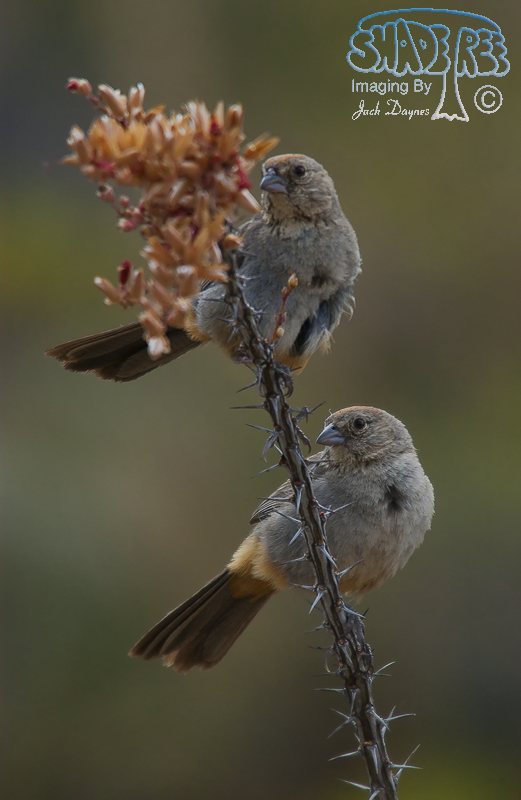
Canyon Towhee(Melozone fusca) |
|
Description: Redington Pass, Rincon Mountains, East of Tucson, Arizona. |
Date Taken: 2004:06:23 16:24 |
|
Location:
Redington Road |
|
Camera Information: NIKON D1X, 800 mm, f/5.6, 1/320 |
File Name: JCD_6836CanyonTowhee |
| © 2004 Jack Daynes, shadeTreeImaging.com |
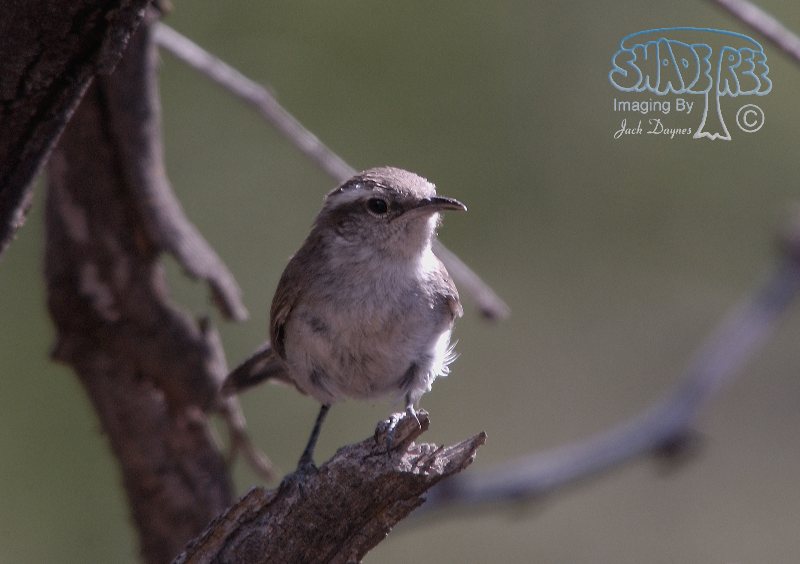
Bewick's Wren(Thryomanes bewickii) |
|
Description: Redington Pass, Rincon Mountains, East of Tucson, Arizona. |
Date Taken: 2004:06:24 16:18 |
|
Location:
Redington Road |
|
Camera Information: NIKON D1X, 800 mm, f/5.6, 1/320 |
File Name: JCD_6991BewicksWren |
| © 2004 Jack Daynes, shadeTreeImaging.com |
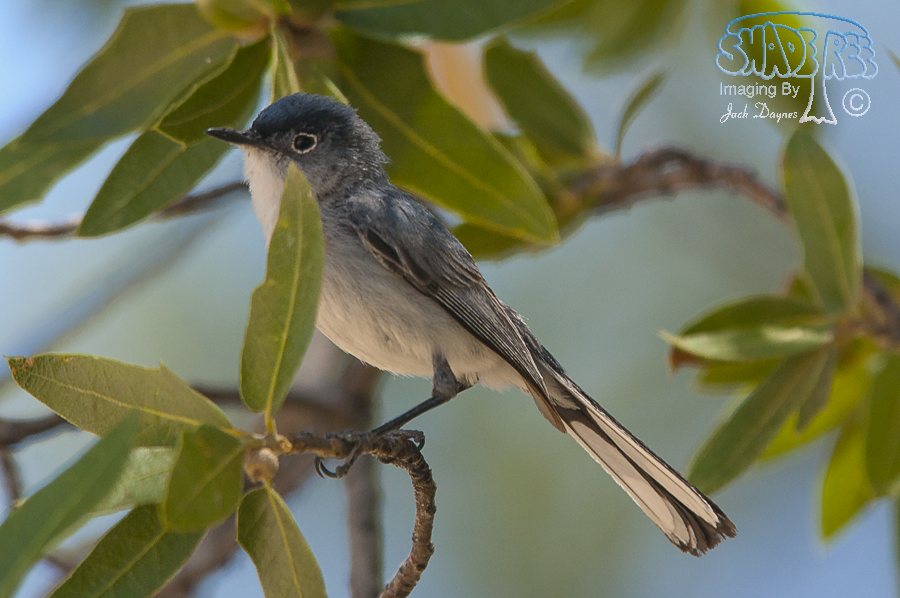
Blue-Gray Gnatcatcher(Polioptila caerulea) |
|
Description: Redington Pass, Rincon Mountains, East of Tucson, Arizona. |
Date Taken: 2004:06:24 11:48 |
|
Location:
Redington Road |
|
Camera Information: NIKON D1X, 800 mm, f/6.3, 1/500 |
File Name: JCD_6954BlueGrayGnatCatcher |
| © 2004 Jack Daynes, shadeTreeImaging.com |
Click map markers to reveal further information
