
Cottonwood Spring is located inside Joshua Tree National Park. Twice, in 2016, I visited there, with the science team from the San Diego Natural History Museum; once at the end of September and again at the end of November. Both occasions were brief.
Then, in 2017, we had a longer visit from June 12th to the 20th. The science team focused its mission on Cottonwood Springs and the Pinto Basin at the southeastern corner of Joshua Tree National Park. I had my 50th Poway High School reunion to attend, but I joined the group on the 15th and stayed to the end. The purpose of the expedition was to resume the restudy of the biological surveys started by Joseph Grinnell’s teams from Berkley’s Museum of Vertebrate Zoology in the early twentieth century.
It was hot to the extreme and registered into the one hundred teens (°F) most days. Without the house provided for us to work from, I don’t think it would have been wise to undertake the expedition. Seventy years ago, when teams from Berkley were studying the fauna here, they had to do it from tents and primitive camps. Those hearty folks in the 1920s, ‘30’s, and ‘40’s probably had to suffer for science. I don’t know how they dealt with the threat of heat exhaustion.
One interesting observation by both the mammalogists and the ornithologists on this trip, was that the animal subjects found here were juveniles. All the Phainopeplas, Northern Mockingbirds, and many of the House Finches I saw were juvenile birds. As a rule, mammalogists don’t collect juveniles for museum specimens. When caught, researchers document them and then release them. On the second to the last day, someone mistakenly delivered one juvenile Desert Pocket Mouse to the Rat Theater for photographs. In the dark of the early morning it must have looked like a Little Pocket Mouse, but when I got it under the lights in the Rat Theater, it lacked the tan tones in its pelage I expected to see. In the full light of day, Scott gave it a closer inspection and confirmed my suspicions. As either a juvenile Pocket Mouse or a Little Pocket Mouse, it was bound for release, anyway.

The Little Pocket Mouse is a species of special concern, and conservationists have petitioned for its “endangered” status. The conversion of broad areas of the desert, especially in the Coachella Valley, to agricultural, residential, and commercial uses has rendered the habitat there unusable for this small mouse. There are nine subspecies of the Little Pocket Mouse, all of which are struggling to maintain a foothold in the ecosystem.
In my previous post, I shared images of the players in the Rat Theater, but I also had some nice avian encounters during this expedition. Mockingbirds, Mourning Doves and House Finches were numerous at the water hole in the front yard of the house the park services had provided us. We had Say’s Phoebes, Scott’s and Hooded Orioles making regular rounds. At a survey site not far away from where we stayed, were Ladder-Backed Woodpeckers, Ash-Throated Flycatchers, Black-Tailed Gnatcatchers, Verdin, Black-Throated Sparrows, and more orioles. In the early evening, Lesser Nighthawks dipped and darted through the desert surrounding the house.
My activities in the Rat Theater caused the loss of much of the best early morning light, sometimes the resulting bird images suffered. The oppressive heat we endured lasted well into the evenings, and I used it as an excuse to curtail some of the afternoon opportunities, though I got some satisfactory late afternoon images of the Loggerhead Shrike and the Ladder-Backed Woodpecker.
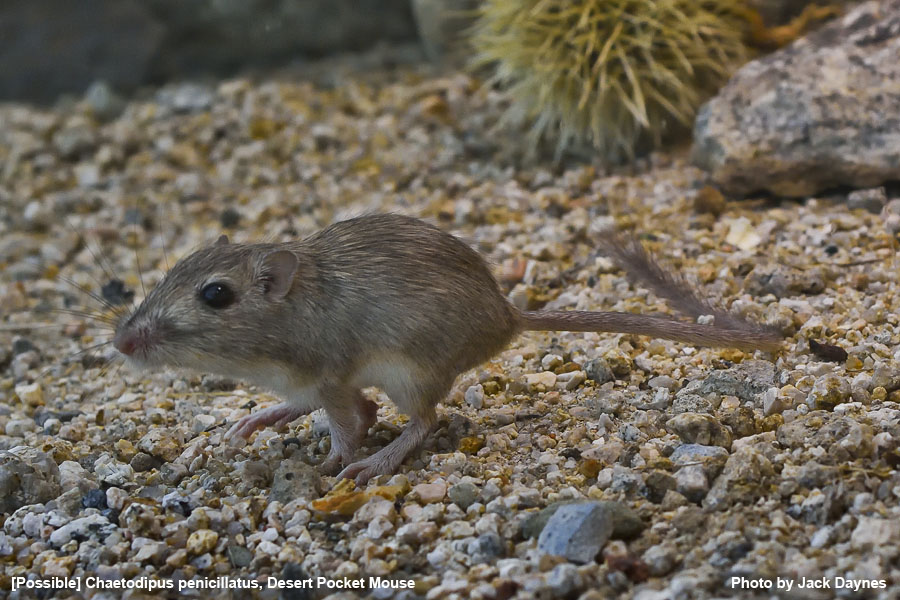
Probable Desert Pocket Mouse(Chaetodipus penicillatus) |
|
Description: Distinguishing the Long-Tailed Pocket Mouse (formosus) from the Desert Pocket Mouse (penicillatus) is very difficult. Ear shape and length are key, but there are intermediate shapes and lengths in either species, creating uncertainty in the identity. m Near Cottonwood Spring in southern Joshua Tree National Park. Riverside County California. |
Date Taken: 2016:09:27 8:27 |
|
Location:
Cottonwood Spring |
|
Camera Information: NIKON D7200, 52 mm, f/8.0, 1/1600 |
File Name: DesertPocketMouse-CS12_D726632-JackDaynes-Web |
| © 2016 Jack Daynes, shadeTreeImaging.com |

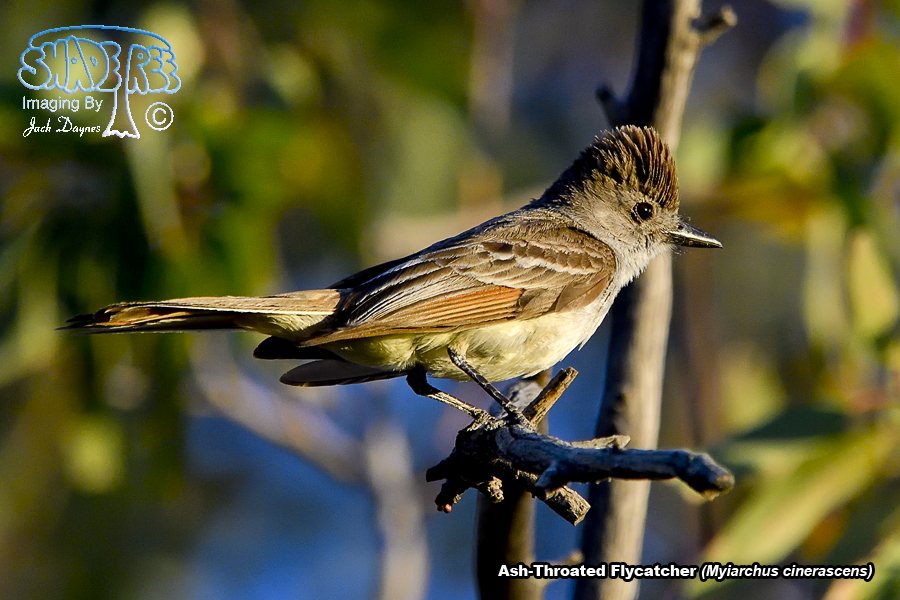
Ash-Throated Flycatcher(Myiarchus cinerascens) |
|
Description: Seen near Cottonwood Springs in Joshua Tree National Park. Riverside County California. |
Date Taken: 2017:06:17 18:19 |
|
Location:
Cottonwood Spring |
|
Camera Information: NIKON D5, 800 mm, f/8.0, 1/1250 |
File Name: AshThroatedFlycatcher_D5X5630 |
| © 2017 Jack Daynes, shadeTreeImaging.com |
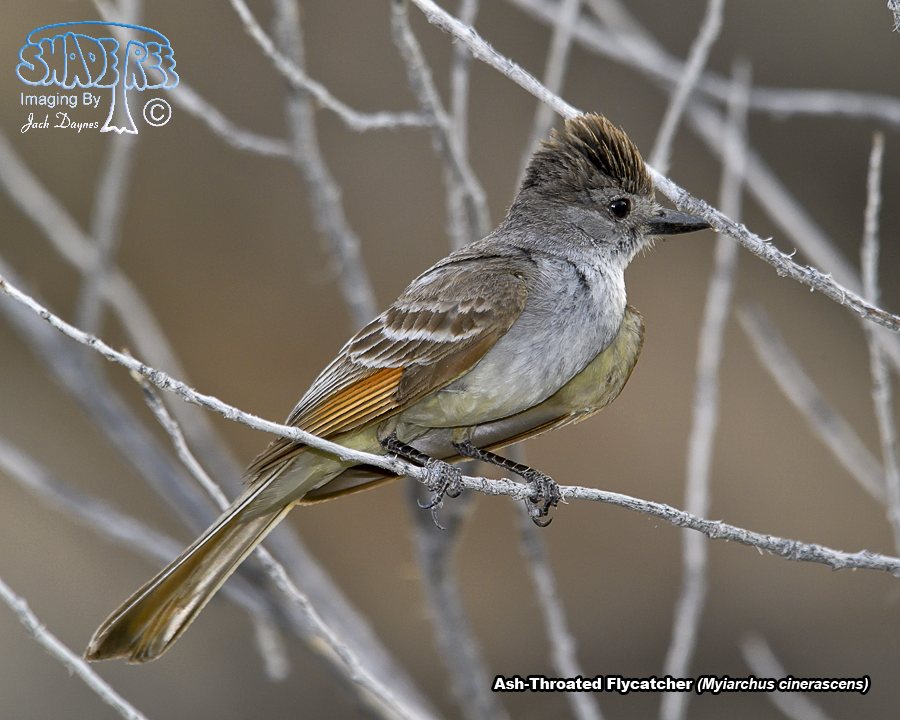
Ash-Throated Flycatcher(Myiarchus cinerascens) |
|
Description: Seen near Cottonwood Springs in Joshua Tree National Park. Riverside County California. |
Date Taken: 2017:06:19 18:25 |
|
Location:
Cottonwood Spring |
|
Camera Information: NIKON D5, 800 mm, f/8.0, 1/200 |
File Name: AshThroatedFlycatcher_D5X7052 |
| © 2017 Jack Daynes, shadeTreeImaging.com |
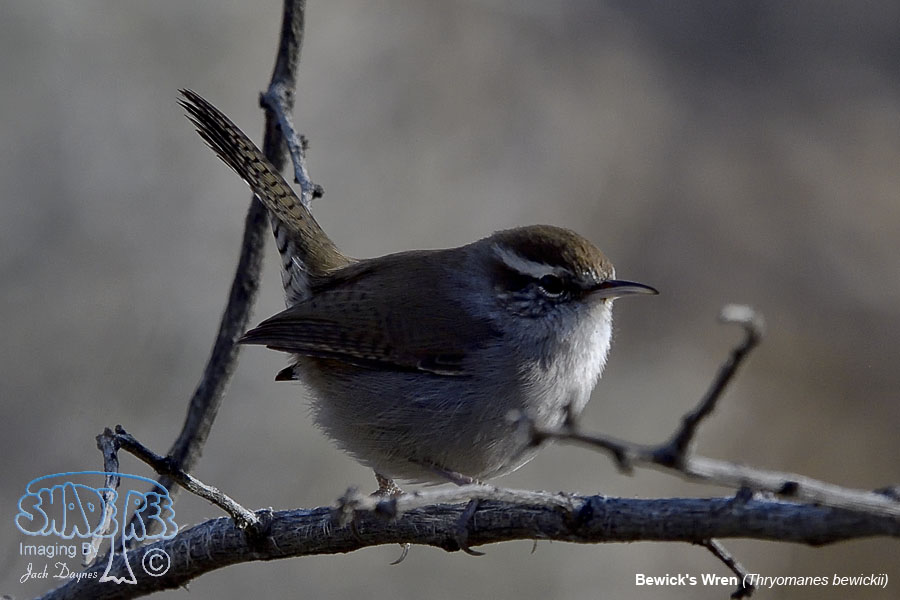
Bewick's Wren(Thryomanes bewickii) |
|
Description: I'd camped here in late September with the Science Team from the San Diego Natural History Museum gathering data as a followup study from previous studies of about 80 years prior. Mojave National Preserve in San Bernardino County, California. |
Date Taken: 2016:11:28 6:19 |
|
Location:
Cottonwood Spring |
|
Camera Information: NIKON D5, 800 mm, f/8.0, 1/2000 |
File Name: BewicksWren_D5X0416 |
| © 2016 Jack Daynes, shadeTreeImaging.com |
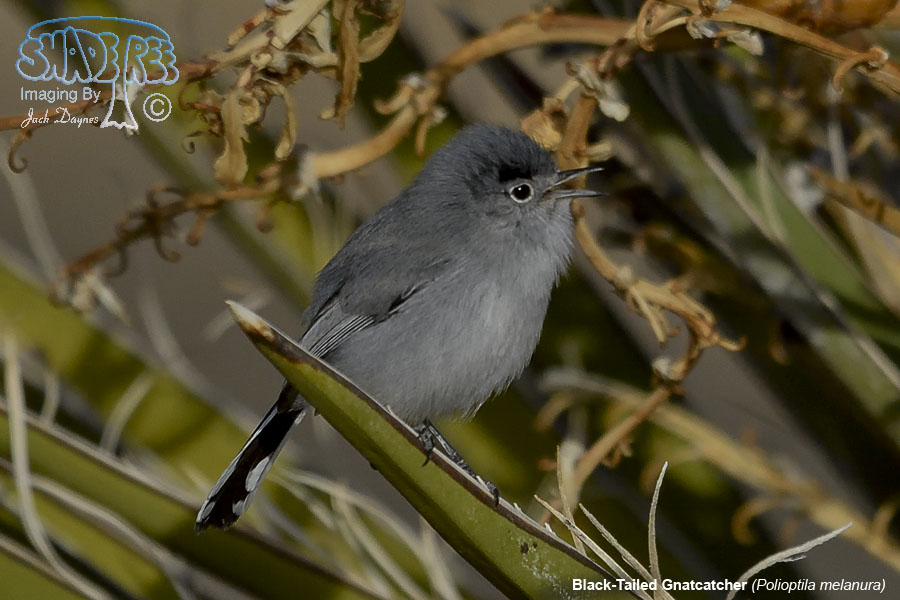
Black-Tailed Gnatcatcher(Polioptila melanura) |
|
Description: I'd camped here in late September with the Science Team from the San Diego Natural History Museum gathering data as a followup study from previous studies of about 80 years prior. Mojave National Preserve in San Bernardino County, California. |
Date Taken: 2016:11:28 5:34 |
|
Location:
Cottonwood Spring |
|
Camera Information: NIKON D5, 800 mm, f/7.1, 1/5000 |
File Name: BlackTailedGnatCatcher_D5X0335 |
| © 2016 Jack Daynes, shadeTreeImaging.com |
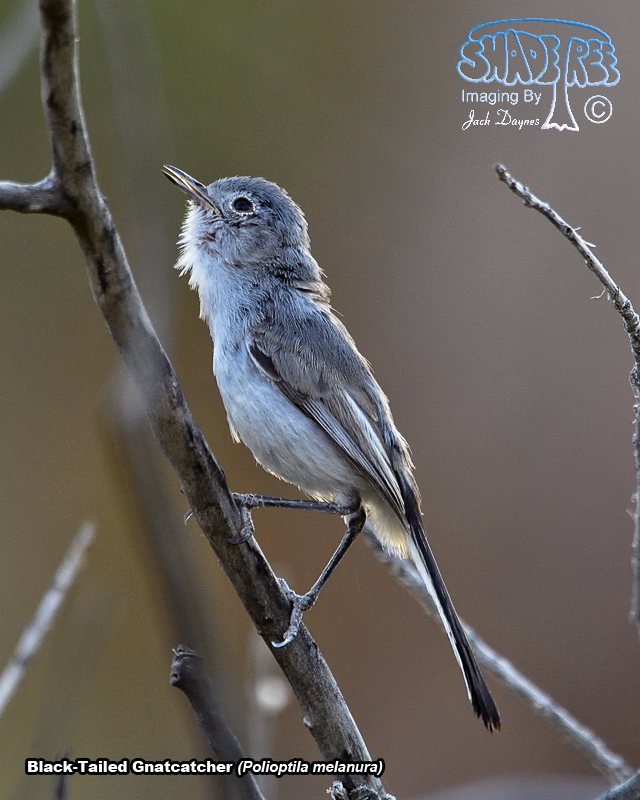
Black-Tailed Gnatcatcher(Polioptila melanura) |
|
Description: Seen near Cottonwood Springs in Joshua Tree National Park. Riverside County California. |
Date Taken: 2017:06:18 18:05 |
|
Location:
Cottonwood Spring |
|
Camera Information: NIKON D5, 800 mm, f/8.0, 1/250 |
File Name: BlackTailedGnatcatcher_D5X6194 |
| © 2017 Jack Daynes, shadeTreeImaging.com |
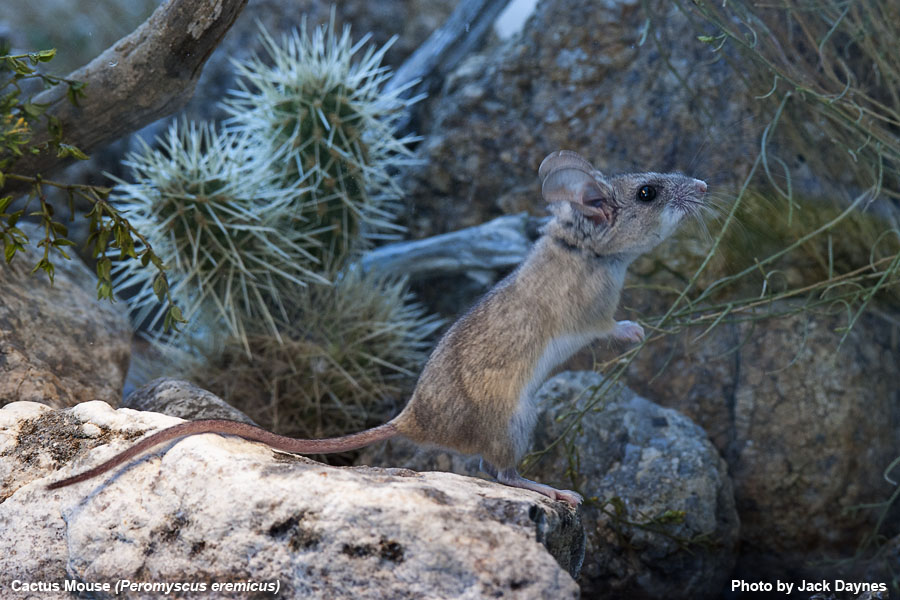
Cactus Mouse(Peromyscus eremicus) |
|
Description: Near Cottonwood Spring in southern Joshua Tree National Park. Riverside County California. |
Date Taken: 2016:09:28 10:22 |
|
Location:
Cottonwood Spring |
|
Camera Information: NIKON D3X, 105 mm, f/11.0, 1/100 |
File Name: CactusMouse_D3X8347-JackDaynes-Web |
| © 2016 Jack Daynes, shadeTreeImaging.com |
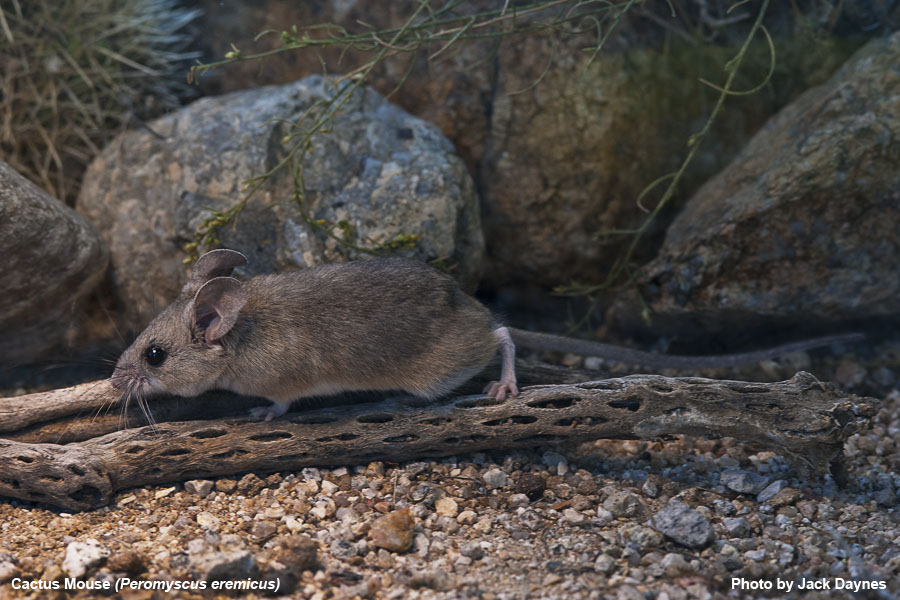
Cactus Mouse(Peromyscus eremicus) |
|
Description: Near Cottonwood Spring in southern Joshua Tree National Park. Riverside County California. |
Date Taken: 2016:09:28 10:54 |
|
Location:
Cottonwood Spring |
|
Camera Information: NIKON D3X, 105 mm, f/11.0, 1/125 |
File Name: CactusMouse_D3X8442-JackDaynes-Web |
| © 2016 Jack Daynes, shadeTreeImaging.com |
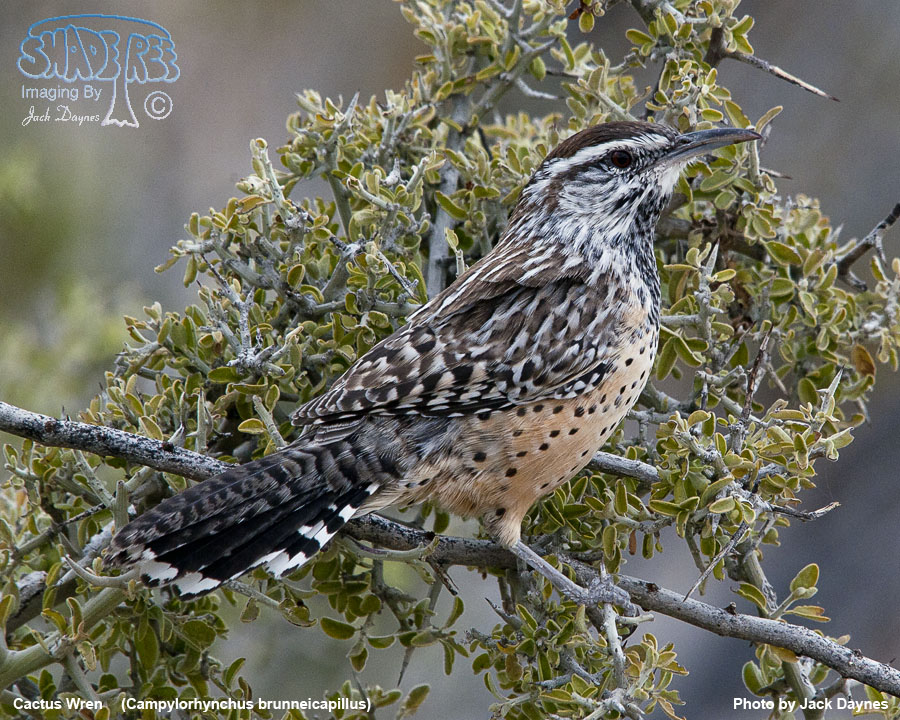
Cactus Wren(Campylorhynchus brunneicapillus) |
|
Description: Near Cottonwood Spring in southern Joshua Tree National Park. Riverside County California. |
Date Taken: 2016:09:27 11:45 |
|
Location:
Cottonwood Spring |
|
Camera Information: NIKON D3X, 800 mm, f/8.0, 1/640 |
File Name: CactusWren_D3X7789-Web |
| © 2016 Jack Daynes, shadeTreeImaging.com |
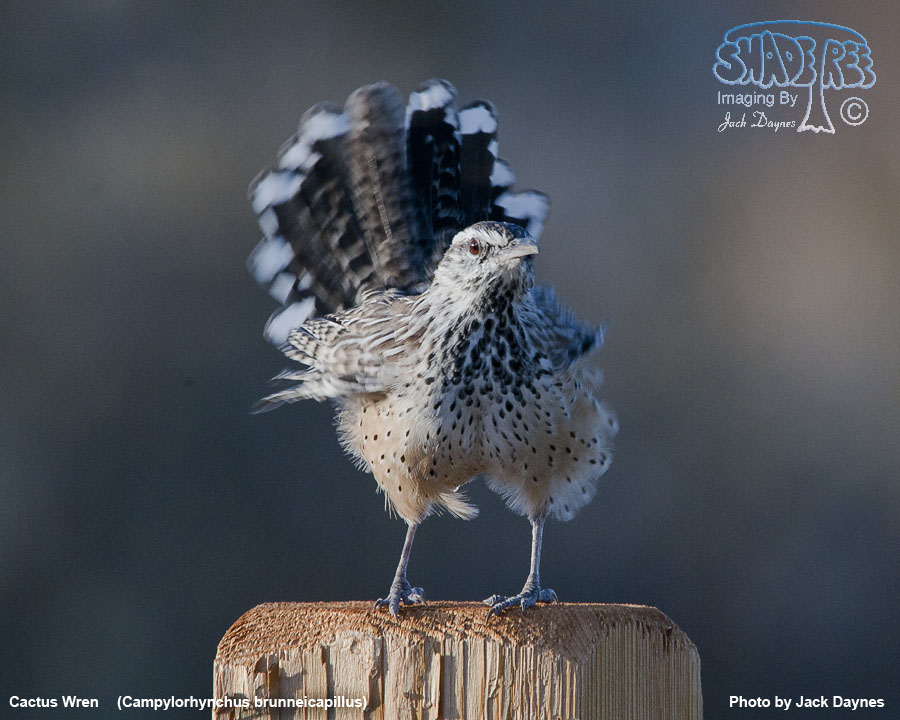
Cactus Wren(Campylorhynchus brunneicapillus) |
|
Description: Near Cottonwood Spring in southern Joshua Tree National Park. Riverside County California. |
Date Taken: 2016:09:27 18:51 |
|
Location:
Cottonwood Spring |
|
Camera Information: NIKON D3X, 800 mm, f/8.0, 1/400 |
File Name: CactusWren_D3X8056-Web |
| © 2016 Jack Daynes, shadeTreeImaging.com |
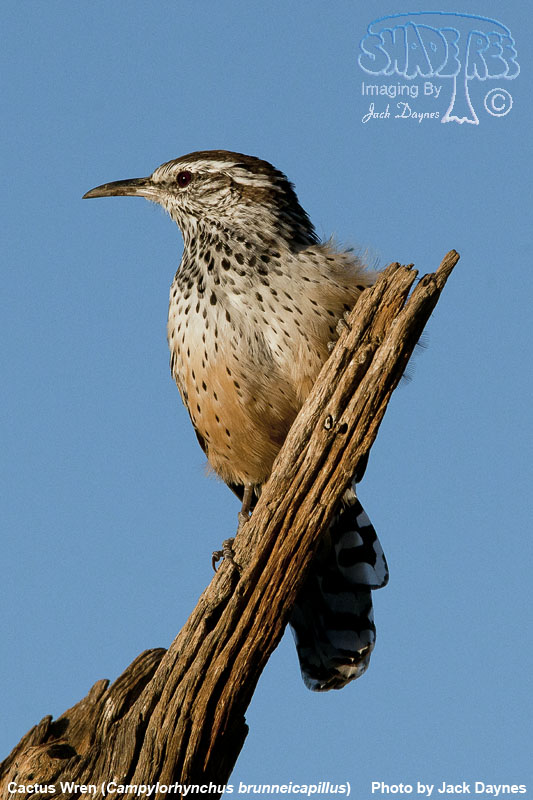
Cactus Wren(Campylorhynchus brunneicapillus) |
|
Description: Near Cottonwood Spring in southern Joshua Tree National Park. Riverside County California. |
Date Taken: 2016:09:27 18:58 |
|
Location:
Cottonwood Spring |
|
Camera Information: NIKON D3X, 800 mm, f/8.0, 1/2500 |
File Name: CactusWren_D3X8106-Web |
| © 2016 Jack Daynes, shadeTreeImaging.com |
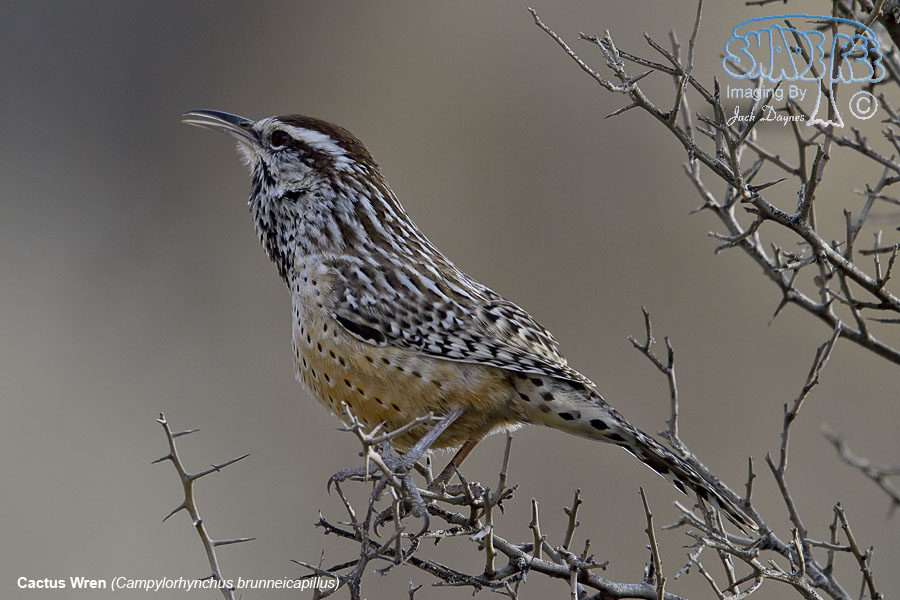
Cactus Wren(Campylorhynchus brunneicapillus) |
|
Description: I'd camped here in late September with the Science Team from the San Diego Natural History Museum gathering data as a followup study from previous studies of about 80 years prior. Mojave National Preserve in San Bernardino County, California. |
Date Taken: 2016:11:28 6:10 |
|
Location:
Cottonwood Spring |
|
Camera Information: NIKON D5, 800 mm, f/7.1, 1/1000 |
File Name: CactusWren_D5X0395 |
| © 2016 Jack Daynes, shadeTreeImaging.com |
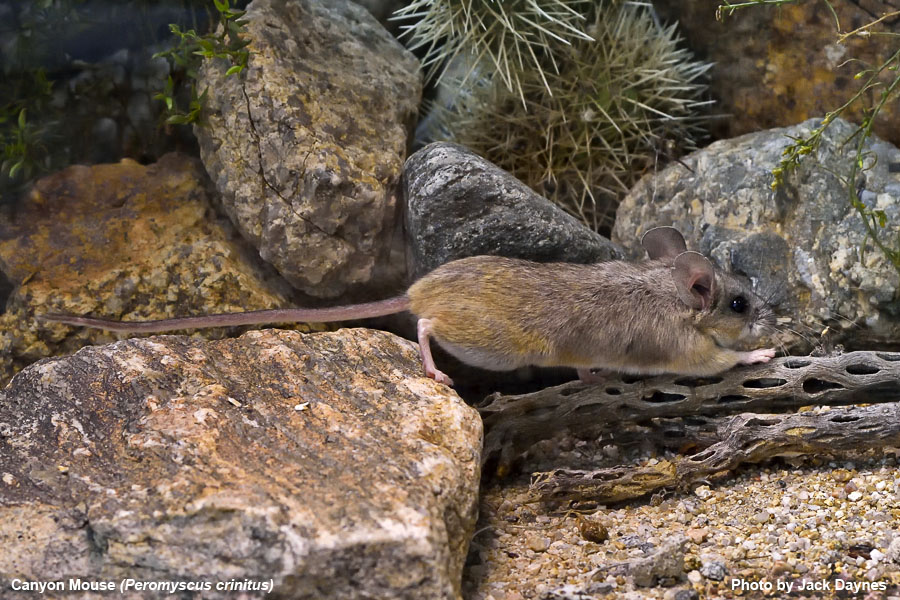
Canyon Mouse(Peromyscus crinitus) |
|
Description: Near Cottonwood Spring in southern Joshua Tree National Park. Riverside County California. |
Date Taken: 2016:09:27 7:52 |
|
Location:
Cottonwood Spring |
|
Camera Information: NIKON D7200, 70 mm, f/8.0, 1/1600 |
File Name: CanyonMouse_D726356-JackDaynes-Web |
| © 2016 Jack Daynes, shadeTreeImaging.com |
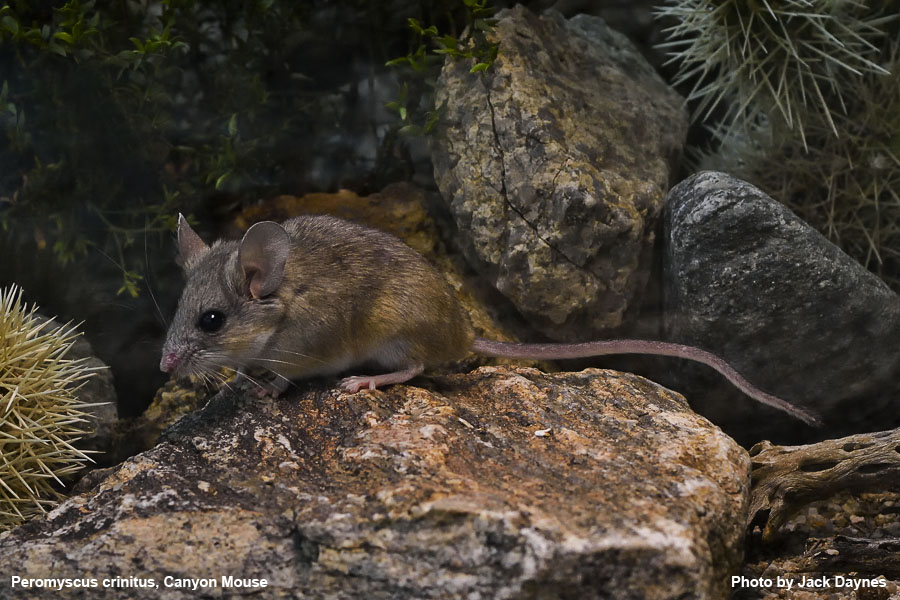
Canyon Mouse(Peromyscus crinitus) |
|
Description: Near Cottonwood Spring in southern Joshua Tree National Park. Riverside County California. |
Date Taken: 2016:09:27 7:58 |
|
Location:
Cottonwood Spring |
|
Camera Information: NIKON D7200, 70 mm, f/8.0, 1/1600 |
File Name: CanyonMouse_D726450-JackDaynes-Web |
| © 2016 Jack Daynes, shadeTreeImaging.com |
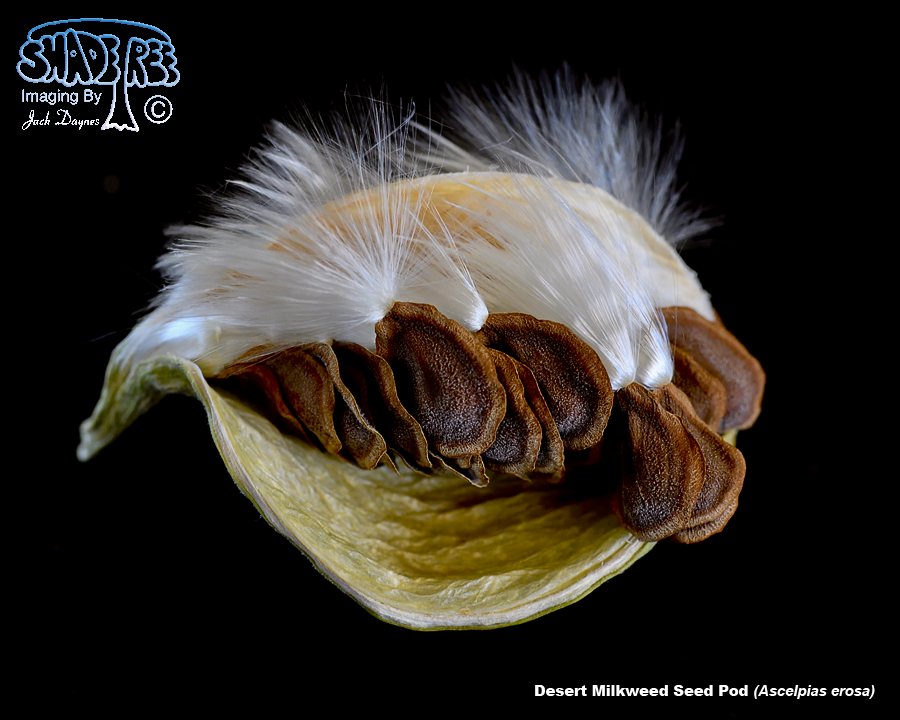
Desert Milkweed(Ascelpias erosa) |
|
Description: I could not resist photographing this seed pod collected by the botony team. Seen near Cottonwood Springs in Joshua Tree National Park. Riverside County California. |
Date Taken: 2017:06:17 8:47 |
|
Location:
Cottonwood Spring |
|
Camera Information: NIKON D5, 105 mm, f/8.0, 1/60 |
File Name: DesertMilkweed_D5X5223-SeedPod |
| © 2017 Jack Daynes, shadeTreeImaging.com |
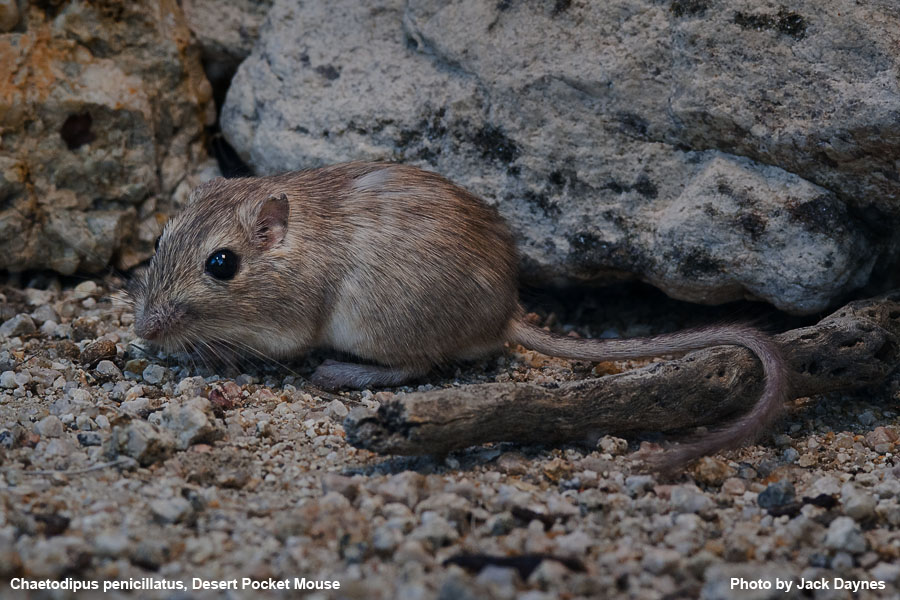
Desert Pocket Mouse(Chaetodipus penicillatus) |
|
Description: This mouse is very similar to the Long-Tailed Pocket Mouse. Subtle ear shape and size are one of the keys to distinquishing the two species. Near Cottonwood Spring in southern Joshua Tree National Park. Riverside County California. |
Date Taken: 2016:09:28 8:55 |
|
Location:
Cottonwood Spring |
|
Camera Information: NIKON D3X, 105 mm, f/11.0, 1/200 |
File Name: DesertPocketMouse_D3X8174-JackDaynes-Web |
| © 2016 Jack Daynes, shadeTreeImaging.com |
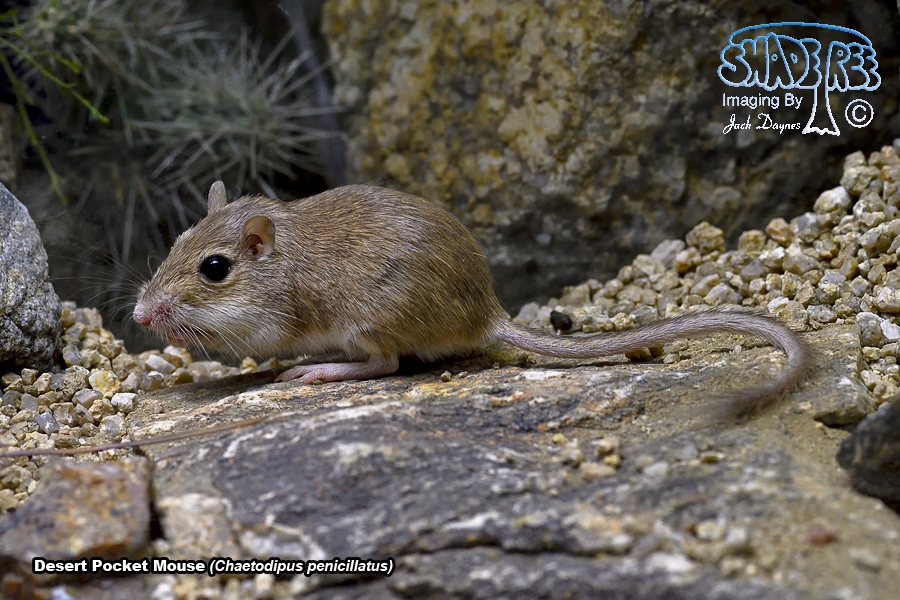
Desert Pocket Mouse(Chaetodipus penicillatus) |
|
Description: Seen near Cottonwood Springs in Joshua Tree National Park. Riverside County California. |
Date Taken: 2017:06:18 7:19 |
|
Location:
Cottonwood Spring |
|
Camera Information: NIKON D5, 105 mm, f/8.0, 1/250 |
File Name: DesertPocketMouse_D5X5760-PB1 |
| © 2017 Jack Daynes, shadeTreeImaging.com |
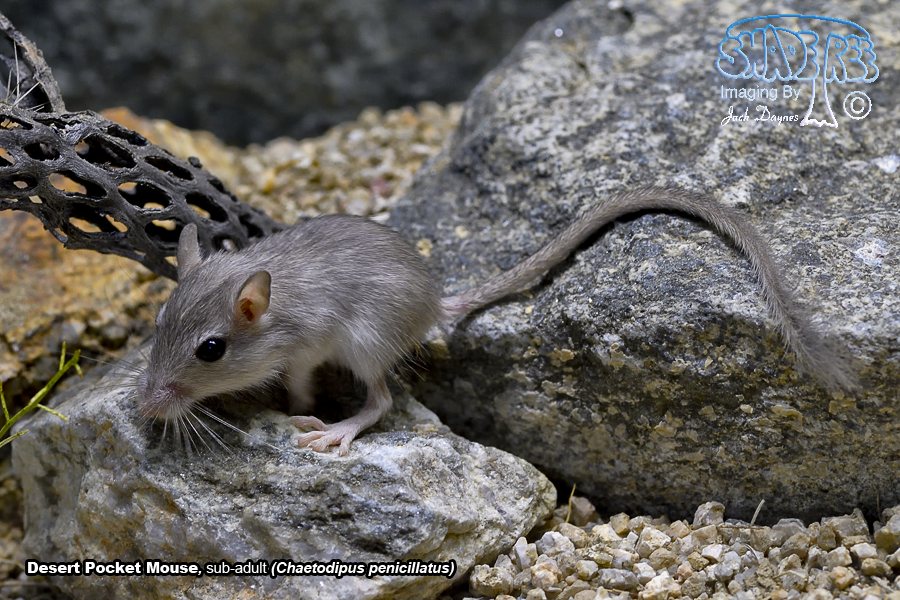
Desert Pocket Mouse(Chaetodipus penicillatus) |
|
Description: Juvenile Desert Pocket Mice (or sub-adults) can be mistaken for the Little Pocket Mouse, which ocupies the same habitat. Seen near Cottonwood Springs in Joshua Tree National Park. Riverside County California. |
Date Taken: 2017:06:18 7:32 |
|
Location:
Cottonwood Spring |
|
Camera Information: NIKON D5, 105 mm, f/8.0, 1/160 |
File Name: DesertPocketMouse_D5X5976-SubAdult |
| © 2017 Jack Daynes, shadeTreeImaging.com |
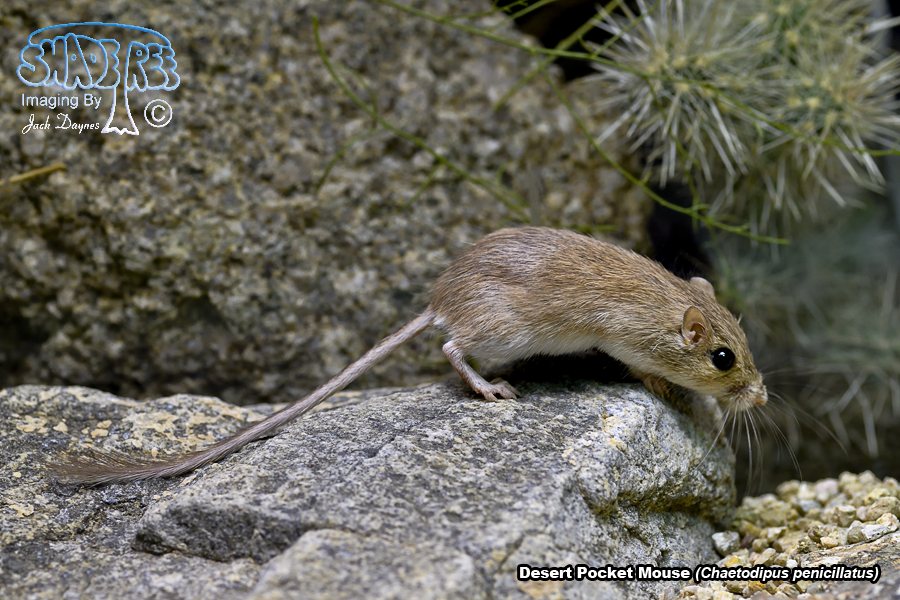
Desert Pocket Mouse(Chaetodipus penicillatus) |
|
Description: Seen near Cottonwood Springs in Joshua Tree National Park. Riverside County California. |
Date Taken: 2017:06:20 6:51 |
|
Location:
Cottonwood Spring |
|
Camera Information: NIKON D5, 105 mm, f/5.6, 1/320 |
File Name: DesertPocketMouse_D5X7141-PB5 |
| © 2017 Jack Daynes, shadeTreeImaging.com |
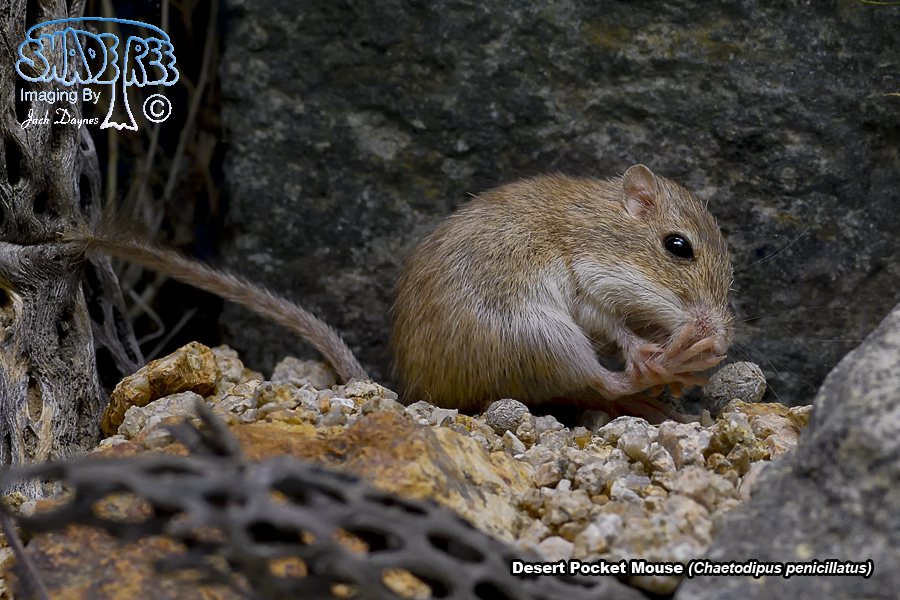
Desert Pocket Mouse(Chaetodipus penicillatus) |
|
Description: Seen near Cottonwood Springs in Joshua Tree National Park. Riverside County California. |
Date Taken: 2017:06:20 7:10 |
|
Location:
Cottonwood Spring |
|
Camera Information: NIKON D5, 105 mm, f/8.0, 1/160 |
File Name: DesertPocketMouse_D5X7446-PB6 |
| © 2017 Jack Daynes, shadeTreeImaging.com |
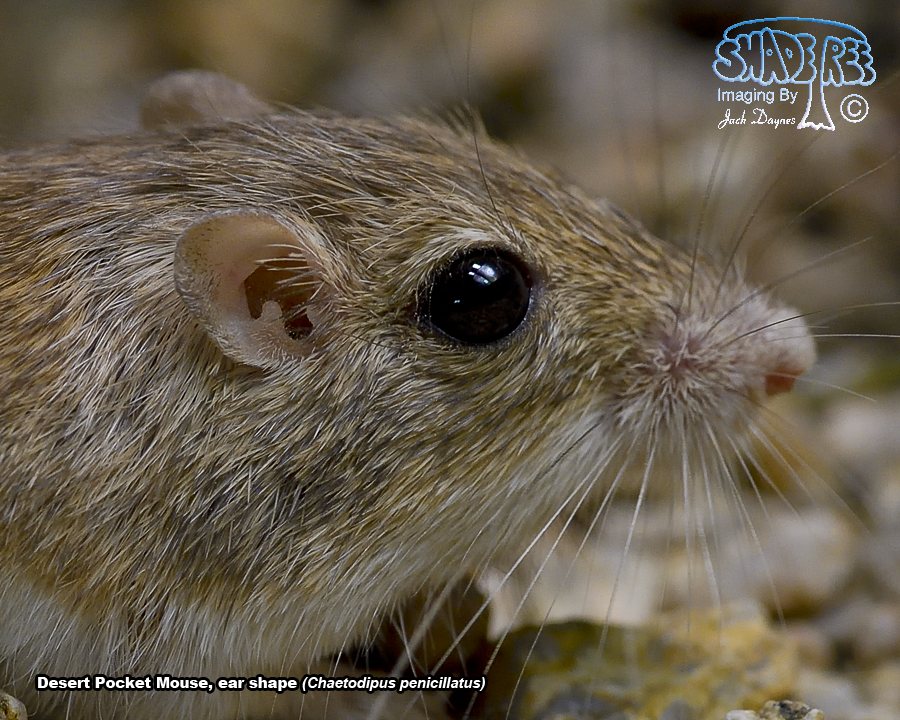
Desert Pocket Mouse(Chaetodipus penicillatus) |
|
Description: The rounded ear of the Desert Pocket Mouse helps distinguish it from the elongated ear of the Long-Tailed Pocket Mouse. Seen near Cottonwood Springs in Joshua Tree National Park. Riverside County California. |
Date Taken: 2017:06:20 7:12 |
|
Location:
Cottonwood Spring |
|
Camera Information: NIKON D5, 105 mm, f/8.0, 1/160 |
File Name: DesertPocketMouse-Ear_D5X7469-PB6 |
| © 2017 Jack Daynes, shadeTreeImaging.com |
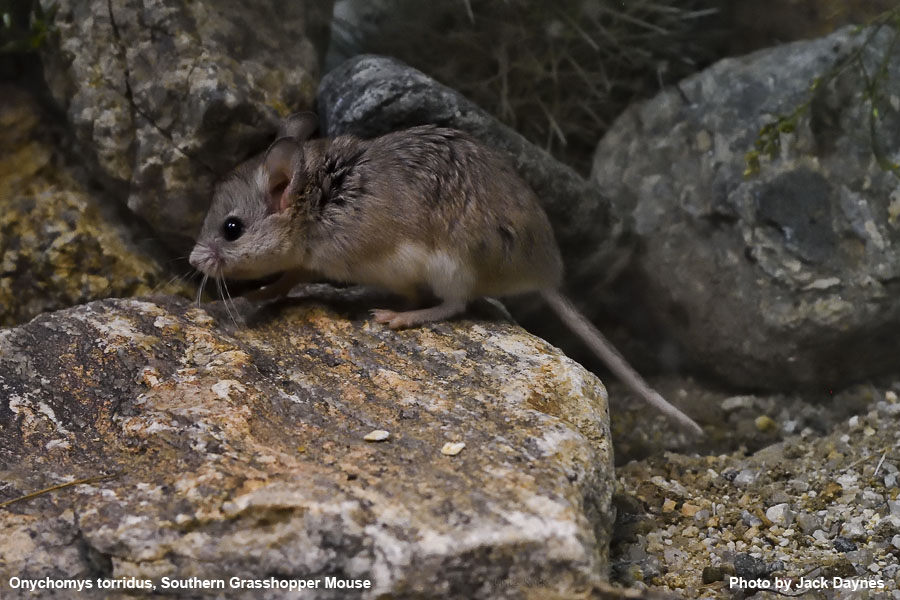
Grasshopper Mouse(Onychomys torridus) |
|
Description: Near Cottonwood Spring in southern Joshua Tree National Park. Riverside County California. |
Date Taken: 2016:09:27 9:57 |
|
Location:
Cottonwood Spring |
|
Camera Information: NIKON D7200, 58 mm, f/8.0, 1/640 |
File Name: GrassHopperMouse_D727272-JackDaynes-Web |
| © 2016 Jack Daynes, shadeTreeImaging.com |
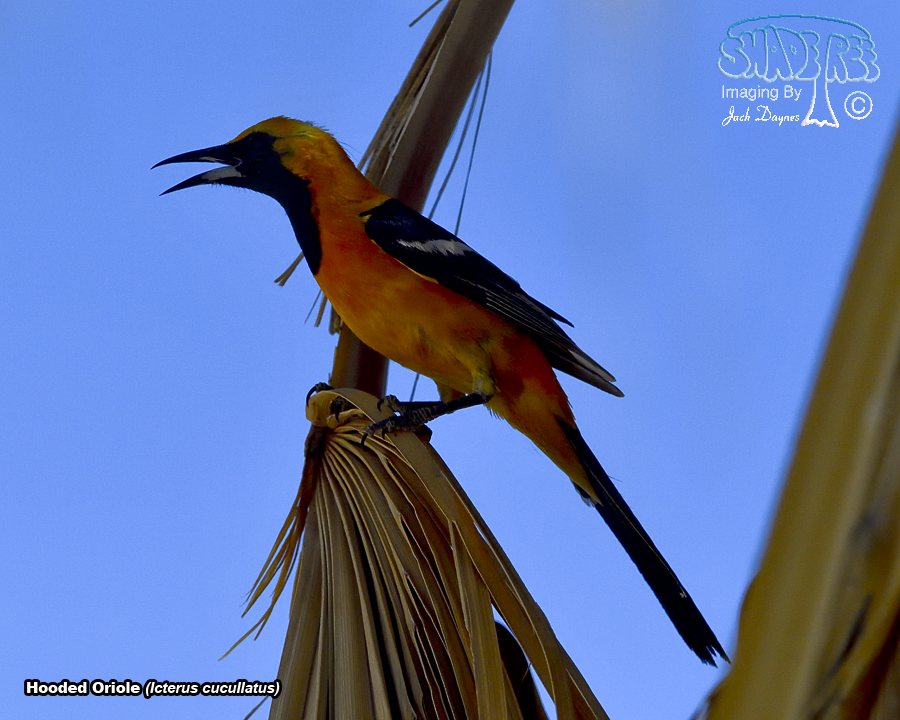
Hooded Oriole(Icterus cucullatus) |
|
Description: Seen near Cottonwood Springs in Joshua Tree National Park. Riverside County California. |
Date Taken: 2017:06:17 10:36 |
|
Location:
Cottonwood Spring |
|
Camera Information: NIKON D5, 800 mm, f/8.0, 1/5000 |
File Name: HoodedOriole_D5X5420 |
| © 2017 Jack Daynes, shadeTreeImaging.com |
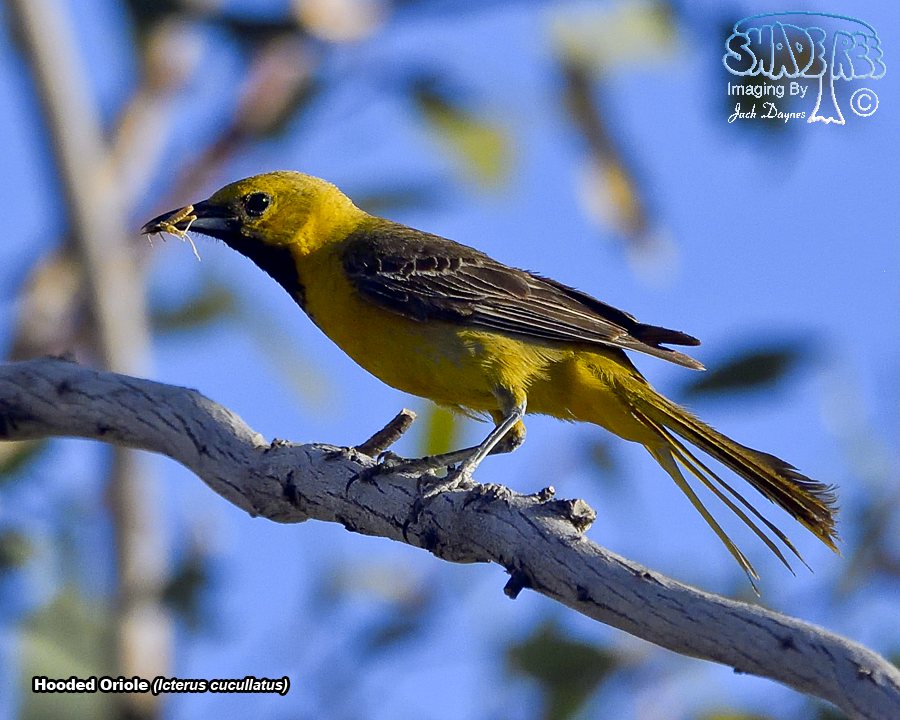
Hooded Oriole(Icterus cucullatus) |
|
Description: Seen near Cottonwood Springs in Joshua Tree National Park. Riverside County California. |
Date Taken: 2017:06:17 17:54 |
|
Location:
Cottonwood Spring |
|
Camera Information: NIKON D5, 800 mm, f/8.0, 1/3200 |
File Name: HoodedOriole_D5X5484 |
| © 2017 Jack Daynes, shadeTreeImaging.com |
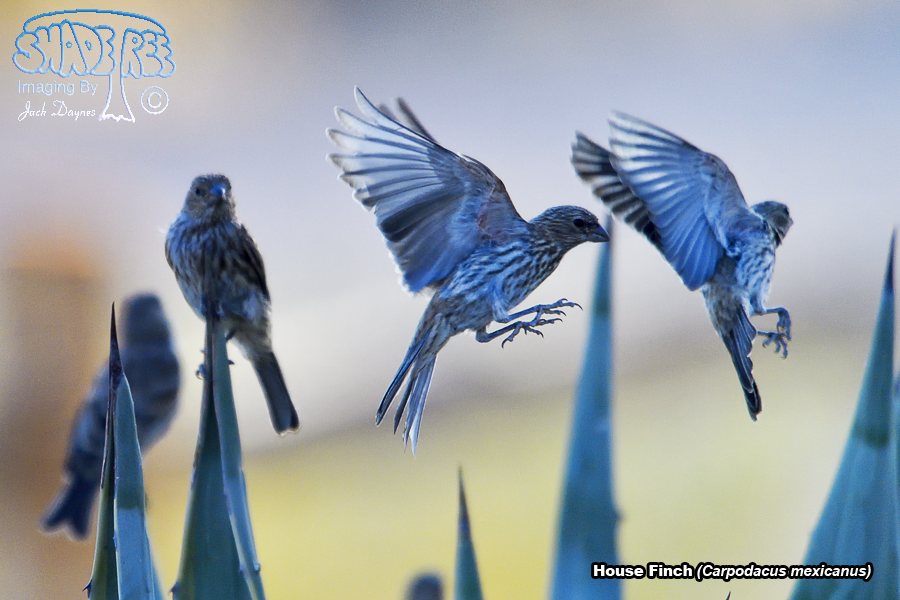
House Finch(Haemorhous mexicanus) |
|
Description: Seen near Cottonwood Springs in Joshua Tree National Park. Riverside County California. |
Date Taken: 2017:06:19 5:47 |
|
Location:
Cottonwood Spring |
|
Camera Information: NIKON D5, 800 mm, f/5.6, 1/3200 |
File Name: HouseFinch_D5X6298 |
| © 2017 Jack Daynes, shadeTreeImaging.com |
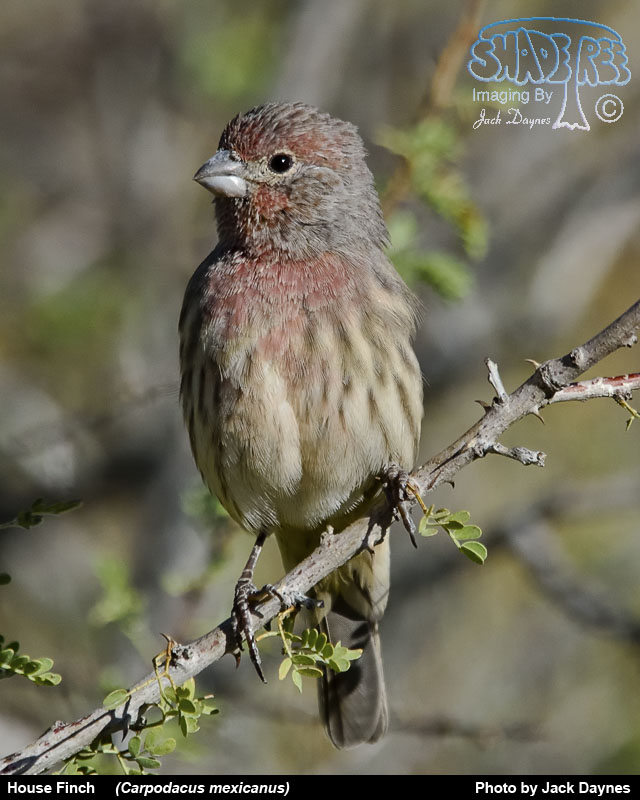
House Finch(Haemorhous mexicanus) |
|
Description: Near Cottonwood Spring in southern Joshua Tree National Park. Riverside County California. |
Date Taken: 2016:09:28 8:55 |
|
Location:
Cottonwood Spring |
|
Camera Information: NIKON D7200, 800 mm, f/8.0, 1/2500 |
File Name: HouseFinch_D727378-Web |
| © 2016 Jack Daynes, shadeTreeImaging.com |
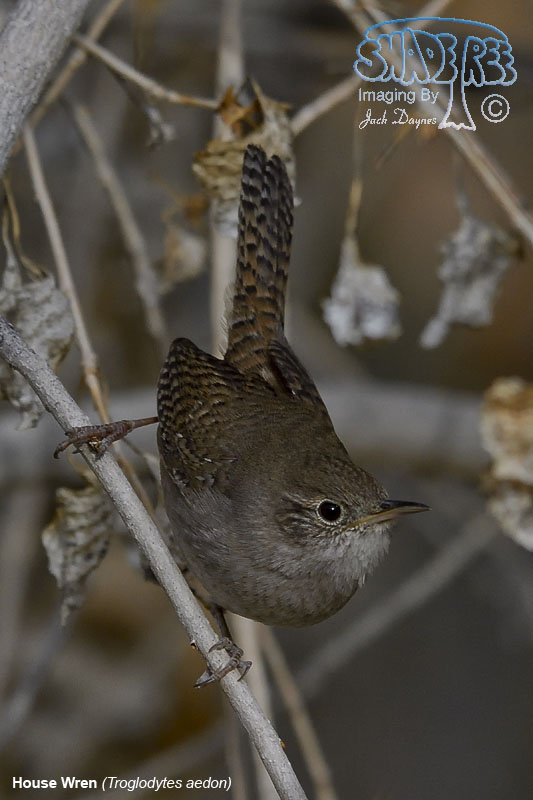
House Wren(Troglodytes aedon) |
|
Description: I'd camped here in late September with the Science Team from the San Diego Natural History Museum gathering data as a followup study from previous studies of about 80 years prior. Mojave National Preserve in San Bernardino County, California. |
Date Taken: 2016:11:28 5:52 |
|
Location:
Cottonwood Spring |
|
Camera Information: NIKON D5, 800 mm, f/7.1, 1/2000 |
File Name: HouseWren_D5X0357 |
| © 2016 Jack Daynes, shadeTreeImaging.com |
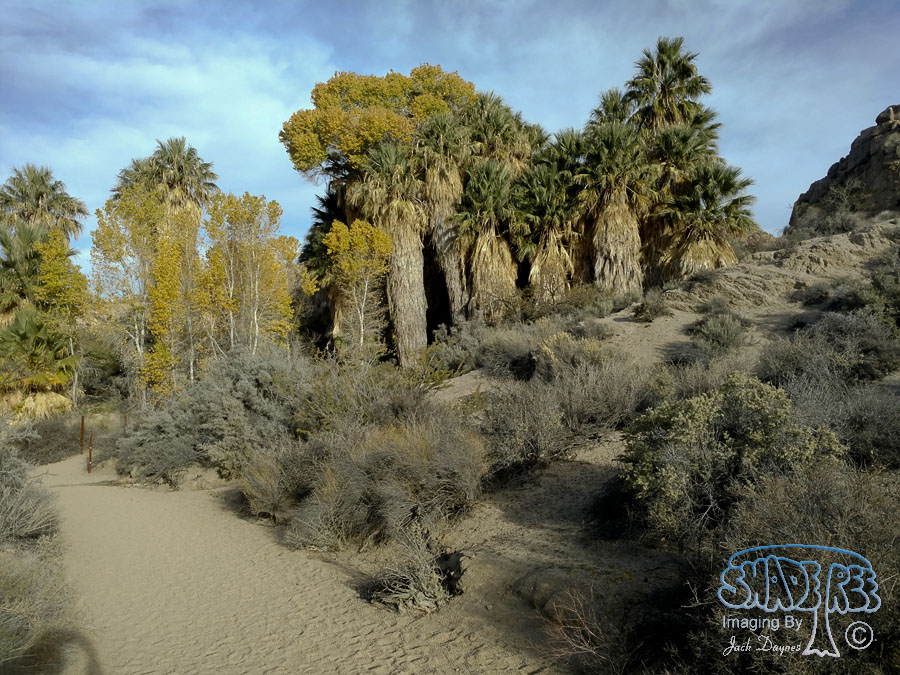
Scenery(n/a) |
|
Description: I'd camped here in late September with the Science Team from the San Diego Natural History Museum gathering data as a followup study from previous studies of about 80 years prior. Mojave National Preserve in San Bernardino County, California. |
Date Taken: 2016:11:28 8:26 |
|
Location:
Cottonwood Spring |
|
Camera Information: XT1575, 4.67 mm, f/2.0, 1/950 |
File Name: JcD-_2016-11-28_08_26_23_Cottonwood-Spring |
| © 2016 Jack Daynes, shadeTreeImaging.com |
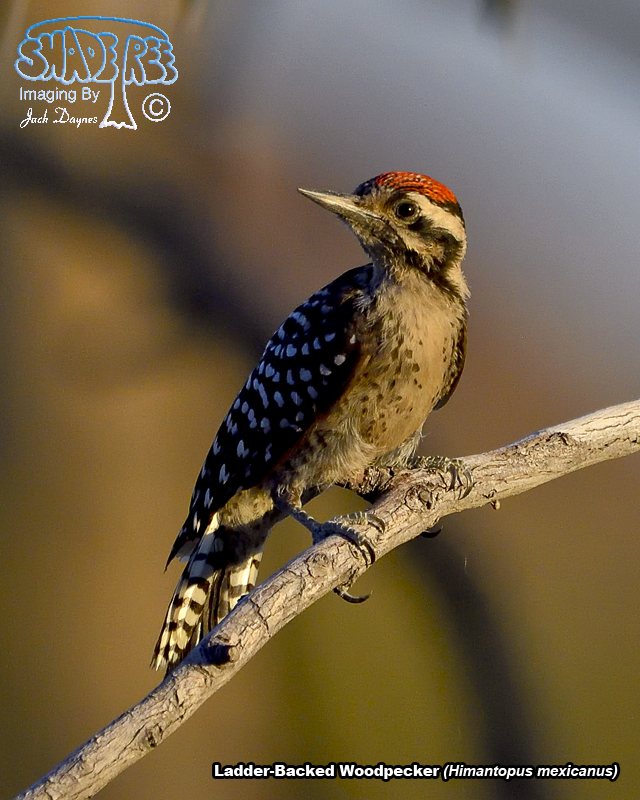
Ladder-Backed Woodpecker(Dryobates scalaris) |
|
Description: Ladder-Backed Woodpeckers escavate many holes in the cottonwood trees of the Mojave Desert, providing nest sites for other birds. Seen near Cottonwood Springs in Joshua Tree National Park. Riverside County California. |
Date Taken: 2017:06:17 18:20 |
|
Location:
Cottonwood Spring |
|
Camera Information: NIKON D5, 800 mm, f/8.0, 1/2000 |
File Name: LadderBackedWoodpecker_D5X5650 |
| © 2017 Jack Daynes, shadeTreeImaging.com |
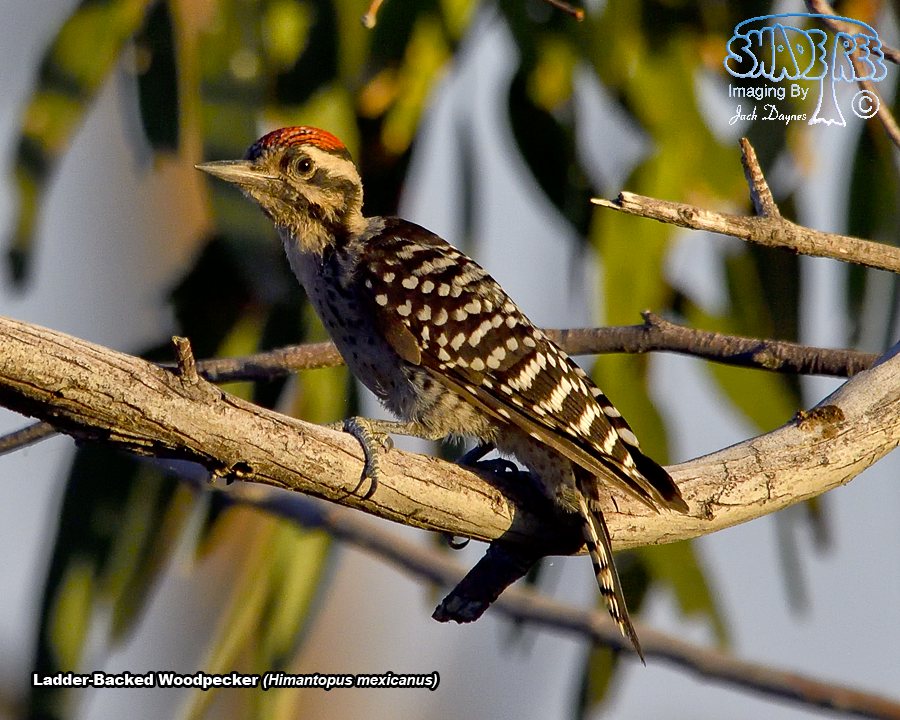
Ladder-Backed Woodpecker(Dryobates scalaris) |
|
Description: Ladder-Backed Woodpeckers escavate many holes in the cottonwood trees of the Mojave Desert, providing nest sites for other birds. Seen near Cottonwood Springs in Joshua Tree National Park. Riverside County California. |
Date Taken: 2017:06:17 18:21 |
|
Location:
Cottonwood Spring |
|
Camera Information: NIKON D5, 800 mm, f/8.0, 1/2000 |
File Name: LadderBackedWoodpecker_D5X5685 |
| © 2017 Jack Daynes, shadeTreeImaging.com |
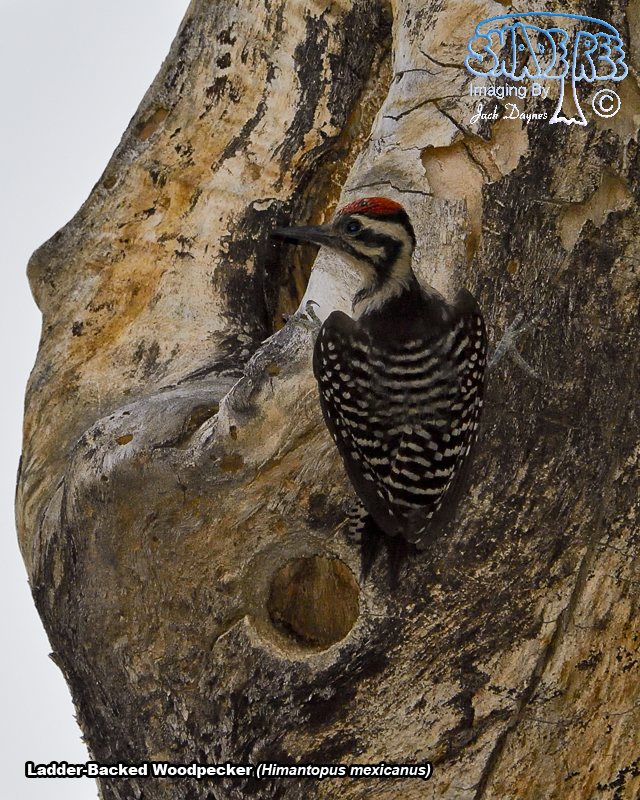
Ladder-Backed Woodpecker(Dryobates scalaris) |
|
Description: Ladder-Backed Woodpeckers escavate many holes in the cottonwood trees of the Mojave Desert, providing nest sites for other birds. Seen near Cottonwood Springs in Joshua Tree National Park. Riverside County California. |
Date Taken: 2017:06:19 18:28 |
|
Location:
Cottonwood Spring |
|
Camera Information: NIKON D5, 800 mm, f/8.0, 1/800 |
File Name: LadderBackedWoodPecker_D5X7064 |
| © 2017 Jack Daynes, shadeTreeImaging.com |
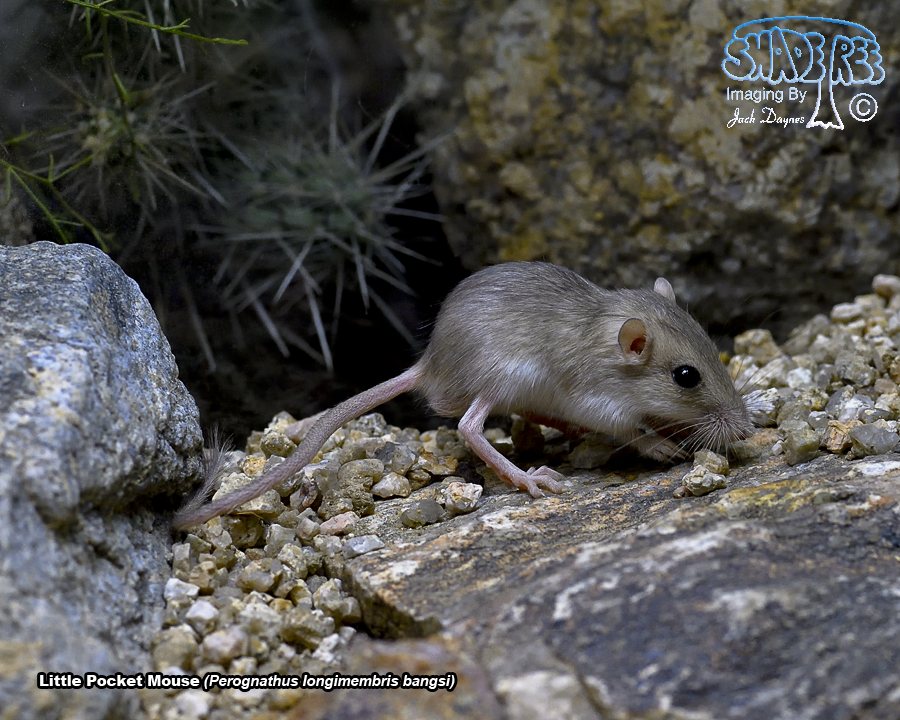
Little Pocket Mouse(Perognathus longimembris bangsi) |
|
Description: The Palm Springs Little Pocket Mouse is a species of concern. There are efforts underway to protect it as an endangered species. Seen near Cottonwood Springs in Joshua Tree National Park. Riverside County California. |
Date Taken: 2017:06:19 6:43 |
|
Location:
Cottonwood Spring |
|
Camera Information: NIKON D5, 105 mm, f/8.0, 1/250 |
File Name: LittlePocketMouse_D5X6438 |
| © 2017 Jack Daynes, shadeTreeImaging.com |
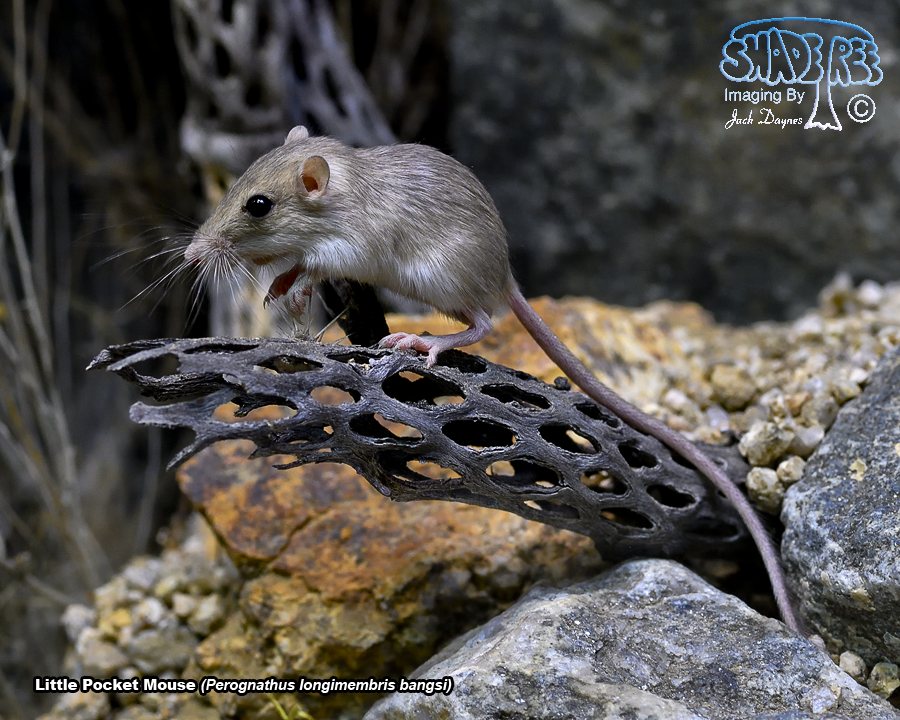
Little Pocket Mouse(Perognathus longimembris bangsi) |
|
Description: The Palm Springs Little Pocket Mouse is a species of concern. There are efforts underway to protect it as an endangered species. Seen near Cottonwood Springs in Joshua Tree National Park. Riverside County California. |
Date Taken: 2017:06:19 6:52 |
|
Location:
Cottonwood Spring |
|
Camera Information: NIKON D5, 105 mm, f/8.0, 1/125 |
File Name: LittlePocketMouse_D5X6803 |
| © 2017 Jack Daynes, shadeTreeImaging.com |
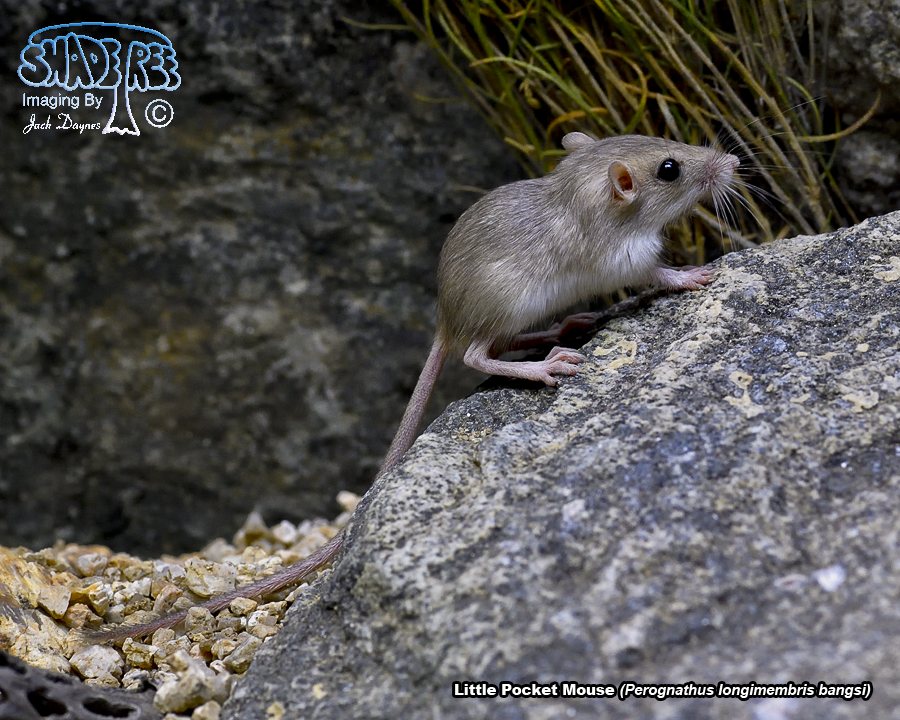
Little Pocket Mouse(Perognathus longimembris bangsi) |
|
Description: The Palm Springs Little Pocket Mouse is a species of concern. There are efforts underway to protect it as an endangered species. Seen near Cottonwood Springs in Joshua Tree National Park. Riverside County California. |
Date Taken: 2017:06:19 6:53 |
|
Location:
Cottonwood Spring |
|
Camera Information: NIKON D5, 105 mm, f/8.0, 1/200 |
File Name: LittlePocketMouse_D5X6819 |
| © 2017 Jack Daynes, shadeTreeImaging.com |
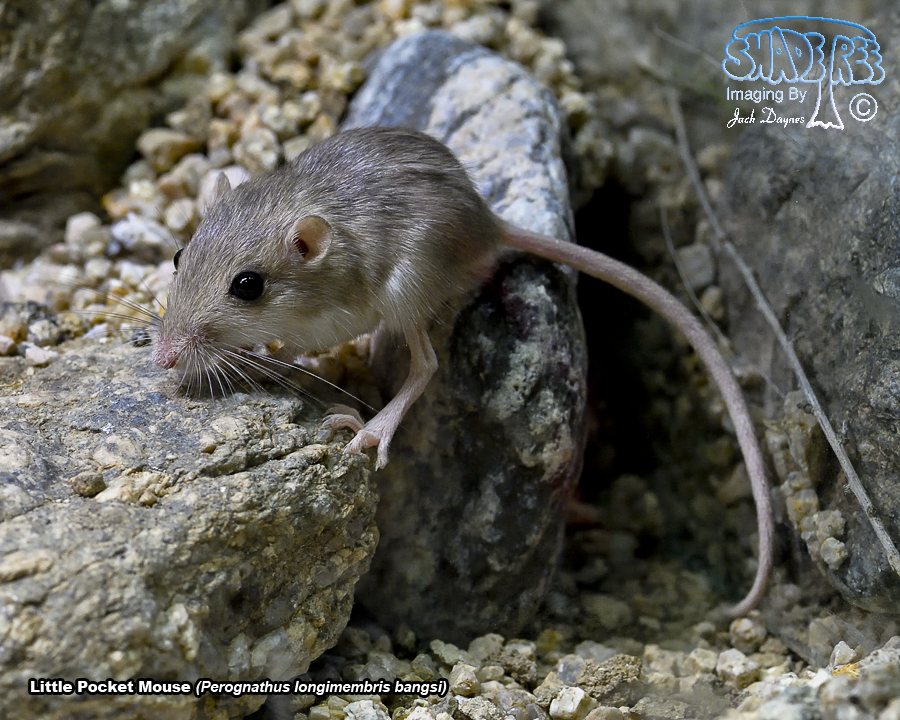
Little Pocket Mouse(Perognathus longimembris bangsi) |
|
Description: The Palm Springs Little Pocket Mouse is a species of concern. There are efforts underway to protect it as an endangered species. Seen near Cottonwood Springs in Joshua Tree National Park. Riverside County California. |
Date Taken: 2017:06:19 6:58 |
|
Location:
Cottonwood Spring |
|
Camera Information: NIKON D5, 105 mm, f/8.0, 1/125 |
File Name: LittlePocketMouse_D5X6864 |
| © 2017 Jack Daynes, shadeTreeImaging.com |
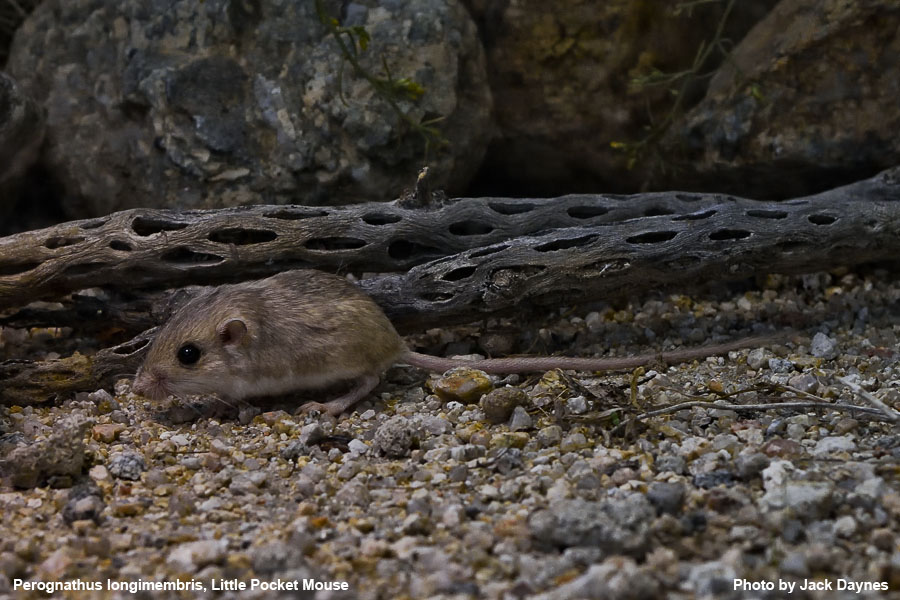
Palm Springs Little Pocket Mouse(Perognathus longimembris) |
|
Description: The Little Pocket Mouse is less than half the size of other pocket mice. Perhaps that is why NASA sent them on space missions in 1973 and 1973. The Pacific Pocket Mouse (Perognathus longimembris pacificus) , a close cousin if the Palm Springs Pocket Mouse and native to coastal Southern California, is listed as endangered. Near Cottonwood Spring in southern Joshua Tree National Park. Riverside County California. |
Date Taken: 2016:09:27 8:20 |
|
Location:
Cottonwood Spring |
|
Camera Information: NIKON D7200, 70 mm, f/8.0, 1/1600 |
File Name: LittlePocketMouse_D726607-JackDaynes-Web |
| © 2016 Jack Daynes, shadeTreeImaging.com |
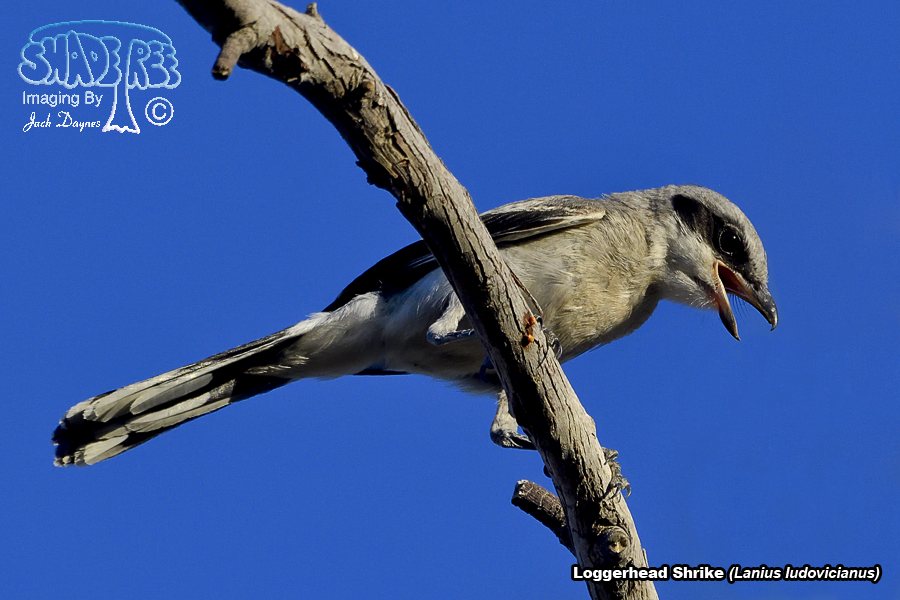
Loggerhead Shrike(Lanius ludovicianus) |
|
Description: Seen near Cottonwood Springs in Joshua Tree National Park. Riverside County California. |
Date Taken: 2017:06:17 18:06 |
|
Location:
Cottonwood Spring |
|
Camera Information: NIKON D5, 800 mm, f/8.0, 1/2000 |
File Name: LoggerHeadShrike_D5X5561 |
| © 2017 Jack Daynes, shadeTreeImaging.com |
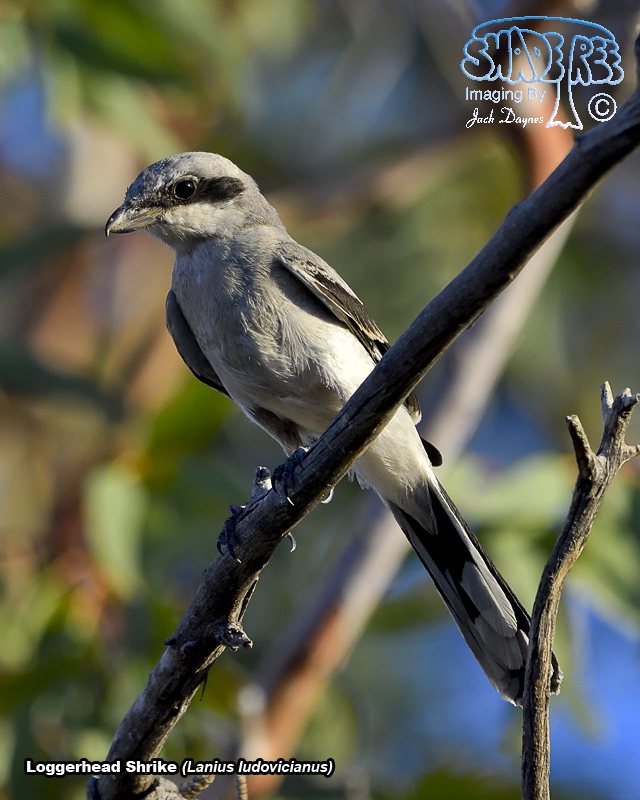
Loggerhead Shrike(Lanius ludovicianus) |
|
Description: Seen near Cottonwood Springs in Joshua Tree National Park. Riverside County California. |
Date Taken: 2017:06:17 18:06 |
|
Location:
Cottonwood Spring |
|
Camera Information: NIKON D5, 800 mm, f/8.0, 1/1000 |
File Name: LoggerHeadShrike_D5X5572 |
| © 2017 Jack Daynes, shadeTreeImaging.com |
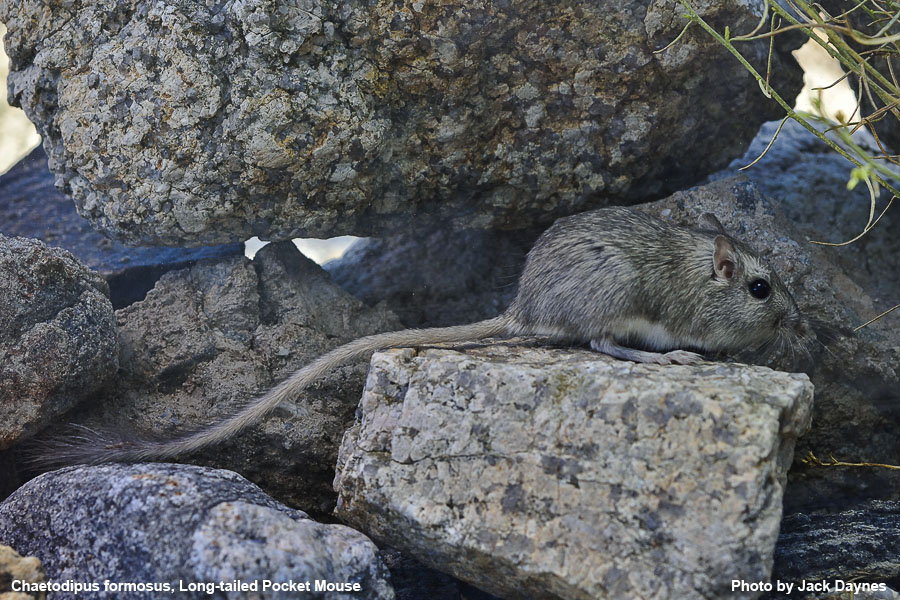
Long-Tailed Pocket Mouse(Chaetodipus formosus) |
|
Description: This mouse is very similar to the Desert Pocket Mouse. Subtle ear shape and size are one of the keys to distinquishing the two species. Near Cottonwood Spring in southern Joshua Tree National Park. Riverside County California. |
Date Taken: 2016:09:26 7:57 |
|
Location:
Cottonwood Spring |
|
Camera Information: NIKON D7200, 70 mm, f/8.0, 1/160 |
File Name: LongTailedPocketMouse_D724985-JackDaynes-Web |
| © 2016 Jack Daynes, shadeTreeImaging.com |
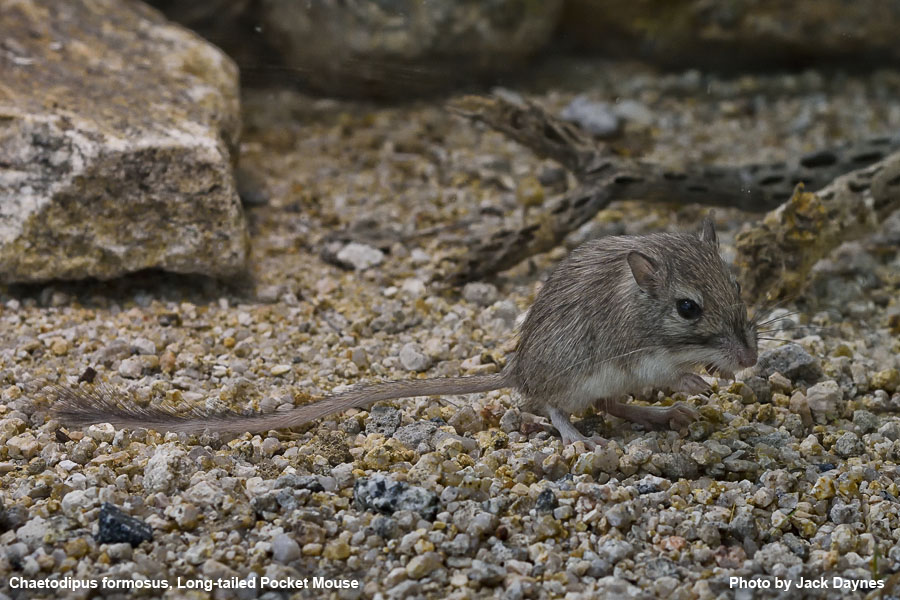
Long-Tailed Pocket Mouse(Chaetodipus formosus) |
|
Description: This mouse is very similar to the Desert Pocket Mouse. Subtle ear shape and size are one of the keys to distinquishing the two species. Near Cottonwood Spring in southern Joshua Tree National Park. Riverside County California. |
Date Taken: 2016:09:27 8:43 |
|
Location:
Cottonwood Spring |
|
Camera Information: NIKON D7200, 52 mm, f/8.0, 1/1600 |
File Name: LongTailedPocketMouse_D726804-JackDaynes-Web |
| © 2016 Jack Daynes, shadeTreeImaging.com |
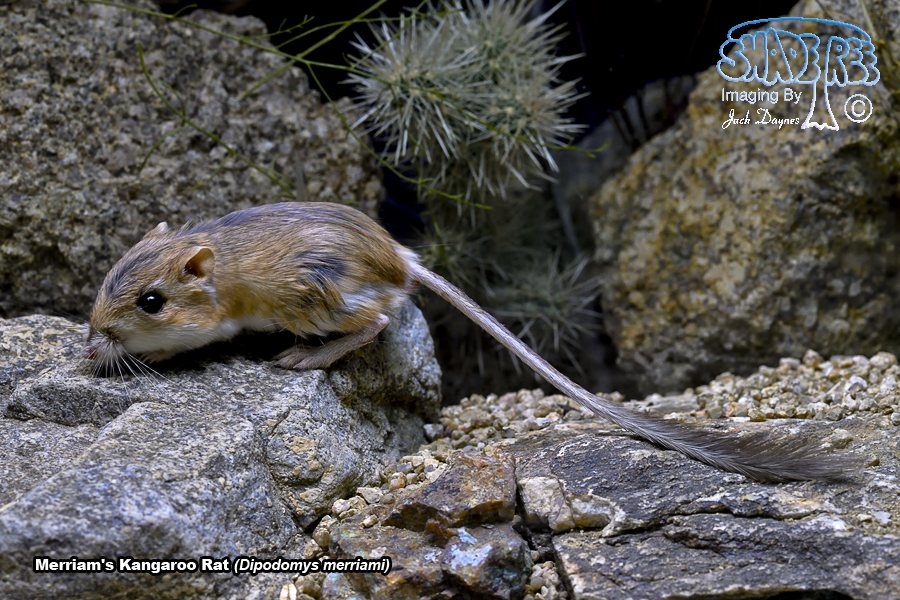
Merriam's Kangaroo Rat(Dipodomys merriami) |
|
Description: Seen near Cottonwood Springs in Joshua Tree National Park. Riverside County California. |
Date Taken: 2017:06:19 7:17 |
|
Location:
Cottonwood Spring |
|
Camera Information: NIKON D5, 105 mm, f/8.0, 1/160 |
File Name: MerriamsKangarooRat_D5X6923-PB4 |
| © 2017 Jack Daynes, shadeTreeImaging.com |
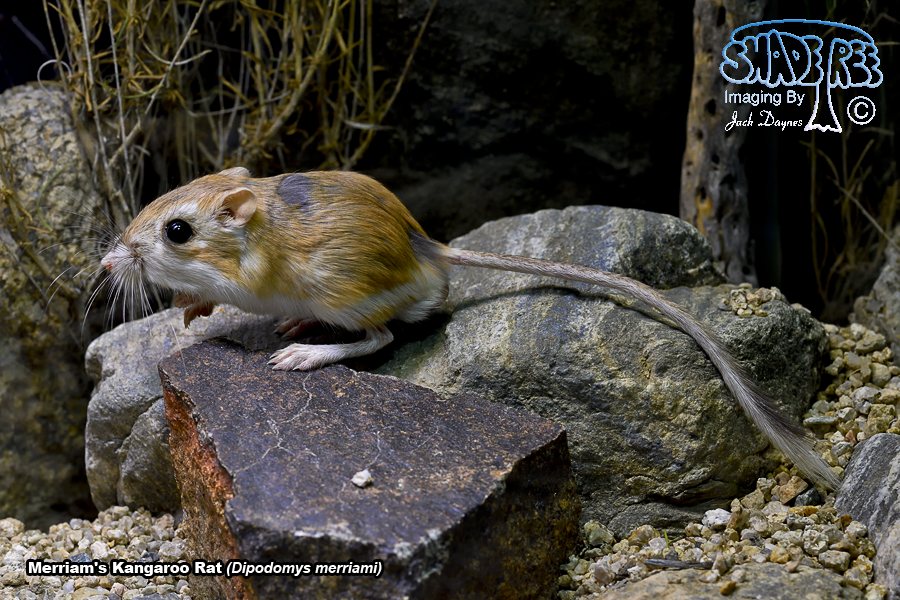
Merriam's Kangaroo Rat(Dipodomys merriami) |
|
Description: Seen near Cottonwood Springs in Joshua Tree National Park. Riverside County California. |
Date Taken: 2017:06:20 7:17 |
|
Location:
Cottonwood Spring |
|
Camera Information: NIKON D5, 105 mm, f/8.0, 1/200 |
File Name: MerriamsKangarooRat_D5X7490-PB7 |
| © 2017 Jack Daynes, shadeTreeImaging.com |
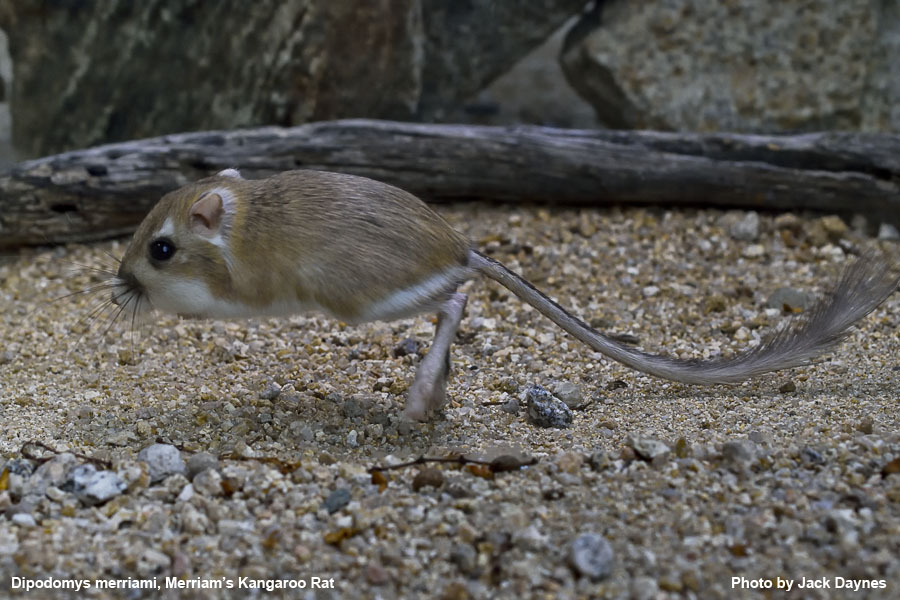
Merriam's Kangaroo Rat(Dipodomys merriami) |
|
Description: Near Cottonwood Spring in southern Joshua Tree National Park. Riverside County California. |
Date Taken: 2016:09:26 16:08 |
|
Location:
Cottonwood Spring |
|
Camera Information: NIKON D7200, 50 mm, f/8.0, 1/1600 |
File Name: MerriamsKangarooRat_D726133-JackDaynes-Web |
| © 2016 Jack Daynes, shadeTreeImaging.com |
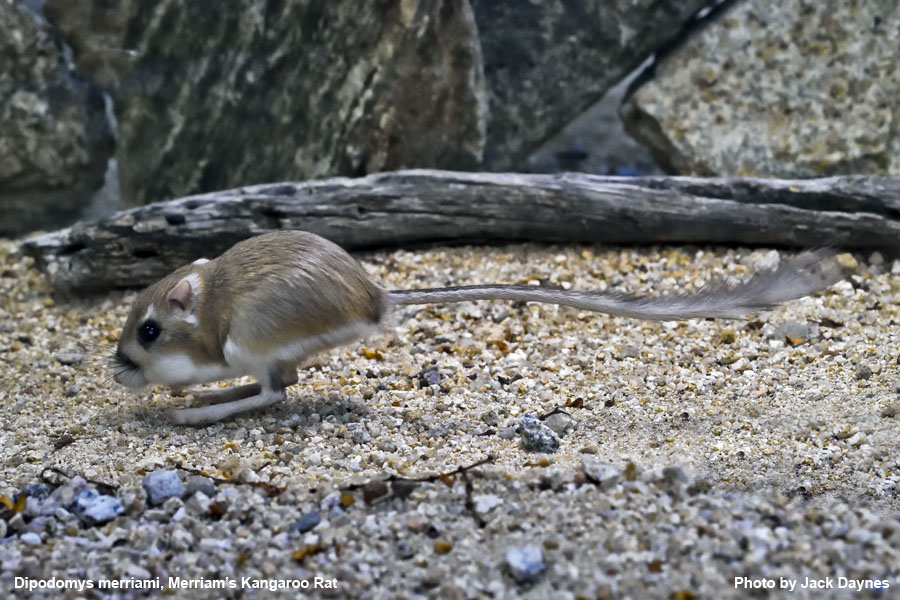
Merriam's Kangaroo Rat(Dipodomys merriami) |
|
Description: Near Cottonwood Spring in southern Joshua Tree National Park. Riverside County California. |
Date Taken: 2016:09:26 16:24 |
|
Location:
Cottonwood Spring |
|
Camera Information: NIKON D7200, 44 mm, f/8.0, 1/1600 |
File Name: MerriamsKangarooRat_D726236-JackDaynes-Web |
| © 2016 Jack Daynes, shadeTreeImaging.com |
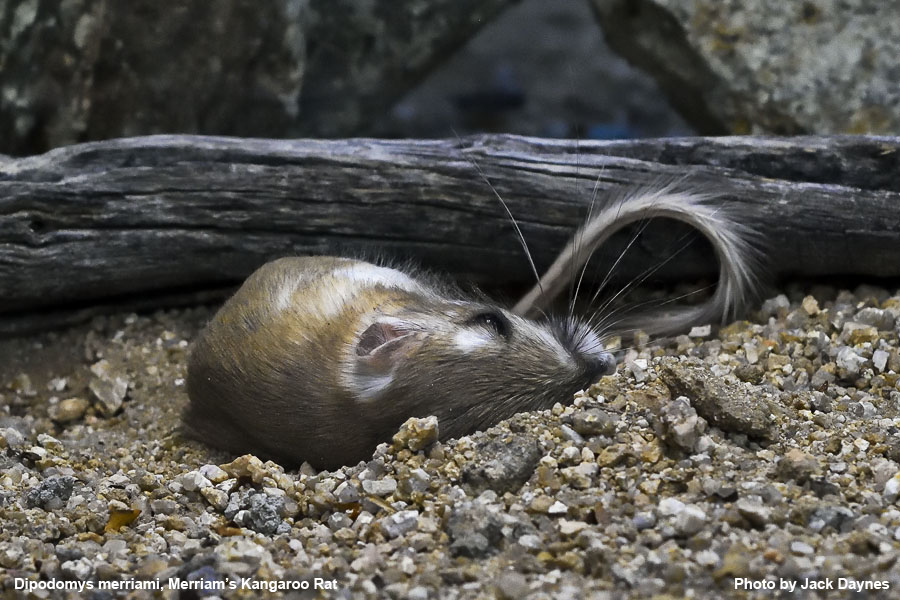
Merriam's Kangaroo Rat(Dipodomys merriami) |
|
Description: Near Cottonwood Spring in southern Joshua Tree National Park. Riverside County California. |
Date Taken: 2016:09:26 16:26 |
|
Location:
Cottonwood Spring |
|
Camera Information: NIKON D7200, 58 mm, f/8.0, 1/1600 |
File Name: MerriamsKangarooRat_D726288-JackDaynes-Web |
| © 2016 Jack Daynes, shadeTreeImaging.com |
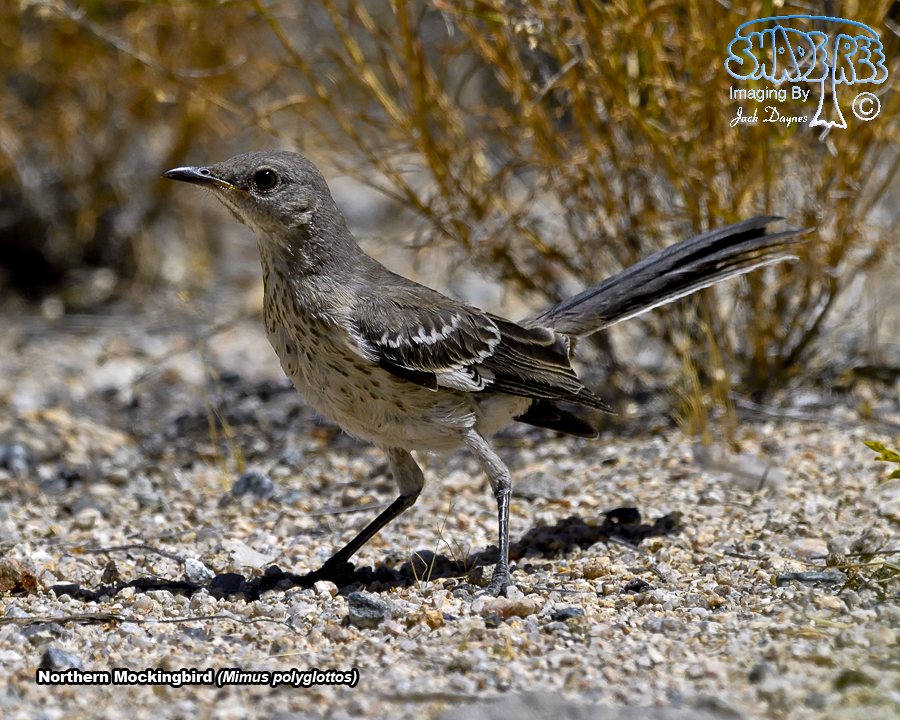
Northern Mockingbird(Mimus polyglottos) |
|
Description: A spotted breast on these birds indicate it is a juvenile. Seen near Cottonwood Springs in Joshua Tree National Park. Riverside County California. |
Date Taken: 2017:06:17 9:58 |
|
Location:
Cottonwood Spring |
|
Camera Information: NIKON D5, 800 mm, f/8.0, 1/6400 |
File Name: NorthernMockingbird_D5X5271 |
| © 2017 Jack Daynes, shadeTree Imaging |
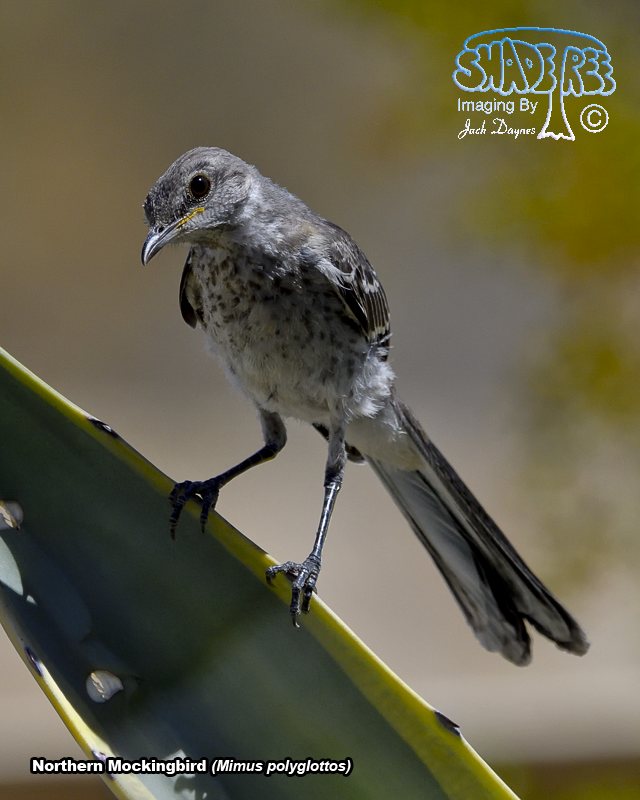
Northern Mockingbird(Mimus polyglottos) |
|
Description: A spotted breast on these birds indicate it is a juvenile. Seen near Cottonwood Springs in Joshua Tree National Park. Riverside County California. |
Date Taken: 2017:06:17 10:00 |
|
Location:
Cottonwood Spring |
|
Camera Information: NIKON D5, 800 mm, f/8.0, 1/5000 |
File Name: NorthernMockingbird_D5X5291 |
| © 2017 Jack Daynes, shadeTree Imaging |
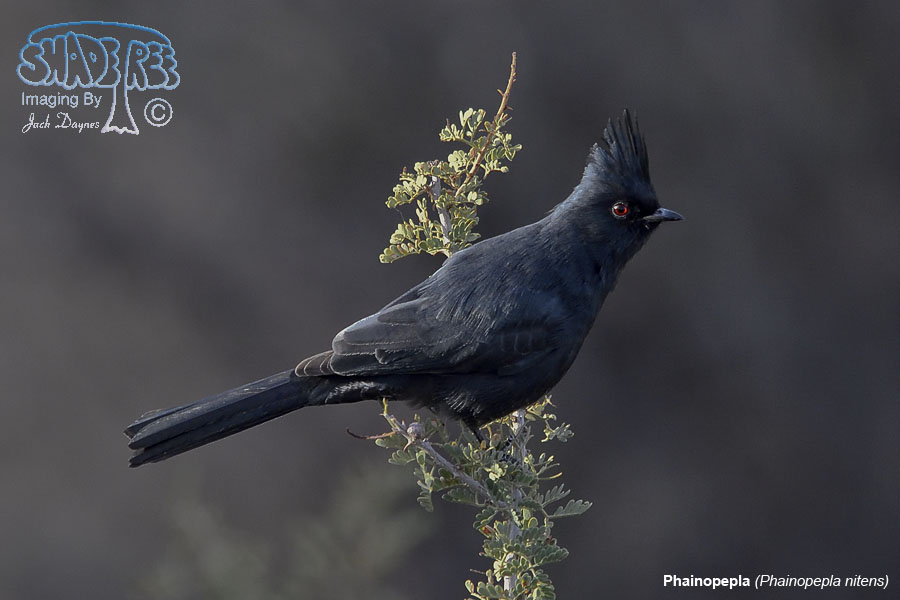
Phainopepla(Phainopepla nitens) |
|
Description: I’d camped here at Cottonwood Springs in late September with the Science Team from the San Diego Natural History Museum gathering data as a followup study from previous studies of about 80 years prior. Mojave National Preserve in Riverside County, California. |
Date Taken: 2016:11:28 5:33 |
|
Location:
Cottonwood Spring |
|
Camera Information: NIKON D5, 800 mm, f/7.1, 1/800 |
File Name: Phainopepla_D5X0324 |
| © 2016 Jack Daynes, shadeTreeImaging.com |
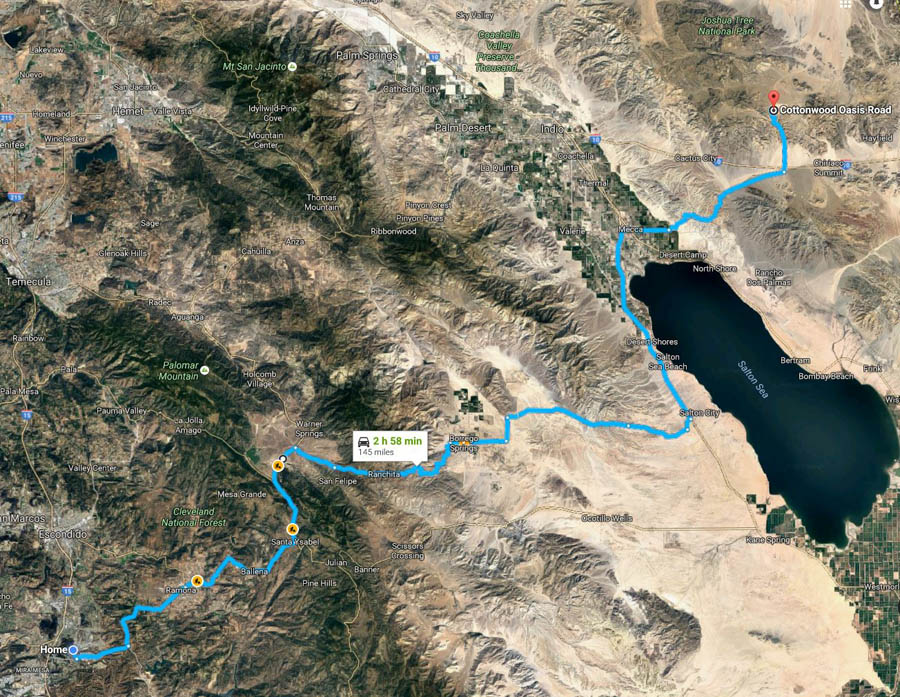
|
Description: Map we drive to Cottonwood Springs |
Date Taken: 2016:10:07 9:40 |
|
Camera Information: |
File Name: Route-to-Cottonwood-Spring |
| © 2016 Jack Daynes, shadeTreeImaging.com |
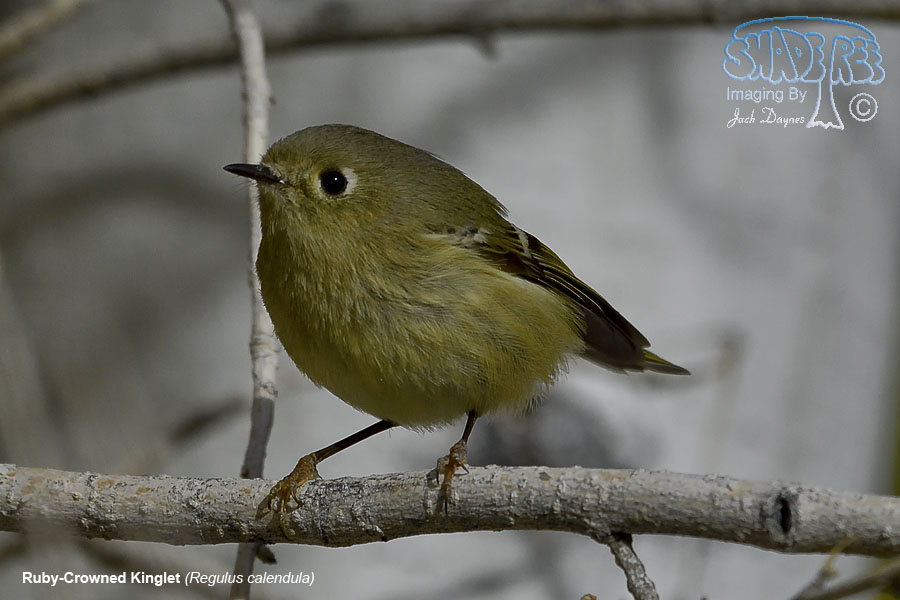
Ruby-Crowned Kinglet(Regulus calendula) |
|
Description: I'd camped here in late September with the Science Team from the San Diego Natural History Museum gathering data as a followup study from previous studies of about 80 years prior. Mojave National Preserve in San Bernardino County, California. |
Date Taken: 2016:11:28 5:58 |
|
Location:
Cottonwood Spring |
|
Camera Information: NIKON D5, 800 mm, f/7.1, 1/6400 |
File Name: RubyCrownedKinglet_D5X0373 |
| © 2016 Jack Daynes, shadeTreeImaging.com |
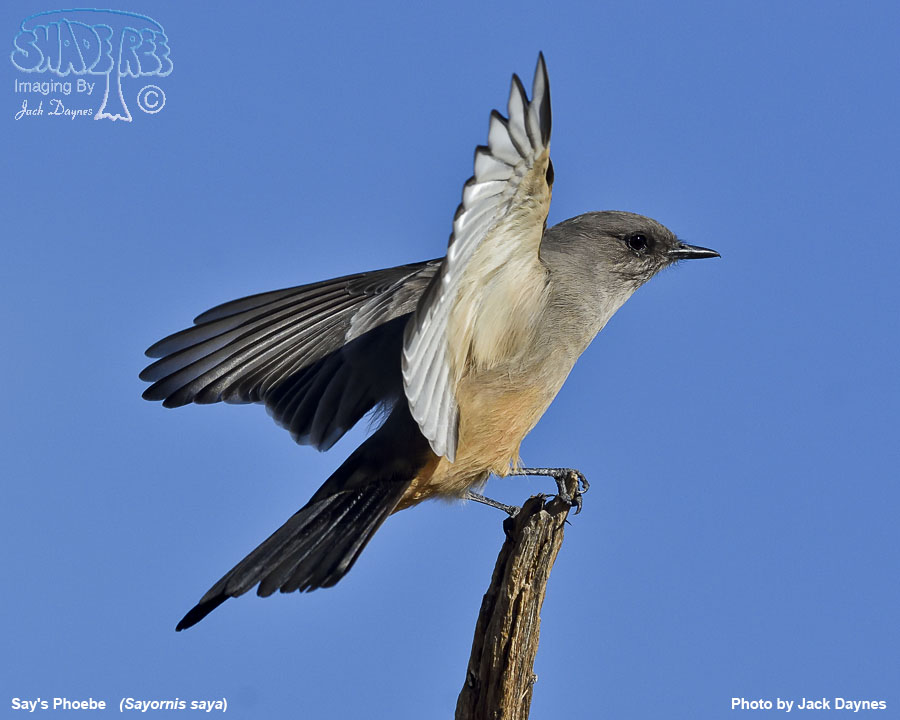
Say's Phoebe(Sayornis saya) |
|
Description: Near Cottonwood Spring in southern Joshua Tree National Park. Riverside County California. |
Date Taken: 2016:09:28 8:50 |
|
Location:
Cottonwood Spring |
|
Camera Information: NIKON D7200, 400 mm, f/8.0, 1/4000 |
File Name: SaysPhoebe_D727375-Web |
| © 2016 Jack Daynes, shadeTreeImaging.com |
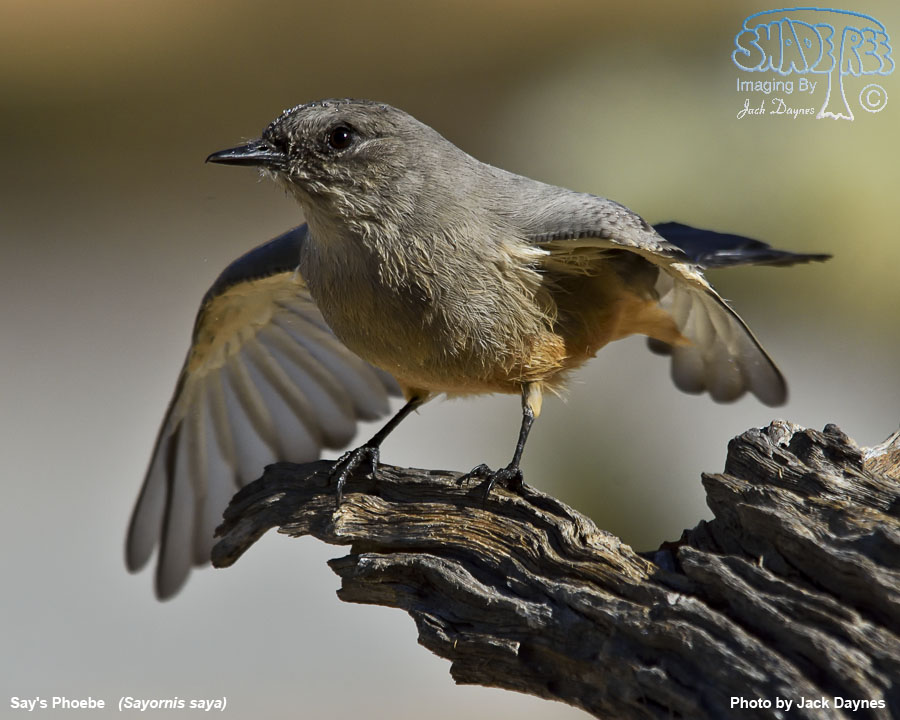
Say's Phoebe(Sayornis saya) |
|
Description: Near Cottonwood Spring in southern Joshua Tree National Park. Riverside County California. |
Date Taken: 2016:09:28 8:59 |
|
Location:
Cottonwood Spring |
|
Camera Information: NIKON D7200, 800 mm, f/8.0, 1/3200 |
File Name: SaysPhoebe_D727400-Web |
| © 2016 Jack Daynes, shadeTreeImaging.com |
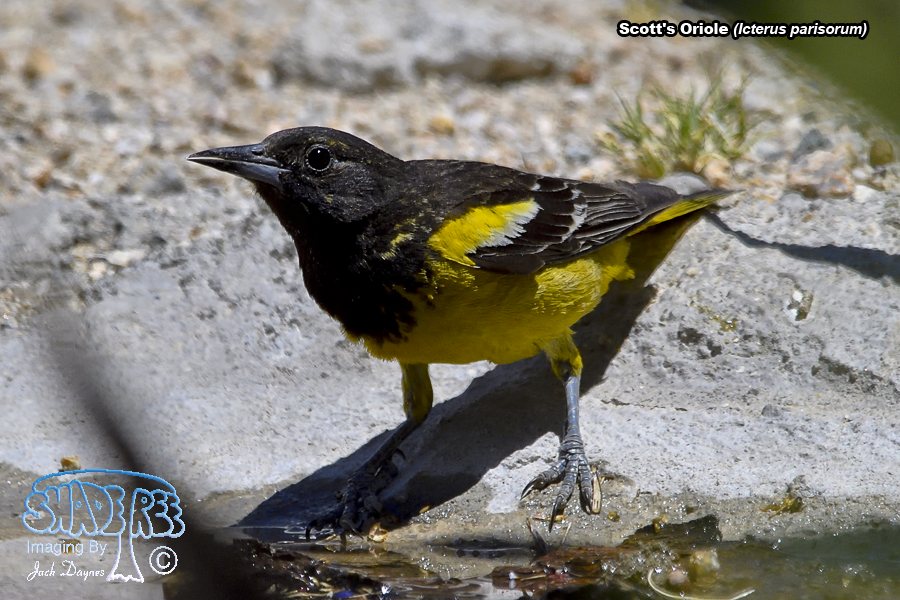
Scott's Oriole(Icterus parisorum) |
|
Description: Seen near Cottonwood Springs in Joshua Tree National Park. Riverside County California. |
Date Taken: 2017:06:17 10:40 |
|
Location:
Cottonwood Spring |
|
Camera Information: NIKON D5, 800 mm, f/8.0, 1/5000 |
File Name: ScottsOriole_D5X5465 |
| © 2017 Jack Daynes, shadeTree Imaging |
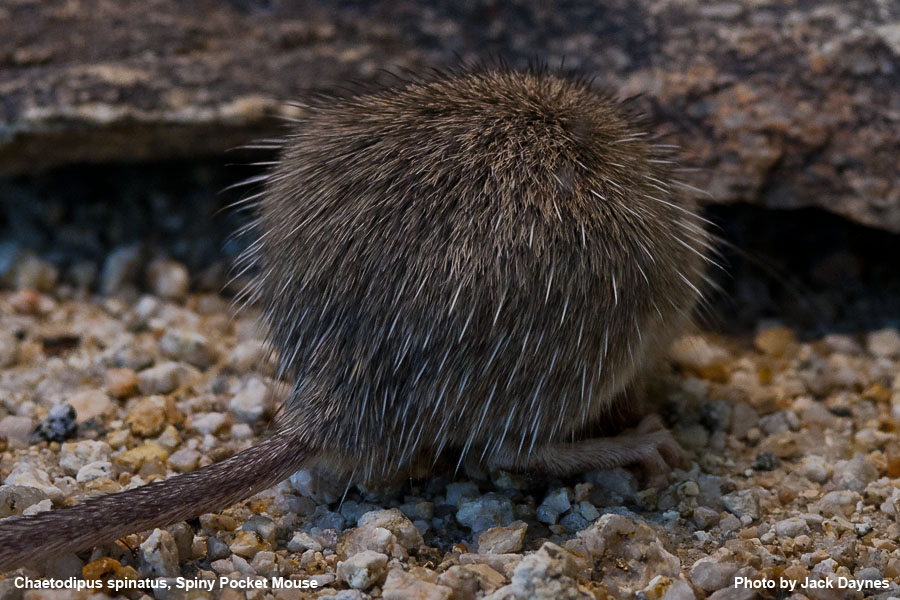
Spiney Pocket Mouse(Chaetodipus spinatus) |
|
Description: Called "Spiny" because of the long stiff spiny hairs, this mouse loves rockey tallus slopes. Found near Cottonwood Spring in southern Joshua Tree National Park. Riverside County California. |
Date Taken: 2016:09:27 17:00 |
|
Location:
Cottonwood Spring |
|
Camera Information: NIKON D3X, 105 mm, f/11.0, 1/500 |
File Name: SpineyPocketMouse_D3X7979-JackDaynes-Web |
| © 2016 Jack Daynes, shadeTreeImaging.com |
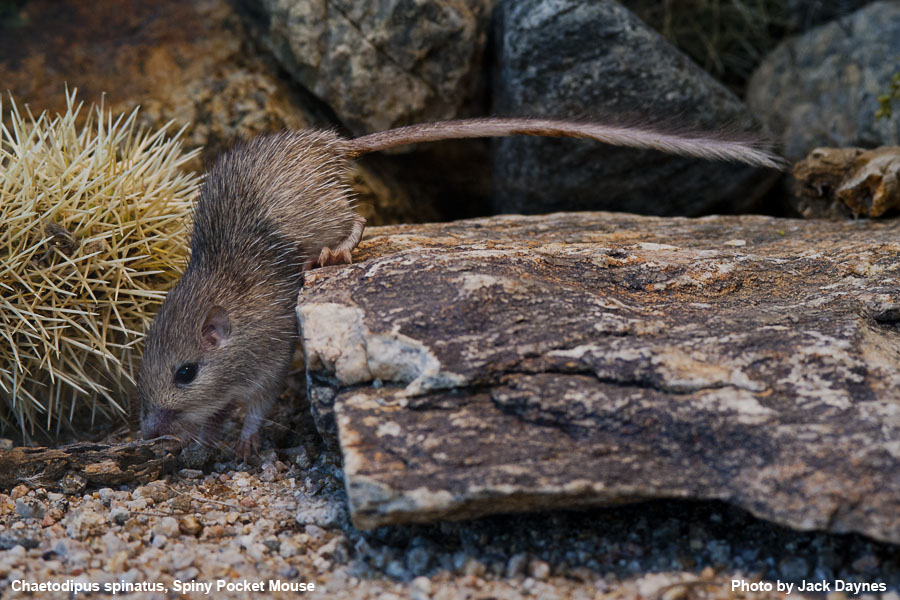
Spiney Pocket Mouse(Chaetodipus spinatus) |
|
Description: Called "Spiny" because of the long stiff spiny hairs, this mouse loves rockey tallus slopes. Found near Cottonwood Spring in southern Joshua Tree National Park. Riverside County California. |
Date Taken: 2016:09:27 17:01 |
|
Location:
Cottonwood Spring |
|
Camera Information: NIKON D3X, 105 mm, f/11.0, 1/400 |
File Name: SpineyPocketMouse_D3X7991-JackDaynes-Web |
| © 2016 Jack Daynes, shadeTreeImaging.com |
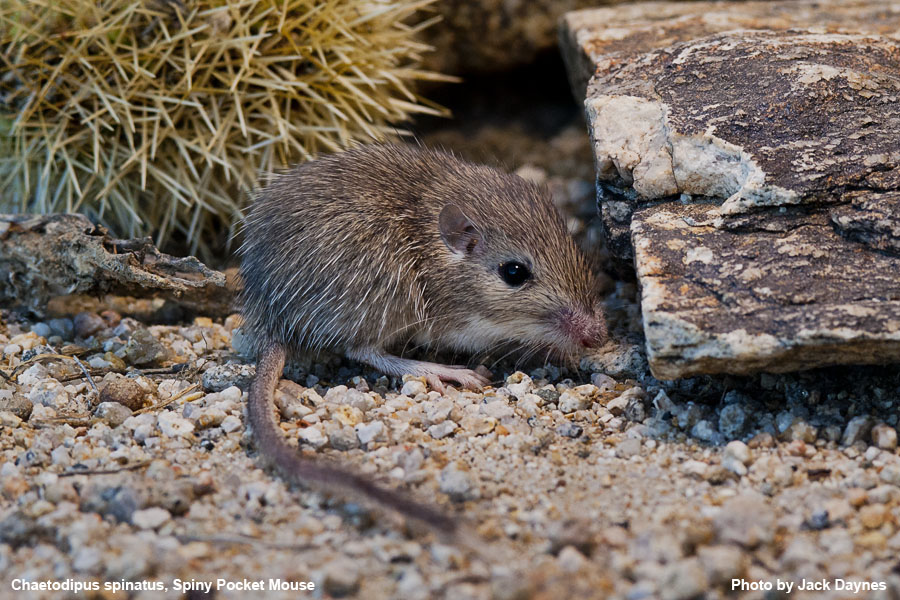
Spiney Pocket Mouse(Chaetodipus spinatus) |
|
Description: Called "Spiny" because of the long stiff spiny hairs, this mouse loves rockey tallus slopes. Found near Cottonwood Spring in southern Joshua Tree National Park. Riverside County California. |
Date Taken: 2016:09:27 17:01 |
|
Location:
Cottonwood Spring |
|
Camera Information: NIKON D3X, 105 mm, f/11.0, 1/500 |
File Name: SpineyPocketMouse_D3X7997-JackDaynes-Web |
| © 2016 Jack Daynes, shadeTreeImaging.com |
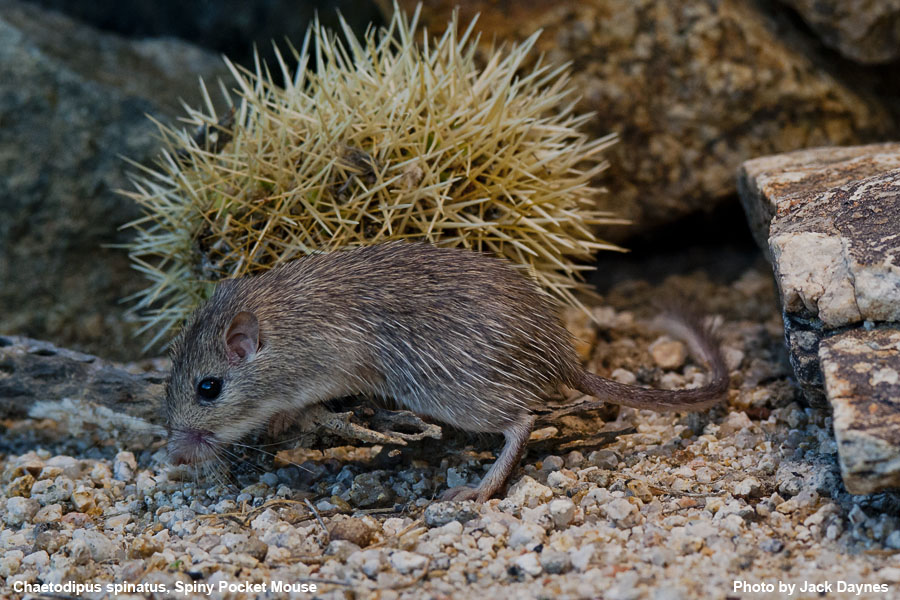
Spiney Pocket Mouse(Chaetodipus spinatus) |
|
Description: Called "Spiny" because of the long stiff spiny hairs, this mouse loves rockey tallus slopes. Found near Cottonwood Spring in southern Joshua Tree National Park. Riverside County California. |
Date Taken: 2016:09:27 17:04 |
|
Location:
Cottonwood Spring |
|
Camera Information: NIKON D3X, 105 mm, f/11.0, 1/500 |
File Name: SpineyPocketMouse_D3X8030-JackDaynes-Web |
| © 2016 Jack Daynes, shadeTreeImaging.com |
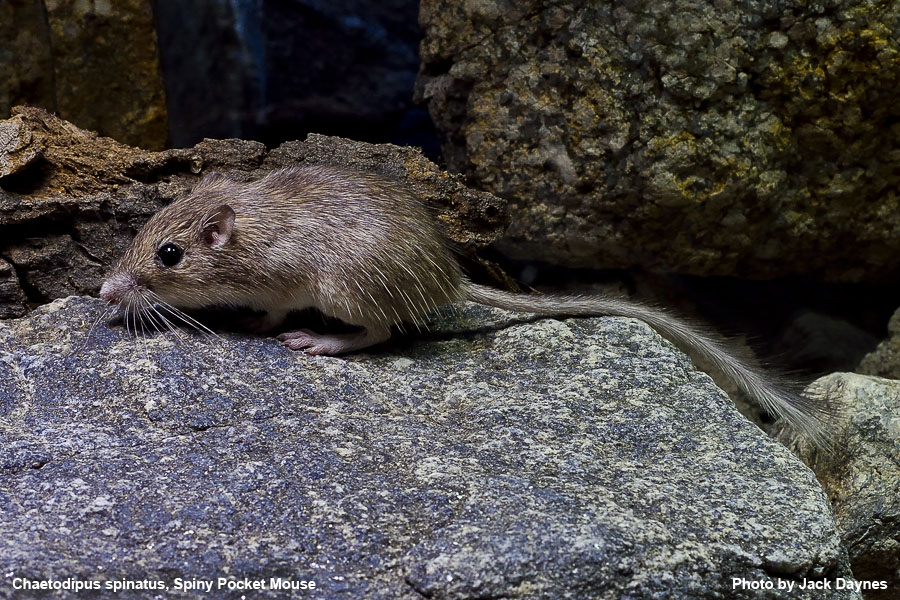
Spiney Pocket Mouse(Chaetodipus spinatus) |
|
Description: Called "Spiny" because of the long stiff spiny hairs, this mouse loves rockey tallus slopes. Found near Cottonwood Spring in southern Joshua Tree National Park. Riverside County California. |
Date Taken: 2016:09:26 9:59 |
|
Location:
Cottonwood Spring |
|
Camera Information: NIKON D7200, 35 mm, f/8.0, 1/160 |
File Name: SpineyPocketMouse_D725779-JackDaynes-Web |
| © 2016 Jack Daynes, shadeTreeImaging.com |
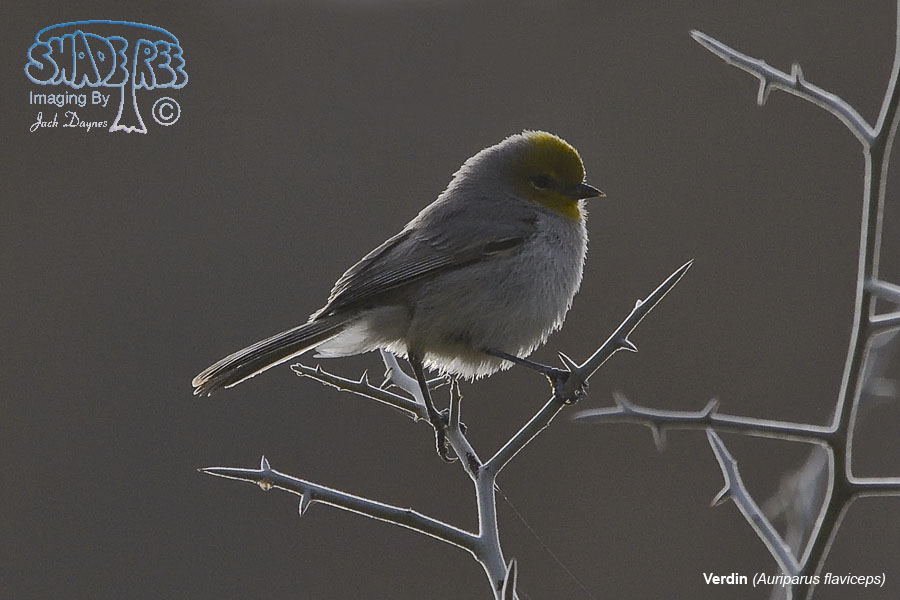
Verdin(Auriparus flaviceps) |
|
Description: A study in back-lighting. I'd camped here in late September with the Science Team from the San Diego Natural History Museum gathering data as a followup study from previous studies of about 80 years prior. Mojave National Preserve in San Bernardino County, California. |
Date Taken: 2016:11:28 6:08 |
|
Location:
Cottonwood Spring |
|
Camera Information: NIKON D5, 800 mm, f/7.1, 1/4000 |
File Name: Verdin_D5X0382 |
| © 2016 Jack Daynes, shadeTreeImaging.com |
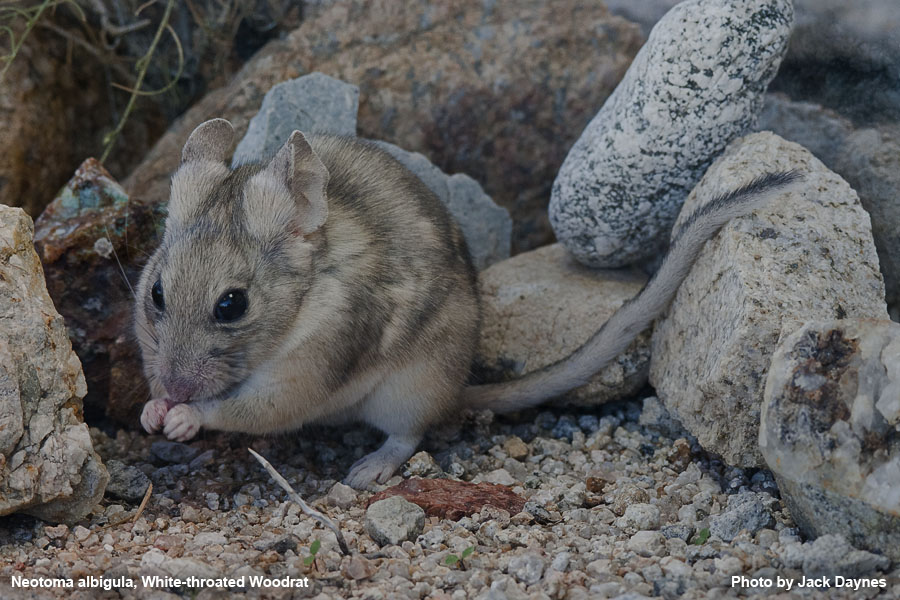
White-Throated Woodrat(Neotoma albigula) |
|
Description: Near Cottonwood Spring in southern Joshua Tree National Park. Riverside County California. |
Date Taken: 2016:09:29 10:25 |
|
Location:
Cottonwood Spring |
|
Camera Information: NIKON D3X, 105 mm, f/11.0, 1/160 |
File Name: WhiteThroatedWoodrat_D3X8570-JackDaynes-Web |
| © 2016 Jack Daynes, shadeTreeImaging.com |
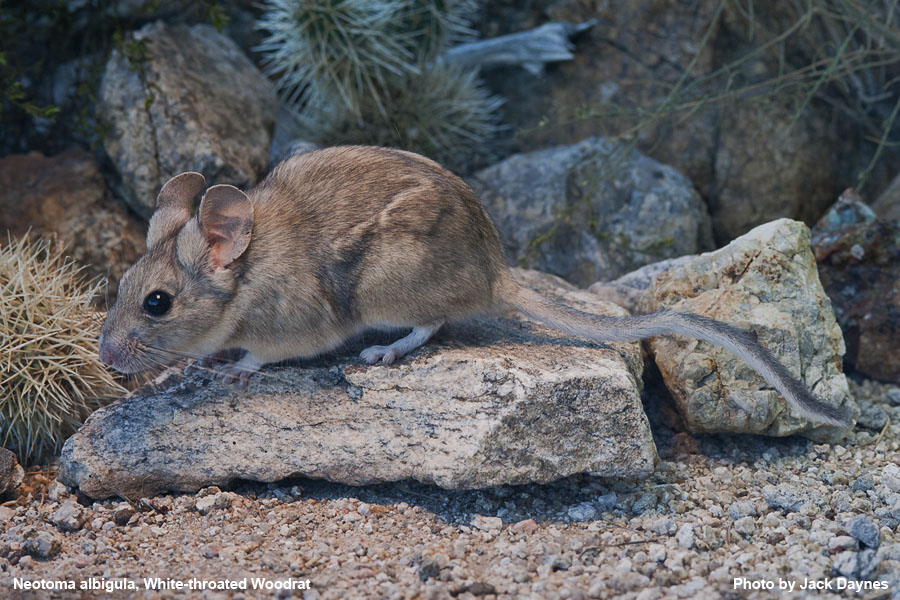
White-Throated Woodrat(Neotoma albigula) |
|
Description: Near Cottonwood Spring in southern Joshua Tree National Park. Riverside County California. |
Date Taken: 2016:09:29 10:25 |
|
Location:
Cottonwood Spring |
|
Camera Information: NIKON D3X, 105 mm, f/11.0, 1/200 |
File Name: WhiteThroatedWoodrat_D3X8578-JackDaynes-Web |
| © 2016 Jack Daynes, shadeTreeImaging.com |
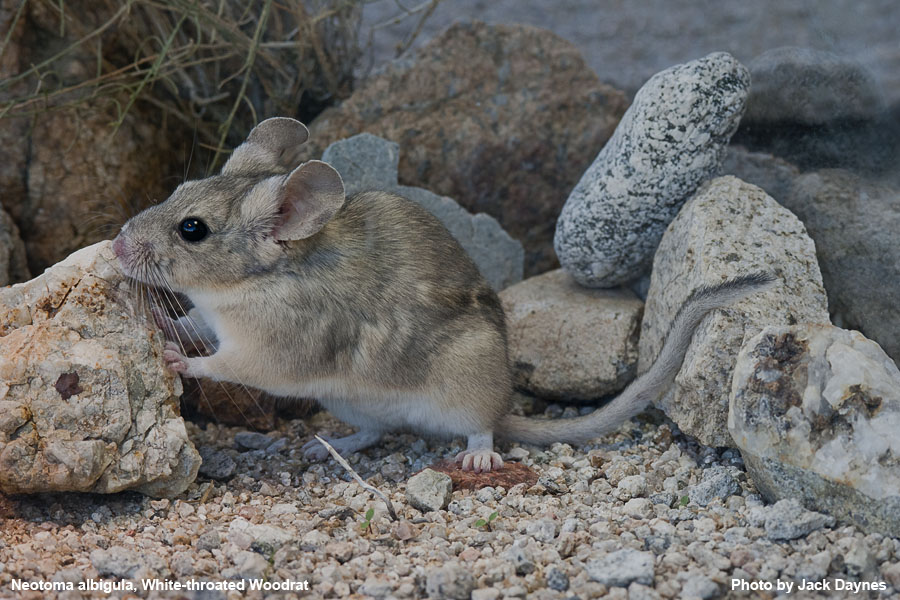
White-Throated Woodrat(Neotoma albigula) |
|
Description: Near Cottonwood Spring in southern Joshua Tree National Park. Riverside County California. |
Date Taken: 2016:09:29 10:26 |
|
Location:
Cottonwood Spring |
|
Camera Information: NIKON D3X, 105 mm, f/11.0, 1/160 |
File Name: WhiteThroatedWoodrat_D3X8585-JackDaynes-Web |
| © 2016 Jack Daynes, shadeTreeImaging.com |
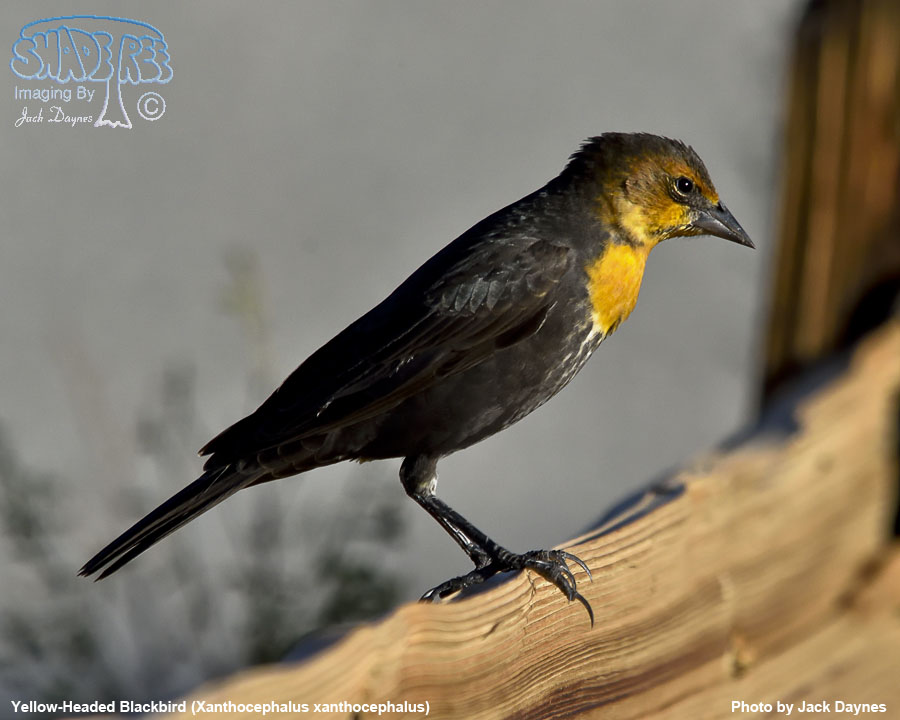
Yellow-Headed Blackbird(Xanthocephalus xanthocephalus) |
|
Description: Near Cottonwood Spring in southern Joshua Tree National Park. Riverside County California. |
Date Taken: 2016:09:29 8:05 |
|
Location:
Cottonwood Spring |
|
Camera Information: NIKON D7200, 800 mm, f/8.0, 1/2500 |
File Name: YellowHeadedBlackBird_D727426-Web |
| © 2016 Jack Daynes, shadeTreeImaging.com |
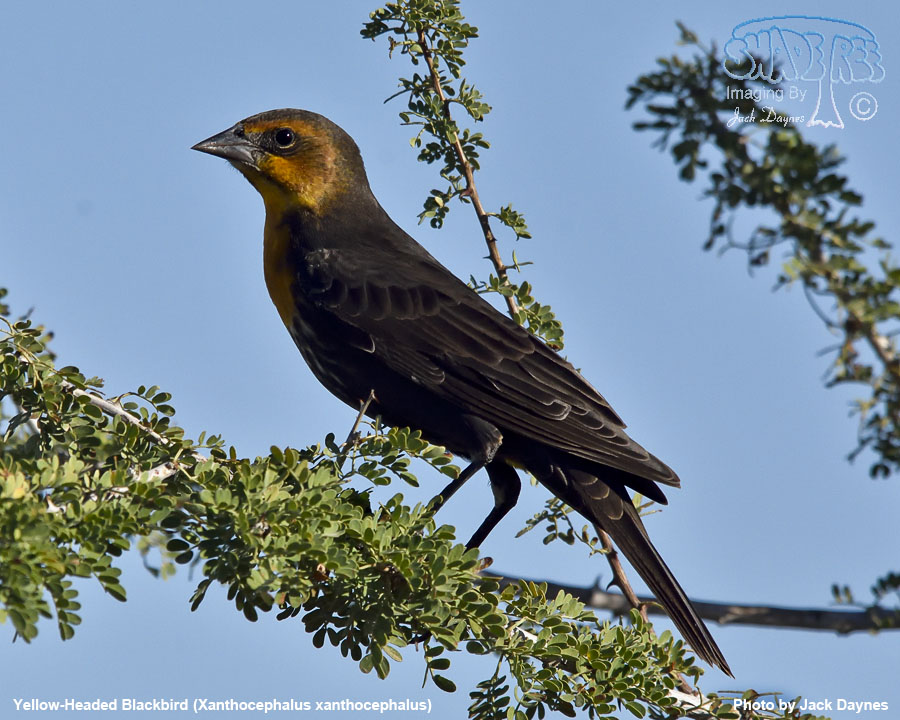
Yellow-Headed Blackbird(Xanthocephalus xanthocephalus) |
|
Description: Near Cottonwood Spring in southern Joshua Tree National Park. Riverside County California. |
Date Taken: 2016:09:29 8:23 |
|
Location:
Cottonwood Spring |
|
Camera Information: NIKON D7200, 800 mm, f/8.0, 1/3200 |
File Name: YellowHeadedBlackBird_D727440-Web |
| © 2016 Jack Daynes, shadeTreeImaging.com |
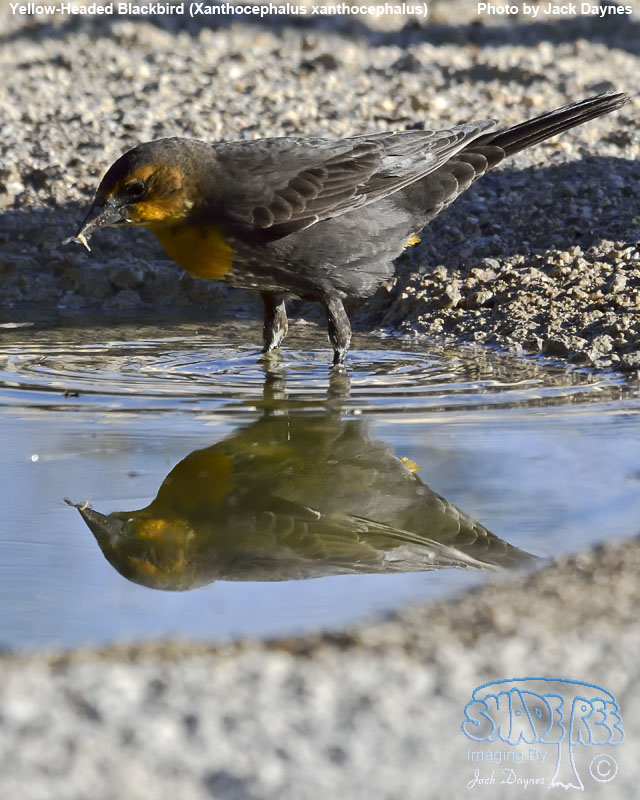
Yellow-Headed Blackbird(Xanthocephalus xanthocephalus) |
|
Description: Near Cottonwood Spring in southern Joshua Tree National Park. Riverside County California. |
Date Taken: 2016:09:29 8:33 |
|
Location:
Cottonwood Spring |
|
Camera Information: NIKON D7200, 800 mm, f/8.0, 1/1600 |
File Name: YellowHeadedBlackBird_D727489-Web |
| © 2016 Jack Daynes, shadeTreeImaging.com |
Click map markers to reveal further information
