
At 3400 feet in elevation, Culp Valley is up-slope from Borrego Springs 2800 feet below on the valley floor. The habitat here is still desert, but different from the desert floor below. Sage-scrub and chaparral dominate, and though many of the birds from down below will visit here too, those you may meet will change with the progression of the seasons. Some will stay year round, some for summer breeding, some merely pass through, while others come only for the winter season.
My favorite roads are not the fastest routes. Rather, I prefer the scenic to the expeditious. There are two routes from North San Diego County to reach the desert. Both pass through Ramona and Santa Ysabel. But while CA-78 continues through Julian and down Banner Grade, the route towards Warner Springs and down Montezuma Pass is one often overlooked. About 80% of the time, I choose this alternate road.
The road from Julian down Banner Grade is spectacular in its own right, but offers very little explorable detours along its way down the eastern slopes of the Peninsular Ranges as it descends to the desert below. Whereas the Montezuma route passes through several attractive habitats worth exploring. Culp Valley is one such place.
The road from Ranchita to Borrego Springs winds down the mountain’s eastern slopes through many curves. If you think of this route as east-to-west (which it generally is), then everything to your left is north, and to your right is south. As you enter Culp Valley, the road takes a long, sweeping curve to the right that covers more than 270° of the compass. Only a few degrees into this giant curve, there is a dirt road to your left leading to the Culp Valley Primitive Campground. Here there are trails winding over the gentle slopes where you might find birds to enjoy. At the upper edge of this area, is a dramatic overlook to Hellhole Canyon, and a wet spot called Peña Springs. Such places in an arid environment can be attractive to birds and other desert-dwelling creatures.
Further down the Montezuma Grade, near where the sweeping curve ends, is a dirt road to your right. This primitive dirt road, with the proper vehicle, wanders west for many miles through some of San Diego County’s wildest landscapes. But less than 0.6 miles away from the pavement, is the site of the old Paroli Homesite. Here, another weeping spring nourishes birds and wildlife. There are trails leading out of this area where you may find many enjoyable creatures, depending on what you may consider ‘enjoyable’. Between 2005 and 2015, I camped there four times.
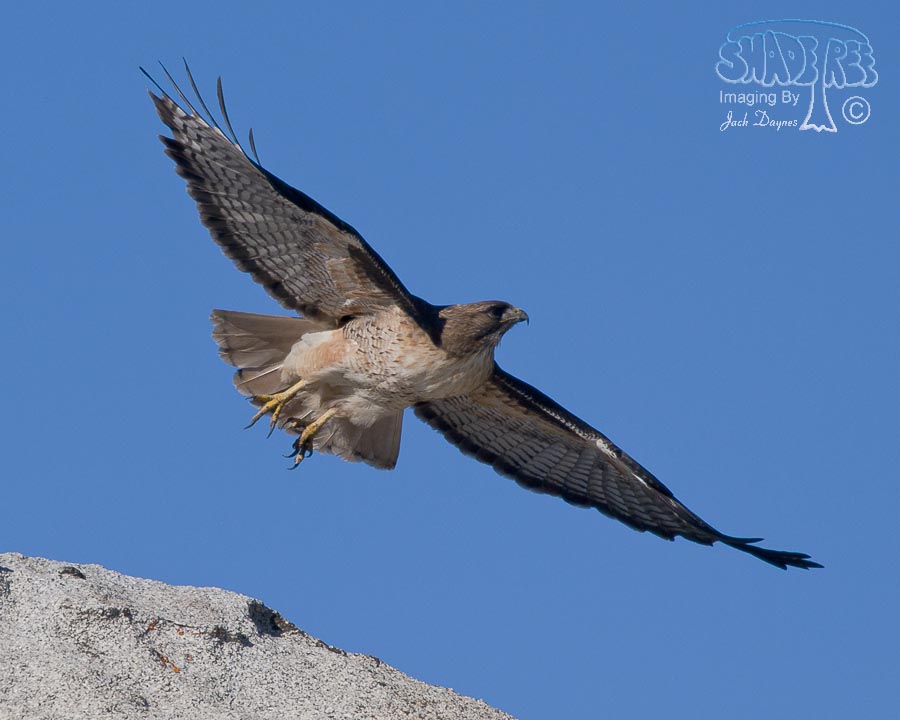
Red-Tailed Hawk(Buteo jamaicensis) |
|
Description: Upper Culp Valley, Southeast of Ranchita, California. San Diego County. |
Date Taken: 2015:01:17 10:55 |
|
Location:
Culp Valley |
|
Camera Information: NIKON D3X, 800 mm, f/8.0, 1/4000 |
File Name: D3X5434-RedTailedHawk |
| © 2015 Jack Daynes, shadeTreeImaging.com |

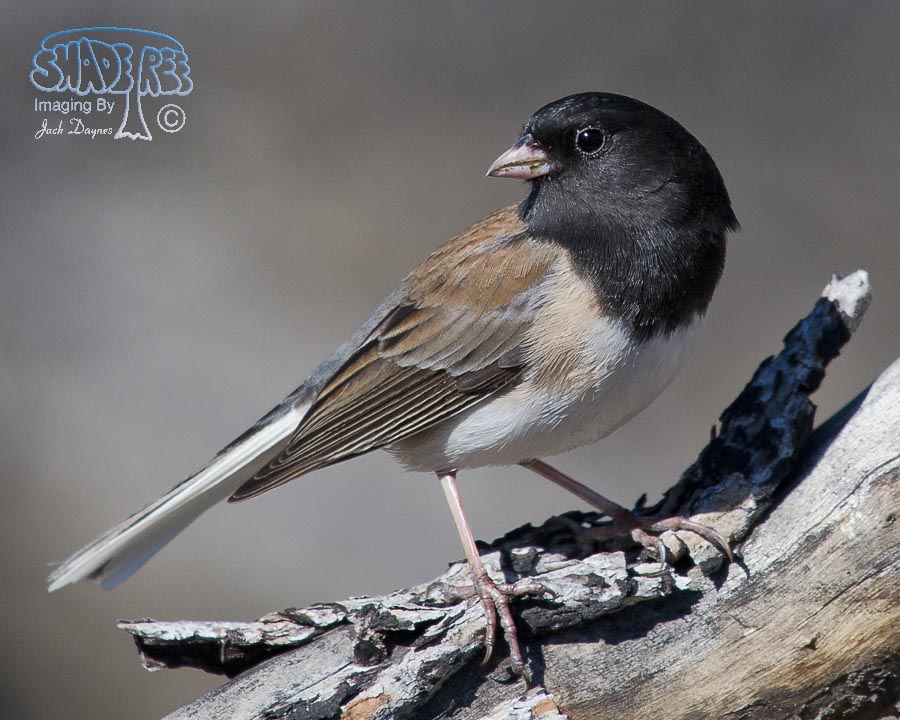
Dark-Eyed Junco(Junco hyemalis) |
|
Description: Upper Culp Valley, Southeast of Ranchita, California. San Diego County. |
Date Taken: 2015:01:17 12:32 |
|
Location:
Culp Valley |
|
Camera Information: NIKON D3X, 800 mm, f/8.0, 1/1600 |
File Name: D3X5443-DarkEyedJunco |
| © 2015 Jack Daynes, shadeTreeImaging.com |
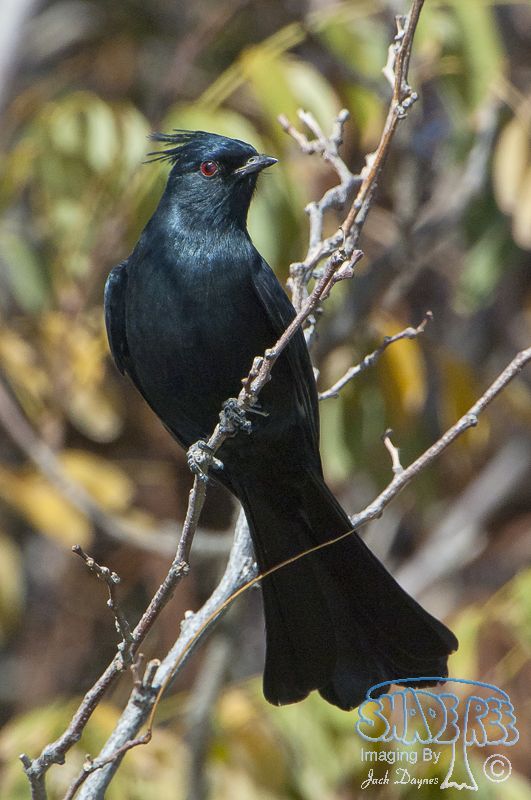
Phainopepla(Phainopepla nitens) |
|
Description: Culp Valley, between Ranchita and Borrego Springs 2005-11-24. |
Date Taken: 2005:11:24 11:00 |
|
Location:
Culp Valley |
|
Camera Information: NIKON D2X, 550 mm, f/12.0, 1/250 |
File Name: JCD1251Phainopepla |
| © 2005 Jack Daynes, shadeTreeImaging.com |
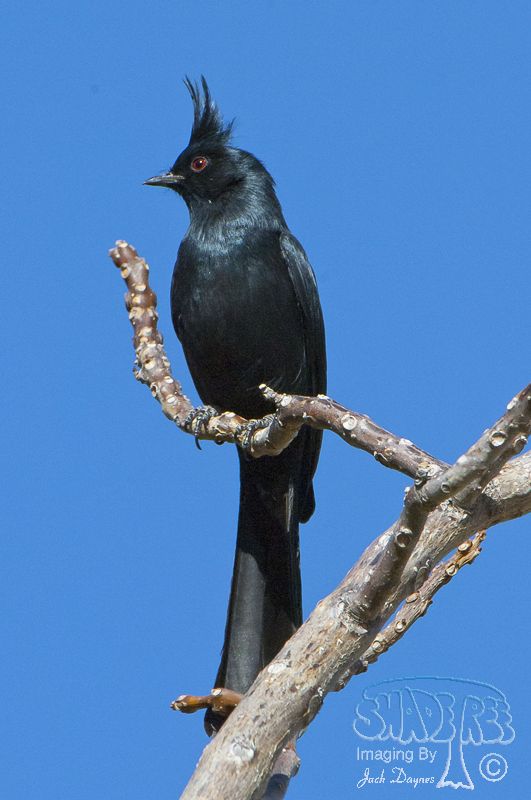
Phainopepla(Phainopepla nitens) |
|
Description: Culp Valley, between Ranchita and Borrego Springs 2005-11-24. |
Date Taken: 2005:11:24 11:05 |
|
Location:
Culp Valley |
|
Camera Information: NIKON D2X, 550 mm, f/13.0, 1/250 |
File Name: JCD1266Phainopepla |
| © 2005 Jack Daynes, shadeTreeImaging.com |
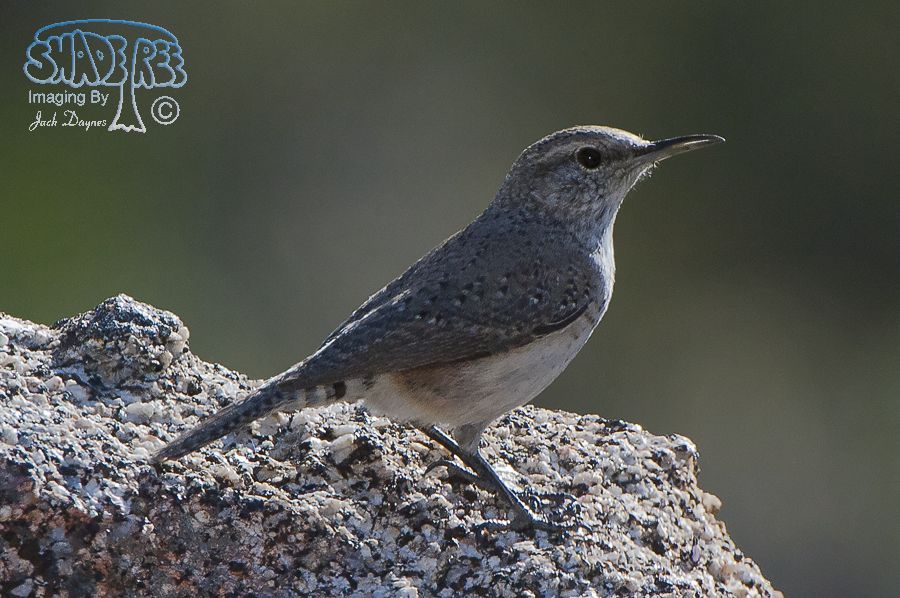
Rock Wren(Salpinctes obsoletus) |
|
Description: Culp Valley, between Ranchita and Borrego Springs 2005-11-24. |
Date Taken: 2005:11:24 11:37 |
|
Location:
Culp Valley |
|
Camera Information: NIKON D2X, 550 mm, f/9.0, 1/250 |
File Name: JCD1286RockWren |
| © 2005 Jack Daynes, shadeTreeImaging.com |
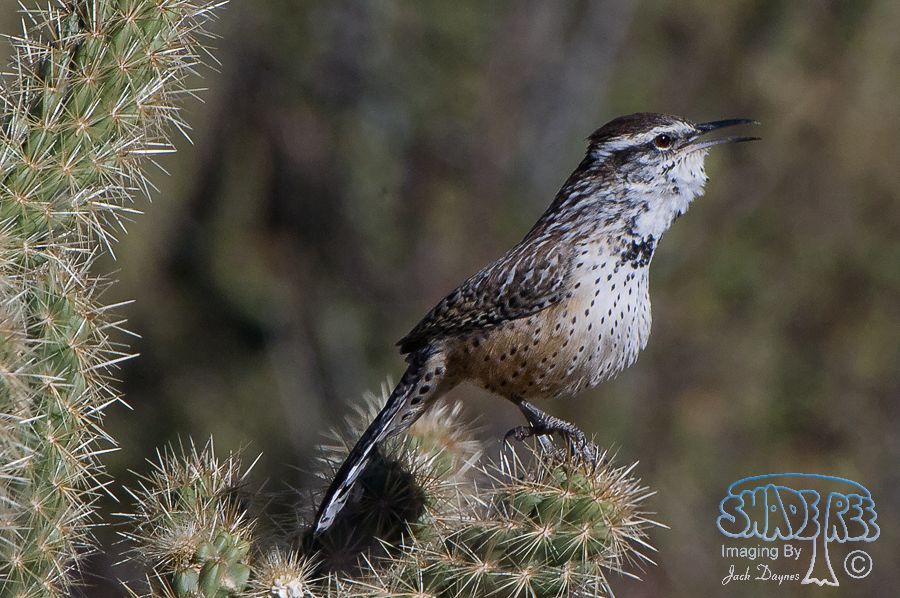
Cactus Wren(Campylorhynchus brunneicapillus) |
|
Description: Culp Valley, between Ranchita and Borrego Springs 2005-11-24. |
Date Taken: 2005:11:24 12:07 |
|
Location:
Culp Valley |
|
Camera Information: NIKON D2X, 550 mm, f/15.0, 1/250 |
File Name: JCD1307CactusWren |
| © 2005 Jack Daynes, shadeTreeImaging.com |
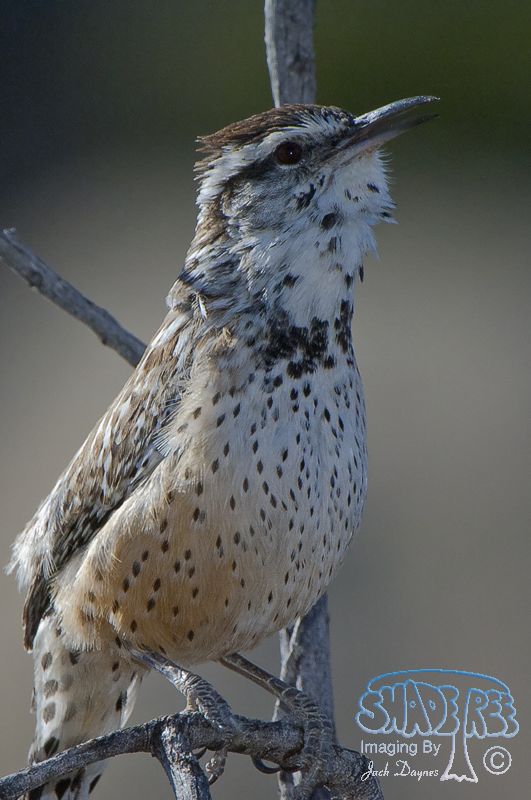
Cactus Wren(Campylorhynchus brunneicapillus) |
|
Description: Culp Valley, between Ranchita and Borrego Springs 2005-11-24. |
Date Taken: 2005:11:24 12:08 |
|
Location:
Culp Valley |
|
Camera Information: NIKON D2X, 550 mm, f/11.0, 1/250 |
File Name: JCD1310CactusWren |
| © 2005 Jack Daynes, shadeTreeImaging.com |
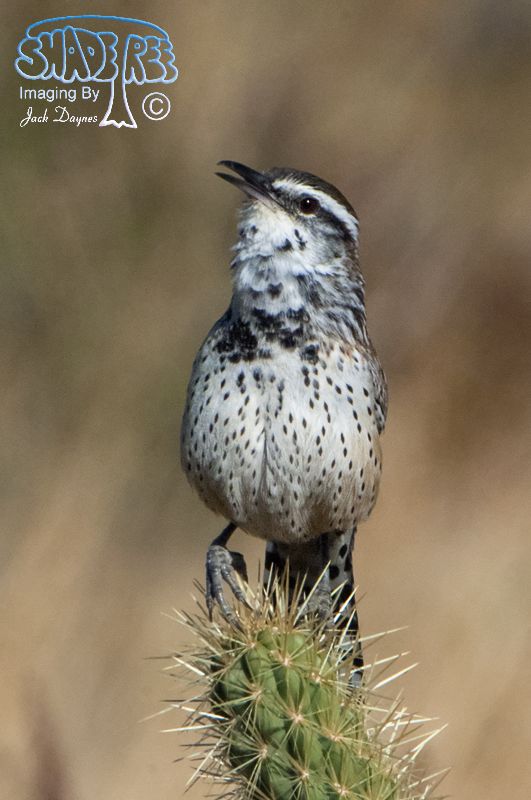
Cactus Wren(Campylorhynchus brunneicapillus) |
|
Description: Culp Valley, between Ranchita and Borrego Springs 2005-11-24. |
Date Taken: 2005:11:24 12:10 |
|
Location:
Culp Valley |
|
Camera Information: NIKON D2X, 460 mm, f/18.0, 1/250 |
File Name: JCD1312CactusWren |
| © 2005 Jack Daynes, shadeTreeImaging.com |
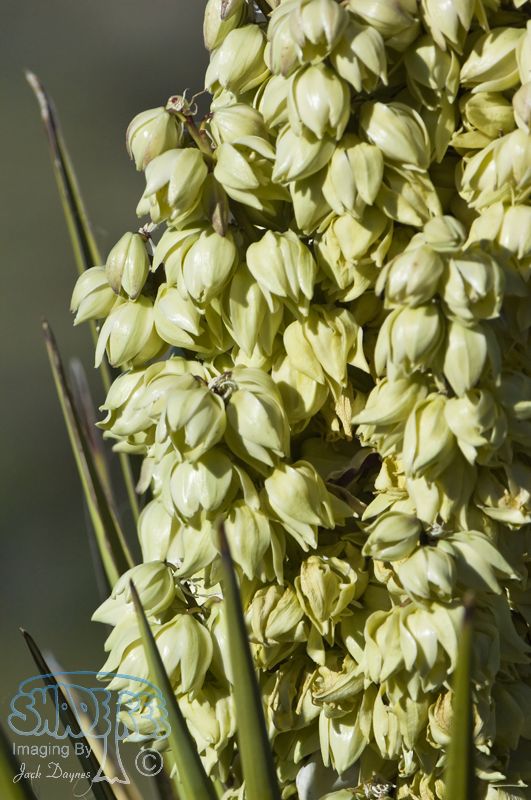
Chaparral Yucca(Hesperoyucca whipplei) |
|
Description: Culp Valley. Anza-Borrego Park, between Ranchita and Borrego Springs. San Diego County, California. |
Date Taken: 2008:03:26 15:36 |
|
Location:
Culp Valley |
|
Camera Information: NIKON D2X, 280 mm, f/5.6, 1/2000 |
File Name: JCD4016Yucca |
| © 2008 Jack Daynes, shadeTreeImaging.com |
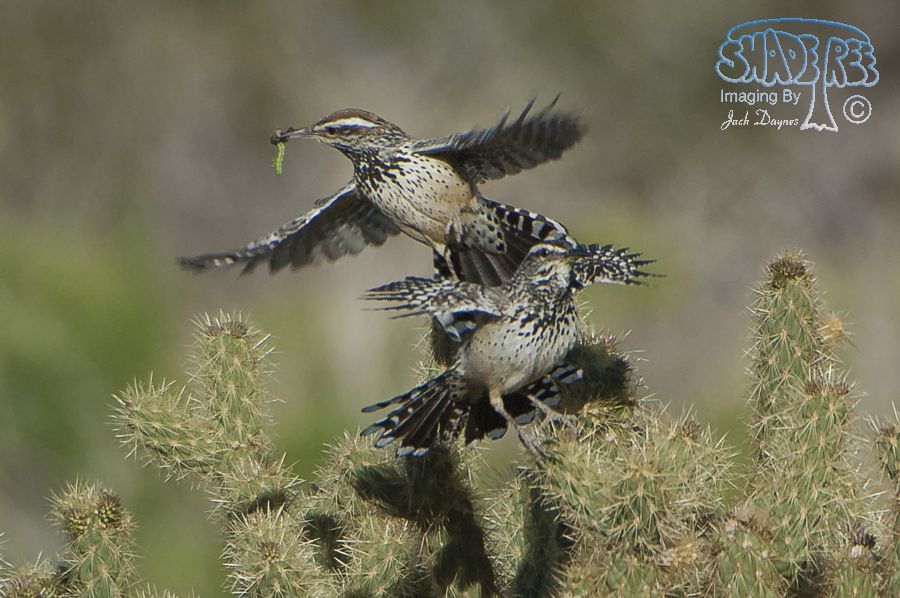
Cactus Wren(Campylorhynchus brunneicapillus) |
|
Description: Culp Valley. Anza-Borrego Park, between Ranchita and Borrego Springs. San Diego County, California. |
Date Taken: 2008:03:26 15:56 |
|
Location:
Culp Valley |
|
Camera Information: NIKON D2X, 550 mm, f/5.6, 1/750 |
File Name: JCD4024CactusWren |
| © 2008 Jack Daynes, shadeTreeImaging.com |
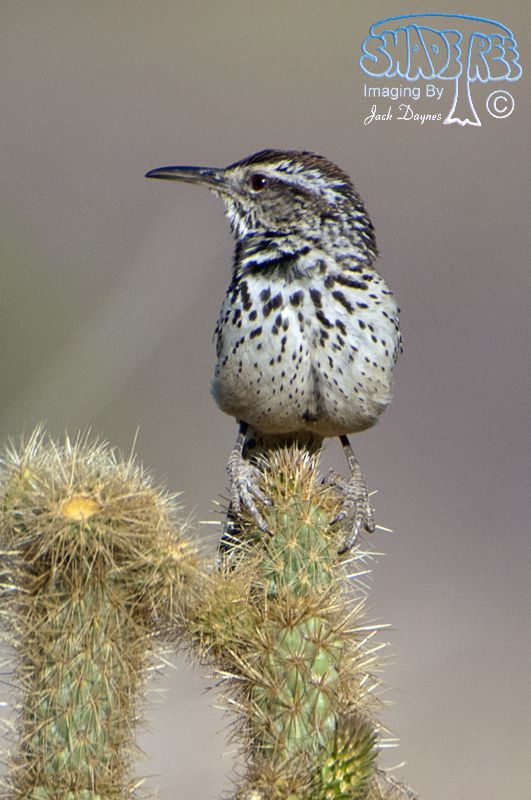
Cactus Wren(Campylorhynchus brunneicapillus) |
|
Description: Culp Valley. Anza-Borrego Park, between Ranchita and Borrego Springs. San Diego County, California. |
Date Taken: 2008:03:26 16:01 |
|
Location:
Culp Valley |
|
Camera Information: NIKON D2X, 550 mm, f/5.6, 1/800 |
File Name: JCD4035CactusWren |
| © 2008 Jack Daynes, shadeTreeImaging.com |
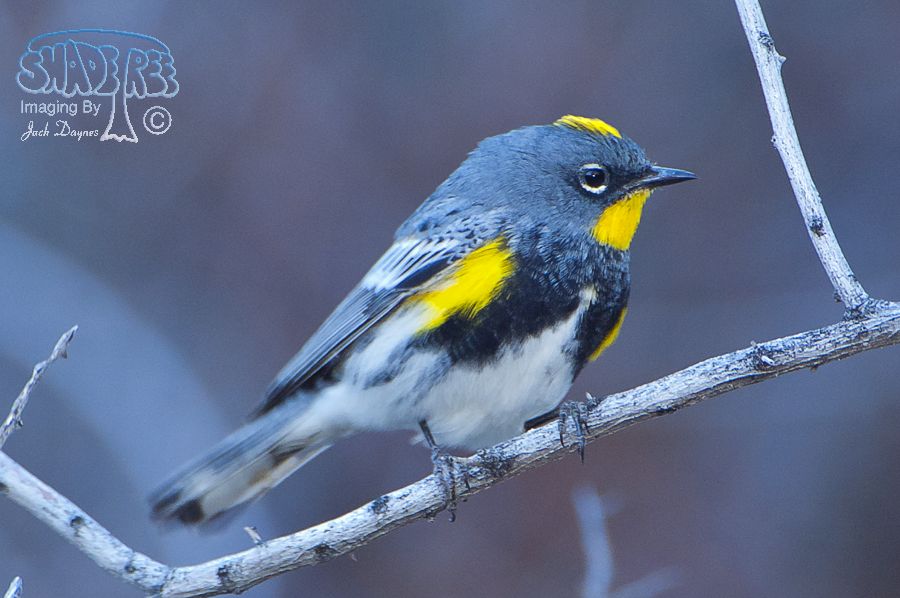
Yellow-Rumped Warbler(Setophaga coronata auduboni) |
|
Description: Culp Valley. Anza-Borrego Park, between Ranchita and Borrego Springs. San Diego County, California. |
Date Taken: 2008:03:26 16:34 |
|
Location:
Culp Valley |
|
Camera Information: NIKON D2X, 550 mm, f/5.6, 1/40 |
File Name: JCD4052YellowRumpedWarbler |
| © 2008 Jack Daynes, shadeTreeImaging.com |
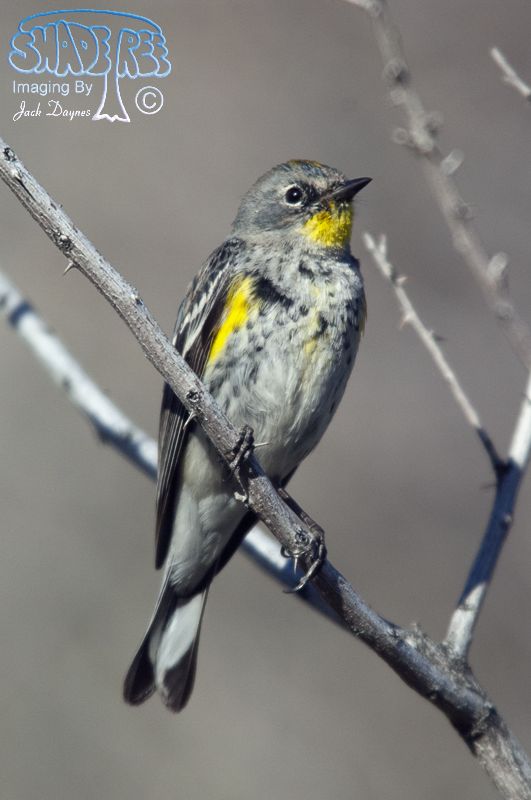
Yellow-Rumped Warbler(Setophaga coronata auduboni) |
|
Description: Culp Valley. Anza-Borrego Park, between Ranchita and Borrego Springs. San Diego County, California. |
Date Taken: 2008:03:27 7:23 |
|
Location:
Culp Valley |
|
Camera Information: NIKON D2X, 800 mm, f/5.6, 1/2000 |
File Name: JCD4058YellowRumpedWarbler |
| © 2008 Jack Daynes, shadeTreeImaging.com |
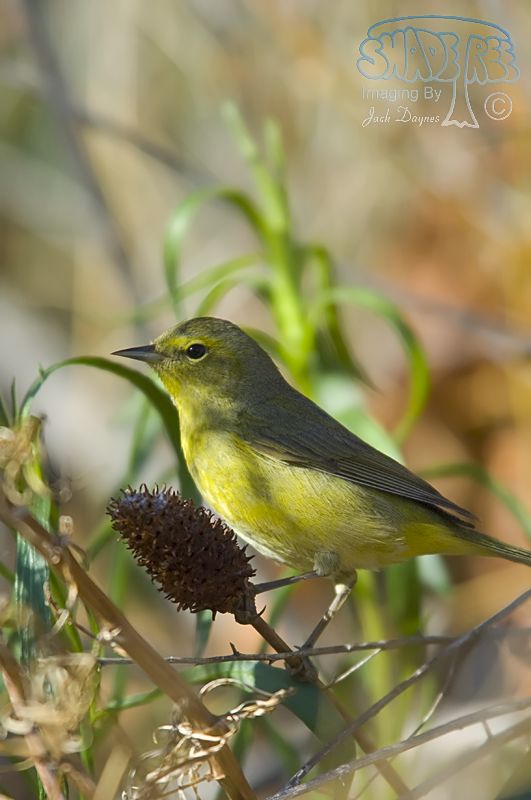
Orange-Crowned Warbler(Leiothlypis celata) |
|
Description: Culp Valley. Anza-Borrego Park, between Ranchita and Borrego Springs. San Diego County, California. |
Date Taken: 2008:03:27 7:44 |
|
Location:
Culp Valley |
|
Camera Information: NIKON D2X, 800 mm, f/5.6, 1/1000 |
File Name: JCD4075OrangeCrownedWarbler |
| © 2008 Jack Daynes, shadeTreeImaging.com |
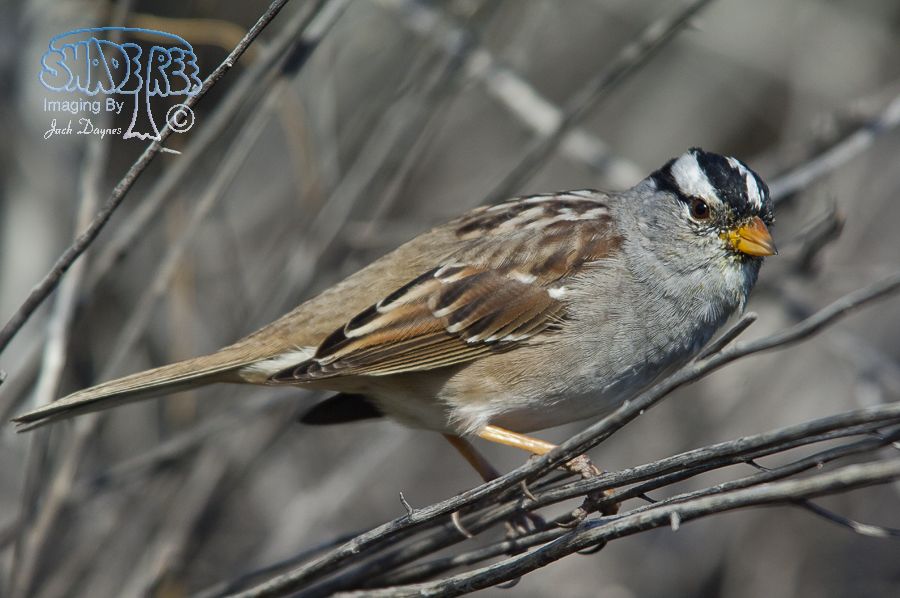
White-Crowned Sparrow(Zonotrichia leucophrys) |
|
Description: Culp Valley. Anza-Borrego Park, between Ranchita and Borrego Springs. San Diego County, California. |
Date Taken: 2008:03:27 8:09 |
|
Location:
Culp Valley |
|
Camera Information: NIKON D2X, 800 mm, f/5.6, 1/1250 |
File Name: JCD4092WhiteCrownedSparrow |
| © 2008 Jack Daynes, shadeTreeImaging.com |
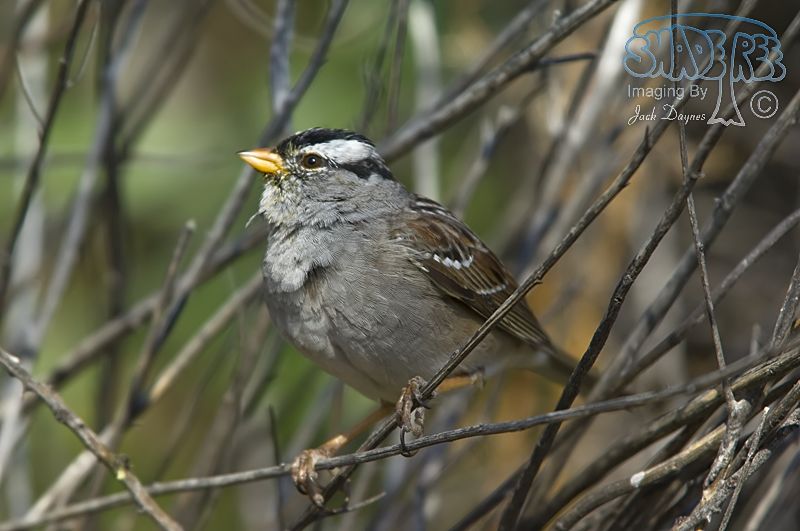
White-Crowned Sparrow(Zonotrichia leucophrys) |
|
Description: Culp Valley. Anza-Borrego Park, between Ranchita and Borrego Springs. San Diego County, California. |
Date Taken: 2008:03:27 8:10 |
|
Location:
Culp Valley |
|
Camera Information: NIKON D2X, 800 mm, f/5.6, 1/750 |
File Name: JCD4099WhiteCrownedSparrow |
| © 2008 Jack Daynes, shadeTreeImaging.com |
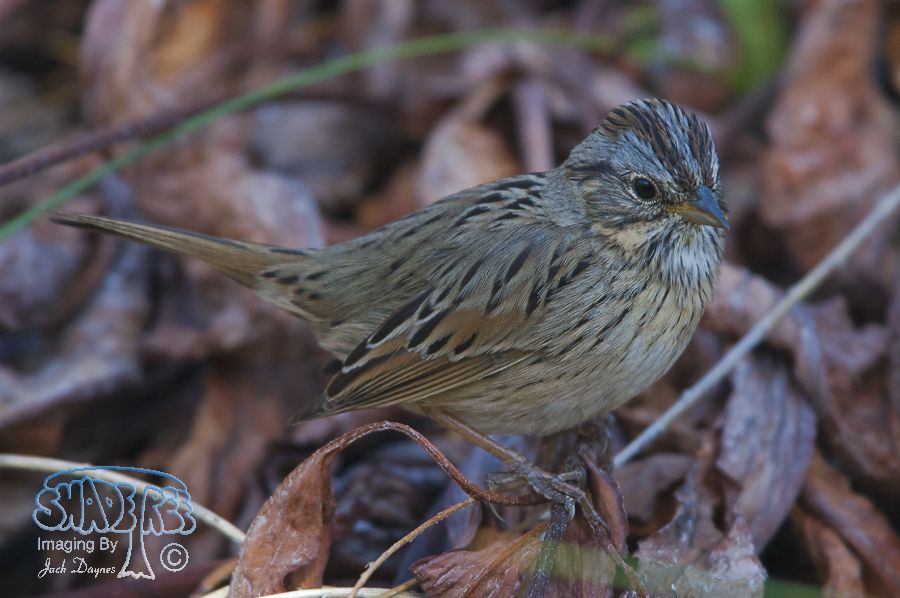
Lincoln's Sparrow(Melospiza lincolnii) |
|
Description: Culp Valley. Anza-Borrego Park, between Ranchita and Borrego Springs. San Diego County, California. |
Date Taken: 2008:03:27 8:17 |
|
Location:
Culp Valley |
|
Camera Information: NIKON D2X, 800 mm, f/5.6, 1/200 |
File Name: JCD4117LincolnsSparrow |
| © 2008 Jack Daynes, shadeTreeImaging.com |
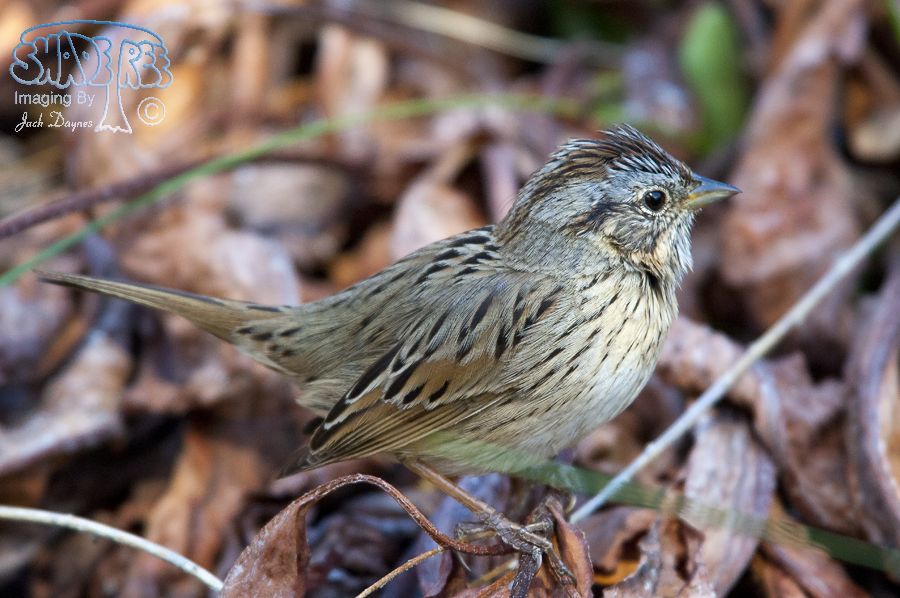
Lincoln's Sparrow(Melospiza lincolnii) |
|
Description: Culp Valley. Anza-Borrego Park, between Ranchita and Borrego Springs. San Diego County, California. |
Date Taken: 2008:03:27 8:17 |
|
Location:
Culp Valley |
|
Camera Information: NIKON D2X, 800 mm, f/5.6, 1/250 |
File Name: JCD4120LincolnsSparrow |
| © 2008 Jack Daynes, shadeTreeImaging.com |
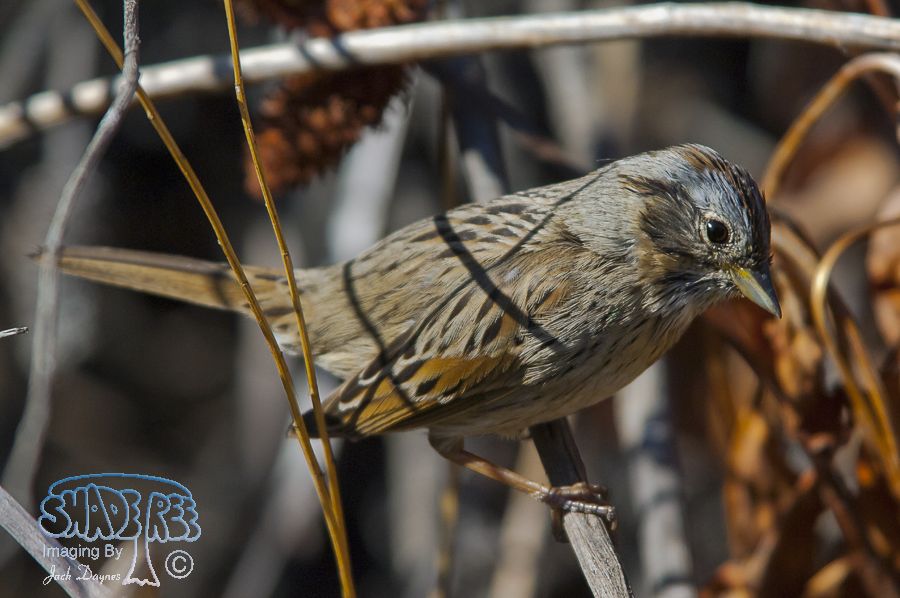
Lincoln's Sparrow(Melospiza lincolnii) |
|
Description: Culp Valley. Anza-Borrego Park, between Ranchita and Borrego Springs. San Diego County, California. |
Date Taken: 2008:03:27 8:28 |
|
Location:
Culp Valley |
|
Camera Information: NIKON D2X, 800 mm, f/5.6, 1/1250 |
File Name: JCD4151LincolnsSparrow |
| © 2008 Jack Daynes, shadeTreeImaging.com |
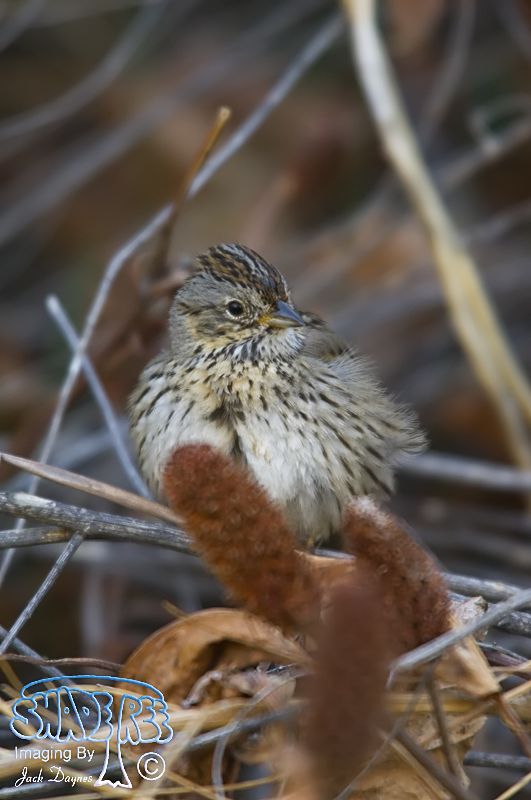
Lincoln's Sparrow(Melospiza lincolnii) |
|
Description: Culp Valley. Anza-Borrego Park, between Ranchita and Borrego Springs. San Diego County, California. |
Date Taken: 2008:04:02 15:22 |
|
Location:
Culp Valley |
|
Camera Information: NIKON D2X, 800 mm, f/5.6, 1/160 |
File Name: JCD4209LincolnsSparrow |
| © 2008 Jack Daynes, shadeTreeImaging.com |
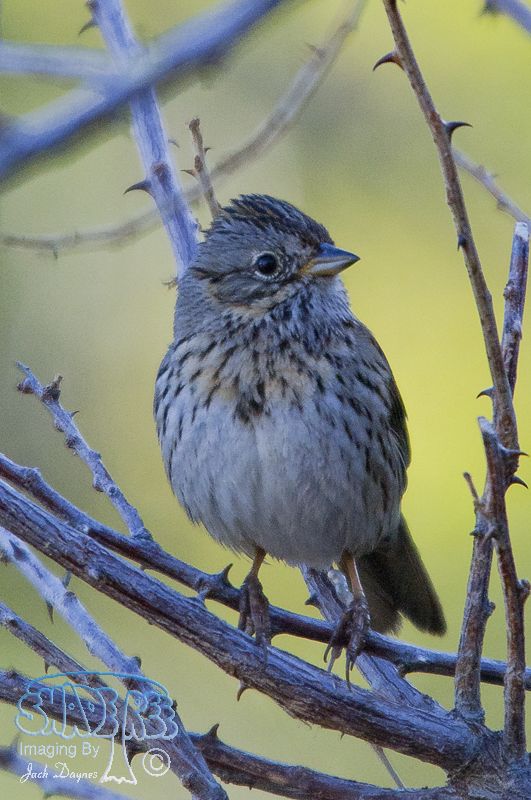
Lincoln's Sparrow(Melospiza lincolnii) |
|
Description: Culp Valley. Anza-Borrego Park, between Ranchita and Borrego Springs. San Diego County, California. |
Date Taken: 2008:04:02 15:43 |
|
Location:
Culp Valley |
|
Camera Information: NIKON D2X, 800 mm, f/5.6, 1/750 |
File Name: JCD4236LincolnsSparrow |
| © 2008 Jack Daynes, shadeTreeImaging.com |
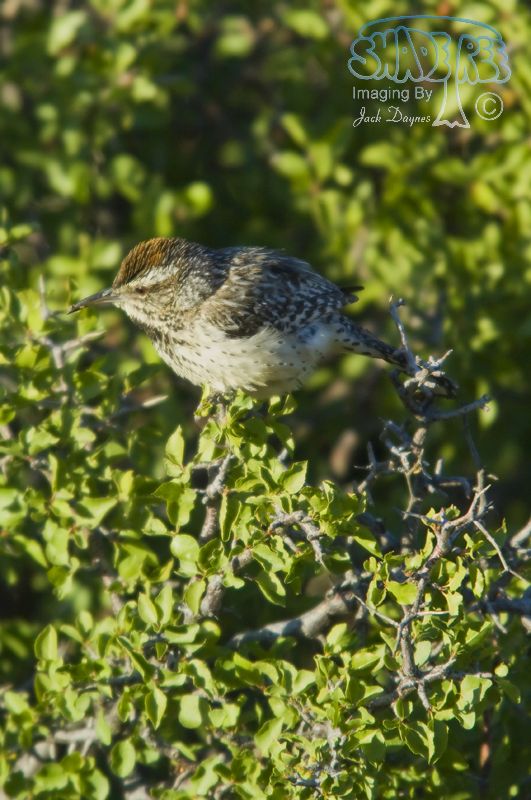
Cactus Wren(Campylorhynchus brunneicapillus) |
|
Description: Culp Valley. Anza-Borrego Park, between Ranchita and Borrego Springs. San Diego County, California. |
Date Taken: 2008:04:02 17:01 |
|
Location:
Culp Valley |
|
Camera Information: NIKON D2X, 800 mm, f/5.6, 1/1000 |
File Name: JCD4252CactusWren |
| © 2008 Jack Daynes, shadeTreeImaging.com |
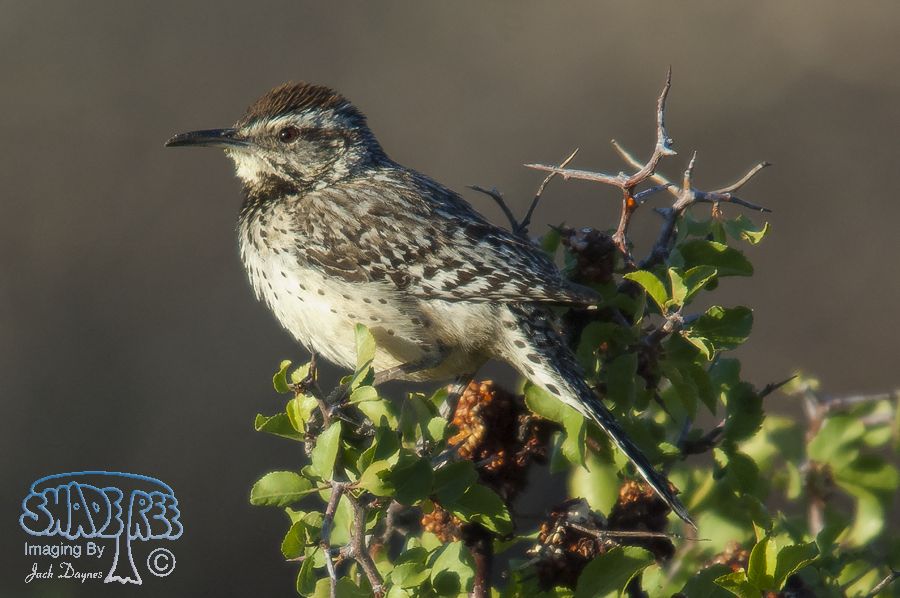
Cactus Wren(Campylorhynchus brunneicapillus) |
|
Description: Culp Valley. Anza-Borrego Park, between Ranchita and Borrego Springs. San Diego County, California. |
Date Taken: 2008:04:02 17:02 |
|
Location:
Culp Valley |
|
Camera Information: NIKON D2X, 800 mm, f/5.6, 1/1000 |
File Name: JCD4258CactusWren |
| © 2008 Jack Daynes, shadeTreeImaging.com |
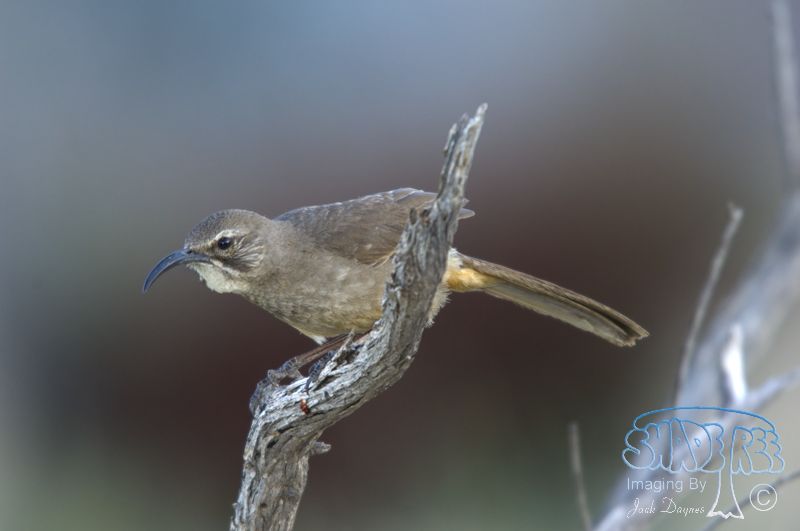
California Thrasher(Toxostoma redivivum) |
|
Description: Culp Valley. Anza-Borrego Park, between Ranchita and Borrego Springs. San Diego County, California. |
Date Taken: 2008:04:02 17:34 |
|
Location:
Culp Valley |
|
Camera Information: NIKON D2X, 800 mm, f/5.6, 1/80 |
File Name: JCD4268CaliforniaThrasher |
| © 2008 Jack Daynes, shadeTreeImaging.com |
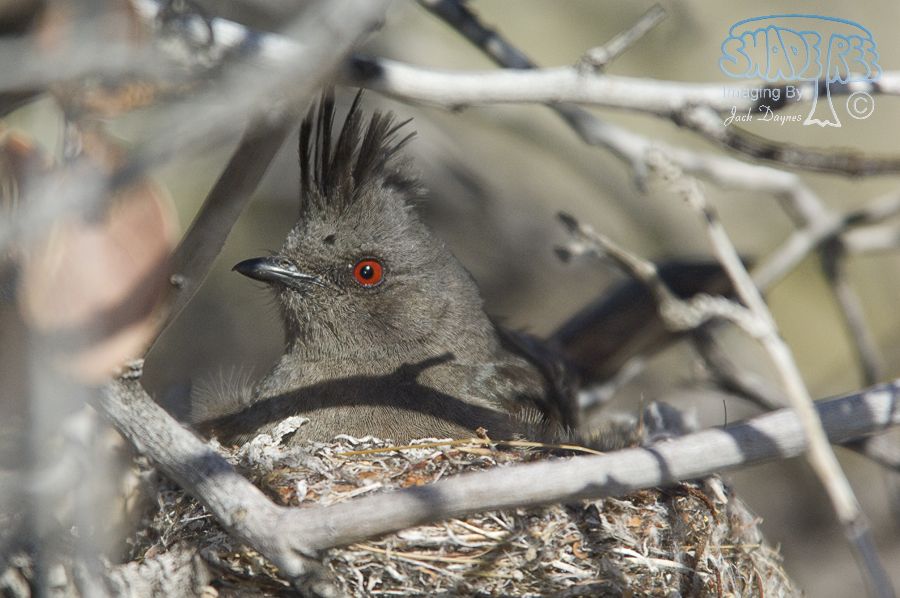
Phainopepla(Phainopepla nitens) |
|
Description: Hen on the nest in Culp Valley. Anza-Borrego Park, between Ranchita and Borrego Springs. San Diego County, California. |
Date Taken: 2008:04:03 8:07 |
|
Location:
Culp Valley |
|
Camera Information: NIKON D2X, 800 mm, f/5.6, 1/2500 |
File Name: JCD4286Phainopepla |
| © 2008 Jack Daynes, shadeTreeImaging.com |
Click map markers to reveal further information
