2016 – Early October Camping

I spent the second week of October with the bird and mammal department of the San Diego Natural History Museum in Joshua Tree National Park. The site is called Pinyon Wells, and it lies in the middle of the park in a wilderness location against the northern slopes of the Little San Bernardino Mountains. To reach our camp at Pinyon Wells required us to get a “Backcountry Pass” and leave the pavement between Sheep Pass and Jumbo Rocks and head south on a dicey dirt and sand road called Geology Tour Road for 8.5 miles. Unlike the previous outing at Cottonwood Spring at the end of September, we had no power that we didn’t bring ourselves. Nor did we have water we didn’t carry in.
The mission for the museum staff on this outing was to retrace the steps taken by teams of scientists in the early 1900s through the mid-forties. Joseph Grinnell led the teams 75 years ago, and they made copious notes describing the flora and fauna they encountered and the various places they studied throughout the park. Our expedition this week at Pinon Wells primarily retraced the steps of Alden H. Miller and Robert C. Stebbins. And while Stebbins was well respected for his work with reptiles and amphibians, our mission was primarily to study birds and mammals.
There were some surprises that the team encountered at this location. The first, was the sheer number of small rodents we found. Normally, a good capture rate (catches per trap) is 20-25%. Here the numbers were 75-89%. Some plots yielded 29 animals for 30 live-traps set. To survey from a distance, the arid desolation of this desert would make it easy to dismiss the scene as a barren wasteland, yet life abounds. If one takes the time to investigate, one can find it.

Another surprise was the number of San Diego Pocket Mice we found. This is a species of concern throughout its range. In other areas it faces threats such as habitat loss and fragmentation, however this species was abundant throughout this enormous expanse of open space.
When recording reports from the past, observers mentioned an abundance of Juniper and Pinyon Pines. Sadly, we discovered that the pines were absent except at the highest elevations of the nearby rugged mountains, and we observed only scattered and sporadic Junipers at the lower elevations where we camped. Most of the Joshua Trees were small in stature, and their density diminished as the land sloped up from the washes at the valley floor. Since 1970, wildfires have burned 40% of the park. Add the devastation of drought to the mix, and it’s easy to see how recovery could not keep pace with the losses.
Pinyon Wells Critters
On our trip to Pinyon Wells, I worked with the SDNHM’s Bird and Mammal team. I wasn’t able to document with my camera all the creatures we met out there, but I caught quite a few through my lenses. The mammals I photographed were Desert Woodrat, San Diego Pocket Mouse, Cactus Mouse, Canyon Mouse, Grasshopper Mouse, and Merriam’s Kangaroo Rat.
When I wasn’t busy photographing small mammals or processing my digital harvest, I worked to collect bird images. I didn’t chase the birds so much as pick off those that came by the camp. There were several migrating warblers I missed; a Townsend’s, a Wilson’s, and a Black-Throated Gray. The birds whose images I captured seemed to be residents of this area. The birds I photographed were Bewick’s Wren, Black-Tailed Gnatcatcher, Black-Throated Sparrow, Cactus Wren, House Finch, Rock Wren, Say’s Phoebe, and Verdin, White-Crowned Sparrow.
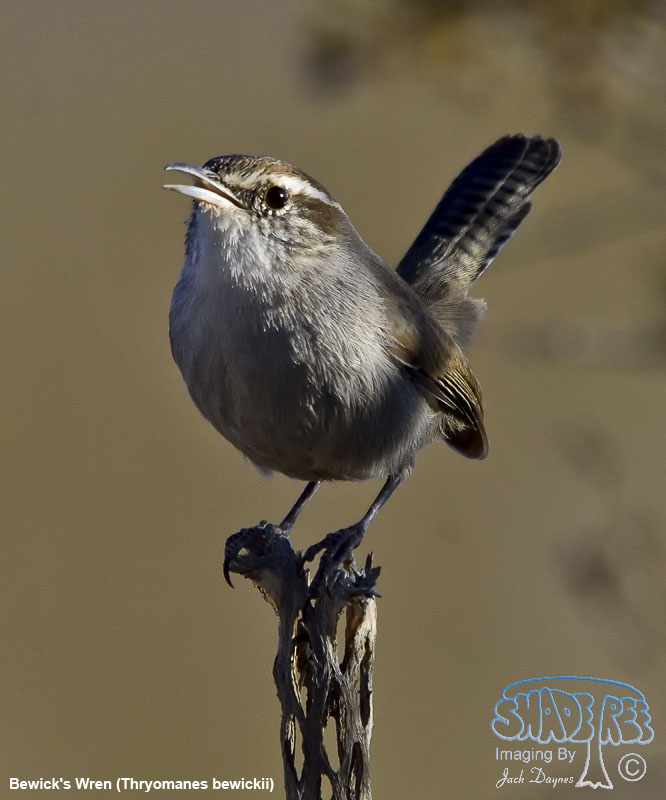
Bewick's Wren(Thryomanes bewickii) |
|
Description: Birds *AND* mammals were the subject of the SDNHM study during this expedition. Though rodents occupied my primary focus, I did not neglect the common birds at this site. Pinyon Wells, Joshua Tree National Park. Riverside County, California. |
Date Taken: 2016:10:12 7:41 |
|
Location:
Pinyon Wells |
|
Camera Information: NIKON D7200, 800 mm, f/8.0, 1/2000 |
File Name: BewicksWren_D728005 |
| © 2016 Jack Daynes, shadeTreeImaging.com |

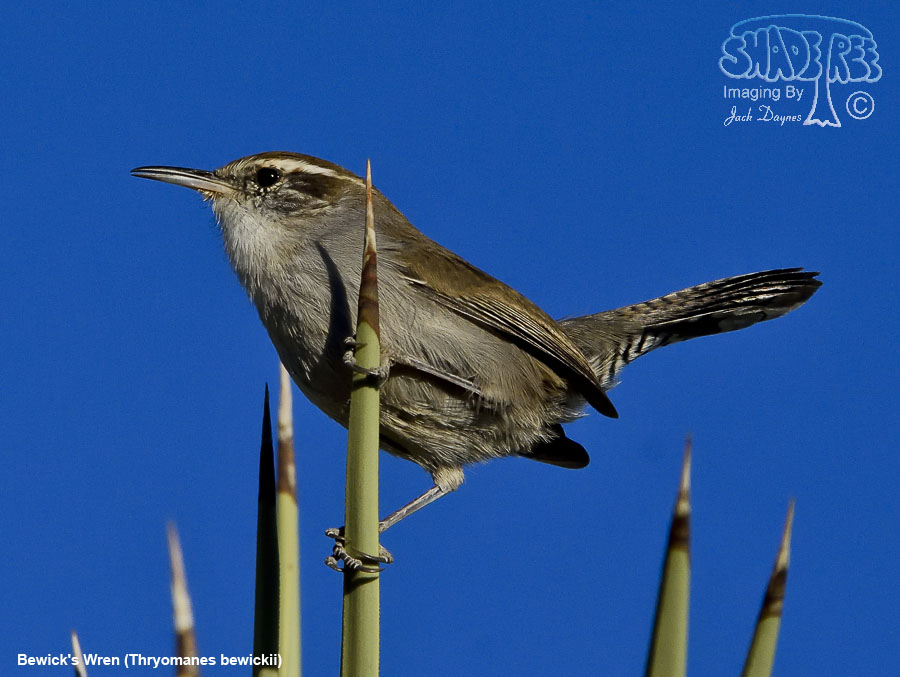
Bewick's Wren(Thryomanes bewickii) |
|
Description: Birds *AND* mammals were the subject of the SDNHM study during this expedition. Though rodents occupied my primary focus, I did not neglect the common birds at this site. Pinyon Wells, Joshua Tree National Park. Riverside County, California. |
Date Taken: 2016:10:12 7:42 |
|
Location:
Pinyon Wells |
|
Camera Information: NIKON D7200, 800 mm, f/8.0, 1/4000 |
File Name: BewicksWren_D728041 |
| © 2016 Jack Daynes, shadeTreeImaging.com |
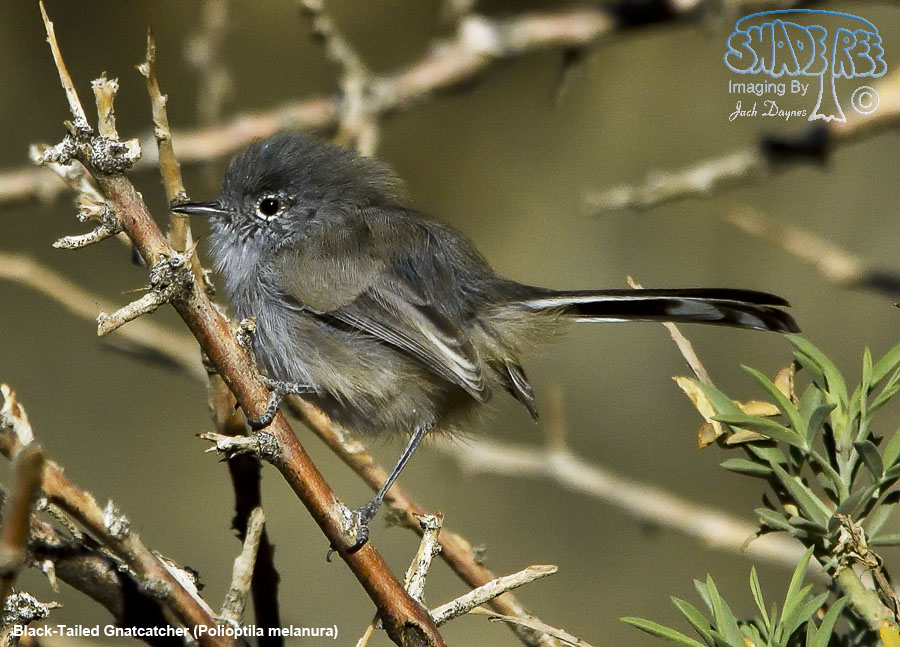
Black-Tailed Gnatcatcher(Polioptila melanura) |
|
Description: Birds *AND* mammals were the subject of the SDNHM study during this expedition. Though rodents occupied my primary focus, I did not neglect the common birds at this site. Pinyon Wells, Joshua Tree National Park. Riverside County, California. |
Date Taken: 2016:10:12 17:20 |
|
Location:
Pinyon Wells |
|
Camera Information: NIKON D7200, 800 mm, f/8.0, 1/4000 |
File Name: BlackTailedGnatcatcher_D728321 |
| © 2016 Jack Daynes, shadeTreeImaging.com |
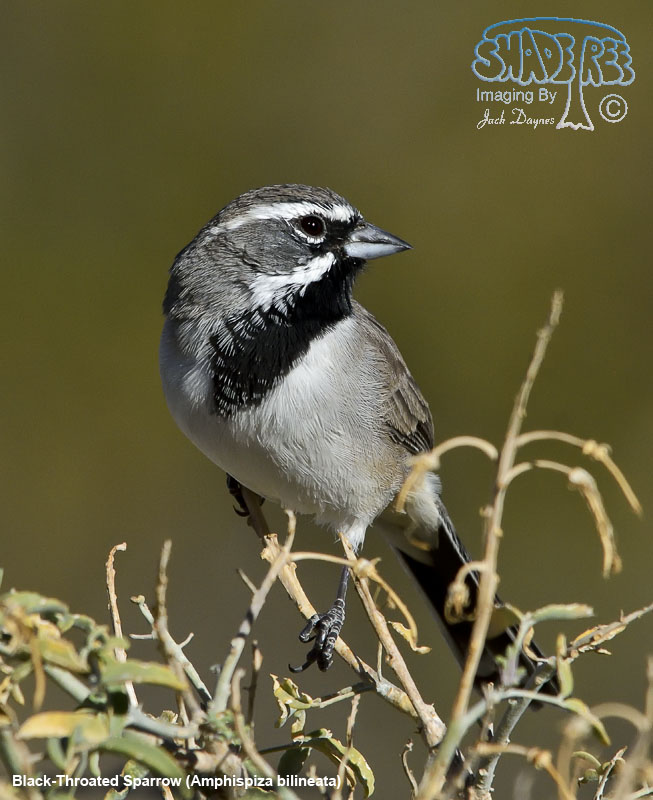
Black-Throated Sparrow(Amphispiza bilineata) |
|
Description: Birds *AND* mammals were the subject of the SDNHM study during this expedition. Though rodents occupied my primary focus, I did not neglect the common birds at this site. Pinyon Wells, Joshua Tree National Park. Riverside County, California. |
Date Taken: 2016:10:13 8:47 |
|
Location:
Pinyon Wells |
|
Camera Information: NIKON D7200, 800 mm, f/8.0, 1/3200 |
File Name: BlackThroatedSparrow_D728419 |
| © 2016 Jack Daynes, shadeTreeImaging.com |
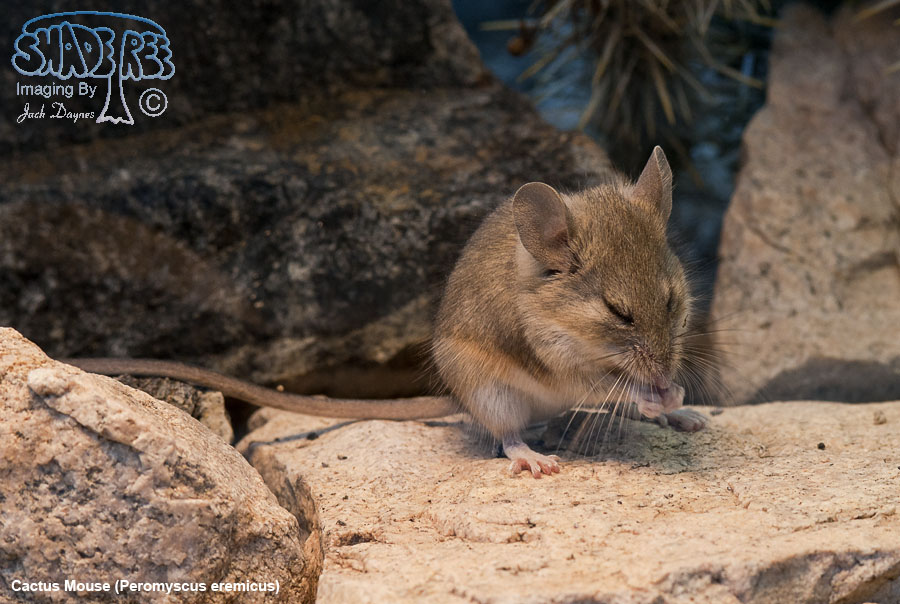
Cactus Mouse(Peromyscus eremicus) |
|
Description: The Cactus Mouse and the Canyon Mouse are closely related. The end of the Canyon Mouse's tail has long bristles, where the Cactus Mouse has short bristles at the tip. Pinyon Wells, Joshua Tree National Park. Riverside County, California. |
Date Taken: 2016:10:10 8:59 |
|
Location:
Pinyon Wells |
|
Camera Information: NIKON D3X, 105 mm, f/11.0, 1/200 |
File Name: CactusMouse_D3X9017 |
| © 2016 Jack Daynes, shadeTreeImaging.com |
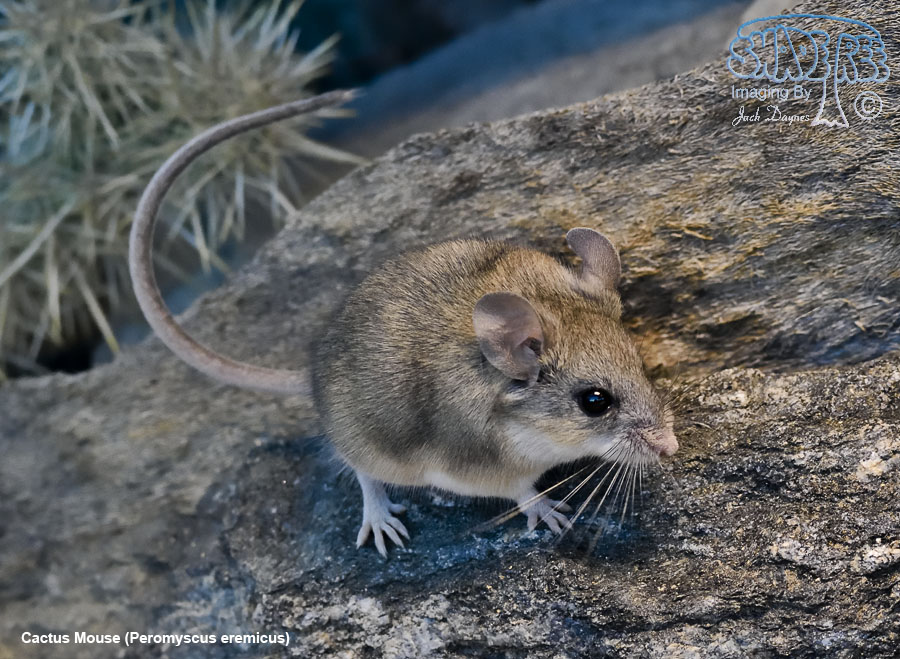
Cactus Mouse(Peromyscus eremicus) |
|
Description: The Cactus Mouse and the Canyon Mouse are closely related. The end of the Canyon Mouse's tail has long bristles, where the Cactus Mouse has short bristles at the tip. Pinyon Wells, Joshua Tree National Park. Riverside County, California. |
Date Taken: 2016:10:11 8:15 |
|
Location:
Pinyon Wells |
|
Camera Information: NIKON D7200, 105 mm, f/8.0, 1/1000 |
File Name: CactusMouse_D727776 |
| © 2016 Jack Daynes, shadeTreeImaging.com |
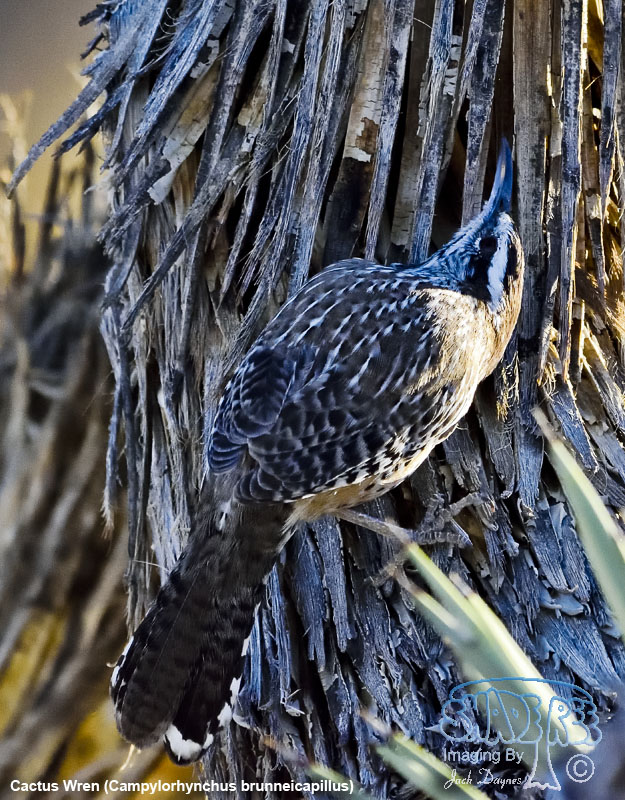
Cactus Wren(Campylorhynchus brunneicapillus) |
|
Description: Birds *AND* mammals were the subject of the SDNHM study during this expedition. Though rodents occupied my primary focus, I did not neglect the common birds at this site. Pinyon Wells, Joshua Tree National Park. Riverside County, California. |
Date Taken: 2016:10:11 16:46 |
|
Location:
Pinyon Wells |
|
Camera Information: NIKON D7200, 800 mm, f/8.0, 1/1600 |
File Name: CactusWren_D727978 |
| © 2016 Jack Daynes, shadeTreeImaging.com |
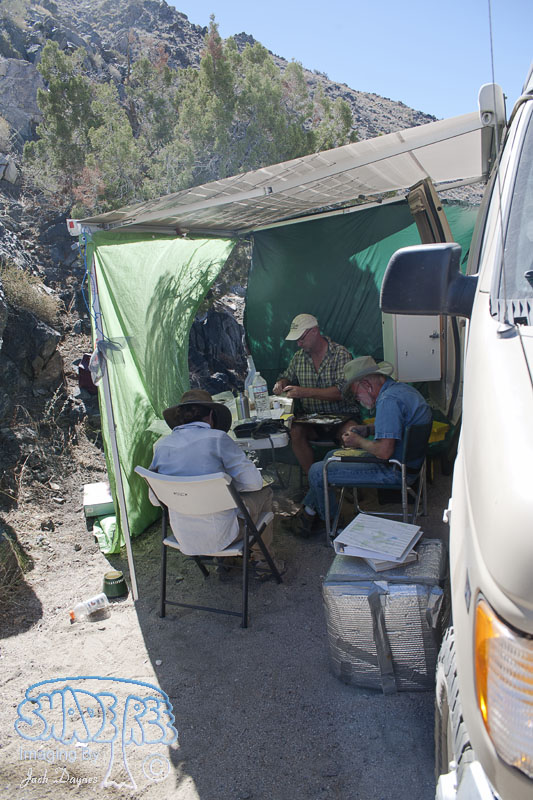
Field Work Comes to Camp(n/a) |
|
Description: Most trapped specimens are released after being documented. Some, however are prepared for the museum's collections department. Pinyon Wells campsite in Joshua Tree National Park, Riverside County, California. |
Date Taken: 2016:10:11 13:23 |
|
Location:
Pinyon Wells |
|
Camera Information: NIKON D3X, 28 mm, f/8.0, 1/320 |
File Name: CampLife_D3X9801-PinyonWells |
| © 2016 Jack Daynes, shadeTreeImaging.com |
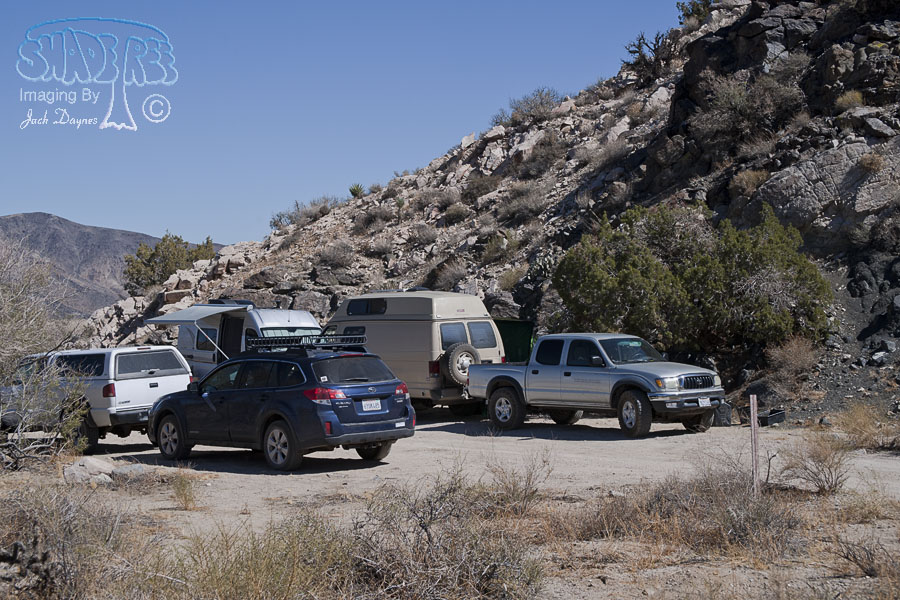
Field Work Comes to Camp(n/a) |
|
Description: Most trapped specimens are released after being documented. Some, however are prepared for the museum's collections department. Pinyon Wells campsite in Joshua Tree National Park, Riverside County, California. |
Date Taken: 2016:10:11 13:25 |
|
Location:
Pinyon Wells |
|
Camera Information: NIKON D3X, 58 mm, f/8.0, 1/1250 |
File Name: CampLife_D3X9805-PinyonWells |
| © 2016 Jack Daynes, shadeTreeImaging.com |
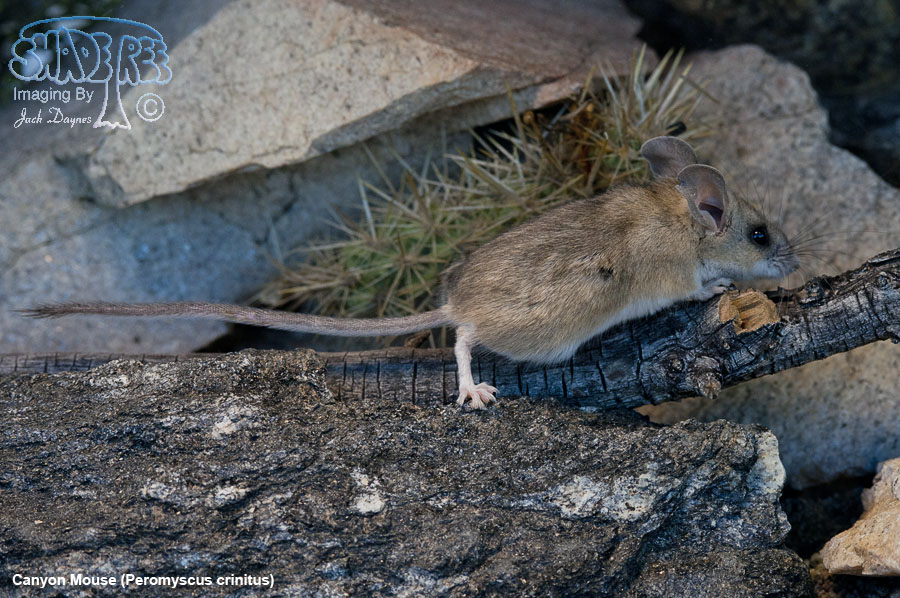
Canyon Mouse(Peromyscus crinitus) |
|
Description: The Cactus Mouse and the Canyon Mouse are closely related. The end of the Canyon Mouse's tail has long bristles, where the Cactus Mouse has short bristles at the tip. Pinyon Wells, Joshua Tree National Park. Riverside County, California. |
Date Taken: 2016:10:10 11:36 |
|
Location:
Pinyon Wells |
|
Camera Information: NIKON D3X, 105 mm, f/11.0, 1/400 |
File Name: CanyonMouse_D3X9370 |
| © 2016 Jack Daynes, shadeTreeImaging.com |
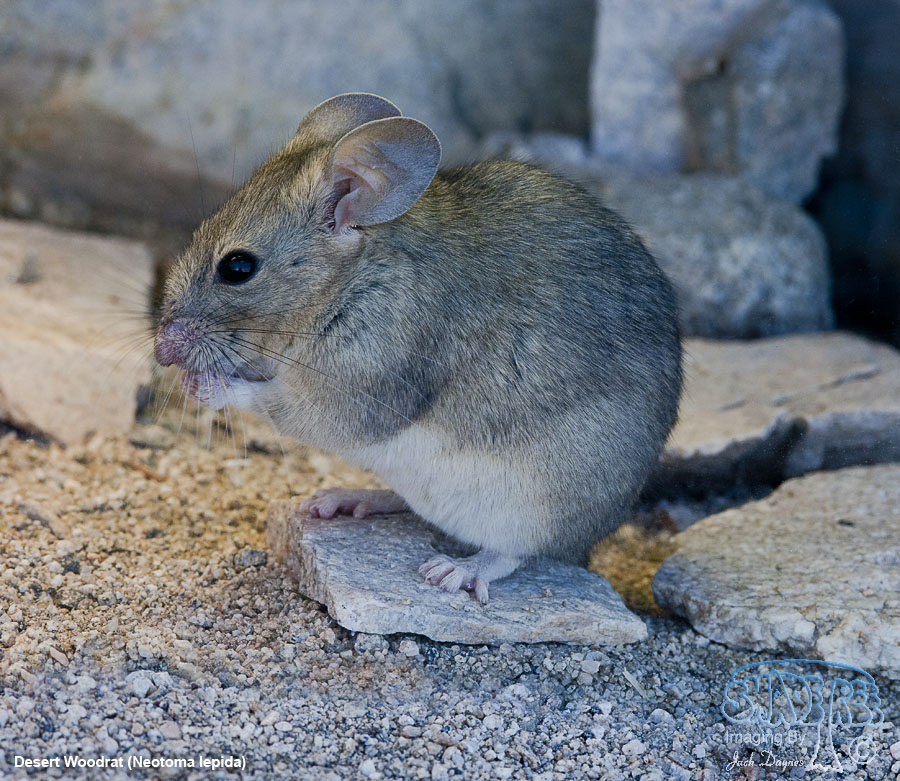
Desert Woodrat(Neotoma lepida) |
|
Description: The species in the woodrat group are large by comparison with all the smaller cousins I've photographed. Pinyon Wells, Joshua Tree National Park. Riverside County, California. |
Date Taken: 2016:10:10 11:43 |
|
Location:
Pinyon Wells |
|
Camera Information: NIKON D3X, 105 mm, f/11.0, 1/250 |
File Name: DesertWoodrat_D3X9421 |
| © 2016 Jack Daynes, shadeTreeImaging.com |
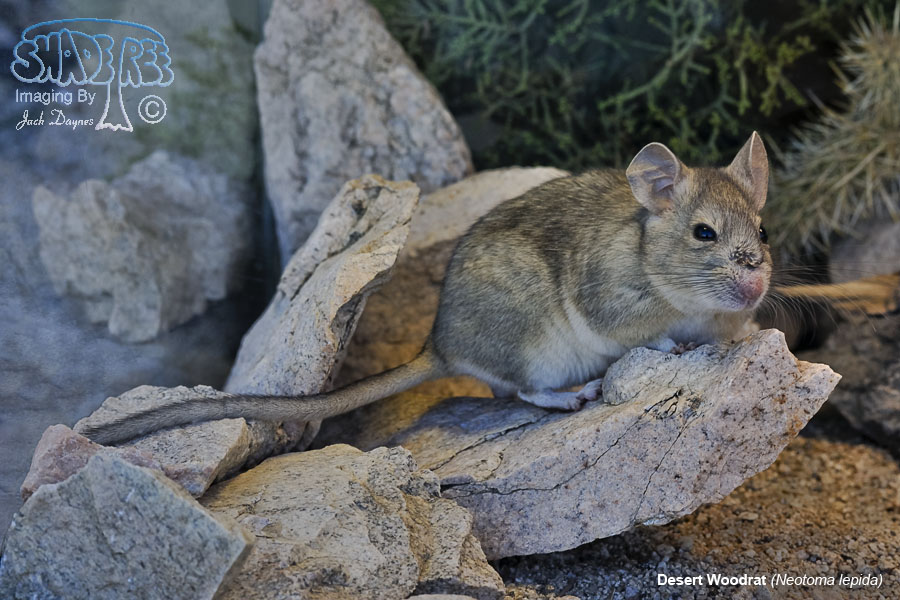
Desert Woodrat(Neotoma lepida) |
|
Description: The species in the woodrat group are large by comparison with all the smaller cousins I've photographed. Pinyon Wells, Joshua Tree National Park. Riverside County, California. |
Date Taken: 2016:10:10 11:44 |
|
Location:
Pinyon Wells |
|
Camera Information: NIKON D3X, 105 mm, f/11.0, 1/200 |
File Name: DesertWoodrat_D3X9434 |
| © 2016 Jack Daynes, shadeTreeImaging.com |
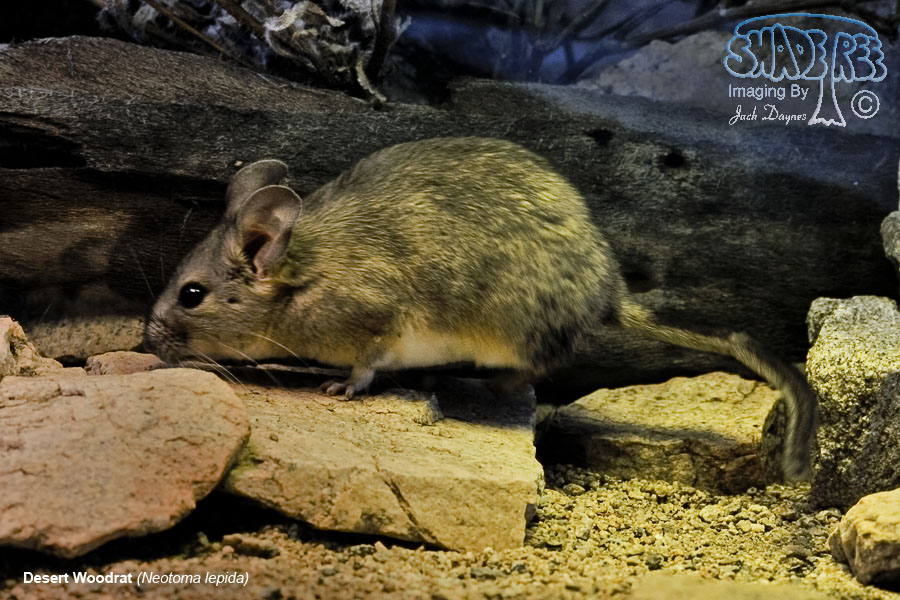
Desert Woodrat(Neotoma lepida) |
|
Description: The species in the woodrat group are large by comparison with all the smaller cousins I've photographed. Pinyon Wells, Joshua Tree National Park. Riverside County, California. |
Date Taken: 2016:10:11 11:31 |
|
Location:
Pinyon Wells |
|
Camera Information: NIKON D3X, 105 mm, f/11.0, 1/200 |
File Name: DesertWoodrat_D3X9765 |
| © 2016 Jack Daynes, shadeTreeImaging.com |
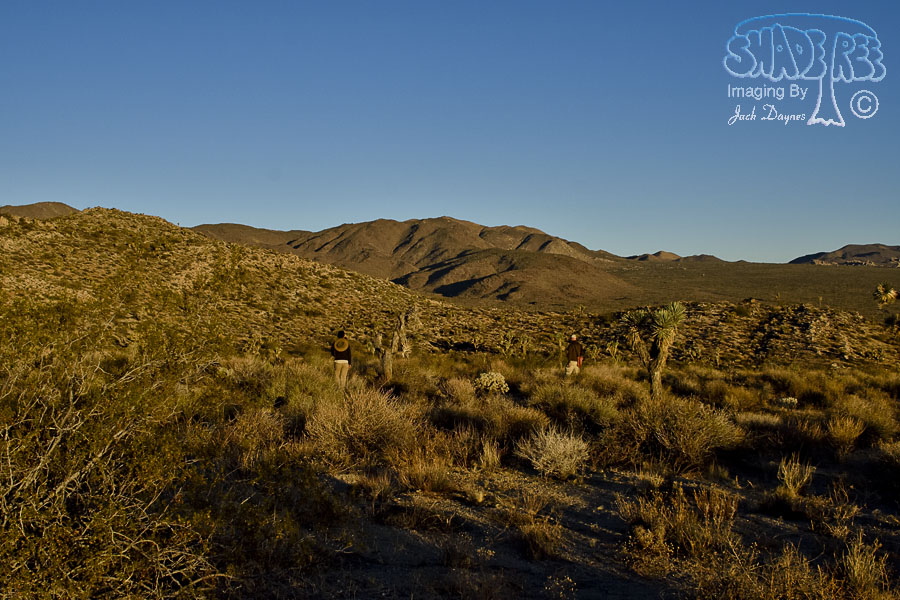
Field Work at Dawn(n/a) |
|
Description: The days start early with a check of the traps set the previous evening. Pinyon Wells campsite in Joshua Tree National Park, Riverside County, California. |
Date Taken: 2016:10:11 7:08 |
|
Location:
Pinyon Wells |
|
Camera Information: NIKON D7200, 28 mm, f/8.0, 1/2500 |
File Name: FieldWork_D727701-PinyonWells |
| © 2016 Jack Daynes, shadeTreeImaging.com |
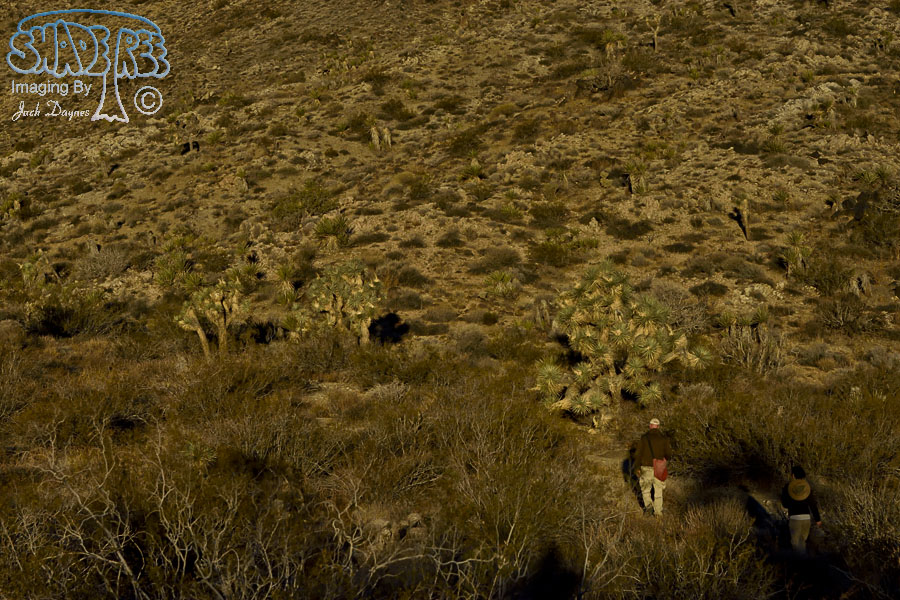
Field Work at Dawn(n/a) |
|
Description: The days start early with a check of the traps set the previous evening. Pinyon Wells campsite in Joshua Tree National Park, Riverside County, California. |
Date Taken: 2016:10:11 7:10 |
|
Location:
Pinyon Wells |
|
Camera Information: NIKON D7200, 70 mm, f/8.0, 1/4000 |
File Name: FieldWork_D727705-PinyonWells |
| © 2016 Jack Daynes, shadeTreeImaging.com |
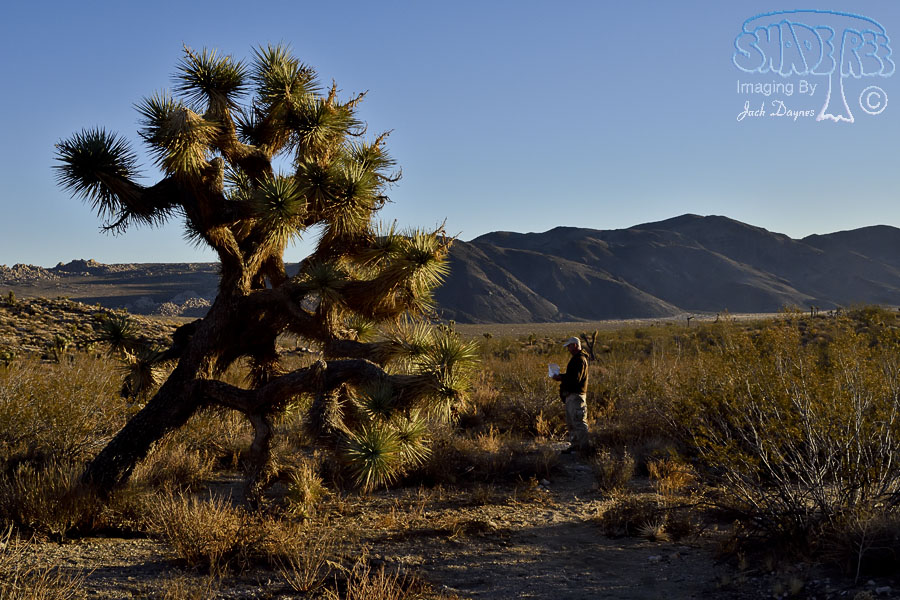
Field Work at Dawn(n/a) |
|
Description: The days start early with a check of the traps set the previous evening. Pinyon Wells campsite in Joshua Tree National Park, Riverside County, California. |
Date Taken: 2016:10:11 7:16 |
|
Location:
Pinyon Wells |
|
Camera Information: NIKON D7200, 28 mm, f/8.0, 1/2000 |
File Name: FieldWork_D727713-PinyonWells |
| © 2016 Jack Daynes, shadeTreeImaging.com |
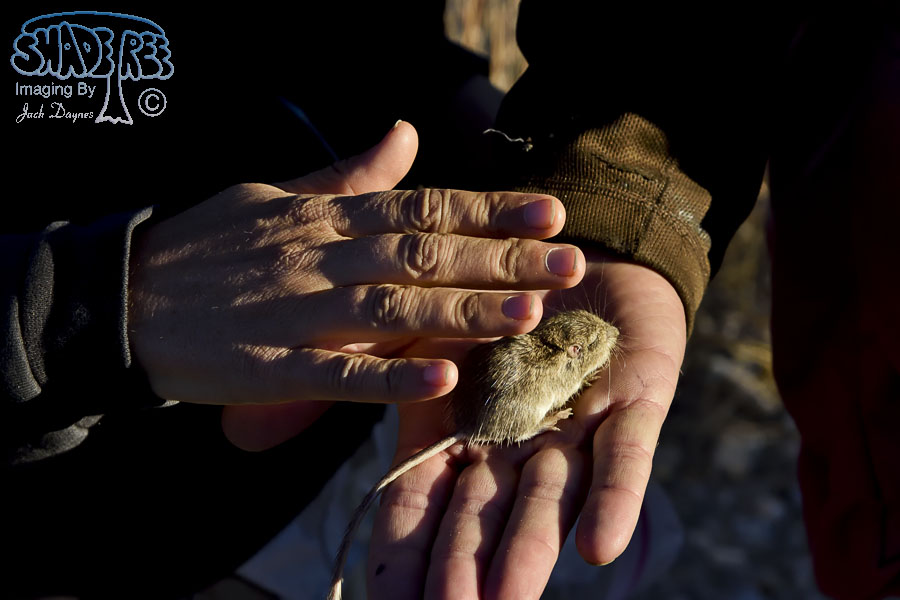
San Diego Pocket Mouse(n/a) |
|
Description: Warming a cold capture prior to release. Pinyon Wells campsite in Joshua Tree National Park, Riverside County, California. |
Date Taken: 2016:10:11 7:21 |
|
Location:
Pinyon Wells |
|
Camera Information: NIKON D7200, 70 mm, f/8.0, 1/1600 |
File Name: FieldWork_D727720-PinyonWellsCHFA-Warming |
| © 2016 Jack Daynes, shadeTreeImaging.com |
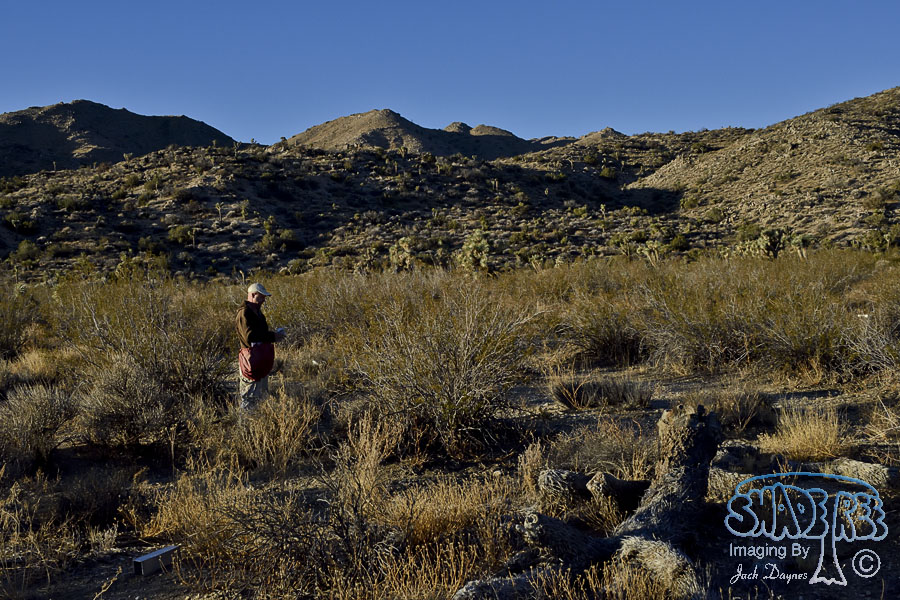
Field Work at Dawn(n/a) |
|
Description: The days start early with a check of the traps set the previous evening. Pinyon Wells campsite in Joshua Tree National Park, Riverside County, California. |
Date Taken: 2016:10:11 7:25 |
|
Location:
Pinyon Wells |
|
Camera Information: NIKON D7200, 28 mm, f/8.0, 1/2000 |
File Name: FieldWork_D727728-PinyonWells |
| © 2016 Jack Daynes, shadeTreeImaging.com |
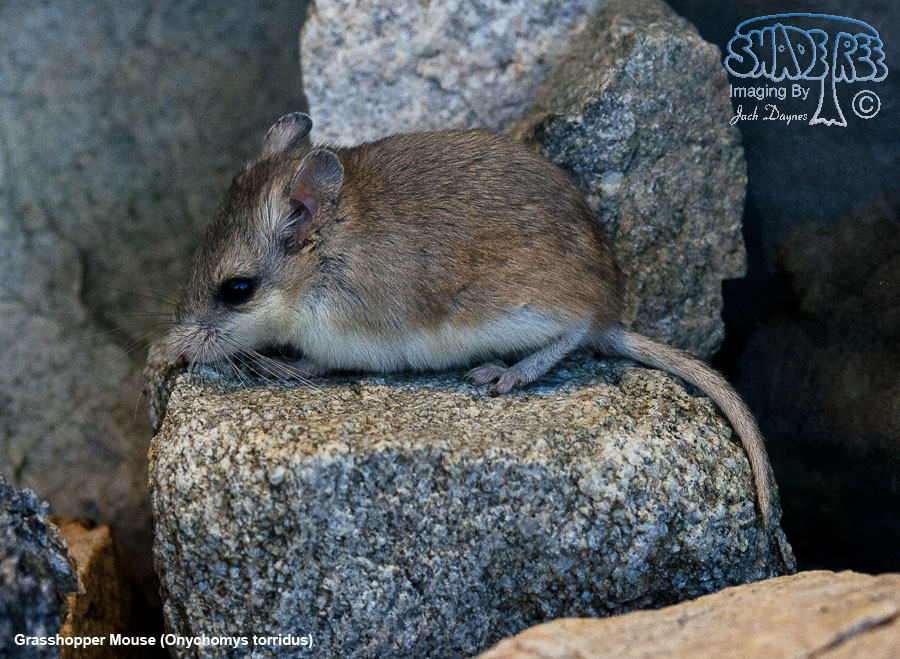
Grasshopper Mouse(Onychomys torridus) |
|
Description: Known as the "Lion of the Desert" this animal is carnivorous and a fierce predator of insects, scorpians and centipedes. Pinyon Wells, Joshua Tree National Park. Riverside County, California. |
Date Taken: 2016:10:10 10:30 |
|
Location:
Pinyon Wells |
|
Camera Information: NIKON D3X, 105 mm, f/10.0, 1/640 |
File Name: GrasshopperMouse_D3X9190 |
| © 2016 Jack Daynes, shadeTreeImaging.com |
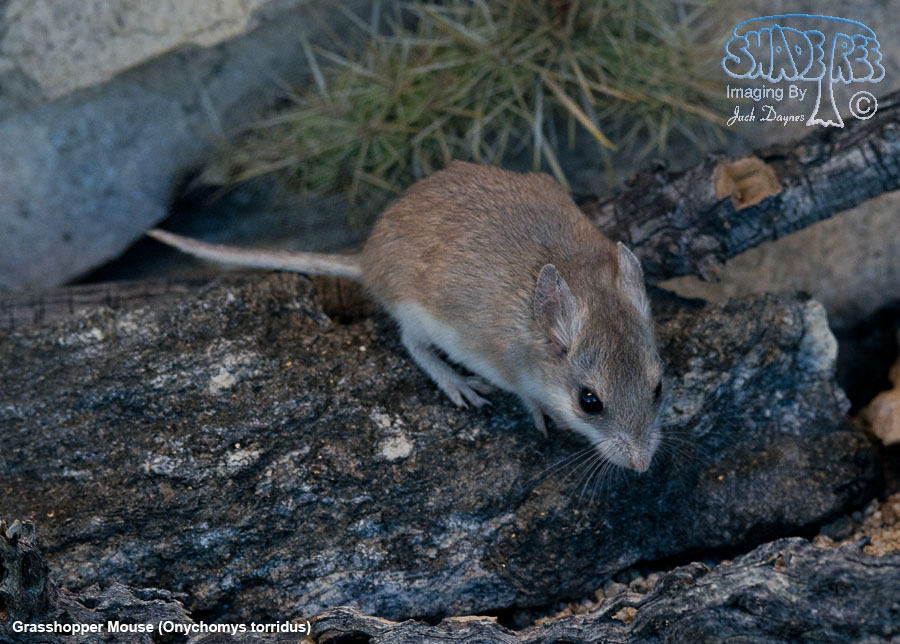
Grasshopper Mouse(Onychomys torridus) |
|
Description: Known as the "Lion of the Desert" this animal is carnivorous and a fierce predator of insects, scorpians and centipedes. Pinyon Wells, Joshua Tree National Park. Riverside County, California. |
Date Taken: 2016:10:10 10:36 |
|
Location:
Pinyon Wells |
|
Camera Information: NIKON D3X, 105 mm, f/11.0, 1/320 |
File Name: GrasshopperMouse_D3X9235 |
| © 2016 Jack Daynes, shadeTreeImaging.com |
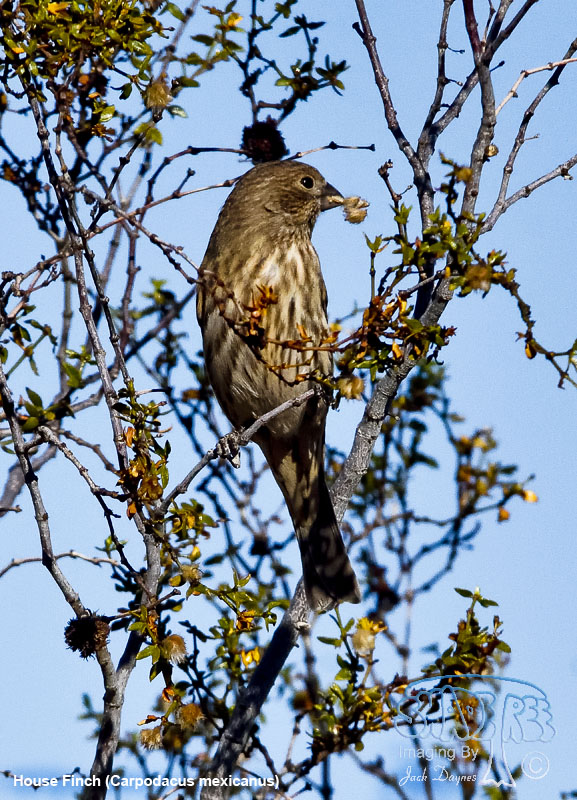
House Finch(Haemorhous mexicanus) |
|
Description: Birds *AND* mammals were the subject of the SDNHM study during this expedition. Though rodents occupied my primary focus, I did not neglect the common birds at this site. Pinyon Wells, Joshua Tree National Park. Riverside County, California. |
Date Taken: 2016:10:13 8:50 |
|
Location:
Pinyon Wells |
|
Camera Information: NIKON D7200, 800 mm, f/8.0, 1/8000 |
File Name: HouseFinch_D728434 |
| © 2016 Jack Daynes, shadeTreeImaging.com |
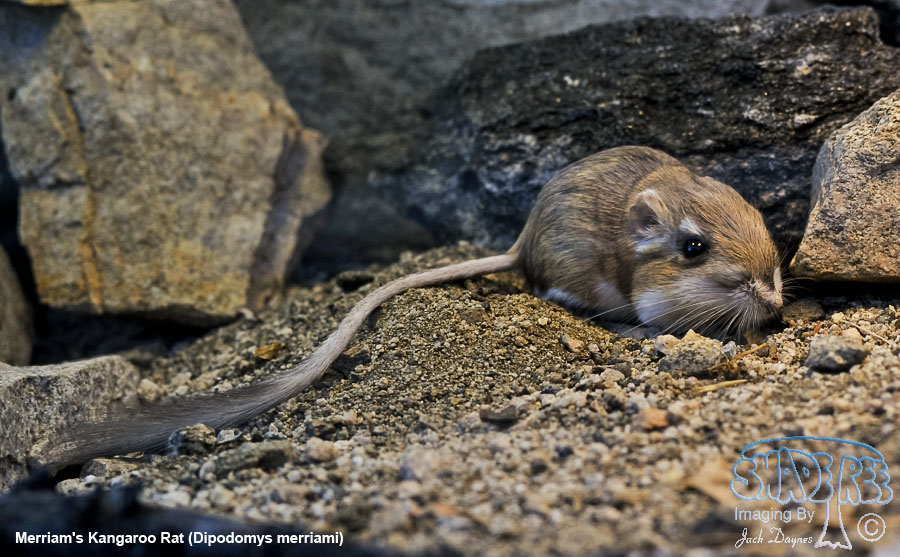
Merriam's Kangaroo Rat(Dipodomys merriami) |
|
Description: The most common animal caught in this region was this animal. Pinyon Wells, Joshua Tree National Park. Riverside County, California. |
Date Taken: 2016:10:10 8:31 |
|
Location:
Pinyon Wells |
|
Camera Information: NIKON D3X, 105 mm, f/8.0, 1/640 |
File Name: MerriamsKangarooRat_D3X8935 |
| © 2016 Jack Daynes, shadeTreeImaging.com |
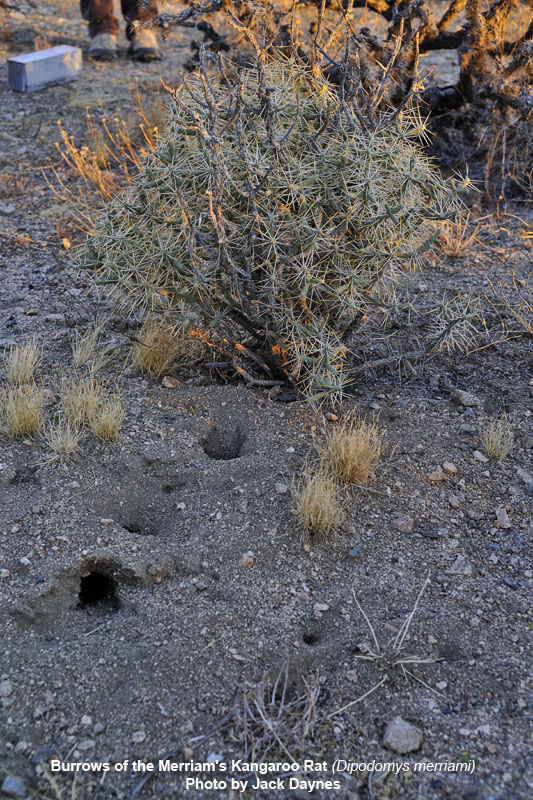
Merriam's Kangaroo Rat(Dipodomys merriami) |
|
Description: Even without catching these animals, there presence was obvious by the numerous burrows we found. Shown here near Pencil Cholla (Cylindropuntia ramosissima), the smallest burrows are most likely those of the San Diego Pocket Mouse (Chaetodipus fallax). Pinyon Wells, Joshua Tree National Park. Riverside County, California. |
Date Taken: 2016:10:12 7:59 |
|
Location:
Pinyon Wells |
|
Camera Information: NIKON D3X, 58 mm, f/8.0, 1/40 |
File Name: MerriamsKangarooRat-Burrows_D3X9840 |
| © 2016 Jack Daynes, shadeTreeImaging.com |
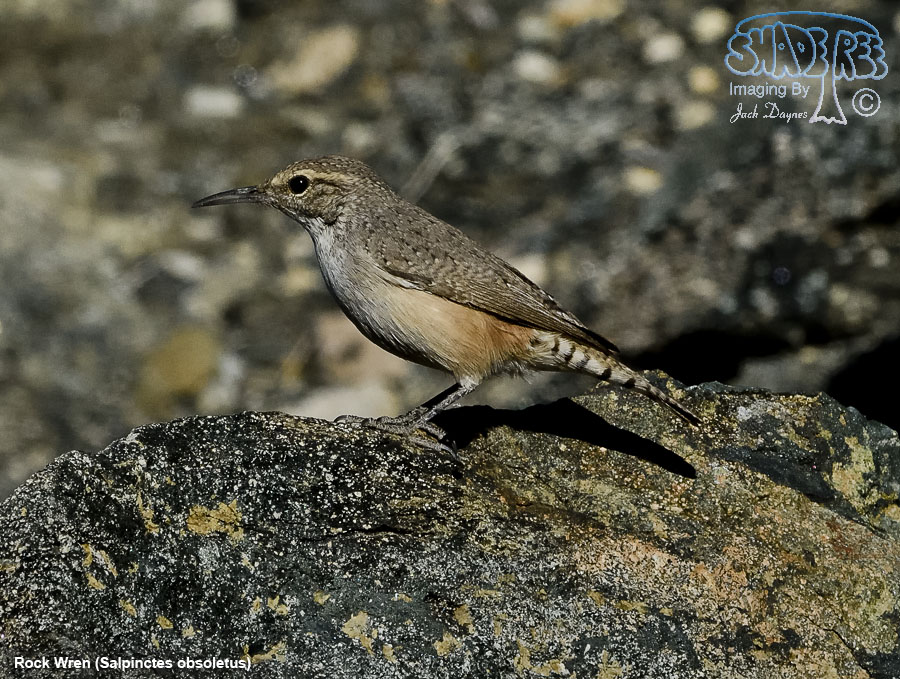
Rock Wren(Salpinctes obsoletus) |
|
Description: Birds *AND* mammals were the subject of the SDNHM study during this expedition. Though rodents occupied my primary focus, I did not neglect the common birds at this site. Pinyon Wells, Joshua Tree National Park. Riverside County, California. |
Date Taken: 2016:10:12 16:40 |
|
Location:
Pinyon Wells |
|
Camera Information: NIKON D7200, 800 mm, f/8.0, 1/4000 |
File Name: RockWren_D728157 |
| © 2016 Jack Daynes, shadeTreeImaging.com |
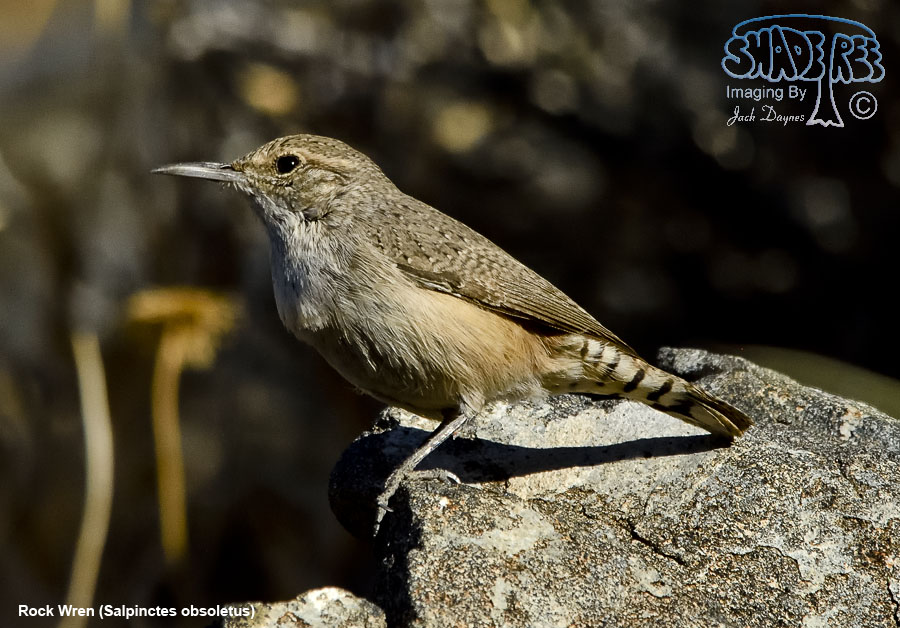
Rock Wren(Salpinctes obsoletus) |
|
Description: Birds *AND* mammals were the subject of the SDNHM study during this expedition. Though rodents occupied my primary focus, I did not neglect the common birds at this site. Pinyon Wells, Joshua Tree National Park. Riverside County, California. |
Date Taken: 2016:10:12 17:03 |
|
Location:
Pinyon Wells |
|
Camera Information: NIKON D7200, 800 mm, f/8.0, 1/3200 |
File Name: RockWren_D728263 |
| © 2016 Jack Daynes, shadeTreeImaging.com |
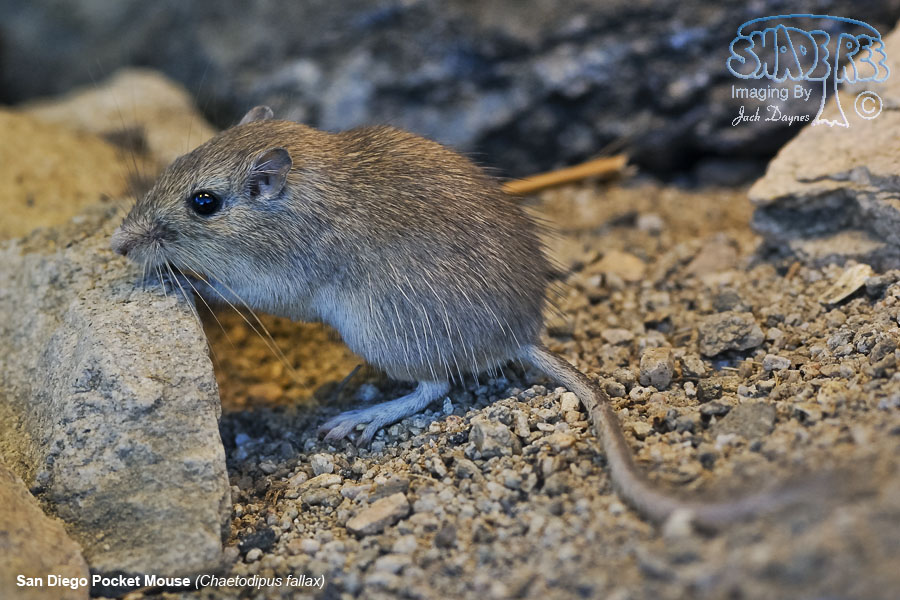
San Diego Pocket Mouse(Chaetodipus fallax) |
|
Description: Presence of this San Diego Pocket Mouse so far out on the park was a bit surprising. Pinyon Wells, Joshua Tree National Park. Riverside County, California. |
Date Taken: 2016:10:13 8:25 |
|
Location:
Pinyon Wells |
|
Camera Information: NIKON D3X, 105 mm, f/7.1, 1/400 |
File Name: SanDiegoPocketMouse_D3X0080 |
| © 2016 Jack Daynes, shadeTreeImaging.com |
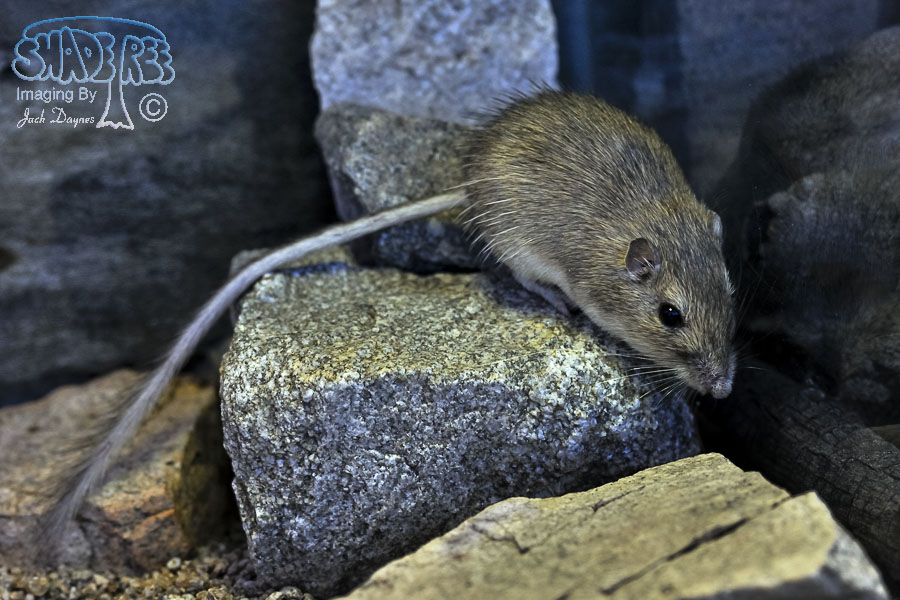
San Diego Pocket Mouse(Chaetodipus fallax) |
|
Description: Presence of this San Diego Pocket Mouse so far out on the park was a bit surprising. Pinyon Wells, Joshua Tree National Park. Riverside County, California. |
Date Taken: 2016:10:13 8:09 |
|
Location:
Pinyon Wells |
|
Camera Information: NIKON D3X, 105 mm, f/8.0, 1/250 |
File Name: SanDiegoPocketMouse_D3X9926 |
| © 2016 Jack Daynes, shadeTreeImaging.com |
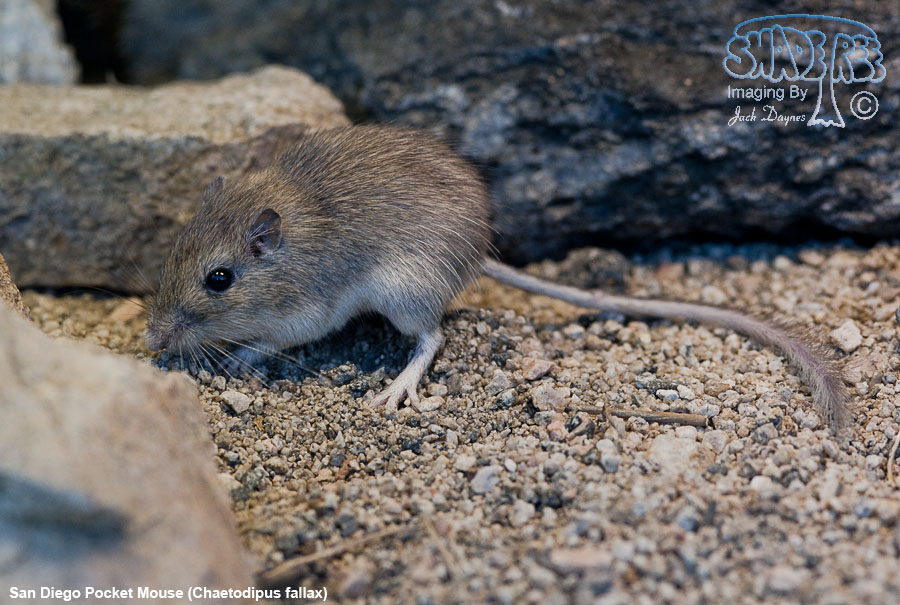
San Diego Pocket Mouse(Chaetodipus fallax) |
|
Description: Presence of this San Diego Pocket Mouse so far out on the park was a bit surprising. Pinyon Wells, Joshua Tree National Park. Riverside County, California. |
Date Taken: 2016:10:13 8:13 |
|
Location:
Pinyon Wells |
|
Camera Information: NIKON D3X, 105 mm, f/7.1, 1/400 |
File Name: SanDiegoPocketMouse_D3X9950 |
| © 2016 Jack Daynes, shadeTreeImaging.com |
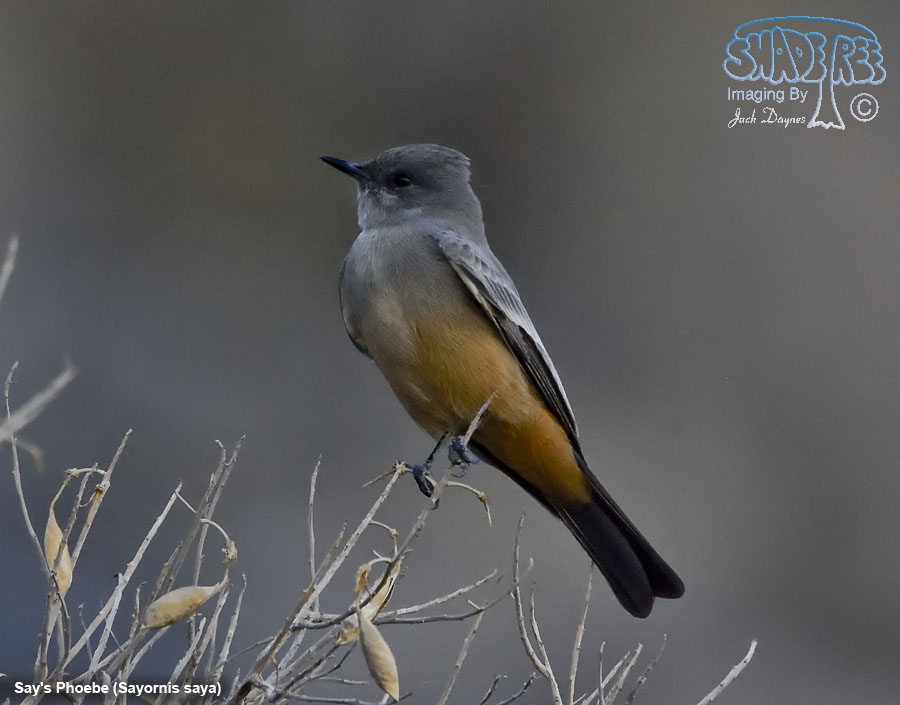
Say's Phoebe(Sayornis saya) |
|
Description: Birds *AND* mammals were the subject of the SDNHM study during this expedition. Though rodents occupied my primary focus, I did not neglect the common birds at this site. Pinyon Wells, Joshua Tree National Park. Riverside County, California. |
Date Taken: 2016:10:12 8:54 |
|
Location:
Pinyon Wells |
|
Camera Information: NIKON D7200, 800 mm, f/8.0, 1/1250 |
File Name: SaysPhoebe_D728105 |
| © 2016 Jack Daynes, shadeTreeImaging.com |
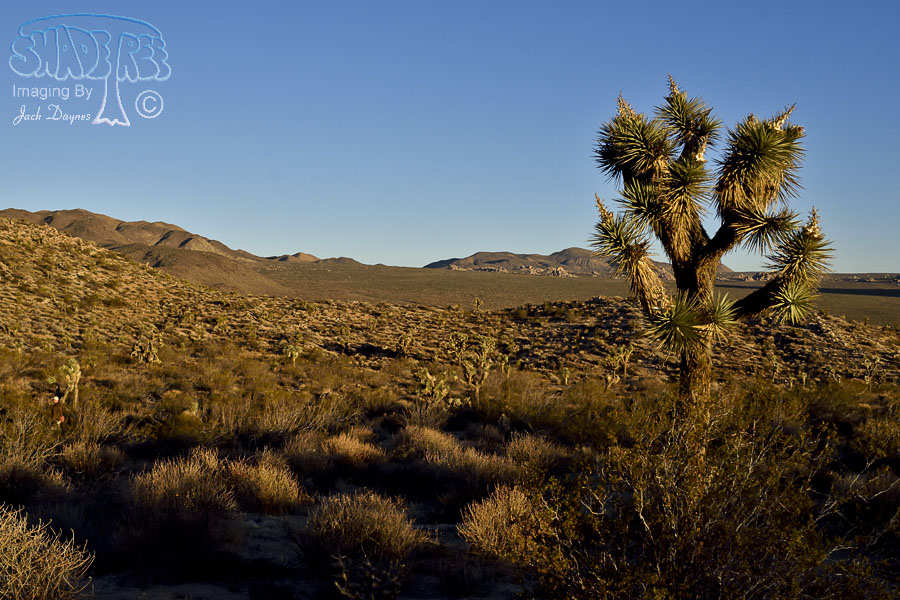
Desert Sunrise(n/a) |
|
Description: Early mornings spent checking traps provide an opportunity to witness some beautiful sunrise scenery. Pinyon Wells campsite in Joshua Tree National Park, Riverside County, California. |
Date Taken: 2016:10:11 7:09 |
|
Location:
Pinyon Wells |
|
Camera Information: NIKON D7200, 28 mm, f/8.0, 1/2500 |
File Name: Scenery_D727703-JoshuaTree |
| © 2016 Jack Daynes, shadeTreeImaging.com |
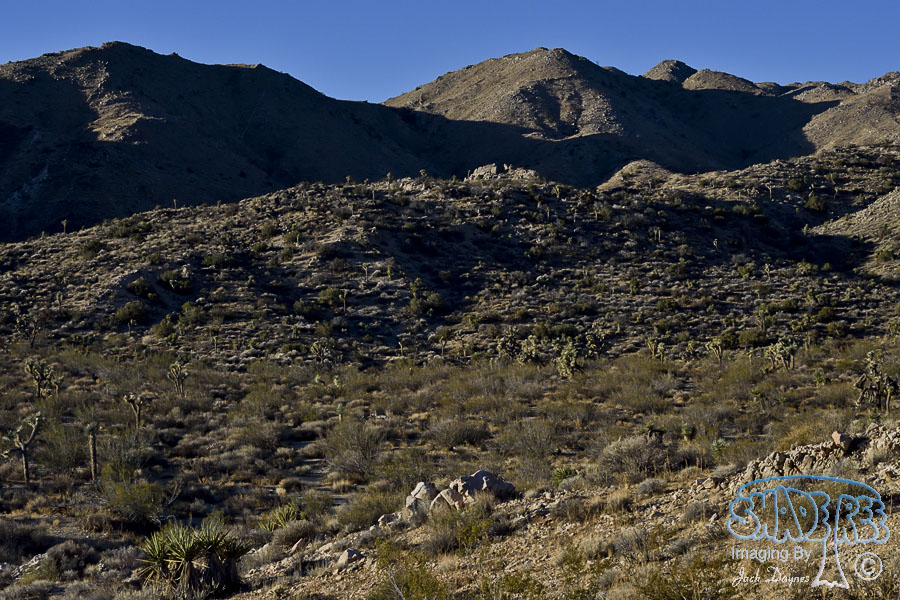
Desert Sunrise(n/a) |
|
Description: Early mornings spent checking traps provide an opportunity to witness some beautiful sunrise scenery. Pinyon Wells campsite in Joshua Tree National Park, Riverside County, California. |
Date Taken: 2016:10:11 7:36 |
|
Location:
Pinyon Wells |
|
Camera Information: NIKON D7200, 46 mm, f/8.0, 1/3200 |
File Name: Scenery_D727730-PinyonWells |
| © 2016 Jack Daynes, shadeTreeImaging.com |
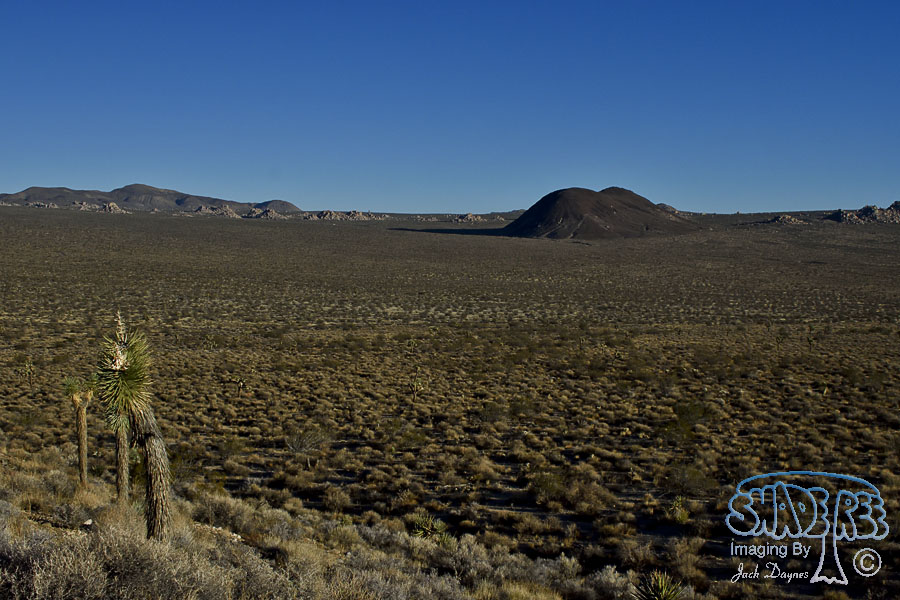
Desert Sunrise(n/a) |
|
Description: Early mornings spent checking traps provide an opportunity to witness some beautiful sunrise scenery. Pinyon Wells campsite in Joshua Tree National Park, Riverside County, California. |
Date Taken: 2016:10:11 7:42 |
|
Location:
Pinyon Wells |
|
Camera Information: NIKON D7200, 28 mm, f/8.0, 1/5000 |
File Name: Scenery_D727735-PinyonWells |
| © 2016 Jack Daynes, shadeTreeImaging.com |
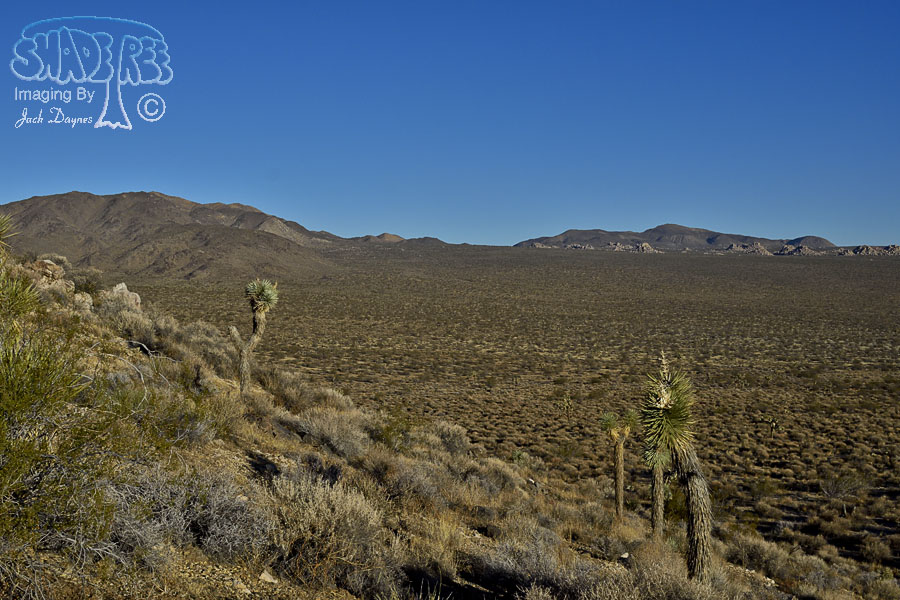
Desert Sunrise(n/a) |
|
Description: Early mornings spent checking traps provide an opportunity to witness some beautiful sunrise scenery. Pinyon Wells campsite in Joshua Tree National Park, Riverside County, California. |
Date Taken: 2016:10:11 7:42 |
|
Location:
Pinyon Wells |
|
Camera Information: NIKON D7200, 28 mm, f/8.0, 1/4000 |
File Name: Scenery_D727737-PinyonWells |
| © 2016 Jack Daynes, shadeTreeImaging.com |
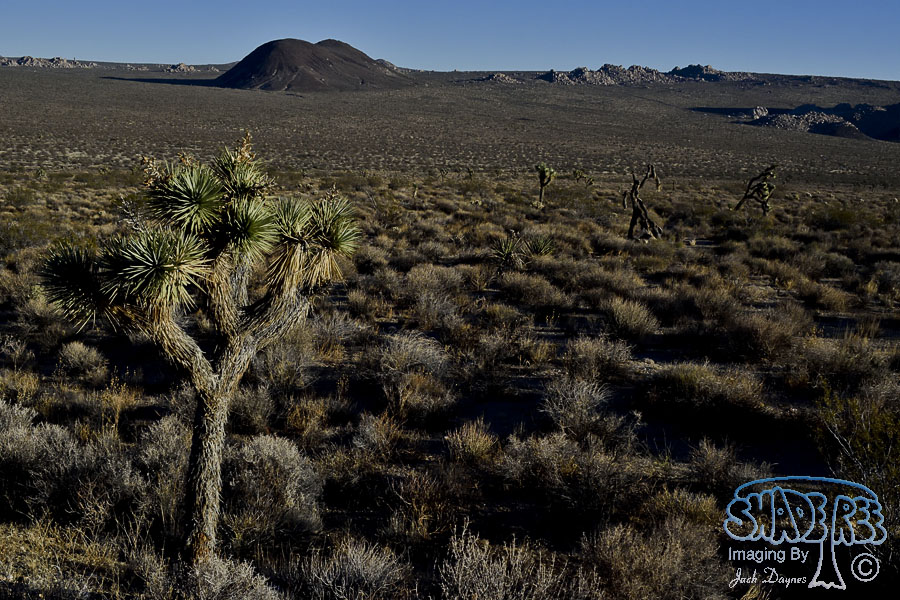
Desert Sunrise(n/a) |
|
Description: Early mornings spent checking traps provide an opportunity to witness some beautiful sunrise scenery. Pinyon Wells campsite in Joshua Tree National Park, Riverside County, California. |
Date Taken: 2016:10:11 7:44 |
|
Location:
Pinyon Wells |
|
Camera Information: NIKON D7200, 28 mm, f/8.0, 1/4000 |
File Name: Scenery_D727744-PinyonWells |
| © 2016 Jack Daynes, shadeTreeImaging.com |
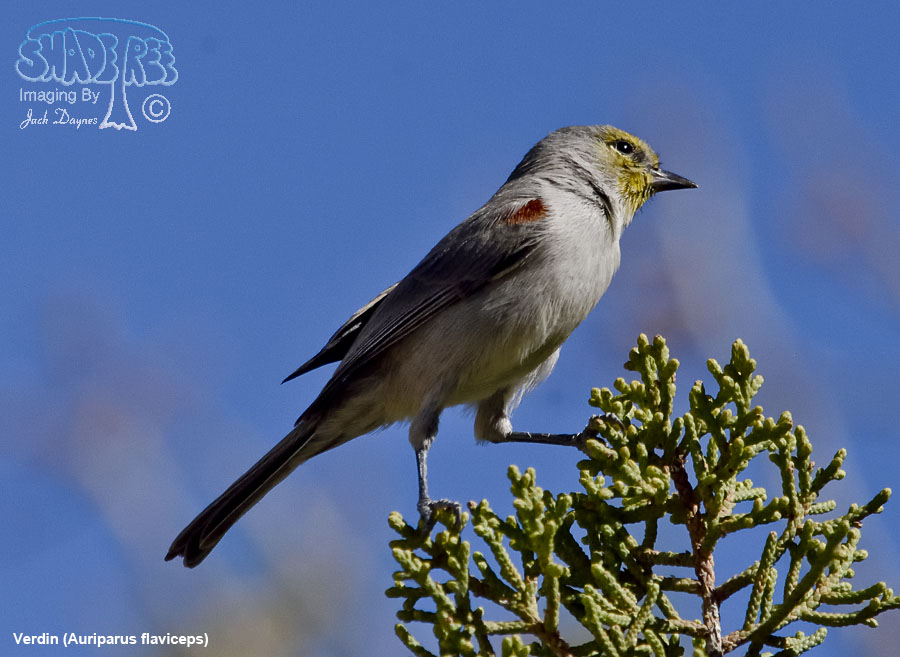
Verdin(Auriparus flaviceps) |
|
Description: Birds *AND* mammals were the subject of the SDNHM study during this expedition. Though rodents occupied my primary focus, I did not neglect the common birds at this site. Pinyon Wells, Joshua Tree National Park. Riverside County, California. |
Date Taken: 2016:10:12 11:15 |
|
Location:
Pinyon Wells |
|
Camera Information: NIKON D7200, 800 mm, f/8.0, 1/5000 |
File Name: Verdin_D728125 |
| © 2016 Jack Daynes, shadeTreeImaging.com |
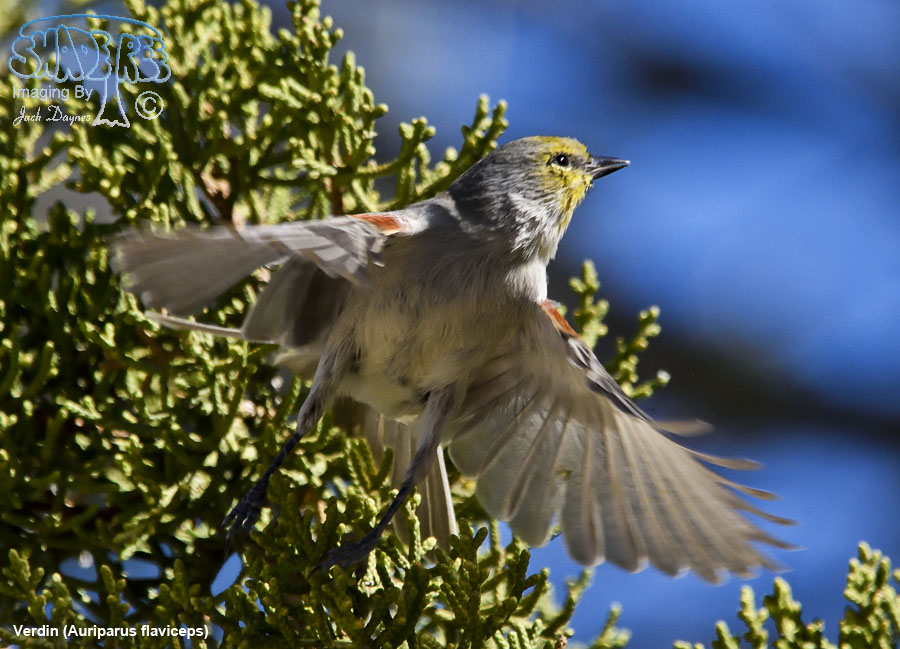
Verdin(Auriparus flaviceps) |
|
Description: Birds *AND* mammals were the subject of the SDNHM study during this expedition. Though rodents occupied my primary focus, I did not neglect the common birds at this site. Pinyon Wells, Joshua Tree National Park. Riverside County, California. |
Date Taken: 2016:10:12 11:15 |
|
Location:
Pinyon Wells |
|
Camera Information: NIKON D7200, 800 mm, f/8.0, 1/2500 |
File Name: Verdin_D728128 |
| © 2016 Jack Daynes, shadeTreeImaging.com |
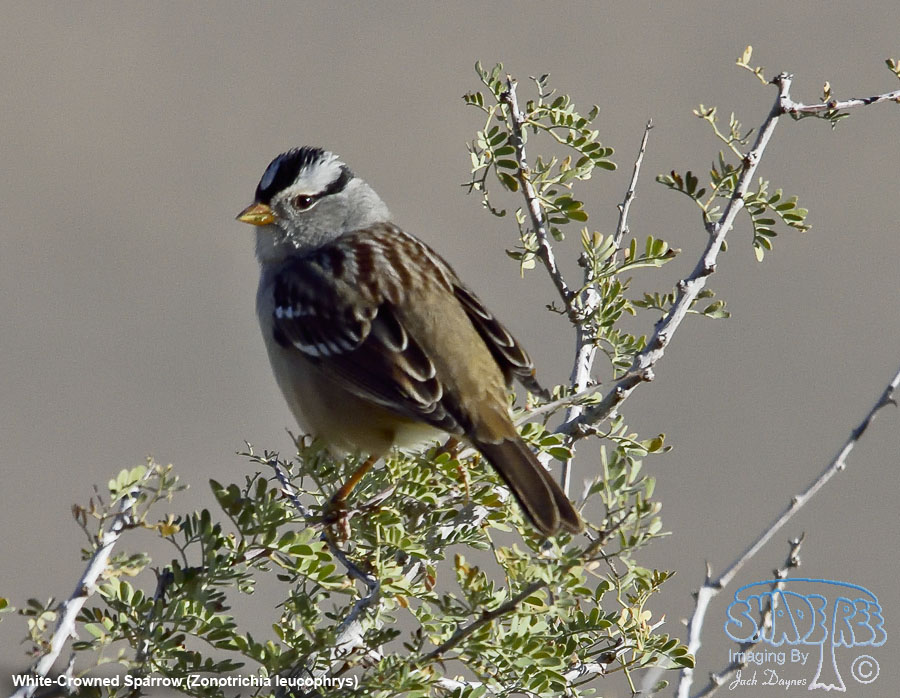
White-Crowned Sparrow(Zonotrichia leucophrys) |
|
Description: Birds *AND* mammals were the subject of the SDNHM study during this expedition. Though rodents occupied my primary focus, I did not neglect the common birds at this site. Pinyon Wells, Joshua Tree National Park. Riverside County, California. |
Date Taken: 2016:10:13 8:35 |
|
Location:
Pinyon Wells |
|
Camera Information: NIKON D7200, 800 mm, f/8.0, 1/3200 |
File Name: WhiteCrownedSparrow_D728372 |
| © 2016 Jack Daynes, shadeTreeImaging.com |
Click map markers to reveal further information
