2016-04-20 Wednesday

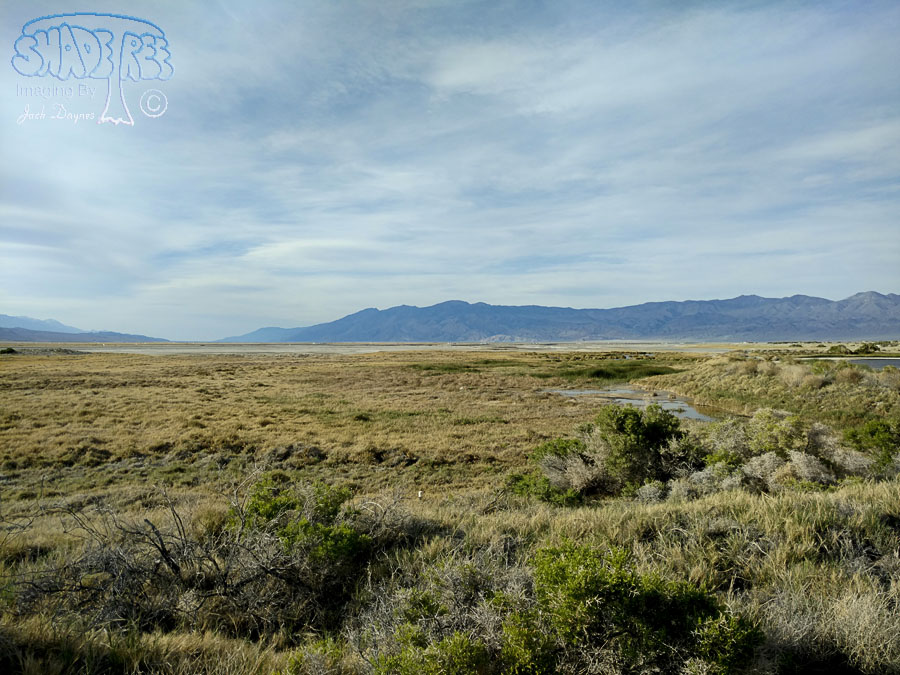
The local birding community is well aware of Dirty Socks Springs. Located at the southern edge of the Owens Lake basin, it used to be a county park with a concrete lined pool adjacent to the natural pond and wetlands. It doesn’t see much use by bathers these days. Mosses have overgrown the water, attracting many thousands of brine flies that serve as food for many birds. Waterfowl and shorebirds often frequent this place, especially during migration. Yellow-Headed Blackbirds were my main source of entertainment during this visit, but I also saw Savannah Sparrows, Red-Winged Blackbirds, Brown-Headed Cowbirds, Lesser Yellowlegs, Cinnamon Teal, Eared and Pied-Billed Grebes, Coots, Orange-Crowned and Yellow-Rumped Warblers, Bank Swallows and Western Kingbirds.
When I arrived late in the afternoon on Wednesday, the wind was howling from the south. While driving, the tail-wind likely enhanced my fuel economy, but upon stopping, it created wind-chops on the water, and photographs taken on water always seem better if the surface is calm. High winds usually keep the birds tucked down in the bushes and hard to find. I parked the RV, so the wind wasn’t hitting it broadside and then settled in for the night. By morning, the wind calmed, allowing me to find most of the passerines on the list above.
2017-07-19&20 Heading Home From The Sierras
During these past weeks, I dedicated much of my time to being in or around the 11 by 20 mile Long Valley Caldera, which extends to Mammoth Mountain (7,880 feet) to the southwest. The route I chose skirts the caldera’s northern and eastern boundaries. Cresting at near 8,000 feet, this road may be closed between October and May. Before reaching Benton, the road twisted and wound around the rugged 7,820 foot Trafton Mountains, and through an interesting little development at Benton Hot Springs (5,630 foot elevation). A few miles further and the road (CA-120) ends at US Route 6 in the small community of Benton California (elevation 5387 feet). Route 6 carries travelers north and south past the foot of the Inyo Mountain range’s highest peaks, including White Mountain (elevation 14,252 feet) which looms 9,000 feet above the valley floor.

Leaving Benton and pointing south towards home, the rest of my journey had a downhill trend. I knew I wasn’t ready to drive all the way home, so I stopped at Dirty Socks Spring, 5 miles east of US-395 at Olancha. It seemed this would be a nice place to break up my final push driving home. During Spring and Fall migrations, this place can be a productive place to find shorebirds and waterfowl. The Fall migration hadn’t started here, so birds were scarce. As the sun was setting a couple of Black-Tailed Jackrabbits (Lepus californicus) came to the water where I parked, and I could capture a few images.
Just after dark, a pickup drove down and parked next to the same pool as me, and the driver stepped out to make telephone calls. Whether or not I wanted to, I got to listen for almost an hour, as he used his speakerphone to carry on his conversations. The unplanned eavesdropping gave me some insights about the local community I might not have otherwise achieved. I learned early on, this man was a local resident and was familiar with the spring’s history. His first conversation was with another man who needed some help with a job, to which this fellow assured his friend he’d be there for him. This way, I discovered that this man was someone you could rely on. His second, and longest conversation was with a female friend or relative who he probably grew up with, and was also a local resident of the valley. There was a lot of small talk and discussions about jobs he’d done around the valley, and about friends they each shared. The conversation had a quality of genuine kindness, reminding me that there are still good down-to-earth people around, even in California.
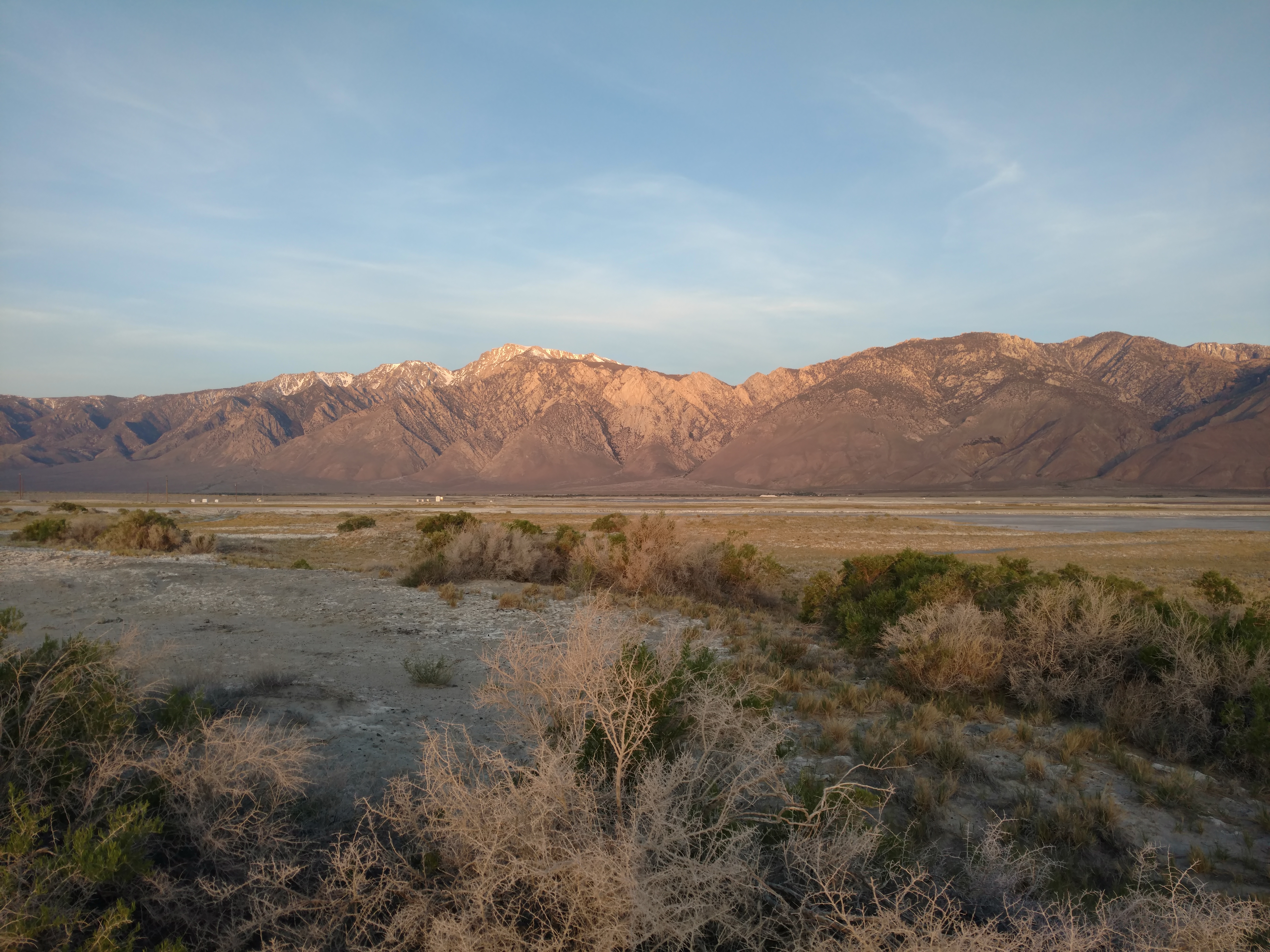
Dawn at Dirty Socks Spring was a treat. There were the eastern faces of the Sierra Nevada range being washed with the dawn’s early light. What could be better?
2020-10-17 First Stop, Dirty Socks Spring
On Saturday morning, I hit the road to Idaho after getting breakfast at my favorite Poway restaurant. I got the oil changed in the RV and the generator. Then I topped off my propane tank, waved goodbye to my Poway home, and drove north up I-15. My chosen route threw me a curve. After 100 miles I passed the I-210, and the freeway I traveled turned into a four-lane parking lot for about eight miles. Getting through that mess set me back more than an hour. I later discovered it was because of construction funneling the four lanes of traffic into a single lane.
After getting gassed up between Hesperia and Adelanto, I began my charge up US-395. By the time I made it to Dirty Socks Spring (south of Lone Pine) it was late in the day. But I attempted image captures anyway. I found 1st summer Red-Winged Blackbirds, Eared Grebes and Pied-Billed Grebes to enjoy, but I wished I had the lost hour back for better light.
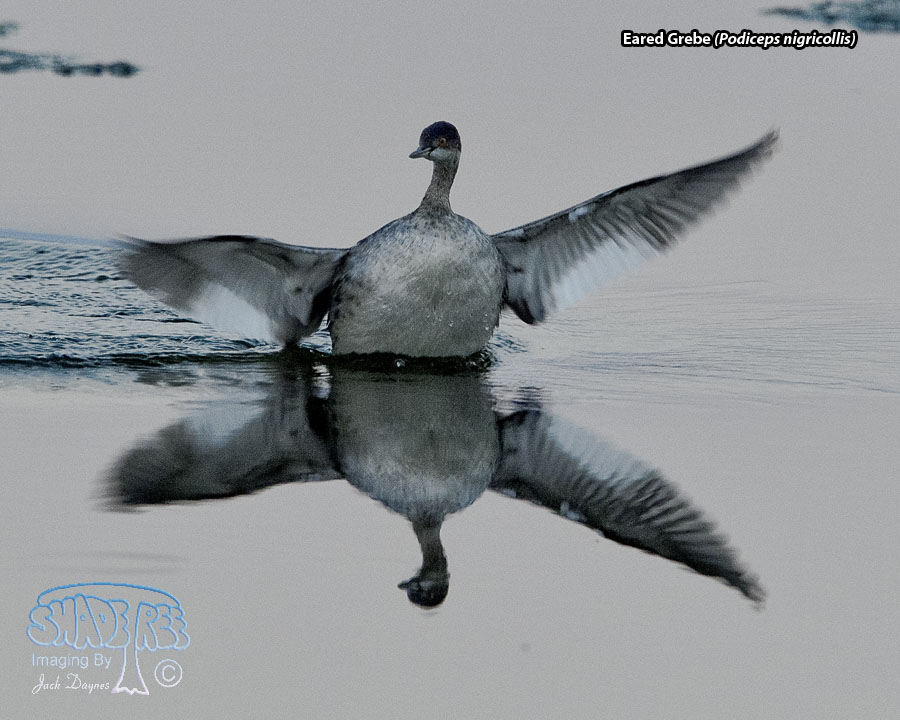
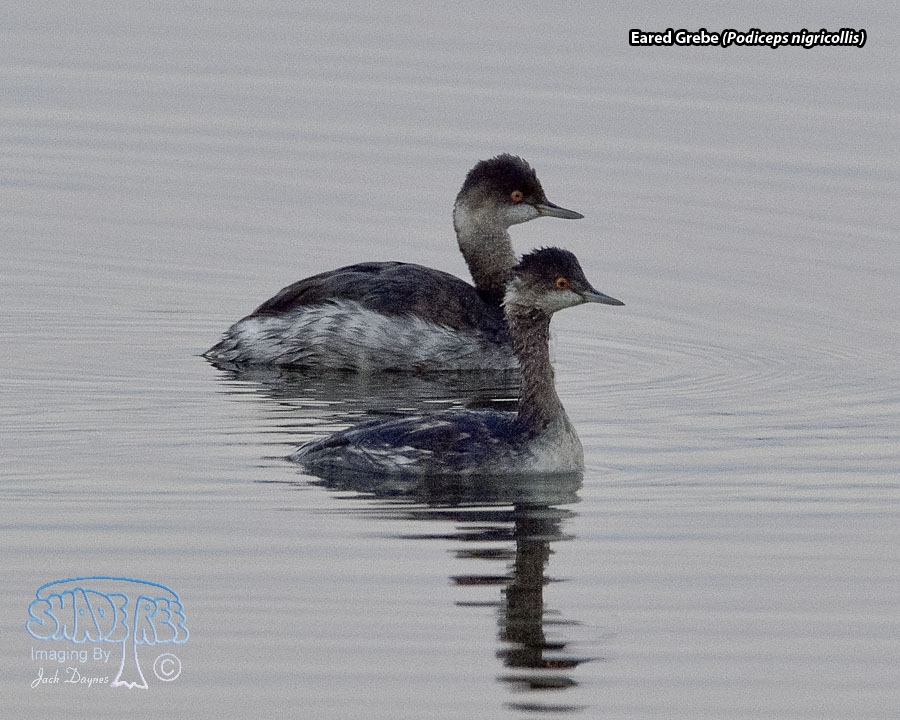
At first, I thought the blackbirds before me looked like Tricolored Blackbirds, but as far as I know those birds stay west of the Sierra Nevada Mountains. Later I read that the garments of first summer Red-Wing Blackbirds are darker than their juvenile feathering. The Eared Grebes I met were cooperative, but because of the low, end-of-day light, the images were grainy, but I enjoyed their reflections on the smooth water.
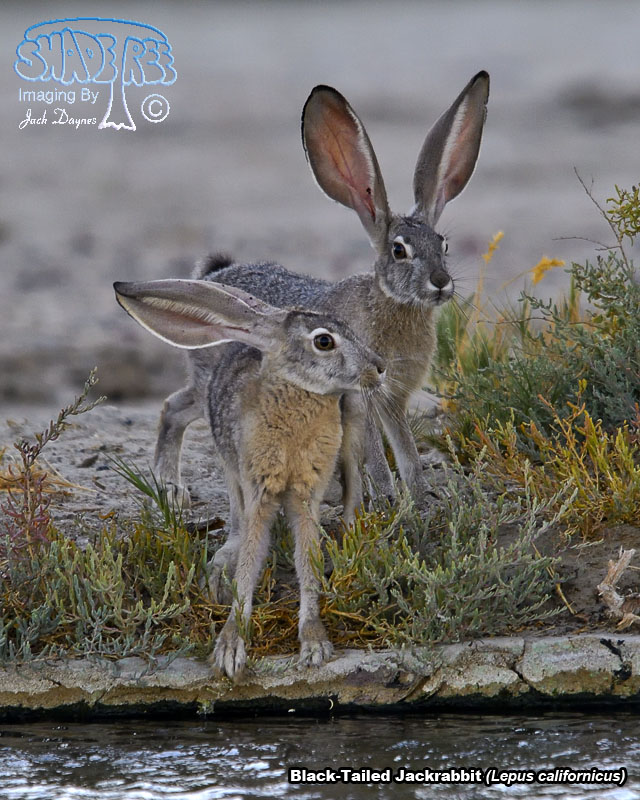
Black-Tailed Jackrabbit(Lepus californicus) |
|
Description: Dirty Socks Spring is about five miles away from US-395 along CA-190 on its way to Death Valley and less than 25 miles south of Lone Pine California, Inyo County. |
Date Taken: 2017:07:19 18:32 |
|
Location:
Dirty Socks Springs |
|
Camera Information: NIKON D5, 800 mm, f/8.0, 1/800 |
File Name: BlackTailedJackRabbit_D5X0331-DirtySocksSpring |
| © 2017 Jack Daynes, shadeTreeImaging.com |

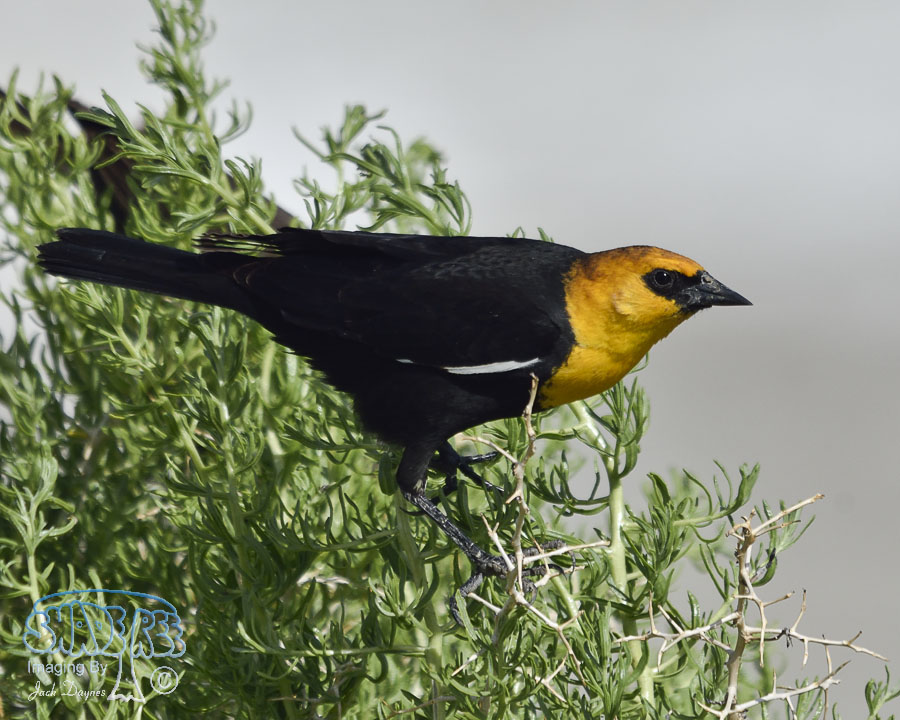
Yellow-Headed Blackbird(Xanthocephalus xanthocephalus) |
|
Description: Dirty Socks Spring at the southern edge of the Owens Lake Basin, between Lone Pine and Olancha. |
Date Taken: 2016:04:20 16:25 |
|
Location:
Dirty Socks Spring |
|
Camera Information: NIKON D7200, 800 mm, f/8.0, 1/2000 |
File Name: D727789-YellowHeadedBlackbird |
| © 2016 Jack Daynes, shadeTreeImaging.com |
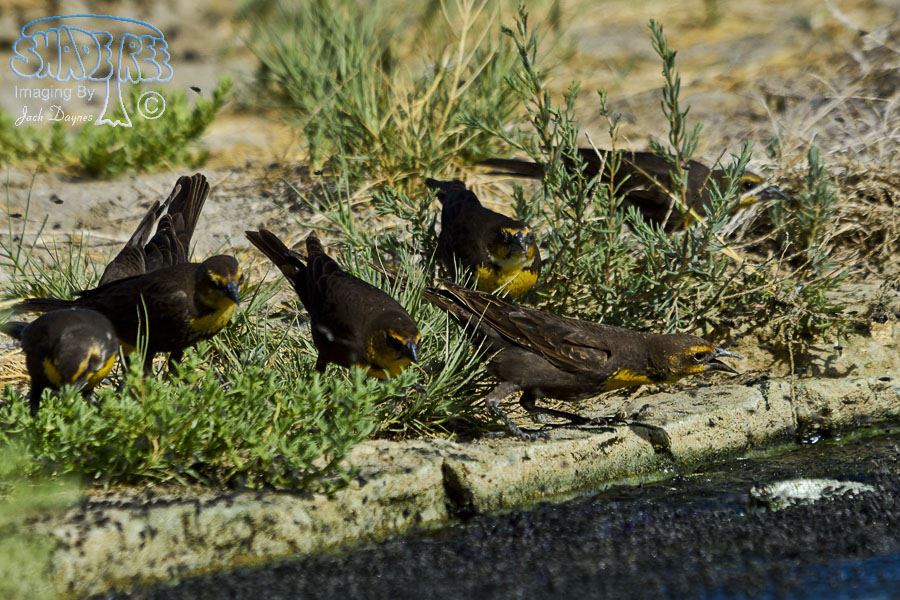
Yellow-Headed Blackbird(Xanthocephalus xanthocephalus) |
|
Description: Dirty Socks Spring at the southern edge of the Owens Lake Basin, between Lone Pine and Olancha. |
Date Taken: 2016:04:20 16:27 |
|
Location:
Dirty Socks Spring |
|
Camera Information: NIKON D7200, 800 mm, f/8.0, 1/1250 |
File Name: D727822-YellowHeadedBlackbird |
| © 2016 Jack Daynes, shadeTreeImaging.com |
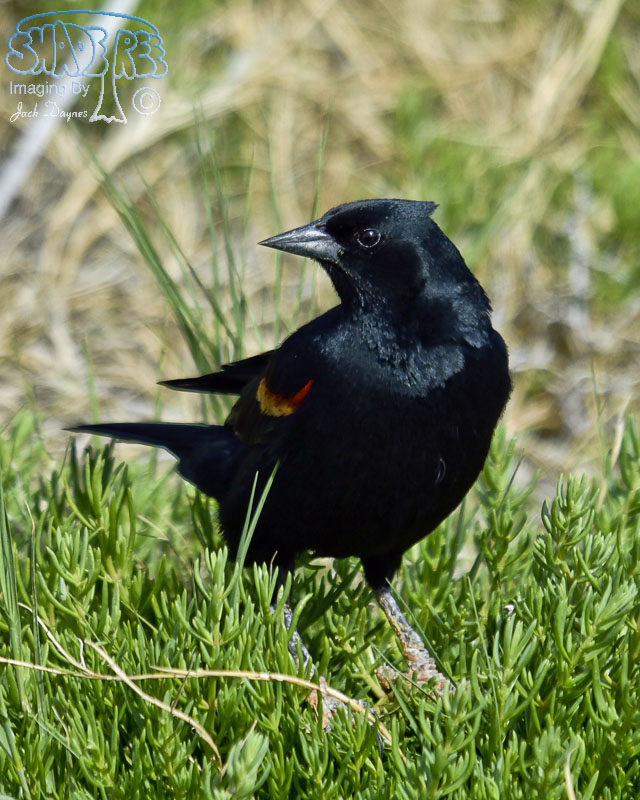
Red-Winged Blackbird(Agelaius phoeniceus) |
|
Description: Dirty Socks Spring at the southern edge of the Owens Lake Basin, between Lone Pine and Olancha. |
Date Taken: 2016:04:20 16:33 |
|
Location:
Dirty Socks Spring |
|
Camera Information: NIKON D7200, 800 mm, f/8.0, 1/1250 |
File Name: D727891-RedWingedBlackbird |
| © 2016 Jack Daynes, shadeTreeImaging.com |
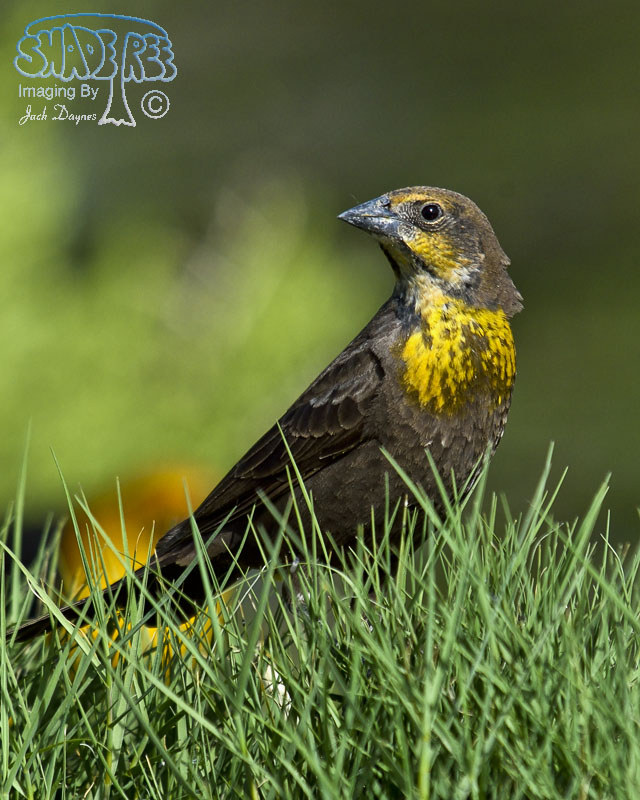
Yellow-Headed Blackbird(Xanthocephalus xanthocephalus) |
|
Description: Dirty Socks Spring at the southern edge of the Owens Lake Basin, between Lone Pine and Olancha. |
Date Taken: 2016:04:20 16:34 |
|
Location:
Dirty Socks Spring |
|
Camera Information: NIKON D7200, 800 mm, f/8.0, 1/1250 |
File Name: D727896-YellowHeadedBlackbird |
| © 2016 Jack Daynes, shadeTreeImaging.com |
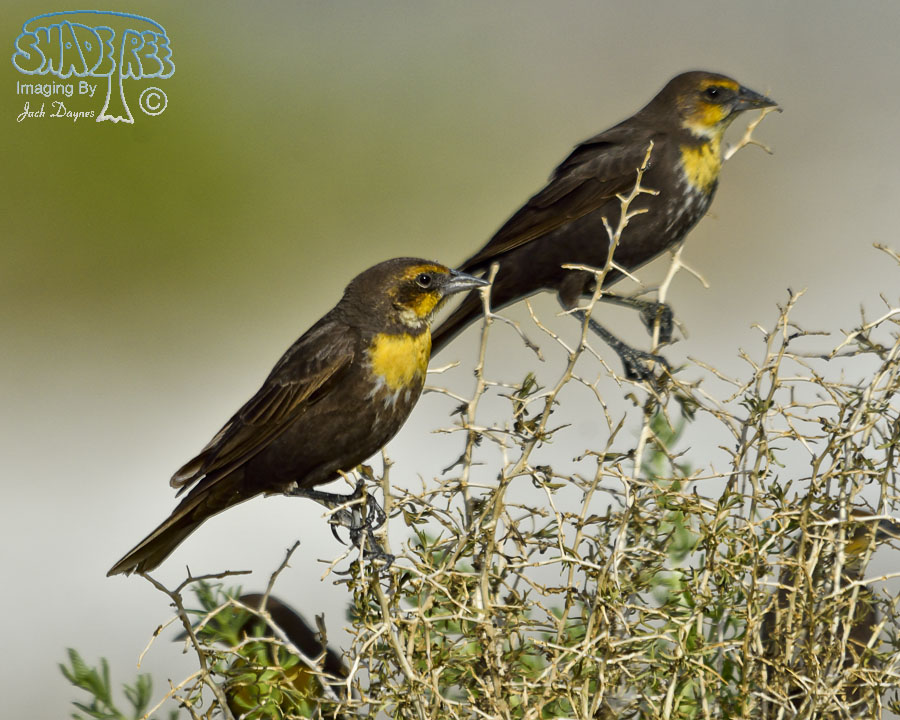
Yellow-Headed Blackbird(Xanthocephalus xanthocephalus) |
|
Description: Dirty Socks Spring at the southern edge of the Owens Lake Basin, between Lone Pine and Olancha. |
Date Taken: 2016:04:20 17:12 |
|
Location:
Dirty Socks Spring |
|
Camera Information: NIKON D7200, 800 mm, f/8.0, 1/2000 |
File Name: D727919-YellowHeadedBlackbird |
| © 2016 Jack Daynes, shadeTreeImaging.com |
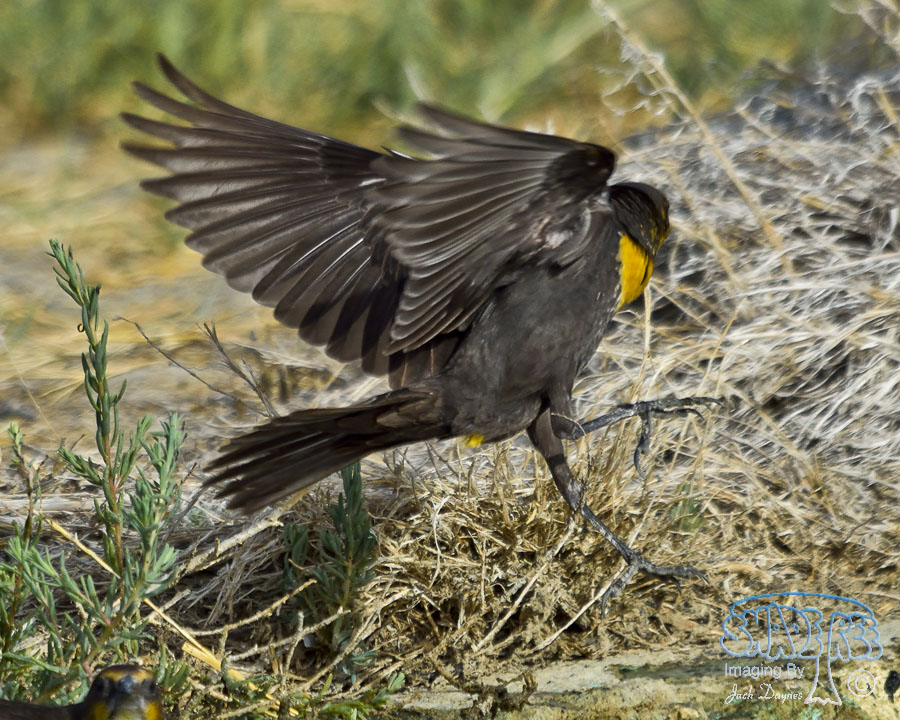
Yellow-Headed Blackbird(Xanthocephalus xanthocephalus) |
|
Description: Dirty Socks Spring at the southern edge of the Owens Lake Basin, between Lone Pine and Olancha. |
Date Taken: 2016:04:20 17:13 |
|
Location:
Dirty Socks Spring |
|
Camera Information: NIKON D7200, 800 mm, f/8.0, 1/1250 |
File Name: D727958-YellowHeadedBlackbird |
| © 2016 Jack Daynes, shadeTreeImaging.com |
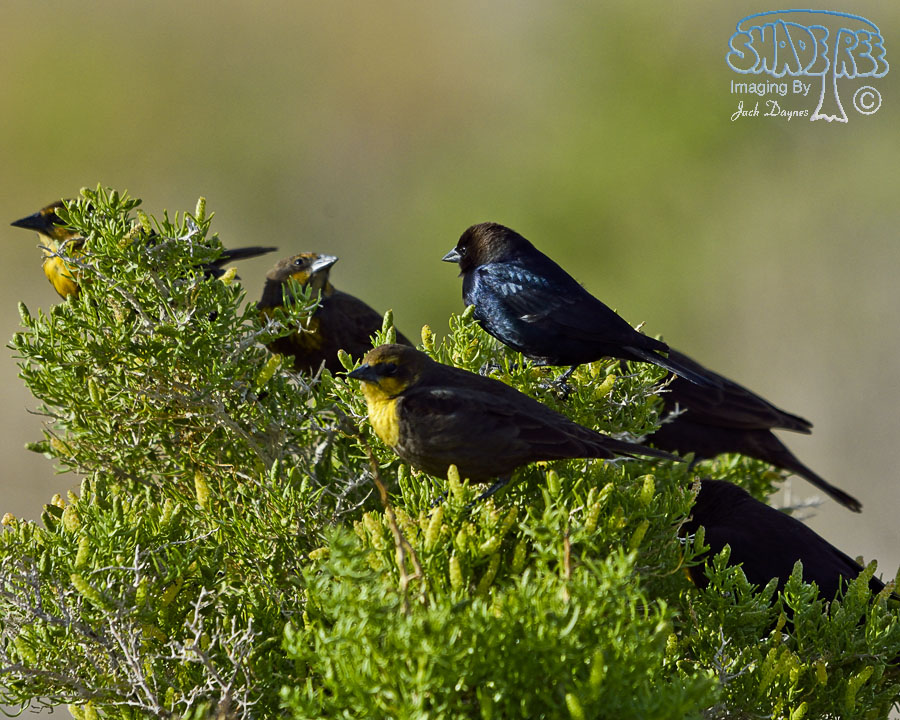
Brown-Headed Cowbird(Molothrus ater) |
|
Description: In close company with a group of Yellow-Headed Blackbirds at Dirty Socks Spring at the southern edge of the Owens Lake Basin, between Lone Pine and Olancha. |
Date Taken: 2016:04:20 17:36 |
|
Location:
Dirty Socks Spring |
|
Camera Information: NIKON D7200, 800 mm, f/8.0, 1/1250 |
File Name: D728068-BrownHeadedCowBird |
| © 2016 Jack Daynes, shadeTreeImaging.com |
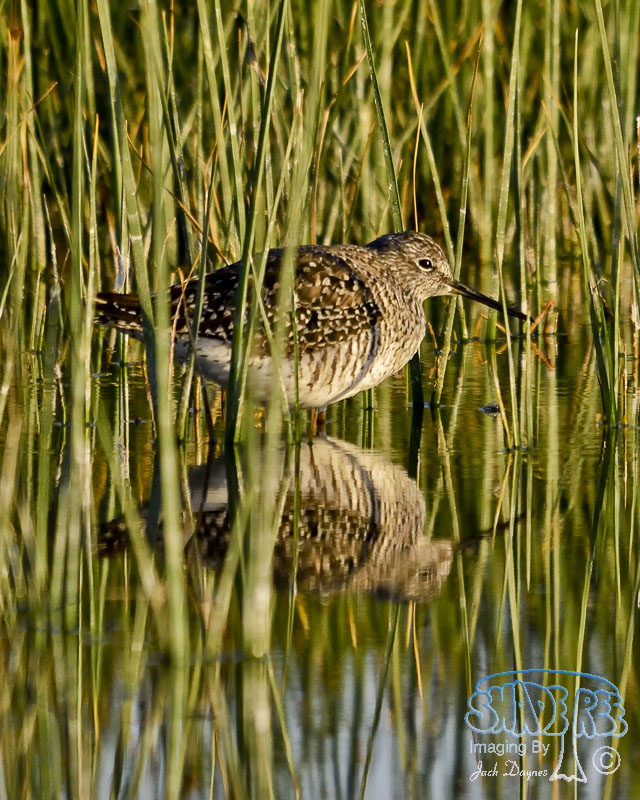
Lesser Yellowlegs(Tringa flavipes) |
|
Description: Dirty Socks Spring at the southern edge of the Owens Lake Basin, between Lone Pine and Olancha. |
Date Taken: 2016:04:21 6:48 |
|
Location:
Dirty Socks Spring |
|
Camera Information: NIKON D7200, 800 mm, f/8.0, 1/1250 |
File Name: D728112-LesserYellowLegs |
| © 2016 Jack Daynes, shadeTreeImaging.com |
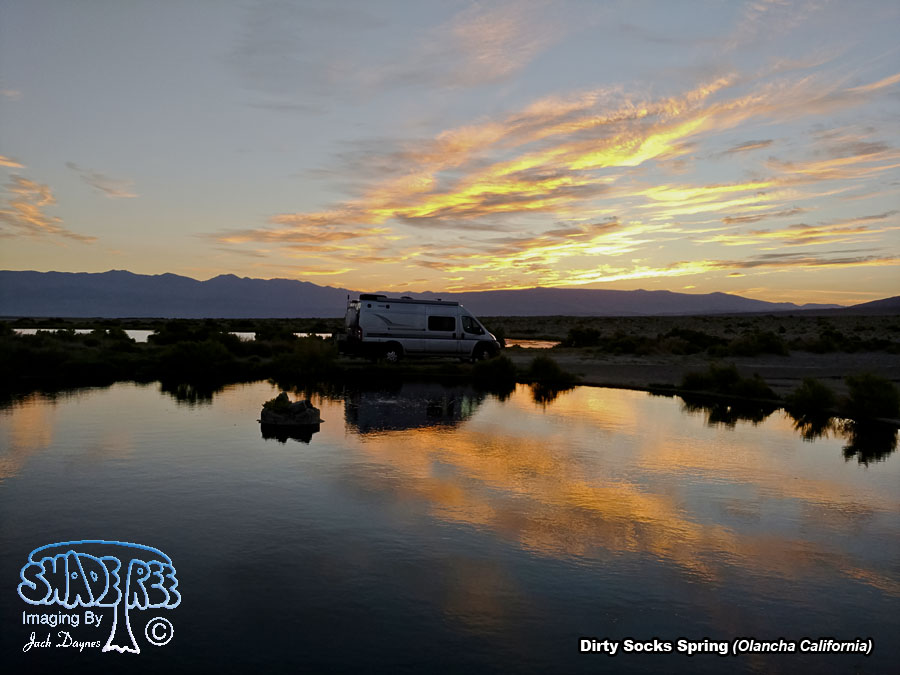
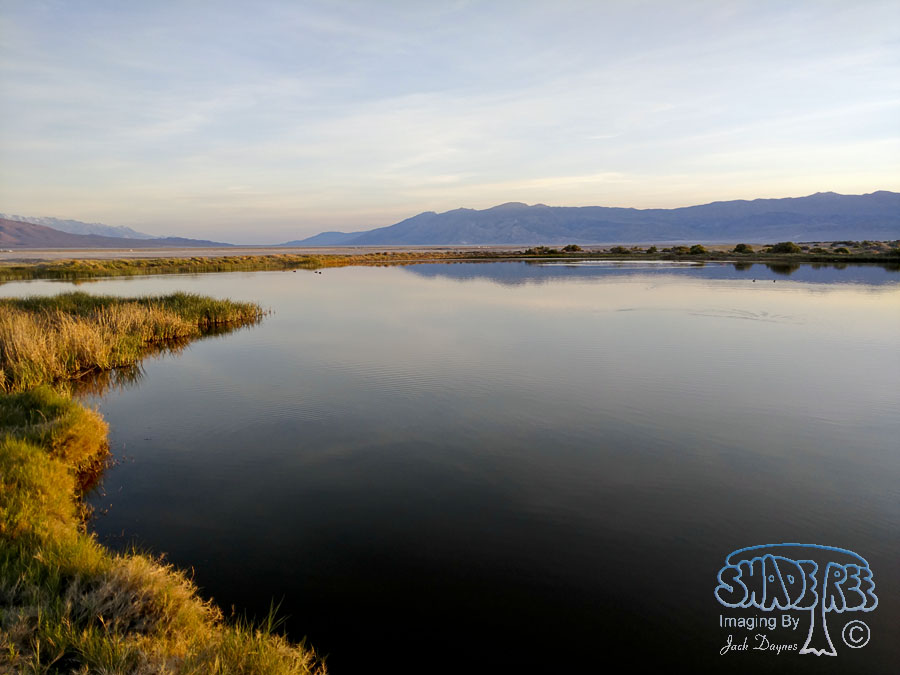
Sunrise at Dirty Socks Springs(Scenery) |
|
Description: Dirty Socks Spring is about five miles away from US-395 along CA-190 on its way to Death Valley and less than 25 miles south of Lone Pine California, Inyo County. |
Date Taken: 2017:07:20 5:46 |
|
Location:
Dirty Socks Springs |
|
Camera Information: XT1575, 4.67 mm, f/2.0, 1/150 |
File Name: Dawn_20170720_054630_DirtySocksSpring |
| © 2017 Jack Daynes, shadeTreeImaging.com |
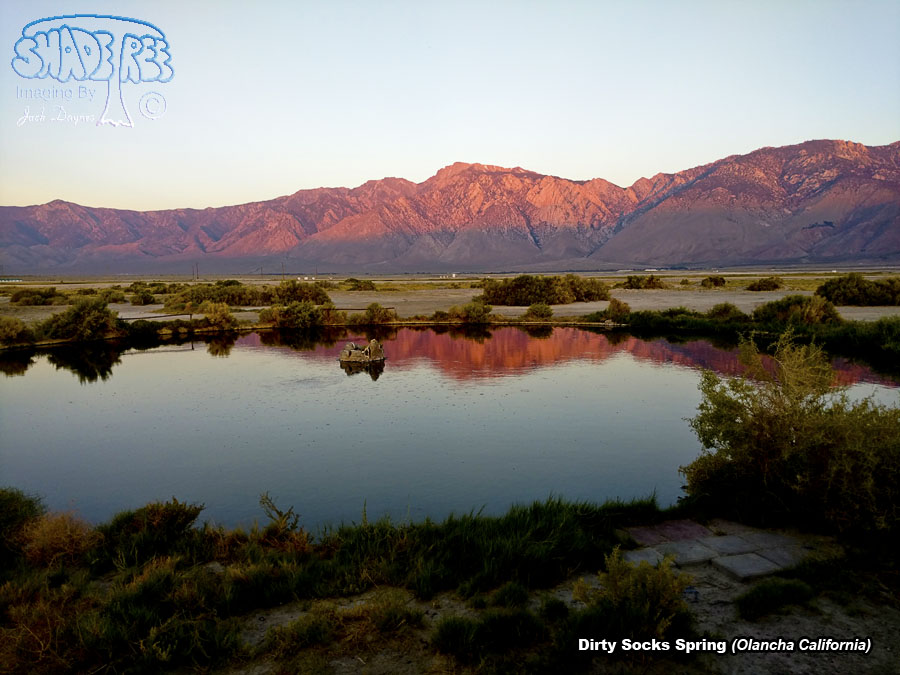
Sunrise at Dirty Socks Springs(Scenery) |
|
Description: Dirty Socks Spring is about five miles away from US-395 along CA-190 on its way to Death Valley and less than 25 miles south of Lone Pine California, Inyo County. |
Date Taken: 2017:07:20 5:56 |
|
Location:
Dirty Socks Springs |
|
Camera Information: XT1575, 4.67 mm, f/2.0, 1/120 |
File Name: Dawn_20170720_055619_DirtySocksSpring |
| © 2017 Jack Daynes, shadeTreeImaging.com |
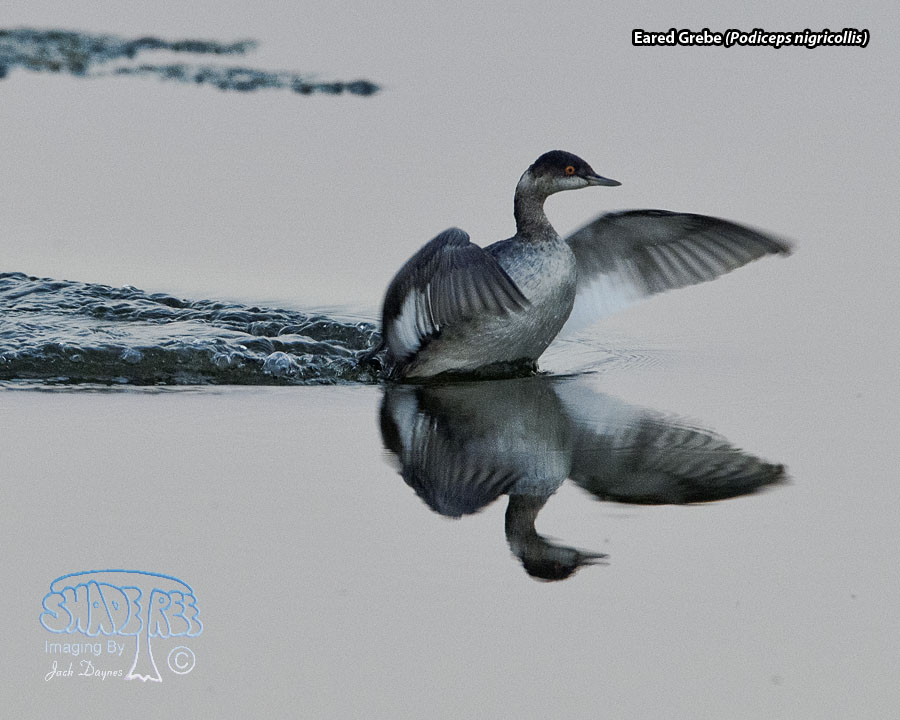
Eared Grebe(Podiceps nigricollis) |
|
Description: I arrived late in the day at Dirty Socks Springs and tried to capture some last light images of the Eared Grebes near Olancha in Inyo County California, a few miles east of US-395. |
Date Taken: 2020:10:17 19:09 |
|
Location:
Dirty Socks Spring |
|
Camera Information: NIKON D5, 800 mm, f/8.0, 1/500 |
File Name: EaredGrebe_D5X6860-DirtySocksSprings |
| © 2020 Jack Daynes, shadeTreeImaging.com |
Eared Grebe(Podiceps nigricollis) |
|
Description: I arrived late in the day at Dirty Socks Springs and tried to capture some last light images of the Eared Grebes near Olancha in Inyo County California, a few miles east of US-395. |
Date Taken: 2020:10:17 19:09 |
|
Location:
Dirty Socks Spring |
|
Camera Information: NIKON D5, 800 mm, f/8.0, 1/500 |
File Name: EaredGrebe_D5X6863-DirtySocksSprings |
| © 2020 Jack Daynes, shadeTreeImaging.com |
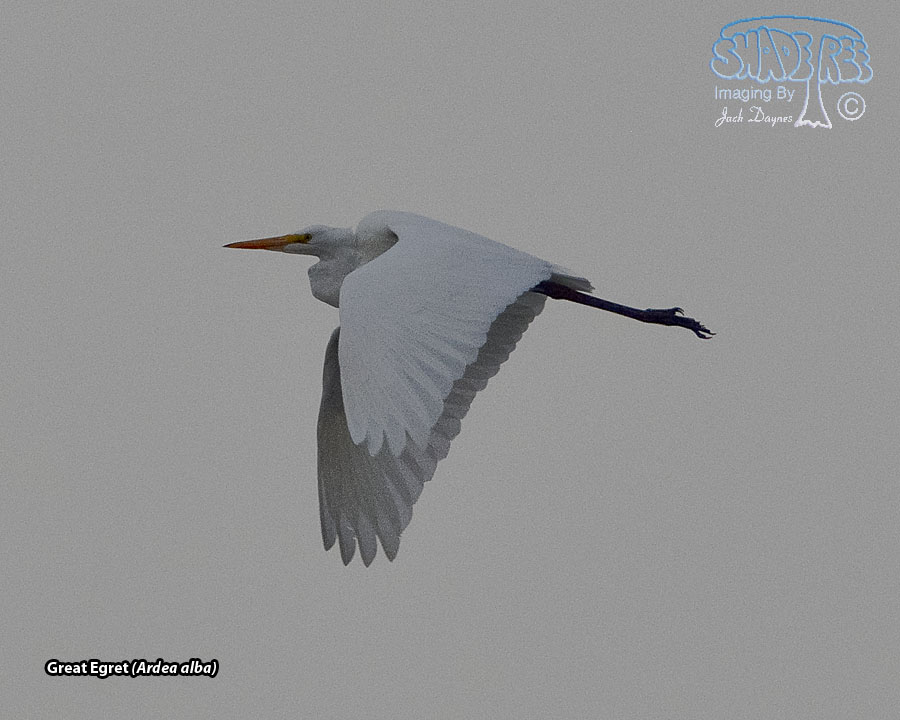
Eared Grebe(Podiceps nigricollis) |
|
Description: I arrived late in the day at Dirty Socks Springs and tried to capture some last light images of the Eared Grebes near Olancha in Inyo County California, a few miles east of US-395. |
Date Taken: 2020:10:17 19:10 |
|
Location:
Dirty Socks Spring |
|
Camera Information: NIKON D5, 800 mm, f/8.0, 1/250 |
File Name: EaredGrebe_D5X6916-DirtySocksSprings |
| © 2020 Jack Daynes, shadeTreeImaging.com |
Great Egret(Ardea alba) |
|
Description: I arrived late in the day at Dirty Socks Springs and tried to capture some last light images of the birds I found near Olancha in Inyo County California, a few miles east of US-395. |
Date Taken: 2020:10:17 19:10 |
|
Location:
Dirty Socks Spring |
|
Camera Information: NIKON D5, 800 mm, f/8.0, 1/500 |
File Name: GreatEgret_D5X6914-DirtySocksSprings |
| © 2020 Jack Daynes, shadeTreeImaging.com |
Yellow-Headed Blackbird(Xanthocephalus xanthocephalus) |
|
Description: Dirty Socks Spring at the southern edge of the Owens Lake Basin, between Lone Pine and Olancha. |
Date Taken: 2016:04:20 17:43 |
|
Location:
Dirty Socks Spring |
|
Camera Information: XT1575, 4.67 mm, f/2.0, 1/1600 |
File Name: IMG_20160420_174340969-DirtySocksSpring |
| © 2016 Jack Daynes, shadeTreeImaging.com |
Yellow-Headed Blackbird(Xanthocephalus xanthocephalus) |
|
Description: Dirty Socks Spring at the southern edge of the Owens Lake Basin, between Lone Pine and Olancha. |
Date Taken: 2016:04:20 17:44 |
|
Location:
Dirty Socks Spring |
|
Camera Information: XT1575, 4.67 mm, f/2.0, 1/2000 |
File Name: IMG_20160420_174411468-DirtySocksSpring |
| © 2016 Jack Daynes, shadeTreeImaging.com |
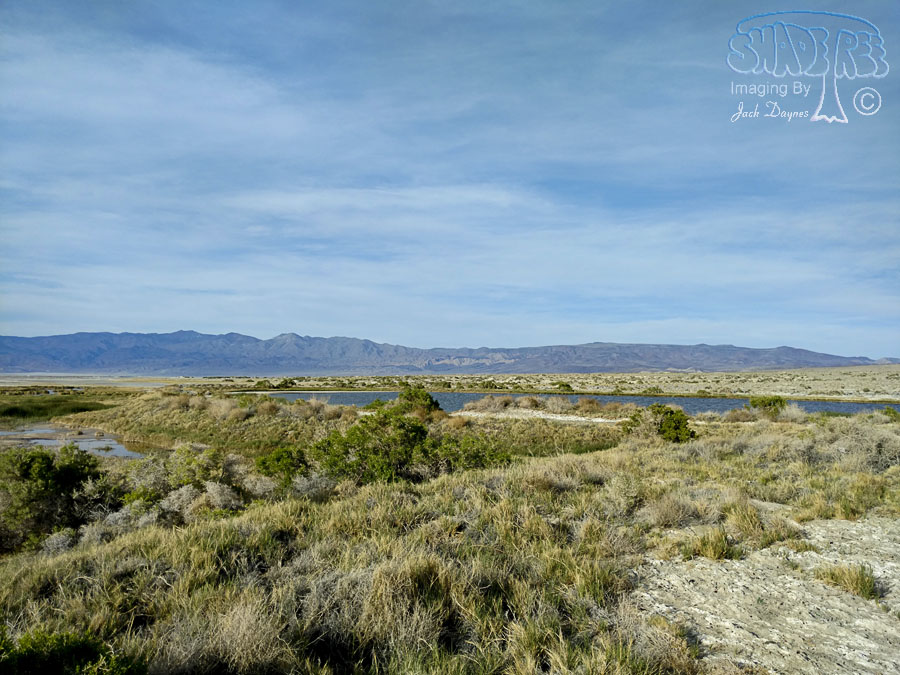
Views From Dirty Socks Springs(Scenery) |
|
Description: Dirty Socks Springs at the southern edge of the Owens Lake Basin, between Lone Pine and Olancha 2016-04-20. |
Date Taken: 2016:04:21 6:23 |
|
Location:
Dirty Socks Spring |
|
Camera Information: XT1575, 4.67 mm, f/2.0, 1/220 |
File Name: IMG_20160421_062312470-DirtySocksSpring |
| © 2016 Jack Daynes, shadeTreeImaging.com |
Yellow-Headed Blackbird(Xanthocephalus xanthocephalus) |
|
Description: Dirty Socks Spring at the southern edge of the Owens Lake Basin, between Lone Pine and Olancha. |
Date Taken: 2016:04:21 6:25 |
|
Location:
Dirty Socks Spring |
|
Camera Information: XT1575, 4.67 mm, f/2.0, 1/200 |
File Name: IMG_20160421_062501980-DirtySocksSpring |
| © 2016 Jack Daynes, shadeTreeImaging.com |
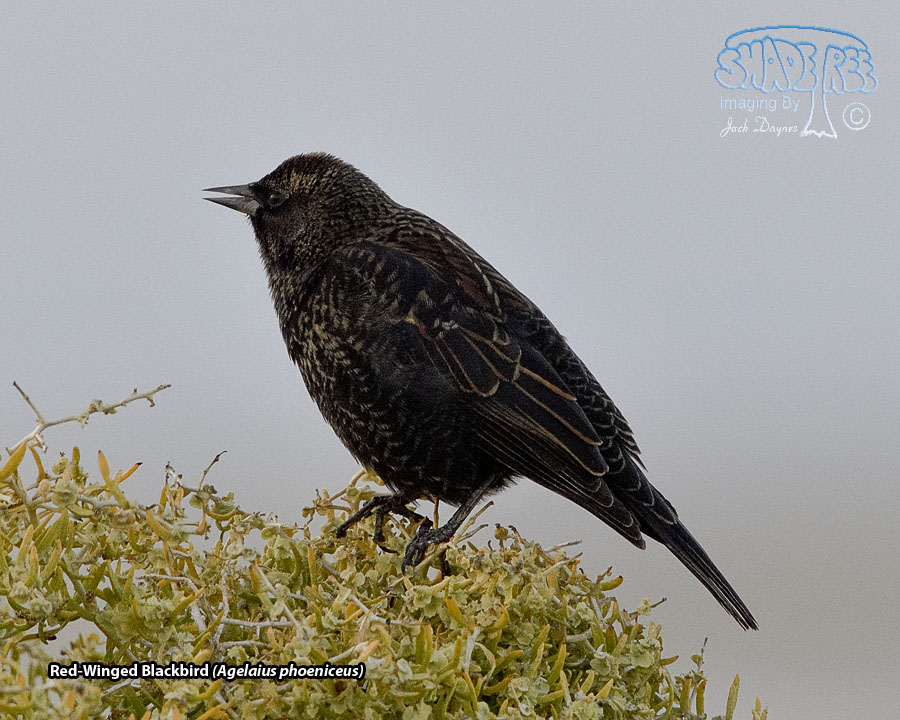
Red-Winged Blackbird(Agelaius phoeniceus) |
|
Description: First summer Red-Winged Blackbirds look quite like Tricolored Blackbirds, but the range for Tricolored birds doesn't extend to the Eastern Sierras. I arrived late in the day at Dirty Socks Springs and tried to capture some last light images of the Red-Winged Blackbirds I found near Olancha in Inyo County California, a few miles east of US-395. |
Date Taken: 2020:10:17 18:50 |
|
Location:
Dirty Socks Spring |
|
Camera Information: NIKON D5, 800 mm, f/8.0, 1/500 |
File Name: RedWingedBlackBird-1stSummer_D5X6733-DirtySocksSprings |
| © 2020 Jack Daynes, shadeTreeImaging.com |
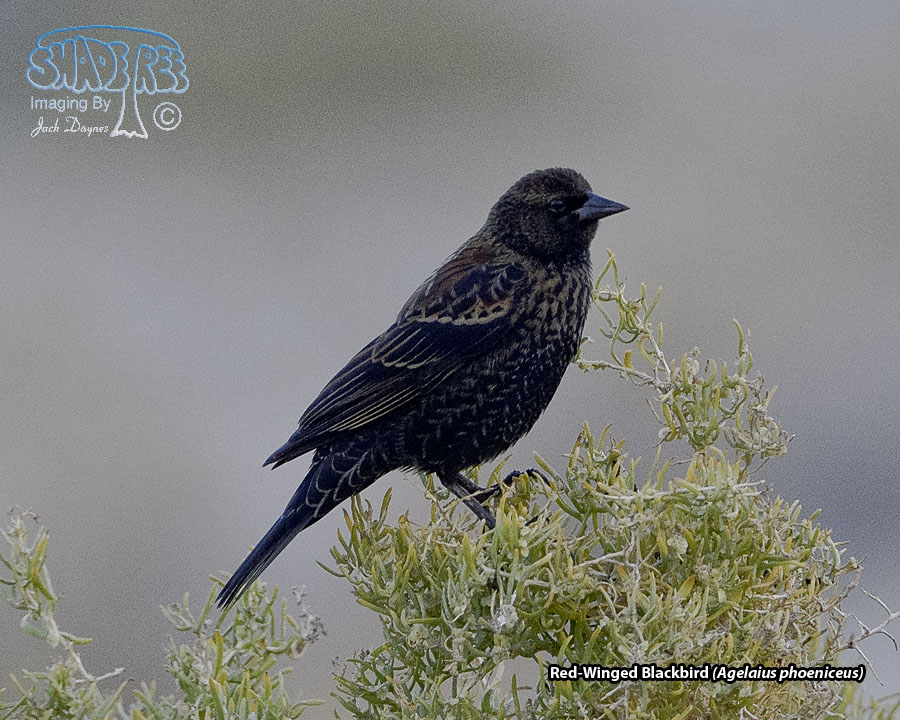
Red-Winged Blackbird(Agelaius phoeniceus) |
|
Description: First summer Red-Winged Blackbirds look quite like Tricolored Blackbirds, but the range for Tricolored birds doesn't extend to the Eastern Sierras. I arrived late in the day at Dirty Socks Springs and tried to capture some last light images of the Red-Winged Blackbirds I found near Olancha in Inyo County California, a few miles east of US-395. |
Date Taken: 2020:10:17 18:56 |
|
Location:
Dirty Socks Spring |
|
Camera Information: NIKON D5, 800 mm, f/8.0, 1/500 |
File Name: RedWingedBlackBird-1stSummer_D5X6746-DirtySocksSprings |
| © 2020 Jack Daynes, shadeTreeImaging.com |
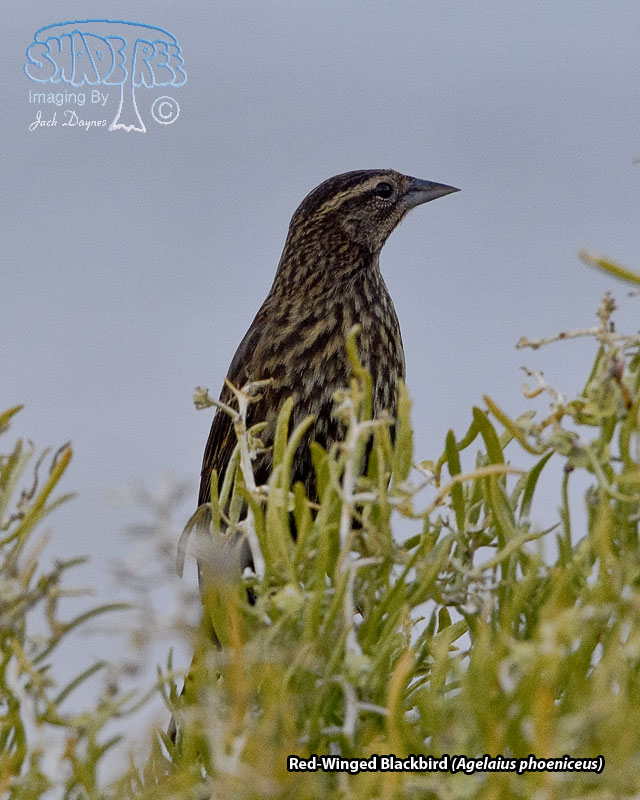
Red-Winged Blackbird(Agelaius phoeniceus) |
|
Description: I'm not sure whether this bird is a female or juvenile Red-Winged Blackbird. I arrived late in the day at Dirty Socks Springs and tried to capture some last light images of the Red-Winged Blackbirds I found near Olancha in Inyo County California, a few miles east of US-395. |
Date Taken: 2020:10:17 18:57 |
|
Location:
Dirty Socks Spring |
|
Camera Information: NIKON D5, 800 mm, f/8.0, 1/500 |
File Name: RedWingedBlackBird-Female_D5X6750-DirtySocksSprings |
| © 2020 Jack Daynes, shadeTreeImaging.com |
Click map markers to reveal further information
