Chestnut-Collared Longspur
Calcarius ornatus

An iconic member of North America’s prairies is the Chestnut-Collared Longspur. Their population has crashed dramatically in recent decades. Science estimates an 87% decline since the 1960s. Evidence points to the primary reason for the decline being conversion of native prairie to agricultural use, which coincides with the decline of other prairie specialists, such as the Sprague’s Pipit.
Historically, these birds looked for heavily grazed by Bison, or burned ranges to raise the next generation. Today they are known to breed in pastures grazed by cattle. In winter, these birds fly south to stay in the short grass prairies and desert grasslands of the American Southwest and the Mexican Plateau.
Today, taxonomists regard them as monotypic (no subspecies).
I met my first Chestnut-Collared Longspurs while visiting Canada’s Grasslands National Park in southern Saskatchewan in 2022. I found them in a mix of short and tall grasses, where the highest perches were a few scattered boulders perhaps two feet tall. Their stunning colors contrasted dramatically with the summer grasses where they dwelled.
.
.
.
.
6 Photos
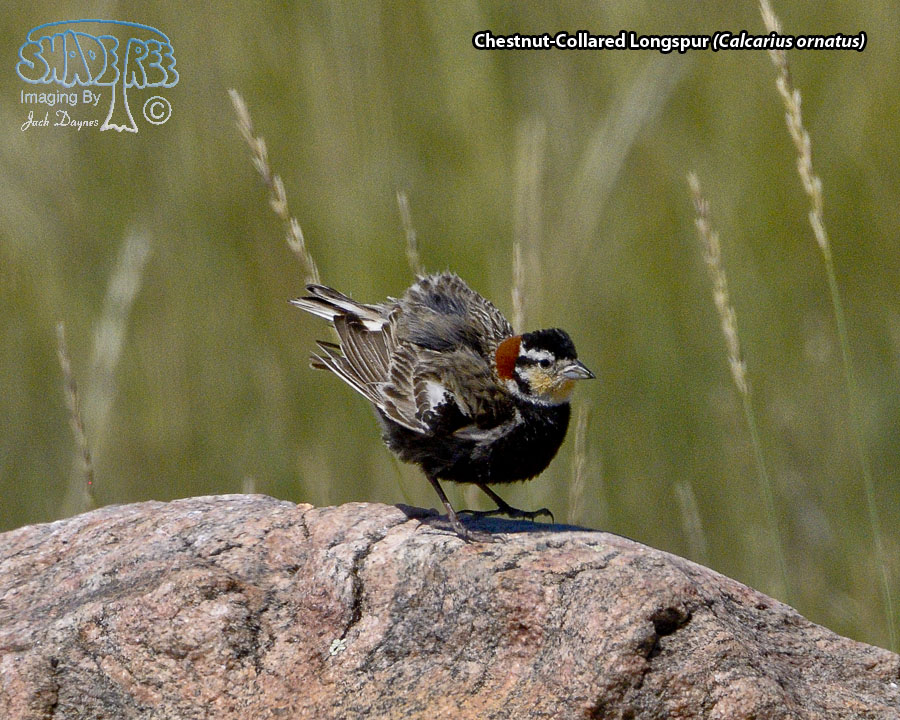
Chestnut-Collared Longspur(Calcarius ornatus) |
|
Description: I was delighted to meet my first Chestnut-Collared Longspurs during my visit to the park. I spent five nights at Grasslands National Park in southern Saskatchewan to complete my two-month tour of Canada in the spring of 2022. |
Date Taken: 2022:07:14 11:39 |
|
Location:
Grasslands National Park |
|
Camera Information: NIKON D850, 800 mm, f/8.0, 1/8000 |
File Name: ChestnutCollaredLongspur_8502028-Grasslands.NP-SK |
| © 2022 Jack Daynes, shadeTreeImaging.com |

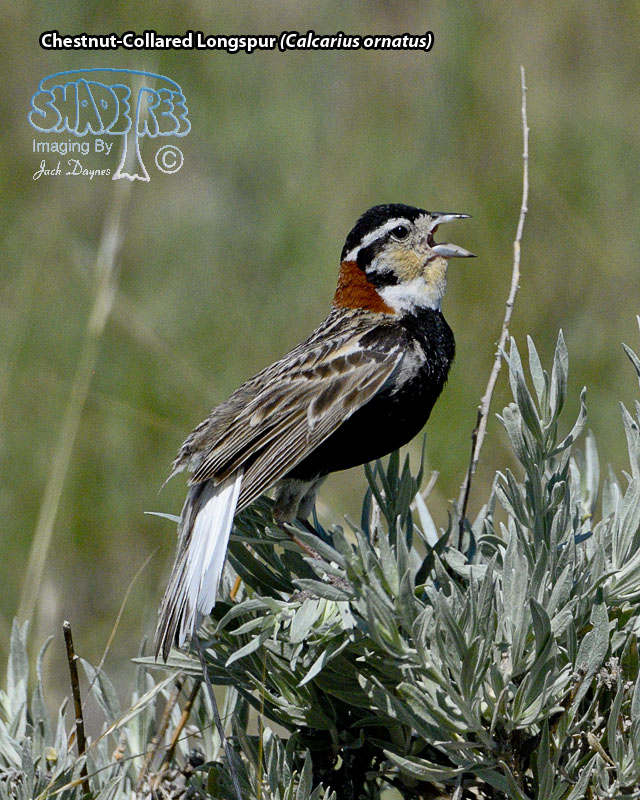
Chestnut-Collared Longspur(Calcarius ornatus) |
|
Description: I was delighted to meet my first Chestnut-Collared Longspurs during my visit to the park. I spent five nights at Grasslands National Park in southern Saskatchewan to complete my two-month tour of Canada in the spring of 2022. |
Date Taken: 2022:07:14 11:36 |
|
Location:
Grasslands National Park |
|
Camera Information: NIKON D850, 800 mm, f/8.0, 1/8000 |
File Name: ChestnutCollaredLongspur_8502000-Grasslands.NP-SK |
| © 2022 Jack Daynes, shadeTreeImaging.com |
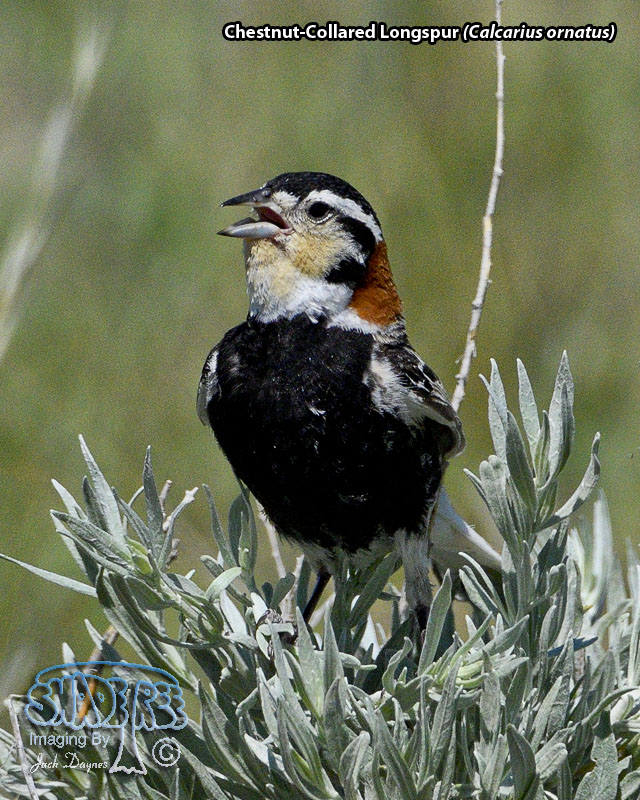
Chestnut-Collared Longspur(Calcarius ornatus) |
|
Description: I was delighted to meet my first Chestnut-Collared Longspurs during my visit to the park. I spent five nights at Grasslands National Park in southern Saskatchewan to complete my two-month tour of Canada in the spring of 2022. |
Date Taken: 2022:07:14 11:34 |
|
Location:
Grasslands National Park |
|
Camera Information: NIKON D850, 800 mm, f/8.0, 1/8000 |
File Name: ChestnutCollaredLongspur_8501917-Grasslands.NP-SK |
| © 2022 Jack Daynes, shadeTreeImaging.com |
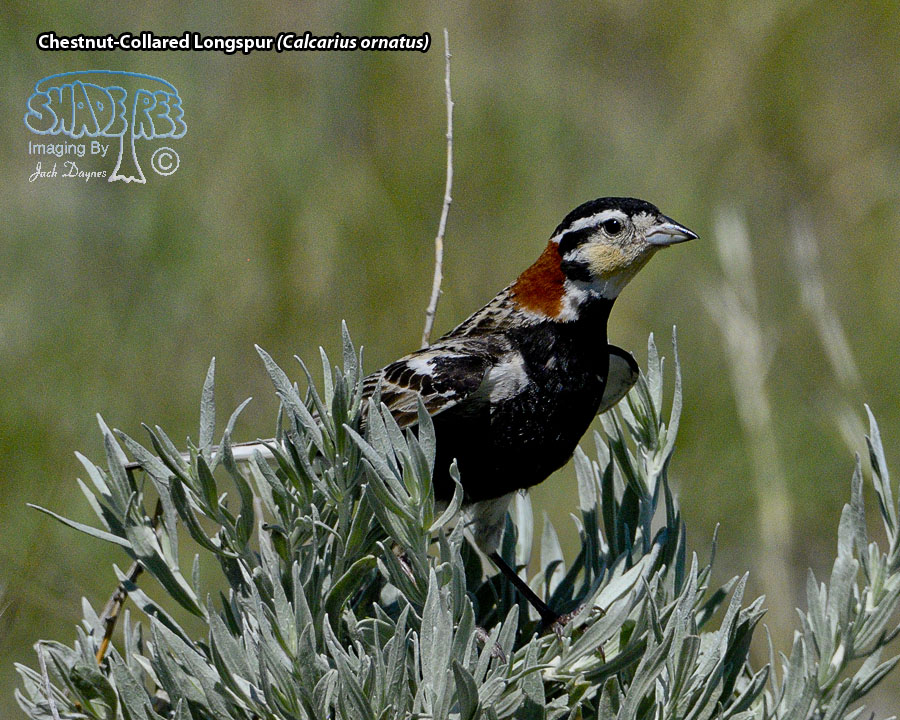
Chestnut-Collared Longspur(Calcarius ornatus) |
|
Description: I was delighted to meet my first Chestnut-Collared Longspurs during my visit to the park. I spent five nights at Grasslands National Park in southern Saskatchewan to complete my two-month tour of Canada in the spring of 2022. |
Date Taken: 2022:07:14 11:32 |
|
Location:
Grasslands National Park |
|
Camera Information: NIKON D850, 800 mm, f/8.0, 1/8000 |
File Name: ChestnutCollaredLongspur_8501841-Grasslands.NP-SK |
| © 2022 Jack Daynes, shadeTreeImaging.com |
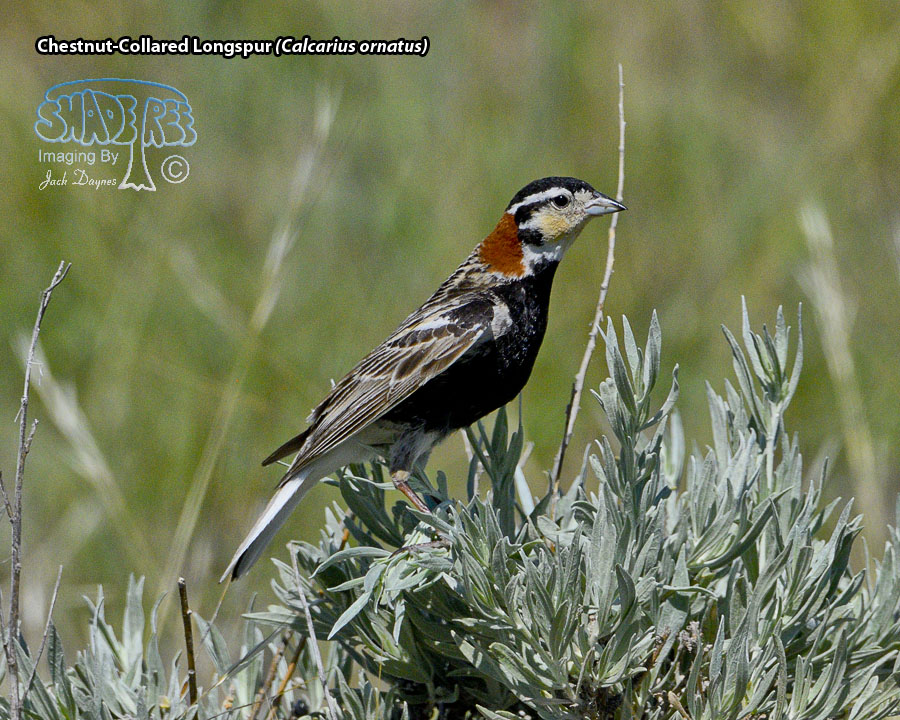
Chestnut-Collared Longspur(Calcarius ornatus) |
|
Description: I was delighted to meet my first Chestnut-Collared Longspurs during my visit to the park. I spent five nights at Grasslands National Park in southern Saskatchewan to complete my two-month tour of Canada in the spring of 2022. |
Date Taken: 2022:07:14 11:29 |
|
Location:
Grasslands National Park |
|
Camera Information: NIKON D850, 800 mm, f/8.0, 1/8000 |
File Name: ChestnutCollaredLongspur_8501728-Grasslands.NP-SK |
| © 2022 Jack Daynes, shadeTreeImaging.com |
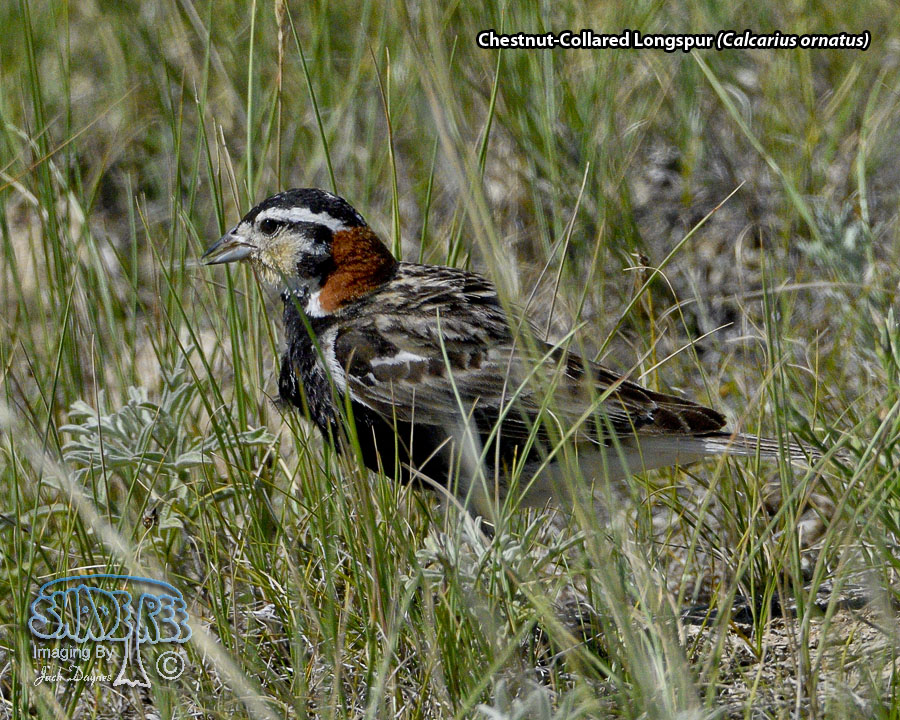
Chestnut-Collared Longspur(Calcarius ornatus) |
|
Description: I was delighted to meet my first Chestnut-Collared Longspurs during my visit to the park. I spent five nights at Grasslands National Park in southern Saskatchewan to complete my two-month tour of Canada in the spring of 2022. |
Date Taken: 2022:07:14 11:26 |
|
Location:
Grasslands National Park |
|
Camera Information: NIKON D850, 800 mm, f/8.0, 1/8000 |
File Name: ChestnutCollaredLongspur_8501688-Grasslands.NP-SK |
| © 2022 Jack Daynes, shadeTreeImaging.com |
Click map markers to reveal further information
