Yellow-Billed Cuckoo
Coccyzus americanus

The Yellow-Billed Cuckoo breeds mostly in the North American Great Plains and eastward. Their preferred habitat is dense deciduous woods. Scientists believe that the entire population winters in South America. Observers report their population has been reduced by 50% since 1966. The eastern members of this species haven’t declined as dramatically as those in the west. In the western USA, the USF&W Service has declared them as threatened. They have disappeared entirely from BC (Canada), Washington and Oregon.
Science writers often fall in love with big words. They refer to North American Cuckoos as facultative, interspecific brood parasites. I looked up the meaning, and found it means they “may occasionally be parasitic under certain conditions …”. So they usually raise their own broods, but will sometimes lay their eggs in another species’ nest. When raising their own young, observers have reported cases where three or four adults have attended a single nest. All members assisted with the care and raising of the young. It requires only 17 days from when the eggs are laid until the young are fledged. They hatch with feathers shielded, and within two hours, they are fully feathered.
Modern science does not recognize any subspecies of Yellow-Billed Cuckoo (i.e. they are monotypic).
In 2003, I first met Yellow-Billed Cuckoos in southern Arizona. But it was not until my trips to south Texas in 2020 and 2021 that I would meet them again while visiting the Lower Rio Grande Valley during spring migration. Some of the Texas birds I met were certainly migrating north, while others were establishing local breeding territories.
19 Photos
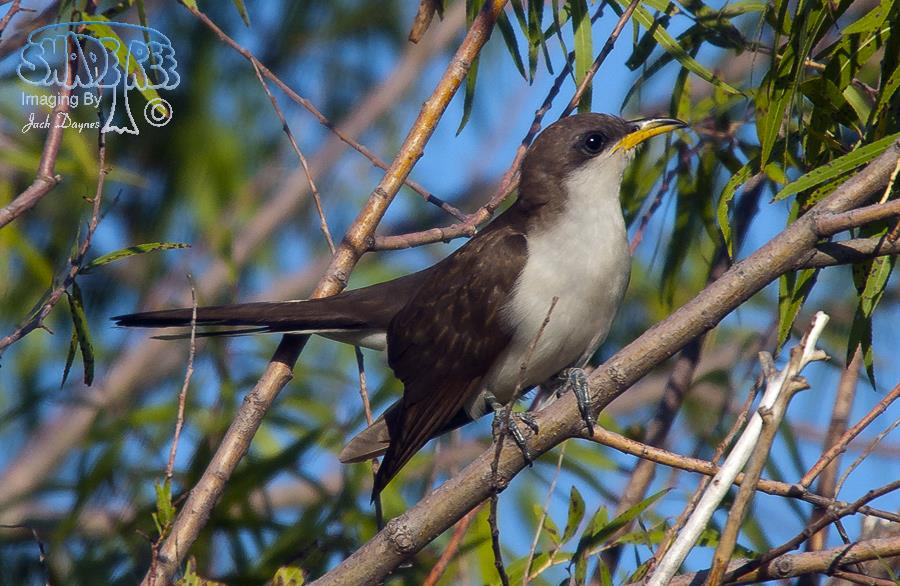
Yellow-Billed Cuckoo(Coccyzus americanus) |
|
Description: Buenos Aires NWR. Arivaca, South Central Arizona. |
Date Taken: 2003:08:31 9:53 |
|
Location:
Arivaca Cienega |
|
Camera Information: NIKON D1X, 800 mm, f/5.6, 1/1000 |
File Name: JCD_1495YellowBillCuckoo |
| © 2003 Jack Daynes, shadeTree Imaging |

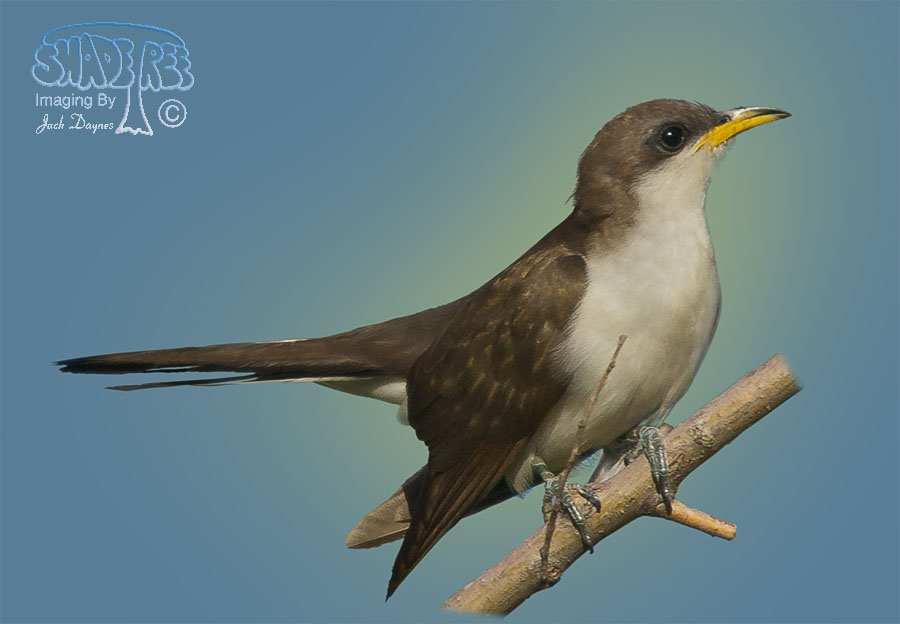
Yellow-Billed Cuckoo(Coccyzus americanus) |
|
Description: Buenos Aires NWR. Arivaca, South Central Arizona. |
Date Taken: 2003:08:31 9:53 |
|
Location:
Arivaca Cienega |
|
Camera Information: NIKON D1X, 800 mm, f/5.6, 1/1000 |
File Name: Cut-JCD_1495YellowBillCuckoo |
| © 2003 Jack Daynes, shadeTree Imaging |
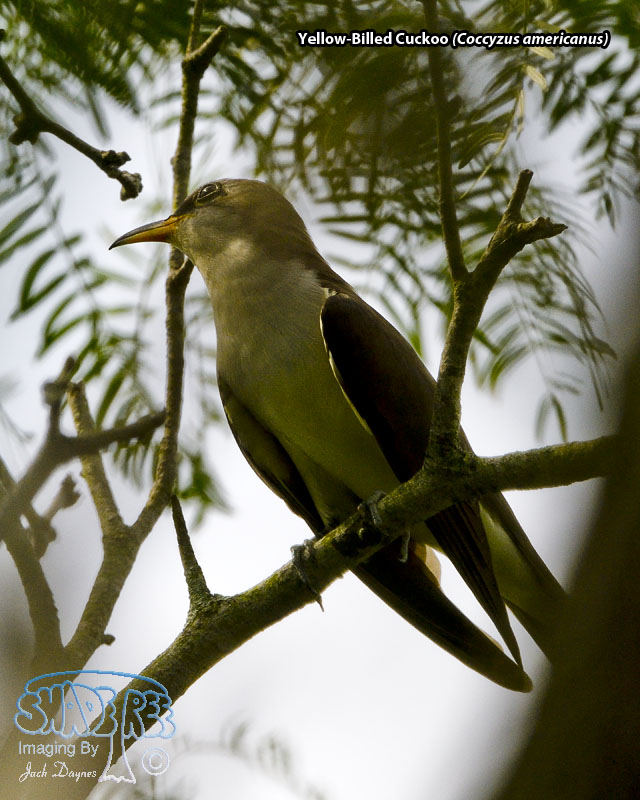
Yellow-Billed Cuckoo(Coccyzus americanus) |
|
Description: Cuckoos are shy birds, and this one was no exception. It monitored me while maintaining an obscure position in the canopy. It was the only remaining water in the resaca. Resaca de las Palmas in Brownsville, Texas opened to the public a few days before I left Texas on my 2020 expedition. |
Date Taken: 2020:04:29 10:50 |
|
Location:
Resaca de las Palmas |
|
Camera Information: NIKON D500, 800 mm, f/8.0, 1/1250 |
File Name: YellowBilledCuckoo_D509198-Resaca-de-las-Palmas |
| © 2020 Jack Daynes, shadeTreeImaging.com |
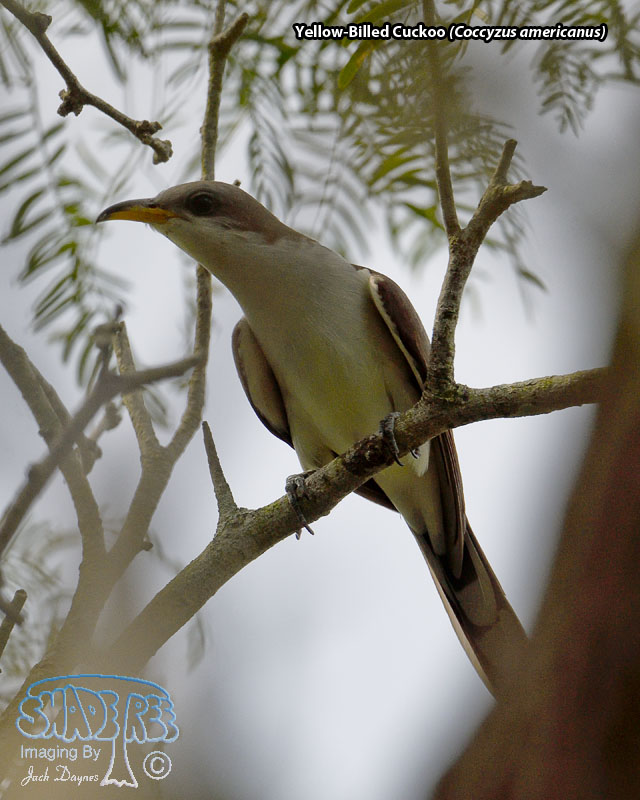
Yellow-Billed Cuckoo(Coccyzus americanus) |
|
Description: Cuckoos are shy birds, and this one was no exception. It monitored me while maintaining an obscure position in the canopy. It was the only remaining water in the resaca. Resaca de las Palmas in Brownsville, Texas opened to the public a few days before I left Texas on my 2020 expedition. |
Date Taken: 2020:04:29 10:52 |
|
Location:
Resaca de las Palmas |
|
Camera Information: NIKON D500, 800 mm, f/8.0, 1/2000 |
File Name: YellowBilledCuckoo_D509204-Resaca-de-las-Palmas |
| © 2020 Jack Daynes, shadeTreeImaging.com |
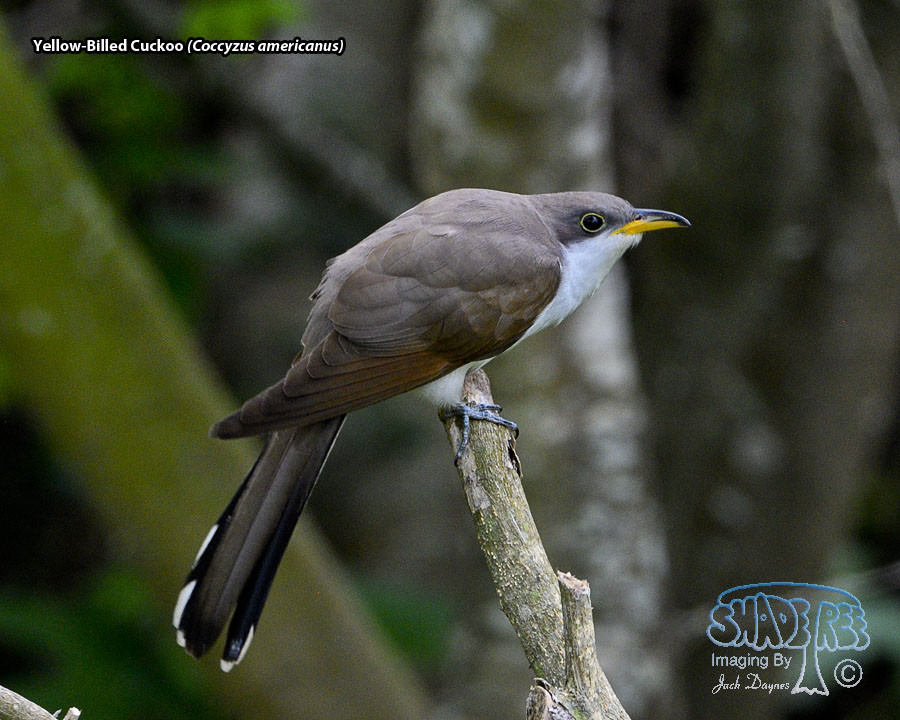
Yellow-Billed Cuckoo(Coccyzus americanus) |
|
Description: I’d have spent more time working with this bird, but there was a nearby Black-Billed Cuckoo that drew my attention away. I had an exceptional day at the SPI Convention Centre. I met three new bird species: Veery, Dickcissel, and Black-Billed Cuckoo. |
Date Taken: 2021:04:15 13:30 |
|
Location:
South Padre Island WBC |
|
Camera Information: NIKON D5, 800 mm, f/8.0, 1/750 |
File Name: YellowBilledCuckoo_D5X5809-SPI_BirdNatureCtr |
| © 2021 Jack Daynes, shadeTreeImaging.com |
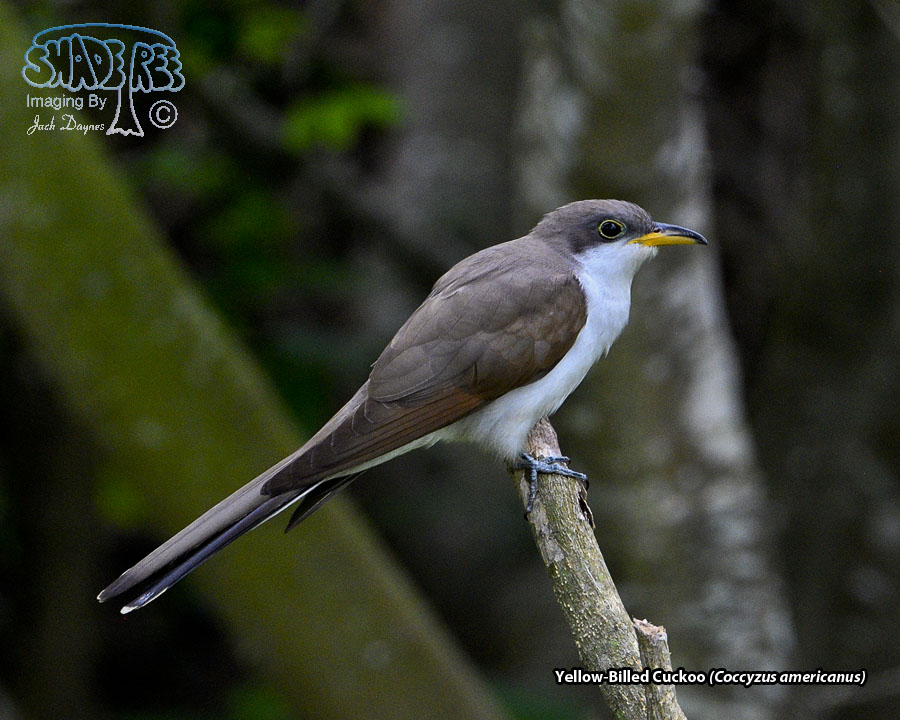
Yellow-Billed Cuckoo(Coccyzus americanus) |
|
Description: I’d have spent more time working with this bird, but there was a nearby Black-Billed Cuckoo that drew my attention away. I had an exceptional day at the SPI Convention Centre. I met three new bird species: Veery, Dickcissel, and Black-Billed Cuckoo. |
Date Taken: 2021:04:15 13:30 |
|
Location:
Convention Center |
|
Camera Information: NIKON D5, 800 mm, f/8.0, 1/800 |
File Name: YellowBilledCuckoo_D5X5786-SPI_BirdNatureCtr |
| © 2021 Jack Daynes, shadeTreeImaging.com |
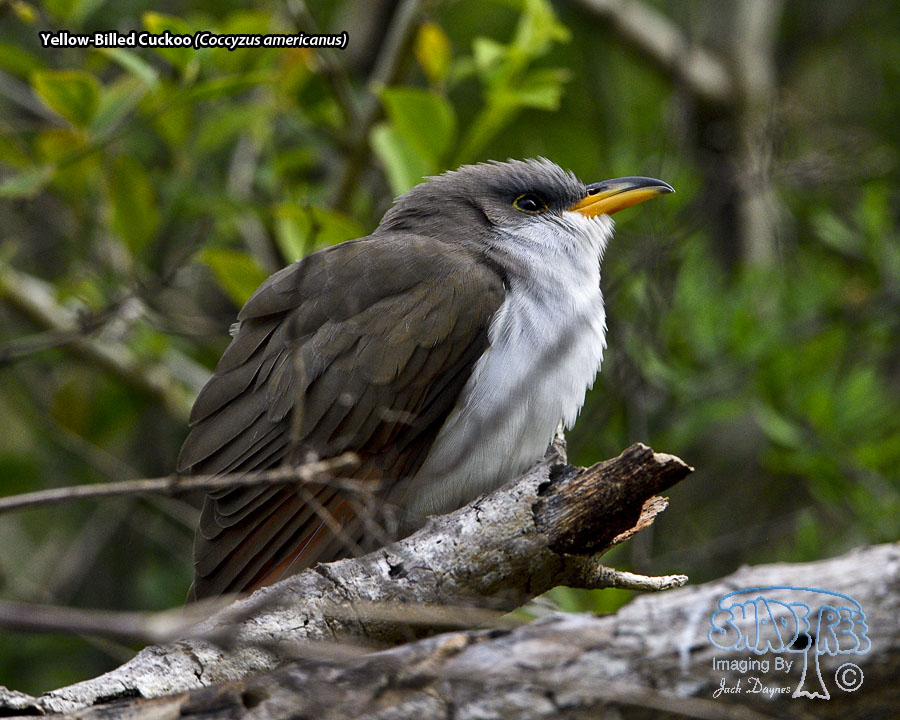
Yellow-Billed Cuckoo(Coccyzus americanus) |
|
Description: The cuckoos on site today were more cooperative than usual. Sunday was the 2nd day of the great warbler fallout, but unlike Saturday’s expedition, the sun shone through to light her subjects. |
Date Taken: 2021:04:18 17:36 |
|
Location:
Convention Center |
|
Camera Information: NIKON D5, 800 mm, f/8.0, 1/1000 |
File Name: YellowBilledCuckoo_D5X9185-SPI_ConventionCtr |
| © 2021 Jack Daynes, shadeTreeImaging.com |
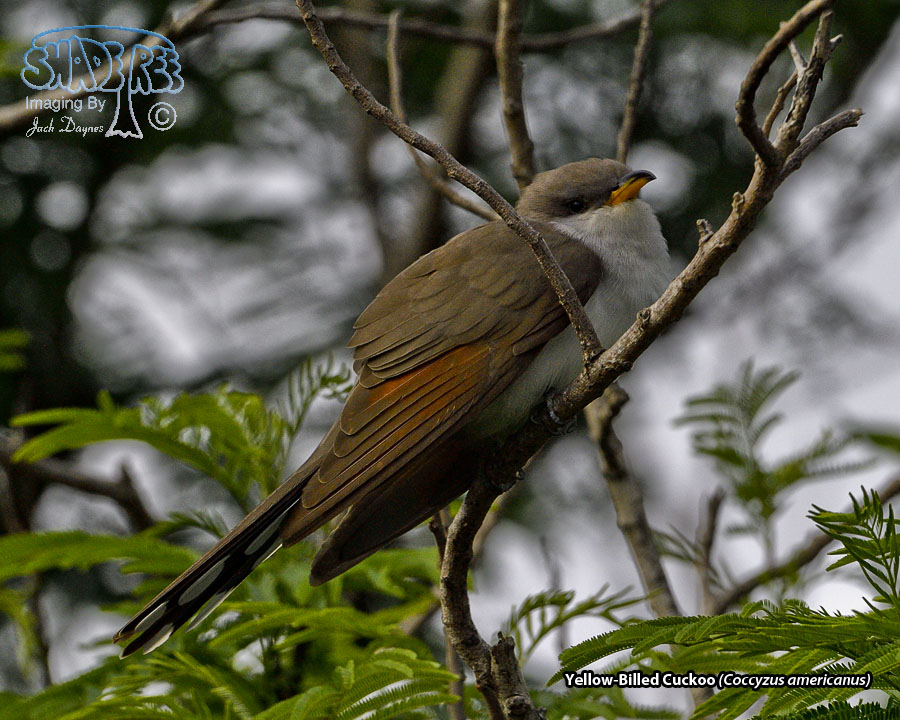
Yellow-Billed Cuckoo(Coccyzus americanus) |
|
Description: The cuckoos on site today were more cooperative than usual. Sunday was the 2nd day of the great warbler fallout, but unlike Saturday’s expedition, the sun shone through to light her subjects. |
Date Taken: 2021:04:18 17:24 |
|
Location:
Convention Center |
|
Camera Information: NIKON D5, 800 mm, f/8.0, 1/4000 |
File Name: YellowBilledCuckoo_D5X9141-SPI_ConventionCtr |
| © 2021 Jack Daynes, shadeTreeImaging.com |
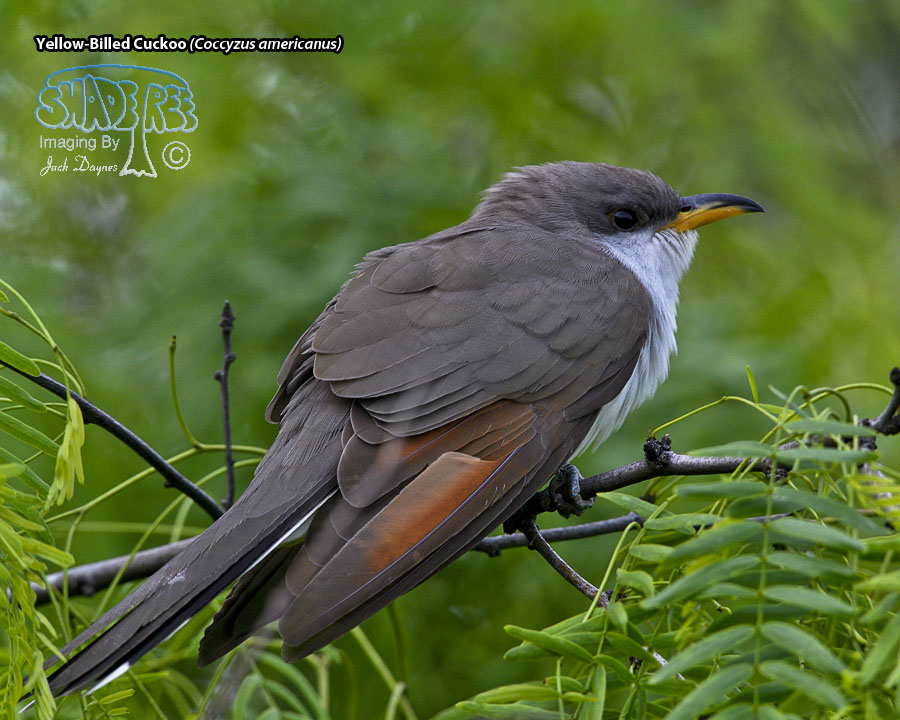
Yellow-Billed Cuckoo(Coccyzus americanus) |
|
Description: The cuckoos on site today were more cooperative than usual. Sunday was the 2nd day of the great warbler fallout, but unlike Saturday’s expedition, the sun shone through to light her subjects. |
Date Taken: 2021:04:18 17:22 |
|
Location:
Convention Center |
|
Camera Information: NIKON D5, 800 mm, f/8.0, 1/800 |
File Name: YellowBilledCuckoo_D5X9127-SPI_ConventionCtr |
| © 2021 Jack Daynes, shadeTreeImaging.com |
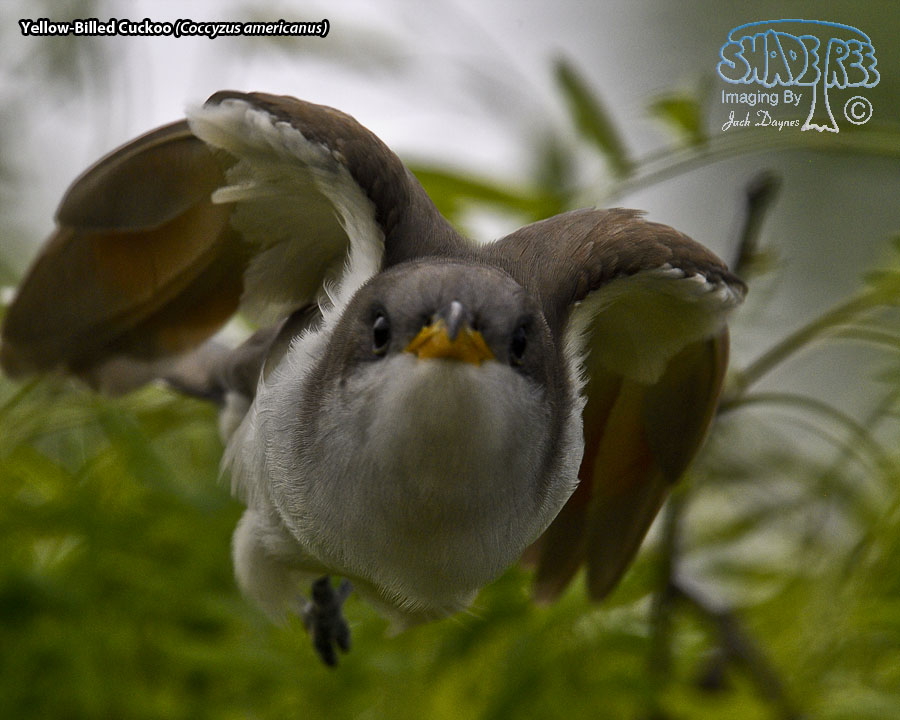
Yellow-Billed Cuckoo(Coccyzus americanus) |
|
Description: The cuckoos on site today were more cooperative than usual. Sunday was the 2nd day of the great warbler fallout, but unlike Saturday’s expedition, the sun shone through to light her subjects. |
Date Taken: 2021:04:18 14:48 |
|
Location:
Convention Center |
|
Camera Information: NIKON D5, 800 mm, f/8.0, 1/6000 |
File Name: YellowBilledCuckoo_D5X8263-SPI_ConventionCtr |
| © 2021 Jack Daynes, shadeTreeImaging.com |
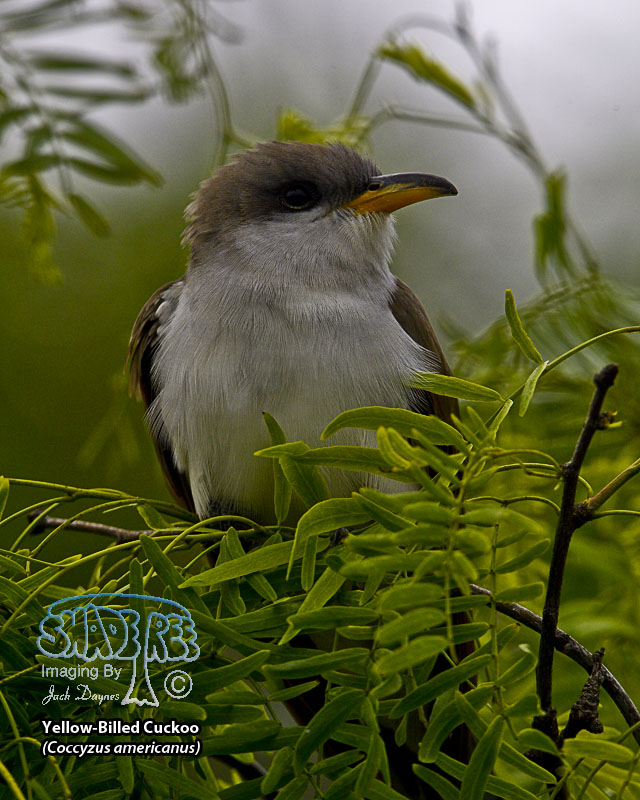
Yellow-Billed Cuckoo(Coccyzus americanus) |
|
Description: The cuckoos on site today were more cooperative than usual. Sunday was the 2nd day of the great warbler fallout, but unlike Saturday’s expedition, the sun shone through to light her subjects. |
Date Taken: 2021:04:18 14:48 |
|
Location:
Convention Center |
|
Camera Information: NIKON D5, 800 mm, f/8.0, 1/6000 |
File Name: YellowBilledCuckoo_D5X8258-SPI_ConventionCtr |
| © 2021 Jack Daynes, shadeTreeImaging.com |
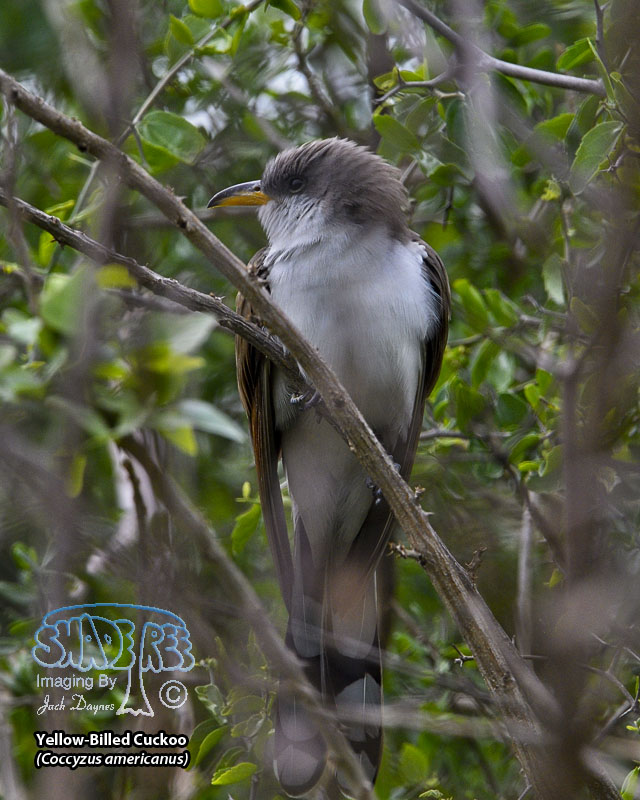
Yellow-Billed Cuckoo(Coccyzus americanus) |
|
Description: The cuckoos on site today were more cooperative than usual. Sunday was the 2nd day of the great warbler fallout, but unlike Saturday’s expedition, the sun shone through to light her subjects. |
Date Taken: 2021:04:18 14:38 |
|
Location:
Convention Center |
|
Camera Information: NIKON D5, 800 mm, f/8.0, 1/2000 |
File Name: YellowBilledCuckoo_D5X8244-SPI_ConventionCtr |
| © 2021 Jack Daynes, shadeTreeImaging.com |
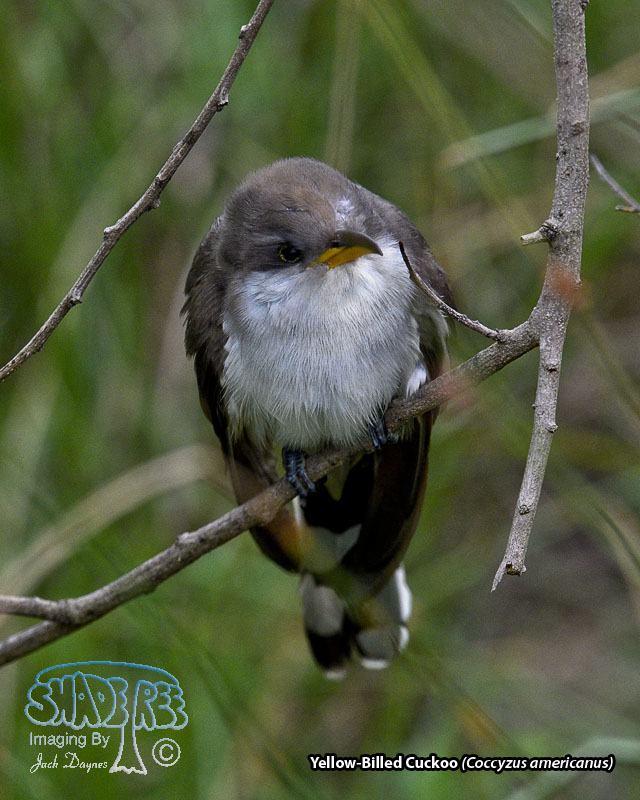
Yellow-Billed Cuckoo(Coccyzus americanus) |
|
Description: This bird seemed weary. Resting in relative open is not typical. Tuesday night’s winds at South Padre Island (Texas) did not produce the big warbler fallout we hoped for at the Convention Center. Still, there were several birding surprises in store for those of us who showed up to find birds. |
Date Taken: 2021:05:05 17:48 |
|
Location:
Convention Center |
|
Camera Information: NIKON D5, 800 mm, f/8.0, 1/750 |
File Name: YellowBilledCuckoo_D5X6661_SPI-ConventionCtr |
| © 2021 Jack Daynes, shadeTreeImaging.com |
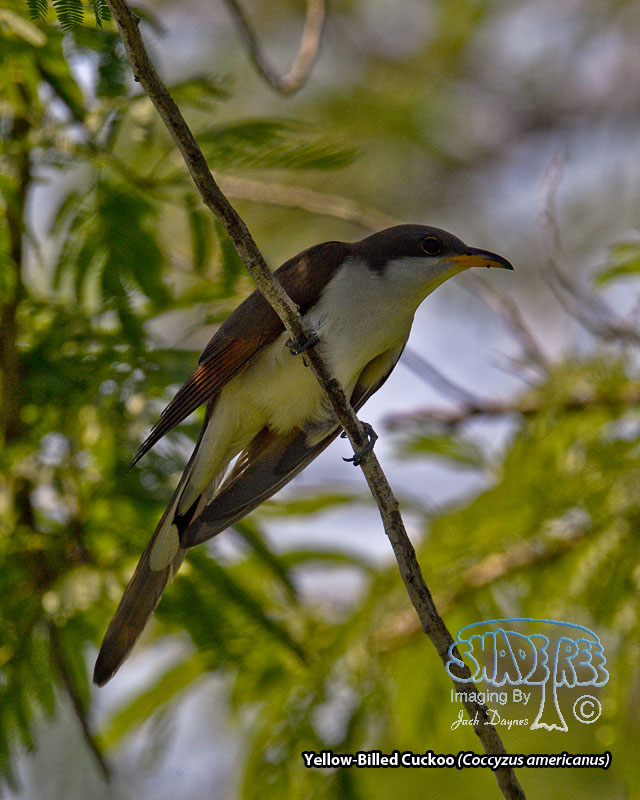
Yellow-Billed Cuckoo(Coccyzus americanus) |
|
Description: I got to meet quite a few Yellow-Billed Cuckoos during this migration. I began and ended my last day on South Padre Island, visiting the grounds that treated me to so many encounters with migrant birds. Between these times I walked out to the sand flats north of the Convention Centre to look for shorebirds and terns. |
Date Taken: 2021:05:08 11:22 |
|
Location:
Convention Center |
|
Camera Information: NIKON D5, 800 mm, f/8.0, 1/4000 |
File Name: YellowBilledCuckoo_D5X7763_SPI-ConventionCtr |
| © 2021 Jack Daynes, shadeTreeImaging.com |
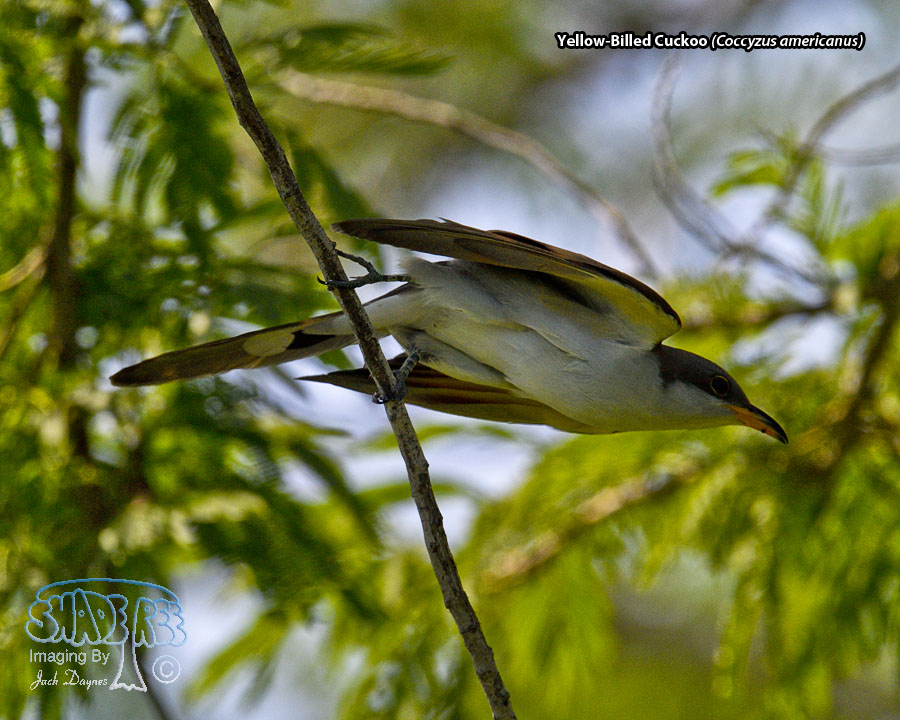
Yellow-Billed Cuckoo(Coccyzus americanus) |
|
Description: I got to meet quite a few Yellow-Billed Cuckoos during this migration. I began and ended my last day on South Padre Island, visiting the grounds that treated me to so many encounters with migrant birds. Between these times I walked out to the sand flats north of the Convention Centre to look for shorebirds and terns. |
Date Taken: 2021:05:08 11:22 |
|
Location:
Convention Center |
|
Camera Information: NIKON D5, 800 mm, f/8.0, 1/4000 |
File Name: YellowBilledCuckoo_D5X7765_SPI-ConventionCtr |
| © 2021 Jack Daynes, shadeTreeImaging.com |
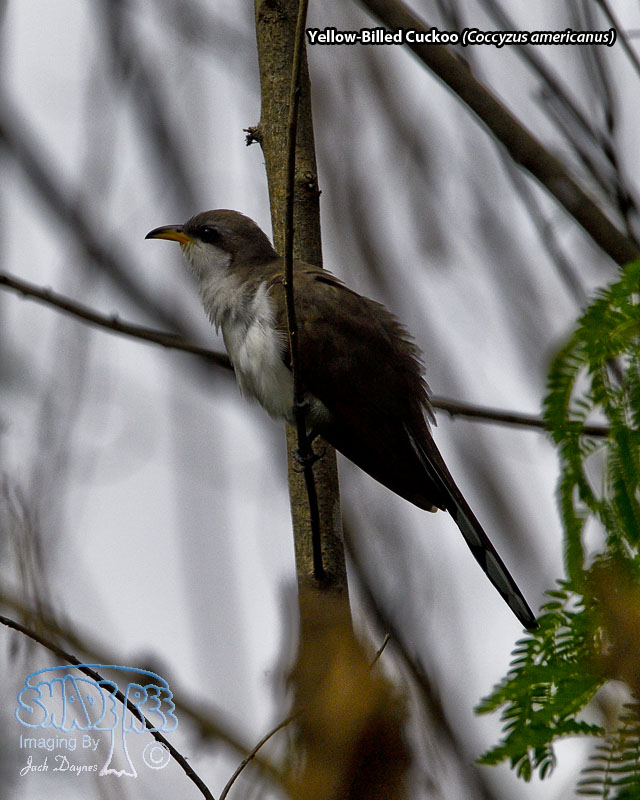
Yellow-Billed Cuckoo(Coccyzus americanus) |
|
Description: It seemed to me there may have been a half-dozen pairs of cuckoos setting up territories on the NBC. Before leaving the Lower Rio Grande Valley and travelling west, I stopped at the National Butterfly Center in Mission to see friends there. |
Date Taken: 2021:05:10 10:45 |
|
Location:
National Butterfly Center |
|
Camera Information: NIKON D5, 800 mm, f/8.0, 1/3000 |
File Name: YellowBilledCuckoo_D5X8319_NationalButterflyCtr |
| © 2021 Jack Daynes, shadeTreeImaging.com |
Yellow-Billed Cuckoo(Coccyzus americanus) |
|
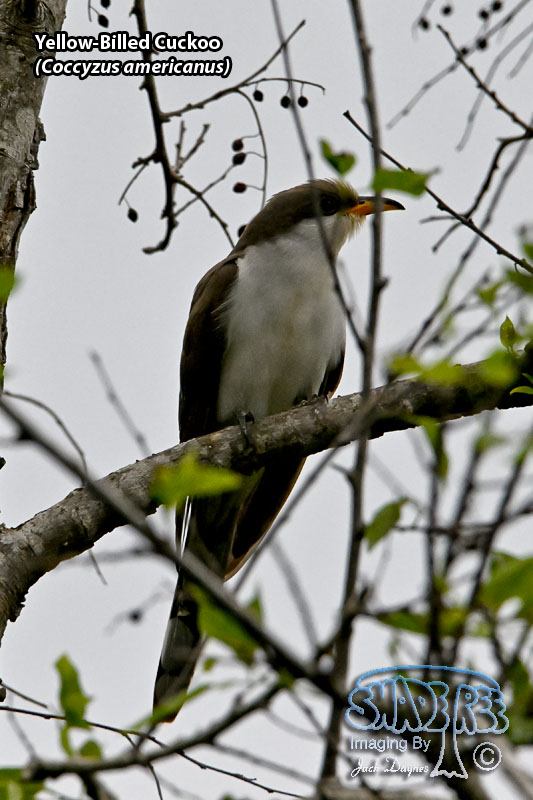
Description: Yellow-Billed Cuckoos are shy, retiring birds who don’t always show themselves to us easily. |
Date Taken: 2024:04:22 10:42 |
|
Location:
Sheepshead Bird Sanctuary |
|
Camera Information: NIKON Z 9, 800 mm, f/8.0, 1/4000 |
File Name: YellowBilledCuckoo_Z9X0872_SPI-Sheepshead |
| © 2024 Jack Daynes, shadeTreeImaging.com |
Yellow-Billed Cuckoo(Coccyzus americanus) |
|
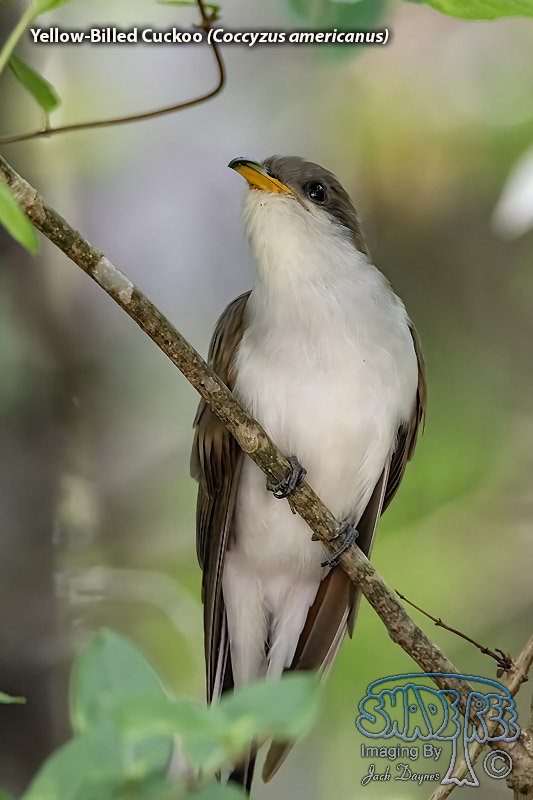
Description: I boondock camped in Fort Valley, near Strasburg Virginia, and enjoyed the local birds there. |
Date Taken: 2023:06:16 13:43 |
|
Location:
Elizabeth Furnace Recreational A |
|
Camera Information: NIKON Z 9, 800 mm, f/10.0, 1/320 |
File Name: YellowBilledCuckoo_Z9X8470_FortValley-VA-TZ-copy |
| © 2023 Jack Daynes, shadeTreeImaging.com |
Yellow-Billed Cuckoo(Coccyzus americanus) |
|
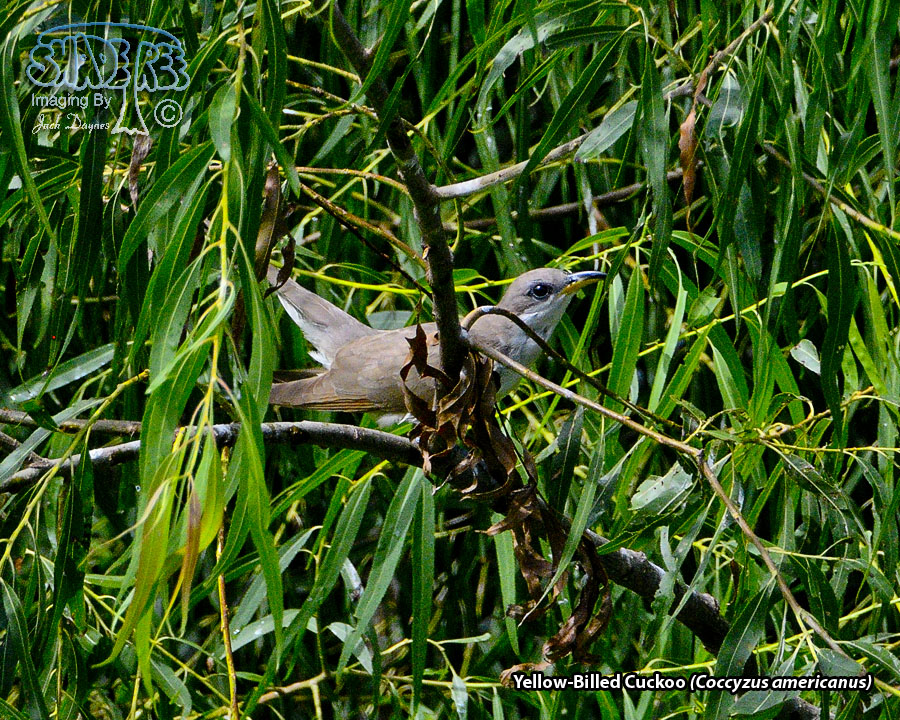
Description: Yellow-Billed Cuckoos were present in good numbers at the Smith Oaks Sanctuary in High Island Texas, but their typical shyness prevented any close encounters I might have hoped for. |
Date Taken: 2022:08:14 15:57 |
|
Location:
Smith Oaks Sanctuary |
|
Camera Information: NIKON D850, 800 mm, f/8.0, 1/2000 |
File Name: YellowBillCuckoo_8503685SmithOaks.HighIsland.TX_ |
| © 2022 Jack Daynes, shadeTreeImaging.com |
Click map markers to reveal further information
