Semipalmated Sandpiper
Calidris pusilla
Semipalmated and Western Sandpipers have partially webbed feet. And so derives the semipalmated name of this bird. Both peeps have black legs which help distinguish them from the third member of the peep clan, the Least Sandpiper, which has greenish-yellow legs. The Western Sandpiper’s bill is longer than the Semipalmated Sandpiper and droops slightly. This feature helps differentiate its identity and tell you which peep you might be seeing.
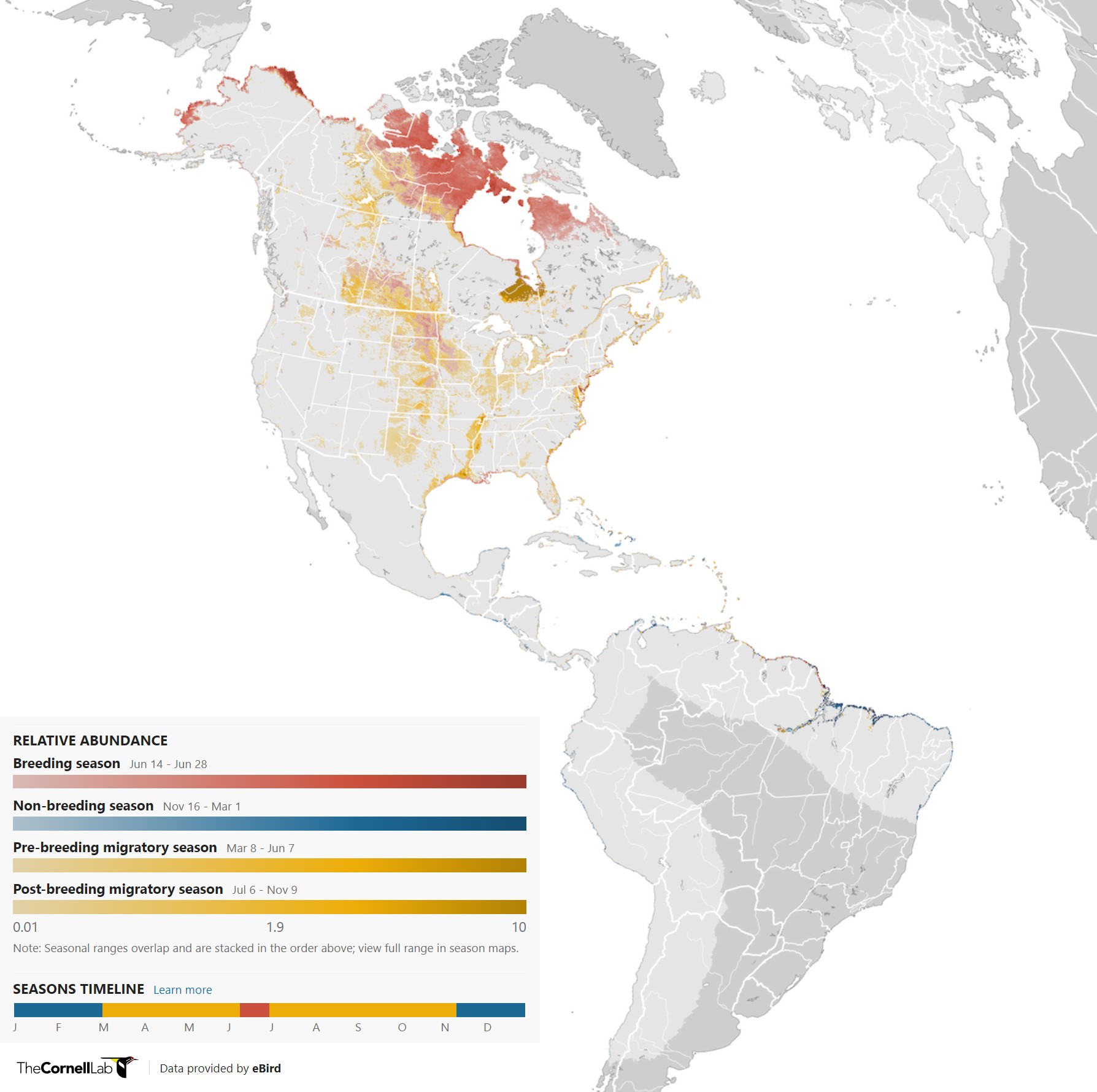
Most Semipalmated Sandpipers spend winters along the Pacific and Atlantic coasts of South America and on islands of the Caribbean. With spring, they migrate to the northern limits of the North American continent to breed. Most of their population passes through eastern North America and we seldom encounter them in the western USA.
Modern science considers the Semipalmated Sandpiper as monotypic (i.e. no subspecies).
Until I visited south Texas in 2020, the only members of the small peep group were Western and Least Sandpipers. Then, on South Padre Island, at the end of April, I finally met the Semipalmated Sandpiper. At last, I had the peep trifecta!
4 Photos
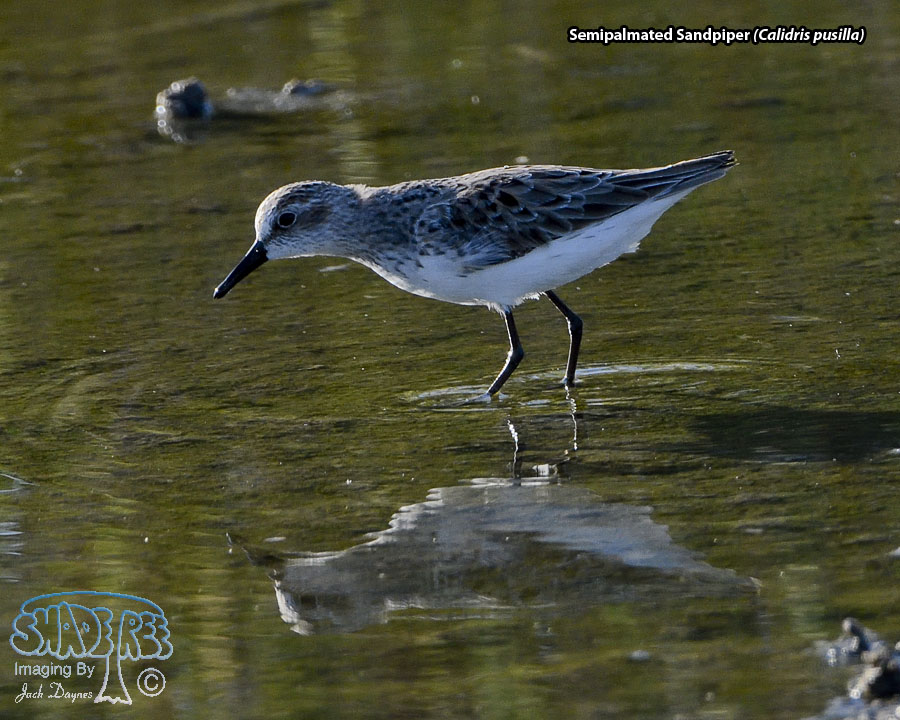
Semipalmated Sandpiper(Calidris pusilla) |
|
Description: I’m more familiar with the Western and Least Sandpipers on the west coast. This was my first encounter with the Semipalmated Sandpiper. The Convention Center on South Padre Island, Texas is a first rate birding destination. I spent several hours in the morning and several more in the afternoon on this day. |
Date Taken: 2020:04:30 8:09 |
|
Location:
Convention Center |
|
Camera Information: NIKON D500, 800 mm, f/8.0, 1/1250 |
File Name: SemiPalmatedSandpiper_D509561-South-Padre |
| © 2020 Jack Daynes, shadeTreeImaging.com |

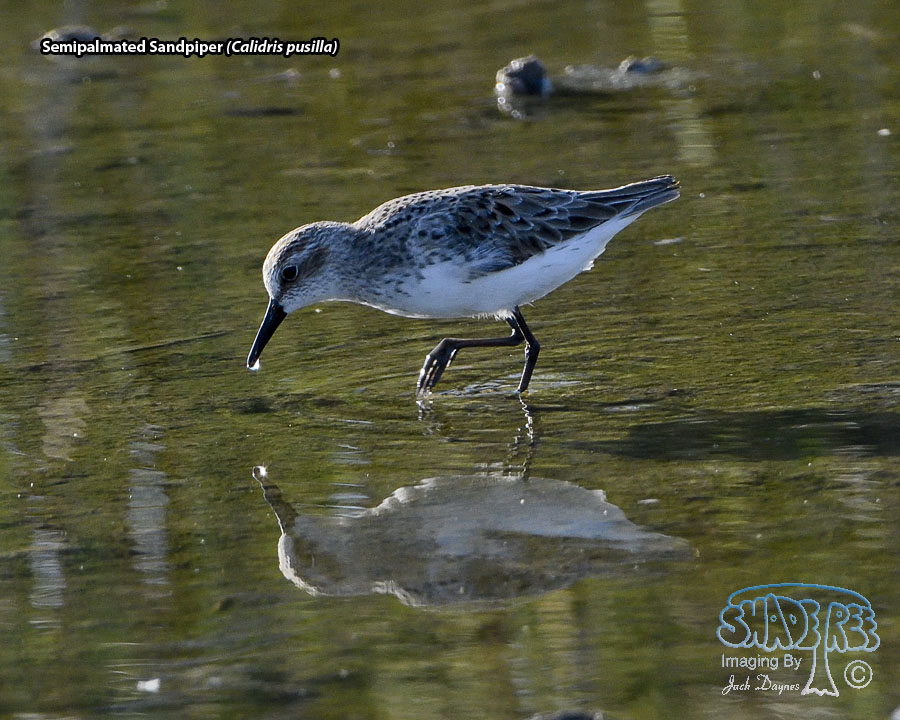
Semipalmated Sandpiper(Calidris pusilla) |
|
Description: I’m more familiar with the Western and Least Sandpipers on the west coast. This was my first encounter with the Semipalmated Sandpiper. The Convention Center on South Padre Island, Texas is a first rate birding destination. I spent several hours in the morning and several more in the afternoon on this day. |
Date Taken: 2020:04:30 8:09 |
|
Location:
Convention Center |
|
Camera Information: NIKON D500, 800 mm, f/8.0, 1/1250 |
File Name: SemiPalmatedSandpiper_D509564-South-Padre |
| © 2020 Jack Daynes, shadeTreeImaging.com |
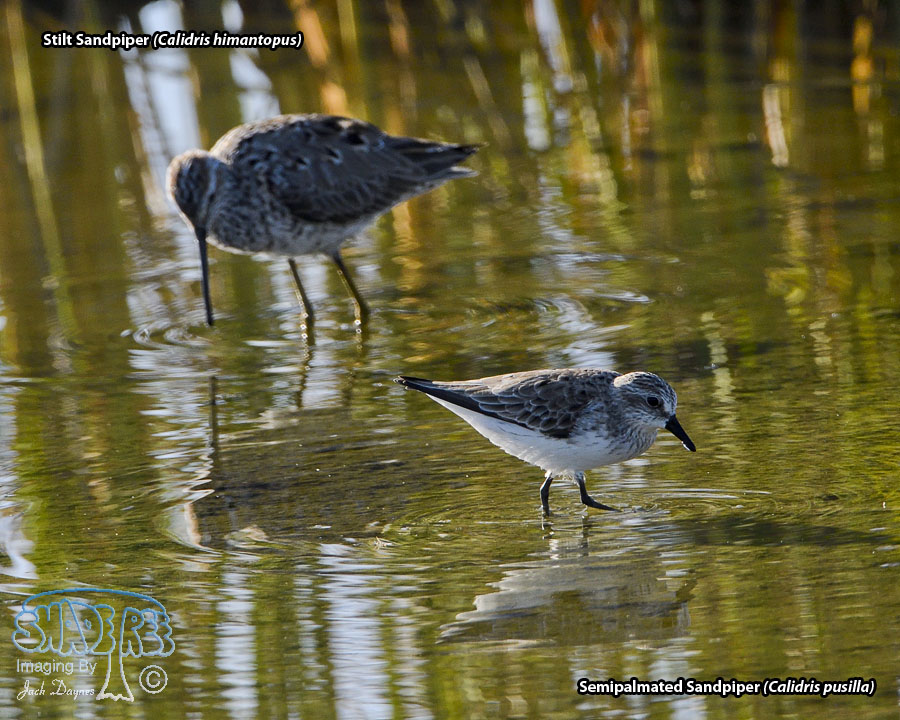
Semipalmated Sandpiper(Calidris pusilla) |
|
Description: Seen here feeding near a Stilt Sandpiper, I’m more familiar with the Western and Least Sandpipers on the west coast. This was my first encounter with the Semipalmated Sandpiper. The Convention Center on South Padre Island, Texas is a first rate birding destination. I spent several hours in the morning and several more in the afternoon on this day. |
Date Taken: 2020:04:30 8:26 |
|
Location:
Convention Center |
|
Camera Information: NIKON D500, 800 mm, f/8.0, 1/1250 |
File Name: SemiPalmatedSandpiper_D509616-South-Padre |
| © 2020 Jack Daynes, shadeTreeImaging.com |
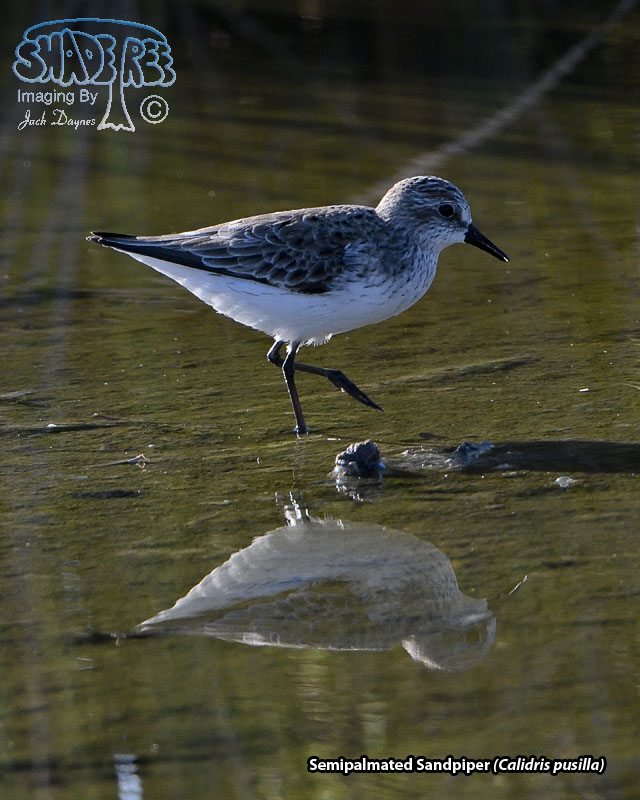
Semipalmated Sandpiper(Calidris pusilla) |
|
Description: I’m more familiar with the Western and Least Sandpipers on the west coast. This was my first encounter with the Semipalmated Sandpiper. The Convention Center on South Padre Island, Texas is a first rate birding destination. I spent several hours in the morning and several more in the afternoon on this day. |
Date Taken: 2020:04:30 8:26 |
|
Location:
Convention Center |
|
Camera Information: NIKON D500, 800 mm, f/8.0, 1/1000 |
File Name: SemiPalmatedSandpiper_D509601-South-Padre |
| © 2020 Jack Daynes, shadeTreeImaging.com |
Click map markers to reveal further information
