Plover – Black-Bellied
Pluvialis squatarola

The Black-Bellied Plover breeds farther north than any other plover, and is the largest of all plovers. To meet these birds on their breeding grounds, one would have to travel to the northern limits of the Asian or North American Continents. Some of their population will spend summer along the Bering Sea in western Alaska.
There is some disagreement about the status of Black-Bellied Plover subspecies. Some scientists believe the species is monotypic (i.e. no subspecies), while others suggest there are three subspecies. The three proposed subspecies are:
- P. s. squatarola breeds in Europe, Asia, and Alaska.
- P. s. cynosurae breeds in North America except Alaska.
- P. s. tomkovichi breeds on Wrangel Island in northern Siberia.
Commonly found wintering along the coast of the lower 48 states in the USA, these birds are at home on all continents except Antarctica. Black-Bellied Plovers do not breed until they are two years old. In Southern California, and many places where these birds spend winters, we find non-breeding birds year-round.
Outside of North America, people call this bird the Gray Plover, or Grey Tarambola. Early scientists believed that large plovers flocked during rain. So they gave their genus the name Pluvialis, from the Latin word pluvia, meaning “rain”.
Photographing these shorebirds requires patience. Often shy, Black-Bellied Plovers will usually keep their distance from bipedal mammals. I have had my best luck while remaining stationary, sitting quietly and letting these birds come to me. It is a time-consuming process, and it does not always work.
40 Photos
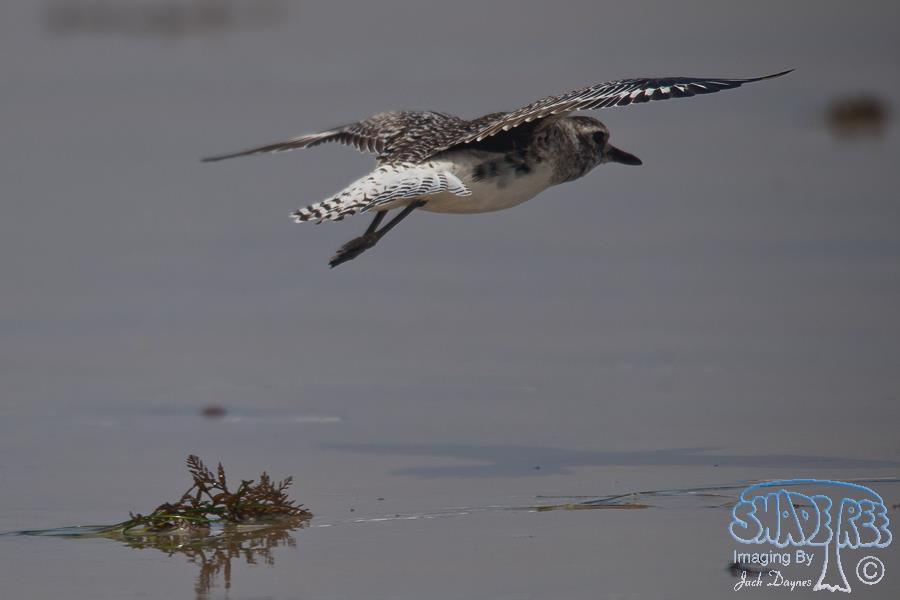
Black-Bellied Plover(Pluvialis squatarola) |
|
Description: Foraging at the Tijuana River Mouth in Imperial Beach, California. San Diego County. |
Date Taken: 2013:04:04 10:41 |
|
Location:
Border Field |
|
Camera Information: NIKON D3X, 800 mm, f/5.6, 1/2500 |
File Name: D3X3622-BlackBelliedPlover |
| © 2013 Jack Daynes, shadeTreeImaging.com |

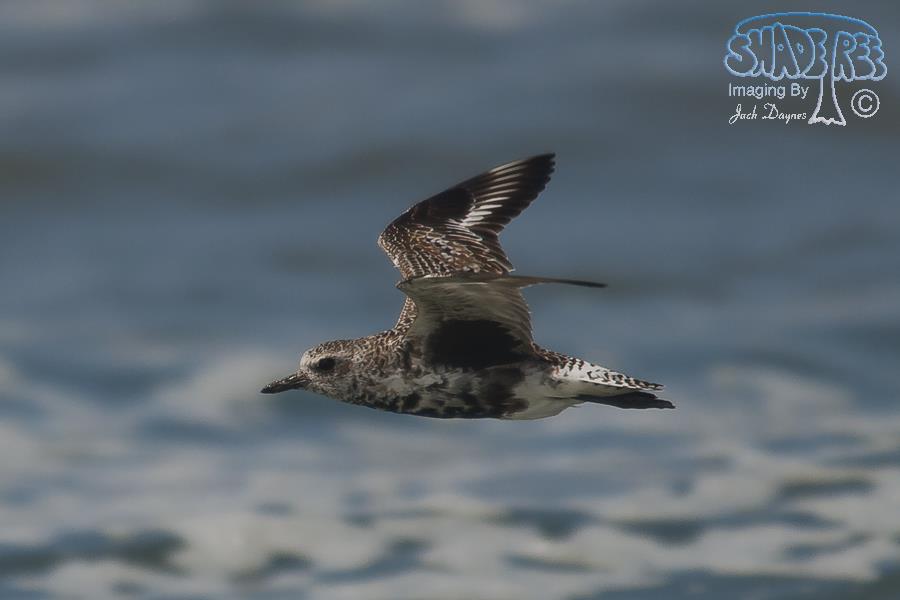
Black-Bellied Plover(Pluvialis squatarola) |
|
Description: Spring migration at the Tijuana River Mouth in Imperial Beach, California. San Diego County. |
Date Taken: 2013:04:04 10:50 |
|
Location:
Border Field |
|
Camera Information: NIKON D3X, 800 mm, f/5.6, 1/2500 |
File Name: D3X3688-BlackBelliedPlover |
| © 2013 Jack Daynes, shadeTreeImaging.com |
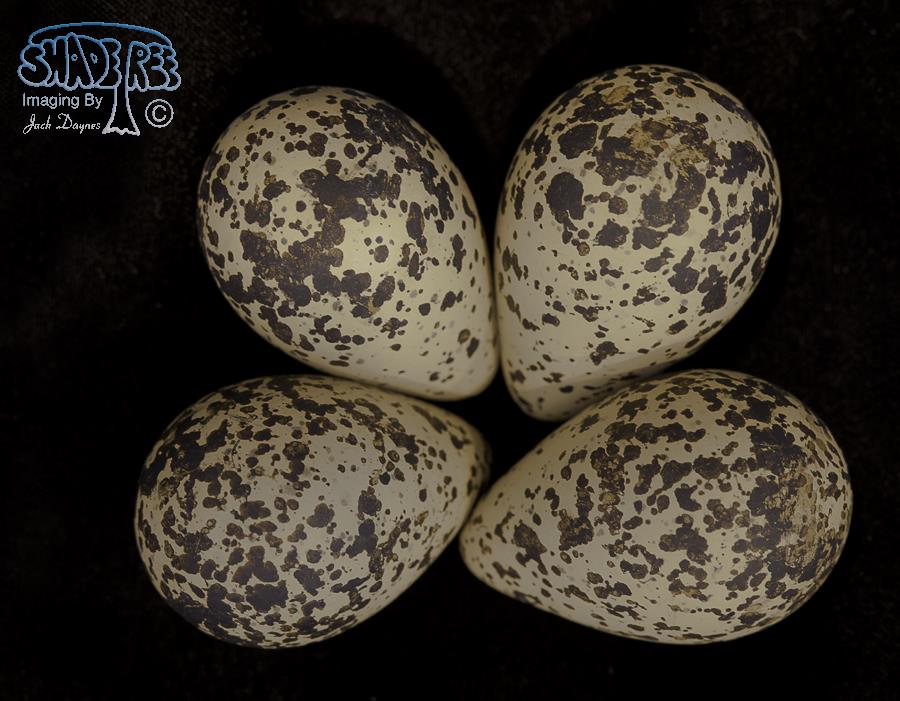
Black-bellied Plover(Pluvialis squatarola) |
|
Description: (Pluvialis squatarola) Part of the collection at the Western Foundation of Vertibrate Zoology in Camarillo, California USA. [2011-11-01] |
Date Taken: 2011:11:01 11:25 |
|
Location:
W F V Z |
|
Camera Information: NIKON D3X, 105 mm, f/8.0, 1/3 |
File Name: D3X4395-BlackBelliedPlover |
| © 2011 Jack Daynes, shadeTree-Imaging.com |
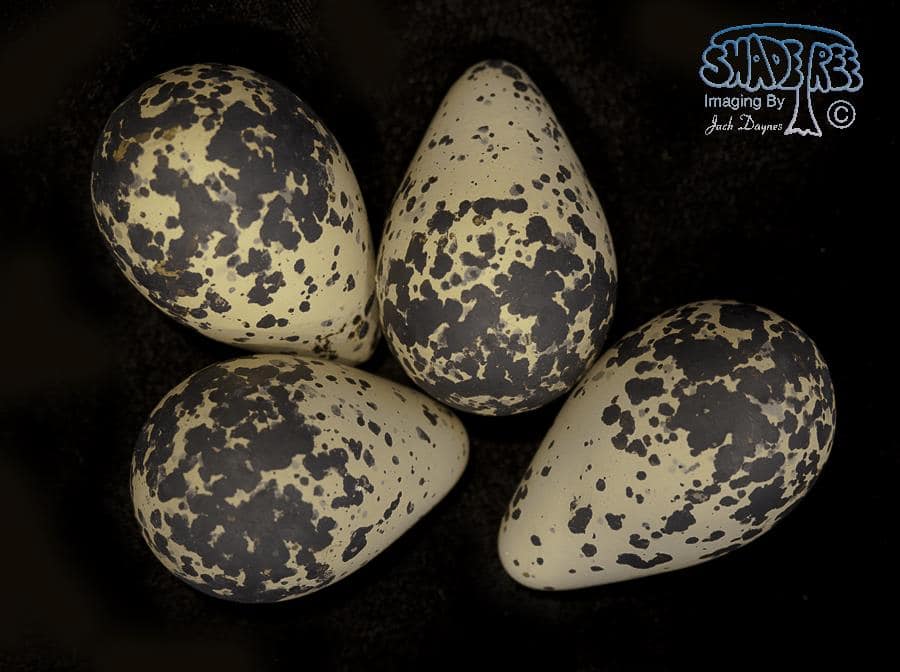
Black-bellied Plover(Pluvialis squatarola) |
|
Description: (Pluvialis squatarola) Part of the collection at the Western Foundation of Vertibrate Zoology in Camarillo USA, California. [2011-11-01] |
Date Taken: 2011:11:01 11:28 |
|
Location:
W F V Z |
|
Camera Information: NIKON D3X, 105 mm, f/8.0, 1/3 |
File Name: D3X4397-BlackBelliedPlover |
| © 2011 Jack Daynes, shadeTree-Imaging.com |
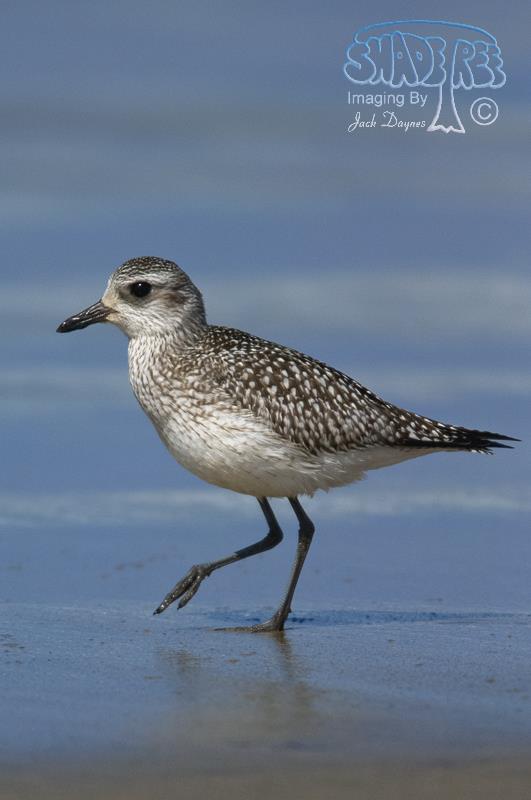
Black-Bellied Plover(Pluvialis squatarola) |
|
Description: Juvenile at the beach at Border Field. The most extreme Southwest corner of the USA. San Diego County, California USA. [2008-10-05] |
Date Taken: 2008:10:05 11:31 |
|
Location:
Garden Canyon |
|
Camera Information: NIKON D2X, 800 mm, f/5.6, 1/3000 |
File Name: jcd2223BlackBelliedPlover.Juvenile |
| © 2013 Jack Daynes, shadeTree-Imaging.com |
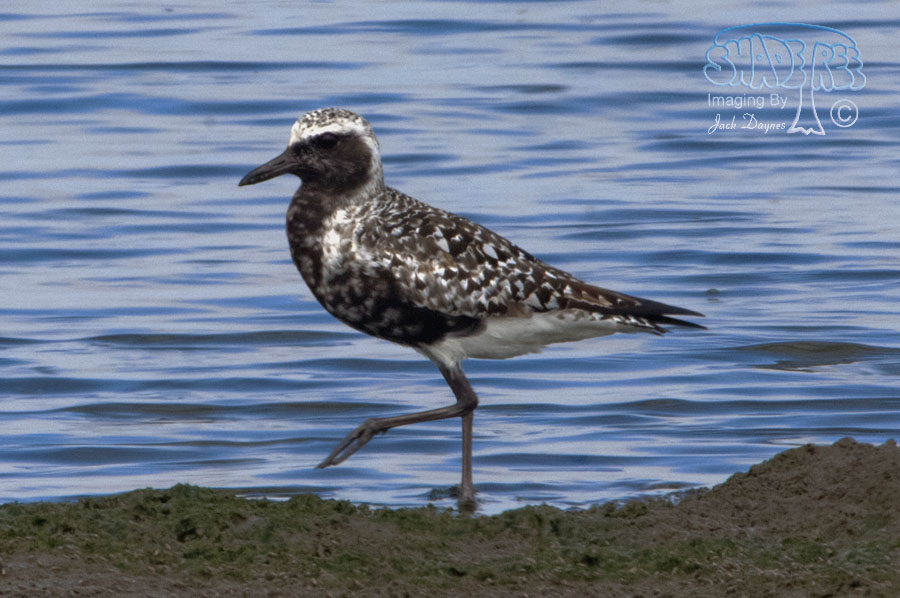
Black-Bellied Plover(Pluvialis squatarola) |
|
Description: Breeding adult fall migrant at the Saltworks at South San Diego Bay NWR. San Diego County, California USA. [2008-10-05] |
Date Taken: 2009:07:29 10:16 |
|
Location:
Saltworks |
|
Camera Information: NIKON D2X, 800 mm, f/22.0, 1/160 |
File Name: JCD3900.BlackBelliedPlover |
| © 2013 Jack Daynes, shadeTree-Imaging.com |
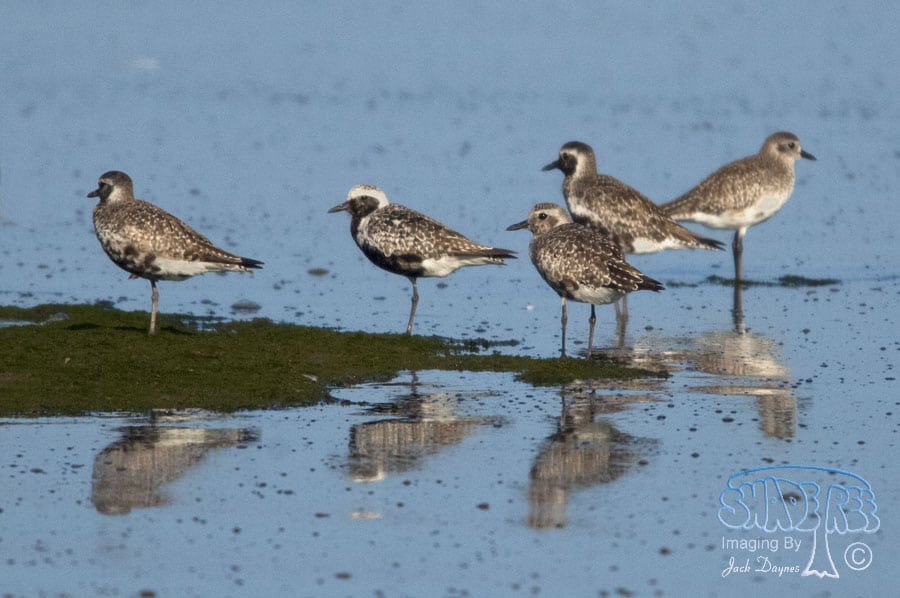
Black-bellied Plover(Pluvialis squatarola) |
|
Description: (Pluvialis squatarola) Loafing at the Saltworks at South San Diego Bay NWR. San Diego County, California USA. [2009-08-05] |
Date Taken: 2009:08:05 8:08 |
|
Location:
Saskatoon Island Privicial Park |
|
Camera Information: NIKON D2X, 800 mm, f/5.6, 1/6000 |
File Name: JCD4944.BlackBelliedPlover |
| © 2009 - Jack Daynes - shadeTree Imaging |
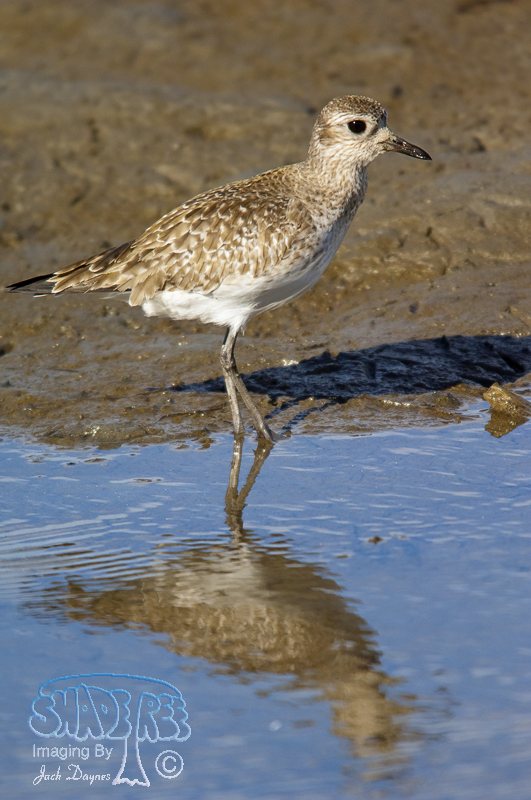
Black-Bellied Plover(Pluvialis squatarola) |
|
Description: San Diego River flood control channel. San Diego, California 2010-01-08. |
Date Taken: 2010:01:08 14:14 |
|
Location:
Robb Field |
|
Camera Information: NIKON D2X, 800 mm, f/5.6, 1/2500 |
File Name: JCD5494.BlackBelliedPlover |
| © 2010 Jack Daynes, shadeTree Imaging |
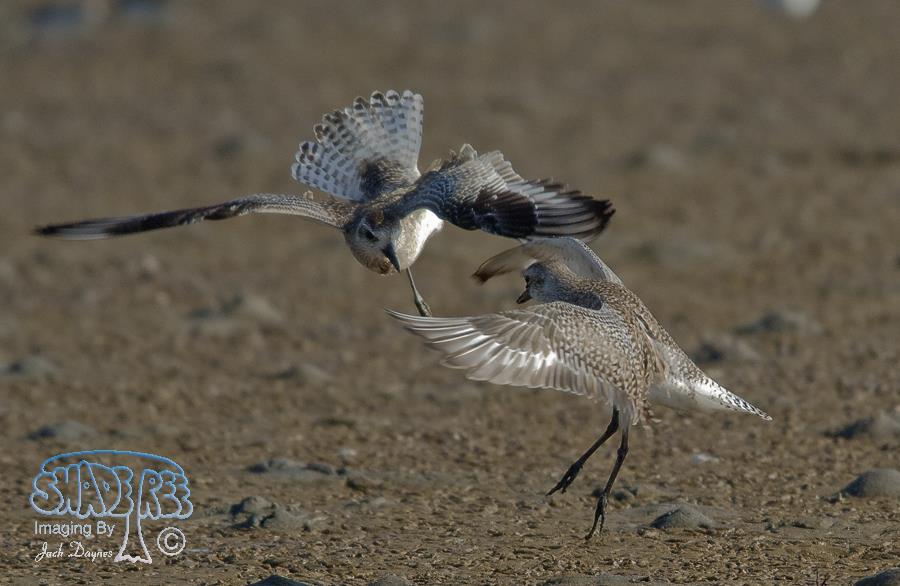
Black-Bellied Plover(Pluvialis squatarola) |
|
Description: Juvenile birds displaying jousting behavior at the Tijuana River Estuary. Imperial Beach, San Diego County, California USA. [2010-02-18] |
Date Taken: 2010:02:18 9:50 |
|
Location:
Border Field |
|
Camera Information: NIKON D2X, 800 mm, f/6.3, 1/1600 |
File Name: JCD6334.BlackBelliedPlover |
| © 2013 Jack Daynes, shadeTree-Imaging.com |
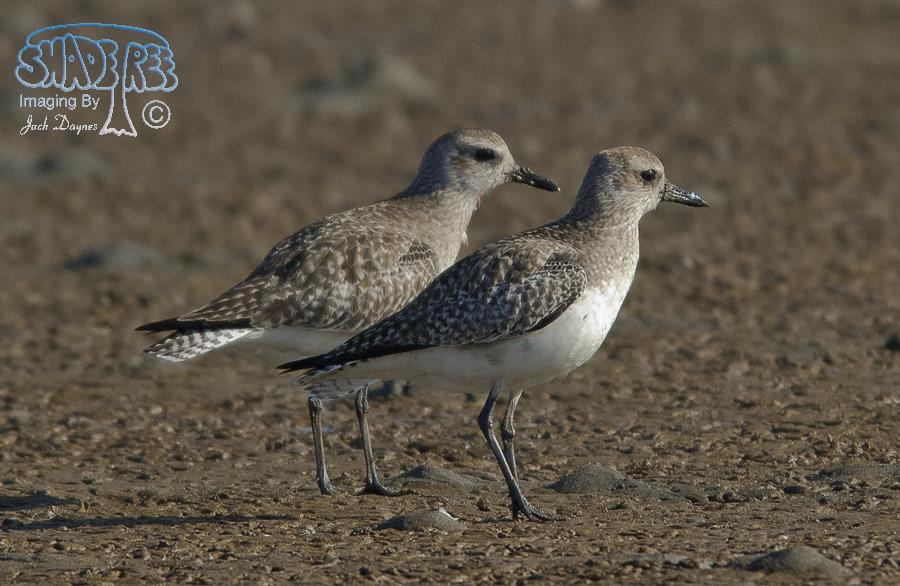
Black-bellied Plover(Pluvialis squatarola) |
|
Description: (Pluvialis squatarola) Juveniles at the Tijuana River Estuary. Imperial Beach, San Diego County, California USA. [2010-02-18] |
Date Taken: 2010:02:18 9:51 |
|
Location:
Border Field |
|
Camera Information: NIKON D2X, 800 mm, f/6.3, 1/2000 |
File Name: JCD6341.BlackBelliedPlover |
| © 2010 - Jack Daynes - shadeTree Imaging |
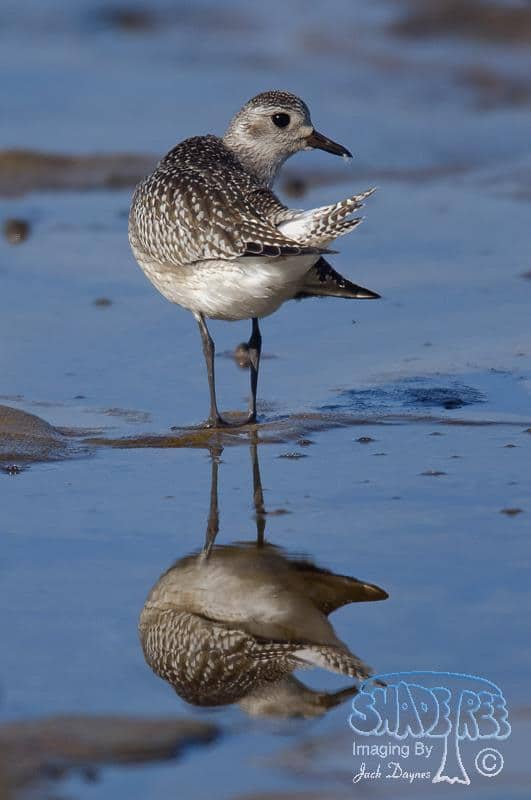
Black-bellied Plover(Pluvialis squatarola) |
|
Description: (Pluvialis squatarola) Juvenile near The Cove. La Jolla, California. San Diego County USA. [2009-09-16] |
Date Taken: 2009:09:16 9:05 |
|
Location:
Casa Pool |
|
Camera Information: NIKON D2X, 800 mm, f/5.6, 1/4000 |
File Name: JCD6527.BlackBelliedPlover.Juvenile |
| © 2009 - Jack Daynes - shadeTree Imaging |
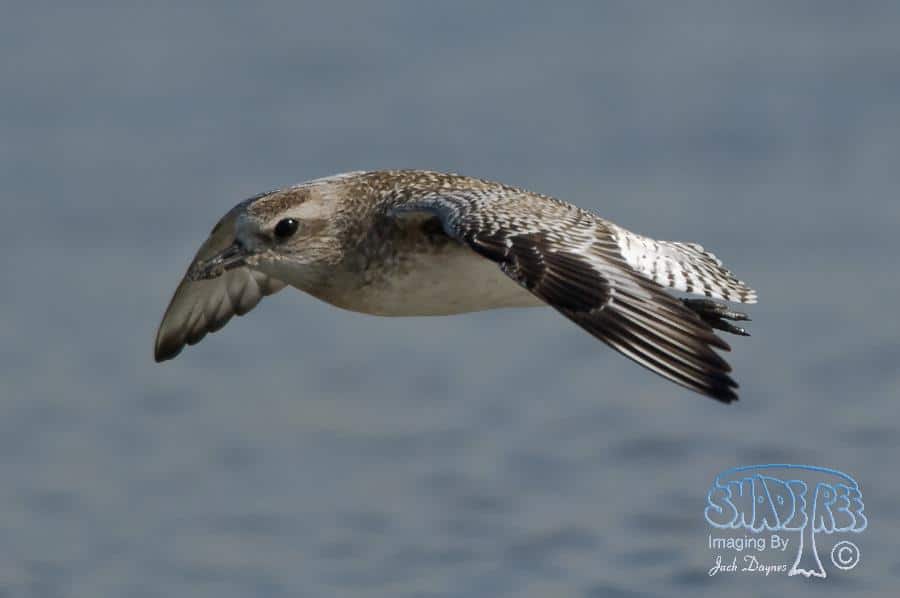
Black-bellied Plover(Pluvialis squatarola) |
|
Description: (Pluvialis squatarola) Tijuana River Estuary. Imperial Beach, San Diego County, California USA. [2010-02-18] |
Date Taken: 2010:02:18 10:59 |
|
Location:
Mono Lake |
|
Camera Information: NIKON D2X, 800 mm, f/6.3, 1/3200 |
File Name: JCD6595.BlackBelliedPlover |
| © 2010 - Jack Daynes - shadeTree Imaging |
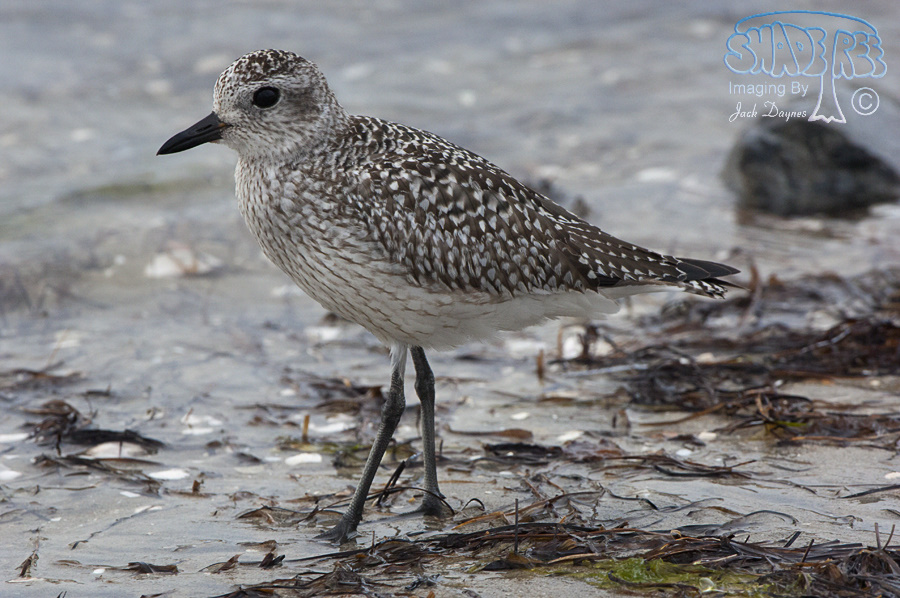
Black-Bellied Plover(Pluvialis squatarola) |
|
Description: A fall migrant at North Mission Bay by the Kendall-Frost Mission Bay Marsh Reserve. San Diego County California USA 2008-11-02. |
Date Taken: 2008:11:02 11:11 |
|
Location:
Kendall-Frost Marsh |
|
Camera Information: NIKON D2X, 400 mm, f/8.0, 1/320 |
File Name: jcd1270BlackBelliedPlover |
| © 2008 Jack Daynes, shadeTreeImaging.com |
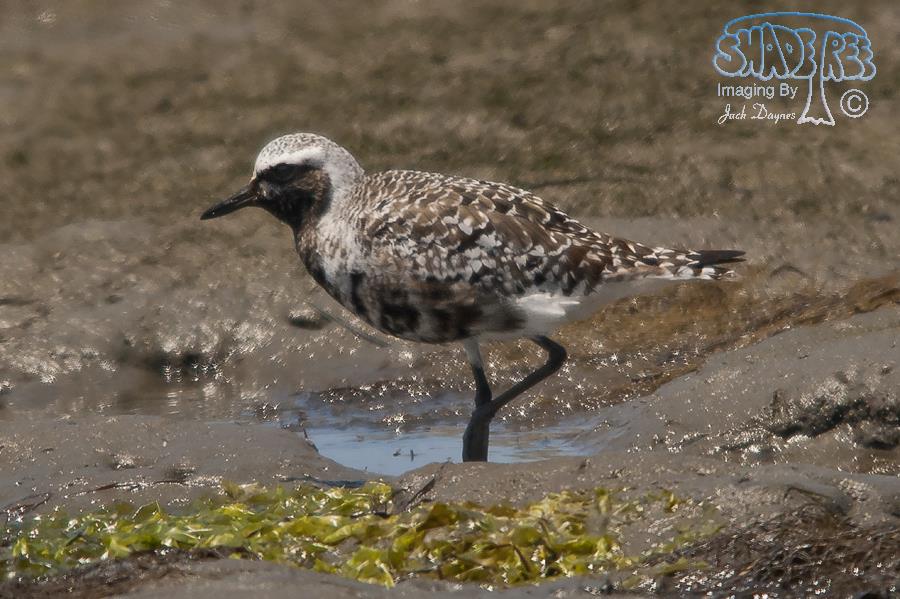
Black-Bellied Plover(Pluvialis squatarola) |
|
Description: Fall migrant we saw during a day at the Saltworks, part of the San Diego National Wildlife Complex. Near Imperial Beach, California. |
Date Taken: 2011:07:27 12:55 |
|
Location:
Saltworks |
|
Camera Information: NIKON D3X, 800 mm, f/5.6, 1/3200 |
File Name: JCD1744-BlackBelliedPlover |
| © 2011 Jack Daynes, shadeTreeImaging.com |
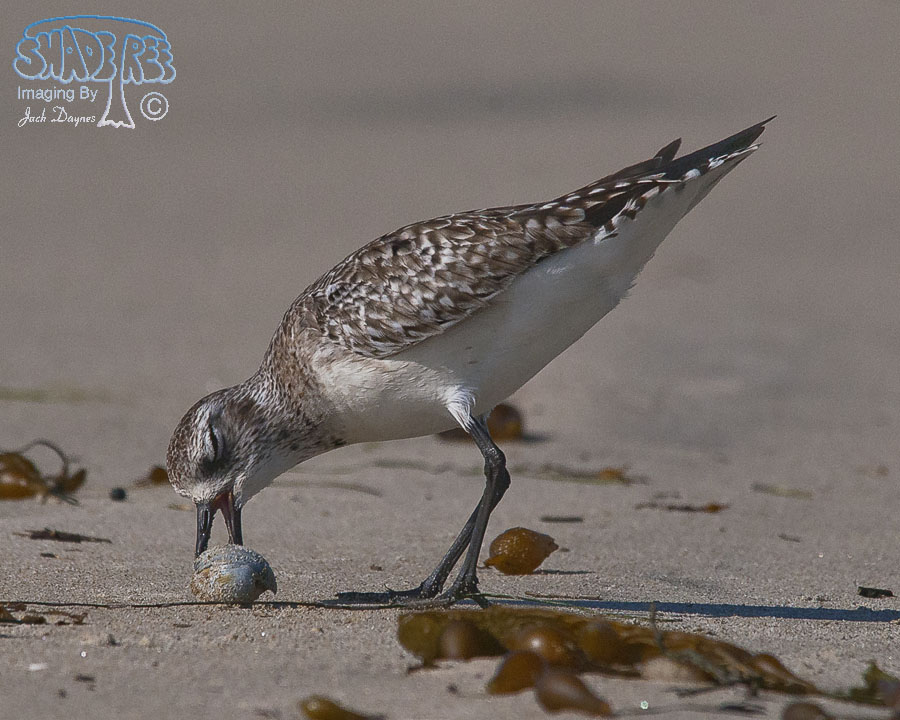
Black-Bellied Plover(Pluvialis squatarola) |
|
Description: Tijuana River Mouth in Imperial Beach, California. San Diego County. |
Date Taken: 2014:03:05 10:19 |
|
Location:
Tijuana River Mouth |
|
Camera Information: NIKON D3X, 800 mm, f/8.0, 1/5000 |
File Name: D3X3449-BlackBelliedPlover |
| © 2014 Jack Daynes, shadeTree Imaging |
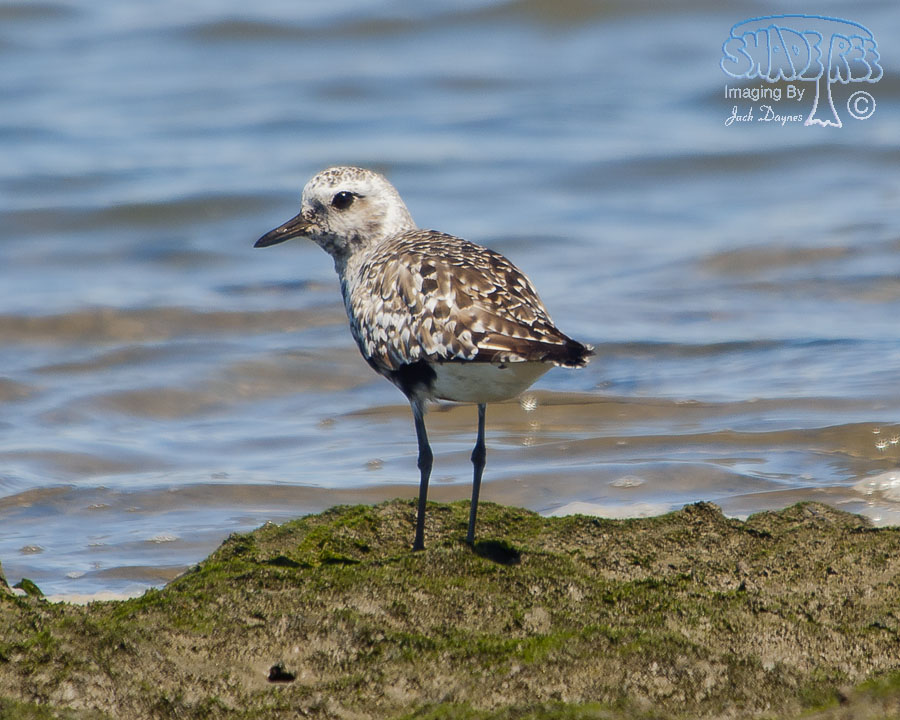
Black-Bellied Plover(Pluvialis squatarola) |
|
Description: Tern survey day at the Saltworks, part of the San Diego National Wildlife Complex. Near Imperial Beach, California. |
Date Taken: 2015:08:05 11:44 |
|
Location:
Saltworks |
|
Camera Information: NIKON D3X, 800 mm, f/7.1, 1/800 |
File Name: D3X2832-BlackBelliedPlover |
| © 2015 Jack Daynes, shadeTreeImaging.com |
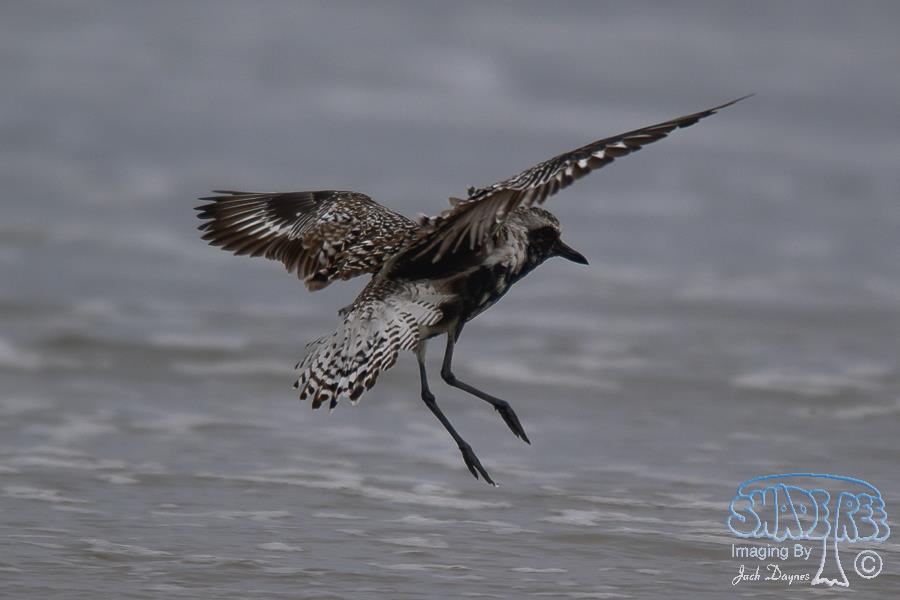
Black-Bellied Plover(Pluvialis squatarola) |
|
Description: Foraging at the Tijuana River Mouth in Imperial Beach, California. San Diego County. |
Date Taken: 2013:04:04 8:45 |
|
Location:
Border Field |
|
Camera Information: NIKON D3X, 800 mm, f/5.6, 1/800 |
File Name: D3X3282-BlackBelliedPlover |
| © 2013 Jack Daynes, shadeTreeImaging.com |
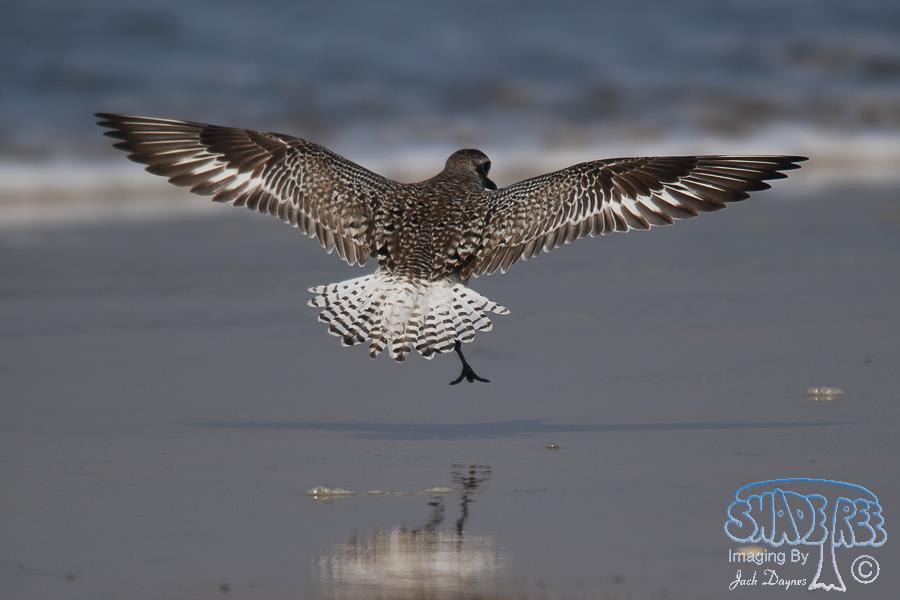
Black-Bellied Plover(Pluvialis squatarola) |
|
Description: Juvenile at the Tijuana River Mouth in Imperial Beach, California. San Diego County. |
Date Taken: 2013:04:04 10:41 |
|
Location:
Border Field |
|
Camera Information: NIKON D3X, 800 mm, f/5.6, 1/3200 |
File Name: D3X3627-BlackBelliedPlover |
| © 2013 Jack Daynes, shadeTreeImaging.com |
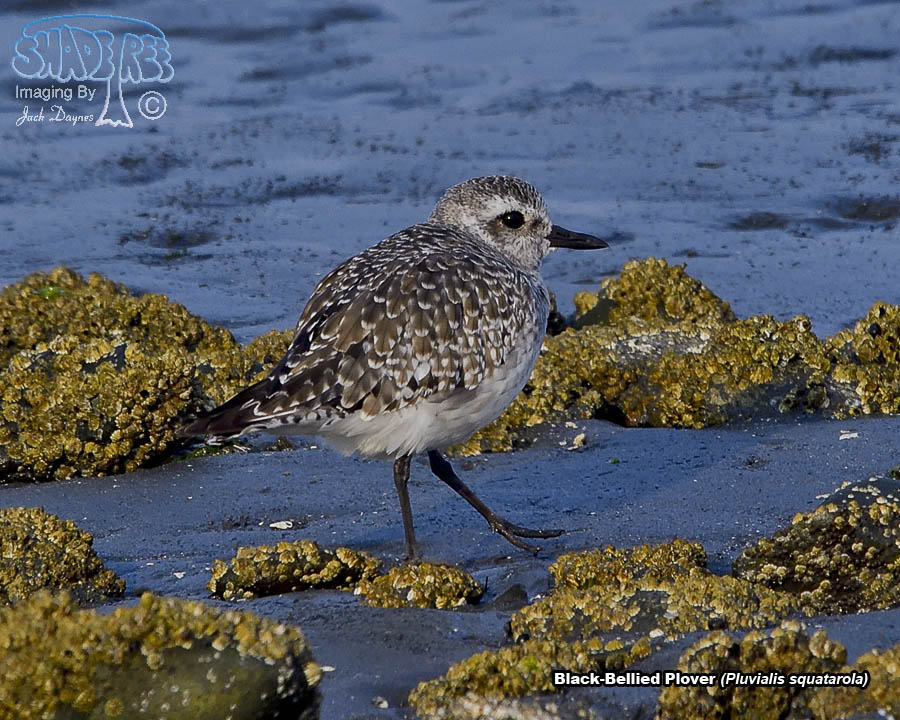
Black-Bellied Plover(Pluvialis squatarola) |
|
Description: Crescent Harbor in Crescent City California. |
Date Taken: 2017:09:12 7:56 |
|
Location:
Crescent Harbor |
|
Camera Information: NIKON D5, 800 mm, f/8.0, 1/1000 |
File Name: BlackBelliedPlover-Juvenile_D5X1574-CrescentCity |
| © 2017 Jack Daynes, shadeTreeImaging.com |
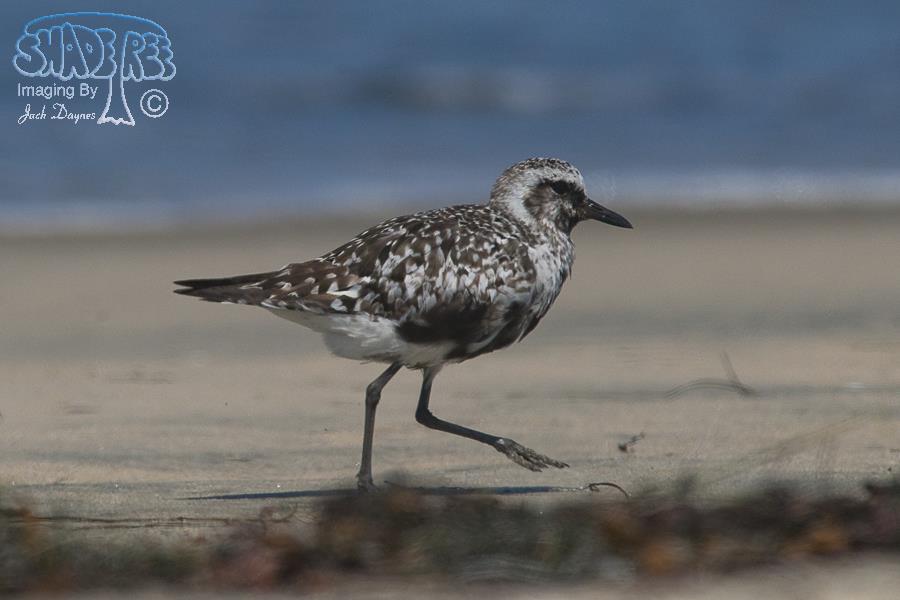
Black-Bellied Plover(Pluvialis squatarola) |
|
Description: A fall migrant at the beach by Border Field and the Tijuana River Mouth in Imperial Beach, California. San Diego County. |
Date Taken: 2013:08:23 10:17 |
|
Location:
Border Field |
|
Camera Information: NIKON D3X, 800 mm, f/8.0, 1/3200 |
File Name: D3X1801-BlackBelliedPlover |
| © 2013 Jack Daynes, shadeTreeImaging.com |
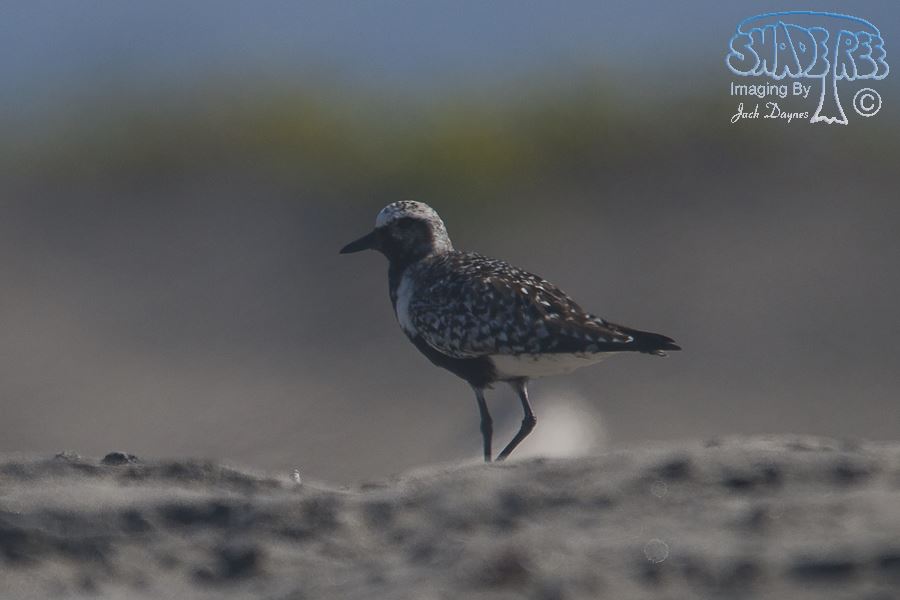
Black-Bellied Plover(Pluvialis squatarola) |
|
Description: Tijuana River Mouth in Imperial Beach, California. San Diego County. |
Date Taken: 2012:09:08 10:27 |
|
Location:
Border Field |
|
Camera Information: NIKON D3X, 800 mm, f/5.6, 1/4000 |
File Name: D3X8725-BlackBelliedPlover |
| © 2012 Jack Daynes, shadeTreeImaging.com |
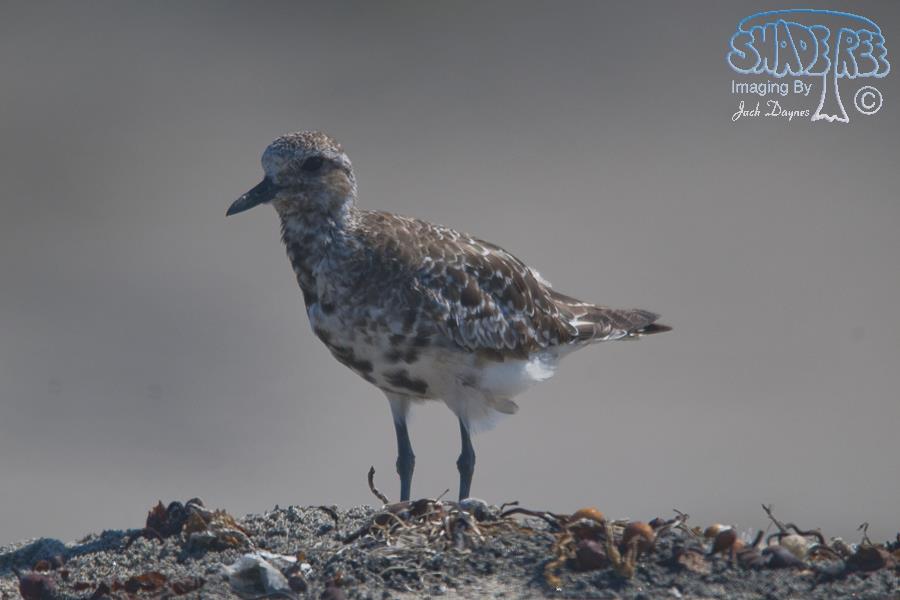
Black-Bellied Plover(Pluvialis squatarola) |
|
Description: Tijuana River Mouth in Imperial Beach, California. San Diego County. |
Date Taken: 2012:09:08 10:50 |
|
Location:
Border Field |
|
Camera Information: NIKON D3X, 800 mm, f/5.6, 1/4000 |
File Name: D3X8810-BlackBelliedPlover |
| © 2012 Jack Daynes, shadeTreeImaging.com |
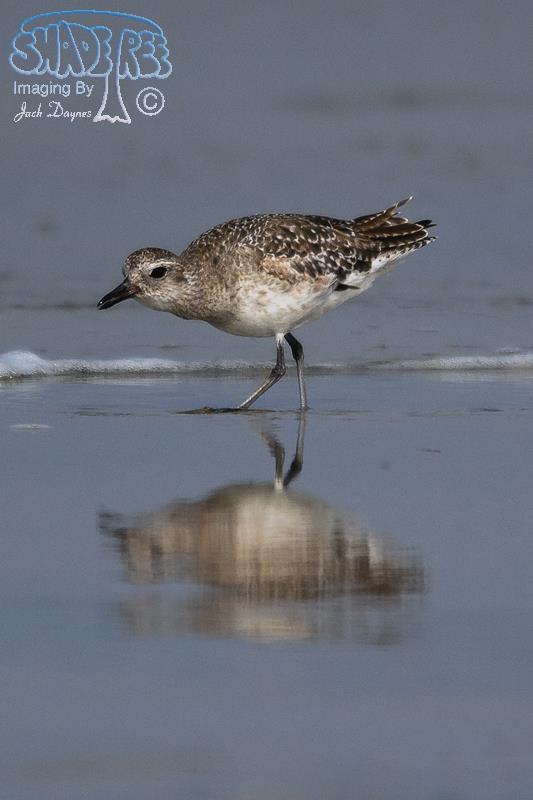
Black-Bellied Plover(Pluvialis squatarola) |
|
Description: Tijuana River Mouth in Imperial Beach, California. San Diego County. |
Date Taken: 2013:05:11 8:11 |
|
Location:
Tijuana River Mouth |
|
Camera Information: NIKON D3X, 800 mm, f/5.6, 1/5000 |
File Name: D3X7036-BlackBelliedPlover |
| © 2013 Jack Daynes, shadeTree-Imaging |
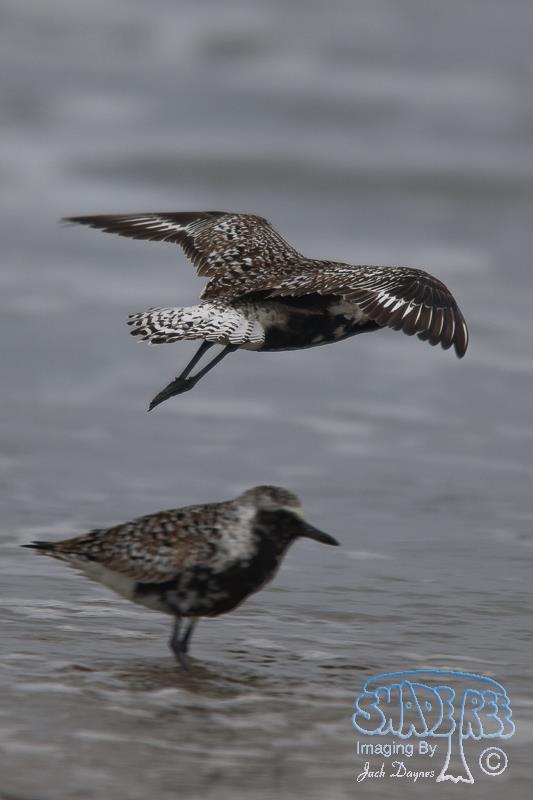
Black-Bellied Plover(Pluvialis squatarola) |
|
Description: Foraging at the Tijuana River Mouth in Imperial Beach, California. San Diego County. |
Date Taken: 2013:04:04 8:45 |
|
Location:
Border Field |
|
Camera Information: NIKON D3X, 800 mm, f/5.6, 1/1000 |
File Name: D3X3278-BlackBelliedPlover |
| © 2013 Jack Daynes, shadeTreeImaging.com |
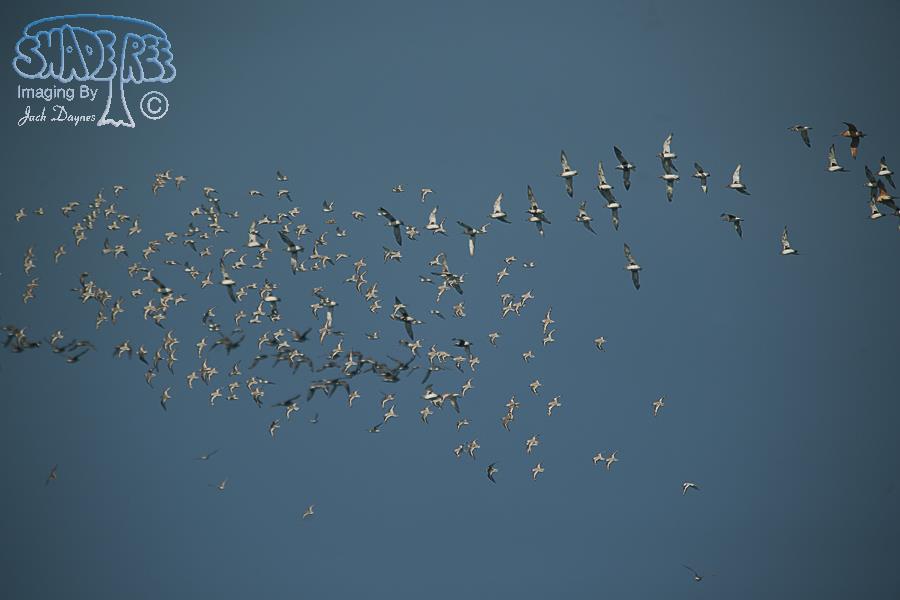
Black-Bellied Plover(Pluvialis squatarola) |
|
Description: With Sanderlings in mixed flock at the Tijuana River Mouth in Imperial Beach, California. San Diego County. |
Date Taken: 2012:09:08 10:54 |
|
Location:
Border Field |
|
Camera Information: NIKON D3X, 800 mm, f/5.6, 1/5000 |
File Name: D3X8840-BlackBelliedPlover-Sanderling-MixedFlock |
| © 2012 Jack Daynes, shadeTreeImaging.com |
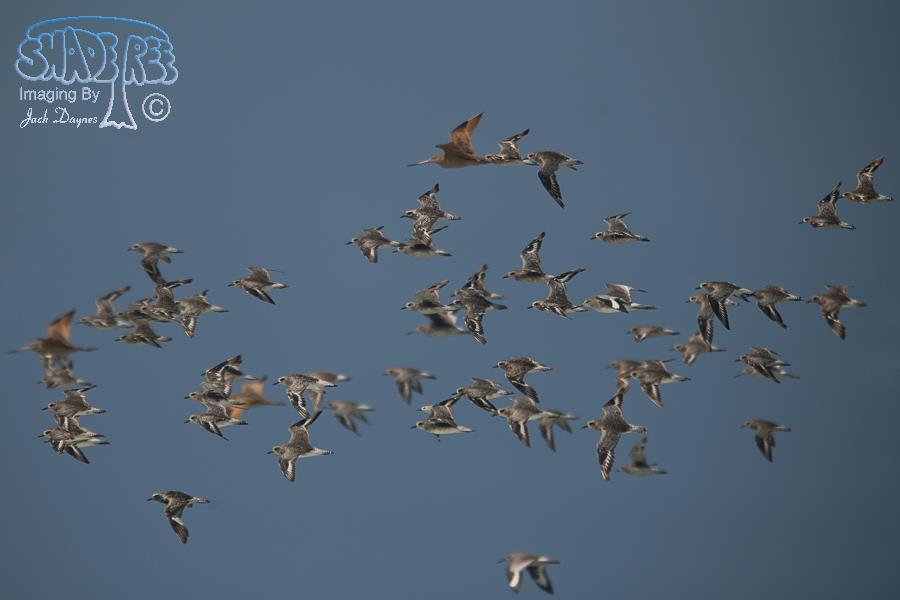
Black-Bellied Plover(Pluvialis squatarola) |
|
Description: Group flight near the Tijuana River Mouth in Imperial Beach, California. San Diego County. |
Date Taken: 2012:09:08 10:54 |
|
Location:
Border Field |
|
Camera Information: NIKON D3X, 800 mm, f/5.6, 1/4000 |
File Name: D3X8853-BlackBelliedPlover |
| © 2012 Jack Daynes, shadeTreeImaging.com |
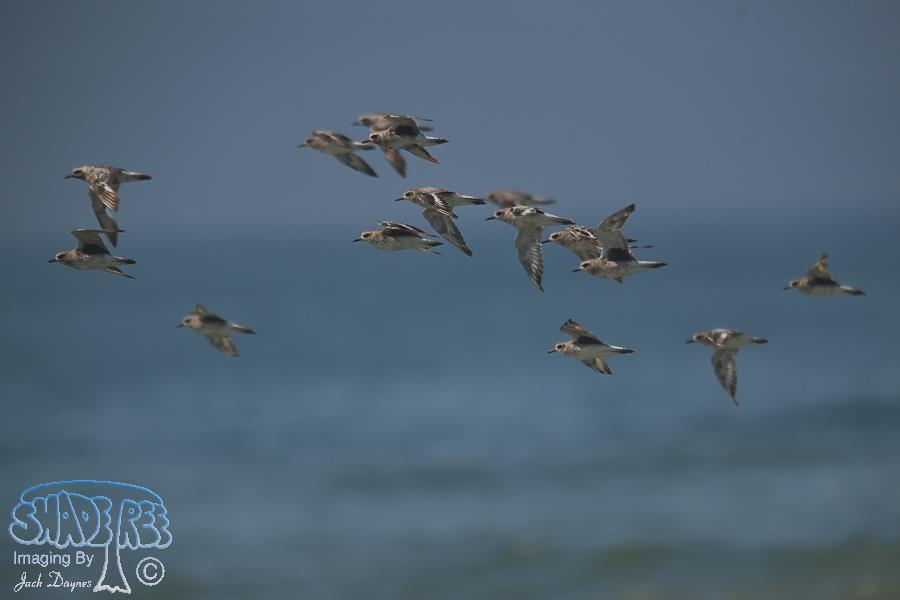
Black-Bellied Plover(Pluvialis squatarola) |
|
Description: Group flight near the Tijuana River Mouth in Imperial Beach, California. San Diego County. |
Date Taken: 2012:09:08 10:55 |
|
Location:
Tijuana River Mouth |
|
Camera Information: NIKON D3X, 800 mm, f/5.6, 1/4000 |
File Name: D3X8871-BlackBelliedPlover |
| © 2012 Jack Daynes, shadeTree-Imaging |
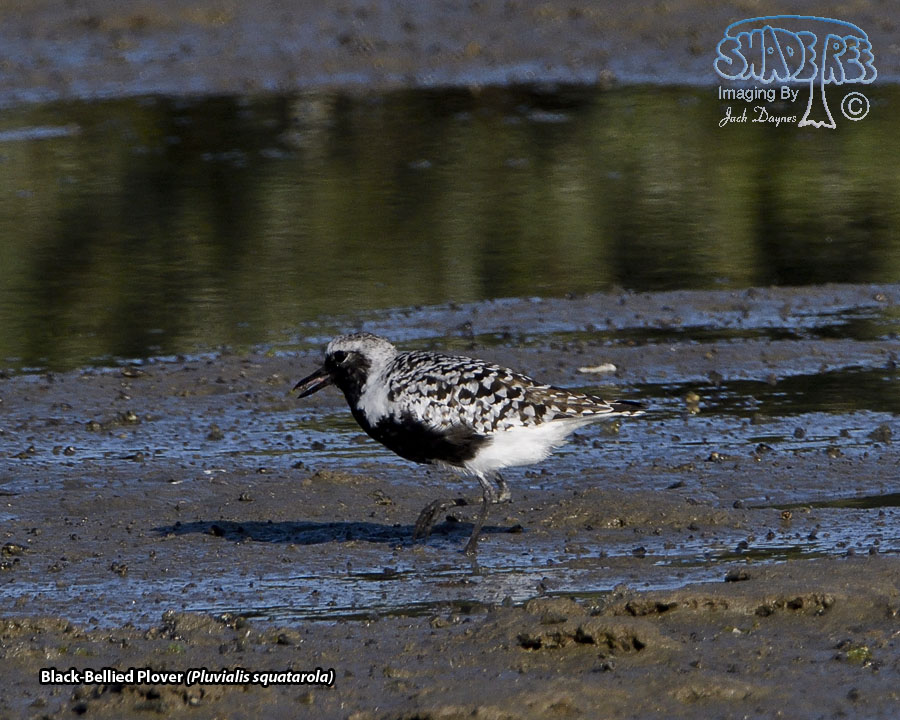
Black-Bellied Plover(Pluvialis squatarola) |
|
Description: I am no stranger to Black-Bellied Plovers. Many migrate through Southern California in spring and fall. This bird was dressed to the nines. The Convention Center on South Padre Island, Texas is a first rate birding destination. I spent several hours in the morning and several more in the afternoon on this day. |
Date Taken: 2020:04:30 8:32 |
|
Location:
Convention Center |
|
Camera Information: NIKON D500, 800 mm, f/8.0, 1/1600 |
File Name: BlackBelliedPlover_D509641-South-Padre |
| © 2020 Jack Daynes, shadeTreeImaging.com |
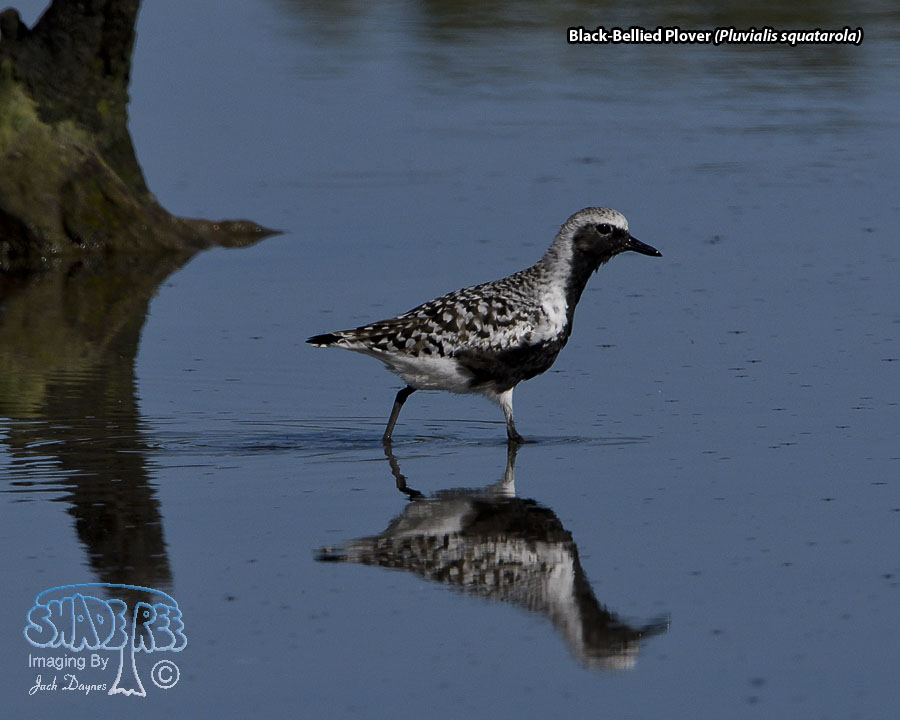
Black-Bellied Plover(Pluvialis squatarola) |
|
Description: I am no stranger to Black-Bellied Plovers. Many migrate through Southern California in spring and fall. This bird was dressed to the nines. The Convention Center on South Padre Island, Texas is a first rate birding destination. I spent several hours in the morning and several more in the afternoon on this day. |
Date Taken: 2020:04:30 9:05 |
|
Location:
Convention Center |
|
Camera Information: NIKON D500, 800 mm, f/7.1, 1/4000 |
File Name: BlackBelliedPlover_D509751-South-Padre |
| © 2020 Jack Daynes, shadeTreeImaging.com |
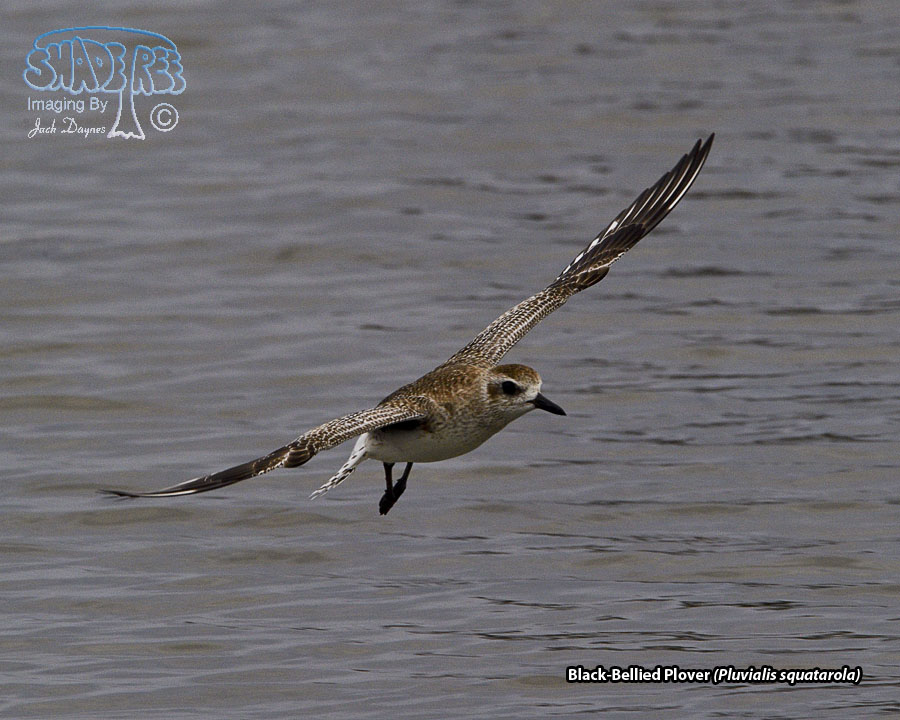
Black-Bellied Plover(Pluvialis squatarola) |
|
Description: Early morning action on Laguna Madre was so furious, I didn’t know I’d met this plover until I reviewed my images. There are wetlands that the South Padre Island Convention Centre (free access) and the Birding & Nature Center (admission fee required) share. My previous visits to the wetlands had been to the Convention Centre. On this day I would find out why folks pay money to see the marsh, when there is free access next door. |
Date Taken: 2021:02:08 9:33 |
|
Location:
South Padre Island WBC |
|
Camera Information: NIKON D5, 800 mm, f/11.0, 1/1000 |
File Name: BlackBelliedPlover_D5X9980SouthPadre-WBC |
| © 2021 Jack Daynes, shadeTreeImaging.com |
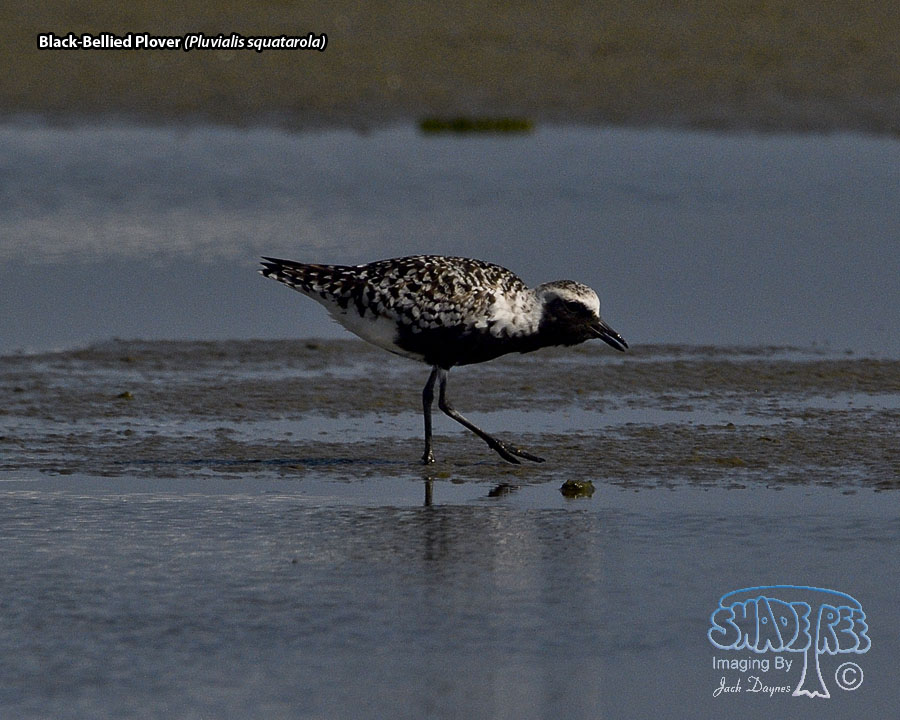
Black-Bellied Plover(Pluvialis squatarola) |
|
Description: This plover has donned his spring finery. I began and ended my last day on South Padre Island, visiting the grounds that treated me to so many encounters with migrant birds. Between these times I walked out to the sand flats north of the Convention Centre to look for shorebirds and terns. |
Date Taken: 2021:05:08 10:10 |
|
Location:
Convention Center |
|
Camera Information: NIKON D5, 800 mm, f/8.0, 1/6000 |
File Name: BlackBelliedPlover_D5X7393_SPI-ConventionCtr |
| © 2021 Jack Daynes, shadeTreeImaging.com |
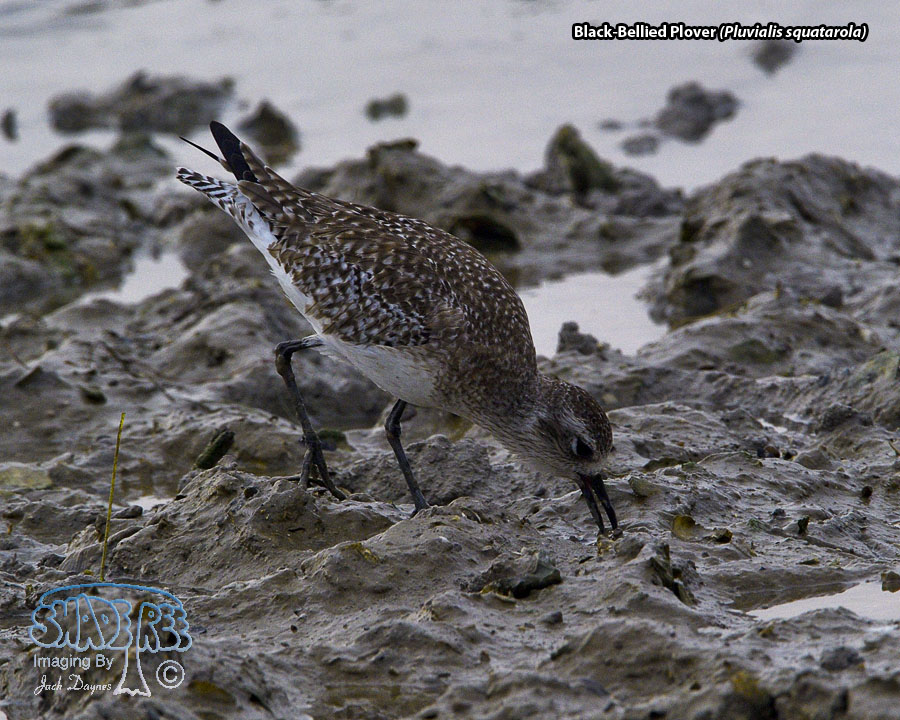
Black-Bellied Plover(Pluvialis squatarola) |
|
Description: Black-Bellied Plovers in basic plumage spend winters in south Texas. For my final winter expedition from my Brownsville camp, I chose South Padre Island. The drive to the island crosses Bahia Grande, where I stopped to look for waders, gulls and shorebirds. |
Date Taken: 2021:02:11 8:33 |
|
Location:
Bahia Grande |
|
Camera Information: NIKON D5, 800 mm, f/11.0, 1/1000 |
File Name: BlackBelliedPlover_D5X1591-BahiaGrande |
| © 2021 Jack Daynes, shadeTreeImaging.com |
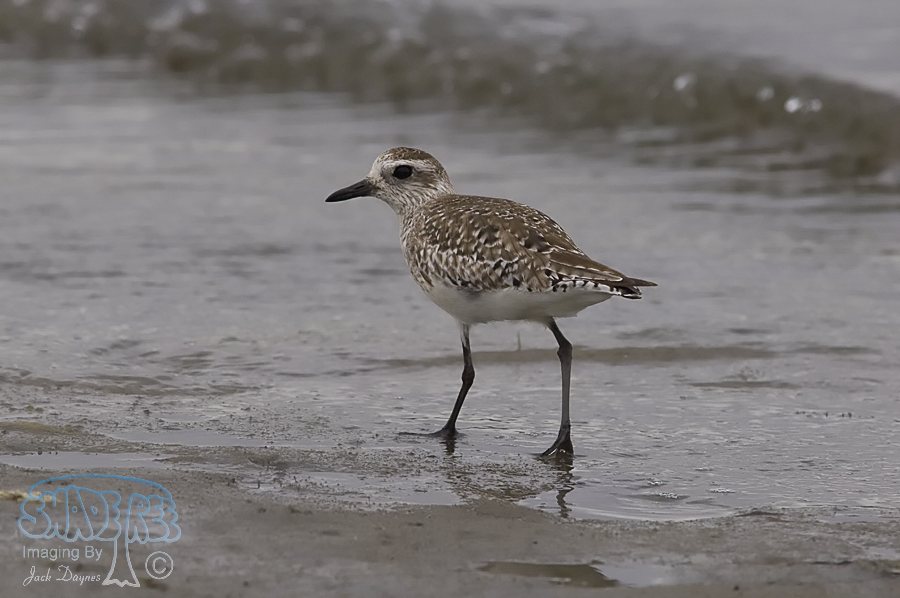
Black-Bellied Plover(Pluvialis squatarola) |
|
Description: The Kendall-Frost Mission Bay Marsh Reserve is in north Mission Bay near Crwn Point. San Diego County California USA 2009-04-24. |
Date Taken: 2009:04:24 12:56 |
|
Location:
Kendall-Frost Marsh |
|
Camera Information: NIKON D2X, 800 mm, f/8.0, 1/1000 |
File Name: JCD6806.BlackBelliedPlover |
| © 2009 Jack Daynes, shadeTreeImaging.com |
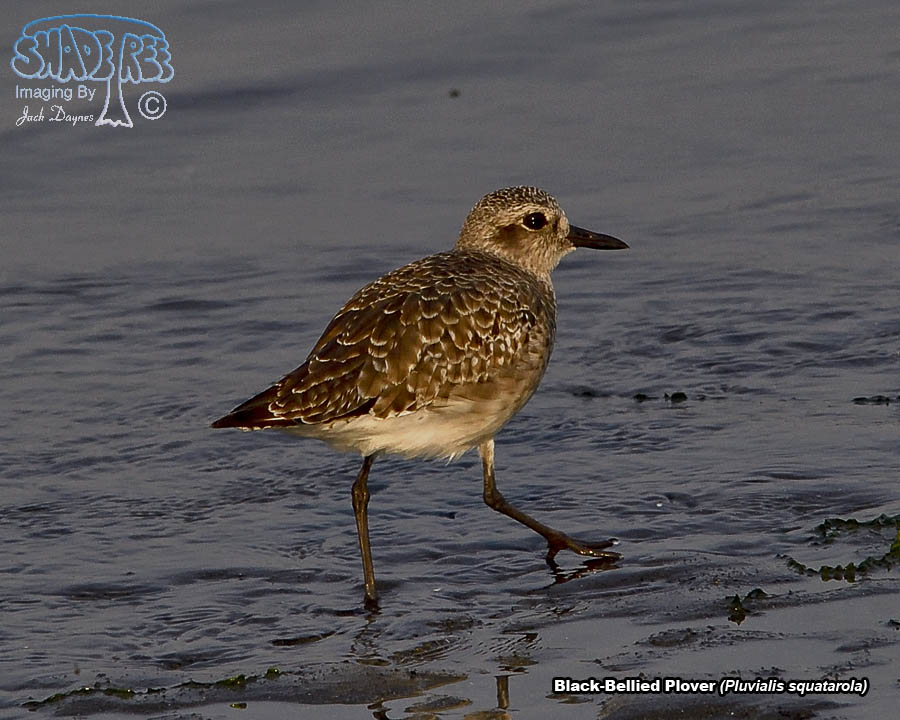
Black-Bellied Plover(Pluvialis squatarola) |
|
Description: Crescent Harbor in Crescent City California. |
Date Taken: 2017:09:12 7:57 |
|
Location:
Crescent Harbor |
|
Camera Information: NIKON D5, 800 mm, f/8.0, 1/1600 |
File Name: BlackBelliedPlover_D5X1608-CrescentCity |
| © 2017 Jack Daynes, shadeTreeImaging.com |
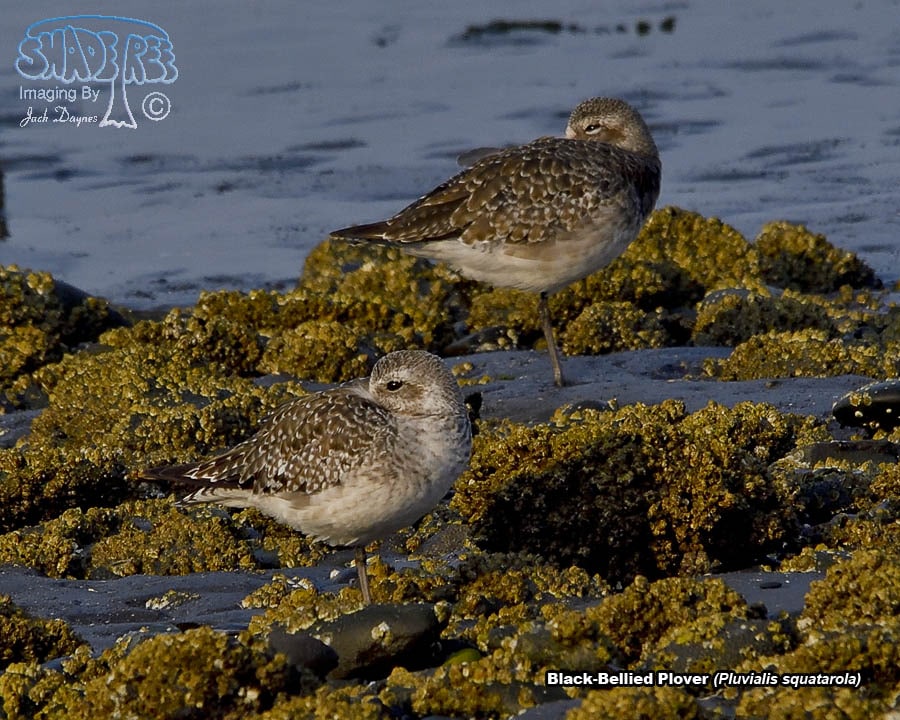
Black-Bellied Plover(Pluvialis squatarola) |
|
Description: Juvenile in front, adult to the rear. Crescent Harbor in Crescent City California. |
Date Taken: 2017:09:12 7:52 |
|
Location:
Boat Harbor |
|
Camera Information: NIKON D5, 800 mm, f/8.0, 1/1250 |
File Name: BlackBelliedPlover-AdultJuvenile_D5X1509-CrescentCity |
| © 2017 Jack Daynes, shadeTreeImaging.com |
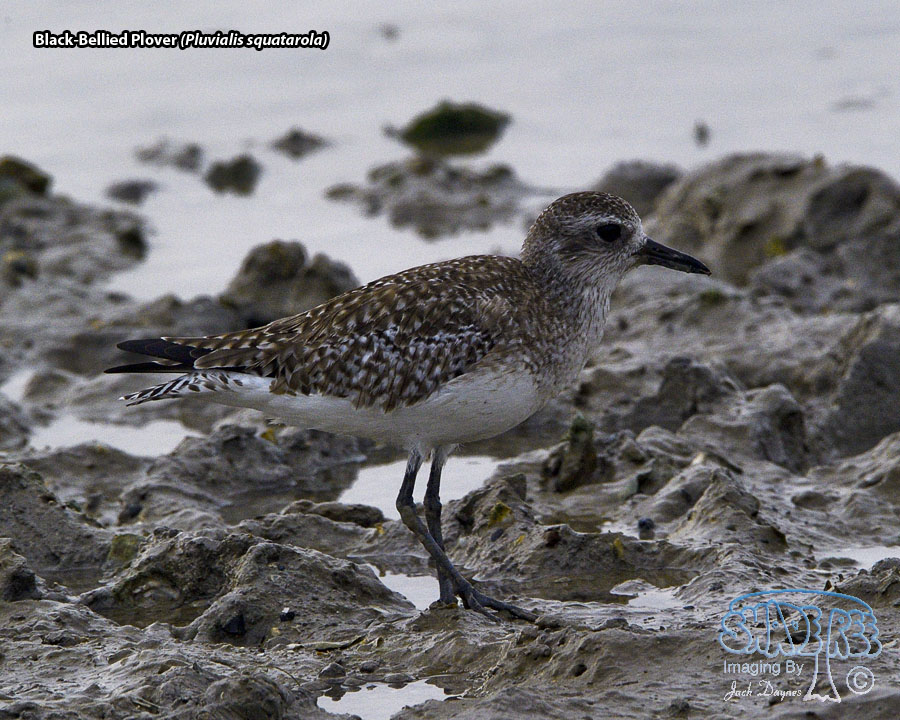
Black-Bellied Plover(Pluvialis squatarola) |
|
Description: Black-Bellied Plovers in basic plumage spend winters in south Texas. For my final winter expedition from my Brownsville camp, I chose South Padre Island. The drive to the island crosses Bahia Grande, where I stopped to look for waders, gulls and shorebirds. |
Date Taken: 2021:02:11 8:33 |
|
Location:
Bahia Grande |
|
Camera Information: NIKON D5, 800 mm, f/11.0, 1/1000 |
File Name: BlackBelliedPlover_D5X1596-BahiaGrande |
| © 2021 Jack Daynes, shadeTreeImaging.com |
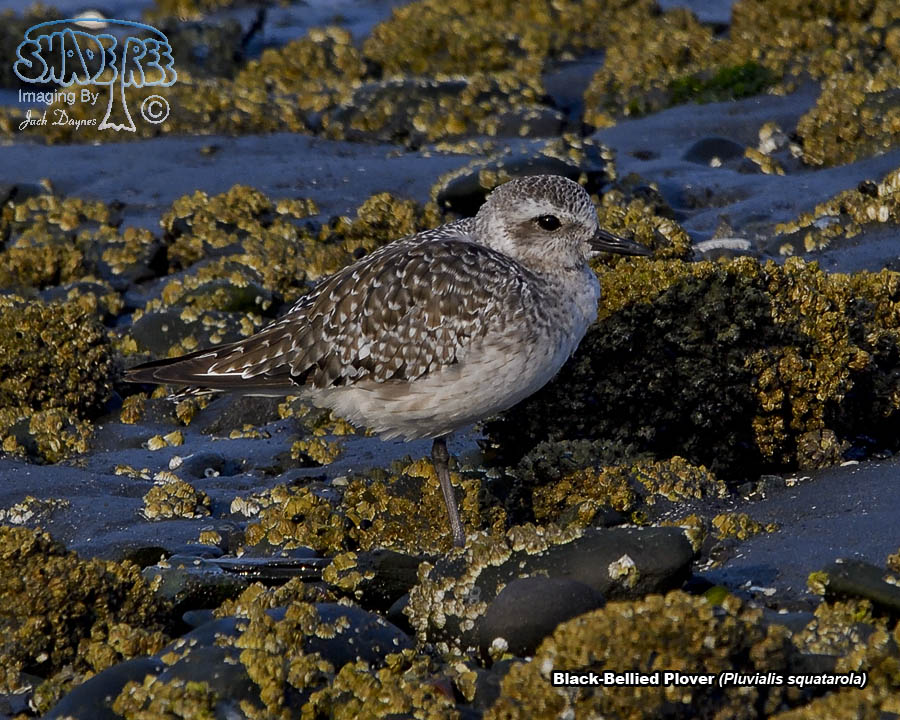
Black-Bellied Plover(Pluvialis squatarola) |
|
Description: Feather streaking and checking reveal this birds juvenile state. Crescent Harbor in Crescent City California. |
Date Taken: 2017:09:12 7:55 |
|
Location:
Boat Harbor |
|
Camera Information: NIKON D5, 800 mm, f/8.0, 1/1000 |
File Name: BlackBelliedPlover-Juvenile_D5X1559-CrescentCity |
| © 2017 Jack Daynes, shadeTree Imaging |
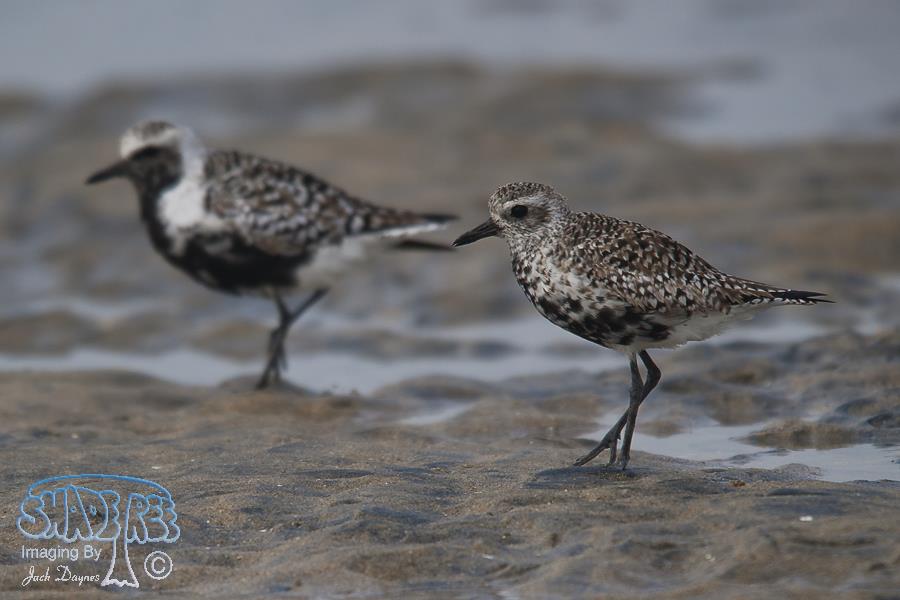
Black-Bellied Plover(Pluvialis squatarola) |
|
Description: Foraging at the Tijuana River Mouth in Imperial Beach, California. San Diego County. |
Date Taken: 2013:04:04 10:05 |
|
Location:
Border Field |
|
Camera Information: NIKON D3X, 800 mm, f/5.6, 1/1250 |
File Name: D3X3517-BlackBelliedPlover |
| © 2013 Jack Daynes, shadeTreeImaging.com |
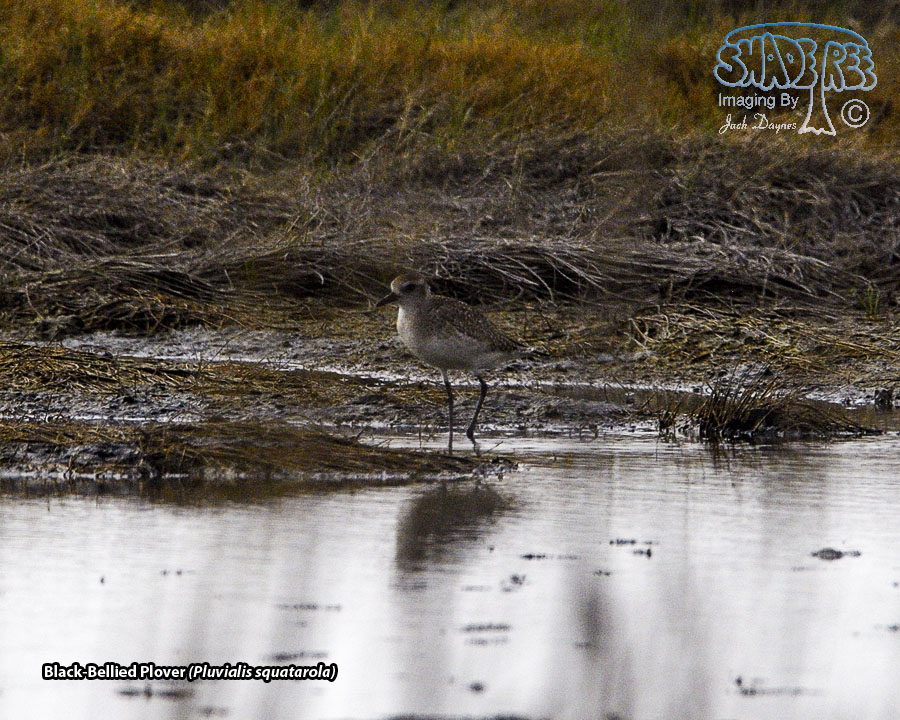
Black-Bellied Plover(Pluvialis squatarola) |
|
Description: The shorebirds on the marsh this morning kept their distance. I’m no stranger to Aransas NWR, but I seem to have happy surprises whenever I visit. With weather warming, on this tour I met snakes, pigs, and Sedge Wrens (my first). |
Date Taken: 2021:03:12 9:20 |
|
Location:
Aransas NWR |
|
Camera Information: NIKON D5, 800 mm, f/8.0, 1/8000 |
File Name: BlackBelliedPlover_D5X2212-Aransas_NWR |
| © 2021 Jack Daynes, shadeTreeImaging.com |
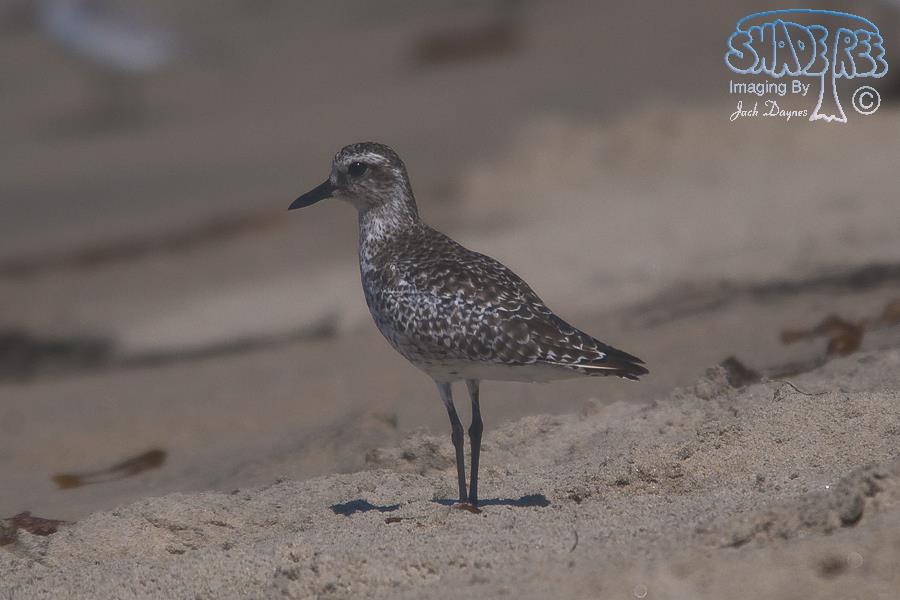
Black-Bellied Plover(Pluvialis squatarola) |
|
Description: Tijuana River Mouth in Imperial Beach, California. San Diego County. |
Date Taken: 2012:09:08 11:23 |
|
Location:
Border Field |
|
Camera Information: NIKON D3X, 800 mm, f/5.6, 1/6400 |
File Name: D3X8907-BlackBelliedPlover |
| © 2012 Jack Daynes, shadeTreeImaging.com |
Click map markers to reveal further information
