Plover – Snowy
Charadrius nivosus

The Snowy Plover’s story in Southern California is a troubled one for the Western Snowy Plover (Charadrius nivosus nivosus). The places it depends upon for breeding are sought after for human recreation and luxury living. Hence, the bird is endangered, and even with our help, it struggles to survive.
It isn’t just the west coast populations that are in trouble. The Gulf coast, the Mississippi and Florida populations face serious challenges if they are to survive.
Modern science recognizes two subspecies of Snowy Plover:
- C. n. nivosus breeds along the Pacific Coast from Washington south to Baja California. Also across Great Basin from Montana south to California and central Colorado. Their range includes parts of the desert Southwest, and the Great Plains (Saskatchewan south to Texas). Some southern populations are resident. Others spend winters around the Gulf of California, the Pacific coast of Mexico, and the Gulf of Mexico.
- C. n. occidentalis lives along the western coast of South America from central Ecuador to central Chile.
I find these and other small plovers charming. In this I know I’m not alone. They are committed to a life on the ground. If you visit a sandy shore and remain still long enough, you might get lucky and be treated to an encounter with one or more of these small shy shorebirds. Please keep in mind the struggles they face, and remember to temper your urge to dominate these spaces. If we insist on our desire for recreation, and forget that these birds’ survival depends on these rare places, we might lose their company forever.
Most of my meetings with Snowy Plovers have come at South San Diego Bay. There, I have accompanied biologists on their rounds monitoring these endearing birds. But I have also enjoyed some meetings at the Salton Sea in Imperial County (California). I looked for them on the shores of the Texas Gulf Coast. And while I was pleased to meet the similar-looking Piping Plovers there, I didn’t see any Snowy Plovers that I could positively identify.
34 Photos
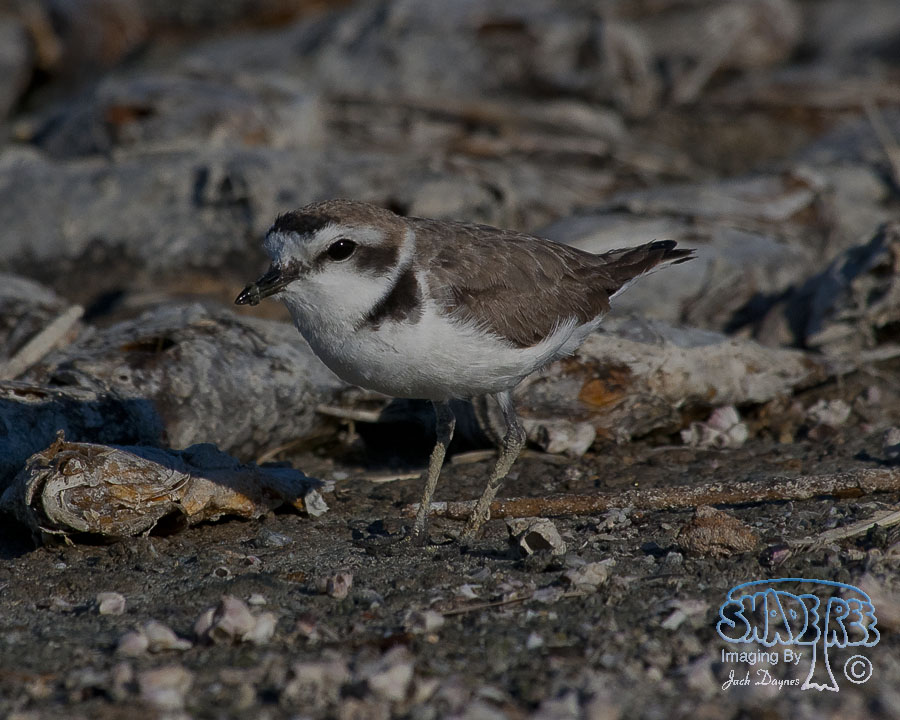
Snowy Plover(Charadrius alexandrinus) |
|
Description: Foraging along the shores of the Salton Sea at Poe Road. Imperial County near Westmoreland, California USA 2015-04-27. |
Date Taken: 2015:04:27 17:29 |
|
Location:
Poe Road |
|
Camera Information: NIKON D3X, 800 mm, f/10.0, 1/2500 |
File Name: D3X7797-SnowyPlover |
| © 2015 Jack Daynes, shadeTree-Imaging.com |

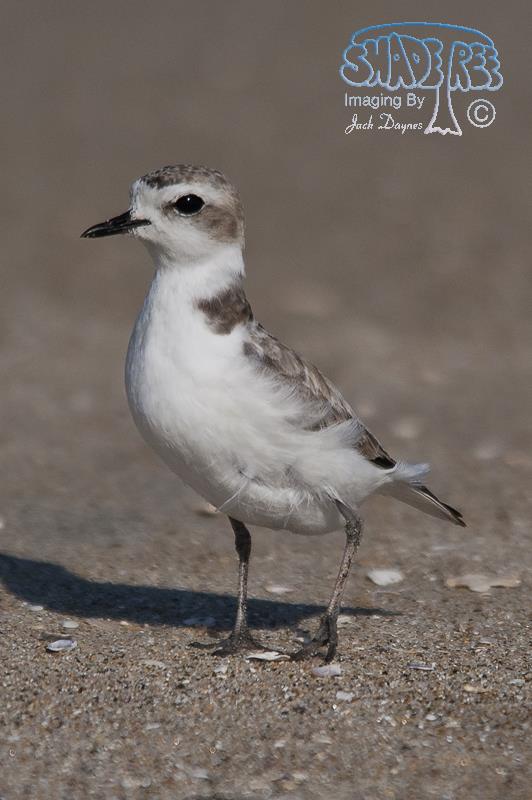
Snowy Plover(Charadrius alexandrinus) |
|
Description: Tijuana River Mouth in Imperial Beach, California. San Diego County. |
Date Taken: 2011:07:07 8:41 |
|
Location:
Tijuana River Mouth |
|
Camera Information: NIKON D3X, 800 mm, f/5.6, 1/8000 |
File Name: JCD0502-SnowyPlover |
| © 2011 Jack Daynes, shadeTreeImaging.com |
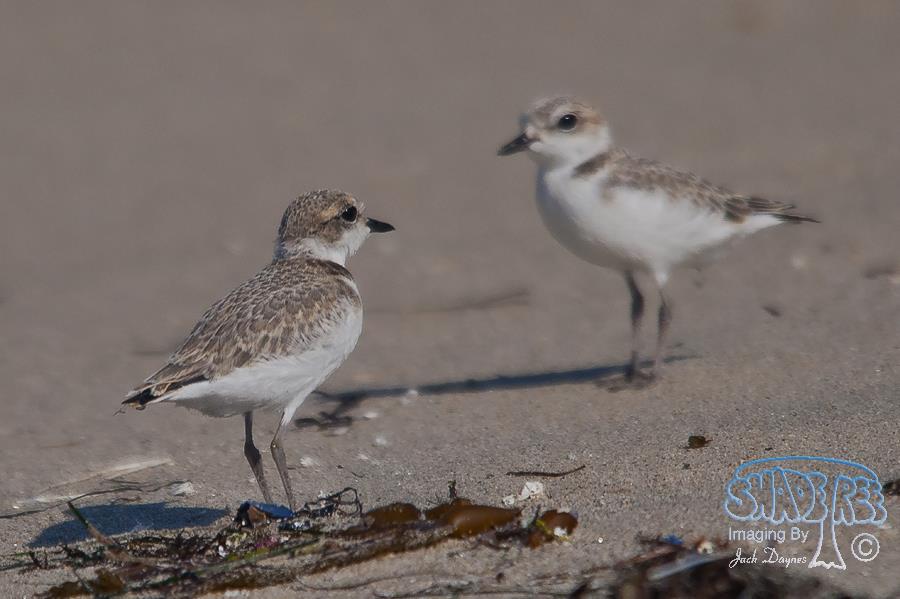
Snowy Plover(Charadrius alexandrinus) |
|
Description: Tijuana River Mouth in Imperial Beach, California. San Diego County. |
Date Taken: 2011:07:07 9:03 |
|
Location:
Tijuana River Mouth |
|
Camera Information: NIKON D3X, 800 mm, f/5.6, 1/8000 |
File Name: JCD0689-SnowyPlover-Juvenile |
| © 2011 Jack Daynes, shadeTreeImaging.com |
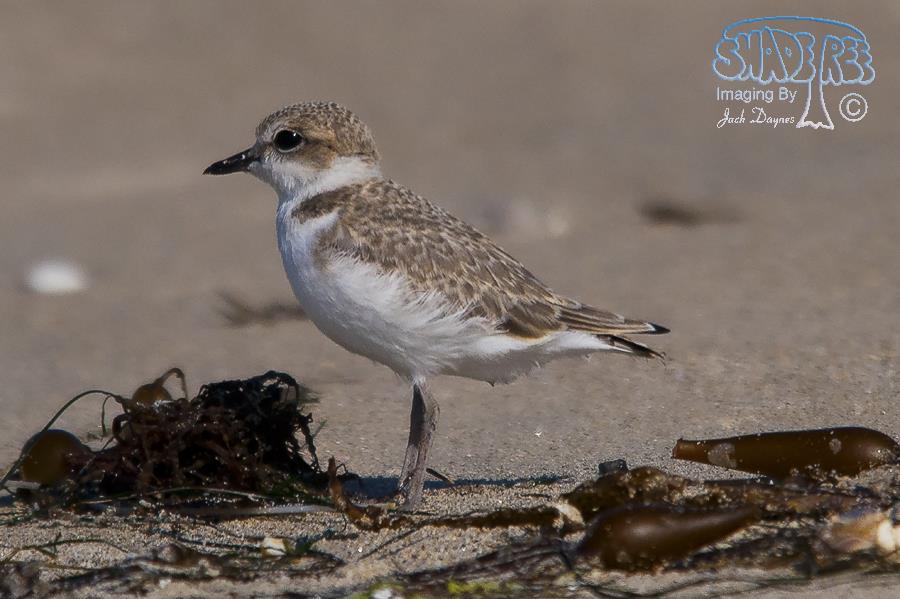
Snowy Plover(Charadrius alexandrinus) |
|
Description: Juvenile bird at the Tijuana River Mouth in Imperial Beach, California. San Diego County USA 2011-07-07. |
Date Taken: 2011:07:07 9:03 |
|
Location:
Tijuana River Mouth |
|
Camera Information: NIKON D3X, 800 mm, f/5.6, 1/8000 |
File Name: JCD0696-SnowyPlover-Juvenile |
| © 2011 Jack Daynes, shadeTree-Imaging.com |
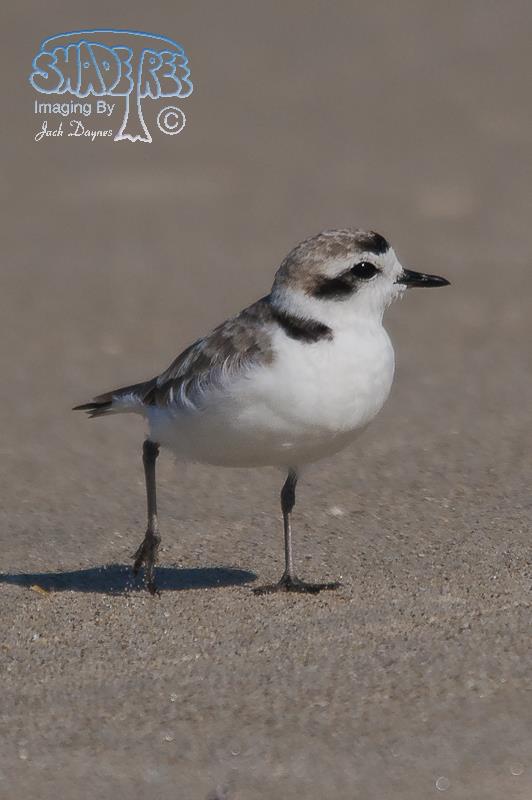
Snowy Plover(Charadrius alexandrinus) |
|
Description: (Charadrius nivosus) Adult bird at the Tijuana River Mouth in Imperial Beach, California. San Diego County USA 2011-07-07. |
Date Taken: 2011:07:07 9:04 |
|
Location:
Tijuana River Mouth |
|
Camera Information: NIKON D3X, 800 mm, f/5.6, 1/8000 |
File Name: JCD0708-SnowyPlover |
| © 2011 Jack Daynes, shadeTree-Imaging.com |
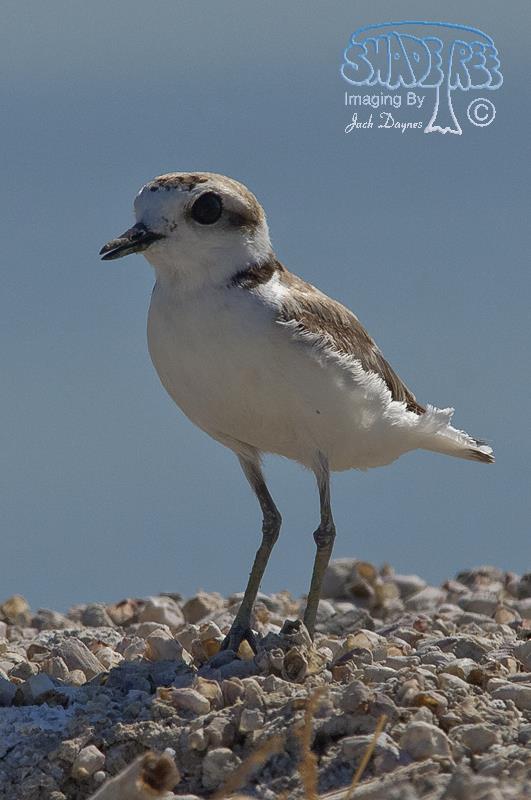
Snowy Plover(Charadrius alexandrinus) |
|
Description: Foraging the marsh margins near the beach at Poe Road. Salton Sea Vicinity. Imperial County, California USA 2009-07-04. |
Date Taken: 2009:07:04 9:28 |
|
Location:
Poe Road |
|
Camera Information: NIKON D2X, 800 mm, f/8.0, 1/2000 |
File Name: JCD0919.SnowyPlover |
| © 2009 Jack Daynes, shadetree-imaging.com |
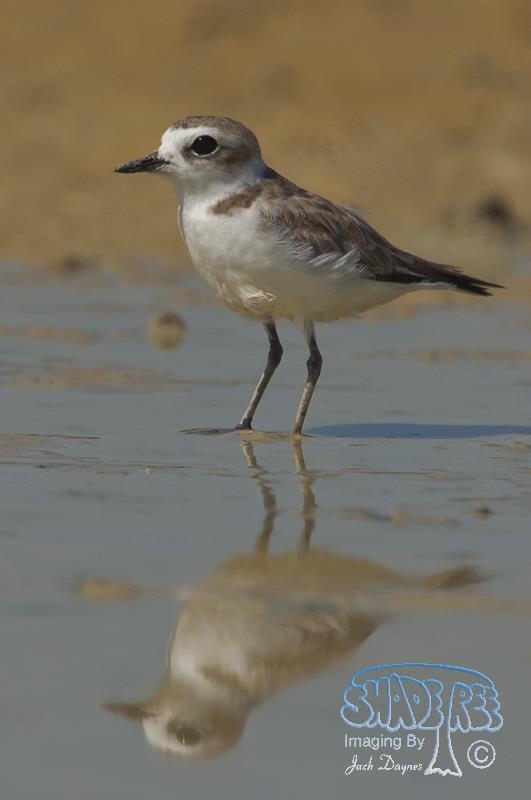
Snowy Plover(Charadrius alexandrinus) |
|
Description: Foraging the marsh margins near the beach at Poe Road. Salton Sea Vicinity. Imperial County, California USA 209-07-04. |
Date Taken: 2009:07:04 9:49 |
|
Location:
Poe Road |
|
Camera Information: NIKON D2X, 800 mm, f/8.0, 1/2500 |
File Name: JCD1016.SnowyPlover |
| © 2009 Jack Daynes, www.shadetree-imaging.com |
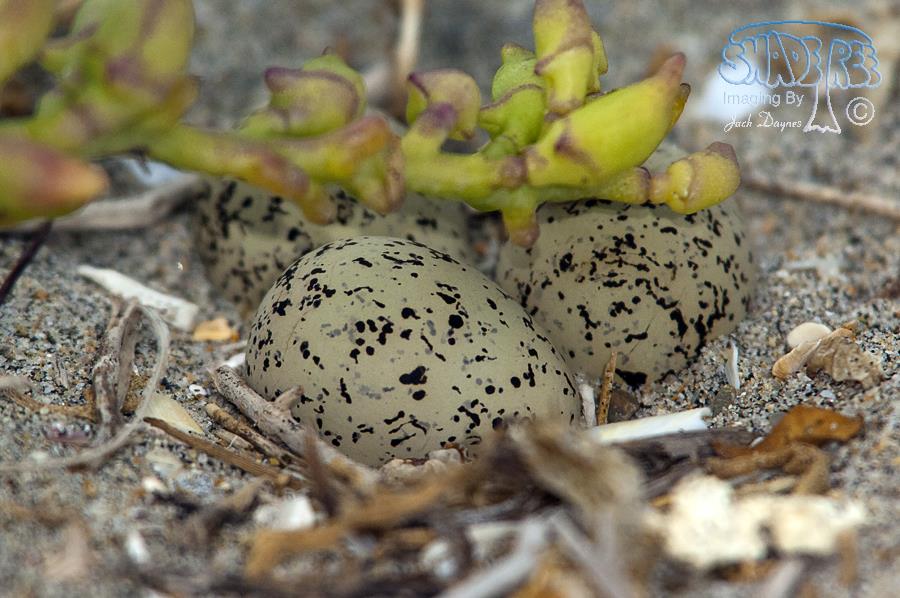
Snowy Plover(Charadrius alexandrinus) |
|
Description: (Charadrius nivosus) Snowy Plover nests are only a ‘scrape’ in the sand and need all the protection we can provide. Heavy-footed invaders can destroy a set of these tiny eggs. Tijuana River Estuary. Near extreme South West San Diego County, California USA 2009-06-11. |
Date Taken: 2009:06:11 10:10 |
|
Location:
Tijuana River Mouth |
|
Camera Information: NIKON D2X, 800 mm, f/8.0, 1/2500 |
File Name: JCD3788.SnowyPlover.Egg_.Nest_ |
| © 2009 - Jack Daynes - shadeTree Imaging |
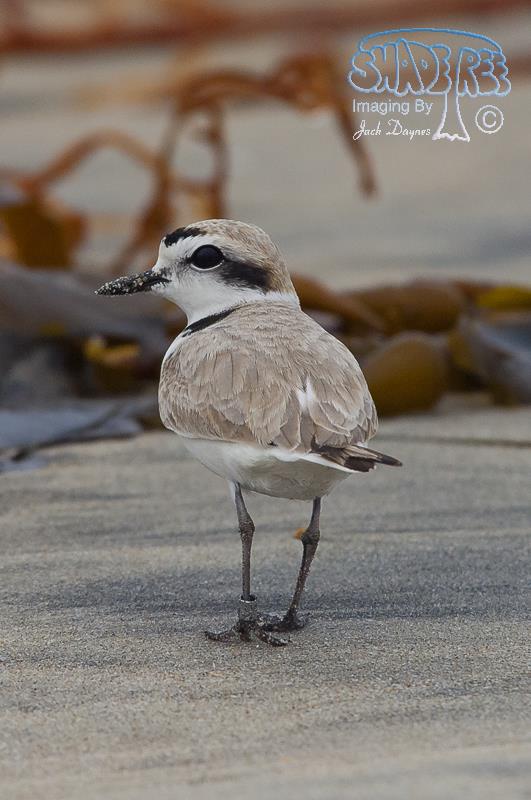
Snowy Plover(Charadrius alexandrinus) |
|
Description: (Charadrius nivosus) Foraging by washed up kelp on the beach near the Tijuana River Mouth. Extreme South West San Diego County, California USA 2009-04-24. |
Date Taken: 2009:04:24 9:33 |
|
Location:
Tijuana River Mouth |
|
Camera Information: NIKON D2X, 800 mm, f/8.0, 1/1000 |
File Name: JCD6430.SnowyPlover |
| © 2009 Jack Daynes, shadetree-imaging.com |
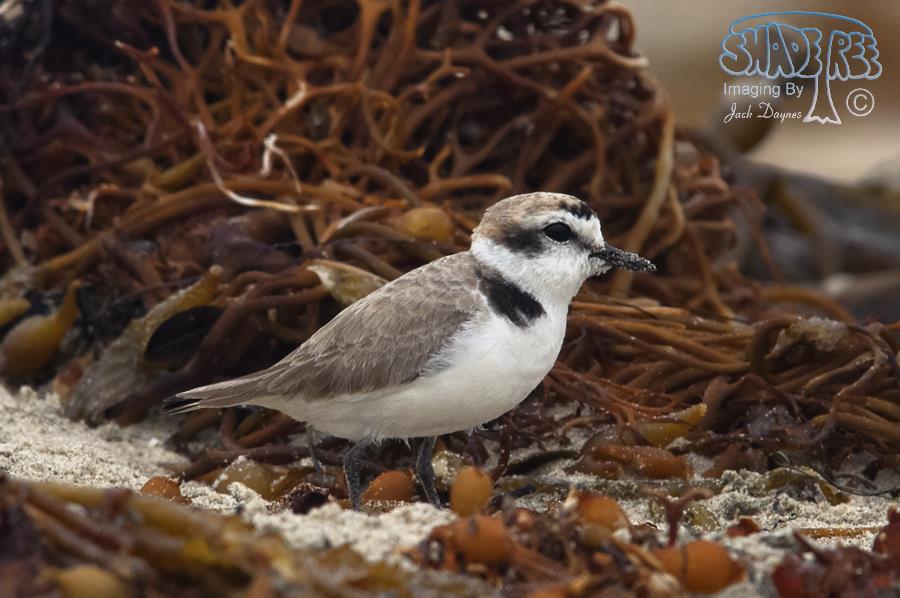
Snowy Plover(Charadrius alexandrinus) |
|
Description: (Charadrius nivosus) Foraging by washed up kelp on the beach near the Tijuana River Mouth. Extreme South West San Diego County, California USA 2009-04-24. |
Date Taken: 2009:04:24 10:22 |
|
Location:
Tijuana River Mouth |
|
Camera Information: NIKON D2X, 800 mm, f/8.0, 1/800 |
File Name: JCD6547.SnowyPlover |
| © 2009 Jack Daynes, shadetree-imaging.com |
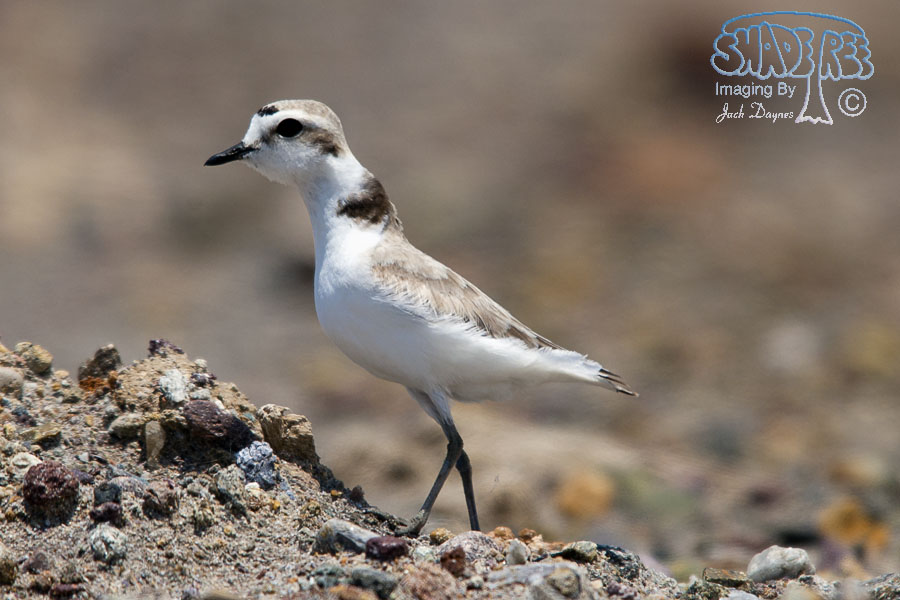
Snowy Plover(Charadrius alexandrinus) |
|
Description: Western Snowy Plovers nest at the Saltworks at South San Diego Bay NWR. San Diego County, California. |
Date Taken: 2011:06:08 12:12 |
|
Location:
Saltworks |
|
Camera Information: NIKON D3X, 800 mm, f/6.3, 1/2000 |
File Name: JCD9672-SnowyPlover |
| © 2011 Jack Daynes, shadeTreeImaging.com |
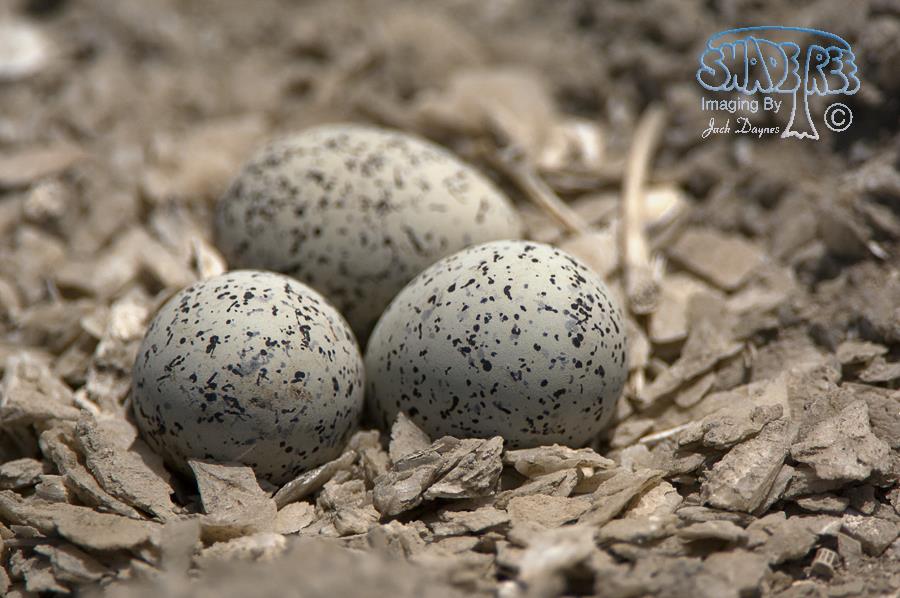
Snowy Plover(Charadrius alexandrinus) |
|
Description: (Charadrius nivosus) This three egg nest has been decorated with bits of broken shells, unlike many nests we find. This nest was found at the Saltworks at South San Diego Bay NWR. San Diego County, California USA 2009-05-27. |
Date Taken: 2009:05:27 11:38 |
|
Location:
Tijuana Slough |
|
Camera Information: NIKON D2X, 550 mm, f/5.6, 1/1500 |
File Name: JCD9953.SnowyPlover.Egg_ |
| © 2009 - Jack Daynes - shadeTree Imaging |
Snowy Plover(Charadrius alexandrinus) |
|
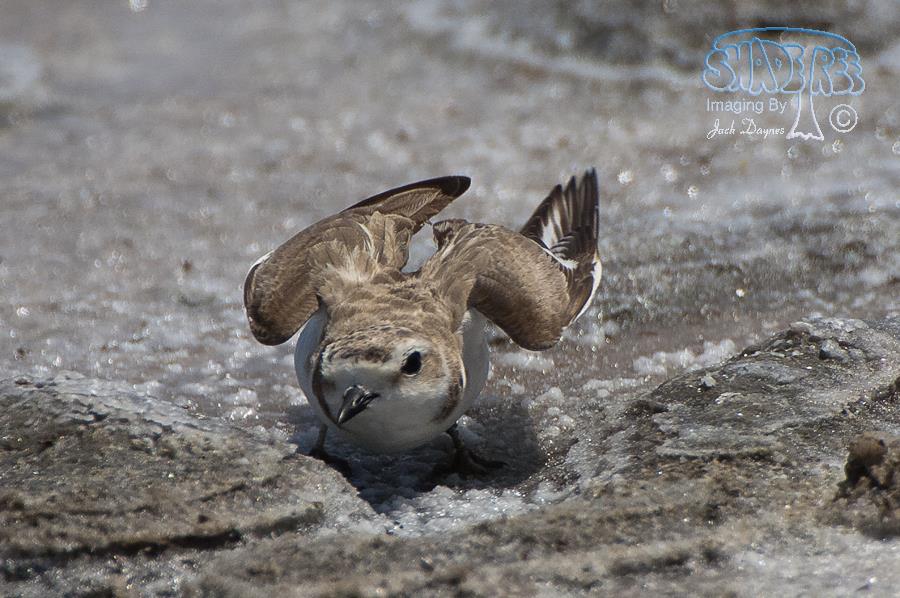
Description: (Charadrius nivosus) Injury ploy is a tactic these and other birds will use to distract perceived threats to their nest or young, such as that posed by two-legged varmints. Saltworks at South San Diego Bay NWR. San Diego County, California USA 2009-05-27. |
Date Taken: 2009:05:27 11:40 |
|
Location:
Saltworks |
|
Camera Information: NIKON D2X, 550 mm, f/5.6, 1/2000 |
File Name: JCD9978.SnowyPlover |
| © 2009 Jack Daynes, shadetree-imaging.com |
Snowy Plover(Charadrius alexandrinus) |
|
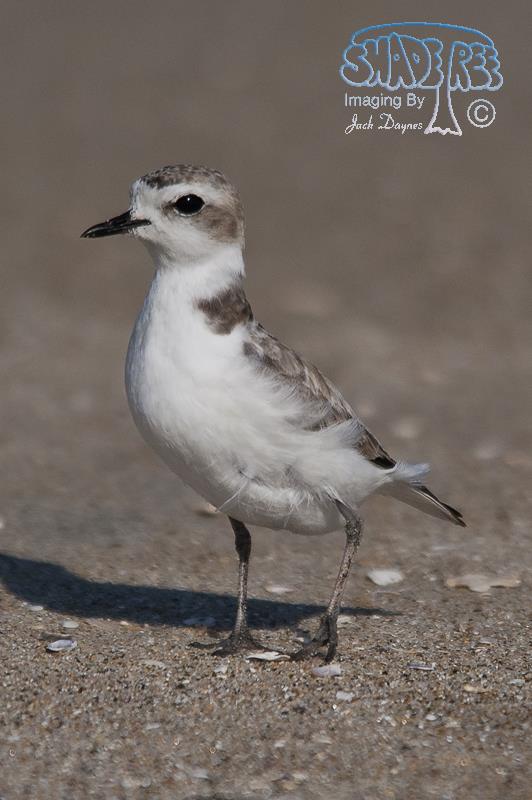
Description: Tijuana River Mouth in Imperial Beach, California. San Diego County. |
Date Taken: 2011:07:07 8:41 |
|
Location:
Tijuana River Mouth |
|
Camera Information: NIKON D3X, 800 mm, f/5.6, 1/8000 |
File Name: Cut_JCD0502-SnowyPlover |
| © 2011 Jack Daynes, shadeTreeImaging.com |
Snowy Plover(Charadrius alexandrinus) |
|
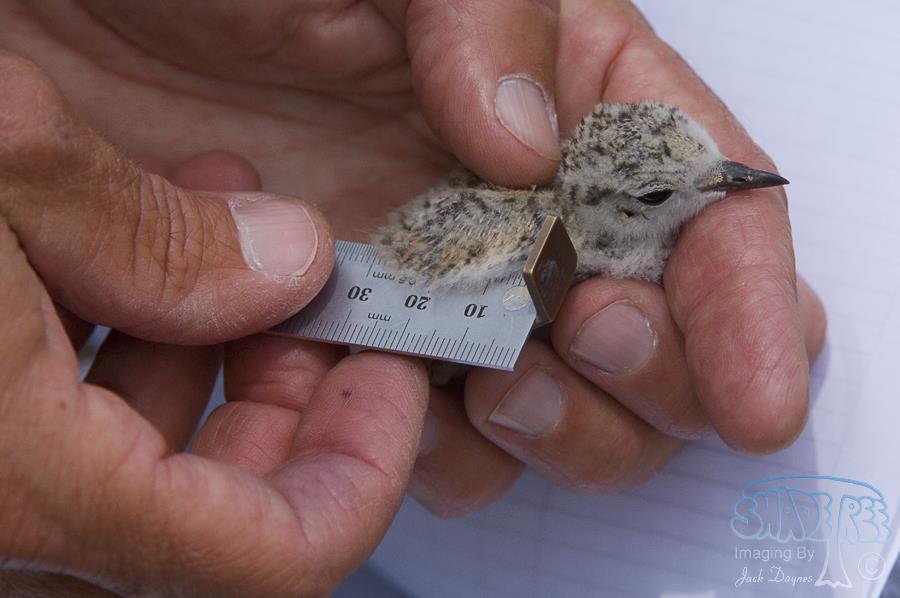
Description: (Charadrius nivosus) This chick was separated from its family, captured and taken back to its siblings & parents. Saltworks at South San Diego Bay NWR. San Diego County, California USA 2009-06-03. |
Date Taken: 2009:06:03 12:03 |
|
Location:
South San Diego |
|
Camera Information: NIKON D2X, 320 mm, f/8.0, 1/750 |
File Name: JCD0880SnowyPlover.Chick_ |
| © 2009 Jack Daynes, shadetree-imaging.com |
Snowy Plover(Charadrius alexandrinus) |
|
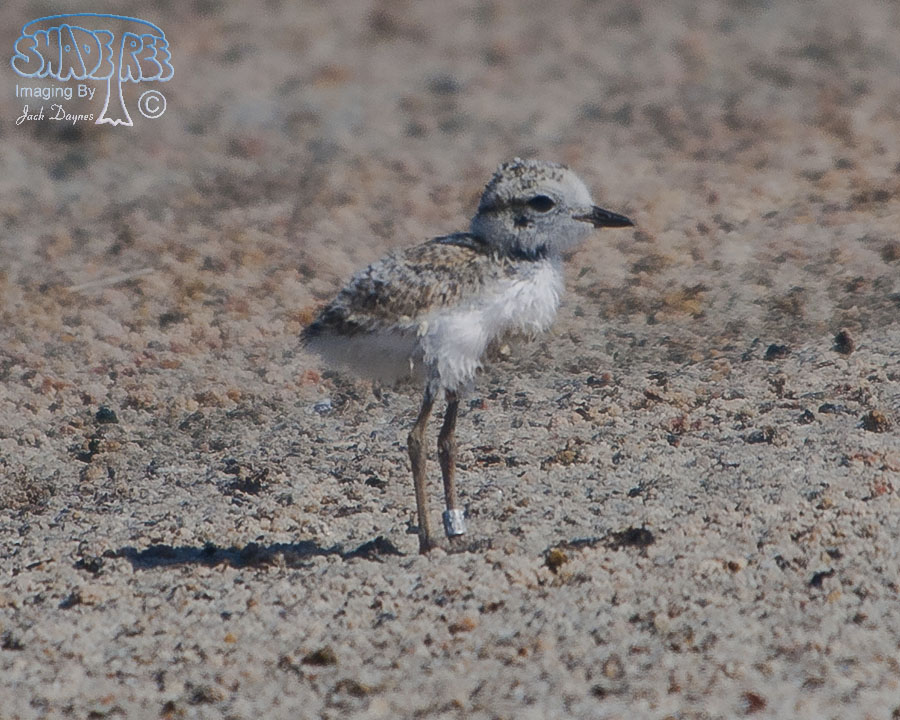
Description: "Fuzzball" chick seen on a tern survey day at the Saltworks, part of the San Diego National Wildlife Complex. Near Imperial Beach, California. |
Date Taken: 2015:08:05 10:36 |
|
Location:
Saltworks |
|
Camera Information: NIKON D3X, 800 mm, f/5.6, 1/2500 |
File Name: D3X2750-SnowyPlover-Chick |
| © 2015 Jack Daynes, shadeTreeImaging.com |
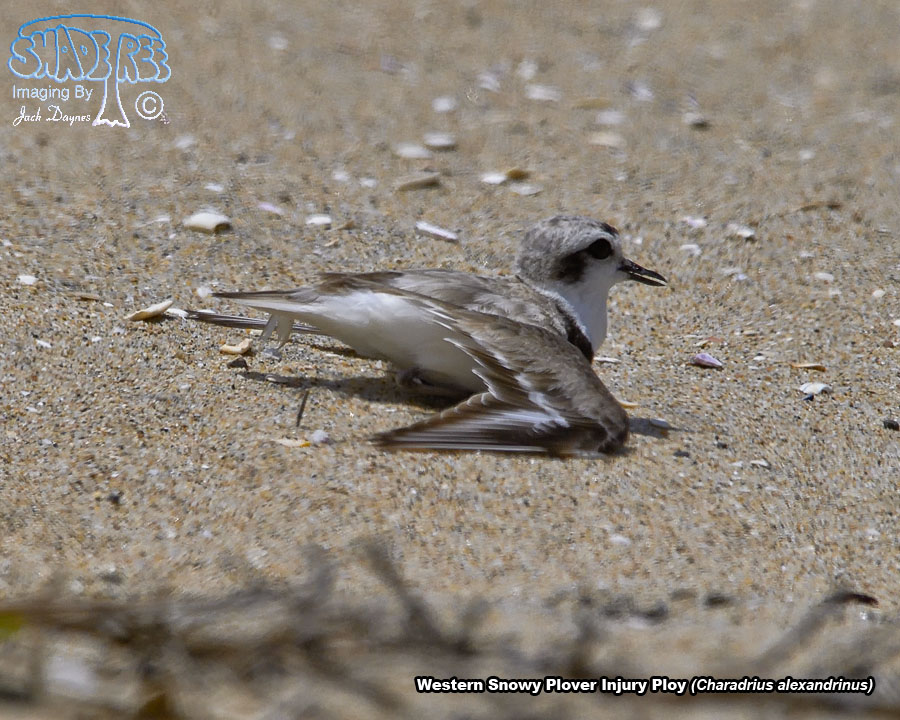
Snowy Plover(Charadrius alexandrinus) |
|
Description: Injury ploy by parent birds to draw intruders (us) away from their nests in a protected nesting site on the beach at Border Field, south of Imperial Beach, California. San Diego County. |
Date Taken: 2017:06:01 12:39 |
|
Location:
Border Field |
|
Camera Information: NIKON D5, 800 mm, f/8.0, 1/6400 |
File Name: SnowyPlover_D5X5152-InjuryPloy |
| © 2017 Jack Daynes, shadeTreeImaging.com |
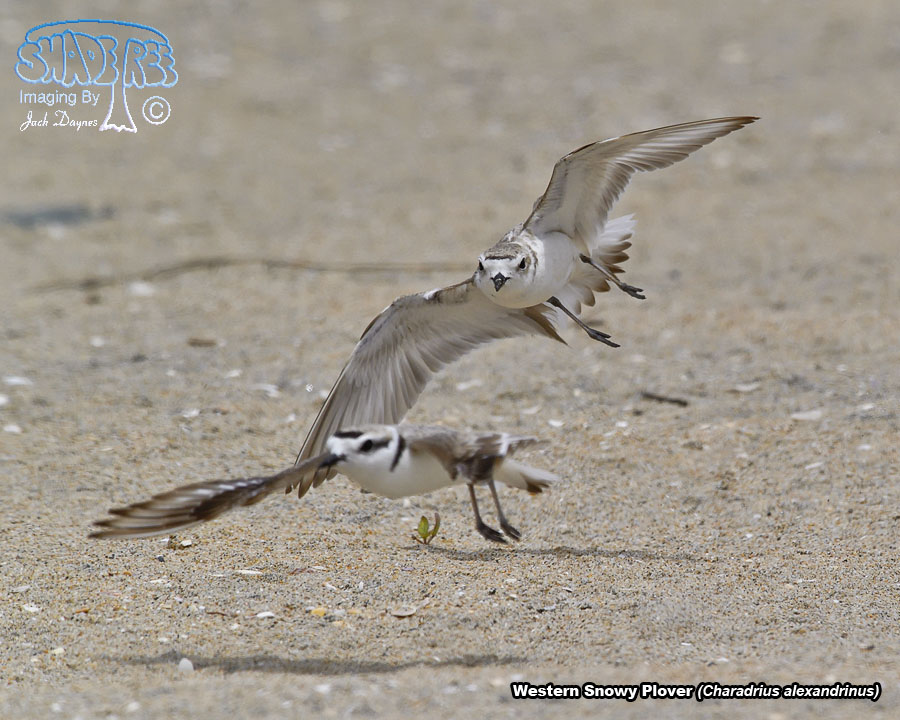
Snowy Plover(Charadrius alexandrinus) |
|
Description: Agitated behaviour at a protected nesting site on the beach at Border Field, south of Imperial Beach, California. San Diego County. |
Date Taken: 2017:06:01 11:42 |
|
Location:
Border Field |
|
Camera Information: NIKON D5, 800 mm, f/8.0, 1/8000 |
File Name: SnowyPlover_D5X4831-Agitation |
| © 2017 Jack Daynes, shadeTreeImaging.com |
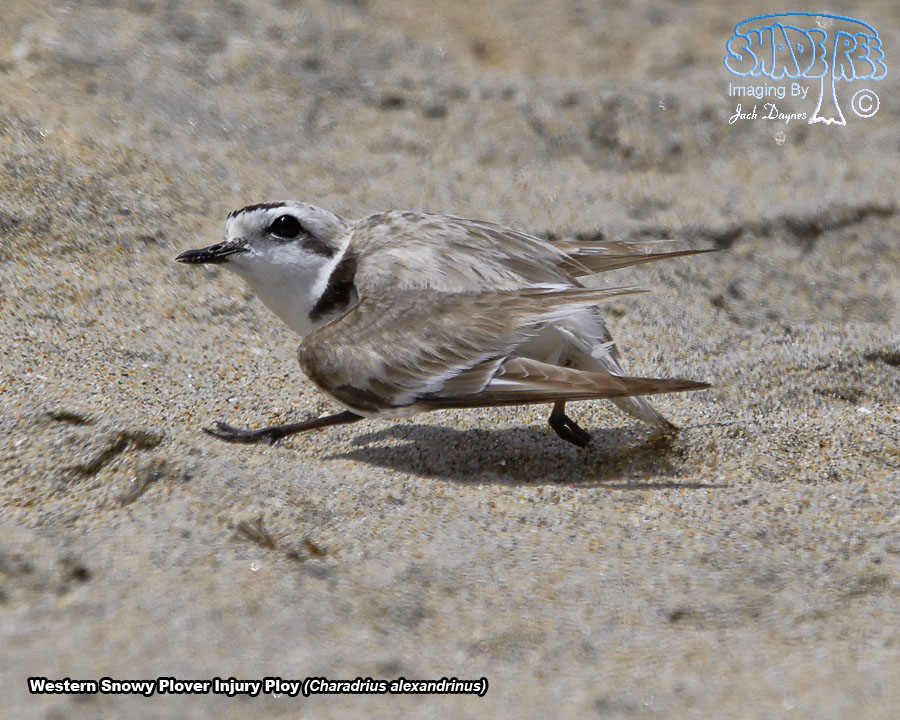
Snowy Plover(Charadrius alexandrinus) |
|
Description: Injury ploy by parent birds to draw intruders (us) away from their nests in a protected nesting site on the beach at Border Field, south of Imperial Beach, California. San Diego County. |
Date Taken: 2017:06:01 12:34 |
|
Location:
Border Field |
|
Camera Information: NIKON D5, 800 mm, f/8.0, 1/8000 |
File Name: SnowyPlover_D5X5100-InjuryPloy |
| © 2017 Jack Daynes, shadeTreeImaging.com |
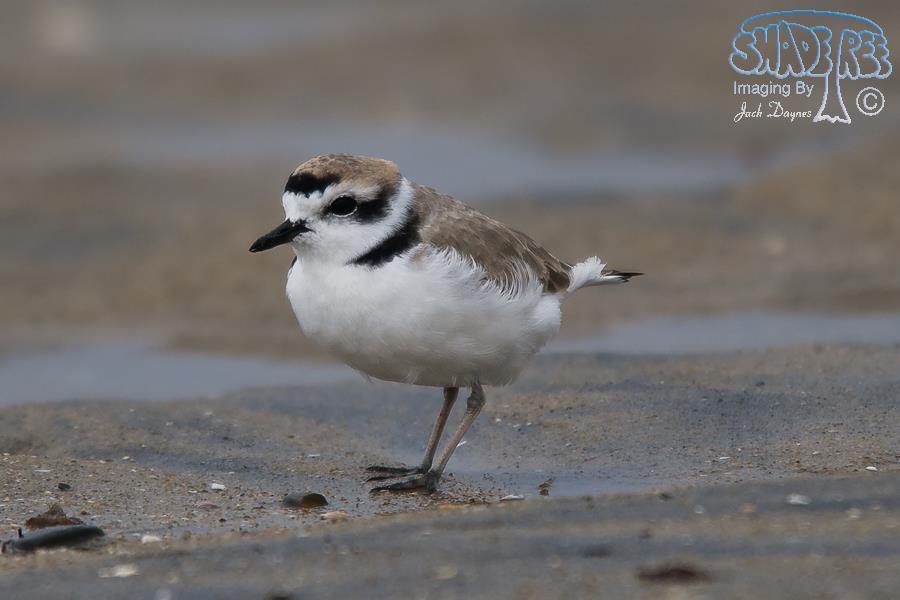
Snowy Plover(Charadrius alexandrinus) |
|
Description: Male at the Tijuana River Mouth in Imperial Beach, California. San Diego County. |
Date Taken: 2013:04:04 9:37 |
|
Location:
Border Field |
|
Camera Information: NIKON D3X, 800 mm, f/5.6, 1/1250 |
File Name: D3X3426-SnowyPlover |
| © 2013 Jack Daynes, shadeTreeImaging.com |
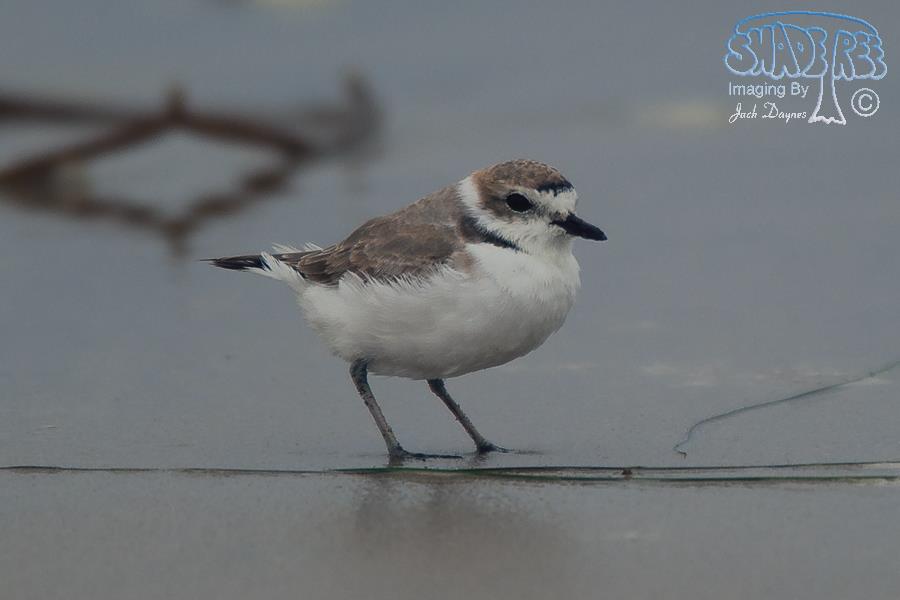
Snowy Plover(Charadrius alexandrinus) |
|
Description: Foraging at the Tijuana River Mouth in Imperial Beach, California. San Diego County. |
Date Taken: 2013:04:04 8:54 |
|
Location:
Border Field |
|
Camera Information: NIKON D3X, 800 mm, f/5.6, 1/1000 |
File Name: D3X3348-SnowyPlover |
| © 2013 Jack Daynes, shadeTreeImaging.com |
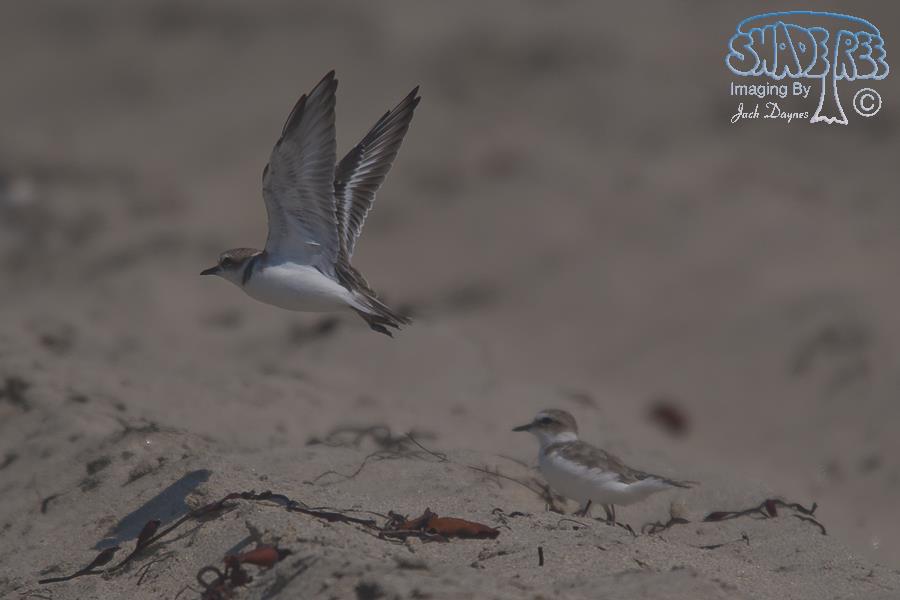
Snowy Plover(Charadrius alexandrinus) |
|
Description: Tijuana River Mouth in Imperial Beach, California. San Diego County. |
Date Taken: 2012:09:08 11:16 |
|
Location:
Border Field |
|
Camera Information: NIKON D3X, 800 mm, f/5.6, 1/8000 |
File Name: D3X8898-SnowyPlover |
| © 2012 Jack Daynes, shadeTreeImaging.com |
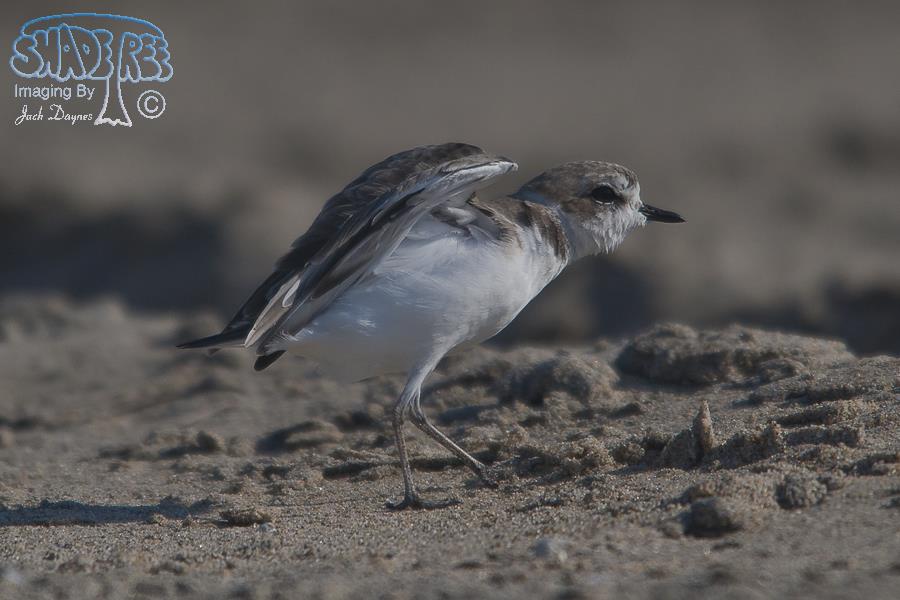
Snowy Plover(Charadrius alexandrinus) |
|
Description: Tijuana River Mouth in Imperial Beach, California. San Diego County. |
Date Taken: 2012:09:08 9:04 |
|
Location:
Border Field |
|
Camera Information: NIKON D3X, 800 mm, f/5.6, 1/4000 |
File Name: D3X8552-SnowyPlover |
| © 2012 Jack Daynes, shadeTreeImaging.com |
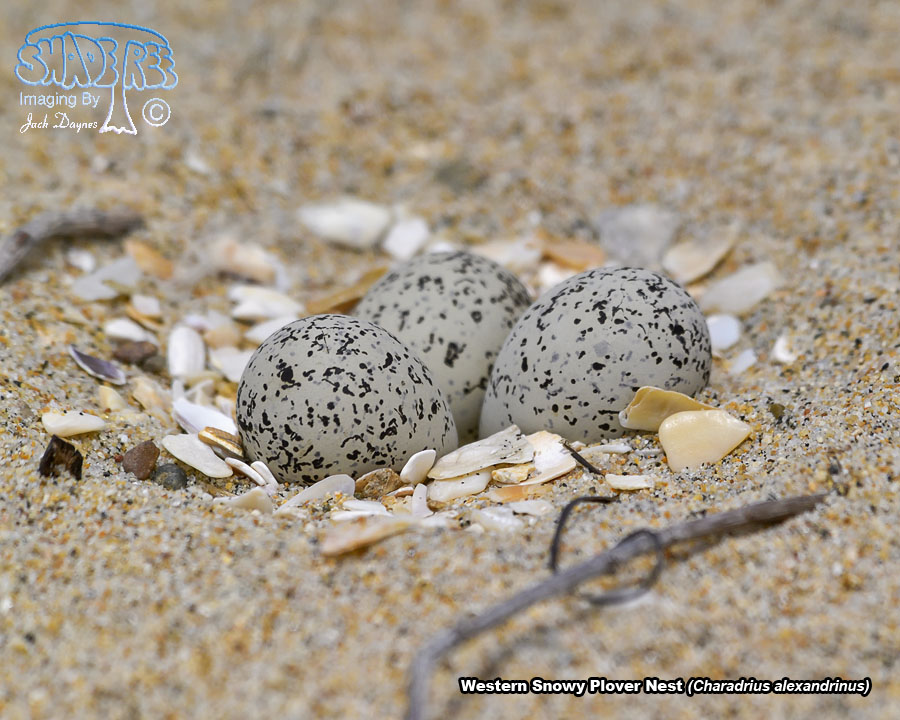
Snowy Plover(Charadrius alexandrinus) |
|
Description: Eggs in "nest" at a protected nesting site on the beach at Border Field, south of Imperial Beach, California. San Diego County. |
Date Taken: 2017:06:01 12:22 |
|
Location:
Border Field |
|
Camera Information: NIKON D5, 800 mm, f/8.0, 1/8000 |
File Name: SnowyPlover_D5X5044-Eggs-Nest |
| © 2017 Jack Daynes, shadeTreeImaging.com |
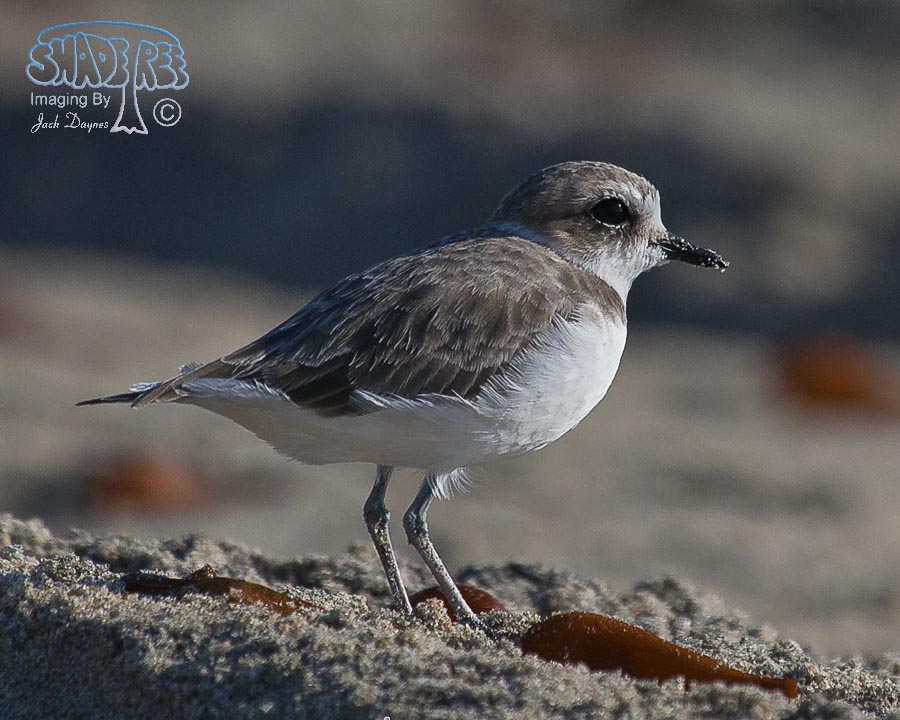
Snowy Plover(Charadrius alexandrinus) |
|
Description: The beach at Border Field, south of Imperial Beach, California. San Diego County. |
Date Taken: 2014:09:13 8:48 |
|
Location:
Border Field |
|
Camera Information: NIKON D3X, 800 mm, f/8.0, 1/2500 |
File Name: D3X0029-SnowyPlover |
| © 2014 Jack Daynes, shadeTreeImaging.com |
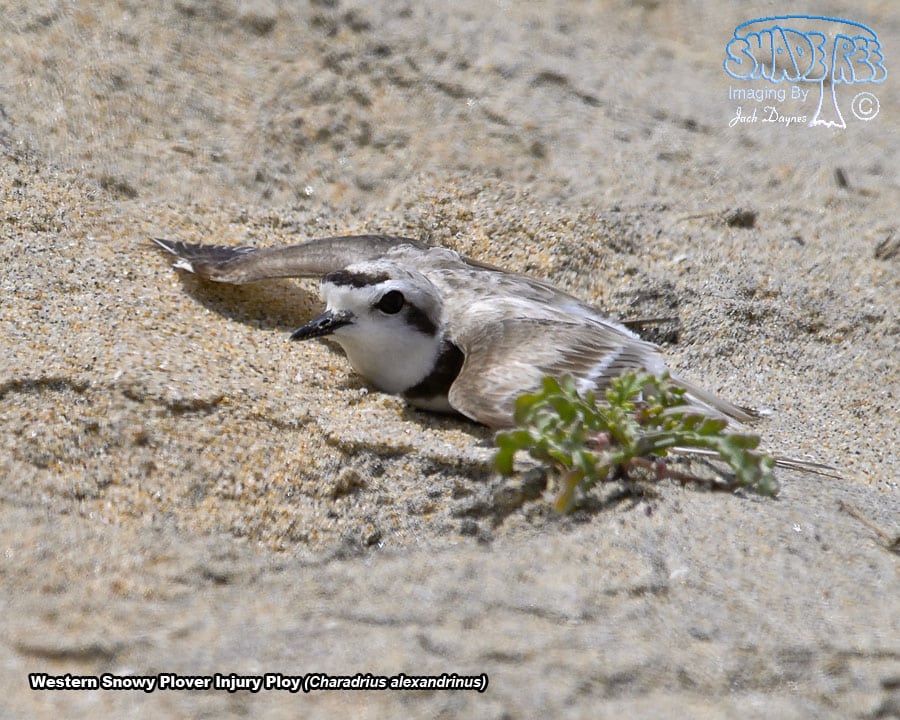
Snowy Plover(Charadrius alexandrinus) |
|
Description: Injury ploy by parent birds to draw intruders (us) away from their nests in a protected nesting site on the beach at Border Field, south of Imperial Beach, California. San Diego County. |
Date Taken: 2017:06:01 12:34 |
|
Location:
Border Field |
|
Camera Information: NIKON D5, 800 mm, f/8.0, 1/5000 |
File Name: SnowyPlover_D5X5113-InjuryPloy |
| © 2015 Jack Daynes, shadeTree-Imaging.com |
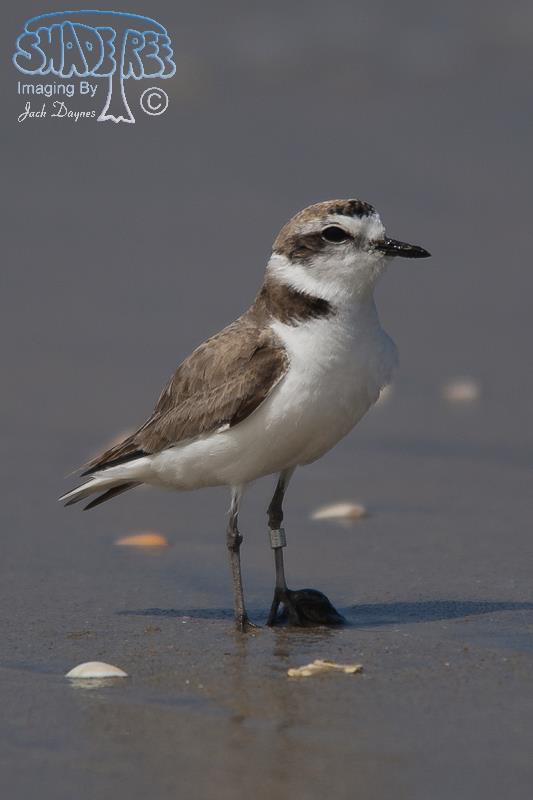
Snowy Plover(Charadrius alexandrinus) |
|
Description: Foraging at the Tijuana River Mouth in Imperial Beach, California. San Diego County. |
Date Taken: 2013:04:04 10:50 |
|
Location:
Border Field |
|
Camera Information: NIKON D3X, 800 mm, f/5.6, 1/3200 |
File Name: D3X3689-SnowyPlover |
| © 2013 Jack Daynes, shadeTreeImaging.com |
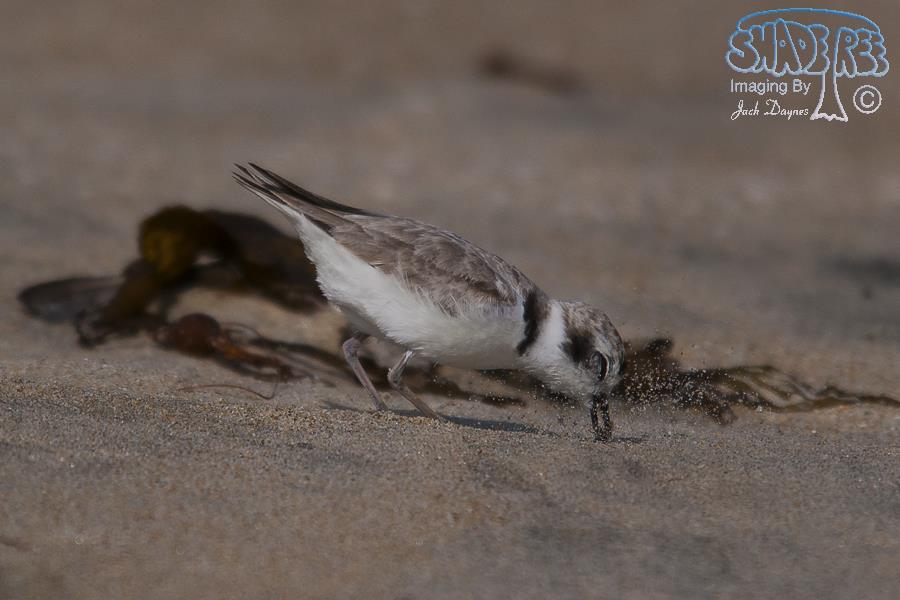
Snowy Plover(Charadrius alexandrinus) |
|
Description: 'Extinquishing' insect prey at the Tijuana River Mouth, Imperial Beach, San Diego County, California. |
Date Taken: 2013:06:24 7:49 |
|
Location:
Tijuana River Mouth |
|
Camera Information: NIKON D3X, 800 mm, f/5.6, 1/6400 |
File Name: D3X9860-SnowyPlover |
| © 2013 Jack Daynes, shadeTreeImaging.com |
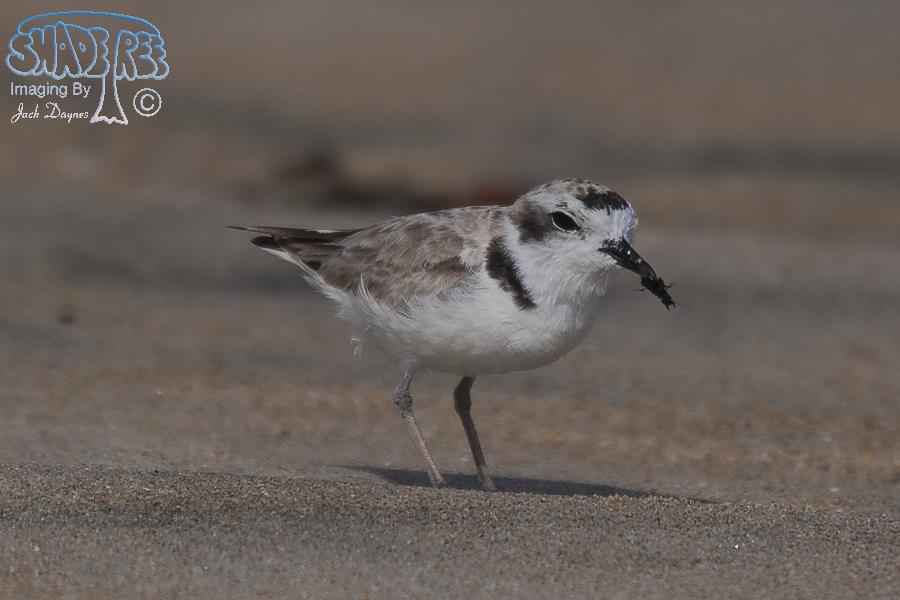
Snowy Plover(Charadrius alexandrinus) |
|
Description: Foraging at the Tijuana River Mouth, Imperial Beach, San Diego County, California. |
Date Taken: 2013:06:24 7:49 |
|
Location:
Tijuana River Mouth |
|
Camera Information: NIKON D3X, 800 mm, f/5.6, 1/6400 |
File Name: D3X9870-SnowyPlover |
| © 2013 Jack Daynes, shadeTreeImaging.com |
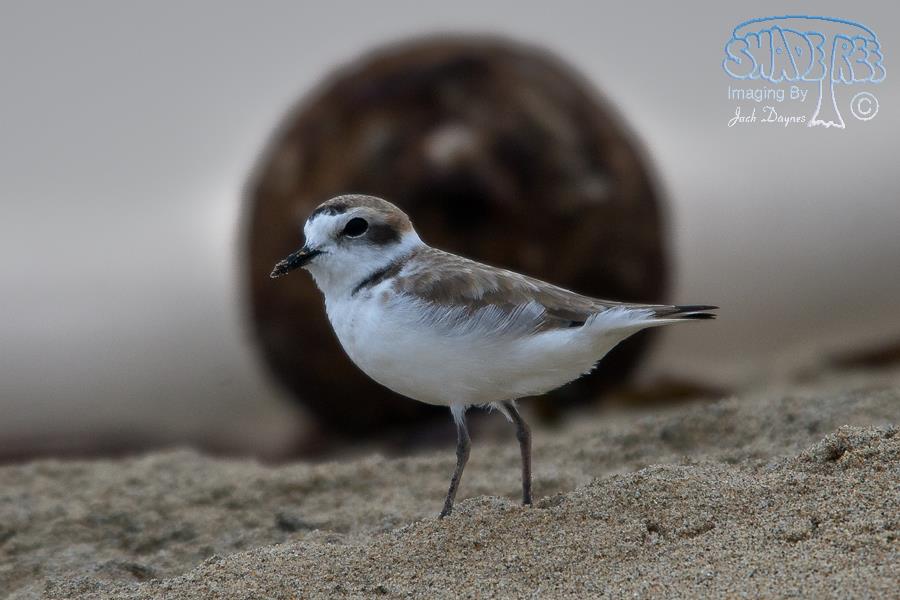
Snowy Plover(Charadrius alexandrinus) |
|
Description: The Tijuana River Mouth, Imperial Beach, San Diego County, California. |
Date Taken: 2013:06:13 8:15 |
|
Location:
Tijuana River Mouth |
|
Camera Information: NIKON D3X, 800 mm, f/5.6, 1/2500 |
File Name: D3X9368-SnowyPlover |
| © 2013 Jack Daynes, shadeTreeImaging.com |
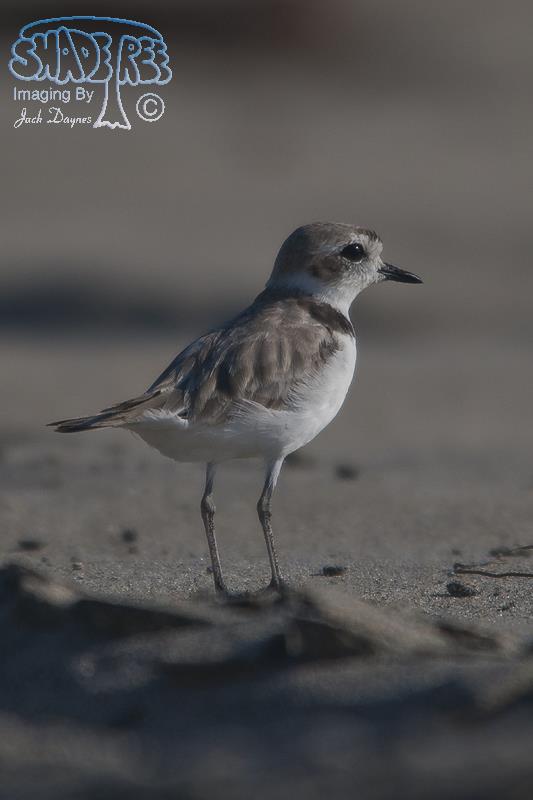
Snowy Plover(Charadrius alexandrinus) |
|
Description: Tijuana River Mouth in Imperial Beach, California. San Diego County. |
Date Taken: 2012:09:08 8:56 |
|
Location:
Tijuana River Mouth |
|
Camera Information: NIKON D3X, 800 mm, f/5.6, 1/4000 |
File Name: D3X8540-SnowyPlover |
| © 2012 Jack Daynes, shadeTree-Imaging |
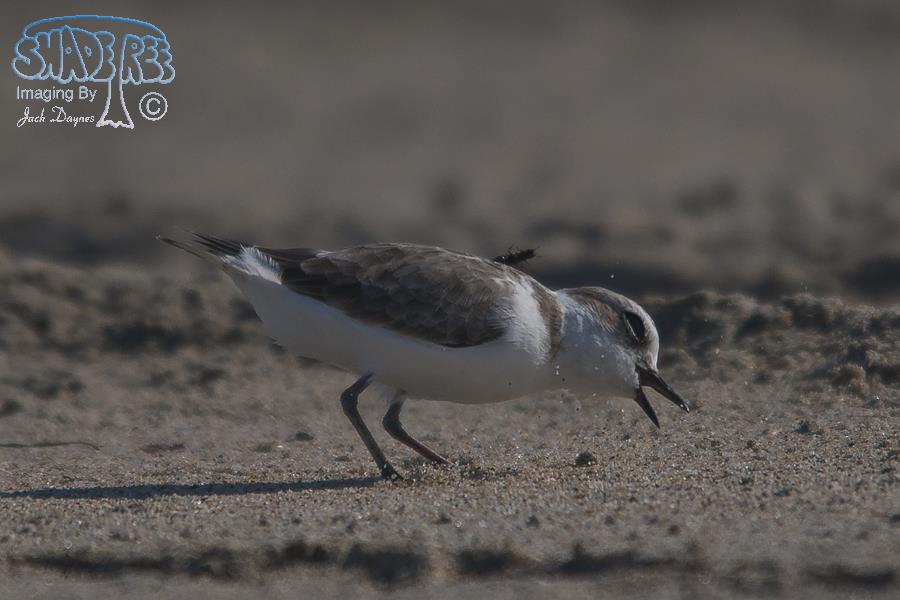
Snowy Plover(Charadrius alexandrinus) |
|
Description: Something about this bug caused the bird to spit it out violently. Tijuana River Mouth in Imperial Beach, California. San Diego County. |
Date Taken: 2012:09:08 9:04 |
|
Location:
Border Field |
|
Camera Information: NIKON D3X, 800 mm, f/5.6, 1/4000 |
File Name: D3X8558-SnowyPlover |
| © 2012 Jack Daynes, shadeTreeImaging.com |
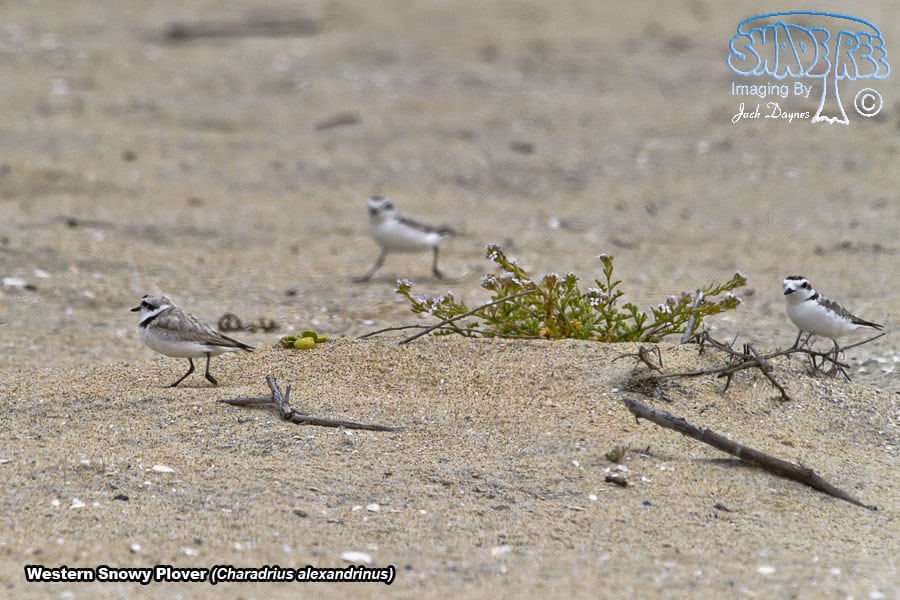
Snowy Plover(Charadrius alexandrinus) |
|
Description: Protected nesting sites on the beach at Border Field, south of Imperial Beach, California. San Diego County. |
Date Taken: 2017:06:01 11:27 |
|
Location:
Border Field |
|
Camera Information: NIKON D5, 800 mm, f/8.0, 1/8000 |
File Name: SnowyPlover_D5X4579 |
| © 2015 Jack Daynes, shadeTree-Imaging.com |
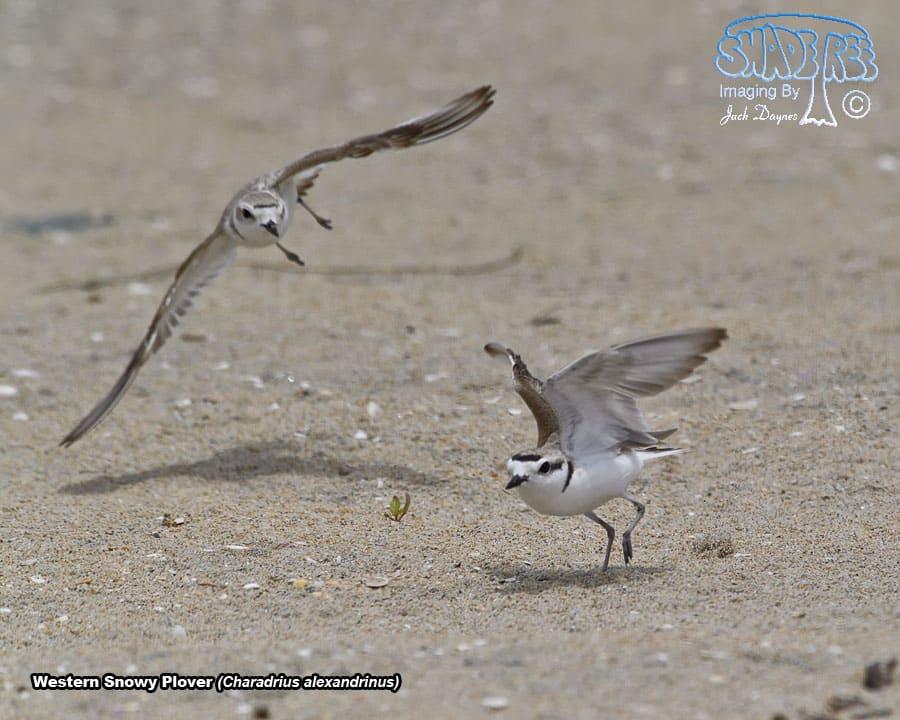
Snowy Plover(Charadrius alexandrinus) |
|
Description: Agitated behaviour at a Protected nesting site on the beach at Border Field, south of Imperial Beach, California. San Diego County. |
Date Taken: 2017:06:01 11:42 |
|
Location:
Border Field |
|
Camera Information: NIKON D5, 800 mm, f/8.0, 1/8000 |
File Name: SnowyPlover_D5X4830-Agitation |
| © 2015 Jack Daynes, shadeTree-Imaging.com |
Click map markers to reveal further information
