Bay-Breasted Warbler
Setophaga castanea

We know that Bay-Breasted Warblers love to prey on Spruce Budworms (Choristoneura fumiferana). We also know that populations of these warblers fluctuate from year to year, depending on the number of budworms available. When budworm populations explode, as they do every 30 to 40 years, they can decimate millions of acres of Spruce and Balsam Fir trees. So birds like these and other warblers play an important role in a healthy forest.
Bay-Breasted Warblers enjoy similar summer habitats and diets as Cape May, Blackburnian, and Blackpoll Warblers. One strategy employed by these birds is how they locate their nests to minimize conflicts. Blackpoll Warblers nest very low (about 5 feet) in the tree, and Bay-Breasted higher (about 16 feet), while Cape May and Blackburnian Warblers nest at 40 to 80 feet.
During summer, we find these birds in Canada’s lower elevation forests from southern Northwest Territory to the Maritime Provinces and in northern New England (USA). In winter, they retreat to the West Indies, the Caribbean, Central America, and northern South America.
Modern science does not recognize any subspecies of Bay-Breasted Warblers (i.e. they are monotypic).
I first met the Bay-Breasted Warbler during spring migration on South Padre Island in 2021. It was a female. In July 2022 at Lesser Slave Lake in Alberta, I finally got to meet the rest of the family.
12 Photos
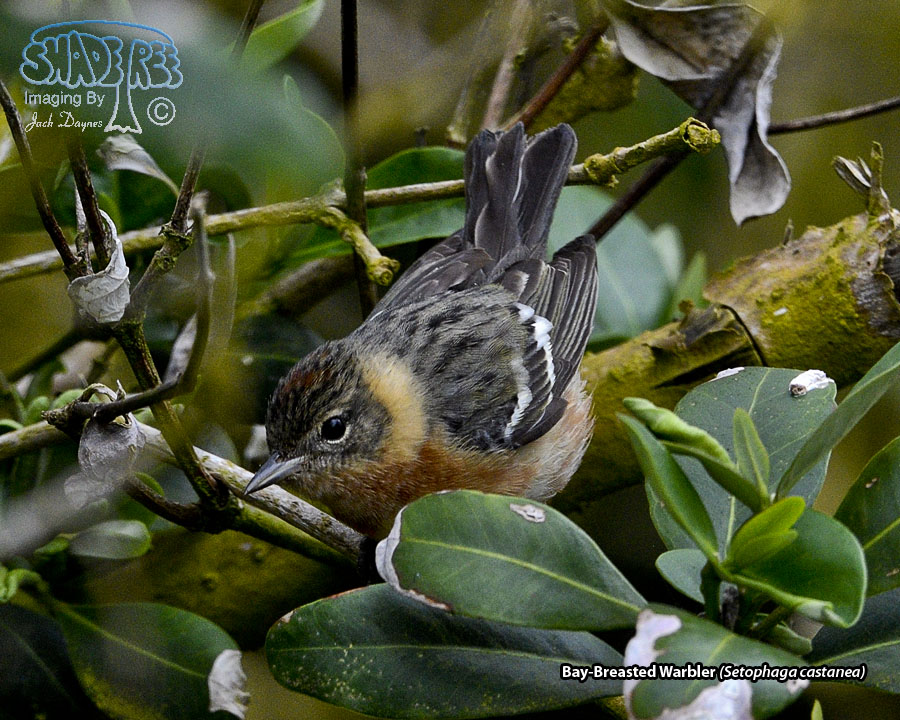
Bay-Breasted Warbler(Setophaga castanea) |
|
Description: This female was the first of her species I met (ever). Tuesday night’s winds at South Padre Island (Texas) did not produce the big warbler fallout we hoped for at the Convention Center. Still, there were several birding surprises in store for those of us who showed up to find birds. |
Date Taken: 2021:05:06 14:47 |
|
Location:
South Padre Island WBC |
|
Camera Information: NIKON D5, 800 mm, f/8.0, 1/500 |
File Name: BayBreastedWarbler_D5X6992_SPI-BirdAndNatureCTR |
| © 2021 Jack Daynes, shadeTreeImaging.com |

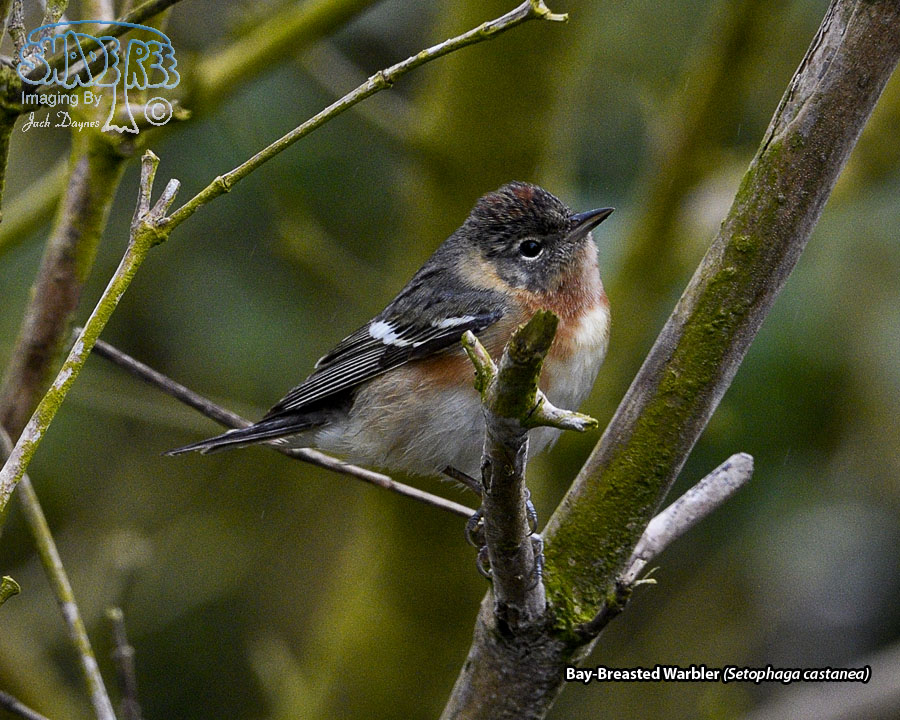
Bay-Breasted Warbler(Setophaga castanea) |
|
Description: This female was the first of her species I met (ever). Tuesday night’s winds at South Padre Island (Texas) did not produce the big warbler fallout we hoped for at the Convention Center. Still, there were several birding surprises in store for those of us who showed up to find birds. |
Date Taken: 2021:05:06 14:47 |
|
Location:
South Padre Island WBC |
|
Camera Information: NIKON D5, 800 mm, f/8.0, 1/500 |
File Name: BayBreastedWarbler_D5X7014_SPI-BirdAndNatureCTR |
| © 2021 Jack Daynes, shadeTreeImaging.com |
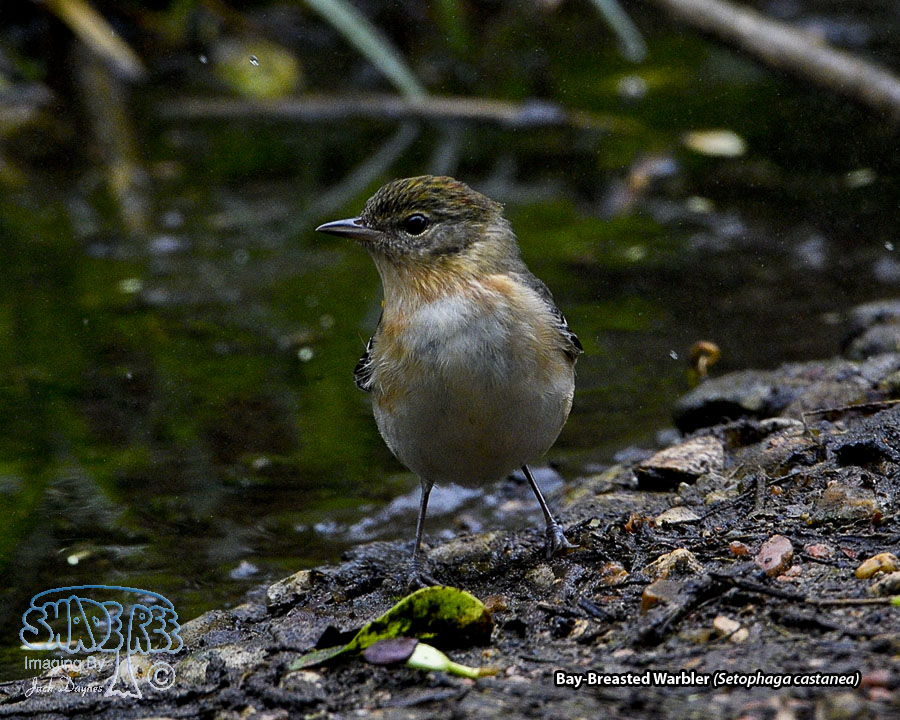
Bay-Breasted Warbler(Setophaga castanea) |
|
Description: This female was the first of her species I met (ever). Tuesday night’s winds at South Padre Island (Texas) did not produce the big warbler fallout we hoped for at the Convention Center. Still, there were several birding surprises in store for those of us who showed up to find birds. |
Date Taken: 2021:05:06 15:54 |
|
Location:
South Padre Island WBC |
|
Camera Information: NIKON D5, 800 mm, f/8.0, 1/1000 |
File Name: BayBreastedWarbler_D5X7083_SPI-BirdAndNatureCTR |
| © 2021 Jack Daynes, shadeTreeImaging.com |
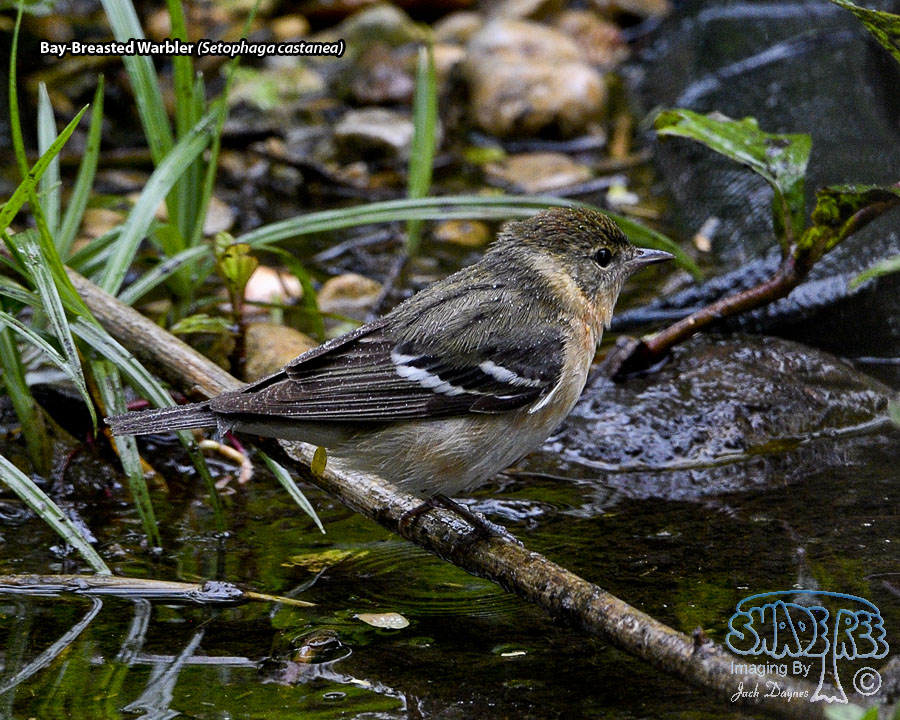
Bay-Breasted Warbler(Setophaga castanea) |
|
Description: This female was the first of her species I met (ever). Tuesday night’s winds at South Padre Island (Texas) did not produce the big warbler fallout we hoped for at the Convention Center. Still, there were several birding surprises in store for those of us who showed up to find birds. |
Date Taken: 2021:05:06 15:55 |
|
Location:
South Padre Island WBC |
|
Camera Information: NIKON D5, 800 mm, f/8.0, 1/800 |
File Name: BayBreastedWarbler_D5X7104_SPI-BirdAndNatureCTR |
| © 2021 Jack Daynes, shadeTreeImaging.com |
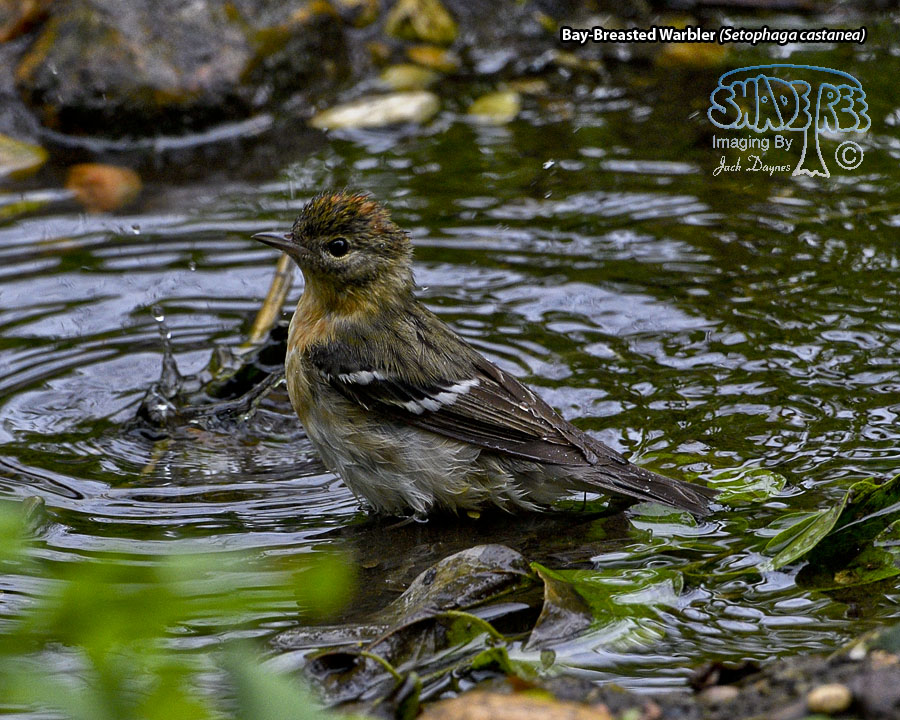
Bay-Breasted Warbler(Setophaga castanea) |
|
Description: This female was the first of her species I met (ever). Tuesday night’s winds at South Padre Island (Texas) did not produce the big warbler fallout we hoped for at the Convention Center. Still, there were several birding surprises in store for those of us who showed up to find birds. |
Date Taken: 2021:05:06 15:56 |
|
Location:
South Padre Island WBC |
|
Camera Information: NIKON D5, 800 mm, f/8.0, 1/800 |
File Name: BayBreastedWarbler_D5X7119_SPI-BirdAndNatureCTR |
| © 2021 Jack Daynes, shadeTreeImaging.com |
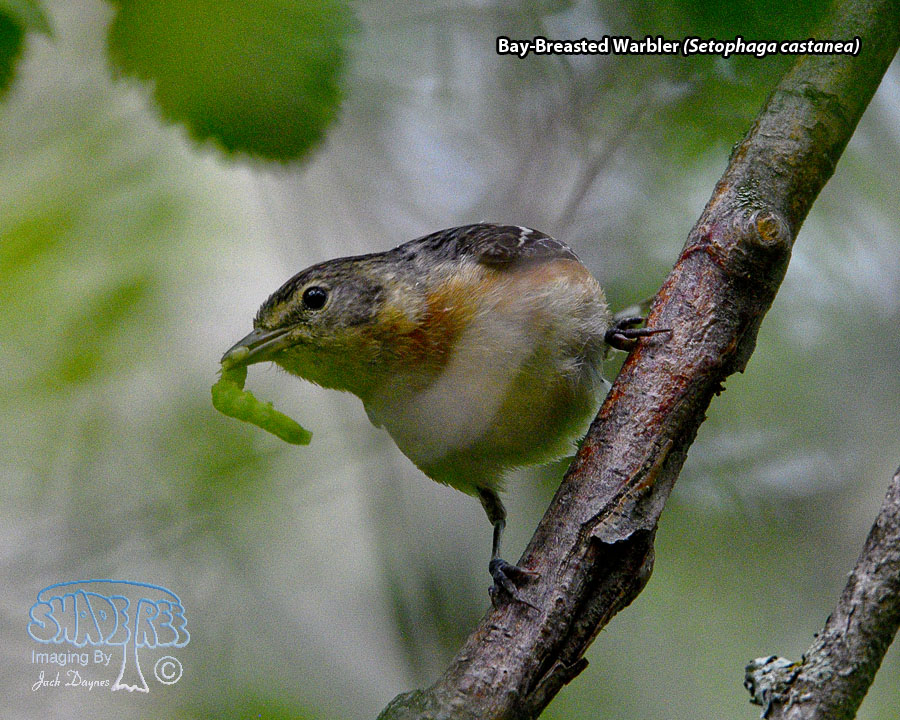
Bay-Breasted Warbler(Setophaga castanea) |
|
Description: Prior to this visit to Boreal Center for Bird Conservation at the edge of Lesser Slave Lake, my only meeting with a Bay-Breasted Warbler was in south Texas during the spring migration of 2021. |
Date Taken: 2022:07:06 11:47 |
|
Location:
Boreal Centre For Bird Conservat |
|
Camera Information: NIKON D850, 800 mm, f/8.0, 1/400 |
File Name: BayBreastedWarbler_8509758-LesserSlaveLake.BorealBirdCentre |
| © 2022 Jack Daynes, shadeTreeImaging.com |
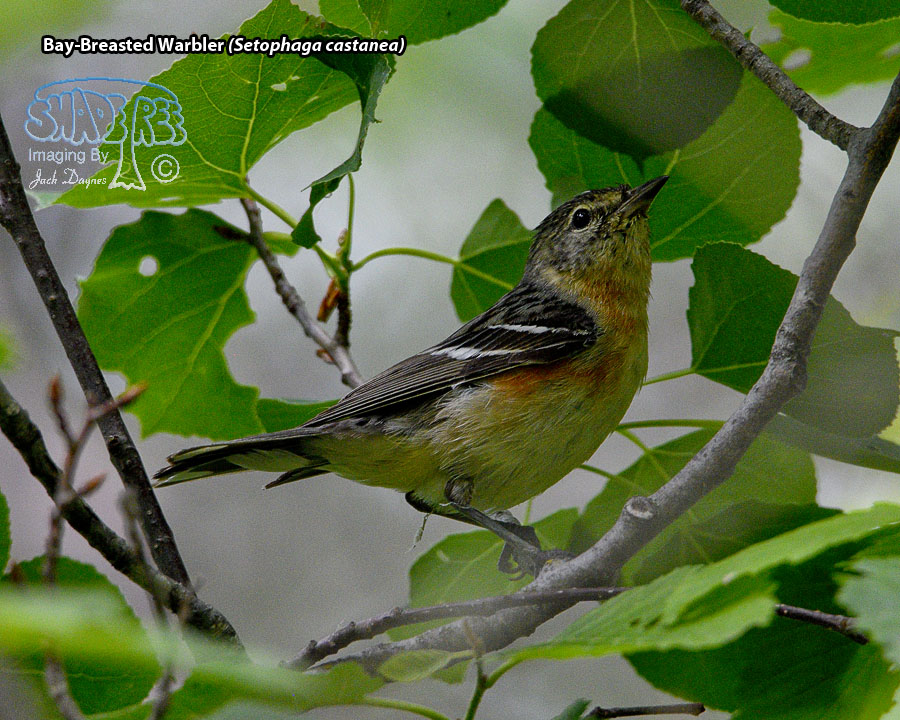
Bay-Breasted Warbler(Setophaga castanea) |
|
Description: Prior to this visit to Boreal Center for Bird Conservation at the edge of Lesser Slave Lake, my only meeting with a Bay-Breasted Warbler was in south Texas during the spring migration of 2021. |
Date Taken: 2022:07:06 11:47 |
|
Location:
Boreal Centre For Bird Conservat |
|
Camera Information: NIKON D850, 800 mm, f/8.0, 1/250 |
File Name: BayBreastedWarbler_8509757-LesserSlaveLake.BorealBirdCentre |
| © 2022 Jack Daynes, shadeTreeImaging.com |
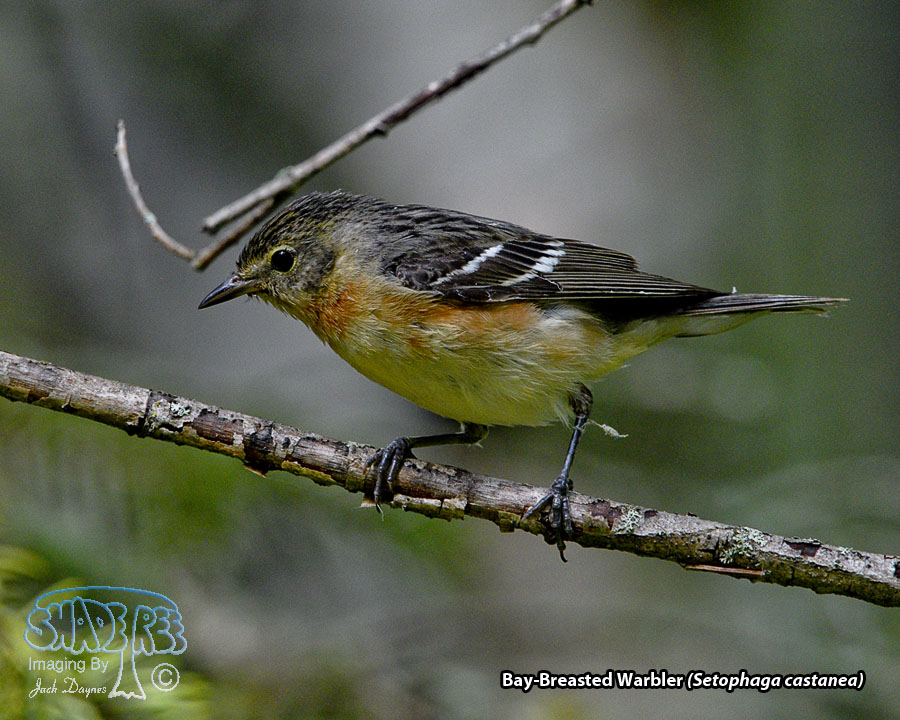
Bay-Breasted Warbler(Setophaga castanea) |
|
Description: Prior to this visit to Boreal Center for Bird Conservation at the edge of Lesser Slave Lake, my only meeting with a Bay-Breasted Warbler was in south Texas during the spring migration of 2021. |
Date Taken: 2022:07:06 11:46 |
|
Location:
Boreal Centre For Bird Conservat |
|
Camera Information: NIKON D850, 800 mm, f/8.0, 1/250 |
File Name: BayBreastedWarbler_8509739-LesserSlaveLake.BorealBirdCentre |
| © 2022 Jack Daynes, shadeTreeImaging.com |
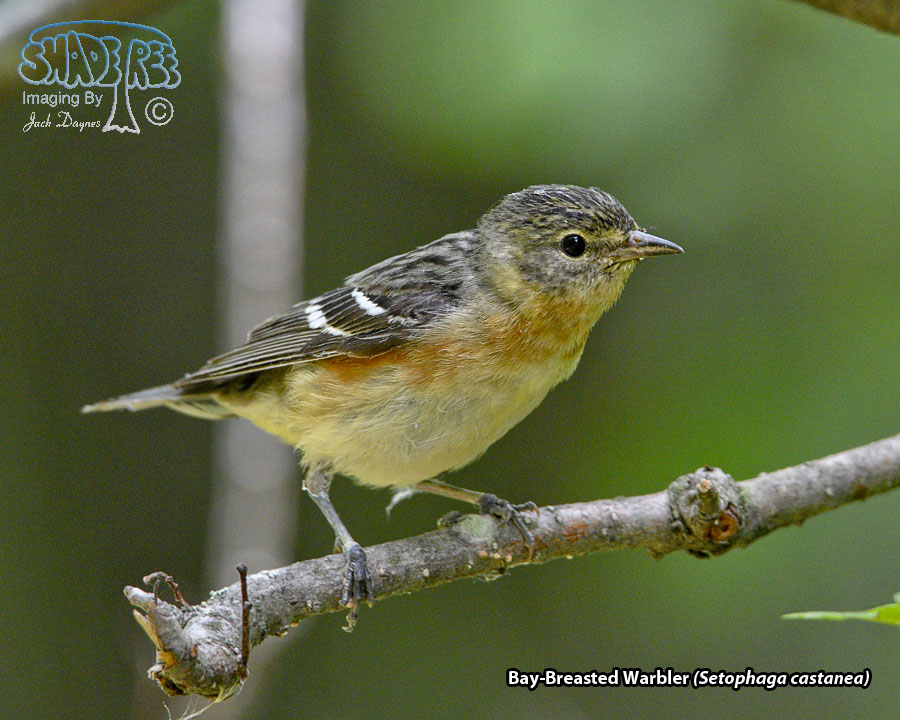
Bay-Breasted Warbler(Setophaga castanea) |
|
Description: Prior to this visit to Boreal Center for Bird Conservation at the edge of Lesser Slave Lake, my only meeting with a Bay-Breasted Warbler was in south Texas during the spring migration of 2021. |
Date Taken: 2022:07:06 11:33 |
|
Location:
Boreal Centre For Bird Conservat |
|
Camera Information: NIKON D850, 800 mm, f/8.0, 1/200 |
File Name: BayBreastedWarbler_8509640-LesserSlaveLake.BorealBirdCentre |
| © 2022 Jack Daynes, shadeTreeImaging.com |
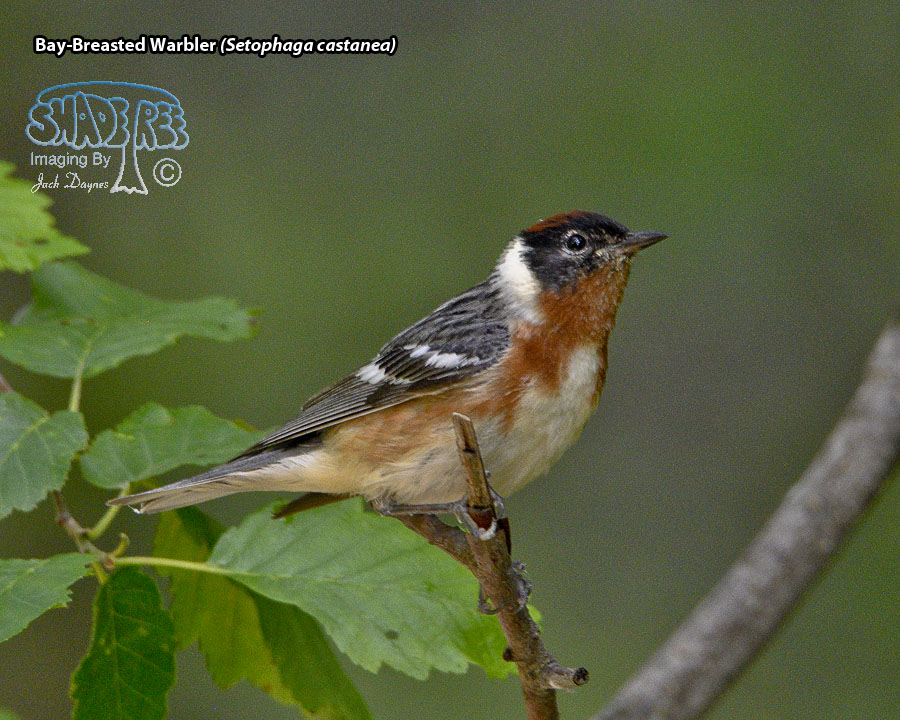
Bay-Breasted Warbler(Setophaga castanea) |
|
Description: Prior to this visit to Boreal Center for Bird Conservation at the edge of Lesser Slave Lake, my only meeting with a Bay-Breasted Warbler was in south Texas during the spring migration of 2021. |
Date Taken: 2022:07:06 11:32 |
|
Location:
Boreal Centre For Bird Conservat |
|
Camera Information: NIKON D850, 800 mm, f/8.0, 1/250 |
File Name: BayBreastedWarbler_8509602-LesserSlaveLake.BorealBirdCentre |
| © 2022 Jack Daynes, shadeTreeImaging.com |
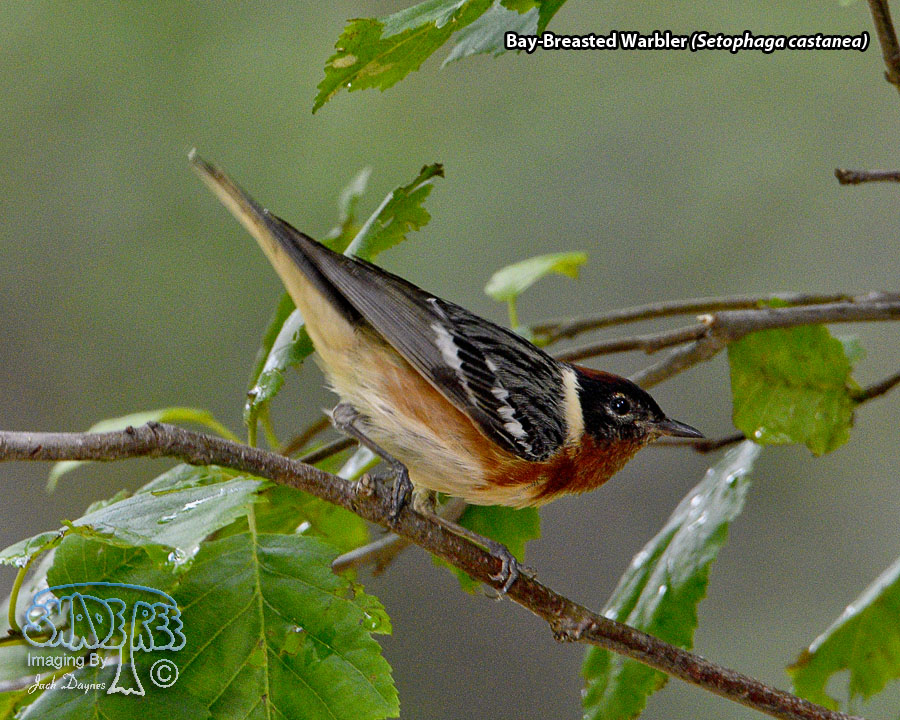
Bay-Breasted Warbler(Setophaga castanea) |
|
Description: Prior to this visit to Boreal Center for Bird Conservation at the edge of Lesser Slave Lake, my only meeting with a Bay-Breasted Warbler was in south Texas during the spring migration of 2021. |
Date Taken: 2022:07:06 11:32 |
|
Location:
Boreal Centre For Bird Conservat |
|
Camera Information: NIKON D850, 800 mm, f/8.0, 1/320 |
File Name: BayBreastedWarbler_8509584-LesserSlaveLake.BorealBirdCentre |
| © 2022 Jack Daynes, shadeTreeImaging.com |
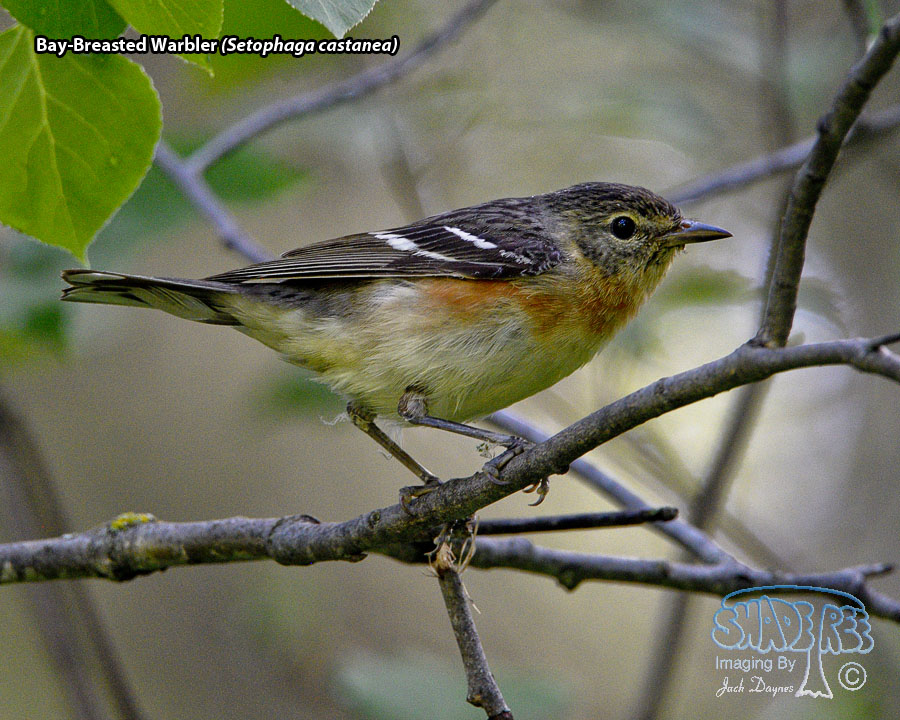
Bay-Breasted Warbler(Setophaga castanea) |
|
Description: Prior to this visit to Boreal Center for Bird Conservation at the edge of Lesser Slave Lake, my only meeting with a Bay-Breasted Warbler was in south Texas during the spring migration of 2021. |
Date Taken: 2022:07:06 9:47 |
|
Location:
Boreal Centre For Bird Conservat |
|
Camera Information: NIKON D850, 800 mm, f/8.0, 1/200 |
File Name: BayBreastedWarbler_8509314-LesserSlaveLake.BorealBirdCentre |
| © 2022 Jack Daynes, shadeTreeImaging.com |
Click map markers to reveal further information
