Black-and-White Warbler
Mniotilta varia
Superficially similar to Blackpoll and Black-Throated Gray Warblers, the Black-and-White Warbler’s foraging behavior is more like that of a nuthatch. While we see most warblers foraging among the leaves and flowers in the tree canopies, this bird makes its living looking for invertebrate prey hidden in the folds of tree bark.
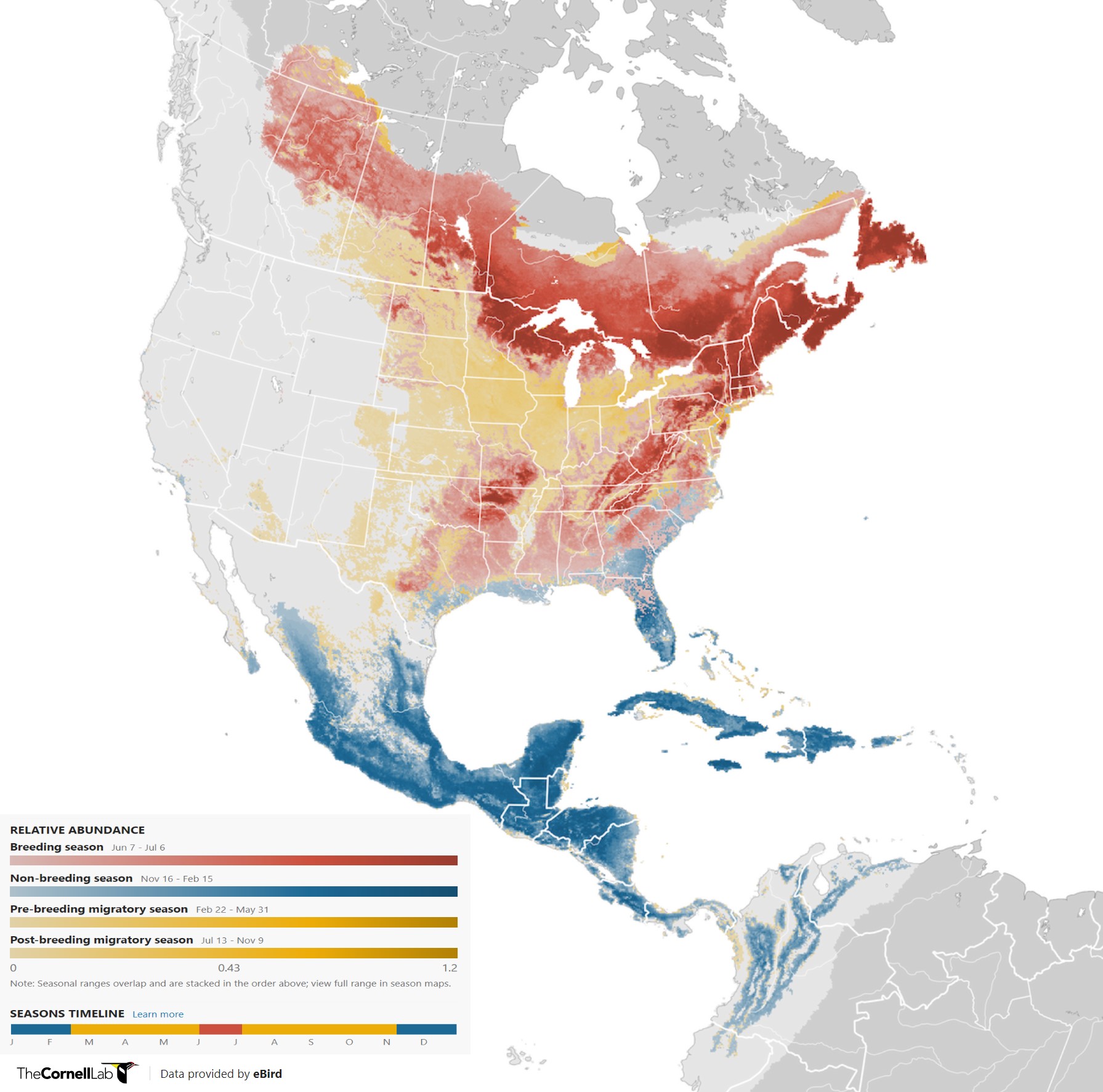
Rare to uncommon in the western USA, this bird’s expected range is in eastern USA and Canada. Unlike most of its warbler cousins, the Black-and-White Warbler’s genus (Mniotilta) survived the sweeping reclassifications of 2011.
Today, science regards the Black-and-White Warbler as monotypic (i.e. no subspecies).
Until I traveled to Texas, my meetings with this species were in my Southern California yard. These birds are a rarity on the West Coast, and had it not been for the pictures I took, I might have been accused by local birding experts of misidentifying this warbler (I have had that unpleasant experience on more than a few occasions).
During my first trip to Texas in 2020, the meetings I enjoyed with these birds were many. They were almost commonplace in the early spring migration. South Texas and its Gulf Coast zone hosts a few Black-and-White Warblers through winter, and I found them to be common in many of the places I birded when I returned there early in 2021.
During my visits to Texas, my encounters with this species were in my Southern California yard. I missed meeting these birds when I toured Canada and Alaska in 2005. But when I returned to Canada in 2022, I found them as I traveled on the Al-Can Highway in British Columbia.
42 Photos
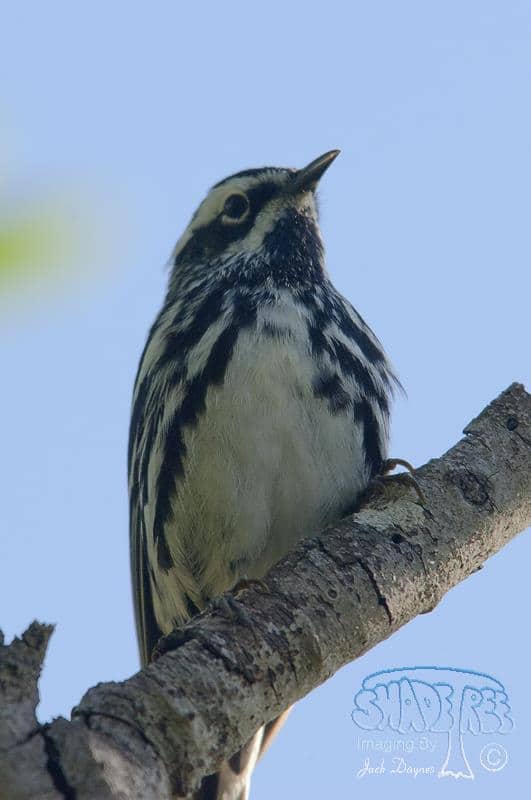
Black-and-White Warbler(Mniotilta varia) |
|
Description: (Mniotilta varia) A rare sighting in my patio. Poway, California, San Diego County USA 2010-05-20. |
Date Taken: 2010:05:20 8:48 |
|
Location:
Poway Grove Park |
|
Camera Information: NIKON D2X, 800 mm, f/6.3, 1/500 |
File Name: JCD7298.BlackWhiteWarbler |
| © 2010 Jack Daynes, shadeTreeImaging.com |

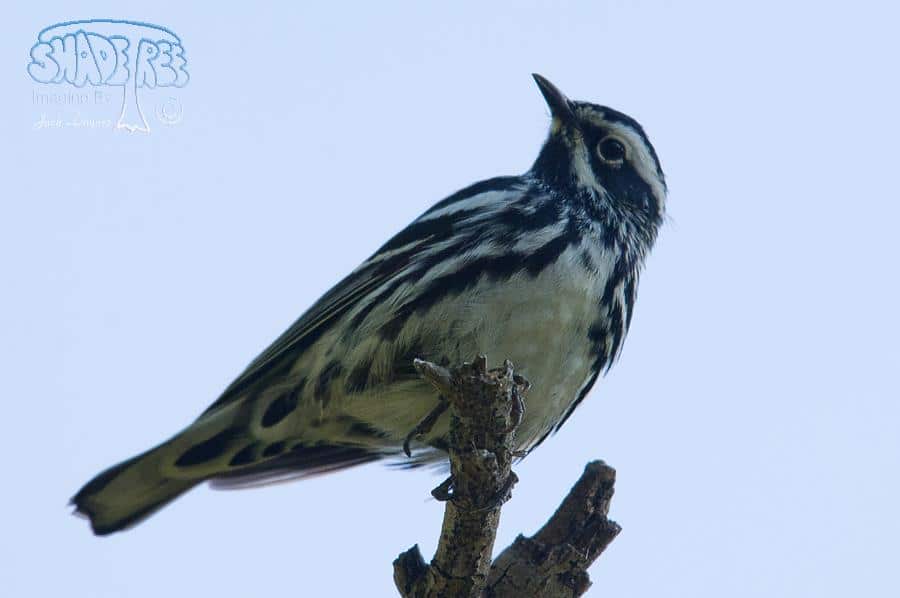
Black-and-White Warbler(Mniotilta varia) |
|
Description: (Mniotilta varia) A rare sighting in my patio. Poway, California, San Diego County USA 2010-05-20. |
Date Taken: 2010:05:20 8:48 |
|
Location:
Poway Grove Park |
|
Camera Information: NIKON D2X, 800 mm, f/6.3, 1/500 |
File Name: JCD7312.BlackWhiteWarbler |
| © 2010 Jack Daynes, shadeTreeImaging.com |
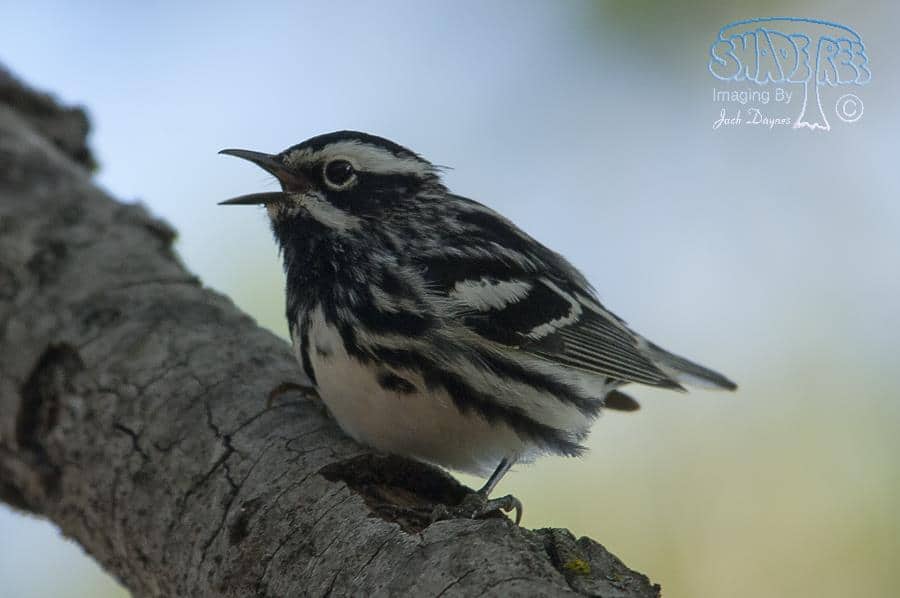
Black-and-White Warbler(Mniotilta varia) |
|
Description: (Mniotilta varia) A rare sighting in my patio. Poway, California, San Diego County USA 2010-05-20. |
Date Taken: 2010:05:20 8:52 |
|
Location:
Poway Grove Park |
|
Camera Information: NIKON D2X, 800 mm, f/6.3, 1/200 |
File Name: JCD7332.BlackWhiteWarbler |
| © 2010 Jack Daynes, shadeTreeImaging.com |
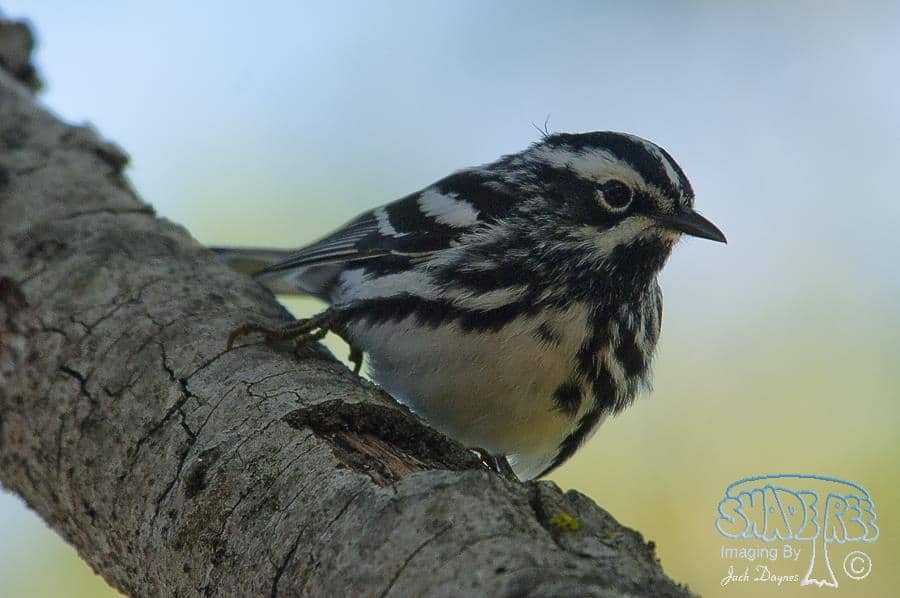
Black-and-White Warbler(Mniotilta varia) |
|
Description: (Mniotilta varia) A rare sighting in my patio. Poway, California, San Diego County USA 2010-05-20. |
Date Taken: 2010:05:20 8:52 |
|
Location:
Poway Grove Park |
|
Camera Information: NIKON D2X, 800 mm, f/6.3, 1/200 |
File Name: JCD7337.BlackWhiteWarbler |
| © 2010 Jack Daynes, shadeTreeImaging.com |
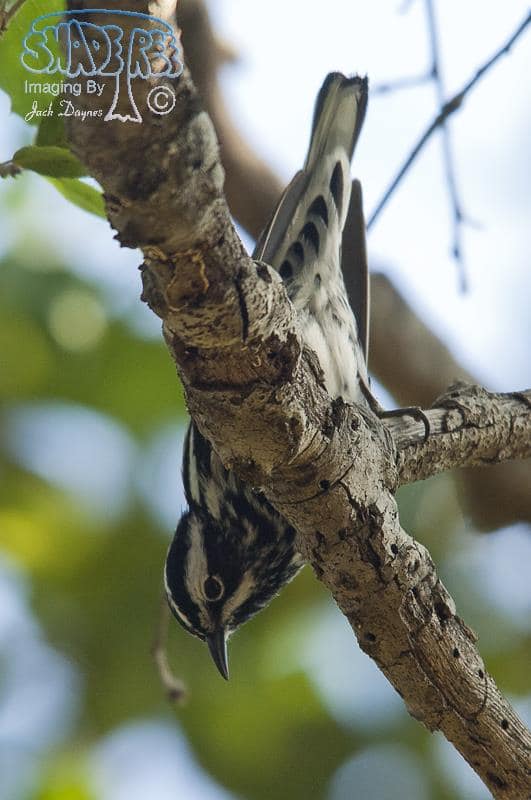
Black-and-White Warbler(Mniotilta varia) |
|
Description: (Mniotilta varia) A rare sighting in my patio. Poway, California, San Diego County USA 2010-05-20. |
Date Taken: 2010:05:20 8:53 |
|
Location:
Poway Grove Park |
|
Camera Information: NIKON D2X, 800 mm, f/6.3, 1/250 |
File Name: JCD7343.BlackWhiteWarbler |
| © 2010 Jack Daynes, shadeTreeImaging.com |
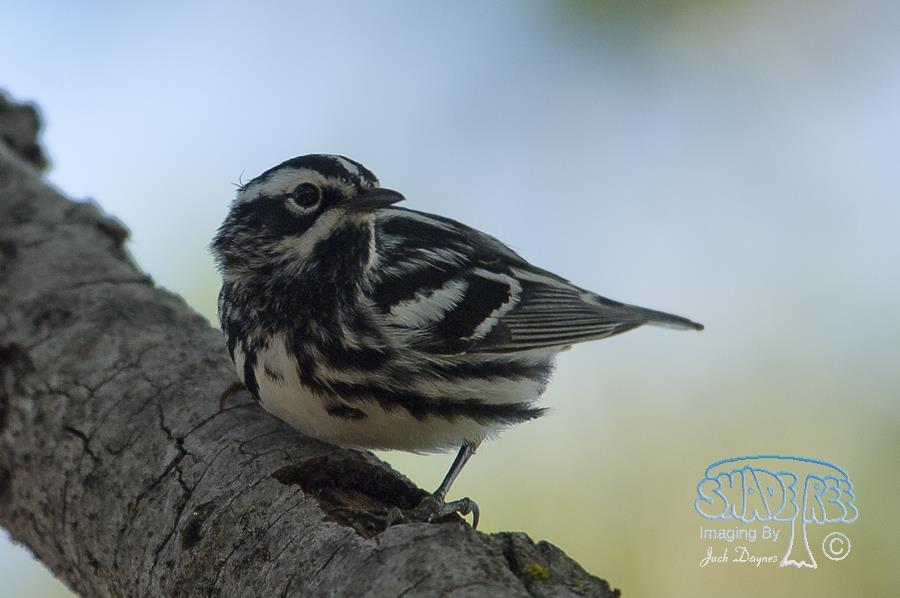
Black-and-White Warbler(Mniotilta varia) |
|
Description: Poway, California, San Diego County. |
Date Taken: 2010:05:20 8:52 |
|
Location:
Poway Grove Park |
|
Camera Information: NIKON D2X, 800 mm, f/6.3, 1/250 |
File Name: JCD7323.BlackWhiteWarbler |
| © 2010 Jack Daynes, shadeTreeImaging.com |
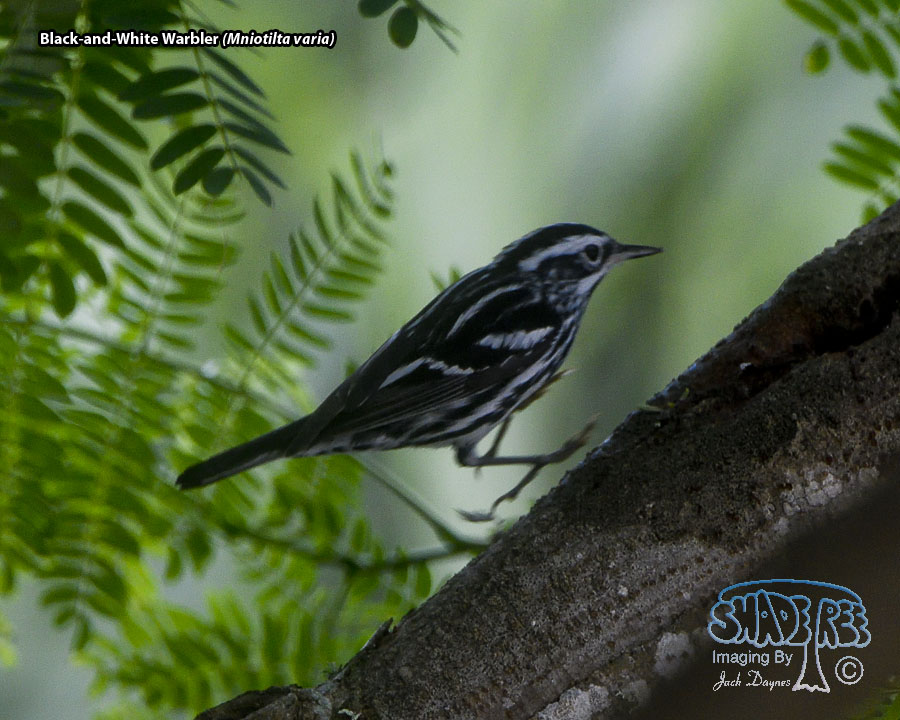
Black-and-White Warbler(Mniotilta varia) |
|
Description: I drove to Port Isabel from Brownsville on an errand, then I scouted the neighborhood and roadsides for birds. |
Date Taken: 2020:04:06 10:07 |
|
Location:
Various Locations |
|
Camera Information: NIKON D500, 550 mm, f/8.0, 1/640 |
File Name: BlackWhiteWarbler_D501591-PortIsabel-TX |
| © 2020 Jack Daynes, shadeTreeImaging.com |
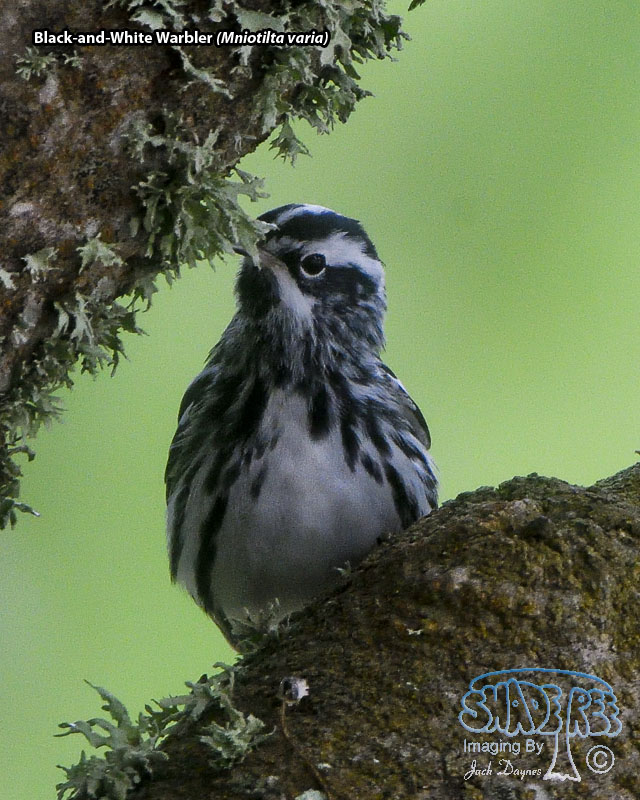
Black-and-White Warbler(Mniotilta varia) |
|
Description: I drove to Port Isabel from Brownsville on an errand, then I scouted the neighborhood and roadsides for birds. |
Date Taken: 2020:04:06 10:08 |
|
Location:
Various Locations |
|
Camera Information: NIKON D500, 550 mm, f/8.0, 1/800 |
File Name: BlackWhiteWarbler_D501612-PortIsabel-TX |
| © 2020 Jack Daynes, shadeTreeImaging.com |
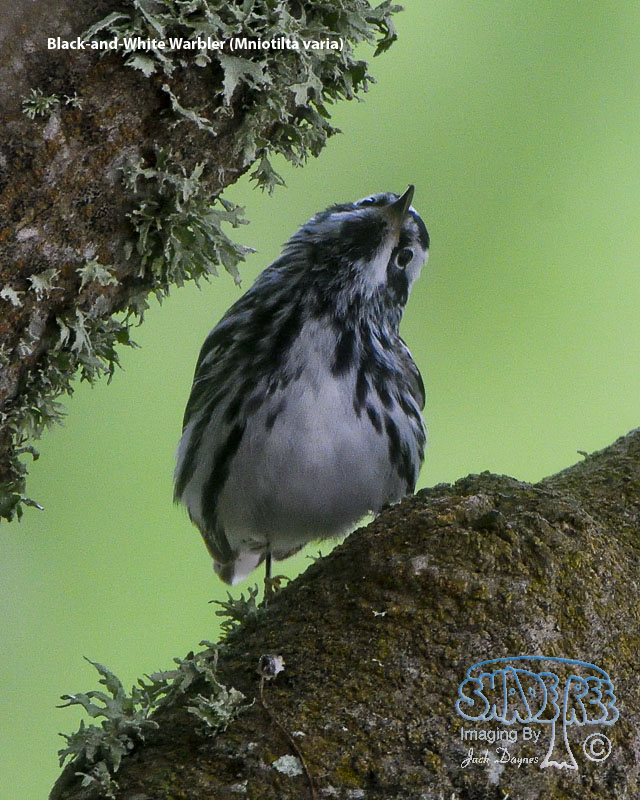
Black-and-White Warbler(Mniotilta varia) |
|
Description: I drove to Port Isabel from Brownsville on an errand, then I scouted the neighborhood and roadsides for birds. |
Date Taken: 2020:04:06 10:08 |
|
Location:
Various Locations |
|
Camera Information: NIKON D500, 550 mm, f/8.0, 1/800 |
File Name: BlackWhiteWarbler_D501619-PortIsabel-TX |
| © 2020 Jack Daynes, shadeTreeImaging.com |
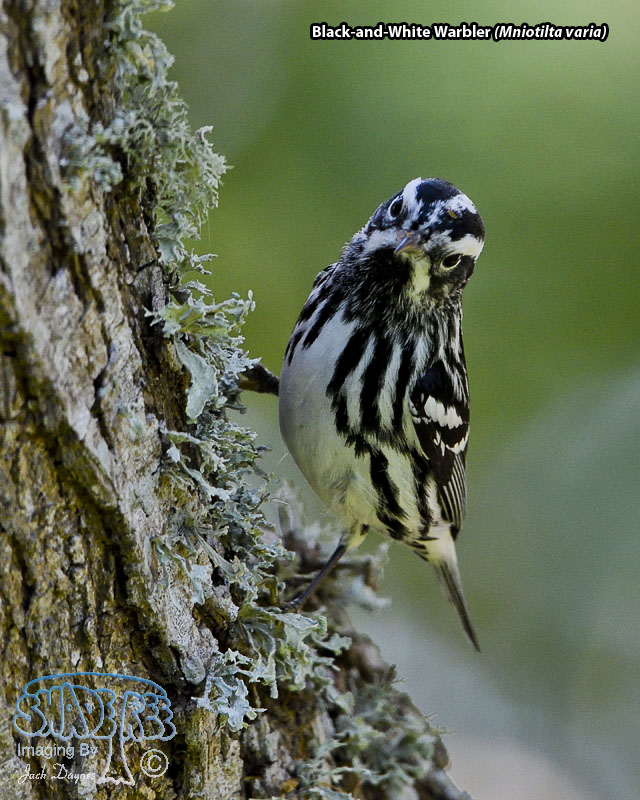
Black-and-White Warbler(Mniotilta varia) |
|
Description: Black-and-White Warblers forage like no other warblers. While most warblers look for insect prey among the leaves in trees, these birds probed crevices in the bark, like nuthatches. The Convention Center on South Padre Island, Texas is a first rate birding destination. I spent several hours in the morning and several more in the afternoon on this day. |
Date Taken: 2020:04:30 9:51 |
|
Location:
Convention Center |
|
Camera Information: NIKON D500, 800 mm, f/7.1, 1/500 |
File Name: BlackWhiteWarbler_D500184-South-Padre |
| © 2020 Jack Daynes, shadeTreeImaging.com |
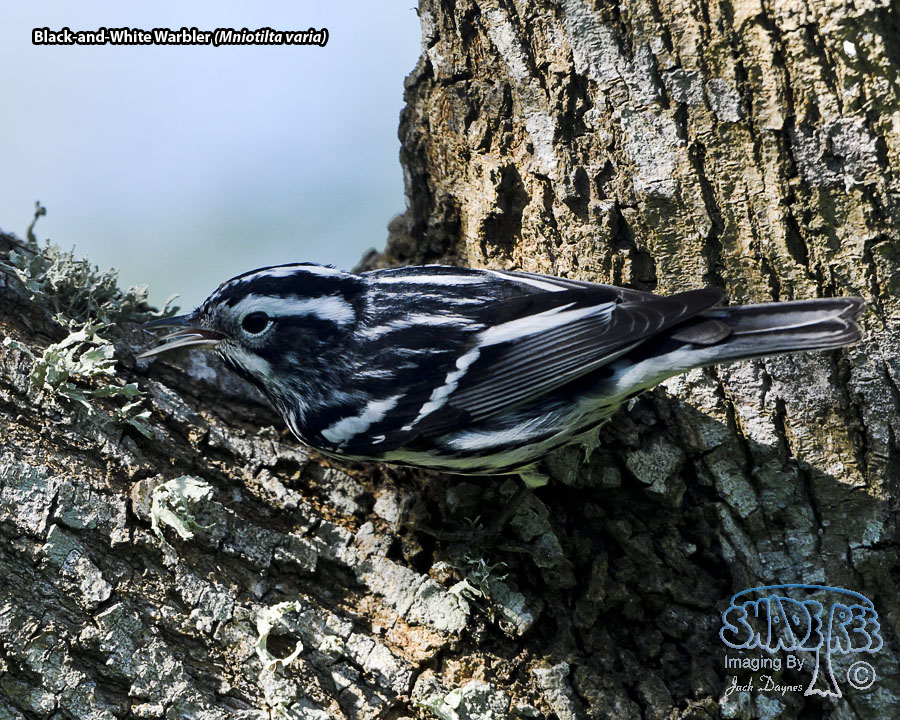
Black-and-White Warbler(Mniotilta varia) |
|
Description: Black-and-White Warblers forage like no other warblers. While most warblers look for insect prey among the leaves in trees, these birds probed crevices in the bark, like nuthatches. The Convention Center on South Padre Island, Texas is a first rate birding destination. I spent several hours in the morning and several more in the afternoon on this day. |
Date Taken: 2020:04:30 9:54 |
|
Location:
Convention Center |
|
Camera Information: NIKON D500, 800 mm, f/7.1, 1/1000 |
File Name: BlackWhiteWarbler_D500235-South-Padre |
| © 2020 Jack Daynes, shadeTreeImaging.com |
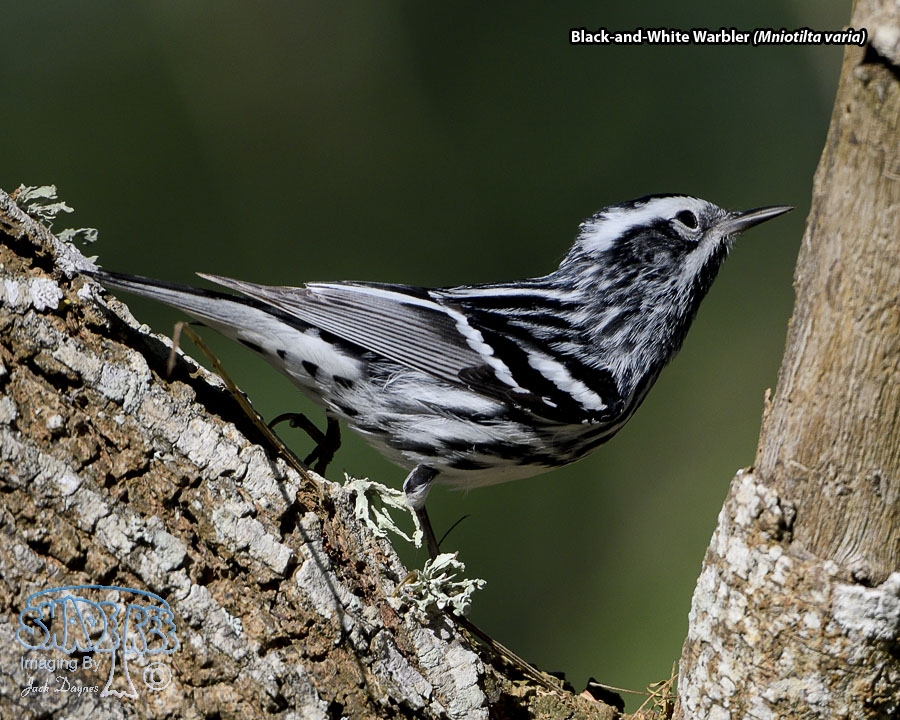
Black-and-White Warbler(Mniotilta varia) |
|
Description: Black-and-White Warblers forage like no other warblers. While most warblers look for insect prey among the leaves in trees, these birds probed crevices in the bark, like nuthatches. The Convention Center on South Padre Island, Texas is a first rate birding destination. I spent several hours in the morning and several more in the afternoon on this day. |
Date Taken: 2020:04:30 9:56 |
|
Location:
Convention Center |
|
Camera Information: NIKON D500, 800 mm, f/7.1, 1/1250 |
File Name: BlackWhiteWarbler_D500255-South-Padre |
| © 2020 Jack Daynes, shadeTreeImaging.com |
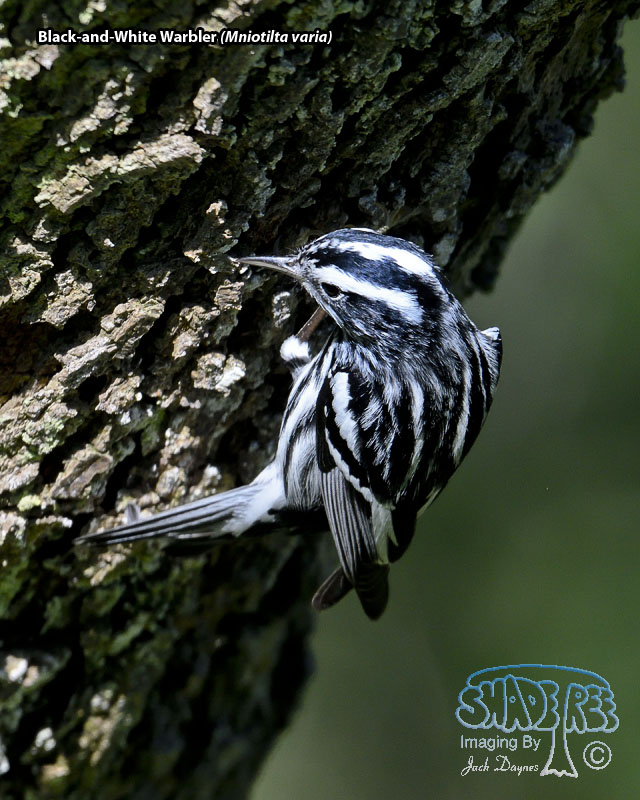
Black-and-White Warbler(Mniotilta varia) |
|
Description: Black-and-White Warblers forage like no other warblers. While most warblers look for insect prey among the leaves in trees, these birds probed crevices in the bark, like nuthatches. The Convention Center on South Padre Island, Texas is a first rate birding destination. I spent several hours in the morning and several more in the afternoon on this day. |
Date Taken: 2020:04:30 9:56 |
|
Location:
Convention Center |
|
Camera Information: NIKON D500, 800 mm, f/7.1, 1/1250 |
File Name: BlackWhiteWarbler_D500301-South-Padre |
| © 2020 Jack Daynes, shadeTreeImaging.com |
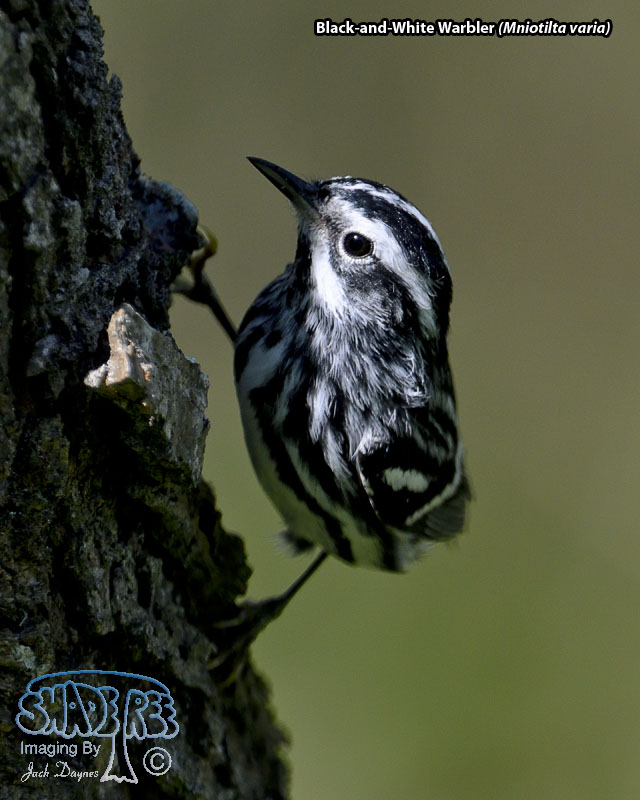
Black-and-White Warbler(Mniotilta varia) |
|
Description: Black-and-White Warblers forage like no other warblers. While most warblers look for insect prey among the leaves in trees, these birds probed crevices in the bark, like nuthatches. The Convention Center on South Padre Island, Texas is a first rate birding destination. I spent several hours in the morning and several more in the afternoon on this day. |
Date Taken: 2020:04:30 10:22 |
|
Location:
Convention Center |
|
Camera Information: NIKON D500, 800 mm, f/7.1, 1/1250 |
File Name: BlackWhiteWarbler_D500434-South-Padre |
| © 2020 Jack Daynes, shadeTreeImaging.com |
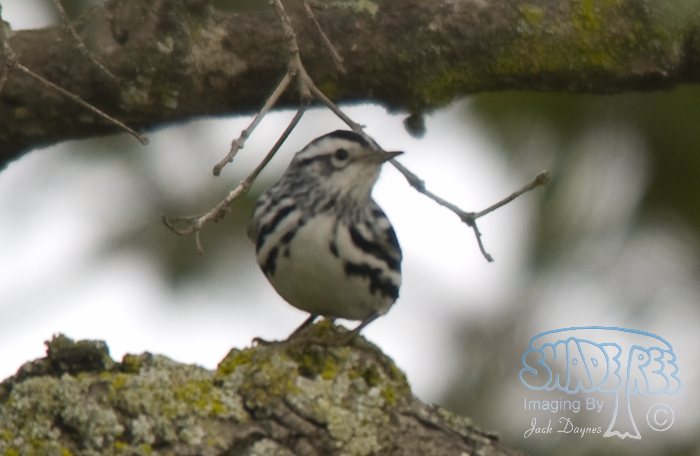
Black-and-White Warbler(Mniotilta varia) |
|
Description: Shot strictly for "ID" purposes at my home in Poway. This bird is known for its 'nuthatch feeding' behaviours. San Diego County, California. |
Date Taken: 2004:02:21 10:52 |
|
Location:
Poway Grove Park |
|
Camera Information: NIKON D1X, 800 mm, f/5.6, 1/160 |
File Name: JCD_6152BlackWhiteWarbler |
| © 2004 Jack Daynes, shadeTreeImaging.com |
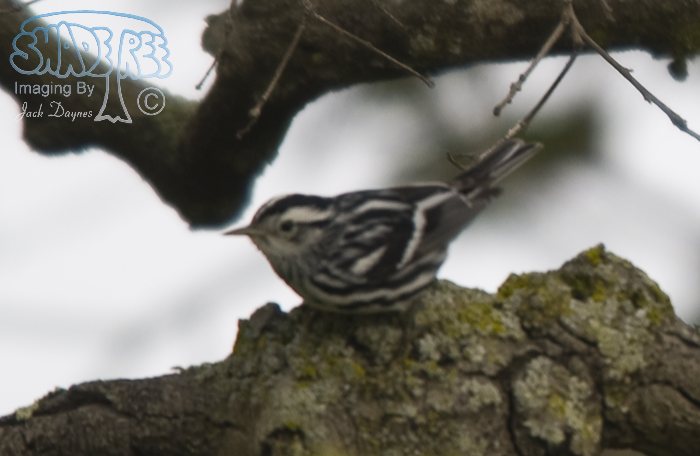
Black-and-White Warbler(Mniotilta varia) |
|
Description: Shot strictly for "ID" purposes at my home in Poway. This bird is known for its 'nuthatch feeding' behaviours. San Diego County, California. |
Date Taken: 2004:02:21 10:52 |
|
Location:
Poway Grove Park |
|
Camera Information: NIKON D1X, 800 mm, f/5.6, 1/160 |
File Name: JCD_6153BlackWhiteWarbler |
| © 2004 Jack Daynes, shadeTreeImaging.com |
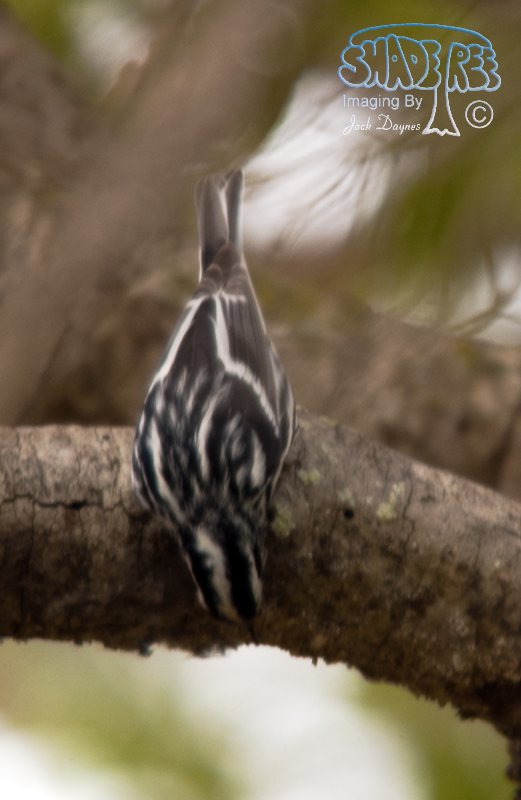
Black-and-White Warbler(Mniotilta varia) |
|
Description: Shot strictly for "ID" purposes at my home in Poway. This bird is known for its 'nuthatch feeding' behaviours. San Diego County, California. |
Date Taken: 2004:02:21 10:57 |
|
Location:
Poway Grove Park |
|
Camera Information: NIKON D1X, 800 mm, f/5.6, 1/90 |
File Name: JCD_6167BlackWhiteWarbler |
| © 2004 Jack Daynes, shadeTreeImaging.com |
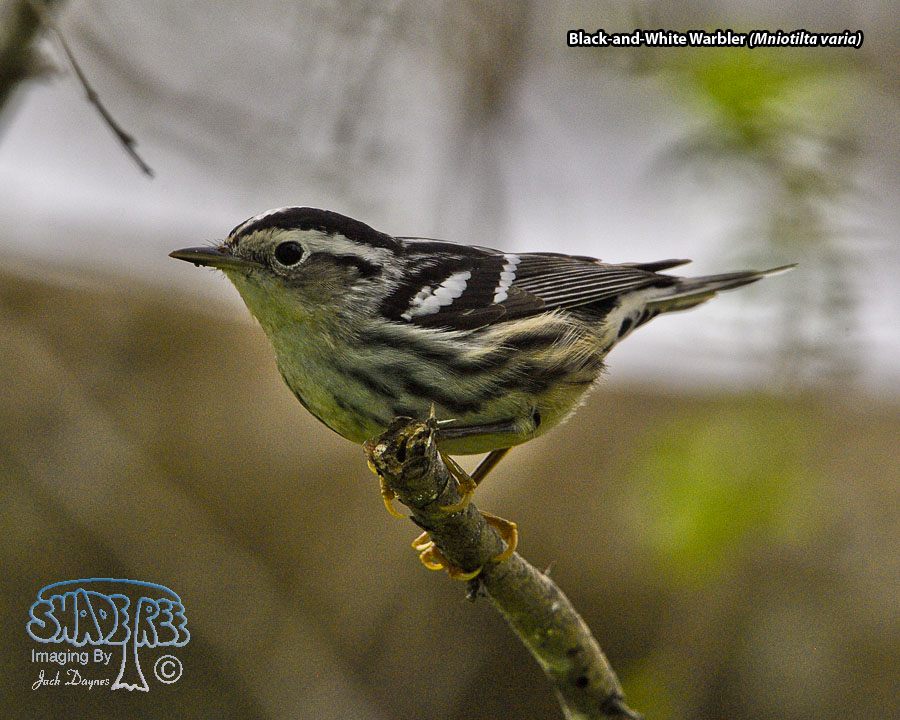
Black-and-White Warbler(Mniotilta varia) |
|
Description: Some Black-and-White Warblers will spend winters on the Texas Gulf Coast. My trip to South Padre Island this day started slowly, but picked up nicely before the day finished. The Convention Centre delivered wonderful birds, as it often will. |
Date Taken: 2021:03:16 11:36 |
|
Location:
Convention Center |
|
Camera Information: NIKON D5, 800 mm, f/8.0, 1/2000 |
File Name: BlackandWhiteWarbler_D5X2757-SPI_ConventionCenter |
| © 2021 Jack Daynes, shadeTreeImaging.com |
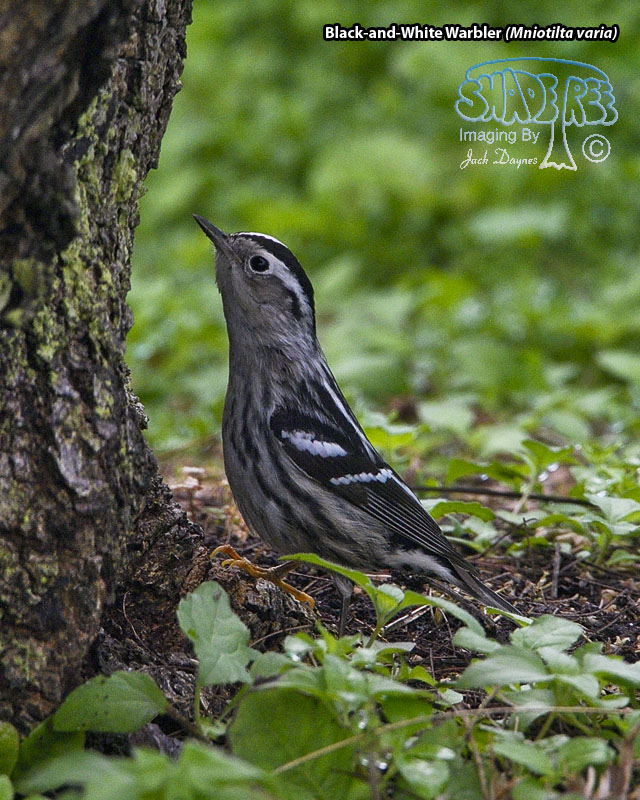
Black-and-White Warbler(Mniotilta varia) |
|
Description: Some Black-and-White Warblers will spend winters on the Texas Gulf Coast. My trip to South Padre Island this day started slowly, but picked up nicely before the day finished. The Convention Centre delivered wonderful birds, as it often will. |
Date Taken: 2021:03:16 8:56 |
|
Location:
Convention Center |
|
Camera Information: NIKON D5, 800 mm, f/8.0, 1/800 |
File Name: BlackandWhiteWarbler_D5X2574-SPI_ConventionCenter |
| © 2021 Jack Daynes, shadeTreeImaging.com |
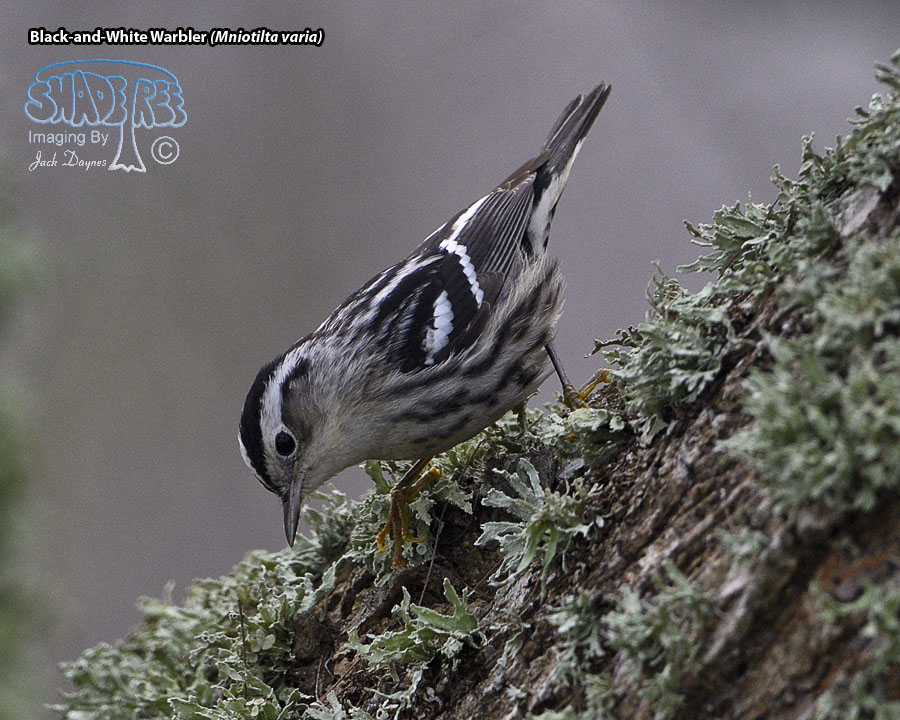
Black-and-White Warbler(Mniotilta varia) |
|
Description: Some Black-and-White Warblers will spend winters on the Texas Gulf Coast. My trip to South Padre Island this day started slowly, but picked up nicely before the day finished. The Convention Centre delivered wonderful birds, as it often will. |
Date Taken: 2021:03:16 8:55 |
|
Location:
Convention Center |
|
Camera Information: NIKON D5, 800 mm, f/8.0, 1/1000 |
File Name: BlackandWhiteWarbler_D5X2523-SPI_ConventionCenter |
| © 2021 Jack Daynes, shadeTreeImaging.com |
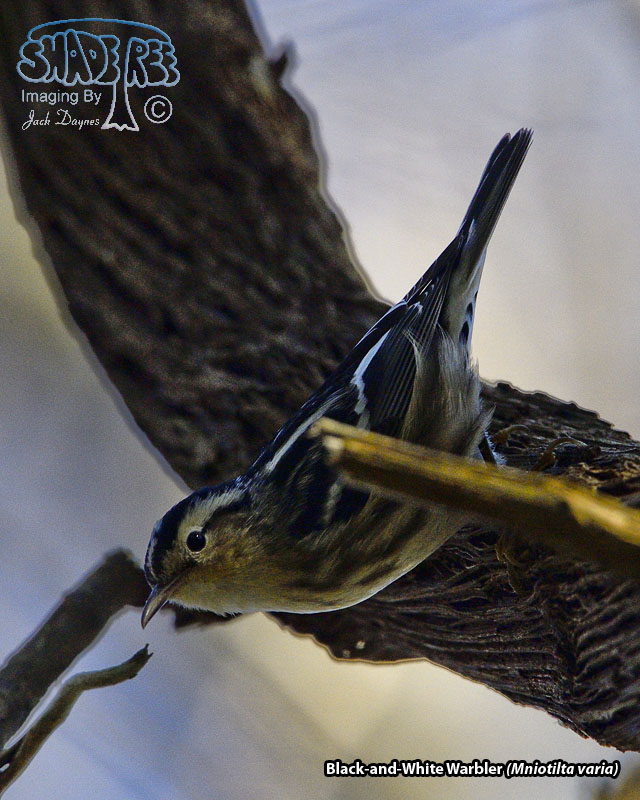
Black-and-White Warbler(Mniotilta varia) |
|
Description: After my morning at the rookery, I walked some of the sanctuary trails and found this warbler. I camped on High Island (Texas) a half mile from the Smith Oaks Sanctuary, where among its 177 acres is a large pond hosting a rookery for egrets, spoonbills and cormorants. I spent my Saturday morning there and returned for another visit in the afternoon. |
Date Taken: 2021:03:06 10:15 |
|
Location:
Smith Oaks |
|
Camera Information: NIKON D5, 800 mm, f/8.0, 1/2000 |
File Name: BlackandWhiteWarbler_D5X9384-HighIsland_SmithOaks |
| © 2021 Jack Daynes, shadeTreeImaging.com |
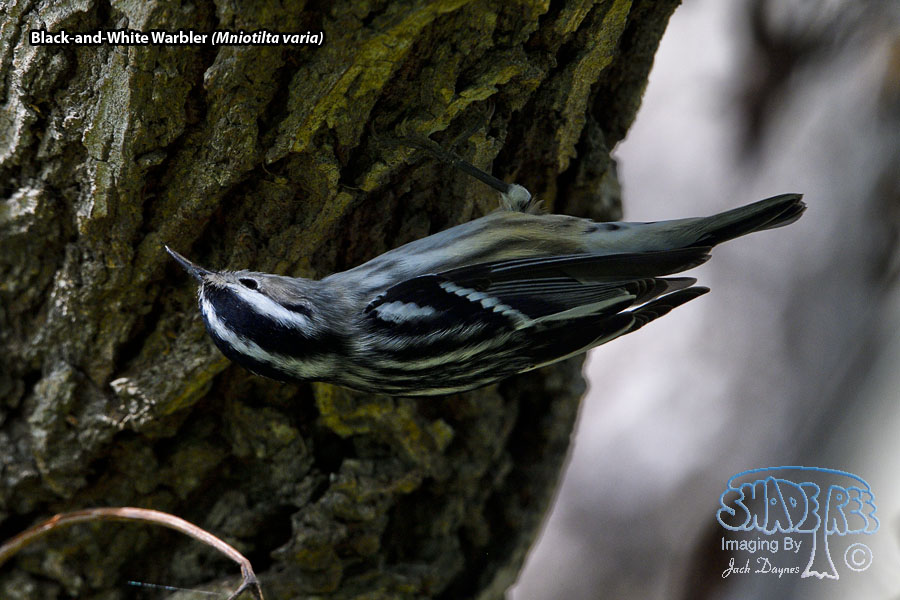
Black-and-White Warbler(Mniotilta varia) |
|
Description: Birds such as this Black-and-White Warbler spend winters here. With spring migration on South Padre Island (Texas) picking up, there’s no other place I’d rather be in April. |
Date Taken: 2021:04:02 11:51 |
|
Location:
Convention Center |
|
Camera Information: NIKON D5, 800 mm, f/8.0, 1/1000 |
File Name: BlackAndWhiteWarbler_D5X0012-SPI_ConventionCentre |
| © 2021 Jack Daynes, shadeTreeImaging.com |
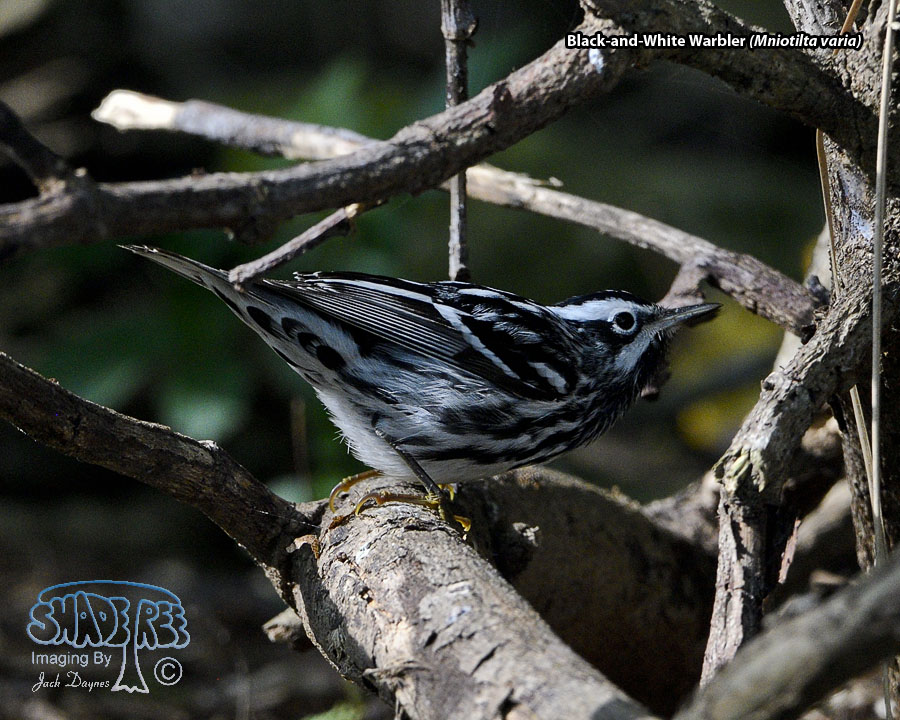
Black-and-White Warbler(Mniotilta varia) |
|
Description: Having spent the winter here, this warbler will soon leave Texas and head north. Last year the global pandemic prevented me from experiencing the full effects of spring migration in south Texas. This year the gates are open and I’m venturing to South Padre Island about every second day. |
Date Taken: 2021:04:06 10:04 |
|
Location:
Convention Center |
|
Camera Information: NIKON D5, 800 mm, f/8.0, 1/800 |
File Name: BlackAndWhiteWarbler_D5X1473-SPI_ConvCtr |
| © 2021 Jack Daynes, shadeTreeImaging.com |
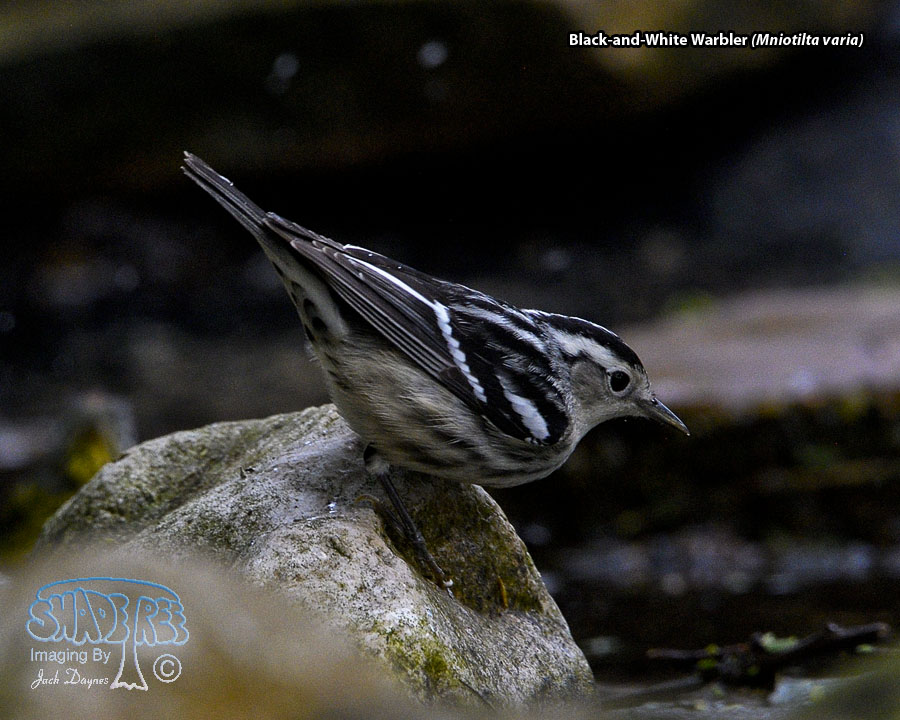
Black-and-White Warbler(Mniotilta varia) |
|
Description: Black-and-White Warblers have been here all winter, but by now migrants are showing up as well. Sunday was a day when the birds and then birders increased their respective presence on South Padre Island. Both are to be expected as spring migration steps up the bird numbers moving through on their way north. |
Date Taken: 2021:04:11 10:09 |
|
Location:
Convention Center |
|
Camera Information: NIKON D5, 800 mm, f/8.0, 1/500 |
File Name: BlackAndWhiteWarbler_D5X4037-SPI_ConventionCtr |
| © 2021 Jack Daynes, shadeTreeImaging.com |
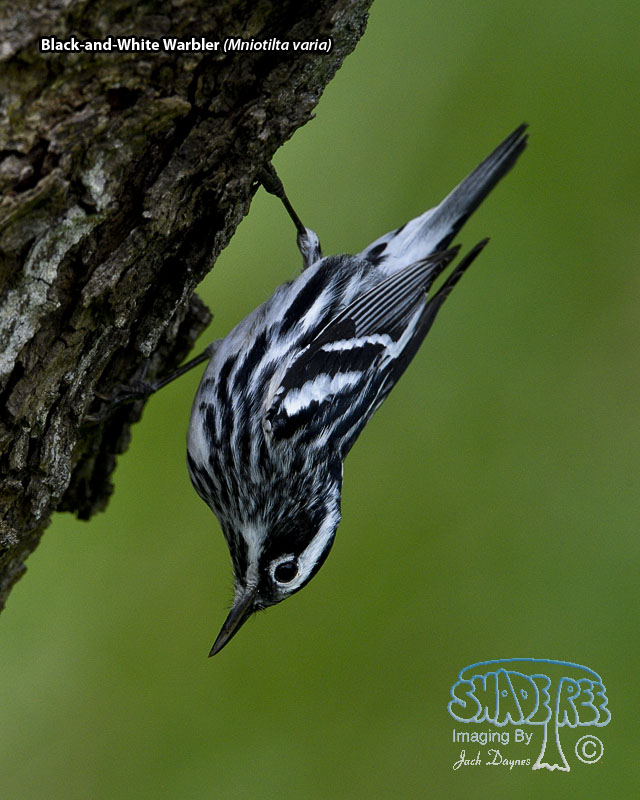
Black-and-White Warbler(Mniotilta varia) |
|
Description: The Black-and-White Warblers continued their “nuthatch-like” foraging on the trees. My stay at the Convention Centre was relatively brief this Thursday. There was a lull in the migration, but even on a slow day good things can occur here. |
Date Taken: 2021:04:22 11:51 |
|
Location:
Convention Center |
|
Camera Information: NIKON D5, 800 mm, f/8.0, 1/1500 |
File Name: BlackAndWhiteWarbler_D5X0873SPI_ConventionCentre |
| © 2021 Jack Daynes, shadeTreeImaging.com |
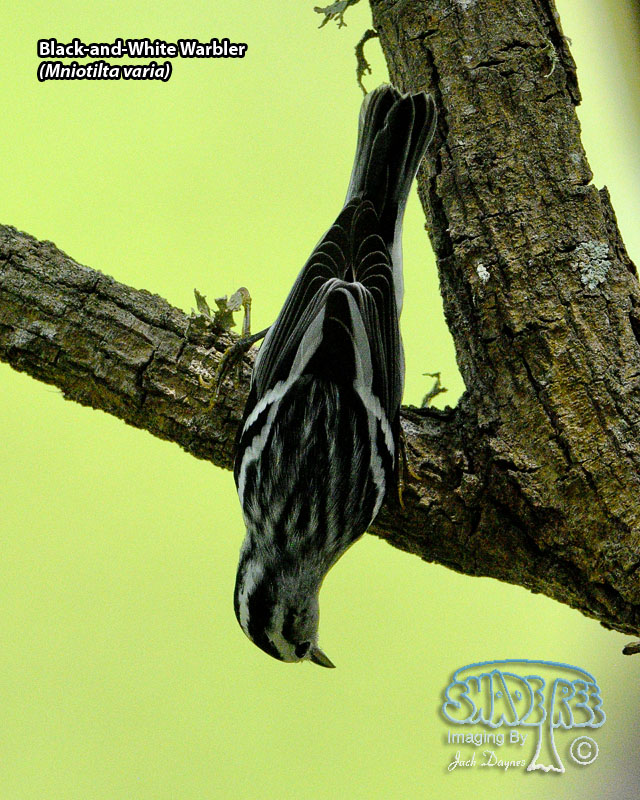
Black-and-White Warbler(Mniotilta varia) |
|
Description: Black-and-White Warblers arrive earlier than many other warblers on South Padre Island, and sometimes stay through the winter. |
Date Taken: 2022:09:15 13:19 |
|
Location:
South Padre Island Covention Cen |
|
Camera Information: NIKON D850, 800 mm, f/8.0, 1/2500 |
File Name: BlackWhiteWarbler_8503107-SPI.ConventionCentre |
| © 2022 Jack Daynes, shadeTreeImaging.com |
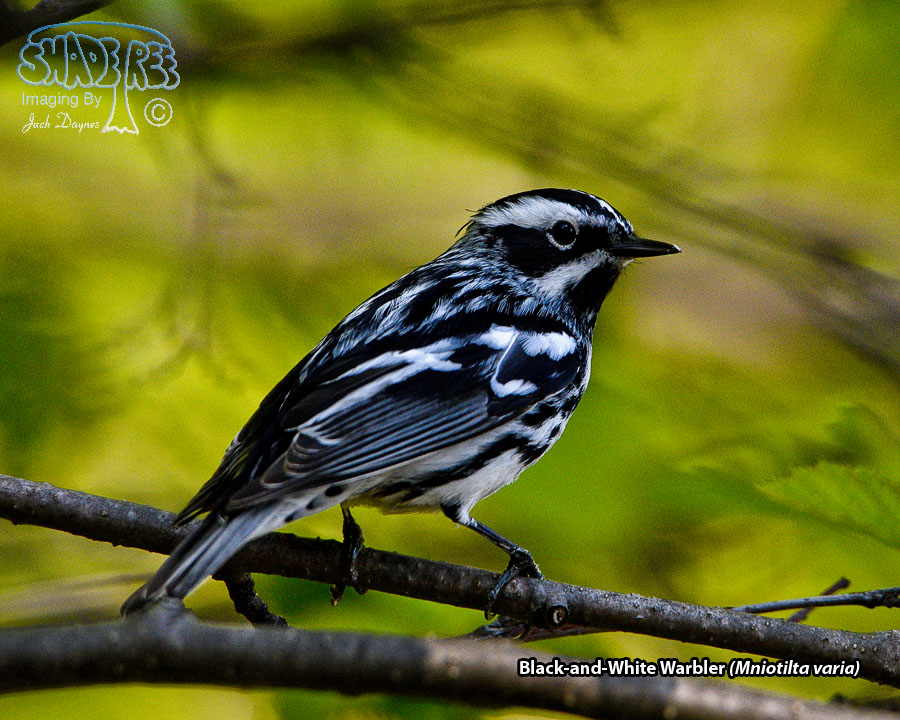
Black-and-White Warbler(Mniotilta varia) |
|
Description: On my drive from Dawson Creek (British Columbia) to Fort Saint John, I stopped at a wooded grove next to the Peace River, called Taylor Landing Provincial Park, where I finally got to meet Black-and-White Warblers on their breeding grounds. |
Date Taken: 2022:06:02 10:03 |
|
Location:
Taylor Landing |
|
Camera Information: NIKON D850, 800 mm, f/8.0, 1/1250 |
File Name: BlackWhiteWarbler_8505947-TaylorCrossing.PeaceRiver |
| © 2022 Jack Daynes, shadeTreeImaging.com |
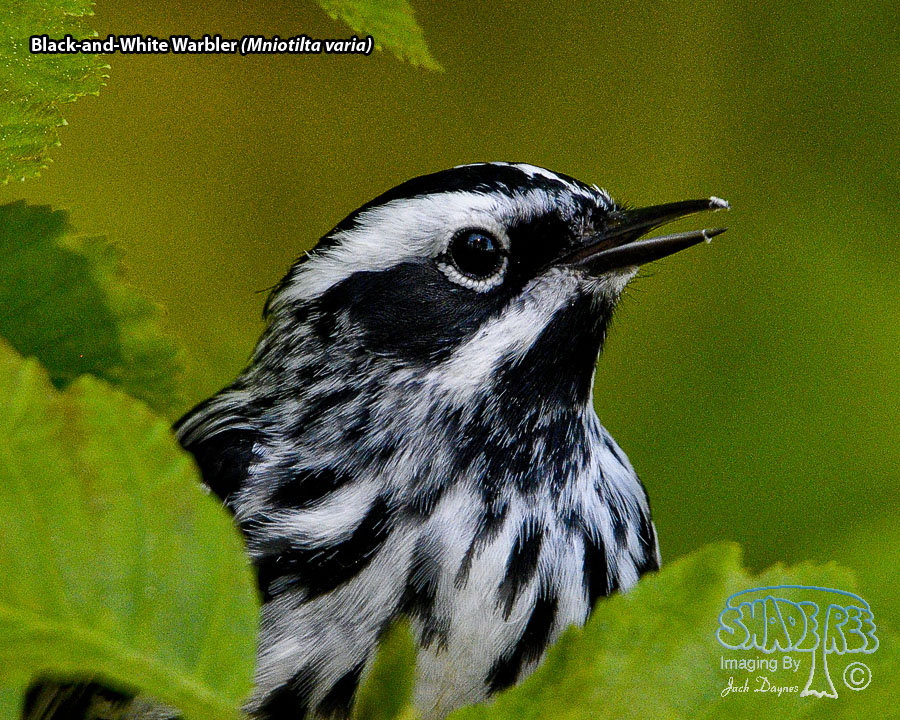
Black-and-White Warbler(Mniotilta varia) |
|
Description: On my drive from Dawson Creek (British Columbia) to Fort Saint John, I stopped at a wooded grove next to the Peace River, called Taylor Landing Provincial Park, where I finally got to meet Black-and-White Warblers on their breeding grounds. |
Date Taken: 2022:06:02 10:03 |
|
Location:
Taylor Landing |
|
Camera Information: NIKON D850, 800 mm, f/8.0, 1/1000 |
File Name: BlackWhiteWarbler_8505938-TaylorCrossing.PeaceRiver |
| © 2022 Jack Daynes, shadeTreeImaging.com |
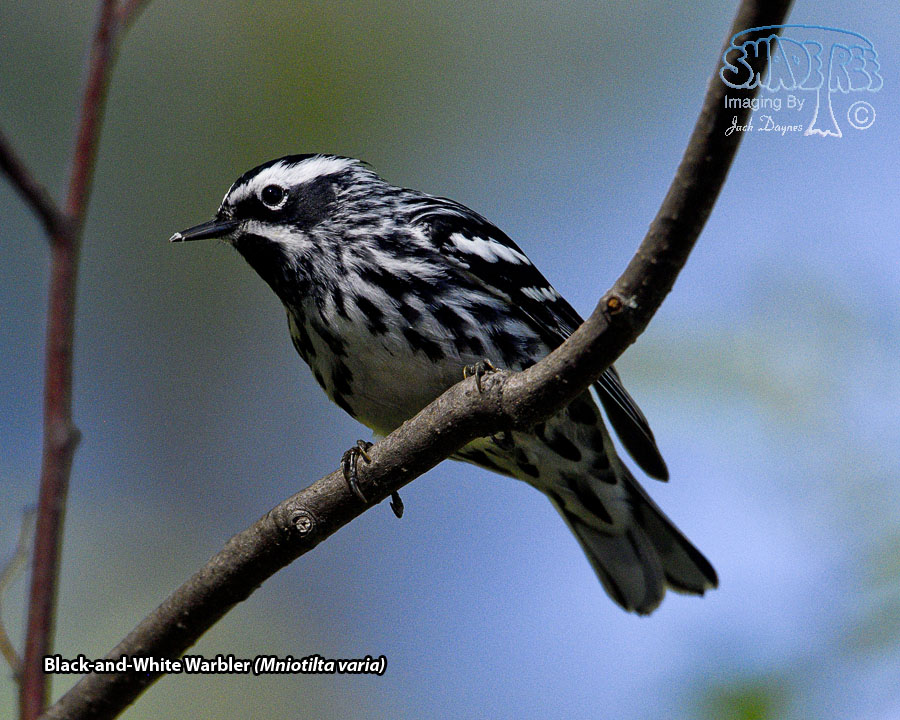
Black-and-White Warbler(Mniotilta varia) |
|
Description: On my drive from Dawson Creek (British Columbia) to Fort Saint John, I stopped at a wooded grove next to the Peace River, called Taylor Landing Provincial Park, where I finally got to meet Black-and-White Warblers on their breeding grounds. |
Date Taken: 2022:06:02 10:01 |
|
Location:
Taylor Landing |
|
Camera Information: NIKON D850, 800 mm, f/8.0, 1/4000 |
File Name: BlackWhiteWarbler_8505931-TaylorCrossing.PeaceRiver |
| © 2022 Jack Daynes, shadeTreeImaging.com |
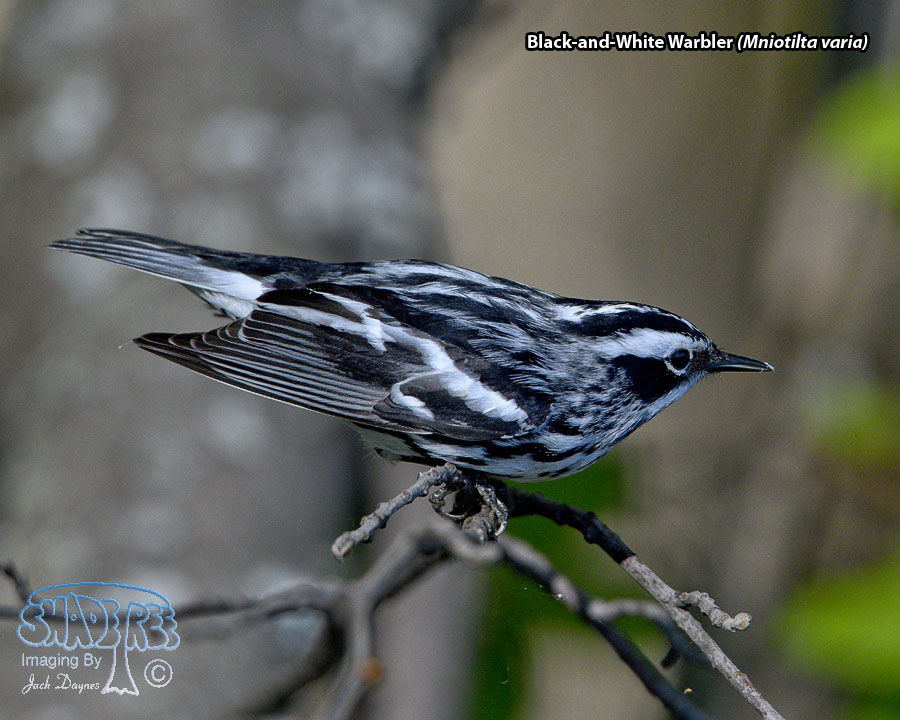
Black-and-White Warbler(Mniotilta varia) |
|
Description: On my drive from Dawson Creek (British Columbia) to Fort Saint John, I stopped at a wooded grove next to the Peace River, called Taylor Landing Provincial Park, where I finally got to meet Black-and-White Warblers on their breeding grounds. |
Date Taken: 2022:06:02 10:00 |
|
Location:
Taylor Landing |
|
Camera Information: NIKON D850, 800 mm, f/8.0, 1/2000 |
File Name: BlackWhiteWarbler_8505898-TaylorCrossing.PeaceRiver |
| © 2022 Jack Daynes, shadeTreeImaging.com |
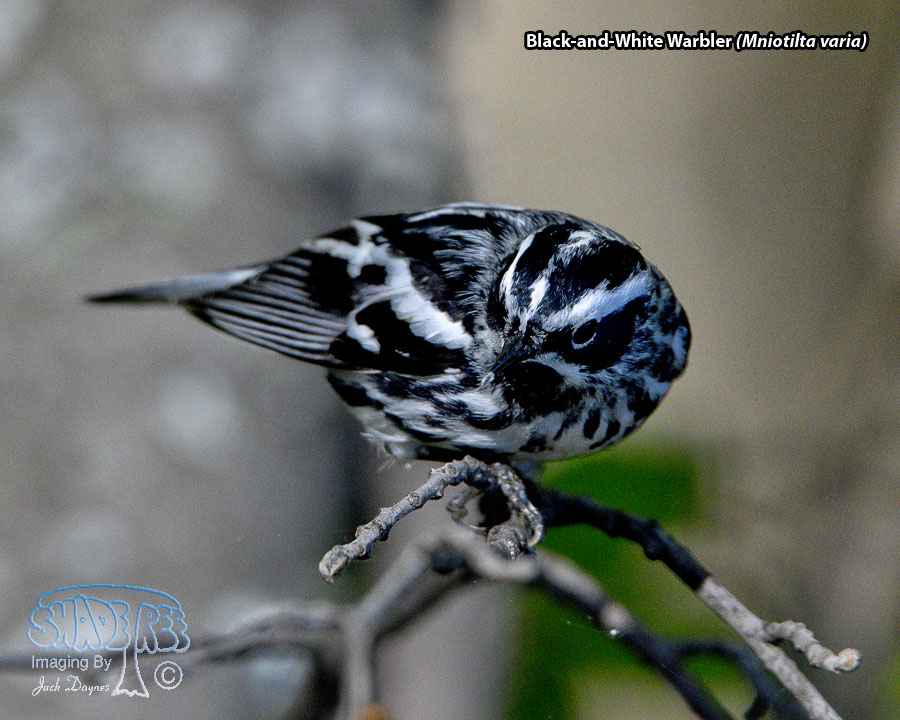
Black-and-White Warbler(Mniotilta varia) |
|
Description: On my drive from Dawson Creek (British Columbia) to Fort Saint John, I stopped at a wooded grove next to the Peace River, called Taylor Landing Provincial Park, where I finally got to meet Black-and-White Warblers on their breeding grounds. |
Date Taken: 2022:06:02 10:00 |
|
Location:
Taylor Landing |
|
Camera Information: NIKON D850, 800 mm, f/8.0, 1/2500 |
File Name: BlackWhiteWarbler_8505891-TaylorCrossing.PeaceRiver |
| © 2022 Jack Daynes, shadeTreeImaging.com |
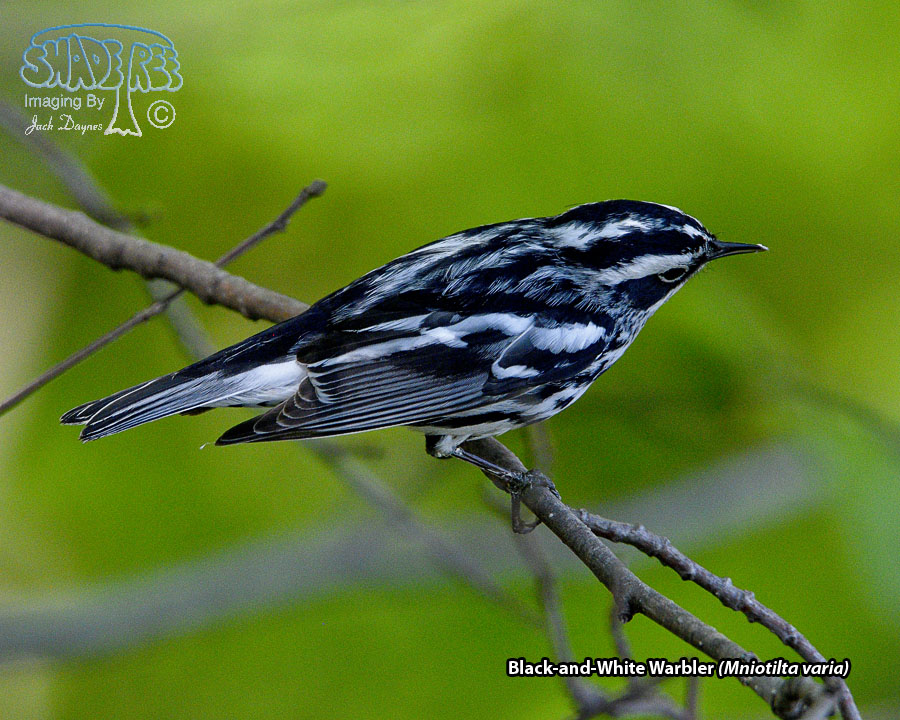
Black-and-White Warbler(Mniotilta varia) |
|
Description: On my drive from Dawson Creek (British Columbia) to Fort Saint John, I stopped at a wooded grove next to the Peace River, called Taylor Landing Provincial Park, where I finally got to meet Black-and-White Warblers on their breeding grounds. |
Date Taken: 2022:06:02 10:00 |
|
Location:
Taylor Landing |
|
Camera Information: NIKON D850, 800 mm, f/8.0, 1/800 |
File Name: BlackWhiteWarbler_8505876-TaylorCrossing.PeaceRiver |
| © 2022 Jack Daynes, shadeTreeImaging.com |
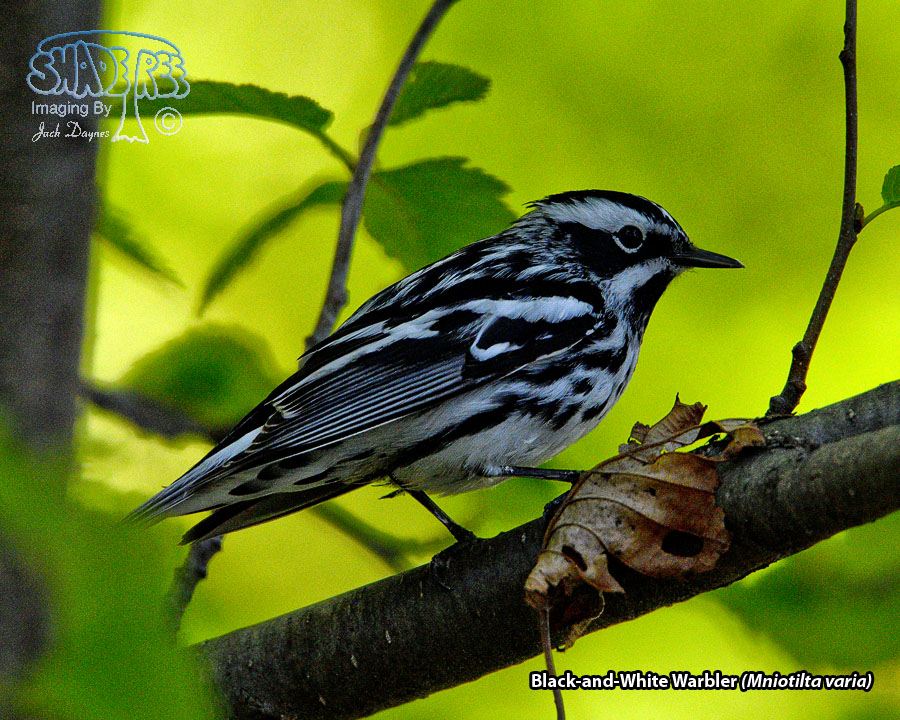
Black-and-White Warbler(Mniotilta varia) |
|
Description: On my drive from Dawson Creek (British Columbia) to Fort Saint John, I stopped at a wooded grove next to the Peace River, called Taylor Landing Provincial Park, where I finally got to meet Black-and-White Warblers on their breeding grounds. |
Date Taken: 2022:06:02 9:59 |
|
Location:
Taylor Landing |
|
Camera Information: NIKON D850, 800 mm, f/8.0, 1/2000 |
File Name: BlackWhiteWarbler_8505864-TaylorCrossing.PeaceRiver |
| © 2022 Jack Daynes, shadeTreeImaging.com |
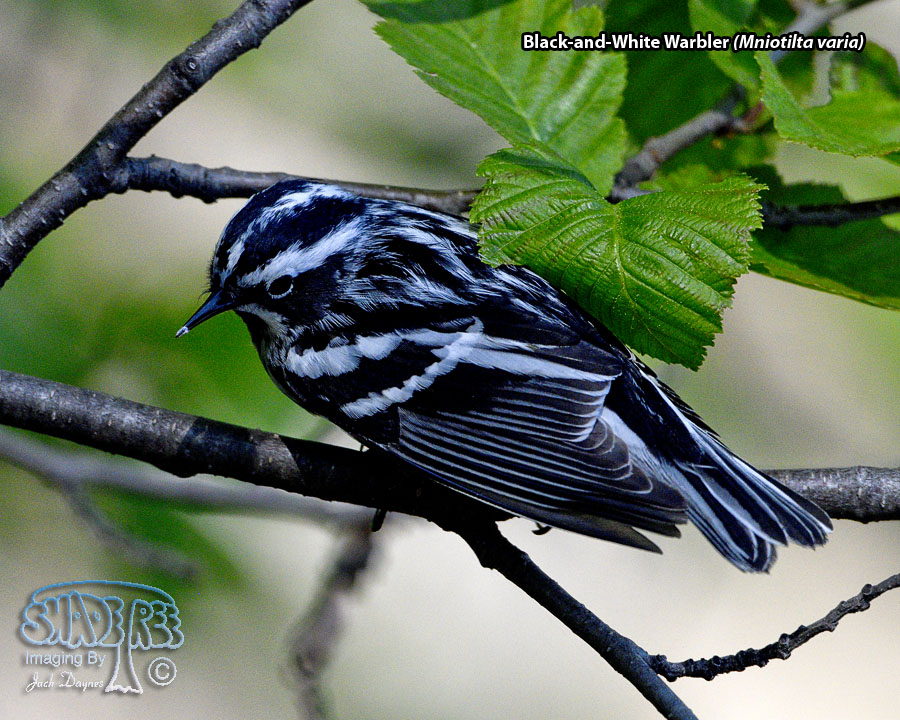
Black-and-White Warbler(Mniotilta varia) |
|
Description: On my drive from Dawson Creek (British Columbia) to Fort Saint John, I stopped at a wooded grove next to the Peace River, called Taylor Landing Provincial Park, where I finally got to meet Black-and-White Warblers on their breeding grounds. |
Date Taken: 2022:06:02 9:59 |
|
Location:
Taylor Landing |
|
Camera Information: NIKON D850, 800 mm, f/8.0, 1/3200 |
File Name: BlackWhiteWarbler_8505860-TaylorCrossing.PeaceRiver |
| © 2022 Jack Daynes, shadeTreeImaging.com |
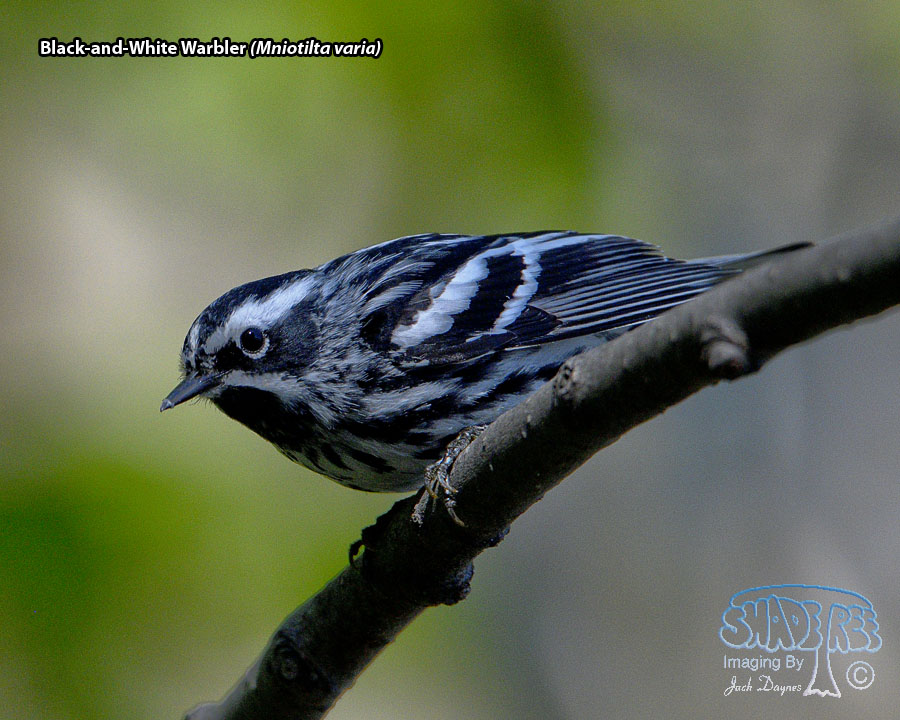
Black-and-White Warbler(Mniotilta varia) |
|
Description: On my drive from Dawson Creek (British Columbia) to Fort Saint John, I stopped at a wooded grove next to the Peace River, called Taylor Landing Provincial Park, where I finally got to meet Black-and-White Warblers on their breeding grounds. |
Date Taken: 2022:06:02 9:58 |
|
Location:
Taylor Landing |
|
Camera Information: NIKON D850, 800 mm, f/8.0, 1/4000 |
File Name: BlackWhiteWarbler_8505839-TaylorCrossing.PeaceRiver |
| © 2022 Jack Daynes, shadeTreeImaging.com |
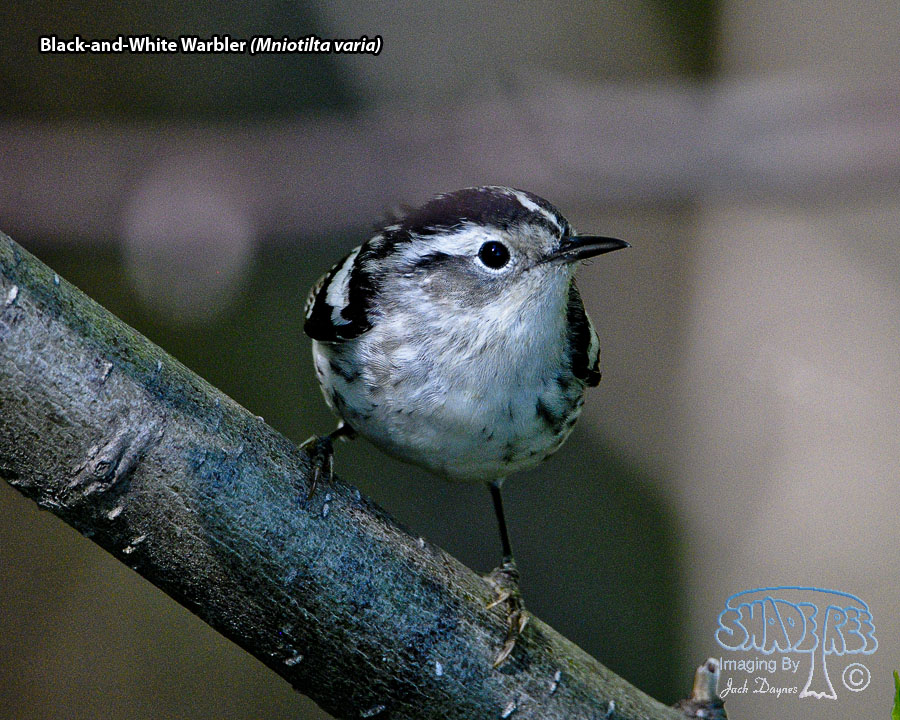
Black-and-White Warbler(Mniotilta varia) |
|
Description: On my drive from Dawson Creek (British Columbia) to Fort Saint John, I stopped at a wooded grove next to the Peace River, called Taylor Landing Provincial Park, where I finally got to meet Black-and-White Warblers on their breeding grounds. |
Date Taken: 2022:06:02 9:55 |
|
Location:
Taylor Landing |
|
Camera Information: NIKON D850, 800 mm, f/8.0, 1/1000 |
File Name: BlackWhiteWarbler_8505788-TaylorCrossing.PeaceRiver |
| © 2022 Jack Daynes, shadeTreeImaging.com |
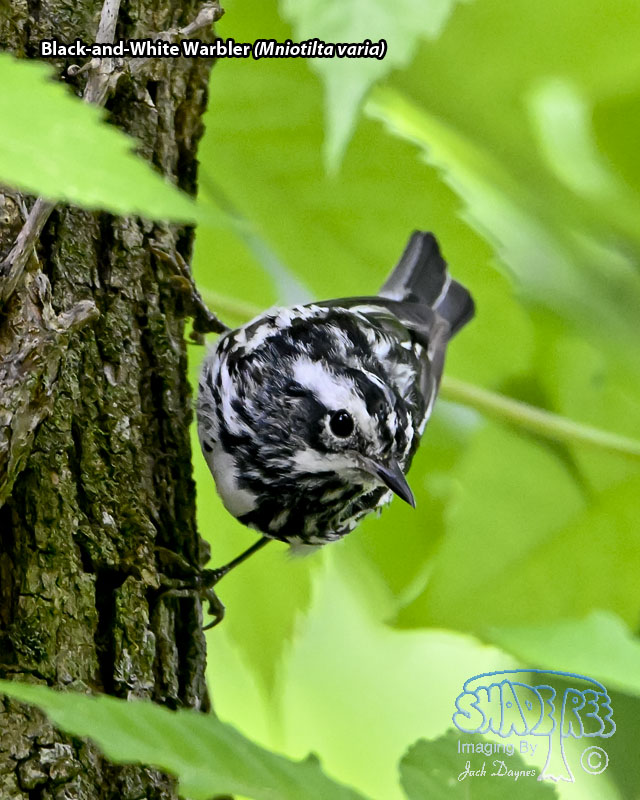
Black-and-White Warbler(Mniotilta varia) |
|
Description: Before I pulled into Harrisonburg VA, I scouted the region for promising locations to find birds. There were three places that seemed worth visiting. The second was Riven Rock Park, twelve miles up US-33 heading into the Allegheny Mountains. |
Date Taken: 2023:06:19 10:44 |
|
Location:
Riven Rock Park |
|
Camera Information: NIKON Z 9, 800 mm, f/8.0, 1/400 |
File Name: BlackWhiteWarbler_Z9X9845_RivenRockPark-VA |
| © 2023 Jack Daynes, shadeTreeImaging.com |
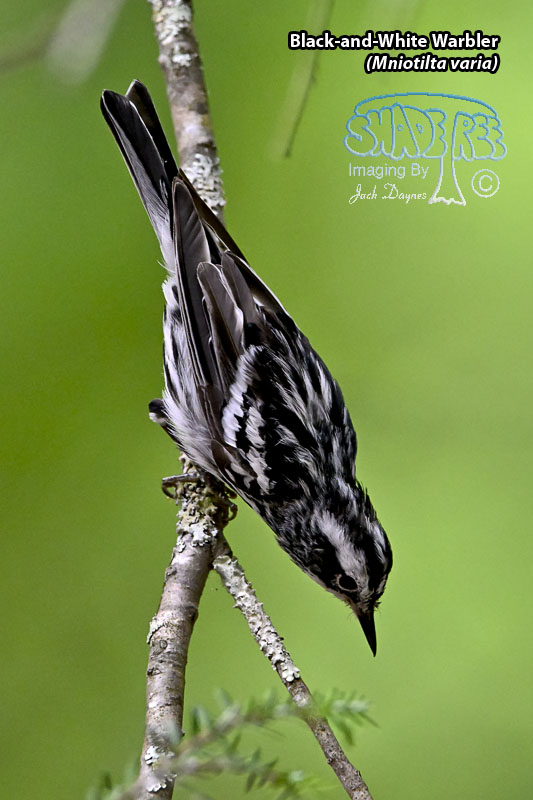
Black-and-White Warbler(Mniotilta varia) |
|
Description: Before I pulled into Harrisonburg VA, I scouted the region for promising locations to find birds. There were three places that seemed worth visiting. The second was Riven Rock Park, twelve miles up US-33 heading into the Allegheny Mountains. |
Date Taken: 2023:06:19 10:05 |
|
Location:
Riven Rock Park |
|
Camera Information: NIKON Z 9, 800 mm, f/8.0, 1/800 |
File Name: BlackWhiteWarbler_Z9X9495_RivenRockPark-VA |
| © 2023 Jack Daynes, shadeTreeImaging.com |
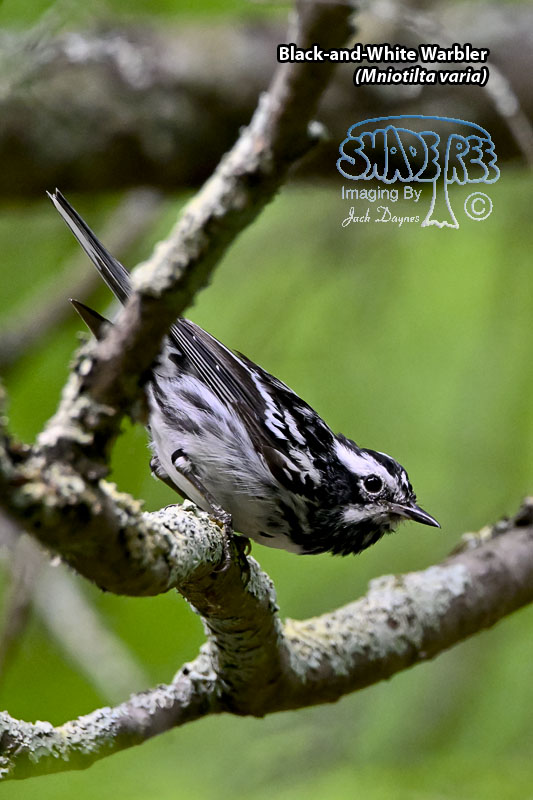
Black-and-White Warbler(Mniotilta varia) |
|
Description: Before I pulled into Harrisonburg VA, I scouted the region for promising locations to find birds. There were three places that seemed worth visiting. The second was Riven Rock Park, twelve miles up US-33 heading into the Allegheny Mountains. |
Date Taken: 2023:06:19 10:04 |
|
Location:
Riven Rock Park |
|
Camera Information: NIKON Z 9, 800 mm, f/8.0, 1/800 |
File Name: BlackWhiteWarbler_Z9X9374_RivenRockPark-VA |
| © 2023 Jack Daynes, shadeTreeImaging.com |
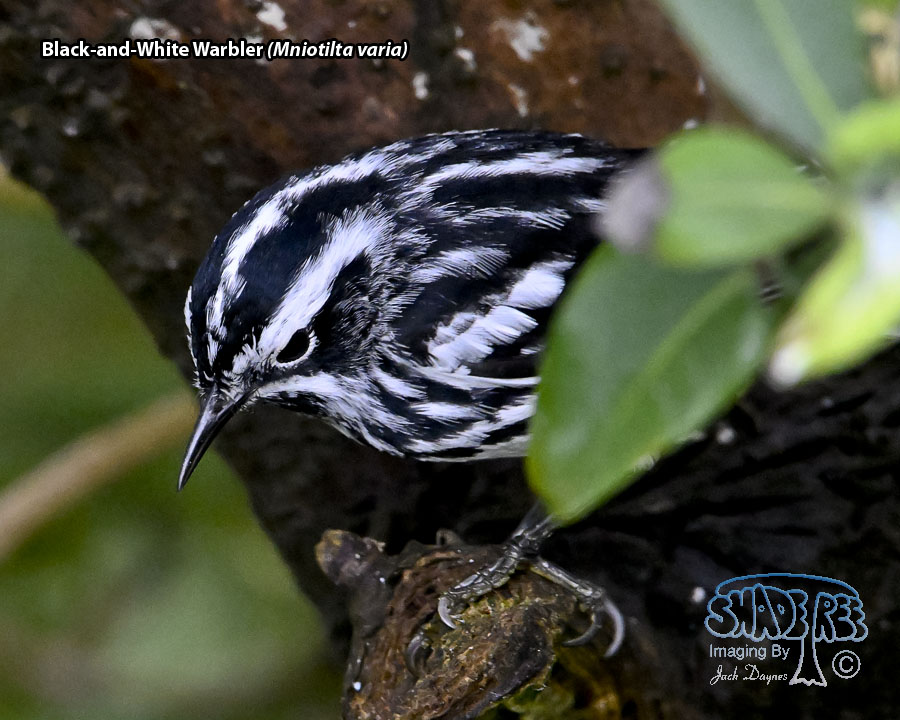
Black-and-White Warbler(Mniotilta varia) |
|
Description: On all my past visits to South Padre Island, Black-and-White Warblers were the easiest warblers of all to find. Not true for this 2024 spring visit. |
Date Taken: 2024:04:22 15:56 |
|
Location:
South Padre Island Covention Cen |
|
Camera Information: NIKON Z 9, 800 mm, f/8.0, 1/800 |
File Name: BlackWhiteWarbler_Z9X2278_SPI-ConventionCentre |
| © 2024 Jack Daynes, shadeTreeImaging.com |
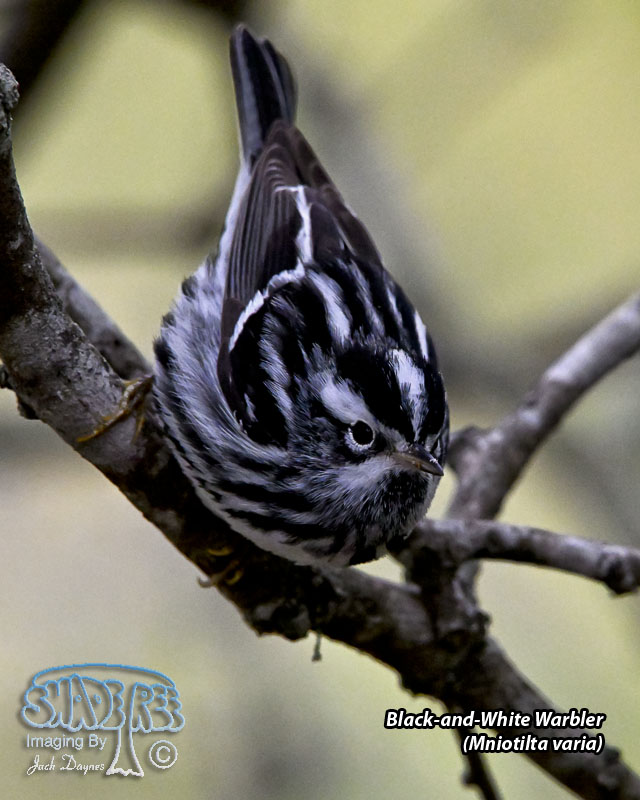
Black-and-White Warbler(Mniotilta varia) |
|
Description: On all my past visits to South Padre Island, Black-and-White Warblers were the easiest warblers of all to find. Not true for this 2024 spring visit. |
Date Taken: 2024:04:22 10:38 |
|
Location:
Sheepshead Bird Sanctuary |
|
Camera Information: NIKON Z 9, 800 mm, f/8.0, 1/1250 |
File Name: BlackWhiteWarbler_Z9X0835_SPI-Sheepshead |
| © 2024 Jack Daynes, shadeTreeImaging.com |
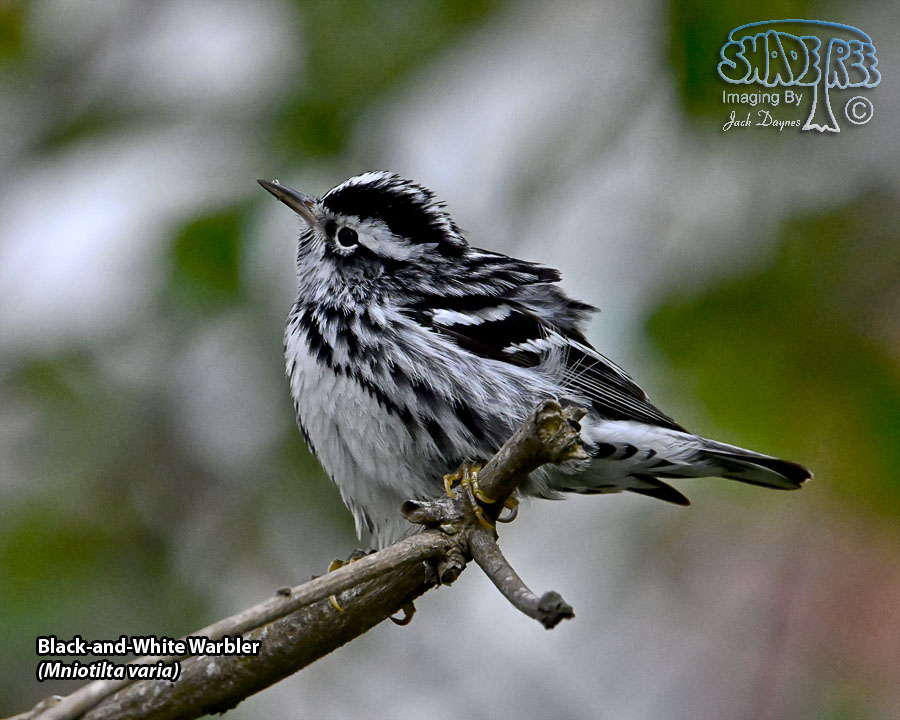
Black-and-White Warbler(Mniotilta varia) |
|
Description: On all my past visits to South Padre Island, Black-and-White Warblers were the easiest warblers of all to find. Not true for this 2024 spring visit. |
Date Taken: 2024:04:22 10:26 |
|
Location:
Sheepshead Bird Sanctuary |
|
Camera Information: NIKON Z 9, 800 mm, f/8.0, 1/1250 |
File Name: BlackWhiteWarbler_Z9X0476_SPI-Sheepshead |
| © 2024 Jack Daynes, shadeTreeImaging.com |
Click map markers to reveal further information
